Water intrusion inside SUVs is one of the most underestimated issues in automotive ownership. While many buyers focus on engine performance, mileage, infotainment systems, and safety ratings, the quality of interior sealing often decides long-term comfort and durability.
A vehicle that is not properly sealed can develop slow but persistent water leaks that affect carpets, electronics, insulation, and even structural metal over time. These problems rarely appear during the first few months of ownership, which makes them even more frustrating for drivers who expect a brand-new vehicle to remain dry and protected in all weather conditions.
Modern SUVs are built with multiple layers of protection against water entry. These include door weatherstrips, window seals, windshield adhesives, sunroof drainage systems, and underbody sealing compounds. When all of these components function correctly, rainwater, road spray, and humidity stay outside the cabin.
However, when even one system is poorly designed or poorly maintained, water can slowly enter the interior. Common entry points include door rubber seals, panoramic sunroof drains, tailgate edges, and clogged drainage channels. Once water finds a pathway, it can travel along hidden routes inside the vehicle and appear in unexpected areas such as footwells, headliners, or behind dashboard panels.
Manufacturing quality plays a major role in determining whether an SUV remains dry over years of use. Some vehicles are engineered with high-grade rubber compounds that resist shrinking and cracking under heat or cold exposure.
Others use simpler materials that degrade faster when exposed to sunlight, dust, or moisture cycles. Drainage design is another critical factor. Vehicles with wide, well-routed drain channels tend to handle heavy rain effectively, while poorly designed systems clog easily and allow water to back up into the cabin.
Another factor often overlooked is structural flexibility. SUVs naturally twist and flex on uneven roads. If door frames or sunroof assemblies are not designed to handle this movement, small gaps can form in seals. Over time, repeated stress leads to weak points where water begins to seep in.
Understanding which SUVs handle sealing effectively and which are prone to leaks can help buyers avoid long-term repair costs and interior damage. This article compares five SUVs known for strong cabin sealing performance and five SUVs that have reported water leakage issues based on long-term ownership trends and structural design weaknesses.
5 SUVs With Truly Strong Interior Waterproof Seals
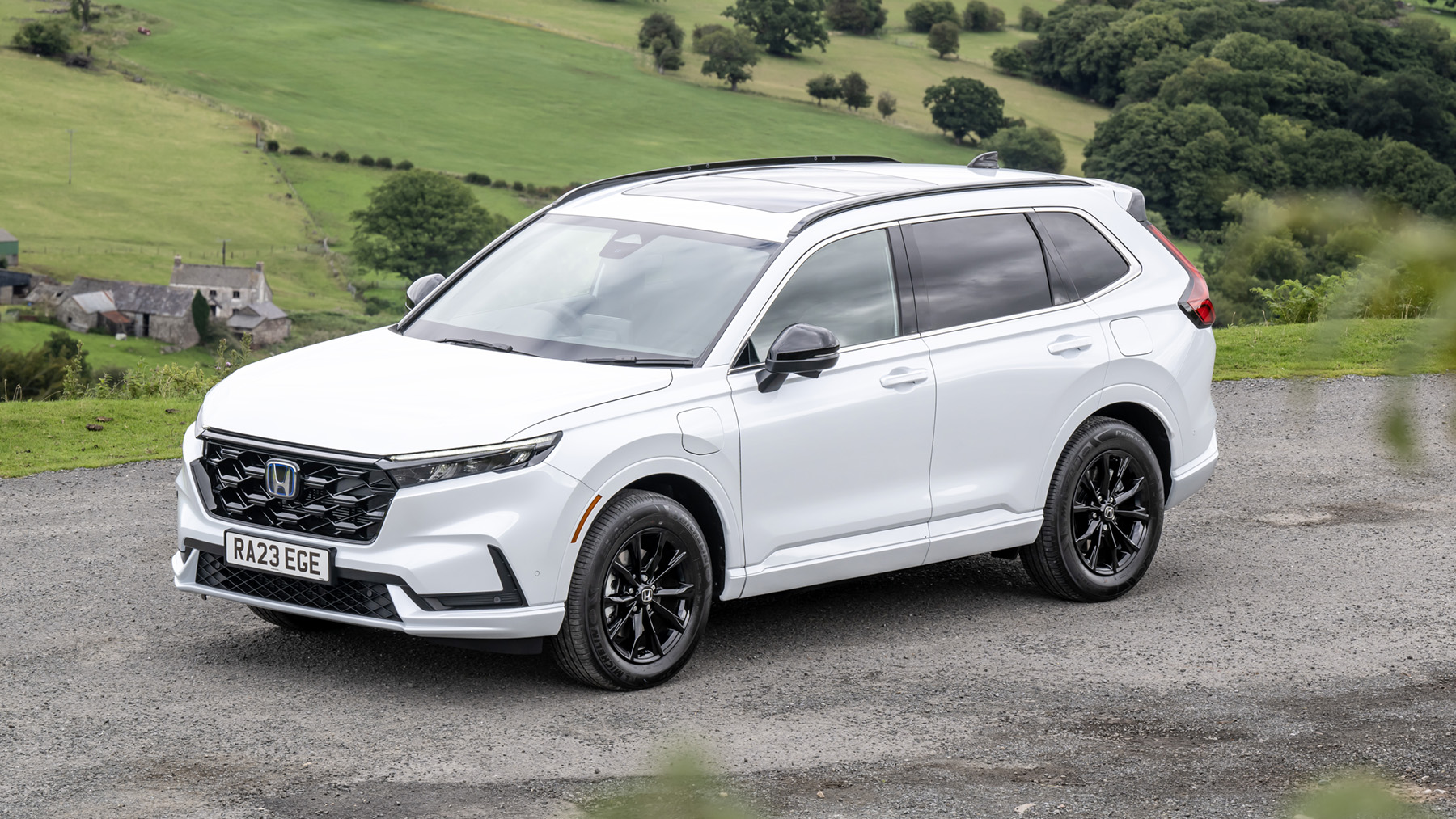
Honda CR-V
The Honda CR-V is widely regarded as one of the most dependable compact SUVs when it comes to long-term resistance against water intrusion, and this reputation is largely built on the consistency of its sealing design across multiple generations.
One of the strongest elements of the CR-V is its door sealing system, which uses multi-layer rubber weatherstrips engineered to maintain elasticity over years of exposure to heat, cold, and continuous opening and closing cycles.
Unlike lower-quality sealing materials that tend to harden or shrink with time, the CR-V’s rubber composition is designed to retain flexibility, which ensures that the pressure between the door frame and the body remains stable. This stability is critical during heavy rainfall, where even small gaps can allow water to seep inside the cabin.
The rear tailgate area is another section where the CR-V performs exceptionally well. Many SUVs tend to develop leaks at the hatch because of uneven pressure distribution or poor alignment after repeated usage. The CR-V, however, uses a reinforced dual-contact sealing system that applies uniform pressure across the entire perimeter of the tailgate.
This reduces the likelihood of weak points forming at the corners, which are typically the most vulnerable areas. Even when the vehicle is parked on sloped surfaces during rainfall, the sealing structure continues to hold effectively and prevents water from tracking into the cargo area.
Drainage efficiency is also a major factor in the CR-V’s reliability. The sunroof drainage system, where present, is designed with relatively straight and uncluttered channels that allow water to flow freely out of the vehicle. These channels are less prone to blockage from debris compared to more complex or narrow systems found in some competing SUVs.
In cases where minor obstructions do occur, the system is still capable of redirecting water through secondary paths, which reduces the chance of overflow into the cabin.
Inside the vehicle, Honda has also taken steps to ensure that moisture does not linger or cause long-term damage. The flooring insulation and carpet materials are designed to resist saturation, and they dry relatively quickly if exposed to incidental moisture.
This helps prevent the development of musty odors and mold buildup, which are common issues in poorly sealed vehicles. Over time, this combination of strong sealing, reliable drainage, and moisture-resistant interior materials contributes to the CR-V’s reputation as a vehicle that remains consistently dry and low-maintenance even after years of use in heavy rain regions.
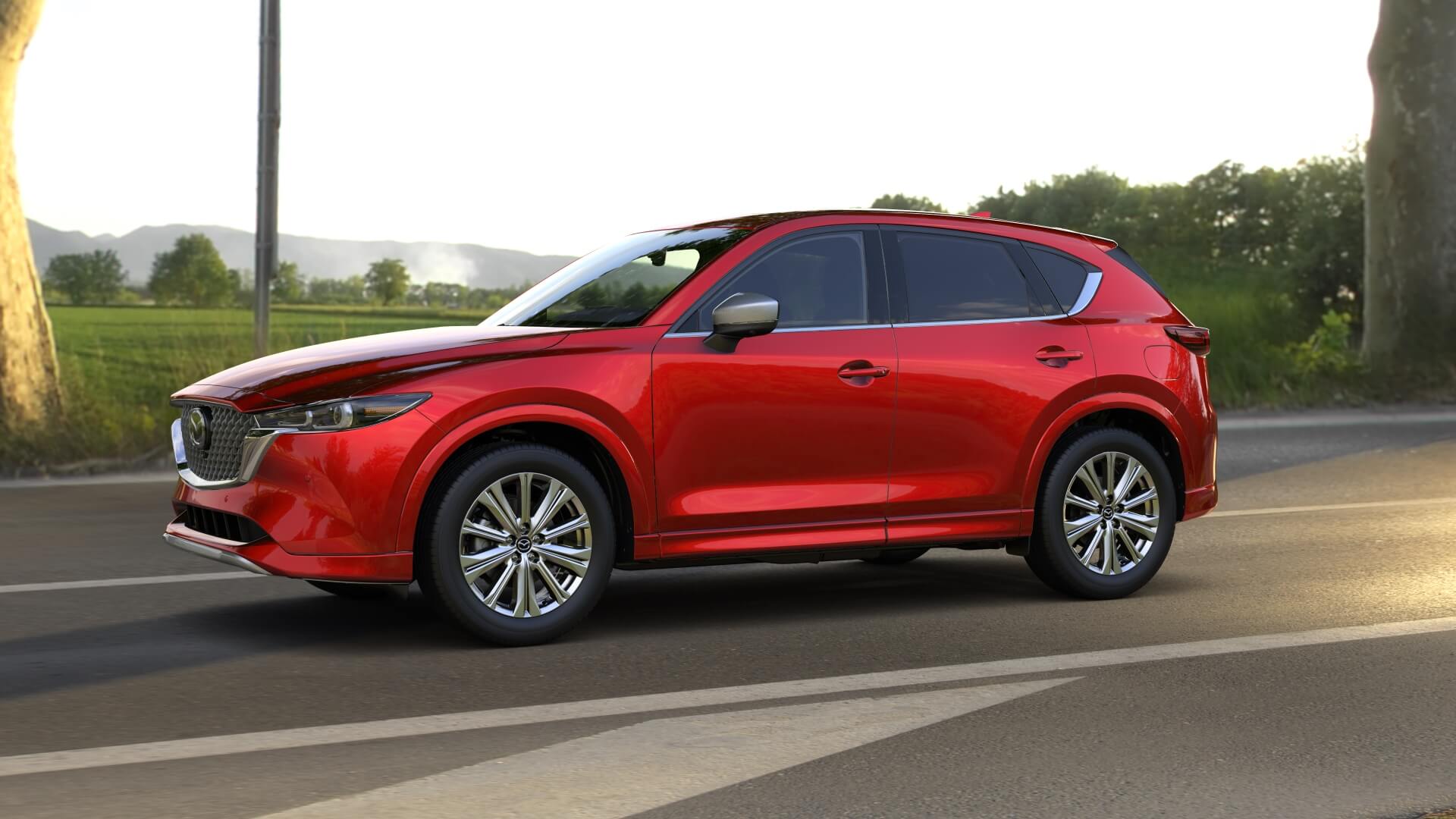
Mazda CX-5
The Mazda CX-5 is known for combining driving refinement with solid structural integrity, and its sealing performance reflects the same attention to detail found in its engineering approach. One of the most important aspects of the CX-5’s water resistance is the quality of its door seals, which are made from high-density rubber compounds designed to resist compression set and environmental degradation.
This means that even after long-term use, the seals continue to return to their original shape after pressure is released, maintaining consistent contact between the door and frame. This consistent sealing pressure plays a major role in preventing water intrusion during extended exposure to rain or highway spray.
Another strong point is the CX-5’s sunroof system, which is designed with carefully routed drainage channels that guide water away from the cabin efficiently. These channels are positioned to minimize the accumulation of dirt and debris, which is one of the primary causes of drainage failure in many SUVs.
The tubing used in this system is also engineered with smooth internal surfaces, reducing the chance of sediment buildup over time. As a result, the system maintains effective drainage performance even in environments with frequent rainfall or dusty conditions.
The structural rigidity of the CX-5 further enhances its sealing effectiveness. A stiffer body structure reduces the amount of flex that occurs when the vehicle is driven over uneven terrain or taken through sharp turns. In vehicles with weaker structural rigidity, repeated flexing can gradually separate sealing surfaces, allowing water to enter through micro-gaps.
The CX-5 minimizes this issue by maintaining a stable frame geometry, which helps preserve the alignment of doors, windows, and roof seals under dynamic driving conditions.
In addition, Mazda places significant emphasis on windshield bonding quality, which is often an overlooked area in water sealing discussions. The adhesive used around the windshield frame is designed to withstand temperature fluctuations without losing its grip.
This prevents water from seeping through the dashboard area or A-pillars, which are common leak zones in lower-quality vehicles. Over long-term ownership, this consistent bonding strength contributes to the CX-5’s ability to maintain a dry and well-insulated cabin environment with minimal maintenance intervention.
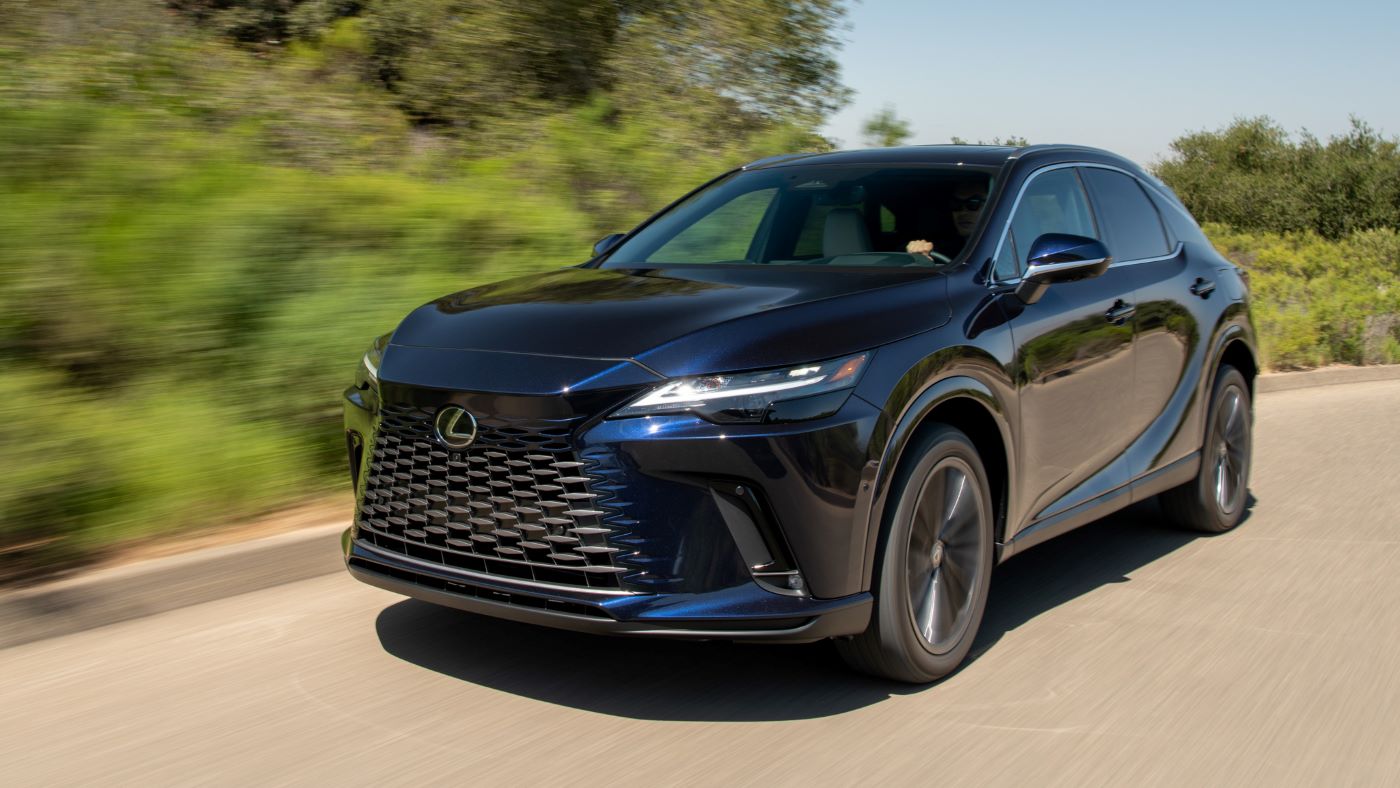
Lexus RX
The Lexus RX represents a premium approach to cabin sealing, where long-term comfort and environmental isolation are prioritized through meticulous material selection and engineering precision. One of the defining characteristics of the RX is its use of dual-layer weatherstripping across all major entry points, including doors and the rear tailgate.
This layered approach creates multiple barriers against water intrusion, meaning that even if the outer layer begins to wear slightly over time, the inner layer continues to provide protection. This redundancy is particularly valuable in regions with heavy rainfall or fluctuating climates where sealing components are constantly exposed to stress.
The quality of rubber used in the RX is significantly higher than that found in many non-luxury SUVs. Lexus uses compounds that are specifically designed to resist ultraviolet degradation, oxidation, and temperature-induced shrinkage.
This ensures that the seals maintain their shape and elasticity even after years of exposure to sunlight and seasonal temperature changes. As a result, the sealing pressure remains consistent, which is essential for preventing water seepage during long-term ownership.
Drainage design in the RX is also engineered with a high level of precision. The sunroof drainage channels are wide enough to handle substantial water flow, reducing the risk of overflow during heavy storms.
These channels are also routed in a way that minimizes sharp bends, which helps prevent clogging caused by debris buildup. Even when minor obstructions occur, the system is designed to allow gradual drainage rather than sudden overflow into the cabin.
Inside the cabin, Lexus pays close attention to moisture management. The insulation materials used beneath the carpet are designed to resist water absorption and promote quick drying. This prevents long-term dampness and reduces the risk of mold or odor formation.
Additionally, sensitive electrical components are strategically placed away from common water pathways, which enhances the vehicle’s durability in wet environments. Over time, this integrated approach to sealing, drainage, and material protection allows the RX to maintain a consistently dry and comfortable interior environment.
Toyota RAV4
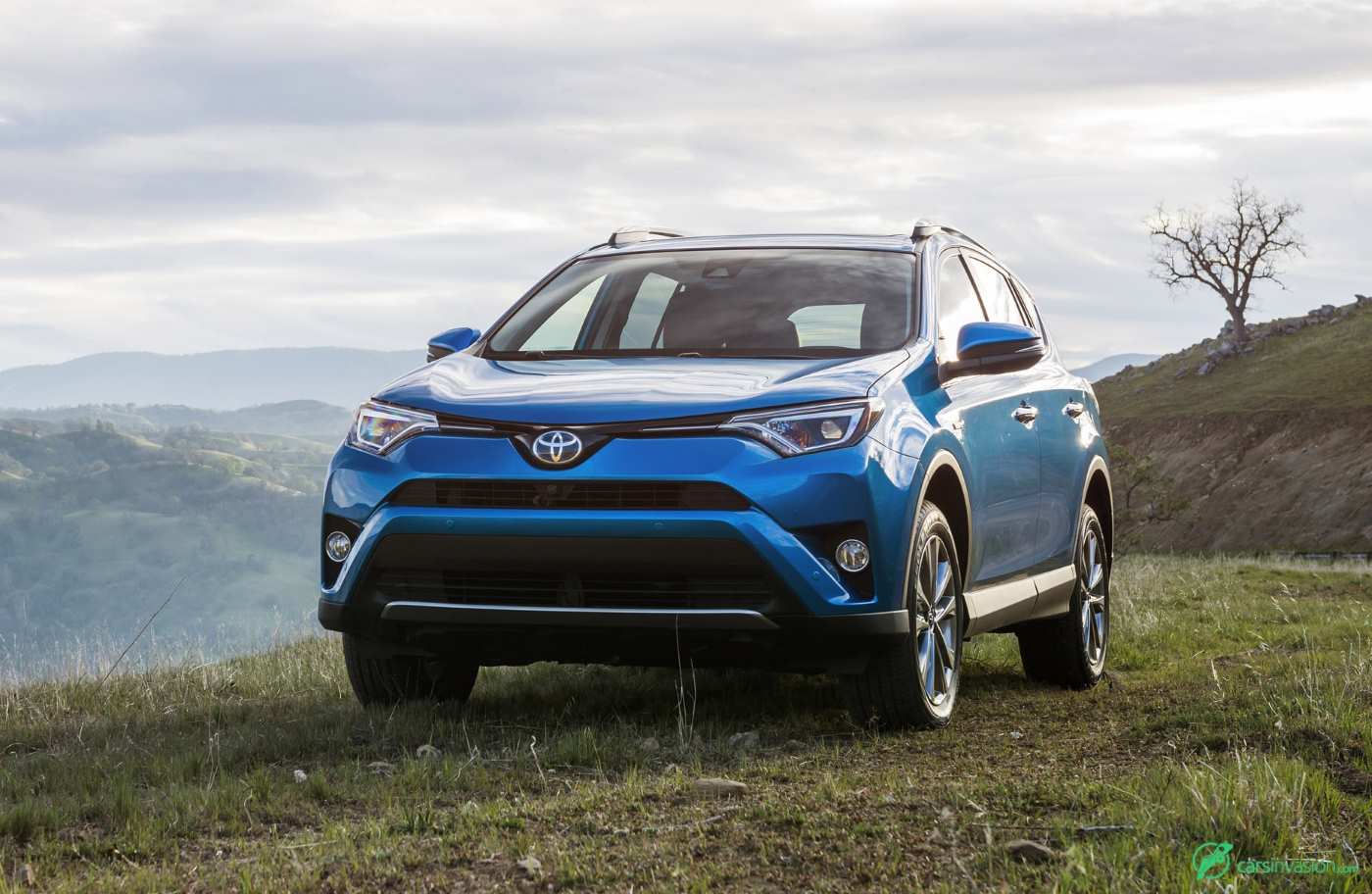
The Toyota RAV4 has established a strong reputation for reliability in diverse weather conditions, and its water sealing performance is a major contributor to that reputation. One of the most important aspects of the RAV4’s design is its precise door alignment system, which ensures that the panels fit tightly against the body with minimal variation.
This tight alignment reduces the likelihood of air or water gaps forming, especially during heavy rainfall or highway driving where wind pressure can force water into weak points.
The rear cargo area is particularly well protected in the RAV4. The tailgate sealing system uses reinforced rubber that maintains compression even after thousands of opening and closing cycles.
This durability helps prevent leaks in a region of the vehicle that is commonly exposed to pressure changes and vibration. The consistent sealing force across the hatch perimeter ensures that water does not find entry points even when the vehicle is parked at an angle during storms.
Another strength of the RAV4 is its well-designed drainage system around the windshield and roof areas. Water channels are engineered to handle high flow rates, which is essential during intense rainfall conditions. These channels are positioned to prevent pooling, ensuring that water is continuously directed away from sensitive areas. This reduces the likelihood of overflow or seepage into the cabin through roof edges or pillar joints.
The underbody sealing also plays a supporting role in the RAV4’s water resistance. Protective coatings and structural sealing compounds help block moisture from entering the lower sections of the cabin, which is particularly important when driving through wet roads or shallow flooding.
This additional layer of protection helps preserve both interior comfort and long-term corrosion resistance. As a result, the RAV4 maintains a consistently dry interior environment even under demanding usage conditions.
Subaru Forester
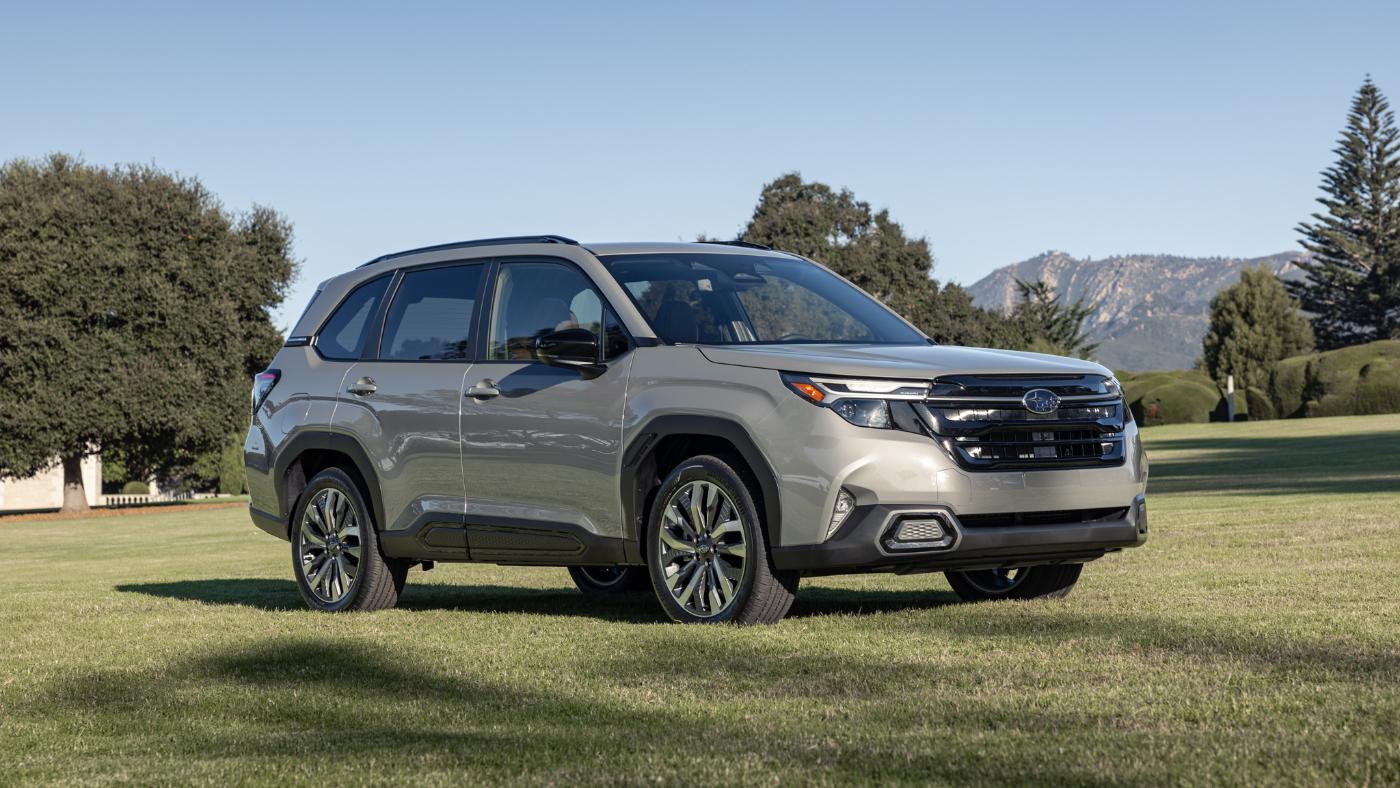
The Subaru Forester is designed with a strong focus on all-weather capability, and its sealing system reflects its intended use in rain-heavy and off-road environments. One of its standout features is its thick and flexible door sealing system, which is engineered to maintain pressure even when the vehicle body experiences torsional flex during uneven terrain driving.
This is especially important for a vehicle that is often used in rural, mountainous, or wet environments where surface conditions constantly change.
The windshield and roof rail areas in the Forester are reinforced with durable sealing adhesives that are designed to maintain their integrity over long periods of use. These adhesives resist cracking and separation even under repeated exposure to moisture, temperature shifts, and vibration. This helps prevent slow leaks that might otherwise develop at structural junction points, which are typically difficult to detect in early stages.
Drainage capacity is another important aspect of the Forester’s design. The vehicle is engineered to handle large volumes of water flow, making it well-suited for heavy rain and snowmelt conditions.
The drainage pathways are wide enough to reduce the risk of clogging and are positioned to ensure continuous water movement away from the cabin. This reduces the chance of backflow, which is a common cause of water intrusion in less robust systems.
Inside the cabin, Subaru uses moisture-resistant materials that help minimize the effects of accidental water exposure. The insulation beneath the flooring is designed to dry quickly and resist odor retention, which is particularly important in humid climates.
Over time, this combination of strong sealing pressure, durable adhesives, and efficient drainage allows the Forester to maintain a dry and stable interior environment even under challenging weather conditions.
5 SUVs Prone to Cabin Water Leaks
Jeep Grand Cherokee
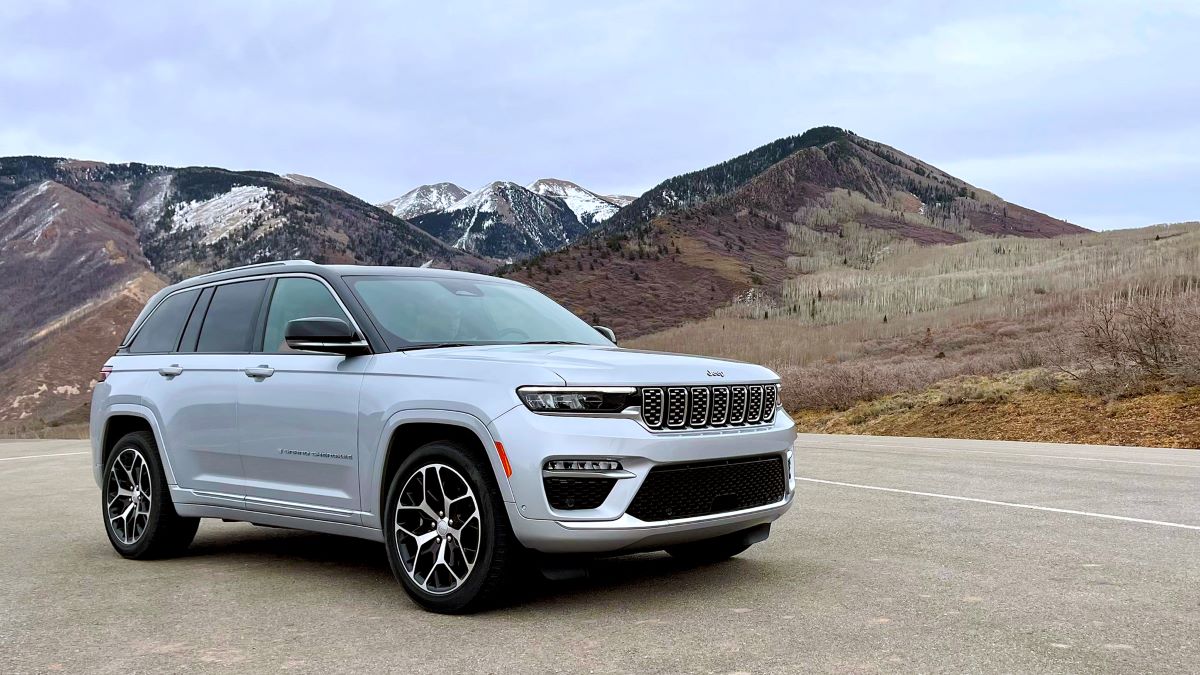
The Jeep Grand Cherokee has been widely discussed in long-term ownership reports for cabin water intrusion issues, especially in variants equipped with panoramic sunroofs. One of the most common underlying causes is related to the sunroof drainage system, which relies on narrow channels and rubber drain tubes to carry rainwater away from the roof assembly.
Over time, these channels can become blocked by dust, leaves, and road debris, particularly in regions with seasonal storms or off-road driving conditions. When this happens, water does not drain efficiently and begins to accumulate around the sunroof frame. Once the water level rises beyond the intended limit, it can overflow into the headliner area and slowly seep into the cabin interior.
Another concern is the long-term durability of roof sealing components. While the vehicle is designed with multiple sealing points around the sunroof and door frames, these seals can lose elasticity over time due to continuous exposure to heat, UV rays, and temperature fluctuations.
As the rubber begins to harden or shrink, small gaps may form between the glass, metal frame, and sealing surfaces. These gaps are often too small to notice visually but are sufficient for water to enter during heavy rainfall or pressure washing.
Structural alignment variations have also been noted as a contributing factor in some cases. Even minor inconsistencies in panel fitment can create uneven pressure distribution across sealing surfaces, especially at the corners of the roof assembly. During driving on rough roads, the body flex of the vehicle can further increase the likelihood of these micro-gaps opening temporarily, allowing intermittent water seepage.
If water does enter, it often follows hidden pathways inside the vehicle, making detection difficult in the early stages. Moisture may appear in areas such as the A-pillars, floor mats, or electrical compartments beneath the dashboard. Over time, repeated exposure can lead to damp insulation, electrical malfunctions, or persistent interior odors if not addressed promptly.
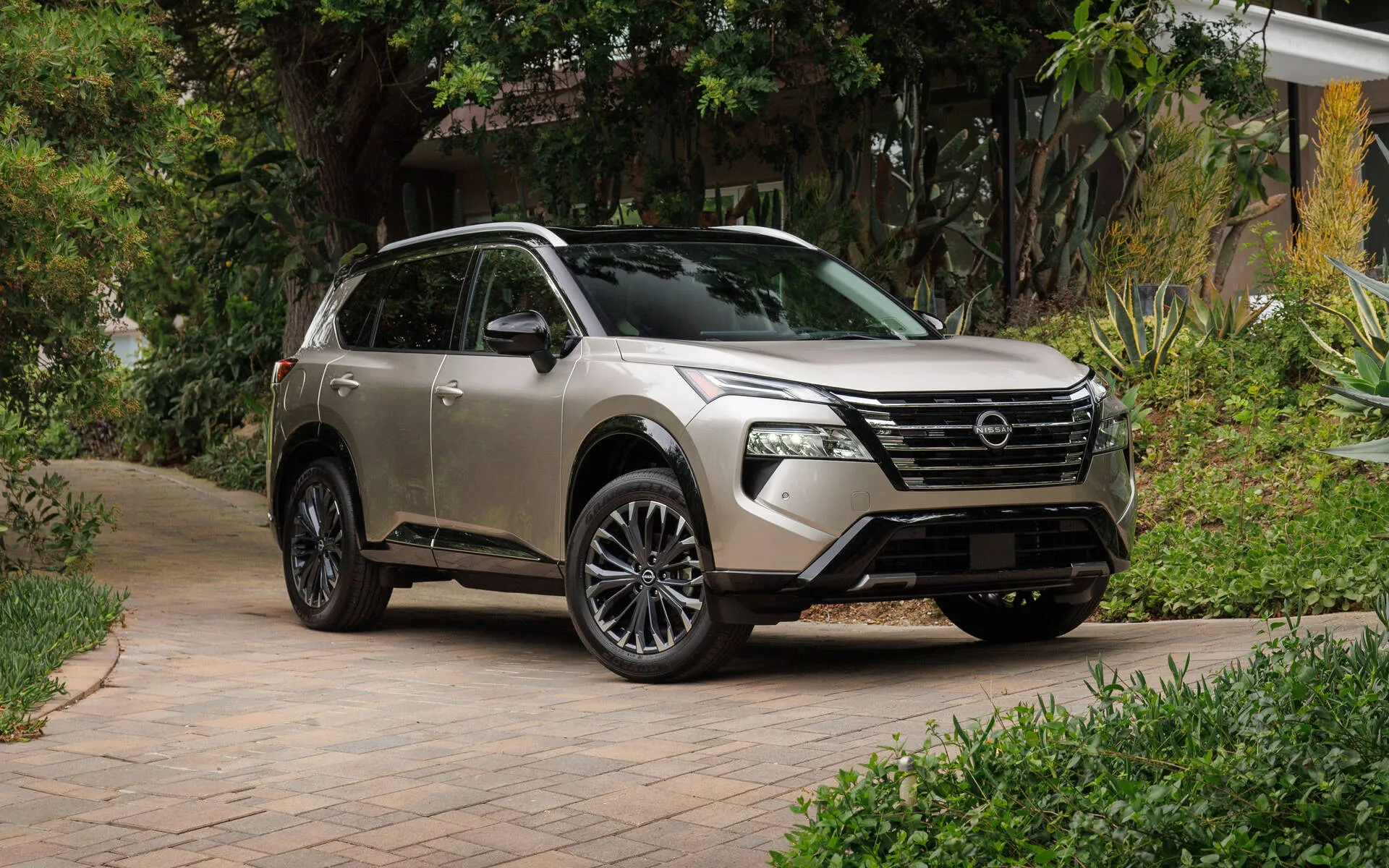
Nissan Rogue
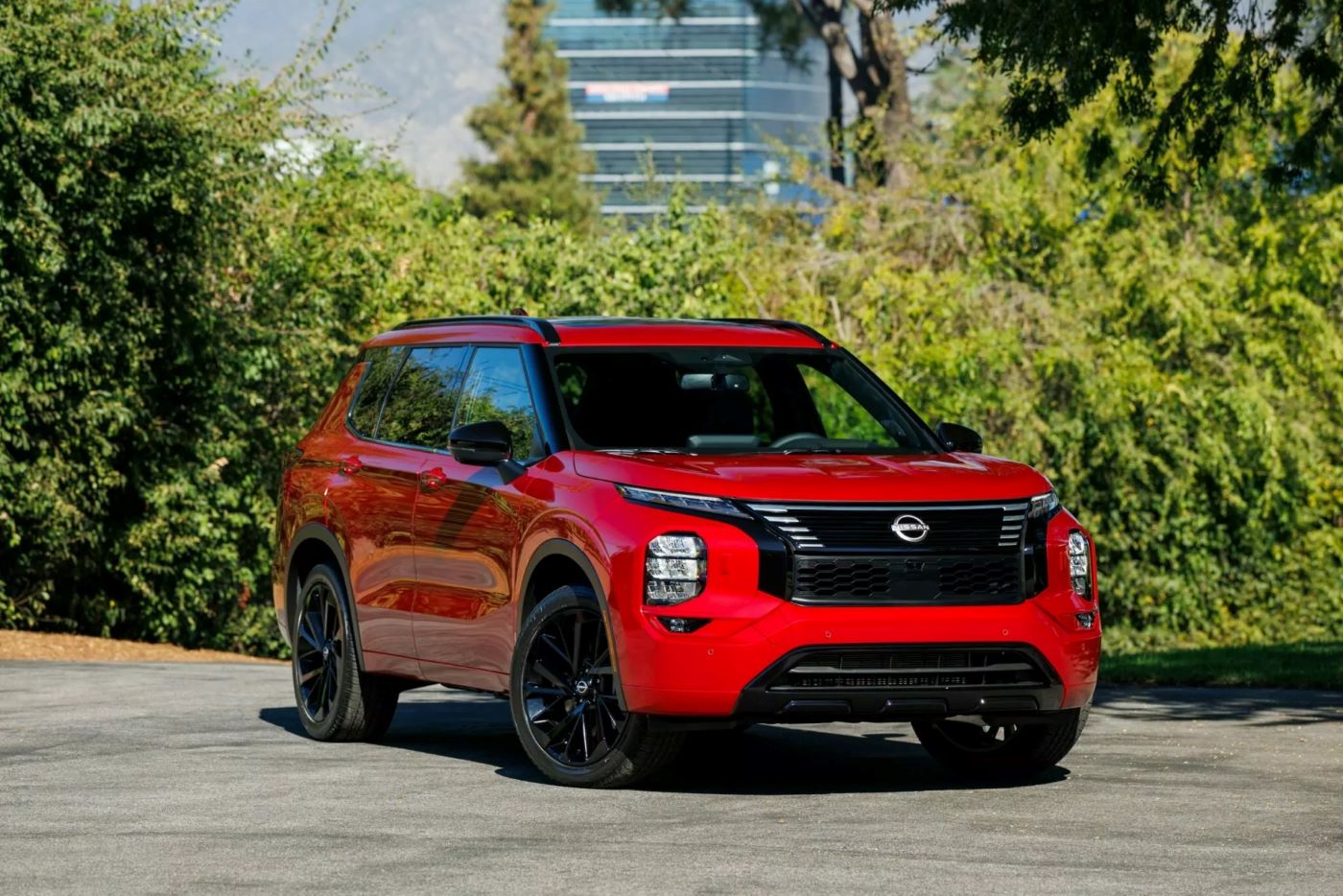
The Nissan Rogue has experienced reported cases of cabin water intrusion primarily linked to aging seals and sunroof drainage limitations. One of the key issues involves the panoramic sunroof system, which relies on small drainage tubes positioned at each corner of the roof assembly.
These tubes are designed to channel water away from the cabin, but they are also vulnerable to clogging from dust, pollen, and debris accumulation. When partial or full blockage occurs, water has limited escape routes and may begin to pool around the sunroof frame before eventually leaking into the interior.
Door seal degradation is another contributing factor in long-term ownership scenarios. The rubber used in some Rogue model years can gradually lose elasticity when exposed to extreme heat or cold cycles. As the material stiffens or contracts, it may no longer maintain a tight seal against the door frame. This can allow rainwater to enter during heavy storms, especially when the vehicle is parked outdoors for extended periods.
Body flex also plays a role in the development of minor leaks. The Rogue’s structure, while adequate for everyday driving, can experience slight movement under uneven road conditions.
Over time, this repeated flexing may stress sealing points, particularly around the roof and window frames. These stress points can create small gaps that allow intermittent moisture entry, especially during high-speed driving in wet conditions.
Water intrusion in the Rogue is often subtle at first, appearing as minor dampness near door sills or light moisture around roof edges. However, if left unchecked, it can gradually spread into carpet insulation and under-seat areas, where it becomes harder to detect and remove. This makes early maintenance of seals and drainage systems important for preventing long-term interior damage.
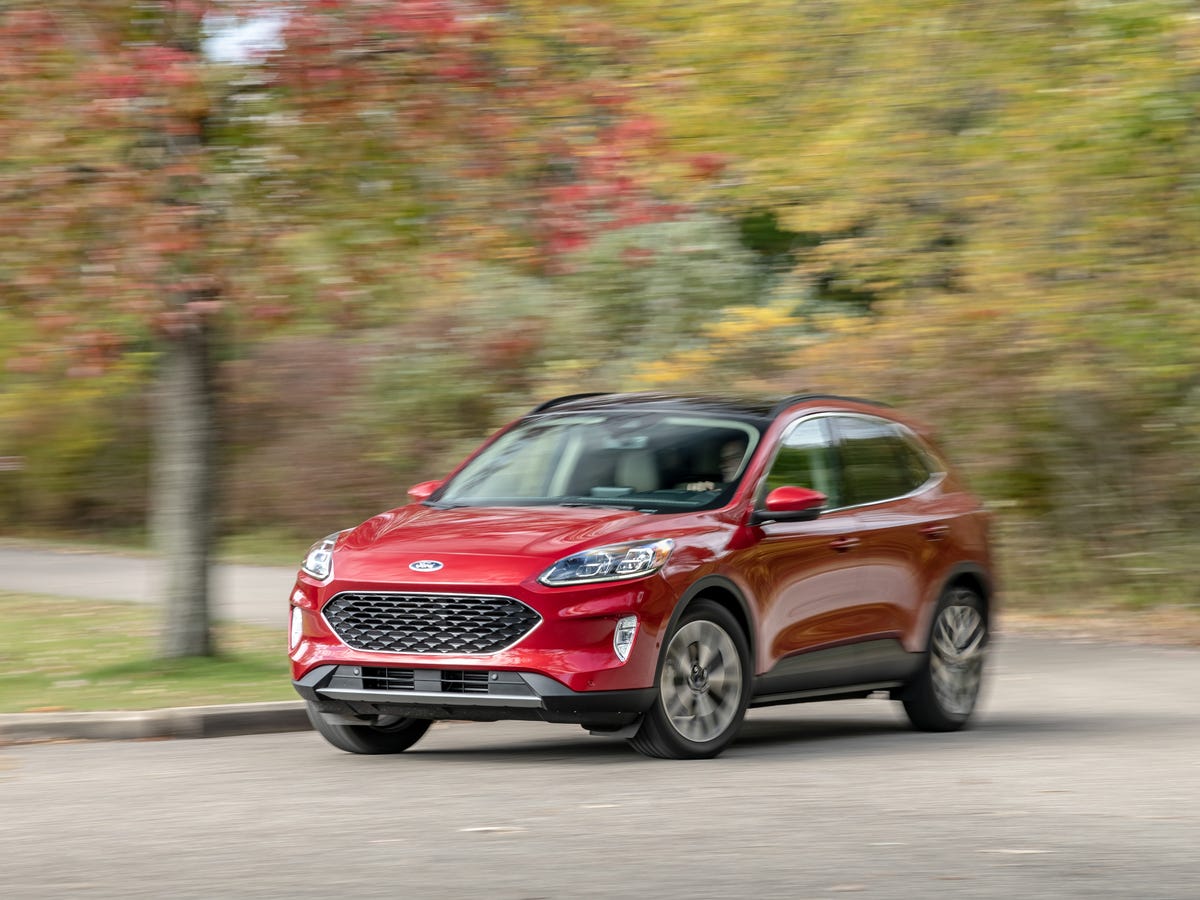
Ford Escape
The Ford Escape has shown a pattern of minor but recurring water leak concerns, particularly in models equipped with panoramic sunroofs. One of the main contributing factors is the complexity of the sunroof drainage design, which includes multiple channels and connection points that must remain clear to function effectively.
When these channels become partially blocked, water flow slows down, causing accumulation around the sunroof perimeter. In heavy rainfall conditions, this excess water can overflow into the headliner and slowly seep into the cabin interior.
Seal wear over time is another important issue. The rubber components used in door frames and roof assemblies can gradually shrink or lose flexibility after years of exposure to sunlight and temperature variation.
As the seals lose their original compression strength, they may no longer maintain consistent pressure against metal and glass surfaces. This can create small entry points for water, especially during strong rainstorms or when driving at highway speeds.
Structural movement also contributes to leakage risks. The Escape’s body structure can experience slight flexing during sharp turns or uneven road conditions, which may temporarily affect seal alignment. While these movements are usually minor, repeated stress over time can weaken sealing contact areas, especially around roof joints and A-pillars.
In many reported cases, water intrusion begins subtly, often showing up as damp headliners or light moisture near interior roof edges. Over time, if drainage issues are not addressed, water can migrate into electrical components or insulation layers, increasing the risk of long-term interior odor and potential wiring issues.
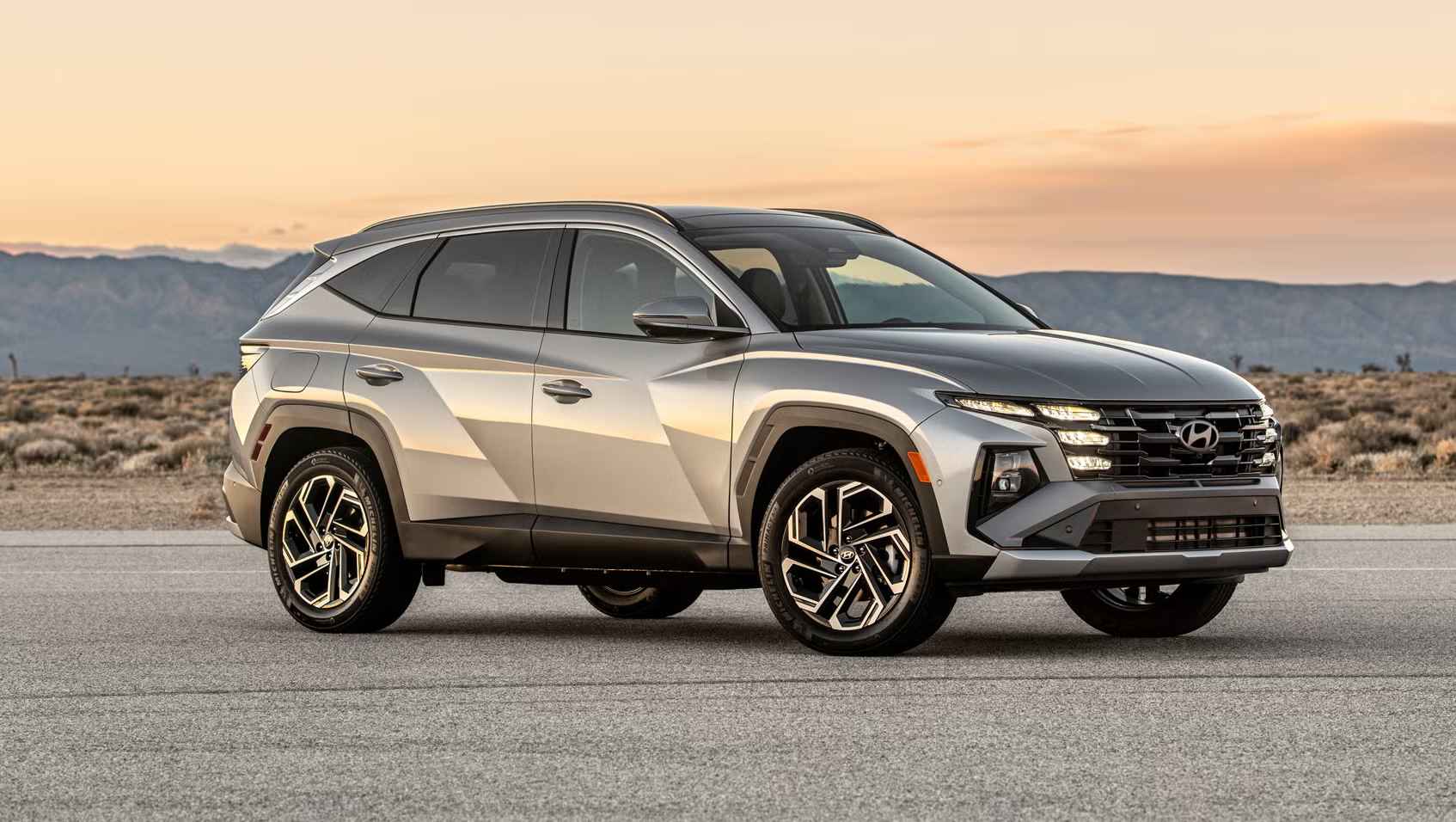
Hyundai Tucson
Older Hyundai Tucson models have been associated with occasional water intrusion issues, particularly linked to sunroof drainage systems and seal durability. One of the primary concerns is the tendency for sunroof drain channels to become clogged more easily in dusty or high-debris environments.
When these drains are blocked, water that collects around the sunroof frame cannot exit efficiently and begins to accumulate. This trapped water can eventually overflow into the cabin, often appearing near the roof liner or front pillar areas.
Rubber seal quality in earlier generations also plays a role in these issues. Prolonged exposure to heat and UV radiation can cause the seals to harden and lose elasticity over time. As the material degrades, it becomes less effective at maintaining a tight seal against the body frame. This can allow rainwater to penetrate small gaps, especially during prolonged storms or when the vehicle is parked outdoors without protection.
Another challenge is water migration inside the cabin once leakage begins. In some cases, water does not remain in one location but travels along internal trim channels and insulation layers. This makes it difficult for owners to immediately identify the source of the leak, as visible signs may appear far from the actual entry point.
If left unresolved, repeated water intrusion can lead to damp flooring, unpleasant odors, and potential corrosion in hidden metal sections beneath the carpet. Over time, this can also affect interior comfort and resale value, especially in regions with frequent rainfall or humid conditions.
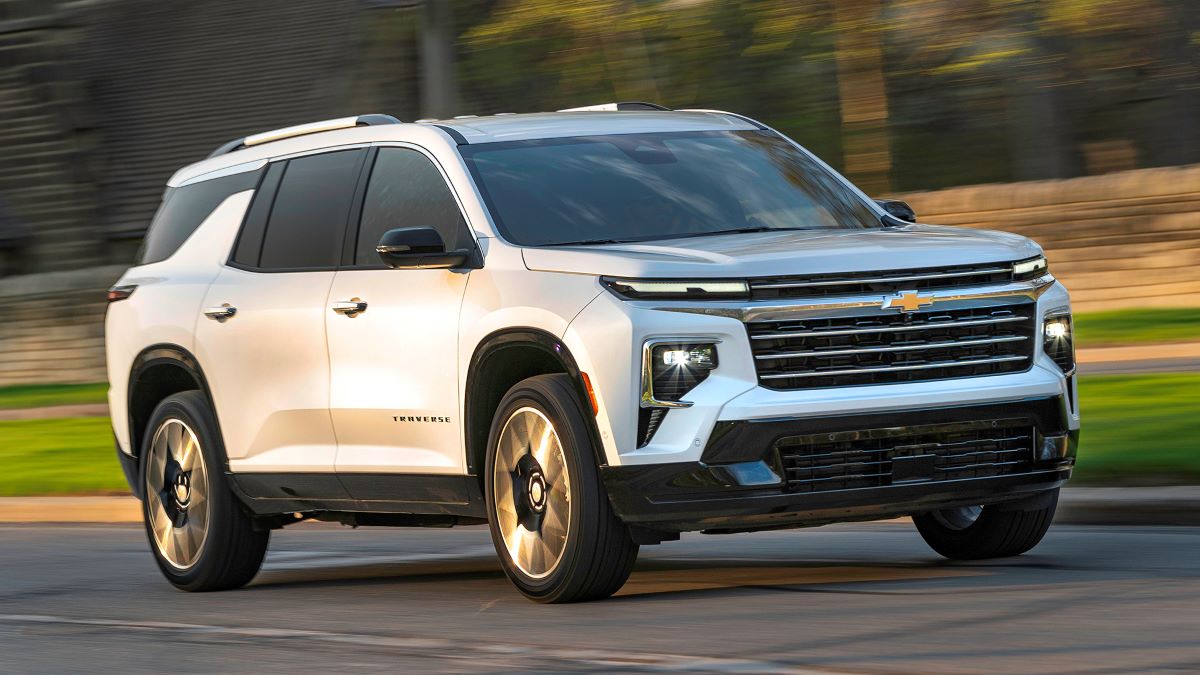
Chevrolet Traverse
The Chevrolet Traverse has been noted for relatively weaker water resistance in extreme weather conditions compared to some competitors in its segment. One of the main concerns involves door sealing effectiveness, where the rubber weatherstripping may not provide as tight or durable a seal under prolonged exposure to harsh environments.
In heavy rain or during driving through deep water, this can allow moisture to enter lower sections of the cabin, particularly around door sills and floor areas.
Underbody protection is another area where limitations may appear. While the vehicle is designed for standard road use, prolonged exposure to wet conditions or occasional flooding situations can challenge the effectiveness of its sealing and drainage systems.
In some cases, moisture can reach lower interior sections where wiring harnesses and electrical modules are located, increasing the risk of electrical issues if exposure is significant.
The vehicle’s drainage systems, while functional under normal conditions, may struggle under sustained heavy rainfall or debris-heavy environments. Blocked or slow-draining channels can lead to water accumulation in vulnerable areas, which increases the risk of seepage into the cabin over time.
Body flex and long-term wear of sealing components can further contribute to these issues. As the vehicle ages, slight reductions in sealing compression may occur, particularly around frequently used doors and tailgate areas. These changes can gradually reduce the effectiveness of the waterproofing system.
Although not every unit experiences severe leaks, the combination of environmental exposure, drainage limitations, and seal aging can make the Traverse more susceptible to cabin moisture issues in challenging conditions.