Comfort is one of the most important factors when choosing an SUV, especially for daily commuting. In countries where road conditions vary from smooth highways to broken city streets, suspension tuning can completely change the driving experience. Two SUVs with similar engines, similar size, and similar price can feel totally different simply because of how their suspension systems are designed.
A soft suspension setup is generally focused on absorbing road imperfections. It allows the wheels to move more freely over bumps, potholes, and uneven surfaces. This results in reduced vibration inside the cabin and a more relaxed experience for passengers during low and medium speed driving.
Many family-oriented SUVs and crossover models are tuned this way because they are meant for comfort rather than aggressive driving. However, soft suspension can sometimes lead to more body movement during cornering and may feel less stable at high speeds.
On the other hand, a stiffer suspension is designed to improve control and handling. It reduces body roll and keeps the vehicle more planted during acceleration, braking, and cornering. While this improves driving confidence, especially on highways, it can also transmit more road imperfections into the cabin.
Sharp bumps, broken roads, and speed breakers become more noticeable to passengers. This is why some SUVs feel smooth on expressways but uncomfortable in city traffic with poor road surfaces.
In real-world driving, suspension tuning is a balance between comfort and control. Manufacturers decide this balance based on the vehicle’s purpose, platform, weight distribution, tire size, and expected usage conditions. Compact and car-based SUVs often prioritize comfort, while ladder-frame SUVs and performance-oriented models tend to lean toward stiffness for durability and stability.
For daily commuting, especially in urban areas with inconsistent road quality, suspension comfort becomes a major deciding factor. A well-tuned soft suspension can reduce driver fatigue, improve passenger comfort, and make long hours in traffic less tiring. However, buyers who prioritize highway stability, towing capability, or off-road strength may prefer a firmer setup even if it compromises comfort slightly.
This article compares five SUVs known for their soft, comfort-focused suspension tuning and five SUVs that are often criticized for transmitting road harshness. The goal is to help understand how suspension characteristics affect everyday driving experience, especially in commuting conditions where potholes, speed breakers, and uneven roads are part of daily life.
SUVs With Soft Suspension for Comfortable Commuting
1. Kia Carnival
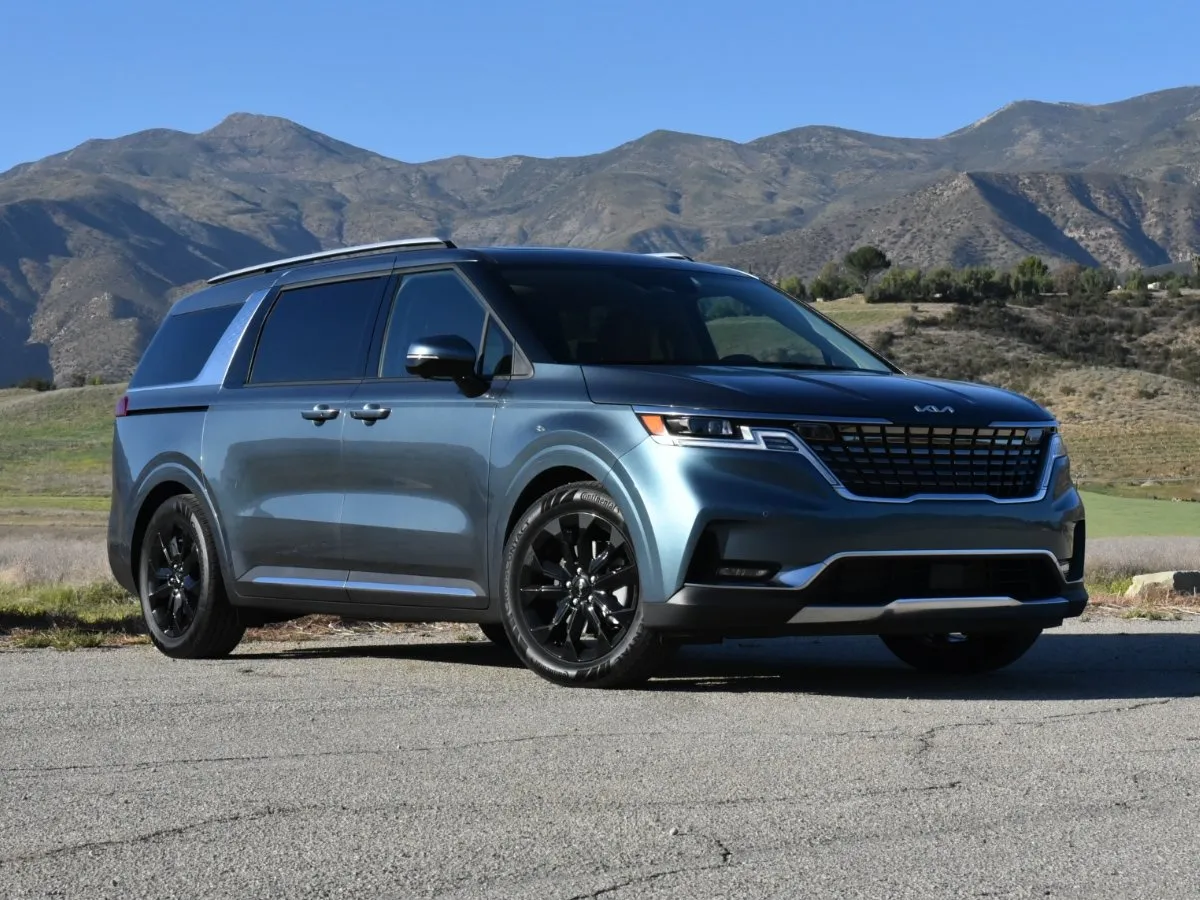
The Kia Carnival is widely regarded as one of the most comfort-oriented large people movers available in markets where it is sold. Its suspension system is tuned with a clear priority toward passenger comfort, making it feel more like a luxury van than a traditional SUV.
The long wheelbase plays a major role in its ride quality, as it naturally reduces the impact of uneven roads by distributing motion more evenly across all four wheels. This design helps the Carnival glide over potholes, broken patches, and speed breakers with minimal cabin disturbance, especially at low to moderate speeds common in city commuting.
In everyday urban driving conditions, the Carnival stands out for its ability to isolate passengers from harsh road textures. Stop-and-go traffic, which typically exposes weaknesses in suspension tuning, feels noticeably smoother inside this vehicle.
The cushioning effect of the suspension reduces sharp vertical jolts, meaning passengers in all rows experience a consistent level of comfort. This makes it particularly suitable for long family commutes, chauffeur-driven travel, and situations where multiple passengers need to remain comfortable for extended periods.
Another important factor is how the Carnival manages weight distribution. Even when fully loaded with passengers and luggage, the suspension maintains its composure without becoming excessively stiff or bottoming out easily.
This consistency in ride quality is a key reason why it is often chosen for group travel and long-distance commuting. The rear seating experience, especially in higher trims, feels more like a lounge environment, which is rare in this vehicle segment.
However, the softness of the suspension does come with trade-offs. During sharp turns, sudden lane changes, or high-speed highway driving, the body roll becomes more noticeable compared to firmer SUVs.
This is a natural consequence of prioritizing comfort over sporty handling. Despite this, for daily commuting and passenger comfort, the Kia Carnival remains one of the strongest examples of suspension tuning focused almost entirely on smoothness and road absorption.
2. Hyundai Palisade
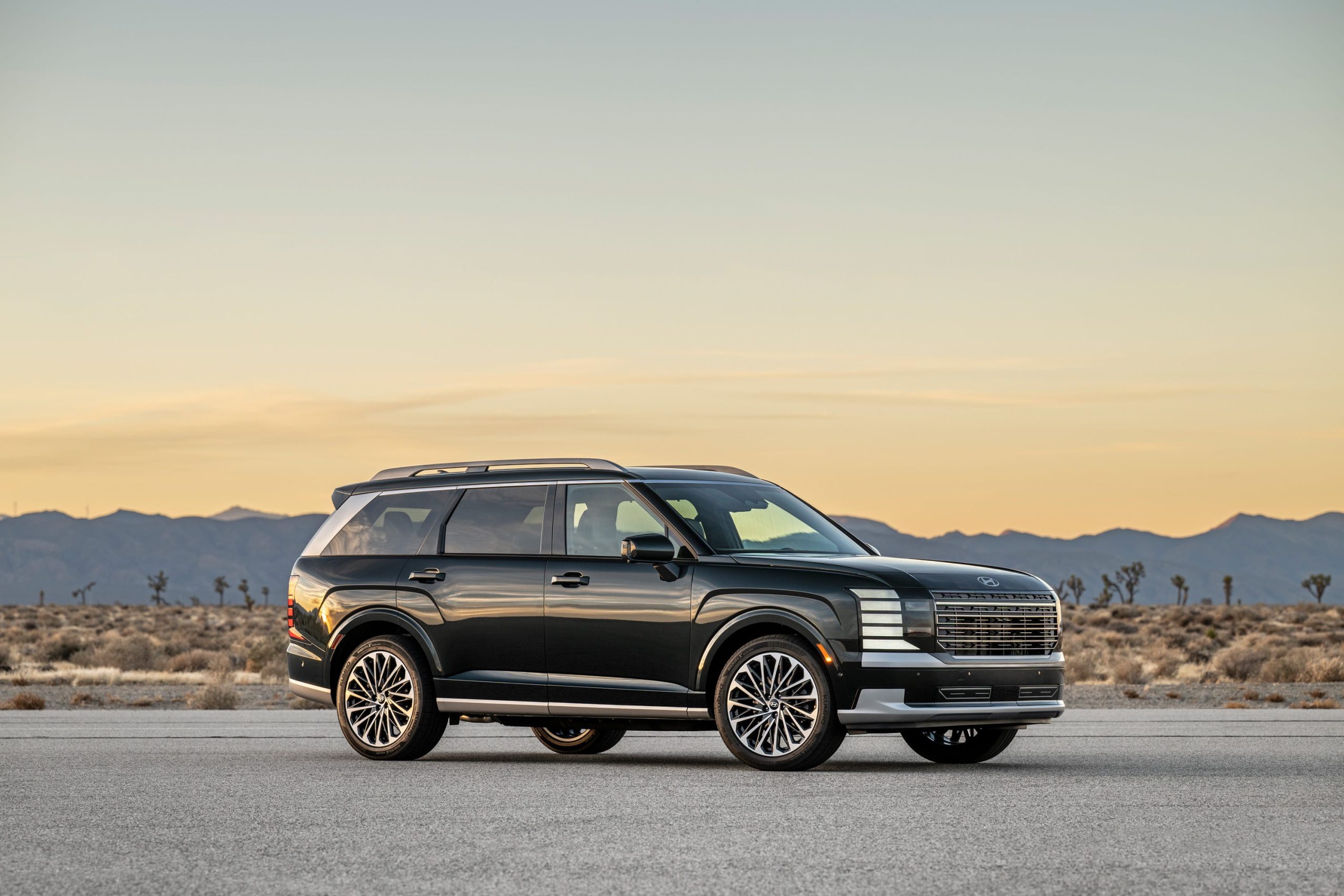
The Hyundai Palisade is engineered as a full-size family SUV that places a strong emphasis on ride comfort, refinement, and long-distance usability. Its suspension setup is designed to handle a wide range of road conditions while maintaining a soft and controlled ride quality.
The system effectively absorbs road irregularities, including potholes, expansion joints, and uneven surfaces, which are common in both urban and suburban driving environments. This makes it particularly well-suited for daily commuting where road conditions are unpredictable.
One of the most impressive characteristics of the Palisade is its ability to maintain consistent comfort regardless of passenger load. Whether the SUV is driven with a single occupant or fully loaded with passengers and cargo, the suspension adapts well and continues to provide a smooth ride.
This balance is achieved through carefully tuned damping and spring rates that prioritize stability without sacrificing softness. As a result, passengers experience fewer abrupt shocks and less vibration entering the cabin.
In city traffic, the Palisade feels composed and relaxed, even during extended periods of stop-and-go driving. The suspension absorbs small imperfections in the road surface so effectively that occupants often feel insulated from the outside environment.
This level of comfort significantly reduces fatigue during long commutes, especially for drivers who spend hours navigating congested roads.
At higher speeds, the Palisade maintains a stable and predictable ride, although its comfort-oriented tuning means it does not respond as sharply to aggressive steering inputs. There is some degree of body roll during fast cornering, but it is controlled enough to not affect passenger confidence.
3. Toyota Fortuner
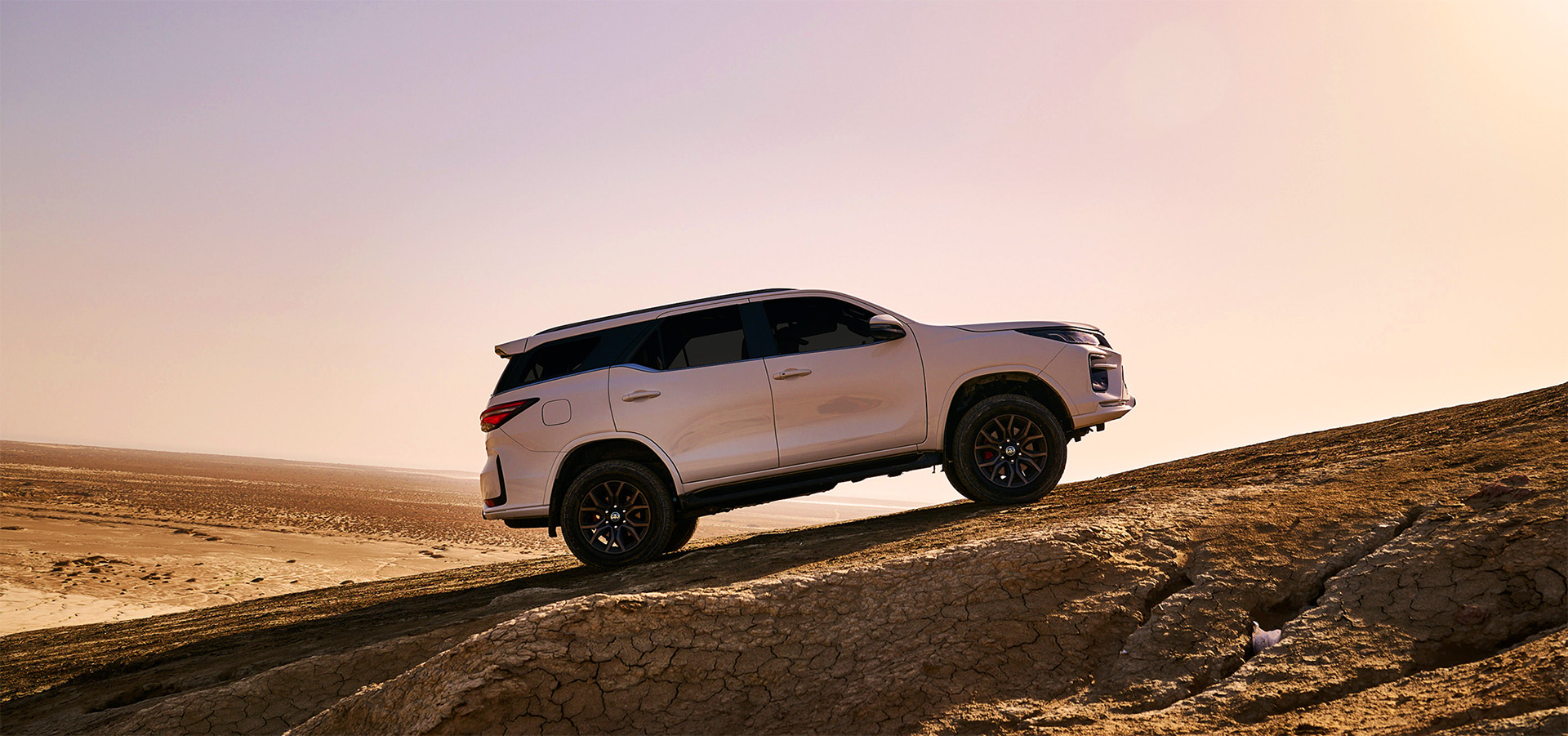
The Toyota Fortuner has long been recognized as a rugged SUV built on a ladder-frame platform, but newer generations have shown significant improvements in suspension comfort compared to earlier models.
While it still retains its durability-focused engineering, refinements in suspension tuning have made it more suitable for daily commuting than before. The updated setup helps reduce the harshness traditionally associated with body-on-frame SUVs, especially when driving over uneven urban roads.
In city driving conditions, the Fortuner is now able to absorb moderate road imperfections more effectively. Small potholes, broken patches, and speed breakers are handled with improved damping response, which reduces the sharpness of impacts felt inside the cabin.
This improvement is particularly noticeable for front passengers, where the suspension feels more forgiving than older versions. As a result, the Fortuner has become more practical for daily use, especially for buyers who want both rugged capability and reasonable comfort.
However, due to its structural design, the Fortuner still behaves differently compared to car-based SUVs. Rear passengers may experience more vertical movement on rough surfaces, and the ride can feel firmer on uneven roads. Despite these limitations, the newer suspension tuning strikes a better balance than before, making it more acceptable for commuting in mixed road conditions.
On highways, the Fortuner feels stable and confident, which is one of its strongest characteristics. While it does not offer the plush softness of crossover SUVs, its improved suspension setup ensures that daily driving is more comfortable than earlier generations. This makes it a practical choice for users who need durability, off-road capability, and improved urban comfort in a single package.
4. MG Hector
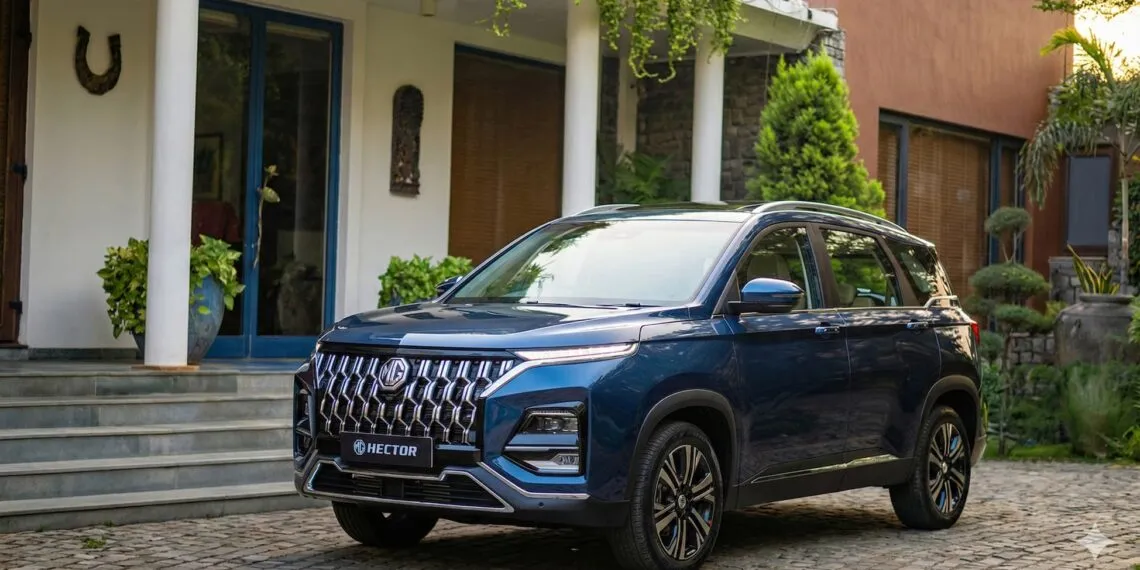
The MG Hector is designed with a strong focus on comfort, especially for urban commuting environments where road quality is inconsistent. Its suspension system is tuned to prioritize absorption of small and medium road imperfections, making it one of the softer-riding SUVs in the mid-size segment.
This tuning allows the vehicle to handle potholes, broken asphalt, and speed breakers with a cushioned feel that reduces impact transmission into the cabin.
During daily city driving, the Hector delivers a relaxed and smooth experience that is particularly beneficial in heavy traffic conditions. The suspension effectively isolates passengers from frequent low-speed bumps and surface irregularities, which are common in urban roads. This contributes to reduced fatigue during long commutes, especially for drivers who spend extended hours in congested areas.
Rear seat comfort is one of the standout strengths of the Hector. The suspension ensures that passengers in the back experience minimal jolts, even when the vehicle passes over uneven surfaces. This makes it especially appealing for families and ride-sharing use, where passenger comfort is a key priority. The soft tuning also complements the vehicle’s cabin space, creating a relaxed environment for longer journeys.
However, the comfort-oriented setup does have some trade-offs at higher speeds. On highways, the softness can lead to a slightly less controlled feel compared to firmer SUVs, especially during fast directional changes. Despite this, for city-focused commuting, the MG Hector delivers one of the most comfortable suspension experiences in its category.
5. Skoda Kodiaq
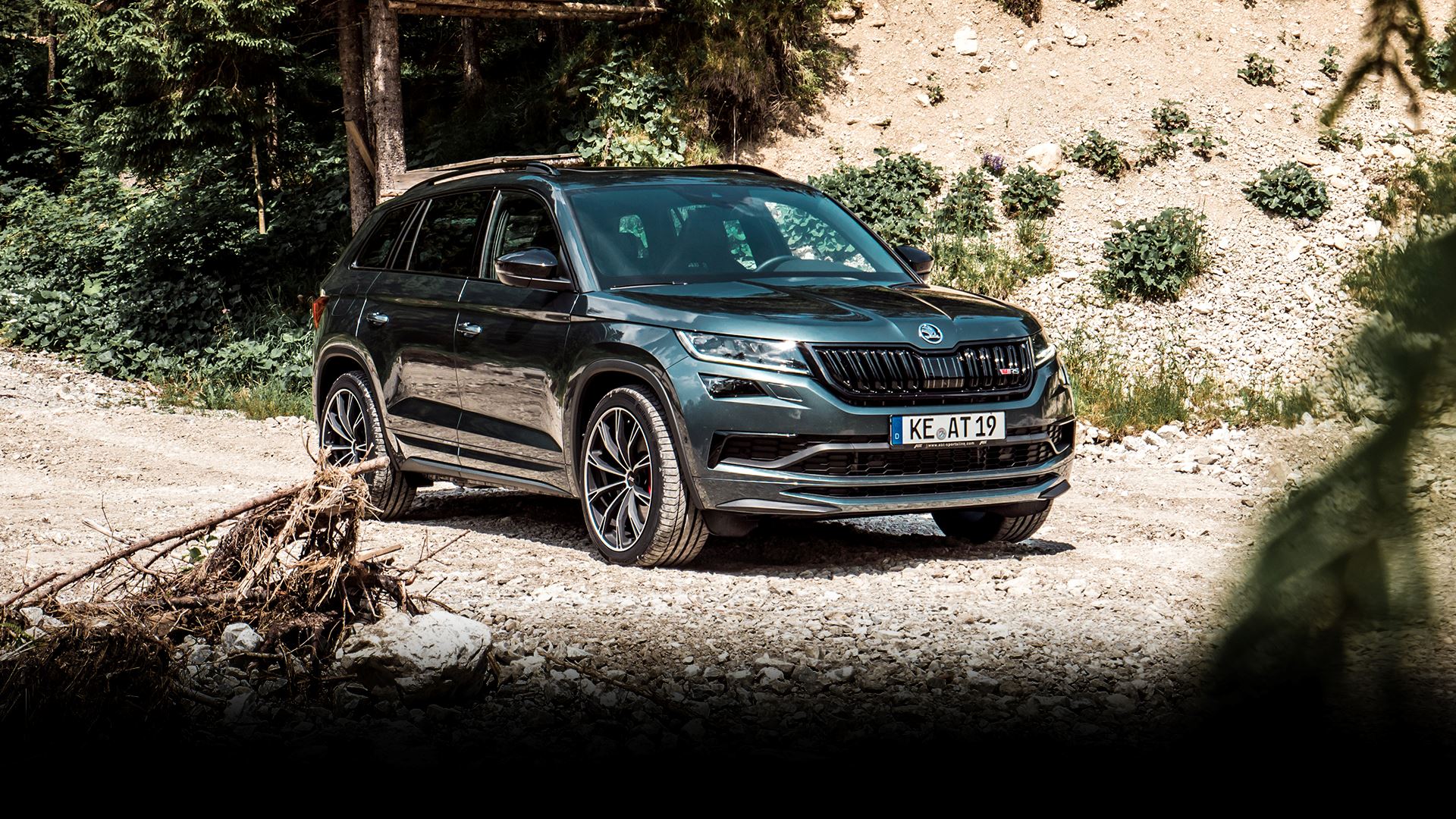
The Skoda Kodiaq is built on a European engineering philosophy that balances comfort with controlled handling. Its suspension is tuned to provide a refined and composed ride, making it suitable for both urban commuting and long highway journeys. While not as soft as some other SUVs in this list, it still leans toward comfort, especially in everyday driving conditions where road surfaces are uneven or imperfect.
In city environments, the Kodiaq performs very well in absorbing road irregularities. The suspension effectively smooths out potholes and minor bumps, preventing harsh impacts from reaching the cabin.
This creates a premium driving experience that feels stable and controlled, even on roads that are not in ideal condition. The damping system is finely tuned to avoid excessive softness while still maintaining ride comfort.
Passenger comfort is further enhanced by the vehicle’s solid build quality and insulation, which reduces noise and vibration inside the cabin. This adds to the perception of smoothness, making daily commuting more relaxed and less tiring. Even during longer drives, the Kodiaq maintains a balanced feel that avoids both harshness and excessive float.
At higher speeds, the suspension provides excellent stability, ensuring that the vehicle remains composed during lane changes and highway cruising. While it does not prioritize extreme softness, its well-engineered balance makes it one of the more refined options for users who want comfort without sacrificing control.
SUVs That Feel Every Pothole

1. Jeep Wrangler
The Jeep Wrangler is built with one primary mission in mind: extreme off-road capability. Because of this, its suspension system is engineered to handle rocks, sand, mud, and uneven terrain rather than prioritize smooth urban comfort. This design philosophy directly affects how it behaves on regular city roads.
In everyday commuting conditions, especially on paved roads with potholes and broken patches, the Wrangler tends to transmit a significant amount of road impact into the cabin. Each bump is more noticeable compared to comfort-focused SUVs, as the suspension is tuned for articulation and durability rather than softness.
In city driving, the Wrangler’s solid axle setup contributes heavily to its firm ride quality. While this configuration is excellent for off-road traction and wheel movement, it does not absorb sharp road imperfections as gently as independent suspension systems found in modern crossovers.
As a result, passengers often experience vertical jolts when the vehicle encounters speed breakers or uneven asphalt surfaces. This becomes more noticeable at lower speeds, where suspension stiffness is more easily felt.
Another characteristic of the Wrangler is its relatively high center of gravity combined with a firm suspension setup. While this combination enhances off-road stability, it can make urban driving feel less refined. Body movement is more pronounced during cornering, and the vehicle does not isolate occupants from road texture effectively.
Even though it is highly capable in rugged environments, this capability comes at the cost of comfort in daily commuting situations.
However, it is important to recognize that the Wrangler is not designed for comfort-focused commuting. It is built for enthusiasts who prioritize adventure and terrain capability over ride softness. This trade-off is intentional, but in typical urban environments filled with potholes and uneven surfaces, it is one of the SUVs that clearly communicates every imperfection in the road.
2. Mahindra Thar
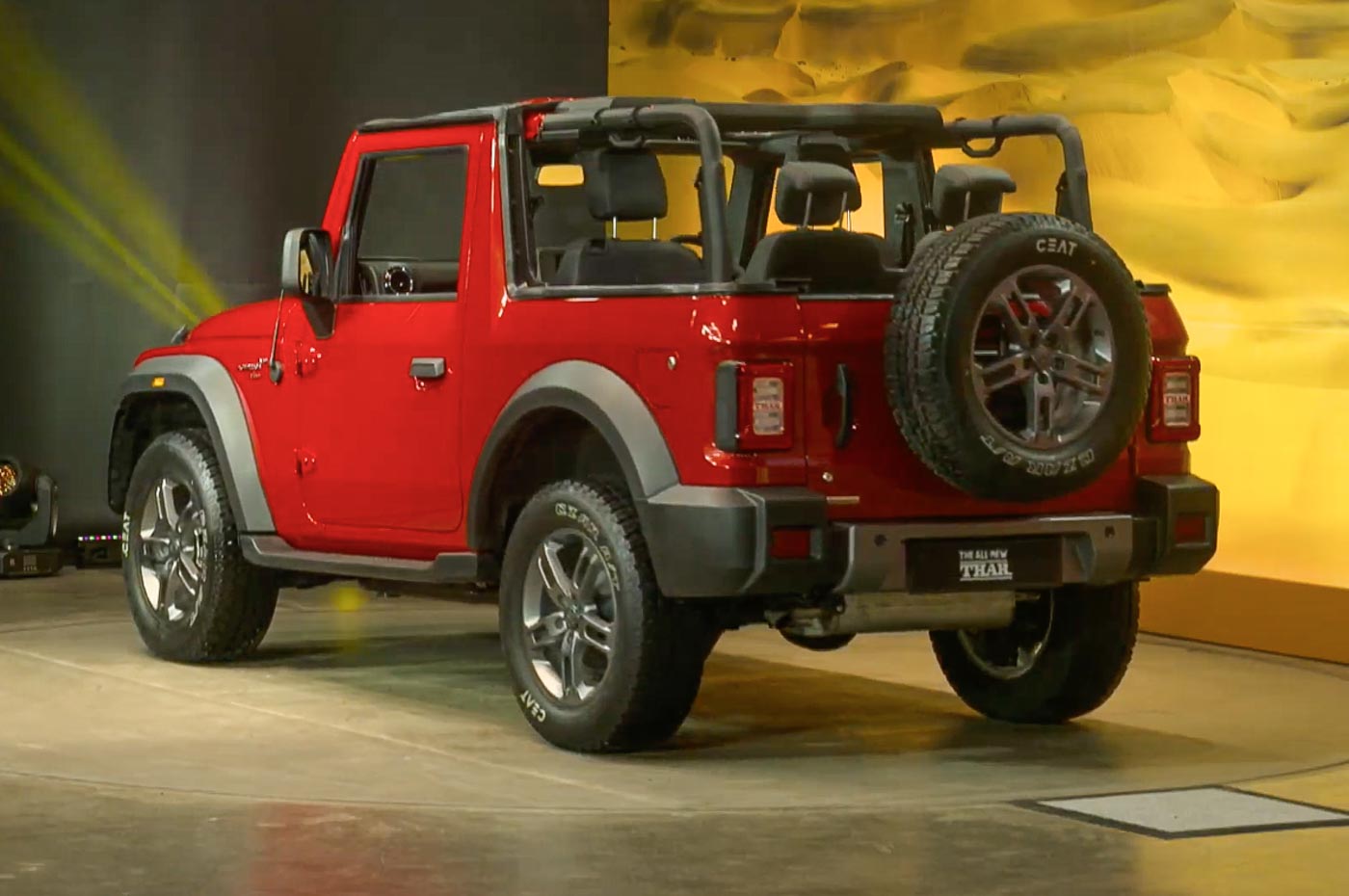
The Mahindra Thar is another SUV designed primarily for off-road use, and its suspension reflects that purpose clearly. Built on a ladder-frame chassis with a focus on durability and terrain handling, the Thar delivers a firm ride experience on city roads. In commuting conditions, especially in areas with broken roads and frequent speed breakers, the suspension tends to pass a noticeable amount of vibration into the cabin.
At low speeds, the firmness of the suspension becomes particularly evident. Small potholes and uneven patches are felt more directly by occupants compared to softer urban SUVs.
This is because the suspension is designed to handle rough terrain impacts at higher articulation ranges rather than provide cushioned absorption for minor road imperfections. As a result, city commuting in the Thar can feel less comfortable during daily use.
The short wheelbase of the Thar also contributes to its bumpy ride quality. While this design improves maneuverability in off-road conditions, it also makes the vehicle more sensitive to uneven road surfaces in urban environments. Passengers may experience more frequent vertical movement, especially on roads that are not well maintained.
Despite its harshness on paved roads, the Thar excels in its intended environment. It is extremely capable off-road and offers a strong mechanical foundation for adventure driving. However, for regular commuting in pothole-heavy urban areas, it is one of the SUVs that clearly transmits road imperfections into the cabin, making it less suitable for comfort-focused daily driving.
3. Ford Endeavour
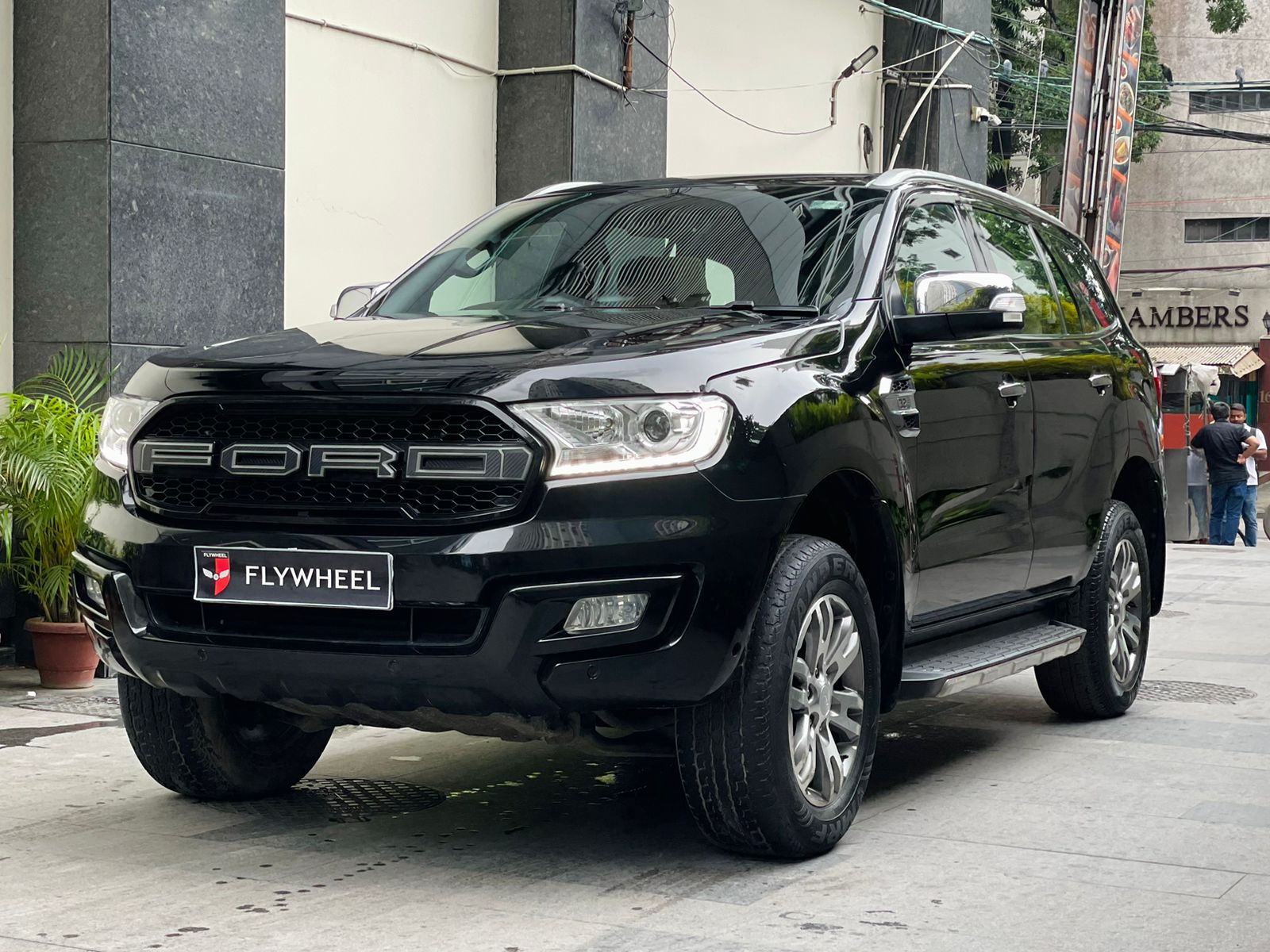
The Ford Endeavour is known for its strong build quality and highway stability, but its suspension tuning leans toward firmness rather than softness. While it offers a comfortable ride on smooth highways, its behavior changes noticeably on uneven urban roads. In city commuting conditions, potholes, broken patches, and rough surfaces are more directly felt inside the cabin compared to softer crossover SUVs.
The ladder-frame construction of the Endeavour plays a key role in this ride character. While this structure provides excellent durability and towing capability, it also contributes to a firmer ride response over sharp road imperfections. The suspension is tuned to prioritize stability and control, especially at higher speeds, which results in reduced cushioning at low-speed urban driving.
In everyday commuting, the Endeavour handles medium-sized bumps reasonably well, but sharper potholes tend to create noticeable cabin movement. Passengers may experience a firm jolt when the vehicle crosses uneven surfaces, especially at slower speeds where suspension travel is more compressed. This makes stop-and-go traffic less comfortable compared to soft-suspension SUVs.
However, the Endeavour performs well in maintaining stability during highway cruising and overtaking maneuvers. Its firmness contributes to a planted driving feel at speed, which is one of its strengths. Still, when it comes to absorbing potholes in city environments, it is clearly on the firmer side of the spectrum and does not mask road imperfections as effectively as comfort-focused SUVs.
4. Toyota Hilux
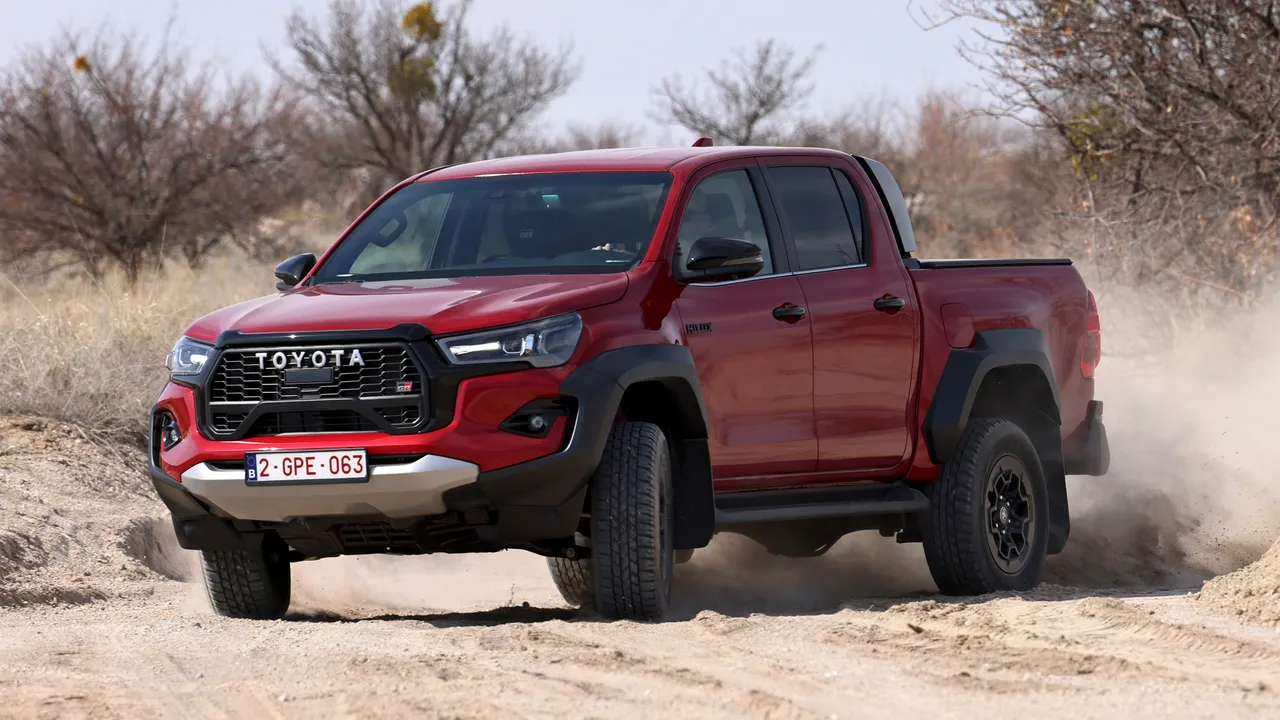
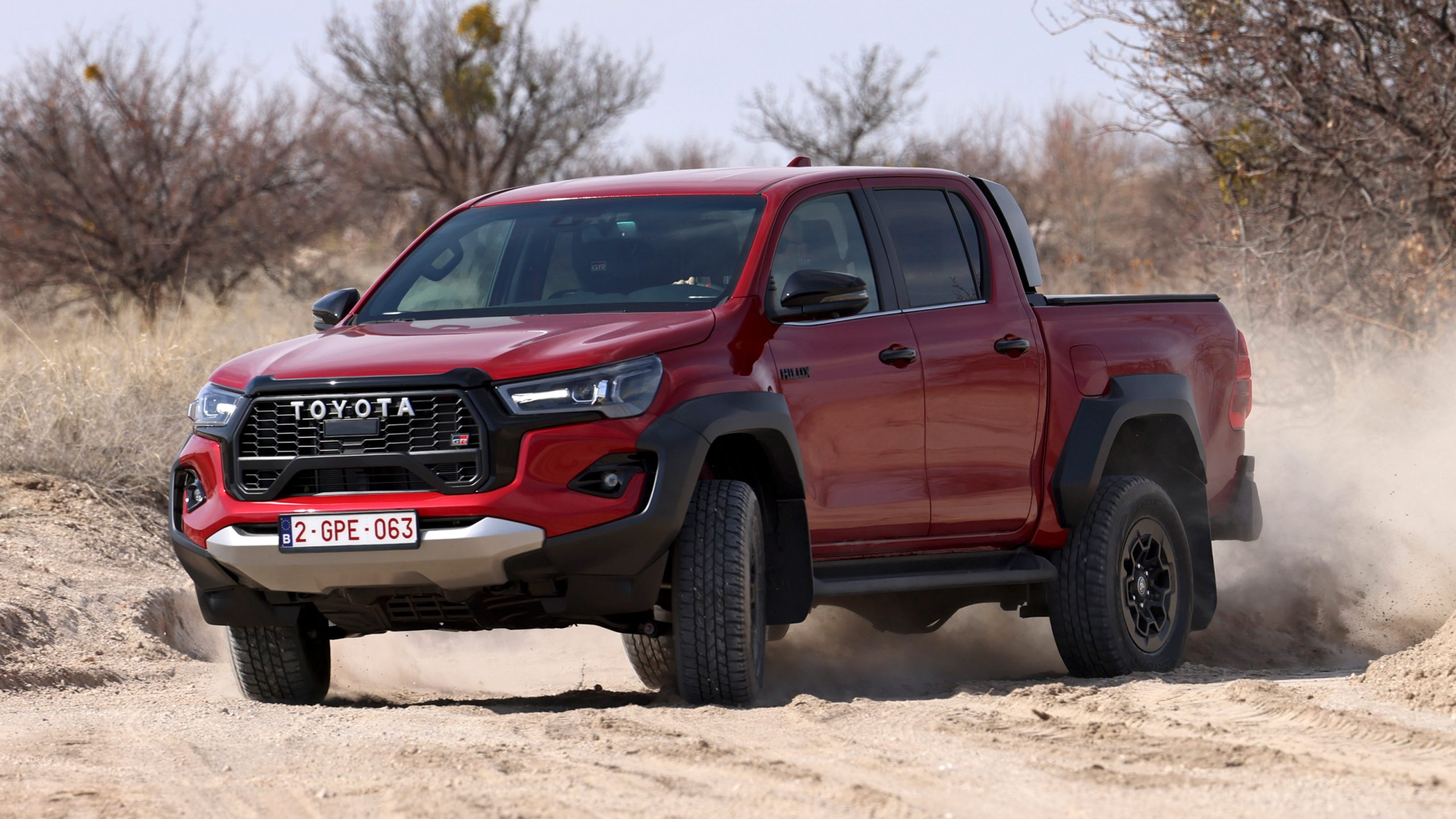
The Toyota Hilux is built primarily as a pickup truck designed for heavy-duty use, and this purpose strongly influences its suspension behavior. In urban commuting scenarios, the Hilux delivers a firm and sometimes harsh ride, especially when compared to passenger-focused SUVs. The suspension is designed to carry heavy loads and withstand rough usage, which means comfort is not its primary priority.
In daily driving conditions, especially on uneven city roads, the Hilux tends to transmit road imperfections directly into the cabin. Potholes and sharp bumps are clearly felt, particularly at lower speeds. This is due to the stiff rear leaf-spring setup, which is optimized for load-bearing capability rather than cushioning small impacts.
When the vehicle is empty or lightly loaded, the firmness becomes even more noticeable. The suspension does not compress as easily under minor road irregularities, leading to a more rigid ride feel. This can make long commutes tiring in urban environments where road surfaces are inconsistent.
However, the Hilux excels in durability and long-term reliability under harsh conditions. It is designed for work environments, off-road usage, and heavy-duty applications rather than comfort-focused commuting. As a result, while it feels every pothole on city roads, it performs exceptionally well in demanding environments where strength matters more than ride softness.
5. Isuzu MU-X
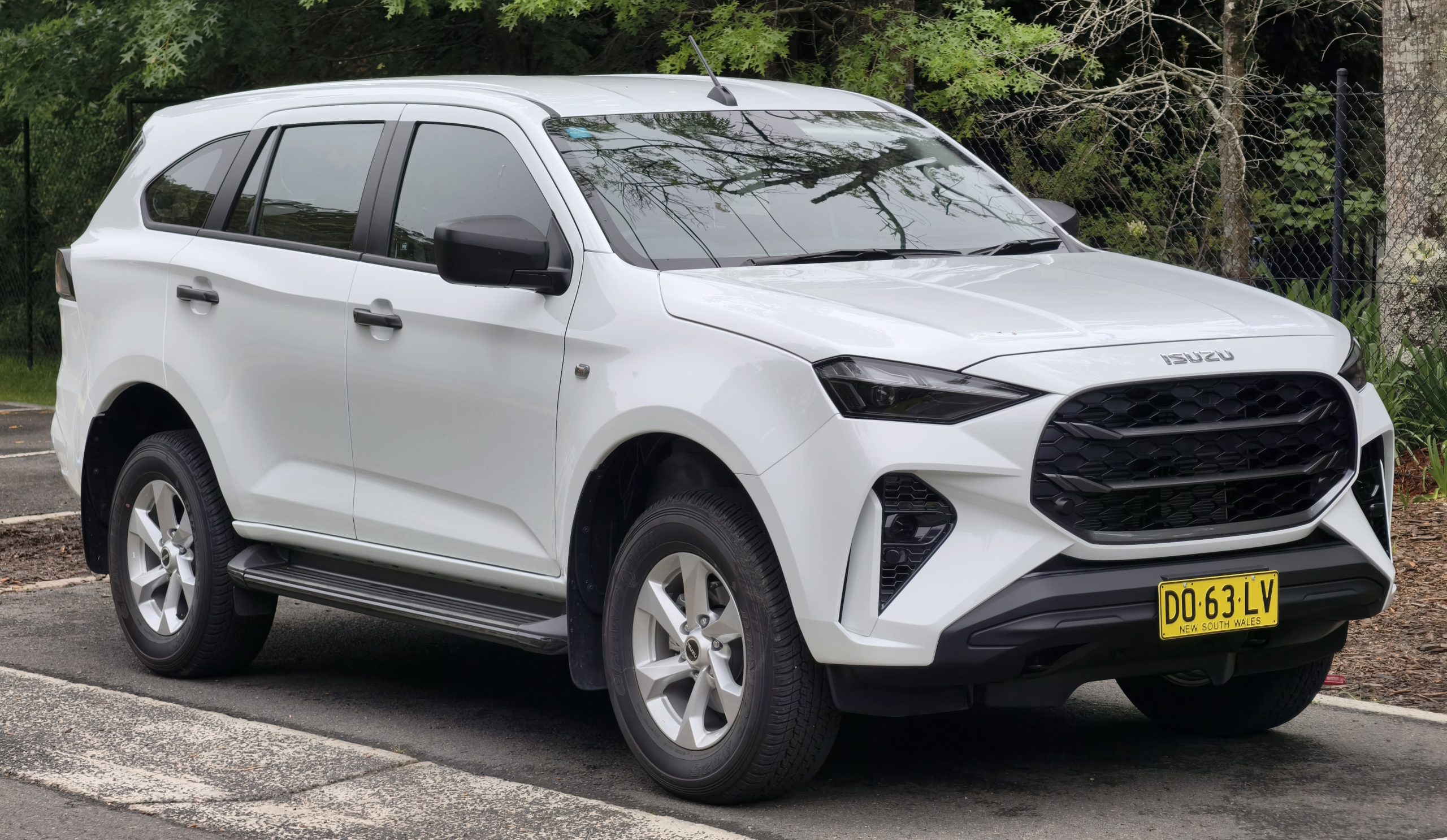
The Isuzu MU-X is a robust SUV built on a ladder-frame platform, and its suspension tuning reflects its focus on durability and long-distance reliability. While it is more refined than traditional pickup-based vehicles, it still delivers a firm ride compared to modern monocoque SUVs. In city commuting conditions, road imperfections such as potholes and uneven patches are quite noticeable inside the cabin.
At low speeds, the MU-X feels stiff when crossing broken roads or speed breakers. The suspension does absorb some impact, but sharper irregularities are transmitted through the chassis more directly than in soft-suspension SUVs. This makes daily urban commuting less smooth, especially in areas with poorly maintained roads.
The rear suspension setup, designed for load-carrying and stability, contributes to a more controlled but firm ride experience. While this improves handling under load and during long highway drives, it reduces comfort in stop-and-go traffic conditions. Passengers may feel more vertical movement compared to softer competitors.
Despite this firmness, the MU-X is valued for its reliability, strong build quality, and long-distance cruising capability. It performs well on highways and rough terrains but clearly belongs to the category of SUVs that do not hide road imperfections well in city driving conditions.