
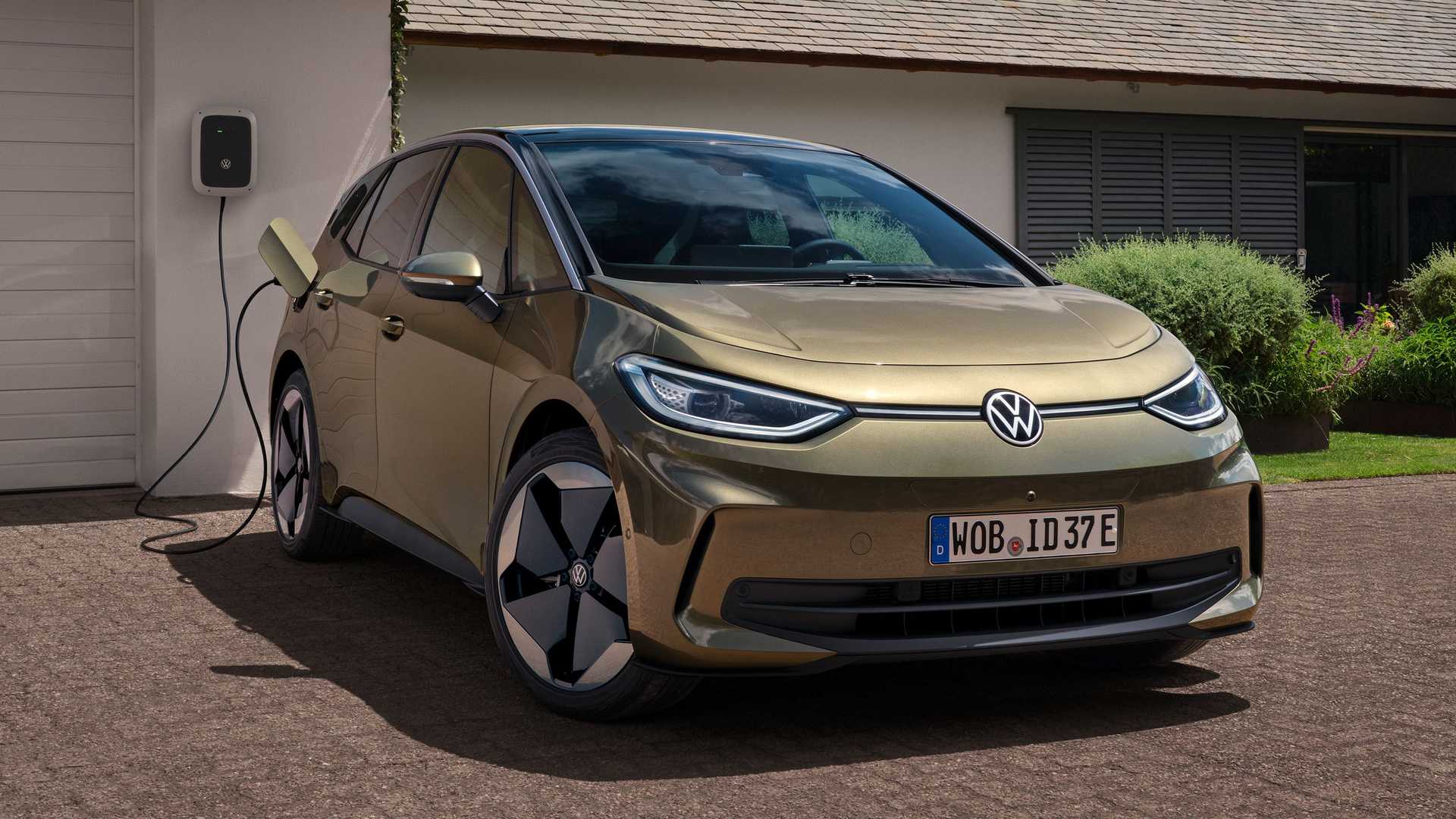
Volkswagen is undergoing a rare moment of corporate introspection, and its leadership is not softening the language. In a candid assessment of the brand’s recent electric efforts, Thomas Schäfer acknowledged that early models like the ID.3 and ID.4 failed to embody what customers traditionally associate with Volkswagen.
The admission, striking in both tone and timing, reflects a deeper recalibration underway within the company. For years, Volkswagen pursued an aggressive pivot toward electrification, positioning its ID lineup as a clean break from its combustion-era identity. Yet in doing so, the brand appears to have drifted too far from the qualities that built its reputation in the first place.
Customer feedback has played a decisive role in this realization. Early ID models were widely criticized for their user experience, particularly interior ergonomics and interface design.
Touch-sensitive controls, minimal physical buttons, and unfamiliar layouts marked a sharp departure from Volkswagen’s traditionally intuitive approach. For many loyal buyers, the shift felt less like innovation and more like disorientation.
Schäfer’s acknowledgment that these vehicles were “not true Volkswagens” underscores the extent of that disconnect. It is not a critique of electrification itself, but rather of execution.
In attempting to redefine the driving experience, Volkswagen underestimated the importance of continuity. The result was a product line that, while technologically ambitious, struggled to resonate with its core audience.
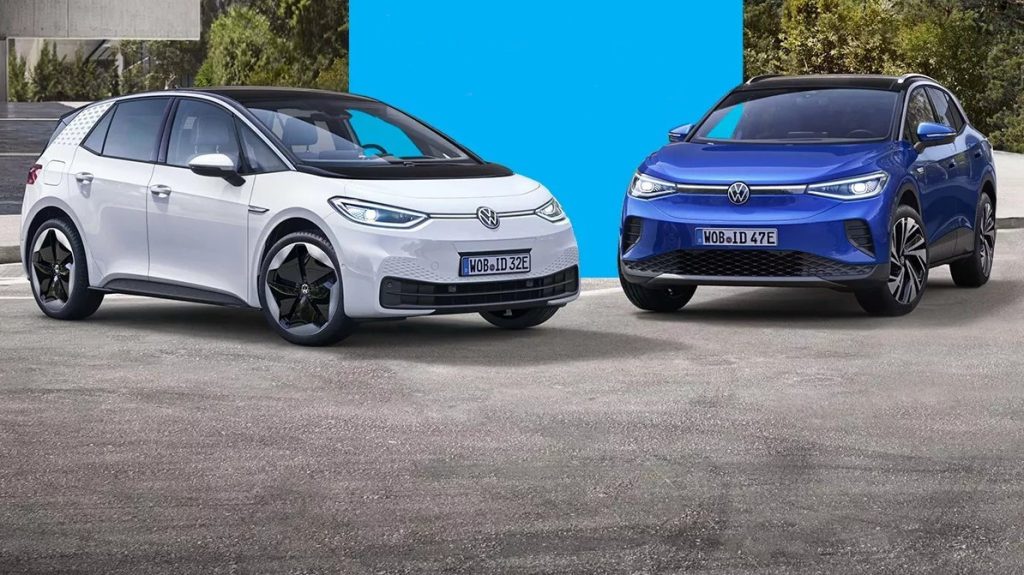
The company is now attempting to correct course. Rather than imposing a top-down vision of what future customers should want, Volkswagen is shifting toward a more feedback-driven development process. This includes increased reliance on customer clinics and iterative design validation, ensuring that future models align more closely with user expectations rather than internal assumptions.
This strategic pivot extends beyond interiors and interfaces. Volkswagen is also reconsidering its naming conventions and design language.
The ID branding, while intended to signal a new era, lacked the familiarity and emotional resonance of legacy nameplates like Golf or Polo. Going forward, the automaker is expected to lean more heavily on recognizable identities, blending heritage with modern electric platforms.
There is a broader industry lesson embedded in Volkswagen’s reassessment. The transition to electric vehicles is not simply a technological shift but a cultural one. Automakers must balance innovation with continuity, ensuring that advancements do not alienate the very customers they aim to retain. In Volkswagen’s case, the pendulum appears to have swung too far toward disruption.
Correcting that imbalance will not be immediate. Automotive product cycles are long, and design decisions made years ago cannot be reversed overnight. However, the company’s willingness to publicly acknowledge its missteps suggests a more grounded approach moving forward.
For Volkswagen, the challenge now is not just to build better electric vehicles, but to rebuild trust. If the next generation of models can successfully merge modern technology with the brand’s traditional strengths, the company may yet turn a moment of criticism into a foundation for renewal.
