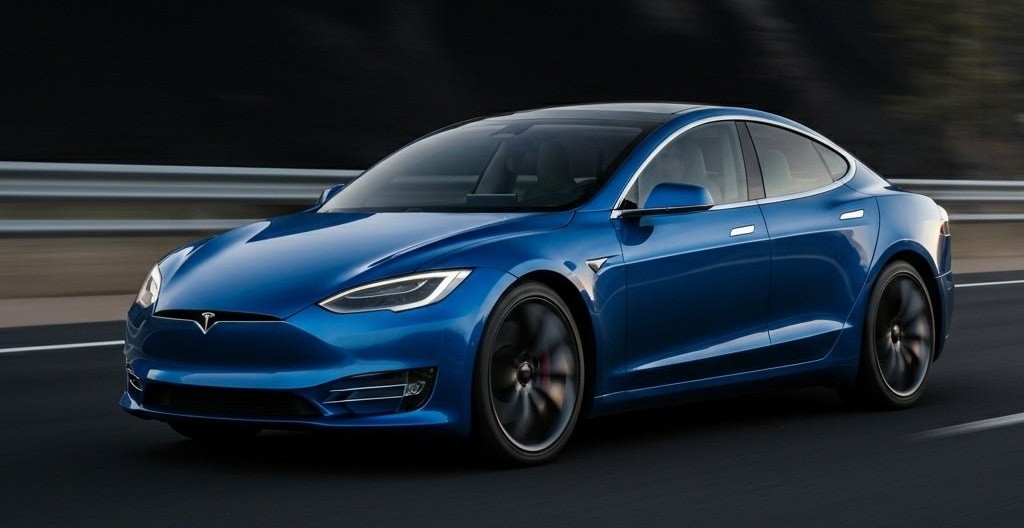
Tesla’s Full Self-Driving (Supervised) system has officially made its way to Europe, but the rollout comes with an unusual prerequisite. Drivers must first complete a short quiz before they are allowed to activate the feature.
Following regulatory approval in the Netherlands, Tesla has begun enabling FSD for customers in the region. However, access is not immediate. Before the system can be used, owners are required to go through what Tesla describes as an “FSD (Supervised) Activation Tutorial,” a built-in educational step designed to familiarize users with the system’s functionality and limitations.
The tutorial walks drivers through the interface, explaining how to recognize when the system is active and how its controls operate. At the end of this process, users must pass a brief quiz. The questions are straightforward but deliberate, focusing on core concepts such as identifying when FSD is engaged and confirming driver responsibility while the system is in use.
This requirement is not arbitrary. It reflects a broader regulatory framework that governs advanced driver-assistance systems in Europe. Under UN-R171 standards, manufacturers must ensure that drivers understand how such systems function to prevent misuse or overreliance.
The quiz and tutorial serve as a compliance mechanism, reinforcing that FSD remains a supervised feature rather than a fully autonomous driving solution.
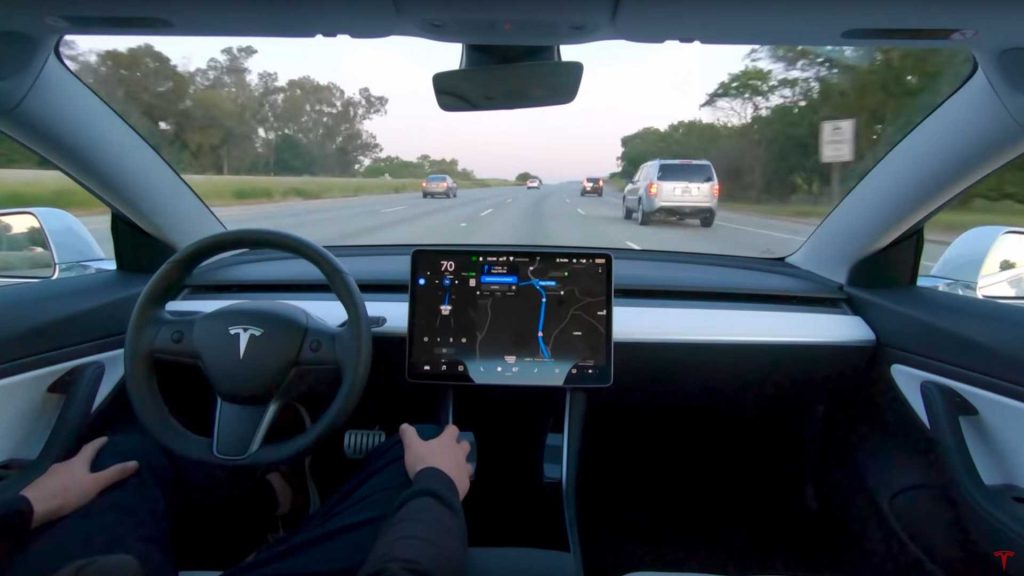
Despite its name, Tesla’s Full Self-Driving system is classified as Level 2 driver assistance. This means the vehicle can handle steering, acceleration, and braking in certain conditions, but the driver must remain attentive and ready to intervene at all times. The responsibility for safe operation does not shift to the vehicle, a distinction regulators have emphasized consistently.
The Netherlands has become the first European market to deploy a regulator-approved version of the system, marking a significant milestone in Tesla’s global expansion strategy. By aligning with European safety requirements, the company has positioned itself to pursue approvals in other countries that follow similar standards.
At a strategic level, the quiz requirement highlights an ongoing challenge for Tesla and the broader industry. Advanced driver-assistance technologies often carry names that can imply greater autonomy than they actually deliver. Ensuring that users clearly understand the limits of these systems has become a central concern for regulators, particularly as the technology becomes more widely available.
Tesla’s approach in Europe suggests a shift toward more structured user education as part of the rollout process. Rather than relying solely on documentation or disclaimers, the company is embedding knowledge checks directly into the activation process. This not only satisfies regulatory demands but also addresses longstanding concerns about driver overconfidence.
As FSD expands beyond the Netherlands, this model could become a template for future deployments. The combination of regulatory oversight and enforced user education may define how advanced driver-assistance systems are introduced in markets where safety standards leave little room for ambiguity.