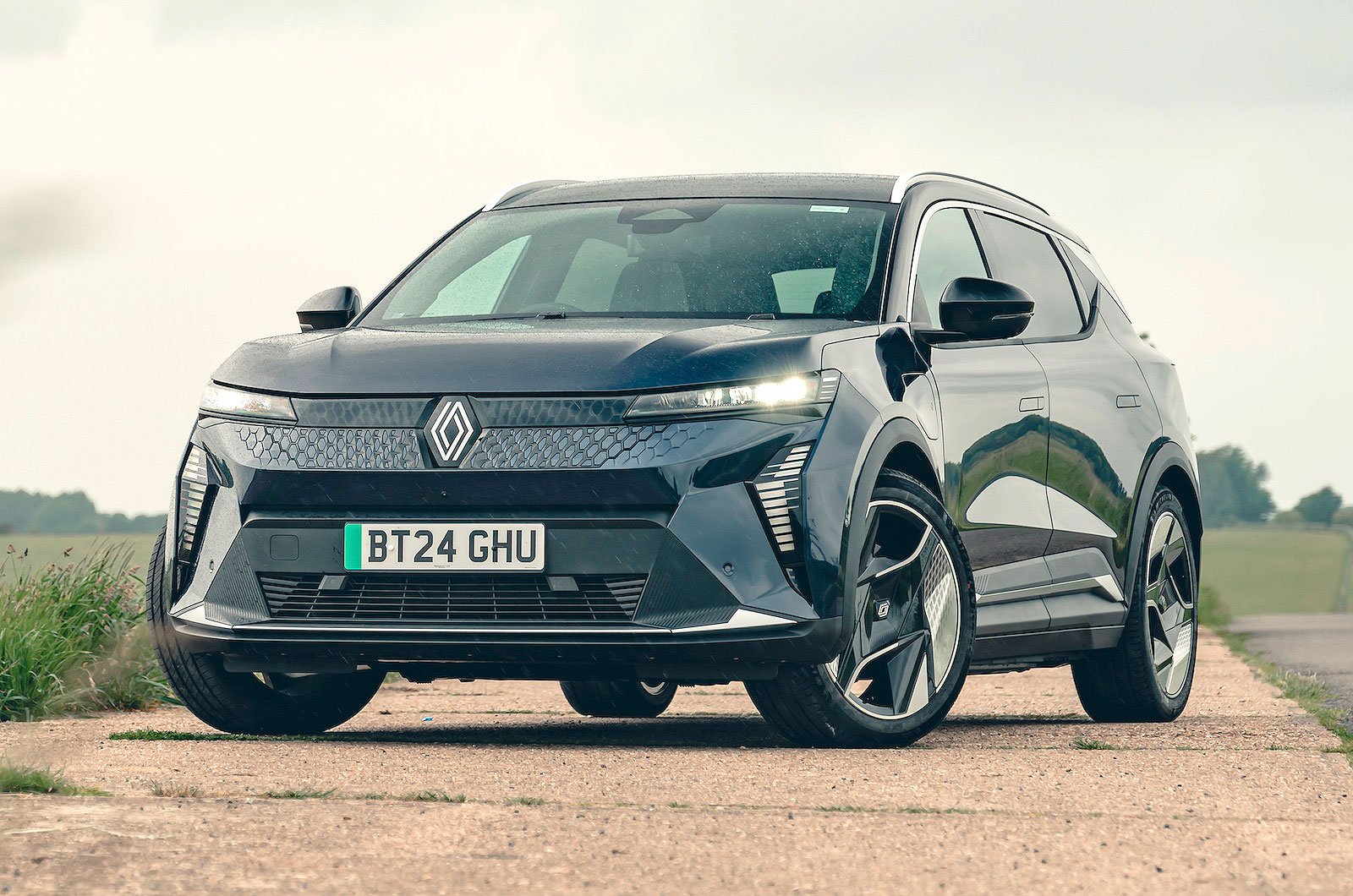
The Renault Scenic E-Tech is becoming significantly more accessible in the UK, thanks to a pricing adjustment tied directly to government incentives.
With the latest update, the Scenic E-Tech now starts at £33,245, a figure made possible by the full £3,750 UK Electric Car Grant. This marks a notable shift in positioning for the model, bringing it closer to the price range of mainstream family vehicles and strengthening its appeal in an increasingly competitive EV market.
This is the first time the Scenic E-Tech has qualified for the full grant amount. Previously, it only met the criteria for a smaller £1,500 incentive, which kept its entry price higher. The move to full eligibility reflects changes not only in pricing but also in how the vehicle aligns with the government’s stricter sustainability requirements.
The Electric Car Grant itself plays a central role in shaping the UK’s EV landscape. Introduced to accelerate adoption, the program offers financial incentives to vehicles priced below a certain threshold while also requiring manufacturers to meet defined environmental standards. By meeting these criteria, the Scenic E-Tech positions itself as a more viable option for buyers transitioning away from combustion-powered vehicles.
Beyond pricing, the Scenic E-Tech continues to focus on practicality and efficiency. The model is equipped with a large battery pack, with long-range variants offering up to around 379 miles of driving range under official testing conditions. This places it firmly within the upper tier of family-oriented electric SUVs, where range remains a critical consideration for buyers.
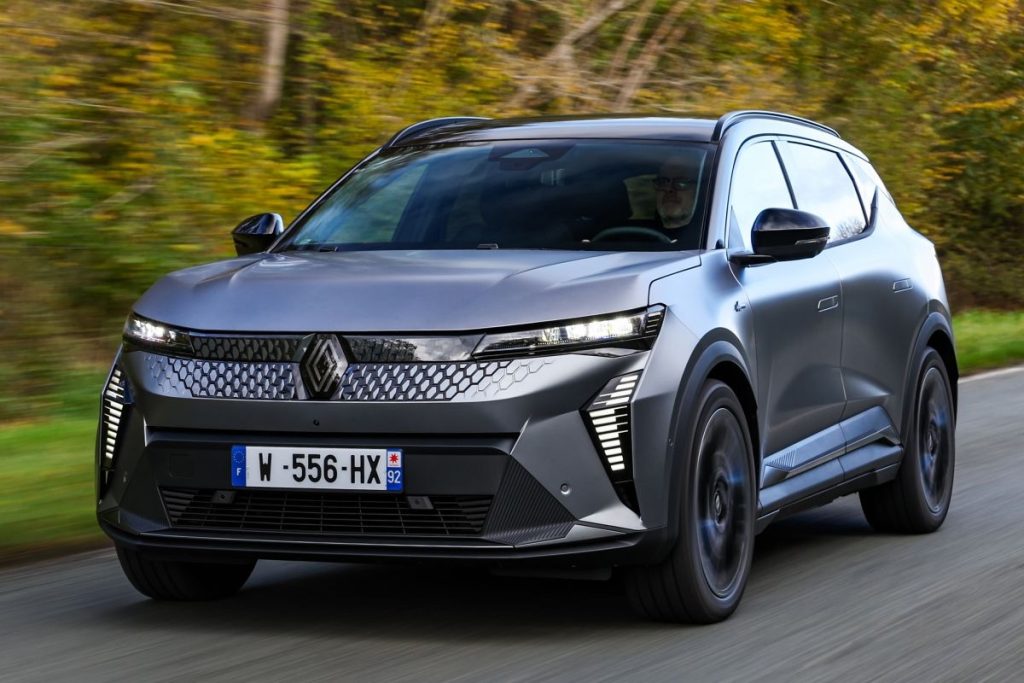
The vehicle’s design and packaging also reflect its role as a family-focused EV. With a spacious interior, flexible cargo capacity, and a suite of modern connectivity features, the Scenic E-Tech is positioned as a practical alternative to traditional SUVs. Its emphasis on usability aligns with the expectations of buyers who prioritize everyday functionality alongside electrification.
The timing of this price adjustment is significant. As EV adoption continues to expand, affordability is emerging as one of the most important factors influencing purchasing decisions. While early electric models often carried a premium, government incentives and manufacturer pricing strategies are gradually narrowing the gap between EVs and their internal combustion counterparts.
For Renault, this shift represents more than just a competitive pricing move. It signals a broader strategy aimed at increasing market share in the family EV segment, where value and practicality often outweigh performance-focused attributes.
At the same time, the Scenic E-Tech enters a crowded field of rivals, many of which are also benefiting from similar incentives. Maintaining competitiveness will require not only attractive pricing but also consistent performance, reliability, and real-world usability.
In this context, the revised pricing of the Scenic E-Tech is less about a temporary discount and more about repositioning. By aligning itself with government incentives and market expectations, the model moves closer to fulfilling its role as an accessible, mainstream electric family vehicle rather than a niche alternative.