
Houston is a city where weather can shift from routine to extreme with very little warning. During flash flood season, roads that seem perfectly normal can quickly become hazardous, with standing water rising faster than many drivers expect.
In these moments, the type of vehicle you are driving can make a critical difference, not just in convenience but in safety and mobility.
Flood conditions introduce challenges that go beyond simple traction. Water depth, road visibility, and the risk of engine damage all become immediate concerns. Vehicles with higher ground clearance, strong sealing, and capable drivetrains are far better equipped to handle these unpredictable situations.
They provide drivers with a margin of confidence when navigating water-covered streets, even if the safest choice is always to avoid deep flooding altogether.
On the other hand, low-slung sedans face a very different reality in these conditions. Their design prioritizes efficiency, aerodynamics, and road-hugging stability, which works well in dry environments.
However, that same low ride height becomes a serious limitation when water begins to accumulate. Even moderate flooding can threaten vital components, increasing the risk of stalling or long-term damage.
This contrast highlights how vehicle design must align with environmental demands. What works perfectly in one setting can become a liability in another. In Houston’s flash flood season, the difference is especially clear.
This article explores both sides of that equation. First, we will look at vehicles that are better suited for handling flood-prone conditions, focusing on their ability to manage water, maintain control, and provide a sense of security.
Then, we will examine low-slung sedans that may struggle in these environments, explaining why their design can work against them when roads are no longer dry.
Also Read: 10 Reasons Why Hybrids Are Holding Their Value Better Than EVs in 2026
5 Vehicles for Flash Flood Season In Houston
Driving during Houston’s flood season requires more than just caution. It demands a vehicle that can handle unexpected water levels, maintain traction on slick surfaces, and protect critical components from damage.
While no vehicle is truly designed to drive through deep floodwaters safely, some are far better equipped to handle shallow flooding and water-covered roads.
The most important factor in these situations is ground clearance. Vehicles that sit higher off the ground are less likely to allow water to reach sensitive areas such as the engine intake or electrical systems. This added height can make a significant difference when navigating streets with standing water.
Another key element is drivetrain capability. All-wheel drive or four-wheel drive systems can help maintain traction when roads become slippery or partially submerged. Combined with proper weight distribution and stability, this allows the driver to maintain control even in challenging conditions.
Sealing and durability also play a role. Vehicles designed for rugged use often include better protection against water intrusion, which can reduce the risk of damage during brief exposure to wet conditions.
The following vehicles have been selected based on how well they align with these requirements. Each one offers a different approach to handling flood-prone environments, ensuring that the list reflects a range of strengths suited to Houston’s unpredictable weather.
1. Toyota 4Runner
The Toyota 4Runner is a vehicle that feels inherently prepared for difficult conditions, not because it is specialized for floods, but because it is built with a level of ruggedness that translates well into unpredictable environments.
Its body-on-frame construction and elevated ride height immediately set it apart from typical urban vehicles, giving it a natural advantage when roads begin to fill with water.
What becomes apparent in flood-prone conditions is how the 4Runner’s design prioritizes durability.
The underbody components are positioned and protected in a way that reduces exposure to water, and the vehicle’s overall stance keeps critical systems higher off the ground. This does not make it immune to flooding, but it does provide a buffer that can be crucial in shallow water situations.
The drivetrain also contributes to its capability. With available four-wheel drive, the 4Runner maintains traction on surfaces that are both wet and uneven. This is particularly useful when water covers debris or creates hidden hazards beneath the surface. The vehicle remains stable, allowing the driver to proceed with controlled, deliberate inputs.
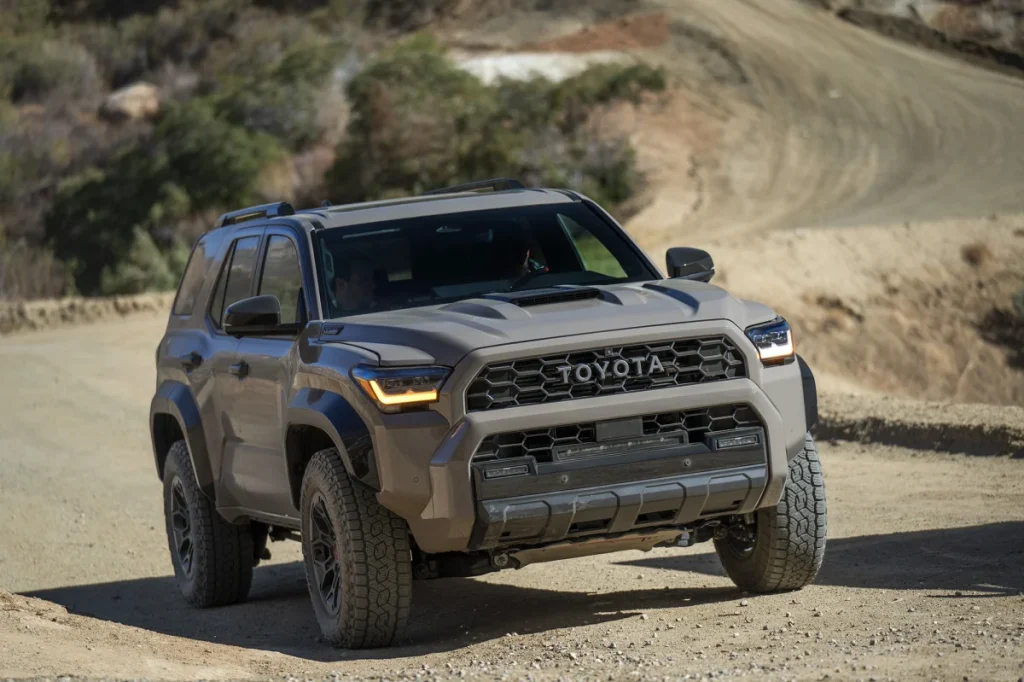
Another aspect worth noting is how the 4Runner handles uncertainty. In flash flood conditions, drivers often encounter situations where visibility is reduced and road conditions are unclear. The 4Runner’s elevated driving position provides a better view of the surroundings, helping the driver make more informed decisions.
This is why the 4Runner earns its place on this list. It is not about encouraging risky behavior in floodwaters, but about having a vehicle that offers greater resilience and control when conditions become unpredictable.
2. Ford Bronco
The Ford Bronco approaches challenging environments with a mindset rooted in adaptability. It is designed to handle off-road conditions, but many of the features that make it capable on trails also translate effectively to flood-prone urban settings like those found in Houston during heavy storms.
One of the Bronco’s most useful attributes is its ground clearance, which provides immediate reassurance when encountering standing water. This added height reduces the likelihood of water reaching sensitive mechanical components, allowing the driver to navigate shallow flooding with greater confidence compared to lower vehicles.
The Bronco’s drivetrain system further enhances its suitability. With advanced four-wheel drive options and selectable drive modes, it can adjust to varying levels of traction. In wet conditions, this adaptability helps maintain control, especially when roads become slick or partially submerged.
Another strength lies in its overall construction. The Bronco is built with durability in mind, and that includes components that are better suited to handle exposure to water and debris. While it is not designed to drive through deep floods, it offers a level of resilience that can make a difference in less extreme situations.
What sets the Bronco apart is how it combines capability with driver awareness. Features that improve visibility and control help the driver respond to changing conditions more effectively. This is particularly valuable in flash flood scenarios, where the situation can evolve quickly.
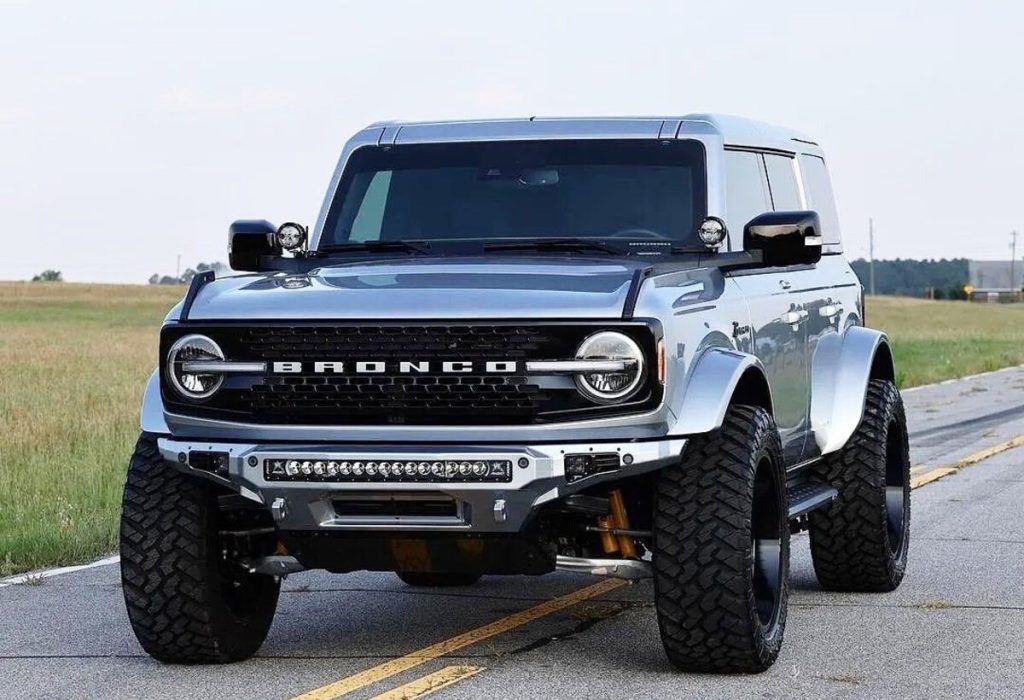
The reason for including the Bronco is its ability to adapt. It does not rely on a single feature to handle difficult conditions, but instead brings together multiple elements that work in unison. For Houston’s unpredictable flood season, that versatility becomes a meaningful advantage.
3. Jeep Wrangler
The Jeep Wrangler approaches difficult conditions with a kind of mechanical honesty that becomes especially valuable when roads are no longer predictable. It is not designed with urban flooding specifically in mind, yet its off-road DNA gives it a natural advantage when water begins to collect on Houston streets.
One of the Wrangler’s defining strengths is its high ground clearance combined with a short overhang design. This allows it to approach water-covered sections of road without immediately exposing critical components.
In situations where other vehicles may hesitate, the Wrangler maintains a level of composure that comes from its elevated stance and purposeful proportions.
Its four-wheel-drive system adds another layer of control. When roads are slick or partially submerged, traction can change moment by moment.
The Wrangler adapts to these changes without requiring constant correction from the driver. This creates a sense of stability that is particularly reassuring when visibility is reduced and road surfaces are uncertain.
There is also a structural toughness that sets the Wrangler apart. It is built to endure harsh environments, and while floodwaters present unique risks, the vehicle’s design helps it tolerate brief exposure to challenging conditions better than many standard road cars.
The driving experience itself is different from more refined vehicles. It feels deliberate, almost mechanical in how it responds, which can actually be an advantage in flood scenarios. The driver is more aware of inputs and vehicle behavior, making it easier to react carefully rather than instinctively.
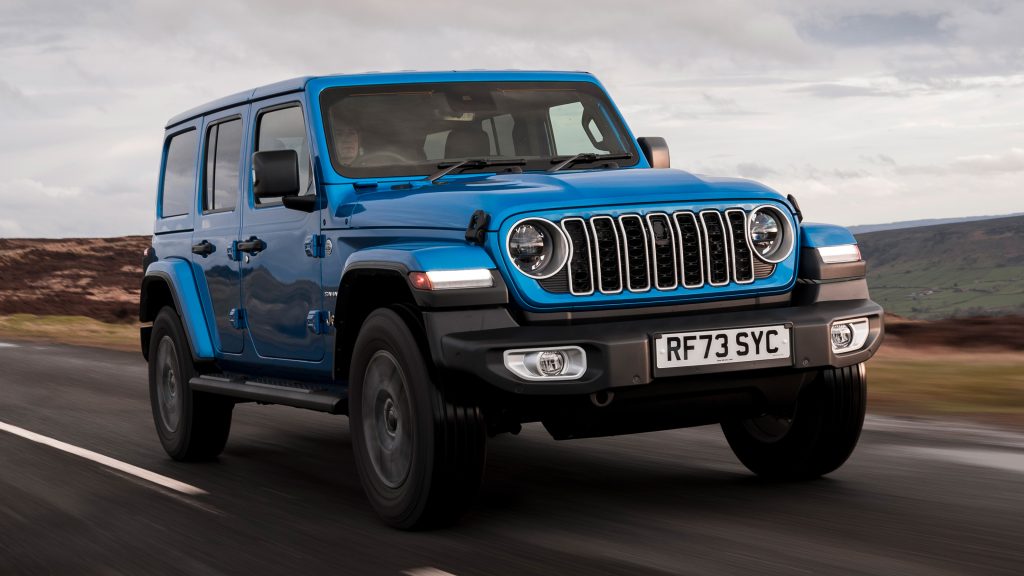
This is why the Wrangler is included here. It does not promise invincibility, but it offers a level of resilience and control that aligns well with the unpredictable nature of Houston’s flash flood season.
4. Chevrolet Tahoe
The Chevrolet Tahoe brings a different kind of capability to flood-prone conditions, focusing less on rugged minimalism and more on size, presence, and sustained stability. As a full-size SUV, it offers a commanding view of the road, which becomes particularly valuable when water obscures lane markings and surface details.
Its height is one of its most immediate advantages. Sitting well above the ground, the Tahoe reduces the likelihood of water reaching vulnerable components during shallow flooding. This added clearance provides a margin of safety that smaller vehicles simply cannot match, especially when water levels are uncertain.
The Tahoe also benefits from its substantial weight and long wheelbase. In wet conditions, this contributes to a planted feel that helps maintain directional stability. While lighter vehicles may feel unsettled on water-covered roads, the Tahoe tends to move with a more controlled, steady motion.
Another important factor is how it manages passenger comfort during stressful conditions. Flood scenarios can be tense, and the Tahoe’s spacious, well-insulated cabin helps reduce the sense of urgency. A calmer environment can lead to better decision-making, which is crucial when navigating unpredictable roads.
Its drivetrain options further support its capability. With available four-wheel drive, the Tahoe can maintain traction even when surfaces are slick or partially submerged, allowing the driver to proceed with confidence rather than hesitation.
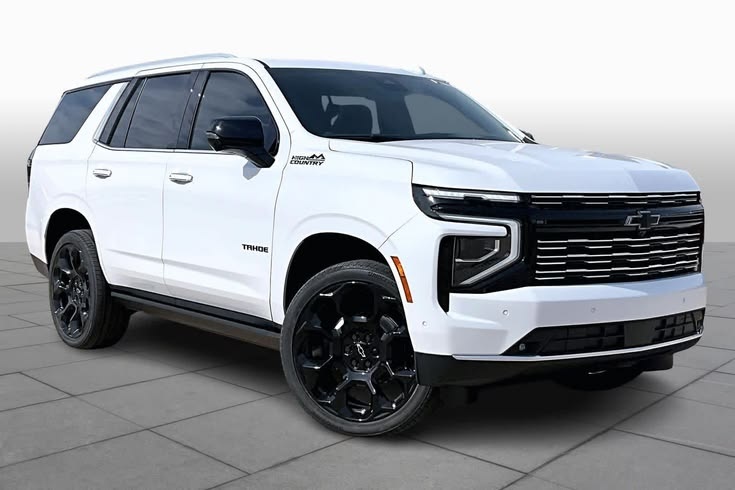
The Tahoe earns its place on this list because it combines scale with stability. It does not rely on agility or quick reactions, but instead offers a steady, composed approach that suits the slow, careful driving required during Houston’s flood season.
5. Land Rover Defender
The Land Rover Defender closes out this category with an approach that blends modern engineering with traditional capability. It is a vehicle designed with extreme conditions in mind, and while urban flooding presents a different kind of challenge, many of its strengths translate directly into this environment.
What makes the Defender particularly relevant is its focus on water management. It is engineered with high air intake positioning and carefully sealed components, which helps reduce the risk of water intrusion during shallow crossings. In a city like Houston, where flood levels can vary unpredictably, this design provides an added layer of reassurance.
Ground clearance is another major advantage. The Defender sits high enough to handle water-covered roads without immediately exposing sensitive areas. This is complemented by its suspension system, which maintains composure even when the surface beneath the water is uneven or obscured.
The vehicle’s all-wheel-drive system plays a crucial role as well. It continuously adjusts power distribution to maintain traction, which is essential when driving through wet or partially submerged streets. This allows for smoother, more controlled movement, reducing the likelihood of sudden slips or loss of control.
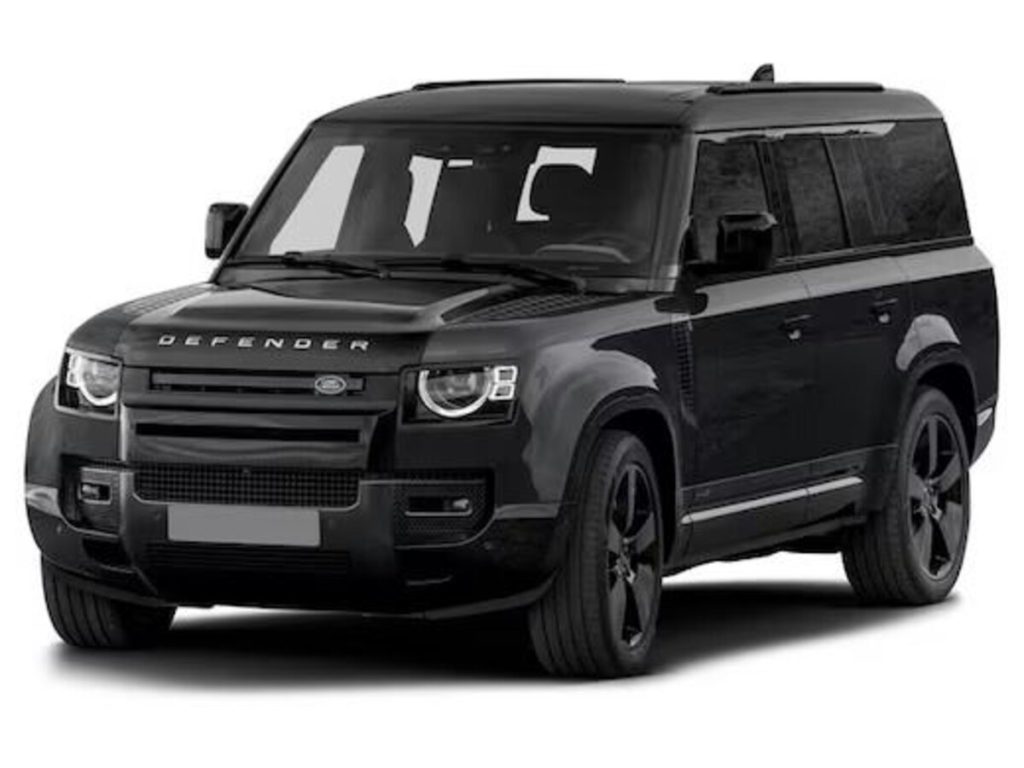
There is also a technological aspect that enhances its usability. Features designed to assist in difficult terrain help the driver maintain awareness and control, even when conditions are less than ideal. These systems work in the background, supporting the driver without becoming intrusive.
The Defender earns its place here because it is built with adversity in mind. It does not simply react to challenging conditions, it is prepared for them. In Houston’s flash flood season, that level of preparedness can make a meaningful difference.
5 Low-Slung Sedans to Avoid
While some vehicles are better equipped to handle flood-prone conditions, others are inherently disadvantaged due to their design. Low-slung sedans fall into this category, not because they are poorly engineered, but because their priorities do not align with environments where water accumulation is a frequent risk.
The primary issue is ground clearance. These vehicles sit closer to the road, which improves aerodynamics and handling in dry conditions. However, when water begins to collect, this low stance becomes a liability. Even relatively shallow flooding can reach critical components, increasing the risk of engine damage or electrical issues.
Another concern is how these cars interact with water at speed. Lower vehicles are more susceptible to hydroplaning, where tires lose contact with the road surface. This reduces control and makes it harder to maintain stability, particularly during sudden maneuvers.
There is also the matter of visibility. Sitting closer to the ground limits the driver’s ability to assess water depth and road conditions ahead. In flood scenarios, where visual cues are already compromised, this can lead to misjudgments that carry serious consequences.
The following vehicles are included as examples of sedans whose design makes them less suitable for flood-prone environments. The goal is not to criticize their overall performance, but to highlight why they may not be the best choice when dealing with Houston’s unpredictable weather.
1. Honda Civic Sedan
The Honda Civic Sedan is widely respected for its efficiency, reliability, and everyday usability. It excels in urban commuting and highway driving, offering a balanced experience that appeals to a broad range of drivers. However, when the conversation shifts to flood-prone conditions, its strengths begin to lose relevance.
The most immediate limitation is its low ride height. In dry conditions, this contributes to stability and fuel efficiency. In flooded streets, it places the vehicle at a disadvantage. Water can reach the lower sections of the car quickly, increasing the risk of damage to essential components.
Another factor is how the Civic handles water-covered roads. Its lightweight structure and front-wheel-drive setup are optimized for efficiency rather than resilience in extreme conditions. When water reduces traction, the car may feel less stable, requiring careful and precise inputs from the driver.
Visibility also plays a role. Sitting lower to the ground limits the driver’s ability to judge water depth accurately. In a flash flood scenario, this can lead to situations where the driver unknowingly enters water that is deeper than expected.
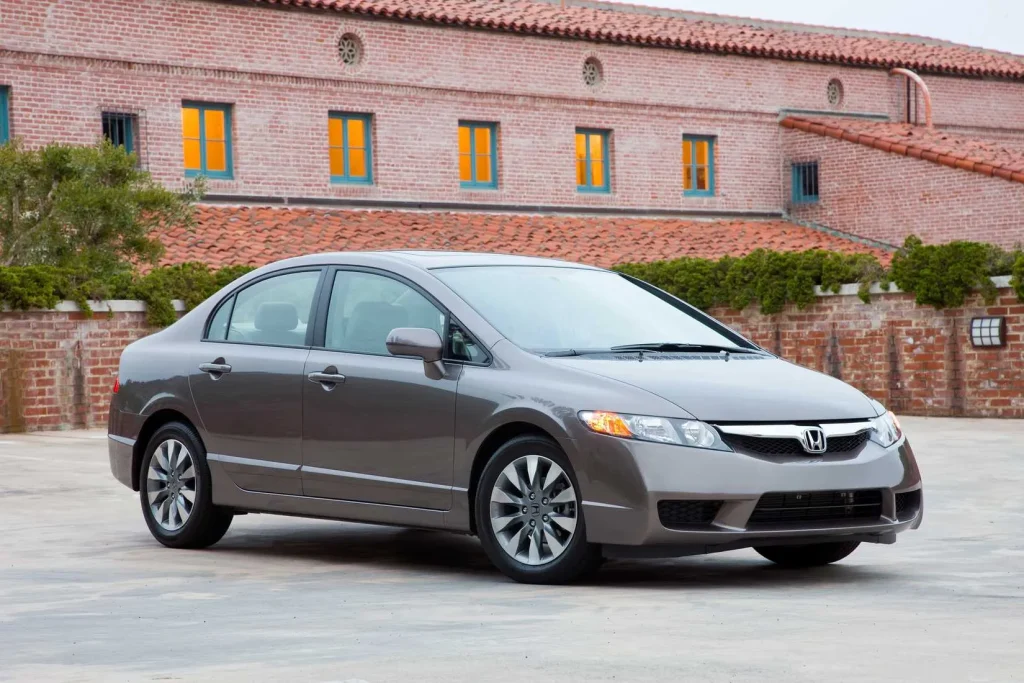
The Civic is included here because it represents a common type of vehicle that many people rely on daily. While it performs exceptionally well in normal conditions, it is not designed for environments where water becomes a dominant factor. In Houston’s flood season, that mismatch can become a significant concern.
2. Toyota Corolla Sedan
The Toyota Corolla Sedan approaches driving with a focus on simplicity and dependability, making it one of the most practical choices for everyday use. It is efficient, easy to manage, and built to handle routine commuting without complication. However, these qualities do not necessarily translate well when faced with the unpredictable nature of flood-prone streets.
Its low ground clearance is the most obvious limitation. In situations where water begins to accumulate, the Corolla does not have the height needed to keep critical components safely above the surface. Even moderate flooding can bring water close to areas that are not designed for exposure, increasing the risk of mechanical issues.
The car’s design also prioritizes smooth, predictable handling on dry pavement. While this works well under normal conditions, it does not provide the same level of confidence when roads are partially submerged. Reduced traction and the potential for hydroplaning can make the driving experience feel less stable.
Another consideration is how the vehicle responds to unexpected conditions. Flooded roads often hide debris or uneven surfaces, and a low-slung sedan like the Corolla has limited ability to absorb or navigate these hazards without risk.
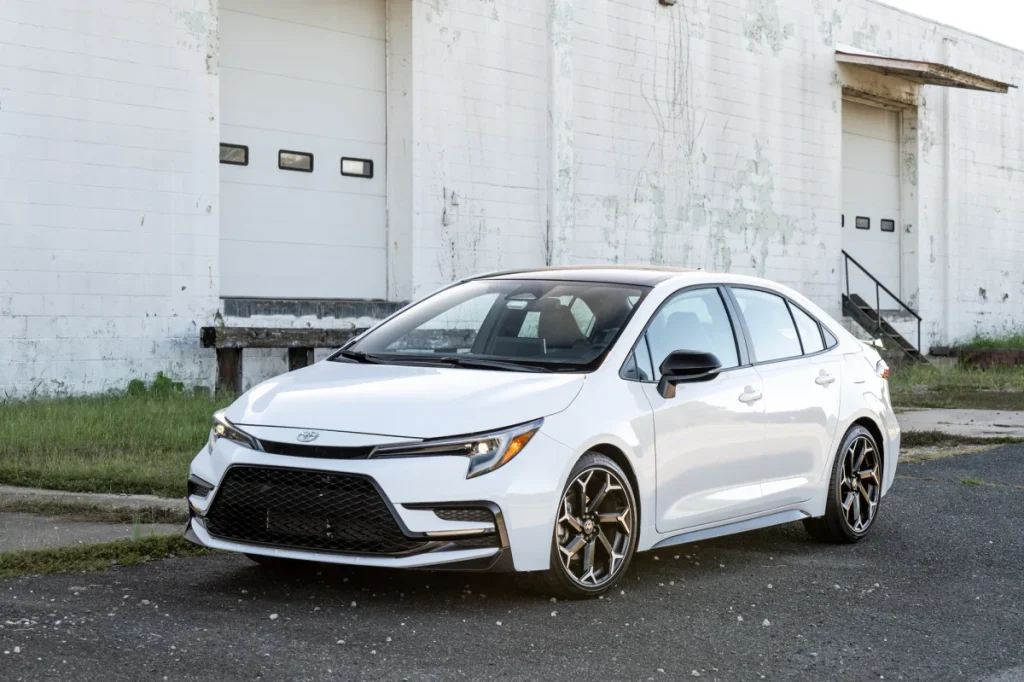
The reason for including the Corolla is to highlight how a vehicle that excels in everyday scenarios can struggle when conditions change dramatically. It is not a question of quality, but of suitability. In Houston’s flash flood season, its design simply does not align with the demands of the environment.
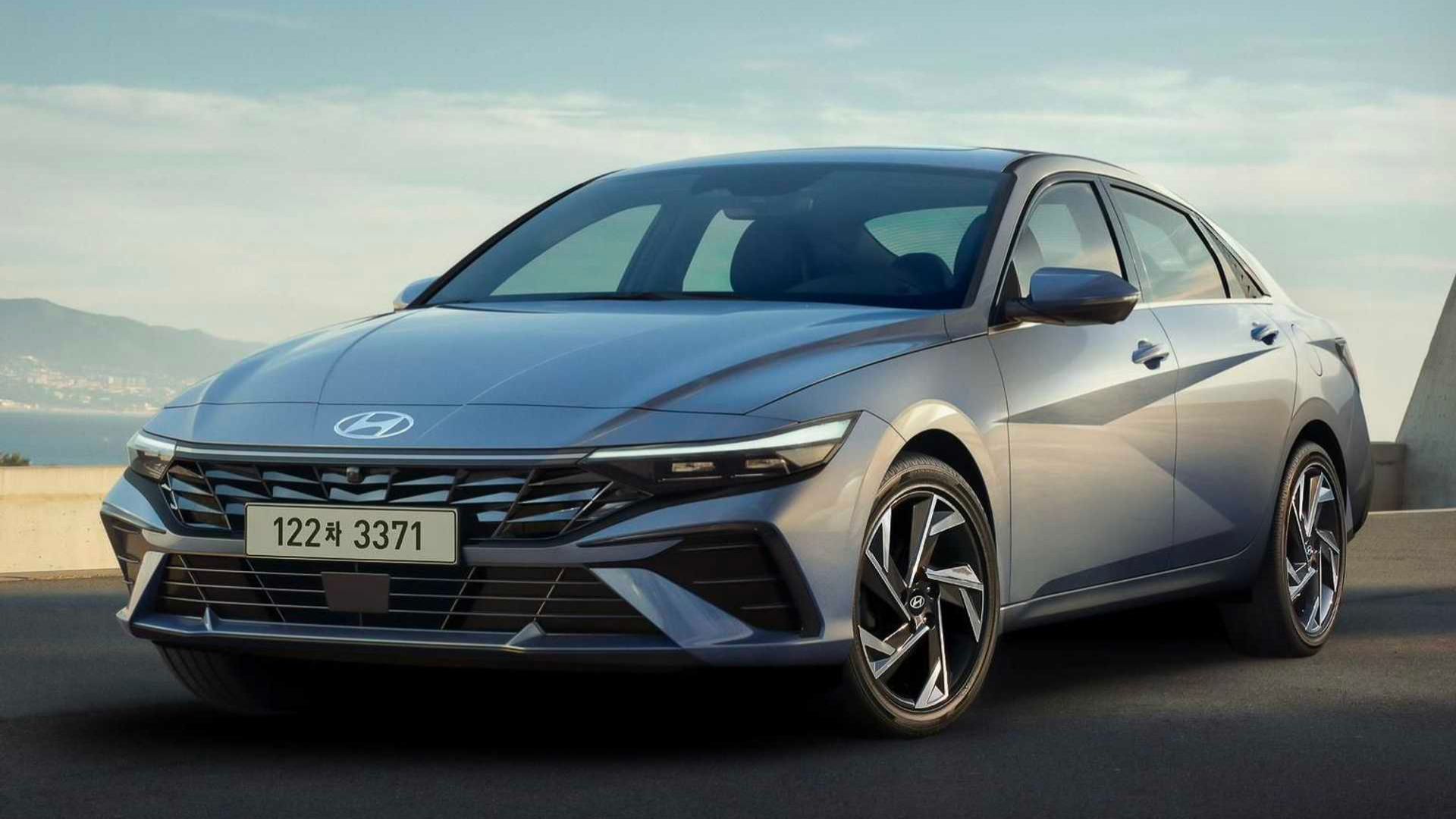
3. Hyundai Elantra Sedan
The Hyundai Elantra Sedan presents itself as a modern, efficient commuter with a design that emphasizes sleekness and aerodynamics.
On dry roads, this works in its favor, improving fuel economy and providing a composed driving experience. However, in Houston’s flash flood conditions, those same design priorities begin to work against it in subtle but important ways.
The Elantra’s low stance places it closer to rising water than is ideal in flood scenarios. When streets begin to accumulate even a few inches of standing water, the margin for safety becomes very narrow.
Critical components sit lower than in taller vehicles, and the risk of water reaching sensitive areas increases quickly. This is not always immediately visible to the driver, which adds to the danger.
Another concern lies in how the car reacts to compromised traction. The Elantra is tuned for comfort and efficiency, not for navigating unpredictable, water-covered surfaces.
When grip is reduced, the vehicle may require more careful input to maintain stability, especially during turns or sudden stops. This added sensitivity can make already stressful conditions feel even more demanding.
There is also a practical limitation in terms of road awareness. Sitting lower means the driver has a reduced vantage point, which makes it harder to judge water depth or spot hazards hidden beneath the surface. In flash flood conditions, where visibility is already compromised, this becomes a significant disadvantage.
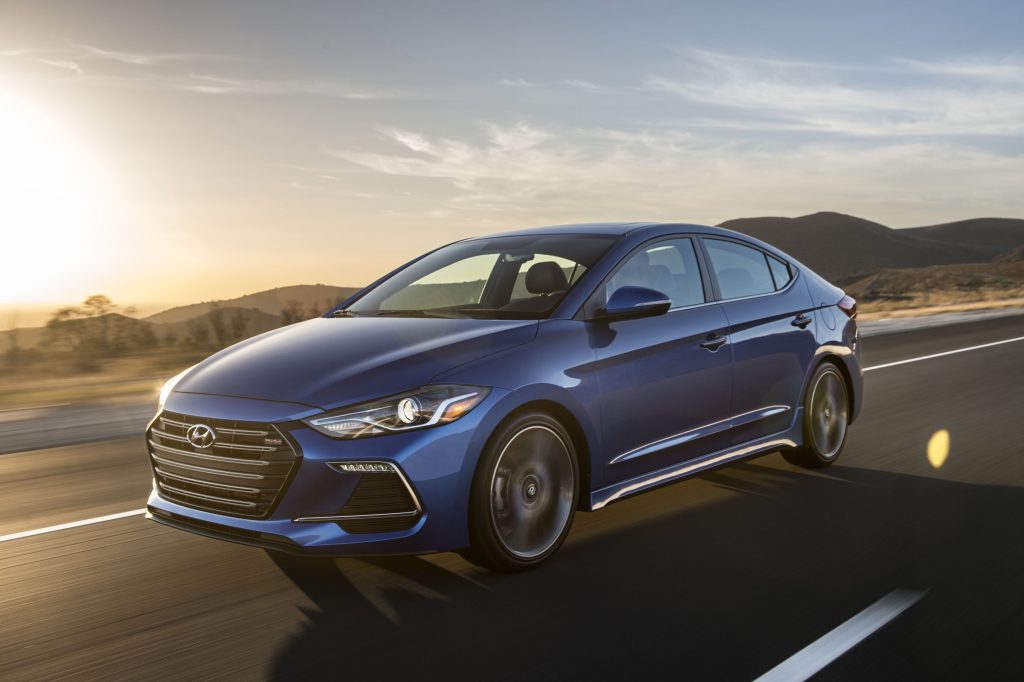
The Elantra is included here as an example of how modern design trends do not always align with extreme environments. It performs admirably in everyday use, but when faced with Houston’s flood season, its low profile and road-focused engineering limit its effectiveness.
4. Nissan Altima
The Nissan Altima takes a slightly different approach, offering a balance between comfort, efficiency, and a hint of sportiness. It is designed to handle a variety of driving conditions, but flood-prone environments expose limitations that are not immediately apparent in normal use.
One of the key challenges with the Altima is how it manages water interaction at speed. Its low profile increases the likelihood of encountering hydroplaning when driving through standing water. When tires lose consistent contact with the road surface, control becomes less predictable, and the driver must react quickly to maintain stability.
The vehicle’s ground clearance also plays a critical role. While it may be slightly higher than some compact sedans, it still does not provide the elevation needed to confidently navigate flooded streets. Water can approach critical systems faster than expected, particularly when the depth is difficult to judge visually.
Interestingly, the Altima’s available all-wheel-drive system might suggest improved capability. While it does enhance traction in certain conditions, it does not address the fundamental limitation of ride height. This creates a situation where the car may feel more capable than it actually is in flood scenarios, potentially leading to overconfidence.
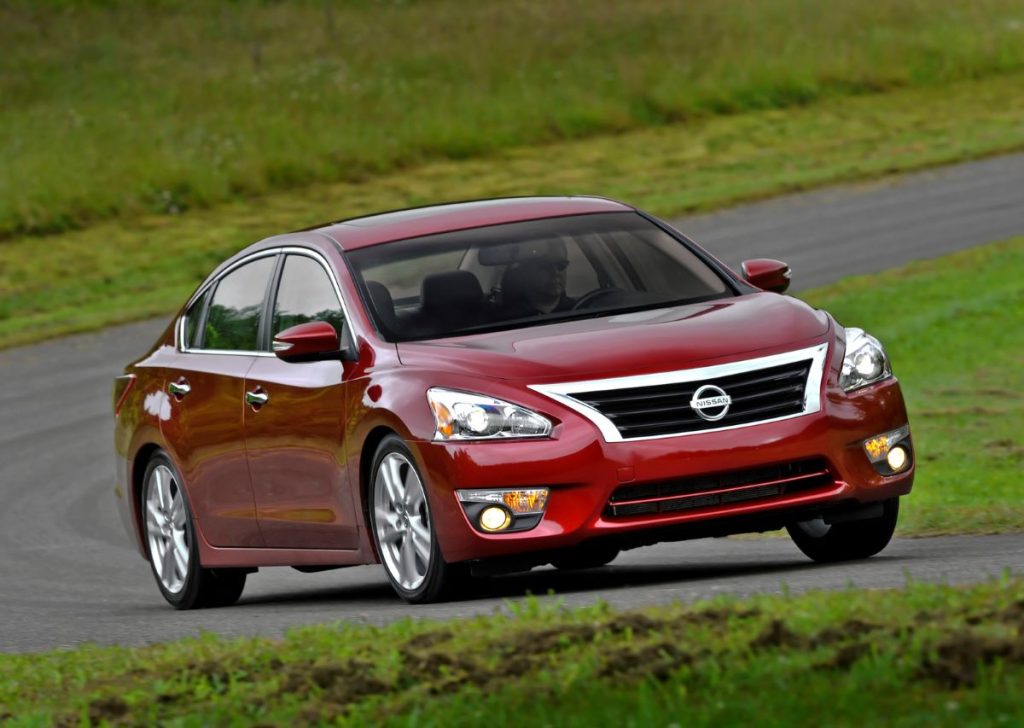
The inclusion of the Altima highlights how partial solutions do not always solve the core problem. Even with added features, the vehicle’s overall design remains better suited to dry or mildly wet conditions rather than significant water accumulation.
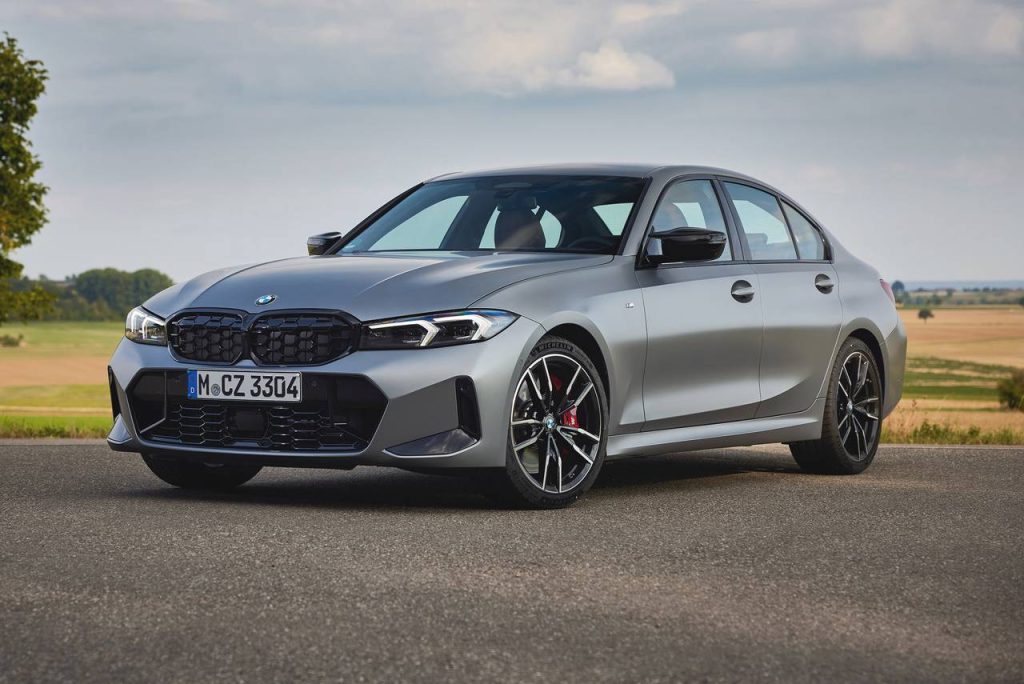
5. BMW 3 Series
The BMW 3 Series is a sedan built around precision, balance, and driving engagement. It is engineered to deliver a responsive and connected experience, making it one of the most respected vehicles in its class. However, when the focus shifts to flood-prone conditions, its performance-oriented design reveals clear limitations.
The car’s low ride height is central to its driving dynamics, allowing for improved handling and stability on dry roads. In flooded environments, this same characteristic becomes a vulnerability. Water can reach the underside of the vehicle quickly, increasing the risk of damage and reducing the margin for safe navigation.
Another factor is how the 3 Series responds to reduced traction. Its finely tuned chassis is designed to react quickly to driver inputs, which is ideal for performance driving. In wet or submerged conditions, however, this responsiveness can feel less forgiving. Small inputs may lead to noticeable changes in behavior, requiring careful control.
The emphasis on driving feel also means that the vehicle communicates road conditions more directly. While this is often seen as a benefit, it can make flood scenarios feel more intense, as the driver becomes acutely aware of instability or loss of grip.
The BMW 3 Series completes this list because it represents a category of vehicles that excel in precision but struggle in unpredictability. In Houston’s flash flood season, where conditions demand resilience and adaptability, its strengths are overshadowed by the risks associated with its low-slung design.
Houston’s flash flood season highlights how critical vehicle choice can be when conditions turn unpredictable. Vehicles like the Toyota 4Runner, Ford Bronco, and Land Rover Defender stand out because of their high ground clearance, strong drivetrains, and durable construction.
These features help drivers navigate shallow flooding, maintain traction on slick roads, and reduce the risk of water reaching sensitive components. Their elevated driving position also improves visibility, which is essential when judging water depth and avoiding hidden hazards.
On the other hand, low-slung sedans such as the Honda Civic, Toyota Corolla, and BMW 3 Series reveal clear limitations in these environments.
Their lower ride height increases the likelihood of water intrusion, while reduced visibility and higher susceptibility to hydroplaning make them harder to control. Even features like all-wheel drive cannot fully compensate for their fundamental design constraints.
The key takeaway is not that one type of vehicle is universally better, but that suitability depends on the environment.
In flood-prone areas like Houston, vehicles designed with height, durability, and traction in mind offer a significant advantage, while lower sedans are better reserved for conditions where water is not a constant threat.
Also Read: 10 Used 4x4s That Are Still Rugged and Affordable in 2026
