
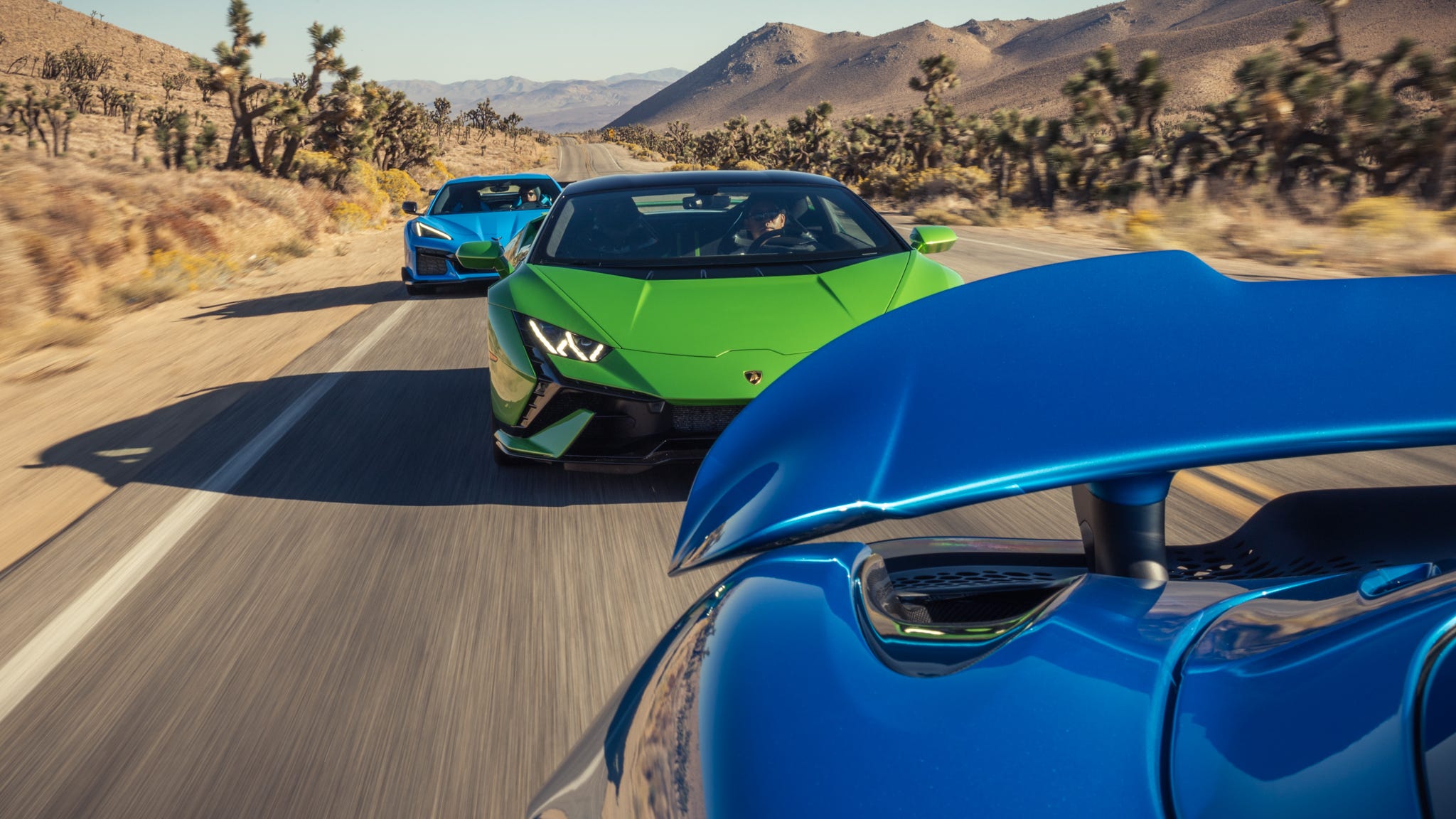
Sports car ownership often carries a reputation for high expense, and in many cases, that reputation is deserved. Exotic performance machines built with turbocharged engines, advanced All Wheel Drive systems, carbon fibre body panels, and restricted dealer servicing commonly impose heavy running costs.
Labour charges reach four-figure levels, replacement parts attract premium pricing, and routine maintenance quickly becomes financially demanding. These realities shape public perception and encourage the belief that performance driving and responsible budgeting cannot comfortably coexist.
Lightweight sports cars reverse this cost relationship through efficiency rather than excess. A vehicle weighing close to two thousand pounds paired with a modest power output can deliver genuine performance without forced induction, specialised drivetrains, or premium fuel dependence. Lower mass reduces braking distances, allowing smaller brake components that cost less to replace.
Reduced load also lowers tyre wear, improves fuel economy, and places less strain on suspension and steering assemblies during daily use. Ownership economics extend beyond mechanical expenses alone. Insurance premiums, fuel costs, and depreciation patterns also respond favourably to reduced vehicle mass.
Cars built without excessive power outputs or rare materials cost less to repair and replace, which insurers recognise when calculating premiums. Stable demand for driver-focused lightweight models supports resale values that protect owners from steep financial loss during ownership transitions.
Choosing a lightweight sports car is therefore not an act of financial recklessness but a measured decision grounded in efficiency. It delivers engaging performance while preserving financial stability, proving that enjoyment and responsible spending can align within the same ownership experience when weight is treated as a cost driver rather than a status symbol.
Such vehicles demonstrate that disciplined engineering choices influence ownership outcomes as strongly as purchase price. For buyers seeking performance that excites without eroding financial balance, light weight provides a rational path to sustained enjoyment and long-term affordability through consistent operational savings.
1. Fuel Economy That Defies the Sports Car Stereotype
Ask most people what kind of fuel economy they expect from a sports car, and the answer will be somewhere between bad and terrible. That expectation is built entirely from the performance cars that dominate automotive media coverage, the heavy-turbocharged sedans, the supercharged muscle cars, the exotic supercars with big V8s and V12s that consume premium fuel at rates that make even truck owners wince.
Lightweight sports cars tell a completely different fuel economy story, and that story is backed by physics rather than marketing claims. Weight reduction is the most powerful fuel economy lever available to automotive engineers. Every 10 percent reduction in vehicle weight produces approximately a 6 to 8 percent improvement in fuel economy when all other variables are held constant.
A car that weighs 2,200 pounds compared to a car that weighs 3,400 pounds of the same type represents approximately a 35 percent weight reduction, which translates to a fuel economy advantage that is immediately visible in real-world driving.
Lotus’s engineering philosophy, which produced vehicles like the 2021 Lotus Elise Sport 220 at approximately 1,984 pounds, demonstrates this principle in measurable form.
At highway speeds, this vehicle’s aerodynamic drag and rolling resistance are both functions of its low weight and small frontal area, allowing its 1.8-liter Toyota-sourced naturally aspirated four-cylinder to achieve fuel consumption figures that its sporty classification would not lead buyers to expect.
A car producing 220 horsepower from 2,000 pounds achieves genuine performance without the fuel consumption penalty that comes from pushing 3,500 pounds around with 400 horsepower.
Naturally aspirated engines in lightweight sports cars contribute to fuel economy by operating without the fuel enrichment requirements that turbocharged engines use to manage heat and protect against knock under boost.
Turbocharged engines provide their efficiency advantages primarily at light load conditions, where they can run in a lean, non-boosted state. Under moderate to hard acceleration, turbocharged engines use additional fuel enrichment that erases their efficiency advantage and can make them less economical than a smaller naturally aspirated engine doing the same work from a lighter platform.
Real-world fuel economy from lightweight sports cars like the Mazda MX-5 Miata RF Grand Touring (ND3 generation) consistently reaches 26 to 34 miles per gallon, depending on driving conditions, despite the car’s 181-horsepower 2.0-liter engine and genuinely engaging performance character.
At current fuel prices, a driver covering 15,000 miles annually in a Miata RF versus an equivalent-performance heavier sports car getting 20 miles per gallon saves $400 to $600 annually in fuel cost alone, which compounds into thousands of dollars over a five-year ownership period.
2. Tire Costs That Stay Manageable Throughout Ownership
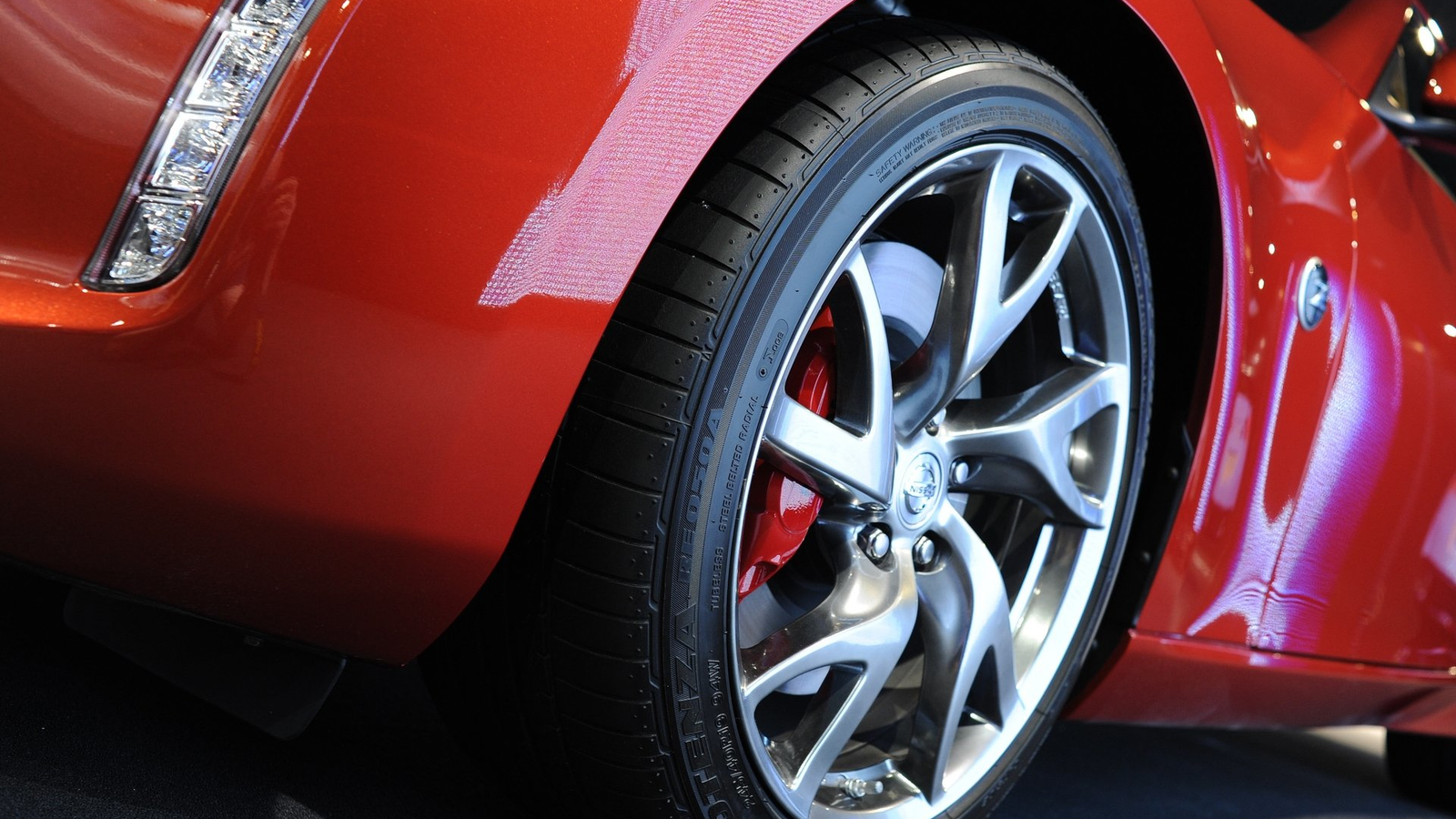
Tire expenses are one of the most underestimated ongoing costs in sports car ownership, and they vary dramatically between lightweight and heavy performance cars in ways that compound year after year of normal use. Heavier cars press tires against the road with more force, generating more heat in the tire compound and more mechanical wear on the tread surface with every mile of driving.
This is an unavoidable physics relationship, and it means that heavier performance cars simply consume tire rubber faster than lighter ones, regardless of driving style. Tire sizing also affects cost substantially. Heavy high-performance sports cars typically require wide, low-profile tires in large diameter sizes to support their weight and provide the lateral grip their mass demands during cornering.
A rear-drive sports car weighing 3,600 pounds might require 295/35/R20 rear tires to handle its mass safely, and tires of this specification can cost $350 to $600 each from quality manufacturers. Replacing four tires on a heavy performance car can easily cost $1,500 to $2,500 or more, and if driving style accelerates wear to 15,000-mile intervals, that cost appears regularly in the ownership budget.
Lightweight sports cars use smaller tires that are proportionate to their lower weight, and these tires are both cheaper per unit and longer-lasting per set.
A Caterham Seven 310R (CSR series) weighing approximately 1,389 pounds uses tires that are dramatically narrower and smaller in diameter than equivalent-performance heavy sports cars, and those tires cost a fraction of their larger counterparts while providing the grip that the car’s low weight makes fully adequate for its performance envelope.
Even mainstream lightweight sports cars show this advantage clearly. BFGoodrich Advantage Control 195/60R15 tires for a car like the Suzuki Swift Sport (ZC32S generation) at approximately 2,469 pounds cost roughly $100 to $130 each, making a four-tire set replacement a $400 to $520 expense rather than a $2,000-plus event.
Combined with the lighter car’s lower tire wear rate, this creates a total tire cost per mile figure that is substantially lower than heavier competitors delivering similar driving engagement.
Track day tire wear is particularly relevant for enthusiast buyers who occasionally use their sports cars at performance events. Heavy cars consume track tires in an afternoon of hard driving. Lightweight cars complete the same session with measurably better tire condition because the lower mass generates less heat in the tire compound and less mechanical stress on the tread during hard cornering.
This difference is immediately visible in post-session tire inspections and directly affects how frequently track-day participants need to budget for replacement rubber.
Also Read: 10 Common Maintenance Mistakes That Shorten Engine Life

3. Brake System Costs That Reflect Real-World Physics Advantages
Brake performance is governed by basic physical laws that do not bend to branding, marketing claims, or driving style. Any vehicle slowing down must convert kinetic energy into heat through its braking system. The heavier the vehicle, the more energy must be dissipated during every stop.
That additional energy places a higher thermal load on brake pads, rotors, calipers, and fluid, leading to faster wear and higher maintenance expenditure across the service life of the vehicle. Lightweight sports cars benefit directly from this physical reality, and that benefit shows clearly in brake replacement intervals and cost patterns.
A vehicle weighing about 2,000 pounds carries far less kinetic energy at any given speed than a vehicle weighing 3,600 pounds. Each stop from the same speed requires the lighter car to shed far less energy as heat. This reduced heat generation lowers pad abrasion, slows rotor surface degradation, and reduces thermal cycling stress on seals and brake fluid.
When multiplied across daily driving, commuting, and spirited use, this advantage produces longer service intervals and fewer brake replacements within the same mileage range. Brake hardware size also follows vehicle mass. Lighter sports cars use smaller rotors, lighter calipers, and pads that are widely produced within competitive supply chains.
Replacement parts are readily available and priced within reach of ordinary performance-minded owners. Heavier performance cars require large-diameter rotors and high-capacity calipers designed to manage extreme heat loads, and these components carry prices that reflect their specialised construction and limited production scale.
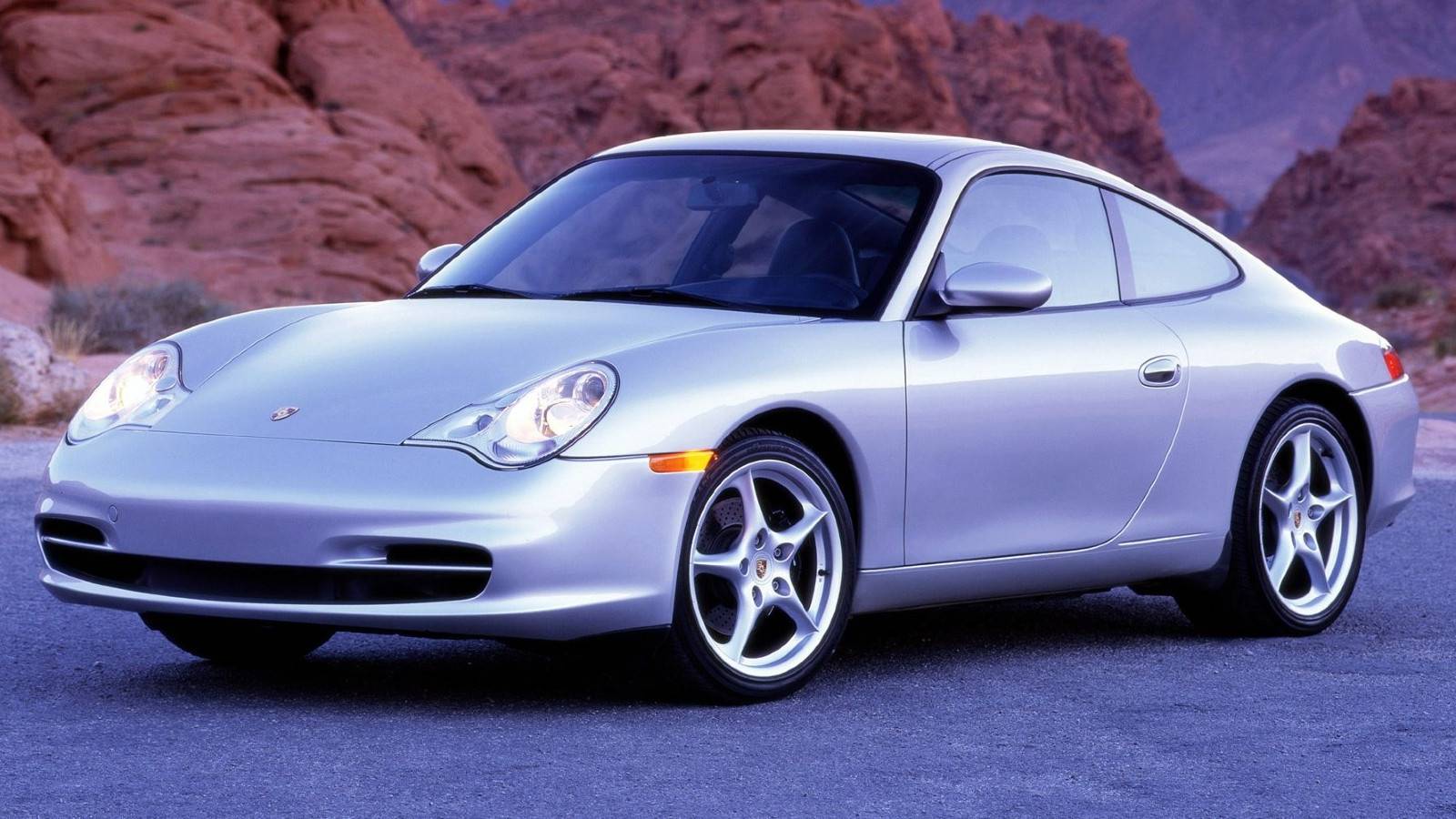
For example, the Porsche 911 Turbo S employs braking systems designed to manage both high mass and very high power output. Whether fitted with ceramic composite or large steel rotors, replacement components are costly due to size, material demands, and precision requirements.
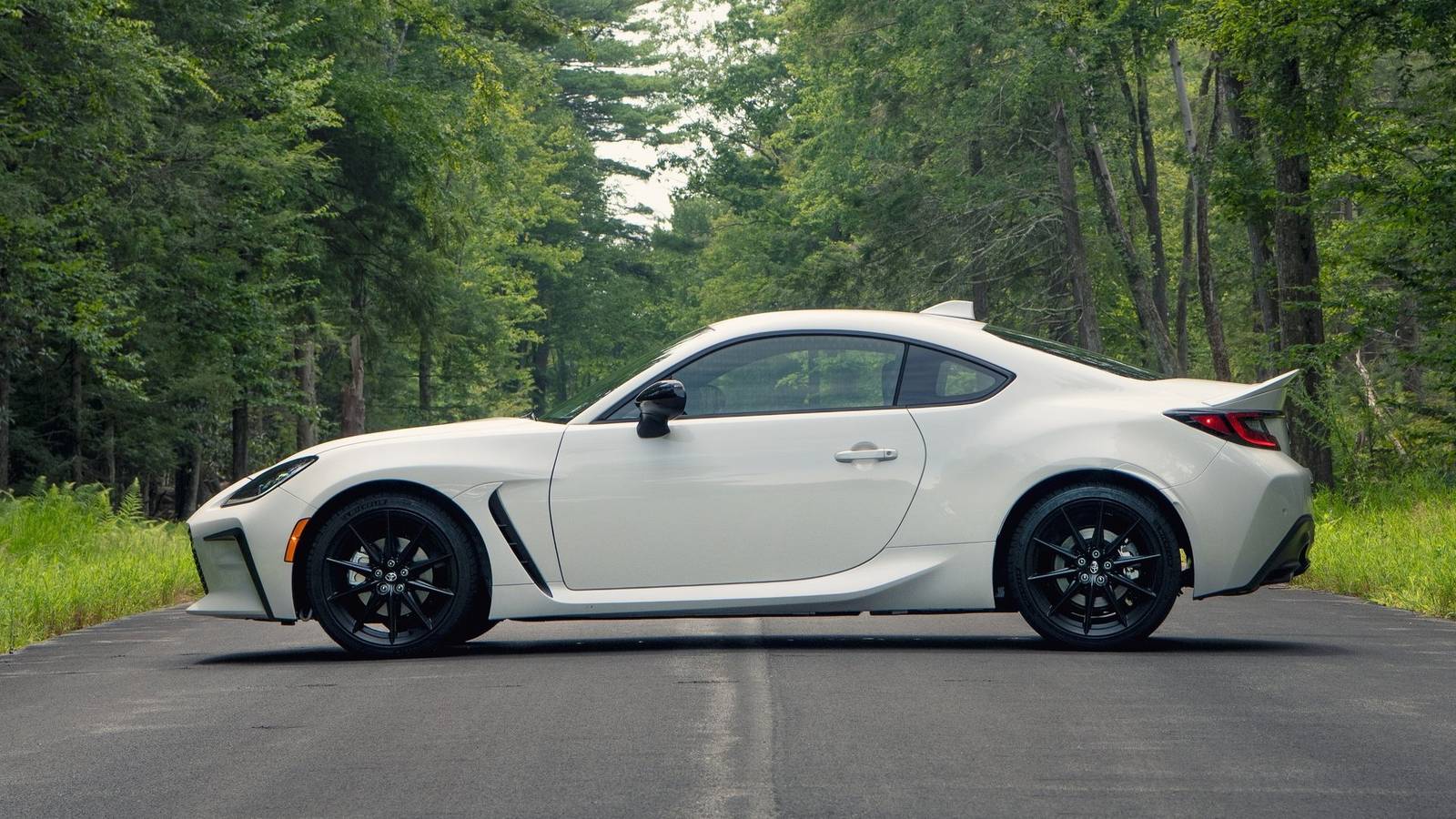
By comparison, a lightweight sports car such as the Toyota GR86 Premium uses conventionally sized brake components with broad aftermarket support, keeping service costs predictable and moderate.
Hybrid technology can extend this advantage even further when applied to lighter vehicles. Regenerative deceleration reduces reliance on friction brakes during routine slowing, preserving pads and rotors for longer periods.
The Honda CR‑Z Type S demonstrated how reduced mass combined with energy recovery translated into brake service intervals that heavier non-hybrid sports cars struggled to match under similar usage conditions.
Lower brake wear is not an abstract benefit. It represents real savings that appear repeatedly during ownership, driven entirely by physics rather than driver optimism or marketing language.
4. Insurance Rates That Reward Lower Replacement and Repair Costs
Insurance pricing for performance vehicles is driven by actuarial assessment rather than emotional attachment to speed or styling. Two dominant variables influence premiums: the expected cost of repair or replacement after a collision, and historical claim patterns associated with a given vehicle type.
Lightweight sports cars tend to perform favourably under both measures when compared with heavier performance vehicles, and this favourable assessment translates into lower annual insurance costs that accumulate into meaningful long-term savings. Repair expenditure is closely tied to vehicle construction.
Lightweight sports cars often rely on simpler structural layouts using conventional steel or aluminium components that are easier to source and replace. When damage occurs, repair estimates remain within manageable limits because panels, suspension parts, and substructures are not proprietary or excessively specialised.
Heavier luxury performance cars frequently incorporate carbon fibre sections, aluminium space frames, and bespoke suspension assemblies. Even moderate collision damage in such vehicles can produce repair bills that approach the insured value of the car, triggering higher premiums from the outset.
Replacement value plays an equally important role. A lightweight sports car priced between thirty and forty-five thousand dollars presents a far lower total-loss exposure to insurers than high-end performance cars valued well above eighty thousand dollars. Lower exposure reduces both comprehensive and collision premium components for owners who maintain full coverage.
Claim history also matters. While performance cars attract elevated risk classifications as a category, lightweight sports cars often appeal to drivers focused on balance, control, and driver involvement rather than raw acceleration. Vehicles such as the Mazda MX‑5 Miata Club have built insurance profiles associated with lower severe-collision costs than heavier, more powerful alternatives. This pattern influences premium calculations year after year.
Insurance pricing does not reward aspiration or image. It rewards measurable cost control. Lightweight sports cars align naturally with that logic by limiting repair scope, reducing replacement exposure, and maintaining claim histories that reflect disciplined ownership rather than excess.
5. Lower Maintenance Costs From Simpler, Lighter Mechanical Systems
Lightweight sports cars reach their reduced mass targets largely through mechanical restraint, and this restraint produces direct financial benefits during ownership. A simpler mechanical layout limits the number of parts that require routine inspection, adjustment, or replacement.
Each deleted component removes a possible failure point and reduces dependence on specialised labour or brand-restricted parts. For owners who plan expenses carefully and prefer consistency in running costs, this structural simplicity delivers measurable savings across years of use.
Transmission maintenance also reflects this simplicity. Manual gearboxes dominate the lightweight sports segment, and their service requirements are limited to periodic fluid replacement using standard gear oil.
These gearboxes avoid the software calibration, hydraulic control units, and specialised cooling systems found in dual-clutch or advanced automatic transmissions. Clutch assemblies are smaller, lighter, and less costly, while labour time is reduced due to easier access within compact vehicle layouts.
A clear illustration of this philosophy is the Honda S660 Alpha. Despite its turbocharged configuration, its compact engine design, and Honda’s conservative engineering approach, keep scheduled servicing within modest limits. The platform reflects a maintenance strategy based on precision manufacturing rather than layered systems, keeping ownership costs controlled despite its performance intent.
Chassis components benefit equally. Suspension parts on lightweight sports cars manage lower loads during braking, cornering, and daily driving. Control arms, bushings, ball joints, and dampers are physically smaller and produced at a lower cost than those required for heavier vehicles.
Reduced stress per component also extends service life, delaying replacement cycles. The result is a vehicle that rewards responsible ownership with steady, predictable maintenance expenditure rather than periodic financial surprises.
6. Better Depreciation Curves on Enthusiast-Oriented Lightweight Models
Depreciation represents the largest financial loss for most private vehicle owners, and sports cars show wide variation in this area depending on design philosophy.
Lightweight sports cars built around mechanical clarity rather than electronic saturation tend to retain value more effectively than heavier performance vehicles. Their appeal does not depend on rapidly ageing technology or headline specifications that lose relevance within a few model years.
Demand for lightweight sports cars is sustained by a focused buyer group that values steering feedback, balance, and driver involvement. This group purchases with long-term intent rather than short-term fashion, which stabilises resale pricing. Such buyers often seek manual transmissions, modest power output, and proven platforms, qualities that remain desirable regardless of economic conditions or changing market trends.
Certain models have demonstrated resale performance that rivals far more expensive vehicles. The Mazda MX-5 Miata Sport equipped with a manual gearbox, maintains strong used-market pricing due to continuous demand from driving enthusiasts.
Owners who purchase carefully and maintain service records frequently experience ownership costs per mile that are far lower than those associated with heavier sports cars purchased new.
Limited-production lightweight sports cars introduce an additional financial dimension. Vehicles designed with minimal electronic mediation and clear engineering intent often gain recognition beyond normal used-car markets. The Caterham Seven 420 R exemplifies this category. Its straightforward construction, low mass, and focused purpose attract collectors who value authenticity and mechanical honesty.
For buyers who understand depreciation as a controllable cost rather than an unavoidable loss, enthusiast-oriented lightweight sports cars offer a path to ownership where resale value remains aligned with enjoyment rather than eroded by excess weight, excess systems, or excessive replacement costs.

7. Lower Track Day and Performance Driving Costs That Make the Hobby Accessible
Track day driving is one of the most compelling reasons to own a sports car, and it is also one of the most financially demanding aspects of performance car ownership when the car is heavy, tire-hungry, and brake-intensive.
Lightweight sports cars change the track day economics fundamentally, making high-frequency track use financially sustainable in a way that ownership of heavy performance cars with four-figure tire bills per session cannot support for most enthusiasts.
Tire consumption rates at track events are directly proportional to the kinetic energy the tire must manage during cornering, acceleration, and braking. Every lateral force that the tire generates comes at the cost of some rubber worn from the tread surface, and that wear rate multiplies with the car’s weight because heavier cars require more lateral force to achieve the same cornering acceleration.
A lightweight sports car generating 0.9g of lateral acceleration at 2,200 pounds is generating approximately 1,980 pounds of lateral force. The same g-level in a 3,800-pound car generates 3,420 pounds of lateral force, nearly double, explaining why heavy sports cars consume track tires at rates that make frequent track use prohibitively expensive.
Entry fee structures at some track day organizations are tiered by horsepower class, with higher-powered vehicles paying higher entry fees that offset the additional scrutineering, safety requirements, and instructor resources those vehicles require.
Lightweight sports cars in lower-horsepower classes often qualify for lower entry fee tiers that make regular participation financially accessible, reducing the per-event cost of the track hobby compared to high-power heavy sports car ownership in higher fee tiers.
For an owner of a Radical SR3 SL (RS series), whose carbon fiber and fiberglass construction produces a race car that weighs approximately 474 kilograms without driver, track day fuel, tire, and brake costs represent a fraction of equivalent session costs for a heavy high-performance production sports car.
While the Radical represents an extreme example of lightweight philosophy, the financial principle it illustrates applies proportionally across the full spectrum of lightweight sports car ownership.
Also Read: 10 Muscle Cars That Deliver Big Power Without Big Maintenance Bills

8. Purchase Price Accessibility That Leaves Budget for Meaningful Driving Experiences
Purchase price is the first and most visible financial hurdle in sports car ownership, and lightweight sports cars consistently offer the most accessible entry points to genuine performance car driving in the new and used markets.
While the mainstream performance car market has seen average transaction prices climb steadily as feature content and technology have added weight and cost simultaneously, the lightweight sports car category has maintained price discipline precisely because its engineering priorities exclude the technology additions that drive price inflation.
New lightweight sports cars currently available in the US market, including the Toyota GR86 Premium (ZN8 generation) at approximately $34,000 and the Mazda MX-5 Miata Grand Touring (ND3 generation) at approximately $34,000 to $38,000, deliver sports car driving experiences that owners of $80,000 to $100,000 heavy sports cars describe as more engaging and more rewarding because the lightweight chassis communicates with the driver more honestly and requires more driver skill to extract maximum performance. Spending $35,000 instead of $90,000 on a genuinely more engaging driving experience is a financial and qualitative win simultaneously.
Using market pricing for lightweight sports cars offers even more dramatic value. A 2016 Mazda MX-5 Miata Sport (ND1 generation) with 40,000 miles in clean condition typically sells for $18,000 to $22,000 in the current used market, providing access to a sports car that automotive journalists universally praised as one of the best driver’s cars available, regardless of price class.
The $18,000 buyer gets a driving experience that $50,000 buyers of heavier sports cars describe enviously from the driver’s seat of their more powerful but less communicative vehicles.
Financing costs are lower for lower-purchase-price vehicles, and the interest expense difference between a $35,000 lightweight sports car and an $85,000 heavy sports car financed over five years represents $6,000 to $12,000 in additional interest expense that goes directly to the lender rather than to any driving experience the buyer receives.
Lower insurance rates, lower fuel costs, lower tire costs, lower brake costs, and lower maintenance costs all compound on top of the purchase price and financing advantage, creating a total five-year ownership cost difference between lightweight and heavy sports car ownership that regularly exceeds $20,000 to $30,000 in real money.
