
Road trips are one of the greatest American traditions. There is nothing quite like hitting the open highway with the wind in your hair and freedom on your mind. But the vehicle you choose can make or break the entire experience.
A great road trip car keeps you comfortable, fuel-efficient, and reliable across thousands of miles. A bad one leaves you sore, stressed, and stranded on the side of the road.
Used cars are a smart choice for road trips. They save you money while still delivering impressive performance and comfort. However, not every used car is built for long-distance driving. Some models are notorious for causing serious back pain and discomfort after just a few hours behind the wheel.
In this guide, we break down six used cars that are absolutely perfect for road trips across the USA. We also reveal six used cars that will leave your spine screaming for mercy.
Whether you are a weekend warrior or a cross-country adventurer, this list will help you make the right choice. Read on to find your perfect road trip companion and avoid the ones that will ruin your journey before you even reach your destination.
6 Used Cars Perfect for Road Trips in the USA
These vehicles are known for comfortable seating, smooth ride quality, and long-distance driving ease, making them ideal for extended highway journeys. Supportive seats, good lumbar design, and well-tuned suspension help reduce fatigue during hours behind the wheel.
Combined with quiet cabins and stable highway performance, they allow drivers and passengers to travel long distances without discomfort, making them excellent choices for road trip enthusiasts.
1. Toyota Camry (2016–2020)
When it comes to road trips, the Toyota Camry stands in a class of its own. It has been America’s best-selling sedan for decades, and for very good reason. The Camry delivers a rare combination of comfort, fuel efficiency, and bulletproof reliability that makes it the ultimate long-distance companion.
The seats in the 2016–2020 Camry are generously padded and ergonomically designed. They support your lower back beautifully, even after six or seven hours of continuous driving. The lumbar support is adjustable, which means drivers of all shapes and sizes can find their perfect seating position without any strain.
The cabin insulation in the Camry is exceptional for its price range. Road noise stays remarkably low even at highway speeds of 70 to 80 miles per hour. This creates a calm, peaceful driving environment that reduces fatigue on long journeys significantly.
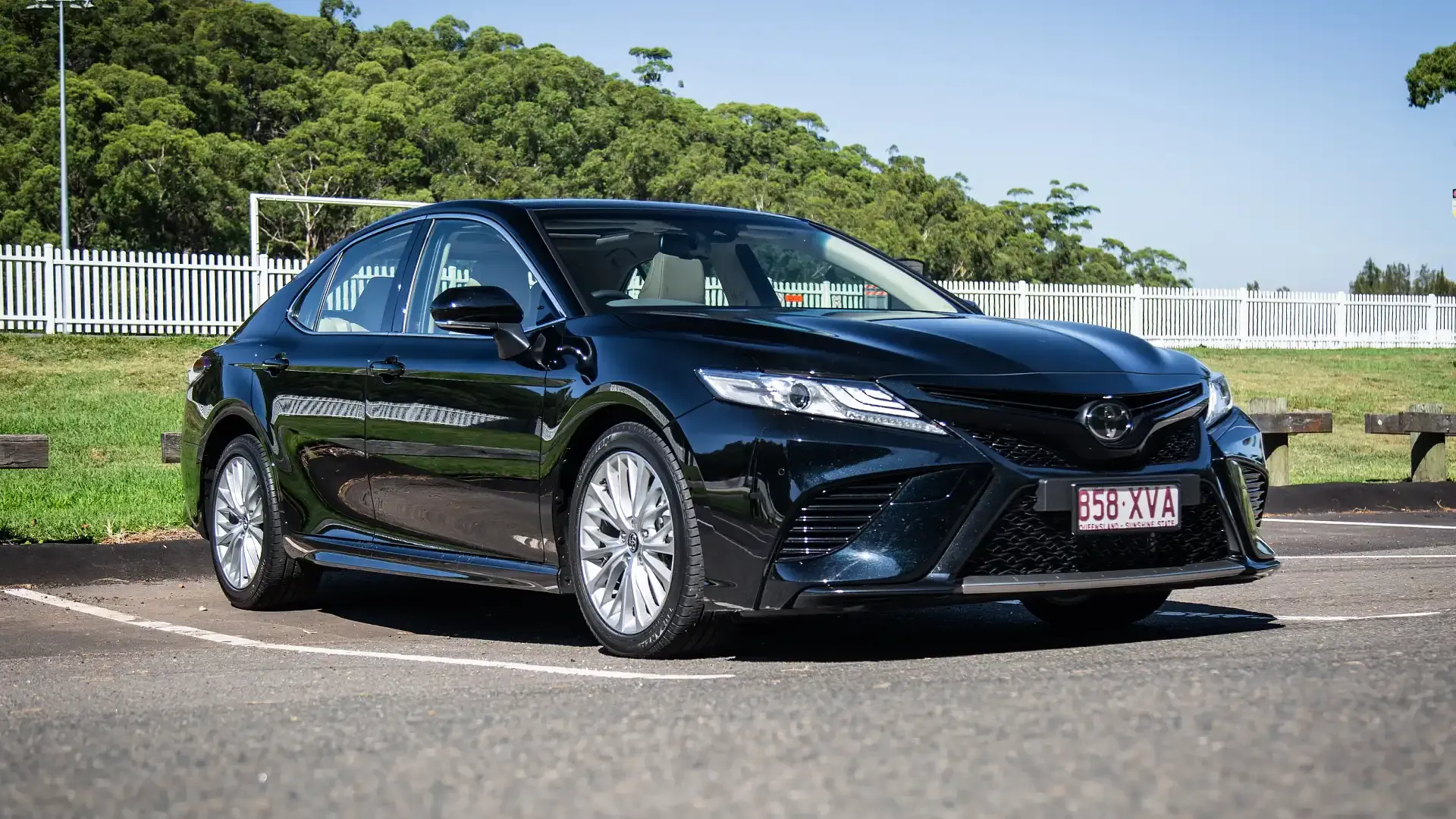
Fuel economy is another massive advantage of the Camry. The 2018 model, for example, delivers around 29 MPG city and 41 MPG highway with the four-cylinder engine. That means fewer fuel stops and more time enjoying the open road ahead of you.
The Camry’s trunk space is genuinely impressive for a mid-size sedan. You can easily fit luggage for two to three people without any struggle or creative packing. The rear seat legroom is also generous, making it comfortable for passengers sitting in the back.
Reliability is where the Camry truly dominates every competitor. Toyota’s legendary build quality means you are unlikely to face any breakdowns in the middle of nowhere. Consumer Reports consistently rates the 2016–2020 Camry among the most dependable used vehicles on the entire market.
The infotainment system in newer Camry models is intuitive and easy to use while driving. Apple CarPlay and Android Auto compatibility make navigation a breeze on unfamiliar roads. The sound system is clear and enjoyable, making those long highway stretches much more entertaining.
Used prices for a 2018 Toyota Camry typically range from $18,000 to $24,000. That is excellent value for the level of comfort and dependability you receive. If you want one car that does everything right on a road trip, the Camry is your answer.
2. Honda CR-V (2017–2021)
The Honda CR-V is one of the most beloved compact SUVs ever built in automotive history. It combines practicality, comfort, and efficiency in a package that is hard to beat at any price point. For road trips, it checks almost every single box you could possibly need.
The raised seating position of the CR-V gives you a commanding view of the road ahead. This reduces eye strain and mental fatigue during long stretches of highway driving considerably. Drivers report feeling much more relaxed and in control compared to low-sitting sedans.
The seats in the 2017–2021 CR-V are among the best in its class by a wide margin. They are firm yet cushioned, providing excellent lumbar and thigh support throughout long journeys. Even after eight hours of driving, most people report minimal discomfort in their back and hips.
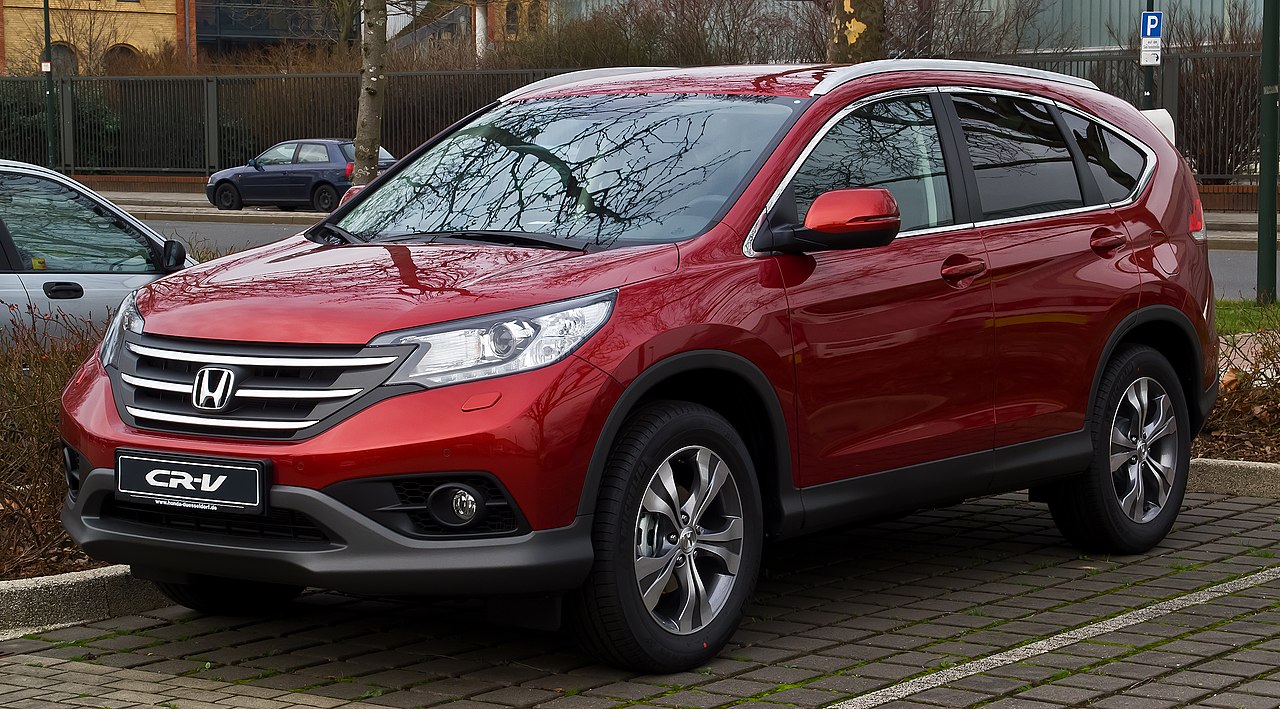
Cargo space is one of the CR-V’s greatest strengths for road trippers. With the rear seats folded, you get up to 75.8 cubic feet of cargo room. That is more than enough space for camping gear, suitcases, coolers, and everything else you want to bring along.
The CR-V’s 1.5-liter turbocharged engine is smooth, responsive, and surprisingly fuel-efficient. It returns around 28 MPG city and 34 MPG highway, which is outstanding for a compact SUV. You will spend far less time at gas stations compared to older, less efficient vehicles.
Honda’s build quality is legendary in the automotive world. The CR-V rarely suffers from major mechanical issues, which is crucial when you are far from home. Maintenance costs are low, and parts are widely available at virtually every auto parts store in the country.
The driver assistance features in newer CR-V models add an extra layer of safety and peace of mind. Honda Sensing, which includes lane-keeping assist and adaptive cruise control, makes highway driving less tiring. You arrive at your destination feeling fresher and more energized than expected.
Used CR-Vs from this era typically sell between $22,000 and $30,000 depending on mileage and trim. That is a fair price for a vehicle that will serve you faithfully for years to come. The Honda CR-V is a road trip legend that deserves every bit of its outstanding reputation.
3. Subaru Outback (2015–2019)
The Subaru Outback is practically synonymous with American road trip culture at this point. It is the go-to vehicle for outdoor enthusiasts, cross-country travelers, and anyone who loves exploring off the beaten path. Its versatility is simply unmatched in its price range.
The Outback sits higher than a typical sedan but lower than a full SUV. This gives you a balanced driving experience that feels confident and planted on both highways and rougher roads. The all-wheel drive system adds enormous confidence when you encounter unexpected weather conditions.
Subaru designed the Outback’s seats specifically with long-distance comfort in mind. The front seats offer excellent bolstering and lumbar support that holds your body in a healthy, natural position. Many drivers report being able to drive the Outback for ten or more hours without significant back discomfort.
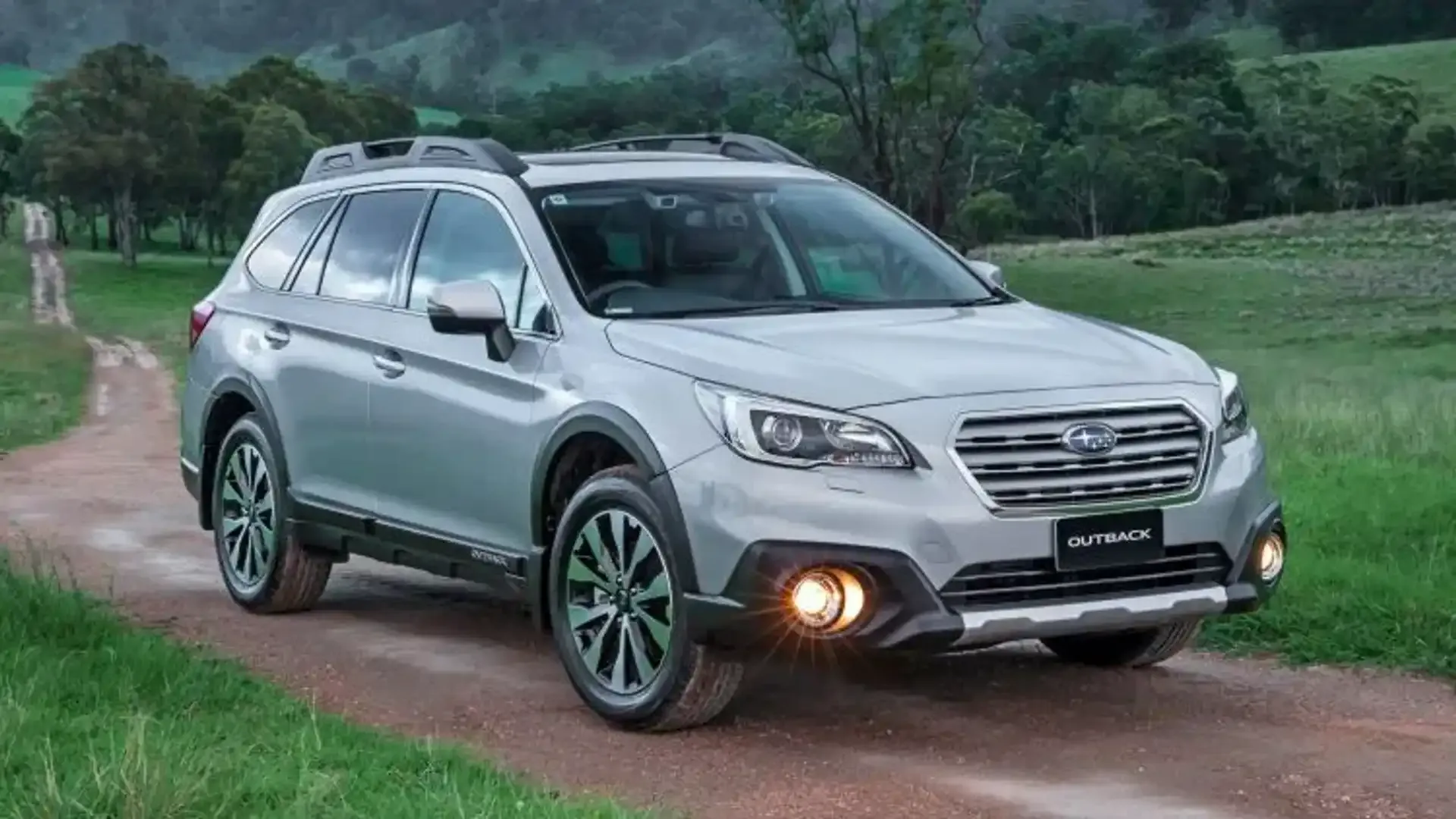
Cargo space in the Outback is genuinely cavernous for a wagon-style vehicle. The rear cargo area measures 75.7 cubic feet with the seats folded flat. You can pack everything you need for a two-week adventure and still have room left over.
The Outback’s boxer engine delivers a smooth, low-vibration driving experience on long highway runs. This lack of excessive vibration contributes greatly to reduced driver fatigue over many hours. The engine is also known for its exceptional longevity with proper maintenance.
Subaru’s EyeSight driver assistance system is a game-changer for highway road trips. It provides adaptive cruise control, pre-collision braking, and lane departure warnings as standard features. These technologies take a significant amount of stress off the driver during long stretches of monotonous highway driving.
Ground clearance of 8.7 inches means the Outback can handle light gravel roads, campsite paths, and mild off-road conditions. This opens up a world of destinations that lower vehicles simply cannot reach. National park trails and forest roads become completely accessible adventures.
A used 2017 Subaru Outback typically costs between $18,000 and $25,000. Given the capability, comfort, and reliability it offers, that is exceptional value for any road tripper. The Outback is the Swiss Army knife of road trip vehicles.
4. Ford Explorer (2016–2019)
The Ford Explorer is a full-size SUV that was practically built for American road trip adventures. It offers three rows of seating, powerful engine options, and a spacious interior that makes long journeys genuinely enjoyable. Families and groups of friends love it for very obvious reasons.
The Explorer’s second-row captain’s chairs are genuinely luxurious for a mid-size SUV. They provide excellent lateral support and cushioning that keeps passengers comfortable for hours. The third row is decent for shorter adults and children on longer trips.
Ford equipped the Explorer with a smooth-riding suspension system that absorbs highway imperfections beautifully. Bumps, expansion joints, and rough pavement feel significantly dampened compared to smaller vehicles. This translates directly into less body fatigue and a more relaxed driving experience.
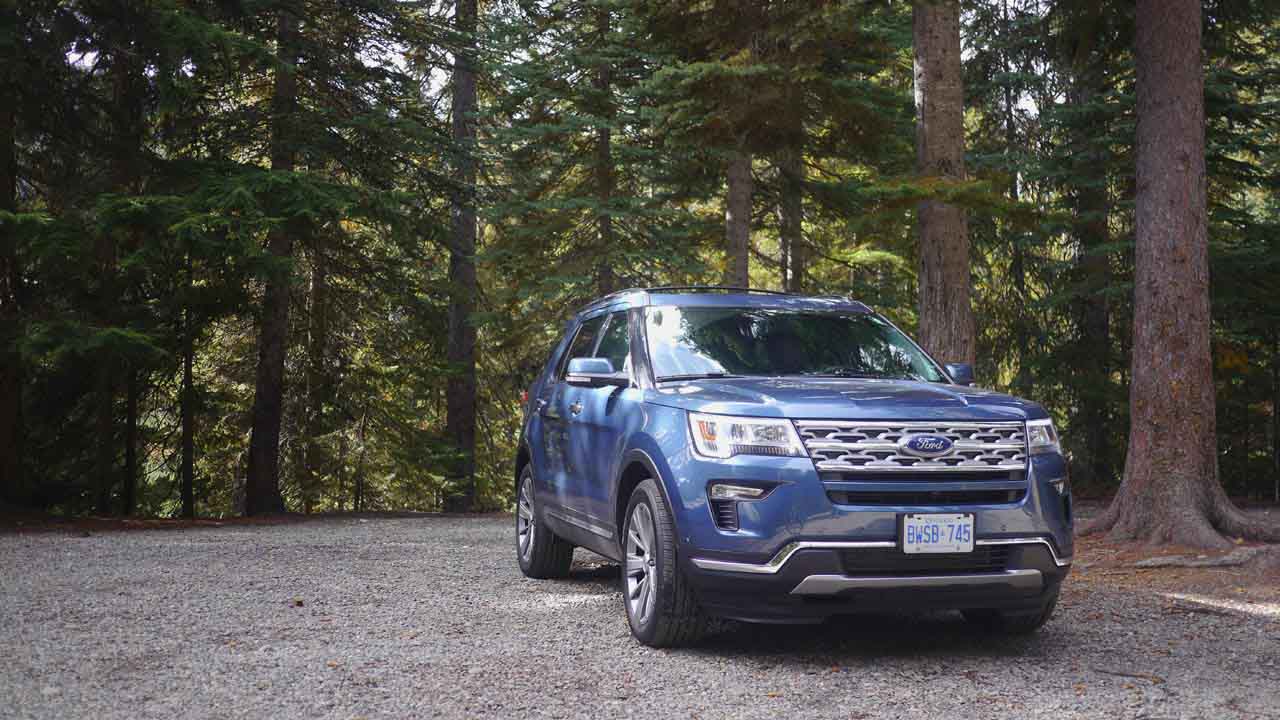
The 2.3-liter EcoBoost engine in the Explorer delivers an excellent balance of power and efficiency. It produces 280 horsepower, which is more than enough for confident highway passing and merging. Fuel economy of around 28 MPG highway means you will not be stopping constantly for fuel.
Storage in the Explorer is extraordinary by any standard. With all three rows in use, there is still a useful 21 cubic feet behind the third row. Fold both rear rows and you unlock a massive 87.8 cubic feet of cargo capacity for your gear.
The SYNC 3 infotainment system in the 2016–2019 Explorer is responsive and user-friendly. Navigation, music streaming, and phone connectivity all work smoothly while on the road. The available premium audio systems make long highway drives genuinely entertaining and enjoyable.
Ford Explorers from this era are widely serviced across the entire country. Finding a mechanic or parts for an Explorer is never a challenge, no matter where your travels take you. This widespread service network provides enormous peace of mind on remote road trips.
Used Explorers from this generation typically range from $20,000 to $32,000. That is reasonable for such a capable and spacious road trip vehicle. The Explorer remains one of the best value propositions in the used full-size SUV market.
Also Read: 5 Brands With the Most Comfortable Armrests vs 5 That Feel Like Hard Plastic
5. Mazda6 (2016–2019)
The Mazda6 is one of the most underrated road trip cars in the entire used car market. It combines premium interior quality, excellent fuel economy, and genuinely engaging driving dynamics. Most people overlook it entirely, but experienced travelers know exactly how good it truly is.
Mazda’s KODO design philosophy produced one of the most beautiful interiors in its segment. The cabin feels genuinely premium, with soft-touch materials and thoughtful ergonomics throughout. Spending eight hours inside a Mazda6 feels far more pleasant than spending the same time in cheaper rivals.
The seats in the 2016–2019 Mazda6 are a real highlight for long-distance drivers. They are firm, well-bolstered, and designed to support your spine in a natural, healthy position. The adjustable lumbar support means you can fine-tune your seating position precisely to your needs.
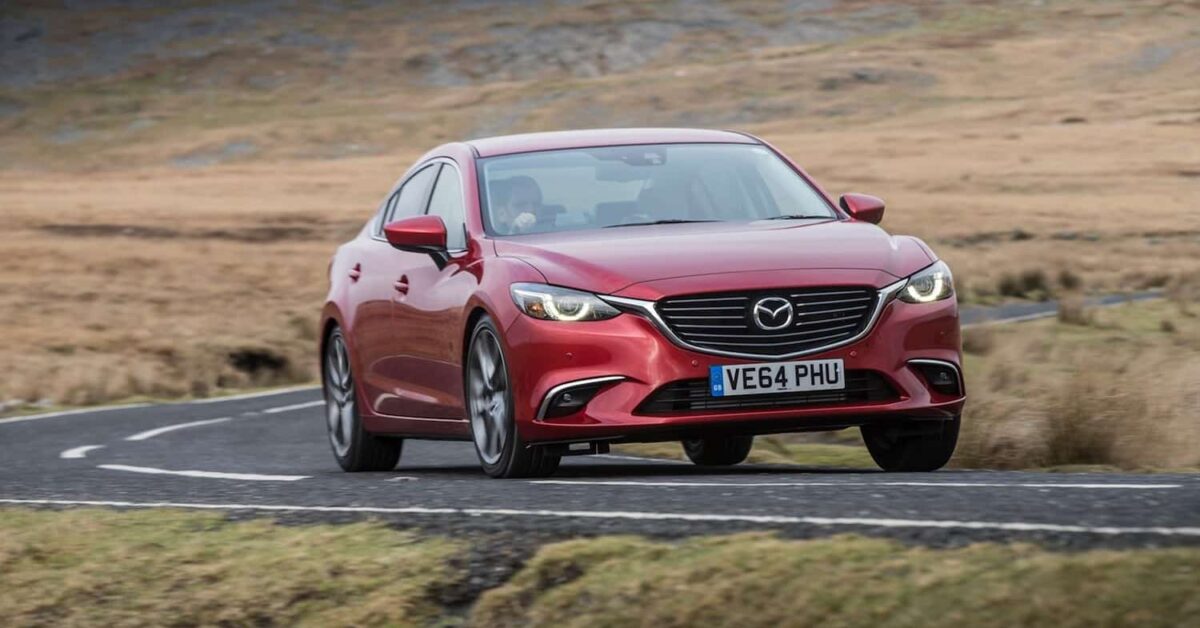
Mazda’s SKYACTIV engine technology delivers outstanding fuel efficiency without sacrificing driving pleasure. The 2.5-liter naturally aspirated engine returns around 29 MPG city and 35 MPG highway. That translates to fewer fuel stops and more miles between fill-ups on your road trip.
The Mazda6 handles with a sharpness and precision that makes driving genuinely enjoyable. Sweeping mountain highways and winding coastal roads feel exciting rather than tiring. This driver engagement actually helps reduce mental fatigue on long trips by keeping you alert and focused.
Cabin noise suppression in the Mazda6 is exceptional for a mainstream sedan. Mazda engineers used extra sound-deadening material throughout the body to create a remarkably quiet interior. Conversations remain easy and comfortable even at full highway speeds.
The G-Vectoring Control system in newer Mazda6 models subtly adjusts engine torque during cornering. This makes the car feel more stable and planted, reducing the unconscious micro-corrections a driver must make. Less physical effort behind the wheel means less fatigue after many hours of driving.
Used Mazda6 models from this era are typically priced between $15,000 and $21,000. That makes them one of the best bargains in the comfortable road trip sedan segment. The Mazda6 punches well above its weight in every category that matters on a long drive.
6. Chevrolet Equinox (2017–2021)
The Chevrolet Equinox is a compact crossover SUV that delivers impressive comfort and value. It may not have the prestige of European brands, but it offers everything a practical road tripper could need. Americans have embraced it as a reliable, sensible choice for all types of journeys.
The Equinox rides with a smooth, composed quality that belies its affordable price tag. The suspension does an excellent job of absorbing highway imperfections and rough road surfaces. Passengers in both rows consistently report feeling comfortable and relaxed on extended trips.
The front seats in the 2017–2021 Equinox are wide, well-cushioned, and supportive. Lumbar adjustment is standard on most trim levels, allowing drivers to customize their support. The seats hold their shape well over many hours, unlike cheaper alternatives that flatten out and cause discomfort.
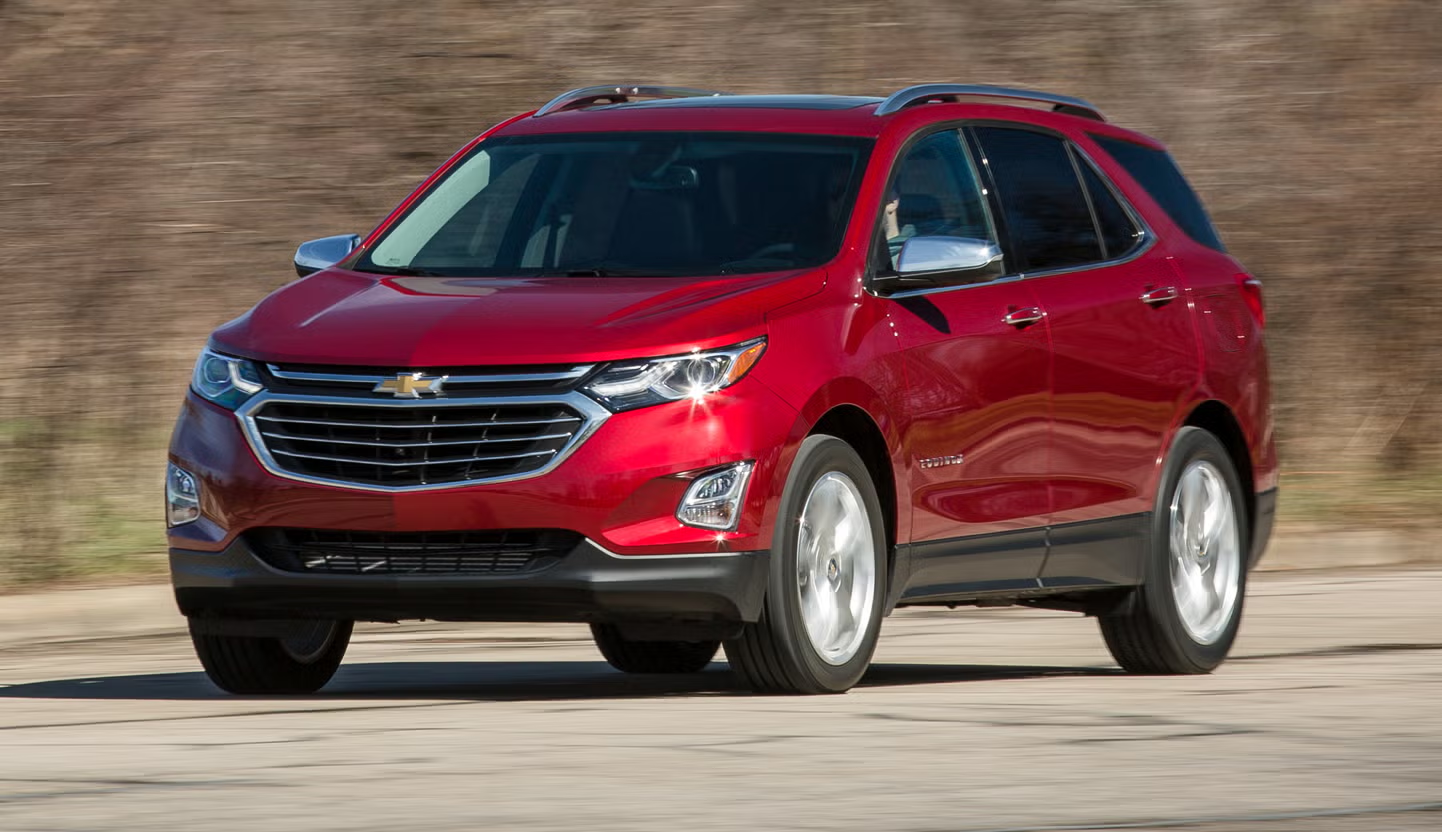
Fuel economy is a genuine strength of the Equinox, particularly with the 1.5-liter turbocharged engine. It delivers around 26 MPG city and 31 MPG highway, which is excellent for a compact SUV. The available 2.0-liter engine trades slightly worse economy for noticeably stronger highway performance.
Cargo capacity stands at 63.9 cubic feet with the rear seats folded, which is very generous. The loading height is convenient, and the cargo floor is nearly flat and easy to use. Packing and unpacking at hotels and campsites becomes a quick and easy process.
OnStar connectivity and Chevy’s infotainment system keep you connected and navigated throughout your journey. The available 8-inch touchscreen is responsive and simple to use while driving. Wireless phone charging comes standard on higher trims, which is a genuinely useful feature on long trips.
The Equinox is sold and serviced at thousands of Chevrolet dealerships across the United States. Getting service, warranty work, or emergency repairs is never a stressful or difficult process. This accessibility makes the Equinox a worry-free choice for adventurous road trippers who cover serious mileage.
Used Equinox models from this generation typically sell for $16,000 to $25,000. That is competitive pricing for the comfort and practicality it delivers consistently. The Equinox is proof that you do not need to spend a fortune to enjoy a great road trip experience.
6 Used Cars That Cause Serious Back Pain
These vehicles often suffer from poor seat design, stiff suspension, or inadequate lumbar support, leading to discomfort during long drives. Thin cushioning, awkward seating positions, and excessive road vibration can quickly result in fatigue and back strain.
While they may be fine for short commutes, extended trips can become tiring and uncomfortable, making them less suitable for drivers who prioritize comfort on long journeys.
1. Nissan Versa (2012–2019)
The Nissan Versa is one of the most affordable cars on the American used car market. Unfortunately, that low price comes with a very significant sacrifice in seating comfort and ergonomics. For road trips, it is one of the worst choices you can possibly make for your back.
The Versa’s seats are notoriously thin and poorly padded throughout the entire model range. They provide almost no lumbar support, which forces your lower back into an unnatural curved position. Within two to three hours, most drivers begin experiencing noticeable discomfort and stiffness in their lumbar region.
The seat cushions are made from low-density foam that compresses quickly under body weight. Once compressed, there is virtually no padding left between you and the hard seat frame. This creates painful pressure points on your tailbone and lower back that only worsen over time.
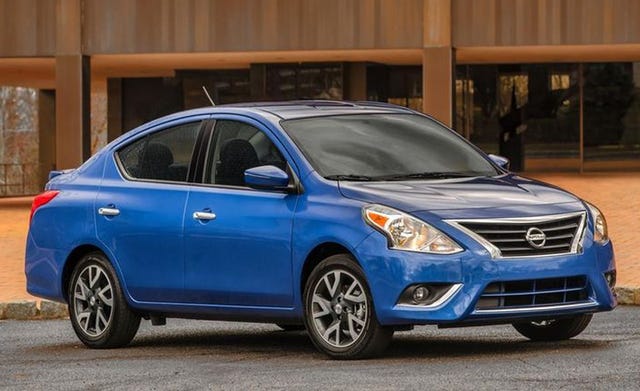
The driving position in the Versa is awkward and difficult to optimize for taller drivers. The steering wheel adjustment range is limited, and the seat height does not raise high enough for many people. Drivers over six feet tall will find themselves in a chronically hunched, uncomfortable position throughout the entire journey.
The suspension on the Versa is tuned extremely stiffly to compensate for its small size and light weight. Every road imperfection, pothole, and expansion joint is transmitted directly into the cabin with minimal filtering. This constant jarring vibration accumulates and causes significant spinal strain over the course of a long drive.
Rear seat passengers suffer even more than front seat occupants in the Versa. Legroom is extremely limited, forcing taller passengers into a knees-up, hunched position for the entire journey. The hard, flat rear seat cushion offers absolutely no contouring or thigh support whatsoever.
The Versa may seem like a bargain at $8,000 to $12,000 for a used model. But the physical toll it takes on your body during road trips is a hidden cost that is very real. Save your spine the suffering and choose a more comfortable vehicle for any trip over two hours.
2. Mitsubishi Mirage (2014–2019)
The Mitsubishi Mirage is designed primarily as a cheap urban commuter car. It was never intended to handle the demands of long-distance highway driving or extended road trips. Attempting to use it as a road trip vehicle will result in genuine physical discomfort and pain.
The Mirage’s seats are paper-thin and offer virtually no ergonomic support of any kind. The backrest is nearly flat, providing none of the lumbar contouring that a healthy seated posture requires. Your spine will be in a compromised position from the moment you sit down and start driving.
The suspension calibration on the Mirage is shockingly stiff for such a small and lightweight car. Road vibrations pass through the chassis almost completely unfiltered into the seat and steering wheel. Drivers describe the sensation as sitting on a vibrating platform for hours, which causes deep muscle fatigue and joint pain.
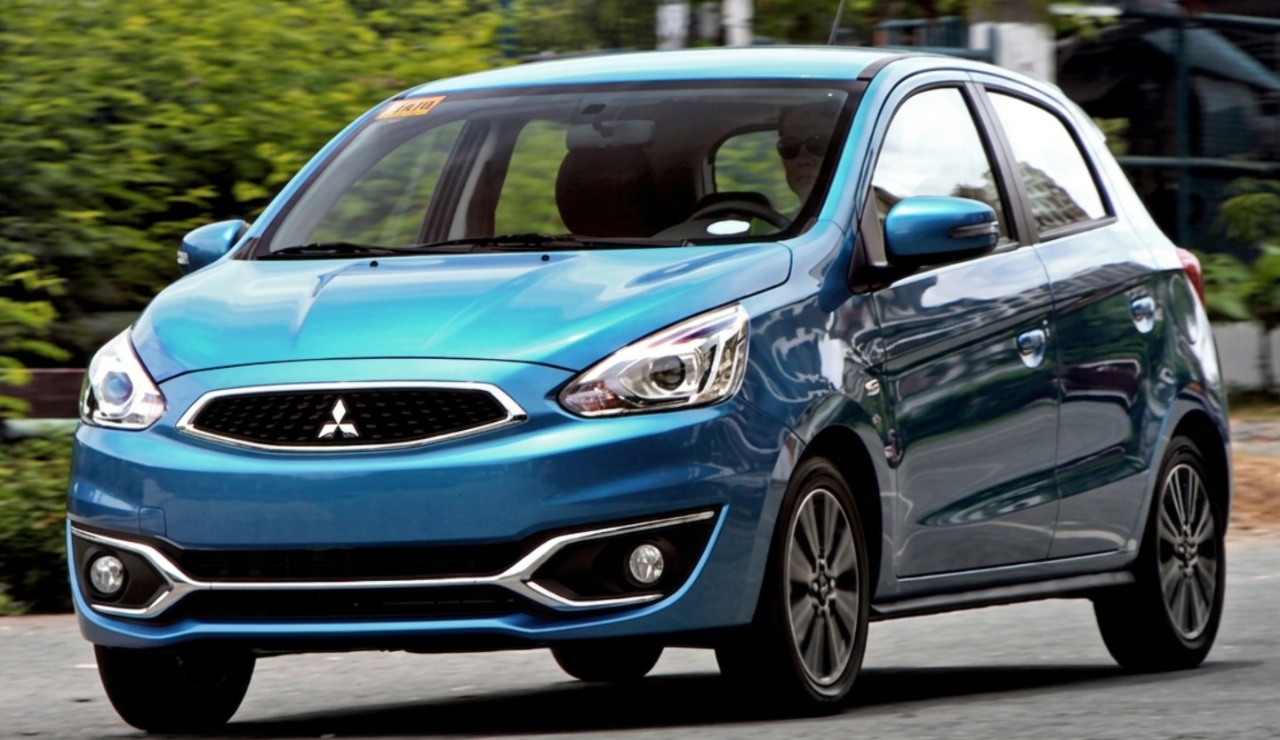
Noise levels inside the Mirage are extremely high at highway speeds above 60 miles per hour. The engine revs loudly, road noise permeates the thin body panels, and wind noise whistles around the poorly sealed windows. This constant auditory assault creates significant mental stress that compounds the physical discomfort enormously.
The Mirage’s three-cylinder engine struggles noticeably on highway grades and during passing maneuvers. The driver must keep the engine revving hard to maintain highway speeds, which increases vibration transmitted through the drivetrain. This constant high-revving operation makes the physical discomfort even worse than it would otherwise be.
The steering and handling of the Mirage feel vague and imprecise at highway speeds. Drivers constantly make small corrections to stay in their lane, which creates continuous unconscious tension in the arms, shoulders, and upper back. This invisible muscular effort accumulates into significant pain over several hours of driving.
The Mirage is priced attractively at around $7,000 to $11,000 in the used market. But no amount of fuel savings will compensate for the back pain and physical exhaustion it causes. The Mitsubishi Mirage is simply not built for road trips under any circumstances.
3. Fiat 500 (2012–2018)
The Fiat 500 is undeniably one of the most stylish and charming small cars sold in America. Its retro Italian design turns heads everywhere it goes, and city drivers genuinely love its nimble handling. However, for road trips, the Fiat 500 is a recipe for serious back pain and physical misery.
The seats in the Fiat 500 are designed primarily for aesthetics rather than ergonomic function. They look attractive but provide minimal lumbar support and inadequate cushioning for the human spine. After three hours in a Fiat 500, most drivers report significant lower back pain that worsens throughout the day.
The interior dimensions of the Fiat 500 are extremely cramped by almost any measure. Taller drivers will find their knees close to the dashboard and their heads brushing the roof lining. This forced, confined seating position creates chronic tension throughout the entire lower body and spine.
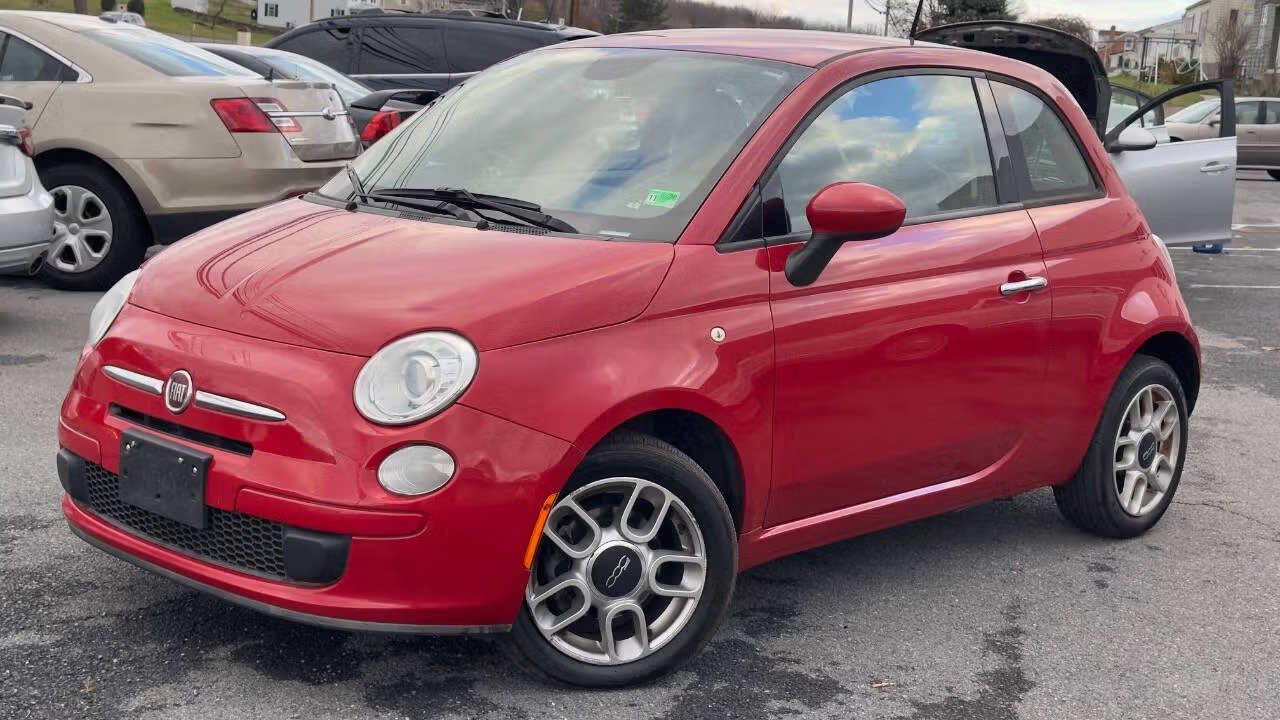
The Fiat 500’s suspension is tuned for European city streets, not American highways. It transmits a significant amount of road vibration and harshness directly into the cabin. Long stretches of highway driving amplify this harshness into a genuinely painful physical experience.
Rear seat passengers in the Fiat 500 experience conditions that border on genuinely tortuous. The back seat is designed for very small children or extremely short-legged adults only. Any adult of average height will be completely folded up with knees jammed into the front seatbacks.
Reliability is another serious concern with used Fiat 500 models. The Italian-engineered electronics and drivetrain components have a well-documented history of problems. Breaking down hundreds of miles from home adds enormous stress to what should be a relaxing adventure.
The Fiat 500 is available used for around $8,000 to $14,000, which seems reasonable at first glance. But the physical cost to your back and the reliability risk make it a genuinely poor investment for road trips. Admire it from afar, but choose something far more comfortable for your actual journey.
4. Chevrolet Spark (2013–2019)
The Chevrolet Spark is the smallest car in General Motors’ entire lineup for the American market. It is designed strictly for urban use, where its tiny footprint and easy parking make it genuinely useful. On the open highway, however, it becomes a source of real physical suffering.
The Spark’s seats are extremely narrow and shallow, with minimal padding throughout. They fail to support the natural curve of the lower spine in any meaningful way. Most drivers begin feeling lumbar discomfort within the first 60 to 90 minutes of continuous highway driving.
The seat height in the Spark is fixed and non-adjustable in most trim levels. This forces drivers of different heights into whatever position the engineer predetermined for them. For drivers outside the average height range, this means an ergonomically compromised posture for the entire journey.
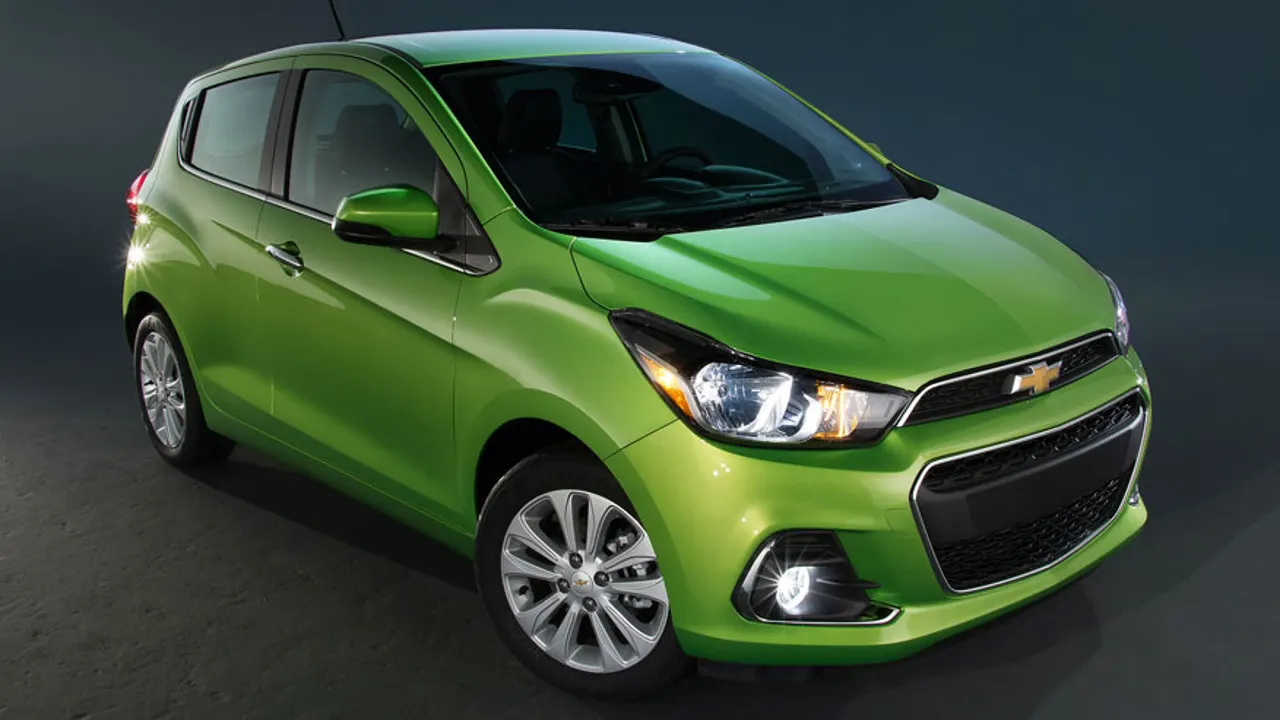
The Spark’s suspension is tuned exceptionally firmly for a city car of its size. Highway imperfections and road seams create sharp jolts that travel directly into the seat and base of the spine. These repeated impacts cause cumulative spinal compression that leads to serious back pain on long trips.
The Spark’s 1.4-liter engine is under-powered for consistent highway travel at American speed limits. Maintaining 70 miles per hour requires the engine to strain and vibrate more than it comfortably should. This drivetrain vibration adds another source of physical discomfort to an already painful experience.
Wind noise and road noise inside the Spark are genuinely distracting at highway speeds. The thin body panels and basic door seals do little to block exterior sounds from entering the cabin. This constant noise fatigue drains mental energy and amplifies the physical discomfort passengers are already experiencing.
Used Chevrolet Sparks typically sell for $7,000 to $12,000, making them extremely tempting for budget buyers. But spending even one full day driving a Spark on a road trip will make you regret the choice entirely. Your back will be protesting loudly before you even reach your first destination.
5. Dodge Dart (2013–2016)
The Dodge Dart was an ambitious attempt by Chrysler to re-enter the compact sedan segment. Unfortunately, it is widely considered one of the least successful compact cars of its generation in America. For road trip purposes specifically, the Dart has several serious shortcomings that affect spinal health and comfort.
The Dart’s seats are mediocre at best, with limited adjustment range and inadequate lumbar support. The cushion foam is relatively thin and does not maintain its supportive properties well over many hours. Drivers consistently report that the seat comfort degrades noticeably after just two or three hours of continuous use.
The seating position in the Dart places you lower than feels natural for a car of its size. This low-slung position makes it difficult to see clearly down the road, causing unconscious forward posture. Leaning forward to see better creates chronic strain in the neck, upper back, and lower back simultaneously.
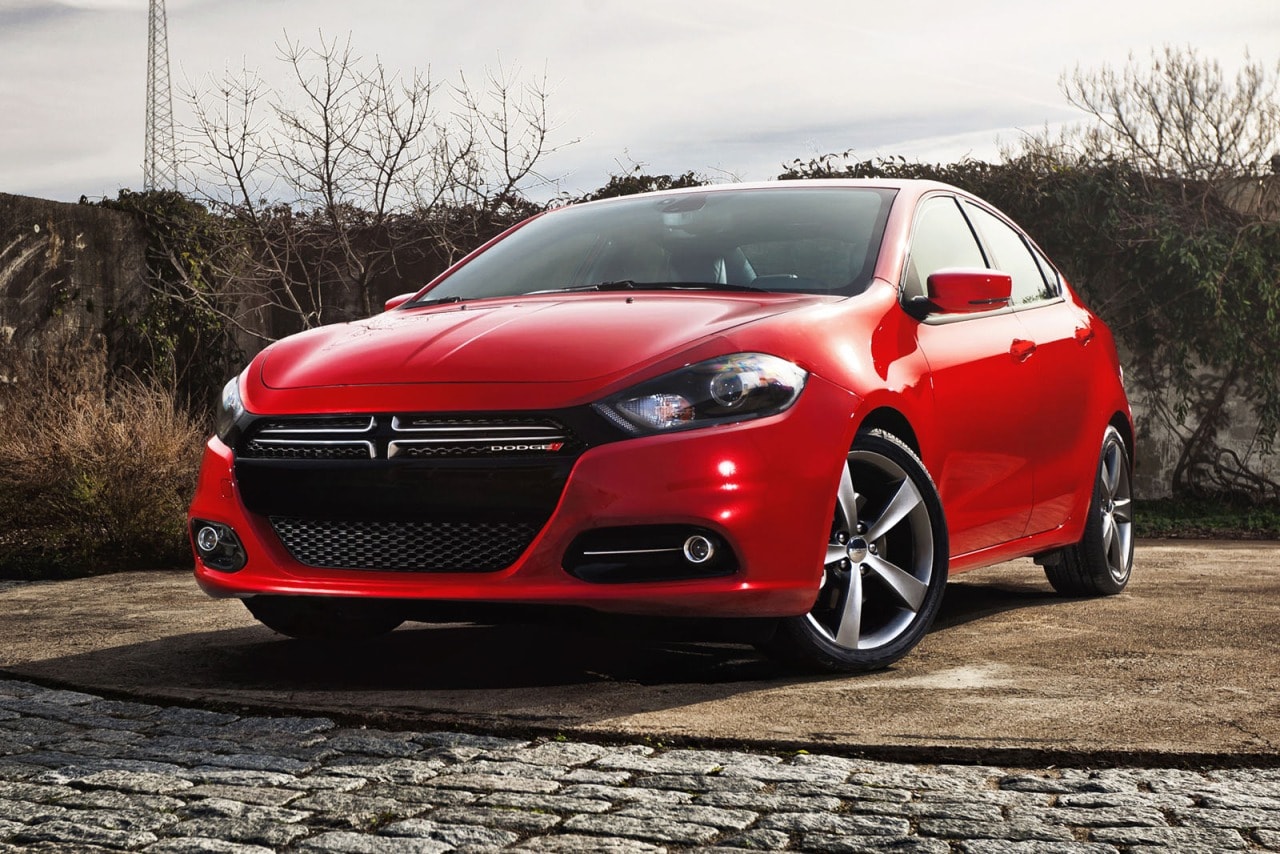
The Dart’s suspension tuning was a compromise that satisfied neither comfort nor handling enthusiasts. It feels simultaneously too soft for sharp cornering and too firm for smooth highway cruising. The result is a vague, bobbing ride quality that makes drivers feel subtly unsettled throughout long journeys.
Reliability is a serious and well-documented issue with the Dodge Dart. The DCT automatic transmission in particular has an extensive history of problems and failures. Breaking down in an unreliable car far from home transforms a fun adventure into a genuinely stressful nightmare.
The interior quality of the Dart is below average for its class and price point. Hard plastics dominate almost every surface, and the ergonomics of the dashboard feel poorly considered. Spending extended time surrounded by a poorly designed, low-quality interior increases psychological stress and mental fatigue.
Used Dodge Darts are now priced very cheaply, often between $7,000 and $12,000. The low price is tempting, but the combination of back discomfort and reliability concerns makes it a risky choice. Road trips require dependable vehicles, and the Dart simply does not meet that basic requirement.
6. Smart ForTwo (2008–2017)
The Smart ForTwo is a micro car designed exclusively for tight urban environments. It is literally built for driving short distances in congested city centers where parking space is at an absolute premium. Using a Smart ForTwo for a road trip is one of the worst automotive decisions a person can make.
The ForTwo has only two seats, meaning there is no possibility of carrying more than one passenger. The interior dimensions are so tiny that even average-sized adults feel genuinely claustrophobic within minutes. Larger drivers will find their knees pressed against the dashboard in an uncomfortably confined position throughout.
The seats in the Smart ForTwo, while surprisingly firm, lack any meaningful lumbar contouring. The short seat cushion fails to support the thighs properly, cutting off circulation and causing leg numbness. This leg discomfort inevitably creates compensatory back tension that builds painfully over longer journeys.
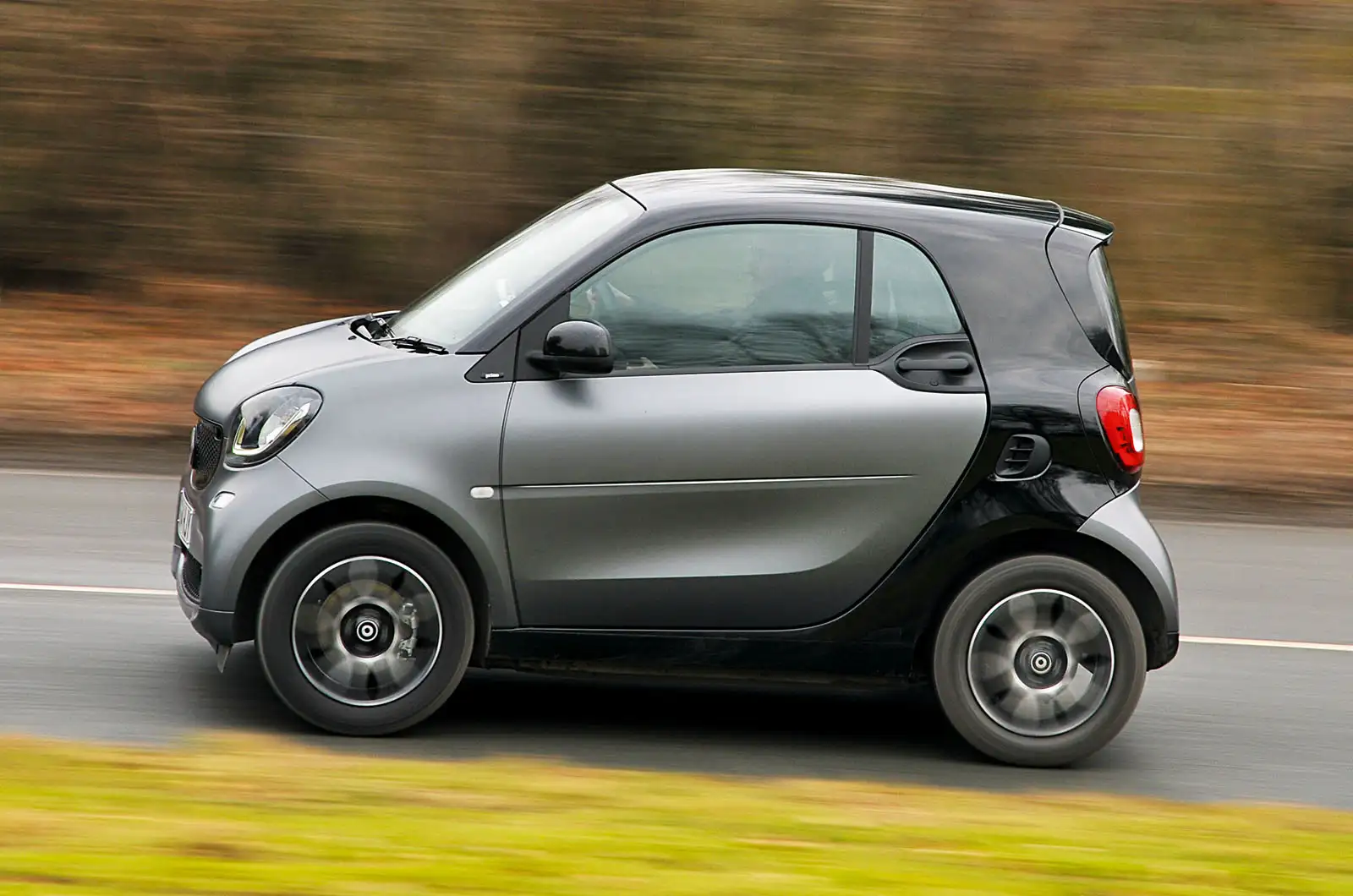
The three-cylinder engine in the ForTwo is extremely small and must work very hard at highway speeds. This constant high-load operation creates noticeable vibration and harshness throughout the entire car. The vibration travels directly into the seat and steering wheel, battering the driver continuously from every direction.
The ForTwo’s wheelbase is incredibly short, which makes it extremely susceptible to highway crosswinds. Passing trucks and strong gusts can push the car sideways alarmingly, requiring constant steering corrections. This constant physical effort to keep the car in its lane exhausts the driver’s arms, shoulders, and upper back rapidly.
Cargo space in the ForTwo is essentially nonexistent by any practical measure. The small compartment behind the seats cannot fit a standard-sized suitcase. Attempting a road trip with any meaningful amount of luggage in a Smart ForTwo is genuinely impossible.
The ForTwo is available very cheaply on the used market, often for just $5,000 to $9,000. But no amount of money saved is worth the physical discomfort and practical limitations it imposes. The Smart ForTwo is an engineering achievement for city driving, but a complete disaster for American road trips.
Also Read: 12 Most Reliable Vehicles Utilized by Modern US Mail and Delivery Drivers
