
There is something deeply satisfying about a car that announces its presence before it even comes into view. A powerful exhaust note does more than make noise.
It communicates engineering intent, personality, and emotion in a way that no spec sheet ever could. From sharp crackles on downshifts to deep, thunderous roars under full throttle, the sound of an engine often becomes the defining memory of the driving experience.
Automakers understand this connection very well. While performance numbers matter, the way a car sounds plays an equally important role in how drivers connect with it.
Engineers carefully tune exhaust systems, intake paths, and even firing orders to create a sound signature that feels raw, aggressive, and unmistakably unique. Some brands lean toward high-revving screams, while others favor deep, commanding tones that shake the ground beneath.
Factory exhaust notes have also improved in recent years, thanks to active valves and advanced acoustic tuning. Drivers no longer need aftermarket modifications to enjoy a dramatic soundtrack. Many modern performance cars deliver thrilling sound straight from the showroom floor, offering authenticity without compromise.
This page highlights ten engines that stand out for their aggressive factory exhaust notes. Each one brings a distinct character, shaped by its design, configuration, and heritage. From naturally aspirated masterpieces to turbocharged powerhouses, these engines prove that sound remains one of the most exciting aspects of driving.
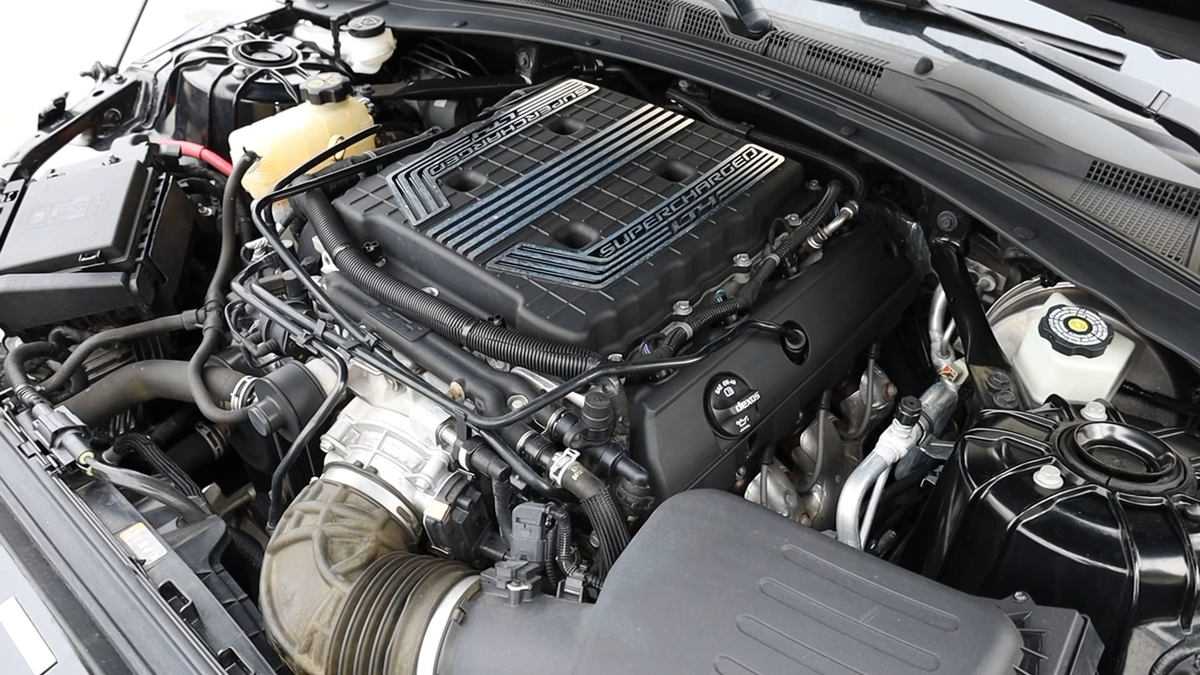
1. 2019 Chevrolet Camaro ZL1 1LE with 6.2L Supercharged LT4 V8
Immediate force characterises the 2019 Chevrolet Camaro ZL1 1LE, particularly from the moment its engine is brought to life. The 6.2-litre supercharged LT4 V8 does not introduce itself gently. It responds with a deep, mechanical burst that clearly communicates performance intent. Even while idling, the tone carries a restrained tension, as though the engine is prepared to deliver its full capability at any moment.
Application of the throttle reveals a layered acoustic structure that develops with rising intensity. The supercharger contributes a sharp, high-frequency whine that sits distinctly above the deep V8 foundation. This combination produces a dual-character sound that feels both forceful and well-defined.
As acceleration increases, the exhaust output expands into a powerful roar that fills the cabin space and projects strongly into the surrounding environment. Gear transitions introduce additional character to the experience. Each upshift is marked by a crisp, deliberate crack from the exhaust system, while downshifts generate a sequence of controlled pops that reflect careful calibration.
These sounds are not random; they are timed to match engine and transmission response. The active exhaust system plays a central role, adjusting its output based on the selected driving mode. When Track mode is engaged, the tone becomes sharper and more direct, reducing any level of restraint.
Driving within enclosed spaces such as tunnels or near reflective surfaces intensifies the acoustic effect. Sound waves return toward the cabin, creating a more encompassing experience that responds to each throttle input. This amplification enhances driver awareness of the engine’s behaviour, adding depth to the entire impression.
Few production vehicles achieve this level of acoustic presence without modification. The Camaro ZL1 1LE demonstrates that a highly assertive exhaust character can be achieved through deliberate engineering. The result is a driving experience that appeals strongly to auditory perception, maintaining consistency from startup through full acceleration.
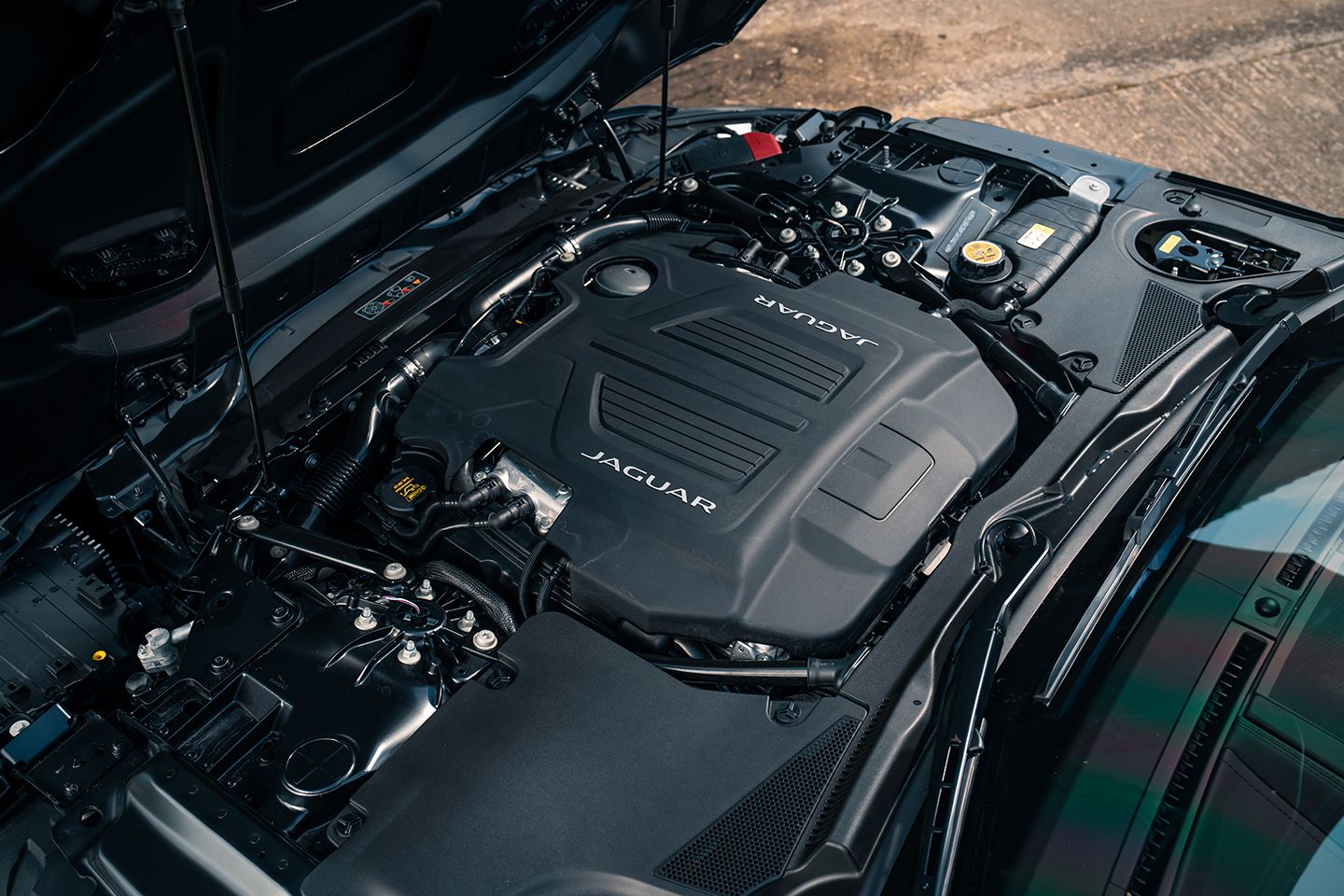
2. 2020 Jaguar F-Type R with 5.0L Supercharged V8
Refinement meets controlled aggression in the 2020 Jaguar F-Type R, though its exhaust note leans heavily toward the latter. Powered by a 5.0-liter supercharged V8, this car produces a sound that feels alive at all times, even during casual driving. The tone carries a distinctive British character, blending depth with sharp, explosive accents.
Cold starts are particularly memorable. The engine fires up with a loud, commanding burst that quickly settles into a rhythmic idle. This initial moment sets the stage for what follows. Once the car begins to move, the exhaust note transforms into a rich, resonant growl that builds steadily with throttle input.
Acceleration introduces a more aggressive edge. The supercharged V8 produces a full-bodied roar that feels smooth yet forceful, never sounding strained or artificial. As revs climb, the tone sharpens, creating a sense of urgency that matches the car’s performance capabilities.
Lifting off the throttle reveals another side of the F-Type R’s personality. The exhaust system delivers a series of crackles and pops that feel spontaneous and energetic. These sounds occur naturally during deceleration, adding excitement even when the car is slowing down. Each pop feels distinct, contributing to a dynamic and engaging experience.
Inside the cabin, the sound remains present without becoming overwhelming. Outside, it commands attention with ease. The balance between these two environments demonstrates careful acoustic tuning, ensuring that the driver enjoys the experience without fatigue.
The 2020 Jaguar F-Type R stands as a clear example of how sound can define a vehicle’s character. Its exhaust note combines elegance with aggression, creating a voice that is impossible to ignore.
Also Read: 5 Engines That Handle Standard Fuel Well and 5 That Require Premium Fuel
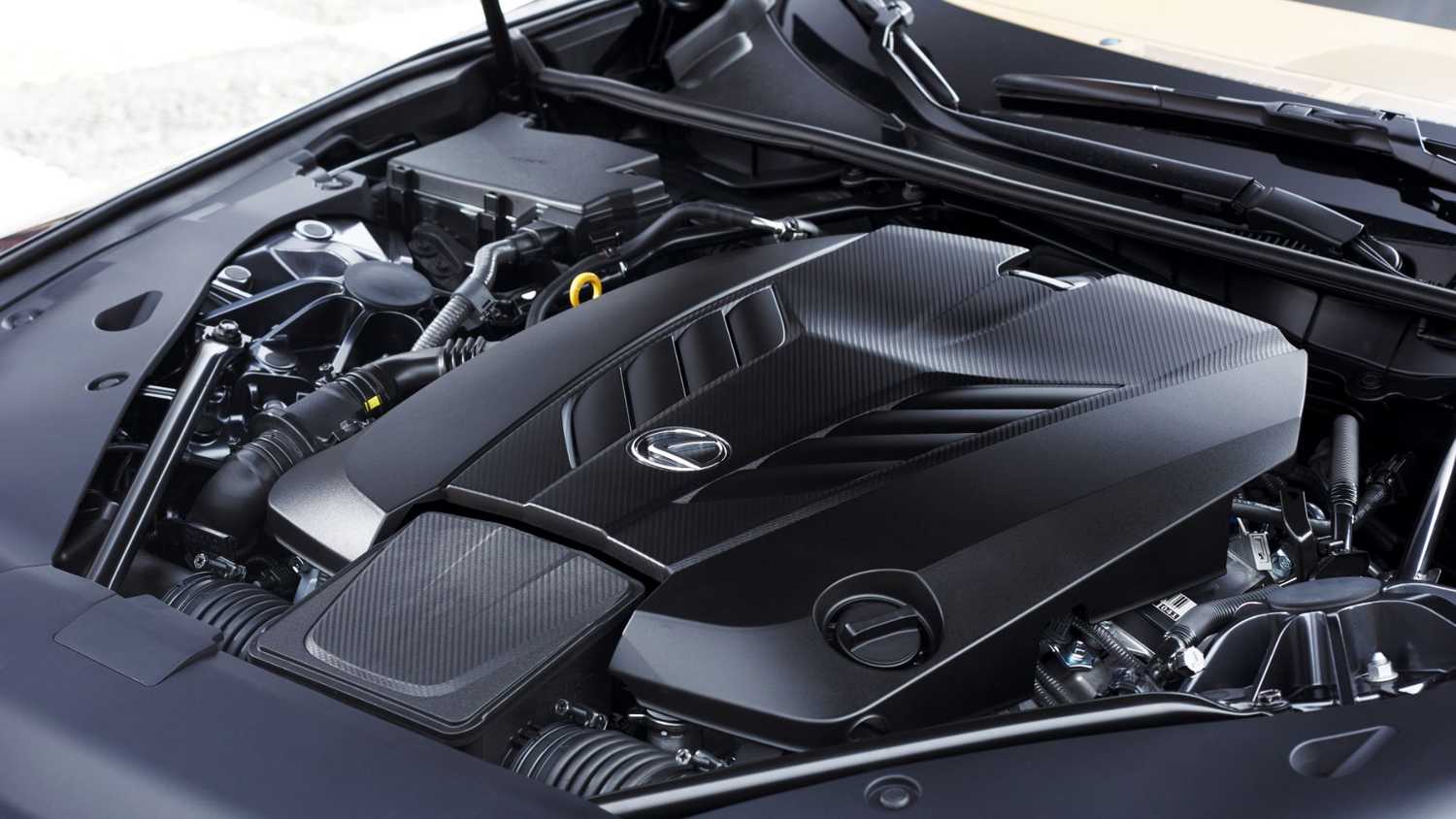
3. 2018 Lexus LC 500 with 5.0L Naturally Aspirated V8
Elegance and aggression rarely share the same space as effectively as they do in the 2018 Lexus LC 500. Beneath its sculpted exterior lies a 5.0-liter naturally aspirated V8 that delivers one of the most engaging exhaust notes in modern performance cars. The sound does not rely on forced induction or artificial enhancement. Instead, it draws strength from precision engineering and high-revving capability.
Startup reveals a controlled yet assertive tone that hints at the engine’s potential. As the revs rise, the sound transitions from a smooth growl into a sharp, metallic wail. This transformation feels progressive, allowing the driver to experience each stage of the engine’s range.
Acceleration produces a sound that is both clean and aggressive. The V8’s high-revving nature allows it to build intensity without losing clarity. Each note feels distinct, creating a harmonious blend that remains consistent across the rev range. The intake sound also plays a role, adding depth and enhancing the entire experience.
Downshifts introduce crisp bursts from the exhaust, adding a sense of precision to every gear change. These moments feel deliberate, reinforcing the connection between driver input and mechanical response. The sound remains controlled, avoiding unnecessary exaggeration.
Inside the cabin, the experience is carefully managed. Engineers tuned the acoustics to ensure that the driver hears the best version of the engine’s voice without excessive noise. Outside, the sound carries a refined aggression that draws attention without overwhelming the surroundings.
The LC 500 demonstrates that a naturally aspirated engine can still deliver an intense and engaging exhaust note. Its sound feels authentic, precise, and deeply satisfying.
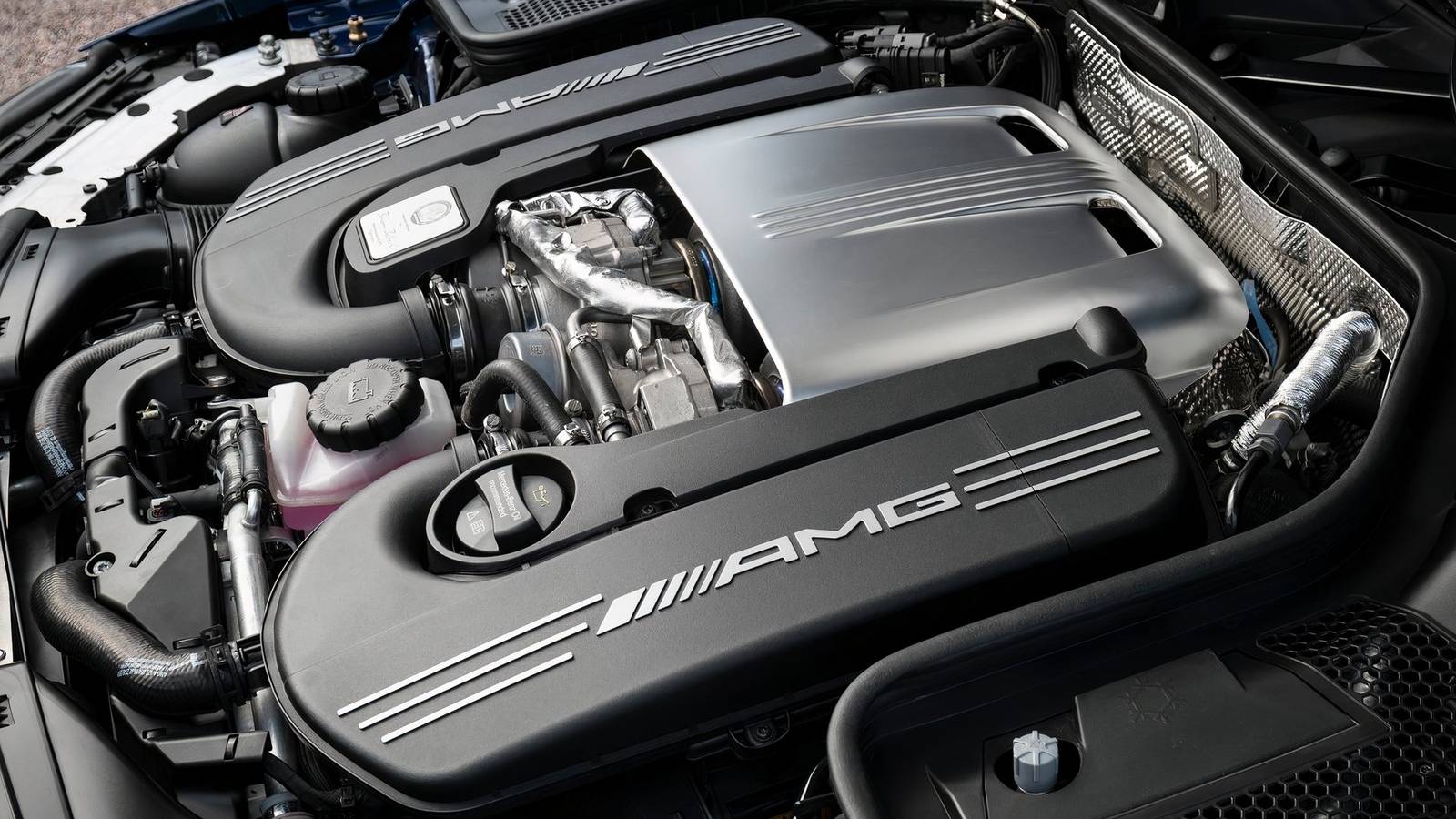
4. 2021 Mercedes-AMG C63 S Sedan with 4.0L Biturbo V8
Authority defines the sound of the 2021 Mercedes-AMG C63 S Sedan. From the moment the engine starts, the 4.0-liter biturbo V8 establishes its presence with a deep, commanding rumble. The tone feels dense and powerful, reflecting the engine’s performance capabilities without hesitation.
Idle produces a steady rhythm that hints at restrained aggression. Pressing the throttle unlocks a more forceful character, with the exhaust note expanding into a rich and full-bodied roar. Turbochargers add their own subtle influence, creating a layered sound that develops as the engine builds speed.
Acceleration feels accompanied by a wave of sound that grows in intensity. The V8 delivers a strong mid-range presence, ensuring that the exhaust note remains prominent even at moderate speeds. Higher revs introduce sharper tones, adding definition without losing the underlying depth.
Gear changes bring a sequence of pops and crackles that enhance the driving experience. These sounds feel mechanical rather than artificial, reinforcing the car’s performance-focused design. The AMG performance exhaust system allows drivers to adjust the level of aggression, offering flexibility without compromising authenticity.
Driving through urban environments or open roads highlights the versatility of this setup. The sound adapts to different situations, remaining controlled when necessary and fully expressive when allowed. The C63 S Sedan delivers an exhaust note that feels purposeful and commanding. It represents a balance between refinement and raw performance, offering a sound that remains memorable long after the drive ends.
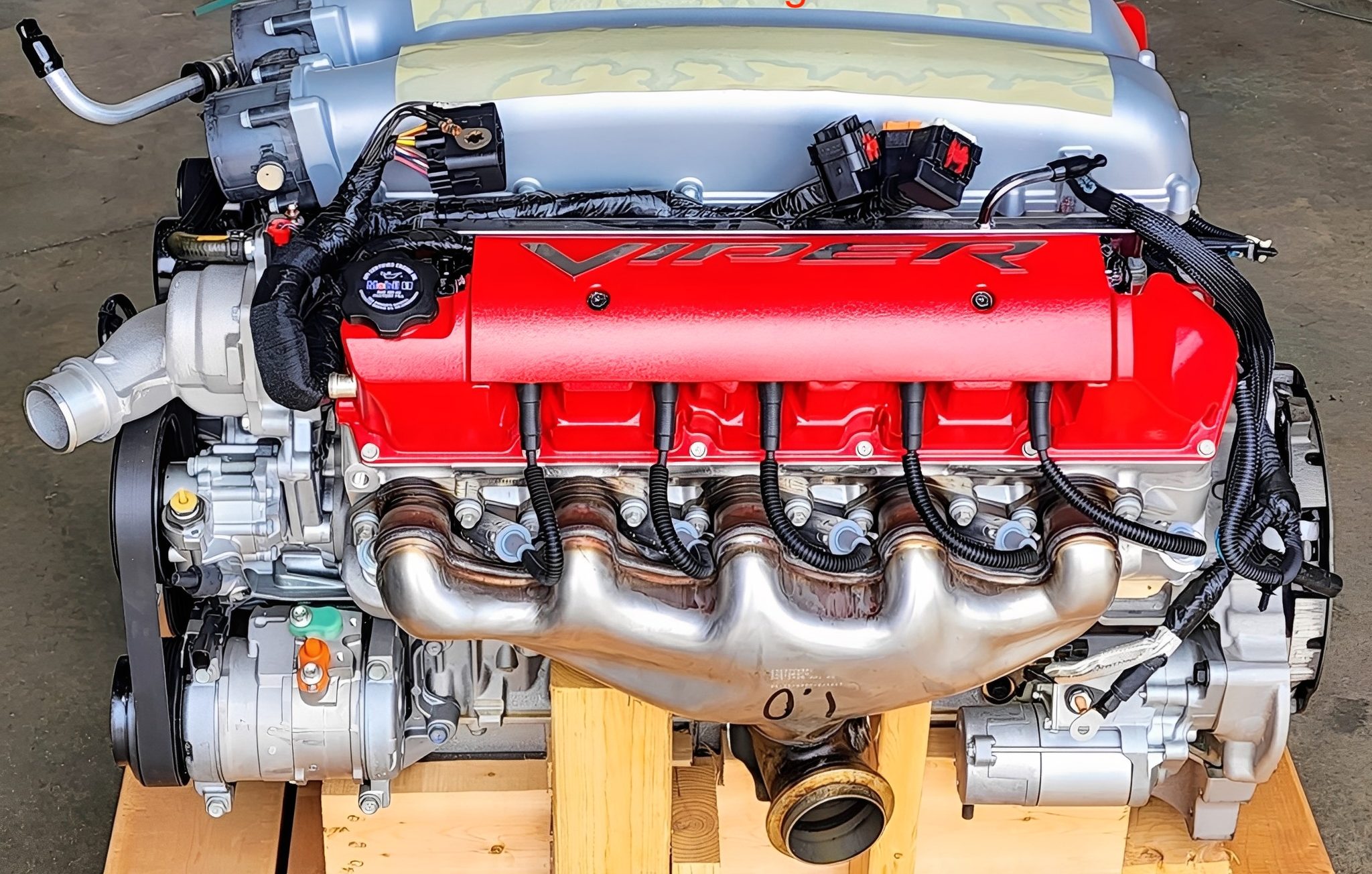
5. 2017 Dodge Viper GTS with 8.4L Naturally Aspirated V10
Nothing about the 2017 Dodge Viper GTS feels subtle, and its exhaust note reflects that philosophy perfectly. The 8.4-liter naturally aspirated V10 produces a sound that is as bold as the car itself. From the first ignition, the engine announces its presence with a deep, uneven rumble that immediately captures attention.
Throttle input transforms that rumble into an aggressive roar that feels almost untamed. The V10 configuration creates a unique firing sequence, resulting in a sound that differs from traditional V8 engines. It carries a raw, mechanical edge that feels direct and uncompromised.
Acceleration amplifies the intensity. The exhaust note builds rapidly, filling the environment with a powerful and unmistakable tone. There is no attempt to soften or refine the sound. Instead, it remains loud, forceful, and entirely authentic.
Deceleration introduces its own character, with occasional pops that add texture to the experience. These sounds feel natural, emerging from the engine’s behavior rather than engineered theatrics. Each moment behind the wheel feels connected to the car’s mechanical core.
Inside the cabin, the sound remains ever-present, creating an immersive environment that demands attention. Outside, it becomes impossible to ignore. The Viper GTS does not aim for subtlety. It embraces its identity fully. For drivers seeking a factory exhaust note that feels raw and uncompromising, the 2017 Dodge Viper GTS delivers an experience that stands apart.
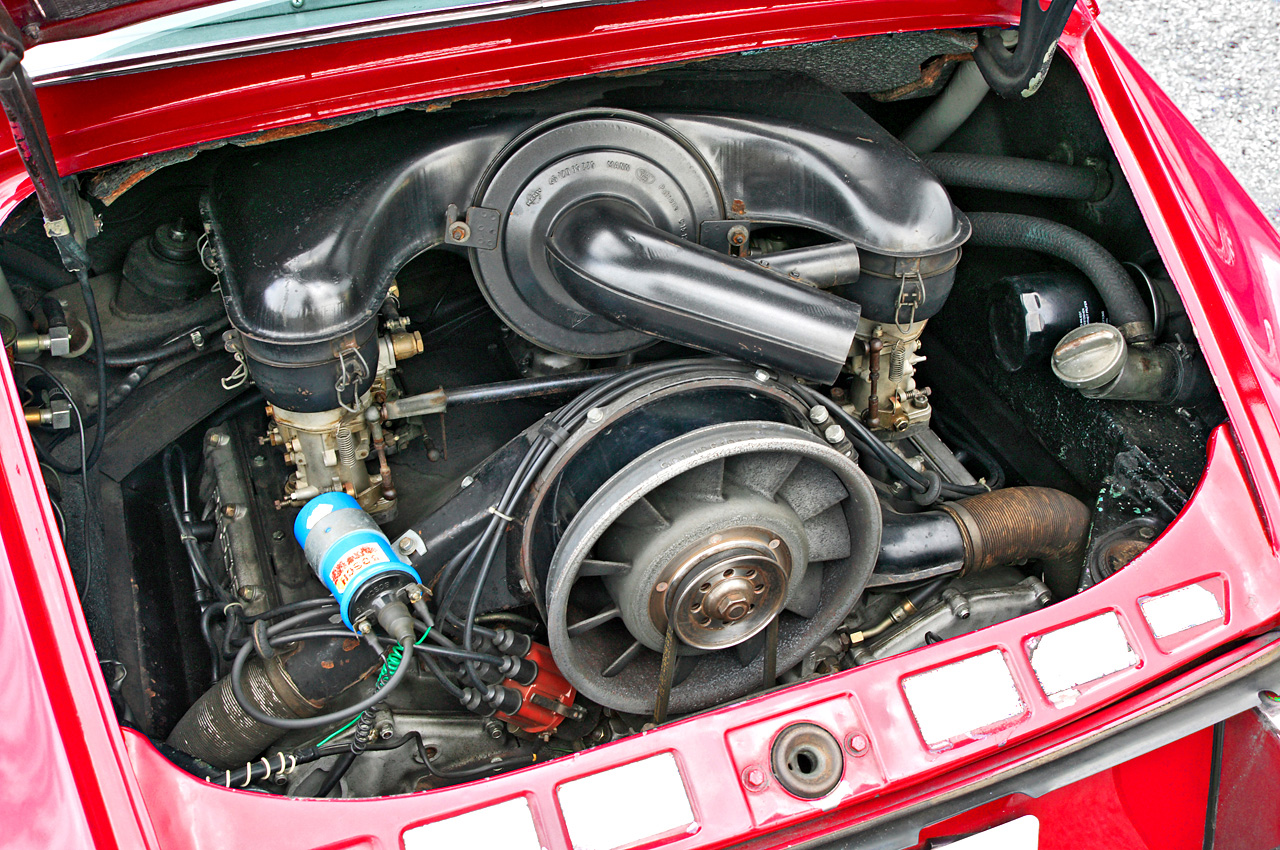
6. 2022 Porsche 911 GT3 with 4.0L Naturally Aspirated Flat-Six
Engineering discipline and acoustic precision are clearly expressed in the 2022 Porsche 911 GT3, where a 4.0-litre naturally aspirated flat-six engine produces one of the most focused exhaust signatures in its class. From the moment the ignition is engaged, the engine responds with a firm and controlled bark that reflects mechanical intent.
This initial sound is neither excessive nor subdued; it establishes a distinct tone that separates it from the deeper rumble commonly associated with larger displacement engines. As the engine speed increases beyond idle, a more expressive character begins to emerge.
The exhaust note rises steadily, transitioning into a sharp and continuous tone that intensifies with each increment on the tachometer. The absence of turbocharging allows the engine’s natural combustion pulses to be heard without interference, resulting in a clear and highly defined acoustic output. Each firing sequence contributes to a sound that is both precise and engaging.
During acceleration, the engine demonstrates its strongest qualities. The exhaust note sharpens further as revs climb, producing a high-frequency output that reflects the engine’s ability to operate effectively at elevated speeds. Gear changes interrupt the sound briefly, creating a crisp pause before the tone resumes with renewed intensity. This sequence reinforces the connection between mechanical response and driver input.
Downshifting introduces a series of controlled bursts generated by the automatic rev-matching system. These bursts are delivered with accuracy, adding rhythm to the driving experience without creating unnecessary noise. The timing of these sounds reflects careful calibration, ensuring that each response feels deliberate and consistent.
Within the cabin, the engine sound is directed toward the driver in a measured manner, allowing clear perception without discomfort. Outside the vehicle, the exhaust note projects effectively, maintaining clarity even in busy environments. The focus remains on tonal quality, pitch, and responsiveness rather than excessive volume.
The 2022 Porsche 911 GT3 provides an acoustic experience that aligns closely with its performance characteristics. Its exhaust output delivers precision, consistency, and engagement, offering a refined yet assertive sound that responds directly to driver input across a wide range of operating conditions.
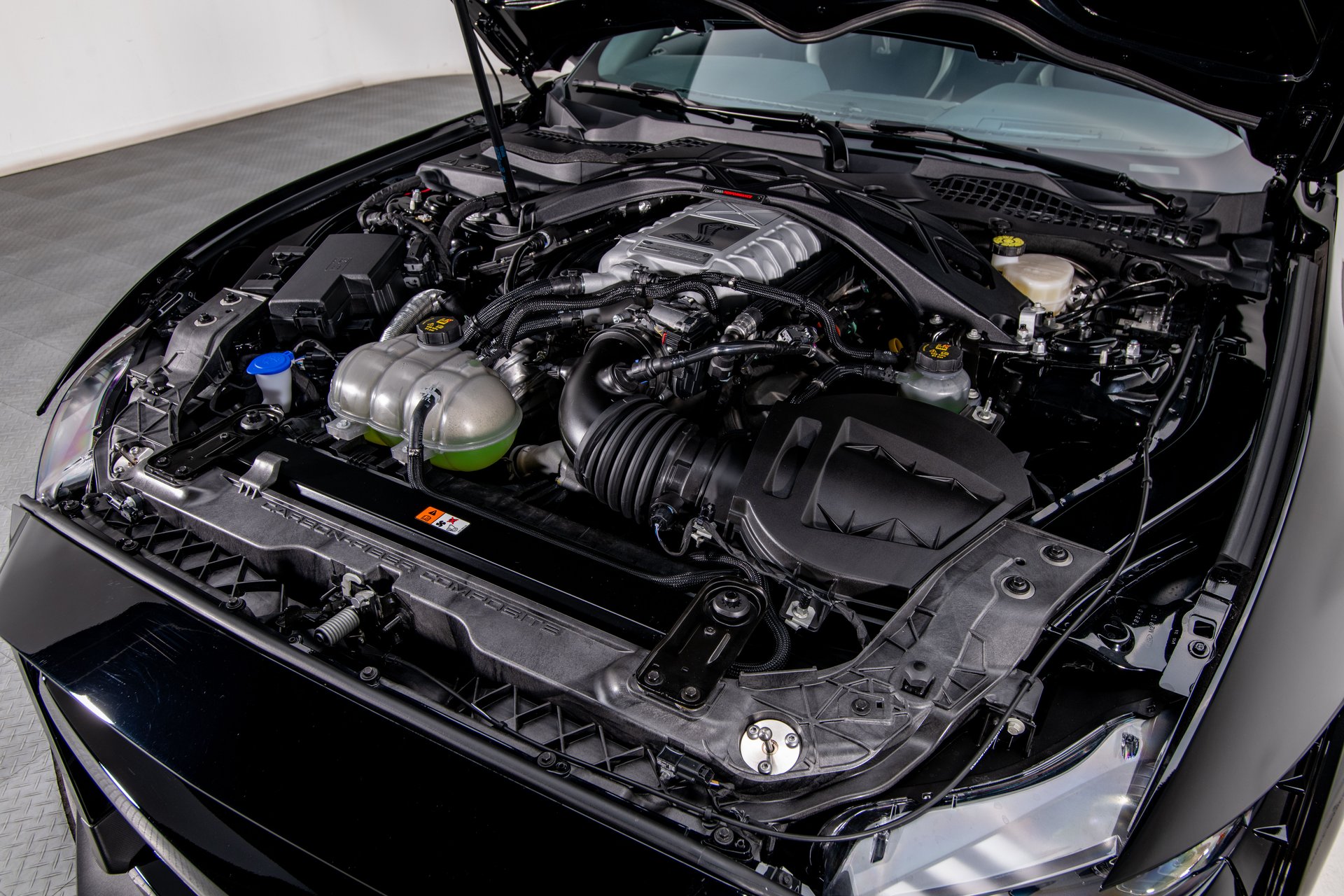
7. 2021 Ford Mustang Shelby GT500 with 5.2L Supercharged Predator V8
Power delivery and acoustic presence define the 2021 Ford Mustang Shelby GT500, equipped with a 5.2-litre supercharged Predator V8 engine that produces an assertive and commanding exhaust note. Upon ignition, the engine emits a strong and immediate burst, followed by a steady idle that carries a deep and rhythmic pulse. This initial impression communicates the vehicle’s performance capability without hesitation.
The application of the throttle introduces a layered sound profile that combines low-frequency rumble with the distinct whine of the supercharger. This dual output creates a dynamic auditory experience, where mechanical force and forced induction operate together. The result is a sound that feels dense and energetic, maintaining clarity even as intensity increases.
During acceleration, the exhaust note expands into a powerful and sustained roar. The supercharger contributes a rising high-pitched tone that overlays the deeper engine sound, producing a balanced yet forceful output. Each increase in speed is matched by a corresponding increase in volume and sharpness, reinforcing the sense of forward motion.
Gear transitions add further character through a series of sharp, controlled cracks. These sounds occur in quick succession, marking each move with precision. The active exhaust system allows adjustment of sound levels, enabling the driver to select a more restrained or more aggressive output depending on driving conditions and personal preference.
When decelerating, the exhaust produces occasional pops that introduce variation without becoming excessive. These elements contribute to a more engaging experience, ensuring that the sound remains present throughout different phases of operation. The consistency of tone during both acceleration and deceleration reflects careful engineering.
Within the cabin, the sound is strong yet contained, allowing occupants to remain comfortable during extended drives. External projection is equally effective, ensuring that the vehicle’s presence is clearly recognised. The balance between control and intensity allows the exhaust note to remain purposeful at all times.
The 2021 Ford Mustang Shelby GT500 delivers an exhaust character that aligns with its performance identity. Its combination of supercharged output and structured sound design creates an experience defined by strength, clarity, and mechanical expression.
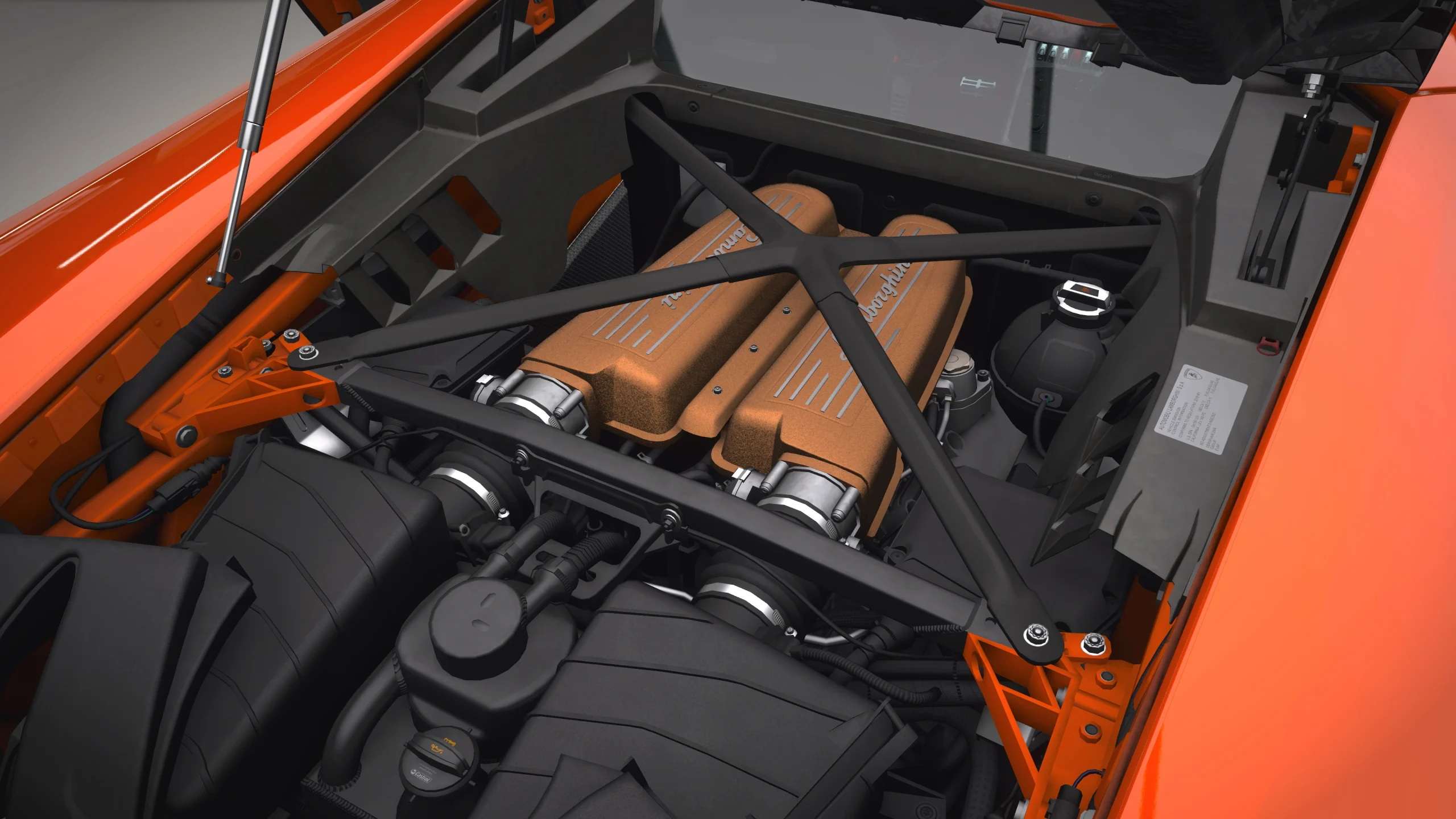
8. 2019 Lamborghini Huracán Performante with 5.2L Naturally Aspirated V10
The 2019 Lamborghini Huracán Performante presents a striking example of how engineering precision and acoustic tuning can produce an unforgettable exhaust character. At the center of this experience is its 5.2-litre naturally aspirated V10 engine, which delivers a sound profile that is both intense and highly refined.
From the moment the ignition is engaged, the engine responds with a sharp and energetic burst that immediately commands attention. This initial response establishes a strong auditory identity that remains consistent throughout the driving experience.
At lower engine speeds, the exhaust note maintains a controlled growl with a firm and distinctive tone. This sound carries a level of tension, suggesting the performance potential that lies within. As the driver applies more throttle, the engine responds quickly, and the sound begins to rise in pitch.
This transition occurs smoothly yet rapidly, moving from a restrained tone to a high-frequency scream that dominates its surroundings. The acceleration phase reveals the full capability of the V10 configuration. Rapid firing intervals contribute to a continuous and flowing sound that builds with intensity.
Each combustion cycle contributes to a unified output, creating a sound that feels both aggressive and well-structured. The progression toward peak revs is accompanied by increasing sharpness, resulting in an output that remains clear and forceful without distortion.
When the driver releases the throttle, the exhaust system produces a sequence of crackling sounds that add character to deceleration. These emissions are not excessive but provide an energetic response that enhances the sense of mechanical engagement. Gear transitions are equally expressive, with quick interruptions in sound that highlight the responsiveness of the transmission and engine combination.
Within the cabin, the sound is present at all times, reinforcing the vehicle’s performance-oriented nature. Outside the vehicle, the exhaust note projects strongly, ensuring that its presence is recognised in any environment. The acoustic experience remains consistent across different driving conditions, maintaining clarity and intensity.
The Huracán Performante demonstrates that a naturally aspirated engine can achieve both volume and precision. Its exhaust output combines high-revving energy with a distinctive tone, making it one of the most aggressive factory sound profiles available in a production vehicle.
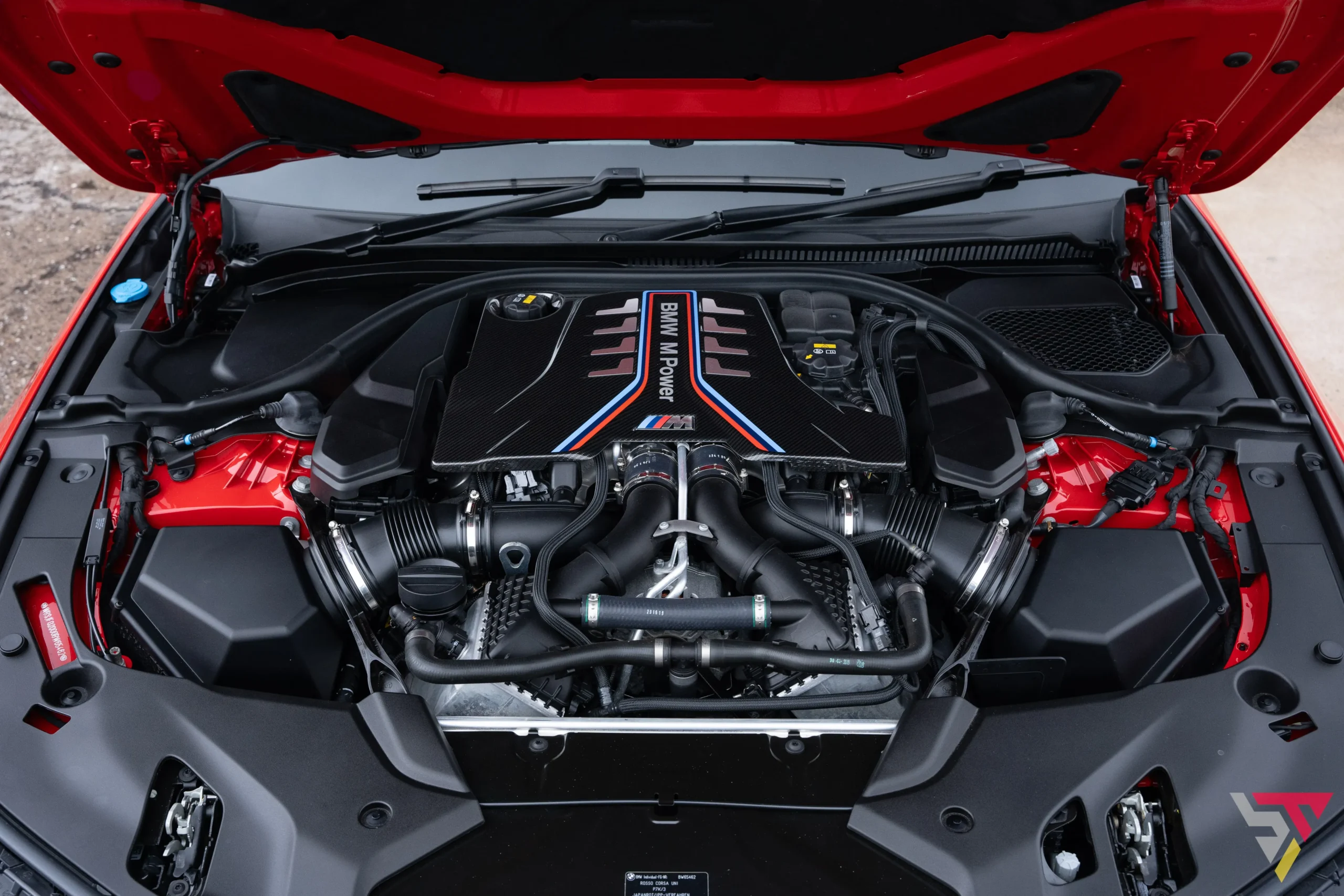
9. 2020 BMW M5 Competition with 4.4L Twin-Turbo V8
The 2020 BMW M5 Competition offers a carefully balanced exhaust character that merges controlled refinement with assertive performance. Powered by a 4.4-litre twin-turbocharged V8 engine, this vehicle produces a sound that reflects both its executive positioning and its high-performance capability. From the initial startup, the engine emits a deep and measured rumble, suggesting strength while maintaining composure.
As the throttle is engaged, the exhaust note begins to develop greater depth and volume. The progression is steady, allowing the driver to perceive a gradual increase in intensity rather than an abrupt change. Turbocharging introduces an additional layer to the sound, contributing subtle tonal variations that develop with engine speed.
During acceleration, the engine produces a strong and consistent output that remains smooth throughout the rev range. The sound grows in a controlled manner, reflecting the engine’s ability to deliver power efficiently. This measured development creates a sense of confidence, as the driver can anticipate how the vehicle will respond at different speeds.
Gear changes introduce a sequence of sharp, well-defined pops that add character to the driving experience. These sounds are carefully timed and do not overwhelm the primary exhaust tone. The active exhaust system allows the driver to select varying levels of sound intensity, providing flexibility depending on the driving environment.
Deceleration introduces a lighter series of crackles, which contribute to the entire acoustic profile without becoming excessive. These elements create variation within the sound, ensuring that the experience remains engaging during both acceleration and braking phases.
Inside the cabin, the exhaust note is present yet controlled, allowing for comfortable long-distance driving. Outside, the sound carries sufficient authority to reflect the vehicle’s performance credentials without becoming intrusive. This balance ensures that the M5 Competition remains suitable for both daily use and spirited driving.
The 2020 BMW M5 Competition delivers an exhaust note that reflects its dual-purpose design. It combines performance-driven sound with a level of refinement that aligns with its executive character, offering a composed yet engaging acoustic experience.
Also Read: 5 Engines Using Reliable Port Injection vs 5 Prone to Heavy Carbon Buildup
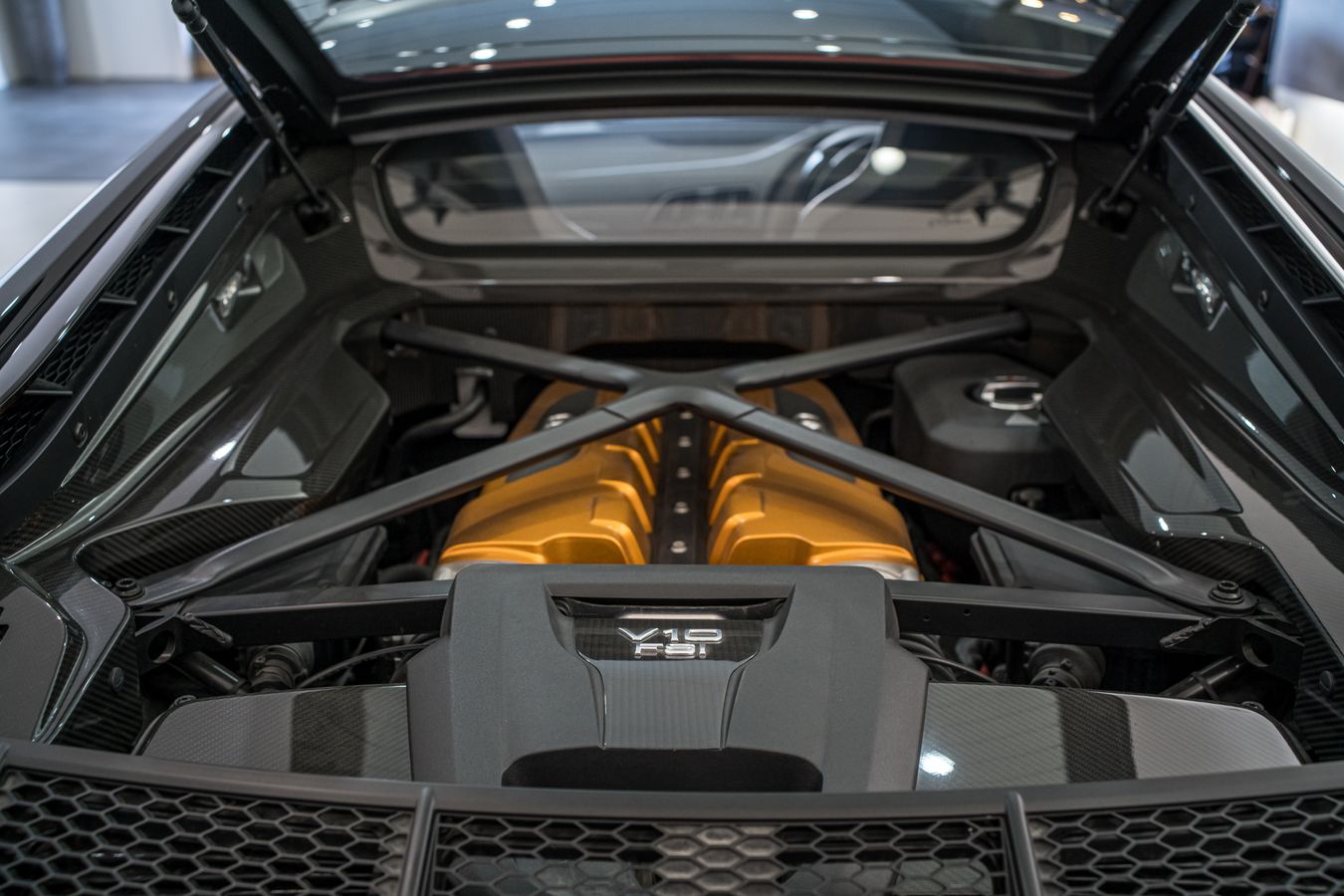
10. 2018 Audi R8 V10 Plus with 5.2L Naturally Aspirated V10
A distinct character defines the 2018 Audi R8 V10 Plus, driven by its 5.2-liter naturally aspirated V10. This engine produces a sound that feels sharp, immediate, and unmistakably exotic, offering a driving experience that emphasizes precision and intensity.
Ignition brings a quick, aggressive burst that settles into a controlled idle. The tone feels tight and focused, hinting at the engine’s high-revving nature. As the throttle is applied, the sound rises rapidly, transitioning into a high-pitched wail that becomes more pronounced with each increase in speed.
Acceleration highlights the engine’s ability to deliver a continuous and escalating sound. The exhaust note builds smoothly, reaching a sharp peak that resonates with clarity. Unlike some turbocharged setups, this naturally aspirated engine maintains a consistent tone, allowing every detail to be heard.
Gear changes occur with quick, defined interruptions, adding rhythm to the driving experience. Downshifts produce crisp bursts that enhance engagement, reinforcing the connection between driver input and mechanical response.
Within the cabin, the sound feels immersive without becoming overwhelming. Outside, it carries a strong presence that reflects the car’s performance capabilities. The balance between intensity and clarity ensures that the experience remains enjoyable across different driving conditions.
The Audi R8 V10 Plus stands as a strong example of how sound can define a vehicle’s identity. Its exhaust note delivers sharpness, energy, and precision, creating an experience that remains memorable long after the drive ends.
