

Owning a car brings freedom, convenience, and daily reliability, though it also comes with ongoing expenses that can quietly add up. Fuel, insurance, and repairs are easy to notice, yet routine maintenance often gets pushed aside until a problem demands attention. That approach can lead to higher costs and unexpected breakdowns that disrupt your schedule.
Smart car owners take a different path. By handling a few simple maintenance tasks consistently, you can prevent costly repairs and keep your vehicle running efficiently. These tasks do not require advanced mechanical skills. In fact, many of them can be done at home with minimal tools and a little time.
Picture maintaining a Chevrolet Equinox LT 2018 or a Honda Civic Sport 2019. Both vehicles are built for reliability, yet even the best engineering depends on proper care. Small efforts such as checking fluids, rotating tires, and replacing filters can extend the life of your car while reducing long-term expenses.
This guide outlines ten practical maintenance tasks that help drivers save up to $1,200 each year. Each task focuses on prevention, efficiency, and simple habits that make a measurable difference. With consistency and attention, your vehicle stays dependable while your wallet benefits from fewer repair bills.
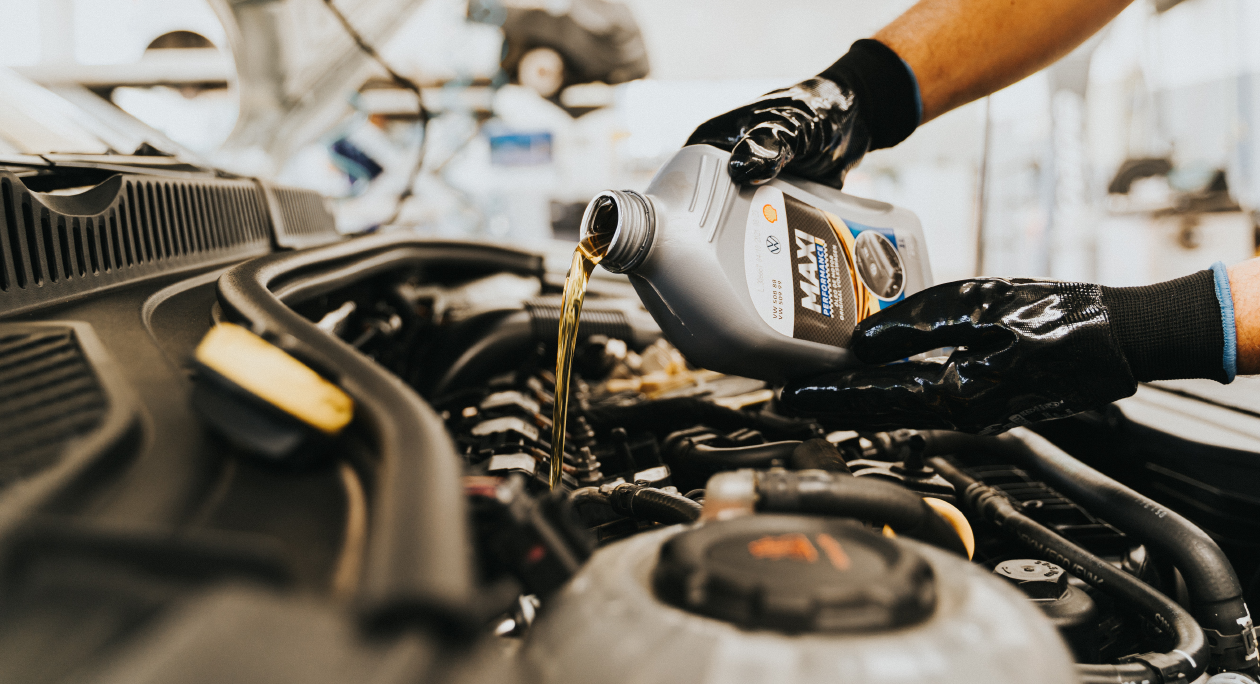
1. Regular Oil Changes That Protect Engine Health
Proper lubrication remains one of the most important requirements for maintaining engine performance and durability. Engine oil serves the vital function of reducing friction between moving components, thereby allowing the engine to operate smoothly and efficiently. Without adequate lubrication, metal parts come into direct contact, leading to increased wear and eventual damage.
Consider the daily use of a Toyota Corolla LE 2020 under normal commuting conditions. As the engine operates, the oil gradually breaks down due to heat and contamination from dirt and debris. As time goes on, this reduces its effectiveness in protecting internal components. When oil changes are delayed, friction increases, which can lead to overheating and possible engine failure.
Adhering to the recommended oil change interval is essential. Most modern vehicles require oil replacement every 5,000 to 7,500 miles, although this may vary depending on driving conditions and the type of oil used. Consulting the manufacturer’s manual ensures that the correct schedule is followed, thereby maintaining optimal engine performance.
The quality of oil selected also has a direct impact on performance. Synthetic oil provides enhanced protection, especially under extreme temperature conditions. Although it may require a higher initial cost, it offers longer service intervals and improved engine efficiency, which can reduce maintenance frequency.
Carrying out oil changes independently can provide cost savings. With basic tools and a clear understanding of the process, many vehicle owners are able to complete this task successfully. Those who prefer professional servicing can still benefit financially by maintaining a consistent schedule and avoiding major repairs.
Failure to maintain proper oil levels and condition can result in serious consequences. Engine repairs or replacements are often expensive and may exceed reasonable maintenance costs. Preventive care through timely oil changes helps avoid such situations.
Developing a routine for oil maintenance ensures that the engine remains in good condition. Consistent attention to this task reduces wear, improves fuel efficiency, and supports the long-term reliability of the vehicle.
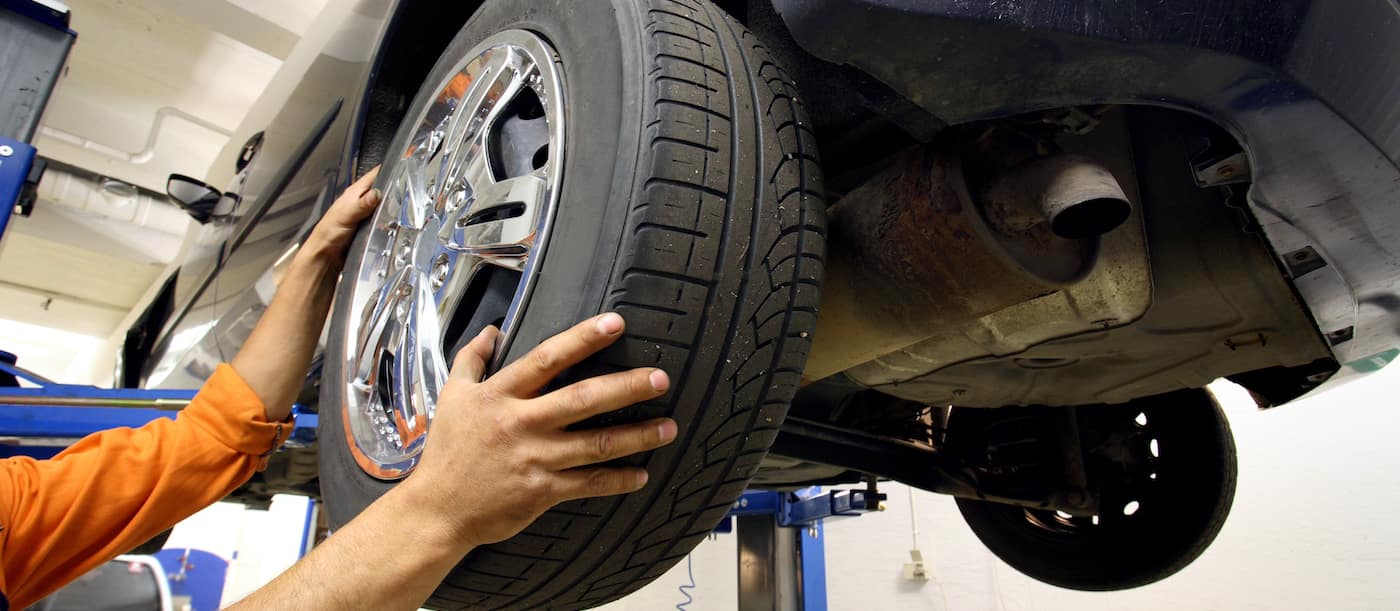
2. Tire Rotation That Extends Tire Life
Even distribution of tire wear is essential for maintaining both performance and safety. Tire rotation serves as a practical method of ensuring that each tire wears evenly, thereby extending its lifespan and improving the entire vehicle’s stability.
Operating a Ford Escape SE 2021 for an extended period without rotating the tires may lead to noticeable differences in tread depth. Front tires typically experience greater wear due to steering and braking forces. If this imbalance is not corrected, it results in uneven wear patterns and the need for premature replacement.
Routine tire rotation, usually performed every 5,000 to 8,000 miles, helps distribute wear more evenly across all tires. This simple maintenance practice improves traction and ensures that the vehicle maintains stable contact with the road surface. Enhanced traction contributes to safer driving, particularly in adverse weather conditions.
Professional tire rotation services are readily available, though some vehicle owners choose to carry out the procedure themselves. With the appropriate tools and knowledge, rotating tires at home can be accomplished effectively. This approach provides an opportunity to reduce maintenance expenses while maintaining vehicle performance.
Cost savings become evident when tire lifespan is extended. Replacing a full set of tires can be expensive, and delaying this expense through proper maintenance reduces annual costs. Improved fuel efficiency may also result from evenly worn tires, as they create less resistance during movement.
Regular inspection of tire condition supports this process. Checking tread depth and identifying any signs of damage ensures that tires remain in suitable condition between rotations. Early detection of issues allows for timely corrective action.
Maintaining a consistent tire rotation schedule promotes balanced wear and reliable handling. This practice enhances vehicle stability, reduces replacement frequency, and supports both safety and financial efficiency for the vehicle owner.
Also Read: 10 Maintenance Tasks That Save You 1000 Dollars a Year at the Shop
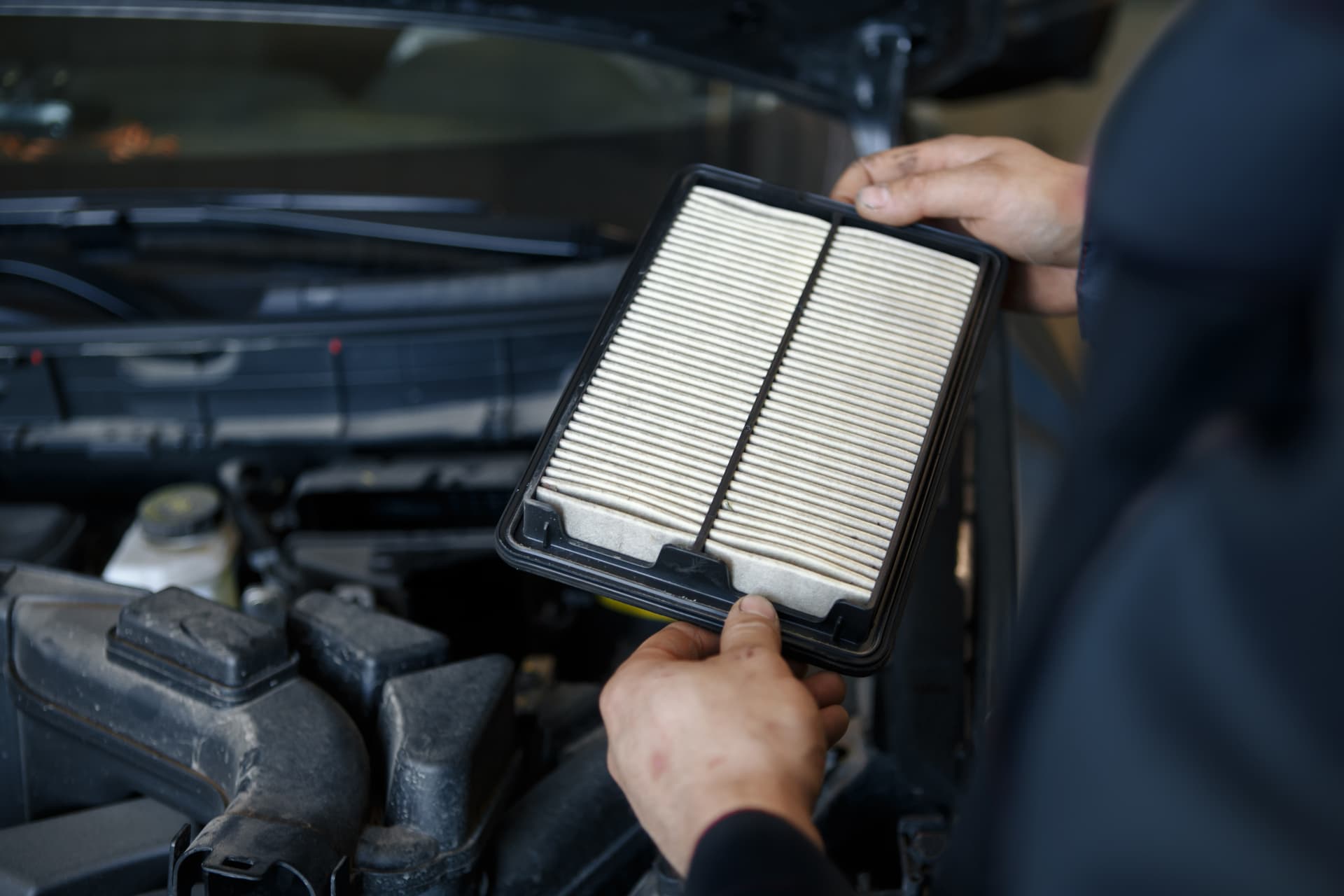
3. Air Filter Replacement That Improves Efficiency
Proper engine performance depends heavily on a steady supply of clean air, and this is where the air filter performs a vital function. By preventing dust, dirt, and other contaminants from entering the engine, the air filter ensures that combustion occurs efficiently and without unnecessary interference. When this component is neglected, the consequences can affect both performance and operating costs.
Consider operating a Nissan Sentra SV 2018 with a blocked air filter. Restricted airflow forces the engine to work harder in order to maintain normal output. This added strain leads to increased fuel consumption and a noticeable decline in responsiveness. Acceleration may feel slower, and the engine may not run as smoothly as expected. Replacing the air filter restores proper airflow, allowing the engine to function as designed.
Affordability makes this maintenance task highly accessible. Air filters are generally inexpensive, and most vehicles are designed with easy access to the filter housing. This allows even individuals with limited mechanical experience to carry out the replacement without difficulty. Routine inspection every few months helps determine whether the filter requires cleaning or replacement.
Fuel efficiency improves when the engine receives adequate airflow. Clean air supports better combustion, which reduces fuel waste. Over a period of consistent use, the savings from improved efficiency can accumulate to a meaningful amount, reducing the cost of daily driving.
Engine durability also benefits from regular air filter replacement. Preventing debris from entering the engine reduces wear on internal components, which helps avoid premature damage. This contributes to a longer engine lifespan and fewer repair expenses.
Despite its simplicity, this task is often overlooked. Yet its impact on performance and cost management remains substantial. Maintaining a clean air filter requires minimal effort while delivering measurable benefits. Ensuring that your engine receives clean air is essential for efficient operation.
Regular replacement of the air filter supports consistent performance, reduces fuel consumption, and helps maintain the reliability of your vehicle throughout its service life.
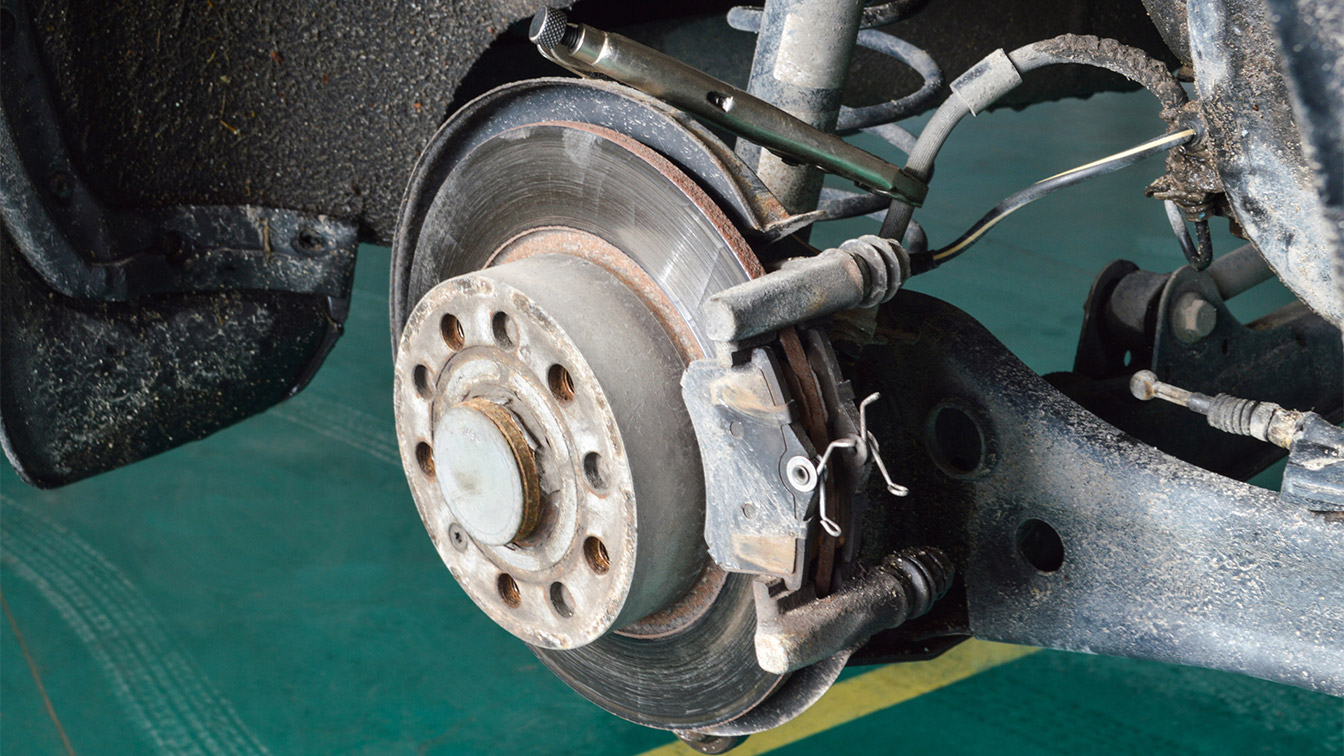
4. Brake Inspection That Prevents Costly Repairs
Effective braking remains one of the most critical aspects of vehicle safety and control. Regular inspection of brake components allows early detection of wear, which helps prevent more serious damage and reduces repair expenses. Frequent use of a Subaru Forester Premium 2020 in daily traffic gradually wears down the brake pads.
Each application of the brakes generates friction, which slowly reduces the thickness of the pads. If this wear is ignored, it can lead to damage of the brake rotors, resulting in higher repair costs. Conducting regular inspections ensures that worn pads are replaced before further damage occurs.
Several warning signs indicate the need for attention. Unusual squeaking sounds, reduced braking effectiveness, and vibrations felt through the steering wheel or brake pedal all suggest that components may be worn. Prompt action upon noticing these signs helps prevent more serious mechanical issues.
Brake inspections can be included in routine servicing. While some vehicle owners may choose to check pad thickness themselves, a professional assessment provides greater accuracy and ensures that all related components are evaluated properly.
Cost considerations strongly favor early intervention. Replacing brake pads is relatively affordable when compared with the expense of repairing or replacing rotors and calipers. Addressing wear at the appropriate time reduces the financial burden associated with more extensive repairs.
Driving habits also influence brake longevity. Gentle braking and maintaining adequate distance from other vehicles reduces unnecessary strain on the braking system, allowing components to last longer. Confidence while driving increases when the braking system functions reliably. Consistent stopping power allows for better control in various conditions, contributing to safer journeys.
Regular inspection of brakes serves both financial and safety purposes. Staying attentive to this essential system helps prevent unexpected repair costs while ensuring that your vehicle remains dependable in daily use.
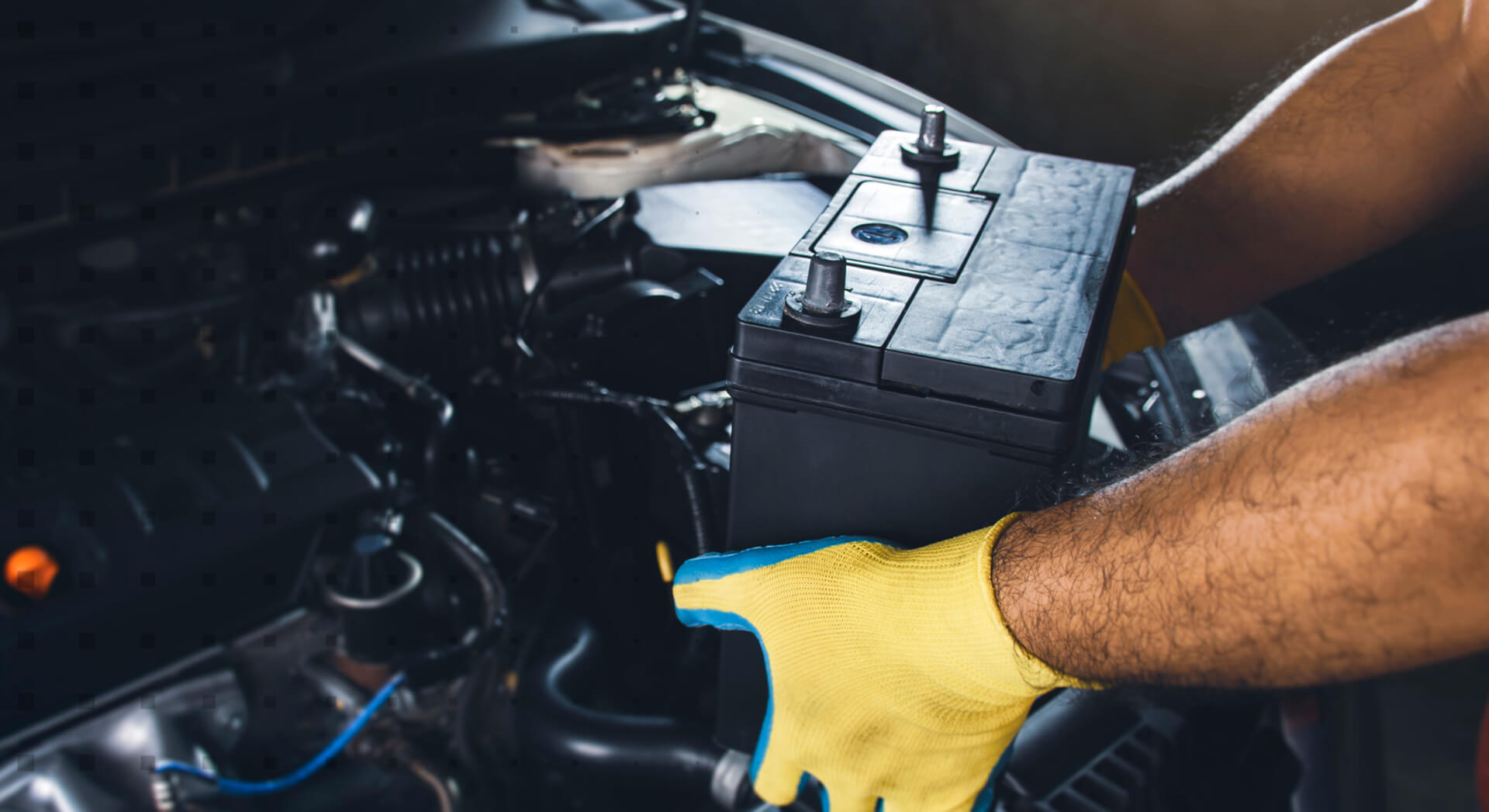
5. Battery Maintenance That Avoids Unexpected Failures
A dependable battery is essential for starting your vehicle and powering its electrical systems. When maintenance is neglected, battery performance can decline without warning, leading to inconvenient and sometimes costly situations.
Attempting to start a Hyundai Elantra SEL 2019 on a cold morning with a weakened battery can result in slow cranking or complete failure. Such experiences often occur at inconvenient times, emphasizing the importance of routine checks. Regular inspection allows potential issues to be identified before they disrupt your schedule.
Clean battery terminals are crucial for proper operation. Corrosion can develop around the terminals, reducing the efficiency of electrical connections and interfering with the charging process. Removing this buildup with appropriate tools helps restore optimal performance and ensures consistent power delivery.
Monitoring battery voltage provides valuable information about its condition. Many automotive service providers offer complimentary testing, making it easy to assess whether the battery is functioning within acceptable limits. This simple step helps prevent unexpected breakdowns.
Battery lifespan typically ranges from three to five years, depending on usage patterns and environmental conditions. Replacing the battery before it reaches the point of failure reduces the risk of being stranded and avoids the inconvenience of emergency assistance.
Routine care extends battery life and supports reliable vehicle operation. Ensuring that connections remain secure and that the battery is properly charged helps maintain consistent performance. Dependability begins with attention to essential components.
Maintaining your vehicle’s battery through regular checks and timely replacement ensures that your car starts without difficulty and continues to operate efficiently, while also helping you avoid unnecessary expenses.
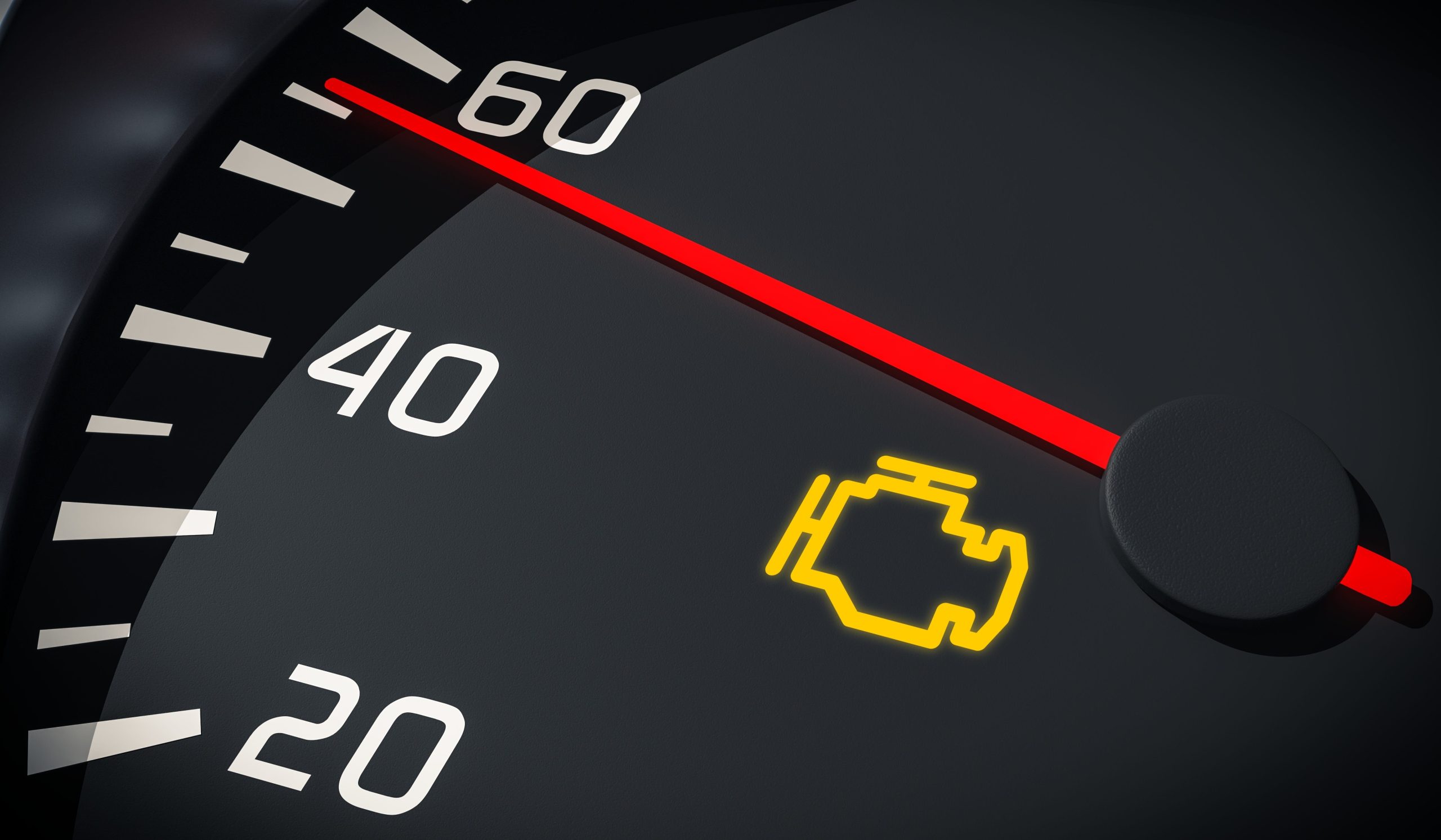
6. Fluid Level Checks That Prevent Major System Failures
Careful attention to fluid levels remains an essential aspect of responsible vehicle ownership, as various fluids operate quietly to sustain proper mechanical function. A close inspection under the hood of a Kia Sorento EX 2020 reveals several reservoirs, each serving a distinct purpose that contributes to the vehicle’s reliability and efficiency.
While engine oil often receives the most attention, other fluids require equal consideration in order to prevent mechanical failure. Transmission fluid plays a central role in ensuring smooth gear transitions and protecting internal components from excessive wear.
When the fluid level drops below the recommended range or becomes contaminated, the transmission may begin to exhibit rough shifting. Continued neglect can lead to severe damage, resulting in repairs that are often costly. Routine inspection ensures that the fluid remains clean and at the proper level.
Coolant also requires regular monitoring. This fluid regulates engine temperature by absorbing and dissipating heat. Insufficient coolant can cause overheating, which may damage engine components such as the cylinder head and gasket. Periodic checks of the coolant reservoir help maintain appropriate levels and prevent overheating.
Brake fluid, power steering fluid, and windshield washer fluid each contribute to the vehicle’s operation and safety. Brake fluid supports effective braking performance, while power steering fluid allows for smooth and responsive steering.
Washer fluid ensures that the windshield remains clear during adverse weather conditions. Neglecting any of these fluids may compromise safety and reduce driving comfort. Routine checks are straightforward and do not require specialized tools. Reservoirs are typically labeled, allowing for easy identification and monitoring.
Adding fluid when necessary helps maintain proper system function. Establishing a consistent inspection routine, such as a monthly check, allows early detection of potential issues. Addressing minor deficiencies at an early stage prevents more serious mechanical problems.
Maintaining proper fluid levels protects vital components and supports steady vehicle performance. This simple practice reduces the likelihood of expensive repairs and ensures that the vehicle continues to operate efficiently throughout its service life.
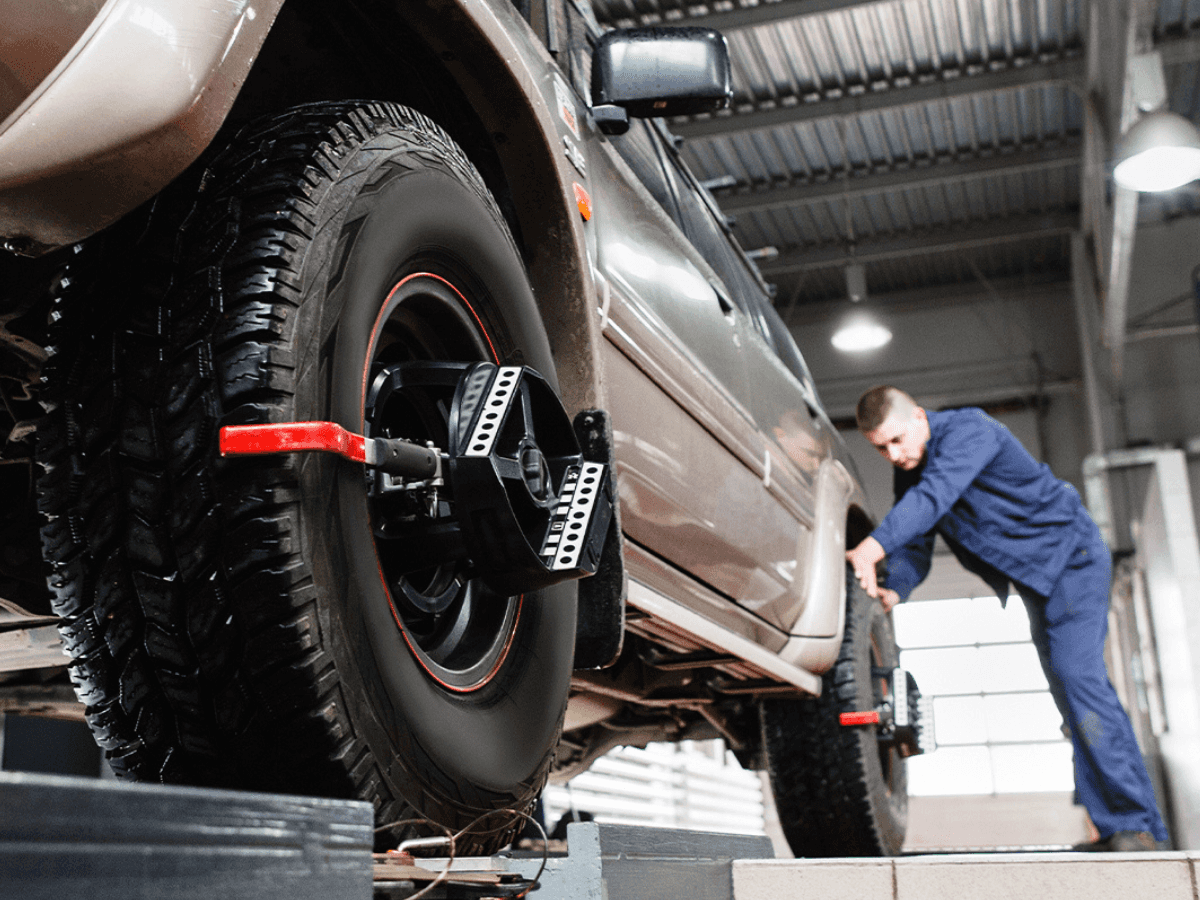
7. Wheel Alignment That Preserves Tires and Handling
Accurate wheel alignment is fundamental to maintaining vehicle stability, tire longevity, and the whole driving performance. Even when roads appear straight, improper alignment can cause the vehicle to deviate slightly from its intended path, leading to gradual wear and reduced control.
Operating a Volkswagen Tiguan SE R-Line Black 2021 for an extended period without checking alignment may result in subtle changes in driving behaviour. The steering wheel may no longer sit perfectly centered, and the vehicle may drift slightly to one side. These early signs indicate that alignment requires attention.
Wheel alignment ensures that each tire meets the road surface at the correct angle. Proper alignment improves handling by allowing the vehicle to respond accurately to steering input. This becomes particularly important during high-speed driving or when negotiating curves, where stability is essential.
Uneven tire wear is a common consequence of misalignment. Tires that wear unevenly must be replaced sooner than expected, increasing maintenance costs. Ensuring correct alignment distributes wear evenly across all tires, extending their usable life and reducing replacement frequency.
Fuel efficiency also benefits from proper alignment. Misaligned wheels create additional rolling resistance, which forces the engine to exert more effort. Correcting alignment reduces this resistance, allowing the vehicle to operate more efficiently and consume less fuel.
Professional alignment services use specialized equipment to measure and adjust wheel angles with precision. While this service involves a modest expense, it helps prevent larger financial burdens associated with premature tire replacement and reduced efficiency.
Recognizing warning signs is important for timely intervention. Steering wheel vibration, uneven tread wear, and a tendency for the vehicle to drift are clear indicators that alignment should be checked. Maintaining proper wheel alignment enhances both safety and cost management. It ensures smoother handling, extends tire life, and supports efficient vehicle operation, making it an essential component of routine maintenance.
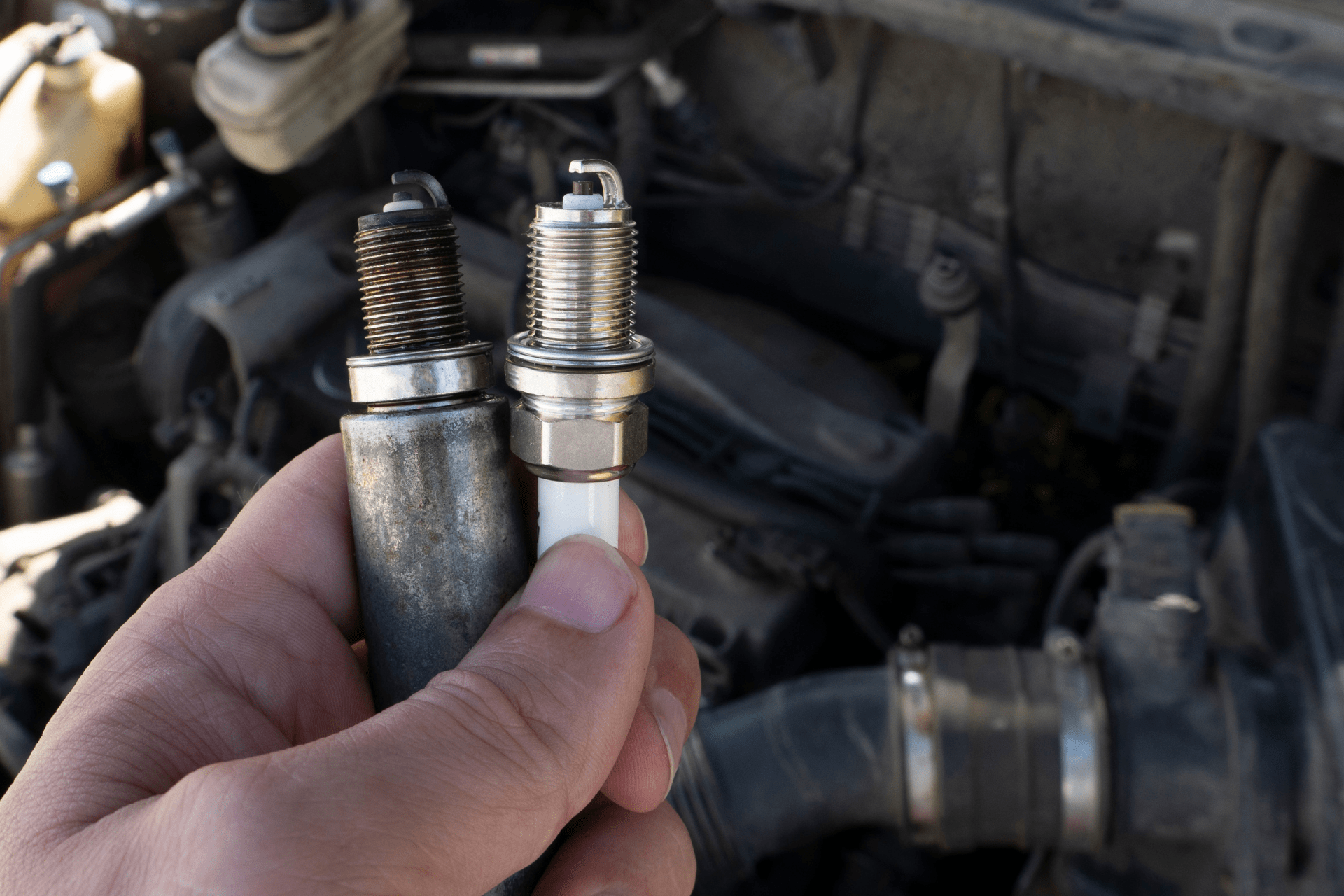
8. Spark Plug Replacement That Keeps Performance Strong
Efficient engine operation depends largely on a reliable ignition process, and spark plugs are the component responsible for initiating combustion. By igniting the air-fuel mixture, these small yet essential parts ensure consistent power generation. When spark plugs begin to wear out, their performance declines, and this has a direct effect on how the vehicle operates.
Operating a Mazda CX-5 Grand Touring 2019 with worn spark plugs often reveals early warning signs. The engine may idle roughly, and acceleration may feel slower than usual. These changes occur because weakened spark plugs fail to ignite the fuel mixture effectively. Replacing them restores proper combustion, allowing the engine to run smoothly and respond better to input.
Gradual wear is a natural part of spark plug usage. As time passes, the electrode within each plug becomes less effective at producing a strong spark. This results in incomplete combustion, which leads to wasted fuel and reduced engine power. Regular replacement at recommended intervals helps prevent these issues from affecting performance.
Maintenance schedules vary depending on the type of spark plugs installed. Some require replacement after approximately 30,000 miles, while others may last up to 100,000 miles. Consulting the manufacturer’s guidelines ensures that replacement occurs at the appropriate time.
Fuel efficiency improves when ignition is functioning properly. A well-maintained system allows the engine to burn fuel more completely, reducing unnecessary consumption. This improvement translates into measurable savings during routine driving.
Installation can be carried out with basic tools and a moderate level of mechanical understanding. Accessing the spark plugs may involve removing certain components, though the process remains manageable for many vehicle owners. Those who prefer professional assistance can rely on routine servicing to complete the task.
After replacement, the difference in engine response becomes evident. Acceleration feels smoother, and the vehicle operates with greater consistency. These improvements contribute to a more reliable driving experience. Maintaining spark plugs in good condition supports efficient engine performance and reduces operating costs.
This straightforward maintenance practice ensures that the vehicle continues to perform as intended while minimizing fuel expenses and preventing avoidable mechanical issues.
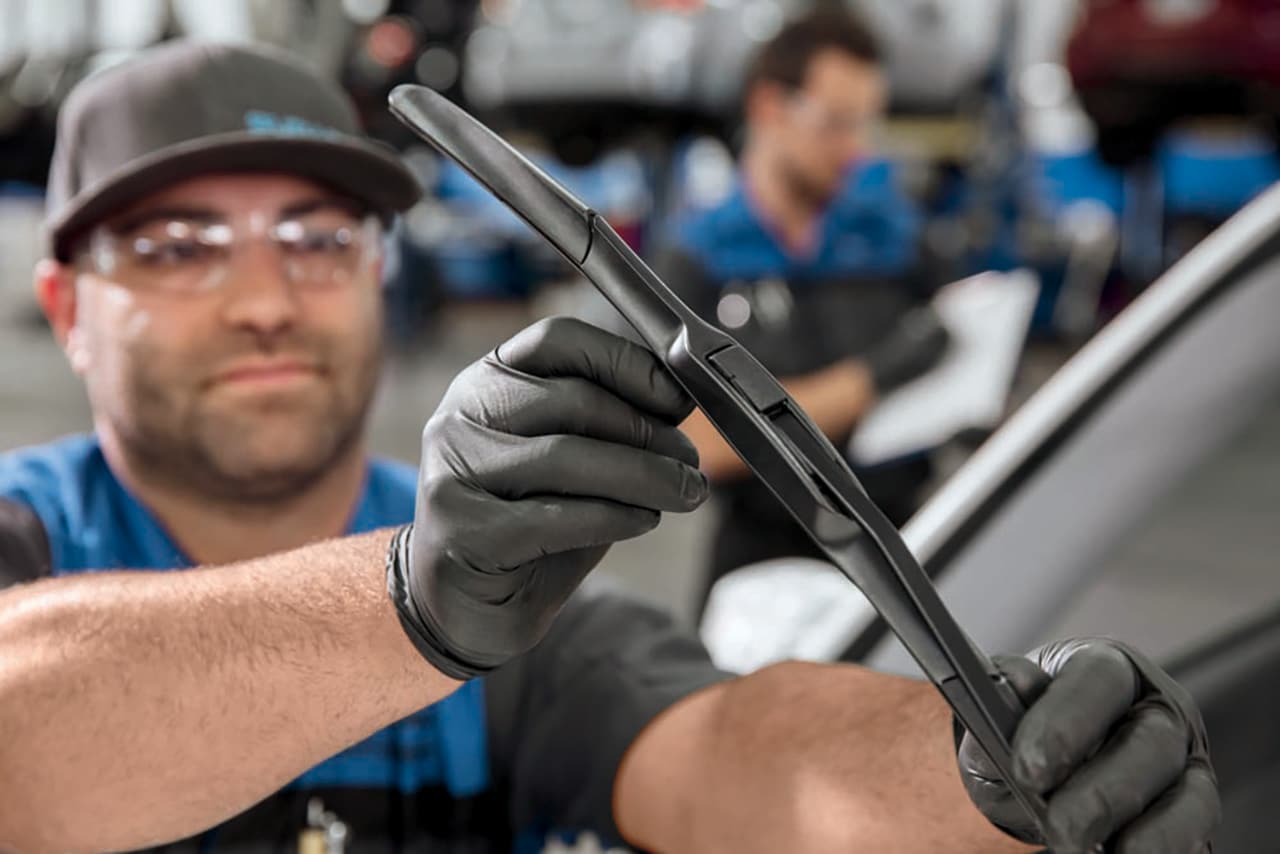
9. Wiper Blade Replacement That Maintains Clear Visibility
Clear visibility remains essential for safe driving, particularly during adverse weather conditions such as heavy rain or snowfall. Wiper blades play a crucial role in maintaining a clean windshield, allowing drivers to see the road ahead without obstruction. When these blades become worn, their effectiveness decreases, creating a potential safety concern.
Driving a Jeep Wrangler Sport S 2020 during a rainstorm with worn wiper blades illustrates this issue clearly. Instead of clearing water efficiently, the blades may leave streaks or smear moisture across the glass. This reduces visibility and makes it more difficult to respond to traffic conditions and road hazards.
Replacing wiper blades is both simple and affordable. Most designs allow for quick installation without the need for specialized tools, making it an accessible maintenance task for vehicle owners. Regular replacement ensures that the blades remain effective throughout the year.
Frequency of replacement depends on usage and environmental conditions. Many experts recommend changing wiper blades every six to twelve months. Exposure to sunlight, dirt, and varying temperatures can cause the rubber to degrade, reducing performance.
Improved visibility enhances driving safety. A clear windshield allows for quicker reaction to obstacles, pedestrians, and changing traffic patterns. This reduces the likelihood of accidents and contributes to a more controlled driving experience.
Selecting high-quality blades improves durability and performance. Premium options are designed to withstand harsh weather and provide consistent wiping action. This ensures reliability even during challenging conditions. Windshield washer fluid works alongside the blades to maintain clarity. Keeping the reservoir adequately filled allows dirt and debris to be removed effectively, supporting the function of the wipers.
Maintaining wiper blades in good condition ensures that visibility remains uncompromised. This simple yet essential practice supports safe driving and helps prevent avoidable risks on the road.
Also Read: 10 Ways to Verify a Used Car Maintenance History for Free
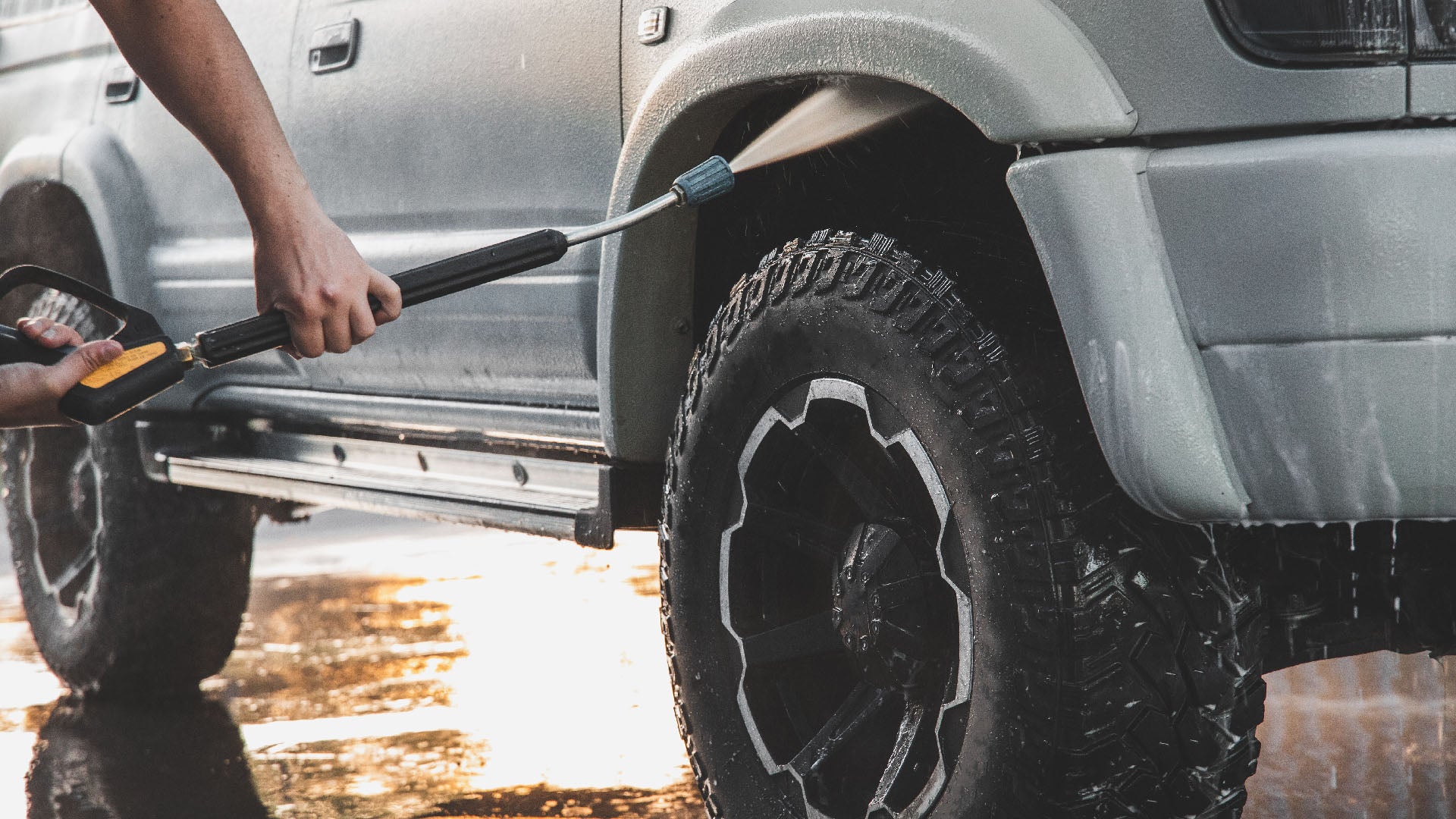
10. Regular Car Wash and Undercarriage Cleaning That Prevents Rust
Maintaining a clean vehicle serves a purpose beyond aesthetics, as it plays a critical role in preserving structural integrity. Dirt, moisture, and road chemicals can accumulate on both the exterior and undercarriage, leading to corrosion if not addressed promptly. Regular washing helps prevent this form of damage.
Operating a Honda Pilot Touring 2021 in conditions where road salt is present highlights the importance of this maintenance practice. Salt and moisture tend to collect beneath the vehicle, creating an environment that encourages rust formation. Cleaning the undercarriage removes these harmful substances and reduces the risk of corrosion.
Rust can weaken essential components, including the frame and suspension parts. If left untreated, it may compromise the safety and durability of the vehicle. Early prevention through routine cleaning is far more effective than attempting repairs after damage has occurred.
Car washing can be performed at professional facilities or at home. Using a hose with sufficient pressure allows access to areas beneath the vehicle that are not easily visible. Attention to these areas ensures that debris does not remain trapped.
The frequency of washing plays an important role in effectiveness. Cleaning the vehicle every few weeks, particularly during periods of heavy exposure to dirt or salt, helps prevent buildup. Consistency ensures that harmful materials do not remain in contact with metal surfaces for extended periods.
Applying protective coatings such as wax or sealant adds an extra layer of defense. These treatments help repel moisture and reduce the likelihood of corrosion affecting the exterior surfaces. Attention to detail enhances results. Cleaning areas such as wheel wells, door edges, and other hidden sections ensures that no residue is left behind.
Maintaining cleanliness supports long-term durability and preserves the condition of the vehicle. Regular washing and undercarriage care help prevent rust, reduce repair costs, and ensure that the vehicle remains in good working condition for years.
