Interior rattles are one of the most common frustrations drivers report over long-term ownership of a vehicle. While a car may feel solid and quiet when it is brand new, the real test of build quality often appears after months or years of driving on uneven roads, hot and cold weather cycles, and daily wear from doors, dashboards, seats, and trim components.
A rattle inside the cabin usually comes from small gaps in assembly, loose plastic clips, or materials that expand and contract more than expected. These noises can affect the perception of quality even if the engine, transmission, and safety systems are performing well.
Car manufacturers approach interior engineering differently. Some brands invest heavily in tight tolerances, premium fastening systems, and long-term durability testing that simulates years of usage on rough roads. These vehicles tend to maintain a solid cabin feel, with fewer squeaks and vibrations over time.
Other manufacturers focus more on cost control, lighter materials, and faster production cycles, which can sometimes lead to interior panels that loosen or produce minor noises as the car ages.
It is important to note that no car is completely free from rattles forever. Even premium vehicles can develop noises if they are poorly maintained, modified, or driven extensively on rough terrain. Likewise, budget-friendly vehicles are not automatically noisy, as many modern entry-level cars have improved significantly in assembly quality compared to older generations.
However, patterns do exist when looking at long-term ownership reviews, automotive reliability surveys, and feedback from mechanics who regularly inspect interiors.
This article compares two groups of brands based on widely observed trends in interior fit and finish, cabin durability, and long-term noise control. The first group includes manufacturers known for consistently strong interior assembly and minimal rattles across many models.
These brands often emphasize refinement, material quality, and strict manufacturing standards. The second group includes brands where owners more frequently report trim noises, loose fittings, or interior components that may feel less tightly assembled, especially after years of use or on rough road conditions.
The goal here is not to label any brand as universally poor or perfect, but to highlight general tendencies in cabin durability and interior construction quality. Differences often depend on specific models, production years, and even factory locations. Still, understanding these patterns can help buyers make more informed decisions when prioritizing long-term cabin silence, solid build feel, and reduced interior maintenance issues.
Car Brands Known for Minimal Interior Rattles and Strong Build Quality

Lexus
Lexus has built its reputation on long-term cabin silence and extremely tight interior assembly standards. A major reason behind this consistency is the brand’s strict manufacturing control, where small tolerances are carefully monitored to ensure panels, trims, and structural components fit together with minimal movement.
This reduces the chance of friction points forming between materials, which is one of the most common causes of rattles in modern vehicles. Even after extended use, many Lexus interiors maintain a “locked-in” feeling where components stay firmly in place.
Another important factor is the brand’s heavy focus on vibration isolation. Lexus vehicles are designed not only to reduce engine and road noise but also to prevent micro-movements inside the cabin. Mounting points for dashboards, door cards, and center consoles are reinforced in a way that reduces long-term loosening.
This approach helps the interior maintain stability even when the vehicle is driven on uneven roads or exposed to continuous temperature changes.
Material selection also plays a significant role in long-term durability. Lexus uses soft-touch materials in high-contact areas and ensures that plastic components are engineered to resist warping over time. In many models, internal foam padding and damping layers are placed behind panels to absorb vibrations before they can translate into audible squeaks or rattles. This layered approach is one of the reasons Lexus cabins often remain quiet even after high mileage.
Long-term owner feedback consistently highlights that Lexus vehicles age well in terms of interior feel. Models such as the ES, RX, and GX often show minimal dashboard movement or door panel looseness even after years of use.
This is especially noticeable in regions with rough roads or extreme climates, where lesser-built interiors tend to develop noise issues more quickly. Lexus engineering prioritizes stability over flashy complexity, which contributes to long-lasting cabin refinement.
Lexus demonstrates a consistent philosophy of durability-first interior design. Instead of relying on overly complex trim layouts, the brand focuses on structural integrity, careful assembly, and high-quality fastening systems. This combination helps ensure that interior rattles remain minimal across most of its lineup, even as vehicles accumulate significant mileage over time.
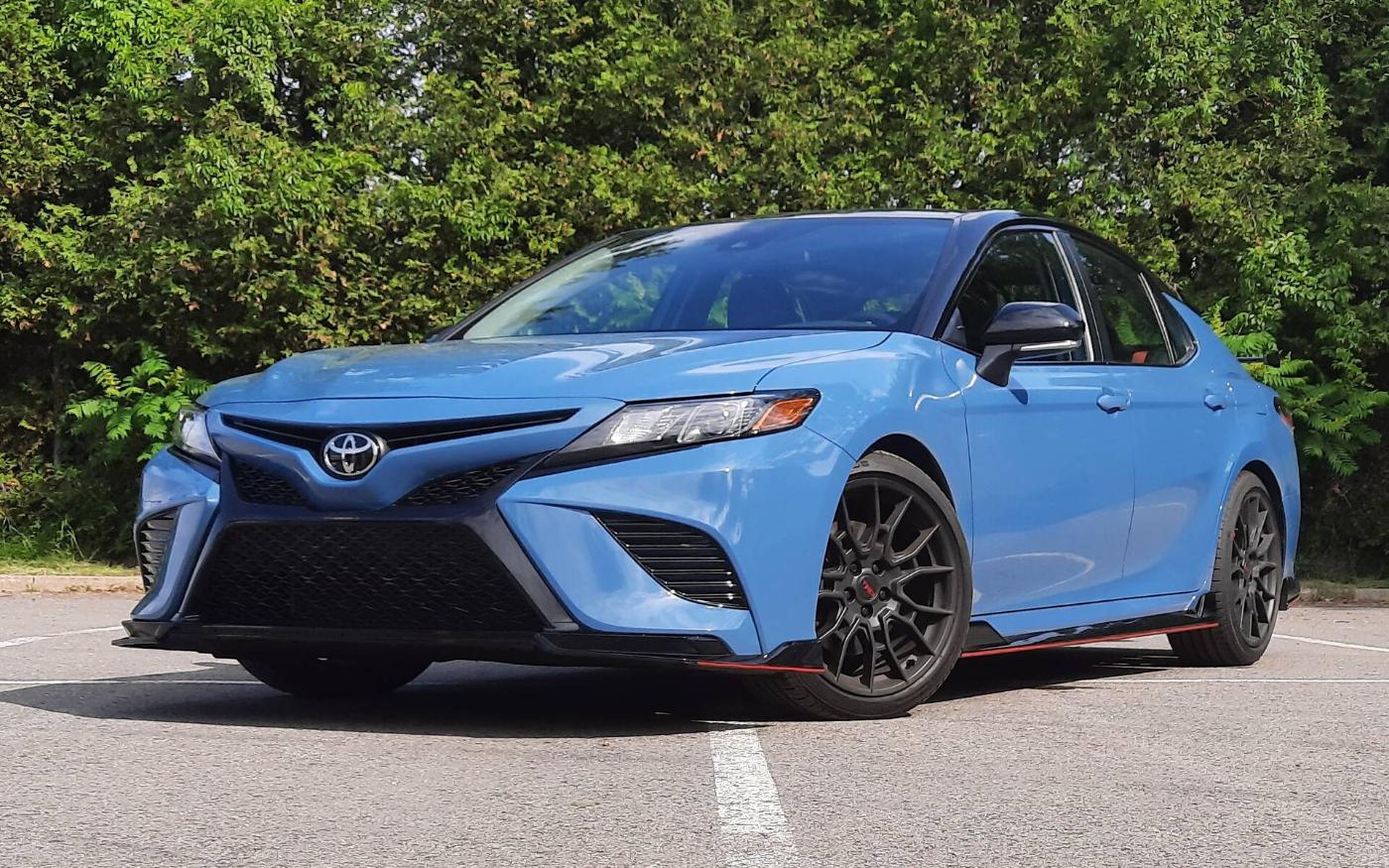
Toyota
Toyota’s strength in interior durability comes from its highly standardized global production system. The brand uses repeatable assembly processes across factories, which helps maintain consistency in how interior components are installed and secured.
This reduces variation between individual vehicles and ensures that panels, dashboards, and trim pieces are generally well aligned from the factory. The result is a cabin that may feel simple but remains stable over long-term use.
A key advantage in Toyota vehicles is the emphasis on functional design over unnecessary complexity. Many models avoid overly intricate interior structures that could introduce additional points of movement or weak fastening areas.
Instead, Toyota often opts for straightforward layouts where components are easy to secure and less likely to loosen over time. This simplicity contributes to reduced long-term noise development.
Toyota also places strong emphasis on durability testing under real-world conditions. Vehicles are exposed to prolonged vibration cycles, heat stress, and rough surface simulations before production approval.
This testing helps identify weak clip points or potential squeak sources early in development. As a result, the final production models typically have improved resistance to interior rattles, especially in higher-quality trims.
In models like the Camry, RAV4, and Land Cruiser, owners frequently report that interior stability remains strong even after extended mileage. While base trims may use harder plastics, these materials are often mounted securely and designed to withstand long-term use without shifting. Door panels and dashboard sections tend to remain tightly fixed, even when vehicles are used daily in demanding conditions.
Toyota’s approach focuses on predictable long-term behavior rather than premium luxury feel. The interiors may not always appear luxurious compared to competitors, but they are engineered to remain structurally sound over time. This focus on consistency and durability is what allows many Toyota vehicles to maintain low levels of interior rattles throughout their lifespan.

Mercedes-Benz
Mercedes-Benz places strong emphasis on structural refinement in its interior engineering, particularly in mid-range and flagship models. The brand uses precision assembly techniques that ensure trim pieces and interior modules align tightly with the vehicle’s structural frame. This reduces internal movement and helps maintain a solid cabin feel even under continuous driving stress.
A significant part of Mercedes-Benz interior durability comes from its use of multi-layer construction. Dashboards, door panels, and center consoles often include multiple layers of materials designed to dampen vibration. These layers reduce the transmission of road noise into the cabin and also minimize the chance of plastic-on-plastic contact that can cause squeaks over time.
Engineering focus is also placed on reinforcing key mounting points. Areas that experience frequent interaction, such as door handles, infotainment systems, and climate control panels, are secured using robust fastening systems. These components are tested extensively for repeated usage cycles to ensure they do not loosen or develop movement-related noise after years of operation.
In models such as the E-Class and S-Class, cabin solidity is one of the defining characteristics. Even after long-term ownership, these vehicles tend to maintain a controlled and insulated interior environment. While newer models incorporate more advanced digital interfaces, the underlying structural assembly remains designed to support long-term stability and reduce rattles.
Mercedes-Benz also benefits from extensive refinement testing that simulates long-distance driving conditions. This includes vibration exposure across different road surfaces and temperature ranges. Although complex interior electronics can occasionally introduce minor noise sources, the build quality in well-maintained models remains strong, particularly in higher-tier trims.

Volvo
Volvo focuses heavily on structural simplicity and long-term reliability in interior design. The brand’s approach avoids unnecessary complexity, which reduces the number of components that could potentially loosen or generate noise over time. This philosophy contributes to cabins that feel stable and consistent even after extended use.
One of Volvo’s key strengths is its rigid cabin construction. The brand designs its interiors with a strong emphasis on chassis integration, meaning that dashboard and panel mounting points are engineered to move very little relative to the vehicle body. This reduces vibration transfer and helps maintain a quiet environment even on uneven roads.
Volvo also uses high-quality fastening systems that prioritize long-term grip strength. Interior clips and brackets are designed to maintain tension even under thermal expansion and contraction cycles. This is particularly important in regions with extreme seasonal temperature changes, where lower-quality interiors often begin to develop creaks or rattles.
Another important factor is material selection. Volvo typically uses durable, soft-touch materials in key cabin areas, combined with reinforced backing structures. This combination helps reduce surface-level wear and prevents panels from becoming loose or misaligned over time. Even frequently used areas such as door trims and center consoles tend to maintain structural integrity.
Long-term ownership feedback often highlights Volvo interiors as consistently quiet, especially in models like the XC60 and XC90. While some infotainment-related components in newer vehicles may introduce minor electronic-related sounds, the core cabin structure remains solid. This makes Volvo a strong contender for buyers prioritizing long-term interior stability.
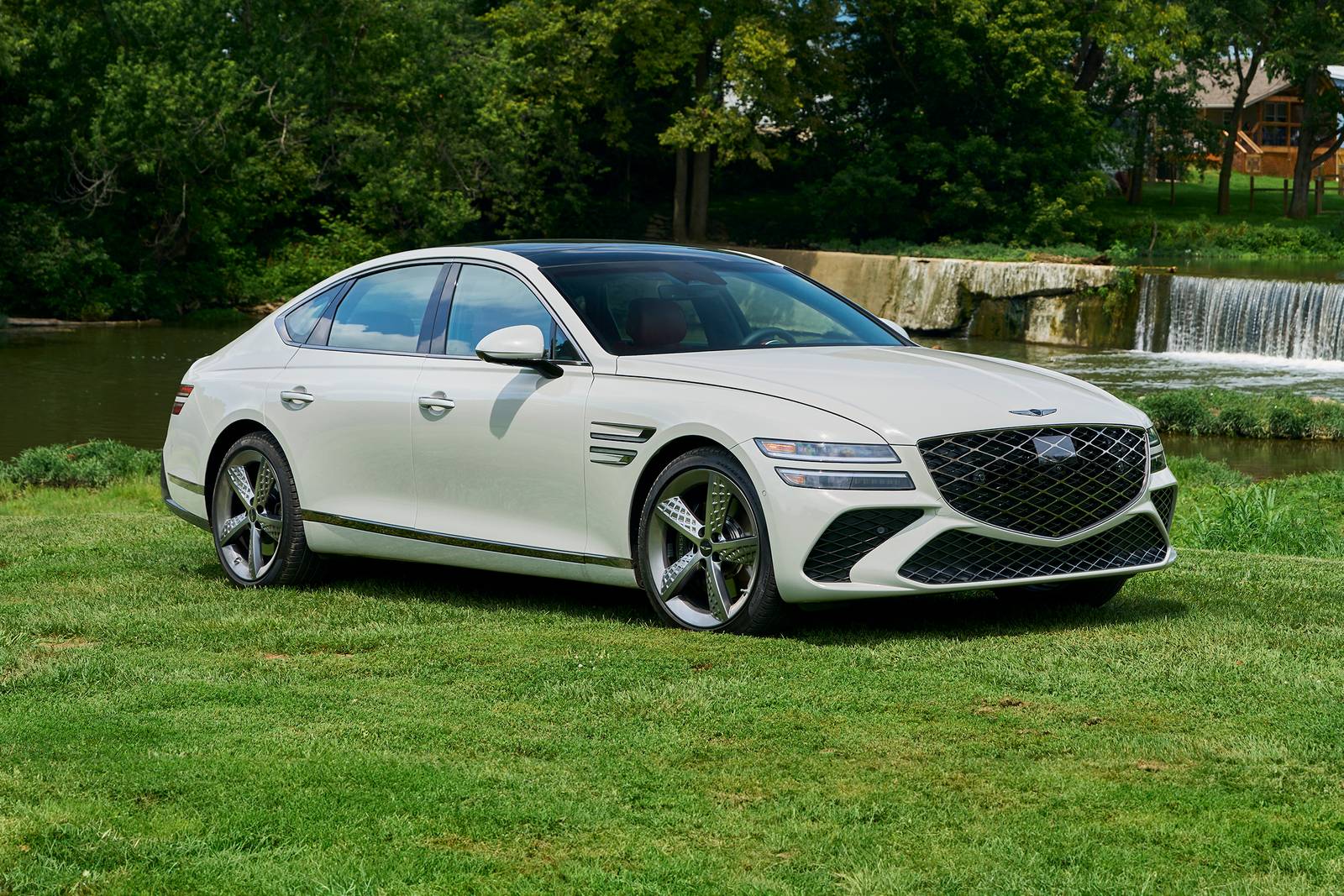
Genesis
Genesis has rapidly developed a strong reputation for interior quality, particularly considering its relatively recent entry into the luxury segment. The brand benefits from Hyundai Group’s advancements in manufacturing precision and quality control systems, which have significantly improved fit and finish standards across its lineup.
A major strength of Genesis interiors is the tight assembly of trim components. Panels are designed with precise alignment tolerances, reducing gaps where movement or vibration could occur. This attention to detail helps create a solid cabin feel that remains consistent over time, even on rough road surfaces.
Genesis also uses reinforced clip systems and improved fastening designs compared to many mainstream competitors. These components are engineered to maintain grip strength under long-term stress, reducing the likelihood of interior parts loosening with age. This is particularly noticeable in higher-end models like the G80 and GV70.
Material quality also contributes to durability. Soft-touch surfaces are combined with sturdy backing structures that resist deformation. This prevents common issues such as dashboard warping or door panel flex, which can lead to rattling noises in less rigid interiors. The result is a cabin that feels well put together even after extended use.
Owner feedback from early and mid-life vehicles suggests that Genesis models maintain strong interior stability compared to many competitors in the same segment. While long-term data is still developing compared to older luxury brands, current trends indicate that Genesis is successfully achieving a high level of cabin refinement and reduced interior noise development.
Car Brands Where Interior Trim Rattles
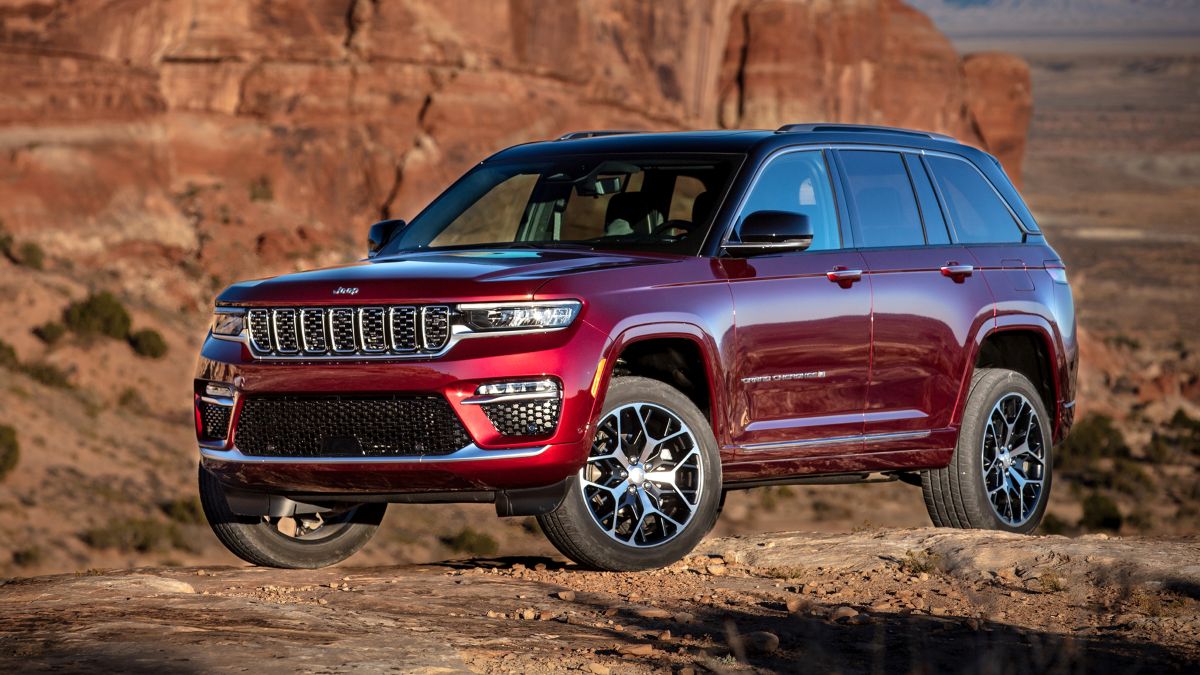
Jeep
Jeep vehicles are strongly associated with off-road capability, rugged styling, and mechanical toughness, but interior refinement is often discussed differently by long-term owners. In many cases, interior rattles are reported more frequently compared to road-focused SUVs, especially after extended use on rough terrain.
This is not unusual for vehicles designed to handle extreme articulation and chassis flex, where the body structure experiences more movement than standard passenger vehicles.
A key reason behind these reports is the design requirement for off-road durability. Models such as the Wrangler are built with removable doors, roof panels, and modular interior components.
While this adds flexibility and lifestyle appeal, it also introduces additional connection points inside the cabin. Each removable or modular section relies on clips, seals, and fasteners that can gradually loosen or shift after repeated removal or continuous vibration exposure.
Chassis flex is another contributing factor. Off-road driving places significant stress on the vehicle frame, especially when navigating uneven terrain, rocks, or steep inclines.
This movement can transfer into the cabin and place repeated stress on dashboard mounts, door trims, and center console components. Over time, even well-secured parts may begin to produce squeaks or minor rattling sounds as tolerances widen slightly.
Climate exposure can also influence interior behavior in Jeep models. Many owners use these vehicles in outdoor and high-temperature environments, where repeated heating and cooling cycles can affect plastic expansion and contraction. When combined with vibration from off-road use, this can gradually impact how tightly interior clips hold panels in place, especially in older model years.
Despite these concerns, Jeep interiors continue to be popular due to their functionality and character. Improvements have been made in newer generations, particularly in higher trims, where better materials and improved fastening methods have reduced some noise issues.
However, compared to more road-oriented SUVs, Jeep models still tend to show a higher likelihood of interior trim movement over time, especially under demanding usage conditions.
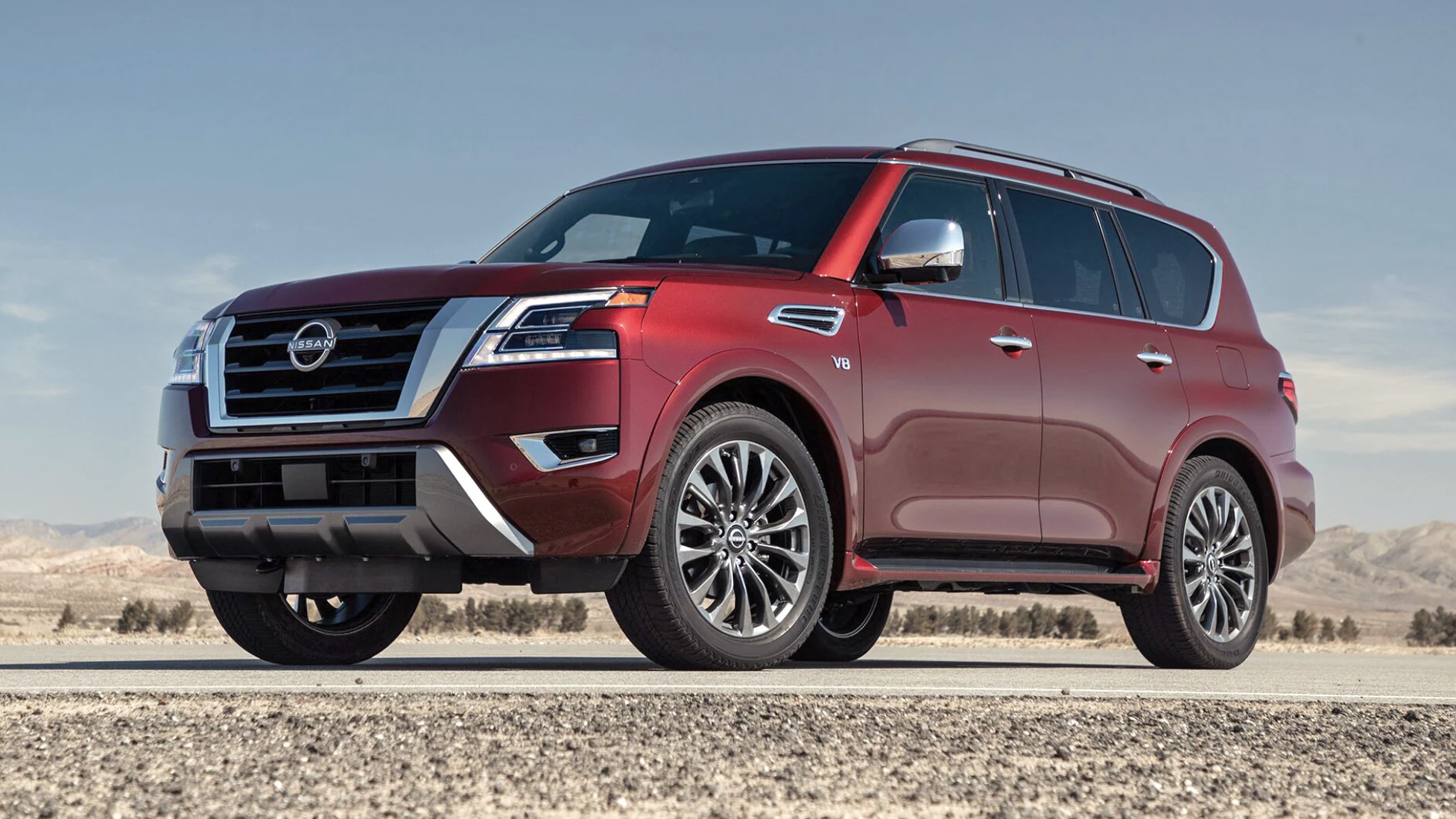
Nissan
Nissan has produced a wide range of vehicles over the years, and interior quality varies significantly depending on model generation and segment.
In several older and entry-level models, owners have reported that interior rattles and trim noise can become more noticeable as vehicles accumulate mileage. These concerns are often linked to cost-optimized interior construction methods used in mass-market production.
One of the main contributing factors is the use of lightweight plastic components in dashboards, door panels, and center consoles. While these materials help reduce vehicle weight and production costs, they may be more prone to developing movement over time if clip tension weakens. In some cases, this can lead to small gaps forming between panels, which may result in squeaks or rattling sounds during driving on uneven roads.
Another factor is the variation in assembly quality across different manufacturing locations and production years. Nissan vehicles are produced in multiple global factories, and while quality control standards exist, small differences in assembly precision can influence how tightly interior components are secured. This variation can explain why some owners report quiet cabins while others experience noise development earlier in ownership.
Heat exposure also plays a role in interior durability. In regions with high ambient temperatures, plastic expansion and contraction cycles can affect how firmly clips hold trim pieces. Over time, repeated thermal stress can slightly loosen interior fittings, especially in vehicles that are frequently parked outdoors or driven long distances in hot climates.
Newer Nissan models have shown improvements in material selection and assembly refinement, particularly in mid-range and higher trims. However, long-term feedback from older generations still contributes to the perception that some Nissan interiors may develop rattles more readily compared to more rigidly assembled competitors.
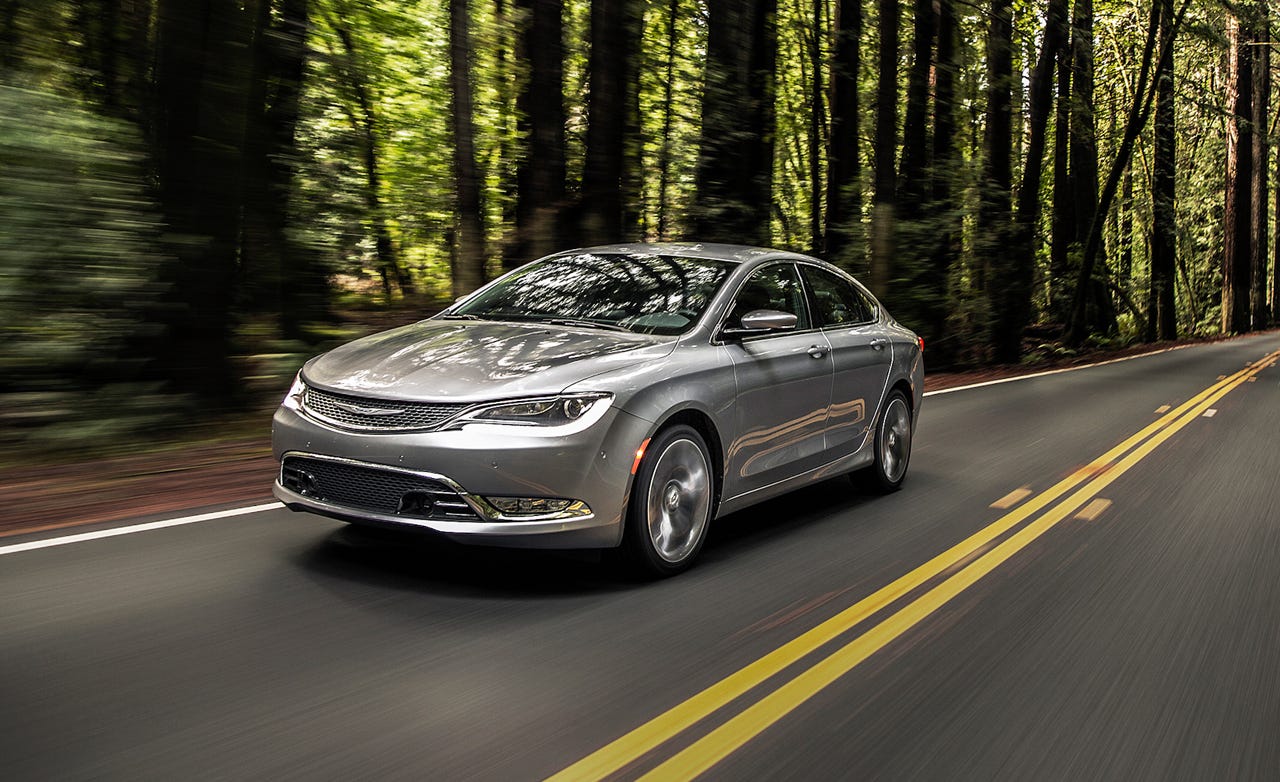
Fiat and Chrysler
Fiat and Chrysler vehicles, now part of the Stellantis group, have historically shown mixed results when it comes to interior durability and long-term cabin refinement.
While many models offer attractive styling and comfortable layouts at accessible price points, interior trim noise has been a commonly discussed topic among long-term owners, particularly in earlier generations of vehicles.
One contributing factor is the cost-driven approach used in certain model segments. In order to maintain competitive pricing, some vehicles use simpler interior fastening systems and lightweight trim materials. While these choices help improve affordability and fuel efficiency, they can also lead to reduced long-term stability in areas such as dashboard mounting points and door panel clips.
Another factor is platform sharing across multiple brands. Many Chrysler and Fiat models share underlying architectures, which can sometimes result in standardized interior components being used across different vehicle types.
While this improves production efficiency, it may also limit the ability to optimize interior fit and finish for specific models, especially in lower-priced segments.
As vehicles age, owners of certain models have reported that trim pieces such as center consoles, door panels, and dashboard inserts may begin to show movement or produce squeaking sounds. This is often associated with clip wear or slight loosening of fasteners under regular vibration and daily usage conditions.
It is important to note that newer Stellantis vehicles have introduced improvements in material quality and interior assembly precision. Higher-end trims and more recent model years tend to perform better in terms of cabin stability. However, older Fiat and Chrysler models continue to influence the perception of increased likelihood of interior rattles in this group.
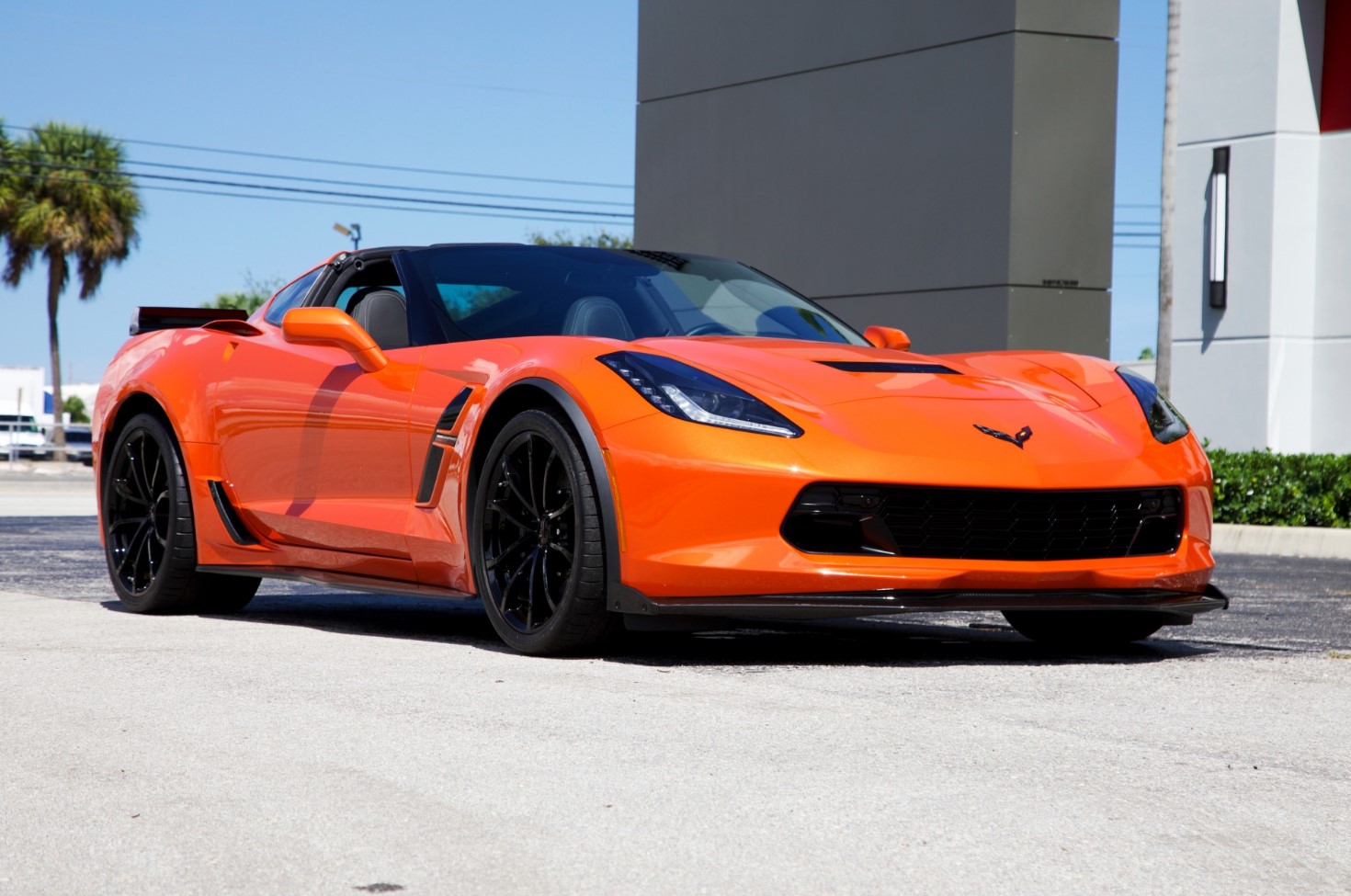
Chevrolet
Chevrolet offers a broad product lineup that ranges from budget-friendly compact cars to full-size trucks and SUVs, and interior quality varies significantly across this spectrum. In several entry-level and older models, owners have commonly reported the development of interior rattles after extended use, particularly in areas such as dashboards, door panels, and center consoles.
One of the primary reasons for these reports is the use of cost-efficient interior materials in lower-priced models. Hard plastics and lightweight trim components are often used to keep production costs competitive. While these materials are durable in basic function, they may be more susceptible to vibration-induced movement if mounting clips or fasteners lose tension over time.
Another contributing factor is variability in assembly depending on model and production year. Chevrolet vehicles are manufactured in multiple facilities worldwide, and differences in production calibration can affect how tightly interior parts are fitted. This can result in noticeable differences in cabin solidity between models that are otherwise mechanically similar.
Long-term exposure to road vibration is also a key factor. Vehicles frequently driven on rough or uneven surfaces may experience gradual loosening of interior components, particularly in areas where plastic meets structural mounting points. Over time, this can result in minor squeaks or rattling noises that become more noticeable at certain speeds or road conditions.
Despite these concerns, it is worth noting that Chevrolet has improved interior quality in many newer models and higher trims. Vehicles such as updated SUVs and trucks often show better cabin stability than older compact cars. However, variation across the lineup means that interior rattle reports remain more common in certain entry-level segments.
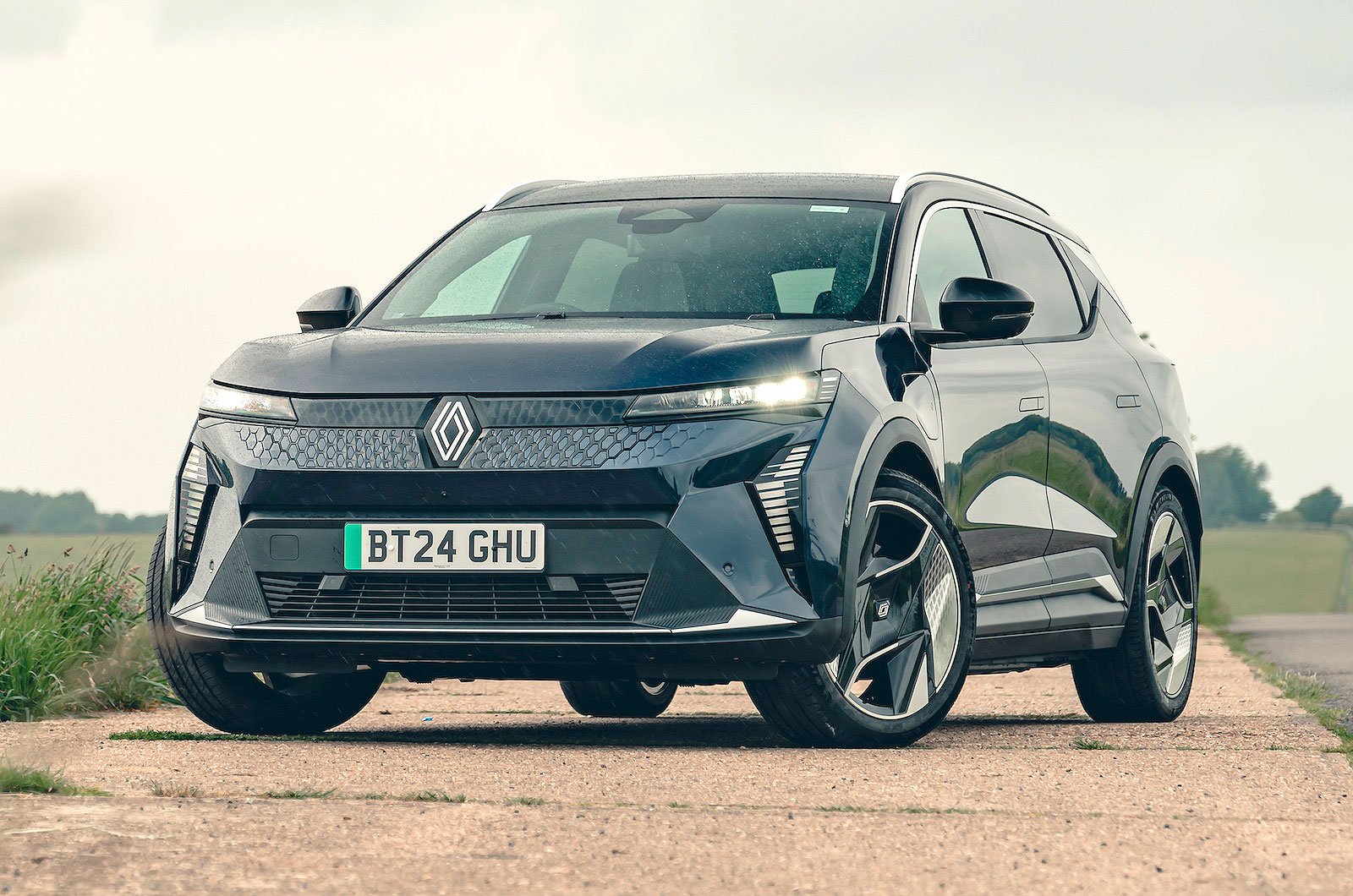
Dacia and Renault
Dacia and entry-level Renault models are designed with affordability and practicality as primary priorities, and this design approach is reflected in their interior construction choices. While these vehicles are widely appreciated for low running costs and mechanical simplicity, interior refinement and long-term cabin silence are areas where compromises are more frequently observed.
A key factor is the use of cost-optimized materials and simplified assembly systems. Interior panels in models such as the Dacia Duster and Sandero are often made from durable but rigid plastics that are secured using straightforward clip systems.
While these components are functional and reliable for basic use, they may be more prone to developing movement or minor noise over time compared to higher-end fastening systems.
Another contributing element is the focus on essential functionality over layered interior design. Budget-oriented vehicles typically avoid complex multi-layer dashboard structures or heavily damped trim assemblies. This reduces production cost and improves repair simplicity, but it also means there are fewer vibration-absorbing layers to reduce long-term squeaks and rattles.
Road conditions and usage environments can also influence interior durability in these models. In markets where these vehicles are commonly used on uneven roads or rural terrain, repeated vibration exposure can gradually affect the tightness of interior clips and fittings. Over time, this may lead to occasional cabin noises becoming more noticeable.
Despite these characteristics, Dacia and Renault continue to be strong choices in the budget segment due to their affordability and reliability in core mechanical systems. Interior noise concerns are generally considered part of the trade-off for lower ownership costs, and newer generations have shown gradual improvements in fit and finish compared to older models.