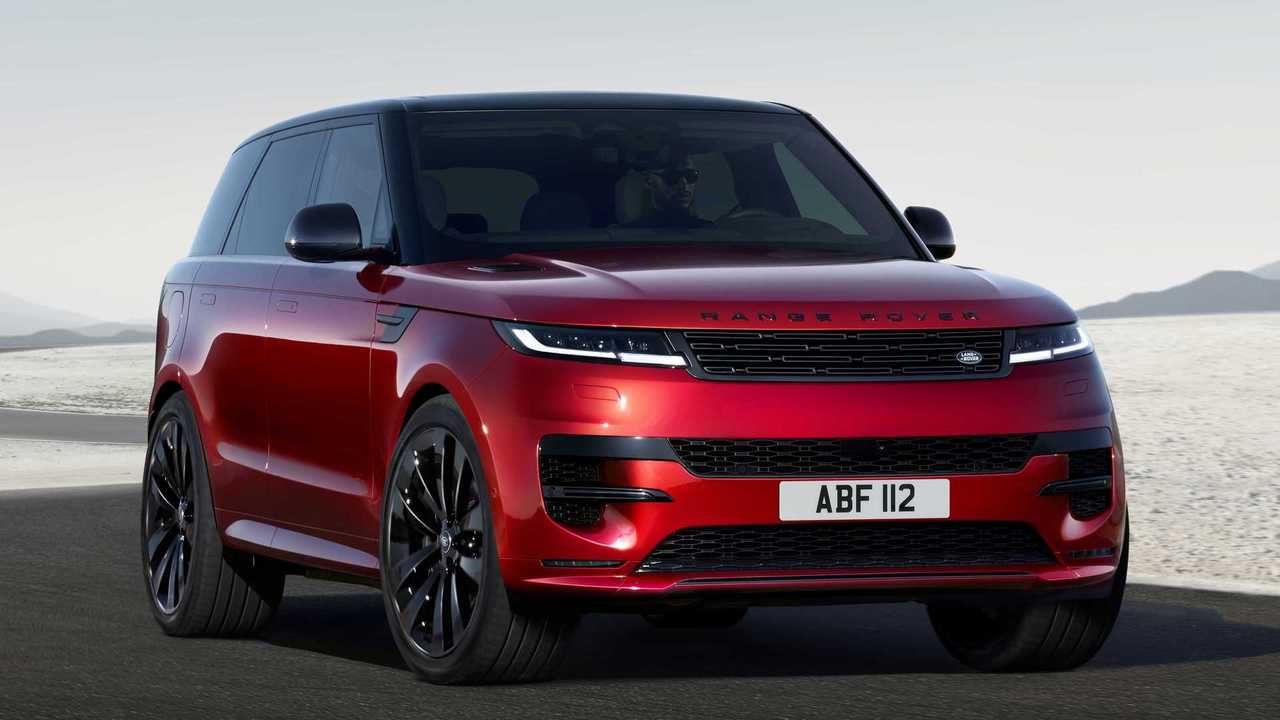
Used luxury cars with V8 engines sit in a very specific corner of the automotive market where performance, comfort, and prestige intersect with long-term ownership risk.
These vehicles are often purchased new by drivers who expect refinement, strong acceleration, and advanced technology, but when they enter the used market, the ownership experience can change dramatically depending on how well the engine and supporting systems were engineered.
A V8 engine in a luxury car is designed to deliver smooth power, effortless highway cruising, and strong towing or acceleration capability. However, not all V8s are equal.
Some manufacturers have built engines that can handle high mileage with relatively predictable maintenance, while others produced highly complex units that became infamous for oil leaks, timing chain failures, overheating issues, and expensive electronic faults.
The difference between a dependable V8 and a problematic one often comes down to engineering philosophy. Brands that prioritize durability and simpler architectures tend to produce engines that age gracefully.
On the other hand, brands that focus heavily on performance tuning, advanced variable valve systems, turbocharging, and tight packaging sometimes introduce long-term reliability risks.
In the used luxury segment, buyers are often attracted to cars that originally cost far more than their current resale price. This creates a tempting opportunity to access high-end performance at a lower cost. However, maintenance costs, parts availability, and engine design flaws can quickly turn a bargain purchase into a financial burden.
Some V8-powered luxury cars are known for crossing 200,000 miles with only routine servicing, while others struggle to remain trouble-free beyond 100,000 miles.
Another important factor is system integration. Modern luxury cars do not rely on the engine alone. Air suspension systems, complex cooling systems, turbochargers, and electronic control units all interact with the drivetrain. A failure in one area can cascade into multiple warning lights and expensive diagnostics. This makes reliability not just a matter of engine strength but vehicle design consistency.
This article compares two sides of the same coin. First, it highlights five used luxury cars with V8 engines that have a reputation for durability and relatively predictable maintenance. These are the models that mechanics often consider safer long-term bets in the premium segment.
Then it examines five luxury V8 cars that have earned a reputation for being mechanical nightmares due to chronic issues, expensive repairs, and design weaknesses that appear as mileage increases.
The goal is to give a clear, practical view of which luxury V8 cars are worth considering on the used market and which ones are better avoided unless you are prepared for high repair costs and frequent workshop visits. Whether you are a performance enthusiast or simply someone looking for a comfortable long-distance cruiser, understanding these differences is essential before making a purchase decision.
5 Used Luxury Cars With Reliable V8 Engines
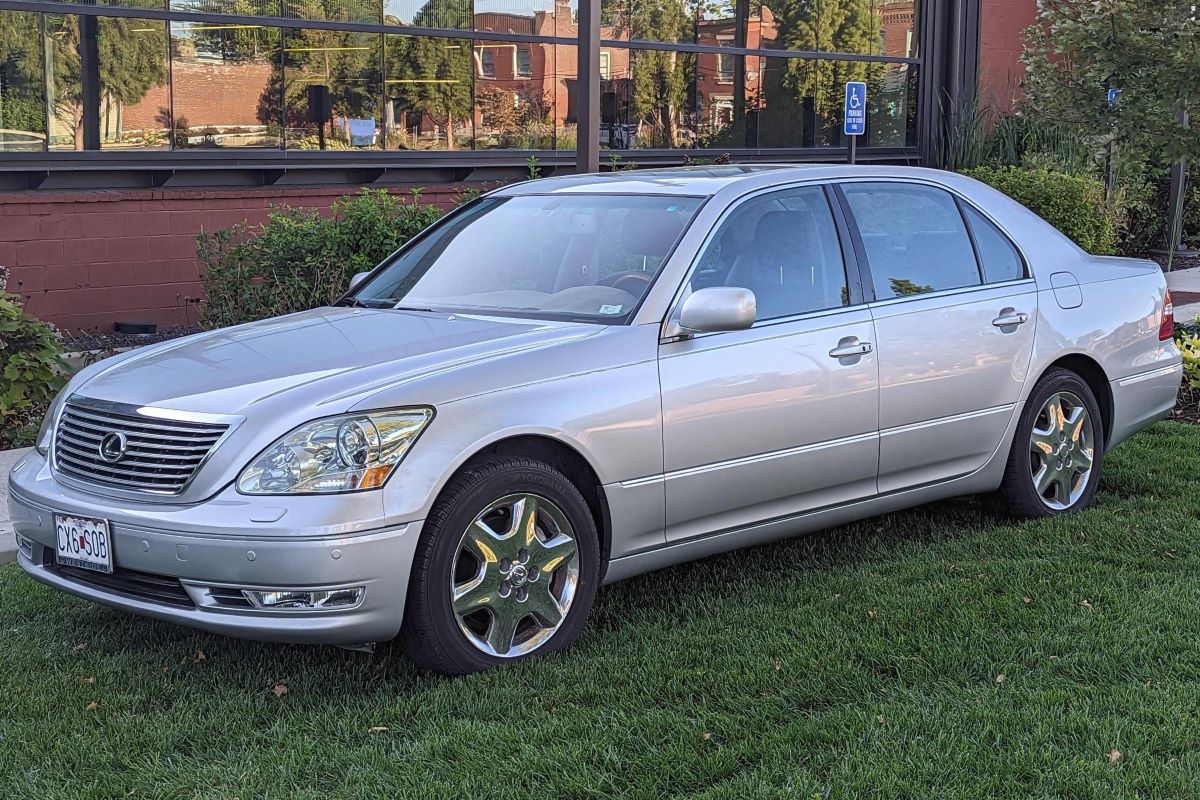
1. Lexus LS 430
Lexus LS V8 models are often considered the benchmark for long-term reliability in the luxury full-size sedan segment because they were engineered with a very conservative philosophy that prioritizes endurance over aggressive performance tuning.
The LS 430, powered by the 4.3-liter 3UZ-FE V8, and the LS 460, powered by the 4.6-liter 1UR-FSE V8, both reflect Toyota’s long-standing focus on mechanical refinement and durability rather than pushing engines to their limits. These engines are designed with tight manufacturing tolerances, but not in a way that sacrifices serviceability or long-term stability.
One of the key reasons these engines last so long is that they are naturally aspirated and avoid the heat stress and pressure complications associated with turbocharging. This results in a more stable combustion environment, reduced strain on internal components, and fewer points of failure over time.
The cooling systems are also robustly engineered to handle extended highway driving and varying climate conditions, which is especially important for vehicles that often serve as long-distance cruisers. Owners frequently report that these engines maintain smooth operation even beyond 300,000 km when routine maintenance such as oil changes, coolant flushes, and transmission servicing is followed consistently.
Another important factor is the transmission pairing, which is typically an Aisin automatic unit known for its durability when serviced properly. Unlike some European counterparts that rely on highly sensitive mechatronic systems, the LS transmission is designed for longevity and smooth shifting rather than rapid, aggressive gear changes. This reduces internal wear and contributes to the lifespan of the drivetrain.
While the engine is the highlight, the rest of the vehicle also plays a role in long-term ownership satisfaction. Suspension components, although more complex in higher trims with air suspension, are still engineered for comfort and gradual wear rather than abrupt failure.
Electronics are generally stable compared to competitors in the same era, which helps reduce the number of unexpected repairs that can make ownership expensive. The LS V8 models remain one of the safest luxury choices for buyers who want long-term reliability with minimal mechanical surprises.
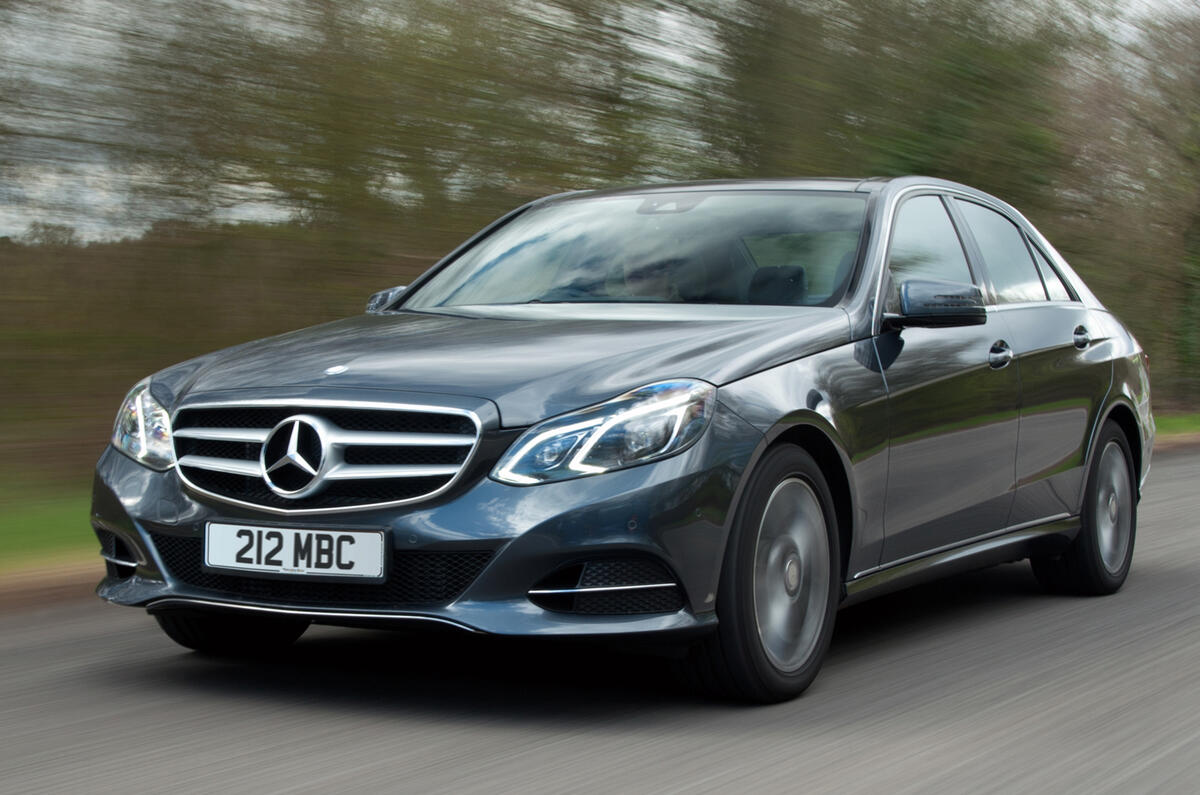
2. Mercedes-Benz E-Class
The Mercedes M113 V8 engine is widely respected among mechanics and enthusiasts for its straightforward engineering and strong internal durability, especially when compared to many of the more complex Mercedes engines that came later.
Found in a range of models including the E-Class, S-Class, and SL from the late 1990s through the mid-2000s, this engine represents a period when Mercedes prioritized mechanical strength and reliability over excessive electronic integration and emissions-driven complexity.
The M113 uses a naturally aspirated layout with a simple yet effective design that avoids many of the failure-prone systems seen in modern turbocharged engines. It features a robust aluminum block, forged components, and a relatively low-stress tuning strategy.
This means the engine is not constantly operating near its mechanical limits, which significantly improves its ability to handle high mileage without internal damage. Many well-maintained examples continue to run smoothly beyond 250,000 km, and in some cases far beyond that, with only routine servicing.
A major advantage of this engine is its resistance to catastrophic failure modes that plague more complex powertrains. Issues like timing chain stretch, turbocharger wear, or high-pressure fuel system failures are largely absent.
Instead, the most common maintenance concerns are relatively predictable, such as gasket aging or minor oil seepage as the engine components age. Even these issues are generally manageable and do not typically require full engine rebuilds.
The vehicles that house the M113 engine can still present challenges, but these are often unrelated to the engine itself. Electrical systems, suspension components, and interior electronics may require attention as they age, but the core drivetrain remains one of the strongest aspects of ownership.
This separation between engine reliability and peripheral system wear is one of the reasons the M113-equipped Mercedes models are still sought after in the used luxury market.
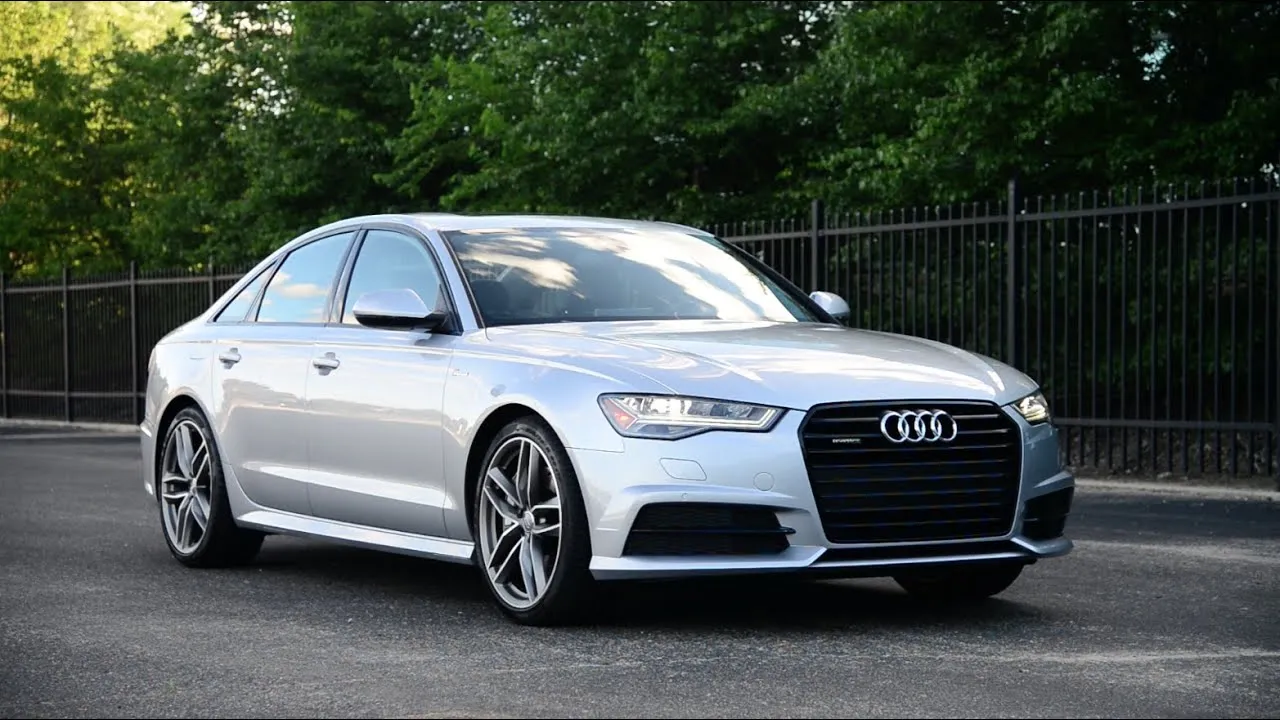
3. Audi A6
Audi’s naturally aspirated 4.2-liter FSI V8 occupies an interesting position in the brand’s engineering history because it combines strong performance characteristics with a relatively solid mechanical foundation, particularly in its later and more refined versions.
Found in models like the A6, A8, and certain performance-oriented S4 variants, this engine delivers smooth power delivery and a refined driving experience that suits long-distance cruising as well as spirited driving when needed.
The engine’s construction is generally strong, with a well-balanced aluminum block and a design that prioritizes consistent performance. It avoids forced induction, which helps reduce some of the extreme thermal stress seen in turbocharged engines.
This contributes to a more stable long-term operating condition, provided that the engine is maintained properly with high-quality oil and consistent service intervals. When treated correctly, many of these engines remain capable of high mileage operation without internal failure.
However, the main complexity with this engine is not always internal wear but service accessibility. The timing chain system is located at the rear of the engine in many configurations, which makes repair labor-intensive and expensive.
While the chain itself is generally durable, tensioners and guides can wear over time, and addressing these components often requires significant disassembly. This means that while the engine may be mechanically sound internally, maintenance costs can escalate quickly if timing chain service becomes necessary.
Despite this challenge, many Audi A8 models equipped with this V8 continue to function as reliable long-distance luxury sedans. Their strength lies in the combination of stable highway performance, solid high-speed cruising capability, and a well-built engine that does not suffer from widespread internal defects.
Owners who maintain these vehicles carefully often find that they deliver a balanced ownership experience where reliability is acceptable, provided preventive maintenance is not neglected.
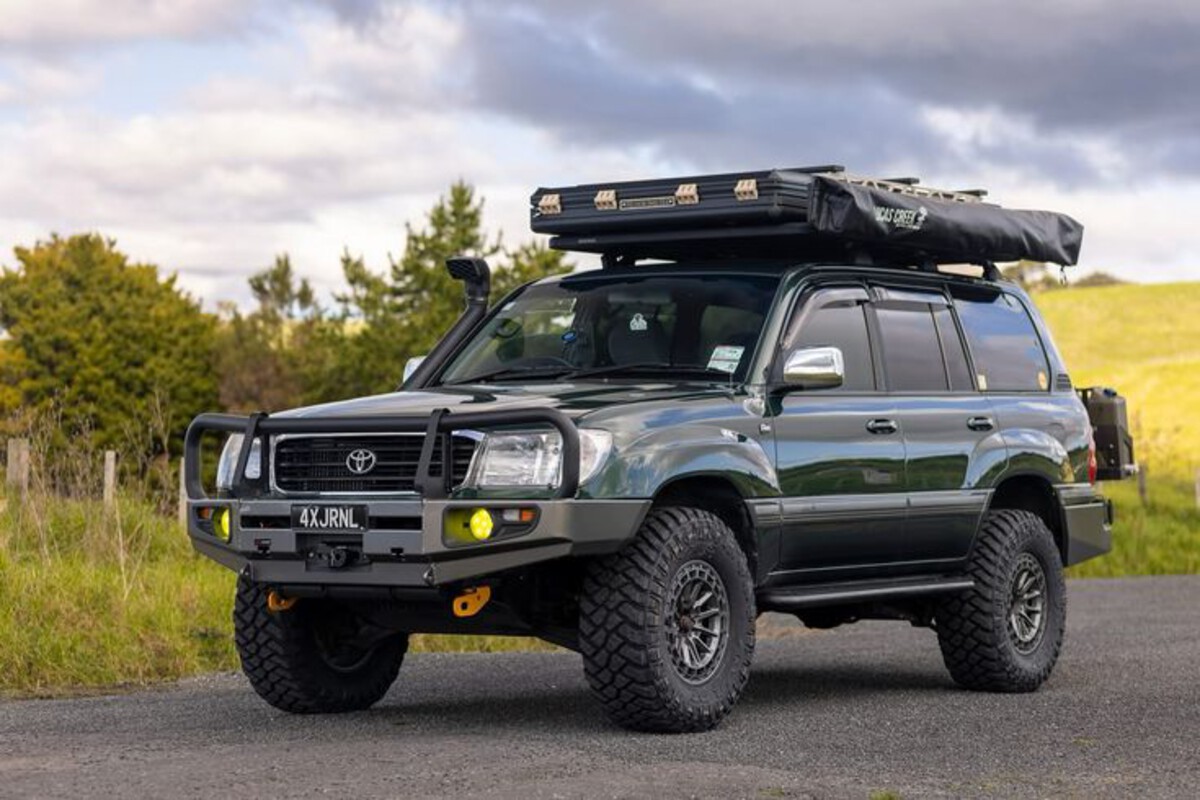
4. Toyota Land Cruiser 100
The Toyota Land Cruiser V8 platform is widely recognized as one of the most durable luxury-oriented SUVs ever produced, and its reputation is built on decades of real-world use in some of the harshest environments on Earth.
The 100 Series typically features the 4.7-liter 2UZ-FE V8, while the 200 Series introduced the 5.7-liter 3UR-FE V8 in many markets. Both engines are designed with a focus on extreme reliability, making them suitable for off-road use, long-distance travel, and high-load operation.
One of the defining characteristics of these engines is their overbuilt nature. They are not tuned for maximum performance output but rather for long-term mechanical stability under stress.
The internal components are designed to handle heavy vehicles, towing loads, and continuous operation in high-temperature environments. This engineering approach results in engines that can exceed very high mileage thresholds with minimal internal wear when basic maintenance is performed consistently.
The cooling systems are also designed with durability in mind, which is critical for SUVs that may be used in desert regions or remote areas where overheating can be catastrophic.
The engines manage heat effectively under sustained load, reducing the risk of head gasket issues or thermal deformation. Additionally, the transmissions paired with these engines are generally strong and designed for torque handling rather than aggressive shifting behavior.
Another major advantage is serviceability. Compared to many luxury vehicles, the Land Cruiser is relatively straightforward to maintain, and parts availability is strong in most global markets.
This makes it a preferred choice for buyers who prioritize long-term ownership and dependability over cutting-edge technology or sporty driving dynamics. While the vehicle itself is large and can be expensive to fuel, the engine’s reliability remains one of its strongest and most respected attributes.
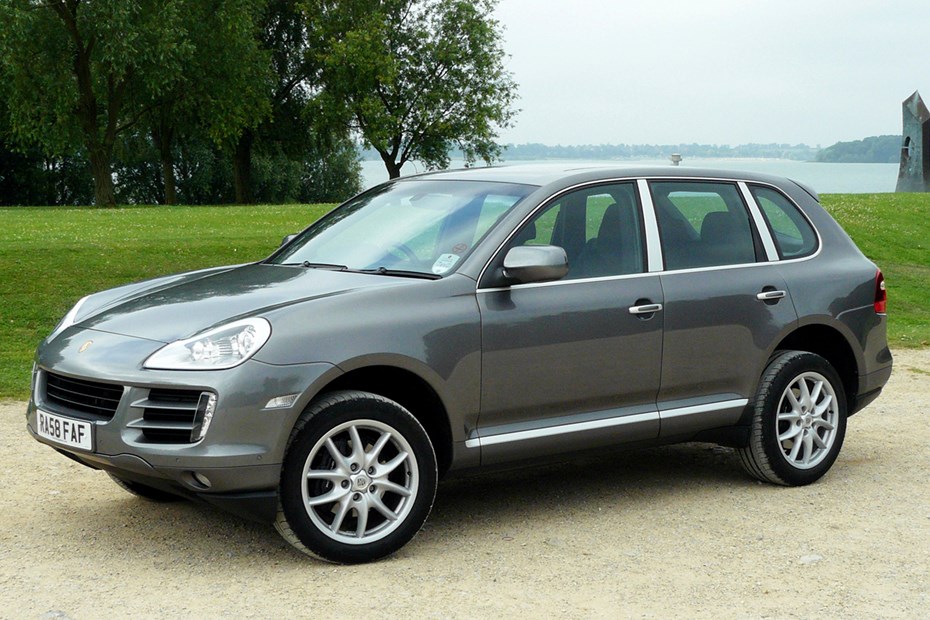
5. Porsche Cayenne
The naturally aspirated 4.8-liter V8 found in early Porsche Cayenne models offers a different perspective on luxury SUV engineering because it combines Porsche performance tuning with a relatively robust engine architecture.
While Porsche is often associated with high-performance sports cars, this particular engine was designed with enough mechanical strength to handle the weight and demands of a full-size SUV while still delivering strong acceleration and refinement.
The engine benefits from solid internal construction and a design that emphasizes balanced performance rather than extreme output. It delivers smooth power delivery and maintains strong highway performance even at higher mileage levels when properly maintained.
Compared to many turbocharged luxury SUVs, this naturally aspirated setup reduces some of the long-term stress associated with forced induction systems.
One of the strengths of this engine is its ability to maintain consistent performance over time, provided that cooling system maintenance and oil servicing are done correctly. Porsche engineered the Cayenne’s drivetrain to handle both on-road and light off-road conditions, which contributes to its durability when not abused or neglected.
However, ownership still requires attention to maintenance discipline. Components such as coolant lines, water pumps, and seals can require replacement as the vehicle ages, and these services can be costly due to labor intensity. Despite this, the core engine itself is generally more stable than many competitors in the luxury SUV segment.
The Cayenne 4.8 V8 represents a balance between performance-oriented engineering and reasonable long-term durability, making it one of the more dependable choices in Porsche’s luxury SUV lineup when compared to turbocharged alternatives.
5 Luxury V8 Cars That Become Mechanical Nightmares
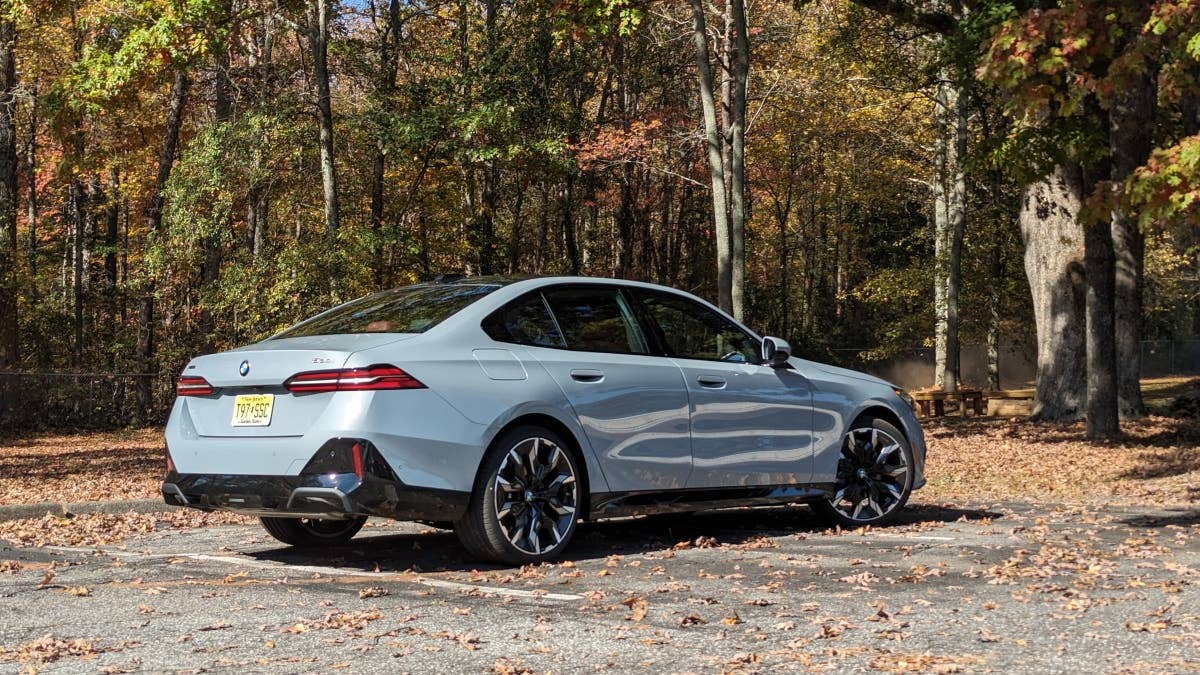
1. BMW 5 Series
The BMW N62 4.4 V8 engine is widely regarded as one of the most problematic luxury V8 engines from a major manufacturer because it combines advanced engineering for its time with a level of complexity that becomes very expensive to maintain as the vehicle ages.
Found in models such as the 5 Series, 7 Series, and X5 from the early to mid-2000s, this engine was designed to deliver smooth power, strong acceleration, and refined performance. However, the same design choices that made it powerful also introduced multiple long-term reliability weaknesses that become more apparent with mileage.
One of the most well-known issues with the N62 is valve stem seal failure, which leads to significant oil consumption and visible smoke during startup or acceleration. This problem is not just a minor inconvenience because repairing it typically requires extensive labor, often involving partial engine disassembly or removal.
Another major issue is the coolant transfer pipe located inside the engine valley. When this component fails, coolant leaks internally, and the repair process is extremely labor-intensive because accessing the part requires significant engine teardown.
The engine also suffers from oil leaks from multiple gasket points, including valve cover gaskets and alternator bracket seals. While oil leaks are common in aging engines, the N62’s design makes these repairs more frequent and more expensive due to tight engine bay packaging. As these issues accumulate, owners often find that maintenance costs rise sharply even if the vehicle appears mechanically fine on the surface.
Although the engine can deliver a refined driving experience when in good condition, the long-term ownership reality is often defined by repeated repairs and high labor costs. Even preventive maintenance does not fully eliminate the risk of major failures, which is why this engine is frequently considered a financial risk in the used luxury market.
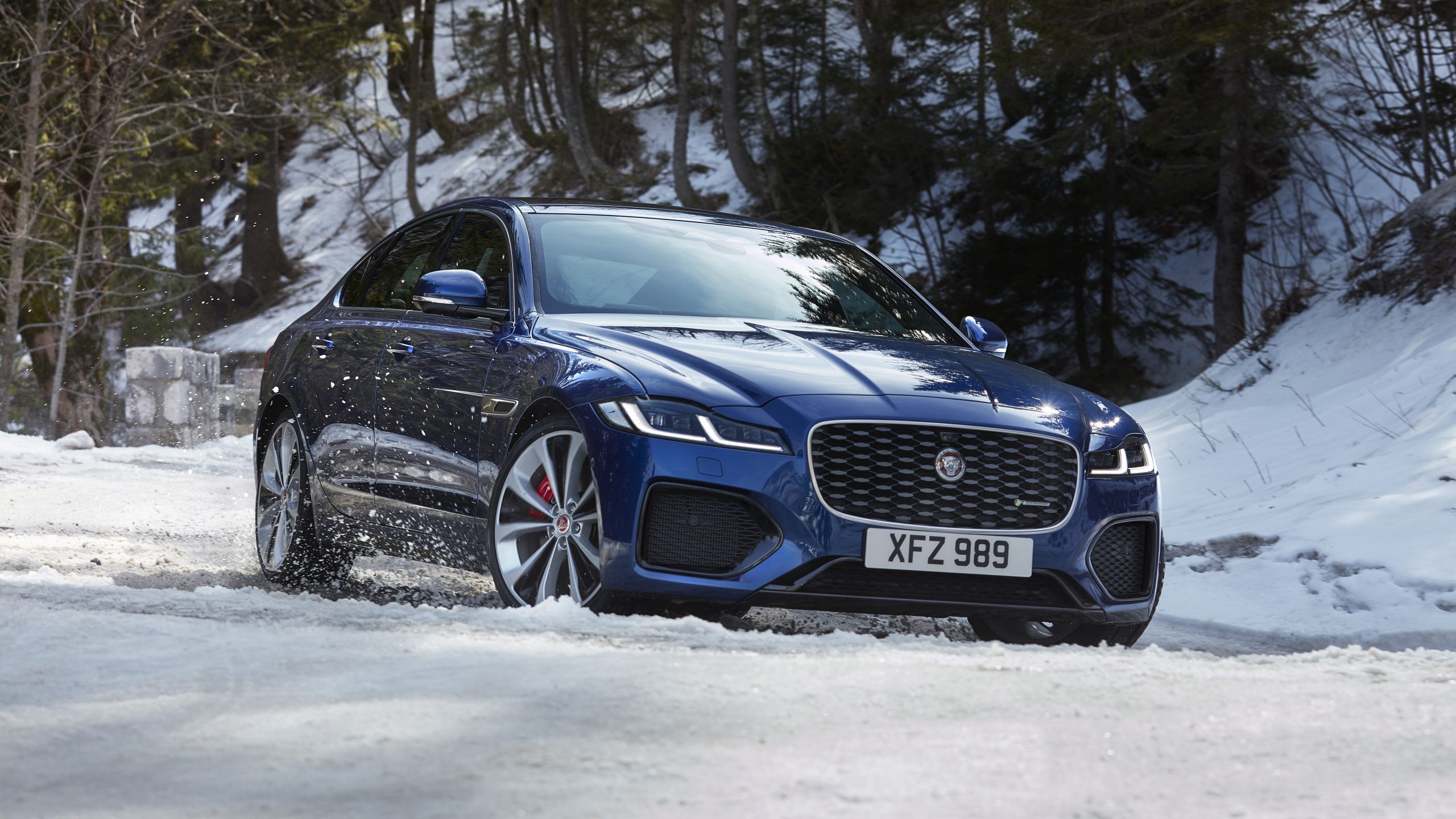
2. Jaguar XF
The early Jaguar 5.0-liter supercharged V8 engine was designed to deliver high performance and a smooth, luxury-oriented driving experience, but its long-term reliability record is inconsistent, especially in higher-mileage vehicles.
Found in models such as the Jaguar XF, XJ, and XKR, this engine produces strong power and excellent acceleration, but it also introduces a level of mechanical stress and thermal load that can become problematic over time.
One of the most serious issues with early versions of this engine is timing chain and timing component wear. When tensioners or guides begin to degrade, the engine can develop noise and, in worst cases, experience timing-related failures that can lead to severe engine damage. These problems are expensive to address because they often require significant disassembly and specialized labor.
Cooling system reliability is another major concern. The engine operates at high temperatures due to its supercharged design, and components such as water pumps, coolant pipes, and thermostats are known to fail with age. If a cooling failure occurs and is not addressed quickly, it can lead to overheating, which significantly increases the risk of internal engine damage.
Oil leaks and gasket degradation are also relatively common as these engines age. While none of these issues are unusual for a performance-oriented engine, the combination of high repair costs, complex engine layout, and limited access to components makes ownership challenging once the vehicle is out of warranty.
Despite offering strong performance and a refined driving experience, the long-term reliability profile of early Jaguar 5.0 supercharged V8 models places them in a high-risk category for used buyers who prioritize low maintenance costs.
3. Jaguar AJ 28
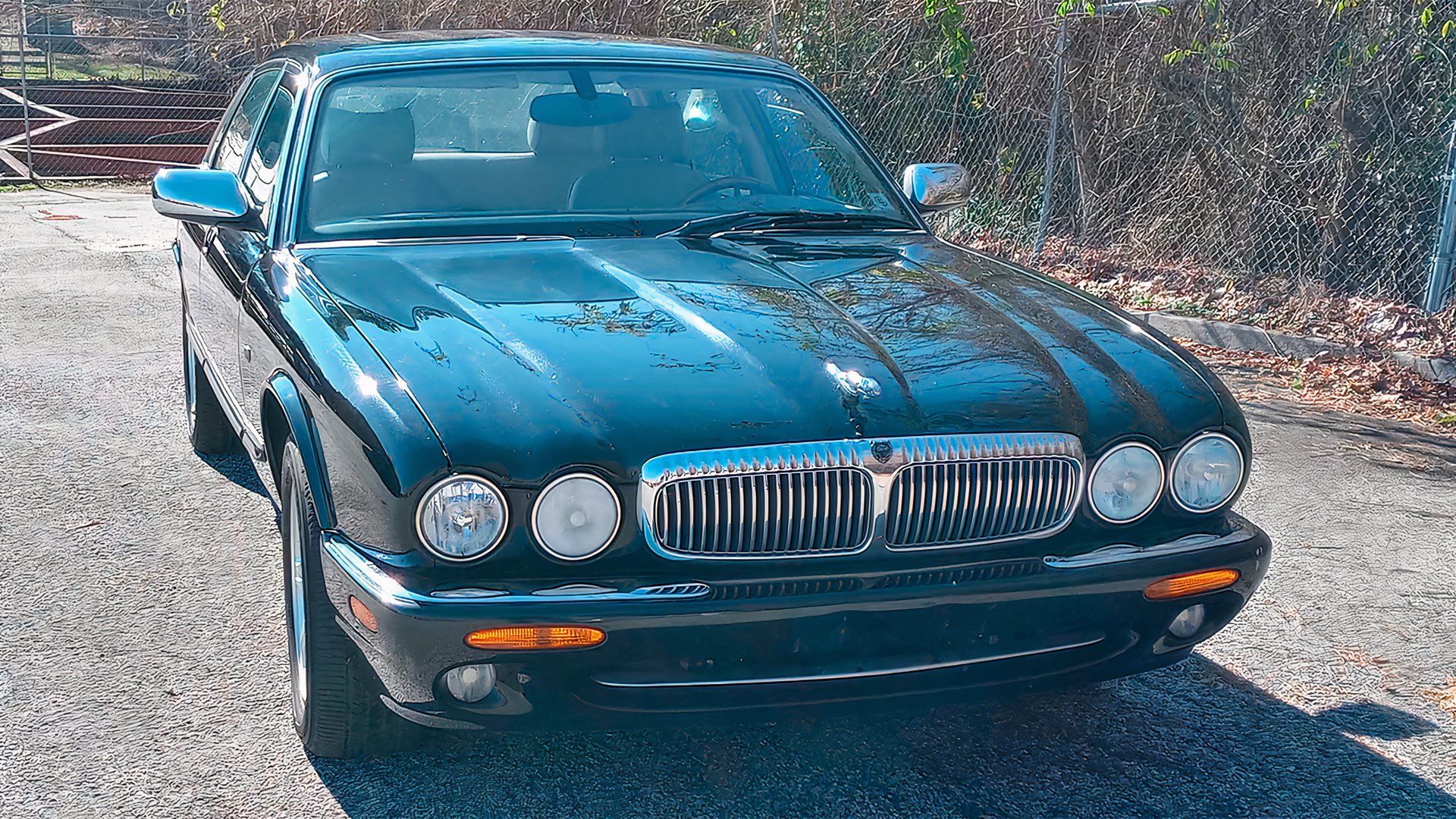
The Jaguar AJ-V8 engines, particularly the 4.0 and early 4.2-liter versions, are known for a range of reliability issues that tend to become more serious as the vehicles age. These engines were designed during a period when Jaguar was heavily focused on refinement and smooth performance, but some engineering decisions resulted in long-term durability weaknesses that affect ownership costs.
One of the most critical issues is timing chain guide failure. Over time, the plastic components used in the timing system can degrade, leading to chain slack, incorrect timing, and in severe cases, engine damage. Repairing this issue is extremely labor-intensive because it often requires major engine disassembly, making it one of the most expensive maintenance items associated with these engines.
Another known problem is cylinder liner movement or failure in early production versions. When this occurs, it can lead to compression loss, misfires, and reduced engine performance. In many cases, this type of damage is not easily repairable and may require engine replacement or full rebuild, which is often not economically viable for older vehicles.
Cooling system failures also contribute to reliability concerns. Components such as water pumps, thermostats, and plastic coolant fittings are known to wear out and leak, which can lead to overheating if not addressed promptly. Overheating events can significantly shorten engine life and increase repair complexity.
While the AJ-V8 provides a smooth and refined driving experience when functioning correctly, its long-term durability is inconsistent. Many owners eventually face escalating repair costs that outweigh the value of the vehicle, making it a risky choice in the used luxury market.
4. Audi A8
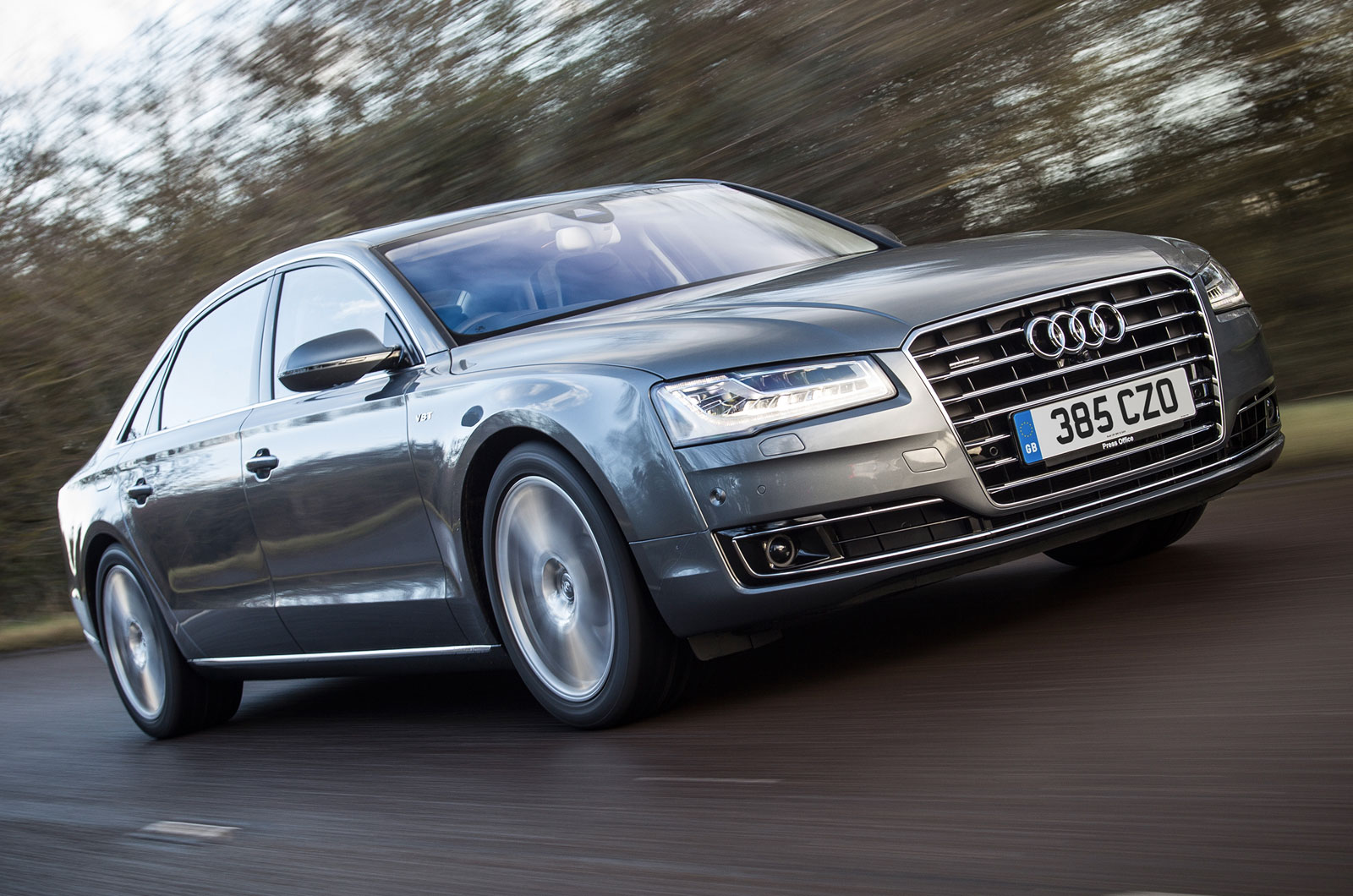
The Audi 4.2 FSI V8 engine, while capable of strong performance and smooth power delivery, is known in certain generations for timing chain-related issues that create significant long-term ownership risk. This is not necessarily due to weak engine design in terms of performance, but rather due to the complexity and placement of critical components that make maintenance extremely difficult and expensive.
The timing chain system in many of these engines is located at the rear of the engine, meaning that accessing it for repair often requires the removal of the entire engine from the vehicle. This dramatically increases labor costs and turns what might be a routine service in other engines into a major mechanical operation.
As components such as chain guides and tensioners wear over time, symptoms like rattling during startup or irregular engine timing can appear.
Even when the engine itself remains structurally sound, the cost of addressing timing chain wear can exceed the market value of older vehicles. This creates a situation where owners may delay repairs, which increases the risk of more serious engine damage if the timing system fails completely.
In addition to timing chain concerns, carbon buildup in direct-injection systems can also affect performance and drivability over time. Intake valves may accumulate deposits, leading to rough idling, reduced efficiency, and loss of power if not regularly cleaned.
Although the engine is capable of delivering a refined and powerful driving experience, the combination of high repair complexity and expensive labor requirements makes long-term ownership financially risky, especially for used buyers without full service history documentation.
5. Range Rover
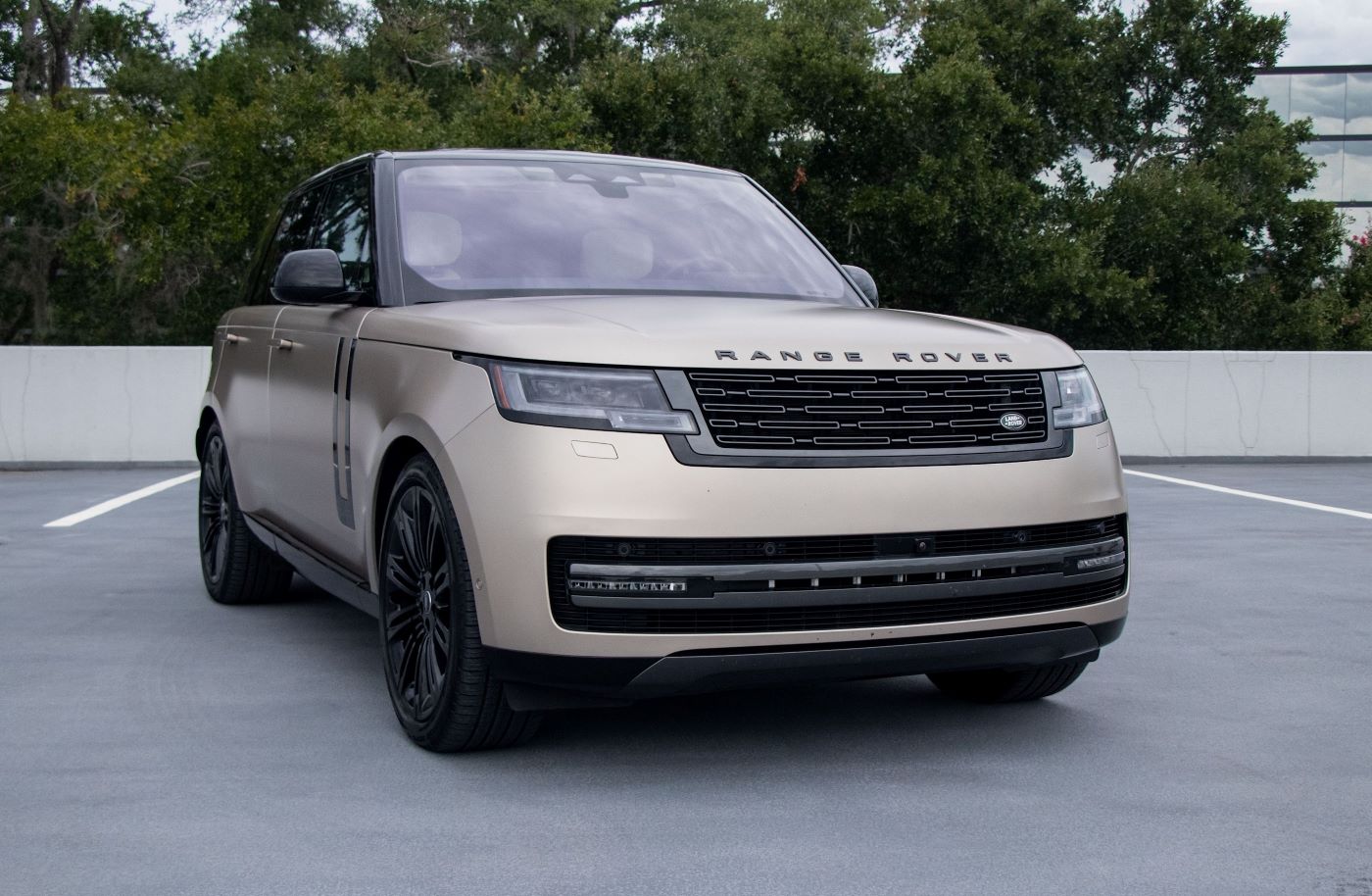
The Range Rover 5.0-liter supercharged V8 engine offers strong performance and luxury SUV capability, but it is also associated with a wide range of long-term reliability concerns that can make ownership expensive and unpredictable.
Found in various Range Rover and Range Rover Sport models, this engine is paired with a highly complex vehicle platform that includes advanced electronics, air suspension, and sophisticated cooling systems.
One of the most common issues is timing chain wear, which can lead to rattling noises and eventual timing misalignment if not addressed. Repairing this issue is expensive due to the labor involved in accessing the engine components. Cooling system failures are also frequent, including water pump and thermostat housing issues, which can lead to overheating if not repaired quickly.
The air suspension system in these vehicles adds another layer of complexity. While it provides excellent ride comfort when functioning correctly, it is prone to leaks, compressor failures, and sensor issues as the vehicle ages. These problems can lead to uneven ride height or complete suspension failure, both of which require costly repairs.
Electronic system faults are also relatively common, affecting everything from infotainment systems to drivetrain control modules. Because these systems are highly integrated, diagnosing and repairing faults can be time-consuming and expensive.
While the driving experience is smooth, powerful, and luxurious, the combination of engine complexity, suspension systems, and electronics creates a high-risk ownership profile. For used buyers, maintenance costs can escalate quickly, making it one of the most financially demanding V8 luxury SUVs to own over time.