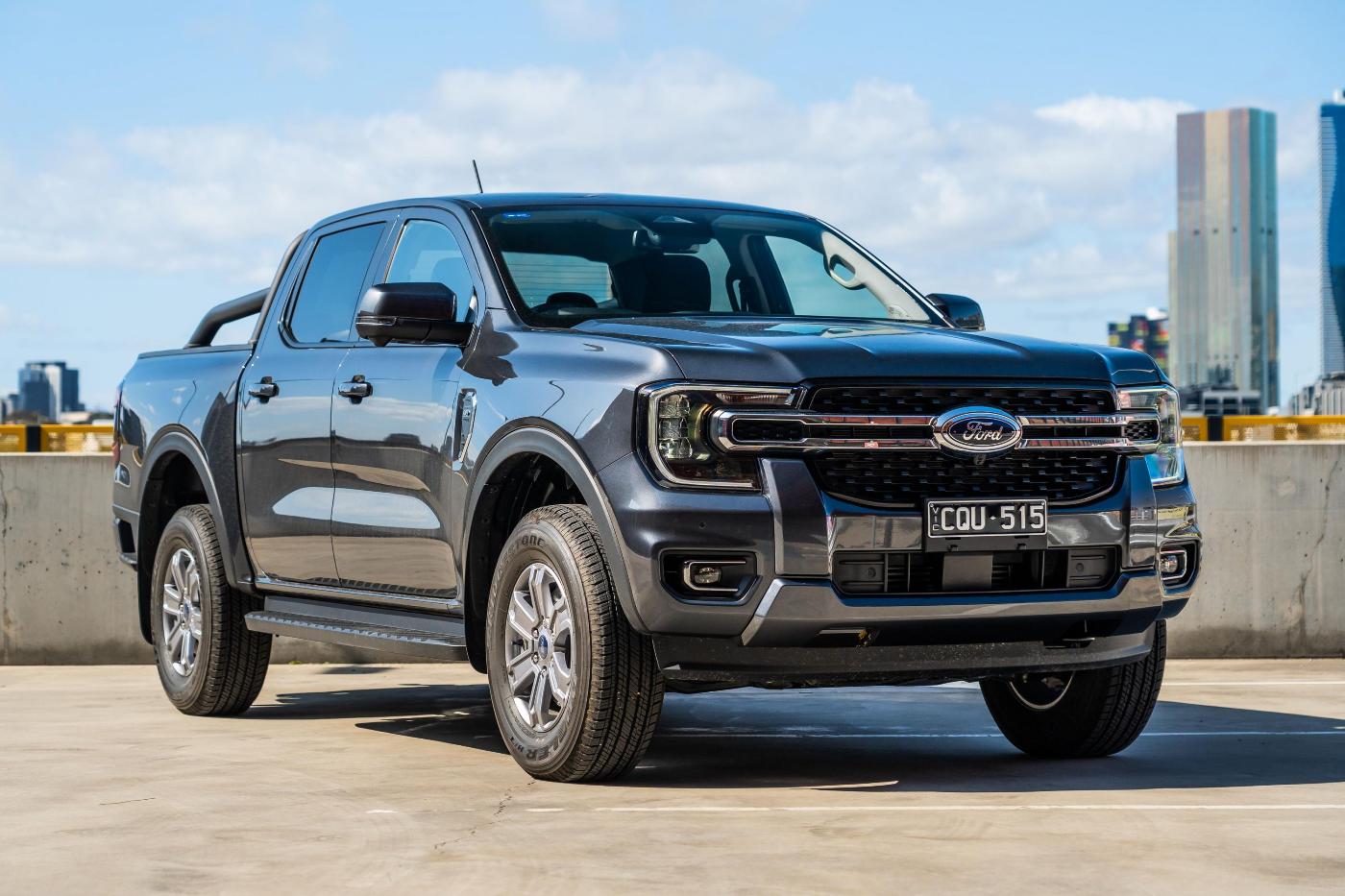
Truck ownership is often associated with strength, towing ability, and long-term durability. Yet one of the most overlooked factors that determines how long a truck truly lasts is its resistance to corrosion.
Rust on the underbody, frame, and suspension components can shorten a vehicle’s lifespan far more than engine wear or transmission failure. In regions where road salt, snow, and moisture are common, corrosion becomes a serious concern that affects safety, resale value, and repair costs.
Factory rust protection varies widely between manufacturers and even between model years of the same truck. Some modern trucks use advanced coatings, galvanised steel, sealed welds, and improved drainage systems to reduce moisture retention.
Others rely on older construction methods or thinner protective layers that allow salt and water to sit on exposed metal surfaces for extended periods. Over time, this leads to frame weakening, flaking metal, and structural compromise.
Understanding which trucks are built with stronger corrosion resistance and which are more vulnerable is essential for buyers, especially those purchasing used vehicles.
A truck that appears clean on the outside may already be experiencing hidden rust underneath, particularly in frame rails, crossmembers, and suspension mounts. These areas are critical to structural integrity and are often expensive or impossible to repair once corrosion becomes advanced.
Manufacturers such as Toyota, Ford, Chevrolet, and Ram have made significant improvements in recent years. Modern full-size trucks generally perform better than older generations, but differences still exist depending on engineering design and factory protection methods.
Some models are widely praised for long-lasting frames even in harsh winters, while others have developed reputations for early rust issues.
This article compares five trucks known for strong factory rust protection and five that are more prone to underbody rot. The focus is on structural durability, real-world corrosion patterns, and long-term reliability in harsh driving environments. Each section highlights how design choices influence rust resistance and what buyers should know before making a purchase decision.
5 Trucks With the Best Factory Rust Proofing
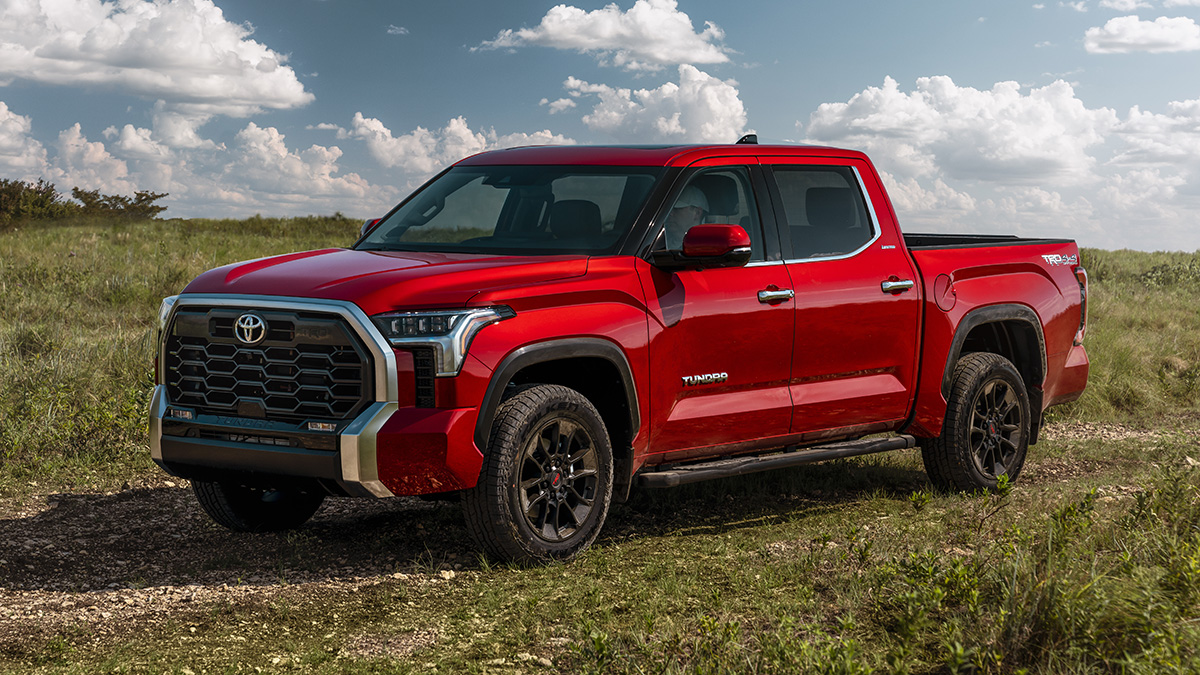
Toyota Tundra
The modern Toyota Tundra stands out as one of the most corrosion-resistant full-size trucks because Toyota made major structural changes after learning from earlier frame-related rust issues in older generations.
The updated frame uses improved protective coatings that bond more effectively to the steel surface, reducing the chance of moisture penetration even when the outer layer is scratched by road debris. This type of protection is important because trucks are constantly exposed to gravel, salt, slush, and water spray that can gradually wear down weaker coatings.
Another key strength of the Tundra is the way its frame is engineered for drainage. Many trucks develop rust internally because water and salt get trapped inside boxed sections, but the Tundra’s design allows better flow-through of moisture and debris.
Drain holes are positioned in a way that prevents long-term pooling, which is one of the biggest contributors to hidden corrosion. This helps maintain structural integrity even after repeated exposure to harsh winter driving conditions.
Toyota also improved seam sealing in areas where different metal sections meet. These joints are typically the first places where rust begins because moisture collects in small gaps.
By tightening manufacturing tolerances and applying stronger sealants, Toyota reduced the number of weak points where corrosion can start spreading inward. This slows down long-term degradation of the frame even when surface protection is slightly worn.
In real-world conditions, especially in northern regions with heavy road salt usage, the Tundra has shown consistent resistance to deep structural rust.
While surface oxidation can still appear over time, it rarely progresses quickly into serious frame damage when basic maintenance like seasonal washing is followed. This makes it a strong choice for buyers who keep trucks for long ownership cycles.
The combination of improved coatings, better drainage design, and stronger seam protection makes the Toyota Tundra one of the most dependable trucks for long-term rust resistance in challenging environments.
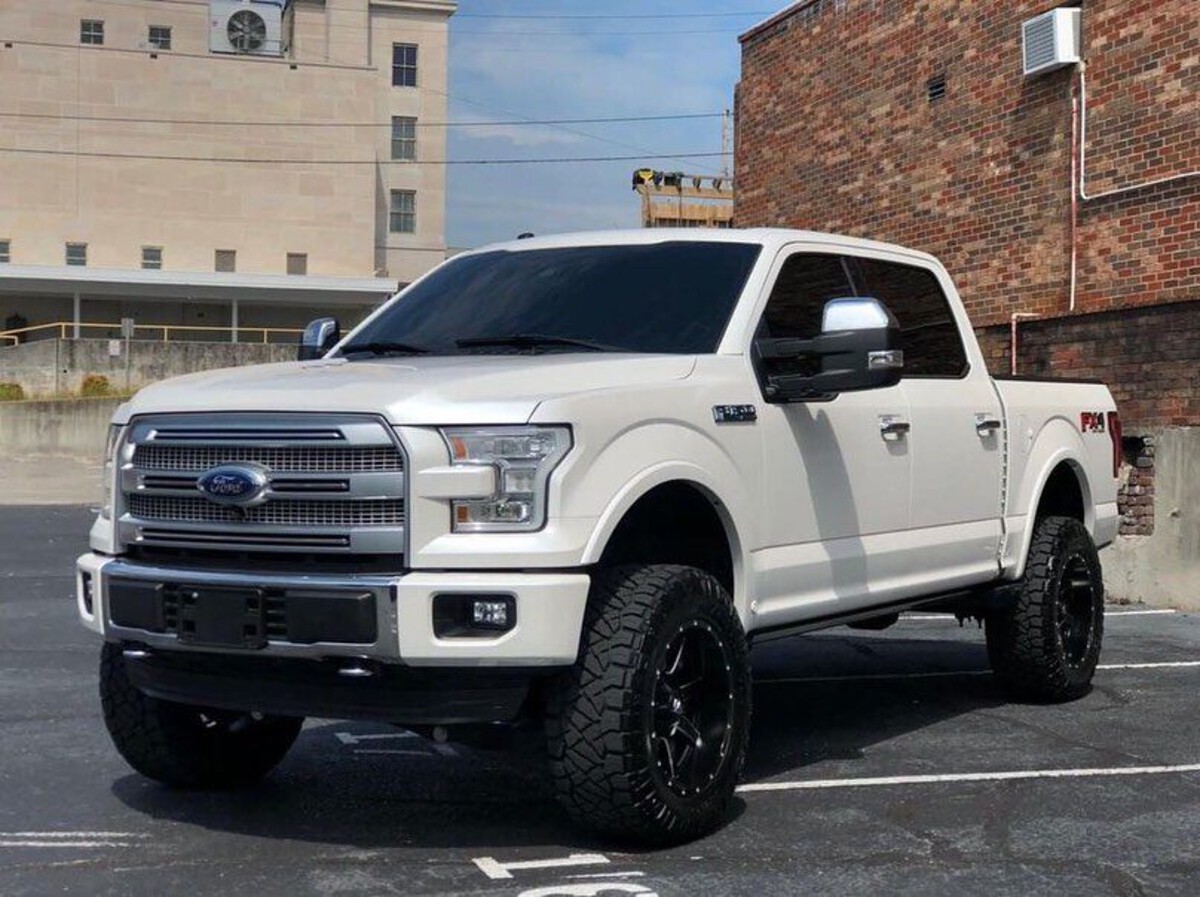
Ford F-150
The Ford F-150 received one of its most important redesigns in 2015, and corrosion resistance was a major part of that update. Ford introduced a high-strength steel frame that not only improved weight and durability but also allowed for more advanced protective coatings to be applied evenly across the entire structure. This reduced inconsistencies that previously allowed rust to develop in isolated weak spots.
A major improvement in this generation is the way Ford designed the frame geometry to reduce moisture retention. Earlier models often suffered from dirt, salt, and water getting trapped in tight areas that were difficult to clean. The newer design includes improved access points and better shaping that encourages natural drainage when the truck is in motion or washed. This reduces long-term exposure of steel surfaces to corrosive materials.
Ford also enhanced the factory coating process by applying more uniform layers of rust-resistant material. This ensures that weld points, corners, and joints receive similar protection rather than being left thinner or uneven. Weld areas are especially important because they tend to be the first points where corrosion begins in heavily used trucks.
Another important factor is the separation of materials and structural layers. While the body uses aluminum in many configurations, the steel frame is carefully insulated from direct environmental exposure through coatings and protective barriers. This limits galvanic reactions and slows corrosion in mixed-metal environments.
In real-world usage, especially in snowbelt regions, these trucks tend to develop light surface rust over time rather than deep structural deterioration. With basic maintenance such as underbody rinsing during winter months, the frame generally remains solid for many years, making this generation of F-150 one of the more reliable options for corrosion resistance in its class.
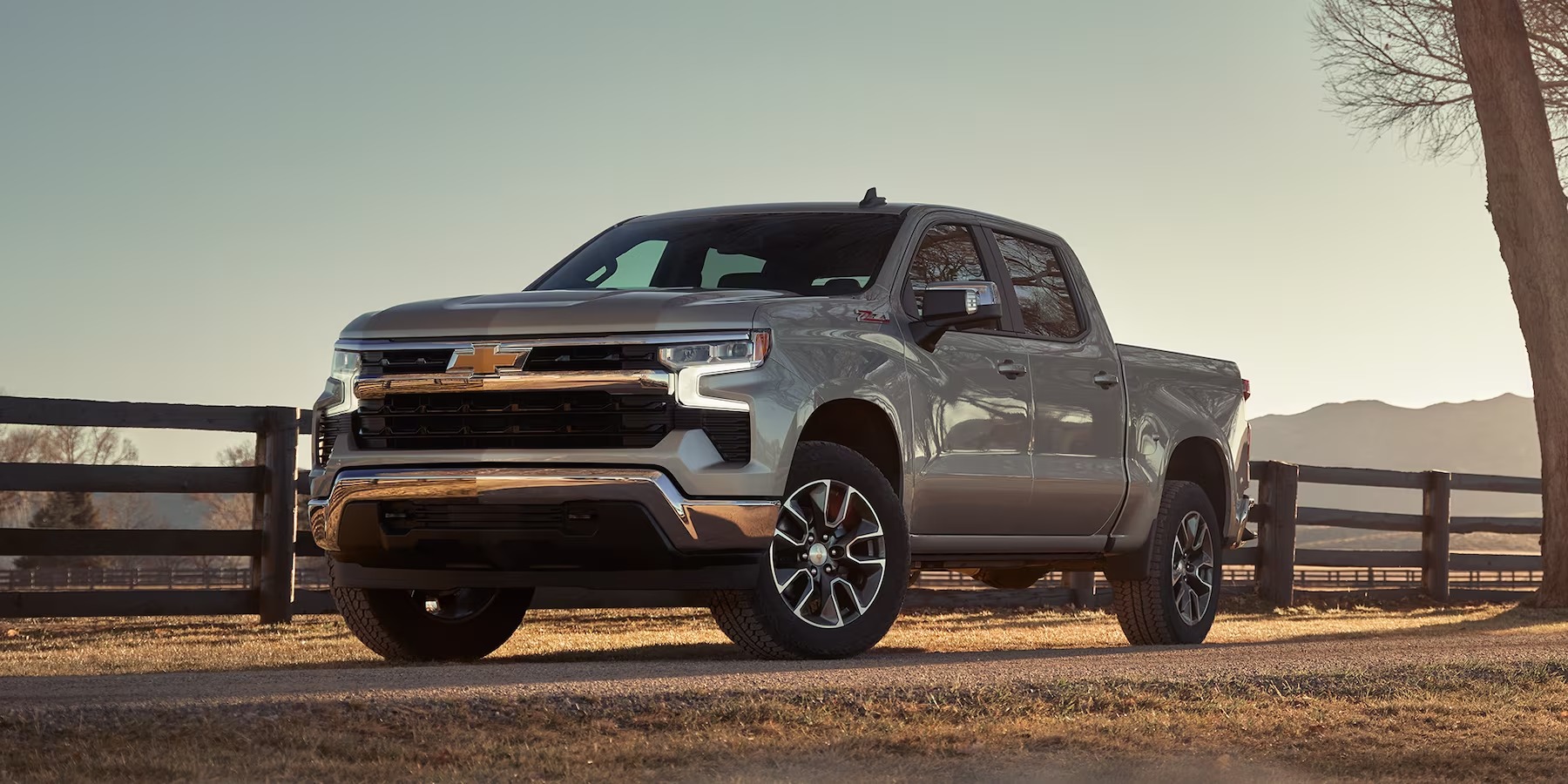
Chevrolet Silverado 1500
The 2019 and newer Chevrolet Silverado represents a significant improvement in General Motors’ approach to corrosion protection.
One of the most important upgrades is the fully boxed frame design, which increases rigidity while also allowing for more controlled application of protective coatings. This boxed structure is treated with advanced anti-corrosion materials designed to reduce exposure of raw steel to moisture and salt.
Chevrolet also focused heavily on sealing weld joints and structural seams, which are historically the most vulnerable areas for rust formation.
In earlier generations, these areas could allow moisture to penetrate into the frame, but the newer design uses improved sealing compounds that significantly reduce that risk. This helps prevent internal corrosion that is often difficult to detect until it becomes severe.
Another improvement is the addition of better drainage channels within the frame structure. These channels help prevent water accumulation inside enclosed sections, which is one of the main causes of long-term rust in trucks. By allowing moisture to escape more easily, the Silverado reduces the time metal surfaces remain exposed to corrosive conditions.
The underbody layout has also been optimized to reduce areas where dirt and salt can build up over time. Smooth transitions between components and improved shielding around critical areas help limit direct exposure during winter driving. This is particularly important for vehicles used in rural or snowy regions where road maintenance involves heavy salt application.
In long-term ownership reports, this generation shows noticeably better resistance to frame corrosion compared to earlier Silverado models. While no truck is completely immune to rust, the improvements in sealing, drainage, and coating technology place this generation among the stronger performers in its category for underbody durability.
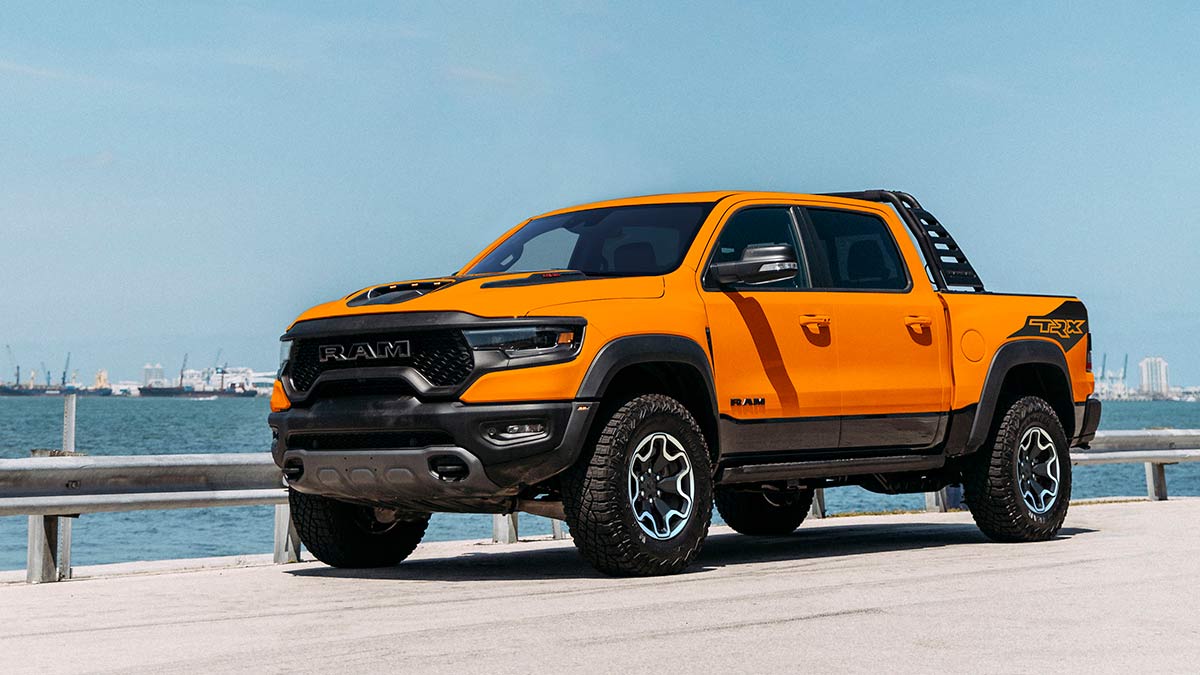
Ram 1500
The fifth-generation Ram 1500 introduced a redesigned frame that significantly improved rust protection compared to previous models. One of the key changes is the use of hydroformed steel, which allows for smoother structural shapes with fewer weak points where moisture can collect. This reduces the number of edges and seams that typically become corrosion starting points.
Ram also improved the quality and consistency of factory-applied coatings across the entire frame. Earlier generations sometimes had uneven protection levels, but the newer process ensures more uniform coverage even in hard-to-reach areas. This helps protect welds, joints, and internal cavities from early rust formation.
Another major improvement is the redesign of underbody airflow and drainage pathways. Water and road salt can now exit more easily instead of sitting in structural pockets. This is especially important in winter climates where repeated freeze-thaw cycles accelerate corrosion in poorly drained areas.
The suspension mounting points and rear frame sections received additional reinforcement and sealing, which reduces the risk of rust developing in high-stress zones. These areas are particularly important because they experience constant load and movement, which can crack weaker protective layers over time.
In real-world conditions, this generation of Ram has shown a clear reduction in early rust complaints compared to older models. While maintenance is still important, the combination of better frame design, improved coatings, and reduced moisture trapping makes it a much stronger performer in long-term corrosion resistance.
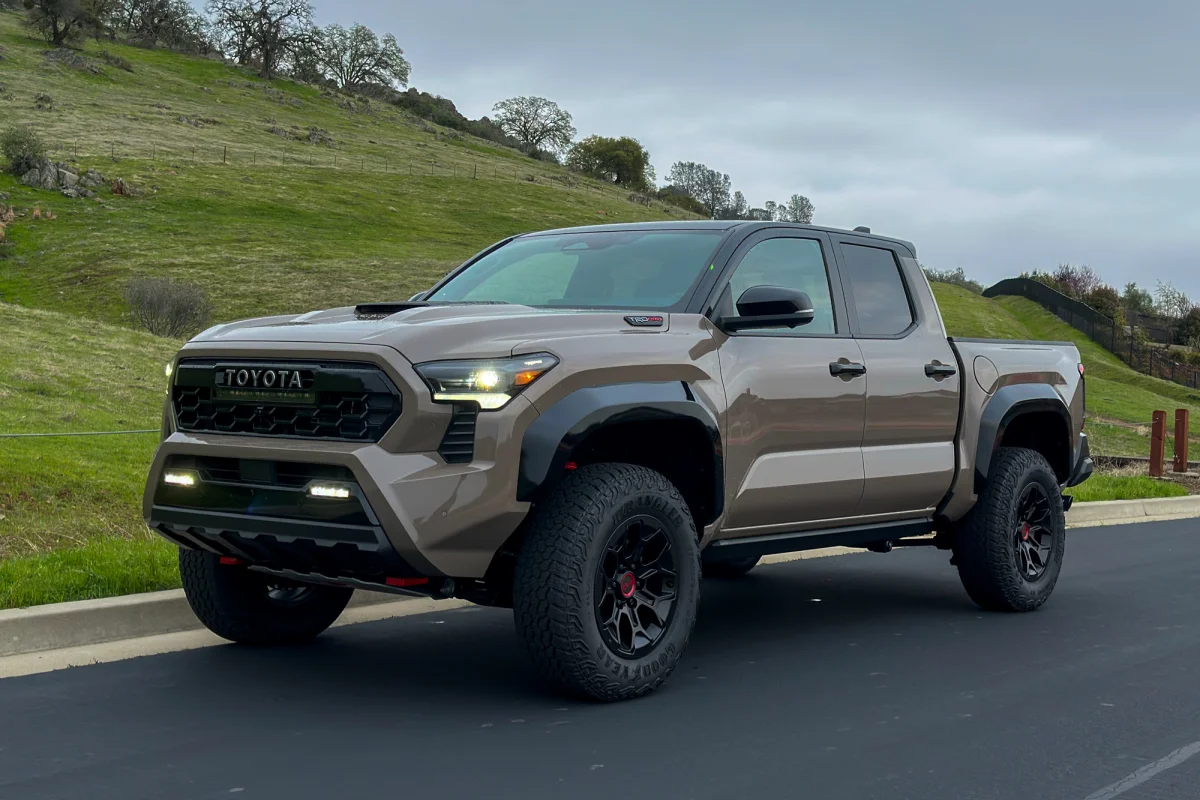
Toyota Tacoma
The 2016 and newer Toyota Tacoma continues Toyota’s efforts to improve long-term durability, with a strong focus on reducing frame corrosion risk. The frame receives improved anti-corrosion coatings that are designed to resist chipping from gravel and road debris, which is a common cause of rust initiation in trucks used on rough roads.
One of the key improvements in this generation is better frame geometry that allows water and dirt to escape more efficiently. Older midsize trucks often had areas where debris accumulated and remained trapped for long periods, leading to localized corrosion. The updated Tacoma design reduces these pockets and improves drainage efficiency.
Toyota also strengthened seam sealing in high-exposure areas such as wheel wells, crossmembers, and frame joints. These areas are constantly exposed to water spray and salt during driving, making them critical points for long-term rust prevention. Improved sealing reduces the chance of moisture reaching bare metal surfaces.
Another important factor is the durability of the protective coating under real-world wear conditions. Even when the underbody is exposed to minor impacts from gravel or off-road use, the coating tends to remain intact longer than in many competing trucks. This slows down the progression from surface wear to deeper corrosion.
In long-term use, these trucks generally show only light surface oxidation rather than structural rust when properly maintained. This makes the Tacoma one of the stronger midsize trucks in terms of resisting underbody degradation over time.
5 Trucks Prone to Underbody Rot
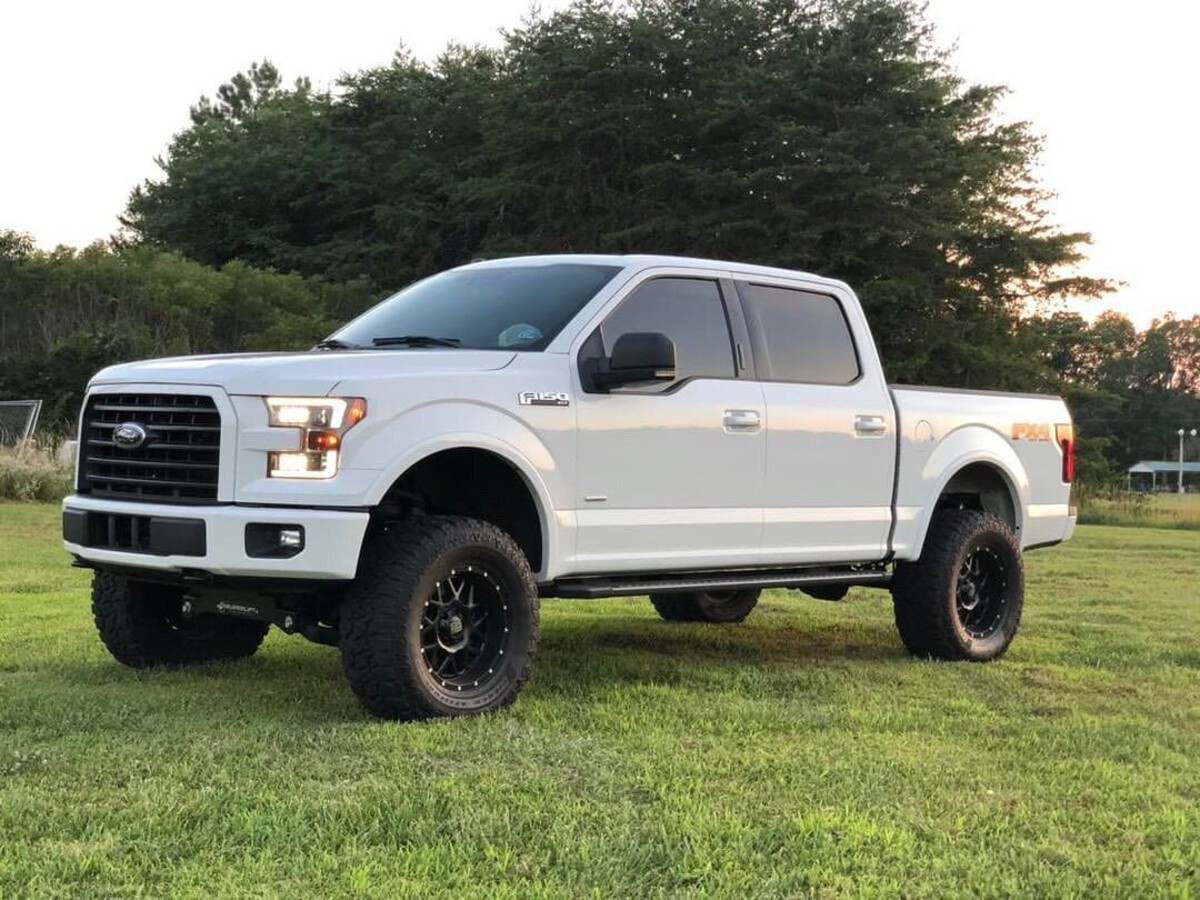
Ford F-150
The 2004 to 2008 Ford F-150 is another generation that developed a reputation for underbody rust issues, especially in regions where winter road salt is used heavily. While the truck is known for strong engine options and solid towing capability, the corrosion protection applied during this era was not as advanced as later Ford models, which left the frame more exposed to long-term environmental damage.
One of the key problems in this generation is the way moisture and debris interact with the frame design. Certain sections of the chassis contain enclosed or semi-enclosed areas where water, salt, and mud can accumulate over time.
Once these materials enter the frame, they often remain trapped because drainage pathways are limited or inefficient. This creates a persistent wet environment that accelerates oxidation of the steel from the inside outward.
Another issue is the durability of the factory-applied protective coating. In many cases, the coating was thin enough that it could be compromised by everyday road debris such as gravel and sand.
Once the coating was chipped or worn away, bare metal was exposed directly to corrosive elements. This allowed rust to begin forming in small localized areas, which then gradually expanded along seams and structural joints.
Weld points and frame edges are particularly vulnerable in this generation. These areas naturally experience higher stress during towing, hauling, and off-road use, which can cause micro-cracks in protective layers. When moisture enters these compromised spots, corrosion can spread beneath the surface without immediate visible signs, making early detection difficult for owners.
Over time, the accumulation of these factors often leads to visible rust on frame rails, crossmembers, and suspension mounting points. In severe cases, corrosion can progress to the point where repair becomes costly or impractical, especially in high-mileage vehicles from salt-heavy regions.
Despite its mechanical strength, this generation of F-150 is often considered a cautionary example when evaluating long-term underbody durability in used truck markets.
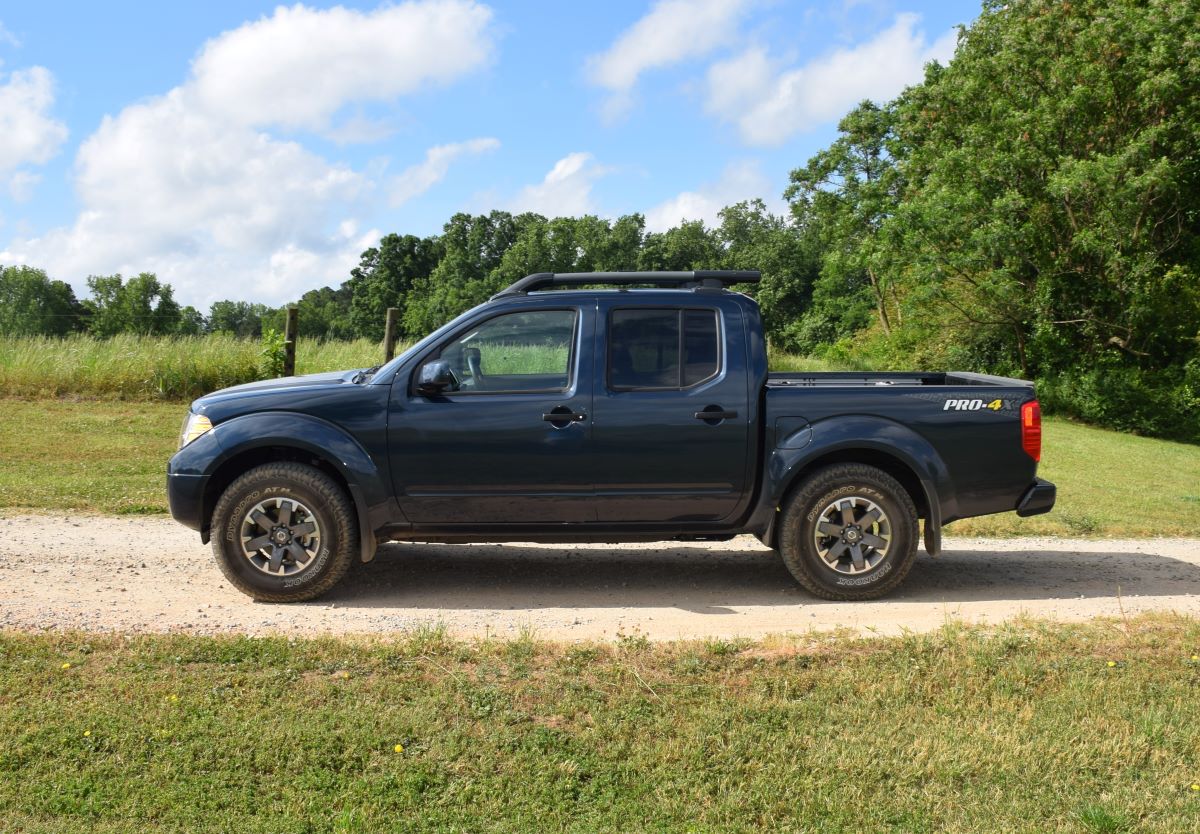
Nissan Frontier
The 2005 to 2012 Nissan Frontier is often associated with underbody rust issues that develop quietly over time, particularly in regions with snow and salt exposure. One of the main concerns with this generation is the frame design, which includes areas where moisture and debris can collect without effective drainage.
These trapped materials remain in contact with metal surfaces for long periods, creating conditions that accelerate corrosion from the inside out.
Unlike some competitors that improved corrosion protection over time, this generation of Frontier did not receive major updates to its rust prevention systems during its production run. The factory coating was relatively basic, and in many cases, it was not sufficient to withstand repeated exposure to harsh winter conditions. Once the coating began to wear down, bare steel was exposed, allowing rust to spread across multiple structural points.
A particularly vulnerable area is the rear section of the frame, where suspension components and mounting points are located. These areas experience constant stress from towing and road impacts, which can cause small cracks in protective coatings. Once moisture enters these compromised areas, corrosion can spread rapidly and weaken key structural supports.
Another issue is that rust in this generation often begins in hidden areas, making it difficult to detect during routine visual inspections. By the time surface rust becomes visible, internal corrosion may already be advanced. This creates a risk for buyers in the used market who may not realize the extent of underlying damage.
Over time, this pattern of hidden corrosion has made this generation of Frontier a cautionary example of how limited factory rust protection can significantly reduce long-term durability in harsh environments.
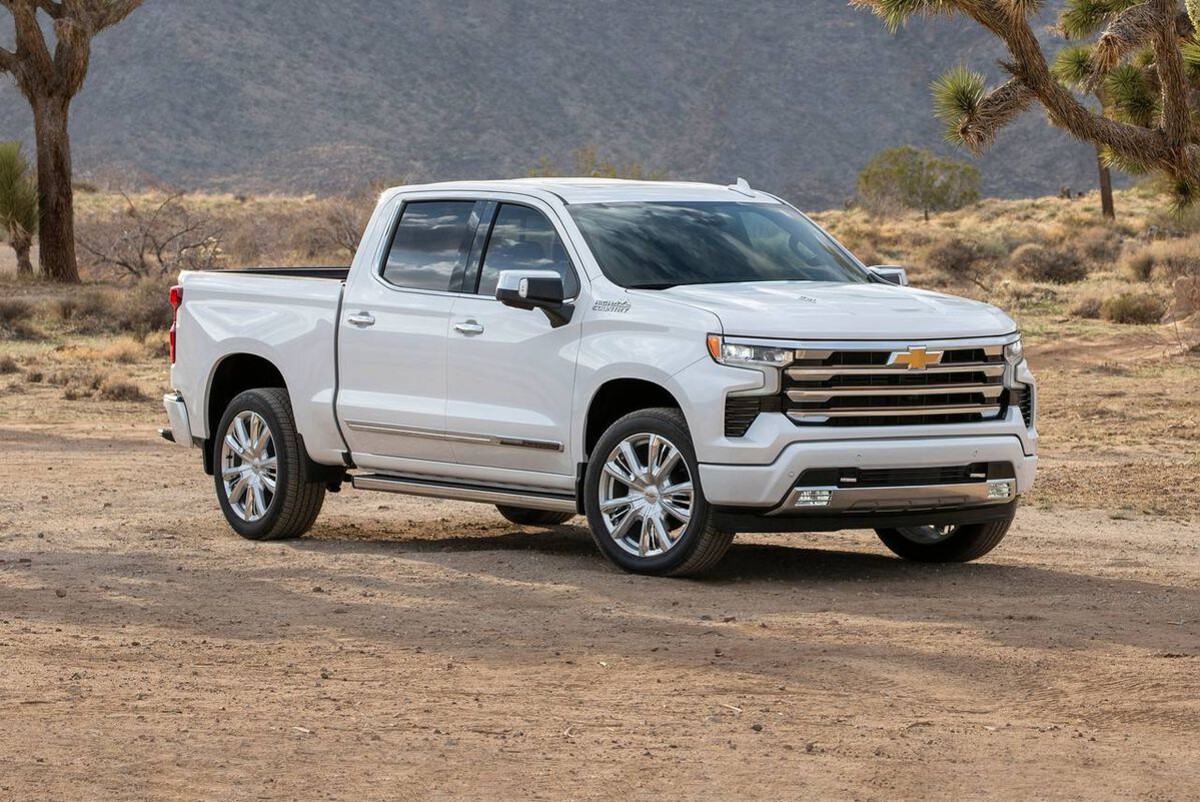
Chevrolet Silverado 1500
The 1999 to 2006 Chevrolet Silverado 1500 is known for developing significant underbody rust, particularly in regions where road salt is heavily used during winter months.
One of the primary reasons for this issue is the frame design, which includes open sections and cavities where moisture, dirt, and salt can accumulate. These areas are difficult to clean thoroughly, allowing corrosive materials to remain in contact with steel surfaces for extended periods.
The factory corrosion protection during this era was less advanced compared to modern standards. Protective coatings were thinner and less resistant to chipping, especially when exposed to gravel roads or harsh driving conditions. Once the coating was compromised, rust could begin forming relatively quickly and spread along frame rails and structural joints.
Rocker panels, brake line mounts, and crossmembers are among the most commonly affected areas. These components are essential for both structural integrity and vehicle safety systems, meaning corrosion in these regions can lead to serious mechanical and safety concerns over time. In some cases, rust has progressed to the point where brake lines or mounting brackets require full replacement.
Another contributing factor is the lack of effective drainage in certain sections of the frame. Water and slush can remain trapped, especially after winter driving, which increases the amount of time metal is exposed to corrosive conditions. Repeated freeze-thaw cycles worsen this process by expanding rusted areas and breaking down protective layers further.
As these trucks age, rust becomes one of the most limiting factors in their remaining service life, even when engines and transmissions remain mechanically sound.
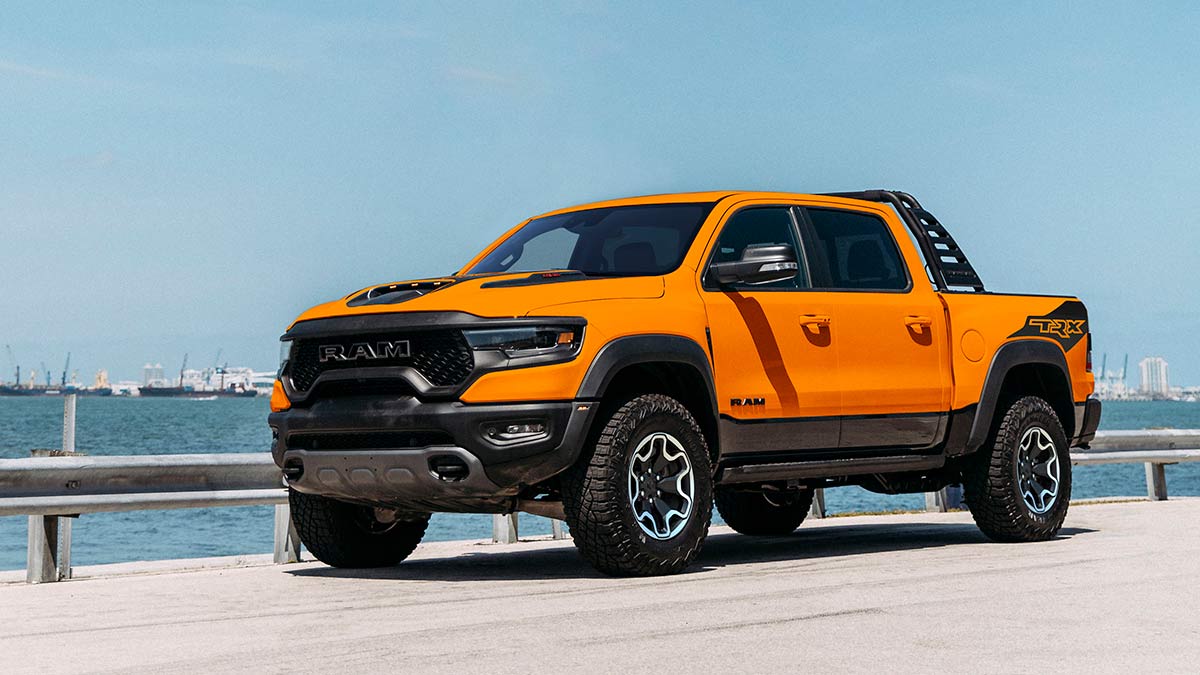
Ram 1500
The 2002 to 2008 Ram 1500 is widely recognized for its vulnerability to frame and underbody rust, particularly in colder regions where salt is heavily used on roads. One of the main issues during this period was inconsistent application of corrosion-resistant coatings, which meant that some areas of the frame were less protected than others from the moment the vehicle left the factory.
This inconsistency allowed rust to begin in weak spots such as weld joints, suspension mounts, and rear frame sections. Once corrosion started in these areas, it often spread rapidly because the surrounding protective layers were not strong enough to contain it. Over time, this led to structural weakening in key load-bearing sections of the truck.
Another major factor is the design of the frame itself, which includes multiple pockets and horizontal surfaces where moisture and debris can accumulate. These trapped materials remain in place for long periods, especially in winter climates, creating ideal conditions for corrosion to develop internally.
Suspension mounting points are particularly affected because they experience constant stress from towing, hauling, and road impacts. When rust develops in these areas, it can compromise alignment, stability, and safety. In severe cases, repairs become extensive and costly, often exceeding the value of older vehicles.
Despite strong engine performance and solid towing capability, corrosion has been a major limiting factor in the long-term durability of this generation.
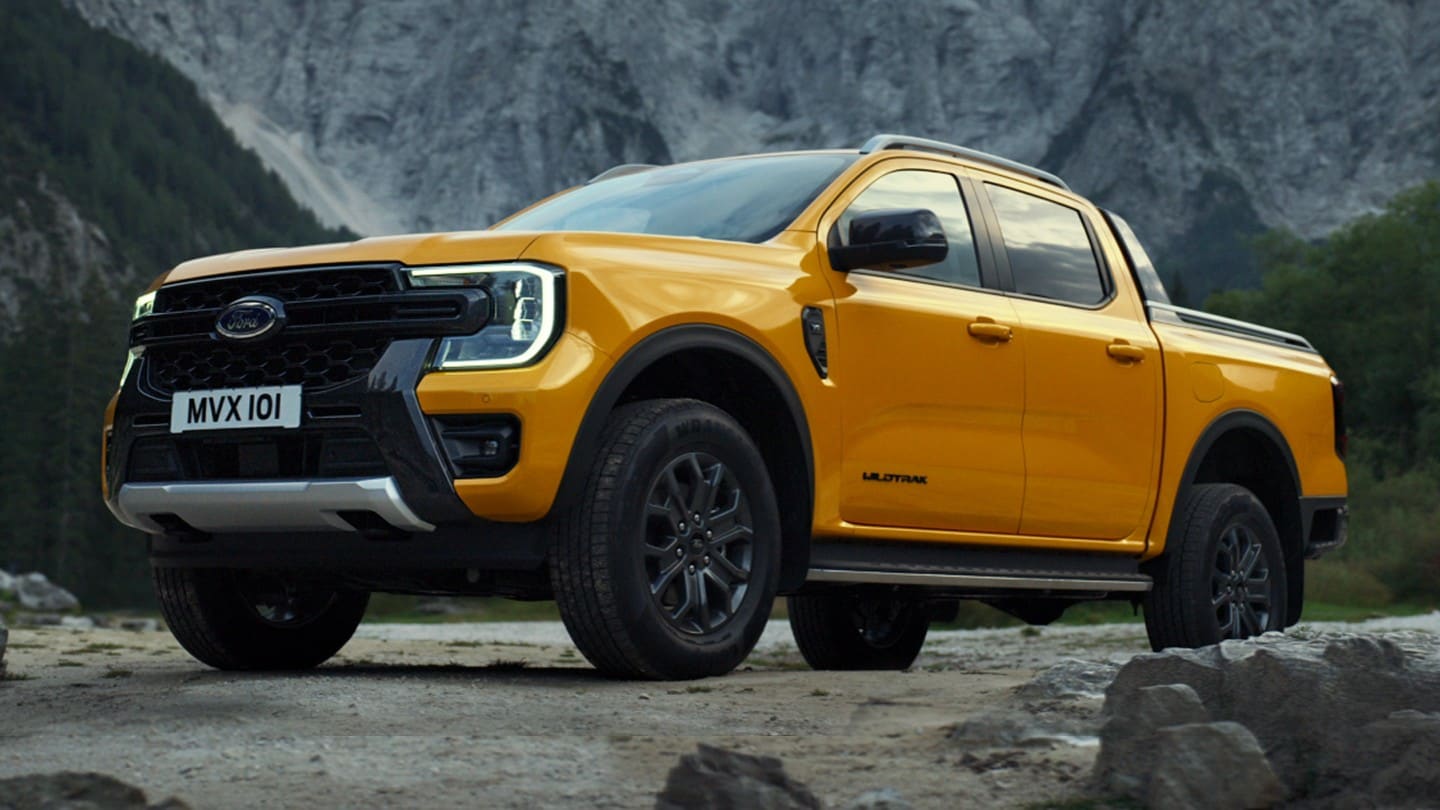
Ford Ranger
The 1998 to 2011 Ford Ranger is frequently cited for underbody rust issues, especially in regions with harsh winters and road salt usage. One of the main weaknesses of this generation is the relatively basic factory corrosion protection compared to newer trucks. The protective coatings applied during production were not designed to withstand prolonged exposure to salt-heavy environments.
Frame rails and rear suspension components are particularly vulnerable because they are constantly exposed to road spray, moisture, and debris. Over time, these elements break down the protective layer and expose raw steel to corrosion. Once rust begins, it can spread steadily along structural members due to limited drainage and airflow in certain frame sections.
Another issue is that rust often begins in areas that are not easily visible during routine inspections, such as inner frame channels and hidden mounting points. This makes early detection difficult, allowing corrosion to progress unnoticed until it becomes more severe. By the time visible signs appear, significant internal damage may already exist.
The rear portion of the frame is especially prone to deterioration because it collects moisture and road salt more easily than front sections. This area also supports suspension and towing loads, which increases stress and accelerates the breakdown of protective coatings.
Although the Ranger is known for mechanical simplicity and long-term engine reliability, underbody rust remains its most significant weakness, particularly in environments with frequent exposure to moisture and road salt.