Cold weather has a direct impact on how internal combustion engines behave, especially during ignition. When temperatures drop significantly below freezing, engine oil thickens, battery output decreases, fuel atomization becomes less efficient, and metal components contract slightly, increasing internal resistance.
All of these factors combine to make cold starting one of the most demanding conditions for any vehicle. In regions where winter temperatures regularly fall below zero, engine starting performance becomes a critical measure of reliability, not just convenience.
Modern automotive engineering has improved cold start behavior through better fuel injection systems, higher cranking amperage batteries, synthetic low viscosity oils, improved ignition timing strategies, and in diesel engines, advanced glow plug systems and intake heating elements. However, not all engines respond equally under extreme cold conditions.
Some are designed with tighter tolerances, optimized combustion efficiency, and advanced electronic control systems that allow near instant starts even in harsh environments.
Others, particularly older diesel designs or engines without updated cold weather systems, may experience longer crank times, rough initial combustion, or even failure to start without external assistance such as block heaters.
Cold start reliability is especially important for daily drivers, commercial fleets, emergency vehicles, and rural users where access to heated garages is limited.
In such environments, the difference between an engine that fires immediately and one that struggles can affect safety, productivity, and long term mechanical wear. Repeated hard starting attempts in freezing conditions can also increase stress on starters, batteries, and fuel systems, reducing engine lifespan.
This article compares two groups of engines based on widely observed cold weather performance characteristics. The first group includes engines known for consistent starting behavior in extreme cold conditions, often due to modern fuel injection precision, efficient combustion chamber design, and reliable electrical systems.
These engines are commonly found in widely used passenger vehicles and are engineered for global markets that include cold climates.
The second group highlights engines that are more likely to struggle during cold starts due to older technology, higher compression diesel requirements without adequate preheating support, or known sensitivity to low temperature fuel behavior.
Each engine will be discussed in detail, focusing on why it performs well or poorly in cold conditions, what mechanical factors influence its behavior, and what users typically experience in real world winter environments. The goal is to provide a clear, SEO friendly, and factually grounded comparison of cold weather engine starting performance.
Engines That Struggle to Turn Over in Extreme Cold

Ford 6.0L Power Stroke Diesel Engine
The Ford 6.0L Power Stroke diesel engine is widely known in heavy duty pickup applications, especially in the Ford Super Duty lineup. While it delivers strong torque and towing capability, its cold start behavior has been a consistent concern, particularly in regions with severe winter temperatures.
Diesel engines already require higher combustion chamber temperatures for ignition compared to gasoline engines, and this engine is especially dependent on fully functional preheating and electrical support systems to achieve reliable starting in freezing conditions.
One of the biggest factors affecting cold starts in this engine is the glow plug system combined with the intake air heater system. These components are responsible for raising cylinder temperature before cranking begins.
If even a few glow plugs are weak, slow to heat, or completely failed, the engine may crank for an extended period before combustion begins.
In extreme cold, this delay becomes more noticeable because the heat loss to the surrounding metal is significantly higher. The result is longer cranking cycles, uneven firing across cylinders, and sometimes white smoke from incomplete combustion during startup.
Another major limitation is oil viscosity behavior at low temperatures. Diesel engines rely on strong oil flow not only for lubrication but also to reduce internal resistance during cranking. In sub zero conditions, if a lower quality or incorrect viscosity oil is used, the engine can feel sluggish when turning over.
This puts additional strain on the starter motor and battery, both of which are already working harder in cold weather due to reduced electrical efficiency.
Electrical load during cold starts is another weakness. The 6.0 Power Stroke requires significant current not only for cranking but also for powering the glow plug system.
Cold batteries naturally lose cranking amperage capacity, and if the battery is even slightly degraded, the combined load can exceed available output. This often results in slow engine turnover, repeated failed start attempts, or complete no start conditions in extreme cold environments.
The Ford 6.0L Power Stroke can perform adequately in winter when all systems are in excellent condition, but it is highly sensitive to maintenance quality, battery health, and fuel condition. Compared to modern gasoline engines or newer diesel platforms, it is less forgiving and more likely to struggle during extreme cold starts.
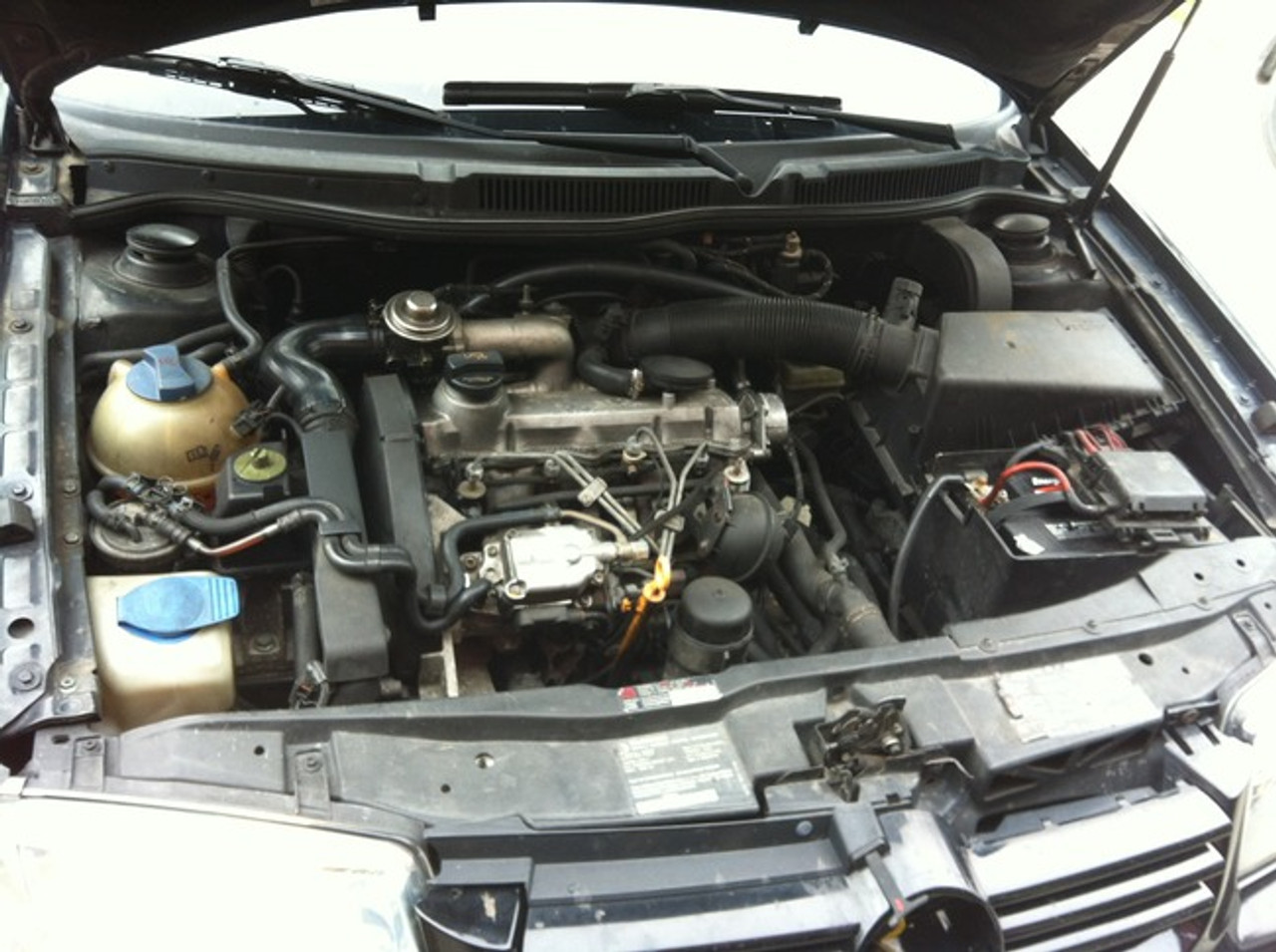
Volkswagen 1.9 TDI Diesel Engine
The older Volkswagen 1.9 TDI diesel engine is widely regarded as one of the most efficient and durable small diesel engines ever produced. However, its cold start performance can become inconsistent in harsh winter climates, especially as the engine ages or if maintenance has not been strictly followed.
Diesel combustion relies on compression heat, and in low ambient temperatures, achieving sufficient combustion chamber temperature becomes significantly more difficult.
Battery performance plays a crucial role in the 1.9 TDI’s starting ability. Diesel engines require significantly higher cranking torque than gasoline engines, and cold weather reduces battery efficiency by slowing chemical reactions inside the cells.
If the battery is not in strong condition, the engine may rotate too slowly to generate sufficient compression heat, leading to delayed or failed ignition attempts.
Fuel behavior is another important factor. Diesel fuel can thicken or form wax crystals in freezing temperatures, especially if winter-grade fuel is not used.
This can restrict fuel flow through the fuel filter and injectors, leading to reduced fuel pressure during startup. Even if ignition eventually occurs, inconsistent fuel delivery can cause rough combustion, shaking, and visible exhaust smoke during the first few minutes of operation.
Another issue is the mechanical age factor. Many 1.9 TDI engines in operation today are high mileage units, and wear in components such as injectors, compression rings, and valve seals can worsen cold start behavior. Lower compression efficiency reduces the heat generated during cranking, making ignition more difficult in freezing conditions.
Despite these challenges, the 1.9 TDI remains a durable engine . However, its cold start reliability is heavily dependent on maintenance condition, battery strength, glow plug health, and fuel quality, making it less consistent in extreme winter environments compared to modern gasoline engines.
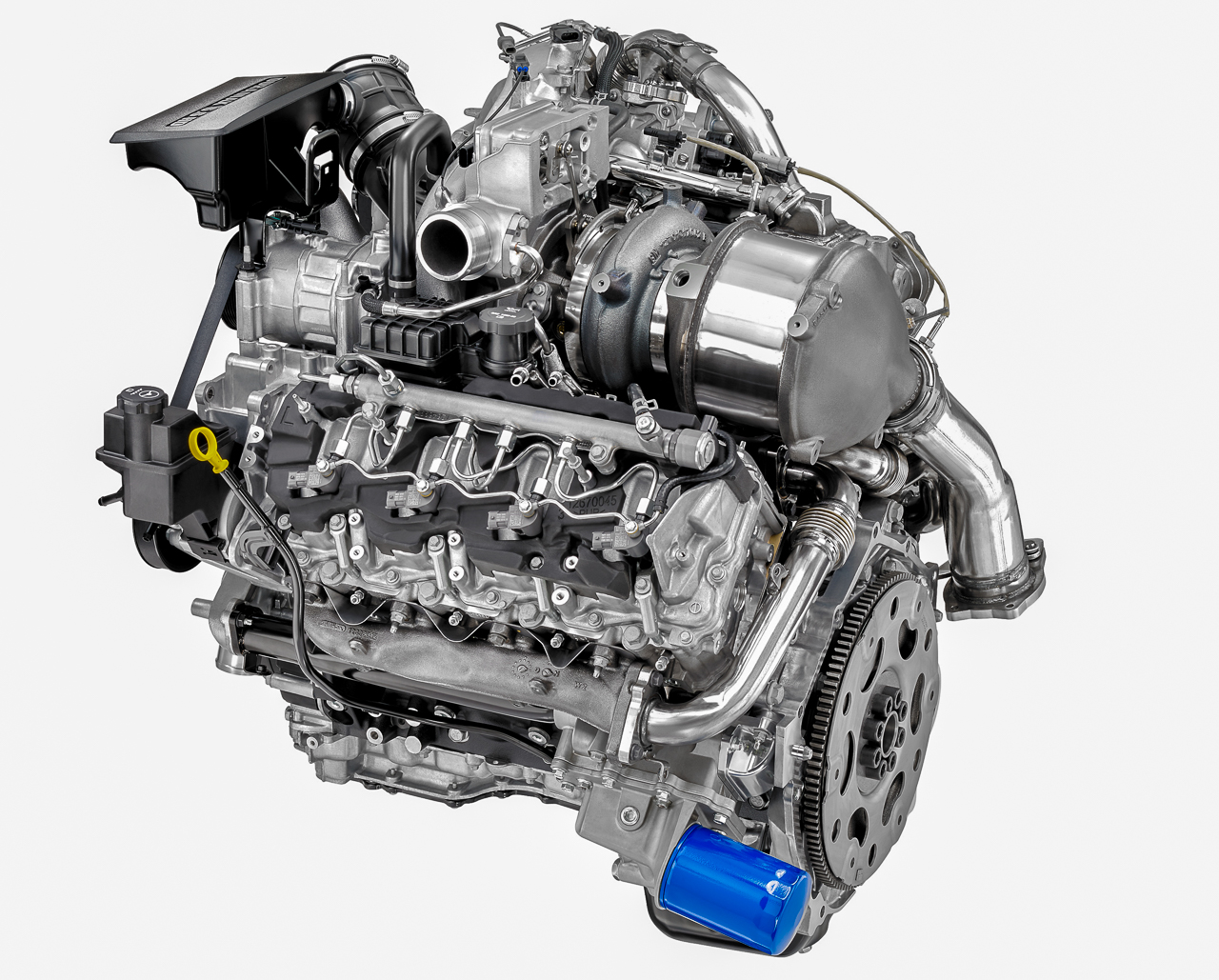
GM Duramax LB7 6.6L Diesel Engine
The GM Duramax LB7 6.6L diesel engine is known for its strong torque output and long term durability, particularly in early 2000s heavy duty trucks. However, when it comes to cold start performance, this engine can present noticeable challenges in freezing temperatures, especially as components age.
Diesel combustion requires high cylinder temperature for ignition, and any weakness in preheating or fuel atomization can significantly affect starting behavior.
Glow plug system performance is another critical factor. The engine relies on glow plugs to preheat the combustion chambers before ignition.
If even a few glow plugs are slow or non-functional, the engine may struggle to reach the required temperature for combustion. In extreme cold, this issue becomes more pronounced because heat loss to the surrounding engine block is rapid, and insufficient preheating can result in repeated failed start attempts.
Oil viscosity behavior also plays an important role. In cold climates, engine oil thickens significantly, increasing resistance within the crankshaft, bearings, and valvetrain.
If proper winter grade oil is not used, the starter motor may struggle to rotate the engine at sufficient speed. This not only delays ignition but also places long term stress on the starting system components.
Battery load is another limiting factor. The LB7 requires strong electrical output during startup to power both the cranking motor and glow plug system simultaneously.
Cold weather reduces battery efficiency, and older batteries may not deliver sufficient amperage. This can result in slow engine turnover or complete failure to crank.
While the Duramax LB7 is a capable and long lasting engine when properly maintained, its cold start performance is more sensitive to system condition than newer diesel platforms. It requires strong battery health, fully functional glow plugs, and proper winter fuel preparation to ensure reliable starting in extreme cold.
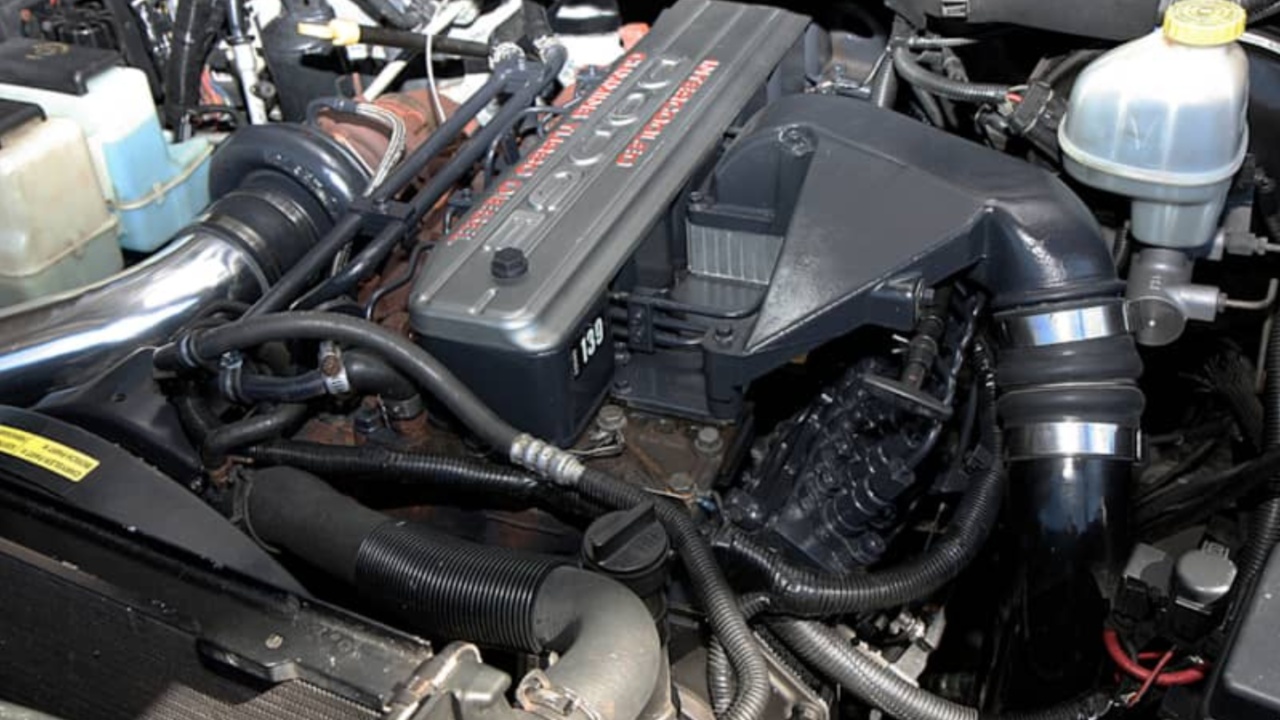
Cummins 5.9L Diesel Engine (Older Generations)
The Cummins 5.9L diesel engine is widely respected for its mechanical simplicity, durability, and long service life.
However, earlier generations of this engine can still experience cold start difficulties in extremely low temperatures, particularly when supporting heating systems or electrical components are not functioning at peak efficiency. Like all diesel engines, it depends on compression heat and preheating assistance to initiate combustion.
Cold start behavior in this engine is heavily influenced by the intake air heating system or grid heater setup. These systems are responsible for warming incoming air before it enters the combustion chamber.
If the grid heater is weak, damaged, or not functioning properly, the engine may require extended cranking periods before ignition occurs. In very cold environments, this can also lead to uneven cylinder firing and rough idle during the initial warm up phase.
Fuel condition is equally important. Diesel fuel can gel in extremely low temperatures if winter additives are not used. This affects fuel flow through filters and injectors, reducing fuel availability during startup. Even if the engine eventually starts, restricted fuel flow can cause hesitation and uneven running until the fuel system warms up.
Another contributing factor is oil viscosity. Thickened oil in cold conditions increases internal friction, making it harder for the engine to rotate quickly. This places additional load on the starter motor and battery, further complicating the starting process.
Despite these challenges, the Cummins 5.9L remains a highly durable engine. Its cold start reliability depends strongly on maintenance condition and the proper functioning of supporting systems such as grid heaters, batteries, and fuel conditioning.
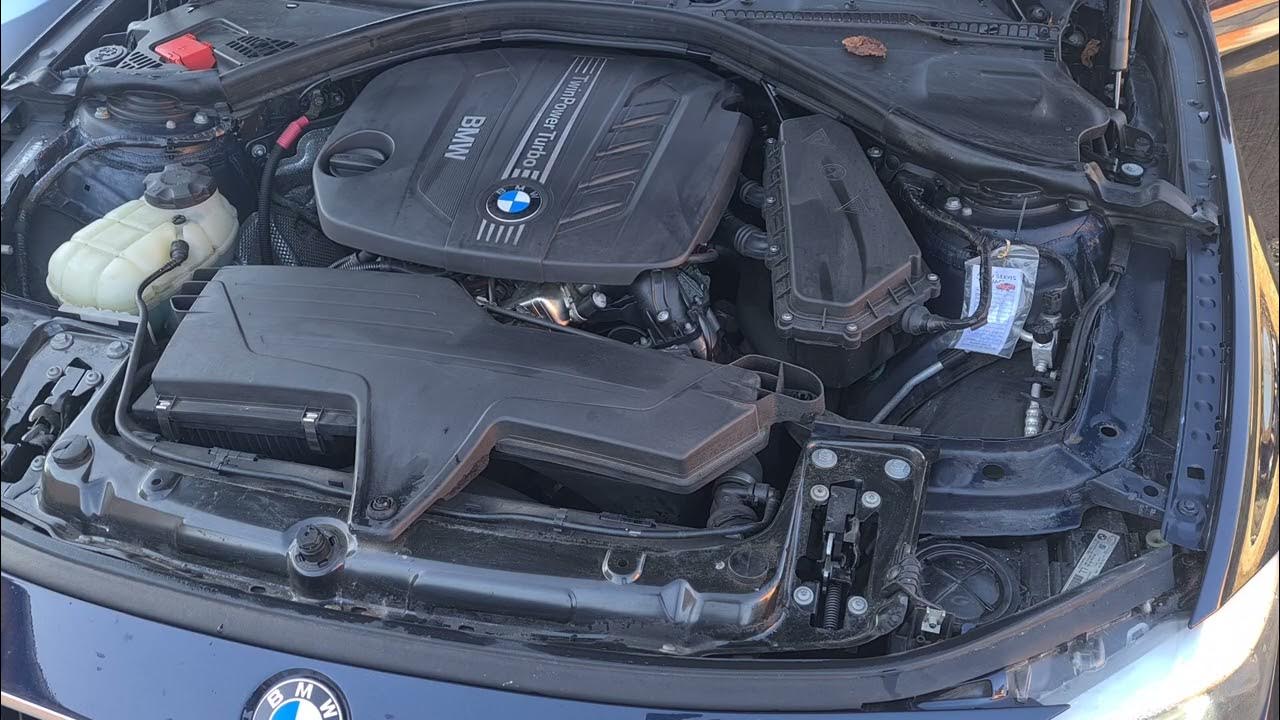
BMW N47 2.0L Diesel Engine
The BMW N47 2.0L diesel engine is known for its strong fuel efficiency and performance characteristics, but it can exhibit noticeable cold start challenges, particularly in colder climates or when maintenance is not optimal.
Diesel engines inherently require high combustion temperatures, and this engine relies heavily on precise electronic control systems to achieve reliable ignition under cold conditions.
One of the main factors affecting cold start performance is the glow plug system. The N47 uses electronically controlled glow plugs that must quickly reach high temperatures before combustion can occur.
If these glow plugs are aging, partially failed, or slow to heat, the engine may experience extended cranking times before ignition. In extremely cold environments, this delay can become more pronounced, sometimes resulting in rough idle or uneven combustion during the first few minutes of operation.
Battery condition plays an especially important role in this engine. The N47 requires significant electrical power not only for cranking but also for preheating systems and electronic control modules.
Cold weather reduces battery output, and if the battery is weak or partially degraded, the engine may crank slowly or struggle to reach ignition speed. This often results in longer start times or repeated attempts before the engine fully starts.
Oil behavior in cold weather also contributes to starting difficulty. As engine oil thickens at low temperatures, internal friction increases, making it harder for the starter motor to turn the engine at optimal speed. This can compound other issues such as weak battery performance or glow plug delays.
While the N47 is efficient and capable under normal conditions, its cold start performance is more sensitive to environmental and maintenance factors compared to many modern gasoline engines.
Proper maintenance, strong battery health, and fully functional preheating systems are essential for reliable starting in extreme cold conditions.
Engines That Struggle to Turn Over in Extreme Cold
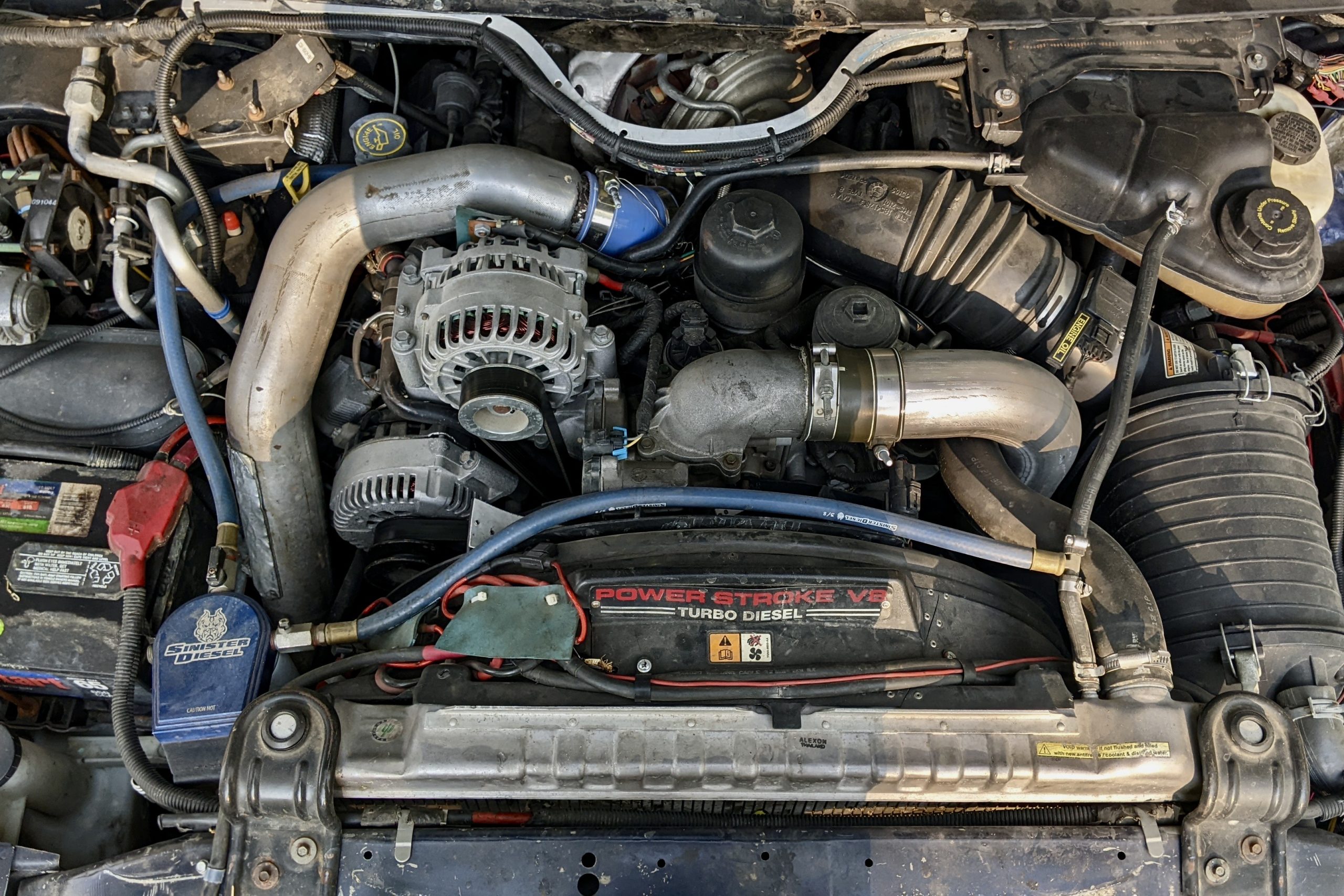
Ford 6.0L Power Stroke Diesel Engine
The Ford 6.0L Power Stroke diesel engine, widely used in Ford Super Duty trucks, is known for strong towing capability and high torque output, but it has a long standing reputation for inconsistent cold start performance in extreme winter conditions.
Diesel engines inherently require high compression temperatures to ignite fuel, and this engine is especially dependent on a fully functional preheating system, strong electrical supply, and clean fuel delivery to achieve reliable ignition when temperatures drop far below freezing.
Another major factor is the condition and type of engine oil being used. Diesel engines like the 6.0 Power Stroke rely on oil not only for lubrication but also for reducing internal resistance during cranking.
In subzero temperatures, oil naturally thickens, and if the oil viscosity rating is not suitable for winter use, the starter motor has to work significantly harder to rotate the crankshaft.
This increased resistance can slow down engine cranking speed, and if the rotational speed drops too low, the engine may fail to generate enough compression heat for ignition. This puts additional stress on both the starter motor and battery, reducing their long term reliability in cold climates.
Fuel system behavior is another important challenge. Diesel fuel is sensitive to temperature changes and can begin to gel or form wax crystals in freezing conditions if winter blend fuel or anti gel additives are not used.
When this occurs, fuel flow through the filter and injectors becomes restricted, resulting in insufficient fuel reaching the combustion chamber during startup. Even if the engine cranks properly and glow plugs function correctly, restricted fuel delivery can still prevent successful ignition or cause delayed and uneven combustion once the engine finally starts.
Electrical system demand is also significantly higher during cold starts in this engine compared to gasoline counterparts. The battery must supply enough power to rotate the engine while simultaneously supporting the glow plug system and engine control electronics.
Cold weather naturally reduces battery efficiency by slowing chemical reactions inside the cells, which reduces available cranking amperage. If the battery is even moderately worn, the combined electrical load can exceed its output capacity, leading to slow cranking, repeated failed start attempts, or complete no start conditions in extreme temperatures.
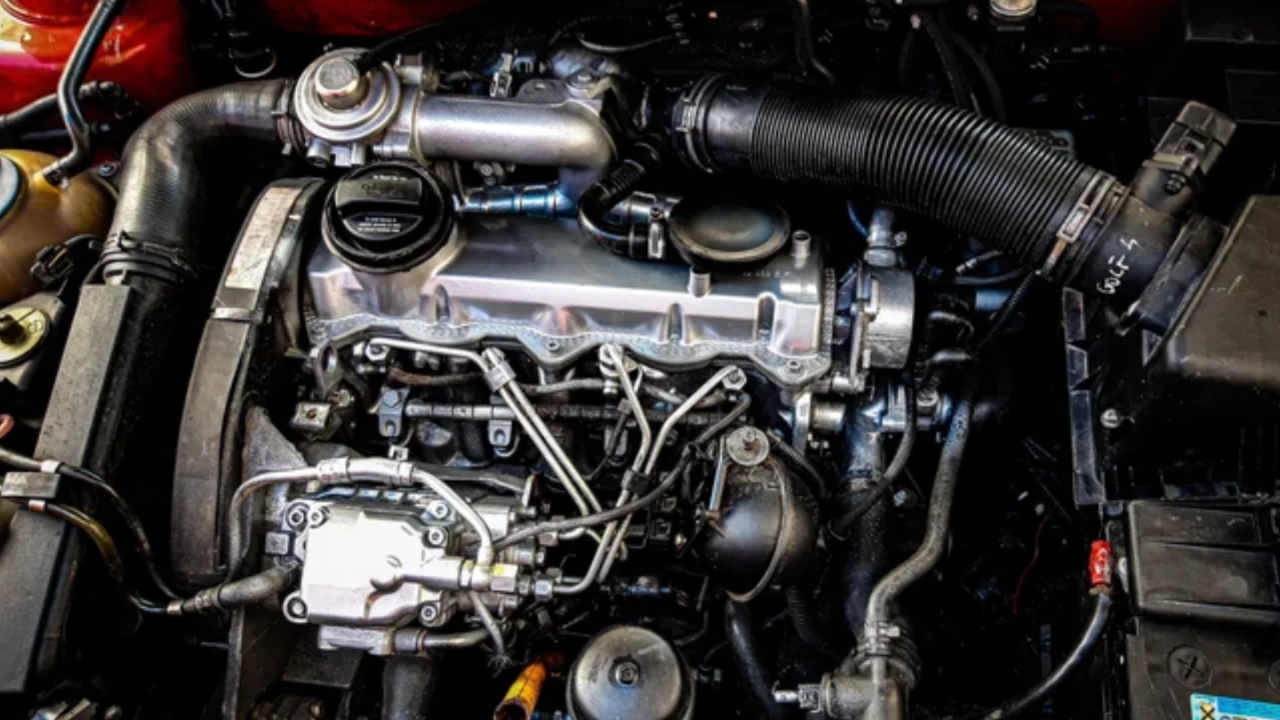
Volkswagen 1.9 TDI Diesel Engine (Older Generations)
The older Volkswagen 1.9 TDI diesel engine is widely respected for its fuel efficiency, mechanical simplicity, and long service life, but it is also known for being sensitive to cold start conditions, particularly in older, high mileage, or poorly maintained examples.
Diesel combustion relies entirely on compression heat to ignite fuel, and in very cold environments, achieving sufficient cylinder temperature becomes significantly more difficult without strong support from glow plugs, batteries, and fuel system integrity.
The glow plug system plays one of the most important roles in cold start behavior for this engine. Glow plugs are designed to preheat the combustion chamber before ignition, but over time they can degrade, heat unevenly, or respond more slowly than intended.
When this happens, the engine may still start, but it often requires longer cranking periods and produces uneven combustion during the first few seconds of operation. In extremely cold temperatures, this uneven ignition can result in noticeable engine vibration, rough idle, and visible exhaust smoke caused by incomplete fuel burning during startup.
Fuel quality and temperature sensitivity also play a major role in cold start behavior. Diesel fuel can thicken in freezing temperatures due to wax formation, especially if winter grade diesel or anti gelling additives are not used. When fuel thickens, it flows less efficiently through fuel lines and filters, reducing fuel pressure and delivery to the injectors.
Even if the engine is able to crank and the glow plugs are functioning properly, insufficient fuel flow can still prevent proper combustion during startup. This often results in long cranking cycles followed by rough and unstable initial running.
Mechanical wear is another contributing factor in many 1.9 TDI engines that are still in use today. Many of these engines have very high mileage, and wear in components such as piston rings, injectors, and valve seals can reduce compression efficiency.
Lower compression means less heat is generated during cranking, making ignition more difficult in cold conditions. This wear related reduction in performance often becomes most noticeable during winter starts, even if the engine performs adequately in warmer weather.
Despite these challenges, the 1.9 TDI remains a durable and efficient engine . However, its cold start reliability is heavily dependent on maintenance quality, battery strength, glow plug condition, fuel quality, and engine wear, making it less consistent in extreme cold compared to modern gasoline engines and newer diesel designs.
GM Duramax LB7 6.6L Diesel Engine
The GM Duramax LB7 6.6L diesel engine is widely recognized for its strong torque output, durability, and towing capability in early 2000s heavy-duty trucks. However, when exposed to extreme cold conditions, it can exhibit noticeable starting difficulties, particularly as the engine ages or if key systems are not functioning at peak efficiency.
Like all diesel engines, it depends heavily on compression heat and preheating systems to initiate combustion, and any weakness in these systems becomes significantly more pronounced in freezing temperatures.
Glow plug performance is another critical factor. The engine relies on glow plugs to raise cylinder temperature before ignition occurs, and in extremely cold conditions, this preheating phase becomes essential for successful starting.
If glow plugs are aging, partially failed, or slow to heat, the engine may struggle to reach the necessary temperature threshold for combustion. This can result in repeated cranking attempts, white smoke from unburned fuel, and unstable idle during the first few minutes after startup.
Cold oil viscosity also plays a significant role in startup difficulty. In freezing temperatures, engine oil thickens and increases resistance within internal components such as the crankshaft, bearings, and valvetrain.
If the oil is not rated for winter conditions, this resistance increases further, making it harder for the starter motor to achieve sufficient cranking speed. Reducing cranking speed directly affects compression heat generation, which is essential for diesel ignition, creating a compounding effect that worsens starting performance.
Electrical load is another limiting factor in cold conditions. The LB7 requires strong battery output to power both the starter motor and glow plug system simultaneously. Cold weather reduces battery efficiency, and older or weak batteries may not be able to supply enough current to meet this demand. This often results in slow engine turnover, hesitation during cranking, or complete failure to start in severe conditions.
While the GM Duramax LB7 is a powerful and long lasting engine when properly maintained, its cold start performance is highly dependent on system condition, battery health, fuel quality, and proper winter preparation, making it less reliable in extreme cold compared to more modern diesel and gasoline engine designs.
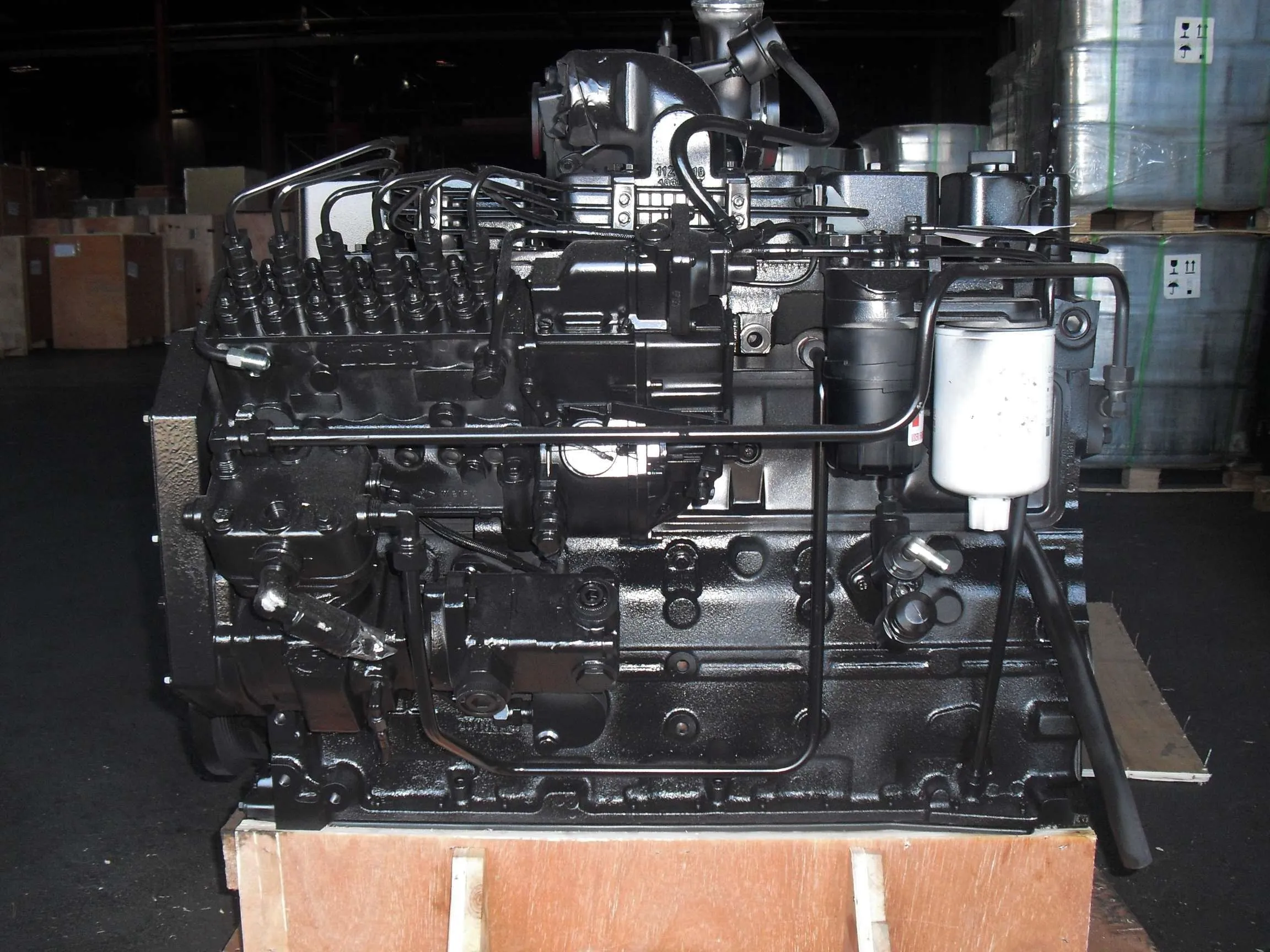
Cummins 5.9L Diesel Engine (Older Generations)
The Cummins 5.9L diesel engine is widely respected for its mechanical simplicity, durability, and long operational lifespan, but older versions of this engine can still experience cold start difficulties in extremely low temperatures if supporting systems are not functioning correctly.
Diesel engines require high compression heat for ignition, and in freezing conditions, achieving this heat becomes significantly more difficult without assistance from preheating systems and strong electrical support.
Battery performance is another major limiting factor in cold conditions. Diesel engines require high cranking torque due to their high compression ratios, and cold temperatures reduce battery output capacity.
If the battery is weak or partially degraded, the engine may rotate too slowly to generate sufficient compression heat for ignition. This often leads to repeated cranking attempts, delayed starting, or complete failure to start in severe cold weather.
Fuel behavior also plays a significant role in cold start reliability. Diesel fuel can gel or form wax crystals when exposed to very low temperatures, particularly if winterized fuel or anti-gel additives are not used. When this occurs, fuel flow through filters and injectors becomes restricted, reducing fuel pressure and preventing proper delivery during startup.
Even if the engine eventually starts, restricted fuel flow can cause hesitation, uneven combustion, and unstable idle until the fuel system warms up.
Oil viscosity is another important factor. Cold temperatures increase oil thickness, which raises internal friction within the engine. This makes it more difficult for the starter motor to rotate the engine at the required speed. Reduced cranking speed directly affects the heat generated during compression, further complicating ignition in already cold conditions.
Despite these challenges, the Cummins 5.9L remains a highly durable and long lasting engine. However, its cold start reliability is strongly dependent on maintenance condition, battery strength, fuel quality, and the proper functioning of preheating systems, making it less consistent in extreme cold compared to modern engines.
BMW N47 2.0L Diesel Engine
The BMW N47 2.0L diesel engine is known for its efficiency, strong torque output, and refined driving characteristics, but it can present noticeable cold-start challenges in low-temperature environments or when maintenance is suboptimal.
Like all diesel engines, it depends heavily on achieving sufficient combustion chamber temperature for ignition, and it relies on a combination of glow plugs, high pressure injection, and electronic control systems to manage this process.
The high pressure common rail injection system also plays a significant role. While it improves fuel efficiency and performance under normal conditions, it requires extremely precise operation to ensure proper fuel atomization.
In freezing temperatures, diesel fuel becomes more resistant to fine atomization, which reduces combustion efficiency during the initial ignition phase. This can result in incomplete combustion, vibration, and hesitation during the first moments after startup.
Battery performance is another major factor affecting cold start behavior. The N47 requires substantial electrical power to operate both the starter motor and preheating systems simultaneously.
Cold weather reduces battery output, and if the battery is weak or nearing the end of its service life, the engine may crank slowly or struggle to reach the speed required for ignition. This often leads to extended starting times or multiple attempts before the engine successfully starts.
Engine oil viscosity also contributes to cold start difficulty. In low temperatures, oil thickens and increases internal resistance within the engine.
This added resistance makes it harder for the starter motor to rotate the engine at optimal speed, which in turn reduces compression heat generation. This compounding effect can make starting more difficult, especially when combined with weak battery performance or delayed glow plug heating.
Although the BMW N47 performs well under normal operating conditions and offers strong efficiency, its cold start reliability is more sensitive to environmental conditions and maintenance quality compared to many modern gasoline engines.
Proper maintenance, strong battery health, and fully functional preheating systems are essential for reliable performance in extreme cold environments.