Luxury SUVs often carry premium price tags when new, but many of them suffer from steep depreciation within the first year of ownership. In fact, several high-end models can lose up to 40 percent of their value in just 12 months, creating a major advantage for used car buyers.
This list explores eight such SUVs that deliver luxury, performance, and advanced features at significantly reduced prices once they enter the pre-owned market. From full-size American icons like the Cadillac Escalade and Lincoln Navigator to advanced electric offerings such as the Mercedes-Benz EQS SUV and Audi Q8 e-tron, these vehicles all share one common trait: rapid value loss that benefits second-hand buyers.
While depreciation is a drawback for original owners, it transforms these SUVs into high-value bargains for those willing to buy slightly used models with low mileage and strong remaining lifespan.
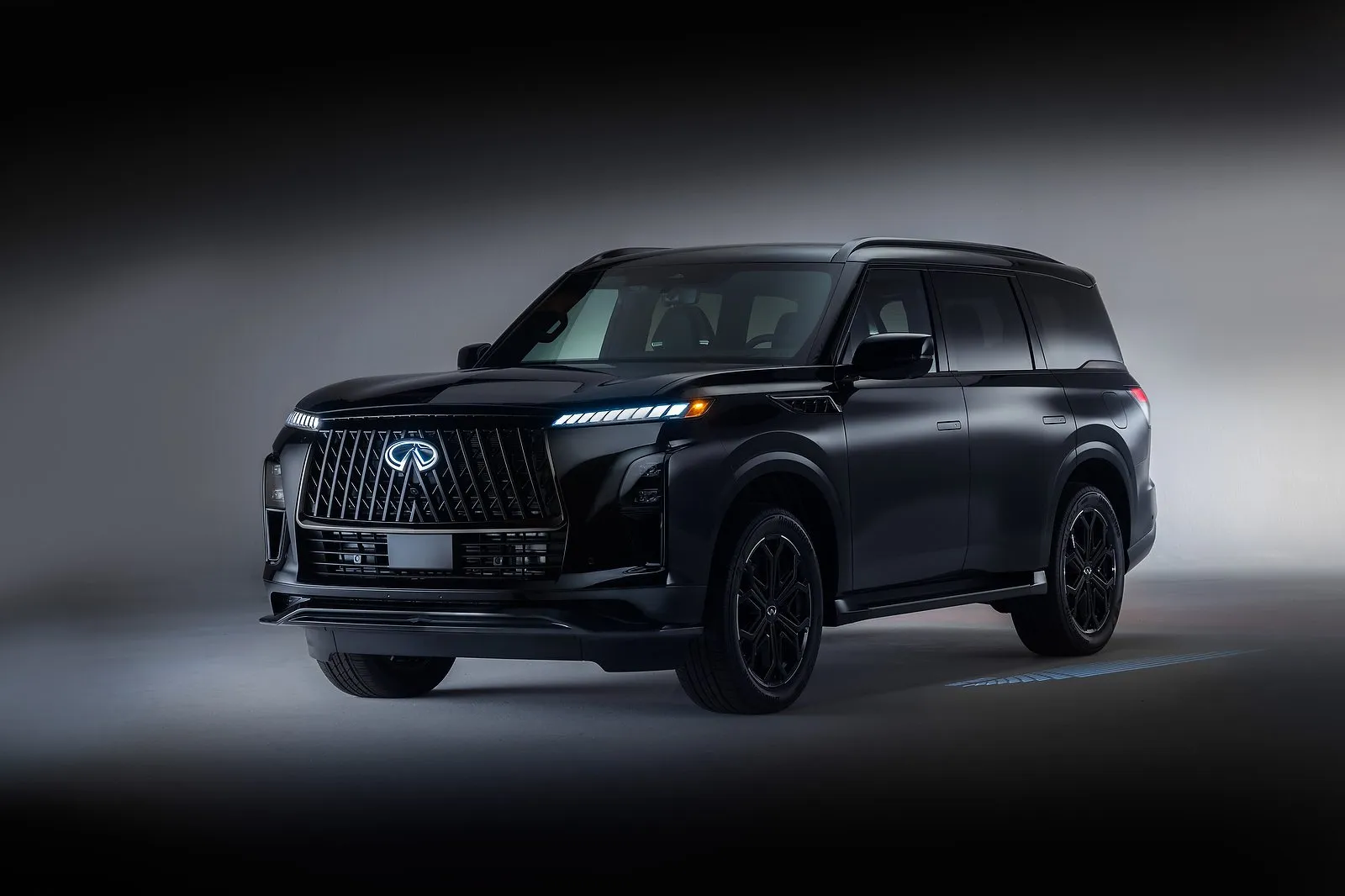
1. Infiniti QX80: Luxury and Power at a Discounted Price
The Infiniti QX80 is a full-size luxury SUV that is widely recognized for its steep depreciation, often losing more than 40 percent of its value within the first one to two years.
While this rapid decline is a disadvantage for original owners, it creates a strong advantage for used car buyers. Those entering the pre-owned market can acquire a relatively modern, high-end SUV at a significantly lower price while still benefiting from most of its remaining lifespan and capabilities.
One of the most appealing aspects of the QX80 is its exceptional value for money. Models that are only one to three years old can sell for roughly half of their original price, yet still offer the majority of their useful life.
This allows buyers to enjoy premium features such as leather interiors, advanced safety systems, and a commanding road presence without paying the premium cost associated with a brand-new luxury vehicle. As a result, the QX80 is often considered one of the best bargains in the used luxury SUV segment.
Reliability is another key strength. The QX80 is powered by a 5.6-liter V8 engine that produces strong horsepower and torque, making it well-suited for towing and heavy-duty use.
This engine is paired with a traditional automatic transmission, which emphasizes durability and simplicity over newer, more complex systems. Because of this, maintenance costs tend to be lower than those of many competing luxury SUVs, and the vehicle has the potential to last well beyond 200,000 miles with proper upkeep.
The reasons behind its high depreciation are also important to understand. The QX80’s platform remained largely unchanged for over a decade, which caused its design and technology to feel outdated compared to competitors that update more frequently.
In addition, its fuel economy is relatively poor, averaging around 14 to 16 miles per gallon, which can deter buyers in a market that increasingly values efficiency. The Infiniti brand also does not carry the same level of prestige as some European or Japanese rivals, further contributing to its declining resale value.
Despite these drawbacks, the QX80 offers strong practical benefits. It provides a spacious cabin, a comfortable ride, and a towing capacity of up to 8,500 pounds. Newer models, particularly those from 2020 onward, include improved infotainment systems and updated features. The Infiniti QX80 remains an excellent option for buyers seeking a powerful, reliable, and spacious luxury SUV at a much lower cost.
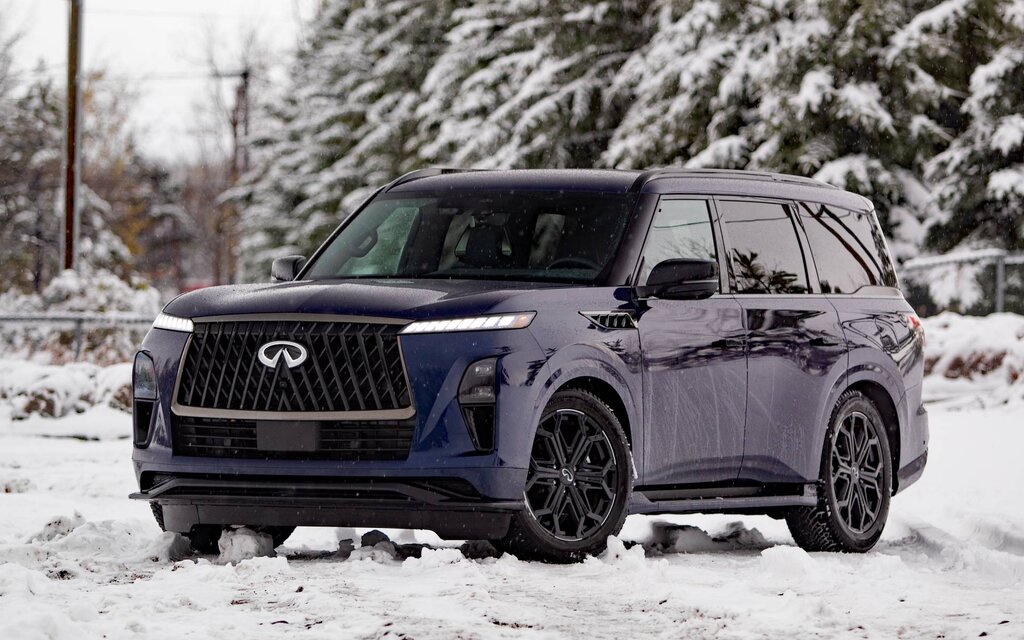
2. Mercedes-Benz EQS SUV: Extreme Depreciation Meets Cutting-Edge Luxury
The Mercedes-Benz EQS SUV is a flagship electric luxury vehicle that experiences some of the steepest depreciation in the automotive market. Within just one year, it can lose close to 50 percent of its original value, with some models dropping tens of thousands of dollars.
While this sharp decline is unfavorable for first owners, it creates a unique opportunity for second-hand buyers to access top-tier electric luxury at a significantly reduced price.
One of the primary reasons for this rapid depreciation is the fast pace of electric vehicle innovation. The EQS SUV is equipped with advanced battery systems, charging technology, and digital features that quickly become outdated as newer models are released.
Early adopters tend to upgrade frequently, which increases the supply of lightly used vehicles and drives down resale values. As a result, even a one-year-old model may be perceived as less desirable despite offering similar real-world performance.
Another major factor is its high initial price. With a starting cost often exceeding six figures, the EQS SUV sits at the top end of the luxury market. Vehicles in this category typically experience larger depreciation in absolute terms, and the EQS SUV is no exception. This high entry price creates a wide gap between new and used values, making pre-owned units far more appealing to cost-conscious buyers.
The growing competition in the luxury electric SUV segment also contributes to its declining value. New models with improved efficiency, range, and features are constantly entering the market, reducing demand for slightly older versions. In addition, concerns about maintenance costs and the complexity of its high-tech systems can discourage some used buyers, further lowering resale prices.
Despite these challenges, the EQS SUV offers substantial benefits as a used purchase. Buyers can enjoy a highly refined driving experience, with a quiet cabin, smooth ride, and advanced air suspension.
The interior is exceptionally luxurious and features cutting-edge technology, including the large Hyperscreen display. It also delivers a practical driving range of over 300 miles, making it suitable for daily use and long-distance travel.
The Mercedes-Benz EQS SUV represents a compelling value in the used market. Its combination of luxury, technology, and comfort remains largely intact even after significant depreciation, making it an attractive option for buyers seeking a premium electric SUV at a much lower cost.
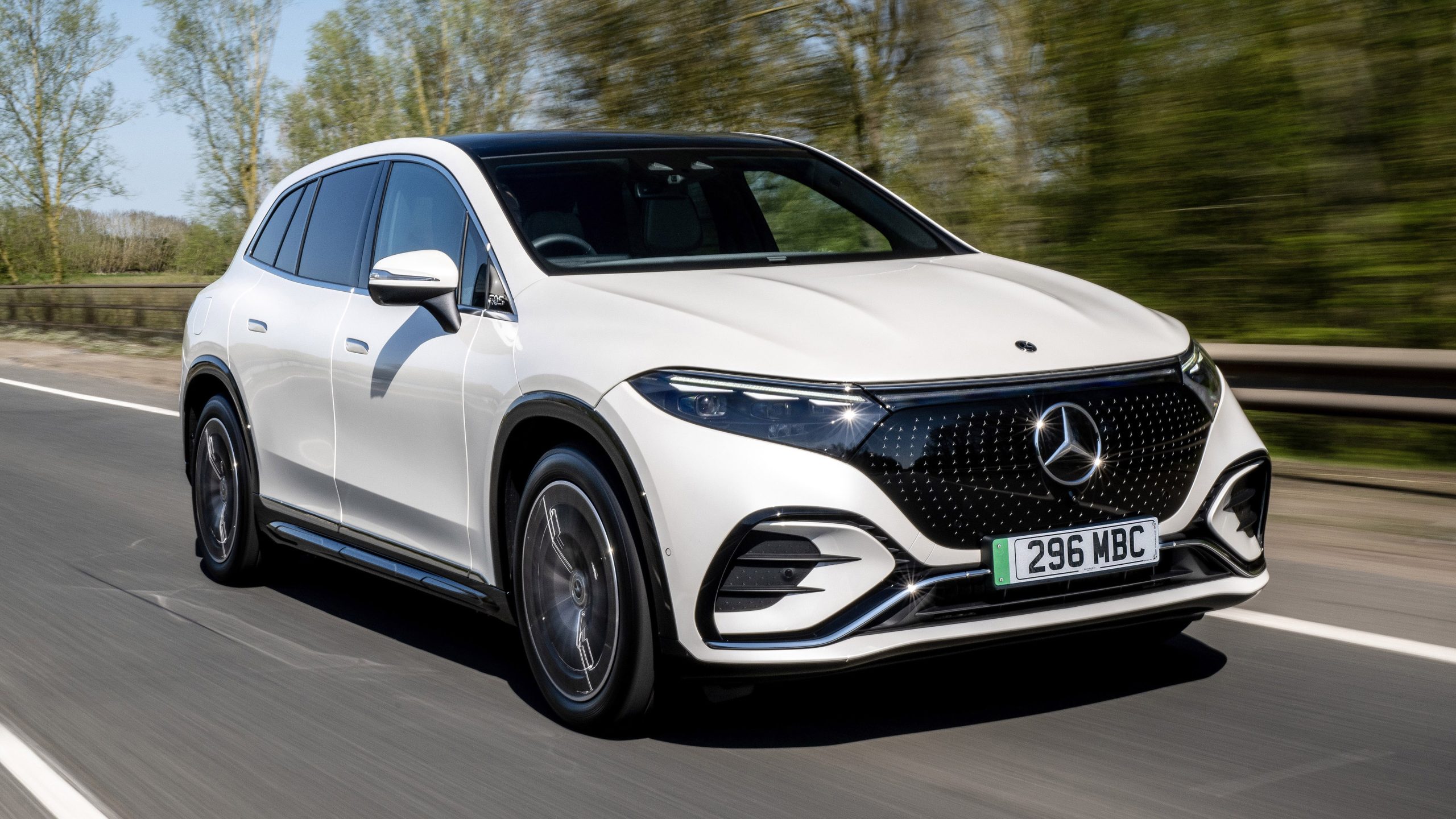
3. Jaguar I-PACE: A Depreciated Pioneer with Premium Appeal
The Jaguar I-PACE was one of the first luxury electric SUVs to gain widespread attention, combining bold styling, strong performance, and advanced electric technology at the time of its release. However, it now experiences steep depreciation, often losing between 35 and 40 percent of its value shortly after purchase.
While this rapid decline may discourage new buyers, it creates an appealing opportunity for those shopping in the used market, where the I-PACE can be purchased at a fraction of its original price.
A key reason for this depreciation is the rapid pace of improvement in electric vehicle technology. Since its debut in 2018, newer competitors have introduced better battery efficiency, longer driving ranges, and faster charging capabilities.
Although the I-PACE still delivers a respectable real-world range of around 250 to 290 miles, it no longer matches the performance benchmarks set by more recent electric vehicles. This gap reduces its desirability among buyers seeking the latest advancements.
The I-PACE’s high original price also contributes to its value loss. With a starting price above $70,000, it falls into a category where vehicles tend to depreciate quickly, especially when newer options offer improved specifications. In addition, Jaguar’s reputation for depreciation and mixed reliability perceptions further affects resale values, making the vehicle less competitive in the second-hand market.
Despite these challenges, the I-PACE remains a strong choice for used buyers. It features dual electric motors producing nearly 400 horsepower, providing quick acceleration and standard all-wheel drive.
Its low center of gravity and balanced weight distribution contribute to responsive handling, giving it a more engaging driving experience than many other electric SUVs. The ride is generally smooth and quiet, though some road imperfections can be noticeable depending on wheel size and suspension setup.
Inside, the I-PACE offers a refined and modern cabin with high-quality materials and supportive seating. The digital displays and infotainment system provide a premium feel, although the interface may seem less intuitive compared to newer systems. Passenger space is generous, and cargo capacity is practical for everyday use, making it a suitable option for families.
Potential buyers should consider its reliability record, which includes reported issues with software, electrical systems, and build quality. Even so, the I-PACE stands out as a stylish, fast, and luxurious electric SUV that delivers excellent value when bought used, especially for those willing to accept its aging technology and ownership concerns.
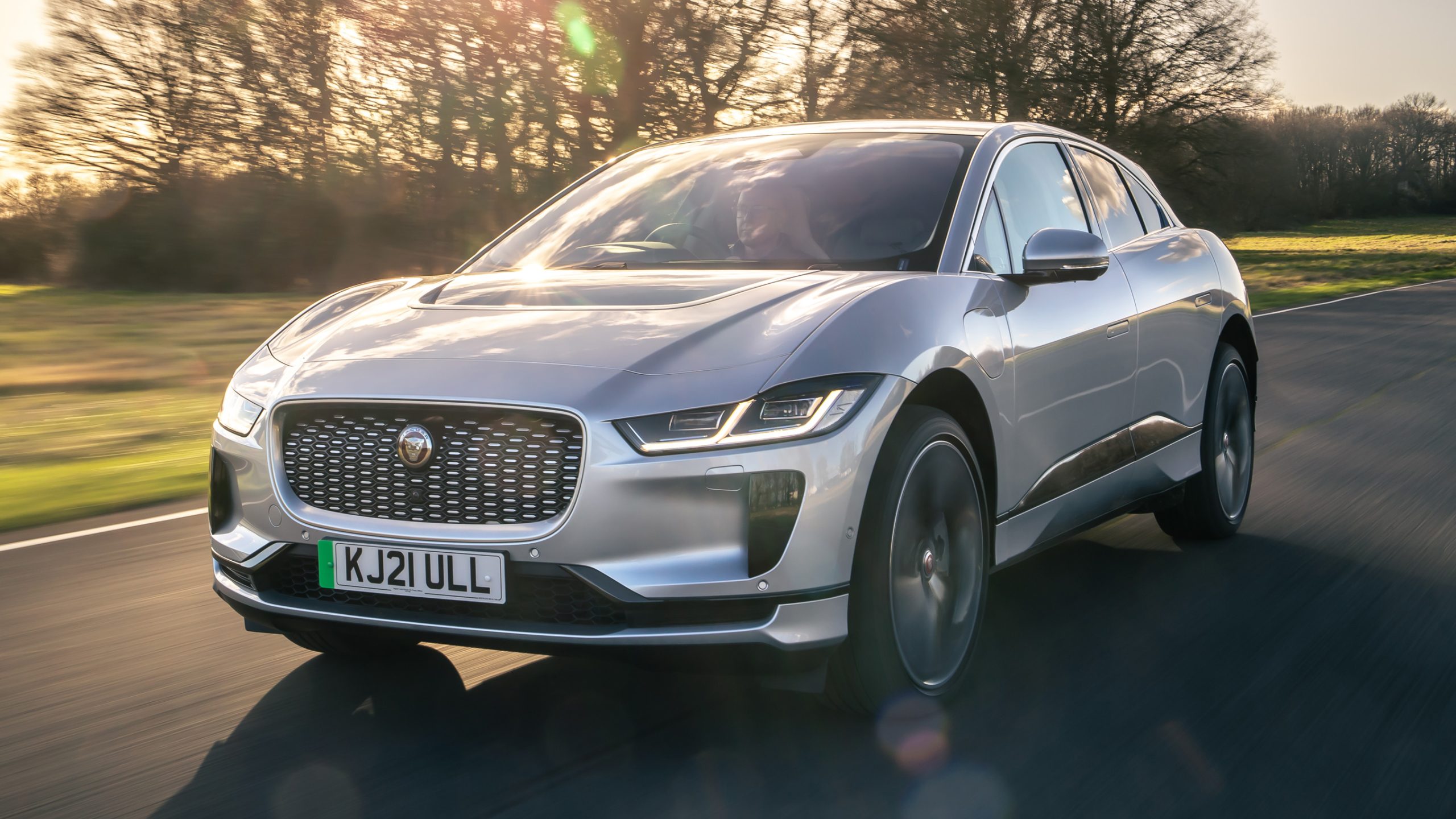
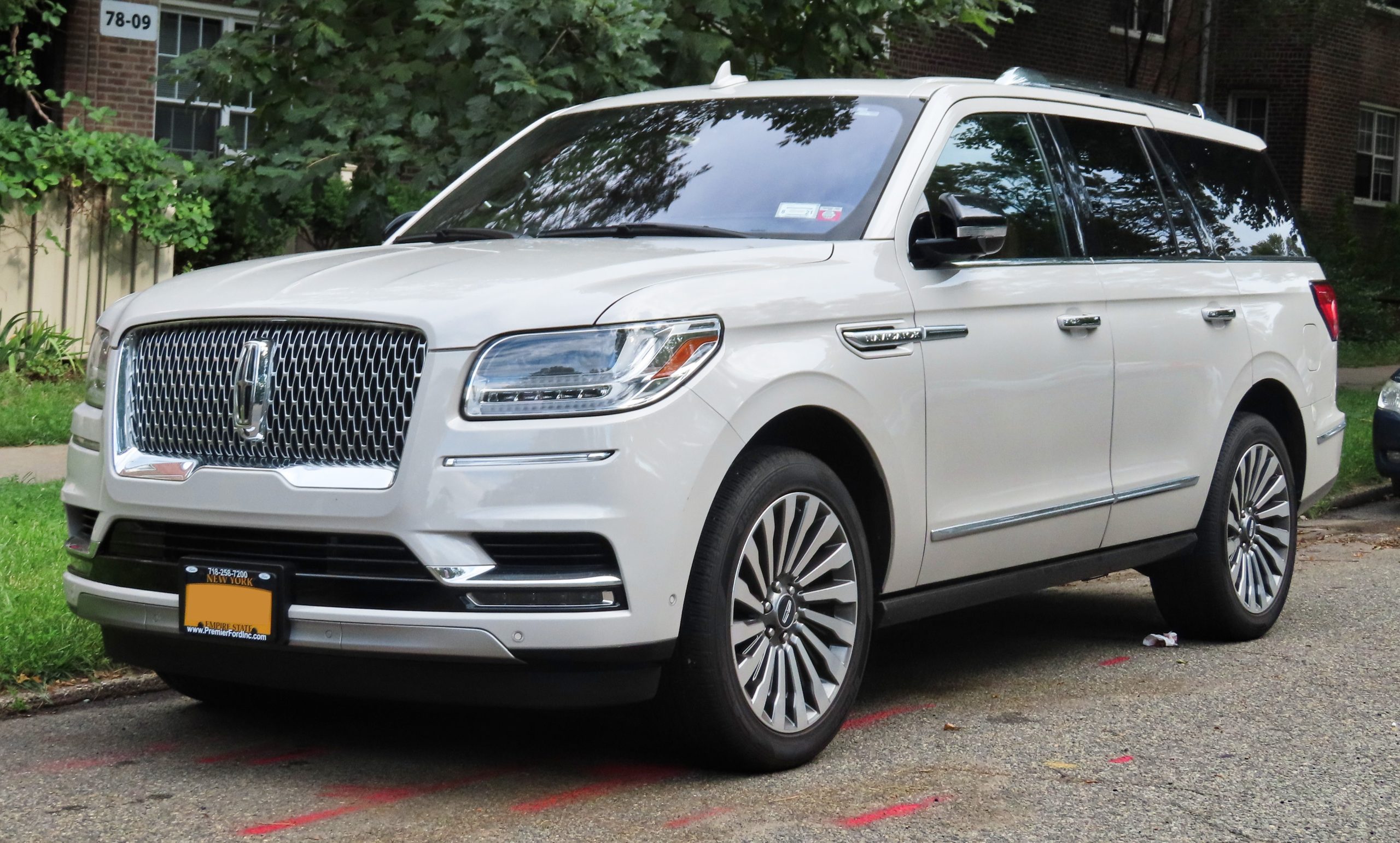
4. Lincoln Navigator: Premium Luxury at a Fraction of the Cost
The Lincoln Navigator is a flagship full-size luxury SUV that delivers comfort, space, and advanced technology, but it is also known for its steep depreciation. New models can lose around 40 percent of their value within the first year, with continued declines over the following years. While this is a disadvantage for original owners, it creates a strong opportunity for used buyers to acquire a high-end vehicle at a significantly reduced price.
A major reason for this depreciation is the Navigator’s high starting price. With base models often beginning above $80,000 and top trims exceeding $100,000, the gap between new and used pricing becomes substantial.
Many second-hand buyers are unwilling to pay near-new prices, which forces resale values downward. Competition from rivals like the Cadillac Escalade further contributes to this trend, as buyers have multiple luxury SUVs to choose from in the same segment.
Another factor is the nature of luxury features and technology. The Navigator is equipped with premium materials, advanced infotainment systems, and driver-assistance features. However, these elements can quickly feel outdated as newer models introduce updated designs and improved technology. This rapid cycle reduces the perceived value of slightly older models, contributing to faster depreciation.
Fuel economy also plays a role. The Navigator is powered by a 3.5-liter twin-turbocharged V6 engine that delivers strong performance and towing capability, but it is not particularly efficient. As fuel costs rise, large SUVs like the Navigator can become less appealing to some buyers, which impacts demand in the resale market.
Despite these drawbacks, the Navigator offers excellent value as a used purchase. Buyers can often find low-mileage models that are only a few years old at a fraction of their original price, while still retaining most of their useful life.
The vehicle provides a spacious and comfortable interior, including a third row that can accommodate adults, making it suitable for families and long trips. Its ride quality is smooth and quiet, enhancing the sense of luxury.
Performance remains a strong point. The twin-turbo V6 engine provides impressive acceleration and towing capacity of up to 9,000 pounds, making it practical for both daily driving and heavy-duty tasks. Models from 2018 onward benefit from a major redesign, offering improved technology, refinement, and efficiency compared to earlier versions.
The Lincoln Navigator stands out as a compelling used luxury SUV, combining premium features, strong capability, and significant cost savings for buyers willing to take advantage of its depreciation.
Also read: 5 Cars With High Quality Interior Plastics and 5 That Rattle Early
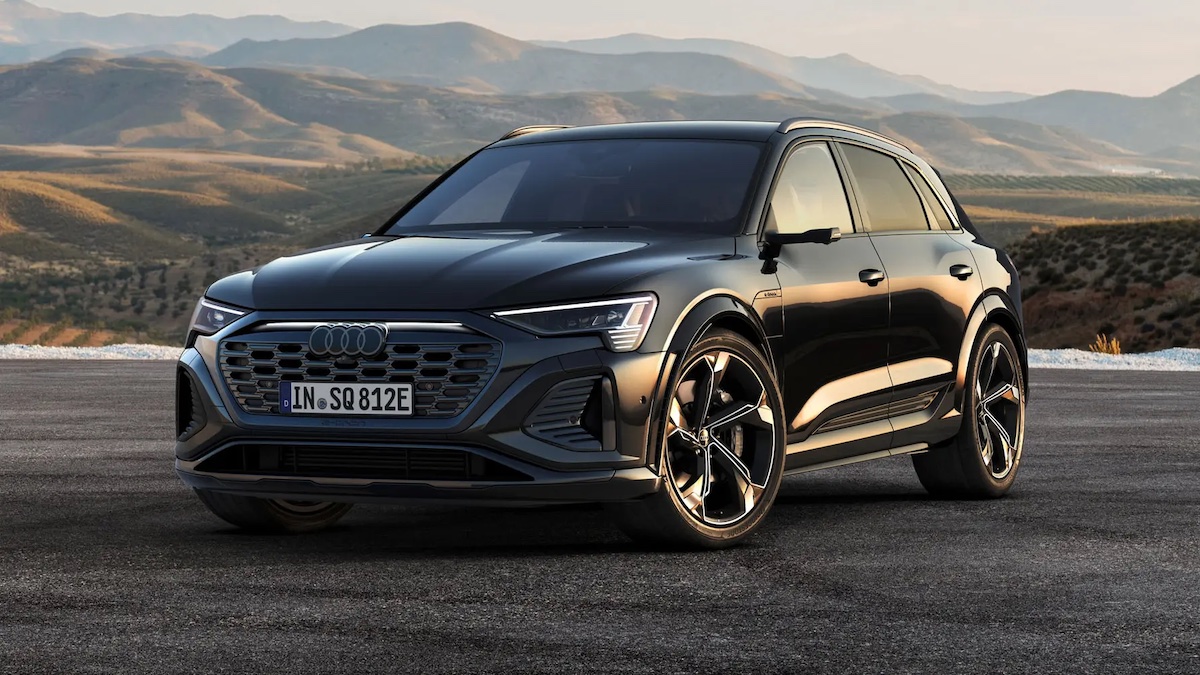
5. Audi Q8 e-tron: Luxury Electric SUV with Rapid Depreciation Advantages
The Audi Q8 e-tron, which replaced the earlier e-tron nameplate, is a premium electric SUV that experiences significant depreciation, often losing around 40 percent of its value within the first year or two.
While this sharp drop makes it a costly purchase for new buyers, it creates an appealing opportunity for those in the used market. Buyers can acquire a nearly new luxury electric vehicle at a much lower price, often with minimal mileage and most of its original features intact.
One of the main reasons for this depreciation is its high initial price. With many models approaching or exceeding $90,000, the Q8 e-tron sits firmly in the upper luxury segment. Vehicles in this category tend to lose value quickly, especially when newer alternatives offer improved performance or efficiency. This results in a large price gap between new and used units, which benefits second-hand buyers.
Another contributing factor is the evolving nature of electric vehicle technology. Advances in battery efficiency, charging speeds, and software systems happen quickly, making even recent models feel less advanced.
Earlier versions of the e-tron were criticized for having a lower driving range compared to competitors, which reduced demand and accelerated depreciation. Although newer Q8 e-tron models improved range to approximately 285 to 300 miles, competition remains strong.
Market conditions also play a role. Demand for used luxury electric vehicles is generally lower than for traditional gasoline-powered SUVs. Concerns about battery longevity, repair costs, and complex electrical systems can make buyers cautious, further pushing down resale values.
In addition, some early owners chose to sell their vehicles quickly due to dissatisfaction with range or to upgrade to newer models, increasing supply in the used market.
Despite these factors, the Q8 e-tron offers significant strengths as a used purchase. It is widely praised for its refined driving experience, featuring a quiet cabin and smooth ride supported by standard air suspension. The interior is one of its standout qualities, with high-end materials, excellent build quality, and advanced digital displays that maintain a premium feel even after a few years.
The vehicle also provides strong performance, with smooth acceleration and practical usability. It offers generous interior space, a large cargo area, and additional front storage, making it suitable for everyday use.
While it may not lead its class in efficiency or range, the Audi Q8 e-tron delivers a balanced combination of luxury, comfort, and technology, making it an excellent value for buyers who take advantage of its depreciation.
6. Cadillac Escalade: Iconic Luxury SUV with Strong Used Value
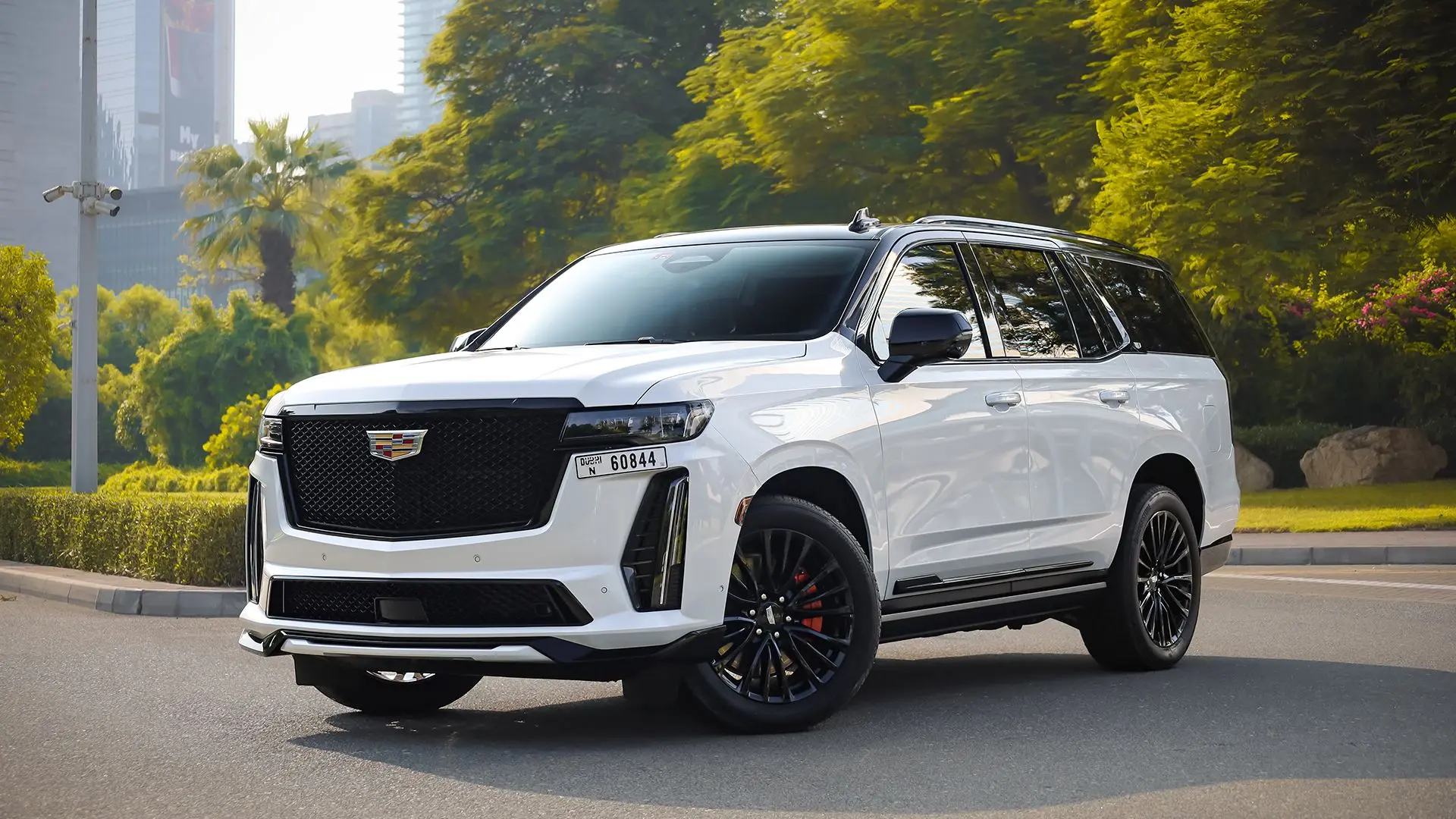
The Cadillac Escalade is one of the most recognizable full-size luxury SUVs, known for its bold design, powerful performance, and high-end features. Despite its popularity, it experiences significant depreciation, typically losing between 27 and 40 percent of its value within the first two years.
A large portion of this drop occurs in the first year, with some high-spec models shedding over $45,000 in value. While this is a drawback for new buyers, it creates a major advantage for those shopping in the used market.
One of the primary reasons for the Escalade’s depreciation is its high initial price. With many models exceeding $100,000, the vehicle carries a substantial “luxury premium” when new. Once it enters the used market, this premium quickly disappears, leading to a sharp drop in value. However, this decline reflects pricing dynamics rather than a reduction in quality, as the Escalade remains a highly capable and well-equipped SUV.
Market trends also contribute to its depreciation. As vehicles transition from new to used, many buyers shift toward smaller and more fuel-efficient SUVs.
The Escalade’s large size and high fuel consumption make it less appealing to some second-hand buyers. In addition, because it serves as a status symbol, many owners replace it within one to two years, increasing the supply of low-mileage used units and further driving down prices.
For used buyers, this depreciation translates into excellent value. Even after losing a significant portion of its price, the Escalade retains its key strengths, including a spacious interior, premium materials, advanced technology, and strong towing capability. The latest generation, introduced in 2021, features modern infotainment systems and driver-assistance technologies that remain competitive for several years, making slightly used models feel nearly new.
Performance is another highlight. The Escalade is powered by a robust 6.2-liter V8 engine that delivers strong acceleration and capability, though fuel efficiency remains low. Its ride quality is smooth and comfortable, aided by advanced suspension systems that enhance long-distance comfort. However, its large size can make it challenging to maneuver in tight urban environments.
Potential buyers should be aware of common issues, such as transmission behavior in some models, and ensure that maintenance records are up to date. Depreciation tends to stabilize after the first few years, allowing second owners to retain more value over time.
The Cadillac Escalade offers a compelling combination of luxury, space, and performance, making it an excellent choice for buyers who take advantage of its early depreciation.
7. Land Rover Range Rover: High Depreciation Luxury with Premium Appeal
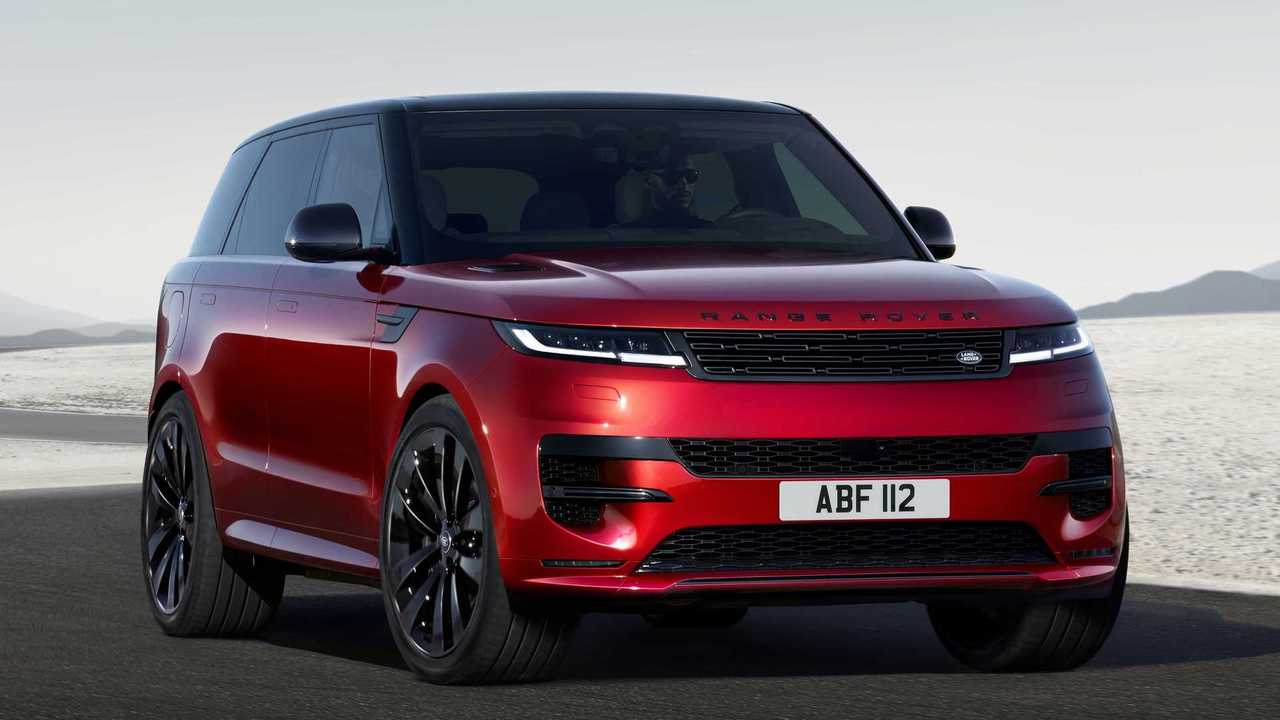
The Land Rover Range Rover is one of the most prestigious luxury SUVs on the market, known for its exceptional comfort, off-road capability, and strong brand image. However, it also experiences significant and often unpredictable depreciation, with some models losing up to 40 percent of their value within the first year and as much as 50 percent over three to five years. This sharp decline makes it far more affordable in the used market, but it also reflects deeper concerns around ownership costs and reliability.
A major factor behind this depreciation is the vehicle’s reputation for reliability issues. Range Rovers are equipped with highly complex systems, including adaptive air suspension, advanced electronics, and terrain management technology.
While these features enhance comfort and capability, they also increase the likelihood of mechanical and electrical failures. Industry reliability rankings frequently place Land Rover near the bottom, which reduces buyer confidence in the second-hand market.
High maintenance and repair costs further contribute to the value drop. Even minor issues, such as air suspension faults or electrical malfunctions, can lead to expensive repairs. Ownership costs are significantly higher than average, and parts for key systems are costly. As a result, buyers are often cautious about purchasing used models once factory warranties expire, which reduces demand and pushes prices lower.
Market behavior also plays a role. The Range Rover is often purchased as a status symbol, and many owners prefer the newest model available. Once updated versions are released, previous models lose desirability quickly. In addition, the high original price, often exceeding $100,000 to $150,000, amplifies the impact of depreciation, resulting in large absolute losses in value.
Despite these challenges, the Range Rover remains highly desirable in the used market. It offers exceptional ride comfort, often described as “floating” or “magic carpet” like, along with a quiet and luxurious cabin. It also delivers strong performance, advanced technology, and best-in-class off-road capability. Newer models include modern infotainment systems, refined interiors, and improved driving dynamics.
However, ownership considerations are important. Fuel consumption is high, particularly in V8 variants, and even diesel models come with elevated running costs. Buyers should carefully inspect electrical systems, air suspension functionality, and service history before purchase. Extended warranties are often recommended to reduce financial risk.
The Land Rover Range Rover represents a high-risk but high-reward used luxury SUV. It delivers unmatched prestige, comfort, and capability at a significantly reduced price, making it an appealing choice for buyers willing to manage higher maintenance demands.
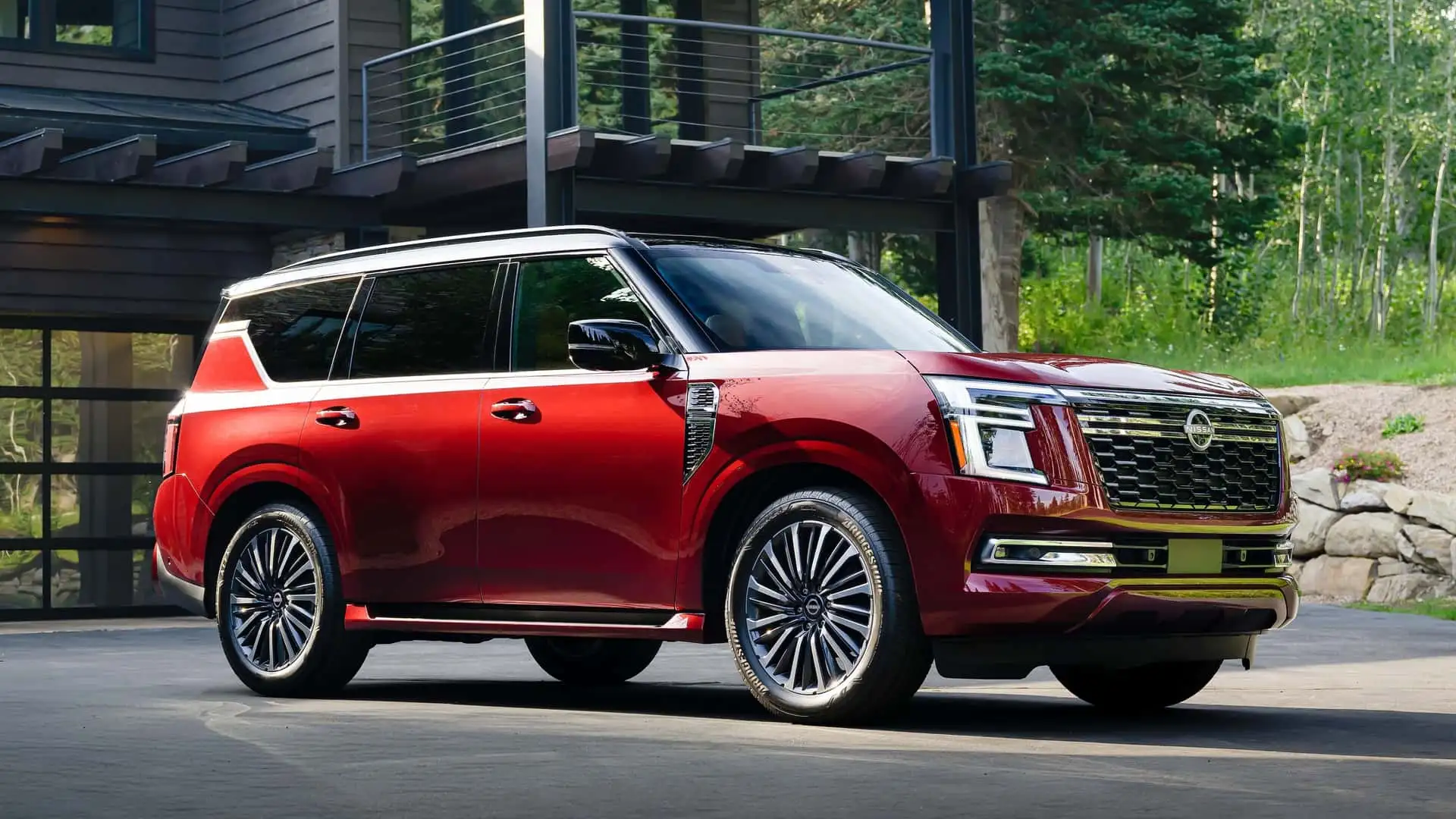
8. Nissan Armada: Hidden Luxury Value in the Used Full-Size SUV Market
The Nissan Armada is a full-size SUV that often flies under the luxury radar, yet its higher trims, especially Platinum and Platinum Reserve, compete closely with premium competitors.
It experiences steep depreciation, commonly losing around 40 percent of its value within the first one to three years. This rapid decline creates strong value opportunities for used buyers, who can access a well-equipped, powerful, and spacious SUV at a significantly reduced cost.
A key driver of this depreciation is brand positioning. As a Nissan, the Armada does not retain value as strongly as luxury-focused brands like Lexus or European rivals. Even though it offers premium-level comfort and features in higher trims, the badge does not support strong resale pricing. In addition, aggressive incentives on new models reduce effective purchase prices, which forces used-market values lower to remain competitive.
Fuel consumption also plays an important role in its value loss. The Armada uses a large 5.6-liter V8 engine that delivers strong performance and towing capability but consumes fuel at a high rate, averaging about 13 to 15 miles per gallon.
As buyers increasingly prioritize efficiency, demand in the used segment weakens. Competition from established luxury SUVs further contributes to pricing pressure, especially from models with stronger brand prestige or better fuel economy.
Despite these factors, the Armada is widely appreciated as a used SUV because of its strong capabilities and comfort. Higher trims include features such as quilted leather seats, heated and ventilated front seats, premium audio systems, and advanced driver assistance features. These elements give it a near-luxury experience at a significantly lower price point than comparable new vehicles.
Performance is another strong advantage. The 5.6-liter V8 engine provides smooth and confident power delivery, with towing capacity reaching up to 8,500 pounds when properly equipped. This makes it suitable for family use, road trips, and hauling needs. The second-generation models from 2017 onward are built on a durable platform shared with the Nissan Patrol, known for reliability and long-term strength.
Inside, the Armada offers a quiet and comfortable cabin with generous space in the second row, though the third row is more limited compared to some rivals. While its infotainment system feels dated, the interior remains functional and well-finished for its class.
Common drawbacks include high fuel costs, occasional mechanical issues such as brake wear or liftgate malfunctions, and less agile handling due to its size and weight. Buyers often prioritize 2017 and newer models, with Platinum trims providing the best combination of features and value.
The Nissan Armada delivers strong utility, comfort, and premium features at a significantly reduced used price, making it an appealing option for buyers seeking full-size SUV capability without paying luxury-brand premiums.
The eight SUVs featured in this list demonstrate how rapid depreciation can turn high-end luxury vehicles into exceptional used-car bargains. While each model loses value for different reasons, including high initial pricing, evolving technology, fuel consumption concerns, and brand perception, the outcome is the same: significant savings for second-hand buyers.
Vehicles like the Range Rover, Escalade, and Navigator deliver premium comfort and presence, while electric models such as the EQS SUV, Q8 e-tron, and Jaguar I-PACE offer cutting-edge technology at a fraction of their original cost. Even underrated options like the Infiniti QX80 and Nissan Armada provide strong performance, durability, and luxury-level features once their prices drop.
For buyers who prioritize value over newness, these SUVs represent a unique opportunity to experience top-tier automotive luxury without paying full price, making depreciation one of the smartest entry points into the high-end SUV market.
Also read: 5 AWD Cars That Excel in Deep Mud and 5 That Get Stuck Instantly