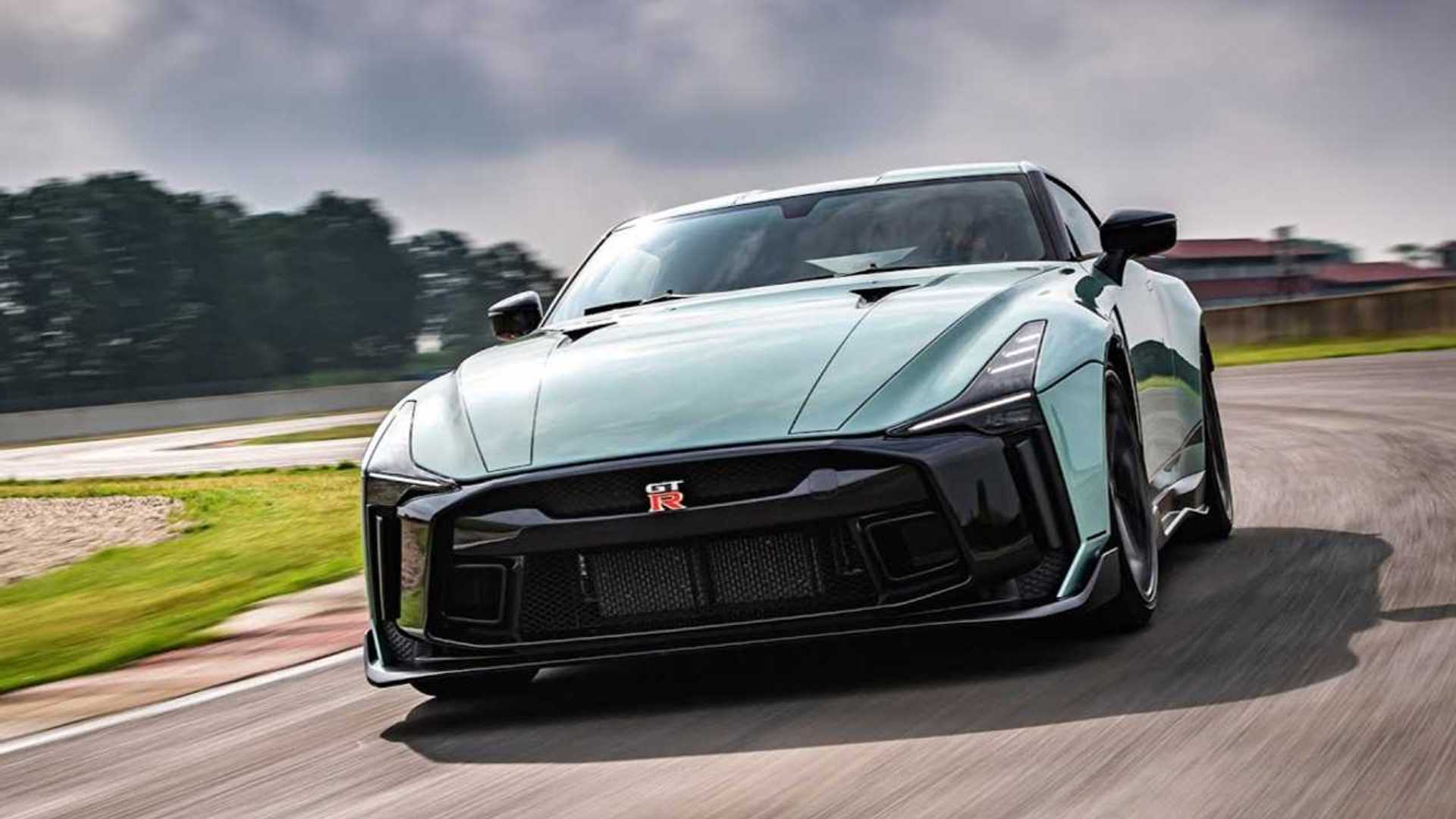
For years, the future of the Nissan GT-R has been tied to a single, unavoidable question: how does a performance icon survive in an era defined by emissions rules and electrification?
This decision is less about resisting change and more about defining what kind of change is acceptable. The GT-R has never been just another sports car.
It has built its reputation on relentless, repeatable performance, the kind that thrives not only on the road but under sustained pressure on the track. According to Nissan, current electric vehicle technology still cannot meet that standard in a way that aligns with the GT-R’s identity.
Battery limitations remain the central issue. While electric drivetrains can produce impressive bursts of acceleration, maintaining that level of output over extended sessions is a different challenge entirely.
Heat management, energy density, and charging constraints all play a role in limiting consistency. For a car like the GT-R, which has long been engineered for endurance as much as outright speed, those shortcomings are not trivial.
At the same time, regulatory pressure leaves Nissan with little room to stand still. Global emissions standards continue to tighten, and maintaining a purely internal combustion GT-R is no longer a viable option. This is where the hybrid solution enters the picture, not as a compromise, but as a calculated transition.
The R36 will adopt a hybrid powertrain, pairing electrification with a traditional combustion engine. While final specifications have not been confirmed, expectations point toward an evolution of the twin-turbocharged V6 that powered the R35.
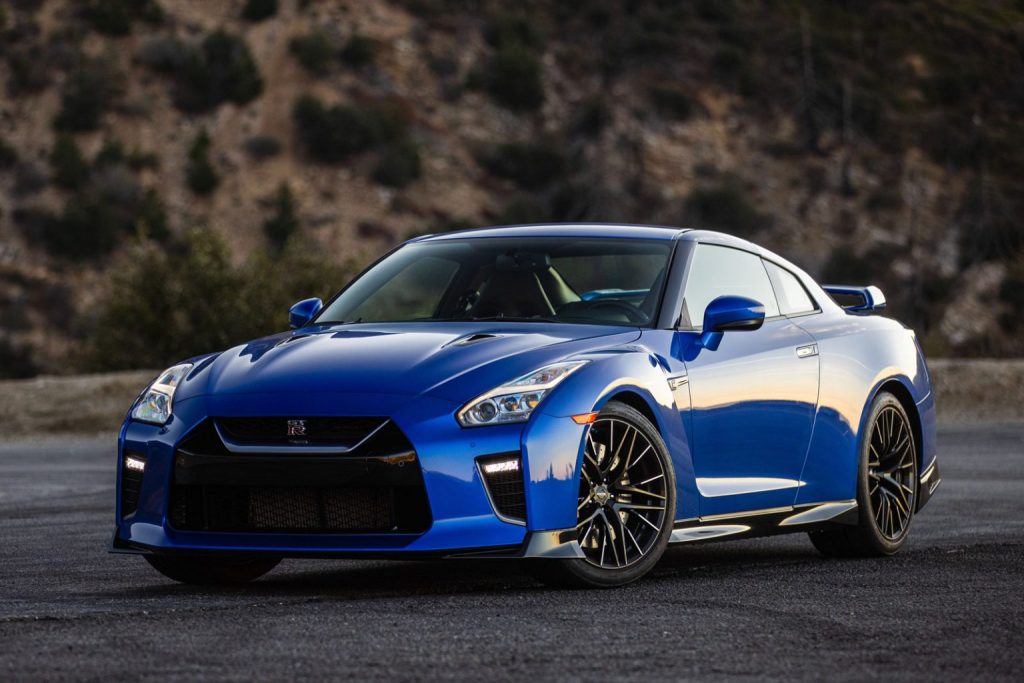
In this configuration, electric assistance can enhance low-end response, improve efficiency, and potentially add a new layer of performance without sacrificing the character that defines the GT-R.
This approach is not without precedent. Across the high-performance segment, hybridization has already become the norm rather than the exception.
Manufacturers like Ferrari, Lamborghini, Porsche, and McLaren have all integrated electric systems into their flagship models, using them not only to meet regulations but to push performance boundaries even further. Nissan’s move places the GT-R within that broader industry shift, rather than outside it.
Still, the emotional aspect cannot be ignored. The GT-R has long been associated with a specific kind of mechanical intensity, one rooted in combustion power and driver engagement.
For some enthusiasts, the introduction of hybrid technology may feel like a departure. In reality, it reflects the evolving constraints of the automotive landscape. The alternative is not preservation, but obsolescence.
Nissan appears fully aware of that balance. The company has indicated that a fully electric GT-R remains a possibility in the long term, but only when battery technology reaches a point where it can genuinely uphold the model’s performance expectations. Until then, the hybrid route offers a way to move forward without diluting the core experience.
The R36, whenever it arrives, will likely serve as a bridge between two eras. It carries the weight of the GT-R’s legacy while adapting to a future that demands new solutions. Rather than forcing a premature leap into full electrification, Nissan is choosing a more measured path, one that prioritizes capability over trend.