Salt Lake City is surrounded by some of the most demanding driving roads in the United States, with canyon routes that rise quickly and punish unprepared vehicles. The climbs are not just steep, they are unpredictable.
One moment you are on dry pavement, and the next you are dealing with shaded corners covered in snow or loose debris. This constant shift in conditions means that drivetrain performance is not a luxury feature, it becomes a core requirement for anyone regularly driving into the mountains.
All wheel drive systems are often marketed as a universal solution, but the reality is far more nuanced. Some systems are engineered with a reactive mindset, waiting for wheel slip before redistributing power.
Others are designed to anticipate changes, adjusting torque delivery in advance based on driver inputs and road feedback.
When climbing steep canyon grades, that difference becomes immediately noticeable. A delay of even a second can break traction, reduce momentum, and force the driver into a more difficult recovery.
There is also the question of how well these systems work with the rest of the vehicle. A strong AWD setup should feel integrated, not like an independent system trying to correct problems after they appear.
Steering feedback, suspension behavior, and throttle response all play a role in how effectively a vehicle can climb without feeling unsettled. In canyon environments, where tight turns and elevation changes come together, this balance becomes critical.
This article focuses specifically on AWD systems that excel in these conditions. These are not just vehicles with power going to all four wheels, but systems that are designed to maintain traction, preserve stability, and provide confidence when the road becomes challenging.
Each example highlights a different engineering philosophy, showing that there is more than one way to achieve capability. The goal is to understand what truly makes an AWD system effective for canyon climbing in Salt Lake City, and why certain setups consistently perform better than others.
Also Read: 5 Cars for American Drive-In Movies vs. 5 Cars with Distracting Auto-Lights
5 AWD Systems for Canyon Climbing In Salt Lake City
Canyon driving around Salt Lake City is not something every vehicle handles with ease, especially when the road begins to climb aggressively. These routes combine steep inclines, tight switchbacks, and rapidly changing surfaces that test more than just engine strength.
A powerful engine alone cannot guarantee progress when traction becomes inconsistent. What truly defines a capable vehicle in this environment is how effectively it can distribute that power across all four wheels without hesitation.
All wheel drive systems come in many forms, and the differences between them become obvious the moment you leave flat ground behind. Some systems are designed with efficiency in mind, operating primarily in front wheel drive mode and only sending power to the rear when slip is detected.
While this approach works in everyday conditions, it can feel delayed and uncertain on steep canyon climbs. Other systems take a more proactive approach, constantly adjusting torque distribution based on real time data, ensuring that traction is maintained before problems arise.
Another critical factor is how these AWD systems interact with the rest of the vehicle. A well engineered system should feel seamless, working in harmony with steering inputs, suspension movement, and throttle control.
When climbing narrow canyon roads with uneven surfaces, this integration allows the driver to maintain confidence without constantly correcting the vehicle’s behavior. Poorly tuned systems, on the other hand, can feel disconnected, stepping in too late or too abruptly.
This article focuses on five AWD systems that stand out for canyon climbing in Salt Lake City. Each one represents a different philosophy, from mechanically balanced setups to advanced torque vectoring technologies.
The goal is not just to list capable vehicles, but to understand what makes these systems effective when the road becomes steep, unpredictable, and demanding.
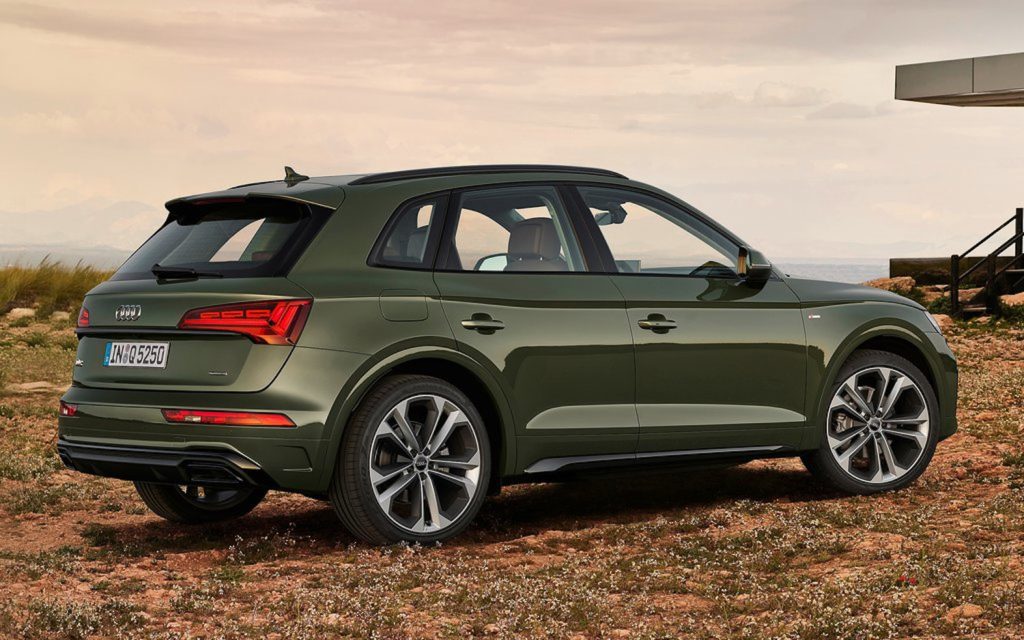
1. Audi Q5 Quattro
There is a noticeable difference between an AWD system that reacts and one that seems to think ahead, and the Audi Q5’s Quattro system falls firmly into the latter category.
When climbing canyon roads, especially those with mixed traction, the system feels prepared rather than surprised. This preparedness translates into smoother ascents and fewer corrections from the driver.
Instead of waiting for the wheels to lose grip, the Q5 continuously evaluates inputs such as throttle position, steering angle, and road speed. This allows it to shift torque proactively, keeping the vehicle stable even when the incline increases unexpectedly.
On a steep uphill section with alternating patches of grip, the transition between front and rear power distribution happens so seamlessly that it is barely noticeable from behind the wheel.
Another layer of confidence comes from how well the system integrates with the vehicle’s chassis. The Q5 does not feel like it is compensating for a lack of traction. It feels balanced from the start.
As you guide it through a tight canyon turn and begin accelerating uphill, the AWD system supports the movement rather than interrupting it. The result is a controlled and predictable climb, even when the road conditions are far from ideal.
This vehicle is included here because it represents a refined and intelligent approach to AWD. It is not about aggressive torque shifts or dramatic corrections.
It is about maintaining composure and ensuring that the driver never feels caught off guard. In a place like Salt Lake City, where canyon roads can change character within seconds, that kind of consistency becomes invaluable.
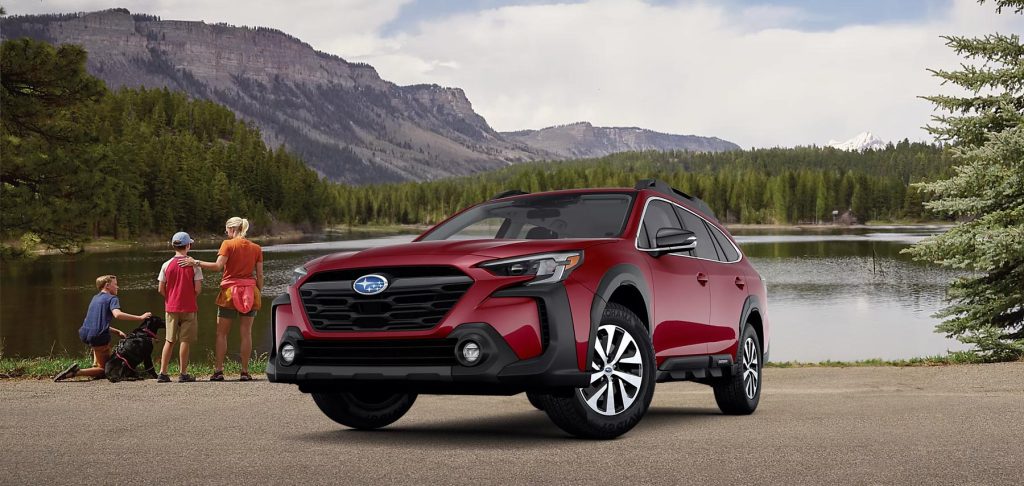
2. Subaru Outback Symmetrical AWD
The Subaru Outback approaches the concept of all wheel drive from a completely different angle, and that is exactly why it deserves attention in this context.
Its symmetrical AWD system is always engaged, which removes the uncertainty that comes with systems that only activate when needed. This constant engagement creates a sense of stability that becomes especially useful on steep canyon climbs.
One of the defining traits of the Outback is its balance. The boxer engine layout lowers the center of gravity, and when paired with the AWD system, it produces a planted feel that does not fluctuate as conditions change.
When climbing a canyon road covered in loose gravel or light snow, the vehicle does not need time to adjust. It is already operating with all four wheels contributing to traction.
The driving experience reflects this philosophy. There are no sudden shifts in power distribution or noticeable interventions. Instead, the system maintains a steady flow of torque, ensuring that each wheel has the grip it needs to keep the vehicle moving forward. This is particularly valuable on long, steep grades where maintaining momentum is crucial.
I am including the Outback because it prioritizes dependability over complexity. It does not rely on rapid electronic corrections to manage traction. Instead, it prevents those situations from developing in the first place.
For canyon driving around Salt Lake City, where conditions can shift without warning, that kind of consistent performance can make a significant difference in both safety and driver confidence.
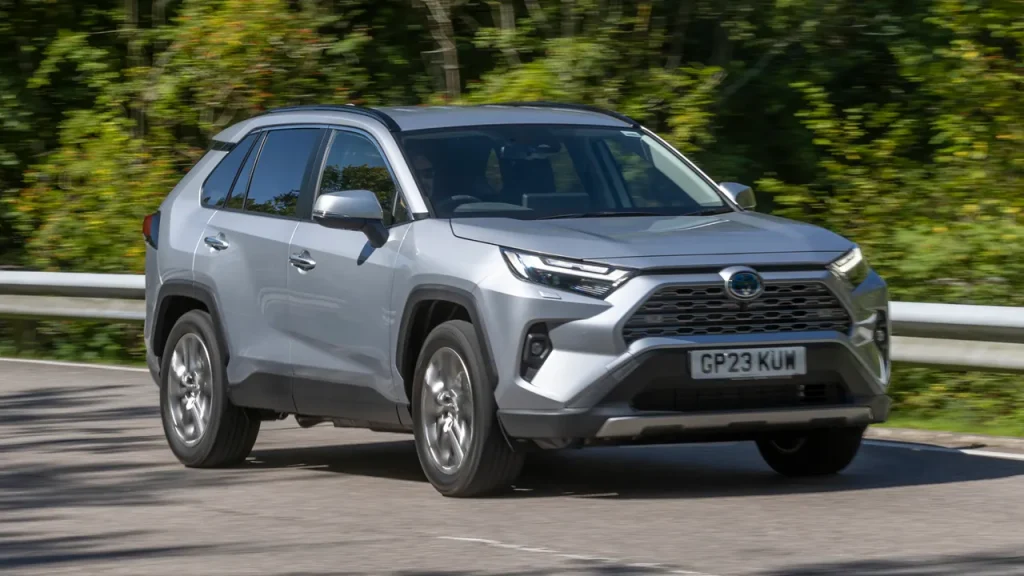
3. Toyota RAV4 AWD with Dynamic Torque Vectoring
The Toyota RAV4 approaches canyon climbing with a system that feels more strategic than many expect from a compact SUV.
Its Dynamic Torque Vectoring AWD setup does not just split power between the front and rear axles, it also manages distribution across the rear wheels. This added layer of control becomes particularly useful when the road tightens into switchbacks while continuing to climb.
What makes this system stand out is how it handles transitions. On a steep canyon incline, especially one that combines elevation with sharp turns, maintaining momentum without losing grip can be difficult.
The RAV4 addresses this by sending torque not only where it is needed for traction, but also where it can improve cornering stability. As you exit a tight bend and begin accelerating uphill, the system subtly adjusts power to help the vehicle track cleanly rather than pushing wide.
There is also a noticeable sense of predictability in how the RAV4 behaves. The system does not wait for dramatic wheel slip before responding. Instead, it works continuously in the background, making small adjustments that keep the vehicle composed.
This is particularly valuable on canyon roads where surface conditions can change quickly between sunlit and shaded sections.
Another reason for including this system is its balance between capability and accessibility. It does not require aggressive driving inputs to perform well.
Even with a smooth and measured driving style, the AWD system ensures that traction remains consistent. This makes it suitable for a wide range of drivers, not just those who are experienced with challenging terrain.
I am writing about the RAV4 because it represents a practical evolution of AWD technology. It takes concepts often found in more performance focused vehicles and applies them in a way that enhances everyday usability.
In the context of Salt Lake City’s canyon roads, that combination of control, stability, and ease of use makes it a strong contender for confident climbing.
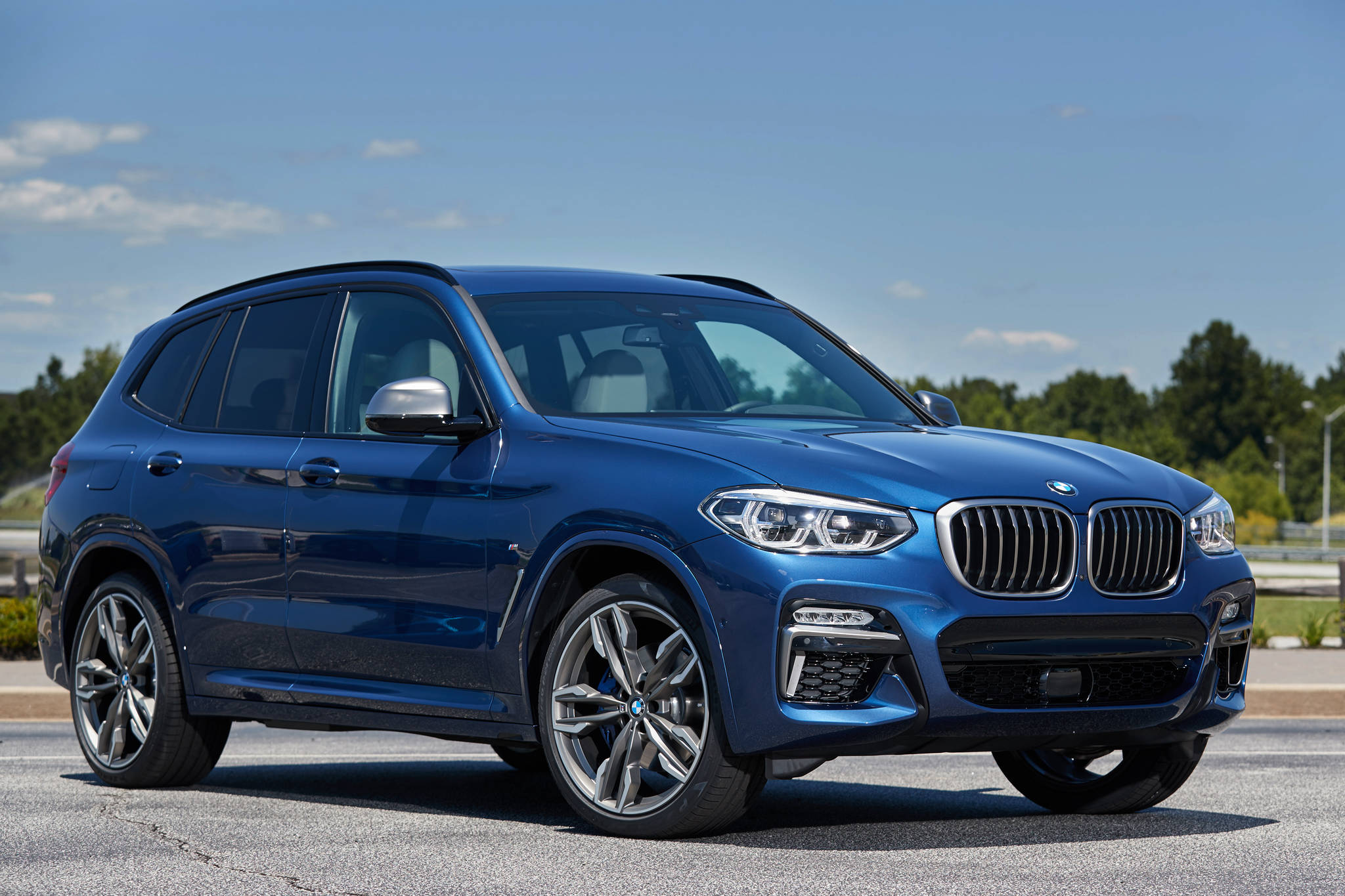
4. BMW X3 xDrive
There is a certain precision in how the BMW X3 manages traction, and that precision becomes especially noticeable when the road tilts upward and tightens into a series of demanding bends. The xDrive system does not simply react to loss of grip.
It continuously redistributes torque in a way that feels calculated, almost like it is shaping the vehicle’s path rather than correcting it. This characteristic becomes valuable on canyon climbs where maintaining direction and momentum at the same time is not always easy.
What separates the X3 from many others is how naturally the AWD system integrates with its driving dynamics. As you accelerate uphill out of a corner, the system subtly shifts power rearward, giving the vehicle a balanced and controlled push forward.
This prevents the front end from feeling overloaded, which can often lead to understeer on steep inclines. Instead, the vehicle maintains a neutral stance, allowing the driver to focus on steering inputs without constantly adjusting for traction inconsistencies.
The responsiveness of xDrive also plays a significant role. It operates quickly enough that changes in grip do not translate into noticeable delays. On canyon roads where patches of uneven surface appear without warning, this immediacy helps maintain stability.
The vehicle does not feel like it is catching up to the road conditions. It feels aligned with them from the beginning.
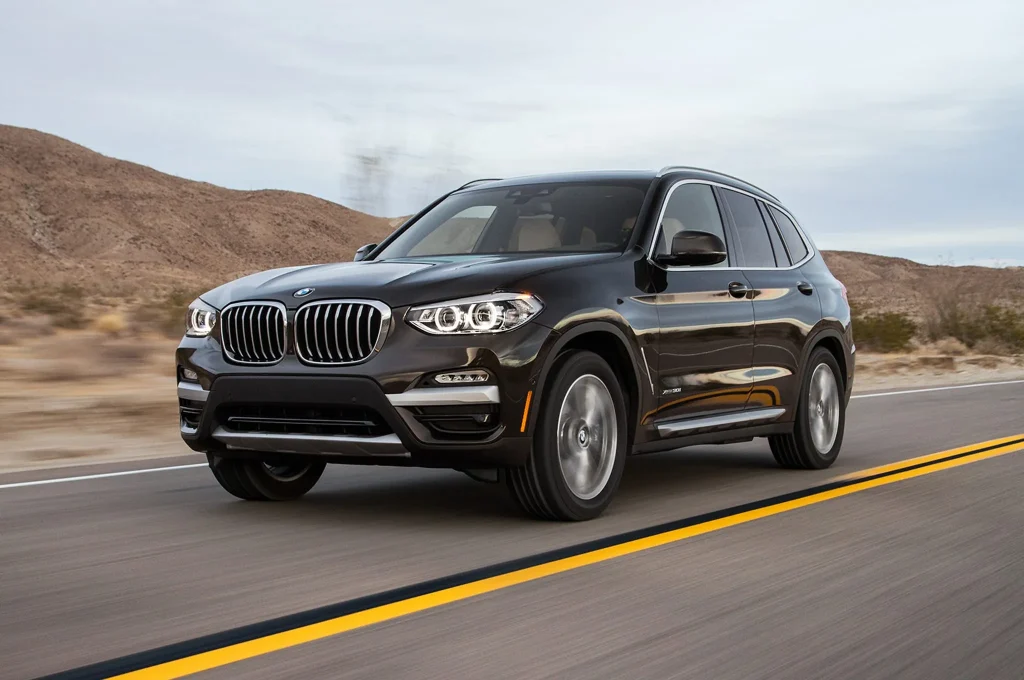
I am including the BMW X3 because it demonstrates how an AWD system can enhance both control and driver confidence without becoming intrusive. It does not rely on abrupt corrections or aggressive interventions.
Instead, it works in a refined and almost invisible manner, supporting the vehicle’s natural balance. For climbing the varied and often challenging canyon roads around Salt Lake City, that level of precision can make a meaningful difference in how composed the drive feels.
5. Jeep Grand Cherokee Quadra Trac II
The Jeep Grand Cherokee takes a more rugged and terrain focused approach to AWD, and its Quadra Trac II system reflects that philosophy clearly.
Unlike systems that prioritize on road refinement above all else, this setup is built to handle uneven, low traction environments without hesitation. When faced with steep canyon grades, especially those that include loose surfaces or snow covered sections, this capability becomes immediately apparent.
One of the defining features of Quadra Trac II is its ability to actively manage torque through a two speed transfer case. This allows the system to adapt not only to traction changes but also to the severity of the terrain.
On a steep climb where maintaining grip is critical, the system can deliver power in a way that feels strong and consistent rather than strained. The vehicle does not struggle to find traction. It applies it with authority.
Another aspect that stands out is how confidently the system handles uneven surfaces. Canyon roads are not always perfectly paved, and sections with gravel or debris can disrupt less capable AWD setups.
The Grand Cherokee remains composed in these situations, distributing power in a way that keeps all four wheels engaged and contributing.
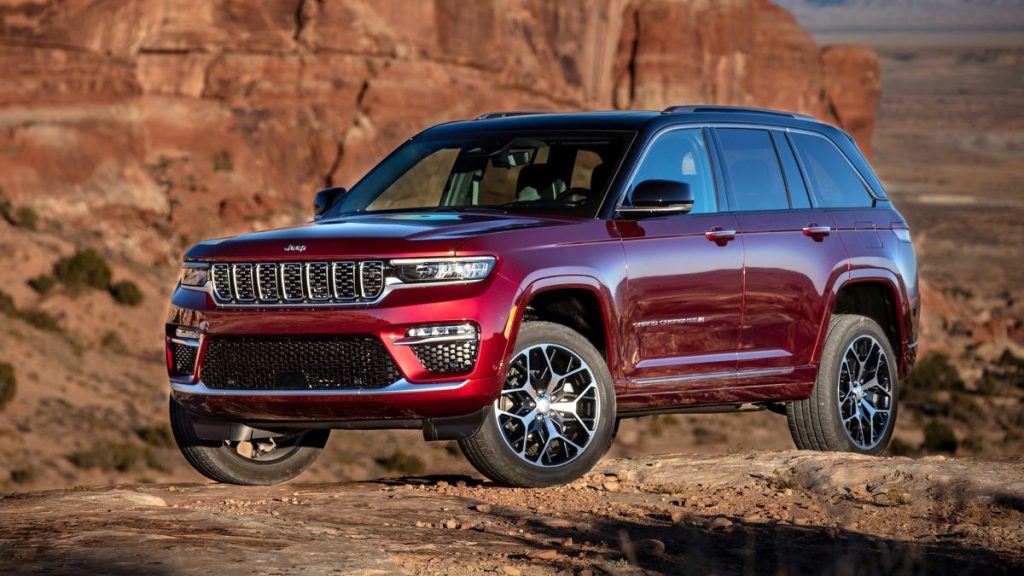
The reason for including this vehicle lies in its durability and straightforward capability. It does not rely on subtle adjustments alone. It brings a level of mechanical strength that complements its electronic systems, creating a combination that is well suited for challenging climbs.
In the context of Salt Lake City’s canyon roads, where conditions can vary from smooth pavement to rough patches within the same route, that kind of versatility ensures that the vehicle remains dependable throughout the journey.
5 That Struggle on Steep Grades
Steep canyon roads demand more from a vehicle than most drivers realize, and around Salt Lake City, that demand becomes even more pronounced. These routes are defined by sharp elevation gains, tight corners, and constantly shifting traction conditions that can challenge even experienced drivers.
While engine performance often gets the most attention, it is the drivetrain that ultimately determines whether a vehicle can maintain grip and momentum on these demanding climbs.
All wheel drive systems are often seen as a universal solution, but not every setup is engineered with steep grades in mind. Some are tuned for efficiency, operating primarily in front wheel drive mode and only engaging additional traction when slip occurs.
This delay can create hesitation on inclines, where immediate response is crucial. Others rely heavily on electronic intervention, which can sometimes feel abrupt or inconsistent when the road surface changes rapidly.
Another important factor is how well these systems manage sustained climbs. It is one thing to handle a brief loss of traction on a flat road, but it is entirely different to maintain consistent grip while continuously climbing.
Heat buildup, power distribution limits, and delayed torque transfer can all begin to affect performance. In these situations, certain AWD systems reveal their weaknesses, struggling to keep the vehicle stable and moving efficiently.
This section focuses on five AWD systems that fall short when faced with steep canyon grades. These are not necessarily poor systems in everyday conditions, but they reveal limitations when pushed beyond their intended use.
By examining where they struggle, the goal is to highlight the characteristics that can make canyon driving more difficult and less predictable. Understanding these shortcomings can be just as valuable as knowing what works, especially for drivers who regularly face the challenging terrain surrounding Salt Lake City.
1. Honda CR-V Real Time AWD
The Honda CR-V’s Real Time AWD system is designed with efficiency and everyday usability as its primary goals, and that focus becomes evident the moment the road begins to climb aggressively.
Under normal driving conditions, the system operates in a front wheel drive dominant mode, only sending power to the rear wheels when slip is detected. While this approach works well for city driving and mild weather, it introduces a delay that becomes noticeable on steep canyon grades.
On an incline, maintaining continuous traction is critical. The CR-V, however, tends to wait until the front wheels begin to lose grip before engaging the rear axle.
This reactive behavior can interrupt momentum, especially on surfaces where traction varies between sections. Instead of a smooth and confident climb, the experience can feel slightly hesitant, as if the vehicle is constantly catching up to the road conditions.
Another limitation appears during sustained climbs. The system is not designed for prolonged torque distribution under heavy load, which can lead to reduced effectiveness over time. As the incline continues, the AWD engagement may feel less consistent, requiring more careful throttle input from the driver to maintain progress.
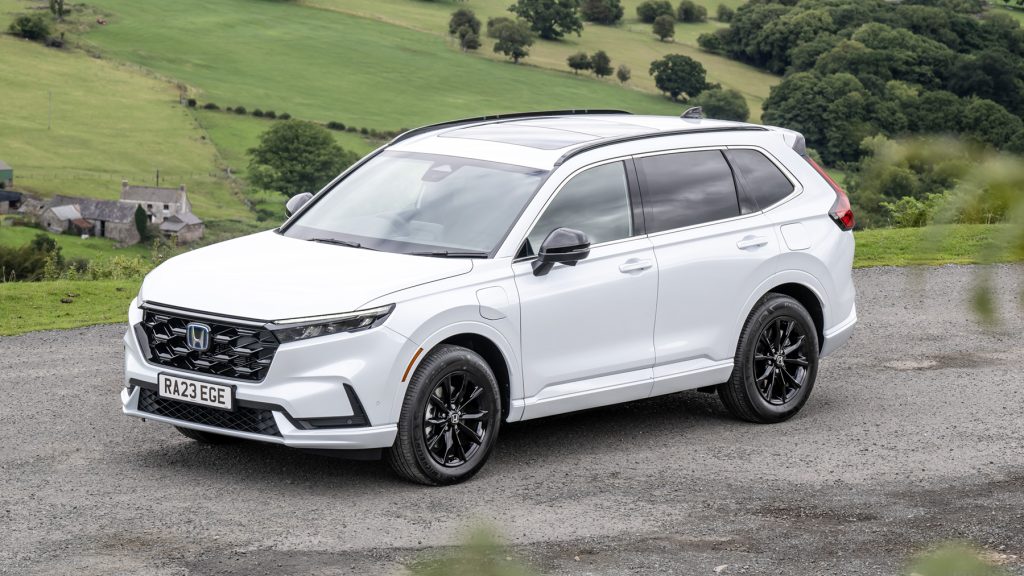
I am including the CR-V here because it highlights the difference between a system built for convenience and one built for demanding terrain. It performs well within its intended environment, but canyon climbing around Salt Lake City exposes its reactive nature.
For drivers who frequently encounter steep grades, this delay in power delivery can make the experience feel less controlled and more dependent on precise inputs.
2. Nissan Rogue Intelligent AWD
The Nissan Rogue uses an Intelligent AWD system that prioritizes efficiency and smoothness, but those priorities can become limitations when dealing with steep canyon roads.
Much like other front wheel drive based systems, it operates primarily in two wheel drive mode and engages the rear wheels only when necessary. This design works well for fuel economy but can struggle when immediate traction is required.
When climbing a steep grade, the system’s response time becomes a critical factor. The Rogue tends to engage its AWD capability after detecting slip rather than anticipating it.
This creates a slight lag that can be felt during acceleration on inclines, particularly when the surface is uneven or partially loose. Instead of a continuous pull, the power delivery can feel segmented, making it harder to maintain a steady climb.
There is also a noticeable softness in how the system distributes torque. It does not aggressively shift power to maintain grip, which can be beneficial for comfort but less effective for demanding terrain.
On a canyon road where traction changes quickly, this gentle approach can lead to minor but frequent adjustments that disrupt the vehicle’s rhythm.
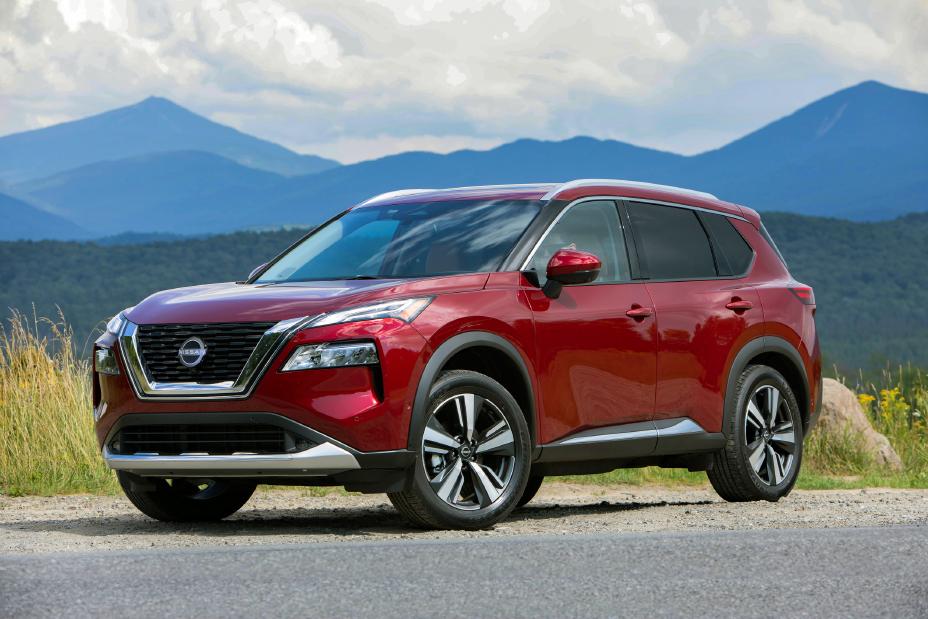
The Rogue is included in this section because it represents a common compromise in modern AWD systems. It is optimized for daily driving conditions, offering smooth engagement and good efficiency, but it lacks the assertiveness needed for steep and challenging climbs.
In the context of Salt Lake City’s canyon routes, this can translate into a driving experience that feels less confident and more reactive than desirable.
3. Toyota Highlander AWD
The Toyota Highlander’s AWD system is built with family comfort and smooth on road behavior in mind, and that design focus becomes clear when it is pushed into steep canyon climbs.
It uses a front wheel drive based setup that engages the rear wheels when additional traction is needed, but this engagement is not always immediate or strong enough for demanding gradients.
On a steady incline, the Highlander performs adequately at first, especially on clean pavement. However, once the surface begins to vary with loose gravel or damp patches, the system’s limitations start to appear.
The delay in sending torque to the rear wheels can create a brief loss of momentum, which is more noticeable on heavier vehicles like this. That weight becomes a factor, as the system has to work harder to maintain forward progress.
Another aspect that affects its performance is how conservatively the AWD system distributes power. It tends to prioritize stability and smoothness over aggressive traction.
While this makes the ride comfortable for passengers, it can make the vehicle feel slightly underprepared for sharper inclines where a more assertive torque split would be beneficial.
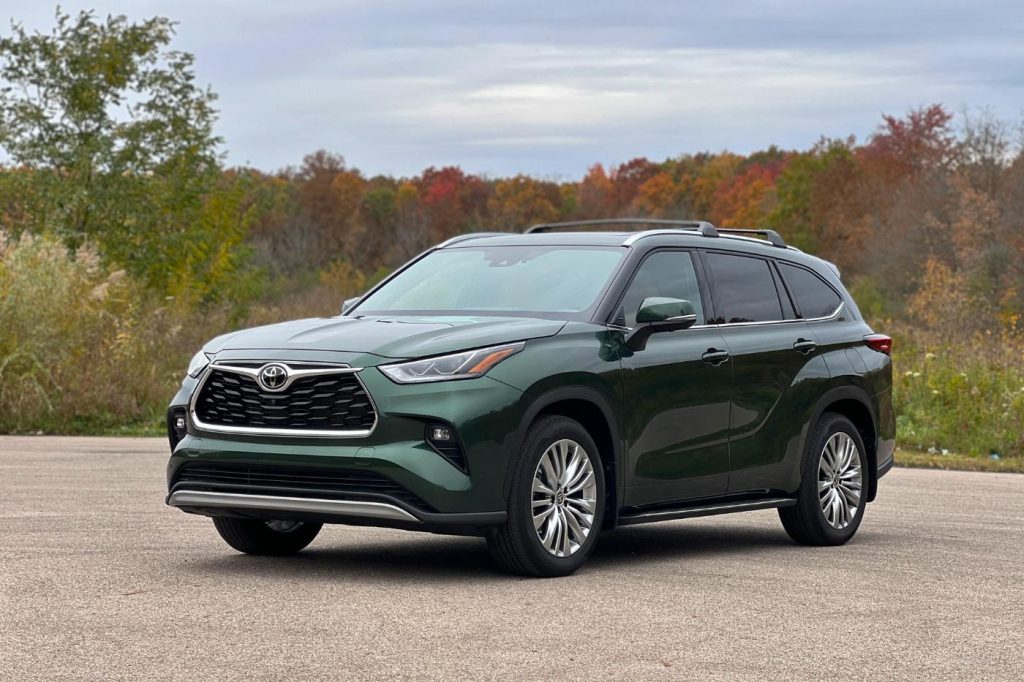
I am including the Highlander because it represents a common scenario where an AWD system is tuned for everyday usability rather than challenging terrain.
It is reliable and predictable in normal conditions, but when faced with the steep canyon roads around Salt Lake City, it reveals a softer, more cautious nature that can make climbing feel less confident than in more capable systems.
4. Ford Escape AWD
The Ford Escape’s AWD system is designed to enhance efficiency while providing occasional traction support, but it does not prioritize sustained performance on steep grades. It operates primarily in front wheel drive mode, engaging the rear axle only when slip is detected. This reactive approach can create small but noticeable interruptions when climbing canyon roads.
On a steep incline, especially one with changing surface conditions, the Escape can feel like it is constantly adjusting rather than maintaining a steady pull.
The system waits for a loss of traction before redistributing power, which can briefly disrupt forward momentum. This is particularly evident when climbing through a series of turns where consistent grip is essential.
The vehicle’s lighter build helps in some situations, but it does not fully compensate for the system’s delayed response. As the climb continues, the AWD engagement can feel inconsistent, requiring the driver to manage throttle inputs carefully to avoid unnecessary wheel spin or hesitation.
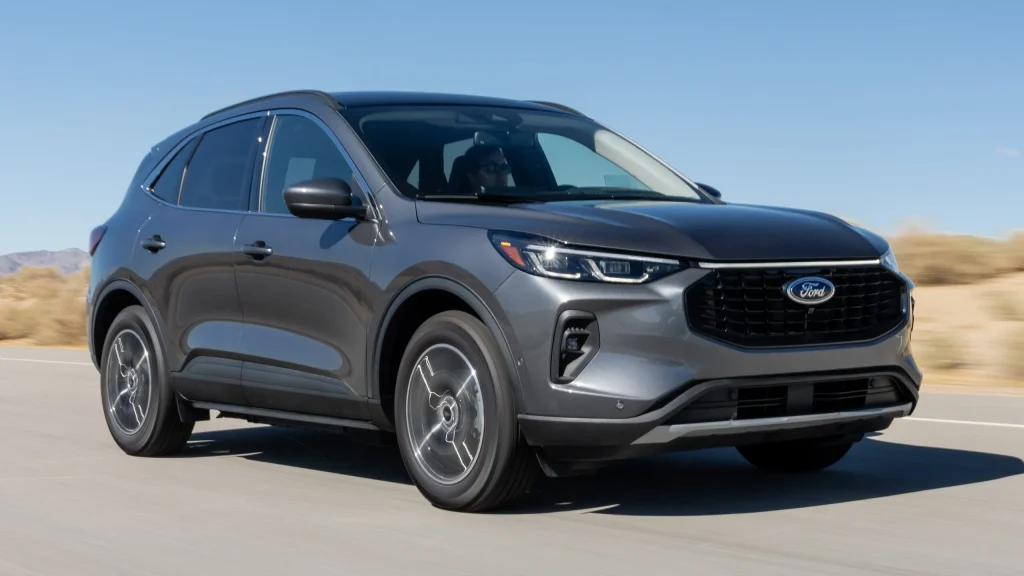
This vehicle is included because it highlights how an efficiency focused AWD system can struggle when pushed beyond its intended use.
The Escape performs well in urban and mild weather conditions, but the steep and unpredictable canyon roads around Salt Lake City expose its limitations. It does not fail outright, but it demands more attention and effort from the driver to maintain a smooth and controlled ascent.
5. Mazda CX-5 i-Activ AWD
Mazda’s i-Activ AWD system is often praised for its predictive capabilities, but its real world performance on steep canyon grades tells a more nuanced story. The system is designed to monitor various inputs and anticipate traction loss, yet its primary focus remains on efficiency and balanced driving rather than aggressive torque delivery.
When climbing a canyon road, the CX-5 initially feels composed. The system does attempt to distribute power intelligently, but it does so in a restrained manner.
On steeper sections with mixed surfaces, this restraint can translate into a lack of urgency in sending sufficient torque to the rear wheels. The result is a climb that feels controlled but not particularly strong.
Another limitation becomes noticeable during prolonged inclines. The system tends to scale back its intervention to maintain efficiency, which can reduce its effectiveness when continuous traction is required.
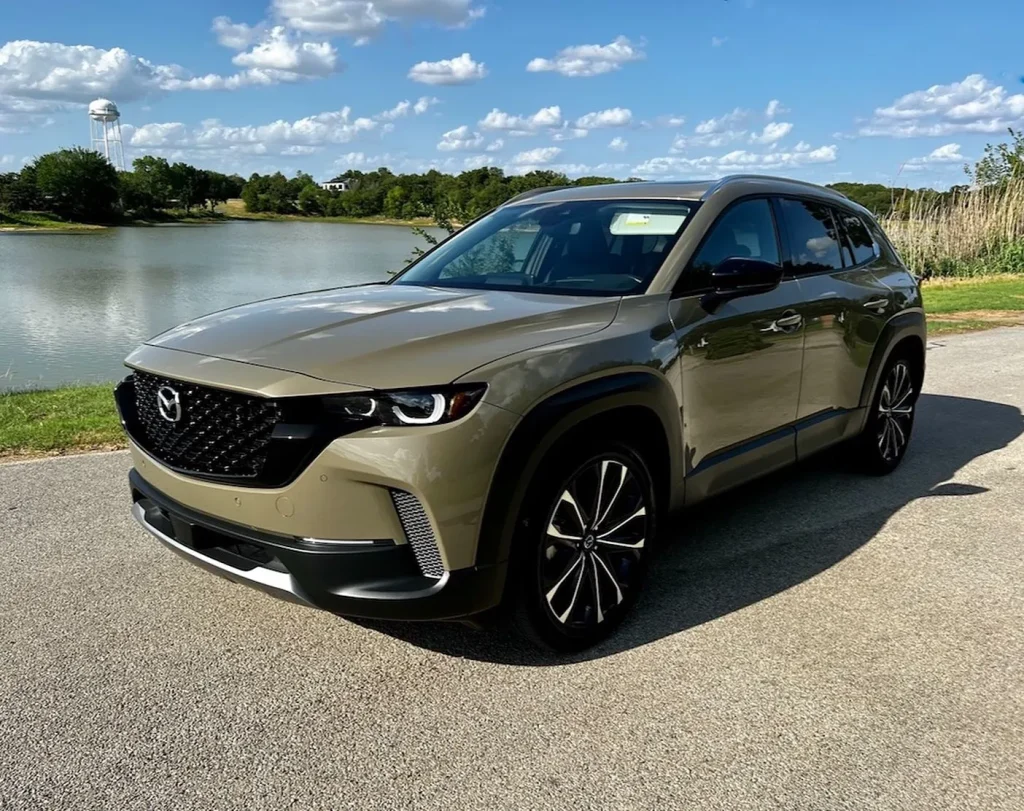
This makes the vehicle feel slightly less capable as the climb progresses, especially compared to systems that are designed to sustain higher levels of engagement.
I am including the CX-5 because it represents a refined but conservative approach to AWD. It is smooth, intelligent, and well suited for everyday driving, but it does not fully adapt to the demands of steep canyon environments.
In Salt Lake City’s challenging terrain, this balance can leave drivers wanting a bit more confidence and consistency when the road becomes demanding.
Also Read: 5 Convertibles for US Daily Driving vs. 5 Weekend-Only Rags