
Heat in San Antonio is not just intense, it is persistent in a way that exposes weaknesses in automotive air conditioning systems very quickly. Long summers, high humidity, and constant sun exposure create a demanding environment where a car’s cooling ability is tested every single day.
In these conditions, an average AC system is not enough. What feels acceptable in milder climates can turn into a frustrating experience when cabin temperatures climb rapidly and refuse to drop.
This makes air conditioning performance more than a comfort feature. It becomes a daily necessity that directly affects driver fatigue, focus, and even long term satisfaction with a vehicle.
A system that cools quickly, maintains consistent airflow, and handles extreme temperatures without strain can completely change how a car feels to live with. On the other hand, a weak system can make even short drives uncomfortable, especially during peak afternoon heat.
What complicates matters is that not all AC systems are created with the same priorities. Some vehicles are engineered with powerful compressors, efficient airflow distribution, and insulation that keeps heat out.
Others may look good on paper but struggle in real world conditions due to cost cutting, poor vent placement, or systems that lose effectiveness under sustained heat.
In a city like San Antonio, these differences are not subtle. They become obvious within minutes of stepping into a parked car. Certain vehicles can bring the cabin down to a comfortable temperature quickly and maintain it even in traffic, while others take far too long or never quite reach that level of comfort.
This article focuses on both ends of that spectrum. It begins with cars known for strong, reliable cooling performance in hot climates, highlighting what makes them stand out.
Then it shifts to vehicles that tend to struggle, explaining the reasons behind their limitations. Each example is chosen to present a different perspective, so the patterns are clear without repeating the same explanation.
Also Read: 5 Cars for Coastal Humidity in the USA vs 5 Cars with More Exposed Metal Components
5 High-Efficiency AC Systems In San Antonio
San Antonio heat has a way of exposing weaknesses that might go unnoticed in milder climates. When temperatures rise and the sun stays relentless for hours, stepping into a parked car can feel like opening an oven.
In that moment, the effectiveness of an air conditioning system becomes immediately clear. Some vehicles respond with strong, fast cooling that transforms the cabin within minutes, while others struggle to keep up, leaving occupants waiting far longer than they should.
This is why high efficiency AC systems matter more here than in many other cities. It is not just about comfort during long drives, but also about how quickly a car can recover from extreme heat soak.
A well designed system can drop cabin temperatures rapidly, maintain consistent airflow, and continue performing even in heavy traffic where cooling systems are under additional stress. That level of performance directly impacts daily usability, especially for commuters and families.
What separates the best systems is not a single feature, but a combination of factors working together. Compressor strength, airflow distribution, insulation, and intelligent climate control all play a role.
Some vehicles are engineered to handle these conditions with ease, using powerful components and thoughtful design to create a balanced and reliable cooling experience.
In contrast, average systems may perform adequately at first but lose effectiveness over time or under sustained heat. This difference becomes obvious in San Antonio, where conditions demand more than basic functionality.
Drivers begin to notice which vehicles can maintain comfort without constant adjustments and which ones fall short when pushed beyond mild conditions.
The purpose of this section is to highlight cars that excel in this environment, each offering a different reason for its strong performance. By understanding what makes these systems effective, it becomes easier to choose a vehicle that will remain comfortable even during the most intense summer days.
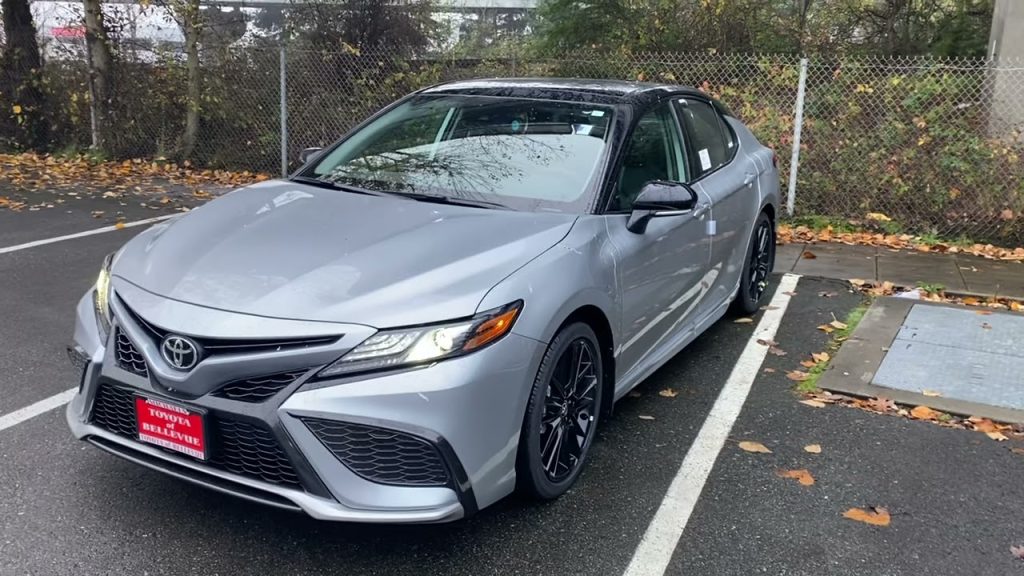
1. Toyota Camry
Step into a Toyota Camry after it has been sitting under the Texas sun, and the expectation is simple. You want immediate relief, not a slow transition from unbearable to acceptable. This is exactly where the Camry earns its place, because its air conditioning system is designed to deliver strong cooling quickly without needing constant adjustment.
One of the reasons this sedan performs so well is the balance between compressor strength and airflow design. The system pushes a high volume of cooled air through vents that are positioned to distribute it evenly across the cabin.
Instead of focusing only on the front seats, it manages to reach the rear passengers effectively, which is not always guaranteed in this segment.
There is also a noticeable consistency in how the temperature is maintained. Some systems start strong but lose effectiveness as the drive continues, especially in heavy traffic. The Camry avoids this by maintaining steady output, ensuring that once the cabin reaches a comfortable level, it stays there without frequent fluctuations.
Another point worth mentioning is insulation. The vehicle does a good job of limiting how much external heat enters the cabin in the first place. This reduces the workload on the AC system, allowing it to operate more efficiently even during peak heat.
The reason this car is included here is because it represents reliability in extreme conditions. It shows how a well tuned system can handle daily exposure to high temperatures without becoming inconsistent or underpowered.
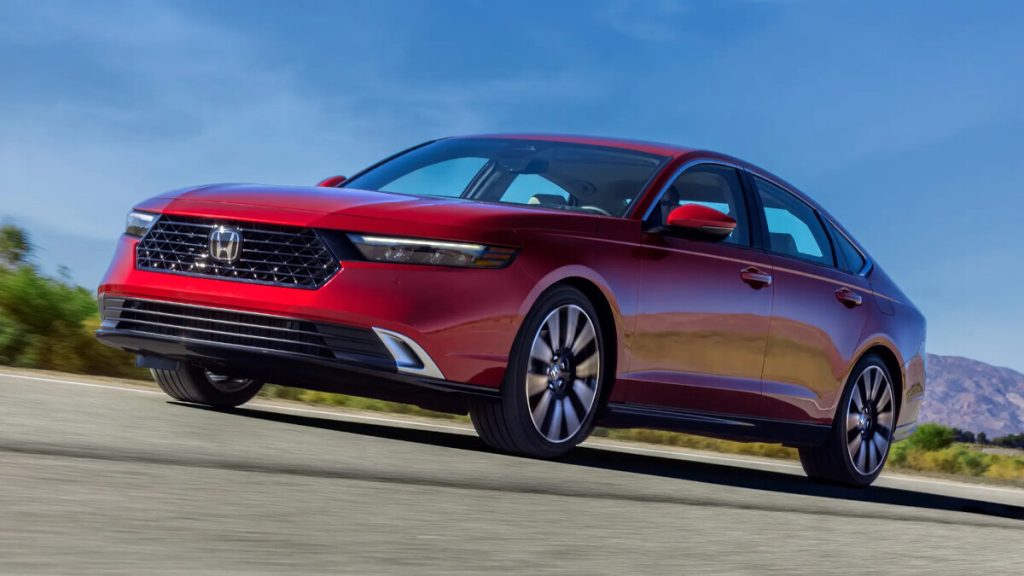
2. Honda Accord
Cooling performance in a hot climate is not only about raw power. It is also about how intelligently that power is used, and the Honda Accord demonstrates this through a more refined approach to climate control. Instead of relying purely on strong airflow, it combines efficiency with precision to create a consistently comfortable environment.
A standout feature of the Accord’s system is how quickly it adapts. When you first start the car in extreme heat, the AC ramps up aggressively, pushing out cold air at a high rate.
As the cabin begins to cool, the system gradually adjusts itself, reducing noise and maintaining comfort without unnecessary strain. This transition feels smooth rather than abrupt, which adds to the overall experience.
Vent placement plays a bigger role here than many people realize. The Accord uses a layout that directs airflow in a way that surrounds occupants rather than hitting them from a single direction. This creates a more even cooling effect, reducing hot spots that can make parts of the cabin feel neglected.
Another factor is the system’s ability to perform in stop and go traffic. In cities like San Antonio, where congestion is common, AC systems can struggle when airflow over the condenser is limited. The Accord maintains its cooling ability even in these situations, which makes it particularly useful for daily commuting.
It is included in this list because it highlights how thoughtful engineering can enhance comfort. Rather than overwhelming the cabin with cold air, it creates a balanced environment that remains effective throughout the drive.
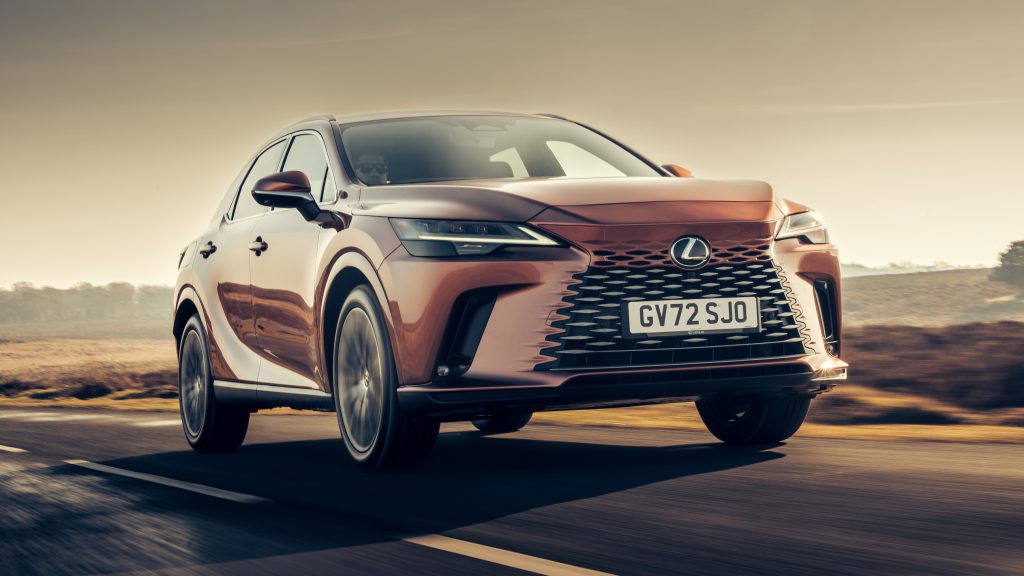
3. Lexus RX
Comfort inside the Lexus RX is not treated as a secondary feature, and that philosophy becomes very clear when dealing with extreme heat.
This SUV approaches cabin cooling with a focus on refinement, where the goal is not just to lower temperature quickly but to maintain a controlled and quiet environment throughout the drive. In a place like San Antonio, that distinction becomes meaningful within minutes of starting the engine.
One of the defining traits of the RX is how seamlessly the system operates. Instead of a sudden blast followed by uneven cooling, it builds an environment where temperature reduction feels steady and well managed.
This is achieved through a combination of a strong compressor and carefully calibrated airflow that reaches different zones of the cabin without creating discomfort.
There is also an emphasis on air distribution that benefits all occupants. Rear passengers are not treated as an afterthought, as dedicated vents and consistent airflow ensure that the entire cabin cools at a similar pace. This becomes particularly useful during long drives in heavy heat, where uneven cooling can quickly become noticeable.
Another strength lies in how the RX handles prolonged exposure. Some systems perform well initially but lose effectiveness when outside temperatures remain high for extended periods. The RX maintains its cooling ability even in these conditions, which reflects the quality of its components and overall system design.
It is included here because it demonstrates how luxury level engineering can enhance everyday usability. Rather than focusing only on power, it delivers a balanced and dependable cooling experience that holds up under constant heat.
4. Ford F-150
Cooling a large cabin efficiently is a different challenge compared to smaller sedans, and the Ford F-150 addresses this with a system built to handle volume without losing effectiveness. In San Antonio’s heat, where trucks are often used for both work and daily driving, this capability becomes essential rather than optional.
The F-150 stands out because of the sheer strength of its air conditioning output. It is designed to push large amounts of cooled air quickly, which helps bring down cabin temperature faster than many vehicles in its class.
This is especially noticeable after the truck has been parked under direct sunlight, where initial cooling performance matters most.
What makes it more impressive is how the airflow is managed across a wide interior space. Instead of concentrating cooling in one area, the system distributes air effectively through multiple vents, ensuring that both front and rear passengers benefit equally. This reduces the time it takes for the entire cabin to reach a comfortable state.
Durability also plays a role in why this truck is featured. The F-150 is often used in demanding environments, and its AC system is built to maintain performance even under continuous strain. Whether idling in traffic or operating in high temperatures for long periods, it continues to deliver consistent results.
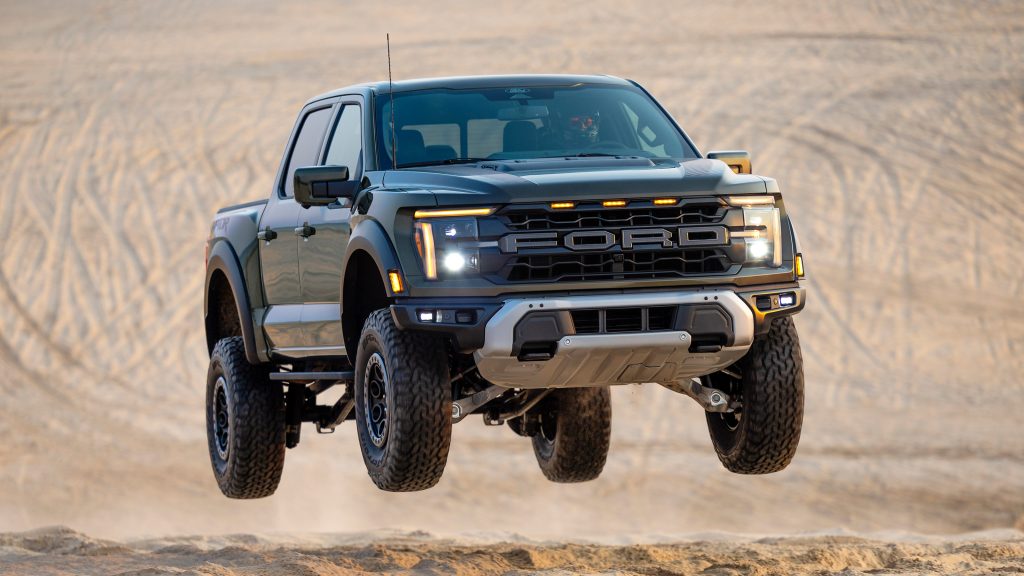
The reason for its inclusion is tied to how it handles scale. It shows that even a large vehicle can provide strong and reliable cooling if the system is designed with enough capacity and proper airflow management.
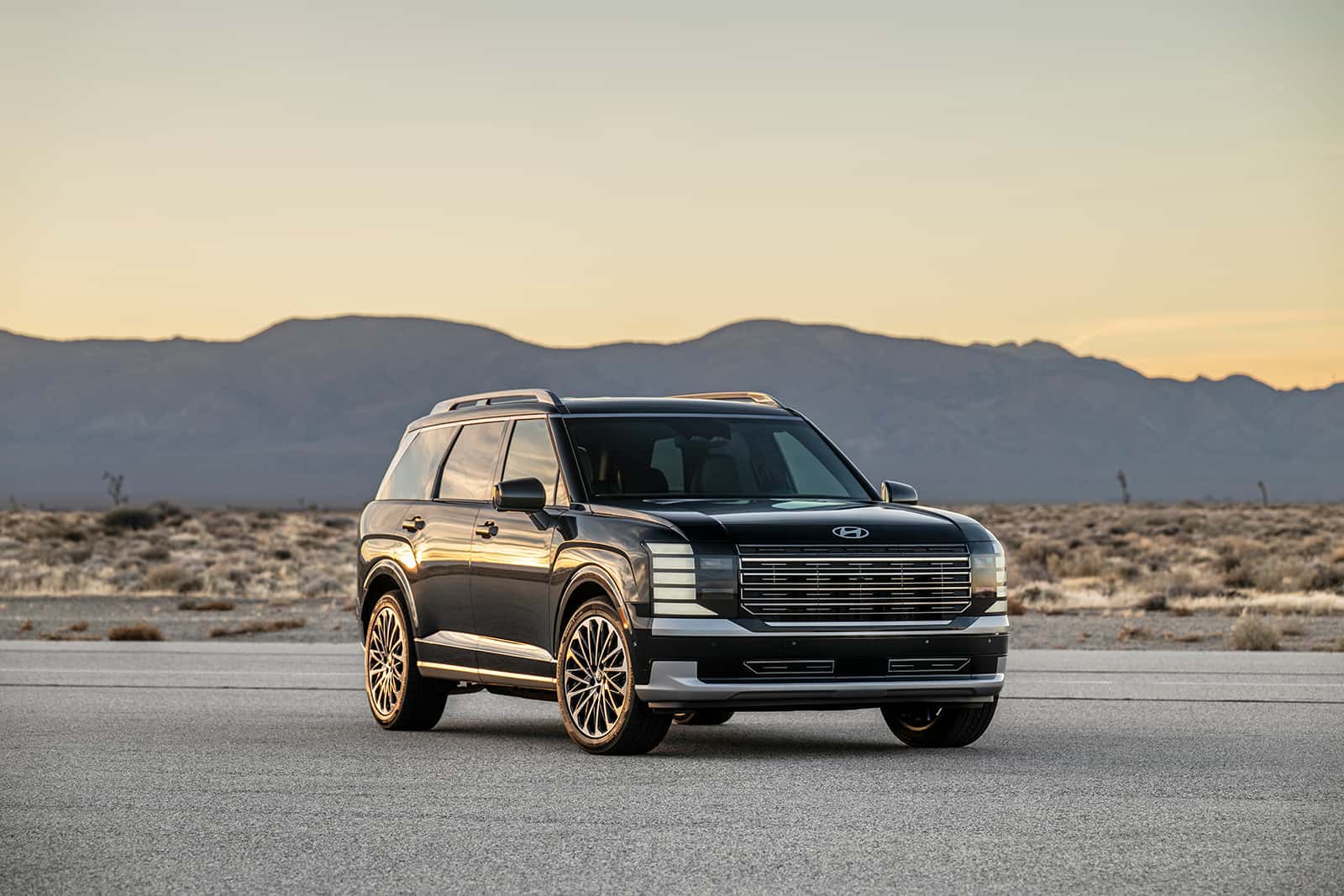
5. Hyundai Palisade
The Hyundai Palisade takes a more modern and family focused approach to air conditioning, where comfort is distributed thoughtfully across all rows. In a hot climate like San Antonio, where larger vehicles are often filled with passengers, this attention to detail makes a noticeable difference from the moment the system is activated.
What sets the Palisade apart is its multi zone climate control combined with strong baseline performance. The system allows different sections of the cabin to maintain their own comfort levels while still benefiting from a powerful central cooling setup. This creates a tailored experience rather than a one size fits all approach.
Another detail that stands out is how quickly the cabin begins to feel livable. The initial airflow is strong and well directed, helping to remove trapped heat efficiently. This rapid response is important when dealing with vehicles that have been sitting in the sun, where interior temperatures can rise dramatically.
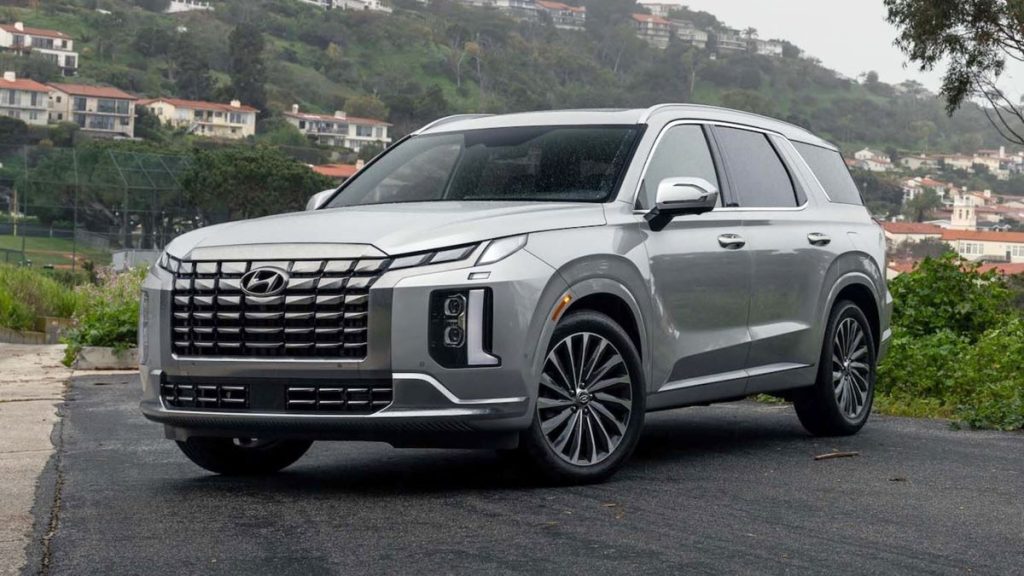
Passenger comfort in the second and third rows is handled more effectively than in many competitors. Dedicated vents and consistent airflow ensure that cooling is not limited to the front seats. This becomes especially valuable during longer drives, where uneven temperature distribution can lead to discomfort.
This vehicle is included because it reflects how modern design can elevate everyday usability. By combining strong cooling performance with thoughtful distribution, the Palisade delivers a system that works well for both drivers and passengers in extreme heat conditions.
5 That Can’t Keep the Cabin Cool
San Antonio heat creates a clear divide between vehicles that can handle extreme temperatures and those that struggle to keep up.
When a car sits under direct sunlight, cabin temperatures can rise to uncomfortable levels within minutes, and recovering from that heat requires more than a basic air conditioning setup.
This is where certain vehicles begin to show their limitations, not because they are poorly built in every aspect, but because their cooling systems are not designed for sustained high temperature conditions.
What makes these cases frustrating is how normal everything feels at first. During short drives or in moderate weather, the AC may seem acceptable.
The real issue appears when the system is pushed harder, such as during long commutes, stop and go traffic, or peak afternoon heat. In those situations, weak airflow, slow cooling response, or inconsistent temperature control become difficult to ignore.
There are different reasons behind this lack of performance. Some vehicles use smaller compressors that cannot generate enough cooling power when the cabin is extremely hot.
Others have airflow designs that fail to distribute cool air evenly, leaving parts of the interior warm even after extended use. Insulation also plays a role, as poor heat management forces the system to work harder than it should.
The purpose of this section is to highlight vehicles that tend to struggle in these conditions, each for a different reason.
By looking at specific examples, it becomes easier to understand what separates a capable system from one that falls short. This helps buyers avoid situations where comfort becomes a daily concern rather than a given.
1. Jeep Renegade
The Jeep Renegade brings a distinctive style and compact practicality, but its air conditioning system often feels outmatched when exposed to intense heat. In a city like San Antonio, where temperatures remain high for extended periods, this limitation becomes noticeable very quickly after stepping into the vehicle.
One of the main challenges lies in the system’s cooling capacity. The compressor does its job under mild conditions, but when the cabin is heavily heated, it takes longer than expected to bring temperatures down.
This delay can make short drives uncomfortable, especially when the initial burst of cooling is not strong enough to counter the heat buildup.
Airflow distribution adds another layer to the issue. The vents do not always direct air evenly across the cabin, which can result in certain areas cooling faster than others. This uneven performance becomes more obvious during longer drives, where passengers may feel different levels of comfort depending on where they are seated.
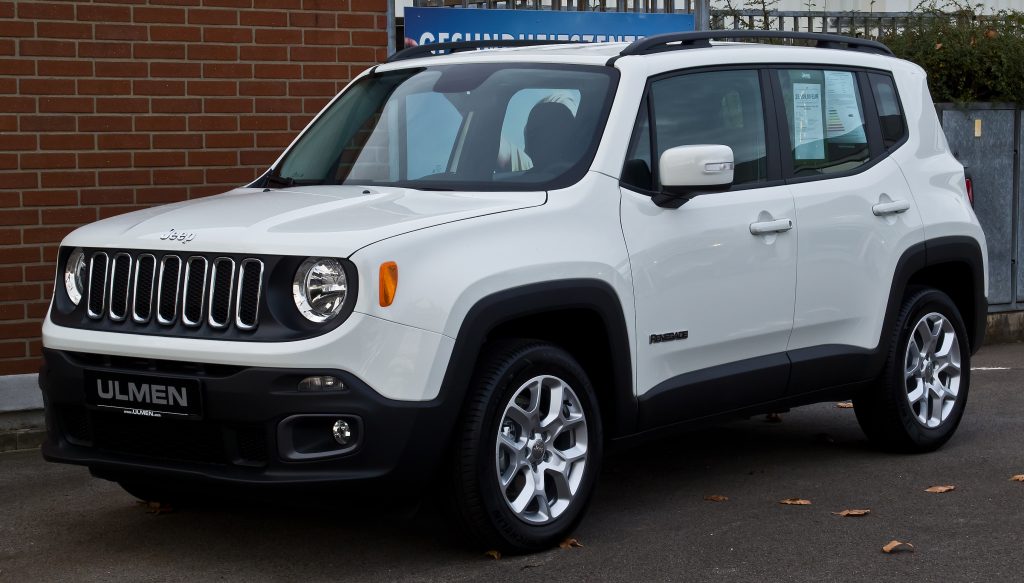
There is also the factor of cabin size relative to system strength. While the Renegade is compact, its interior design and materials can retain heat, making it harder for the AC to catch up once temperatures rise. This creates a situation where the system is constantly working but not delivering the level of relief expected in such conditions.
It is included here because it highlights how a vehicle can feel adequate in cooler climates yet struggle when exposed to persistent, high heat environments.
2. Nissan Rogue
The Nissan Rogue is known for its practicality and smooth driving experience, but its air conditioning system can feel underwhelming when faced with extreme summer conditions. In a climate like San Antonio, where high temperatures are a daily reality, this weakness becomes difficult to overlook.
A key concern is how the system handles initial cooling. After the vehicle has been parked in the sun, the cabin can take longer to reach a comfortable temperature compared to stronger systems. The airflow starts moderately rather than aggressively, which slows down the cooling process at the exact moment when quick relief is needed most.
Another point worth considering is consistency. During extended drives, especially in heavy traffic, the cooling effect can feel less stable. Instead of maintaining a steady temperature, the system may fluctuate slightly, requiring adjustments to keep the cabin comfortable. This can become tiring for drivers who expect a set and forget experience.
Vent design also plays a role in this perception. While functional, the airflow pattern does not always circulate evenly through the entire cabin. Rear passengers in particular may notice that cooling is less effective, especially during peak heat.
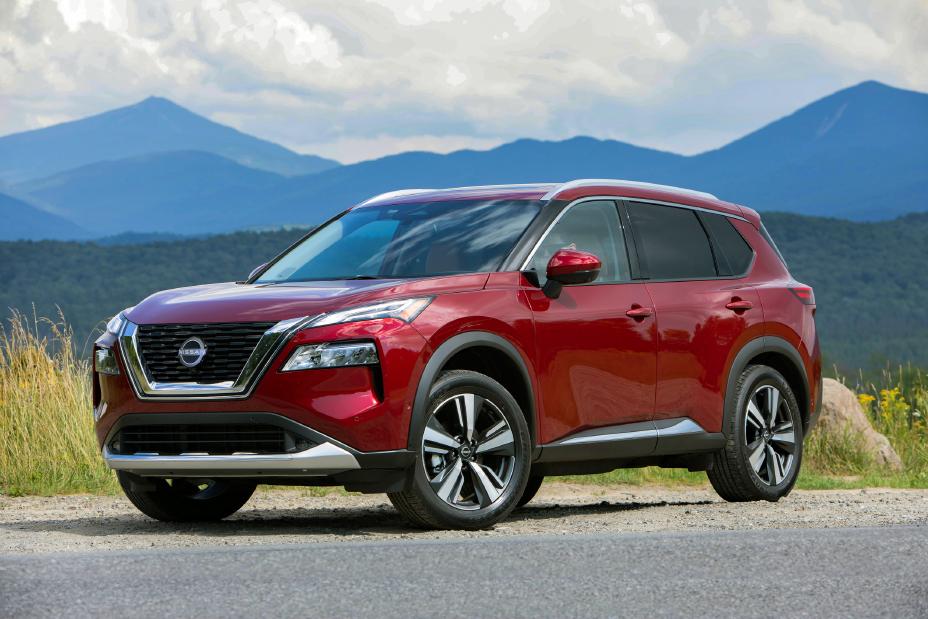
This vehicle is included because it shows how a well rounded daily driver can still fall short in one critical area. In environments where air conditioning performance is essential, even small limitations become much more noticeable over time.
3. Chevrolet Trax
There is a noticeable difference between a system that cools eventually and one that responds with urgency, and the Chevrolet Trax tends to fall into the first category.
In moderate climates, this may not stand out as a serious drawback. In San Antonio, where stepping into a parked car can feel overwhelming, that slower response becomes a daily inconvenience that is hard to ignore.
The limitation begins with how the system handles extreme heat buildup. When the cabin is heavily saturated with heat, the initial airflow lacks the intensity needed to push that hot air out quickly.
Instead of delivering a sharp drop in temperature, it works gradually, which stretches the time it takes for the interior to feel comfortable. This is especially noticeable during short trips, where the drive may end before the cooling ever feels sufficient.
Another aspect worth considering is how the system performs under pressure. During long drives in high temperatures, the Trax can struggle to maintain a consistently cool cabin.
The air remains chilled, but the overall effect feels less impactful, as if the system is working near its limit rather than with confidence. This creates a subtle sense of effort without delivering strong results.
Cabin layout also plays a role in how the cooling is experienced. The airflow tends to concentrate more in the front, leaving rear passengers with less noticeable relief. In a city where high temperatures affect every part of the vehicle equally, this imbalance becomes more apparent over time.
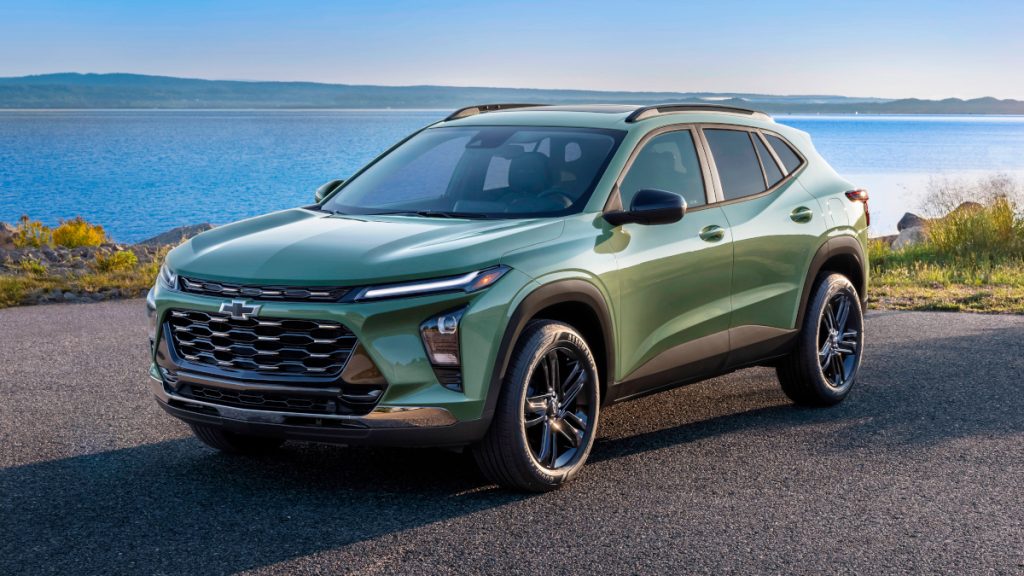
This model is included because it reflects how entry level design priorities can lead to compromises in areas that only become critical in extreme conditions. It shows that basic functionality is not always enough when the environment demands stronger performance.
4. Mitsubishi Outlander Sport
The Mitsubishi Outlander Sport approaches cooling in a way that feels adequate at first but reveals its shortcomings the longer it is exposed to intense heat. In environments like San Antonio, where high temperatures persist throughout the day, these limitations become part of the ownership experience rather than occasional inconveniences.
A key issue lies in how the system builds momentum. When the vehicle is first started after sitting in the sun, the cooling process begins without the strong initial push that is needed to counter extreme cabin temperatures.
Instead of rapidly bringing the temperature down, it works at a steady but slower pace, which can make the first part of the drive uncomfortable.
The airflow itself also lacks a sense of force. While it is consistent, it does not feel powerful enough to circulate cool air quickly through the entire cabin. This becomes more noticeable when multiple passengers are inside, as the system has to work harder without delivering a proportional increase in cooling effectiveness.
There is also a factor of heat retention within the cabin materials. Certain surfaces tend to hold onto heat longer, which means the AC system has to fight against lingering warmth even after it has been running for some time. This creates a situation where the cooling never feels fully settled.
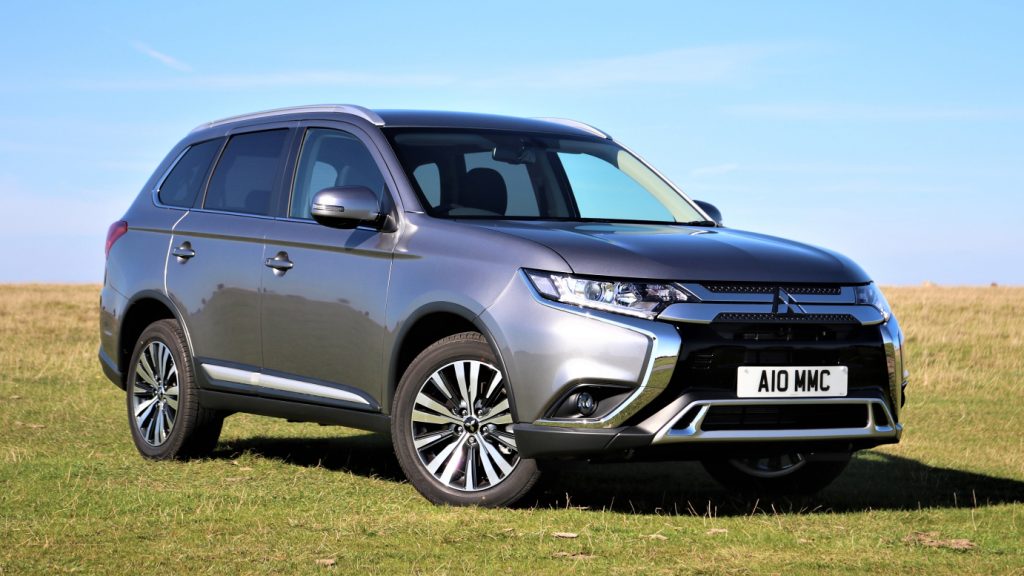
It appears in this list because it highlights how a system can meet basic expectations yet struggle when pushed beyond average conditions. In a city defined by high temperatures, that difference becomes much more significant.
5. Ford EcoSport
The Ford EcoSport presents a case where compact size does not automatically translate into efficient cooling. While it might seem easier to cool a smaller cabin, the reality is that system strength and airflow design matter far more than dimensions alone. In a hot climate like San Antonio, this becomes clear within the first few minutes of operation.
One of the main concerns is the lack of immediate cooling impact. When the cabin is extremely hot, the system takes longer to produce a noticeable drop in temperature. The airflow begins at a moderate level rather than delivering a strong burst, which delays the moment when the interior starts to feel comfortable.
Another challenge is how the cooling is distributed. The vents provide adequate coverage for the front seats, but the overall circulation does not always reach every part of the cabin effectively. This creates pockets of warmth that persist even after the system has been running for a while.
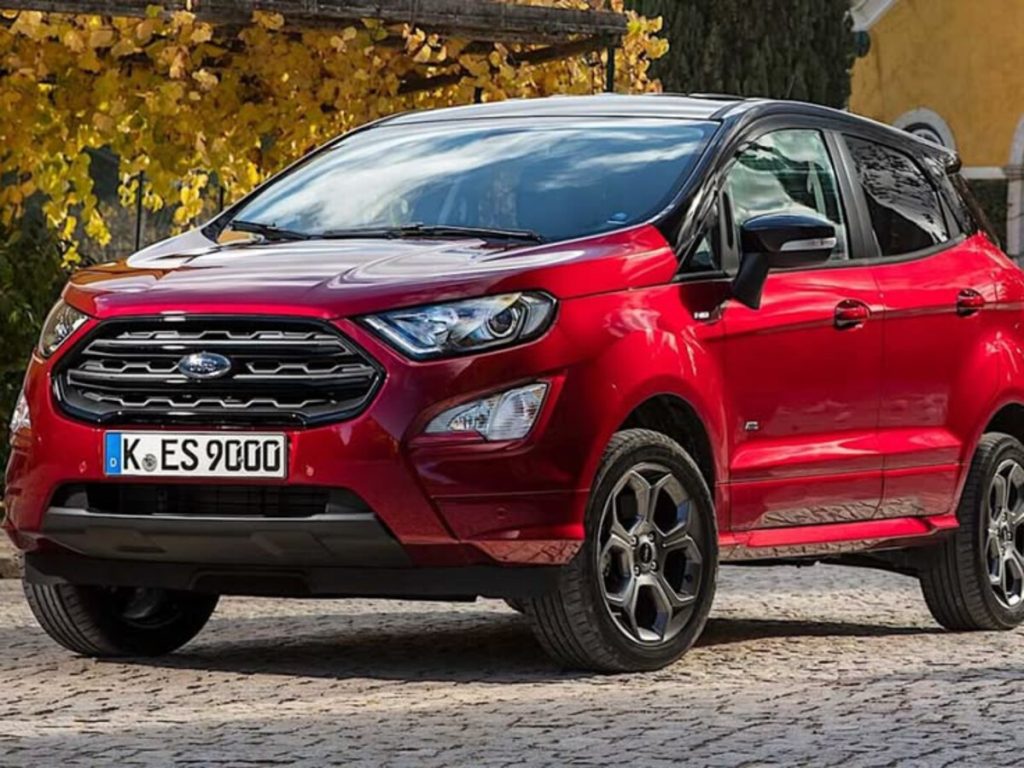
Sustained performance also comes into question during longer drives. While the AC continues to function, it does not always maintain a strong cooling presence, especially during peak heat hours. The system feels like it is maintaining rather than actively improving comfort.
This vehicle is included because it demonstrates that design compromises in airflow and system capacity can become very noticeable in demanding environments. It serves as an example of how cooling performance can fall short even when expectations seem modest.
Also Read: Infiniti QX65 Production Begins Ahead of 2026 Market Launch
