Driving in Milwaukee comes with a very specific challenge that many cities quietly struggle with but few experience as intensely. Potholes are not occasional inconveniences here, they are part of the daily driving landscape.
Seasonal temperature swings, freeze thaw cycles, and heavy traffic wear down road surfaces quickly, leaving behind uneven patches, deep craters, and broken pavement that can test any vehicle’s durability.
This creates a sharp divide in how different cars perform in the same environment. Some vehicles are engineered with suspension systems that absorb impacts effectively, protecting both the structure of the car and the comfort of passengers.
These setups use longer suspension travel, softer damping characteristics, and tire sidewalls that can flex under pressure. They are built to take hits repeatedly without transmitting harsh shocks into the cabin or risking mechanical damage.
On the other side, there are vehicles that prioritize style and sharp handling over resilience. Low profile tires, stiff suspension tuning, and large wheel sizes may look appealing and perform well on smooth roads, but they become a liability when faced with broken city streets.
The reduced sidewall height offers very little cushioning, making these cars far more vulnerable to tire damage, bent rims, and uncomfortable driving experiences.
This article brings both sides into focus. First, it highlights five vehicles that are well suited to Milwaukee’s pothole filled streets, explaining how their suspension systems are designed to handle repeated impacts without compromise.
Then, it shifts to five cars that struggle in these same conditions, particularly due to their reliance on low profile tires that are prone to damage.
By examining both categories, the goal is to provide a clear understanding of what works and what does not in a city where road quality cannot always be trusted. Choosing the right setup here is not just about comfort, it directly affects long term reliability and everyday practicality.
Also Read: 5 Cars for High-Speed Interstates in the USA vs. 5 That Drone at 70 MPH
5 Pothole-Resistant Suspensions In Milwaukee
Not every suspension system is built to survive repeated impacts from rough roads, and that becomes obvious in a place like Milwaukee. Vehicles that perform well here are not necessarily the most powerful or technologically advanced. Instead, they are the ones designed with durability, compliance, and real world usability in mind.
A pothole resistant suspension does more than just soften the blow. It maintains control after impact, prevents excessive vibration from reaching the cabin, and protects critical components such as wheels, tires, and alignment systems.
These vehicles are engineered to handle imperfections without forcing the driver to slow down or maneuver around every hazard constantly.
The following selections focus on cars and SUVs that consistently demonstrate this kind of resilience. Each one has been chosen not just for comfort, but for how well it handles repeated exposure to rough urban conditions. These are vehicles that make daily driving less stressful in a city where smooth roads cannot be taken for granted.
1. Subaru Outback
There is a certain confidence that comes with driving the Subaru Outback over broken pavement, and it starts with how its suspension is tuned.
Unlike many crossovers that try to balance sportiness with comfort, the Outback leans clearly toward absorption and stability. This decision makes a noticeable difference the moment the wheels encounter a deep pothole.
The suspension travel is generous, allowing the wheels to move vertically without transferring sharp impacts into the cabin. When a pothole is hit, the initial compression is handled smoothly, followed by controlled rebound that prevents the vehicle from feeling unsettled. This two stage response keeps both comfort and control intact, even on uneven surfaces.
Another factor that strengthens its performance is the tire setup. The Outback avoids extremely large wheels, which means the tires retain a useful amount of sidewall. That extra cushioning acts as the first line of defense against road imperfections, reducing the risk of damage while also improving ride quality.
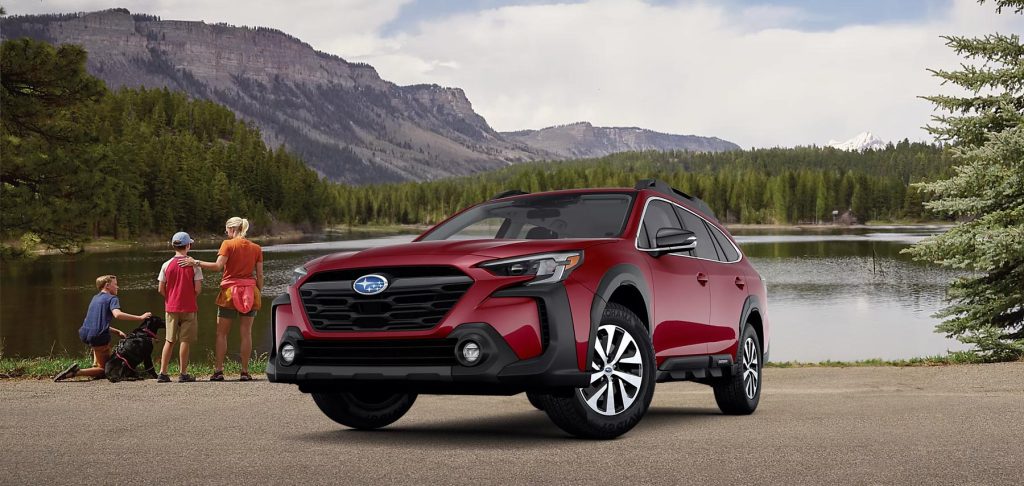
I am including the Outback because it represents a practical approach to suspension design. It does not chase aggressive handling at the expense of comfort.
Instead, it focuses on durability and consistency, making it particularly well suited for cities where road conditions are unpredictable. In Milwaukee, that translates into fewer worries about sudden impacts and a more relaxed driving experience.
2. Toyota RAV4
The Toyota RAV4 approaches pothole resistance with a different kind of balance, one that blends everyday usability with enough compliance to handle rough streets without constant concern. It may not feel as soft as some larger SUVs, but its suspension is tuned in a way that prioritizes control after impact rather than just initial softness.
When the RAV4 encounters a pothole, the response feels composed rather than dramatic. The suspension absorbs the hit without excessive bounce, and the chassis settles quickly.
This quick recovery is important in city driving, where multiple imperfections can appear in quick succession. Instead of feeling like the vehicle is being tossed around, the driver experiences a steady and predictable ride.
Wheel and tire choices also play a role here. The RAV4 maintains a sensible balance between wheel size and tire sidewall, avoiding the extremes that often lead to damage. This allows it to handle repeated impacts without putting excessive stress on the rims or suspension components.
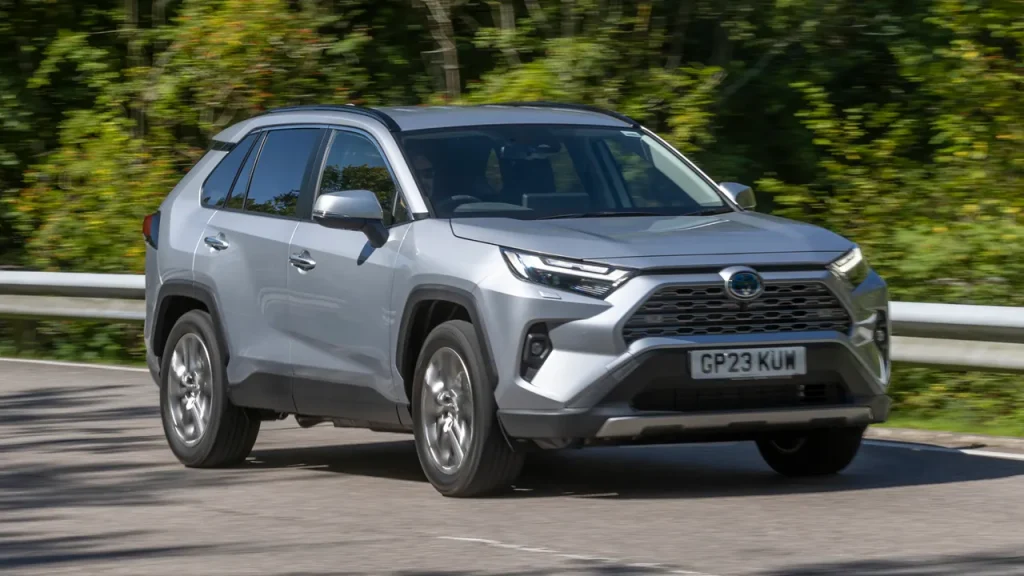
The reason for including the RAV4 lies in its consistency. It does not excel in just one aspect of ride quality, it delivers a well rounded performance that holds up over time. For drivers in Milwaukee, where potholes are a daily reality rather than an occasional issue, that consistency becomes more valuable than outright softness.
3. Honda CR-V
A different perspective on pothole resistance comes through in the Honda CR-V, where the focus leans toward refinement without sacrificing durability.
It does not immediately present itself as a rugged option, yet once it encounters broken pavement, its engineering choices begin to show their value.
The suspension is tuned to absorb impacts in a progressive manner, meaning it softens initial contact while maintaining enough firmness to prevent excessive body movement.
What stands out most is how quietly it deals with imperfections. Instead of transmitting sharp jolts into the cabin, the CR-V filters them into muted, controlled motions.
This makes a significant difference in daily driving, especially on city streets where potholes appear frequently and often without warning. The driver is not constantly reminded of every imperfection beneath the wheels.
Another element worth noting is how well the CR-V maintains composure after impact. Some vehicles absorb a pothole effectively but struggle to stabilize immediately afterward, leading to a floating or unsettled feeling.
The CR-V avoids this by keeping its rebound in check, allowing the vehicle to return to a balanced state quickly. This is particularly useful when navigating a sequence of uneven surfaces.
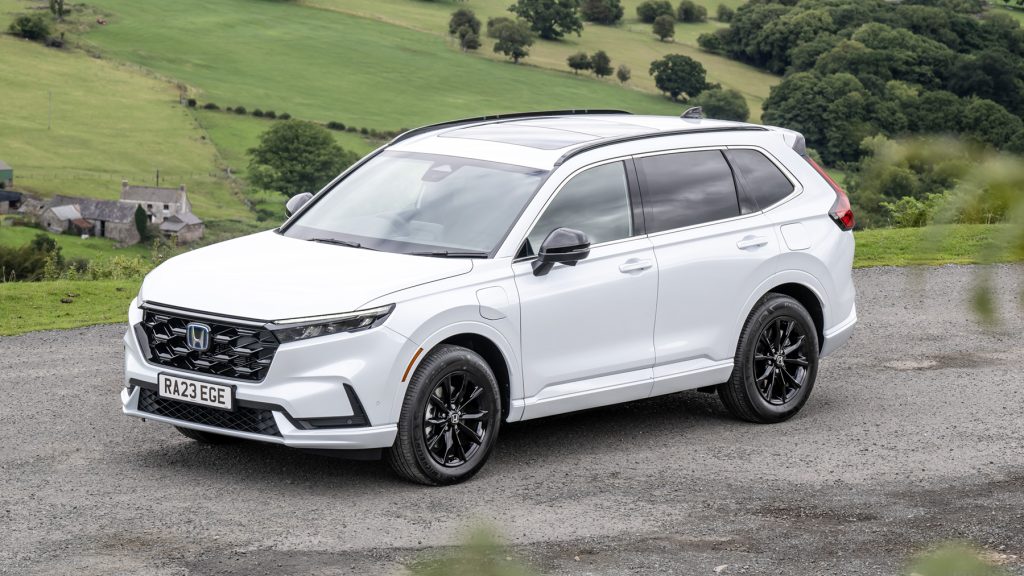
I am including the CR-V because it represents a refined solution to a harsh problem. It does not rely on overly soft suspension or exaggerated wheel travel.
Instead, it achieves comfort through controlled damping and thoughtful tuning. In a city like Milwaukee, where potholes are a constant factor, this approach ensures that daily driving remains smooth without compromising long term reliability.
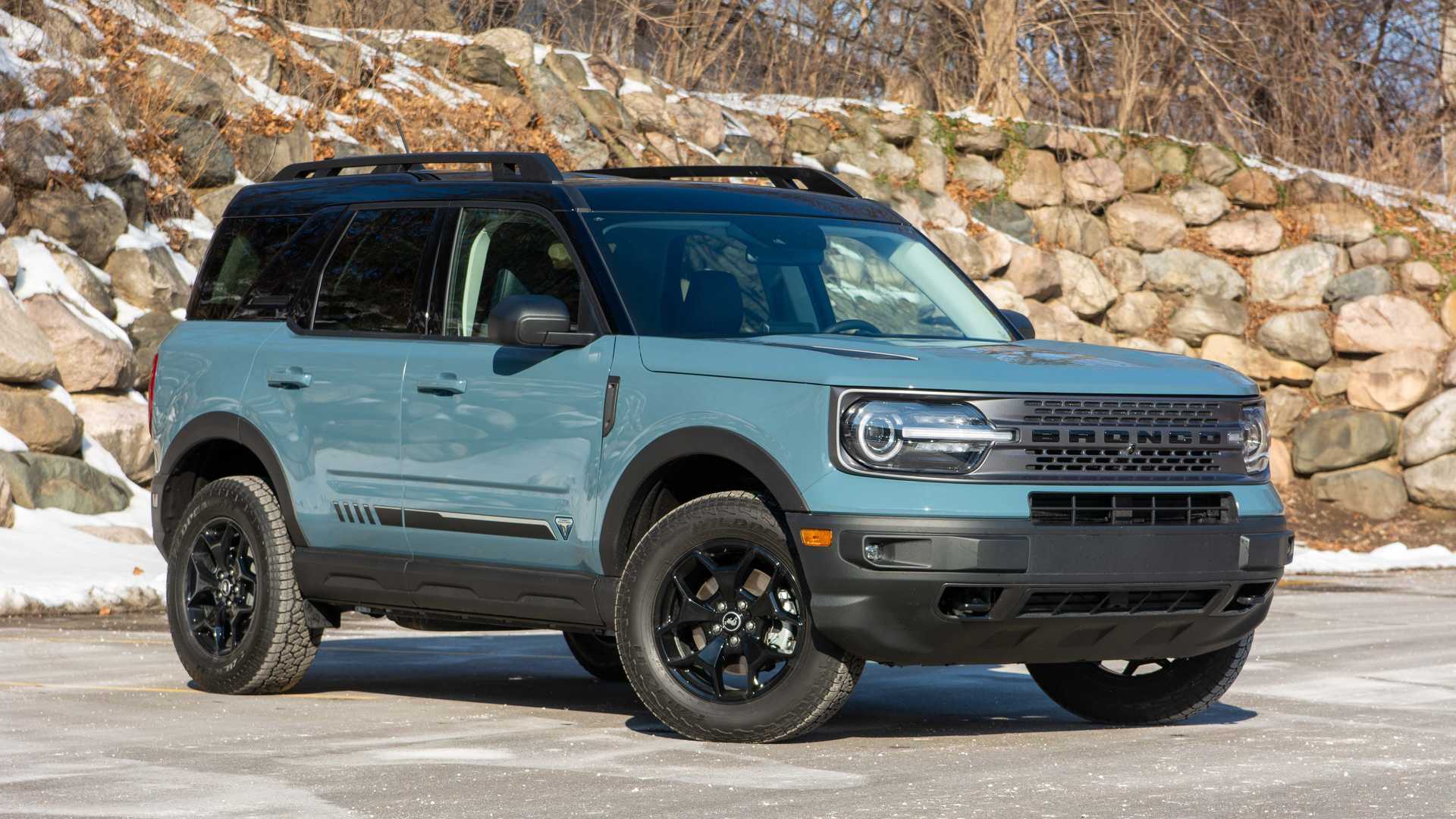
4. Ford Bronco Sport
The Ford Bronco Sport brings a more rugged mindset to urban driving, and that mindset translates well when dealing with potholes. While it is designed with off road capability in mind, many of those same characteristics prove beneficial on broken city streets.
The suspension is built to handle uneven terrain, which naturally makes it more resistant to sudden impacts from deep road damage.
One of its strongest traits is the way it manages larger disruptions. When encountering a deeper pothole, the Bronco Sport does not feel overwhelmed or harsh.
Instead, it absorbs the impact with a sense of strength, allowing the wheels to move freely without transferring excessive force into the cabin. This gives the driver a sense of security, even when road conditions deteriorate unexpectedly.
The vehicle’s ride height also plays a role in its effectiveness. With more ground clearance than a typical crossover, it avoids the sharp angles that can make potholes feel more severe. Combined with tires that offer a reasonable sidewall, the Bronco Sport creates a buffer between the road and the vehicle’s structure.
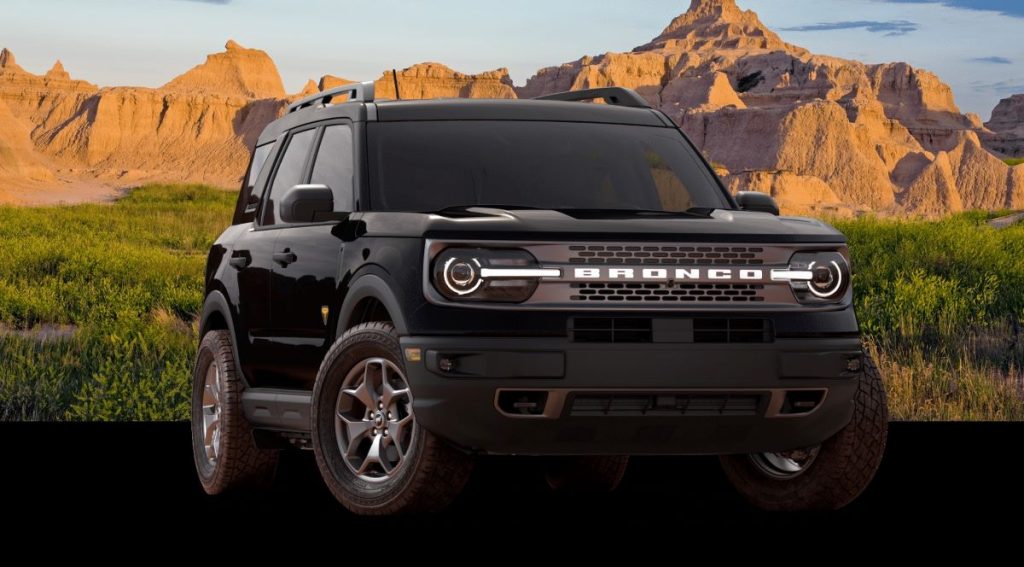
This vehicle is included because it approaches the problem from a durability first standpoint. Rather than fine tuning for comfort alone, it builds in resilience that can handle repeated impacts without concern.
In Milwaukee, where potholes can vary in size and severity, this type of capability ensures that the vehicle remains composed and dependable in situations that might unsettle more delicate setups.
5. Chevrolet Tahoe
Size alone does not guarantee a smooth ride, yet in the case of the Chevrolet Tahoe, its suspension design uses that size to its advantage in a way that directly benefits pothole resistance. This is a full size SUV built on a strong foundation, and its suspension tuning reflects the need to carry weight while still maintaining comfort across uneven terrain.
When it encounters rough city streets, that strength translates into a calm and controlled driving experience.
The Tahoe’s longer wheelbase plays a significant role in how it deals with potholes. Instead of reacting sharply to each imperfection, the vehicle spreads the impact over a larger footprint.
This reduces the intensity felt inside the cabin, making even deeper potholes feel less abrupt. The suspension absorbs the initial hit with a steady compression, followed by a measured rebound that prevents excessive movement.
Another advantage comes from its tire and wheel setup. Unlike performance focused vehicles that rely on large wheels and thin sidewalls, the Tahoe maintains a more practical configuration.
The tires provide an additional layer of cushioning, which works together with the suspension to soften impacts before they reach the chassis. This combination reduces stress on critical components and helps maintain long term durability.
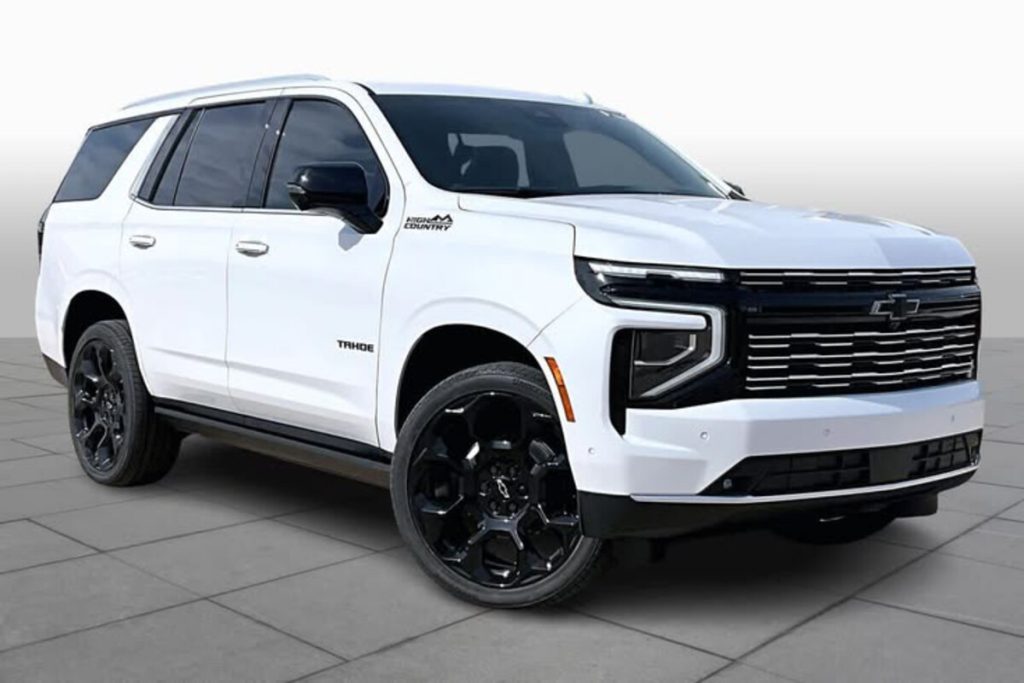
I am including the Tahoe because it demonstrates how a well engineered suspension can turn a large vehicle into a comfortable and capable daily driver, even in harsh urban conditions. It does not rely on delicate tuning or precision alone.
Instead, it uses strength, balance, and thoughtful design to handle repeated impacts with ease. In Milwaukee, where potholes are a constant challenge, that kind of resilience makes a noticeable difference in everyday driving.
5 Cars with Low-Profile Tires That Will Pop
While some vehicles are built to absorb the punishment of rough roads, others are designed with completely different priorities. Low profile tires have become increasingly popular because they enhance handling and give cars a sharper, more aggressive appearance. However, this design comes with a trade off that becomes impossible to ignore on damaged city streets.
Low profile tires have shorter sidewalls, which means there is less rubber available to absorb impacts. When a car with this setup hits a pothole, the force is transferred more directly to the wheel and suspension.
This increases the likelihood of tire damage, bent rims, and a harsher driving experience. In cities like Milwaukee, where potholes are frequent and often unavoidable, these risks become part of everyday driving.
The following vehicles highlight how low profile tire setups can struggle in such conditions. These are cars that may perform exceptionally well on smooth roads, offering precise handling and strong road feel, but they become vulnerable when faced with broken pavement.
Understanding these limitations can help drivers make more informed decisions, especially in environments where road quality is unpredictable.
1. BMW 3 Series M Sport
The BMW 3 Series in its M Sport configuration is designed to deliver a sharp and engaging driving experience, but that focus on performance introduces challenges when dealing with pothole filled streets.
The combination of large alloy wheels and low profile tires reduces the amount of cushioning available between the road and the vehicle, making impacts feel more immediate and more severe.
When the car encounters a pothole, the lack of sidewall flex becomes noticeable right away. Instead of absorbing the impact, the tire transmits much of the force directly to the wheel. This not only creates a harsh sensation inside the cabin but also increases the risk of damage. In some cases, even moderate potholes can lead to bent rims or tire sidewall failures.
The suspension tuning adds another layer to this experience. It is firm and responsive, which works well on smooth roads but does little to soften sudden impacts. As a result, the vehicle can feel unsettled when driving over uneven surfaces, requiring the driver to remain constantly alert.
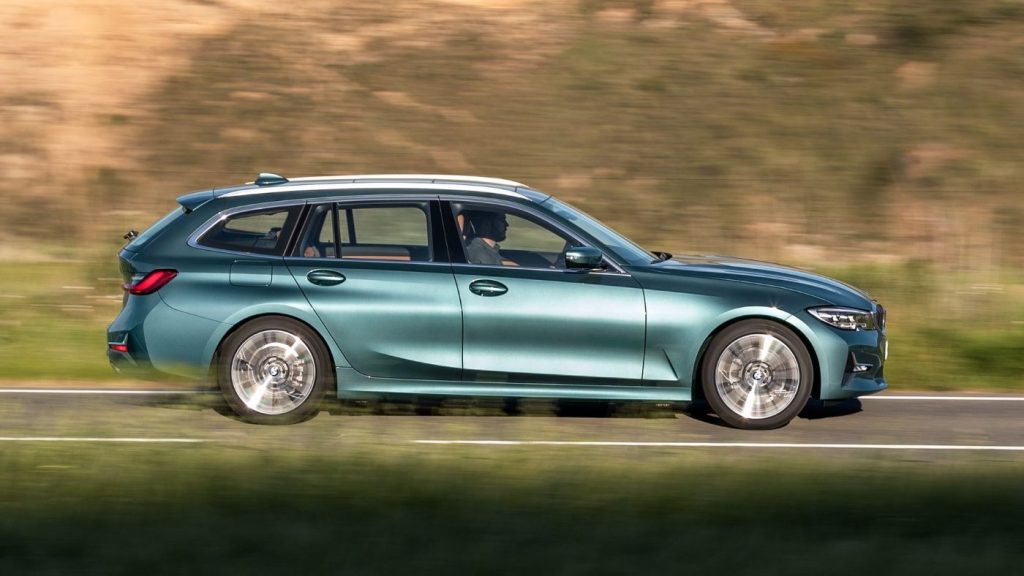
I am including the BMW 3 Series M Sport because it represents a common trade off in modern performance oriented vehicles. It excels in handling and precision, but those same characteristics make it less suited for harsh urban environments.
In Milwaukee, where potholes are a regular occurrence, this setup can turn routine drives into a more cautious and sometimes costly experience.
2. Mercedes-Benz C-Class AMG Line
The Mercedes-Benz C-Class with the AMG Line package emphasizes style and performance, and its wheel and tire setup reflects that intention clearly. Large wheels paired with low profile tires create a visually striking appearance and improve cornering response, but they also reduce the vehicle’s ability to cope with rough roads.
Driving this car through pothole ridden streets reveals how little margin for error exists with such a setup. The tires offer minimal cushioning, which means impacts are felt sharply inside the cabin. Even smaller imperfections can create noticeable jolts, while deeper potholes carry a higher risk of damaging both the tire and the wheel.
The suspension, while refined, is tuned to complement the sporty nature of the vehicle rather than to absorb harsh impacts. This creates a driving experience that feels controlled on smooth surfaces but becomes less forgiving when the road deteriorates.
The driver may find themselves slowing down frequently or trying to avoid imperfections that would be less concerning in other vehicles.
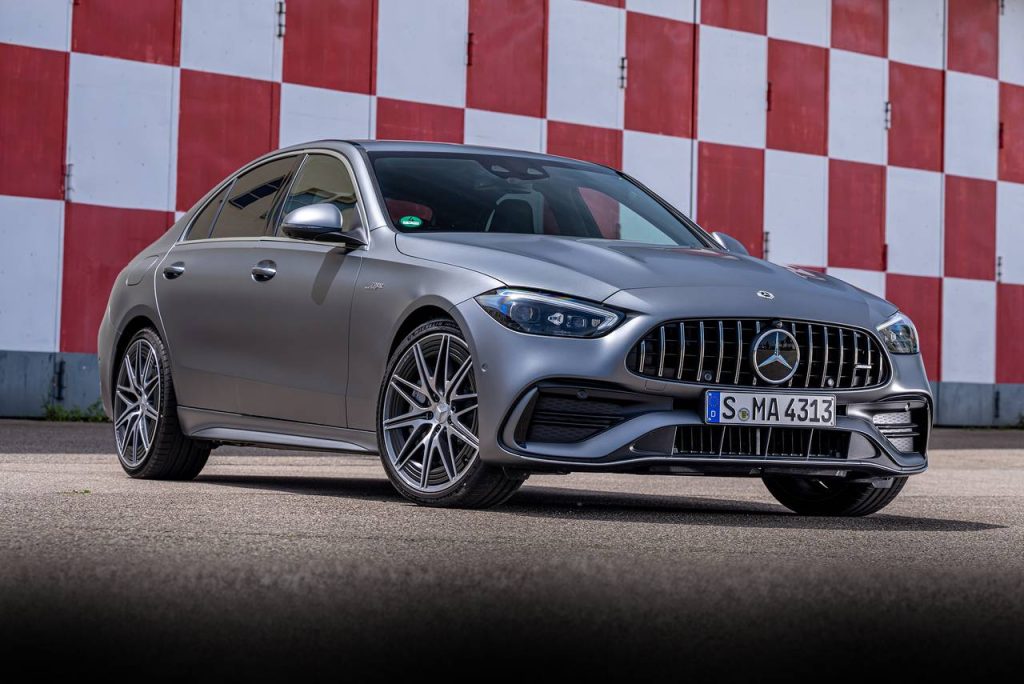
This car is included because it highlights how design priorities can influence real world usability. The AMG Line configuration enhances aesthetics and performance, but it also introduces vulnerabilities that become evident in challenging environments.
In a city like Milwaukee, where road conditions are far from ideal, this combination can lead to increased wear and a less comfortable daily drive.
3. Audi A4 S Line
The Audi A4 with the S Line package leans heavily into precision and road feel, and while that sharpness enhances driving enjoyment on smooth pavement, it introduces clear drawbacks when the surface becomes unpredictable.
The low profile tire setup paired with larger alloy wheels reduces the amount of cushioning available, making the car far less forgiving when encountering potholes.
As the A4 moves over uneven city streets, the firmness of its setup becomes immediately noticeable. The tires do not have enough sidewall depth to absorb sudden impacts effectively, so the force is transferred quickly into the wheel and suspension.
This creates a sharper sensation inside the cabin, often accompanied by a distinct thud that signals how little buffering is taking place between the road and the vehicle.
Another aspect that adds to this vulnerability is the suspension tuning. The S Line configuration is designed to keep the car planted and responsive, but that same stiffness limits its ability to deal with abrupt surface changes.
When multiple potholes appear in quick succession, the car can feel unsettled, requiring the driver to reduce speed or carefully adjust their path to avoid damage.
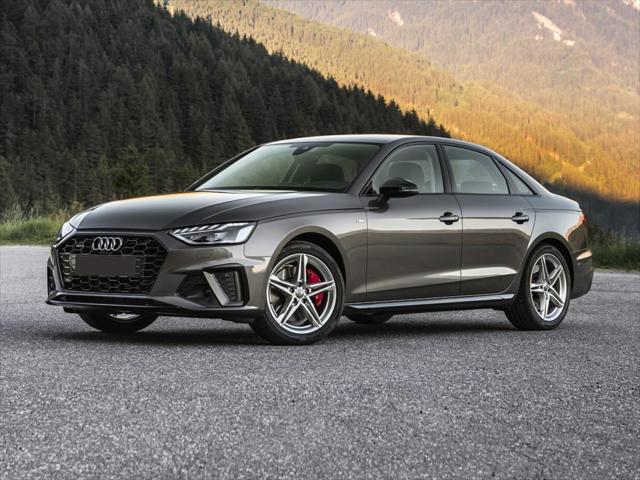
I am including the Audi A4 S Line because it represents a refined but delicate balance between performance and practicality.
It performs exceptionally well in environments where the road is smooth and predictable, yet it becomes far more sensitive when conditions deteriorate. In Milwaukee, where potholes are not occasional but expected, this setup can lead to increased wear and a constant need for caution during everyday driving.
4. Tesla Model 3 Performance
The Tesla Model 3 Performance brings a completely different type of driving experience, one centered around instant torque and precise handling.
However, its low profile tire configuration and firm suspension setup create challenges when dealing with pothole filled streets. The focus on responsiveness leaves little room for error when the road surface becomes inconsistent.
One of the most noticeable traits is how directly the vehicle communicates impacts. With minimal sidewall cushioning, the tires transmit sharp forces into the chassis almost instantly. This can make even moderate potholes feel more severe than expected.
The added weight of the battery pack further amplifies the effect, as the suspension has to manage both the impact and the mass of the vehicle at the same time.
The Performance variant’s suspension tuning also plays a role. It is calibrated for control and stability at higher speeds, not for absorbing harsh, sudden impacts. As a result, the car can feel rigid when encountering broken pavement, and repeated exposure to such conditions increases the likelihood of tire or wheel damage.
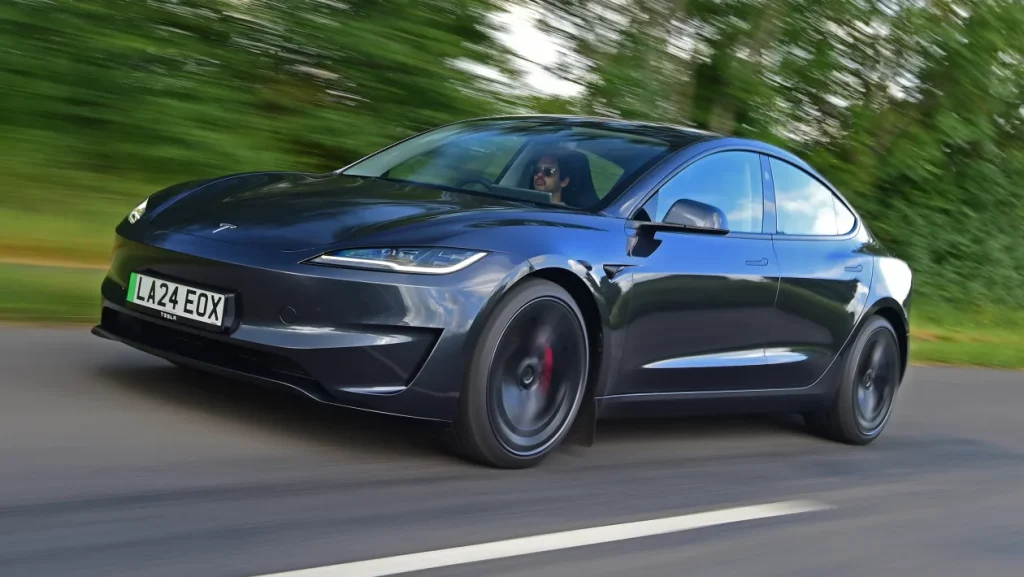
This vehicle is included because it highlights how advanced technology does not always translate into real world resilience. The Model 3 Performance excels in acceleration and handling, but its setup makes it less suited for rough urban environments.
In a city like Milwaukee, where potholes can appear without warning, this combination requires drivers to be especially cautious to avoid costly repairs.
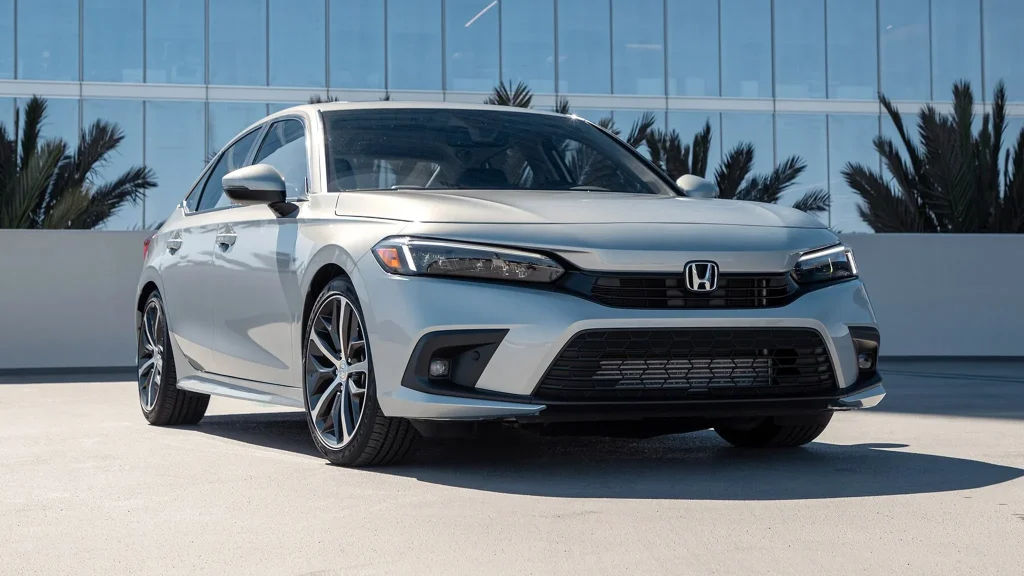
5. Honda Civic Touring (Low Profile Setup)
The Honda Civic Touring, particularly in its higher trim configurations, adopts a sportier appearance that includes larger wheels and lower profile tires.
While this enhances its visual appeal and improves handling responsiveness, it also reduces its ability to cope with damaged road surfaces. The trade off becomes clear the moment the car encounters a pothole.
Unlike earlier versions of the Civic that focused more heavily on comfort, this setup prioritizes a firmer and more connected driving feel.
The reduced sidewall height limits how much the tire can flex under impact, which means the force from potholes is transferred more directly into the wheel. This not only increases the harshness felt inside the cabin but also raises the risk of tire damage.
The suspension attempts to balance comfort and control, but there is only so much it can compensate for when the tire itself lacks cushioning. On rough streets, the car can feel busy, reacting to each imperfection rather than smoothing it out. This creates a driving experience that requires more attention and adjustment from the driver.
I am including the Civic Touring because it demonstrates how even practical, everyday vehicles can become less suited to harsh conditions when fitted with low profile tires. It remains efficient and enjoyable in many situations, but in Milwaukee’s pothole heavy environment, this configuration can lead to a less forgiving and more vulnerable ride.
Driving conditions in Milwaukee highlight a clear divide between vehicles that are built to handle rough roads and those that are not.
This article explored both sides by focusing on suspension design and tire configuration, showing how these two elements directly influence durability, comfort, and long term reliability in a pothole heavy environment.
On one side, there are vehicles engineered with resilience in mind. Models like the Subaru Outback, Toyota RAV4, Honda CR-V, Ford Bronco Sport, and Chevrolet Tahoe demonstrate how thoughtful suspension tuning can absorb repeated impacts without compromising control.
These vehicles rely on longer suspension travel, balanced damping, and practical tire sidewalls that provide an additional cushion against harsh road surfaces. Instead of reacting sharply to potholes, they manage impacts progressively, allowing the vehicle to remain stable and composed even when the road is consistently uneven.
What stands out about these pothole resistant vehicles is not just their ability to soften impacts, but how quickly they recover afterward. A good suspension does more than absorb a hit, it stabilizes the vehicle immediately so the driver does not feel unsettled.
This becomes especially important in city driving, where multiple potholes can appear in quick succession. These vehicles reduce driver fatigue, protect key components like wheels and alignment, and create a more predictable driving experience overall.
On the other side of the comparison are vehicles equipped with low profile tires, such as the BMW 3 Series M Sport, Mercedes-Benz C-Class AMG Line, Audi A4 S Line, Tesla Model 3 Performance, and Honda Civic Touring in its sport oriented trims.
These cars are designed with performance and aesthetics as priorities, using larger wheels and thinner tire sidewalls to enhance handling and visual appeal. However, this setup leaves very little margin for error when encountering potholes.
Low profile tires cannot absorb impacts effectively, which means the force is transferred directly to the wheel and suspension. This increases the risk of tire punctures, sidewall damage, and bent rims.
The firmer suspension tuning found in these vehicles further amplifies the issue, making the driving experience harsher and less forgiving on damaged roads. While these cars perform exceptionally well on smooth surfaces, they require constant attention in environments where road quality is unpredictable.
The contrast between these two categories highlights an important takeaway. Choosing the right vehicle for a city like Milwaukee is not just about performance or styling, it is about how well the car can handle real world conditions on a daily basis.
A well designed suspension and practical tire setup can make a significant difference in comfort, cost of ownership, and overall driving confidence.
Understanding these differences allows drivers to make more informed decisions based on their environment. In a place where potholes are unavoidable, prioritizing durability and compliance over aggressive styling can lead to a far more satisfying and stress free driving experience.
Also Read: 5 SUVs for Car Camping in the USA vs 5 SUVs Without Flat-Folding Seats