
Urban driving tests patience, awareness, and vehicle choice every single day. Tight intersections, narrow one-way streets, crowded parking garages, and constant stop-and-go traffic place unique demands on any car moving through a downtown core. Cincinnati’s central districts amplify these challenges with historic street layouts, hills, and closely packed blocks that reward precision rather than brute size.
Choosing a vehicle that turns easily, fits into small spaces, and reacts quickly can change daily driving from stressful to controlled. Compact dimensions alone do not guarantee ease of movement. Steering geometry, wheelbase length, visibility, and suspension tuning all shape how a vehicle behaves when space disappears.
Some cars feel nervous and cramped despite being small. Others feel confident and agile because every control responds predictably. City driving favors vehicles that allow quick lane positioning, smooth U-turns, and confident cornering without requiring constant correction.
This page separates two automotive personalities. First section focuses on vehicles that thrive in tight downtown environments, prioritizing maneuverability and control. The next part moves attention toward wide-body trucks designed for power, load capacity, and road presence rather than nimble movement. Each section highlights six different vehicles, with no repetition, examined through real-world urban use rather than marketing language.
Drivers who value ease, clarity, and reduced fatigue during daily city travel will recognize how much vehicle design influences experience. Tight-turning vehicles prove that smart proportions and responsive engineering can outperform raw size when streets grow narrow and time feels limited.
6 Tight-Turning Vehicles for Downtown Cincinnati
1. Mini Cooper Hardtop 2 Door
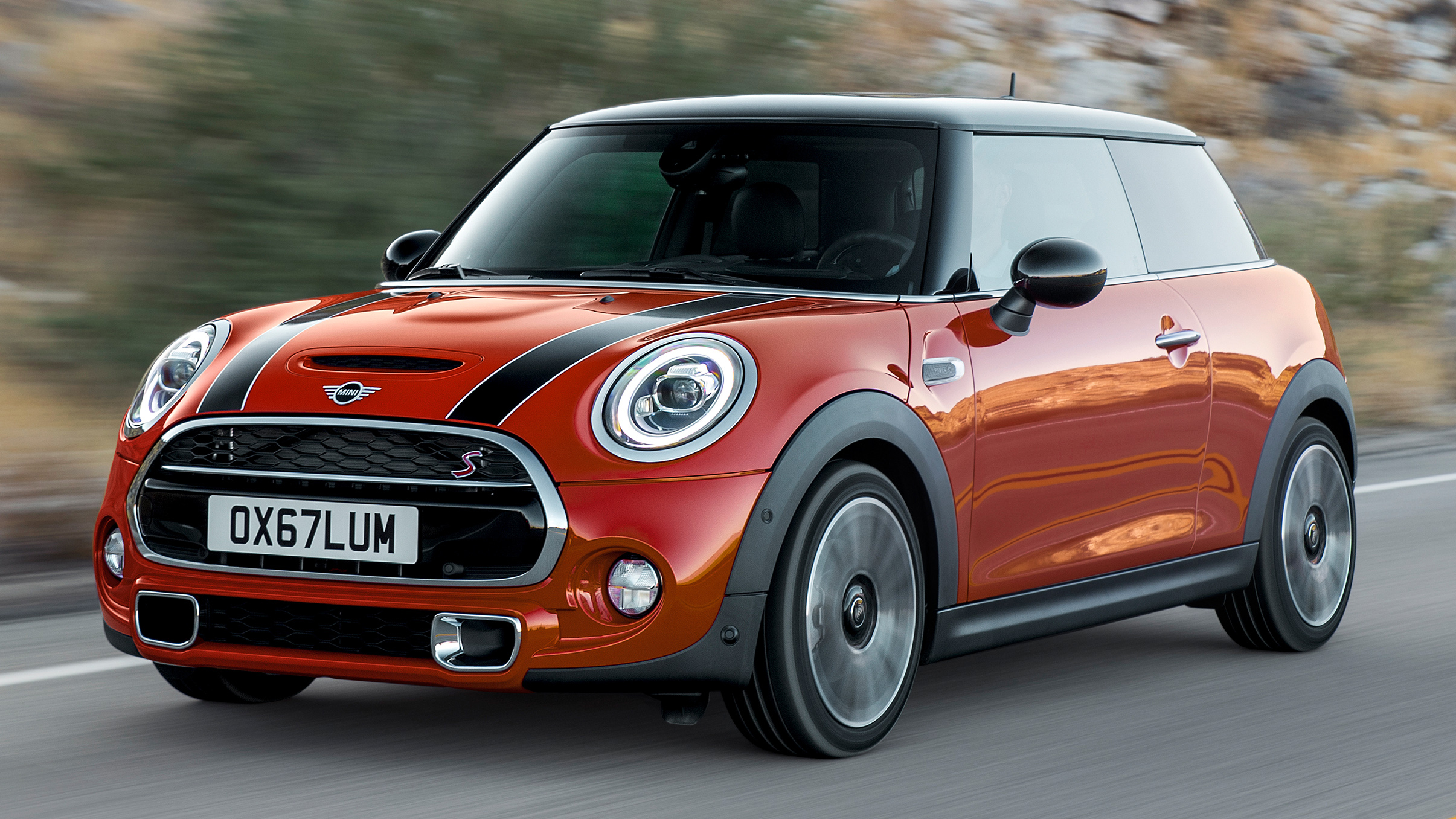
City streets reward decisiveness, and this vehicle responds instantly to driver input. Short wheelbase design allows tight steering angles that feel natural rather than forced. Every corner becomes an invitation rather than an obstacle, especially when driving through compact intersections common throughout downtown Cincinnati.
Visibility plays a major role in confidence. Upright seating position combined with large windows gives clear sightlines in every direction. Side streets, crosswalks, and cyclists remain visible without exaggerated head movement. Parking garages and parallel spaces feel manageable rather than intimidating.
Steering weight delivers immediate feedback without requiring effort. Low-speed maneuvers benefit from a turning radius that allows smooth U-turns on streets where other vehicles require multiple corrections. That responsiveness reduces hesitation and keeps traffic flowing.
Suspension tuning deserves attention as well. Firm yet controlled damping keeps body movement contained when weaving through traffic. Bumps and pavement changes transmit information without harshness, helping drivers anticipate road conditions rather than react late.
Power delivery suits urban rhythms. Acceleration remains brisk enough to merge confidently while remaining predictable at low speeds. Throttle response avoids sudden surges that complicate close-quarters driving. Interior layout supports quick decision-making. Controls sit within easy reach, minimizing distraction. Compact exterior proportions do not translate into claustrophobic cabin space due to efficient design choices.
Fuel efficiency adds practical value for daily commuting. Frequent stops and starts do not punish consumption as severely as with larger vehicles. Reduced fuel stops mean fewer interruptions during busy schedules. This model fits naturally into dense environments.
Streets designed long before modern vehicles existed feel accommodating rather than restrictive. Drivers gain a sense of command rather than compromise, making every downtown trip more controlled and less demanding.
2. Honda Fit Sport
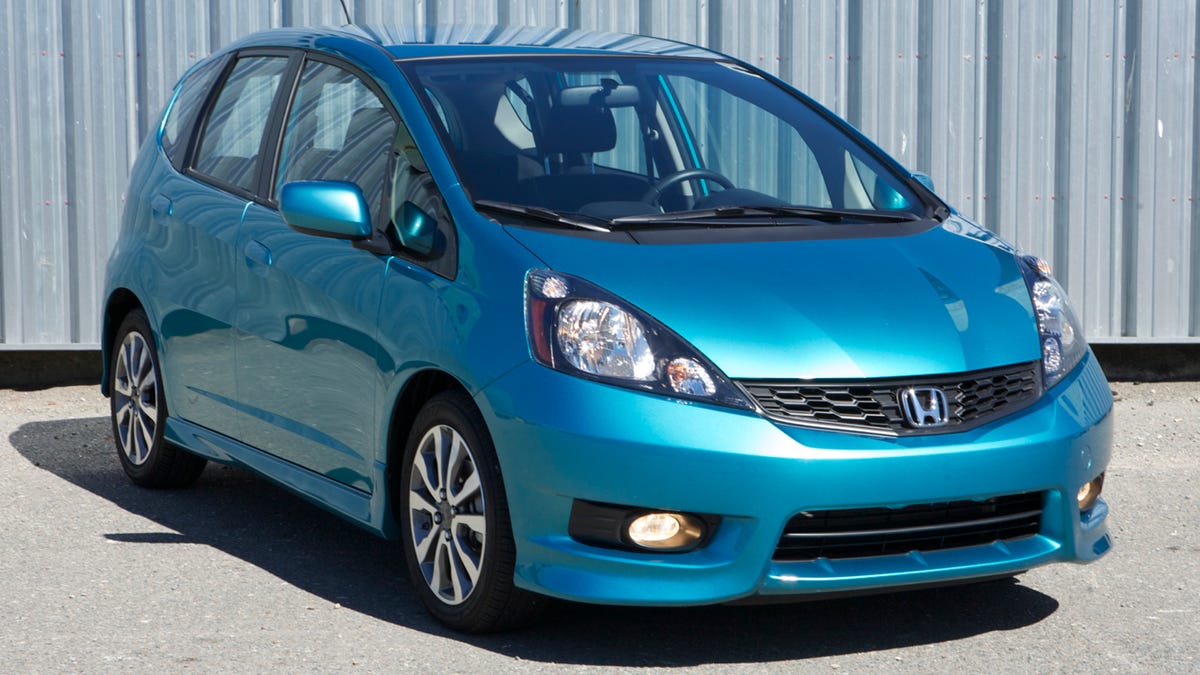
Practical intelligence defines this vehicle from the first turn of the wheel. Compact length paired with thoughtful steering calibration allows confident navigation through narrow streets and crowded intersections. Tight angles become routine rather than moments of stress.
Cabin layout emphasizes outward awareness. Thin pillars and expansive glass surfaces improve spatial judgment when entering alleyways or parking structures. Situational awareness improves without reliance on electronic assistance. Steering remains light yet precise. Low-speed responsiveness makes three-point turns feel unnecessary in spaces where other vehicles struggle. That ease supports quick adjustments when traffic patterns change unexpectedly.
Suspension behavior balances comfort and control. Urban pavement imperfections do not unsettle the chassis. Stability remains intact even during abrupt directional changes common in city traffic. Cargo flexibility enhances daily usefulness. Rear seating configurations accommodate errands without compromising maneuverability. Carrying groceries or equipment does not alter handling characteristics.
Engine output aligns with city demands. Smooth power delivery ensures predictable acceleration from traffic lights. That consistency supports safe merging and lane changes in busy corridors. Reliability reputation adds confidence. Drivers focusing on daily commuting benefit from dependable operation without frequent service interruptions. Ownership remains straightforward.
Compact exterior dimensions combined with interior versatility make this vehicle adaptable. Streets feel less confining when driving something engineered for efficiency rather than excess. Urban environments reward vehicles that simplify movement rather than complicate it.
Also Read: 6 Hatchbacks for Grocery Runs In the USA vs. 6 Sedans with Tiny Openings
3. Mazda MX-5 Miata RF
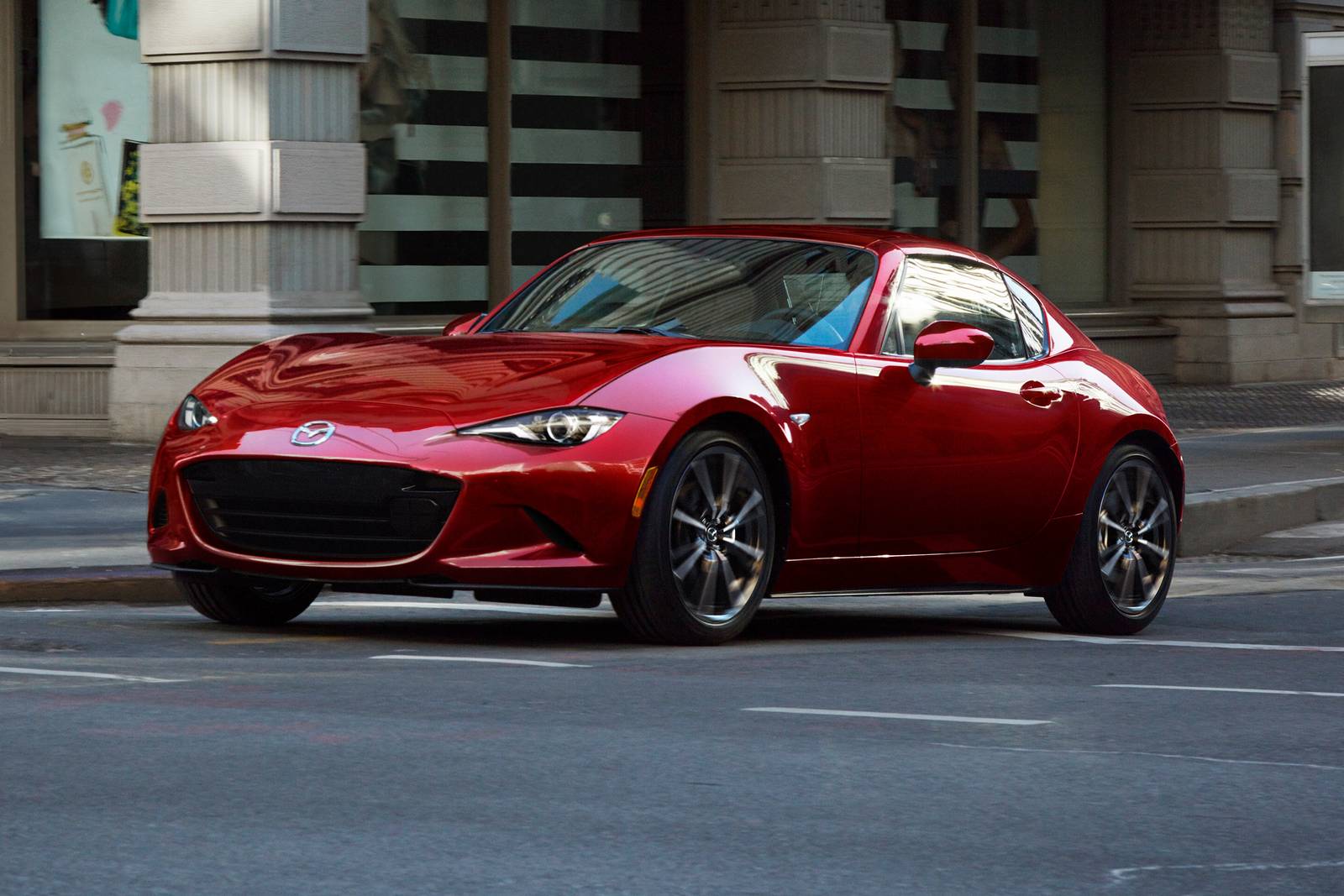
Agility defines every movement of this roadster. Lightweight construction and balanced proportions produce an intuitive driving feel ideally suited for tight urban streets. Each steering input translates directly into motion without delay. Turning radius impresses immediately. Narrow streets and compact intersections feel approachable. Precision replaces caution, allowing confident navigation through areas where larger vehicles hesitate.
Low seating position enhances road awareness. Feedback from tires and suspension communicates surface conditions clearly. That connection helps drivers anticipate grip changes while remaining relaxed. Manual or automatic transmission options maintain smooth operation at low speeds. Gear changes occur without disruption, preserving composure during stop-and-go conditions.
Exterior size simplifies parking. Parallel spaces often dismissed by other drivers become viable options. Compact length reduces anxiety when entering crowded lots. Engine output emphasizes balance rather than excess. Power remains sufficient for quick acceleration without overwhelming traction. City driving benefits from this restraint.
Visibility forward and to the sides supports awareness. Despite its compact stature, design choices prevent blind spots from becoming problematic. This vehicle transforms urban driving into an engaging task rather than a chore. Streets become interactive rather than restrictive. Tight environments reward vehicles that respond instantly and predictably, making this roadster a surprising yet effective downtown companion.
4. Toyota Corolla Hatchback SE
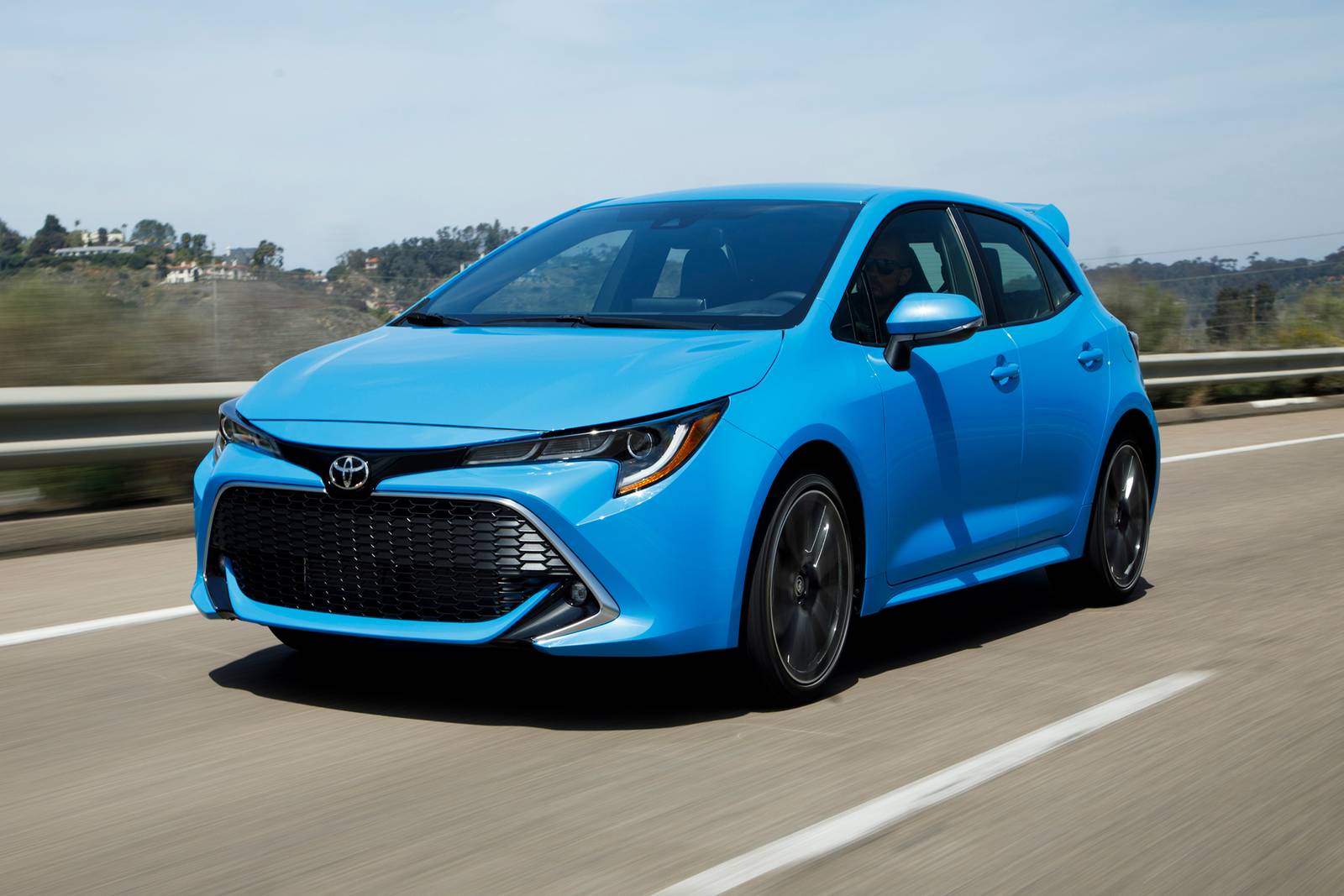
Balanced design anchors this hatchback’s urban appeal. Compact proportions allow confident movement through narrow streets while preserving interior comfort suitable for routine use. Maneuverability stands out as a defining strength during daily travel across dense districts.
Steering response favors accuracy rather than heaviness. Low-speed turns feel natural and predictable, supporting fast corrections when pedestrians, cyclists, or delivery vehicles appear without warning. That responsiveness improves control and reduces driver strain during crowded commutes.
Ride quality manages uneven pavement with composure. Broken asphalt, patched surfaces, and frequent stops become manageable instead of distracting. Vehicle control remains steady during abrupt braking, helping maintain calm progress through traffic signals and crosswalks.
Interior ergonomics promote concentration. Dashboard layout follows logical placement, allowing adjustments without visual searching. Driver attention stays on the surrounding activity instead of the controls. Seating position supports posture during repeated short trips common in city routines.
Cargo access adds flexibility without altering balance. Rear hatch design supports groceries, work equipment, or small luggage while preserving stable handling. Load changes do not upset steering feel or braking confidence. Fuel efficiency suits frequent urban operation. Reduced consumption lowers operating expense and supports consistent usage without concern for constant refueling. Smooth power delivery encourages measured acceleration in stop-start conditions.
Exterior dimensions simplify parking. Tight curbside spaces, compact garages, and narrow residential streets feel approachable rather than stressful. Entry and exit remain straightforward even in crowded areas. This hatchback succeeds through careful calibration rather than attention-seeking features. City streets favor vehicles that cooperate with design limits.
Daily driving feels controlled, calm, and efficient when proportion and response work together harmoniously. Reliability reputation also supports confidence, encouraging ownership continuity and predictable service planning without anxiety or surprise interruptions during demanding weekly schedules. Such consistency aligns well with structured routines and disciplined urban mobility expectations for residents.
5. Volkswagen Golf GTI
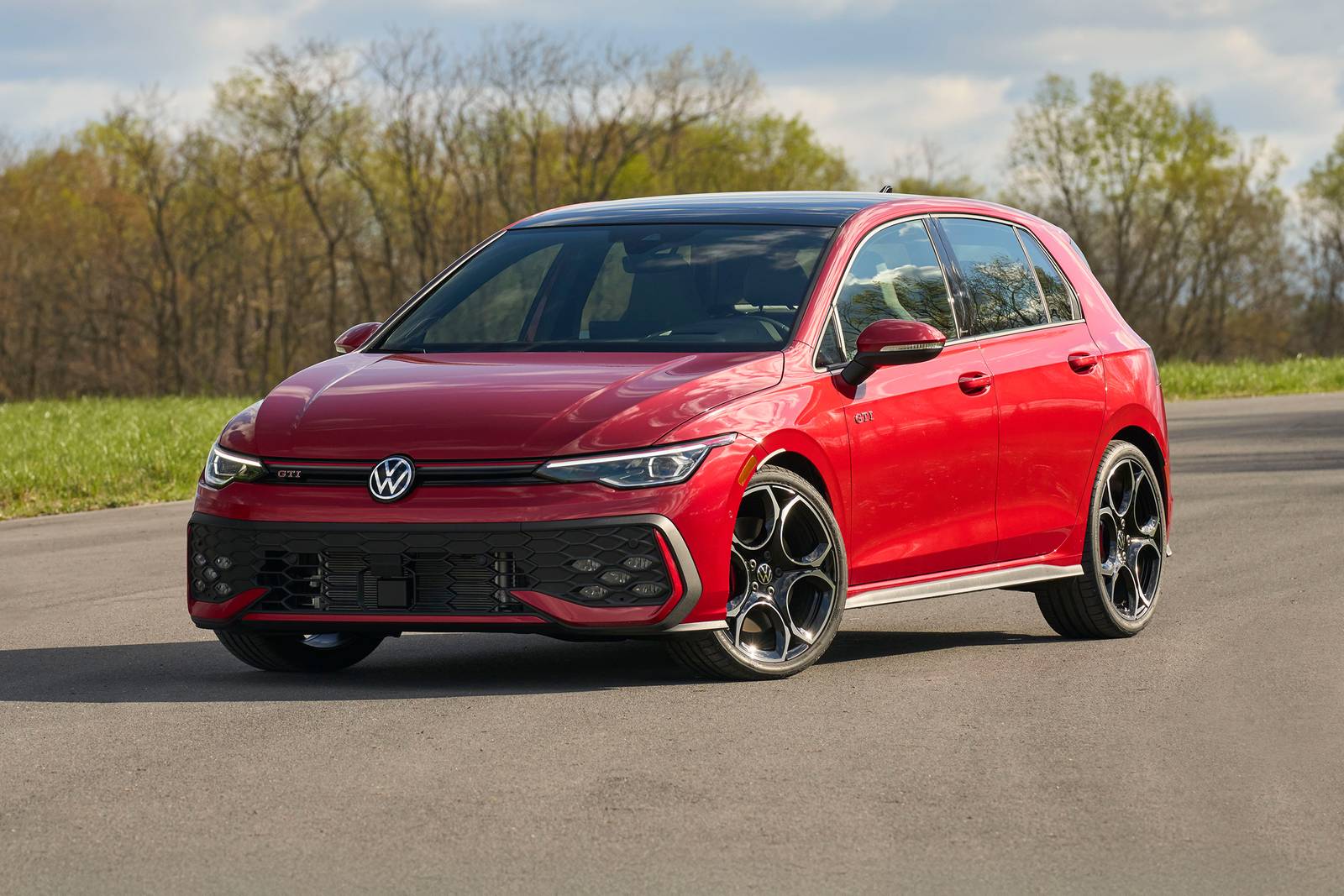
Precision shapes the character of this performance-focused hatchback. Compact exterior dimensions pair with advanced chassis tuning, allowing confident movement through restricted city corridors. Every action feels intentional, creating trust between driver input and vehicle response.
Steering communication remains sharp and transparent. Wheel movement translates directly into directional change, supporting confident progress through narrow streets and tight intersections. Predictability replaces hesitation, which proves valuable during dense traffic periods.
Suspension calibration blends firmness with compliance. Body control stays disciplined without introducing discomfort. Urban pavement irregularities such as seams, drains, and patched sections do not disturb stability or composure during frequent braking cycles.
Power delivery feels controlled and refined. Acceleration supports swift lane adjustments while maintaining smooth behavior at reduced speeds. Throttle modulation responds faithfully, reducing fatigue during prolonged congestion. Interior layout encourages engagement. Seating position promotes alert posture, while controls remain within easy reach. Driver focus remains steady without sensory overload. Cabin design supports longer commutes without strain.
Visibility supports awareness despite sporty proportions. Pillar placement allows reliable sightlines during merges, turns, and parking maneuvers. Urban awareness improves without constant head movement. Compact footprint eases parking and directional changes. U-turns and parallel parking require less correction, reducing stress in crowded districts. Tight garages feel manageable rather than restrictive.
This hatchback demonstrates how performance and daily usability can coexist within city boundaries. Streets reward vehicles capable of precise reaction without excessive bulk. A confident response builds trust during routine travel. That trust encourages consistency, promoting smoother habits and disciplined operation across repeated urban journeys. Owners benefit from a balance that supports spirited capability while respecting spatial limits set by city design and traffic density realities.
6. Hyundai Kona N Line
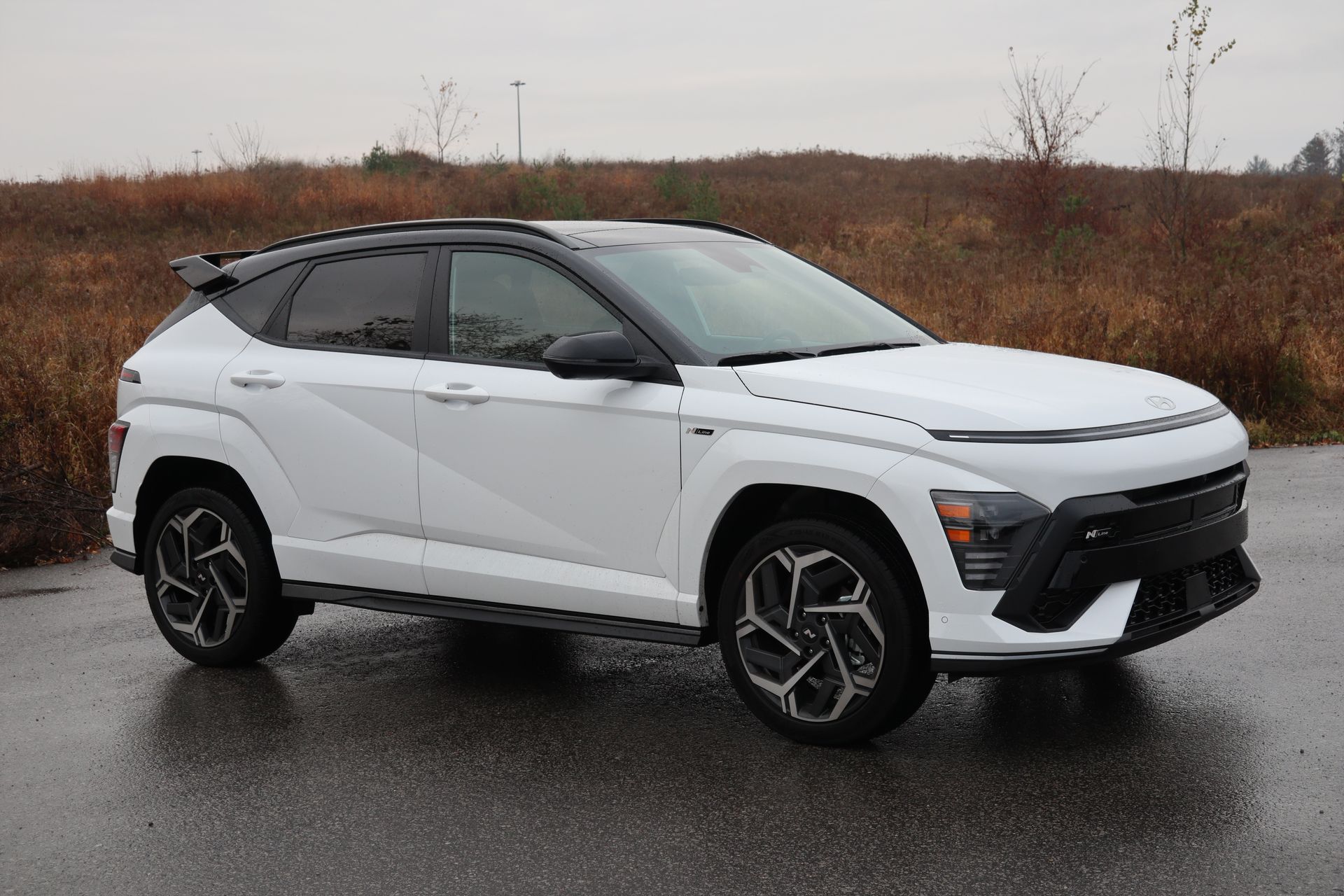
Distinct proportions define the character of this subcompact crossover. Short length combines with responsive steering, allowing confident progress through busy downtown streets while providing elevated seating for broader visibility. Urban mobility benefits from this balanced approach.
Steering calibration favors quick directional response. Tight intersections feel manageable, while the turning radius supports assured U-turns within constrained layouts. Driver input receives immediate acknowledgment without delay or correction. Suspension tuning emphasizes control. Body movement stays disciplined during abrupt maneuvers, supporting confidence during heavy traffic cycles. Stability remains intact during sudden stops or lane changes common in city driving.
Visibility enhances situational awareness. Raised seating position improves observation of traffic flow, crosswalk activity, and signal changes. That advantage does not sacrifice compact dimensions or agility. Power delivery remains measured and predictable. Acceleration suits city conditions, allowing smooth merging without aggressive response. Throttle engagement supports consistency during stop-start patterns.
Interior space meets daily demands efficiently. Cargo capacity accommodates errands, work equipment, and weekend tasks while preserving balanced handling characteristics. Practicality blends seamlessly with mobility. Exterior sizing aligns with urban constraints. Parking structures, narrow streets, and residential zones feel accessible rather than intimidating. Entry points rarely impose restriction concerns.
This crossover demonstrates how thoughtful proportion supports daily city travel. Downtown environments favor vehicles that combine visibility, control, and restrained size. Daily routines benefit from designs that prioritize movement, clarity, and composure. Such alignment supports steady driving habits, reduced fatigue, and reliable confidence during repeated urban use without unnecessary compromise or adjustment demands.
6 Wide-Body Trucks and Their Reality on Tight City Streets
1. Ford F-150 Raptor
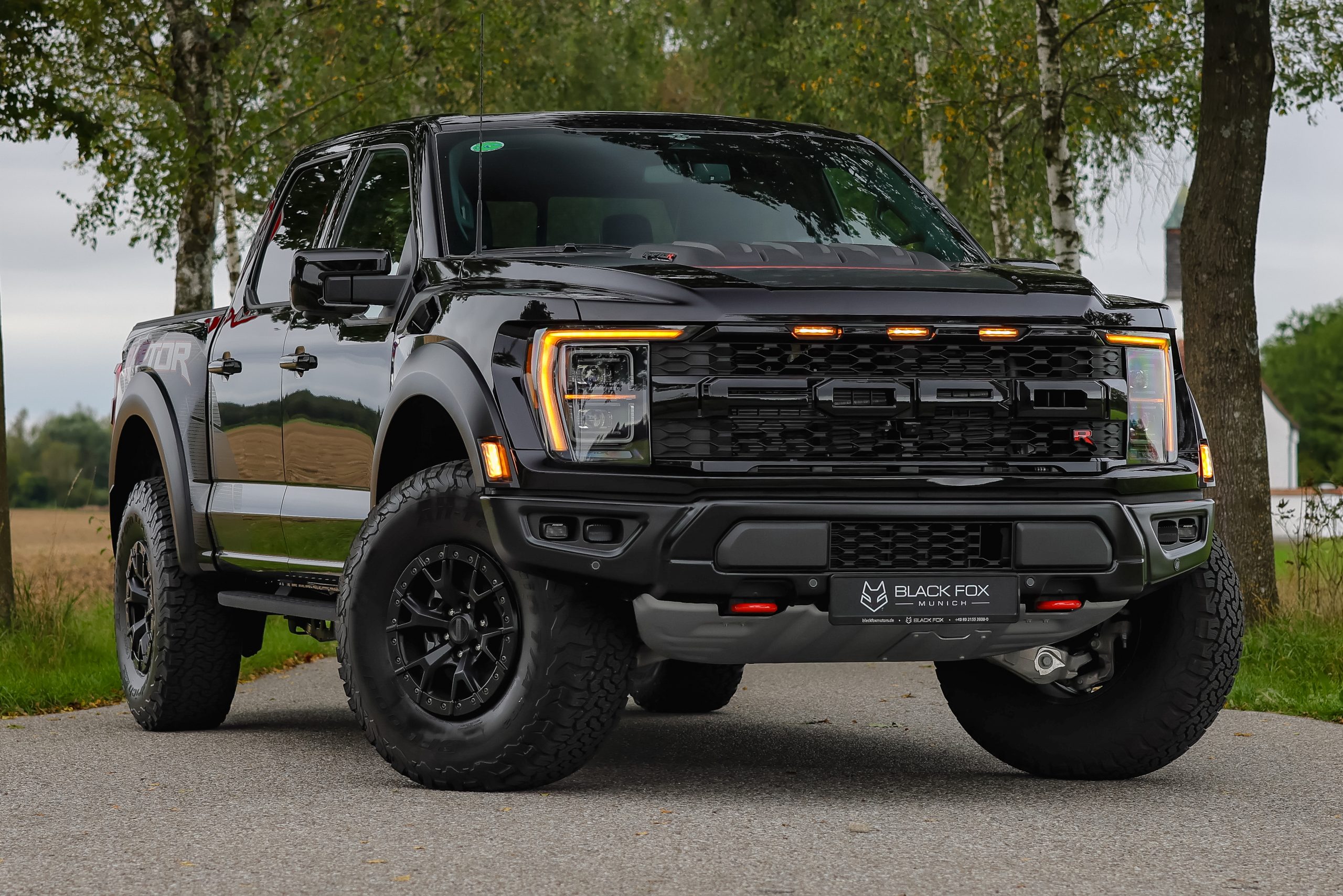
Urban streets rarely forgive excess width, and this truck introduces that challenge immediately. Broad fenders extend well beyond standard lane expectations, demanding constant spatial judgment during downtown driving. Every turn requires planning rather than instinct, especially in older districts where road design favors compact cars and tighter geometry.
The Raptor’s stance changes how a driver approaches even familiar routes, turning routine errands into exercises in careful positioning. Steering response favors stability instead of agility. At low speeds, wheel input must be deliberate, making corners feel drawn out rather than fluid.
U-turns and narrow intersections reveal just how much space the front end requires. While the elevated ride height offers commanding visibility, helping drivers read traffic patterns ahead, that benefit does not cancel out the challenge of managing width on both sides.
Squeezing past parked cars becomes a calculated task. Narrow garages introduce constant clearance concerns, particularly with concrete pillars and tight entry ramps. Suspension design focuses heavily on off-road performance, using long-travel components built for rough road. On city pavement, that setup leads to noticeable body movement during quick lane changes or abrupt stops, which are common in dense traffic.
Power delivery suits open roads better than stop-and-go patterns. The throttle responds quickly, requiring restraint to avoid abrupt movement in congested areas. Smooth progress demands careful modulation, especially during low-speed crawling or tight parking maneuvers. Fuel consumption also becomes more noticeable when frequent idling replaces highway cruising.
Parking presents daily negotiation. Standard spaces often feel undersized, and multi-level garages may restrict access due to height limits or sharp turns. Parallel parking requires patience and confidence, as the truck occupies more curb space than most city vehicles.
Daily use in dense areas becomes a test of tolerance. Capability remains unquestioned, yet urban environments reward compact precision rather than expansive strength. The Raptor feels most comfortable where space is generous, while city streets constantly remind drivers of its size.
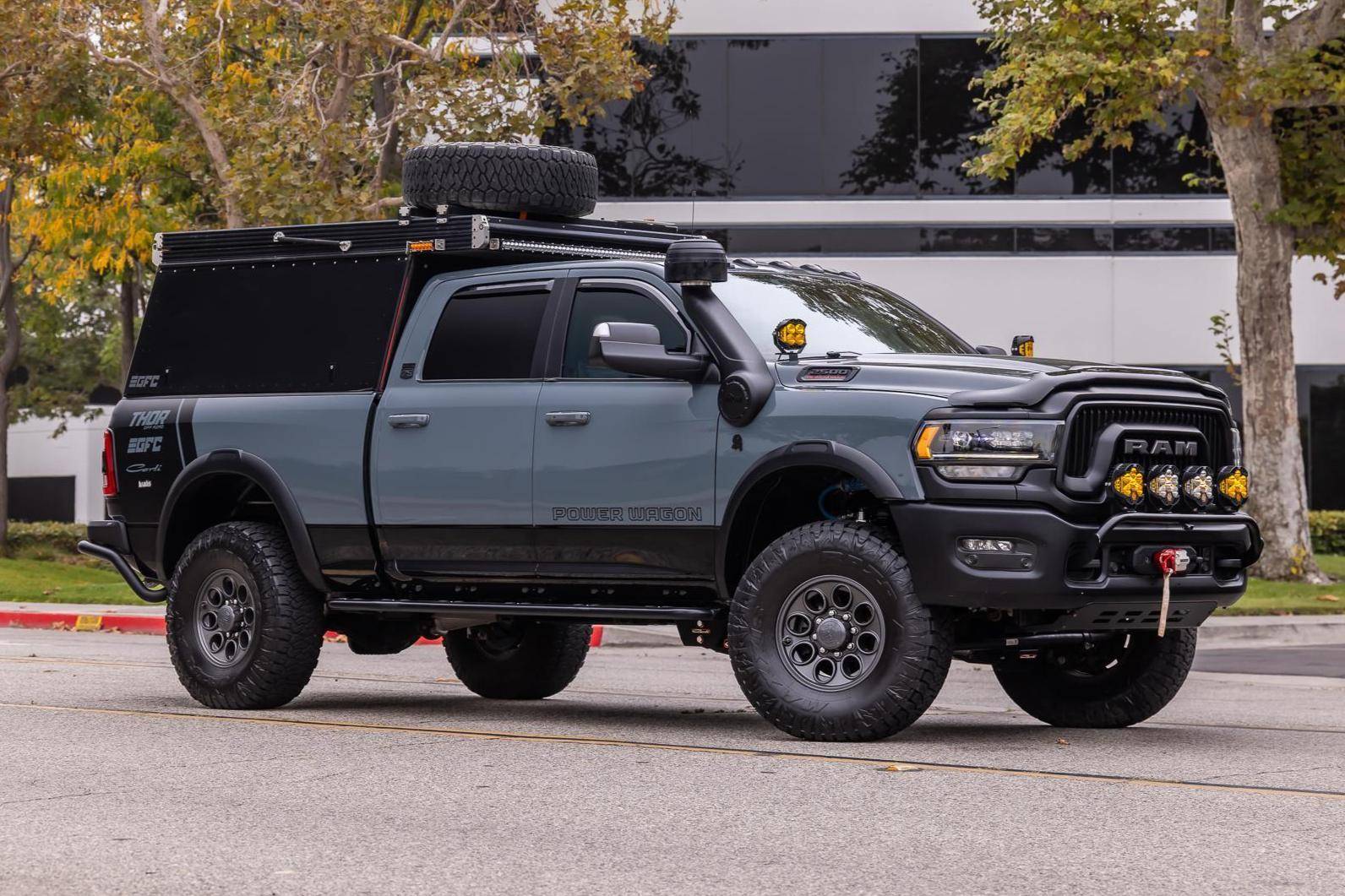
2. Ram 2500 Power Wagon
Mass announces itself before motion begins. The wide stance and reinforced bodywork dominate narrow streets, altering how surrounding drivers respond. In city settings, movement becomes less about flow and more about negotiation, as smaller vehicles hesitate or give extra space when this truck approaches.
Steering geometry reflects its heavy-duty purpose. Tight turns demand more room than many downtown corners allow, leading to frequent multi-point maneuvers. Parking lots with compact layouts quickly expose the limits of its turning radius, requiring patience and planning rather than quick reactions.
Suspension stiffness favors load handling and durability. Urban bumps, potholes, and uneven pavement transmit firmly through the cabin, reminding occupants that comfort was not the primary design goal. Speed humps and rough intersections feel more pronounced, especially when the truck is unladen.
Visibility forward remains strong due to elevated seating and large windows. That advantage supports awareness in traffic, yet side clearance demands constant attention. Wide mirrors become essential tools, helping track curb distance and passing vehicles in narrow lanes.
Engine output delivers confidence in nearly any situation. Acceleration feels effortless, though that strength proves unnecessary in traffic congestion. Maintaining smooth progress requires restraint, as sudden throttle input can disrupt pacing in crowded corridors.
Parking challenges multiply quickly. Length and width exceed standard space dimensions, making street parking impractical in many districts. Garages often present height or ramp restrictions that eliminate them as options. Urban ownership requires adaptation.
Routes must be chosen carefully to avoid tight streets, low clearances, or restricted zones. This truck suits drivers whose needs extend beyond city limits, accepting that dense environments impose constant limitations.
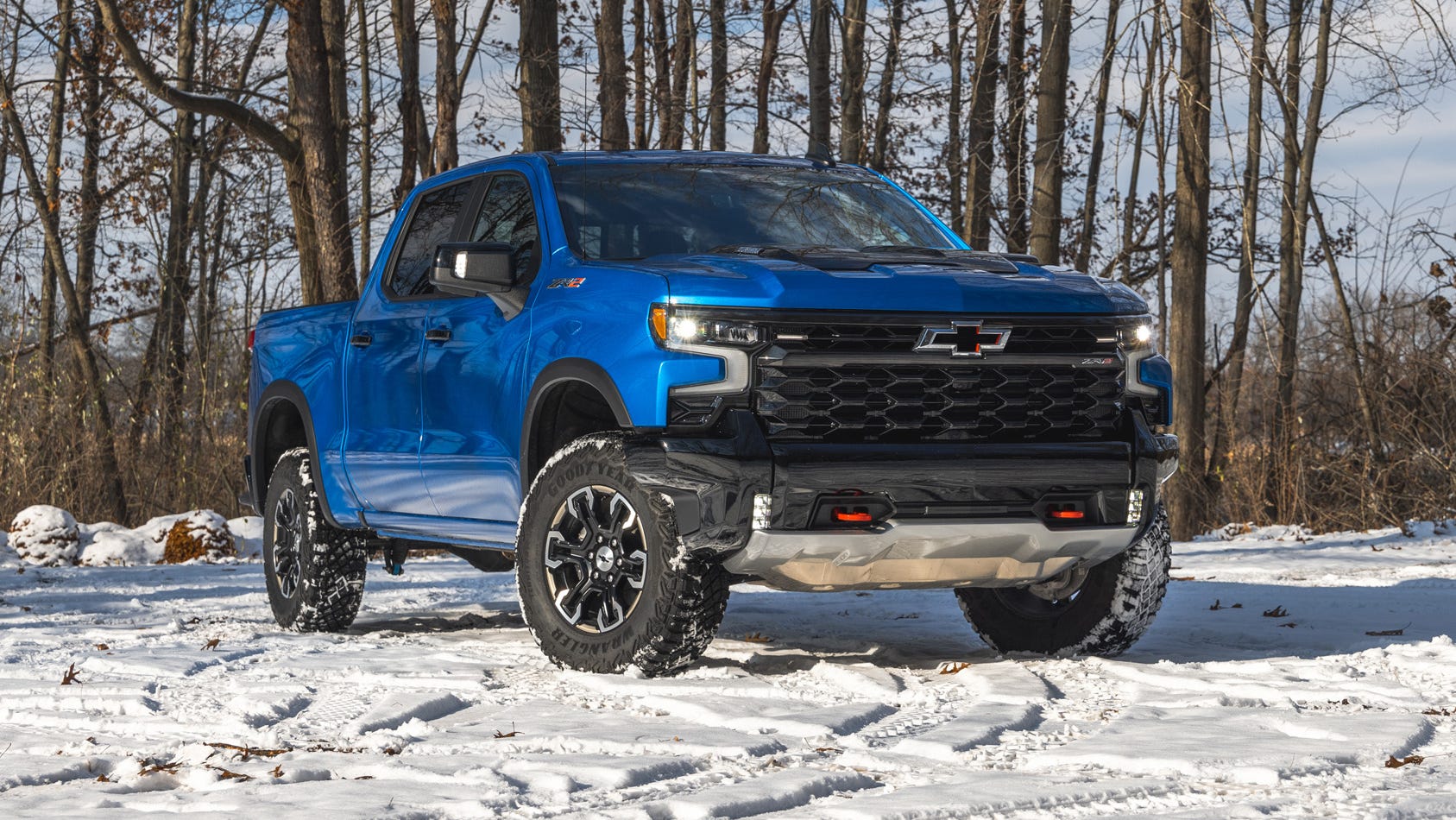
3. Chevrolet Silverado 1500 ZR2
Design intent shows clearly through its proportions. A wide track and aggressive stance command attention while reducing maneuvering ease. Downtown streets emphasize that reality with every corner, as curb proximity and lane width demand steady concentration.
Steering tuning prioritizes stability over quick response. At low speeds, agility takes a secondary role, and turning circles feel larger than expected in older urban layouts. Tight intersections require advanced positioning to avoid corrections mid-turn. Suspension calibration supports uneven surfaces rather than pavement precision.
While this benefits durability, body control feels relaxed during abrupt direction changes. City driving, with its frequent stops and quick merges, highlights that trade-off. Cabin comfort remains impressive. Generous interior space reduces fatigue, especially during longer commutes or extended traffic delays.
However, short city trips rarely allow drivers to appreciate that comfort fully. Power delivery remains smooth yet abundant. Acceleration feels effortless, which can feel excessive in crowded streets. Maintaining harmony with traffic depends on careful throttle control, especially in areas with frequent pedestrian crossings.
Parking logistics demand foresight. Space availability often dictates destination choices. Garages with narrow ramps or sharp angles may prove inaccessible, while street parking requires careful alignment to avoid encroaching on adjacent spots. Urban driving becomes manageable with experience, but never effortless. The ZR2 excels where width and suspension travel have room to breathe, while dense city grids consistently test patience and spatial awareness.
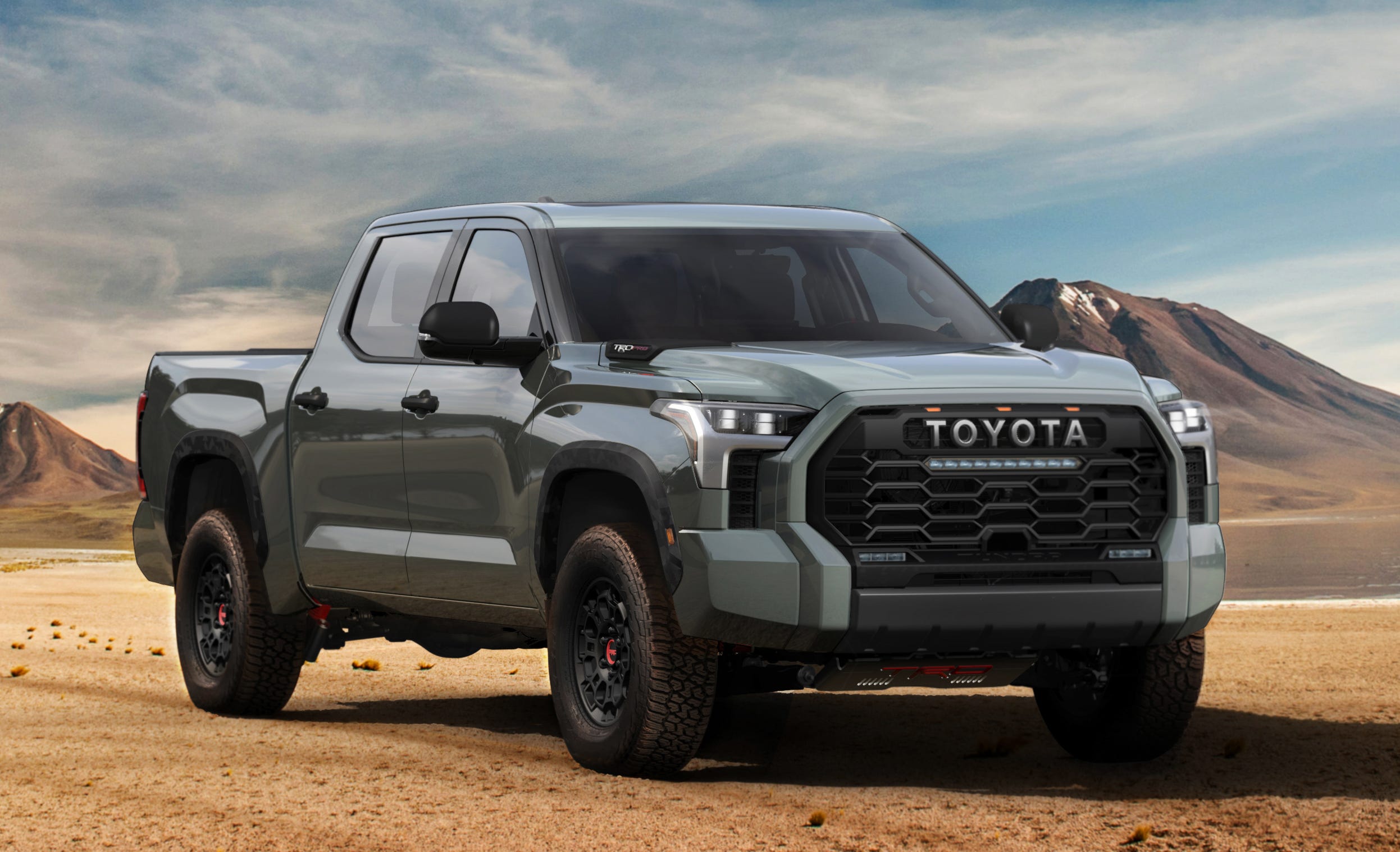
4. Toyota Tundra TRD Pro
Presence defines first impressions. Broad shoulders and an elevated stance influence every urban interaction, from lane changes to parking attempts. Street width dictates movement more than driver intention, especially in older city areas. Steering feel remains deliberate rather than quick.
Tight turns consume space rapidly, requiring anticipation well before entering intersections. Downtown grids amplify that limitation, making route familiarity essential. Suspension favors durability and resilience. City pavement imperfections translate into firm responses, reminding drivers that this setup prioritizes longevity.
Comfort remains acceptable, though not tailored for frequent tight maneuvers. Visibility forward and upward supports confidence in traffic. Elevated seating aids awareness of surrounding vehicles, yet side proximity challenges persist. Narrow lanes demand precise positioning to avoid curb contact.
Engine performance delivers smooth, controlled strength. Urban settings rarely allow full use of that output, making restraint a constant requirement. Stop-and-go traffic highlights the need for measured throttle input. Parking constraints shape daily routines. Searching for suitable spaces becomes habitual, while compact vehicles pass through areas with ease. Multi-level garages often introduce height or turning limitations.
Urban ownership becomes a calculated decision. The Tundra TRD Pro rewards drivers who accept spatial compromise in exchange for durability and commanding presence.
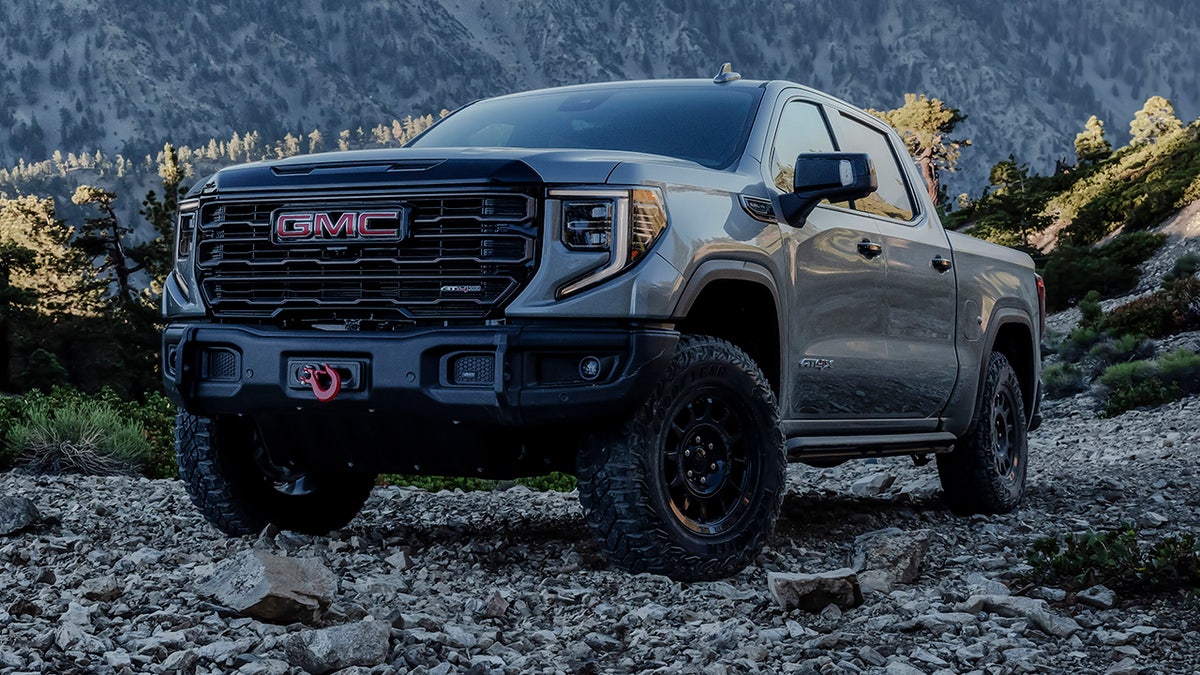
5. GMC Sierra 1500 AT4X
Luxury meets width with immediate effect. Broad proportions define the urban experience from the driver’s seat, making city streets feel narrower than expected.
Every maneuver highlights the balance between refinement and size. Steering precision remains adequate yet heavy. Low-speed turns demand patience, and tight corners expose physical limits. Parking lots and narrow alleys require careful planning rather than quick adjustments.
Suspension tuning blends comfort with off-road readiness. Urban ride quality feels controlled, absorbing rough surfaces well, though responsiveness during sudden direction changes feels restrained. Interior refinement enhances daily comfort. Premium materials, supportive seating, and quiet insulation reduce stress during traffic delays. These qualities improve the experience but do not reduce physical dimensions.
Power delivery stays smooth and predictable. Throttle control supports measured movement through congested corridors, allowing drivers to maintain steady progress without abrupt motion. Parking solutions require creativity. Larger spaces become priorities, and street parking options diminish quickly in dense districts. Garage access often depends on ramp width and ceiling height.
Urban compatibility exists with adjustment. This truck suits drivers willing to trade ease of movement for comfort, refinement, and capability beyond city limits.
Also Read: 5 Powerful Highway Cars for Dallas vs. 5 Compact Cars That Struggle
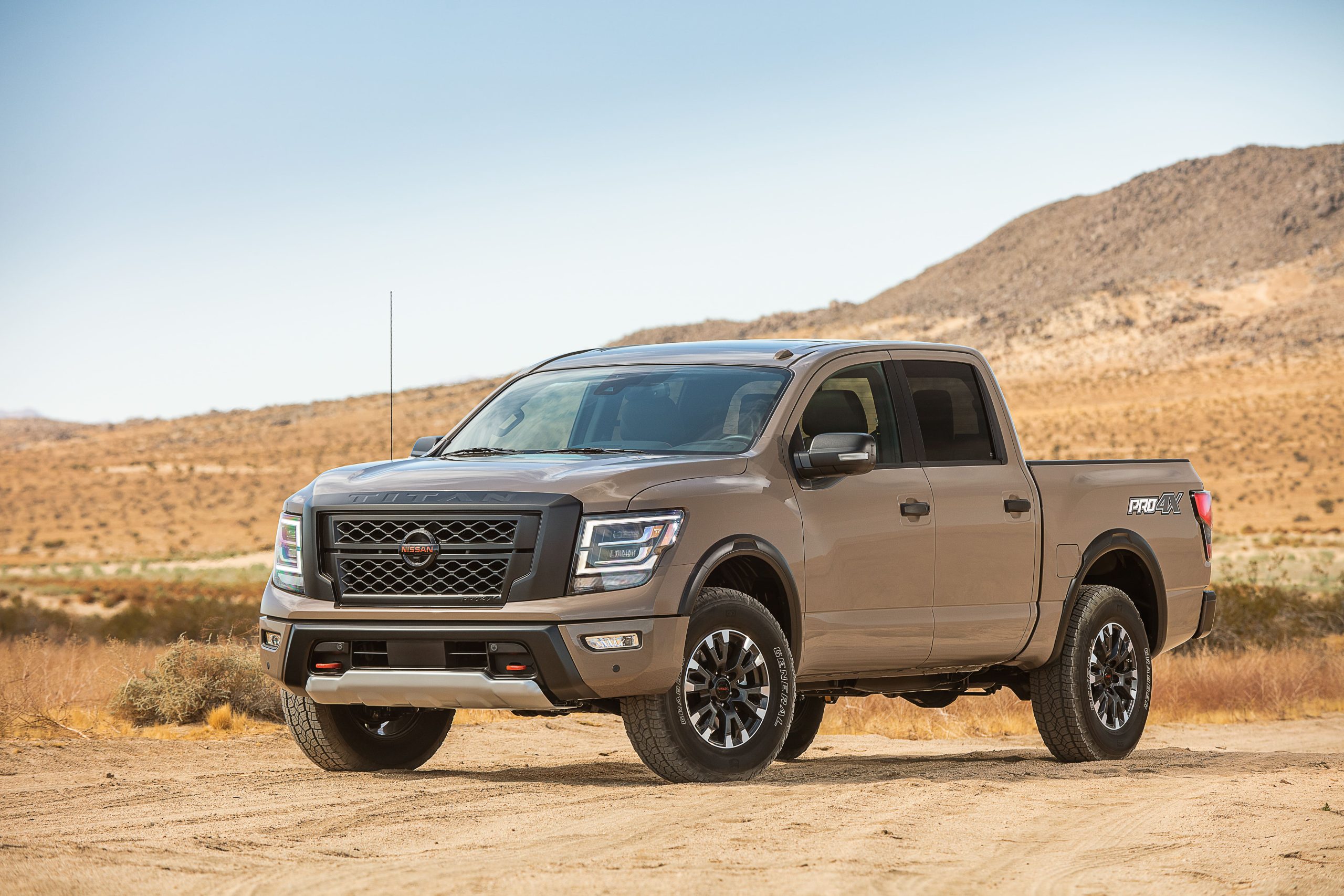
6. Nissan Titan PRO-4X
Robust design defines its interaction with city streets. Width and height dominate perception, turning tight environments into constant awareness exercises. Even routine errands require attention to spacing. Steering response feels sturdy rather than nimble. Turning radius challenges older intersections, replacing spontaneity with planning. Multi-point turns become common in confined areas.
Suspension absorbs harsh surfaces effectively. Urban ride quality benefits from that resilience, smoothing out potholes and uneven pavement, though agility remains limited during quick maneuvers. Visibility aids confidence. Elevated seating supports anticipation of traffic movement ahead, while mirrors help track side clearance. Narrow lanes still demand careful alignment.
Engine output delivers a consistent, controlled response. Urban pacing requires restraint, especially during congestion, to maintain smooth movement. Parking difficulties persist. Space availability dictates convenience, and compact vehicles move through crowded districts with far less effort.
City driving becomes manageable through habit rather than suitability. The Titan PRO-4X performs best where space allows freedom, while downtown streets continually remind drivers of its size.
