
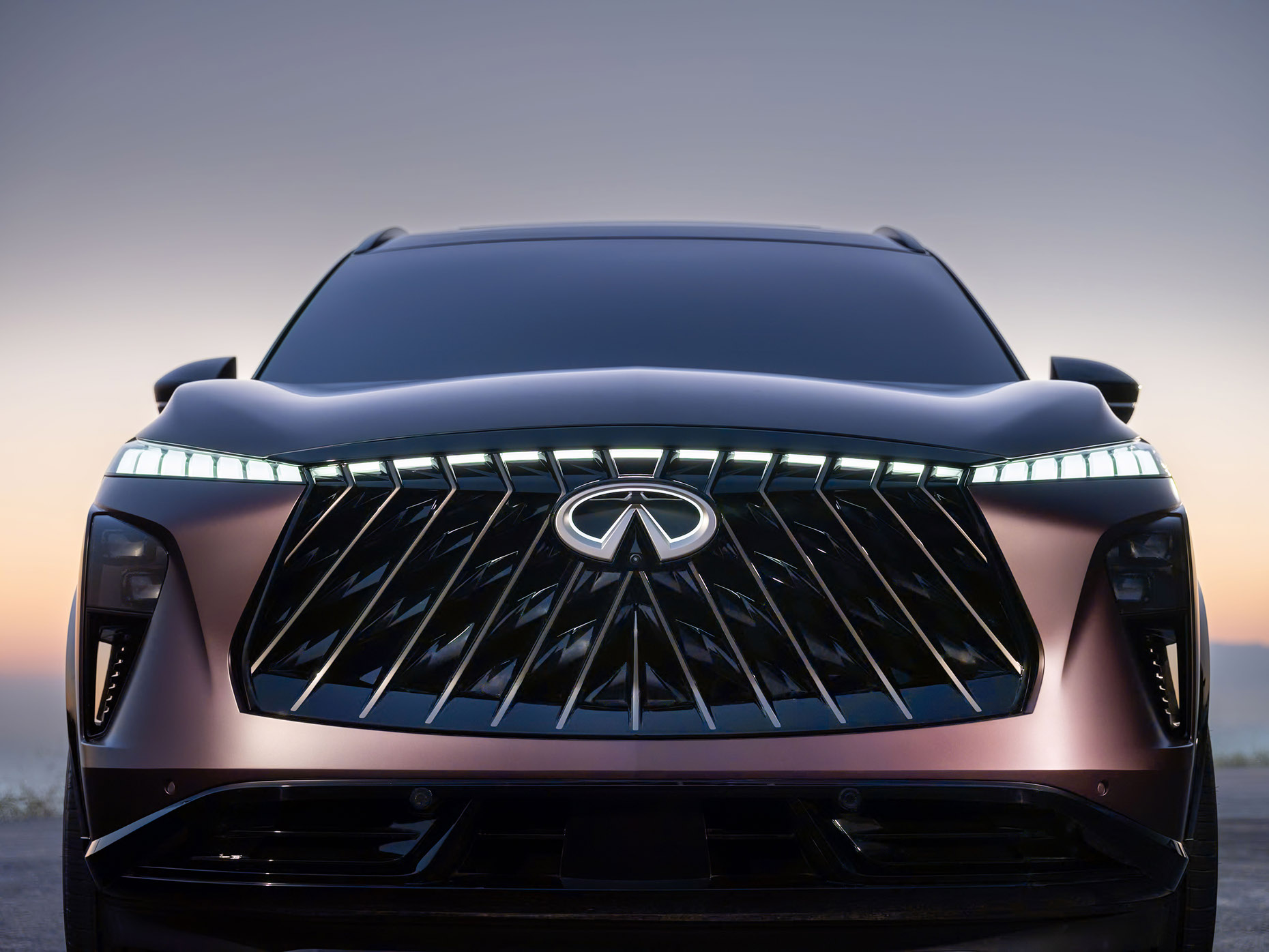
Infiniti has begun production of its latest coupe-style SUV, the Infiniti QX65, signaling a renewed push into the premium crossover segment. The model is designed to add a more expressive, design-focused option to Infiniti’s lineup while competing directly with established rivals such as the Lexus RX and BMW X6.
Production is underway at Nissan’s manufacturing facility in Smyrna, Tennessee, with market availability expected in mid-2026. The QX65 represents a key step in Infiniti’s broader product strategy, which emphasizes fewer models with stronger differentiation. Rather than expanding volume through traditional offerings, the brand is focusing on vehicles that reinforce identity and appeal through styling and driving character.
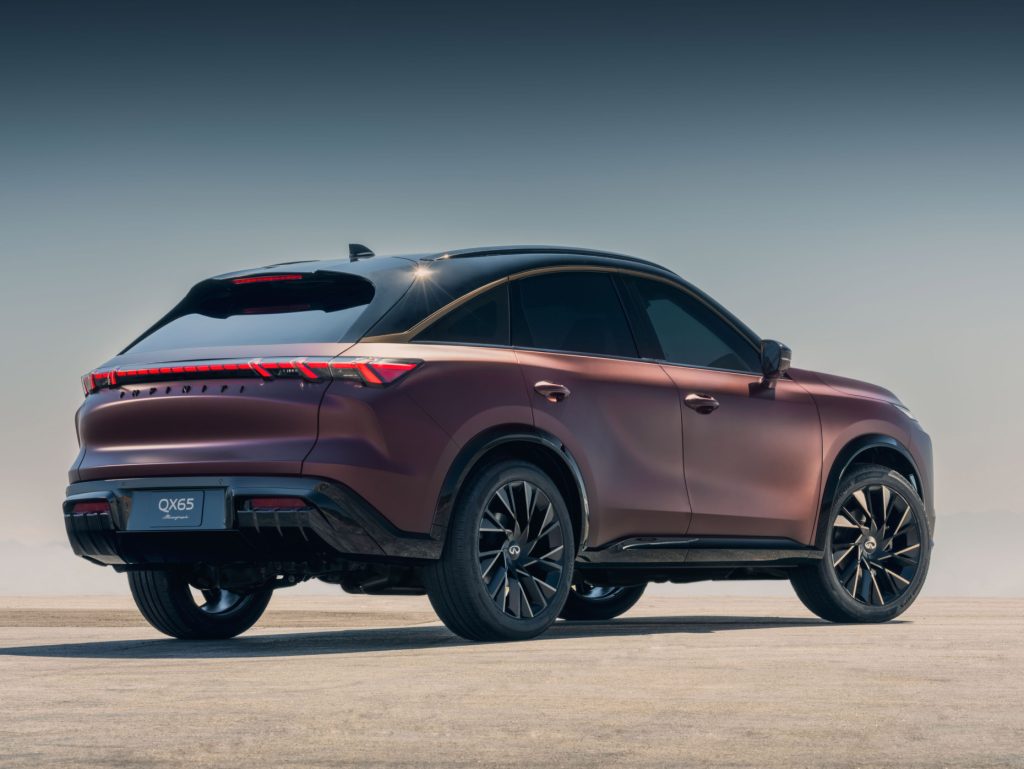
The QX65 adopts the increasingly popular coupe-SUV format, combining the practicality of a crossover with a sloping roofline that prioritizes aesthetics over maximum interior space. This design approach is intended to evoke a more emotional response from buyers, an area where Infiniti has historically struggled against German and Japanese competitors.
The proportions and stance of the QX65 draw clear inspiration from the earlier Infiniti FX, a model that helped define the segment when it debuted in the early 2000s.
Unlike the three-row Infiniti QX60, the QX65 is configured as a two-row vehicle, targeting customers who value design and driving feel over seating capacity. This positioning aligns it more closely with lifestyle-oriented luxury crossovers, where exterior styling and brand perception often carry as much weight as practicality.
Under the hood, the QX65 is expected to launch with a turbocharged 2.0-liter variable compression engine, a technology that allows the engine to adjust its compression ratio dynamically for improved efficiency and performance.
Output is projected at around 268 horsepower, paired with a nine-speed automatic transmission. All-wheel drive will be available, providing additional traction and stability across varying driving conditions.
Although the powertrain is shared with the QX60, Infiniti is expected to differentiate the QX65 through chassis and suspension tuning. The goal is to deliver a more responsive and engaging driving experience that complements the vehicle’s sportier design. This includes adjustments to steering feel, damping characteristics, and ride dynamics, ensuring that the driving experience aligns with the expectations set by its coupe-inspired styling.
Inside, the QX65 follows Infiniti’s current design philosophy, which emphasizes a clean layout combined with high-quality materials. The cabin is expected to feature dual digital displays, a refined infotainment system, and a suite of advanced driver assistance technologies. Premium touches, including upgraded upholstery and trim finishes, will help position the model competitively within the luxury segment.
From a market perspective, the QX65 is less about volume and more about brand positioning. Coupe-style SUVs typically represent a smaller share of overall sales, but they play an important role in shaping consumer perception. By introducing a more visually distinctive model, Infiniti aims to strengthen its identity and attract buyers who might otherwise consider more established competitors.
Pricing is expected to fall within the mid-range of the luxury SUV segment, starting in the low $50,000 bracket and rising with higher trims and additional features. This places the QX65 in direct competition with similarly positioned models that balance performance, design, and technology.
The start of production marks a transition from concept to execution for Infiniti’s latest design direction. As the brand works to reestablish itself in a competitive market, the QX65 will serve as a critical test of its ability to deliver vehicles that resonate both emotionally and functionally.
With deliveries set to begin later in 2026, the QX65 is positioned as a statement of intent. It reflects Infiniti’s effort to move beyond conventional luxury formulas and reintroduce a stronger sense of identity through design, engineering, and product strategy.
