
Uneven pavement, cracked asphalt, and sudden dips can turn a simple drive into an exhausting experience. Streets in cities like Tulsa often present these challenges, making suspension design one of the most important factors when choosing a vehicle. While engine power and styling attract attention, ride quality determines how comfortable a car feels every single day.
Some vehicles are engineered to absorb bumps with ease, allowing drivers and passengers to glide over rough surfaces without constant jolts. These cars prioritise comfort, stability, and long-distance usability. They are especially appealing to daily commuters who want a smooth ride regardless of road conditions.
At the same time, another group of vehicles focuses on precision and control. These models use firmer suspension setups designed to enhance handling and responsiveness. While they deliver a more connected driving feel, they can also make rough roads feel harsher.
This page highlights four vehicles known for their forgiving suspension systems, followed by four that lean toward stiff, sport-focused setups. Each model represents a distinct philosophy, offering either comfort or sharp performance. By comparing these approaches, drivers can better understand which type suits their needs.
Expect a closer look at cars that soften the impact of broken pavement and those that trade comfort for tighter handling. Both serve a purpose, yet the experience behind the wheel can feel entirely different depending on the choice.
4 Smooth-Riding Cars That Tame Rough Streets
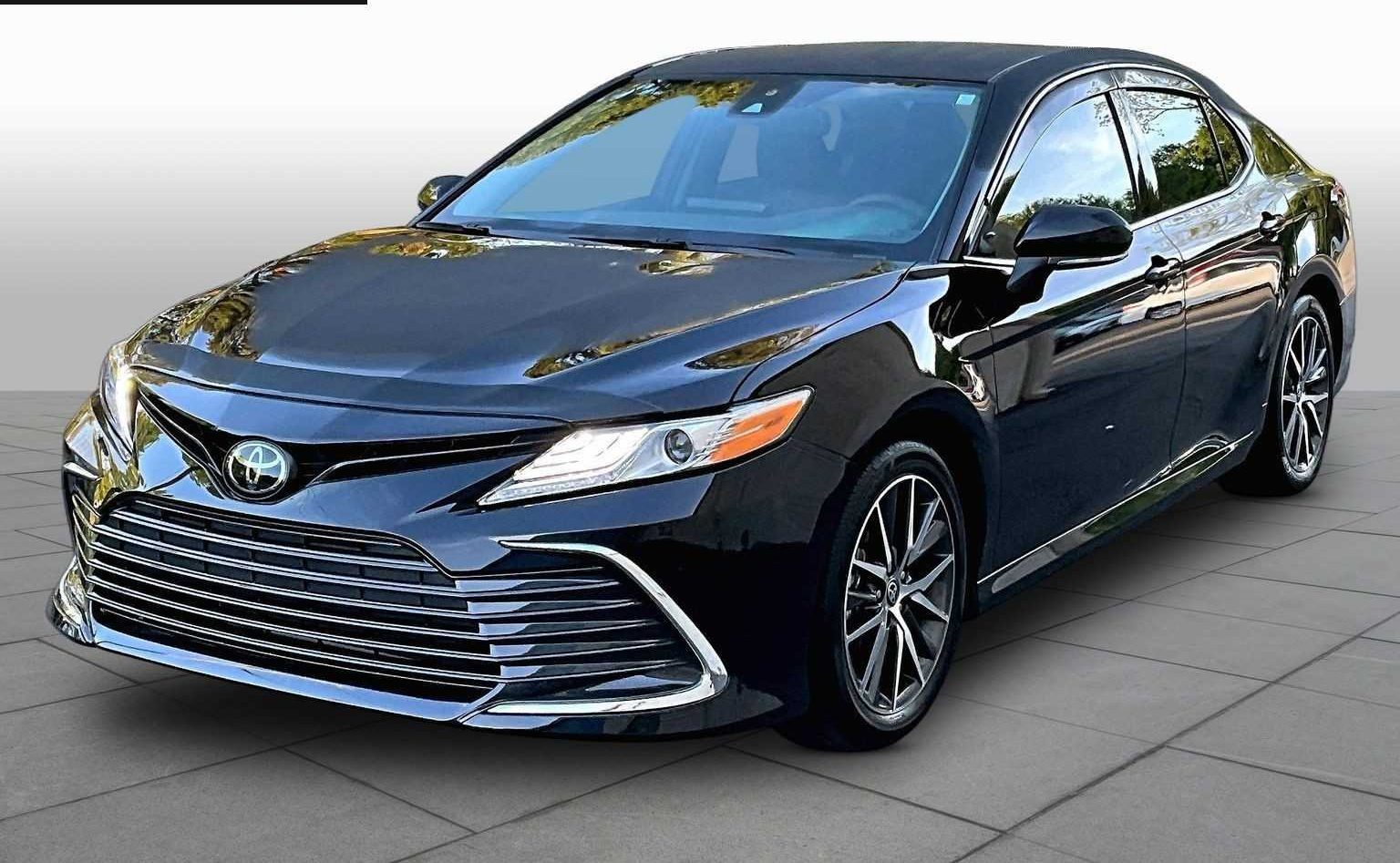
1. 2024 Toyota Camry XLE
Graceful movement over uneven pavement defines the 2024 Toyota Camry XLE. This sedan approaches road imperfections with a calm and controlled attitude, allowing occupants to remain comfortable even when the surface beneath is far from ideal. Instead of transmitting every bump into the cabin, the suspension works quietly to absorb shocks and maintain stability.
Ride quality stands out immediately. The suspension tuning leans toward softness, though it avoids feeling loose or disconnected. When encountering potholes or cracked asphalt, the car settles quickly, preventing the repeated bouncing that can lead to fatigue during longer drives. This balance creates a driving experience that feels composed and reassuring.
Engineering decisions behind this comfort become evident through the suspension geometry and damping setup. The system is designed to isolate the cabin from harsh inputs while still maintaining enough control to keep the vehicle steady at higher speeds. This approach ensures that comfort does not come at the expense of safety or predictability.
Cabin refinement complements the suspension’s behaviour. Seating is designed to support the body without feeling overly firm, and noise insulation reduces the intrusion of road sounds. Together, these elements create an environment that encourages relaxed driving, even on less-than-perfect roads.
Daily usability adds to its appeal. Commuters benefit from a ride that minimises stress, especially during longer trips or frequent stop-and-go traffic. Passengers also notice the difference, as the smoother motion reduces discomfort often associated with rough surfaces.
Steering remains light and easy to manage, reinforcing the car’s focus on comfort. While it does not aim to deliver aggressive cornering performance, it provides enough responsiveness for confident handling in everyday situations. This balance suits drivers who prioritise ease of use over sharp dynamics.
Choosing the Camry XLE means selecting a sedan that places comfort at the forefront. Its ability to handle broken pavement with composure makes it a practical choice for those seeking a smooth and dependable ride.
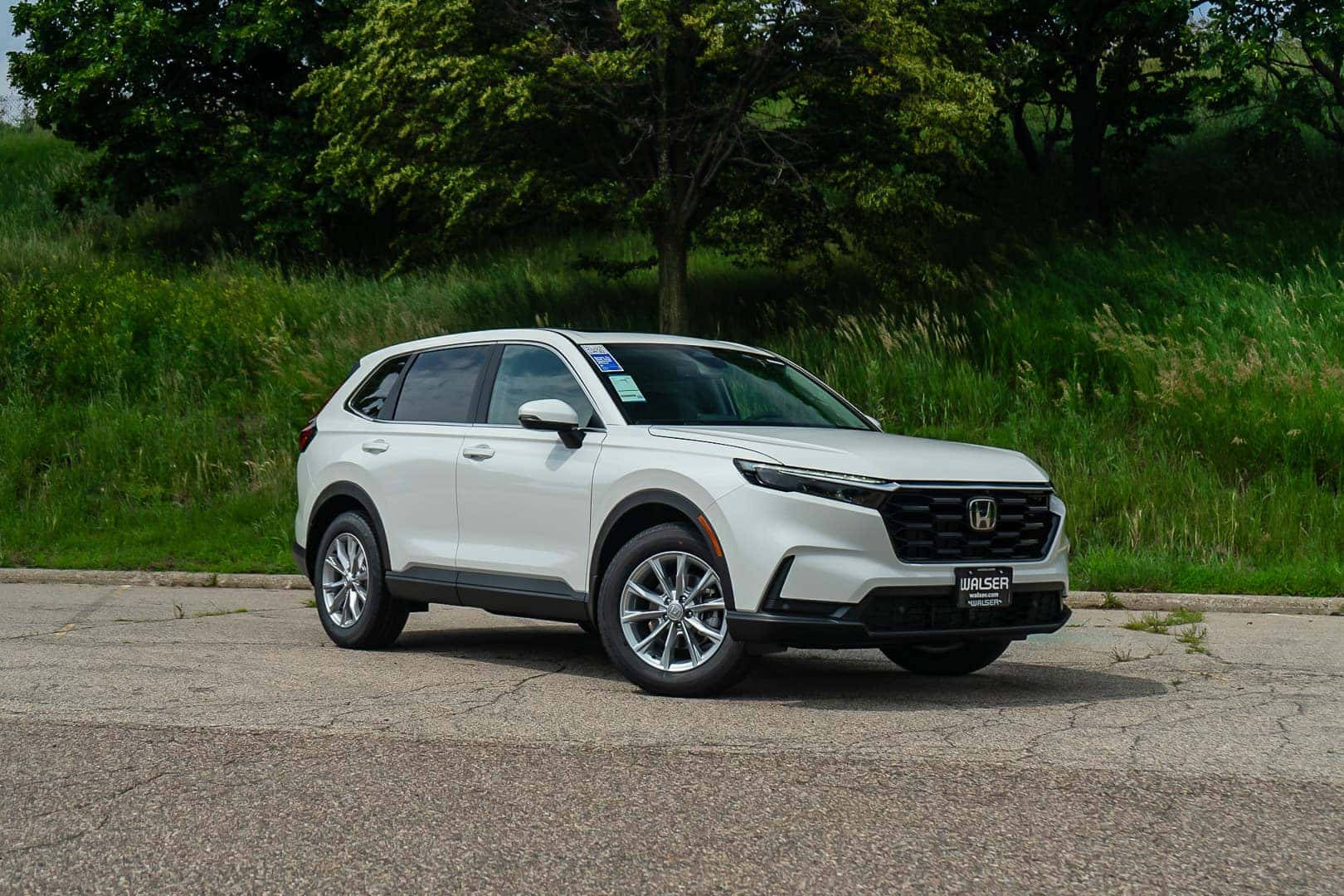
2. 2024 Honda CR-V EX-L
Steady comfort across uneven pavement defines the driving character of the 2024 Honda CR-V EX-L. This compact sport utility vehicle is engineered with a suspension system that prioritises smooth motion when road conditions become inconsistent. Whether travelling across patched asphalt, shallow potholes, or lightly broken surfaces, the vehicle maintains a composed ride that reduces strain on occupants.
Suspension tuning plays a central role in shaping this experience. Engineers have calibrated the system to absorb vertical impacts with controlled damping, which prevents harsh jolts from entering the cabin. When the wheels encounter bumps or dips, the suspension reacts in a measured way, allowing the body of the vehicle to remain stable and settled. This behaviour supports a driving experience that feels composed even when surfaces are less than ideal.
Stability remains a consistent trait during everyday operation. While the suspension is tuned toward comfort, it avoids excessive softness that could lead to unnecessary body movement. This balance ensures that the vehicle maintains predictable behaviour during lane changes, gentle turns, and routine urban driving. Drivers benefit from a sense of control that is not compromised by the comfort-oriented setup.
Interior design contributes strongly to the entire experience. Seating is shaped to support long-distance comfort, with cushioning that reduces fatigue during extended travel. Cabin insulation reduces the intrusion of road noise, helping maintain a calm environment even when driving on rougher surfaces. Passengers benefit from a quiet and stable ride, which enhances comfort during both short commutes and longer journeys.
Practical usability remains a strong advantage of this model. Passenger space is generous, allowing occupants to sit comfortably without feeling restricted. Cargo capacity supports everyday needs such as shopping, luggage transport, or equipment storage. The flexibility of the rear seating arrangement further enhances usefulness, allowing for expanded storage when required.
Steering behaviour is light and easy to manage, making the vehicle suitable for a wide range of drivers. Parking manoeuvres, tight urban streets, and highway cruising all feel manageable without excessive effort. Despite its comfort-focused suspension, the vehicle maintains sufficient responsiveness for confident control during normal driving situations.
Fuel consumption efficiency adds another layer of practicality. The CR-V EX-L achieves a balance between comfort-oriented engineering and reasonable fuel usage, making it suitable for regular use without imposing high running costs. This efficiency supports its role as a dependable daily vehicle.
Selecting the Honda CR-V EX-L reflects a preference for comfort, practicality, and consistent performance on uneven roads. Its suspension system reduces the impact of rough pavement, allowing drivers to maintain focus on travel without distraction from road conditions.
Also Read: 5 Cars That Stand Out at Vegas Valet vs. 5 That Look Past Their Prime
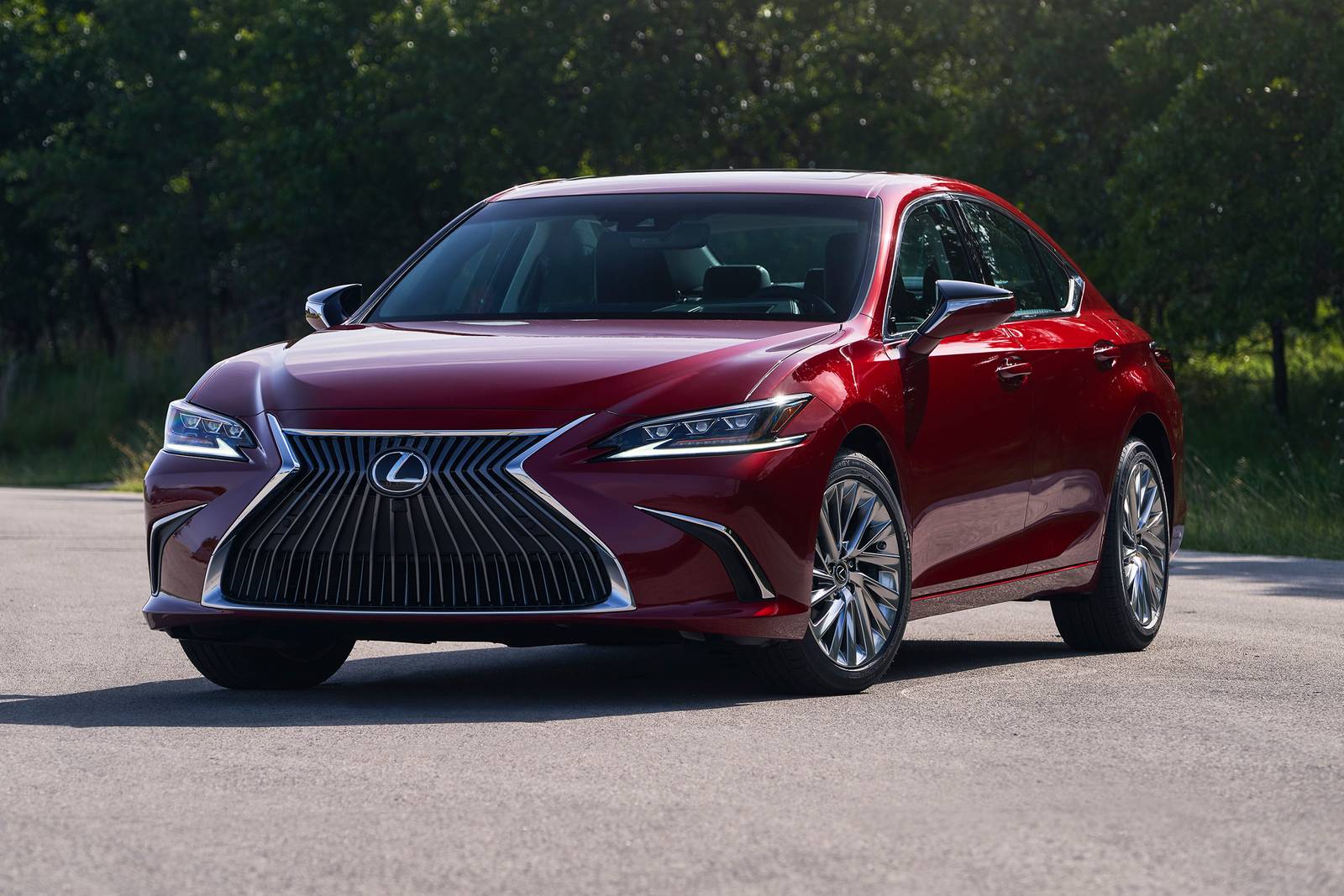
3. 2024 Lexus ES 350
Refined engineering defines the 2024 Lexus ES 350, especially in how it manages uneven road surfaces with calm precision. The suspension system is tuned with a strong focus on passenger comfort, allowing the vehicle to isolate occupants from disturbances caused by broken pavement. Every movement of the chassis is carefully controlled so that irregular road conditions do not disrupt the serenity inside the cabin.
Soft suspension calibration allows the sedan to pass over potholes, cracks, and rough patches with minimal disturbance. Instead of transmitting sharp jolts into the cabin, the system absorbs such irregularities and returns to a stable state almost immediately. This creates a driving experience that remains steady even when external conditions are less than ideal, which is highly valued by individuals who spend extended periods on the road.
Structural harmony plays an important role in the ES 350’s behaviour. The chassis and damping components function together in a coordinated manner, ensuring that stability is maintained without reducing comfort. Even when travelling at higher speeds, the vehicle maintains a composed posture, providing reassurance to the driver and passengers alike.
Attention to interior craftsmanship further strengthens the experience. Cabin materials are selected with care, offering a sense of quality that aligns with the vehicle’s comfort-oriented design. Seating is designed to support the body over long distances, reducing fatigue during extended journeys. Acoustic insulation reduces intrusion from road noise, creating an environment that feels quiet and composed.
Driving behaviour reflects a relaxed and predictable character. Steering response is smooth, requiring minimal effort from the driver. While the vehicle does not prioritise aggressive handling, it provides sufficient control for everyday road use. This makes it suitable for individuals who value ease of operation over sharp driving dynamics.
Passenger comfort remains consistent across all seating positions. Rear occupants benefit from the same smooth ride quality as those in front, making the vehicle suitable for both family use and professional travel. Road imperfections are absorbed effectively, ensuring that discomfort is kept to a minimum even on uneven surfaces.
Selecting the Lexus ES 350 represents a preference for comfort-oriented engineering. Its suspension system is designed to reduce the impact of poor road conditions, offering a relaxed driving experience suited for those who value smoothness and refinement during travel.
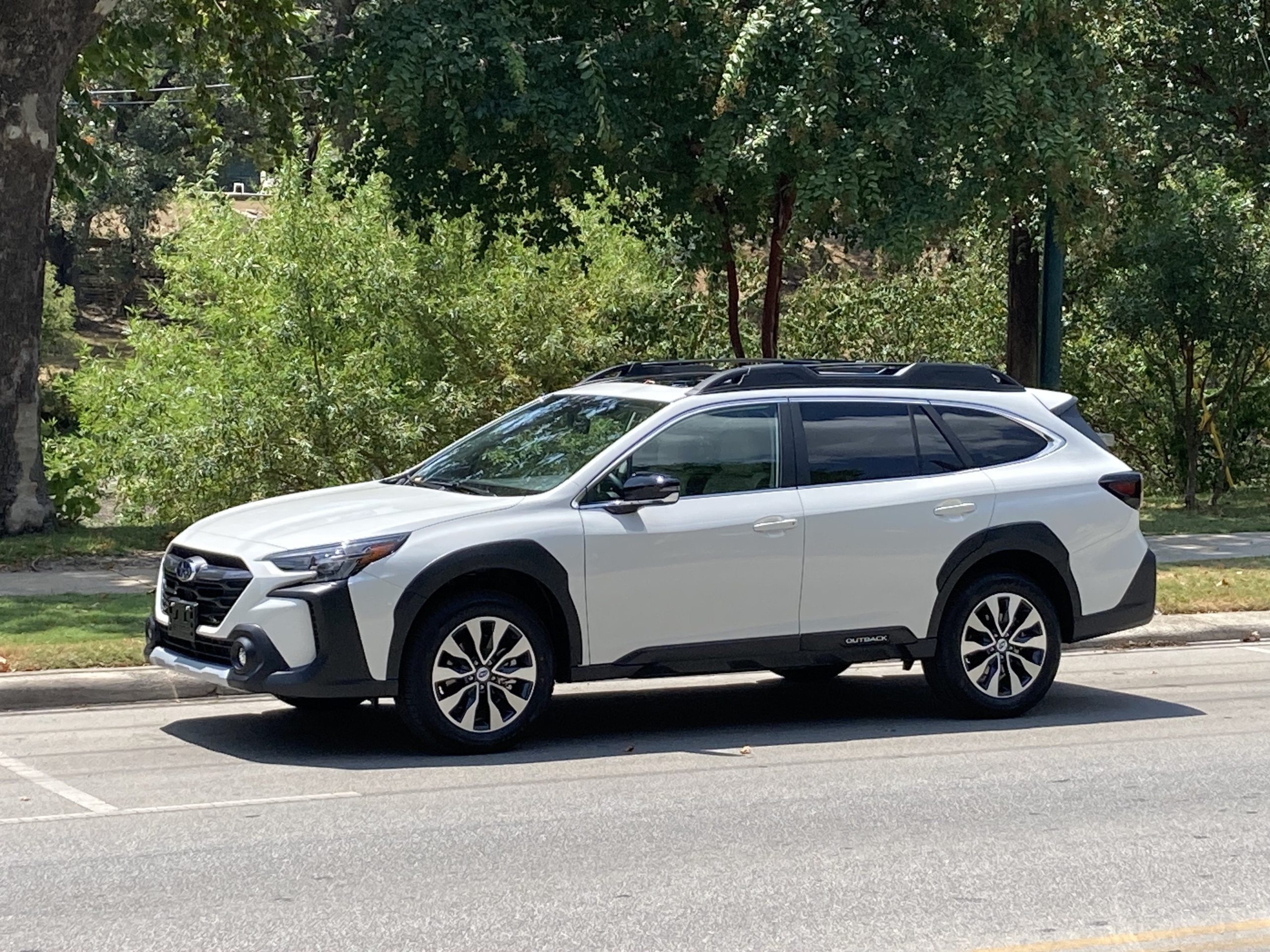
4. 2024 Subaru Outback Limited
Reliable stability on uneven surfaces defines the 2024 Subaru Outback Limited, a vehicle designed to provide consistent comfort while maintaining strong practicality. Its suspension system is tuned to handle rough pavement with controlled movement, ensuring that passengers remain comfortable even when road conditions deteriorate.
Suspension behaviour focuses on absorbing impact energy efficiently. When the vehicle encounters potholes, cracks, or uneven asphalt, the system responds by reducing the force transmitted into the cabin. This controlled response helps maintain a steady ride, allowing occupants to remain comfortable during daily travel.
All-wheel drive capability contributes to stable movement across varying surfaces. While its primary function is traction support, it also assists in maintaining composure when road conditions become unpredictable. This adds a layer of confidence for drivers who frequently encounter inconsistent pavement quality.
Interior design prioritises functionality and ease of use. Seating is structured to provide adequate support for both short and long journeys. The cabin layout is straightforward, allowing drivers to operate essential controls without unnecessary distraction. Combined with the smooth suspension behaviour, the interior environment remains comfortable throughout travel.
Practical versatility stands as one of its strongest attributes. Cargo space is generous, and seating configurations allow for flexible storage arrangements. This makes the vehicle suitable for transporting goods, luggage, or equipment without difficulty. Its ability to handle both passenger and cargo needs adds to its everyday usefulness.
Steering characteristics lean toward ease of use rather than sharp responsiveness. This design approach aligns with the vehicle’s focus on comfort and stability, ensuring that driving remains relaxed even on uneven roads. Control remains predictable, allowing for confident handling in a variety of conditions.
Fuel consumption remains reasonable within its category. Efficiency is maintained without compromising the vehicle’s ability to handle rough surfaces, making it suitable for regular use without excessive operating costs. Selecting the Subaru Outback Limited reflects a preference for comfort, stability, and practical usability.
Its suspension system is designed to reduce the impact of poor road surfaces, offering a steady and dependable driving experience suited for daily travel and varied road conditions.
4 Stiff Sport Suspensions That Prioritise Precision
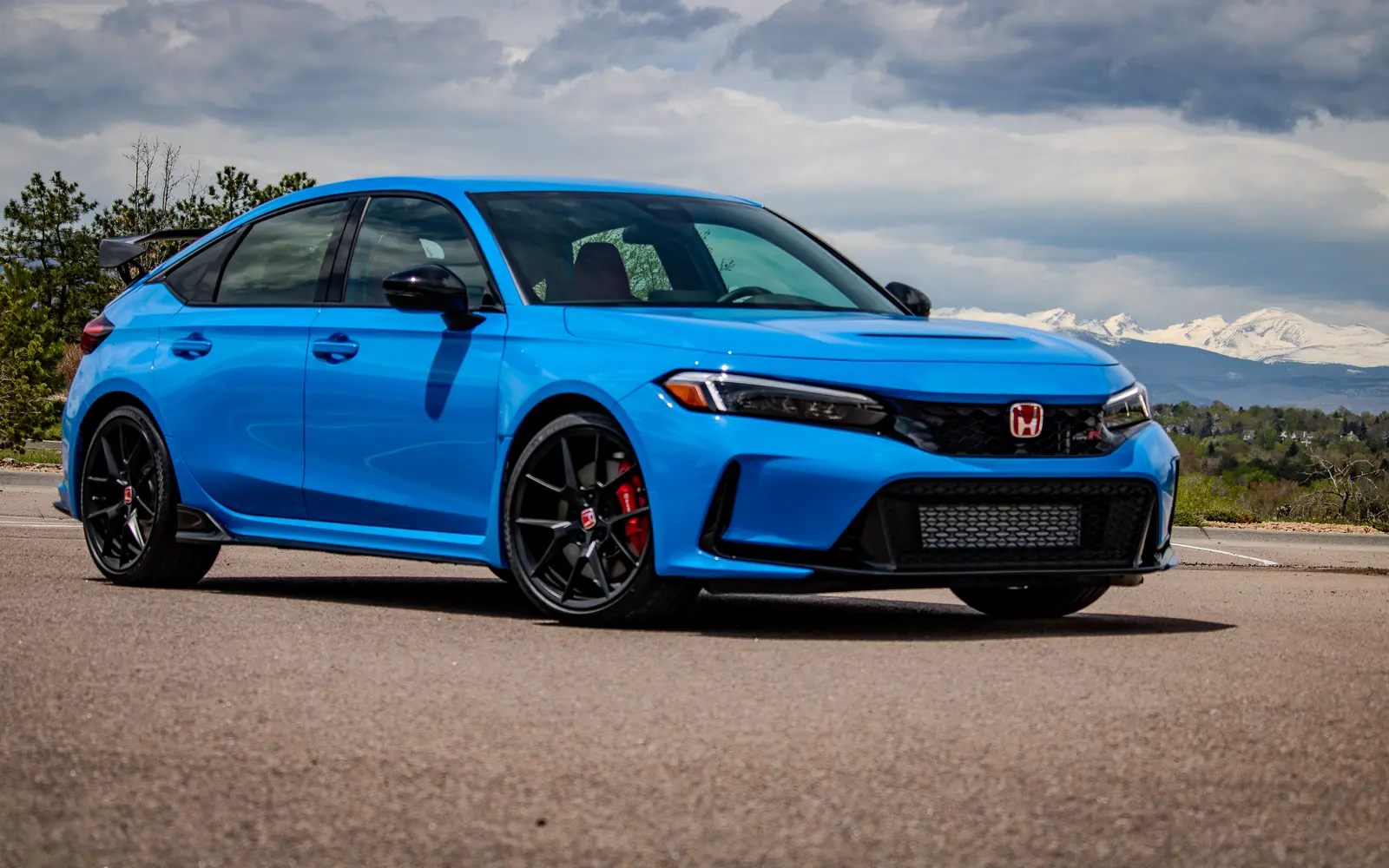
1. 2024 Honda Civic Type R
Sharp intent defines the 2024 Honda Civic Type R from the moment it begins to move, especially when its suspension meets imperfect pavement. This car is engineered with performance as its central priority, and that focus becomes immediately apparent through its firm suspension setup. Instead of absorbing road imperfections, the system communicates them directly to the driver, creating a connection that feels deliberate and unfiltered.
Firm spring rates and adaptive dampers work together to keep body movement tightly controlled. During aggressive cornering, the vehicle remains composed, resisting roll and maintaining a planted stance. This precision allows the driver to place the car exactly where intended, a trait highly valued in performance driving. Yet, that same firmness can make broken pavement feel much harsher during everyday use.
Road feedback is constant and detailed. Small cracks, uneven patches, and surface changes are transmitted through the chassis and steering wheel. While some drivers appreciate this level of communication, others may find it tiring during longer drives on rough streets. Comfort takes a secondary role, as the suspension prioritizes accuracy over isolation.
Interior design supports the car’s performance character. Sport seats hold occupants firmly in place, ensuring stability during spirited driving. The cabin layout emphasises driver focus, with controls positioned for quick access. While the environment remains functional, ride comfort is clearly not the primary concern.
Handling remains the defining strength. Steering response is immediate, and the car reacts quickly to input. This responsiveness creates a sense of confidence when driving on smooth roads or tracks, where the suspension can fully demonstrate its capabilities. However, when the pavement deteriorates, the experience becomes more demanding.
Daily usability depends heavily on road conditions. In areas with well-maintained surfaces, the Civic Type R delivers an engaging and rewarding drive. In locations with frequent imperfections, the firm suspension can lead to increased fatigue as time goes on.
Selecting this model means embracing a driving experience centred on precision and control. Its suspension setup rewards those who value performance above comfort, offering a level of engagement that few cars in its class can match.
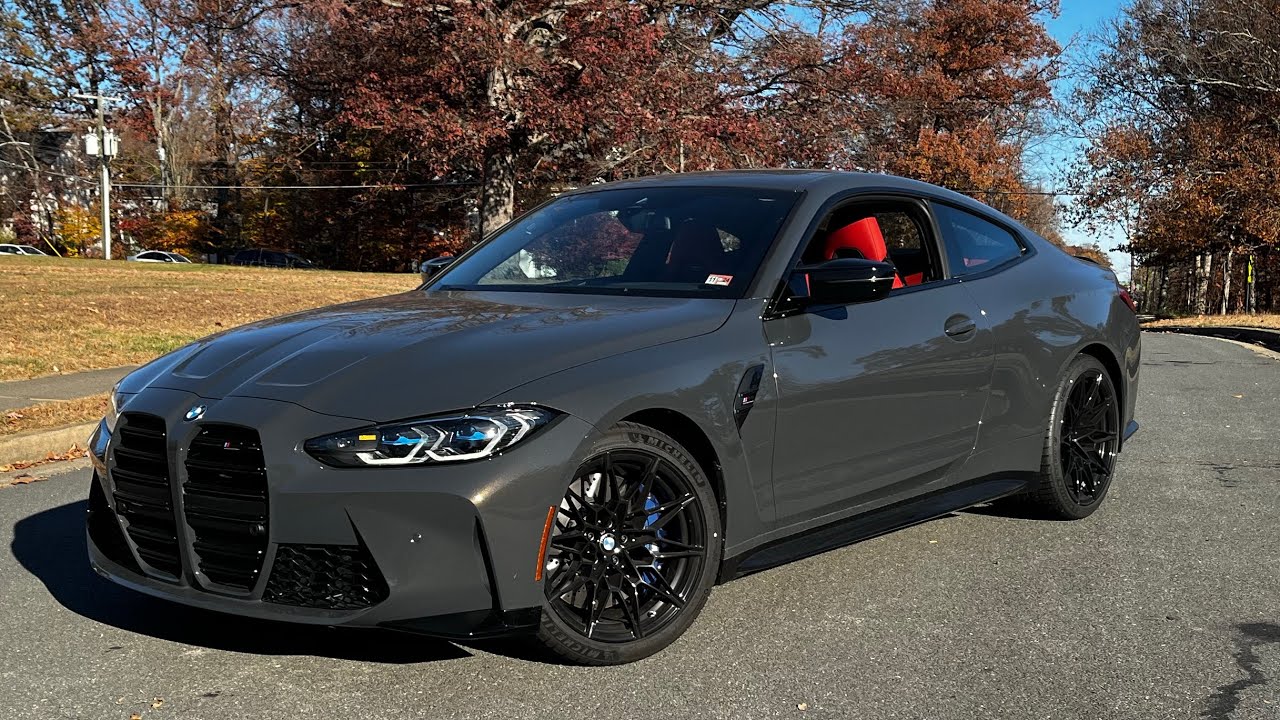
2. 2024 BMW M4 Competition Coupe
Power and precision come together in the 2024 BMW M4 Competition Coupe, a vehicle that approaches suspension tuning with a clear emphasis on control. This car is built to handle high speeds and demanding driving conditions, and its firm suspension plays a central role in achieving that goal.
Adaptive suspension components allow the driver to adjust settings, though even the softer configurations remain relatively firm. The system is designed to minimize body movement, ensuring that the car stays stable during acceleration, braking, and cornering. This focus enhances performance, though it reduces the ability to absorb rough road surfaces.
Driving over uneven pavement reveals the trade-off. The suspension transmits more impact into the cabin, making bumps feel sharper and more pronounced. While this behavior supports handling precision, it can reduce comfort during daily driving, especially on poorly maintained roads.
Steering feedback remains clear and consistent. The driver receives detailed information about road conditions, allowing for precise control. This communication enhances confidence when pushing the car to its limits, though it also highlights imperfections in the surface.
Interior quality reflects a blend of luxury and performance. Materials are refined, and technology features provide a modern driving environment. Sport-oriented seating ensures that occupants remain secure during dynamic driving, reinforcing the car’s performance focus.
Acceleration and braking performance further complement the suspension setup. The car responds quickly to input, maintaining stability even under demanding conditions. This coordination between systems creates a cohesive driving experience centered on control.
Ride comfort, while acceptable for short distances, may become less appealing during extended trips on rough roads. Drivers must decide whether the benefits of sharp handling outweigh the reduction in comfort. Choosing the M4 Competition Coupe means prioritising precision and performance.
Its suspension setup delivers exceptional control, though it demands a willingness to accept a firmer ride in exchange for that capability.
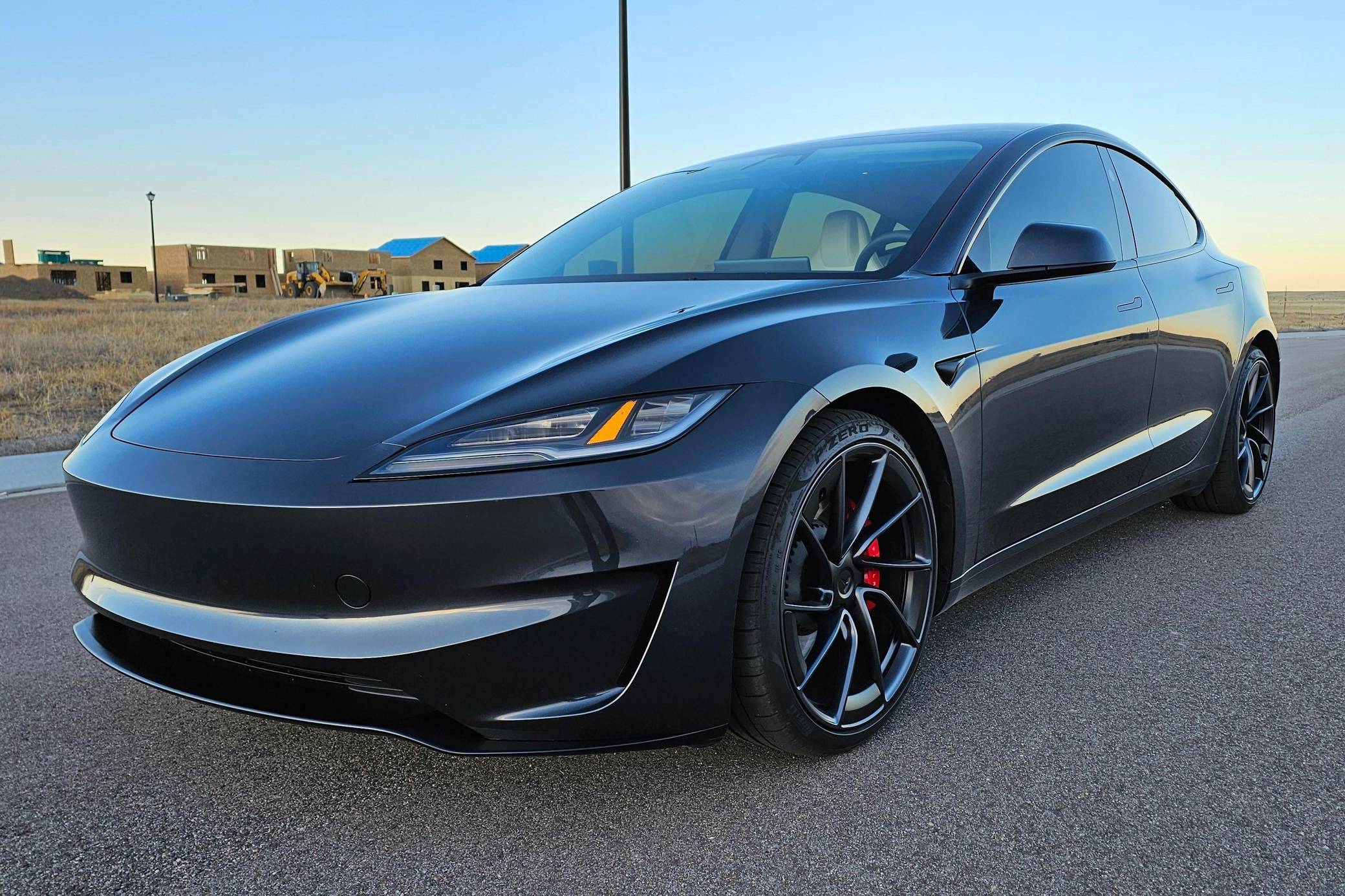
3. 2024 Tesla Model 3 Performance
Immediate response defines the 2024 Tesla Model 3 Performance, particularly in how its suspension interacts with the road. This electric sedan emphasises agility and quick reactions, supported by a firm suspension system that enhances handling at higher speeds.
Lower ride height and stiffer springs contribute to improved stability. The car maintains a flat posture during cornering, allowing it to change direction with confidence. This setup works well on smooth surfaces, where the suspension can fully support the vehicle’s dynamic capabilities.
Encountering rough pavement reveals a different side. The firm tuning allows more road imperfections to pass into the cabin, creating a ride that feels less forgiving. Sharp impacts become more noticeable, especially at lower speeds where suspension travel is limited.
Electric power delivery adds another dimension. Instant torque allows the car to accelerate quickly, and the suspension works to keep the chassis stable during these bursts of speed. This coordination enhances the sense of control, even as the ride remains firm.
Interior design focuses on minimalism, with a clean layout and a central touchscreen controlling most functions. While the cabin feels modern, the ride quality may not match the expectations of those seeking comfort over performance. Handling precision remains a highlight.
Steering inputs produce immediate responses, and the car feels composed when driven with intent. This characteristic appeals to drivers who enjoy a more connected driving experience. Practicality still plays a role, as the Model 3 offers usable interior space and everyday functionality.
However, the suspension setup clearly leans toward performance, influencing how the car behaves on less-than-perfect roads. Selecting the Model 3 Performance means embracing a firm ride in exchange for sharp handling and rapid acceleration. Its suspension prioritises control, delivering a driving experience that feels responsive and direct.
Also Read: 5 Eco-Friendly Used Cars In Portland vs. 5 Heavy Duty Trucks for Urban Living
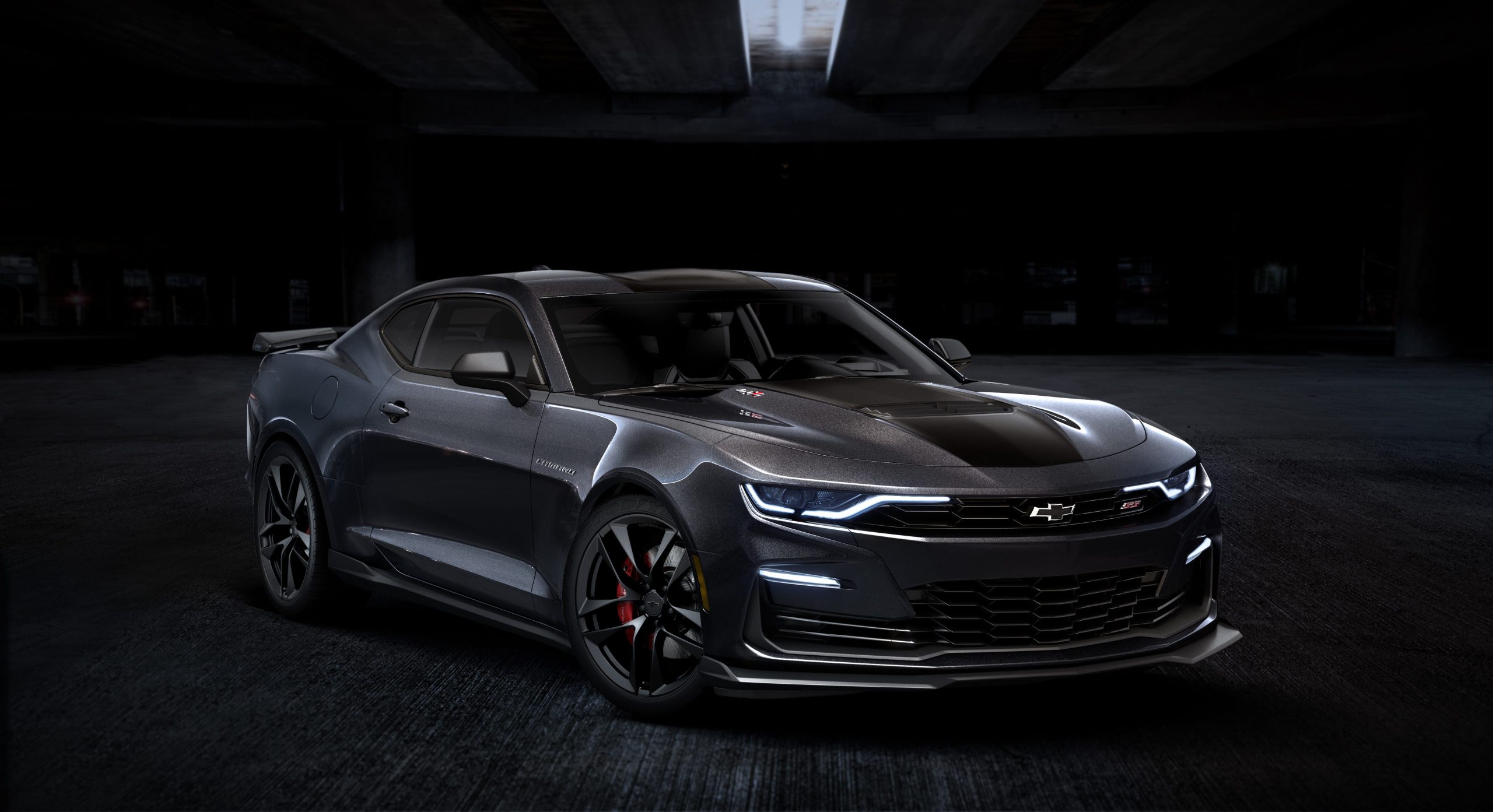
4. 2024 Chevrolet Camaro SS Coupe
American muscle heritage blends with modern engineering precision in the 2024 Chevrolet Camaro SS Coupe, a performance-focused machine that expresses its character through a firm suspension setup. This vehicle is built for drivers who value strong acceleration, tight control, and a direct connection between input and response.
From the first movement, its suspension tuning signals that comfort is secondary to performance capability. Travel over uneven pavement brings out the firmer character of the suspension. Road imperfections are transmitted more directly into the cabin, producing a ride that feels firm during everyday driving situations.
Small cracks, patches, and irregular surfaces become more noticeable compared to comfort-focused vehicles. While this behaviour enhances precision, it may feel demanding for drivers who spend extended time on rough streets or uneven urban roads.
Power delivery from the V8 engine adds another layer to the driving experience. Strong acceleration is immediate and sustained, allowing the vehicle to build speed with authority. The suspension works alongside this powertrain to maintain stability, keeping the car composed even during rapid throttle application.
This coordination between engine output and chassis control reinforces the vehicle’s performance intent, especially during high-speed driving scenarios. Interior layout follows a driver-focused philosophy. Controls are positioned for quick reach, reducing distraction during spirited driving.
Seats provide firm support, holding occupants in place during acceleration and cornering. While modern infotainment and convenience features are present, the cabin prioritises engagement with the driving process rather than comfort-oriented relaxation.
Steering response remains sharp and direct. Inputs from the driver translate immediately into directional changes, giving a strong sense of connection with the road. This precision works closely with the suspension tuning to deliver a cohesive driving experience that emphasises control and responsiveness.
It rewards smooth inputs and confident handling, particularly on open roads or controlled environments. Suitability for daily use depends heavily on driver expectations. Individuals seeking a soft ride for uneven pavement may find the firmness demanding during regular travel.
However, drivers who value responsiveness, acceleration strength, and handling precision are likely to appreciate the trade-off. The suspension tuning serves a clear purpose, reinforcing the vehicle’s identity as a performance-oriented coupe.
