V8 engines have long represented the peak of durability, torque, and long-distance reliability in automotive engineering.
While modern turbocharged engines and hybrid systems are becoming more common due to fuel efficiency and emissions regulations, the naturally aspirated and traditionally engineered V8 still holds a reputation for being one of the most dependable internal combustion configurations ever built.
Many of these engines are designed with simplicity, low stress per cylinder, and strong internal components, allowing them to achieve extremely high mileage when properly maintained.
In real-world usage, a well-maintained V8 engine can often exceed 300,000 miles, and in some documented cases even surpass 500,000 miles without requiring a full rebuild.
This longevity does not mean these engines are indestructible or maintenance-free. Instead, it reflects a combination of conservative engineering, robust materials, and widespread service knowledge that makes repairs easier and more affordable over time.
Vehicles equipped with such engines are often used in heavy-duty applications such as towing, long highway commutes, police fleets, and commercial transport, which further proves their resilience under continuous stress.
When discussing V8 longevity, it is important to separate myth from mechanical reality. No engine will last indefinitely without maintenance. Oil changes, cooling system care, transmission servicing, and proper driving habits all play a critical role in determining lifespan.
However, certain V8 engines have repeatedly proven themselves across decades and millions of vehicles. Brands like Toyota, General Motors, Ford, and Mercedes-Benz have all produced V8 engines that are widely recognized for their endurance.
This article explores 10 V8-powered cars and trucks that are known for their exceptional durability. These vehicles are not just powerful, they are engineered to withstand high mileage over many years.
Some of them are still seen on roads today with odometer readings that exceed expectations, often continuing to perform reliably even after decades of use.
The focus here is on real-world longevity, proven engine platforms, and long-term ownership experience rather than short-term performance figures.
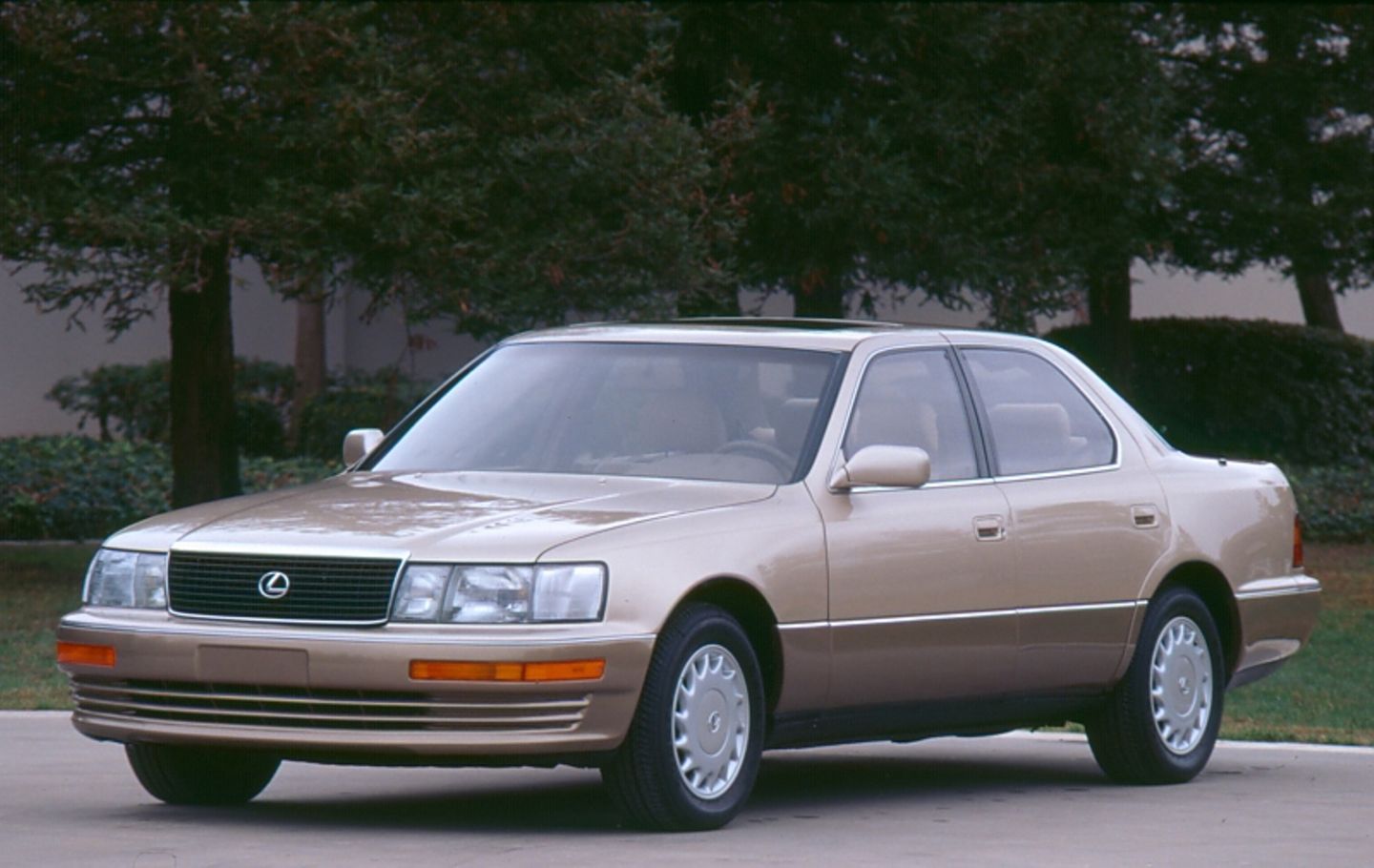
1. Lexus LS 400 (Toyota 1UZ-FE)
The Lexus LS 400 is arguably the most over-engineered luxury sedan in history. When Toyota launched the Lexus brand in 1989, they invested over $1 billion into the development of the 1UZ-FE V8 engine. The goal was to create a powerplant that was smoother, quieter, and more reliable than the best German rivals of the era.
The result was a 4.0L engine featuring a six-bolt main bearing design and a forged steel crankshaft, architectural choices usually reserved for high-performance racing engines.
These engines are famous for reaching the “million-mile” mark, a feat achieved by several documented owners who maintained their vehicles with nothing more than routine fluid changes and timing belt replacements.
The reliability of the 1UZ-FE is rooted in its low stress-to-strength ratio. It was built to handle far more power than it actually produced in factory trim, meaning its internal components are rarely taxed to their limits. In the 2026 classic car market, the LS 400 remains a favorite for long-distance commuters who prioritize comfort and mechanical reliability.
While the leather interior might wear out after three decades of use, the engine block itself is often found in pristine condition even after 300,000 miles. It is a vehicle that views two sets of tires as a mere warm-up for a life cycle that can span half a century.
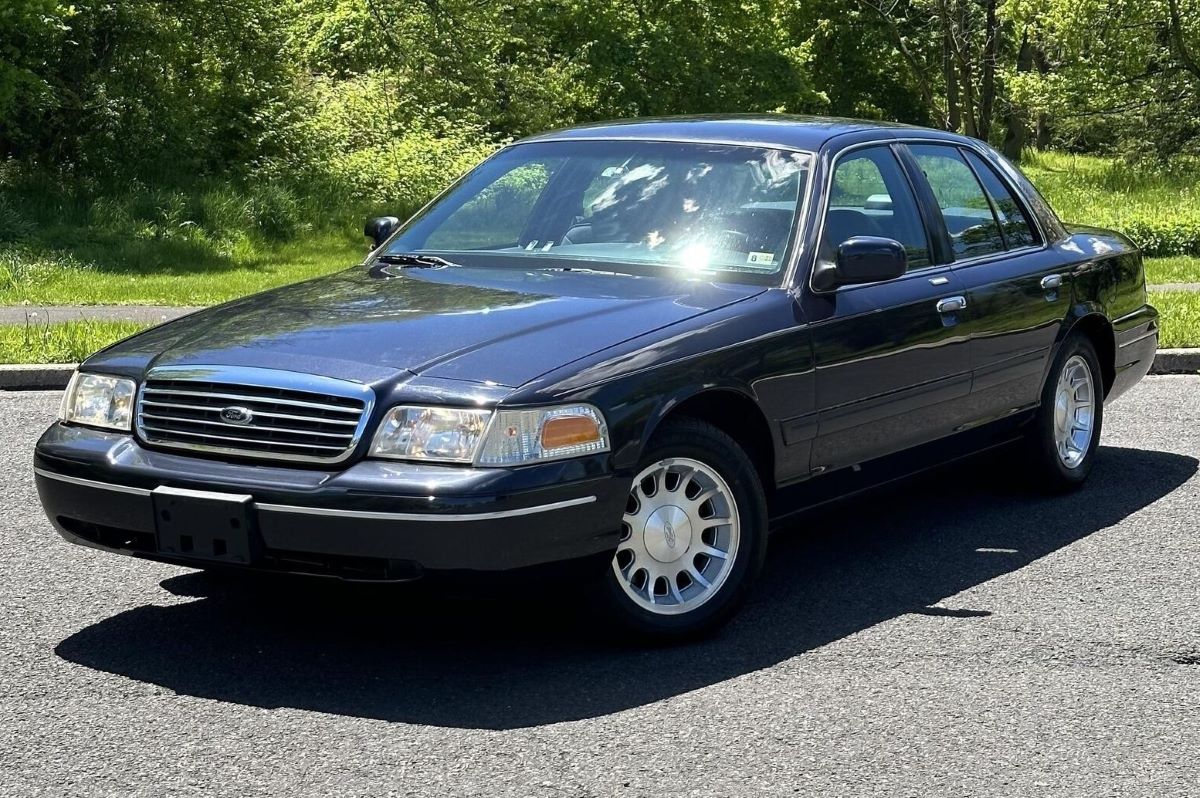
2. Ford Crown Victoria (4.6L Modular V8)
For decades, the Ford Crown Victoria served as the backbone of American law enforcement and taxi fleets. The reason for this dominance was the 2-valve 4.6L Modular V8. This engine was designed for “severe duty,” capable of idling for hours on end and surviving high-speed pursuits without overheating or catastrophic failure.
The Modular V8’s longevity comes from its cast-iron block and relatively simple overhead cam design, which eliminated many of the points of failure found in more complex modern engines. It is common to find retired police interceptors at auction with 250,000 miles that still run with the precision of a new car.
Maintenance on the Crown Victoria is notoriously easy and inexpensive, which is why it remains a cult classic for budget-conscious drivers. Because Ford produced millions of these engines, spare parts are available in every auto parts store in the country.
The body-on-frame construction also adds to the vehicle’s “unkillable” reputation, as it can absorb the impacts of potholes and minor collisions that would total a unibody car. While the interior plastics and accessories might eventually fail, the “Vic” is a car that will comfortably outlast two sets of tires and likely two or three owners before the engine requires a rebuild.
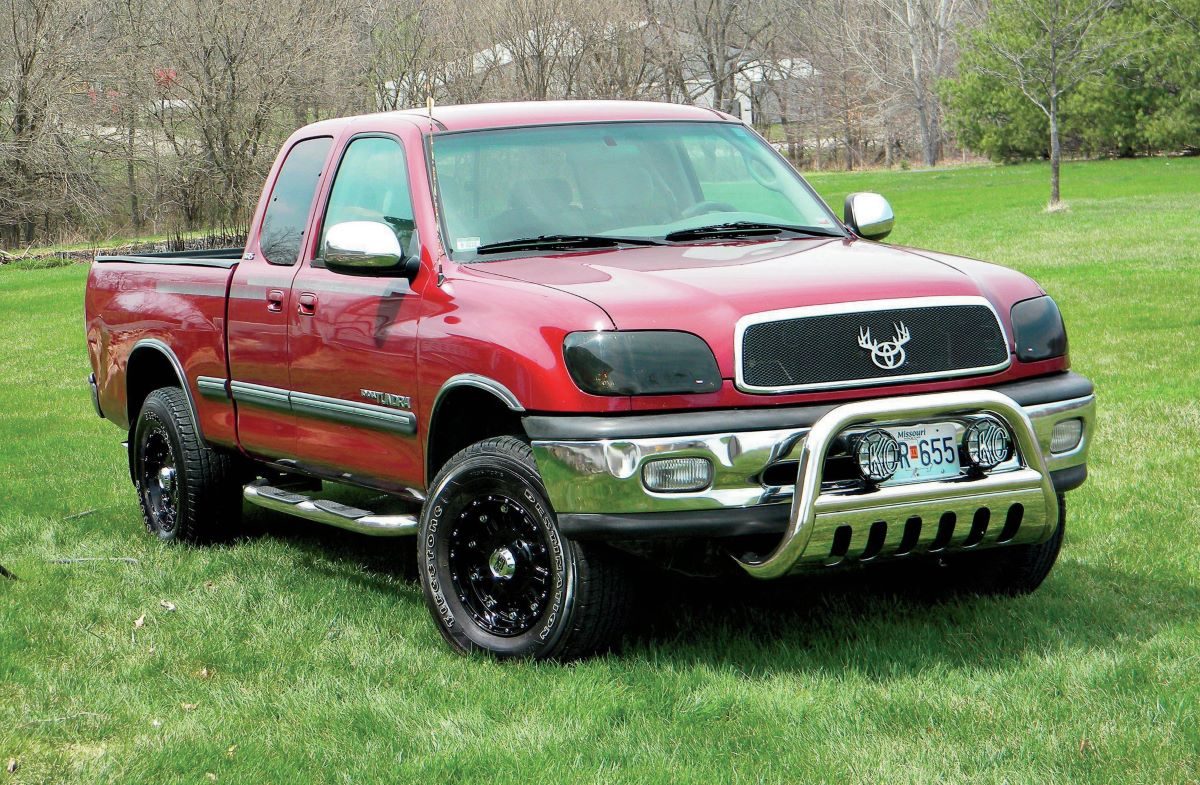
3. Toyota Tundra (5.7L 3UR-FE)
Before Toyota transitioned the Tundra to a twin-turbo V6 in recent years, the 5.7L “i-Force” V8 was the undisputed king of pickup truck reliability. The 3UR-FE engine is a massive, naturally aspirated beast that was built with heavy-duty towing in mind.
It features a massive timing chain rather than a belt, reducing maintenance complexity, and a cooling system that is significantly oversized for the engine’s output.
This cooling efficiency is critical for preventing the heat-related wear that typically kills high-mileage engines. The Tundra has famously reached the one-million-mile mark in the hands of logistics drivers who put the truck through 100,000 miles of service per year.
The Tundra’s longevity is a byproduct of Toyota’s conservative engineering approach. While other manufacturers were pushing for higher fuel economy through complex cylinder deactivation and turbocharging, Toyota stuck with a proven, large-displacement formula.
This meant the engine operated at lower RPMs for the same amount of work, significantly reducing friction and wear on the cylinder walls. A 2026 Tundra owner can expect their V8 to be just as quiet and powerful at 150,000 miles as it was on the day it left the showroom, having likely burned through four or five sets of tires by that point.
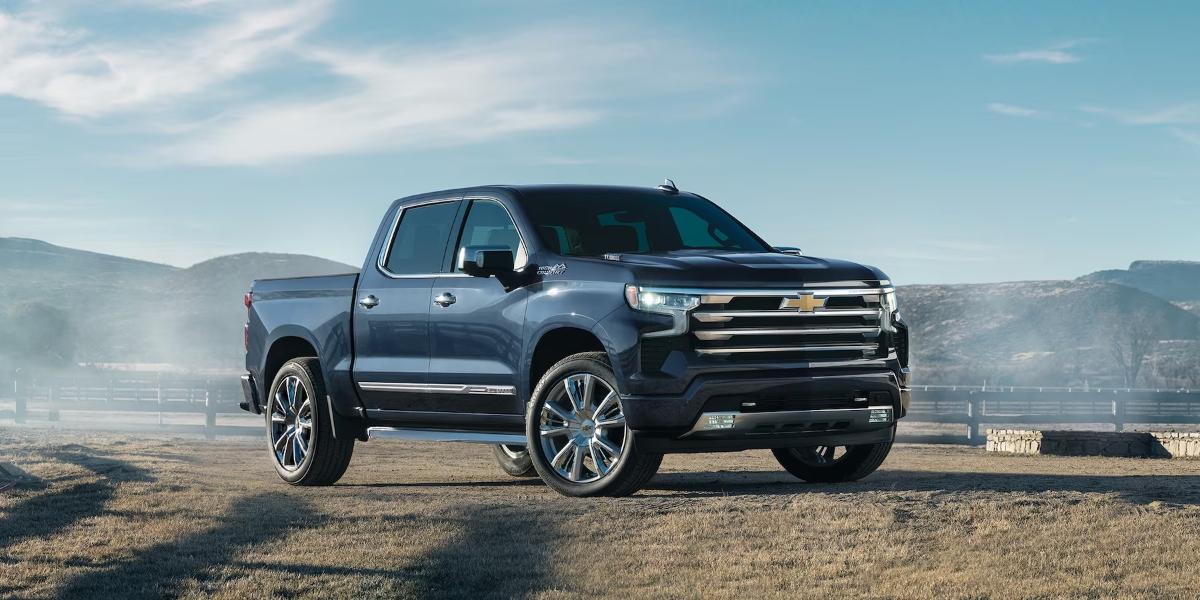
4. Chevrolet Silverado / GMC Sierra (6.0L Vortec 6000)
General Motors’ small-block V8 family is a legend in American engineering, but the 6.0L Vortec (L96 or LY6) found in the 2500HD pickups is perhaps the most durable of them all. Unlike the performance-oriented LS engines found in Corvettes, the 6.0L Vortec uses a cast-iron block and is tuned for low-end torque.
It is a simple, pushrod engine that lacks the complex overhead cam systems that can become failure points in high-mileage European V8s. These trucks are regularly used in the American oil and gas industry, where they are subjected to extreme heat and heavy loads for hundreds of thousands of miles.
The “LS-based” architecture of the Vortec 6000 is celebrated for its ease of repair. If a sensor or a water pump fails at 200,000 miles, the fix is usually straightforward and affordable. The engine’s ability to handle high mileage without burning oil is a testament to the precision of GM’s manufacturing during this era.
In the used market, a well-maintained Silverado 2500 is considered a “forever truck.” It will effortlessly outlast two sets of tires, and with basic maintenance, it will likely see 400,000 miles before any major mechanical issues arise in the rotating assembly.
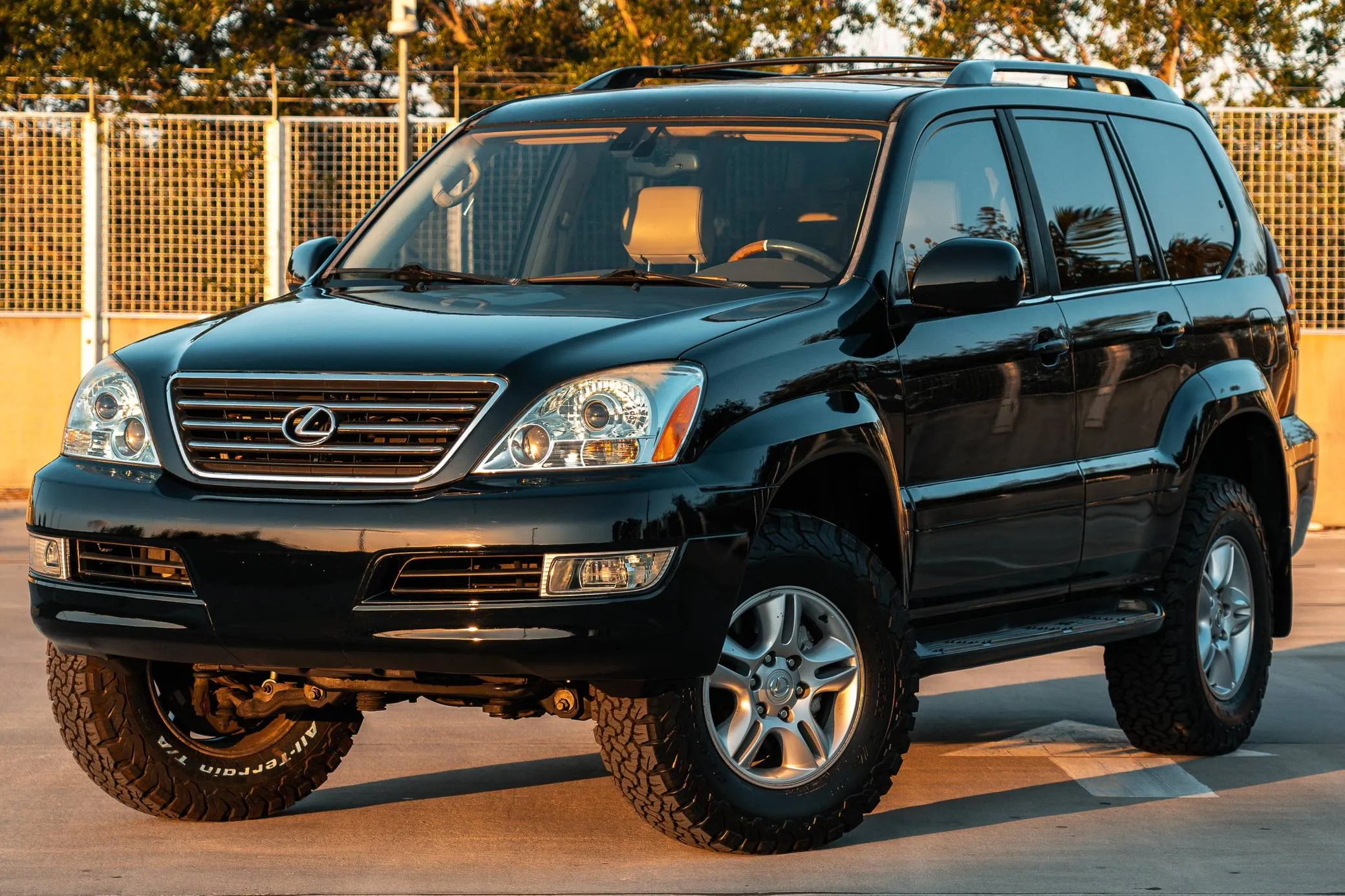
5. Lexus GX 470 / Toyota 4Runner (4.7L 2UZ-FE)
The 4.7L 2UZ-FE is widely considered the most reliable engine Toyota has ever produced for a sport utility vehicle. It was the only V8 in the UZ family to feature a cast-iron block, which was chosen specifically to handle the extra stress of off-roading and towing.
Found in the Lexus GX 470, the Land Cruiser 100 Series, and the 4th-generation Toyota 4Runner, this engine is a “300,000-mile engine” by default. Owners often joke that at 100,000 miles, the engine is just getting started. It is smooth, quiet, and possesses a level of mechanical integrity that is rare in the SUV segment.
The main requirement for these vehicles is a timing belt change every 90,000 miles. If a driver adheres to this one critical piece of maintenance, the rest of the engine is virtually indestructible. The 2UZ-FE does not suffer from the head gasket issues or oil consumption problems that plague many other high-displacement V8s.
By the time a GX 470 has gone through two sets of high-quality all-terrain tires, the engine will likely still have its factory-spec compression in every cylinder. It is a vehicle built for global environments where a mechanical failure isn’t just an inconvenience, but a life-threatening risk.
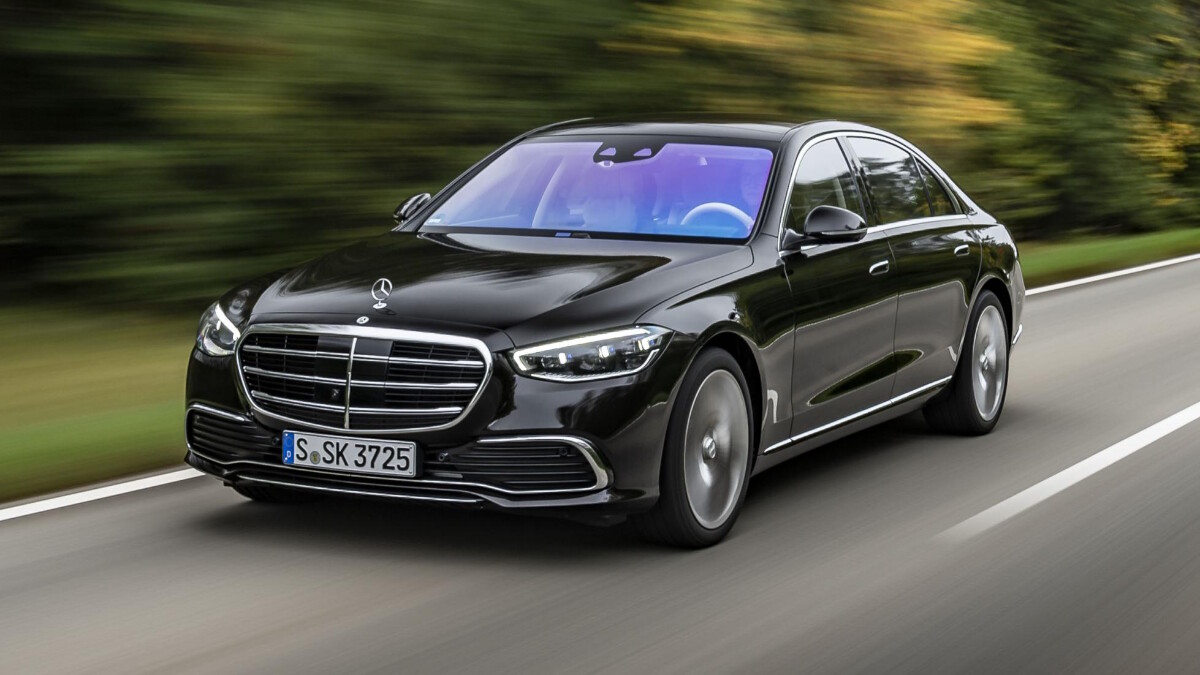
6. Mercedes-Benz S-Class (M117 V8)
In the 1970s and 80s, Mercedes-Benz operated under a “cost-no-object” engineering philosophy. The M117 V8, found in the iconic 560SEL and 500SL, is a monument to that era. This all-aluminum engine featured Bosch fuel injection and was designed to cruise the German Autobahn at 130 mph for hours at a time.
The materials used in the M117 were of such high quality that the engines often show minimal wear on the cylinder bores even after 200,000 miles. For enthusiasts in 2026, a well-maintained M117 is a prime example of a “legacy” engine that can be passed down through generations.
The longevity of the M117 is enhanced by its simplicity compared to later Mercedes V8s. It does not have the complex variable valve timing or fragile electronics that appeared in the late 1990s. While these cars require specialized knowledge to tune correctly, the core mechanical components, the crankshaft, pistons, and block, are nearly immortal.
A classic S-Class will comfortably outlast two or three sets of tires, and as long as the timing chain guides are replaced proactively, the engine will continue to provide smooth, effortless power well into its fourth decade of service.
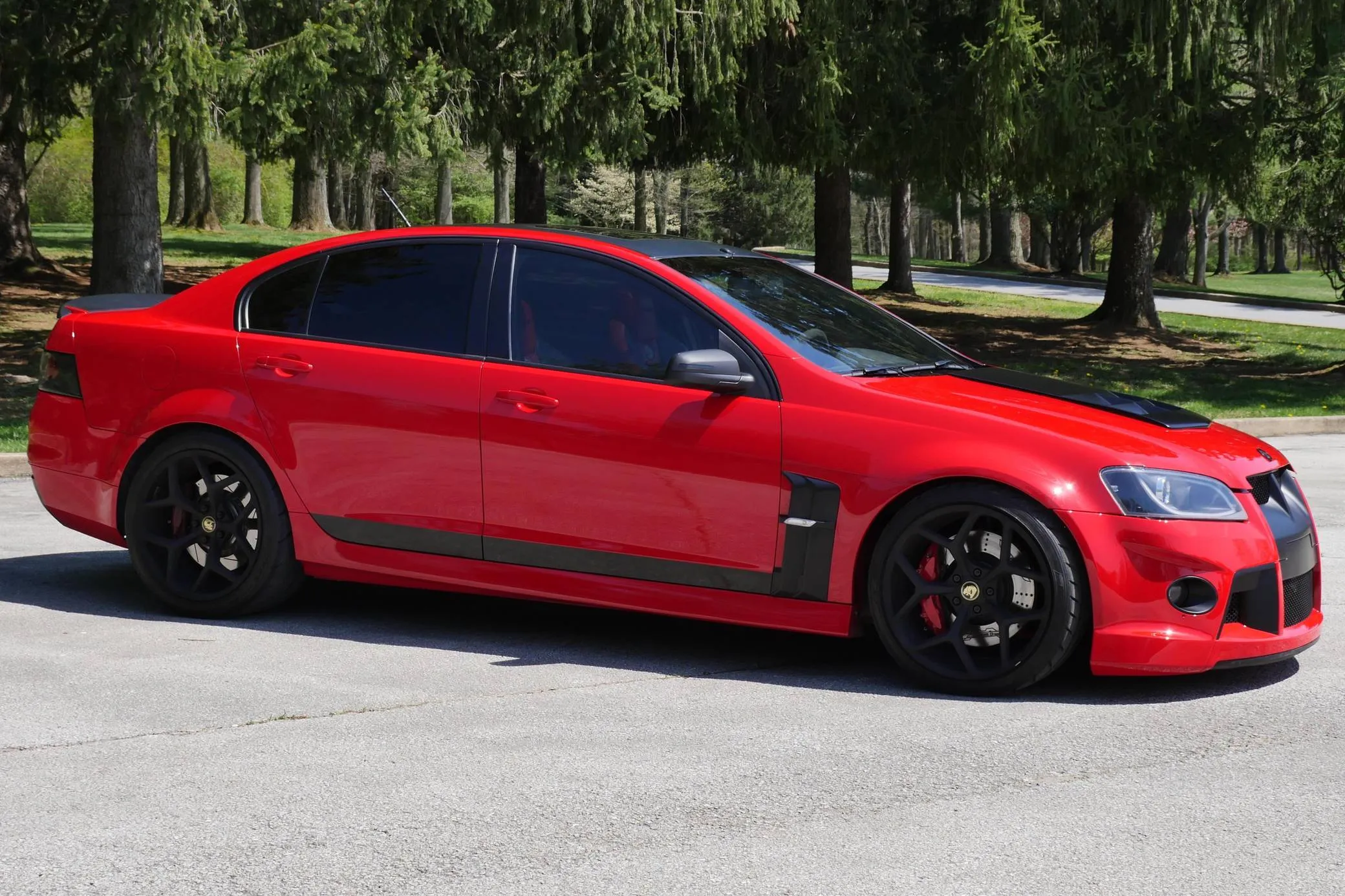
7. Chevrolet SS / Pontiac G8 (6.2L LS3)
The Chevrolet SS and its predecessor, the Pontiac G8 GXP, are the “sleepers” of the American car market. Under the hood lies the 6.2L LS3 V8, the same engine found in the C6 Corvette. The LS3 is revered by enthusiasts because it represents the peak of GM’s naturally aspirated V8 development.
It is an all-aluminum engine that is remarkably light for its power output, yet it retains the simple pushrod architecture that makes it incredibly durable. Unlike the newer “LT” series engines, the LS3 does not have the complex direct-injection systems that can lead to carbon buildup on the valves.
Because the LS3 was designed for high-performance applications, it is built with incredibly strong internals that can easily handle the stresses of daily driving. Many owners of these sedans use them as daily drivers, racking up 150,000 miles or more with nothing but oil changes and spark plug replacements.
The LS3 is an engine that loves to be driven hard, and its lack of complexity means there are fewer things to break over time. It is a car that will shred two sets of rear tires in a single summer if the driver has a heavy foot, yet the engine will remain perfectly healthy for hundreds of thousands of miles.
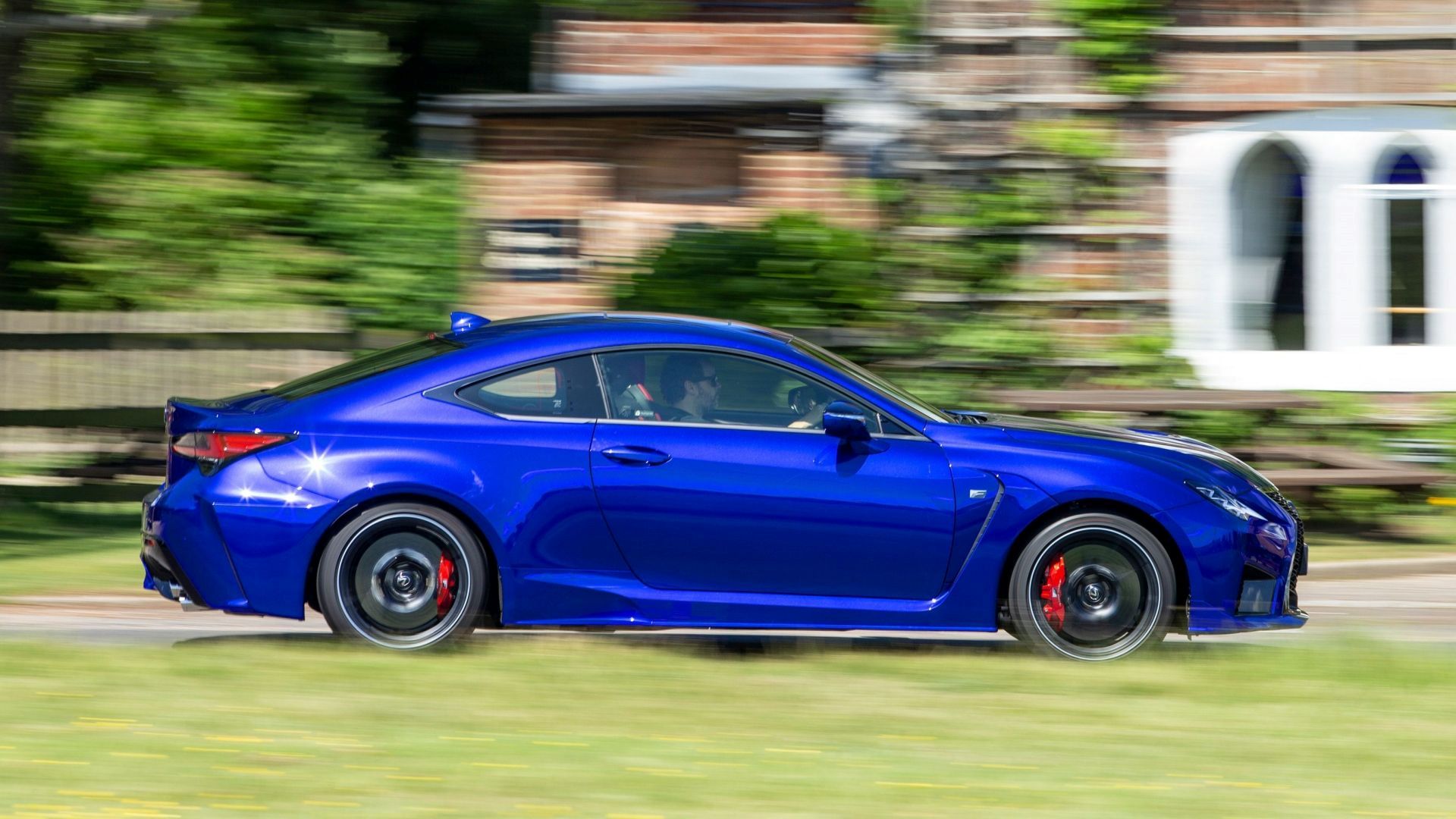
8. Lexus RC F / GS F (5.0L 2UR-GSE)
The Lexus “F” cars are unique in the performance world because they combine a high-revving, Yamaha-tuned V8 with Toyota’s legendary reliability. The 5.0L 2UR-GSE is a masterpiece of engineering, featuring titanium valves and a high-flow cylinder head that allows it to rev to over 7,000 RPM.
Despite this high-strung nature, the engine is built on the same core architecture as the V8s found in Lexus luxury sedans, meaning it is designed to last for 250,000 miles. It is one of the few performance V8s in the world that can be used as a daily driver without the fear of expensive “service position” repairs.
The 2UR-GSE uses a sophisticated dual-injection system (D4-S) that combines both port and direct injection. This prevents the carbon buildup issues that plague many other modern high-performance engines. For the 2026 driver, this means the RC F or GS F will maintain its factory horsepower rating even as the odometer climbs toward 200,000.
While these cars are expensive to maintain in terms of brakes and tires (which they consume rapidly due to their weight and power), the engine itself is a “buy it for life” component. It is a rare example of a sports car that is as sensible as it is exciting.
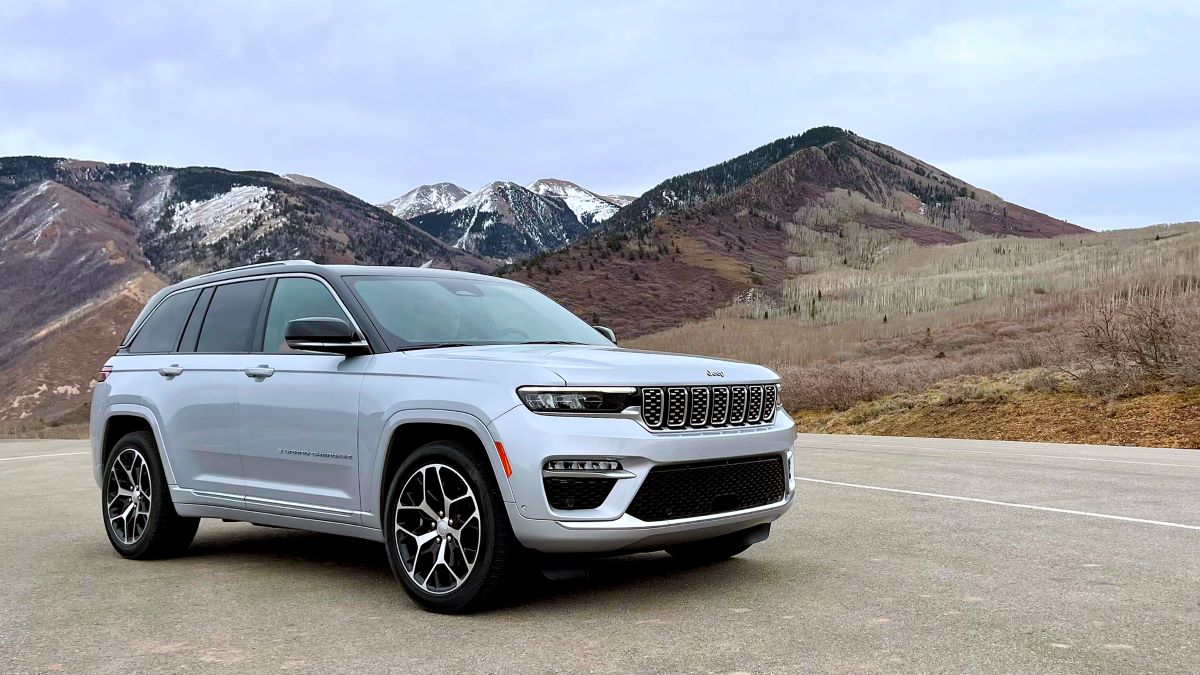
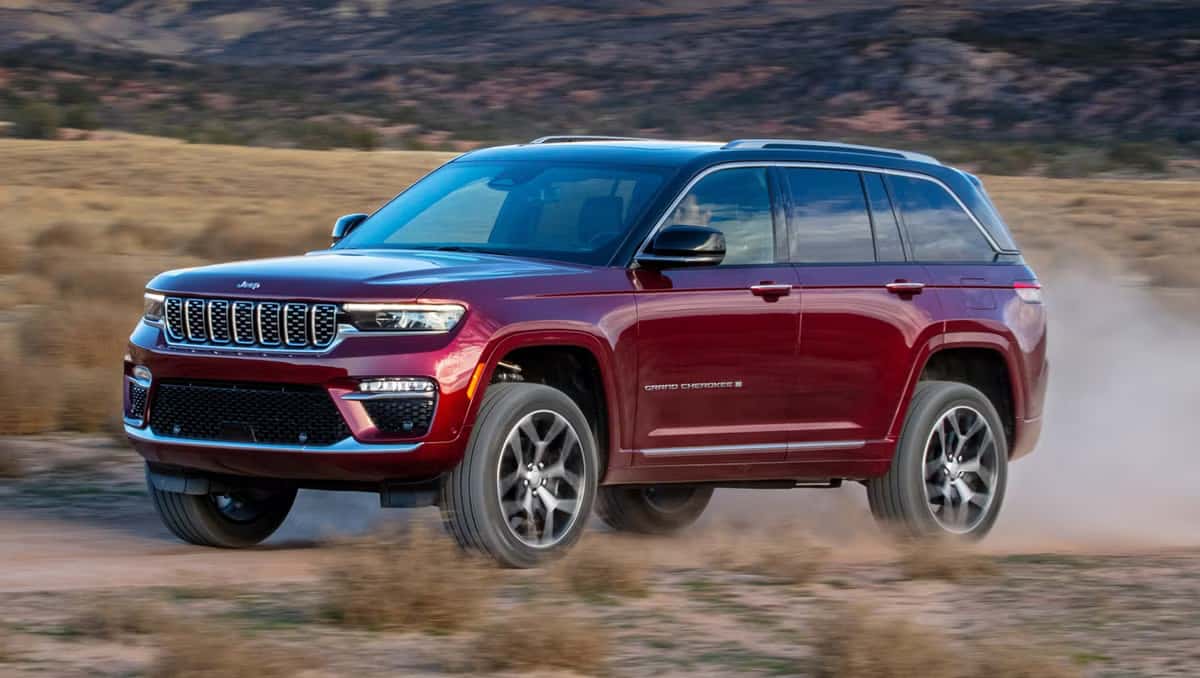
9. Jeep Grand Cherokee (5.7L HEMI)
The 5.7L HEMI V8 has been a staple of the American SUV market for over two decades. Found in the Jeep Grand Cherokee, Dodge Durango, and Ram 1500, the HEMI is known for its “burly” power delivery and simple iron-block construction.
While earlier versions had some issues with the Multi-Displacement System (MDS), the refined versions found in mid-2010s to 2020s models are exceptionally reliable workhorses. The HEMI is designed to work hard, and as long as it is fed high-quality synthetic oil to protect the lifters, it can easily reach 250,000 miles without an overhaul.
The strength of the HEMI lies in its traditional American V8 DNA. It is a high-torque engine that doesn’t need to work hard to move a heavy SUV, which keeps internal wear to a minimum during highway cruising. Parts are ubiquitous across North America, and every mechanic in the country knows how to work on one.
For a family that uses their Grand Cherokee for towing a boat or cross-country road trips, the HEMI V8 is a comforting presence. It will outlast two sets of tires and the vehicle’s first two sets of shocks while continuing to provide that signature V8 rumble.
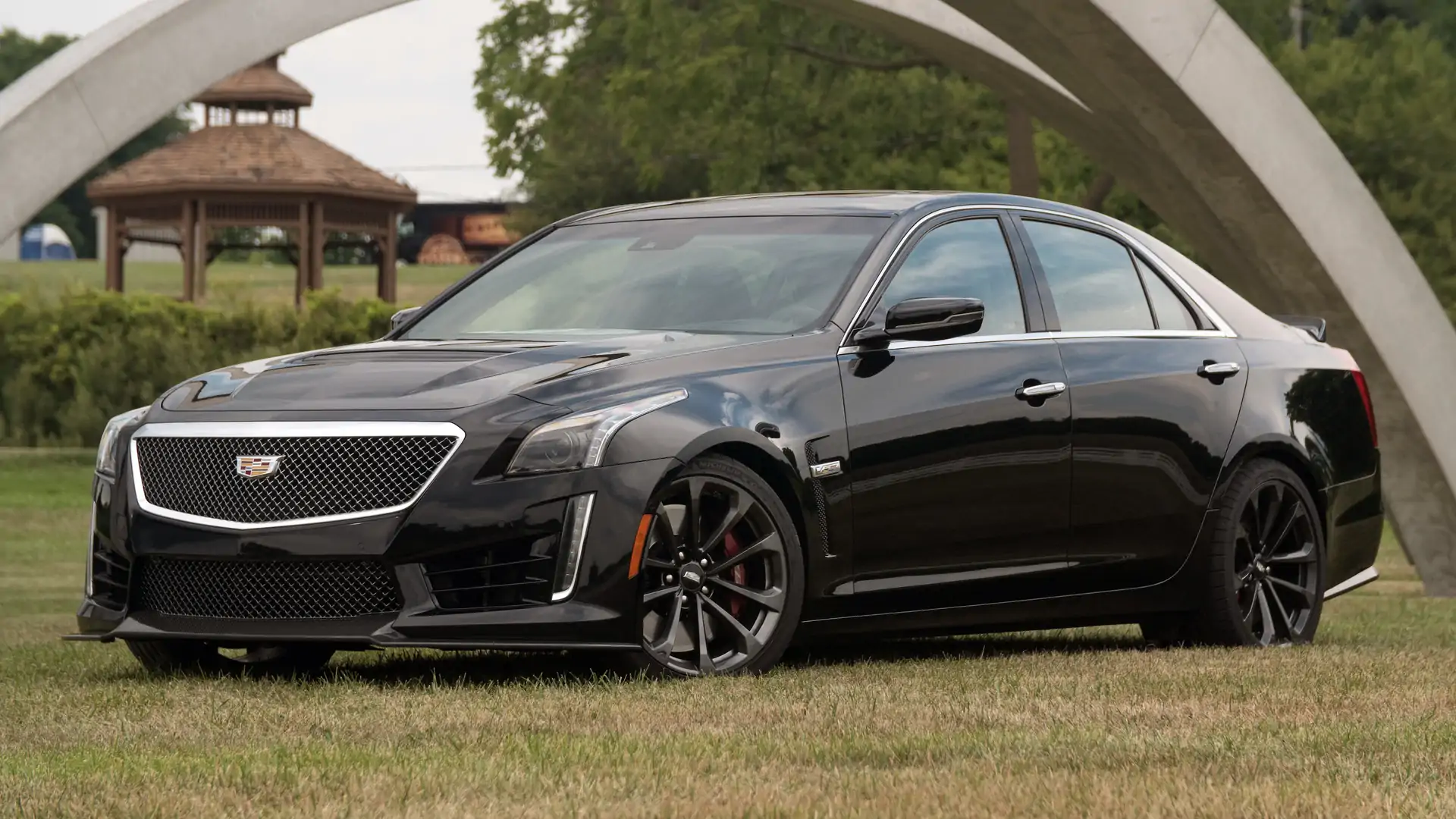
10. Cadillac CTS-V (6.2L LSA)
The second-generation Cadillac CTS-V is a legendary “super-sedan” that features the supercharged 6.2L LSA V8. While supercharging usually adds complexity and heat, the LSA was designed with significant safety margins.
It is essentially a “detuned” version of the engine found in the Corvette ZR1, meaning its internal components, like the pistons and connecting rods, are far stronger than they need to be for its 556-horsepower factory rating. This over-engineering makes the LSA one of the most reliable supercharged engines ever put into a production car.
Many CTS-V owners have pushed their cars well past the 150,000-mile mark with only basic supercharger belt maintenance. The engine block and rotating assembly are known to be “bulletproof,” often handling significant power increases from aftermarket tuners without failing.
Because the CTS-V is a heavy, high-torque car, it is notorious for eating through rear tires every 15,000 miles. This means a CTS-V will likely go through ten sets of tires before the LSA engine even requires a valve cover gasket replacement. It is the expression of American luxury and brute-force reliability.