
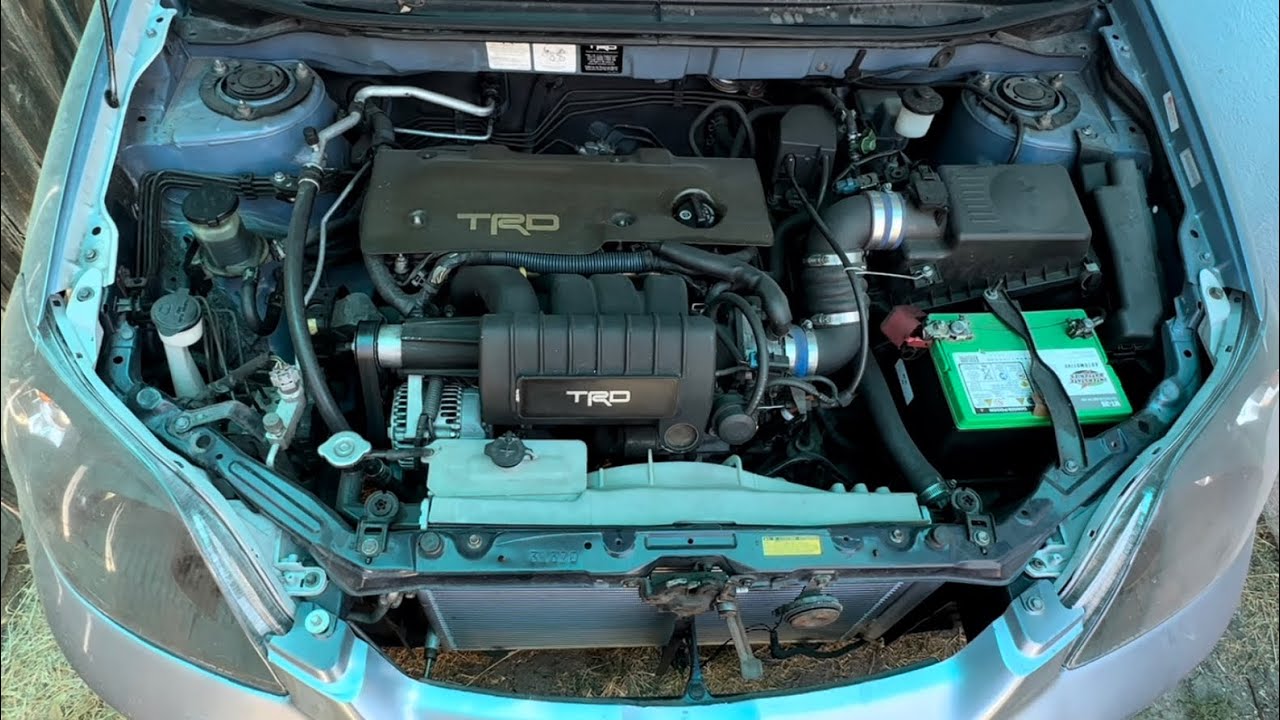
Longevity in automotive engineering does not happen by chance. It comes from thoughtful design, steady refinement, and a clear understanding of what drivers truly need from an engine. Toyota has built its identity around powertrains that continue to perform long after their first appearance, often remaining in use across multiple generations and entirely different vehicle platforms.
Such endurance goes beyond simple durability. It reflects a consistent approach to reliability, ease of servicing, and practical performance in everyday conditions. Very few engines manage to stay relevant while the vehicles around them continue to change, yet Toyota has achieved this repeatedly through disciplined engineering.
Vehicle designs change with time. Safety requirements grow stricter, technology becomes more advanced, and consumer expectations continue to rise. Even with these constant developments, certain engines manage to hold their place. They adapt where necessary while preserving the qualities that made them dependable from the start.
This page focuses on ten Toyota engines that demonstrated remarkable staying power by serving across at least three different chassis designs. Each example reflects a blend of engineering precision and long-term trust from drivers. These engines have powered everything from compact cars to large utility vehicles, all while maintaining a reputation for reliability and manageable ownership costs.
The discussion begins with five engines that established themselves early and continued to deliver well beyond their original platforms. Their continued presence offers a clear look at how careful engineering can extend far beyond a single production cycle.
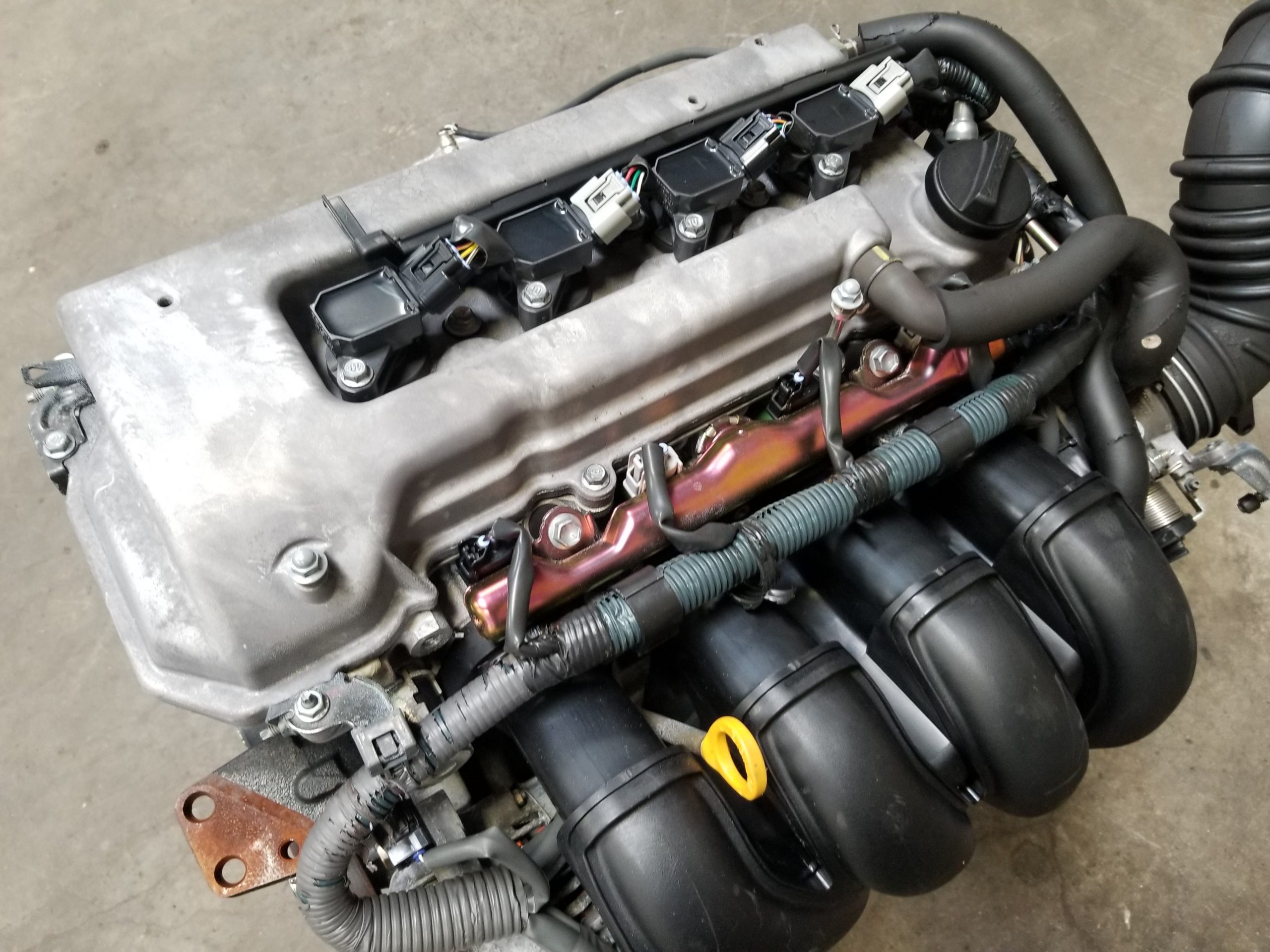
1. Toyota 1ZZ-FE Engine in Corolla, Matrix, and Celica
A straightforward design often outlasts more complicated alternatives, and that idea comes to life through the Toyota 1ZZ-FE engine. Introduced in the late 1990s, this 1.8-liter inline-four quickly became a staple across multiple Toyota models. Its widespread use in vehicles such as the Toyota Corolla, Toyota Matrix, and Toyota Celica demonstrated how adaptable a well-designed engine can be.
Simplicity formed the foundation of its appeal. Featuring an aluminum block and head, along with variable valve timing, the 1ZZ-FE balanced efficiency with dependable performance. It did not aim to dominate in horsepower figures. Instead, it focused on steady output and long-term durability, qualities that resonated with everyday drivers.
Evolution played a role in its extended lifespan. As emissions standards tightened and expectations shifted, Toyota refined the engine without altering its core architecture.
Adjustments to tuning and internal components allowed it to remain compliant while preserving reliability. This approach meant the engine could transition smoothly between different chassis designs without requiring a complete redesign.
Practical ownership added to its reputation. Routine service remained uncomplicated, and parts availability stayed strong due to its widespread use. Mechanics became familiar with its layout, reducing diagnostic time and repair costs. For many owners, that translated into fewer surprises and predictable upkeep.
Versatility deserves attention as well. Whether installed in a compact sedan, a sporty coupe, or a practical hatchback, the 1ZZ-FE adapted to each role without feeling out of place. It delivered consistent performance regardless of the vehicle surrounding it, which helped maintain driver confidence across different models.
Longevity in the used market continues to reinforce its standing. Even years after production ended, vehicles equipped with this engine remain in operation. That persistence reflects not just durability, but also trust built as time goes on. Buyers recognize the engine’s track record, which keeps demand steady for older models.
Durability, adaptability, and ease of maintenance combine to define the 1ZZ-FE. Its ability to thrive across multiple chassis generations highlights how thoughtful engineering can extend far beyond a single era.
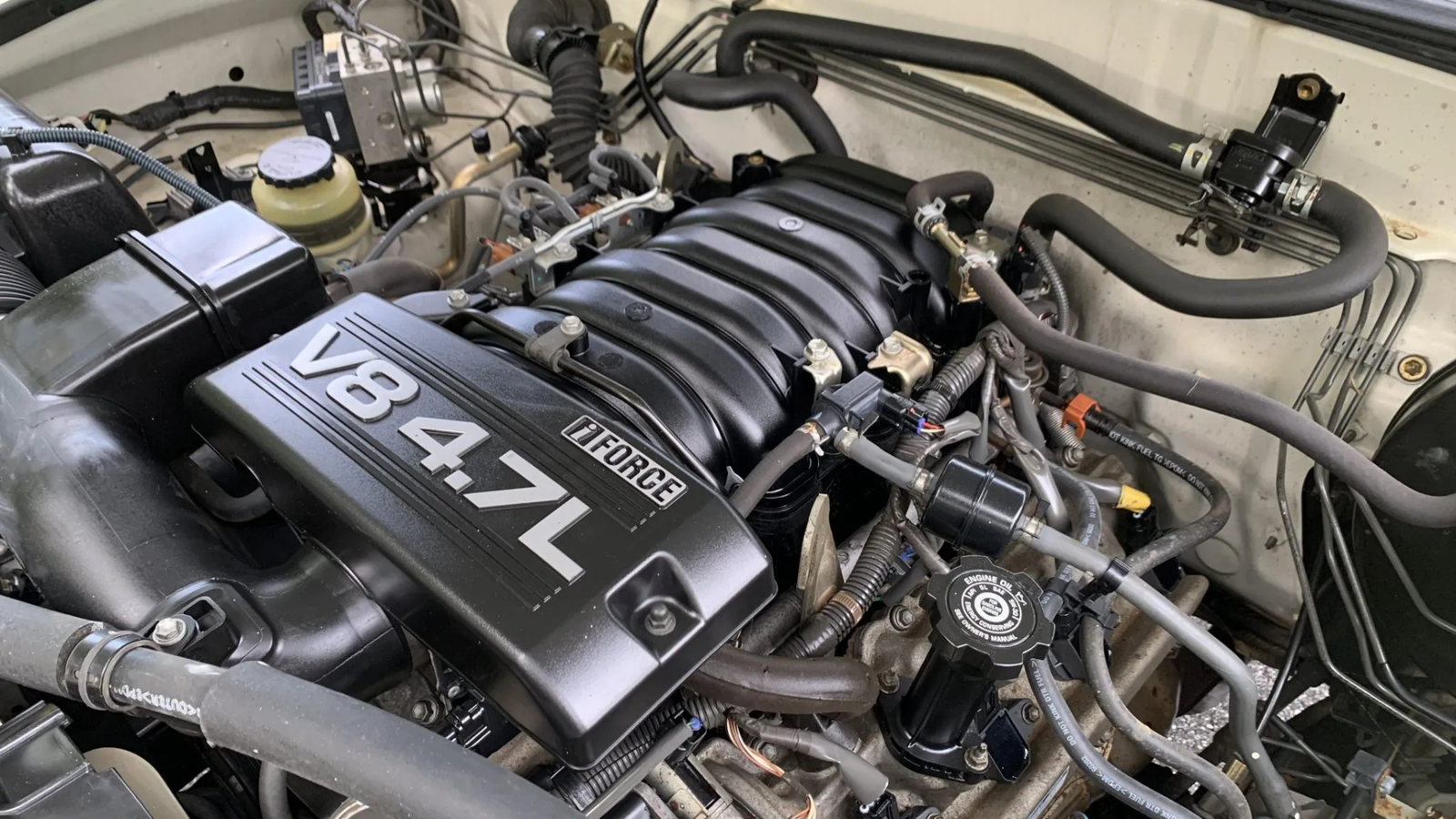
2. Toyota 2UZ-FE V8 in Land Cruiser, Tundra, and Sequoia
Strength often defines longevity in larger vehicles, and the Toyota 2UZ-FE V8 stands as a clear example. Built for durability, this 4.7-liter engine powered some of Toyota’s most demanding platforms, including the Toyota Land Cruiser, Toyota Tundra, and Toyota Sequoia. Its service across these distinct chassis designs shows how a robust foundation can carry an engine through years of evolving expectations.
Iron construction set the tone from the beginning. Unlike many modern engines that prioritize weight reduction, the 2UZ-FE used a cast-iron block designed to withstand heavy loads. This choice contributed to its ability to handle towing, off-road driving, and extended use without excessive wear.
Consistency in performance reinforced its appeal. While not focused on high-revving excitement, the engine delivered strong torque at lower speeds. That characteristic suited trucks and SUVs, where pulling power mattered more than peak horsepower. Drivers valued its predictable behavior, especially in challenging conditions.
Adaptation occurred through incremental updates rather than sweeping changes. Toyota introduced variable valve timing in later versions, improving efficiency and responsiveness. These updates allowed the engine to remain competitive while maintaining its core durability.
Service life became one of its defining traits. High-mileage examples are common, with many units continuing to operate well beyond expectations. Routine maintenance, when performed consistently, kept the engine running smoothly for years. This reliability strengthened its reputation among both private owners and fleet operators.
Application across multiple vehicle types was added to its legacy. From luxury-oriented SUVs to work-focused trucks, the 2UZ-FE proved capable of handling diverse demands. Each platform benefited from the same dependable power delivery, reinforcing confidence in the engine’s design.
Resale value often reflects long-term trust, and vehicles equipped with this V8 tend to hold their appeal. Buyers recognize the engine’s durability, which supports demand even as newer models enter the market. Endurance defines the 2UZ-FE. Its ability to power different chassis designs while maintaining reliability speaks to an engineering philosophy centered on strength and consistency.
Also Read: 10 Engines Famous for Their Unique and Aggressive Factory Exhaust Sounds
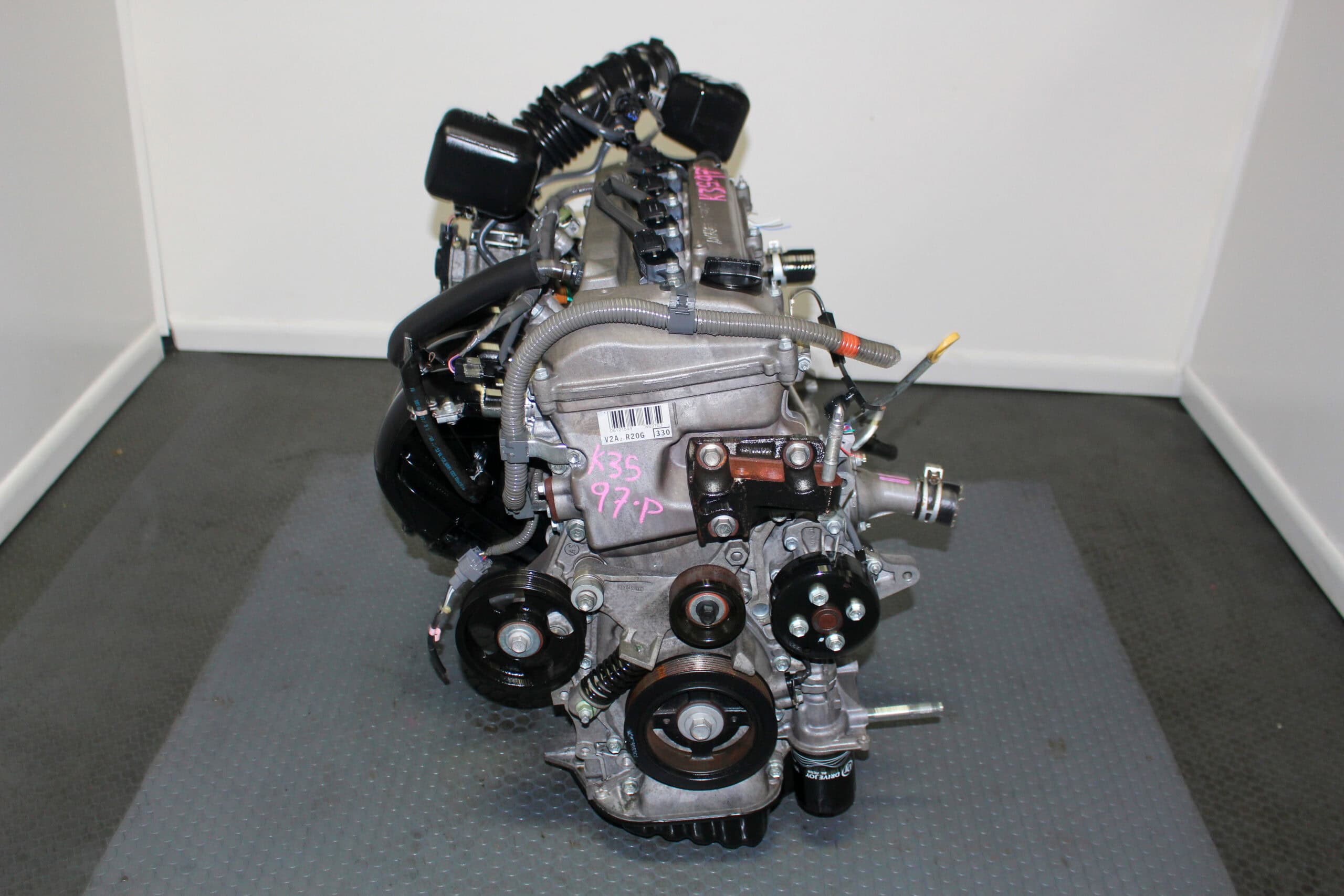
3. Toyota 2AZ-FE Engine in Camry, RAV4, and Scion tC
Balance between efficiency and usability often determines an engine’s lifespan, and the Toyota 2AZ-FE achieved that balance effectively. These 2.4-liter inline-four powered vehicles, such as the Toyota Camry, Toyota RAV4, and Scion tC, demonstrate its flexibility across different categories.
Design priorities focused on practicality. The engine delivered adequate power for daily driving while maintaining respectable fuel economy. Drivers found it responsive enough for routine use without feeling excessive or underpowered.
Adaptability played a central role in its continued use. Whether installed in a sedan, a compact SUV, or a sport-oriented coupe, the 2AZ-FE adjusted to each application with minimal compromise. That flexibility allowed Toyota to deploy it across multiple chassis designs without major structural changes.
Refinement kept it relevant. Updates to emissions systems and internal components helped the engine meet changing standards. These improvements ensured that it remained compliant while preserving its reliability. Ownership experience contributed to its staying power. Maintenance remained manageable, with widely available parts and straightforward service procedures.
This accessibility reduced long-term costs, making it attractive to a broad range of drivers. Comfort and drivability benefited from its tuning. Smooth acceleration and predictable behavior made it suitable for both urban commuting and highway travel. Drivers appreciated its consistency, which reinforced trust in the engine’s performance.
Market presence extended its influence. Vehicles equipped with the 2AZ-FE became common sights on the road, which further strengthened its reputation. Familiarity often leads to confidence, and this engine benefited from both. Longevity, in this case, reflects balance.
The 2AZ-FE did not rely on extremes. Instead, it delivered a combination of efficiency, reliability, and adaptability that allowed it to remain relevant across multiple generations.
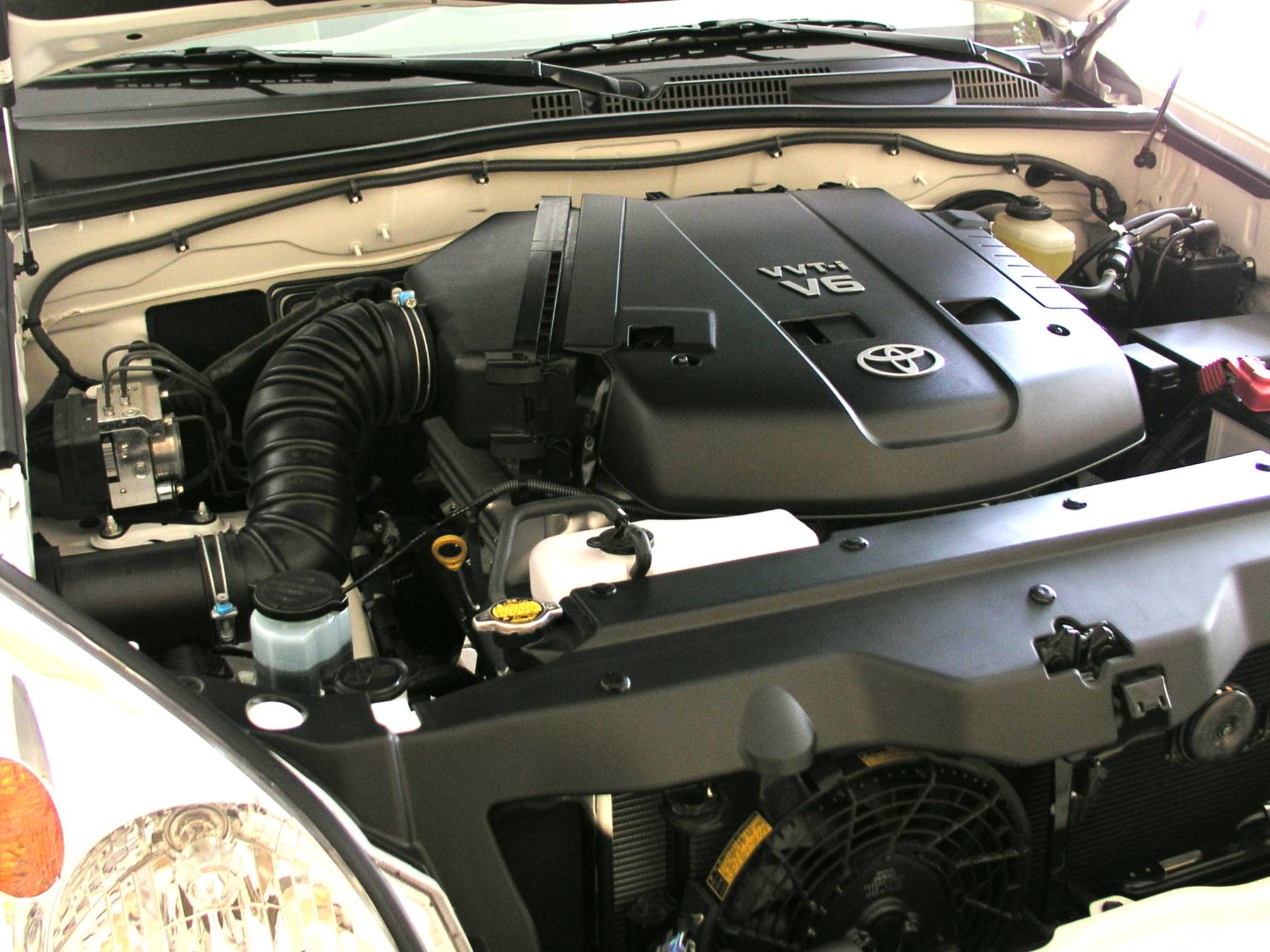
4. Toyota 1GR-FE V6 in 4Runner, Tacoma, and FJ Cruiser
Rugged applications demand engines that can endure constant stress, and the Toyota 1GR-FE V6 meets that requirement with confidence. Found in vehicles such as the Toyota 4Runner, Toyota Tacoma, and Toyota FJ Cruiser, this 4.0-liter engine has powered multiple chassis designs while maintaining a reputation for durability.
A strong foundation defines its character. Built with off-road use in mind, the 1GR-FE delivers dependable torque and consistent performance across varying conditions. Drivers rely on it for both daily use and demanding environments.
Engineering choices emphasize reliability. The engine avoids unnecessary complication, focusing instead on proven components that can withstand heavy use. This approach reduces the likelihood of unexpected failures and supports long-term operation.
Updates have kept it relevant without altering its core identity. Dual variable valve timing improved efficiency and responsiveness in later versions, allowing the engine to meet modern expectations while retaining its durability.
Real-world performance reinforces its reputation. From rocky trails to highway driving, the 1GR-FE adapts without hesitation. Its ability to perform across different scenarios makes it a dependable choice for a wide range of drivers.
Serviceability remains an advantage. Mechanics are familiar with its design, and parts are readily available. This accessibility simplifies maintenance and reduces downtime, which benefits both individual owners and commercial users.
Longevity continues to define its legacy. Vehicles equipped with this engine often remain in service for extended periods, reflecting the strength of its design. Buyers recognize this durability, which supports demand in the used market.
Durability, adaptability, and consistent performance combine to define the 1GR-FE. Its presence across multiple chassis designs highlights how a well-engineered engine can remain relevant through years of change.
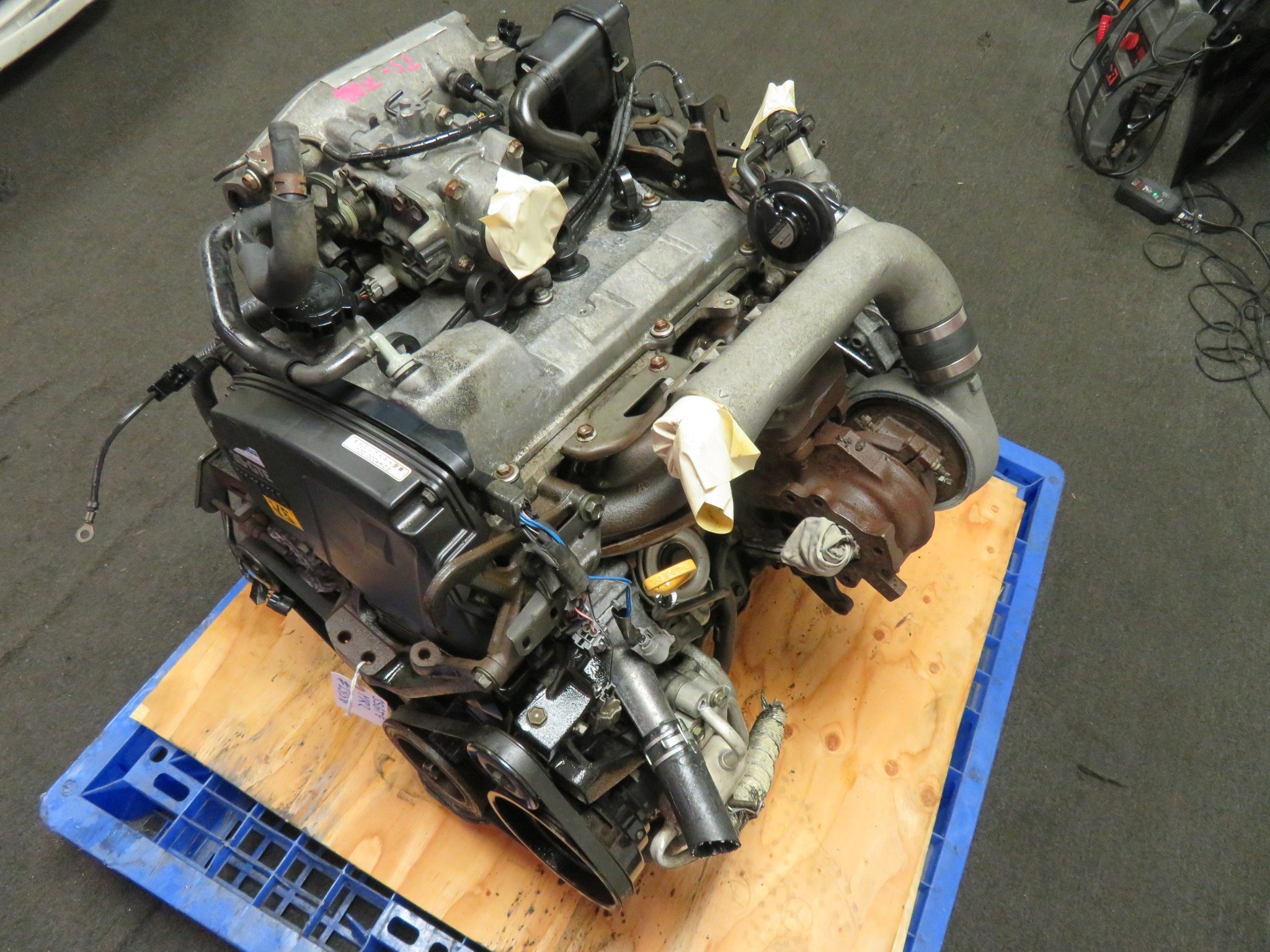
5. Toyota 3S-GE Engine in Altezza, Celica, and MR2
Performance-focused engines rarely achieve long production runs, yet the Toyota 3S-GE managed to do exactly that. These 2.0-liter inline-four powered vehicles, such as the Toyota Altezza, Toyota Celica, and Toyota MR2, prove that a performance-oriented design can also deliver longevity.
Precision defines its engineering. Designed for responsiveness, the 3S-GE features advanced valvetrain technology and a high-revving nature. Drivers appreciate its ability to deliver engaging performance without sacrificing reliability.
Evolution played a crucial role in its lifespan. Multiple generations of the engine introduced improvements in power delivery, efficiency, and emissions compliance. Each update refined the design while maintaining its core characteristics.
Versatility allowed it to adapt across different platforms. Whether installed in a rear-wheel-drive sedan, a front-wheel-drive coupe, or a mid-engine sports car, the 3S-GE maintained its identity. That adaptability contributed to its extended use across various chassis designs.
Ownership experience remains positive for enthusiasts. While more performance-focused than other engines in this list, it still offers dependable operation when properly maintained. This balance between excitement and reliability sets it apart.
Driving engagement adds to its appeal. The engine responds eagerly to input, delivering a sense of connection that drivers value. This characteristic helped sustain interest even as newer engines entered the market. Legacy continues through enthusiast communities. The 3S-GE remains respected for its performance and durability, which keeps it relevant long after production ended.
Performance and longevity rarely align so well, yet the 3S-GE demonstrates that it is possible. Its ability to thrive across multiple chassis designs highlights a unique blend of engineering precision and lasting reliability.
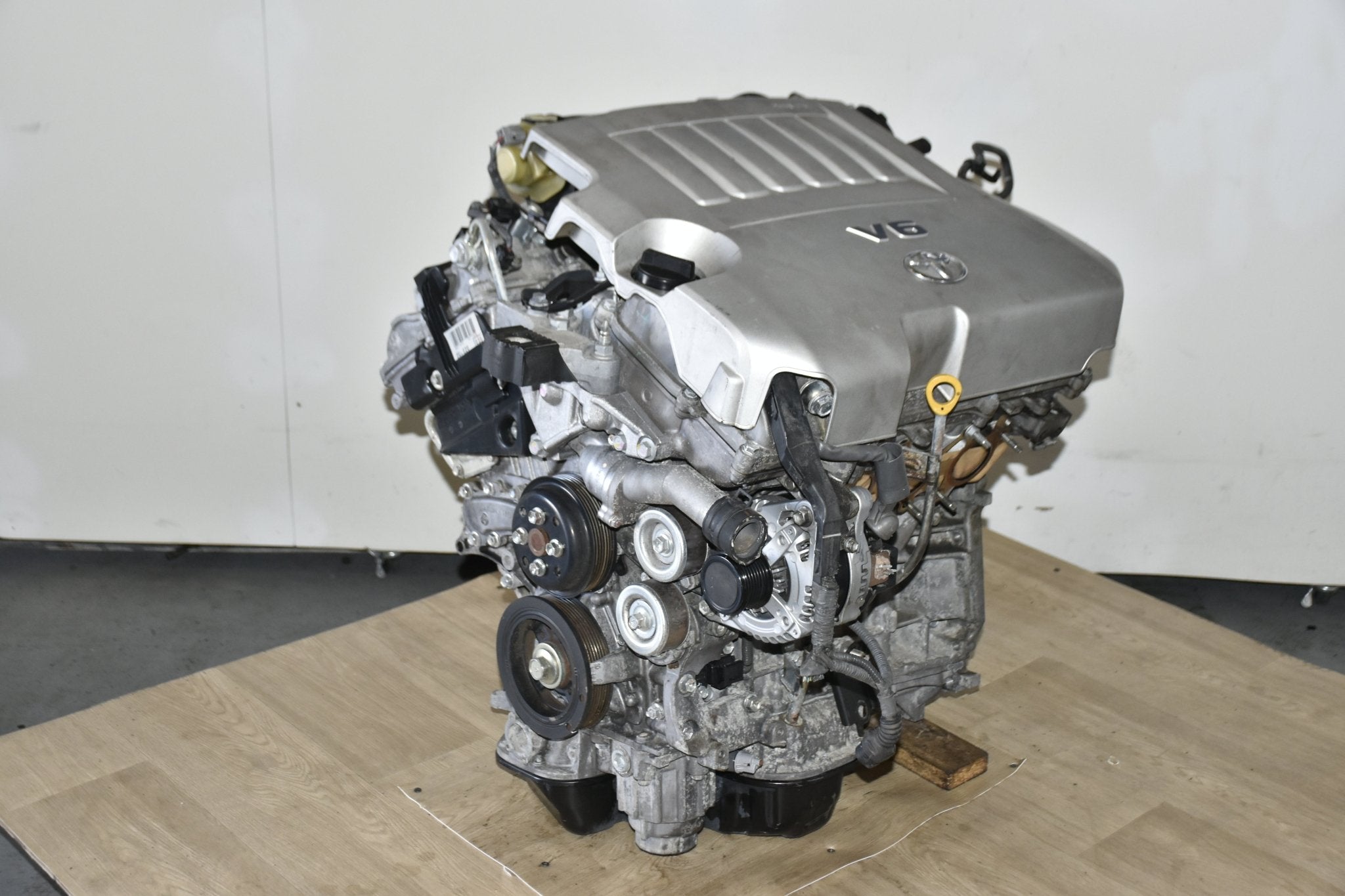
6. Toyota 2GR-FE V6 in Camry, Avalon, and Highlander
Refinement paired with endurance defines the Toyota 2GR-FE V6, an engine that has powered a wide range of vehicles, including the Toyota Camry, Toyota Avalon, and Toyota Highlander. Introduced as a modern replacement for older V6 designs, this 3.5-liter engine quickly proved its ability to adapt across multiple chassis platforms while maintaining strong reliability.
A closer look at its engineering reveals a focus on smooth power delivery. The 2GR-FE produces ample horsepower without sacrificing everyday usability, allowing it to perform comfortably in both sedans and larger crossover vehicles. Acceleration feels responsive, yet controlled, which appeals to drivers seeking a balance between performance and comfort.
Durability remains central to its long service life. Built with an aluminum block and advanced cooling systems, the engine manages heat effectively, even during extended use. This contributes to its ability to maintain consistent performance across different vehicle generations without excessive wear.
Refinement efforts helped extend its relevance. Dual variable valve timing enhances efficiency and throttle response, ensuring the engine remains competitive as standards develop. These updates allow it to meet modern expectations without requiring a complete redesign.
Ownership experience continues to support its reputation. Routine maintenance procedures remain straightforward, and parts availability is strong due to widespread use. Mechanics are familiar with its layout, which simplifies servicing and reduces repair times.
Versatility plays a major role in its longevity. Whether powering a family sedan or a three-row SUV, the 2GR-FE adapts without difficulty. This flexibility allows it to remain useful across different segments, reinforcing its value to both manufacturers and drivers.
Resale demand reflects long-term trust in this engine. Vehicles equipped with the 2GR-FE often retain buyer interest due to their reputation for reliability and smooth operation. This sustained demand keeps the engine relevant even as newer designs emerge.
Consistency, adaptability, and refined performance define the 2GR-FE. Its ability to remain effective across multiple chassis designs highlights Toyota’s commitment to engineering that endures.
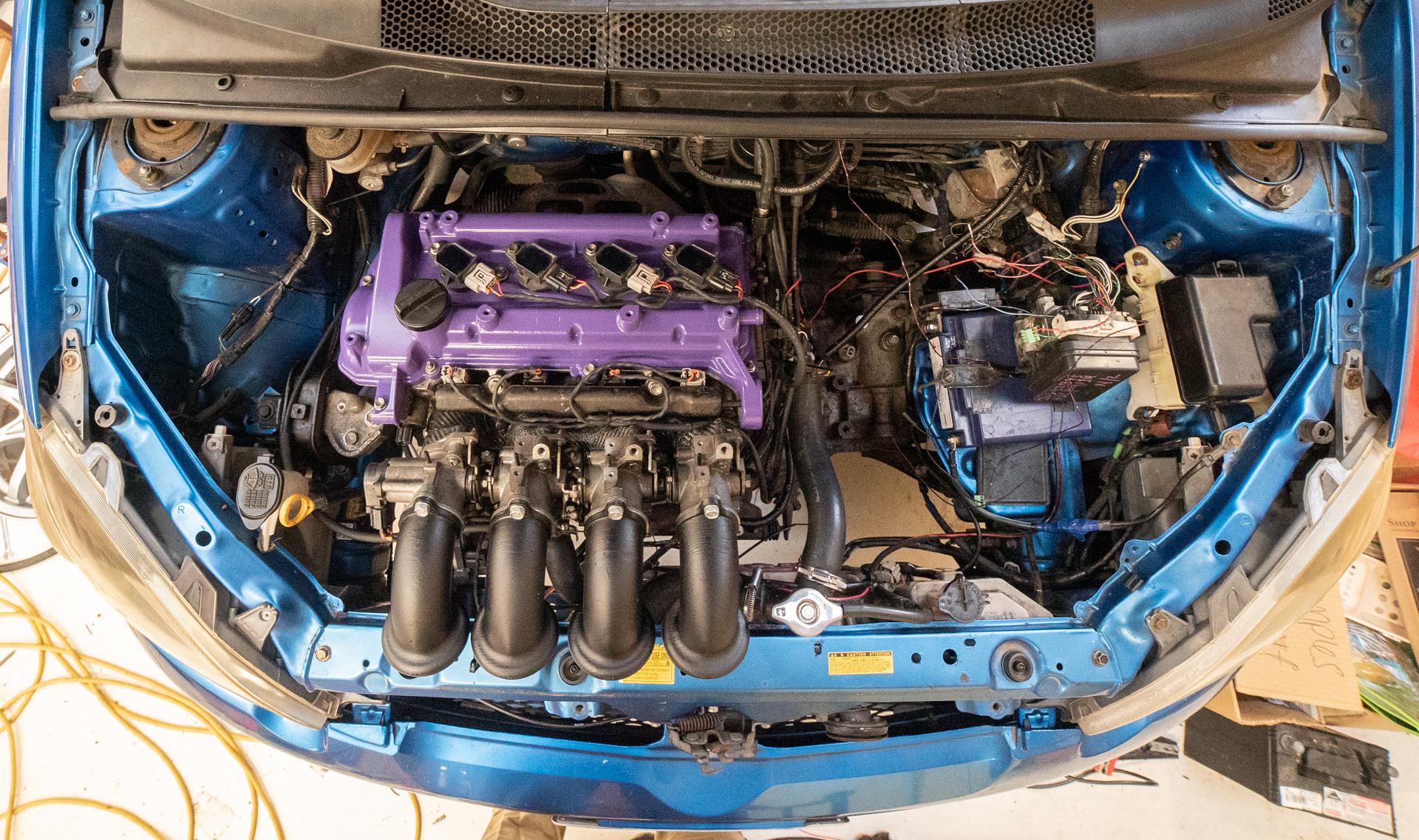
7. Toyota 1NZ-FE Engine in Yaris, Prius c, and Echo
Efficiency-driven engineering takes center stage with the Toyota 1NZ-FE engine, a compact 1.5-liter inline-four that powered vehicles such as the Toyota Yaris, Toyota Prius c, and Toyota Echo. Despite its modest size, this engine demonstrated remarkable longevity by serving across several distinct chassis designs.
A design focused on simplicity helps explain its endurance. The 1NZ-FE avoids unnecessary complication, relying on proven mechanical principles to deliver consistent performance. This approach reduces the likelihood of mechanical issues, which supports long-term reliability.
Fuel efficiency remains one of its defining characteristics. Drivers benefit from low fuel consumption, making it an appealing choice for urban commuting and daily use. This efficiency contributes to its continued demand, particularly in markets where operating costs matter.
Adaptability allows the engine to serve in both conventional and hybrid applications. In the Prius c, the 1NZ-FE works alongside an electric motor, demonstrating its ability to integrate with evolving technology. This flexibility extends its lifespan beyond traditional boundaries.
Maintenance requirements remain manageable. Routine servicing keeps the engine operating smoothly, and parts availability ensures that repairs remain accessible. This ease of ownership reinforces its reputation among budget-conscious drivers.
Driving experience prioritizes practicality. While not designed for high performance, the engine delivers steady output suitable for everyday tasks. Its predictable behavior contributes to driver confidence, especially in city environments.
Longevity in the used market reflects its reliability. Vehicles equipped with the 1NZ-FE continue to operate years after production, highlighting the strength of its design. Buyers recognize this durability, which sustains interest in older models.
Efficiency, simplicity, and adaptability combine to define the 1NZ-FE. Its presence across multiple chassis designs demonstrates how a focused engineering approach can deliver lasting value.
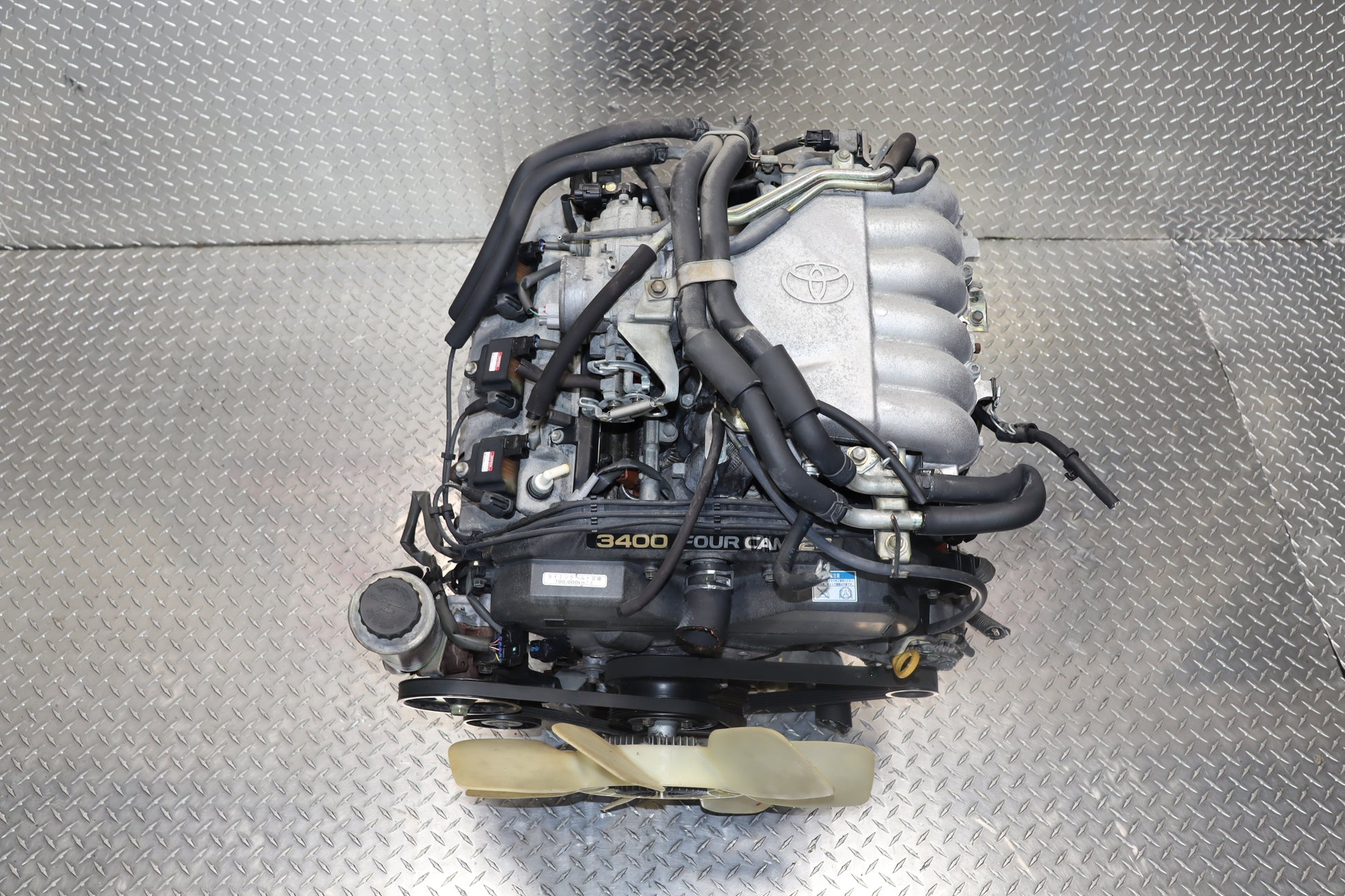
8. Toyota 5VZ-FE V6 in Tacoma, 4Runner, and Tundra
Rugged dependability defines the Toyota 5VZ-FE V6, an engine that powered vehicles such as the Toyota Tacoma, Toyota 4Runner, and early Toyota Tundra models. Known for its durability, this 3.4-liter engine became a trusted choice for drivers who required consistent performance in demanding conditions.
A solid construction forms the backbone of its reputation. Designed to handle heavy use, the 5VZ-FE delivers reliable power without placing excessive stress on internal components. This durability allows it to remain operational across extended periods.
Torque delivery supports its application in trucks and SUVs. The engine provides steady pulling power, which proves useful for towing and off-road driving. Drivers value this characteristic when operating in challenging environments.
Simplicity contributes to its longevity. The engine avoids overly complicated systems, focusing instead on proven technology that can withstand wear. This approach reduces maintenance challenges and supports long-term use. Serviceability remains a strong advantage. Mechanics familiar with Toyota engines can easily maintain and repair the 5VZ-FE, which keeps ownership costs manageable. Parts availability also supports its continued operation.
Adaptation across different platforms highlights its versatility. Whether installed in a midsize pickup or a larger SUV, the engine maintains consistent performance. This flexibility allows it to serve across multiple chassis designs without losing effectiveness.
Used market presence continues to reinforce its legacy. Vehicles equipped with the 5VZ-FE often remain in circulation, reflecting their durability and reliability. Buyers recognize this track record, which sustains demand. Durability, simplicity, and dependable performance define the 5VZ-FE. Its extended service across various chassis designs demonstrates how a well-built engine can stand the test of time.
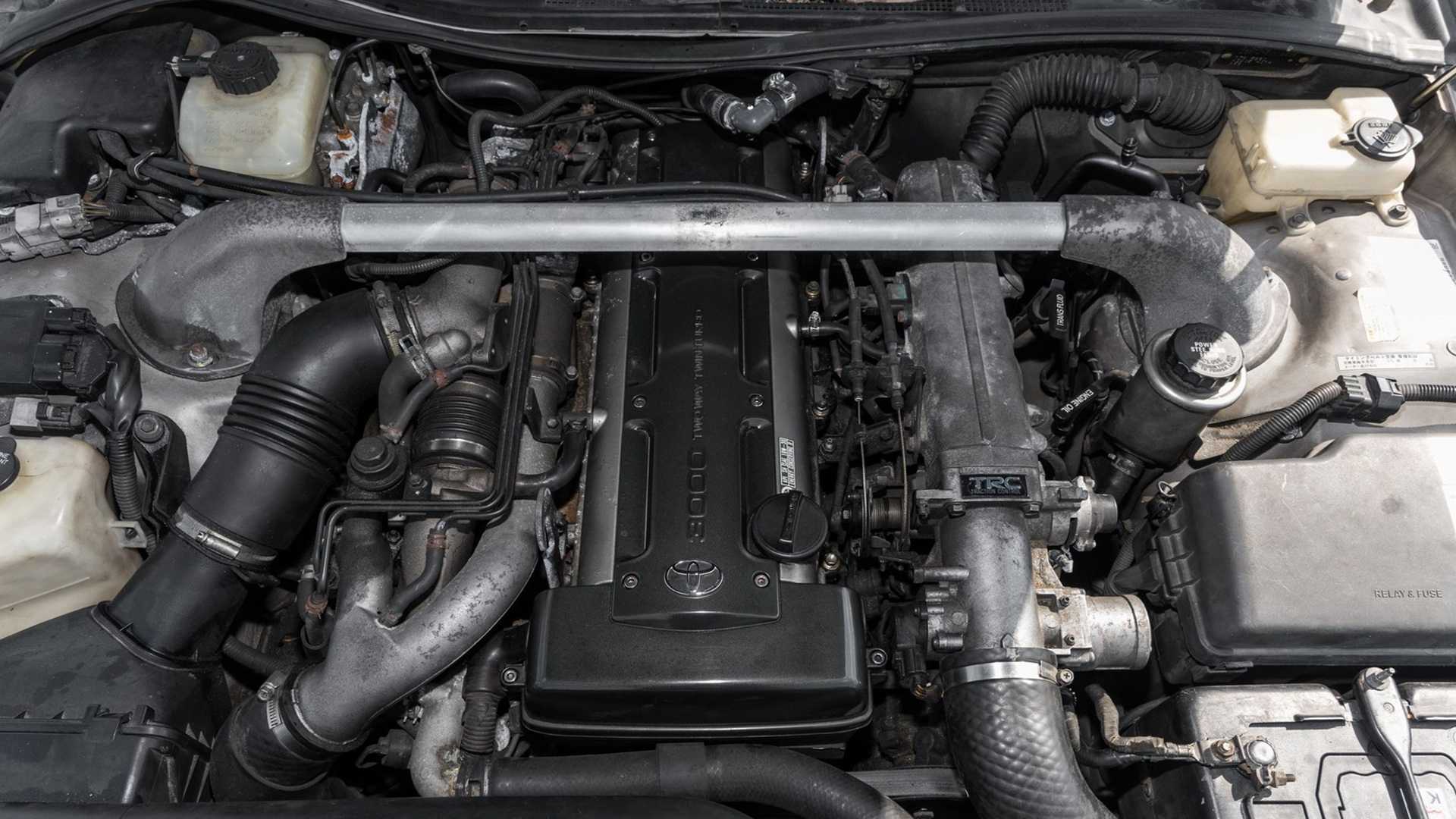
9. Toyota 2JZ-GE Engine in Supra, Lexus GS300, and Aristo
Few engines have achieved the reputation held by the Toyota 2JZ-GE, a 3.0-liter inline-six that powered vehicles such as the Toyota Supra, Lexus GS300, and Toyota Aristo. Known for its durability and performance potential, this engine maintained relevance across multiple chassis platforms.
Engineering precision defines its design. Built with a strong iron block, the 2JZ-GE can withstand high levels of stress, which contributes to its long service life. This durability allows it to remain reliable even under demanding conditions. Smooth operation enhances its appeal. The inline-six configuration delivers balanced power, resulting in refined performance.
Drivers appreciate its consistent output and responsive behavior. Adaptability plays a major role in its longevity. The engine performs well in both performance-oriented and luxury applications, demonstrating its versatility. This flexibility allows it to remain useful across different vehicle categories.
Maintenance remains manageable despite its performance capabilities. With proper care, the engine continues to operate reliably for extended periods. Parts availability and widespread knowledge among mechanics support its upkeep.
Cultural influence adds to its legacy. The 2JZ-GE is widely respected among enthusiasts, which keeps interest alive long after production ended. This reputation contributes to sustained demand in the used market. Resale value often reflects this continued interest.
Vehicles equipped with the 2JZ-GE remain desirable due to their durability and performance potential. Buyers recognize the engine’s capabilities, which support its standing. Strength, refinement, and adaptability define the 2JZ-GE. Its ability to power multiple chassis designs while maintaining reliability highlights a rare combination of engineering qualities.
Also Read: 10 Engines That Deliver Pure Exhaust Fury Without Mods
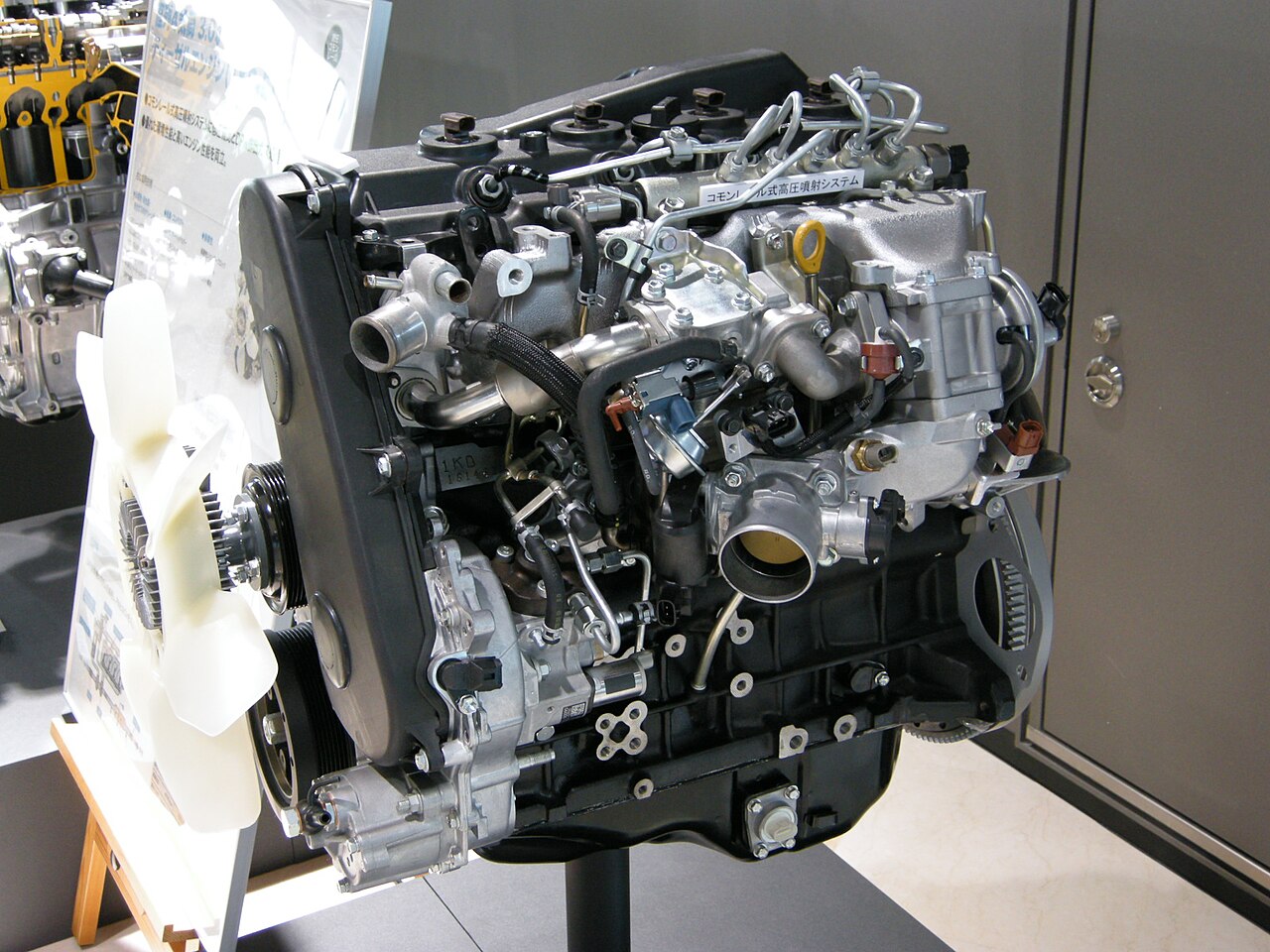
10. Toyota 1KD-FTV Diesel Engine in Hilux, Fortuner, and Land Cruiser Prado
Diesel efficiency meets durability in the Toyota 1KD-FTV engine, a 3.0-liter turbocharged unit that powered vehicles such as the Toyota Hilux, Toyota Fortuner, and Toyota Land Cruiser Prado. Known for its strength and fuel efficiency, this engine has served across multiple chassis designs with consistent performance.
Torque delivery defines its character. The 1KD-FTV produces strong low-end power, which suits both off-road driving and heavy-duty applications. Drivers rely on this capability when handling demanding tasks. Fuel efficiency adds to its appeal. Diesel operation allows for extended driving ranges, which benefits those who travel long distances. This efficiency contributes to its continued demand.
Durability remains a central feature. Built to withstand harsh conditions, the engine performs reliably across different environments. Proper maintenance ensures long service life, even under heavy use. Technological updates have kept it relevant. Improvements to fuel injection systems and emissions controls allow the engine to meet evolving standards while maintaining performance.
Serviceability supports its longevity. While diesel engines require specialized care, the 1KD-FTV benefits from widespread knowledge and parts availability. This accessibility helps maintain its reliability. Versatility across multiple platforms reinforces its value.
Whether in a pickup or an SUV, the engine adapts without difficulty, delivering consistent performance across different chassis designs. Market demand continues to reflect its reliability. Vehicles equipped with the 1KD-FTV remain popular among buyers seeking durability and efficiency.
This sustained interest supports its long-term relevance. Strength, efficiency, and adaptability define the 1KD-FTV. Its ability to remain effective across several chassis designs highlights Toyota’s approach to building engines that endure.
