
Timing belt replacement intervals used to be one of the most stressful conversations in automotive ownership. Every 60,000 to 90,000 miles, depending on manufacturer recommendation, came with a service bill that could run several hundred to over a thousand dollars, and the looming knowledge that missing that interval by much could mean a catastrophic engine failure that could cost far more than the service ever would.
Interference engine designs, where the pistons and valves share the same physical space at different moments in the engine cycle, made a snapped belt a potentially engine-destroying event rather than simply a roadside inconvenience.
Timing chains were supposed to be the answer, and for most engines, they are. A properly designed and properly maintained timing chain in a well-lubricated engine can last the entire service life of the vehicle without requiring replacement.
When engineers design a timing chain system with appropriate tensioner design, adequate lubrication delivery to chain contact surfaces, proper chain pitch and link count for the application, and a conservative load margin above operational requirements, the result is an engine that runs from first start to final mile with its valve timing intact and predictable.
Not every timing chain engine achieves this standard. Some designs use undersized chains with inadequate tensioner systems, poor oil delivery to chain contact surfaces, or configurations that allow chain stretch and guide wear to develop faster than the engine’s expected service life.
These are the engines that produce cautionary stories about timing chain failure at 80,000 miles, making buyers nervous about chain-equipped engines in general.
This page is not about those engines. These eight engines are the ones that mechanics recommend, that high-mileage owners trust, and that used car buyers specifically seek out because their timing chain systems are engineered to a standard that makes failure in normal service essentially theoretical rather than genuinely expected.
1. Chevrolet LS3 6.2-Liter V8
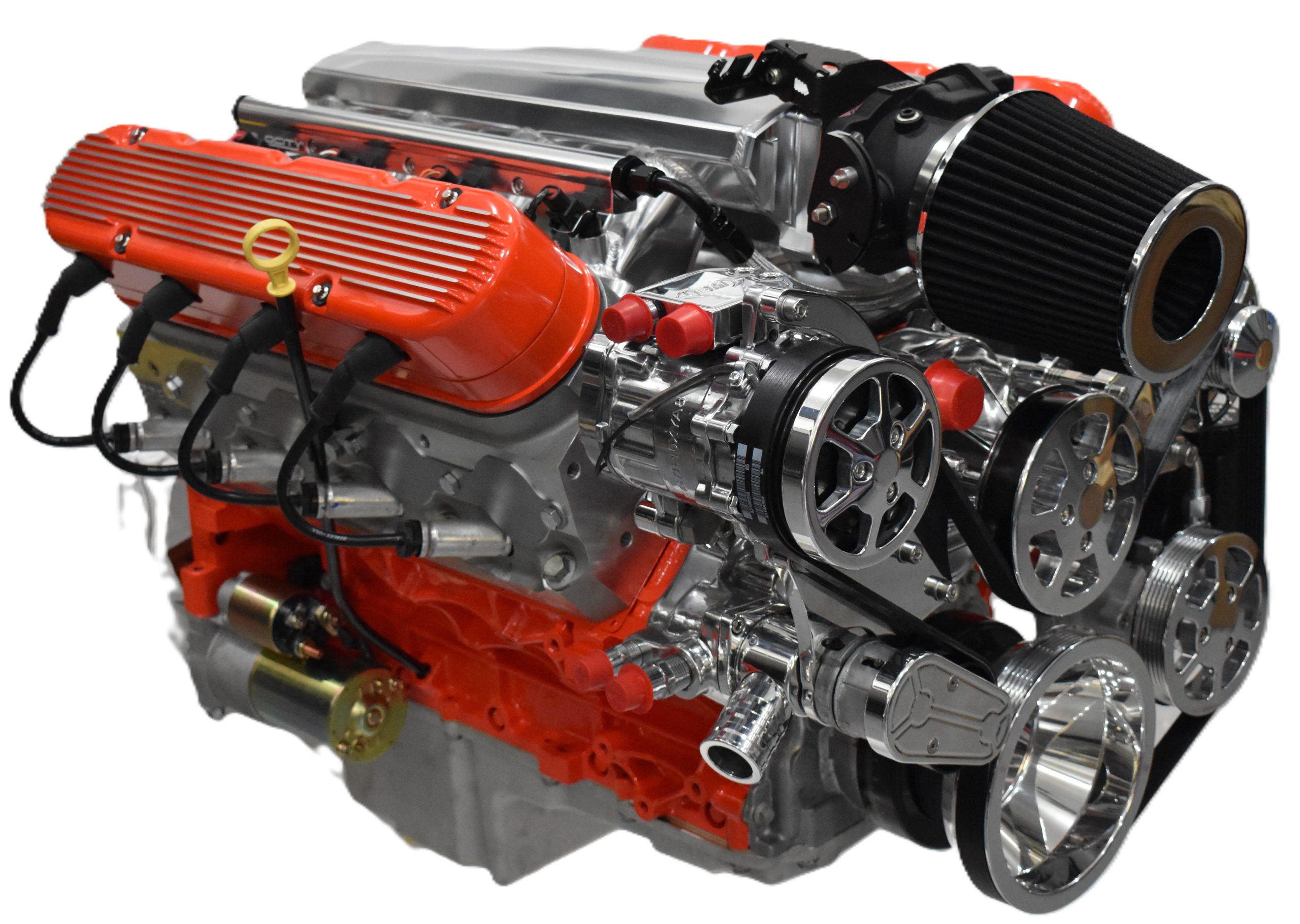
General Motors’ LS engine family has accumulated an extraordinary reliability reputation across two decades of production, and the LS3 6.2-liter V8 specifically represents that family’s timing chain engineering at its most refined and most durable.
Used in vehicles including the 2008 to 2013 Chevrolet Corvette C6 Grand Sport and the 2010 to 2015 Chevrolet Camaro SS 2SS, the LS3 has been pushed through racing programs, high-mileage street use, and performance modifications that would expose any timing chain weakness, and it has emerged from all of these applications with its chain system intact.
LS3 timing chain design uses a single-row primary chain with a hydraulic tensioner that maintains appropriate tension across the full operating range of oil temperature and pressure conditions encountered in street and track use.
Chain pitch is sized for the LS3’s valve train load requirements with adequate margin, and the tensioner’s hydraulic design maintains consistent tension regardless of whether the engine is cold-starting at low oil viscosity or running at operating temperature under sustained high-RPM load.
This design consistency across operating conditions is the engineering characteristic that distinguishes reliable timing chain systems from those that perform adequately under some conditions but develop problems under others.
Oil delivery to the LS3’s timing chain runs is integrated into the engine block’s oil circuit in a way that ensures chain lubrication begins immediately at startup rather than waiting for oil pressure to build through a longer delivery path.
Cold start lubrication is the most critical period for timing chain wear because chain and guide contact loads are highest when oil is thickest and slowest to reach lubrication points, and the LS3’s direct lubrication circuit design addresses this by prioritizing chain oiling as part of the primary oil circuit rather than as a downstream application.
High-mileage LS3 examples in the enthusiast community frequently exceed 200,000 miles with original timing chain components when oil change intervals have been maintained conscientiously with quality full synthetic oil.
Documented examples approaching 300,000 miles with original chain hardware are discussed in Corvette and Camaro owner communities with a matter-of-factness that reflects the LS3’s earned reputation rather than exceptional outlier performance.
Performance applications, including supercharger installations, cam upgrades, and sustained track use, have exposed the LS3 timing chain system to loads and temperatures substantially beyond street use parameters, and the system’s behavior under these conditions has further validated its fundamental robustness.
Racing teams that use LS3-based engines in endurance competition rebuild engines at regular intervals as a preventive practice, but chain system failures during competition are documented as rare events rather than expected occurrences.
2. Toyota 2JZ-GTE 3.0-Liter Twin-Turbocharged Inline-Six
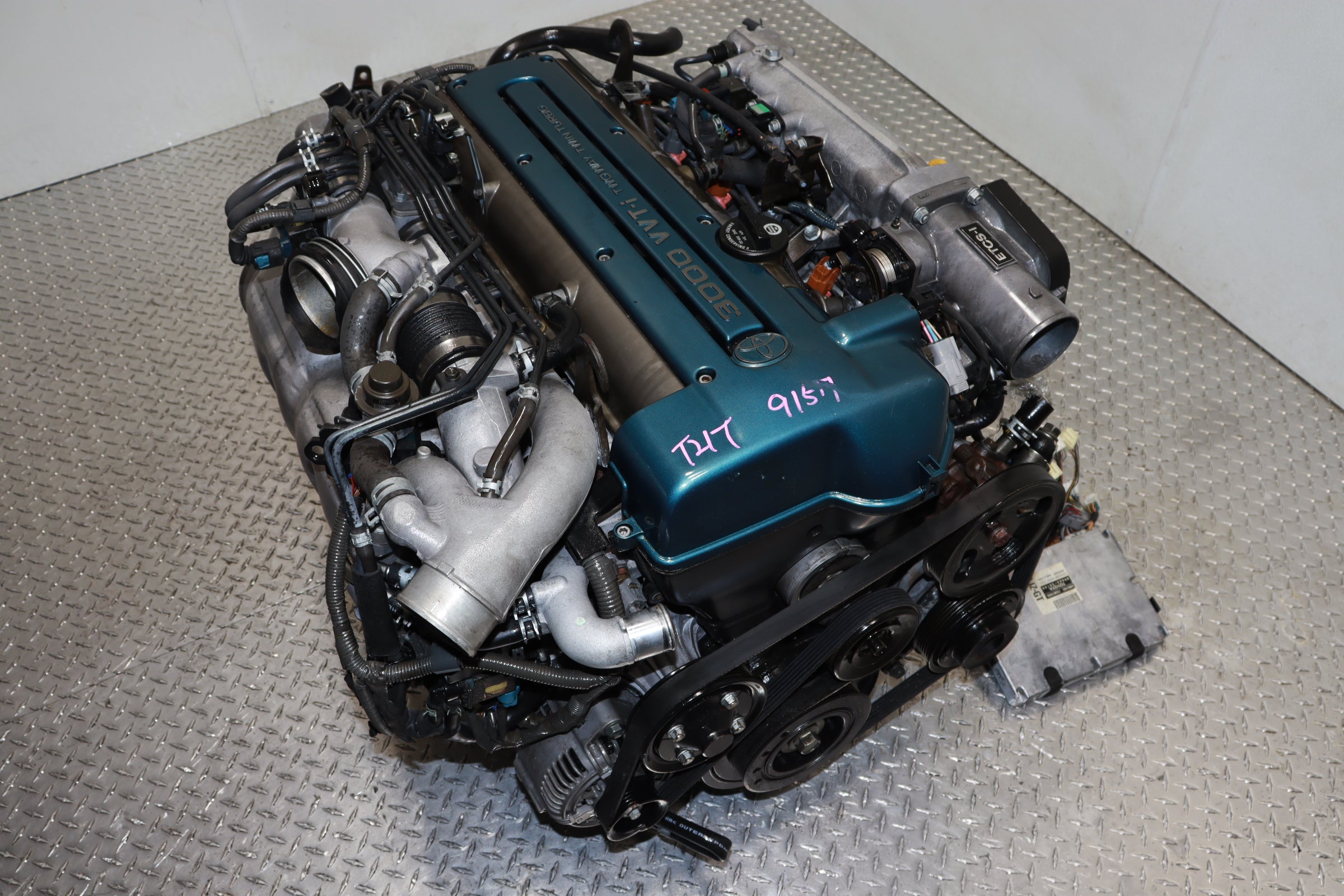
Few engines in automotive history have accumulated the combination of street reliability documentation and motorsport performance credibility that Toyota’s 2JZ-GTE has earned across three decades of service. Used most famously in the 1993 to 2002 Toyota Supra Turbo Mk IV, the 2JZ-GTE’s timing chain system has been subjected to everything from conservative daily driving to 1,000-plus-horsepower drag race builds, and in both extremes, the chain system’s behavior has contributed to the engine’s legendary reliability reputation.
Cast iron block construction provides dimensional stability across the temperature cycling that turbocharged operation demands, which is directly relevant to timing chain system behavior because chain-to-gear mesh geometry depends on the dimensional relationships between the crankshaft, intermediate shaft, and camshaft sprockets, maintaining their design positions across all operating temperatures.
An engine block that expands and contracts predictably provides a stable mechanical foundation for the timing chain system, while a block with poor thermal management characteristics can allow dimensional changes that affect chain tension and alignment under extreme temperature conditions. 2JZ-GTE timing chain tensioner design is hydraulic with a ratchet mechanism that prevents tensioner retraction under the oil pressure fluctuations that occur during high-RPM operation and rapid deceleration.
This anti-retraction feature prevents the brief chain slack events that can occur in simpler tensioner designs when oil pressure drops momentarily during deceleration, which is a chain-loading event that contributes to wear acceleration over time in less robustly designed systems. Toyota’s inclusion of this anti-retraction mechanism reflects the engineering conservatism that characterizes the entire 2JZ design philosophy.
Enthusiasts who have tuned 2JZ-GTE engines to outputs far exceeding factory specification consistently report that the timing chain system remains intact at power levels that require extensive strengthening of pistons, connecting rods, and head studs.
This observation reflects that Toyota designed the 2JZ-GTE’s timing chain system with safety margins appropriate for much higher stress levels than the factory 321-horsepower output requires, which is the definition of conservative engineering that produces practical long-term reliability.
Also Read: 5 Engines Using Reliable Port Injection vs 5 Prone to Heavy Carbon Buildup
3. Ford Coyote 5.0-Liter V8 (Gen 1)
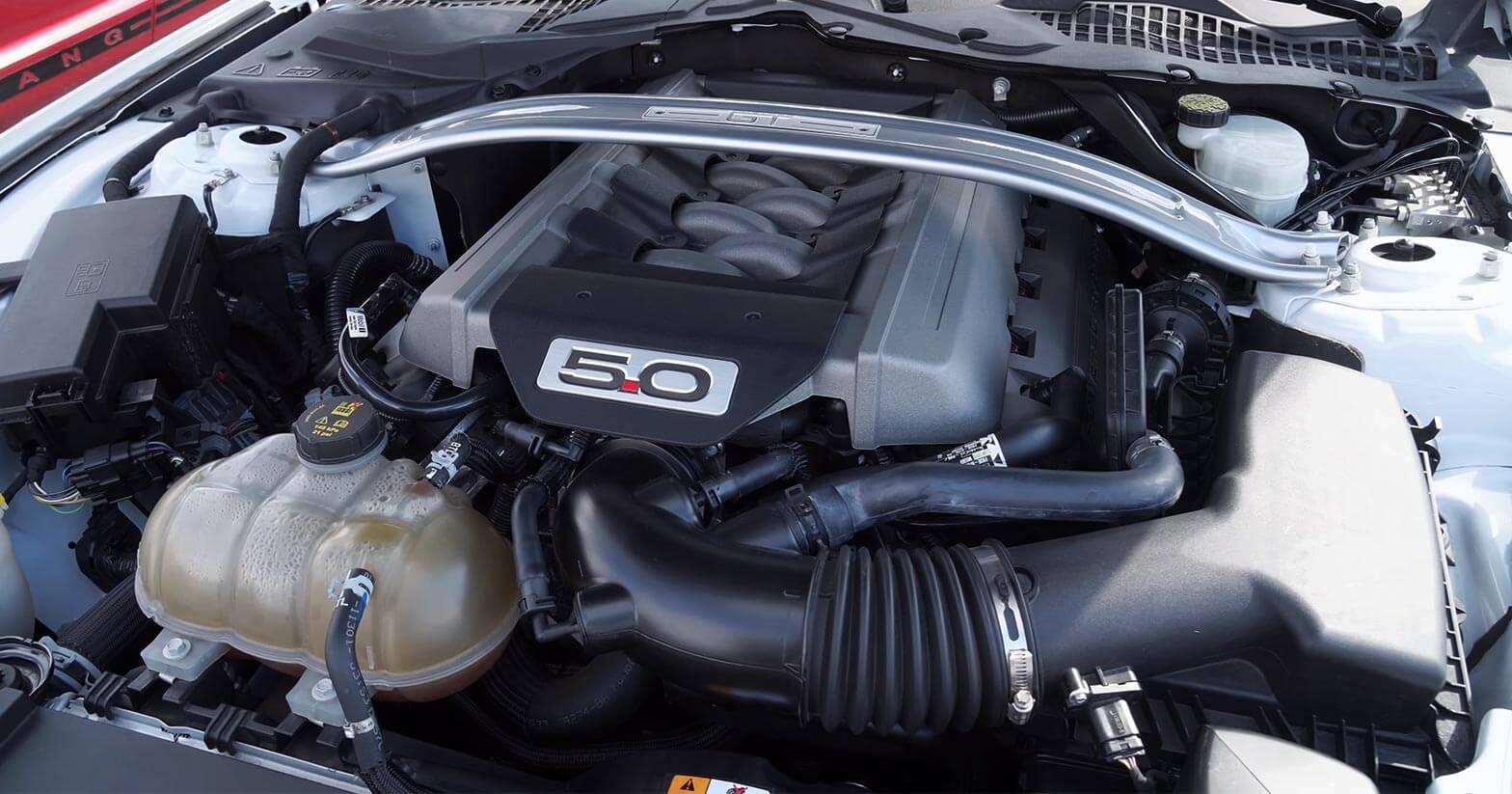
Ford’s introduction of the Coyote 5.0-liter V8 marked a decisive return to modern V8 engineering, particularly within the Mustang lineup beginning in 2011. This engine departed from the earlier pushrod architecture and adopted a dual overhead camshaft configuration, a development that initially raised concerns among enthusiasts regarding long-term reliability.
Despite such reservations, accumulated service history has demonstrated that the engine performs with remarkable dependability when maintained appropriately. A closer examination of the internal configuration reveals a carefully engineered timing system. Each cylinder bank utilizes independent timing chains for both intake and exhaust camshafts, supported by dedicated tensioners.
This arrangement allows each chain to handle a defined mechanical load, rather than distributing responsibility across a single component. As a result, wear patterns remain controlled, and the likelihood of premature failure is greatly reduced. Such design discipline reflects a calculated approach to mechanical efficiency and durability.
Attention must also be given to the Ti-VCT variable camshaft timing system. This feature enhances performance by adjusting valve timing dynamically, though it introduces additional mechanical demands. The timing chains must accommodate not only rotational movement but also the force generated during cam phaser operation.
Ford’s engineering response involved reinforcing the chain system and ensuring that tensioners maintain consistent pressure under varying conditions. Field data confirms that this approach has been effective in preserving system integrity across extended usage.
Operational experience further strengthens confidence in the engine’s construction. Vehicles equipped with the first-generation Coyote, including the Ford Mustang GT and Ford F-150 models of the same period, frequently achieve mileage figures exceeding 150,000 without requiring timing chain replacement. This consistency reflects the benefits of proper lubrication, routine servicing, and adherence to manufacturer guidelines.
From a performance standpoint, the engine delivers responsive acceleration and a smooth power curve. Drivers experience a balanced combination of strength and refinement, qualities that enhance both daily driving and spirited use. This dual capability has contributed to the engine’s widespread acceptance among enthusiasts and general users alike.
Ownership satisfaction remains closely tied to the engine’s reliability record. Many individuals retain vehicles equipped with the Coyote V8 due to the confidence it inspires. Its blend of modern engineering, durability, and consistent output ensures that it remains a respected component within Ford’s performance heritage.
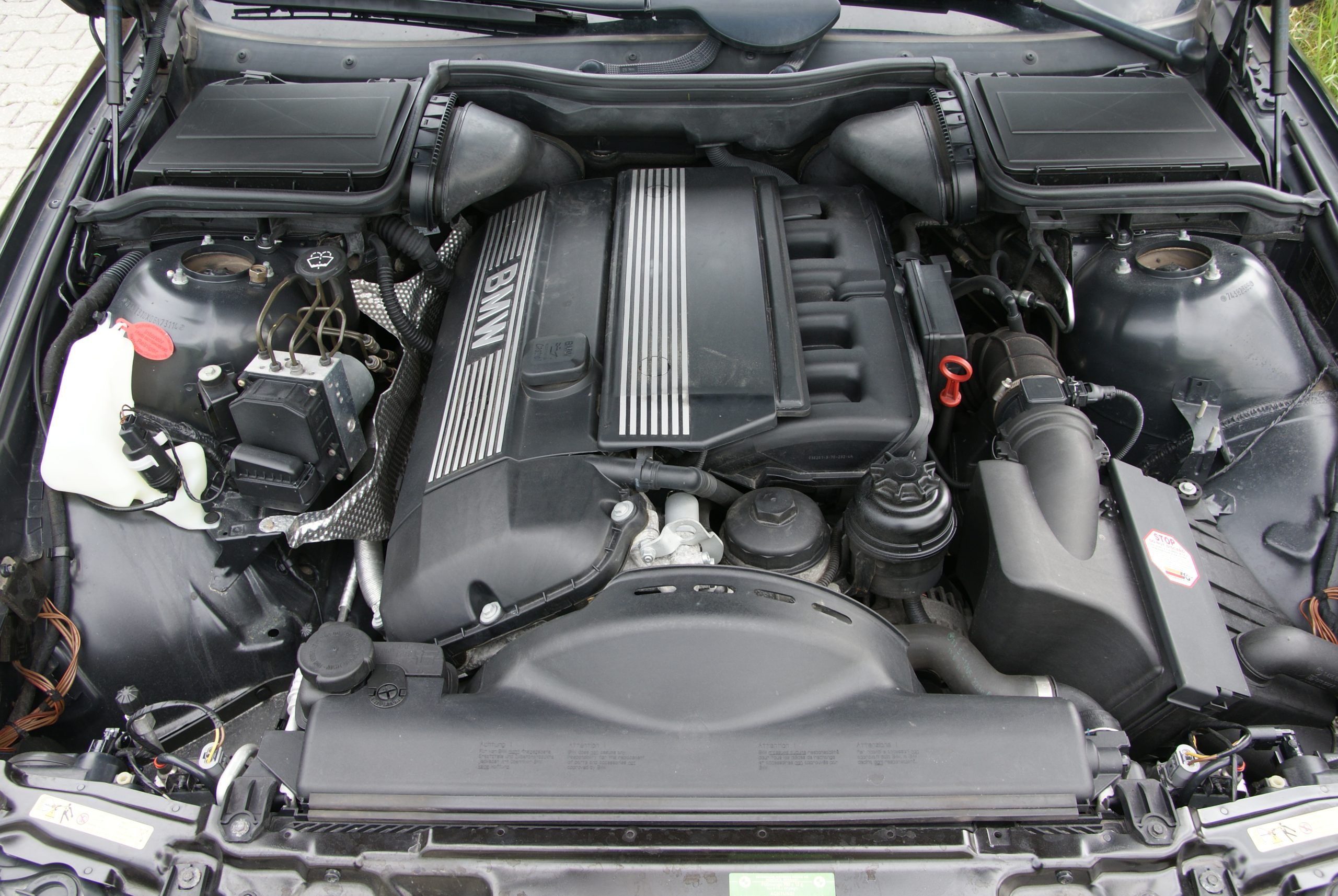
4. BMW M54B30 3.0-Liter Inline-Six
BMW’s M54B30 inline-six engine represents a mature stage of the company’s engineering philosophy, where lessons from earlier designs were applied to create a more durable and refined power unit. Installed in models such as the BMW 325i E46 and the BMW Z4, this engine gained recognition for its smooth operation and dependable timing chain system.
Structural improvements distinguish the M54 from its predecessors. BMW engineers refined the timing chain design by addressing weaknesses identified in earlier generations. A revised tensioner mechanism plays a central role in this advancement, maintaining consistent chain tension across varying operating conditions. This ensures that slack is minimized, particularly during cold starts when lubrication has not yet reached optimal levels.
Durability remains one of the defining characteristics of the M54B30 engine. Owners who adhere to proper servicing routines, including the use of high-quality synthetic oil and timely oil changes, frequently report mileage figures in the range of 150,000 to 200,000 without major timing system intervention. This reliability fosters long-term ownership and reinforces trust in the engine’s construction.
Driving experience further reflects the engine’s engineering quality. Power delivery is smooth and progressive, allowing for controlled acceleration that suits both urban and highway conditions. The inline-six configuration contributes to minimal vibration, creating a refined atmosphere within the cabin. This balance between performance and comfort aligns with BMW’s design objectives during the period.
Maintenance accessibility also contributes to its sustained popularity. Independent specialists possess extensive familiarity with the M54 platform, enabling efficient servicing and reducing ownership challenges. This availability of expertise supports continued use even as vehicles age.
Enthusiasts often retain vehicles equipped with the M54B30 engine due to its consistent performance and dependable mechanical foundation. Its reputation has been built not through short-term impressions but through years of proven operation, making it a respected example of BMW’s commitment to engineering excellence.
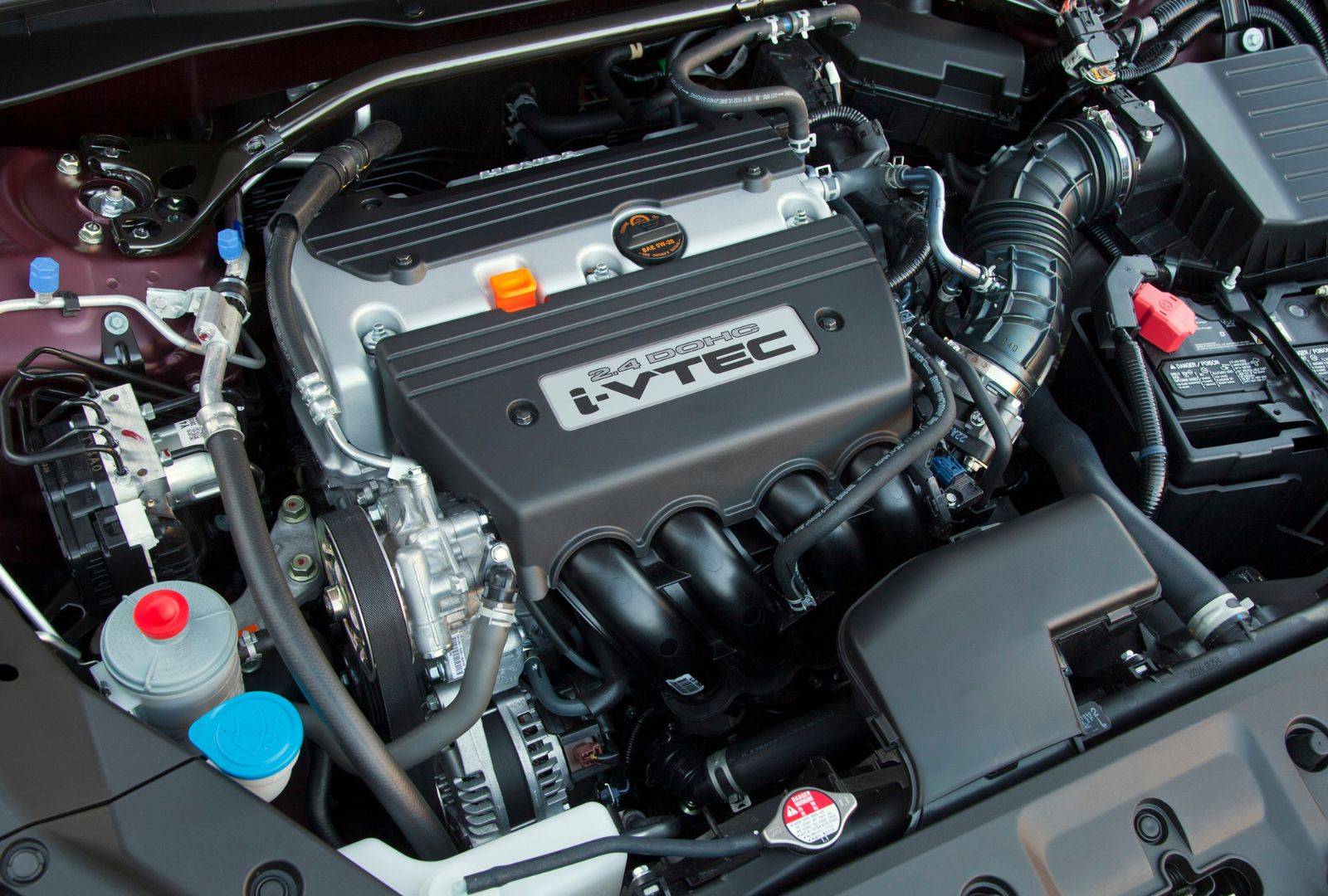
5. Honda K24A2 2.4-Liter VTEC Inline-Four
Honda’s engineering culture has always placed durability as a foundational design objective alongside performance, and the K24A2 2.4-liter VTEC inline-four represents this philosophy applied to a timing chain system with the thoroughness that Honda’s reputation for long-term reliability requires.
Used in vehicles including the 2003 to 2007 Honda Accord EX-L V6 Coupe’s four-cylinder sibling platforms and more directly in the 2004 to 2008 Acura TSX 2.4L, the K24A2 has accumulated service records that consistently support its reputation as one of the most durable timing chain systems in the four-cylinder category.
K-series timing chain design uses a single primary chain driven by the crankshaft to drive both the intake and exhaust camshafts through a configuration that Honda refined across multiple K-series variants to achieve the optimal balance of chain load, guide wear rate, and tensioner performance.
Honda’s approach to tensioner design in the K-series uses a spring-assisted hydraulic tensioner that maintains appropriate chain tension during both cold start and operating temperature conditions, with oil pressure supplementing spring tension rather than replacing it entirely, which provides consistent chain load even during the brief period before oil pressure fully builds after a cold start.
VTEC mechanism actuation creates additional hydraulic demand on the engine’s oil system that affects timing chain lubrication indirectly by requiring oil pressure distribution to both the VTEC oil circuit and the timing chain lubrication circuit simultaneously.
Honda’s oil pump sizing for K-series engines accounts for this combined demand, ensuring that adequate oil pressure is available for timing chain lubrication even during high-RPM VTEC operation when both circuits are fully active simultaneously.
K24A2 engines with documented service history consistently accumulate 200,000 to 250,000 miles with original timing chain components when oil maintenance with appropriate viscosity full synthetic oil has been maintained.
Acura TSX owners who document their service history online describe chain systems that mechanics find in serviceable condition during high-mileage inspections, which validates Honda’s conservative engineering approach for this application.
VTEC engagement characteristic of the K24A2 also indirectly validates timing chain health during operation, because the VTEC system function depends on oil pressure, which also depends on adequate chain lubrication.
An engine where VTEC engages cleanly and consistently across its full RPM range is an engine where the oil system’s pressure and volume are within specification, which also means the timing chain is receiving appropriate lubrication. This functional feedback loop makes VTEC behavior a diagnostic indicator for timing chain lubrication health in regular use.
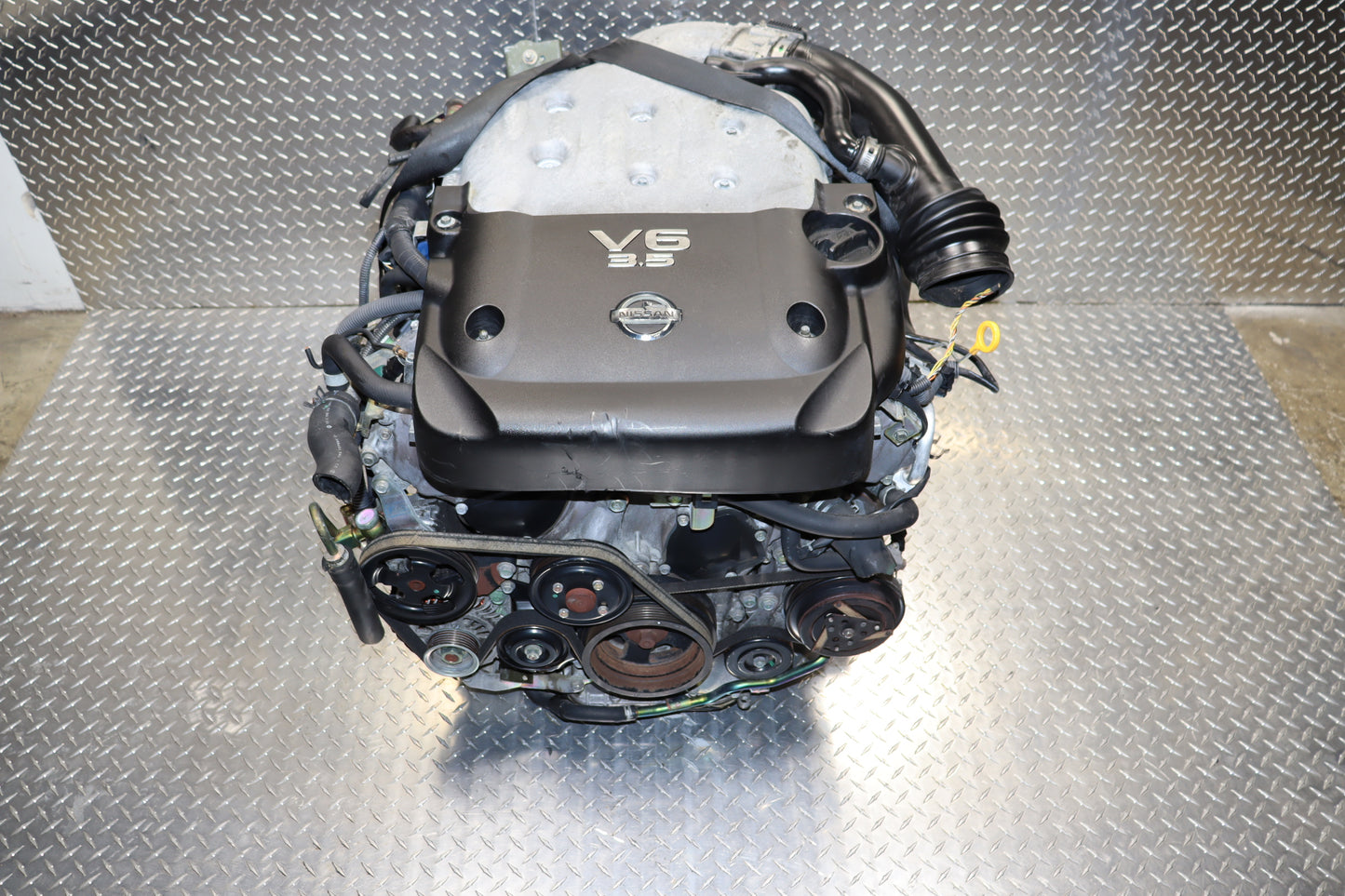
6. Nissan VQ35DE 3.5-Liter V6
Ward’s list of ten best engines included the Nissan VQ35DE repeatedly across multiple production years, and the recognition reflected both the engine’s performance characteristics and its long-term reliability, which includes a timing chain system that Nissan engineered with appropriate conservatism for an engine expected to serve a diverse range of applications across multiple vehicle lines.
Used in vehicles including the 2003 to 2008 Infiniti G35 Sedan and the 2004 to 2009 Nissan 350Z Touring Coupe, the VQ35DE-powered vehicles in both performance and standard-duty applications, which required timing chain engineering robust enough to handle the sustained high-RPM use that 350Z drivers regularly imposed and durable enough for the less demanding but more continuous duty cycles of family sedan use.
V6 timing chain configuration in the VQ35DE uses two primary chains to drive the four overhead camshafts, with each bank’s chain managing one intake and one exhaust camshaft. Independent tensioners for each chain allow load management calibrated to each bank’s specific requirements, and Nissan’s tensioner design for this generation uses a hydraulic primary with a ratchet backstop that prevents chain slack during rapid deceleration oil pressure events.
Guide and tensioner material selection for the VQ35DE uses engineering thermoplastics with wear characteristics appropriate for the lubricated sliding contact between chain and guide through the engine’s service life.
Guide material selection is a timing chain system detail that receives less attention than chain and tensioner design but is equally important for long-term reliability, because a guide that wears faster than the chain is designed to last will produce chain noise and eventually allow chain deflection that affects valve timing accuracy before the chain itself is worn.
Documented VQ35DE examples from both G35 and 350Z applications with complete oil change history regularly reach 200,000 miles without timing chain service requirements, and the engine’s reputation among independent Nissan and Infiniti specialists is consistently positive regarding chain system durability.
Mechanics who service large numbers of VQ35DE engines describe timing chain issues as uncommon rather than routine, which reflects Nissan’s appropriate engineering conservatism for this system.
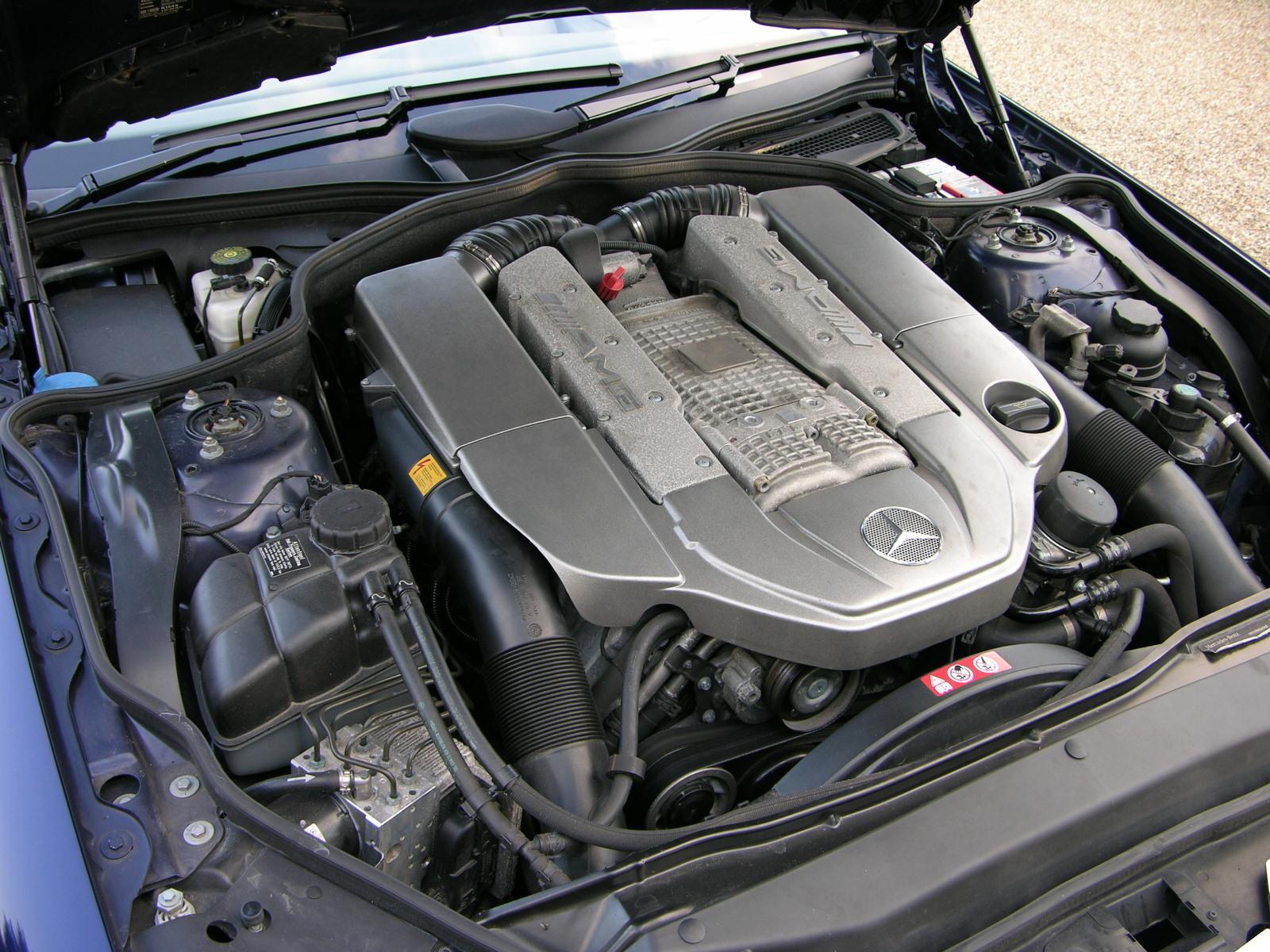
7. Mercedes-Benz M113 5.0-Liter V8
The engineering discipline is clearly reflected in the Mercedes-Benz M113 5.0-liter V8, a power unit that was installed in vehicles such as the Mercedes-Benz S500 W220 and the Mercedes-Benz E500 W210. This engine represents a deliberate approach to durability, with particular attention given to its timing chain system, which was designed to operate efficiently throughout the expected service life of the vehicle without the need for frequent intervention.
A defining characteristic of the M113 lies in its multi-chain timing configuration. Instead of relying on a single elongated chain, the system employs a primary chain that drives intermediate shafts, alongside secondary chains that operate each cylinder bank.
This arrangement distributes mechanical load across shorter chain sections, thereby reducing stress on individual components. Lower stress levels translate directly into reduced wear on chains, guides, and tensioners, which supports extended operational life.
Lubrication quality plays a central role in preserving the integrity of this system. Each chain segment requires consistent oil delivery, making it essential that the engine receives high-quality lubrication at all times. Mercedes-Benz specified the use of approved synthetic oils, and adherence to these recommendations has proven beneficial. Engines maintained with proper oil standards and timely servicing demonstrate quieter operation and stable chain tension, even at elevated mileage levels.
Attention must also be drawn to service intervals. During the period in which this engine was produced, extended maintenance intervals were introduced. Some owners exceeded these intervals in an attempt to reduce servicing frequency, which had a measurable effect on component wear.
Independent specialists have observed that engines maintained within the recommended schedule exhibit far less deterioration in timing chain guides compared to those subjected to prolonged oil change intervals. Operational experience provides further assurance of the engine’s reliability.
Numerous examples of the M113 V8 have surpassed 150,000 miles while retaining smooth and consistent performance. The timing system remains stable under these conditions, provided that maintenance practices have been properly followed. This level of endurance reflects the strength of the underlying engineering philosophy.
From a driving perspective, the M113 delivers a refined yet authoritative performance. Power delivery is steady, and the engine maintains composure across varying driving conditions. This balance enhances the ownership experience and reinforces confidence in the vehicle’s mechanical foundation.
Owners frequently retain vehicles equipped with the M113 due to its dependable nature. The combination of thoughtful engineering, manageable servicing requirements, and proven longevity ensures that it remains highly regarded among those who value durability and consistent performance.
Also Read: 5 Engines That Can Handle 87 Octane vs 5 That Require Premium Fuel
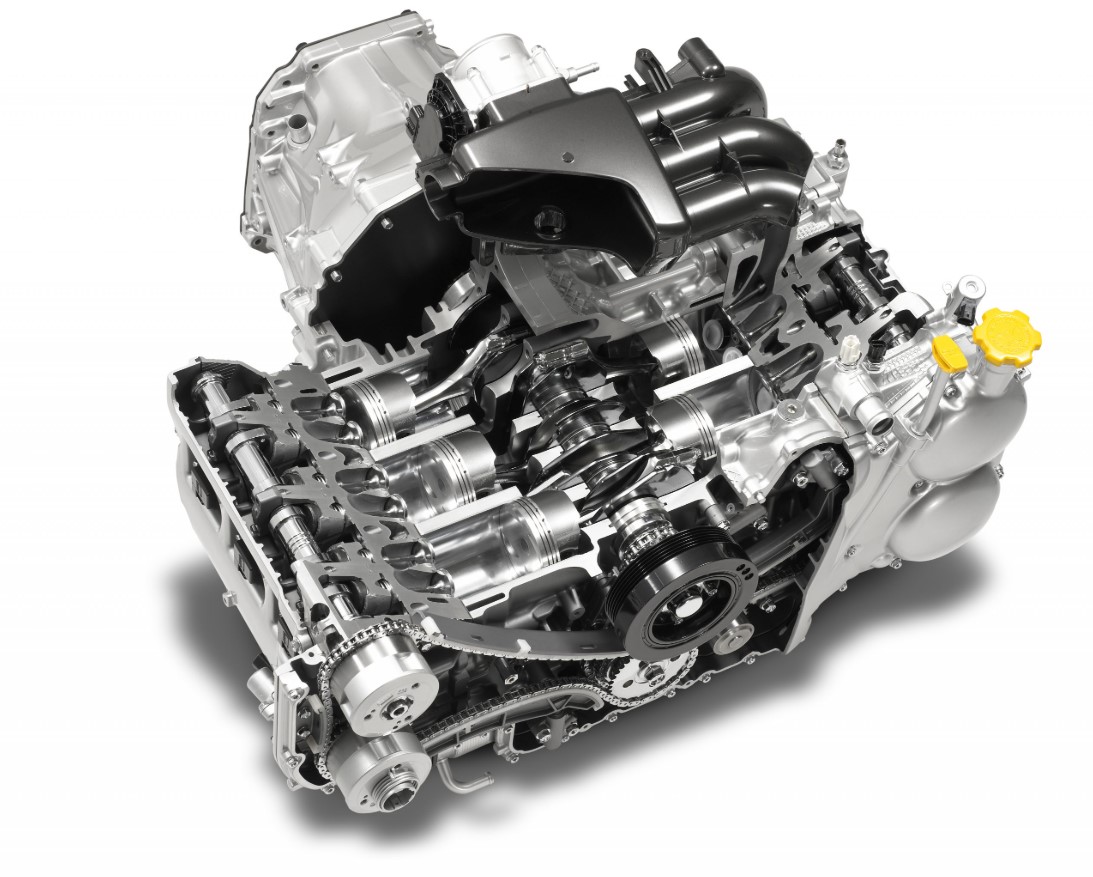
8. Subaru EZ36D 3.6-Liter Horizontally Opposed Six
Subaru’s EZ36D 3.6-liter horizontally opposed six-cylinder engine represents a strategic move toward improved reliability within the brand’s powertrain range. Found in vehicles such as the Subaru Outback 3.6R Limited and the Subaru Legacy 3.6R Limited, this engine replaces the timing belt arrangement used in earlier models with a chain-driven system designed for long-term operation without routine replacement.
Structural layout defines much of the engine’s uniqueness. The horizontally opposed configuration places cylinders on opposite sides, creating a low center of gravity that benefits vehicle stability. This design, however, introduces specific requirements for lubrication and component alignment, particularly within the timing chain system.
Subaru addressed these considerations through carefully designed oil delivery channels that ensure adequate lubrication reaches all chain contact surfaces. Hydraulic tensioners form an essential part of the system. These components maintain consistent chain tension by combining oil pressure with spring assistance, ensuring stability during both cold starts and normal operation.
Cold start conditions often present the highest risk for timing chain wear due to reduced oil circulation, and Subaru’s inclusion of spring-assisted tensioners helps mitigate this concern by providing immediate tension before full oil pressure is achieved.
Performance characteristics align with the engine’s intended purpose. Smooth power delivery and balanced output make it suitable for daily driving, while the additional displacement provides stronger acceleration compared to smaller four-cylinder alternatives. This combination enhances versatility, allowing the engine to perform reliably under varying conditions.
Long-term usage reports support the engine’s reputation for durability. Owners who adhere to recommended maintenance practices frequently report mileage figures exceeding 180,000 without requiring timing chain service. Independent inspections at such mileage often reveal components that remain within acceptable wear limits, which reinforces confidence in the design.
Maintenance accessibility also contributes to sustained ownership. While the engine’s layout requires familiarity for proper servicing, experienced technicians can manage routine tasks effectively. Availability of knowledge and parts ensures that the engine remains practical for continued use.
Owners tend to retain vehicles equipped with the EZ36D due to its dependable performance and reduced maintenance demands. By eliminating the need for periodic timing belt replacement, Subaru provided a solution that enhances convenience while maintaining reliability.
This balance of engineering precision and practical design has secured the engine’s position as a respected choice among those who value longevity and consistent operation.
