A car’s mileage number used to signal the beginning of the end. Once odometers climbed past 150,000 miles, most vehicles were quietly moved into retirement conversations. That thinking has changed.
Today, certain engines continue running strong long after the numbers on the dashboard suggest they should be slowing down. Some feel just as composed at 250,000 miles as they did during their early years on the road.
Durability in modern engines is not accidental. It comes from careful engineering choices, conservative tuning, and materials designed to handle years of heat cycles and constant use. Drivers who maintain regular service routines often discover that some powerplants seem almost resistant to wear, continuing to perform without dramatic drops in reliability or drivability.
There is also a cultural move among owners. Instead of replacing vehicles early, many now choose to keep well-built machines for the long haul. That decision is supported by engines that have proven their ability to handle extended mileage without losing their character. Smooth running, consistent power delivery, and predictable servicing needs all play a role in that trust.
This page highlights nine engines that changed expectations about what high mileage actually means. Each one has earned a reputation for staying strong far beyond typical ownership cycles. Some come from Japanese engineering, focused on balance and endurance. Others originate from European or American design philosophies that prioritize torque, simplicity, or robust construction.
What connects them is not brand loyalty or marketing claims, but long-term real-world performance. These engines continue to appear in daily drivers, work vehicles, and long-distance commuters even after crossing mileage milestones that once signaled the end of useful life. Their stories reshape how reliability is measured and why certain vehicles remain on the road far longer than expected.
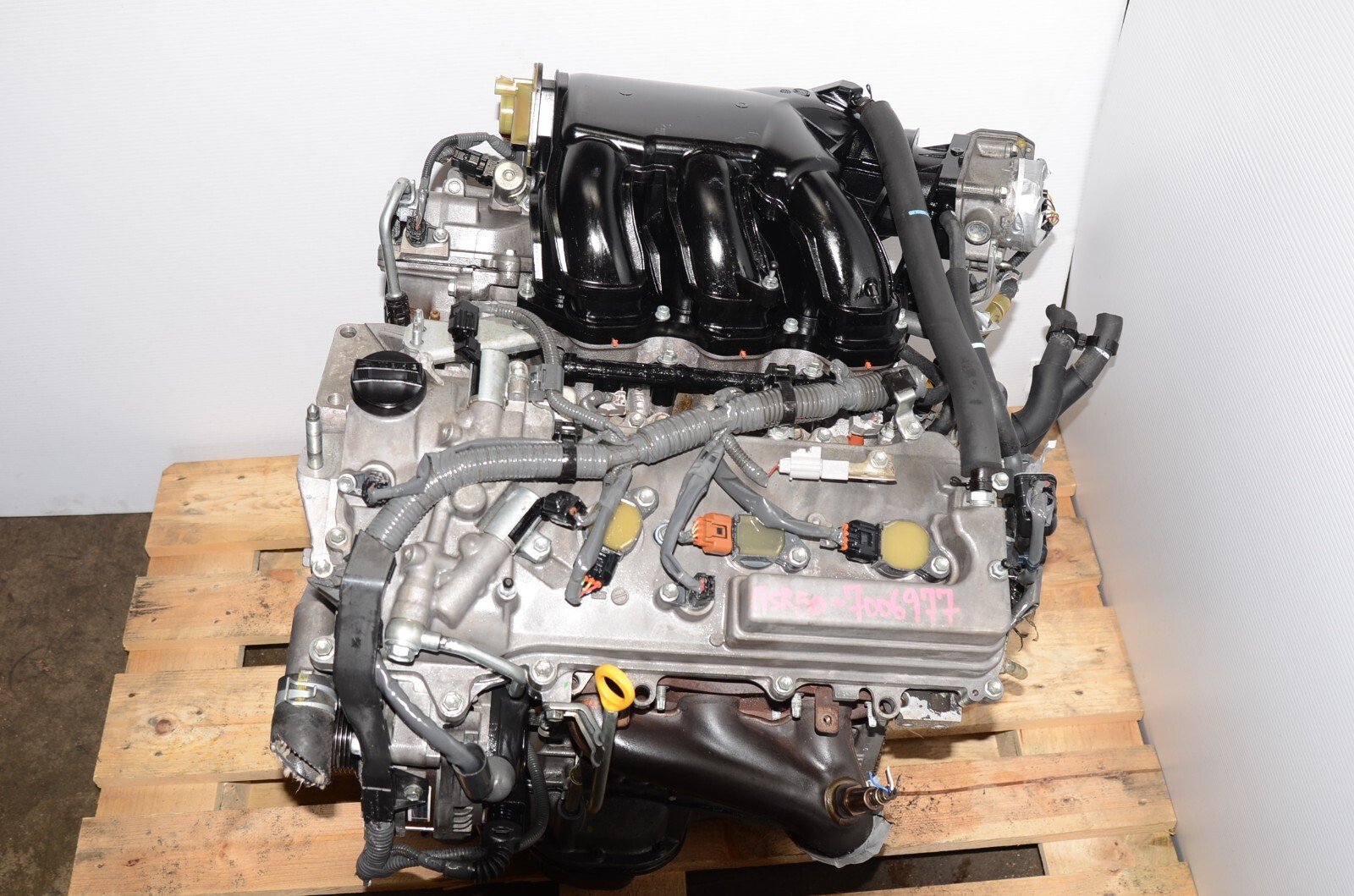
1. Toyota 2GR-FE 3.5L V6 (Toyota Camry, Lexus RX350, Toyota Avalon)
Reliability discussions often circle back to Toyota’s 2GR-FE V6 because of its consistent behavior across multiple platforms. Found in vehicles such as the Toyota Camry, Lexus RX350, and Toyota Avalon, this engine earned trust through steady operation rather than dramatic performance claims. Its design prioritizes balanced output and long service life, allowing it to remain composed even after extensive mileage accumulation.
Smooth power delivery defines its driving character. Acceleration feels controlled rather than aggressive, giving drivers a predictable response during city travel and highway cruising. That steady nature reduces stress on internal components, which contributes to its long operational life. Owners frequently report engines continuing to run with minimal vibration even after crossing 200,000 miles.
Mechanical simplicity plays a supporting role. While modern in design, the 2GR-FE avoids overly complicated systems that could introduce long-term maintenance concerns. Components are engineered for durability, and routine servicing tends to be straightforward for technicians familiar with Toyota’s V6 family. This accessibility helps maintain consistent performance across years of ownership.
Oil maintenance habits strongly influence its lifespan. Engines that receive regular oil changes tend to maintain quiet operation and stable compression levels. When neglected, performance remains usable for a surprising period, though wear indicators gradually appear. Even then, complete failure is rare compared to less forgiving engines in similar classes.
Real-world usage patterns reinforce its reputation. High-mileage examples used in ride services, commuting fleets, and family transport continue to appear in strong running condition. Many owners choose to retain vehicles powered by this engine rather than replace them, citing dependable operation and predictable repair needs.
The 2GR-FE represents a balance between refinement and endurance. It does not rely on extreme tuning or specialized materials to achieve longevity. Instead, it achieves durability through thoughtful engineering and conservative output levels that allow internal components to operate within comfortable limits.
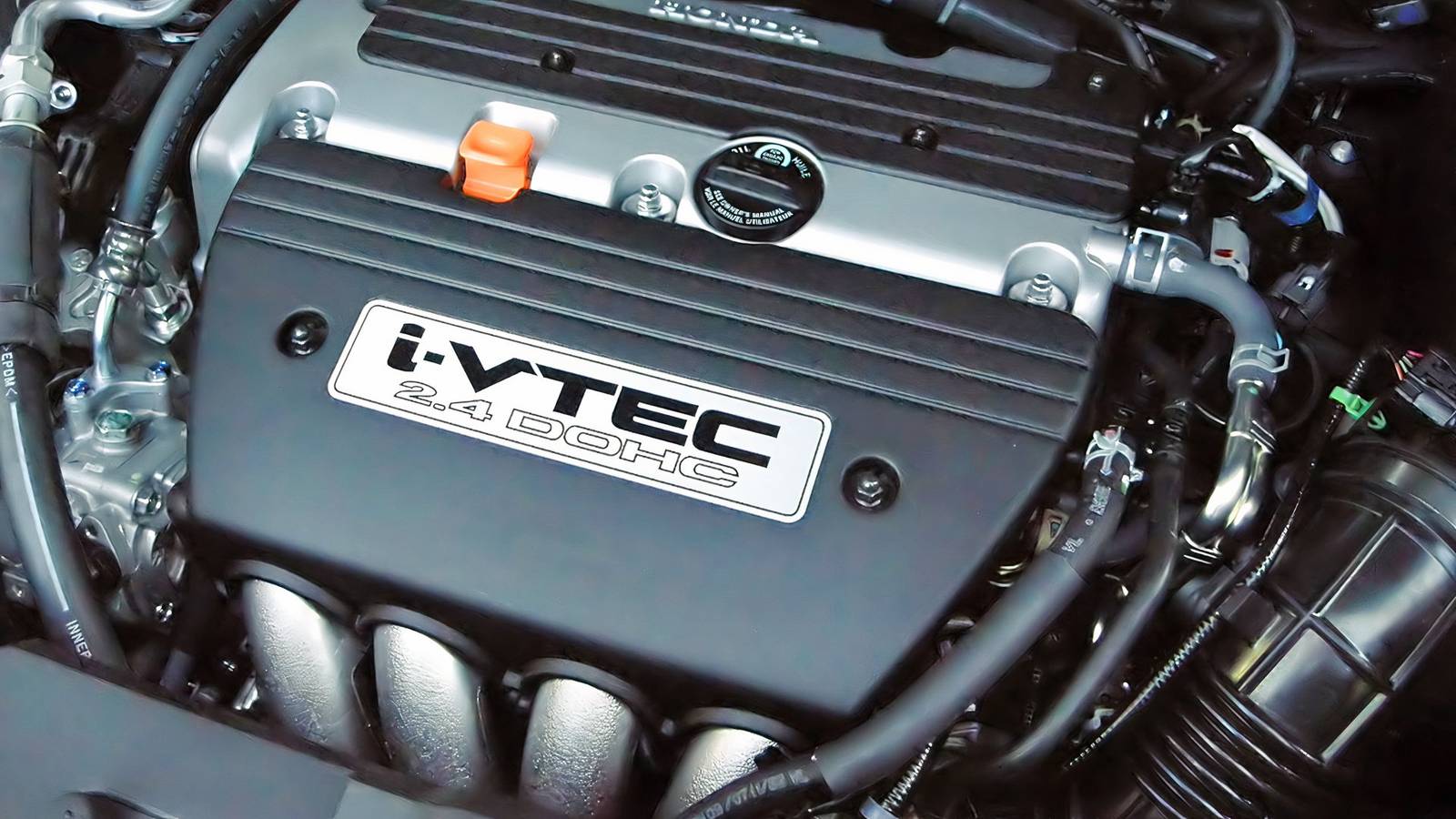
2. Honda K24 2.4L i-VTEC (Honda Accord, Honda CR-V, Acura TSX)
Honda’s K24 engine has become a benchmark for long-distance durability in the four-cylinder category. Installed in models such as the Honda Accord, Honda CR-V, and Acura TSX, it combines efficiency with a reputation for lasting performance. Many owners consider it a “keep forever” engine due to its steady behavior under high mileage conditions.
Rev-happy characteristics define its personality. Unlike engines tuned purely for low-end torque, the K24 delivers power through a broad and predictable range. That flexibility allows it to handle both relaxed commuting and more spirited driving without strain. The engine’s willingness to operate at higher rpm levels without distress contributes to its long service life.
Internal construction reflects Honda’s engineering discipline. Strong aluminum architecture, well-designed valvetrain components, and efficient cooling pathways help the engine withstand repeated heat cycles. These factors reduce long-term wear, even when the vehicle is used heavily in daily traffic conditions.
Maintenance consistency plays a central role in its reputation. Engines that receive timely oil changes and basic servicing frequently surpass 200,000 miles with minimal internal repairs. Even when maintenance history is less than perfect, the K24 often continues operating without immediate failure, though performance may gradually decline.
Practical reliability also shows up in real-world ownership patterns. Many high-mileage Accords and CR-V models continue serving as daily transportation without major mechanical intervention. The engine’s tolerance for extended use makes it especially popular among commuters and long-distance drivers.
Another point of appreciation comes from its adaptability. Enthusiasts often modify the K24 for increased performance, yet even lightly modified versions maintain strong durability when properly tuned. This versatility reinforces its reputation as a durable and flexible power plant.
The K24 remains respected not because it tries to be extraordinary in one area, but because it performs consistently across all conditions. That balance has allowed it to stay relevant long after its introduction.
Also Read: 5 Engines That Start Instantly in Extreme Cold vs 5 That Struggle to Turn Over
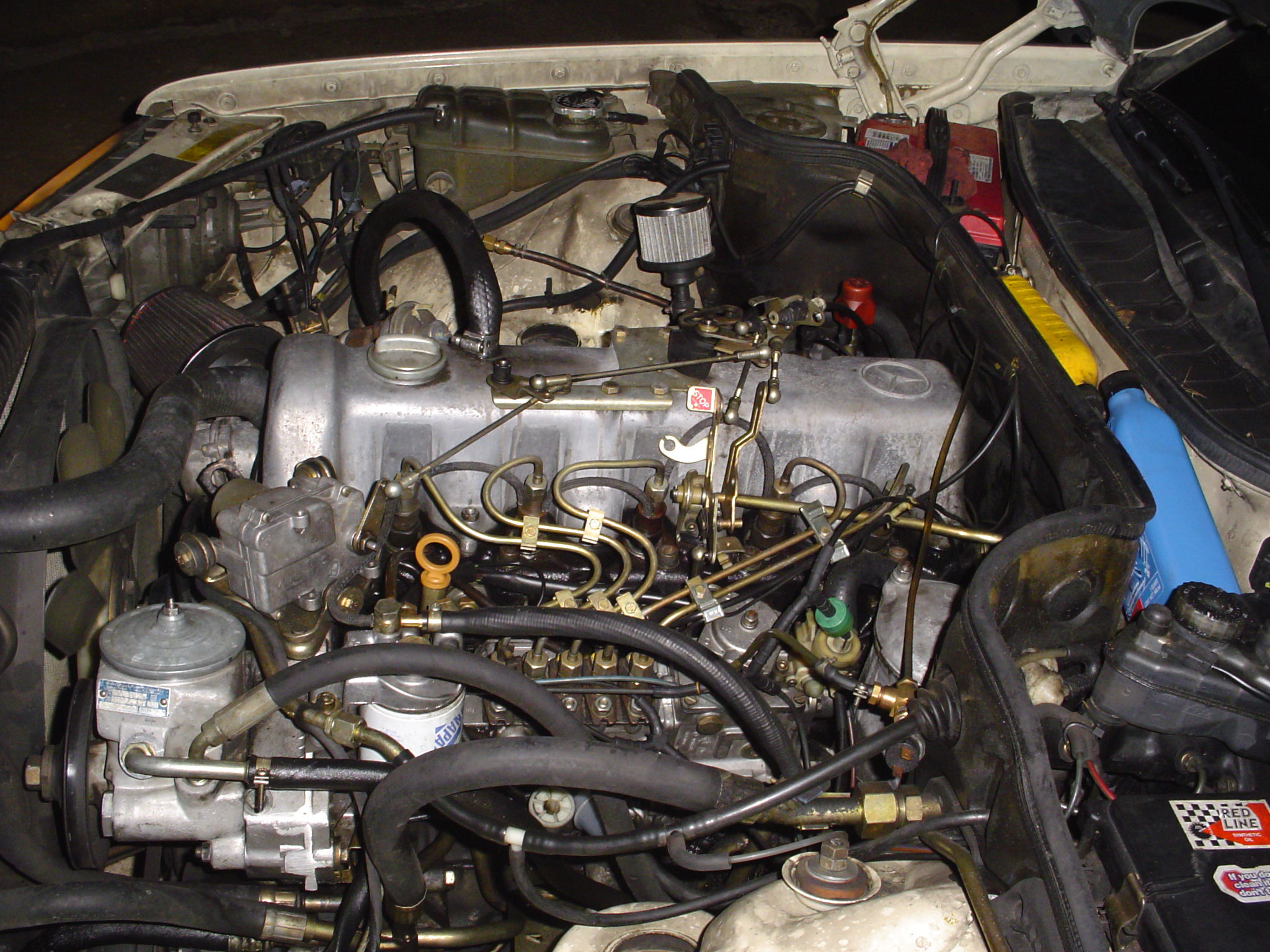
3. Mercedes-Benz OM617 3.0L Diesel Inline-Five (Mercedes-Benz 300D, 300SD, 300TD)
Mechanical endurance reaches a different level with the Mercedes-Benz OM617 diesel engine. Found in models such as the Mercedes-Benz 300D, 300SD, and 300TD, this inline-five diesel has earned legendary status for its ability to accumulate extremely high mileage while continuing to function reliably.
Simple construction is central to its durability. The engine avoids unnecessary electronic dependency and relies on mechanical fuel injection systems that are inherently robust. This design philosophy reduces potential failure points, allowing the engine to operate for extended periods under demanding conditions.
Torque delivery is steady and deliberate. Acceleration is not rapid by modern standards, yet it remains consistent and dependable. That predictable behavior reduces internal stress, which contributes to the engine’s long operational life. Many units continue functioning smoothly even after exceeding 300,000 miles.
Thermal management also supports durability. The engine’s cooling system is designed to handle sustained load without excessive fluctuation in operating temperature. This stability helps preserve internal components such as pistons, bearings, and valve train assemblies.
Maintenance requirements are straightforward. Regular oil changes, fuel system care, and basic inspections are often enough to keep the engine in strong condition. Mechanics familiar with older Mercedes diesel systems often describe them as mechanically honest, meaning they respond clearly to proper care.
Real-world performance history strengthens its reputation. Vehicles equipped with the OM617 have been used in taxis, long-distance travel, and heavy-duty commuting for decades. Many examples remain operational today, serving as proof of its endurance-focused design.
This engine represents an era where durability was prioritized over refinement or speed. Its continued presence on the road reinforces the idea that mechanical simplicity can lead to extraordinary longevity.
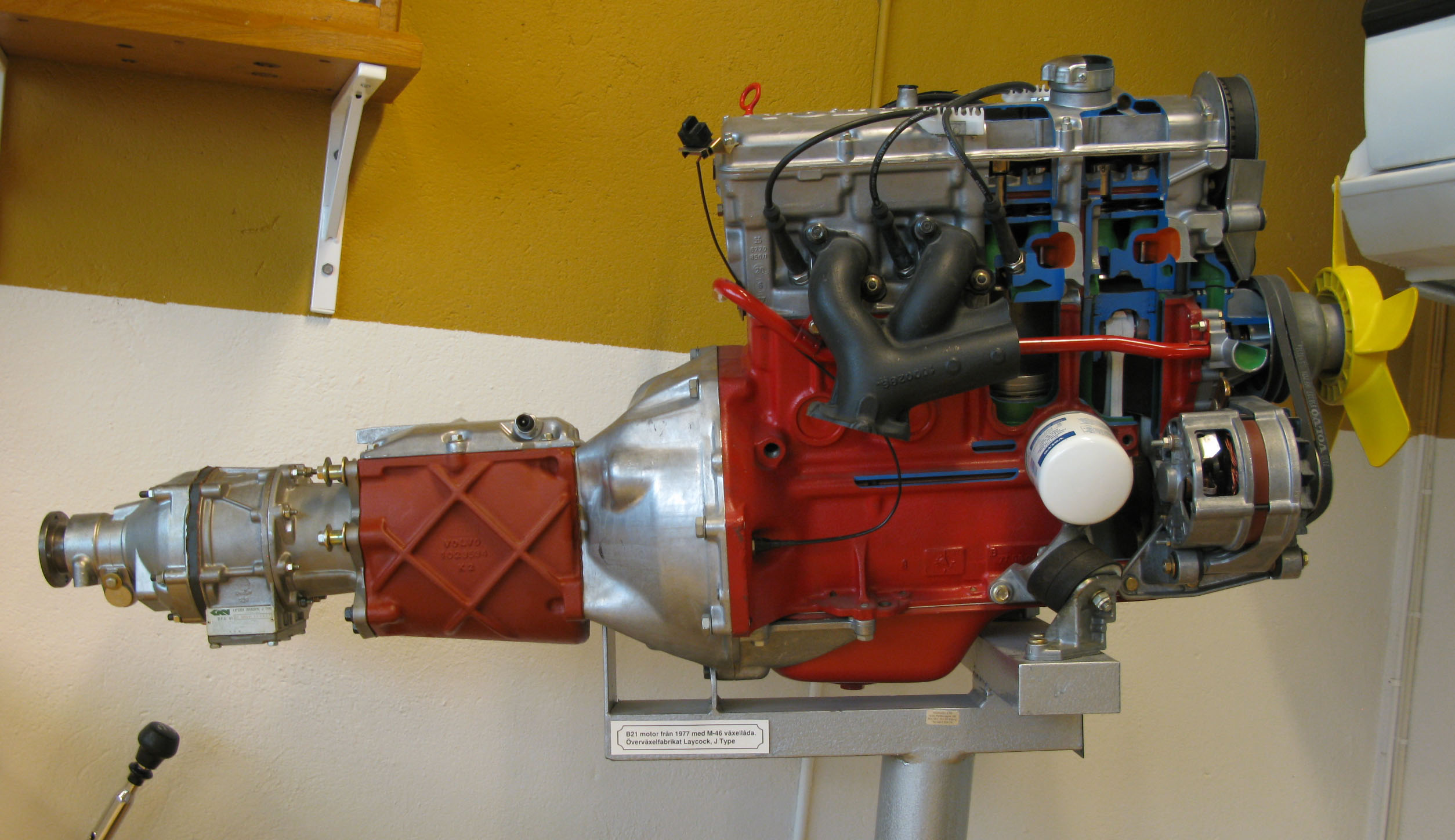
4. Volvo B230 Redblock 2.3L Inline-Four (Volvo 240, Volvo 740, Volvo 940)
Volvo’s B230 redblock engine is widely respected for its ability to withstand extreme mileage without losing structural integrity. Found in models such as the Volvo 240, Volvo 740, and Volvo 940, it has built a reputation based on endurance rather than performance figures.
Cast-iron construction plays a central role in its strength. The heavy-duty block resists warping and internal wear, even after years of continuous use. This robust foundation allows the engine to remain stable under conditions that would challenge lighter designs.
Power delivery is steady and predictable. Acceleration is not aggressive, yet it remains reliable across different driving environments. That consistency reduces mechanical stress, allowing internal components to operate within safe limits for extended periods.
Cooling efficiency contributes to long service life. The engine is designed to manage temperature effectively, preventing overheating issues that often shorten engine lifespan. This thermal stability supports consistent operation even under heavy use.
Maintenance simplicity enhances its appeal. Basic servicing tasks are easy to perform, and parts availability remains strong due to the engine’s long production history. Owners often maintain these engines themselves, contributing to their longevity.
Real-world durability is widely documented. High-mileage Volvo models equipped with the B230 continue to operate as daily transportation even after decades of use. Many exceed 300,000 miles without requiring internal rebuilding.
The B230 stands as an example of how straightforward engineering and strong materials can produce an engine capable of enduring far beyond typical expectations.
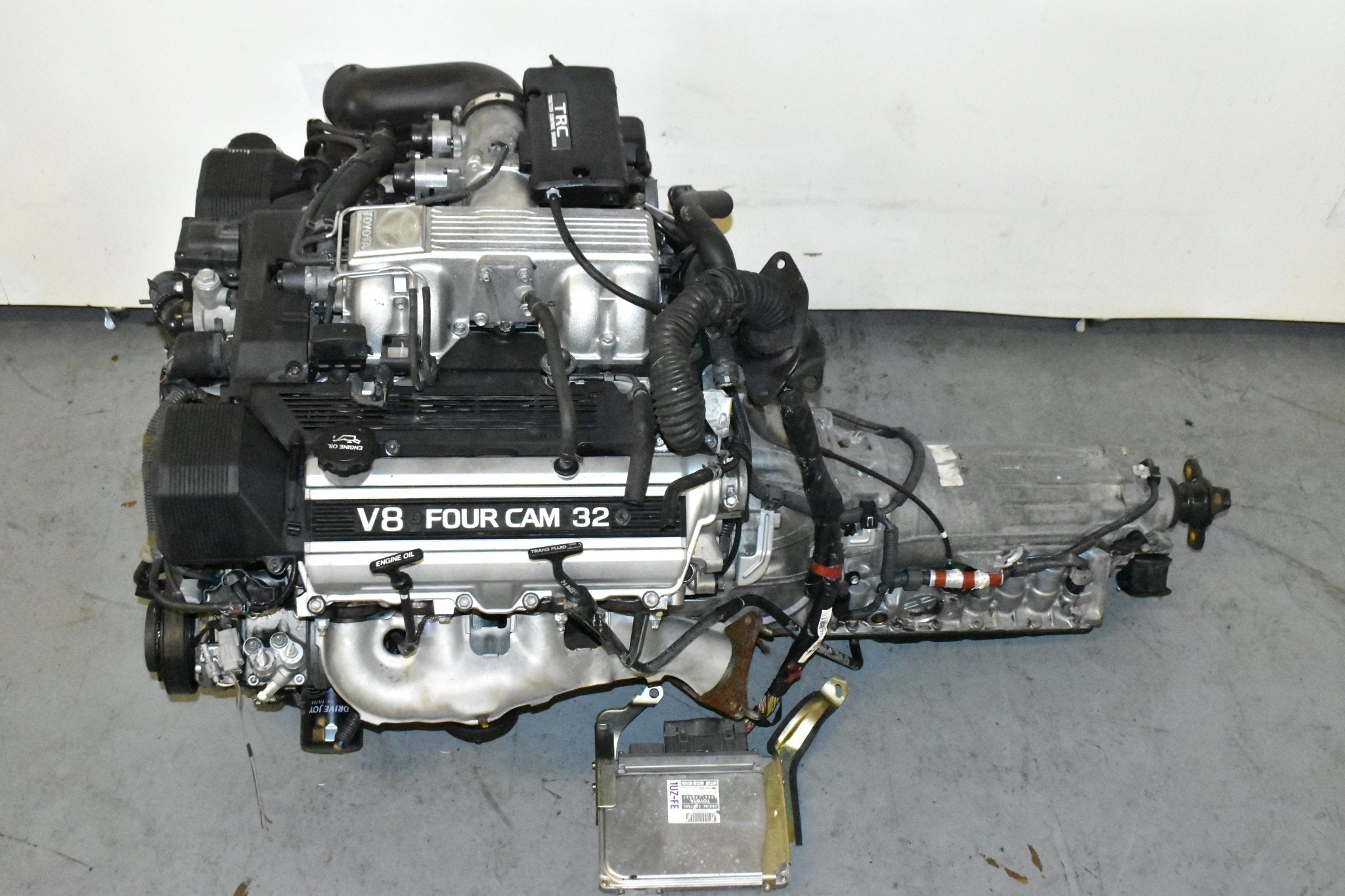
5. Lexus 1UZ-FE 4.0L V8 (Lexus LS400, Lexus SC400, Toyota Crown Majesta)
Durability takes a refined form in the Lexus 1UZ-FE 4.0-liter V8, an engine that built its reputation through consistent operation in luxury vehicles such as the Lexus LS400, Lexus SC400, and Toyota Crown Majesta. From its introduction, this engine was designed with a focus on smoothness and long-term dependability rather than aggressive output figures.
Structural integrity stands as one of its strongest attributes. The aluminum block construction, combined with precision-engineered internal components, allows the engine to maintain stability under extended use. This foundation reduces internal stress and helps preserve mechanical alignment even after extensive mileage accumulation.
Power delivery is smooth and linear, creating a driving experience that feels composed rather than forceful. Acceleration builds gradually, which reduces strain on drivetrain components and supports long service life. Many owners report that the engine maintains a refined character even after crossing 200,000 miles.
Cooling and lubrication systems were engineered with durability in mind. Efficient oil circulation ensures that moving parts remain properly lubricated during both cold starts and sustained driving. This contributes to reduced wear and consistent internal operation across long ownership periods.
Maintenance patterns play a direct role in preserving performance. Engines that receive routine servicing with quality fluids tend to retain quiet operation and stable output. Even when subjected to demanding driving conditions, the 1UZ-FE demonstrates strong resistance to premature wear.
Real-world reliability reinforces its reputation. Vehicles equipped with this engine have been used extensively in executive transport, long-distance travel, and daily commuting. Many continue operating today with original internal components intact, even at high mileage levels.
The engine’s reputation is also supported by its tolerance for continuous use. It does not rely on extreme tuning or high-strain operation to deliver performance. Instead, it functions within conservative engineering limits that prioritize longevity.
Ownership experience reflects this design philosophy. Drivers often retain vehicles equipped with the 1UZ-FE due to its consistent behavior and minimal mechanical surprises. Its ability to maintain smooth operation across decades of use has secured its place among the most respected luxury V8 engines.
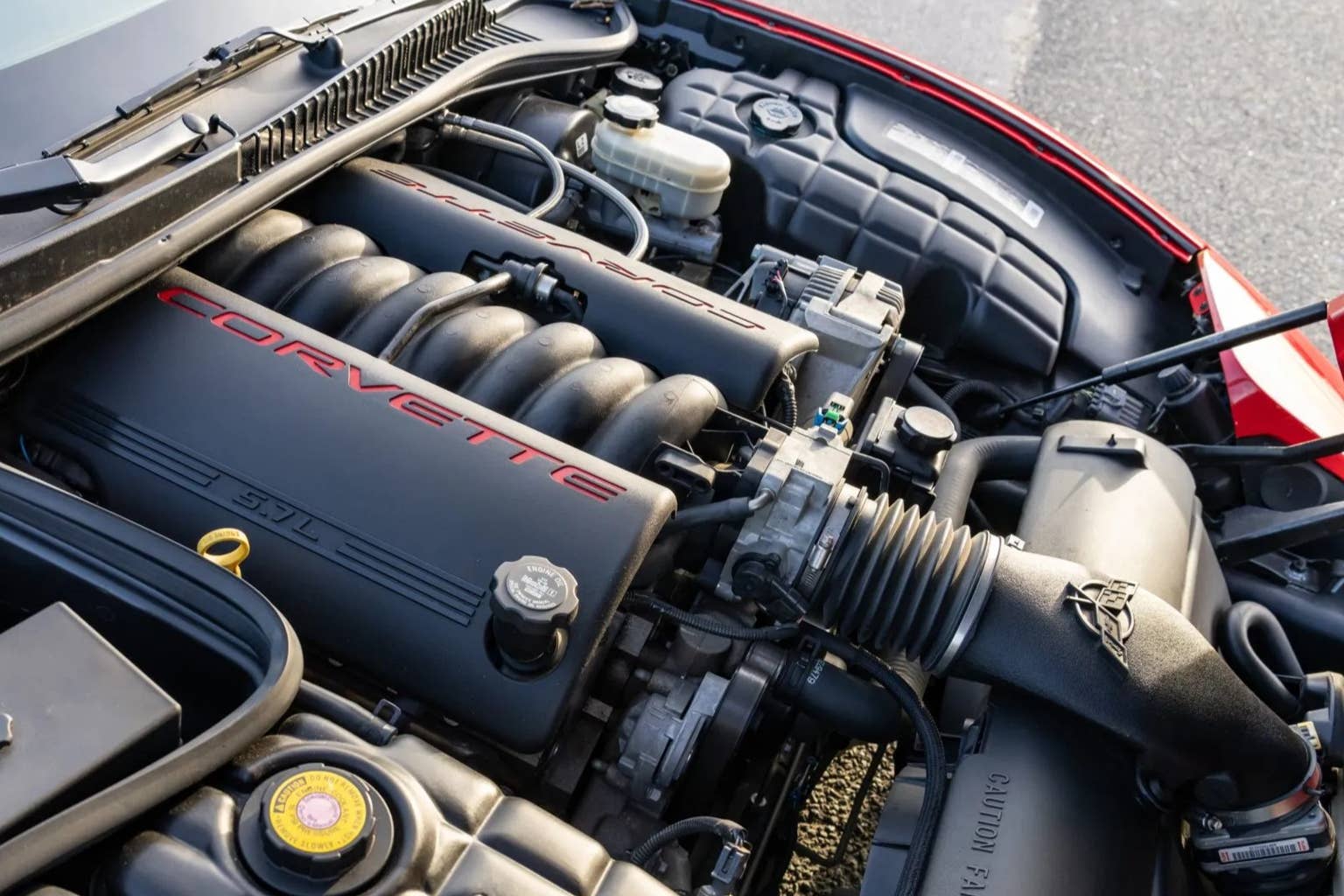
6. Chevrolet LS1 5.7L V8 (Chevrolet Corvette C5, Chevrolet Camaro SS, Pontiac GTO)
Performance durability finds a strong representative in the Chevrolet LS1 5.7-liter V8. Installed in vehicles such as the Chevrolet Corvette C5, Chevrolet Camaro SS, and Pontiac GTO, this engine helped redefine expectations for modern American V8 reliability combined with strong output.
Aluminum construction plays a central role in its design. The lightweight block reduces vehicle mass while maintaining structural strength. This balance allows the engine to deliver strong acceleration without excessive strain on internal components.
Power delivery is direct and responsive. Throttle input translates into immediate acceleration, creating a driving experience that feels energetic yet controlled. Even under sustained use, the engine maintains consistent output characteristics.
Mechanical simplicity supports long-term durability. Compared to more complicated forced-induction systems, the LS1 relies on a naturally aspirated design that reduces potential failure points. This straightforward engineering approach contributes to its reputation for reliability.
Cooling efficiency ensures stable operation during extended driving sessions. The engine manages heat effectively, even under spirited driving conditions, which helps protect internal components from thermal stress.
Maintenance accessibility enhances its appeal. Parts availability remains strong, and servicing procedures are well understood across repair networks. This makes long-term ownership practical and cost-effective for many drivers.
High-mileage examples continue to appear in strong running condition. Vehicles equipped with the LS1 frequently surpass 200,000 miles with minimal internal intervention, provided routine servicing has been maintained.
Driving character remains engaging even after extended use. The engine retains its responsiveness and smooth power delivery, reinforcing confidence in its long-term durability.
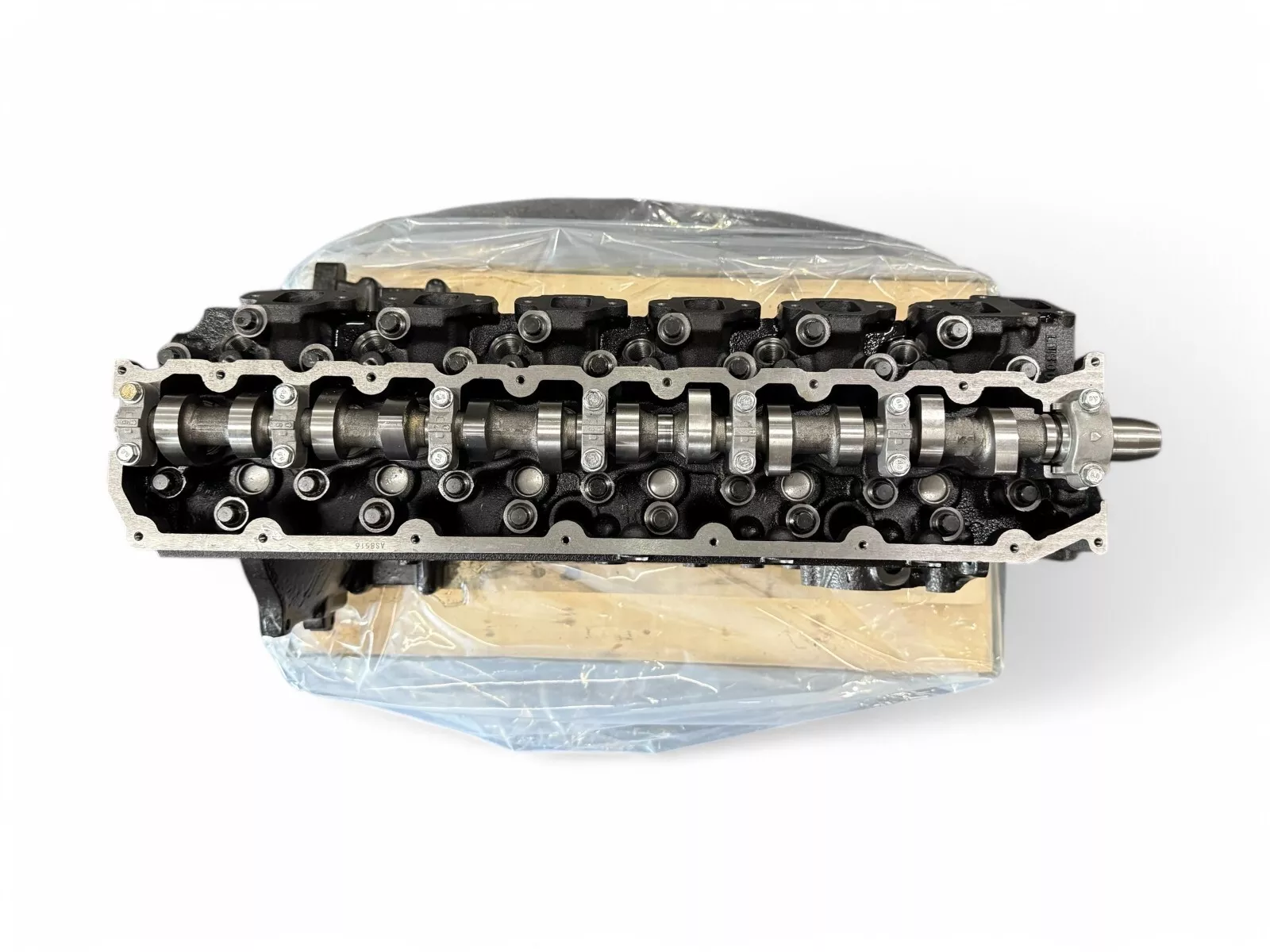
7. Toyota 1HZ 4.2L Diesel Inline-Six (Toyota Land Cruiser 70 Series, Toyota Coaster Bus)
Rugged endurance defines the Toyota 1HZ 4.2-liter diesel inline-six, an engine widely recognized for its ability to operate in demanding environments. Found in vehicles such as the Toyota Land Cruiser 70 Series and Toyota Coaster Bus, it has earned a reputation for extreme durability.
Mechanical simplicity stands at the center of its design. The naturally aspirated diesel configuration avoids complicated electronic systems, reducing potential failure points and supporting long-term reliability. Torque delivery is steady and controlled. The engine produces consistent pulling power, making it suitable for heavy-duty applications and long-distance travel under challenging conditions.
Internal construction emphasizes strength. Heavy-duty components allow the engine to withstand prolonged operation under load. This durability makes it especially valued in environments where reliability is prioritized over performance speed.
Cooling systems are designed for harsh conditions. The engine maintains stable operating temperatures even in demanding climates, which supports consistent performance and reduces internal wear. Maintenance requirements remain straightforward. Regular servicing and proper lubrication are typically sufficient to keep the engine operating reliably for extended periods.
High-mileage usage is common. Many 1HZ-powered vehicles operate well beyond 300,000 miles, particularly in commercial or utility roles where durability is essential. This engine continues to be respected for its ability to deliver consistent operation in situations where mechanical dependability is essential for daily function.
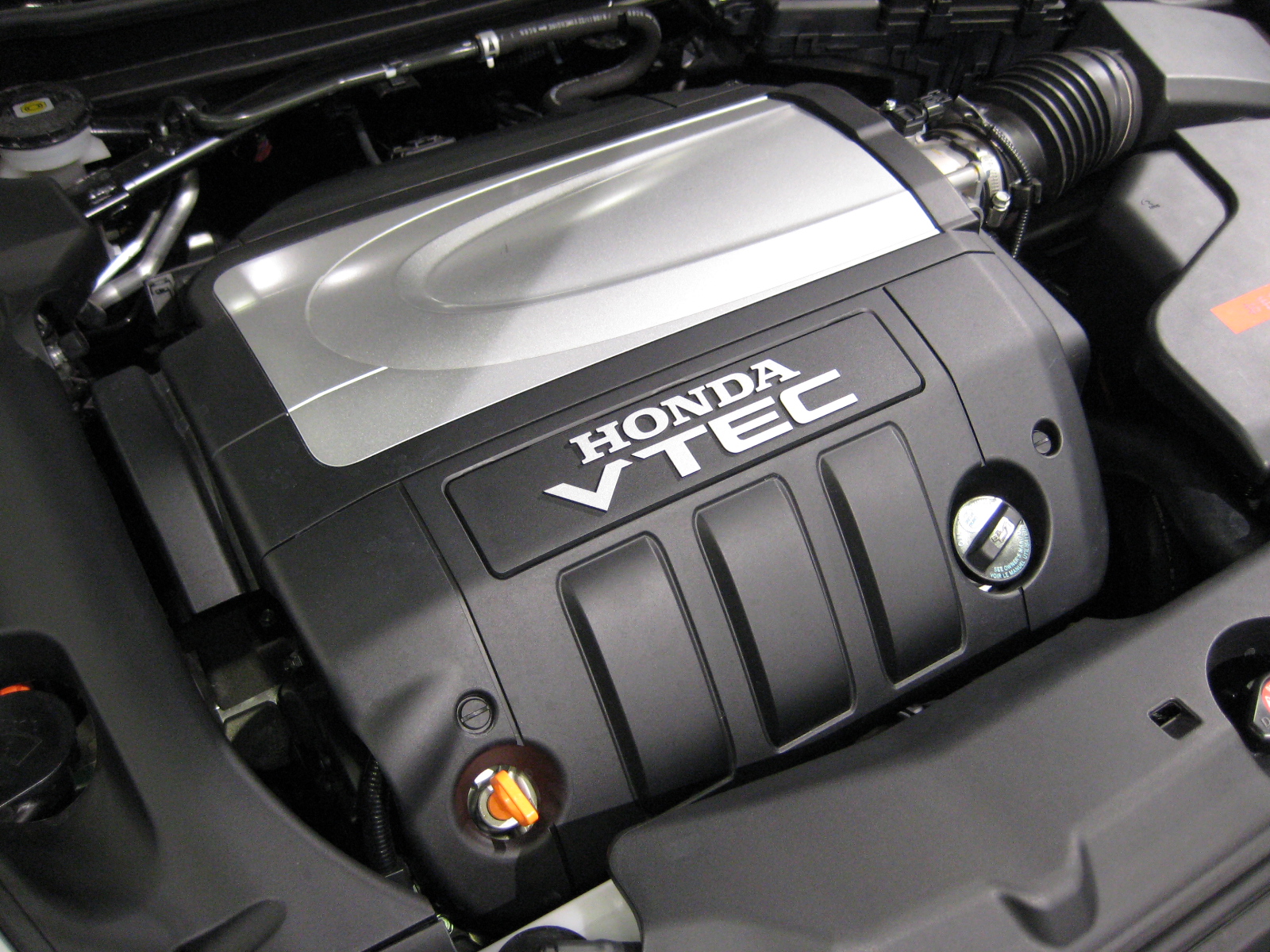
8. Honda J35 3.5L V6 (Honda Pilot, Honda Odyssey, Acura MDX)
Honda’s J35 3.5-liter V6 has earned a strong reputation for long-distance durability across a wide range of vehicles, including the Honda Pilot, Honda Odyssey, and Acura MDX. Designed with a focus on balance between performance and reliability, this engine has become a dependable choice for families and high-mileage commuters who value consistent operation without frequent mechanical concerns.
A defining trait of the J35 is its smooth and steady power delivery. Acceleration feels controlled, with torque arriving in a way that suits both city driving and highway cruising. That predictable behavior reduces internal stress during repeated daily use, which supports long-term durability across many driving conditions.
Drivers often describe the engine as calm under load, even when carrying passengers or cargo over long distances. Engineering choices reflect Honda’s focus on efficiency and mechanical balance. The aluminum block construction reduces weight while maintaining strength, and internal components are designed to operate with minimal friction.
This approach contributes to reduced wear during extended use, allowing the engine to maintain performance well into high mileage territory. Variable cylinder management technology plays a role in efficiency by adjusting cylinder operation based on driving demand.
While this system introduces additional mechanical coordination, it is engineered to function within conservative operating limits. When properly maintained, it does not negatively affect long-term reliability and instead contributes to fuel savings during light-load driving.
Cooling and lubrication systems are designed for consistent performance. Oil circulation remains stable across a wide range of conditions, helping protect internal components during both short trips and extended highway travel. Engines that receive regular servicing with quality oil tend to maintain smooth operation even after surpassing 200,000 miles.
Real-world usage supports the engine’s reputation. Honda Pilots and Odysseys equipped with the J35 are frequently used for family transportation, road trips, and daily commuting. Many examples remain in service long after reaching mileage levels that would typically require major engine attention in less durable designs.
Maintenance accessibility also contributes to its longevity. Technicians are familiar with its structure, and replacement parts are widely available. This reduces long-term ownership challenges and encourages continued use rather than early replacement.
Owners often choose to retain vehicles powered by the J35 because of its consistent behavior and low failure rate when properly maintained. Its combination of smooth operation, practical efficiency, and proven endurance has secured its place among engines known for long service life.
Also Read: 5 Engines That Handle Standard Fuel Well and 5 That Require Premium Fuel
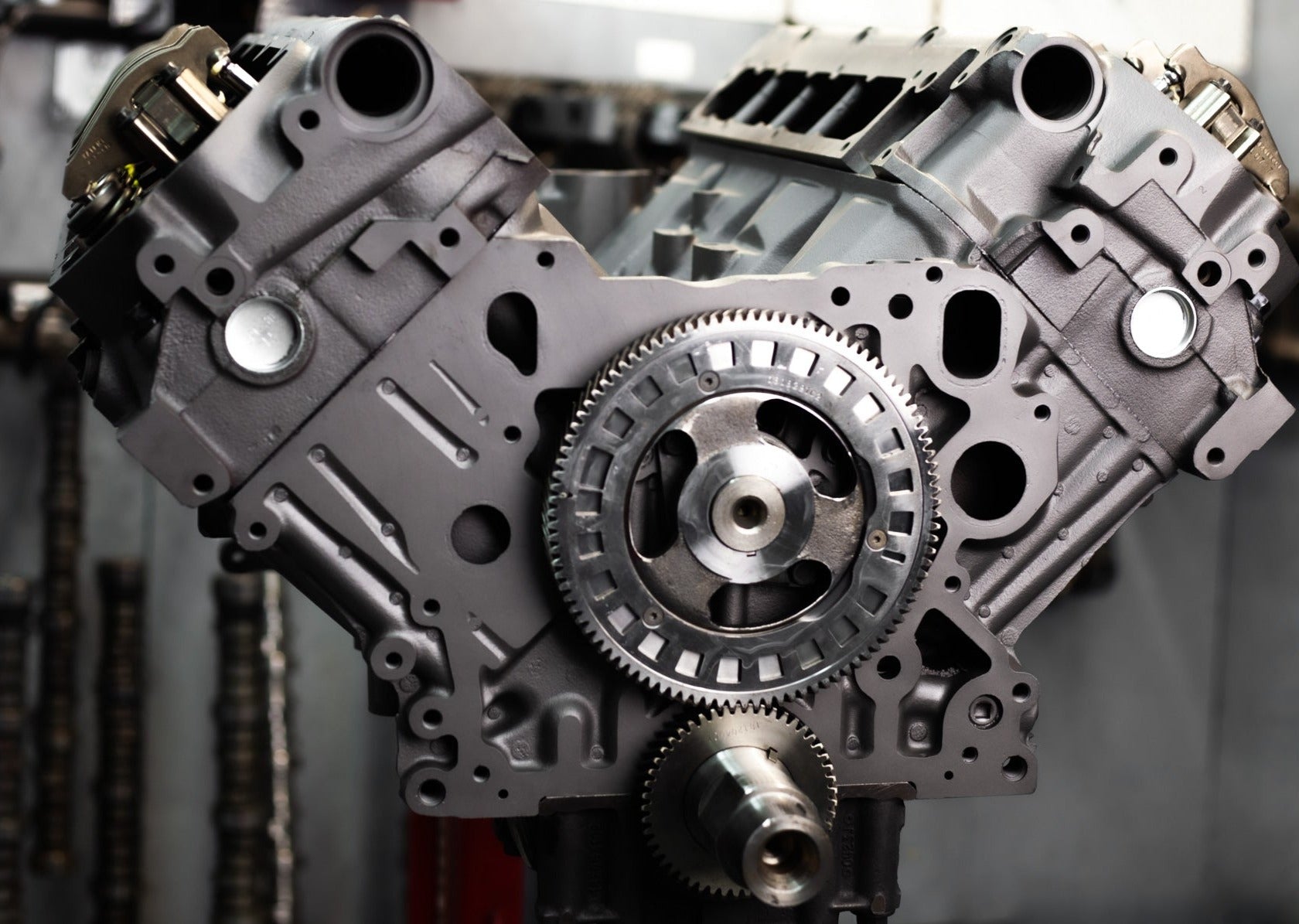
9. Ford 7.3L Power Stroke Diesel (Ford Super Duty F-250, F-350, Ford Excursion)
Durability in heavy-duty applications is strongly associated with the Ford 7.3-liter Power Stroke diesel engine, found in vehicles such as the Ford Super Duty F-250, F-350, and Ford Excursion. Known for its mechanical strength and long service life, this engine has become a benchmark for diesel reliability in demanding work environments.
Robust construction defines its character. The engine features a cast-iron block and heavy-duty internal components designed to handle sustained load conditions. This solid foundation allows it to perform reliably in towing, hauling, and commercial applications where mechanical stress is constant.
Power delivery is steady and dependable. Torque arrives in a controlled manner, making it well-suited for heavy loads and long-distance travel. Rather than focusing on high-speed performance, the engine emphasizes consistent pulling strength, which contributes to its long operational lifespan.
Mechanical simplicity supports its durability. Compared to more modern diesel systems with extensive electronic integration, the 7.3 Power Stroke uses a design that prioritizes straightforward operation. Fewer electronic components reduce potential failure points, which helps maintain reliability under extended use.
Fuel system design plays an important role in performance. The direct injection system delivers fuel efficiently, supporting strong combustion and stable output. When maintained properly, this system contributes to consistent engine behavior across hundreds of thousands of miles.
Cooling capability ensures stable operation under load. The engine is engineered to manage heat effectively during towing or prolonged highway driving. This thermal stability reduces internal wear and supports long-term durability in demanding conditions.
Maintenance practices strongly influence service life. Engines that receive timely oil changes, fuel system servicing, and cooling system care often exceed 300,000 miles while remaining operational. Many examples continue working in commercial fleets long after passing typical mileage expectations.
Real-world usage reinforces its reputation. The 7.3 Power Stroke is widely used in construction, transportation, and long-distance hauling, where reliability is essential. Its continued presence in these roles reflects its ability to withstand demanding workloads without frequent mechanical failure.
Owners frequently retain trucks equipped with this engine due to its proven endurance and dependable performance. Its reputation is built on years of consistent real-world use, making it one of the most respected diesel engines for long-term mileage achievement.