
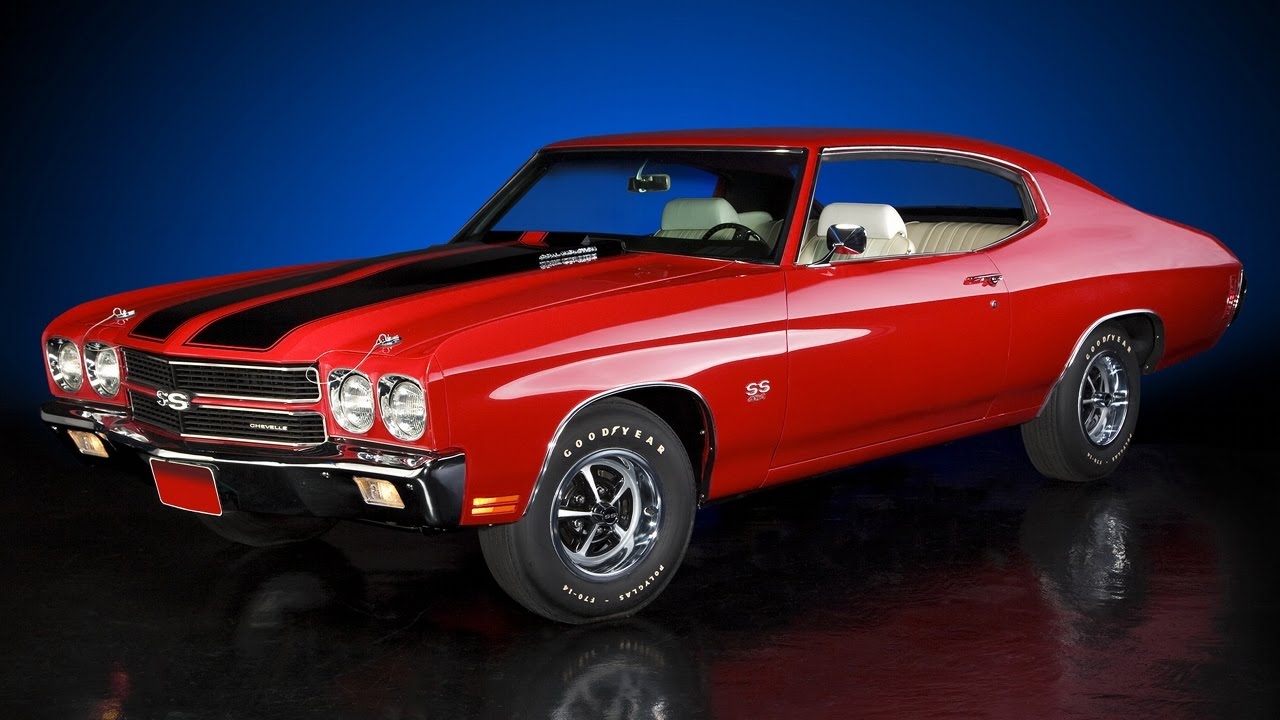
Classic muscle cars from the 1970s have taken on a new life in today’s collector market. What once sat in garages as aging performance machines has now become a prized category commanding prices that rival modern supercars. The appeal goes beyond raw horsepower.
These cars represent a time when design, sound, and driving feel came together in a way that feels rare today. Buyers are no longer just enthusiasts looking for weekend fun. Serious collectors, investors, and even younger drivers are entering the space, pushing demand higher for well-preserved or correctly restored examples.
Limited production numbers, racing heritage, and bold styling have all contributed to rising values. Some of these vehicles now cross six-figure thresholds with ease, especially when equipped with original components and documentation.
Another factor driving this surge is the emotional pull. Modern performance cars may deliver faster lap times and advanced technology, yet they often lack the raw, mechanical connection these older machines provide. That sense of authenticity has become highly desirable.
This page highlights nine standout muscle cars from the 1970s that have climbed into price territory once reserved for exotic brands. Each one tells a different story, shaped by engineering decisions, market trends, and the people who continue to keep their legacy alive.
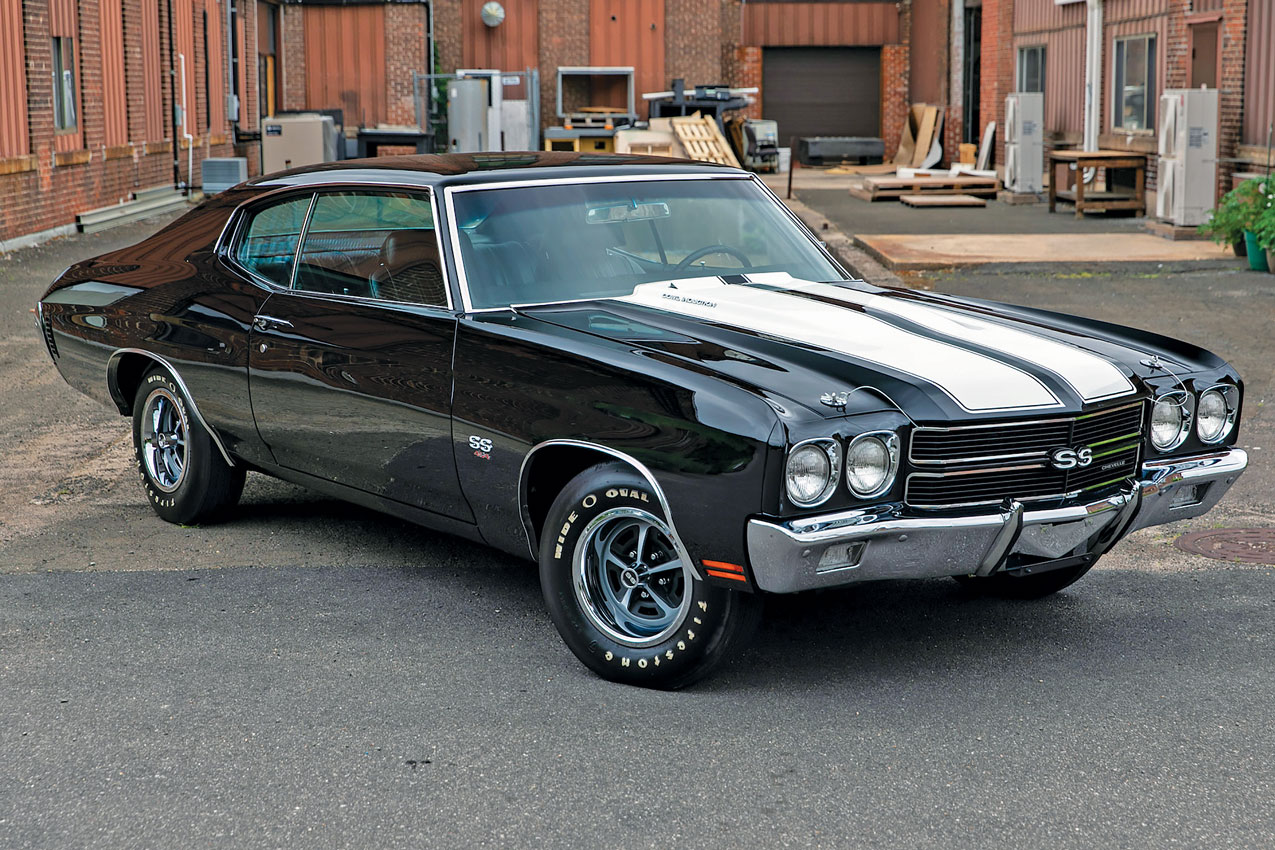
1. 1970 Chevrolet Chevelle SS 454 LS6
The 1970 Chevrolet Chevelle SS 454 LS6 occupies a respected position within the history of American performance vehicles, owing largely to its engineering strength and commanding presence. Introduced during a period when manufacturers placed strong emphasis on engine output, this model delivered one of the highest factory-rated horsepower figures of its time.
At its core was a 454 cubic-inch V8 engine, developed to provide exceptional performance and capable of delivering power levels that continue to attract admiration decades later. Interest from collectors has remained strong, largely due to the vehicle’s reputation as one of the most powerful muscle cars produced in a factory setting.
The LS6 variant, in particular, was manufactured in limited quantities, which has increased its desirability among serious buyers. Vehicles that retain original components, often referred to as matching numbers, and those supported by verified documentation, tend to achieve very high prices at auctions. In many instances, these prices are comparable to those associated with premium European sports cars.
Attention must also be given to the vehicle’s exterior design, which contributes meaningfully to its lasting appeal. Defined by strong body lines, a wide and stable stance, and assertive detailing, the Chevelle SS presents a bold and purposeful appearance. Its visual character communicates strength without restraint, ensuring that it remains easily recognisable even among other classic models.
The experience of ownership further enhances its value. Driving the LS6 Chevelle involves a direct engagement with mechanical power, offering a level of feedback that is rarely found in more recent vehicles. Rather than focusing on comfort or advanced technology, the vehicle prioritises performance and driver connection. This quality continues to attract individuals who value authenticity in their driving experience.
As availability decreases due to age and limited production, market prices have risen accordingly. Restored examples frequently achieve six-figure valuations, while well-preserved original units often exceed these figures. The 1970 Chevrolet Chevelle SS 454 LS6 has established itself as a leading collectible, supported by both historical importance and strong financial demand.
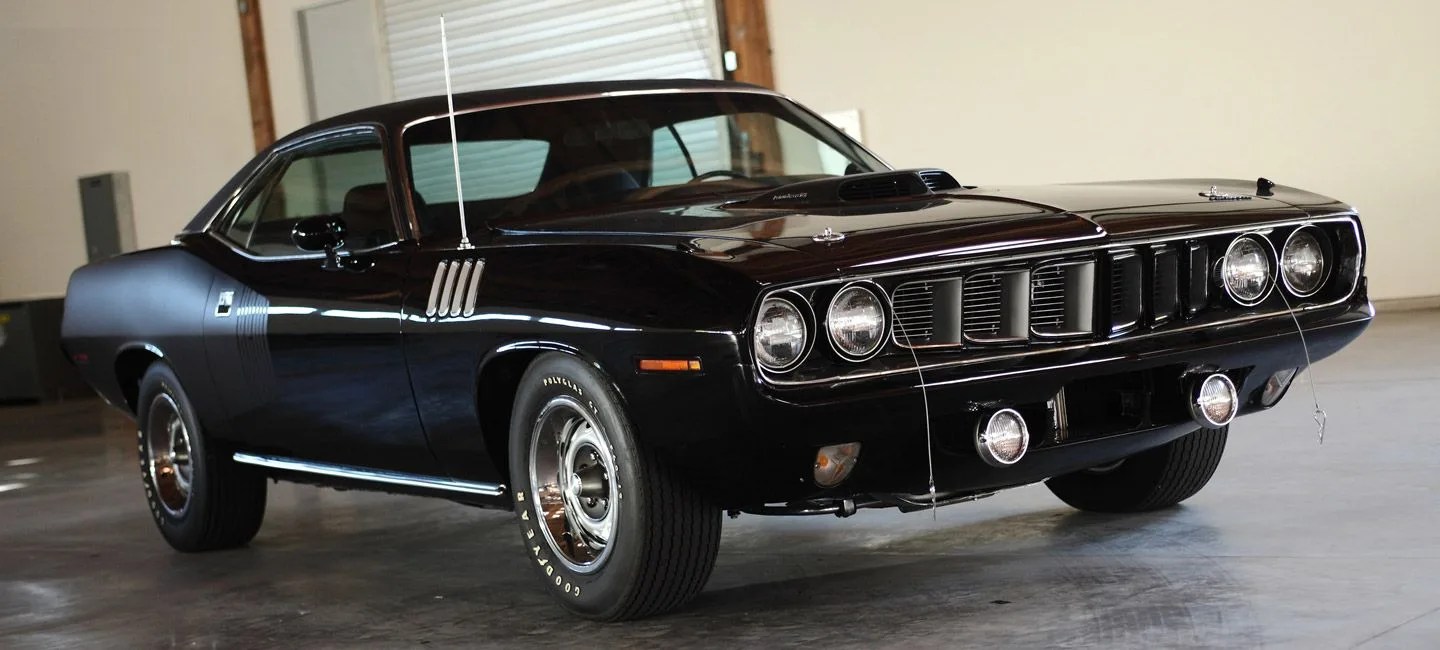
2. 1971 Plymouth Hemi ‘Cuda
The 1971 Plymouth Hemi ‘Cuda stands as a distinguished example of American muscle car engineering, recognised for its rarity and performance capability. Production figures for this model were exceptionally low, especially for units equipped with the 426 Hemi engine.
This limited availability has contributed greatly to its desirability, placing it among the most sought-after vehicles within the collector market. Beyond production numbers, the vehicle’s design plays an essential role in its continued appeal. The exterior features a distinctive front grille, bold rear styling, and a general sense of visual strength that sets it apart immediately.
Factory colour options, often bright and expressive, combined with unique graphics packages, further enhance its identity. These elements have helped maintain strong interest among collectors who value both performance and visual impact.
Performance remains central to the Hemi ‘Cuda’s reputation. The 426 Hemi engine delivered impressive acceleration and produced a sound that has become closely associated with the muscle car era. Even when evaluated by modern standards, the driving experience retains an intensity that appeals to those seeking authenticity. This direct and powerful performance continues to attract buyers who prioritise driving character.
Market trends indicate a consistent increase in value, particularly for well-maintained examples. Convertible versions are especially rare and command exceptionally high prices at auctions. Many buyers view these vehicles not only as objects of personal interest but also as long-term financial assets.
Condition is a critical factor in determining market value. Vehicles that retain original components or have undergone restoration to factory specifications tend to achieve the highest prices. Supporting documentation, including build sheets and ownership records, provides additional assurance to prospective buyers and strengthens confidence during transactions.
The 1971 Plymouth Hemi ‘Cuda remains one of the most respected performance vehicles produced in the United States. Its combination of limited production, distinctive design, and powerful engineering has secured its place within a category where value is influenced by both historical importance and continued demand.
Also Read: 10 Modern Muscle Cars That Are Comfortable Enough to Drive Daily
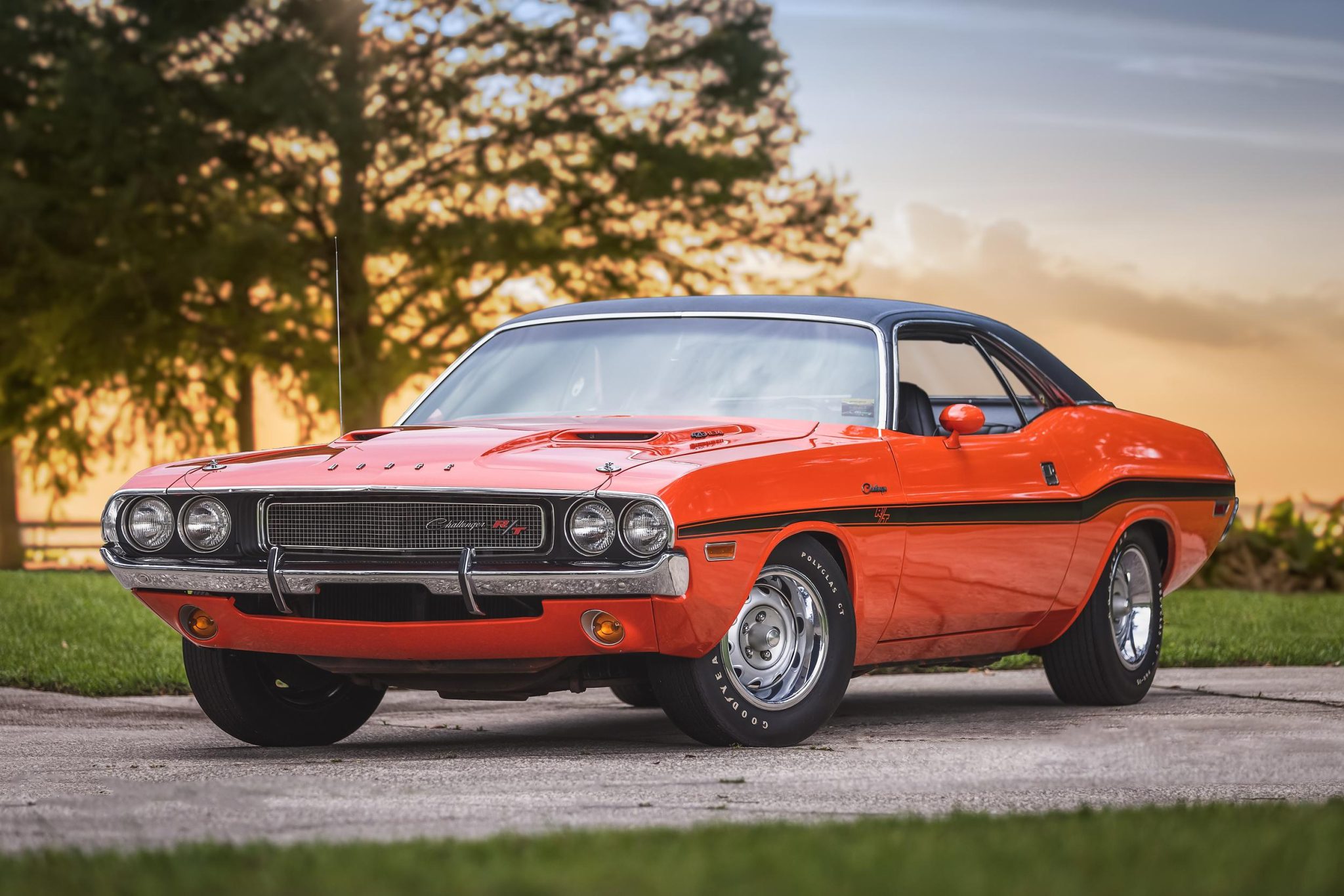
3. 1970 Dodge Challenger R/T SE 426 Hemi
The 1970 Dodge Challenger R/T SE 426 Hemi represents a careful union of bold styling and advanced engineering for its time. Introduced with a clear objective, this model delivered high performance while maintaining a level of refinement through its Special Edition designation.
Buyers were presented with a vehicle that combined strong mechanical capability with interior comfort, an approach that distinguished it within the competitive muscle car segment of the early 1970s. At the core of its appeal lies the 426 Hemi engine, widely respected for its strength and engineering quality.
This power unit earned recognition for its durability and its ability to produce consistent output under demanding conditions. Its presence in the Challenger contributed greatly to the model’s standing among performance vehicles of its era.
Even today, collectors and enthusiasts continue to hold the Hemi engine in high regard due to its proven track record and enduring reputation. Design features also play an important role in shaping the identity of this vehicle. A long bonnet paired with a compact rear structure creates a balanced yet commanding appearance.
The wide stance reinforces its performance credentials, giving the car a solid and confident posture on the road. The Special Edition package introduced enhanced interior materials and additional comfort features, resulting in a cabin that provided a more refined driving environment when compared with many competing models.
Interest from collectors has increased steadily as the unique combination of performance and comfort becomes more widely appreciated. This balance has allowed the Challenger R/T SE to appeal to a broader audience, including those who value both driving experience and interior quality. As awareness has grown, demand has followed a similar pattern.
Auction records reflect this rising demand, with well-preserved examples achieving impressive sale figures. Vehicles that retain original components or have been restored to factory standards tend to command the highest prices. Limited production numbers have also contributed to its strong position within the collector market.
Operating this vehicle today offers a clear reminder of the defining qualities of classic muscle cars. Power delivery remains direct, and the driving experience maintains a strong connection between driver and machine. This enduring appeal continues to support its increasing value and respected status.
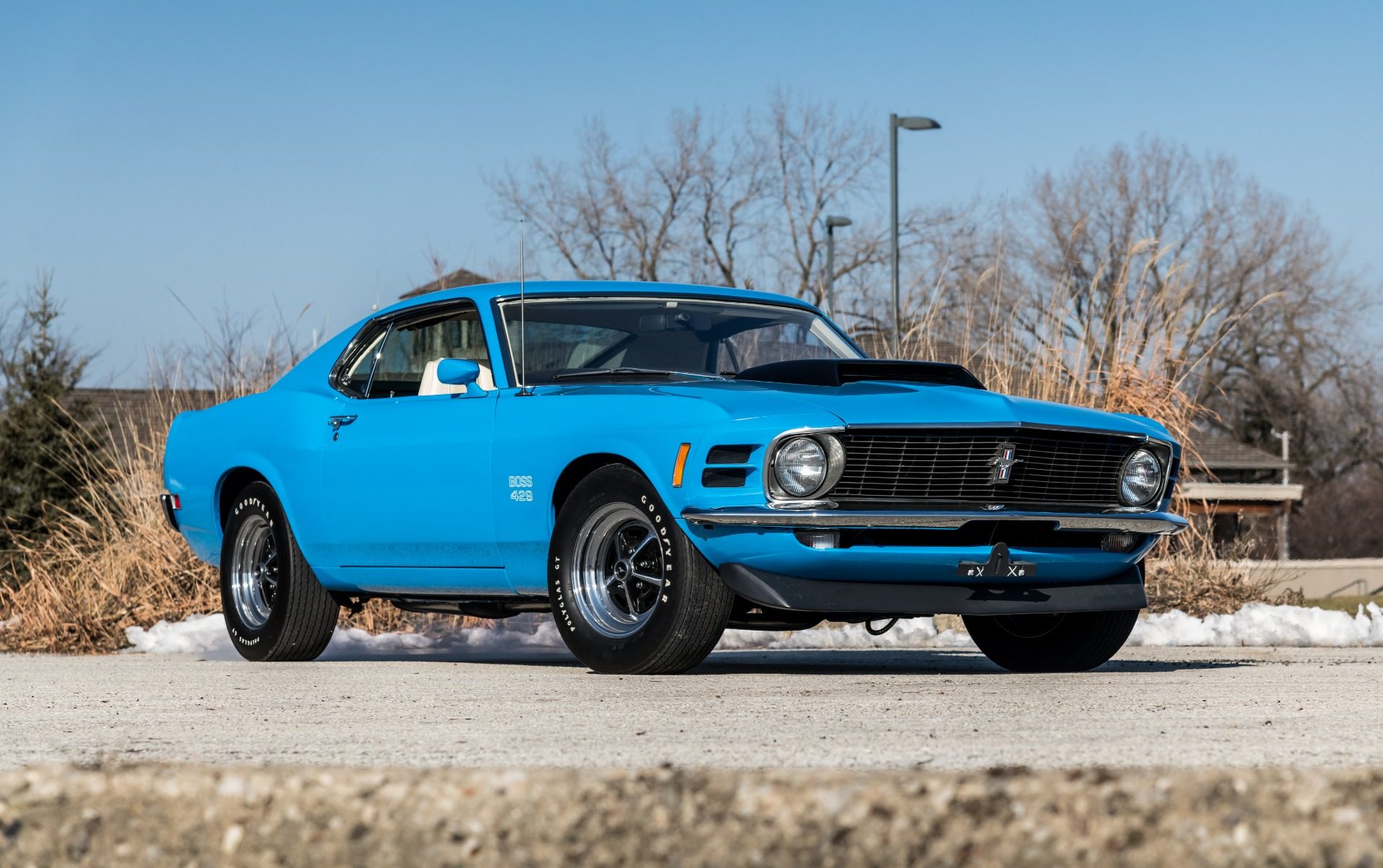
4. 1970 Ford Mustang Boss 429
The 1970 Ford Mustang Boss 429 occupies a special place within the history of American performance vehicles. Developed with racing objectives in mind, this model was produced in limited numbers to satisfy homologation requirements.
Such restricted production has had a lasting influence on its desirability and market value, placing it among the most sought-after muscle cars of its generation. Power is provided by a specially engineered 429 cubic-inch V8 engine, designed to meet demanding performance standards.
This engine focused on strength, reliability, and efficient power delivery, characteristics that earned it widespread respect among automotive enthusiasts. Its engineering quality continues to attract attention from collectors who value both performance capability and historical importance.
The exterior design of the Boss 429 reflects a disciplined approach. Rather than relying on excessive decoration, the vehicle incorporates purposeful elements that enhance both appearance and function. Features such as functional air intakes, revised body panels, and distinct identification markings contribute to a refined yet assertive look. This approach allows the car to communicate its performance potential without unnecessary embellishment.
Ownership of a Boss 429 extends beyond simple possession of a vehicle. It represents a connection to a period when manufacturers invested heavily in performance development to compete at the highest levels of motorsport. Many buyers are drawn to this historical association, viewing the car as an important piece of automotive heritage.
Market performance has shown steady growth, with values increasing as availability remains limited. Examples that retain original specifications or have been restored with careful attention to authenticity attract strong interest at auctions. Documentation and verified history further enhance buyer confidence and contribute to higher sale prices.
The Boss 429 continues to serve as a symbol of engineering ambition and competitive spirit. Its enduring appeal is supported by a combination of technical excellence, limited production, and historical relevance, ensuring its position among the most valuable muscle cars of its era.
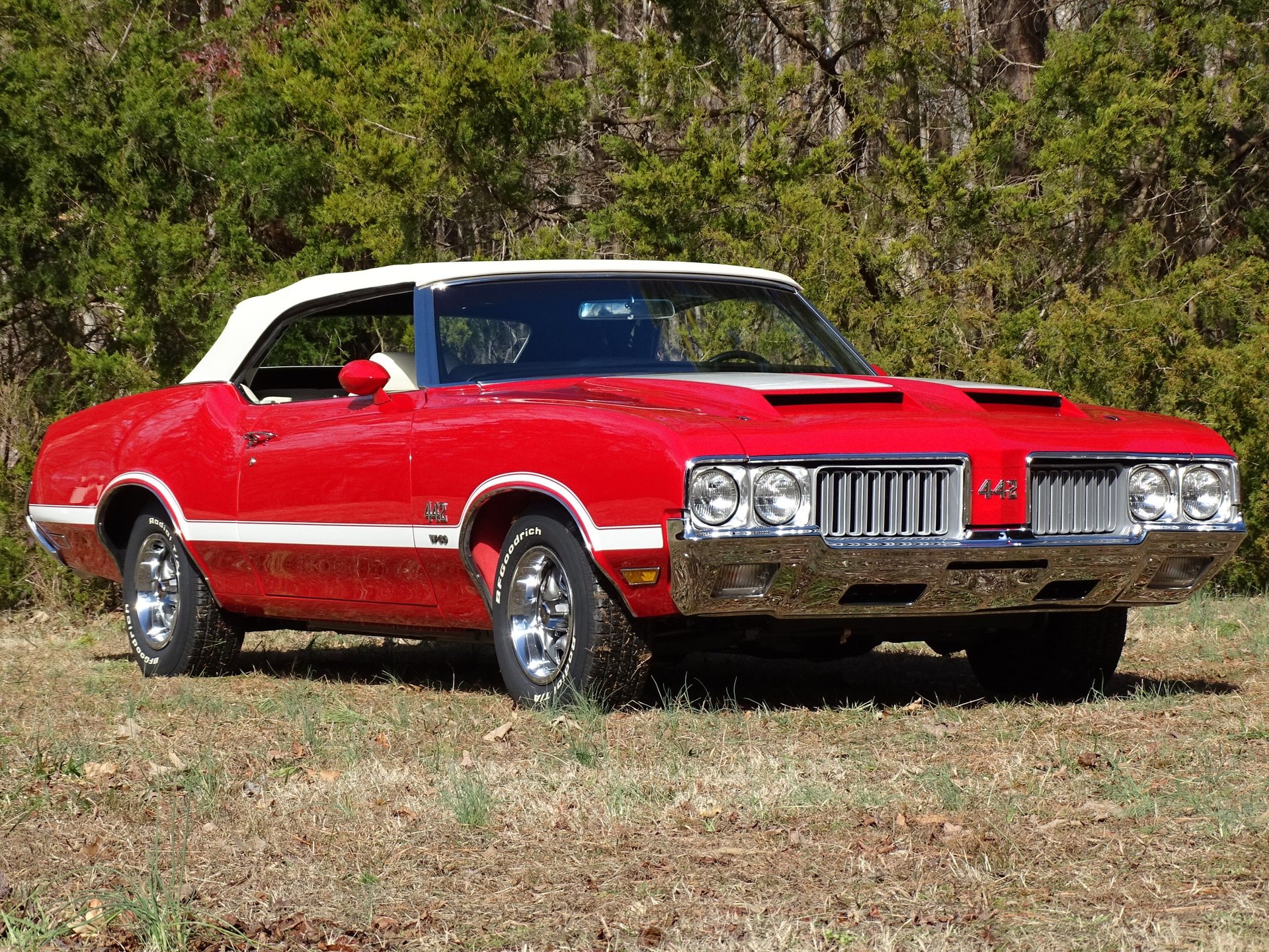
5. 1970 Oldsmobile 442 W-30
The 1970 Oldsmobile 442 W-30 presents a distinctive approach within the muscle car category, combining performance capability with a degree of refinement that sets it apart from many contemporaries. This model was developed to deliver strong driving performance while maintaining a level of comfort suitable for regular use, creating a balanced ownership experience.
Performance is derived from a high-output V8 engine engineered to provide reliable and consistent acceleration. The W-30 package introduced specific enhancements aimed at improving engine response and the whole driving engagement. These modifications allowed the vehicle to deliver strong performance while remaining manageable for everyday operation. Enthusiasts often appreciate this balance, as it offers both excitement and practicality.
The exterior design reflects a measured and purposeful style. Clean lines and a confident stance define its appearance, avoiding excessive ornamentation while still conveying strength. This restrained design has aged gracefully, appealing to buyers who prefer a more refined aesthetic within the muscle car segment.
Attention to interior quality further distinguishes the 442 W-30. Compared with many vehicles of its time, it offered a more comfortable cabin environment with thoughtful detailing. Seating, materials, and layout were designed to enhance the driving experience without compromising usability. This combination of comfort and performance has contributed to its lasting reputation.
Interest among collectors has increased as awareness of its unique characteristics continues to grow. While it may not have received the same level of attention as some rival models during its early years, this has resulted in fewer surviving examples. Limited availability has strengthened its position within the collector market.
Auction results indicate rising values, particularly for vehicles that maintain original features or have been restored with accuracy. Buyers place a high premium on authenticity, and well-documented examples tend to achieve stronger outcomes.
The 1970 Oldsmobile 442 W-30 demonstrates that performance and comfort can coexist effectively within a single vehicle. Its balanced design and enduring appeal continue to attract collectors who recognize its value and are prepared to invest accordingly.
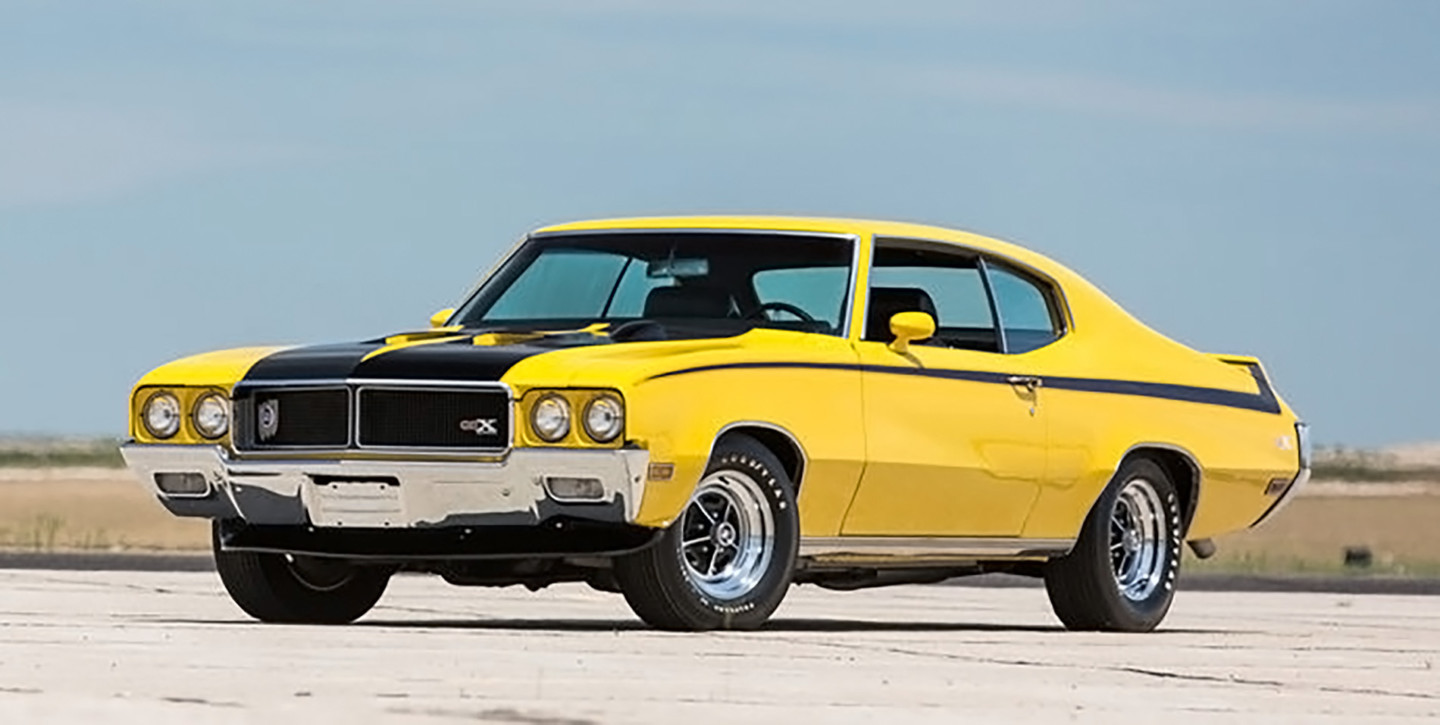
6. 1970 Buick GSX Stage 1
Start with raw torque and a bold visual identity, and the 1970 Buick GSX Stage 1 quickly earns attention among collectors who value both performance and rarity. This model stood apart from many of its peers by delivering immense low-end power through its 455 cubic-inch V8 engine. Official horsepower ratings did not fully reflect its real-world output, which only added to its mystique as enthusiasts began to uncover its true capabilities.
Bright factory colors such as Saturn Yellow and Apollo White made the GSX impossible to ignore. Buick paired those colors with functional hood scoops, aggressive striping, and a rear spoiler that reinforced its purpose-driven character. Every visual detail signaled intent, creating a car that felt as powerful as it looked.
Production numbers remained limited, especially for the Stage 1 package, which included performance upgrades designed to enhance acceleration and engine response. That scarcity has played a major role in driving current market prices upward. Collectors actively seek verified examples with original drivetrains and factory documentation, often competing heavily at auctions.
Step inside, and the GSX reveals a different personality. Buick focused on comfort more than many other muscle car brands, offering a smoother ride and a quieter cabin. This combination of luxury and brute force created a unique ownership experience that still resonates today. Drivers could enjoy straight-line speed without sacrificing comfort during longer trips.
Market behavior reflects growing appreciation for this balance. Prices for well-preserved GSX Stage 1 models frequently reach levels comparable to exotic sports cars. Even restored units command strong figures when attention to detail meets factory accuracy.
Interest continues to rise as fewer authentic examples remain available. Buyers recognize that the GSX represents a distinct chapter in muscle car history, one that blends power with refinement in a way few others achieved. That identity has secured its position as a high-value collectible.
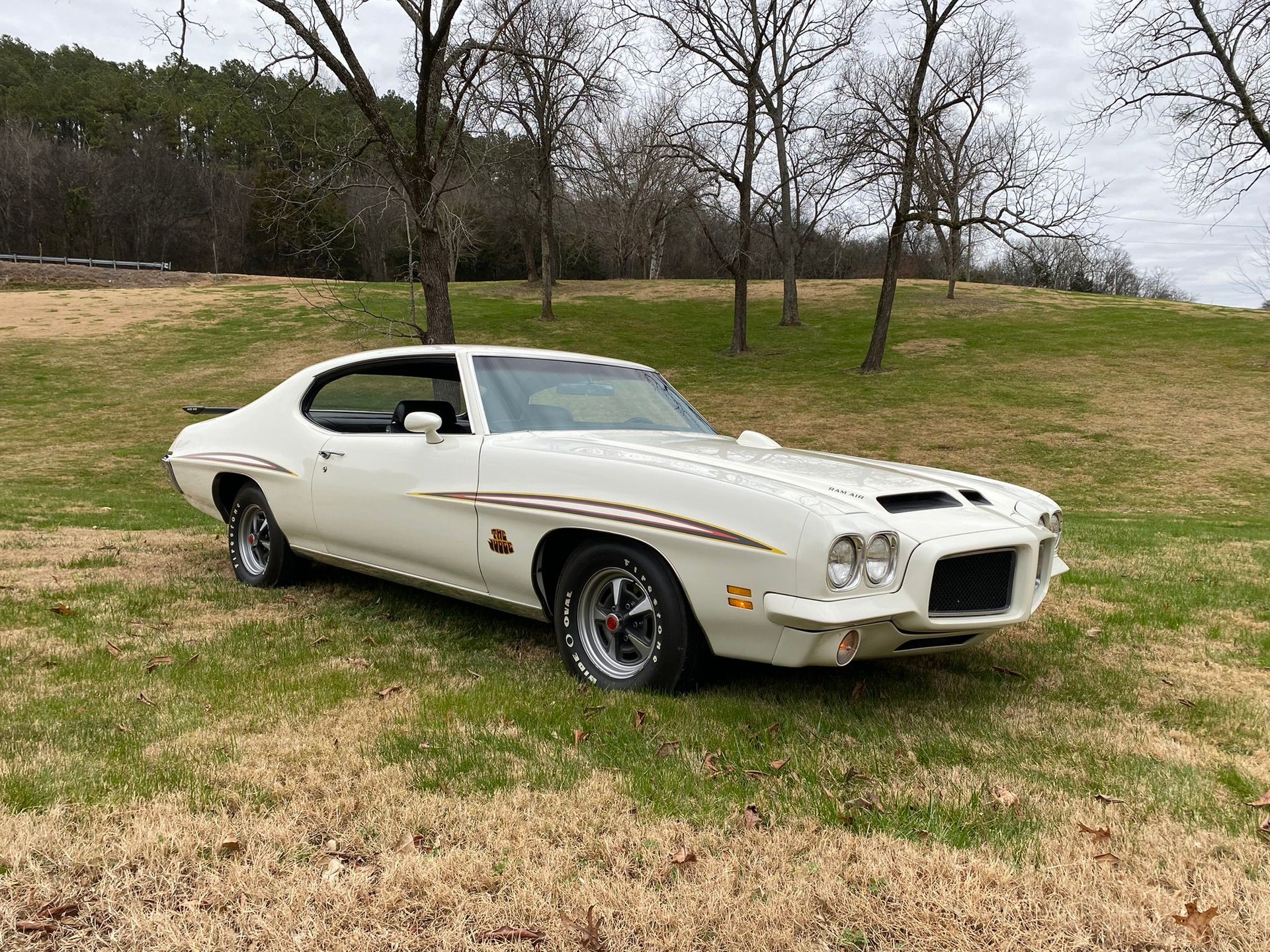
7. 1971 Pontiac GTO Judge
A reputation built on attitude and performance defines the 1971 Pontiac GTO Judge. Arriving during a period of tightening regulations and changing buyer preferences, this model marked one of the final appearances of a legendary nameplate in its original high-performance form. That timing alone has contributed to its growing desirability among collectors.
Under the hood, the GTO Judge offered strong engine options, including high-output V8 configurations that maintained the spirit of earlier muscle cars. While horsepower figures began to decline across the industry, this model still delivered a driving experience that felt energetic and engaging. Enthusiasts appreciate its ability to bridge the gap between earlier high-compression engines and later emissions-controlled designs.
Styling carried forward the bold identity associated with the Judge name. Distinctive graphics, rear spoilers, and unique badging ensured it stood out on the road. These visual elements have aged well, helping the car maintain its appeal across generations of buyers.
Production numbers dropped compared to earlier years, which has increased its rarity. Fewer units mean fewer opportunities for collectors to secure one, especially in original condition. This limited availability has played a major role in pushing prices into premium territory.
Ownership today is as much about preservation as it is about enjoyment. Many buyers seek cars with matching numbers and documented history, viewing them as long-term assets. Auction results often reflect intense competition for these features, with prices reaching levels once reserved for modern high-performance vehicles.
Driving a 1971 GTO Judge still delivers a sense of connection that newer cars struggle to replicate. The combination of sound, feel, and visual presence creates an experience rooted in a different era of automotive design. That authenticity continues to drive demand.
As interest grows, the GTO Judge secures its place among the most valuable muscle cars from the 1970s. Its blend of heritage, style, and performance ensures it remains a sought-after addition to any serious collection.
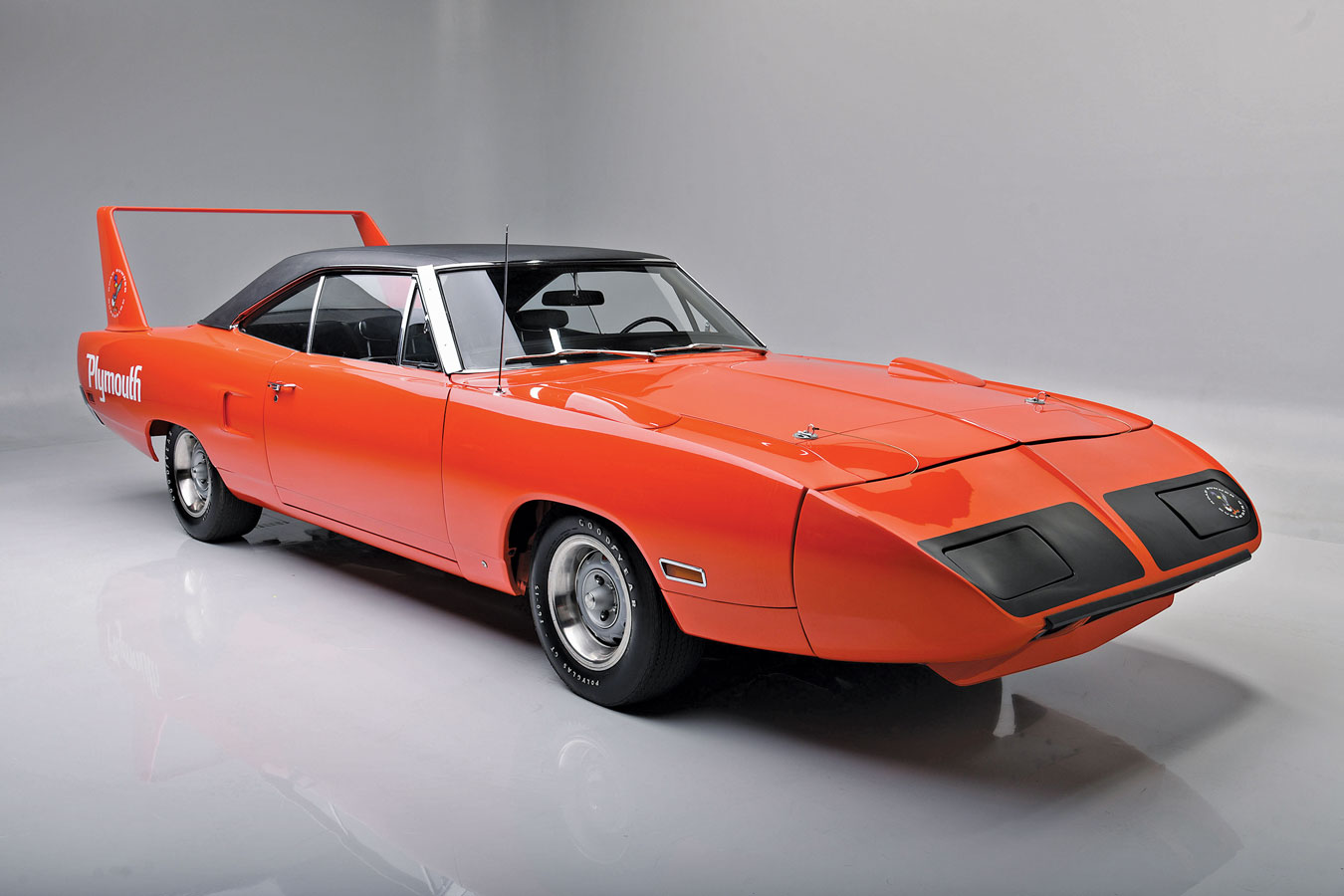
8. 1970 Plymouth Superbird
Few vehicles attract attention quite like the 1970 Plymouth Superbird. Designed with racing goals in mind, this car features one of the most recognizable shapes ever produced, complete with a towering rear wing and an extended nose cone. Those elements were not added for style alone but to improve aerodynamic performance at high speeds.
Powertrain options included strong V8 engines, with the range-topping versions delivering performance that matched the car’s bold appearance. Drivers could experience impressive straight-line speed along with stability that benefited from its aerodynamic design. This combination set the Superbird apart from traditional muscle cars of its time.
Production numbers remained relatively low due to its specialized purpose. Many dealerships initially struggled to sell these cars, which makes their current value even more remarkable. What was once considered unusual has now become highly desirable among collectors seeking something truly distinctive.
Restoration quality plays a major role in determining value. Authenticity is critical, with buyers placing strong emphasis on original parts, correct finishes, and verified history. Cars that meet these standards often achieve auction results that rival exotic performance vehicles.
Beyond its technical aspects, the Superbird carries cultural weight. Its association with motorsports and its striking design have cemented its place in automotive history. Owning one is about more than performance; it represents a connection to a period when manufacturers pushed creative boundaries.
Interest continues to grow as collectors recognize its uniqueness. The combination of rarity, engineering purpose, and visual impact has created a car that stands apart in any setting. Prices reflect this demand, placing the Superbird firmly in the category of high-value collectibles.
Also Read: 10 Muscle Cars That Combine Reliability With Real Performance
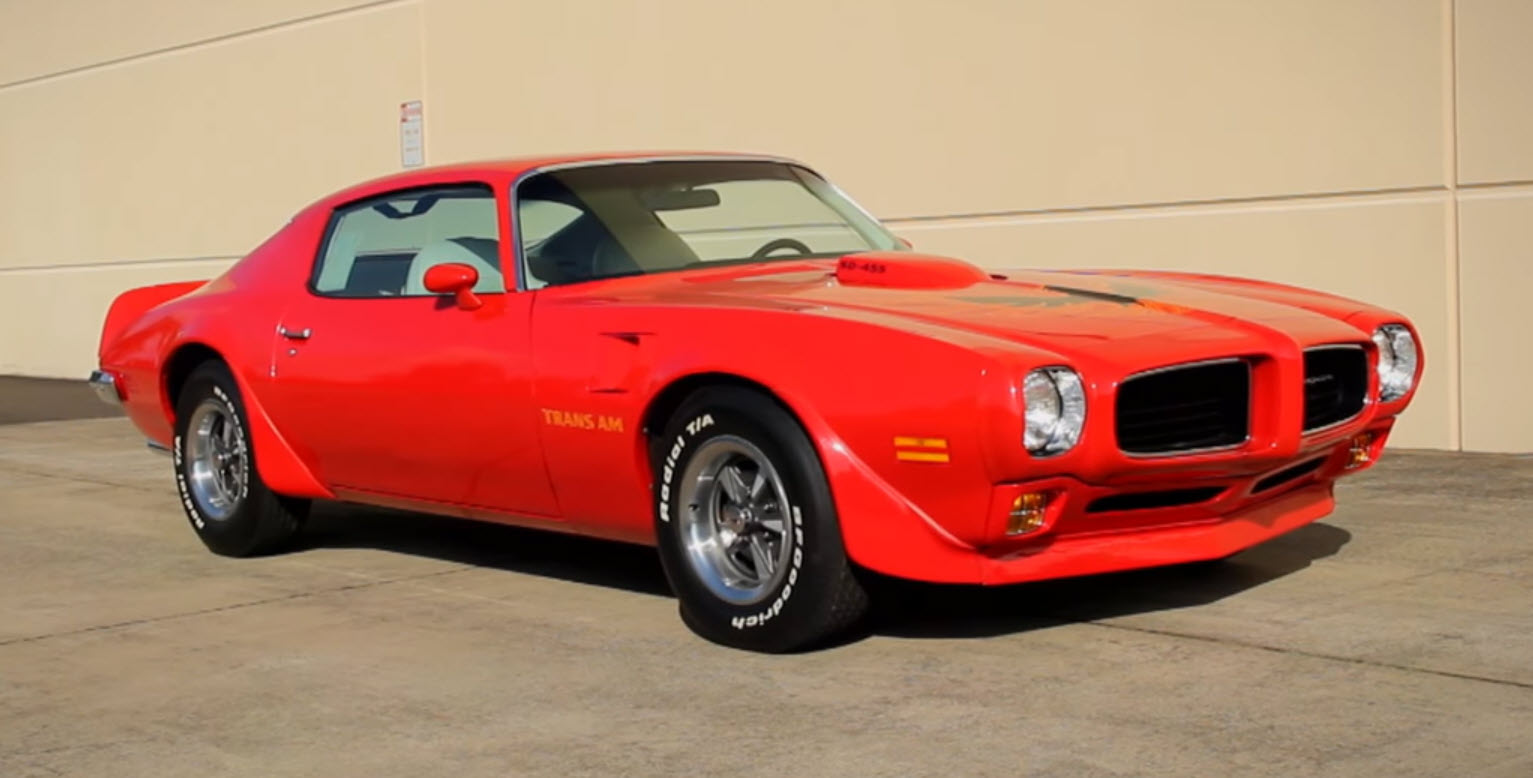
9. 1973 Pontiac Firebird Trans Am SD-455
Begin with a period when performance faced increasing restrictions, and the 1973 Pontiac Firebird Trans Am SD-455 emerges as a rare exception. This model carried one of the last high-performance engines of the early 1970s, offering strength and durability at a time when many competitors were scaling back.
The Super Duty 455 engine delivered robust power, supported by heavy-duty internal components designed to handle stress. Engineers focused on building an engine that could maintain performance while meeting new regulatory standards. That effort resulted in a car that feels both strong and dependable.
Exterior design reflects the bold styling associated with the Trans Am name. Wide body lines, functional hood scoops, and distinctive graphics create a look that remains appealing decades later. This visual identity has helped sustain interest among collectors.
Production numbers were limited, partly due to changing market conditions. This scarcity has had a direct impact on current values, with well-maintained examples becoming increasingly difficult to find. Buyers often seek vehicles with original parts and documented history, which adds to their appeal.
Inside, the cabin offers a blend of comfort and driver-focused design. While not as luxurious as some competitors, it provides a functional space that supports the driving experience. Attention to detail in restoration can greatly influence market value.
Auction results show strong demand for the SD-455, especially among those who understand its place in automotive history. It represents one of the final expressions of traditional muscle car engineering before major changes reshaped the industry.
Owning a 1973 Trans Am SD-455 offers more than performance. It provides a connection to a transitional period, where innovation met limitation. That story continues to attract buyers willing to invest at a high level, ensuring its status as a valuable collectible.
