Car camping has become one of the fastest growing outdoor travel trends in the United States, especially among people who want to explore national parks, road trips, and off-grid destinations without investing in full RV setups.
The idea is simple but powerful: turn your SUV into a temporary sleeping and storage space that supports mobility, comfort, and adventure at the same time. However, not all SUVs are equally suited for this lifestyle. One of the most important features for car camping is the ability to create a flat sleeping platform by folding down the rear seats.
Without a flat load floor, sleeping inside the vehicle becomes uncomfortable, impractical, or sometimes even impossible without additional modifications like foam pads or custom platforms.
In recent years, manufacturers have significantly improved interior flexibility in SUVs, especially in models designed for families, outdoor enthusiasts, and overlanding users. Many modern SUVs offer fold-flat or near-flat seating configurations that allow users to create a continuous cargo space extending from the rear hatch to the front seats.
Vehicles like the Subaru Outback and Honda CR-V are widely praised in camping communities for their practical interior layouts, while larger three-row SUVs like the Toyota Highlander or Chevrolet Traverse provide massive cargo capacities when seats are folded.
At the same time, not all SUVs deliver on the promise of a flat sleeping surface. Some models, especially those with higher cargo floors or poorly designed seat folding mechanisms, leave noticeable slopes, gaps, or uneven steps between folded seats and the trunk floor.
These design limitations make them less suitable for car camping without aftermarket solutions. In some cases, even premium SUVs marketed as “versatile” still fail to provide a truly level surface, which is a major drawback for outdoor travelers who value convenience and comfort.
Understanding the difference between practical camping SUVs and those that fall short is essential before purchasing a vehicle for travel or adventure use. This article compares five of the best SUVs for car camping in the USA that offer flat or near-flat folding seats, against five SUVs that do not provide a proper flat-folding seat configuration.
The goal is to help you make an informed decision whether your priority is weekend camping trips, long-distance road travel, or building a budget-friendly overlanding setup. By the end, you will clearly understand which SUVs support a comfortable sleeping platform and which ones may require compromises.
5 Best SUVs for Car Camping in the USA
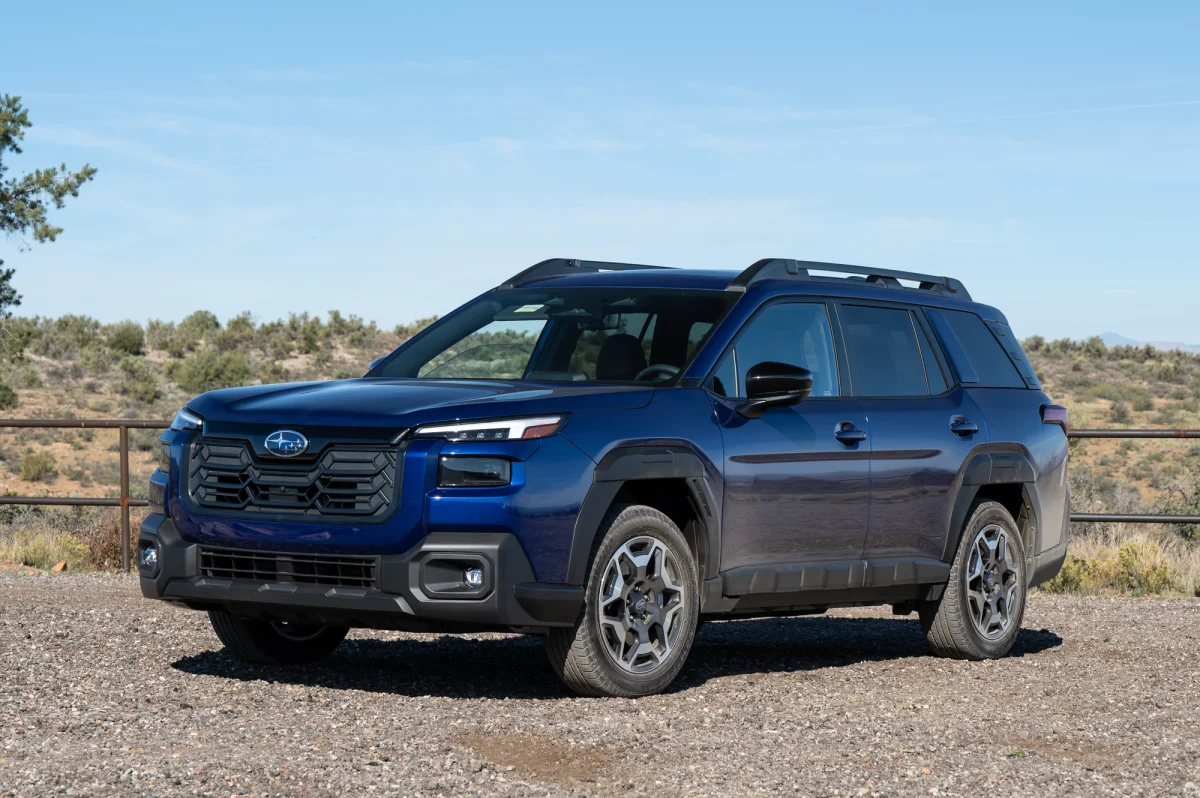
1. Subaru Outback
The Subaru Outback is widely regarded as one of the most dependable and thoughtfully designed vehicles for car camping in the United States. Although it sits in a crossover category rather than a traditional SUV segment, its layout, ground clearance, and interior practicality make it a favorite among outdoor travelers.
One of its strongest advantages is the nearly flat folding rear seat design, which creates a long and uninterrupted sleeping platform when the seats are lowered. This flatness is a major benefit because it reduces the need for custom wooden platforms or complicated leveling setups that many other vehicles require.
Beyond the sleeping surface, the Outback excels in interior usability. The cargo area is long enough for most adults to stretch out comfortably, especially when paired with a simple foam mattress or inflatable sleeping pad.
The floor height is relatively low compared to larger SUVs, which makes it easier to climb in and out during the night. This matters a lot during camping trips where you may be frequently accessing gear or dealing with temperature changes that require adjustments to sleeping arrangements.
Another major advantage is Subaru’s standard all wheel drive system, which is known for its reliability in snow, mud, and gravel roads.
This makes the Outback especially valuable for reaching remote campsites, forest roads, and national park locations where pavement ends. Combined with decent ground clearance, it gives campers confidence to explore more rugged destinations without needing a full off-road vehicle.
Storage design is another strong point. The Outback includes smart compartments under the cargo floor and side pockets that help separate camping gear from sleeping space. This makes organization much easier on long trips, especially when you are carrying cooking equipment, recovery tools, or hiking supplies. The ability to keep the sleeping area clear while still storing essential items is one of its most underrated strengths.
Finally, fuel efficiency plays a big role in why the Outback is so popular among long-distance travelers. Compared to heavier SUVs, it delivers significantly better mileage, which reduces travel costs over multi-day or multi-week road trips. When you combine efficiency, comfort, reliability, and a flat sleeping setup, the Subaru Outback stands out as one of the most balanced and practical car camping vehicles in the USA.
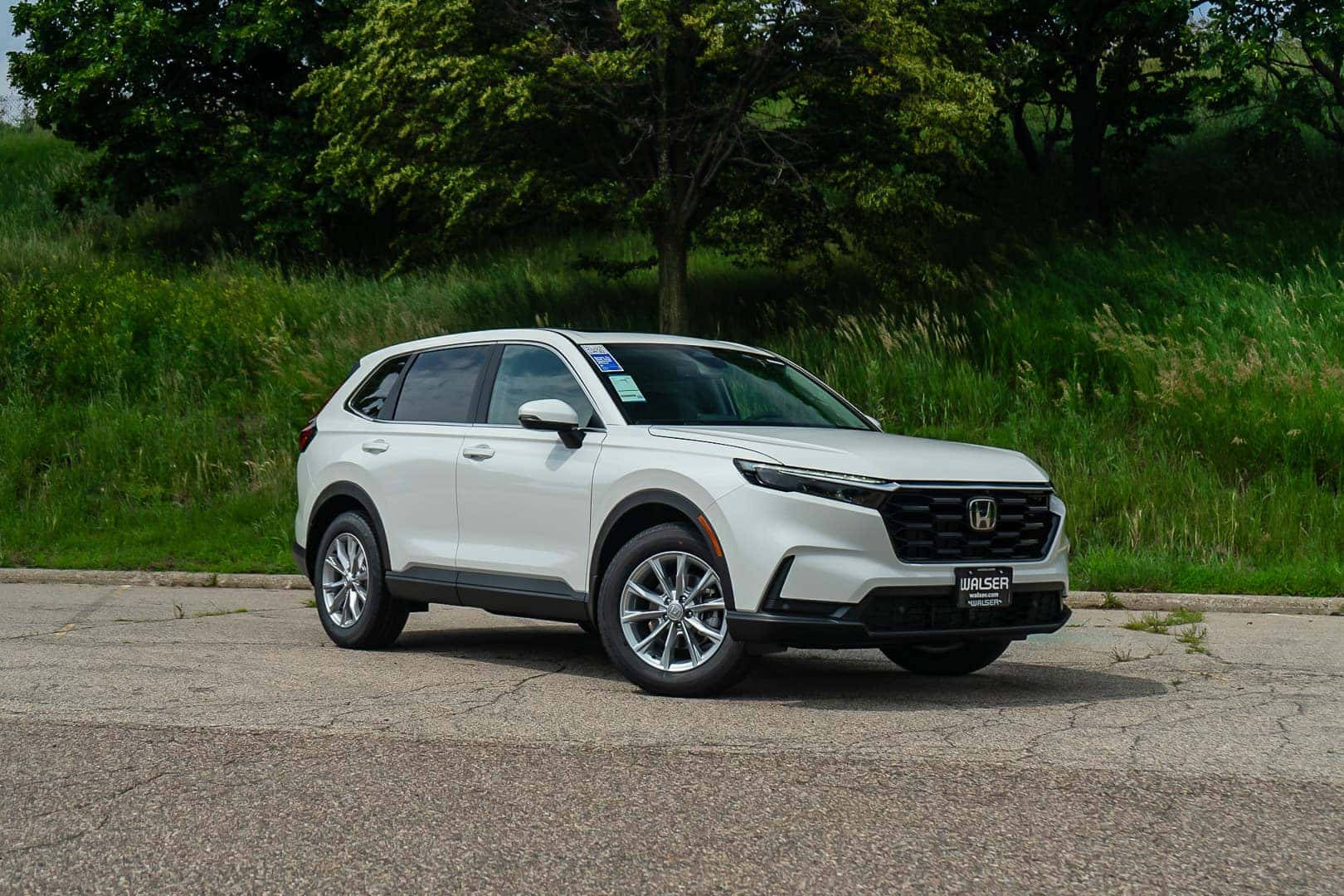
2. Honda CR-V
The Honda CR-V has built a strong reputation as one of the most practical compact SUVs in North America, and its car camping capabilities are a major reason for its popularity. One of its standout features is the way the rear seats fold almost completely flat into a recessed cargo floor, creating a smooth and mostly level sleeping surface. This design minimizes discomfort and makes it one of the easiest SUVs to convert into a temporary sleeping space without modifications.
Inside the CR-V, space efficiency is excellent for a compact SUV. When the seats are folded, the cargo area becomes surprisingly spacious, allowing an average adult to stretch out fully with a sleeping pad or inflatable mattress.
The square-shaped layout of the cargo hold also helps maximize usable space, making it easier to store camping gear such as backpacks, coolers, and cooking equipment alongside sleeping arrangements.
Another important factor is Honda’s long standing reputation for reliability. The CR-V is known for lasting well over 200,000 miles with proper maintenance, which makes it ideal for travelers planning frequent road trips or extended camping seasons. This dependability reduces the risk of breakdowns in remote areas, where repair options may be limited.
Comfort also plays a role in its camping appeal. The suspension is tuned for smooth highway driving, which reduces fatigue during long road journeys between campsites. Combined with good cabin insulation, it helps maintain a quiet and stable interior environment even when parked in windy or rainy conditions.
While the CR-V is not a full size SUV, it strikes a strong balance between practicality and efficiency. Its only minor limitation is that the cargo floor may have a slight incline depending on model year, but this can easily be corrected with a simple foam leveling pad.
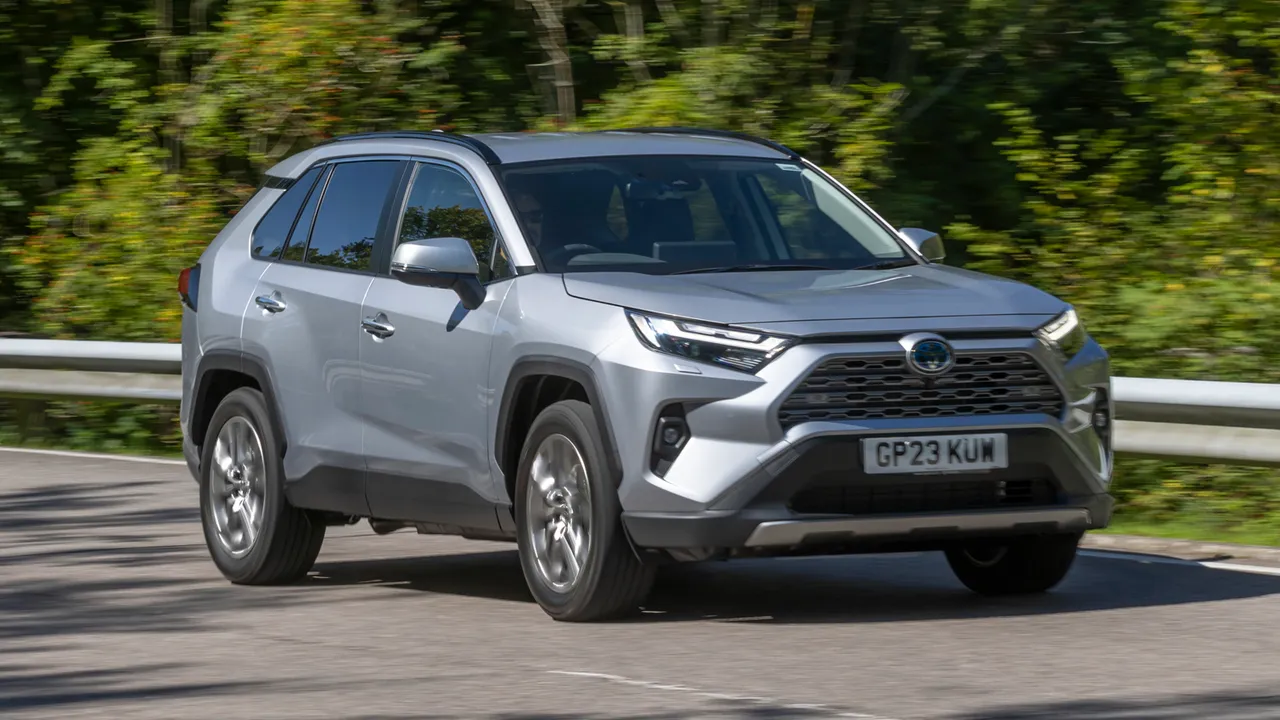
3. Toyota RAV4
The Toyota RAV4 is one of the most popular SUVs in the United States, and its versatility makes it a strong choice for car camping. Its rear seats fold down to create a mostly flat cargo area that works well for sleeping setups, especially when paired with a camping mattress. While not perfectly flat in every trim, the difference is small enough that most campers can easily adjust with padding or gear organization.
One of the biggest strengths of the RAV4 is its durability and off-road capability. Especially in Adventure and TRD Off Road trims, the SUV is designed to handle dirt roads, gravel trails, and uneven terrain that often lead to remote camping spots. This expands the range of places you can comfortably explore without worrying about vehicle limitations.
The RAV4 also stands out for its fuel efficiency, particularly in hybrid versions. This is a major advantage for long road trips, as it significantly reduces fuel costs while still providing enough power for highway driving and light off-road use. The hybrid system also allows quieter engine operation when parked, which can be useful in campsites where noise reduction is appreciated.
Interior storage is another strong point. The cargo space is deep and wide enough to accommodate camping essentials such as sleeping gear, cooking kits, and outdoor equipment. The rear hatch opening is also large, making it easy to load and unload bulky items without difficulty.
The Toyota RAV4 is a well rounded camping SUV that combines efficiency, reliability, and moderate off-road capability. While it may not offer the flattest sleeping surface in its class, its balance of features makes it one of the most practical and widely used camping SUVs in the country.
4. Hyundai Santa Fe
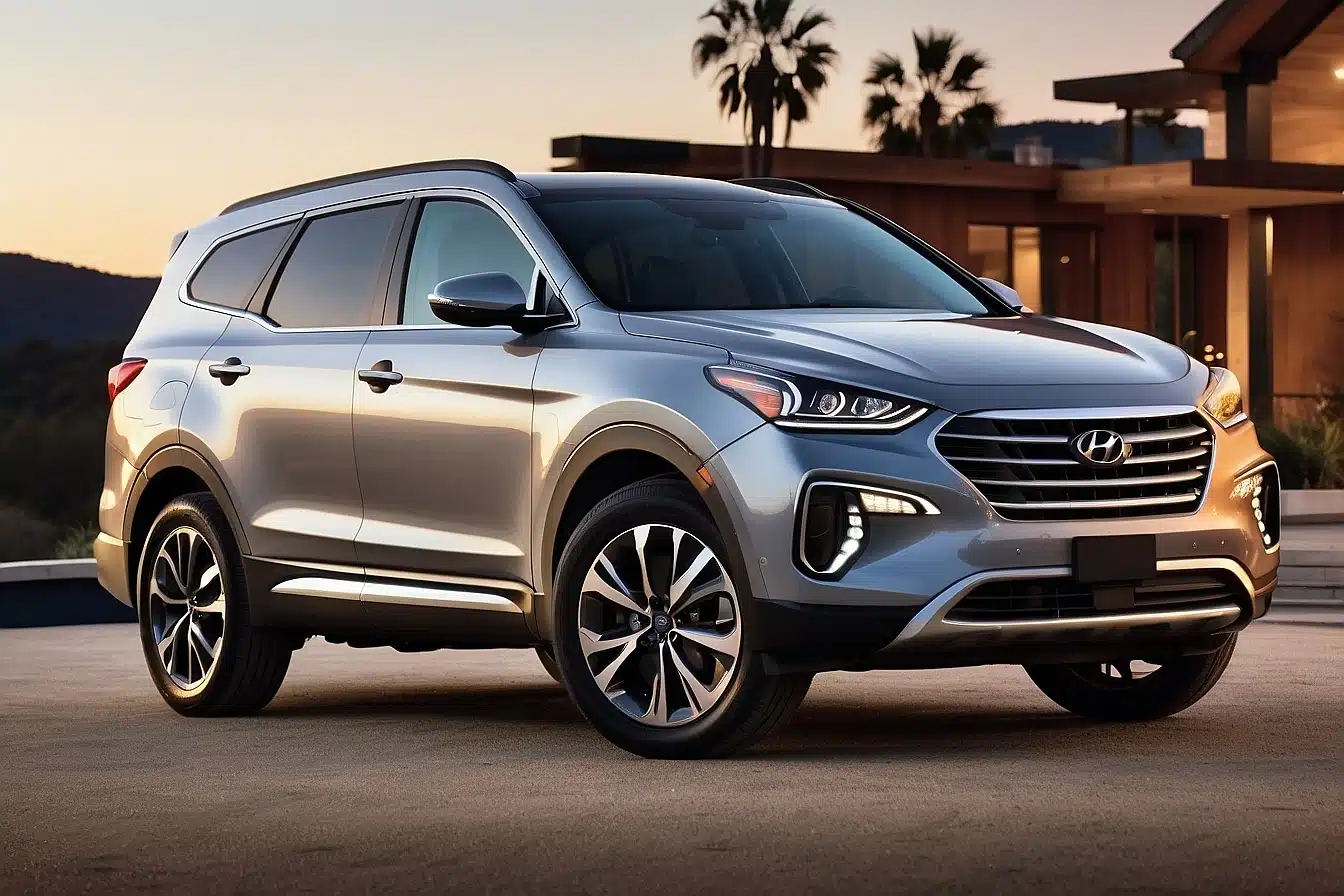
The Hyundai Santa Fe is a midsize SUV that has become increasingly popular among budget conscious campers due to its comfortable interior and practical folding seat design. When the rear seats are folded down, they create a relatively flat surface that works well for sleeping arrangements, especially when combined with a foam mattress or inflatable pad. This makes it suitable for both solo travelers and couples looking for a cost effective camping vehicle.
One of the most noticeable advantages of the Santa Fe is its interior comfort. The cabin is designed with soft touch materials, supportive seating, and a user friendly layout that makes long trips more enjoyable. This comfort translates well into camping scenarios, especially when spending extended time inside the vehicle during bad weather or overnight stays.
Cargo space is another strong feature. The Santa Fe provides a wide and tall storage area that becomes quite usable when the seats are folded. The flat loading floor allows campers to organize gear efficiently while still leaving enough room for sleeping. This flexibility is particularly useful for multi day trips where packing efficiency is important.
In terms of technology, the Santa Fe comes equipped with modern safety and driver assistance features such as lane keeping assist, adaptive cruise control, and blind spot monitoring. These systems are valuable for long highway drives to camping destinations, helping reduce fatigue and improve safety.
Although it is not specifically designed as an overlanding SUV, the Santa Fe performs very well for casual and semi frequent camping use. It offers a strong combination of comfort, space, and affordability, making it one of the more balanced options in the midsize SUV category.
5. Chevrolet Traverse
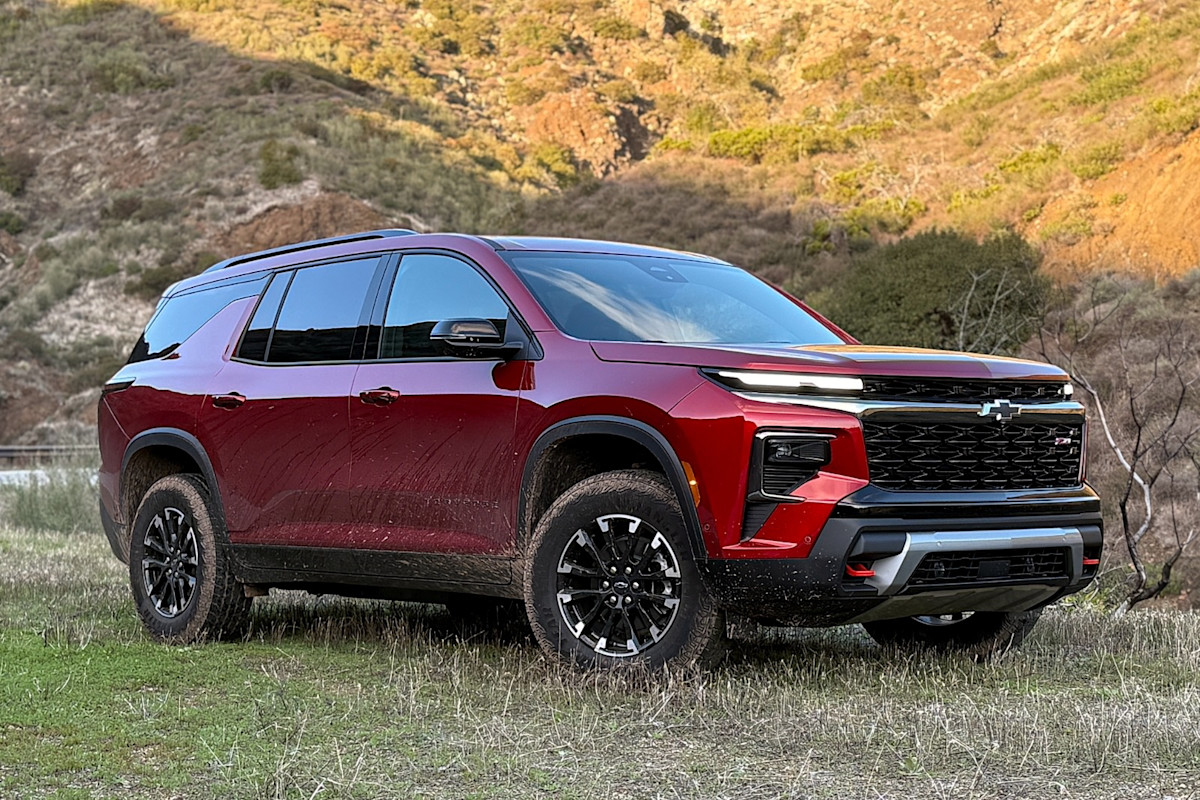
The Chevrolet Traverse is one of the largest mainstream SUVs available in the United States, and its size makes it extremely well suited for car camping. When both the second and third rows are folded down, it creates a massive flat cargo area that resembles a small van more than a traditional SUV. This allows for a full sleeping setup with plenty of room to stretch out comfortably.
The biggest advantage of the Traverse is its interior space. Very few SUVs in its price range can match the sheer volume of usable cargo area. This makes it ideal for families or groups who want to camp together inside the vehicle or carry large amounts of gear without compromising sleeping comfort.
Another benefit is its long distance driving comfort. The Traverse is designed for highway stability, with a smooth suspension system that reduces road vibration and improves ride quality. This is especially useful on long road trips where comfort becomes just as important as sleeping arrangements.
However, the tradeoff for this size is fuel efficiency. The Traverse consumes more fuel compared to compact SUVs, which can increase travel costs over time. Despite this, many campers consider the extra space worth the tradeoff, especially for group travel or extended trips.
5 SUVs Without Flat-Folding Seats
1. Mazda CX-5
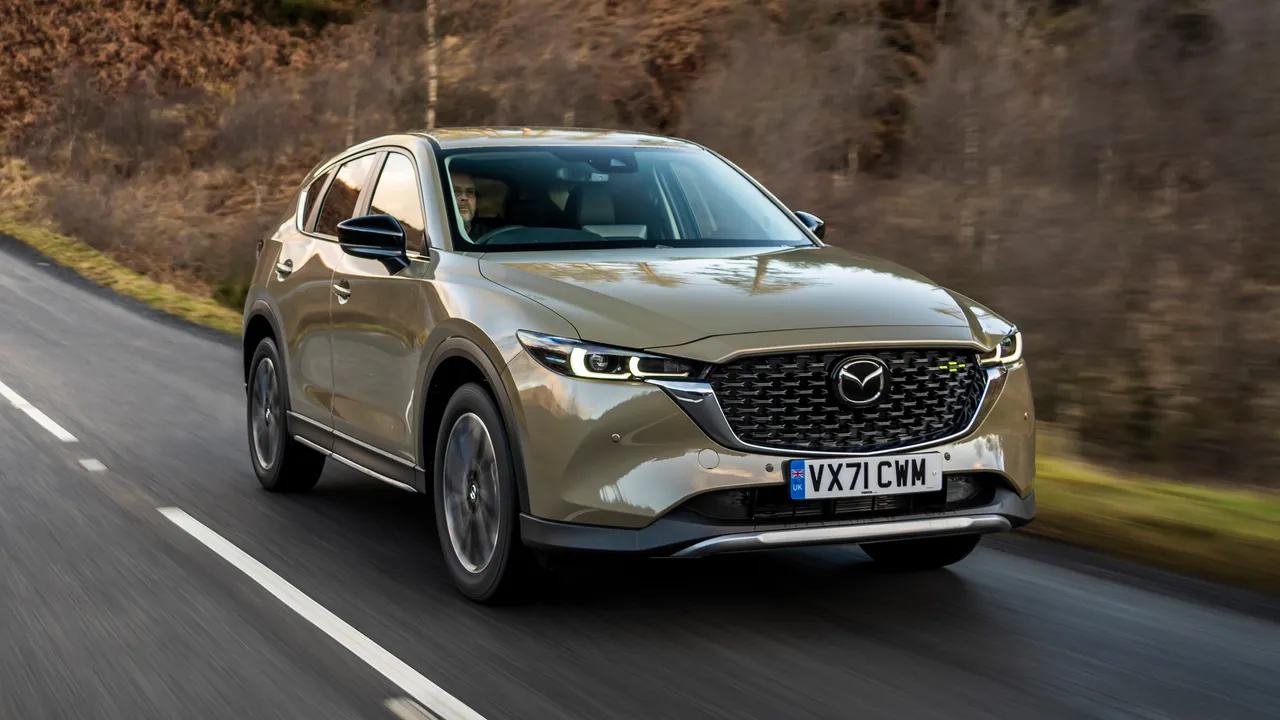
The Mazda CX-5 is widely praised for its premium interior design, sharp driving dynamics, and upscale feel in the compact SUV segment. However, when it comes to car camping, it falls short primarily due to its lack of a truly flat folding rear seat configuration. While the rear seats do fold down, they create a noticeable incline rather than a level sleeping surface, which makes overnight rest inside the vehicle less comfortable compared to more camping-friendly SUVs.
This uneven cargo floor becomes a real issue when trying to sleep without modifications. Campers often find themselves sliding slightly downward toward the trunk area unless they use additional foam padding or custom leveling platforms. Even with these adjustments, the sloped angle cannot be fully eliminated, which reduces sleep quality during multi-night trips.
Another limitation is the relatively compact cargo area. While the CX-5 offers enough space for groceries, luggage, or day hiking gear, it is not optimized for full-length sleeping setups for taller individuals. Most users will struggle to stretch out fully without their feet or head pressing against the interior panels, especially when trying to sleep with a second person inside the vehicle.
The design priority of the CX-5 leans heavily toward driving enjoyment rather than utility. Its suspension tuning, steering response, and cabin refinement are all aimed at delivering a premium urban driving experience. While this makes it enjoyable for daily commuting and road travel, it does not translate well into the functional needs of car camping enthusiasts.
The Mazda CX-5 is an excellent SUV for city use and short trips, but it is not designed for extended camping stays inside the vehicle. Its sloped cargo floor and limited sleeping space make it a less practical choice for anyone prioritizing overnight comfort on the road.
2. Jeep Compass
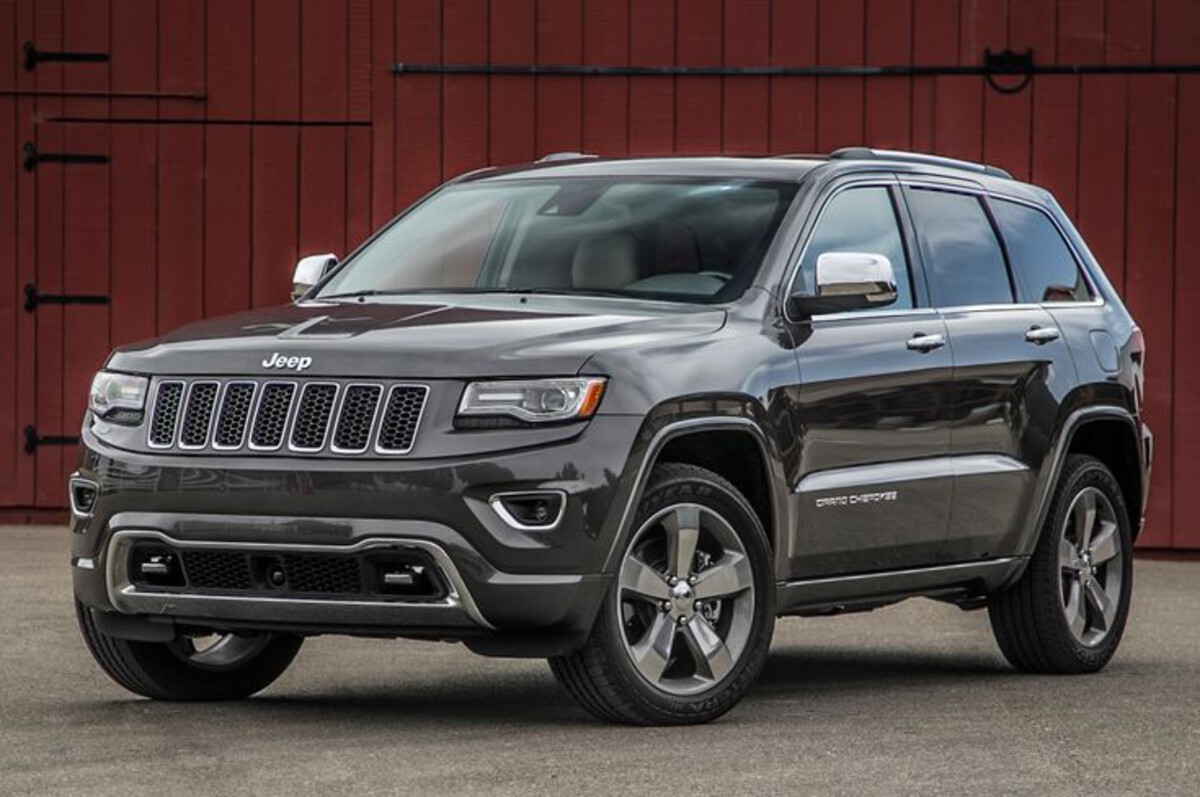
The Jeep Compass carries the strong off-road branding associated with the Jeep name, but its interior layout does not fully support practical car camping use. Although the rear seats fold down, they do not create a flat or continuous sleeping surface. Instead, there are noticeable gaps and uneven sections that make it difficult to lie down comfortably without additional setup or modifications.
One of the biggest challenges with the Compass is that its cargo floor is relatively short and segmented. This means that even when seats are folded, there are interruptions in the surface that affect sleeping posture. Campers often need to bring inflatable mattresses with built-in leveling support or create makeshift platforms to compensate for these inconsistencies.
While the vehicle is capable of handling rough terrain and light off-road trails, which can be useful for reaching remote camping spots, the interior design does not match its exterior rugged image. The disconnect between off-road capability and interior practicality is one of its biggest weaknesses for overlanding or extended camping use.
Space limitations also become noticeable when storing gear alongside a sleeping setup. The Compass is a compact SUV, which means cargo capacity is limited compared to midsize or larger SUVs. This makes it challenging to balance sleeping space with essential camping equipment like cooking gear, water storage, and backpacks.
The Jeep Compass is better suited for short adventure drives rather than full car camping experiences. While it can reach campsites in rough environments, it does not provide the flat, comfortable sleeping surface needed for extended overnight stays inside the vehicle.
3. BMW X3
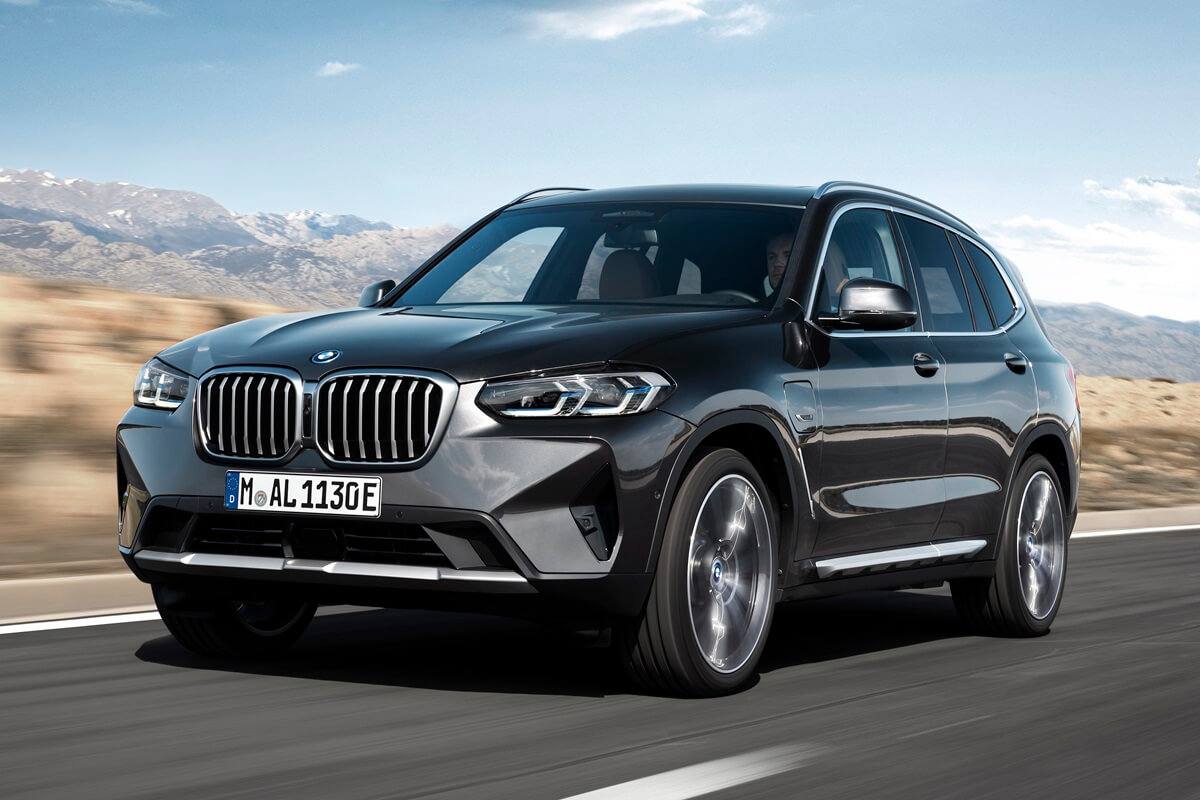
The BMW X3 is a luxury compact SUV designed with a strong emphasis on performance, comfort, and premium driving experience. However, these priorities come at the cost of practical camping usability. While the rear seats do fold down, they do not create a fully flat surface, leaving a noticeable incline that affects sleeping comfort inside the vehicle.
This slope in the cargo area is one of the main reasons the X3 is not favored by car camping enthusiasts. Even when using sleeping pads or inflatable mattresses, the angled surface can cause discomfort over time, especially during longer stays. The lack of a level sleeping platform makes it less suitable for users planning multiple nights inside the vehicle.
Another limitation is cargo space efficiency. Although the X3 offers decent storage for its class, it is not designed to maximize flat utility space. The interior is shaped to prioritize passenger comfort and luxury styling rather than modular sleeping arrangements, which reduces its flexibility for outdoor travel use.
The suspension and driving dynamics of the X3 are tuned for sporty handling and smooth highway performance. While this makes it enjoyable to drive, it does not necessarily translate into the kind of rugged practicality needed for camping environments where space optimization is more important than driving feel.
The BMW X3 is an excellent luxury SUV for commuting and long-distance road travel, but it is not designed for sleeping inside the vehicle. Its sloped cargo floor and limited camping adaptability make it a poor choice for serious car camping setups.
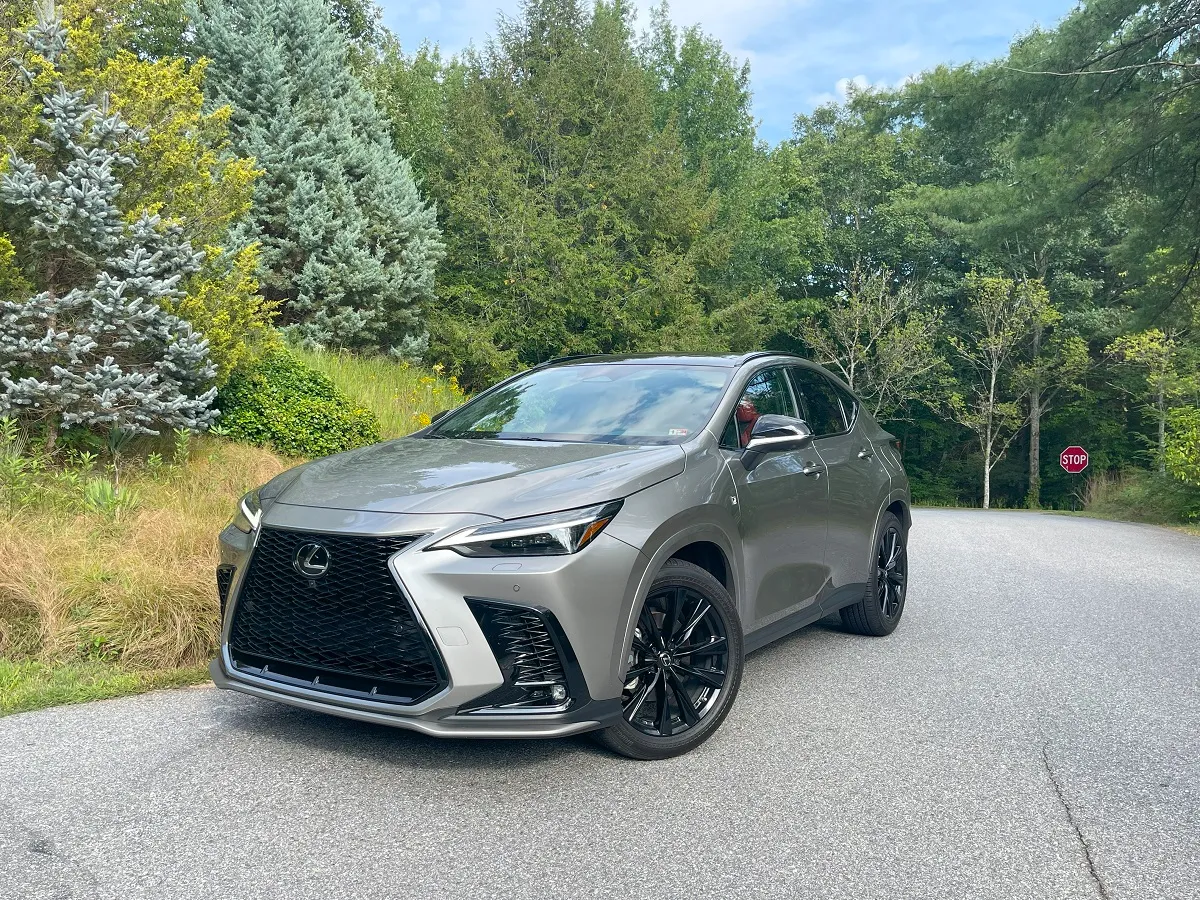
4. Lexus NX
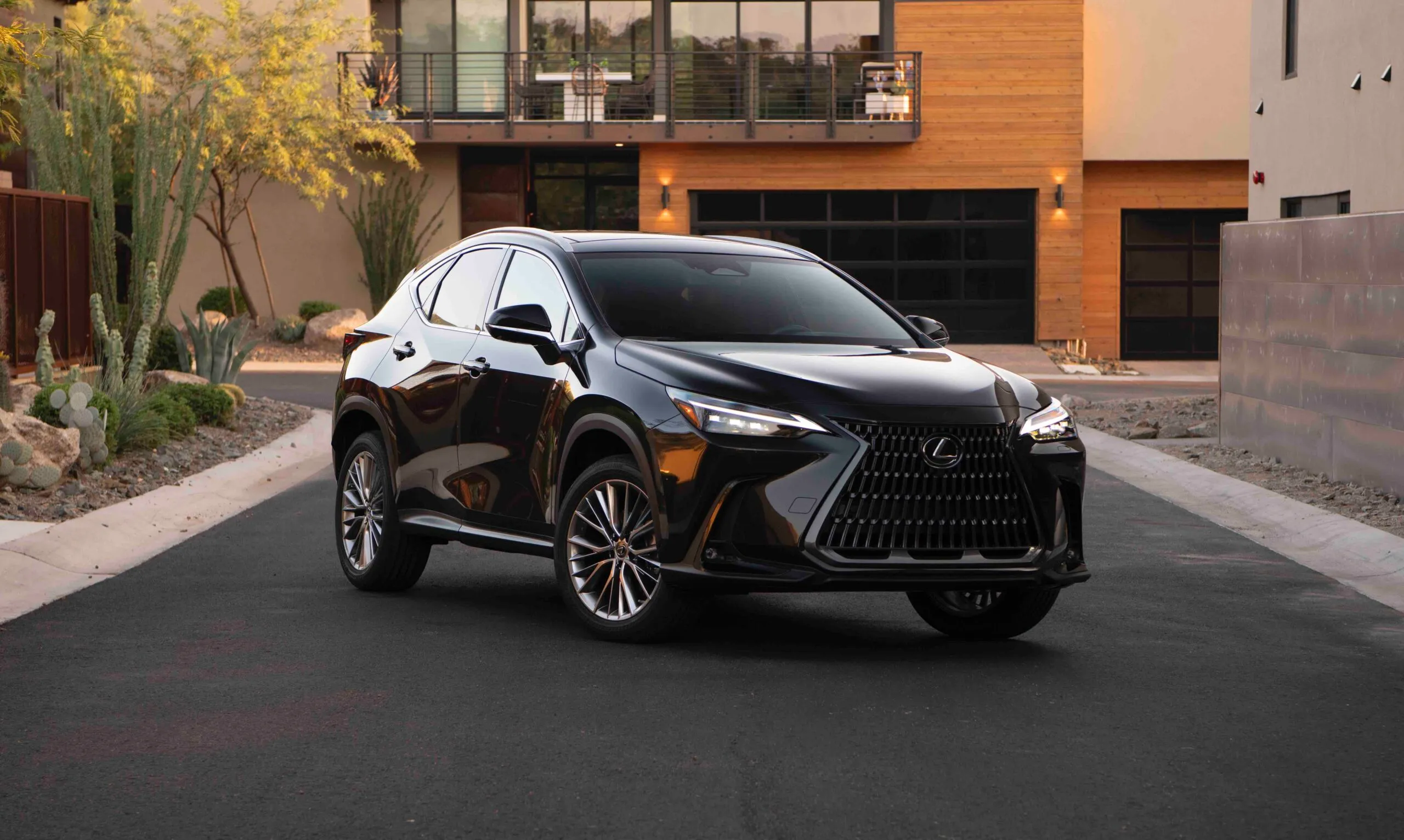
The Lexus NX is a compact luxury SUV that focuses heavily on comfort, hybrid efficiency, and refined interior design. While it performs well in urban and highway environments, it does not offer a flat-folding seat system that supports practical car camping. The rear seats fold down, but the resulting surface is uneven and stepped, making it unsuitable for comfortable overnight sleeping without modifications.
This stepped cargo design creates multiple height levels within the trunk area, which can be problematic when laying down a mattress or sleeping pad. Campers often find themselves needing additional support layers or custom platforms to create a usable sleeping surface, which adds complexity to what should ideally be a simple setup.
Cargo space in the Lexus NX is also somewhat limited compared to non-luxury midsize SUVs. While it is sufficient for everyday use, grocery storage, or short trips, it becomes restrictive when trying to combine sleeping arrangements with camping gear. This makes it less flexible for extended outdoor travel.
The NX prioritizes luxury features such as advanced infotainment systems, high-quality materials, and quiet cabin insulation. These features enhance comfort during driving but do not contribute to camping functionality. The design philosophy clearly focuses on premium urban mobility rather than outdoor versatility.
The Lexus NX is a refined and efficient SUV for daily driving and luxury travel, but its stepped cargo floor and limited storage adaptability make it a weak option for car camping purposes.
5. Audi Q3
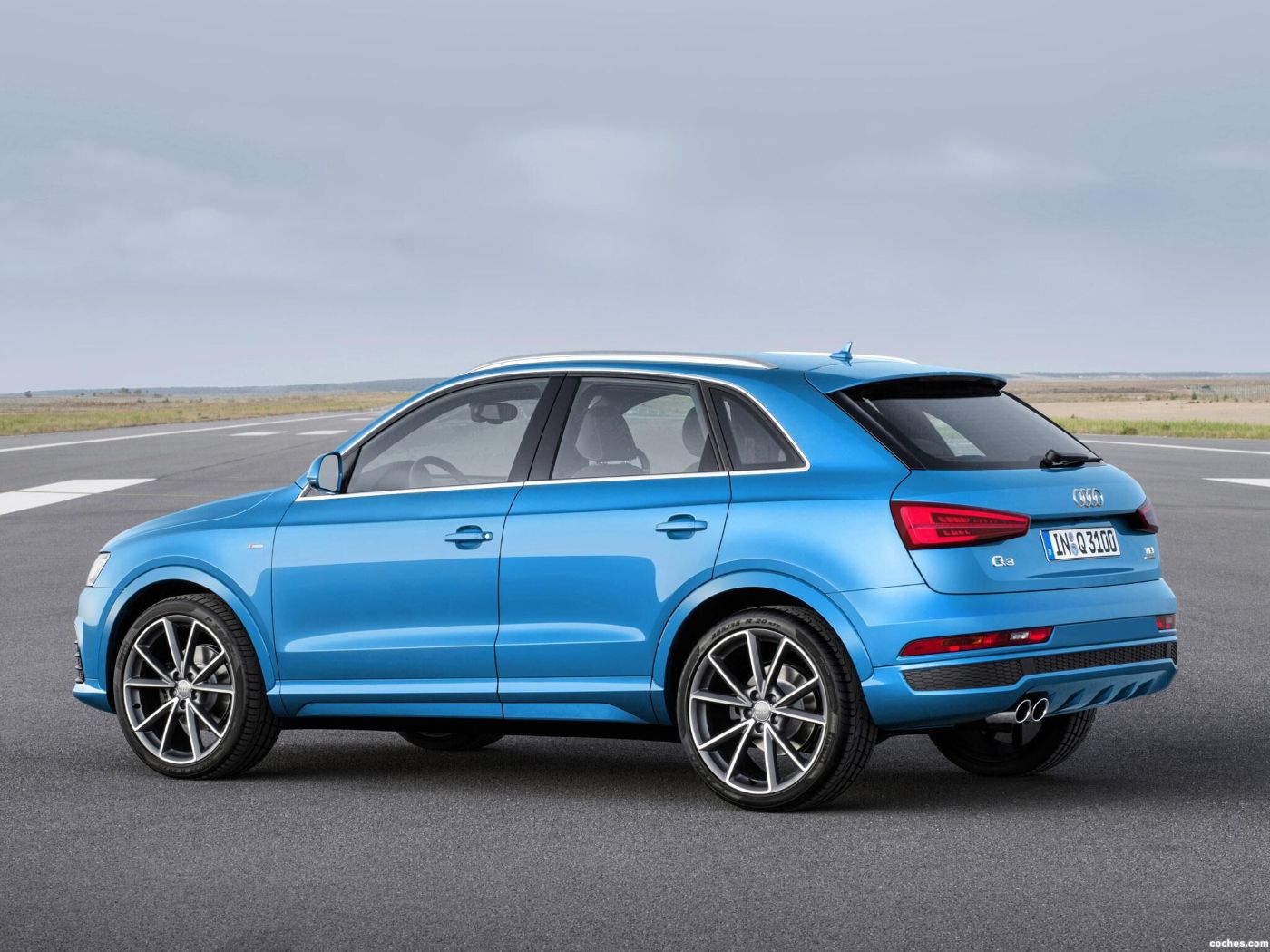
The Audi Q3 is a compact luxury SUV that emphasizes style, technology, and driving comfort rather than utility or camping practicality. While its rear seats can be folded down, the resulting cargo floor is not flat, and there is a noticeable incline that reduces its effectiveness as a sleeping surface inside the vehicle.
This uneven layout makes it difficult to sleep comfortably without additional equipment. Campers often need to rely on thick foam mattresses or customized leveling systems to reduce the slope, but even then, the experience is not as stable or comfortable as in SUVs designed with flat cargo floors.
The Q3 also has limited interior space compared to larger SUVs, which restricts full-body sleeping arrangements for taller individuals. Even when sleeping diagonally or using compact bedding setups, space can feel tight, especially if any camping gear is stored inside the vehicle overnight.
Another factor is its design focus on luxury urban driving. The Audi Q3 is engineered to provide smooth handling, advanced technology features, and a premium cabin experience. While these aspects make it a strong city vehicle, they do not contribute to the flexibility required for outdoor sleeping setups.
The Audi Q3 is best suited for drivers who prioritize luxury and compact maneuverability. For car camping, however, its sloped cargo floor and restricted interior space make it one of the less practical SUV options available.