In American car culture, some classics are impossible to ignore, while others are impossible to find without turning heads. This contrast defines the story of “6 Head-Turning Classics In the USA vs. 6 That Everyone Already Owns.”
On one side are rare, unconventional, or highly distinctive machines like the AMC Javelin, BMW Isetta, and Plymouth Hemi ’Cuda Convertible, cars that stand out for their design, engineering, or scarcity.
On the other side are deeply embedded icons like the Ford Mustang, Volkswagen Beetle, and Chevrolet Impala, vehicles so widely produced and culturally significant that they became part of everyday American life.
Together, they reveal two sides of automotive history: exclusivity versus ubiquity, collector rarity versus mass accessibility. This comparison highlights how some cars became museum-worthy conversation pieces, while others became household names still seen on roads, at shows, and in garages across generations.
6 Head-Turning Classics In the USA
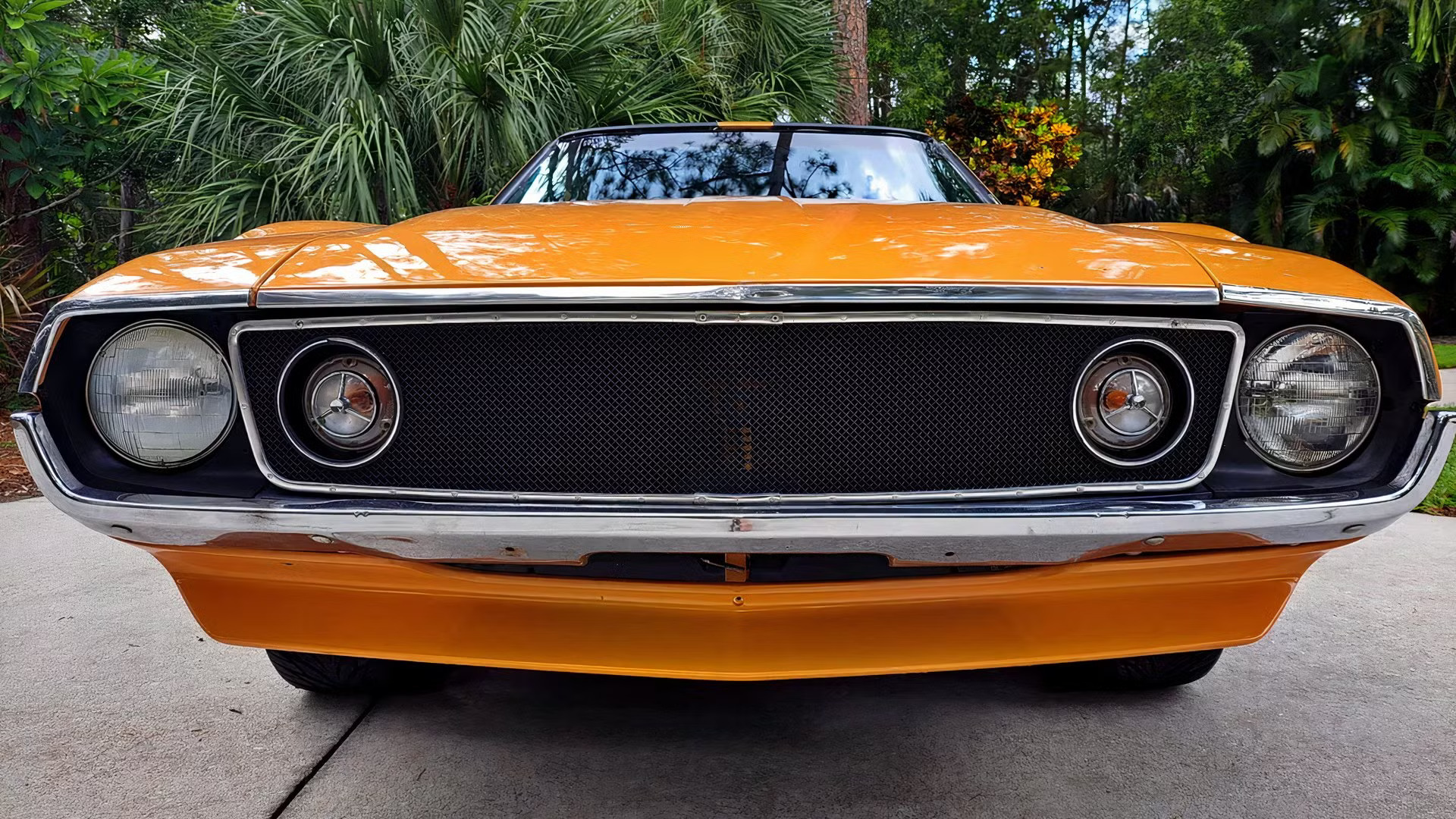
1. 1971–1974 AMC Javelin: The Underdog Trans-Am Muscle Icon
The second-generation AMC Javelin (1971–1974) was a bold American pony car designed by Richard Teague to challenge the Ford Mustang and Chevrolet Camaro with aggressive styling, racing credibility, and strong V8 performance. Its wide stance, flared fender blisters, integrated rear spoiler, and sculpted bodywork gave it a distinctive “humpster” look that stood apart from mainstream competitors.
Inside, the cockpit-style dashboard and driver-focused layout reinforced its jet-inspired, performance-oriented character. Performance models, especially the AMX and Go Package versions, were powered by a 401 cubic-inch V8 producing around 330 horsepower and 430 lb-ft of torque.
This allowed 0–60 mph times in roughly 6–7 seconds, making it competitive with many big-block muscle cars of the era. AMC’s partnership with Roger Penske and Mark Donohue brought major success in SCCA Trans-Am racing, including championships in 1971 and 1972. These victories heavily influenced the street cars, giving them authentic track-derived styling and engineering credibility.
Compared to rivals, production numbers were relatively low, making surviving examples rarer and more collectible today. Special factory options like “Big Bad” bright paint colors and the Pierre Cardin interior added eccentric, highly distinctive flair. Despite its strengths, the Javelin struggled commercially due to AMC’s smaller budget and the dominance of the Big Three manufacturers.
Today, it is widely regarded as an underrated classic that combines muscle, rarity, and motorsport heritage. Driving experience was praised for its low seating position, strong midrange torque, and balanced handling that made it enjoyable on both street and track use.
However, common issues included rust in cowl areas, aging dashboard materials, and limited aftermarket parts availability compared to Ford and Chevrolet rivals. Today, collectors highly value well-preserved AMX and 401 models, especially those with rare color schemes or factory performance packages, due to their scarcity and historical importance.
It stands as a symbol of AMC’s ambition to compete against larger automakers and remains a cult favorite among muscle car enthusiasts worldwide. A true American performance icon.
2. Porsche 914: A Mid-Engine Classic with Cult Appeal
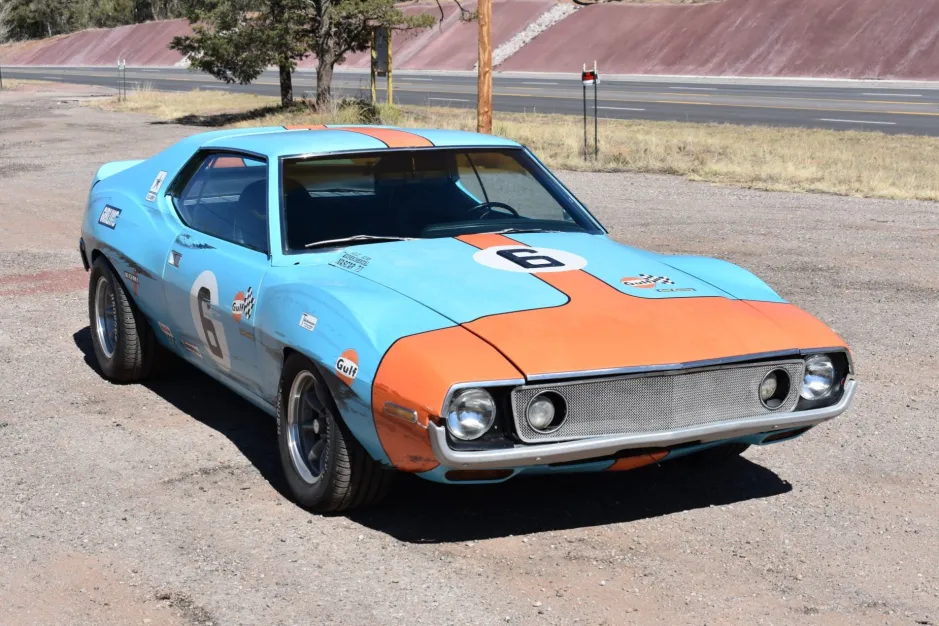
The Porsche 914 is a unique sports car developed through a collaboration between Porsche and Volkswagen. Produced from 1969 to 1976, it became notable for its mid-engine layout, which delivered a near-perfect 50:50 weight distribution.
This design gave the car exceptional balance and responsive handling, often described as a go-kart-like driving experience. Rather than focusing on speed alone, the 914 emphasized precision and control, making it especially enjoyable on winding roads.
The car’s appearance was equally distinctive. Its low, angular, wedge-shaped body, combined with pop-up headlights and a removable Targa roof panel, made it stand out during the 1970s. Although its boxy styling initially divided opinions, it is now appreciated for its retro charm. The removable roof also provided open-air driving while maintaining structural strength, adding to its appeal in markets like the United States.
In North America, the 914 was sold exclusively under the Porsche name, unlike in Europe, where it carried Volkswagen branding. This helped strengthen its image and contributed to its success, including winning Motor Trend Import Car of the Year. Over time, the model gained respect and developed a loyal following among enthusiasts.
The 914 came in several variants. The 914/4 featured a Volkswagen-based four-cylinder engine and was the most common version, with the 2.0L models being especially popular.
The rarer 914/6 used a flat-six engine from the Porsche 911T and is highly valued by collectors. Limited edition versions with bold color schemes were also added to its identity. Today, the Porsche 914 is recognized as an innovative and influential classic sports car.
3. BMW Isetta: A Bubble Car That Saved a Brand
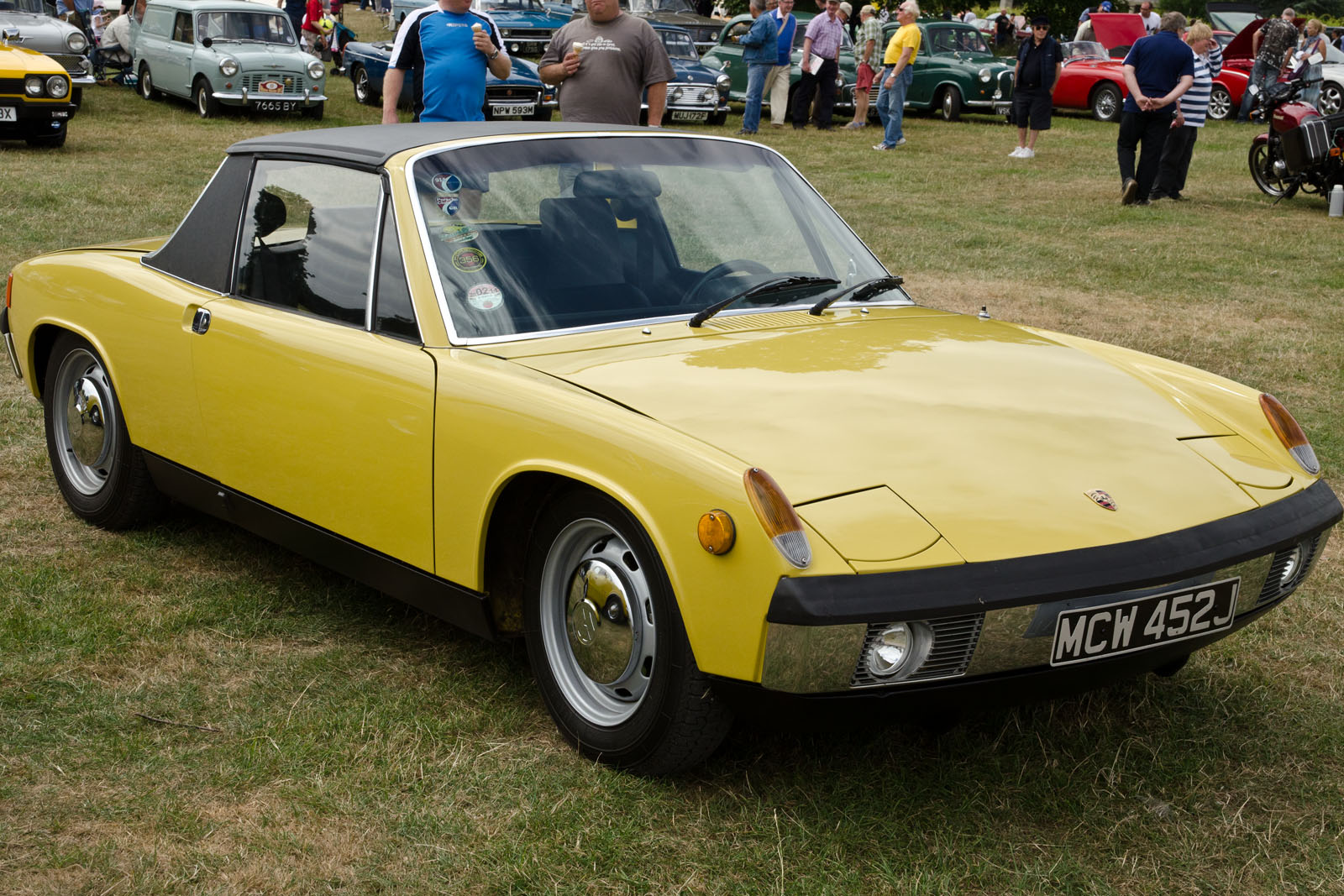
The BMW Isetta is one of the most recognizable microcars ever built and a symbol of post-war innovation. Produced from 1955 to 1962, it played a crucial role in rescuing BMW from financial collapse during a challenging economic period.
With declining motorcycle sales and weak demand for luxury cars, BMW needed an affordable, practical vehicle. The Isetta fulfilled that role and generated the revenue necessary for the company’s survival and future growth.
The Isetta is best known for its unusual design. Its rounded, egg-shaped body and large windows earned it the nickname “bubble car.” Its most distinctive feature is the single front-opening door, which swings outward along with the steering wheel and dashboard to allow entry.
This clever design made it highly practical in tight urban spaces. Measuring only about 7.5 feet long, the Isetta could even park nose-first against a curb, something impossible for most cars of its time.
Powered by a small single-cylinder engine ranging from 250cc to 300cc, the Isetta was not built for speed. It reached a top speed of around 50 miles per hour but excelled in fuel efficiency, achieving roughly 70 to 78 miles per gallon. This made it an ideal solution for fuel-conscious drivers in post-war Europe and later a fascinating contrast to the large, fuel-hungry American cars of the 1950s.
Despite its compact size, the Isetta could seat two passengers side by side. Its simple interior prioritized function over comfort, though features like a sunroof doubled as an emergency exit. Over 160,000 units were produced, but relatively few were sold in the United States, increasing their rarity and desirability among collectors today.
The BMW Isetta remains a beloved classic, admired for its charm, ingenuity, and historical importance as the car that helped secure BMW’s future.
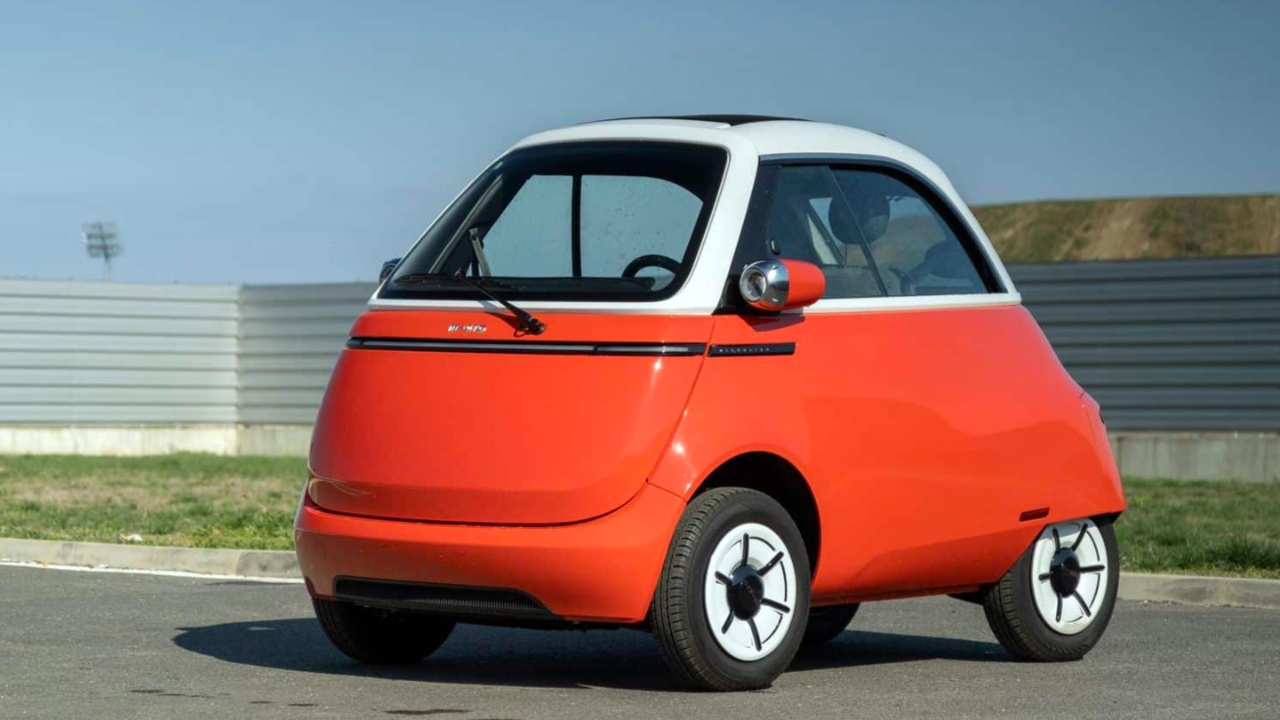
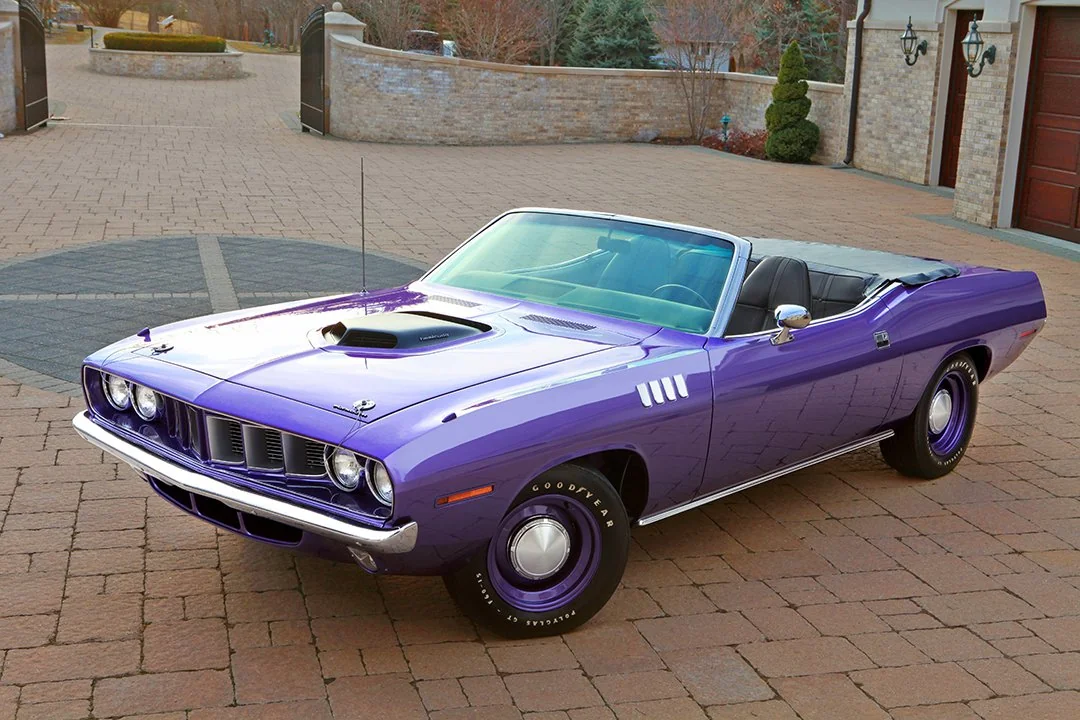
4. 1971 Plymouth Hemi ’Cuda Convertible: The Ultimate Muscle Car Icon
The Plymouth Hemi ‘Cuda Convertible is widely regarded as one of the rarest and most valuable American muscle cars ever produced. Built during the final years of the high-performance muscle car era, it represents the peak of power, style, and exclusivity. With only about a dozen factory units produced, it has earned a legendary reputation as the “holy grail” among collectors and enthusiasts.
At the heart of the car is the legendary 426 HEMI V8 engine, often called the “Elephant” engine due to its massive size and power. It produced a rated 425 horsepower and immense torque, allowing the car to accelerate from 0 to 60 miles per hour in just over five seconds.
Buyers could choose between a heavy-duty manual transmission with a Hurst Pistol Grip shifter or an automatic option. This combination of raw power and open-top driving made the convertible version especially unique.
The 1971 model featured distinctive styling elements that set it apart from earlier versions. These included quad headlights, a redesigned grille, and signature “fish gill” fender vents. Many models also featured the iconic Shaker hood scoop, which was mounted directly to the engine and visibly vibrated with its movement. Bold “billboard” graphics along the sides added to its aggressive and unmistakable presence.
Beyond performance and design, the car’s rarity is its defining feature. Only a handful were built, and even fewer survive today, especially those equipped with manual transmissions. This scarcity has driven auction prices into the millions, with pristine examples often treated as museum-quality pieces rather than everyday vehicles.
The 1971 Plymouth Hemi ’Cuda Convertible stands as a symbol of the golden age of American muscle cars. It combines extreme performance, bold styling, and unmatched rarity, securing its place as one of the most coveted collector cars in automotive history.
5. 1961–1969 Lincoln Continental: A Timeless Symbol of American Luxury
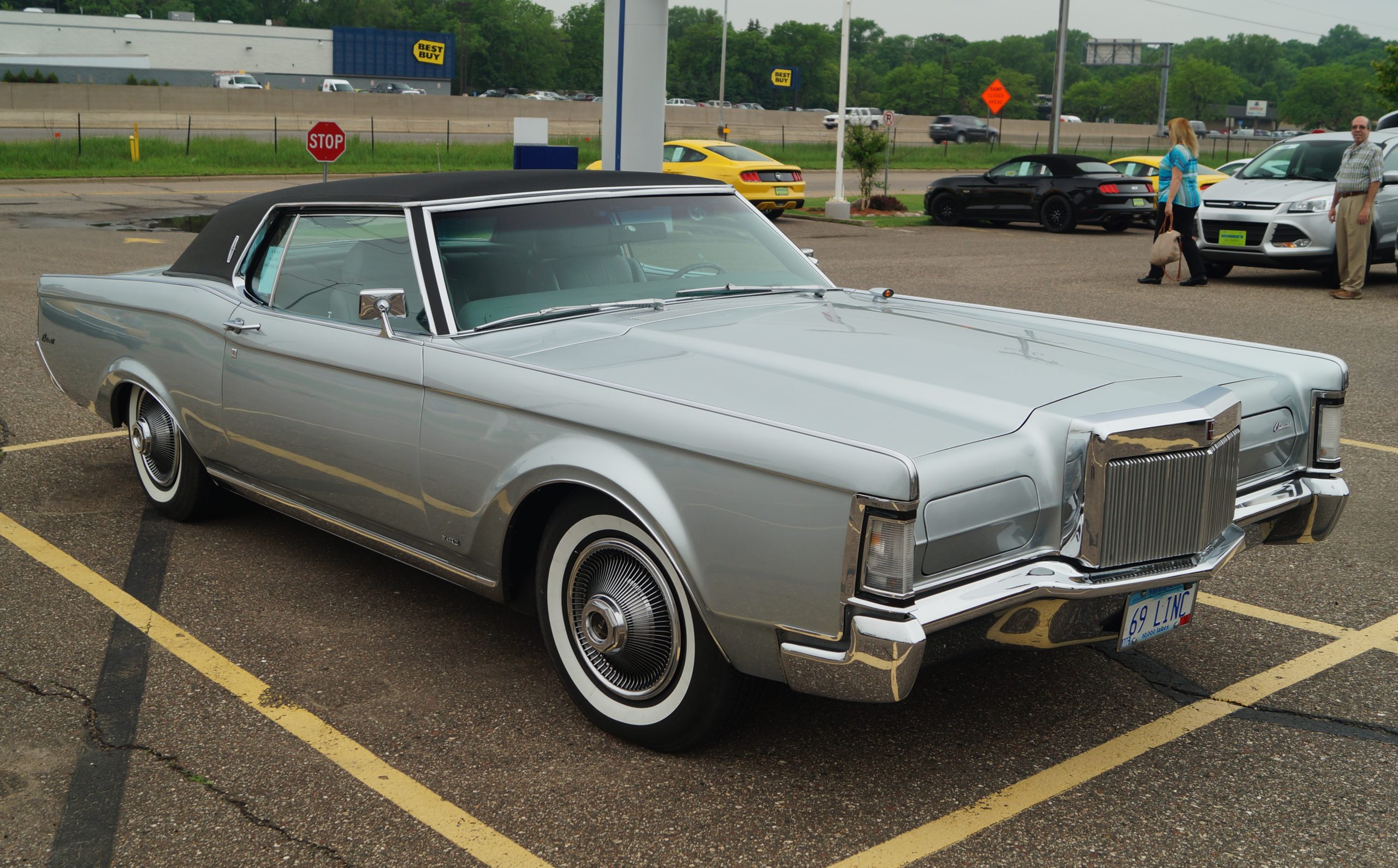
The Lincoln Continental stands as one of the most iconic American luxury vehicles ever produced, redefining automotive design with its clean, minimalist approach. Introduced at a time when cars were dominated by excessive chrome and dramatic tailfins, this generation of the Continental marked a bold shift toward understated elegance.
Designed by Elwood Engel, it featured flat “slab-sided” panels, straight lines, and a refined, balanced silhouette that remained largely unchanged throughout its production run.
One of its most recognizable features is the rear-hinged “suicide doors,” which became a defining characteristic of the model. These doors were not only visually distinctive but also highly functional, allowing easier and more graceful entry and exit for rear passengers. This blend of style and practicality helped solidify the Continental’s reputation as a thoughtfully designed luxury car.
The Continental also carried immense cultural and historical significance. It was famously used as a presidential limousine during the era of John F. Kennedy, linking it permanently to American history. Beyond politics, it became a favorite among celebrities and executives, frequently appearing in films and media as a symbol of prestige and sophistication.
Under the hood, the car prioritized smooth, effortless performance rather than speed. Early models were equipped with a 430 cubic-inch V8 engine, while later versions introduced larger engines such as the 460 cubic-inch V8. Each engine underwent rigorous factory testing, reflecting Lincoln’s commitment to quality and reliability. The ride was stable and controlled, offering a more grounded feel compared to other luxury cars of the era.
Another standout feature was the rare four-door convertible, produced until 1967. This unique configuration added to the car’s exclusivity, though its complex roof mechanism required careful maintenance. Despite its large size, the Continental maintained well-proportioned dimensions that enhanced its commanding road presence.
Today, the 1961–1969 Lincoln Continental is celebrated as a design masterpiece, admired for its elegance, innovation, and lasting influence on luxury automotive styling.
6. Reliant Scimitar GTE: A Practical Pioneer of the Shooting Brake
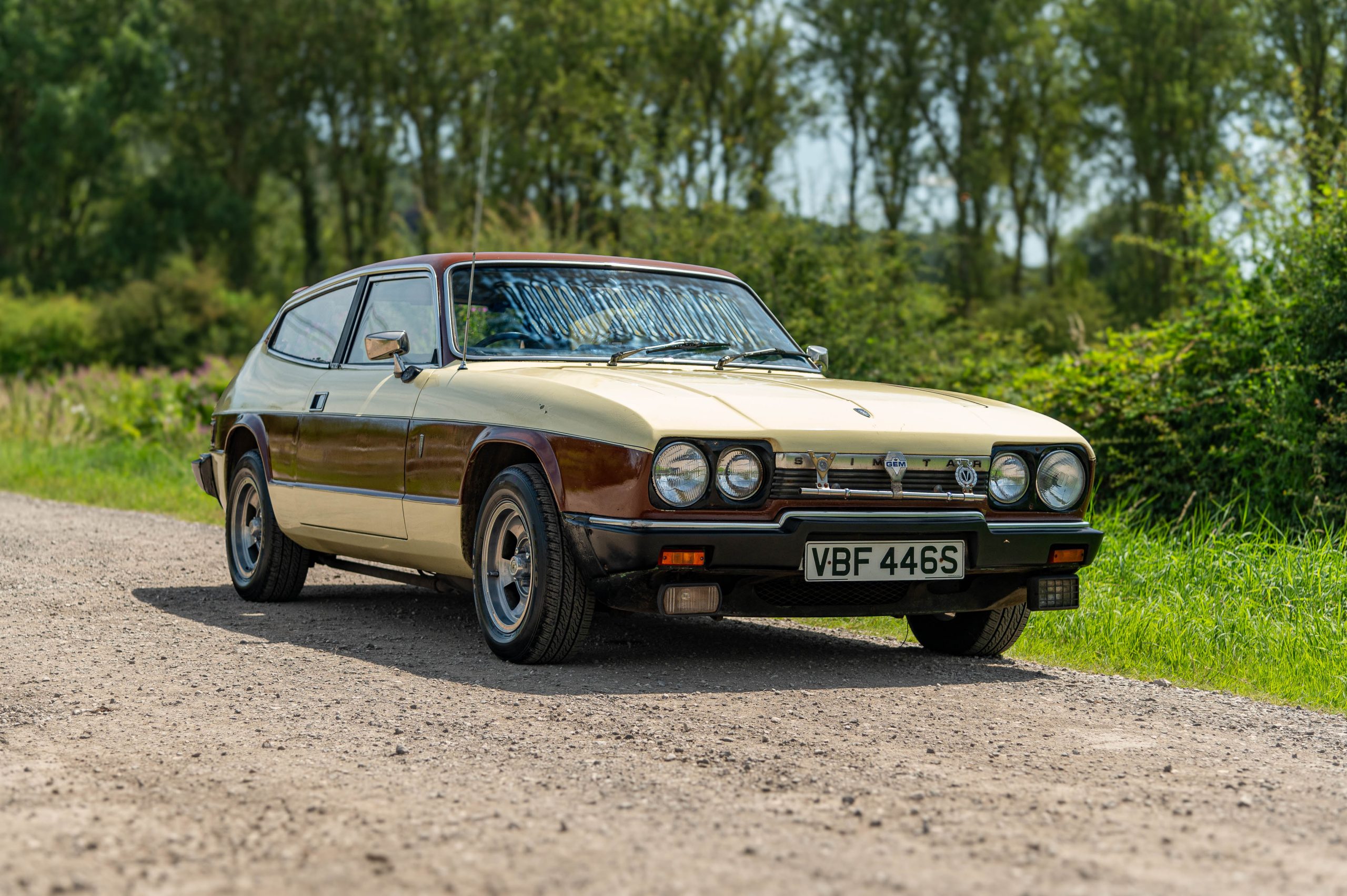
The Reliant Scimitar GTE is a distinctive British classic that helped define the “shooting brake” concept, combining sports car performance with station wagon practicality. Produced from 1968 to 1986 by Reliant, it offered a unique alternative to traditional grand tourers by blending style, versatility, and everyday usability.
Although rare in the United States, it has developed a loyal following among enthusiasts who appreciate its unconventional design and character.
One of the GTE’s most notable features is its fiberglass body, which resists rust and is mounted on a steel chassis. This construction helped many examples survive over time, though the chassis itself must still be checked for corrosion.
Its long hood, sloping roofline, and large rear hatch created a sleek yet practical shape that stood out from typical coupes. The design also allowed for a genuine 2+2 seating layout, offering enough space for four passengers and luggage, making it suitable for road trips and daily use.
Performance came from a dependable Ford-sourced V6 engine, most commonly the 3.0-liter Essex unit. This engine delivered smooth and capable power, allowing the car to exceed 120 miles per hour and reach 0 to 60 mph in about 8.5 seconds. While it was not designed as a pure sports car, the Scimitar GTE provided balanced handling and a comfortable ride, making it ideal for long-distance driving.
The model also gained attention through its association with Princess Anne, who owned several examples. This connection added to its image as a refined and practical grand tourer.
In the United States, the Scimitar GTE remains a rare sight, with only a small number originally imported. Its scarcity, distinctive European styling, and usability have made it a cult favorite, appreciated as an affordable and unique classic that delivers both driving enjoyment and everyday practicality.
Also read: 12 Cars With Bulletproof Drivetrains You Can Buy for Peanuts
6 That Everyone Already Owns.
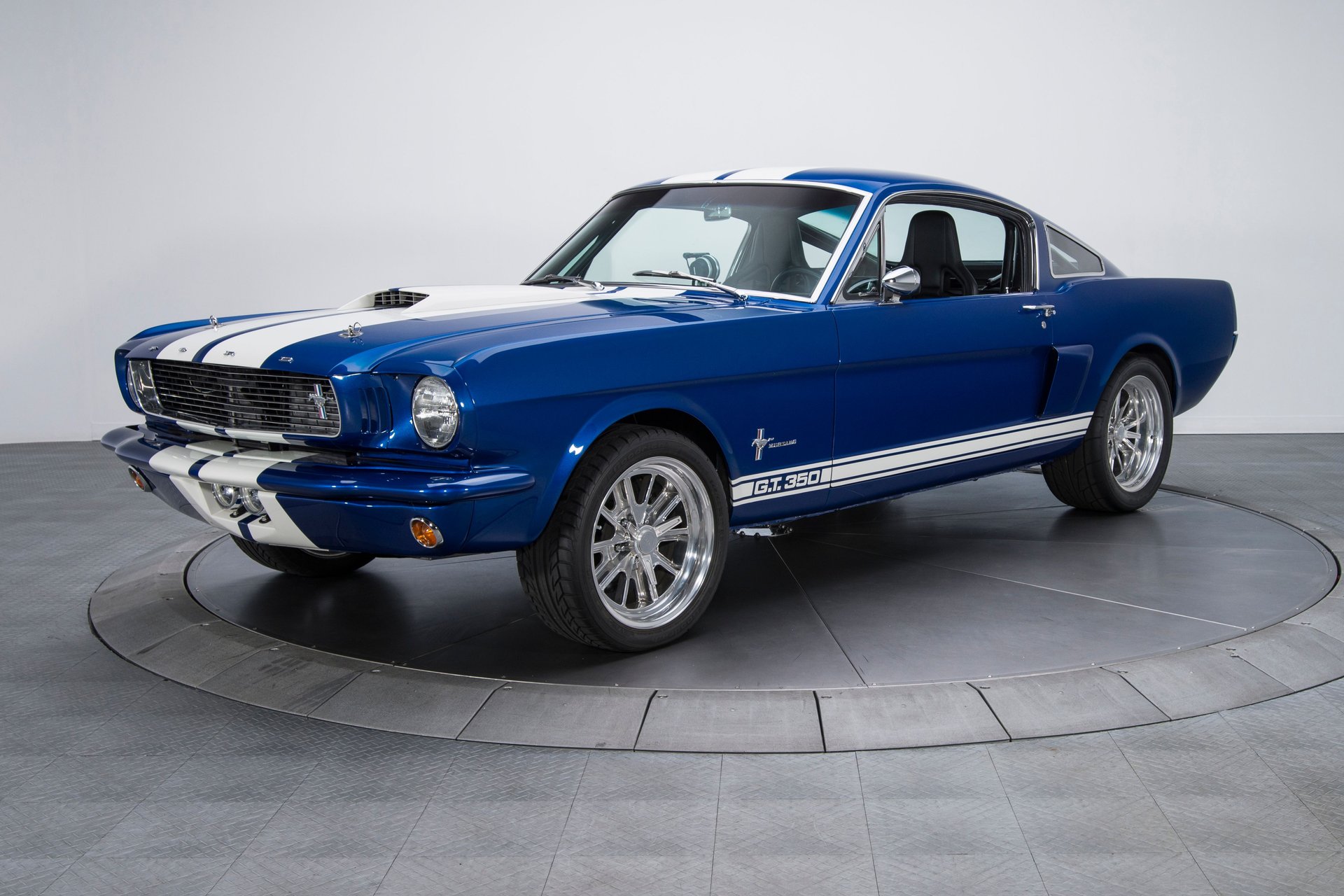
1. 1965–1966 Ford Mustang: America’s Original Pony Car Icon
The Ford Mustang is one of the most influential and recognizable classic cars in American history. Introduced by Ford Motor Company, it launched the “pony car” segment and quickly became a cultural phenomenon.
Its combination of sporty styling, affordability, and customization options made it an instant success, with over one million units sold within the first 18 months. This massive production ensured that many examples still exist today, making it one of the most accessible classic cars.
A key factor behind the Mustang’s popularity was its affordability. Priced within reach of young buyers, it offered the look and feel of a performance car without the high cost.
Buyers could also personalize their cars extensively, choosing from a wide range of engines, including a modest inline-six or a more powerful V8, along with various trims and interior features. This flexibility allowed owners to create a car that matched their style and budget.
The Mustang was also designed with simplicity in mind, which made it easy to maintain and restore. Its mechanical components were shared with other Ford models, ensuring parts were widely available and affordable. Today, a vast aftermarket industry supports restoration projects, making it an ideal choice for first-time collectors and hobbyists.
Beyond its practicality, the Mustang became a symbol of 1960s American culture. Its long hood, short rear deck proportions, and sporty image captured the spirit of freedom and youth. It appeared frequently in films and television, further solidifying its iconic status.
Today, the 1965–1966 Ford Mustang remains a beloved classic, valued for its historical significance, timeless design, and role as the entry point into classic car ownership.
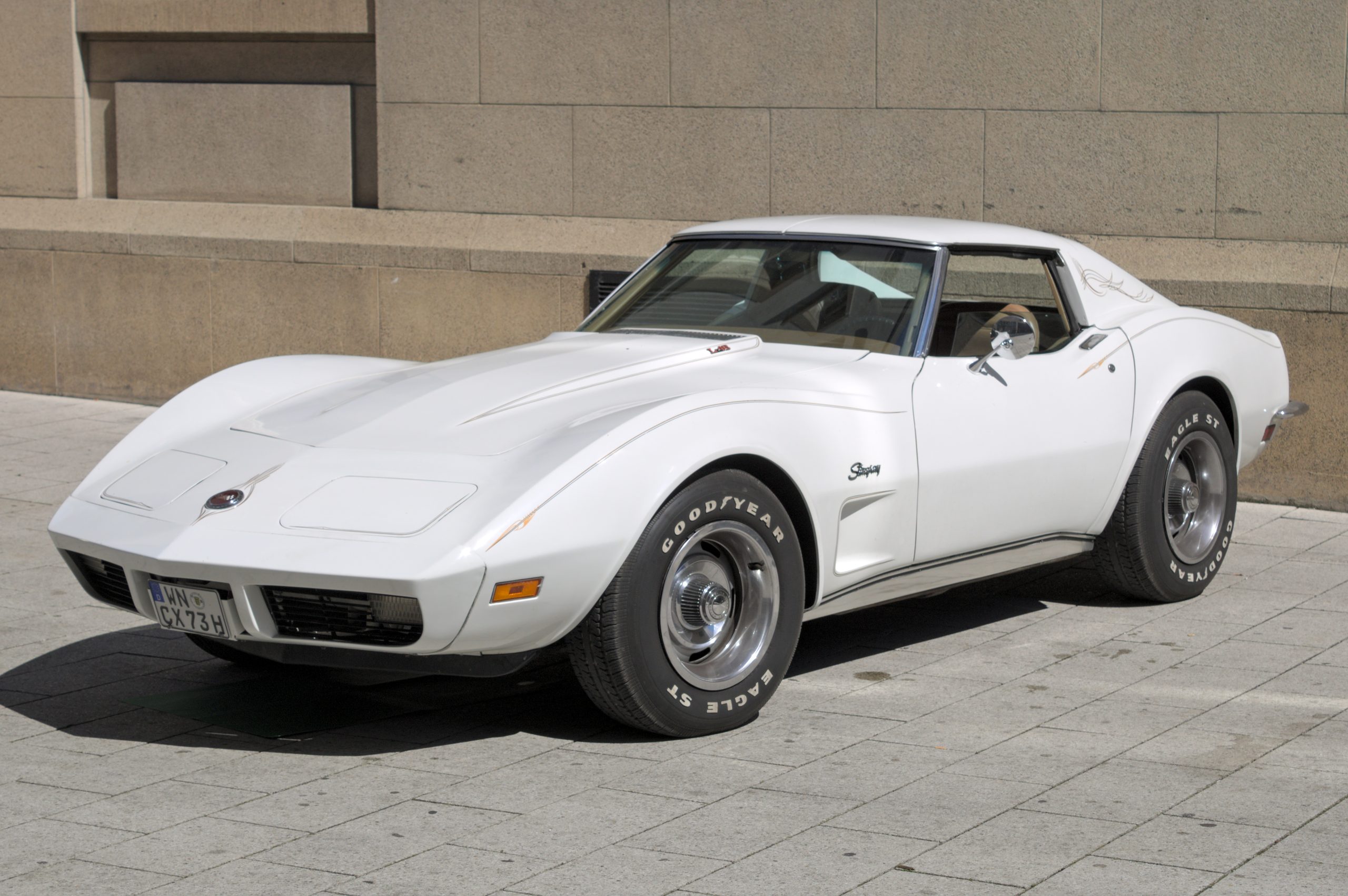
2. Chevrolet Corvette C3 Stingray: A 1970s American Icon
The Chevrolet Corvette C3 Stingray is one of the most recognizable and enduring American sports cars, embodying the style and spirit of the 1970s. Produced by Chevrolet from 1968 to 1982, the C3 generation holds the longest production run in Corvette history, resulting in high production numbers and widespread availability. This accessibility has made it a staple at car shows and a popular entry point into classic car ownership.
A defining feature of the C3 Stingray is its dramatic “Coke-bottle” styling, inspired by the Mako Shark II concept. Its sculpted curves, long hood, and pronounced fenders created an aggressive yet elegant look that captured the imagination of car enthusiasts. The addition of removable T-top roof panels provided an open-air driving experience, blending sports car excitement with a sense of freedom.
While early chrome-bumper models from the late 1960s and early 1970s are highly prized by collectors, later “rubber bumper” versions remain more affordable and common. This has contributed to the C3’s reputation as an accessible classic, often chosen by enthusiasts for restoration or customization projects.
Performance varied throughout its production, but the C3 consistently delivered the appeal of American V8 power combined with a relatively comfortable interior. It was not just a performance machine but also functioned as a grand touring car suitable for longer drives.
Culturally, the C3 Stingray became a symbol of American automotive identity, frequently appearing in films and television. Its bold design and strong presence helped define an era of automotive styling. Today, the C3 Corvette remains a beloved classic, admired for its striking looks, historical significance, and enduring appeal among collectors and enthusiasts.
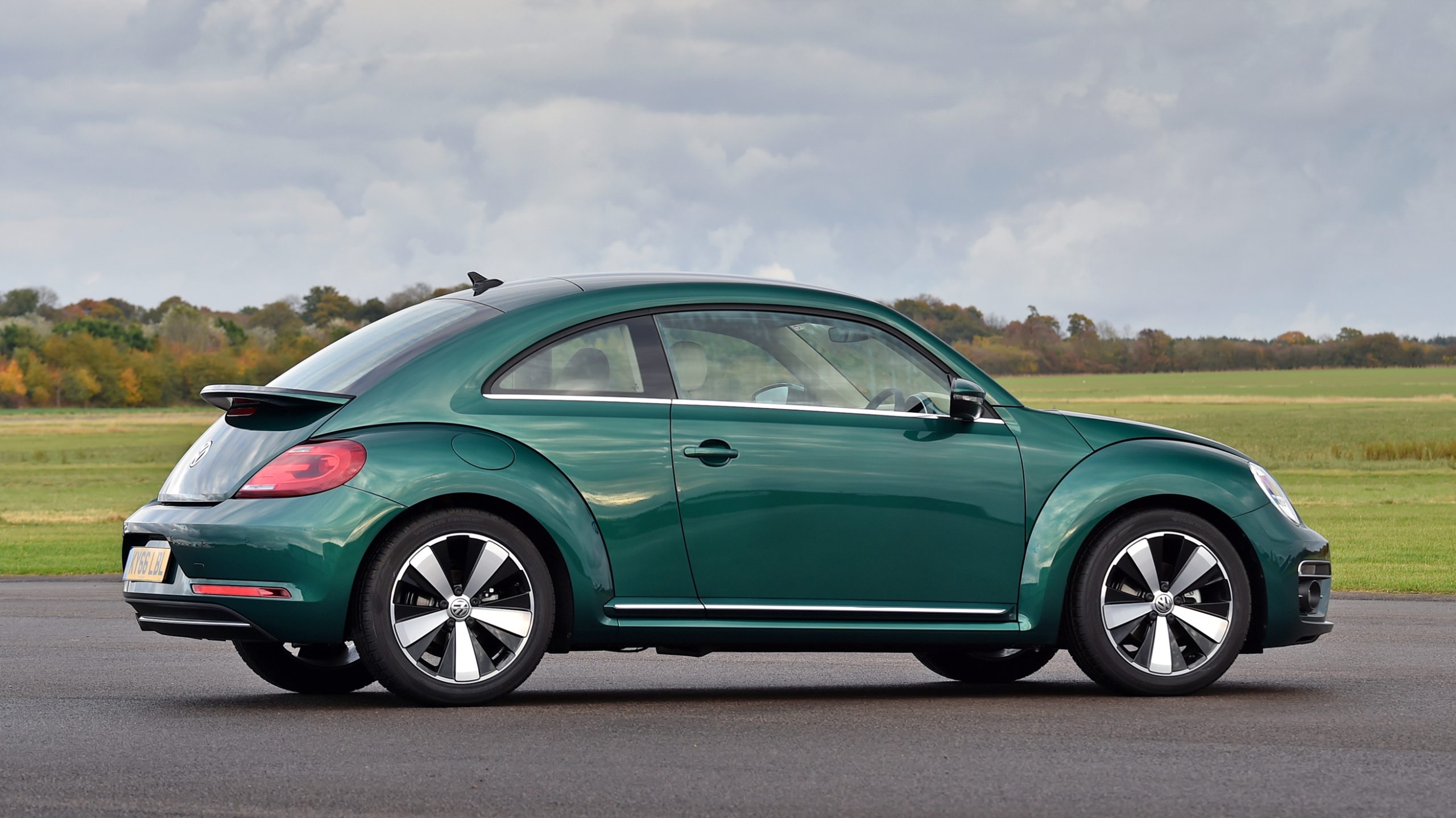
3. Volkswagen Beetle: The People’s Car That Defined Generations
The Volkswagen Beetle is one of the most iconic and widely recognized automobiles in history. Produced by Volkswagen, it became a global phenomenon with more than 21 million units built, making it one of the most manufactured cars ever. In the United States, it earned a special place in automotive culture due to its affordability, simplicity, and unmistakable design.
The Beetle’s charm lies in its distinctive, rounded shape and rear-mounted, air-cooled engine. This simple engineering approach eliminated the need for complex cooling systems, making the car easier and cheaper to maintain. Its mechanical simplicity allowed many owners to perform basic repairs themselves, which contributed to its popularity among students, first-time drivers, and budget-conscious buyers.
Affordability was another major factor in its success. During the 1950s and 1960s, the Beetle provided reliable transportation at a low cost, offering excellent fuel efficiency and practicality. Its compact size also made it easy to park and maneuver in urban environments, while its rear-engine layout provided surprisingly good traction in poor weather conditions such as snow.
Beyond practicality, the Beetle became a cultural icon in the United States. It was closely associated with the 1960s counterculture movement, symbolizing individuality and simplicity in contrast to the large American cars of the era. Its cheerful design and approachable personality helped it stand out in a rapidly changing society.
Today, the Beetle remains a cornerstone of classic car culture. Its enormous production numbers ensure it is still widely seen on roads and at car shows, from restored originals to customized builds. The Volkswagen Beetle continues to represent the idea of the “people’s car,” valued for its accessibility, reliability, and timeless appeal.
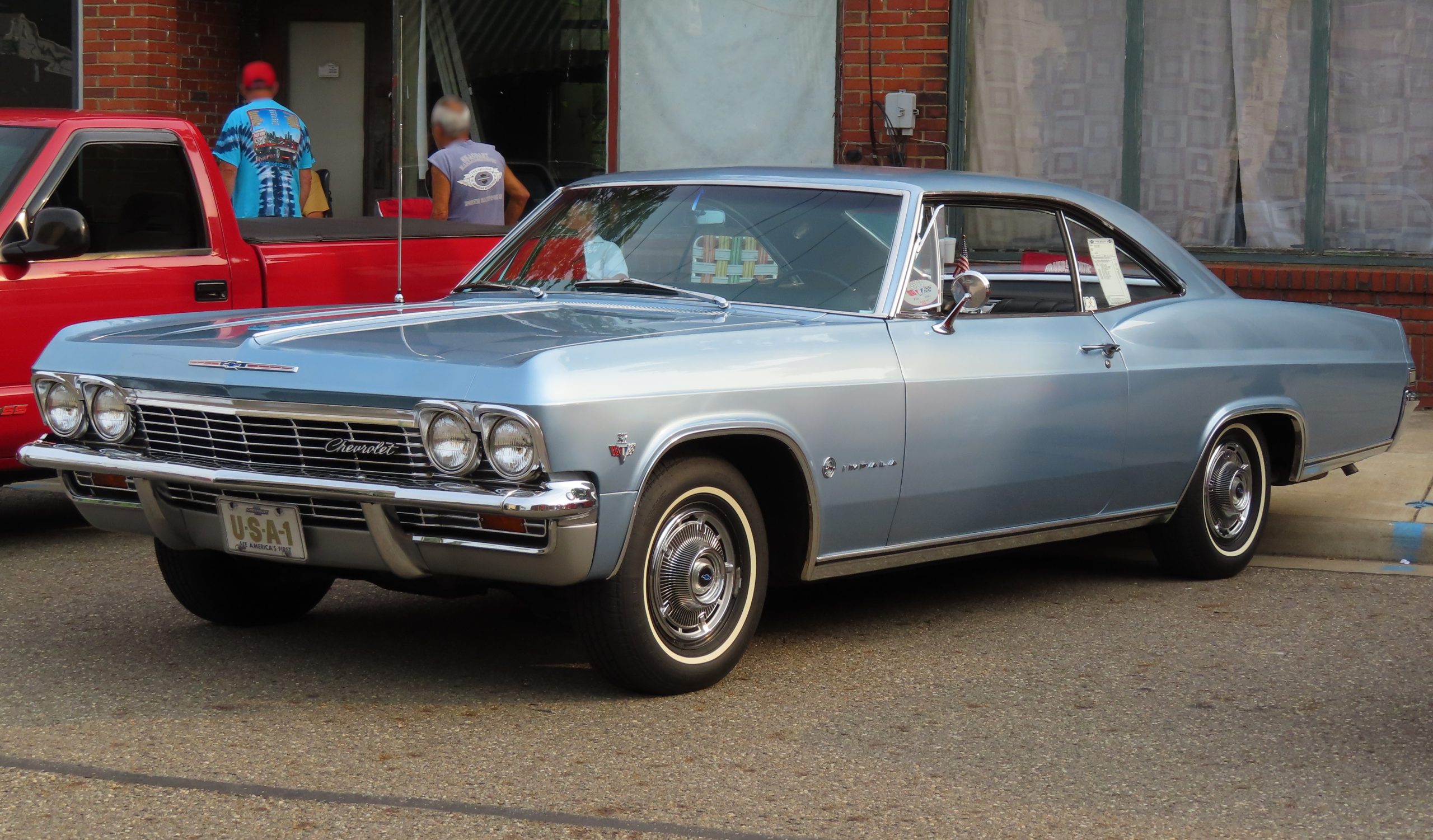
4. Mid-1960s Chevrolet Impala: America’s Full-Size Cultural Icon
The Chevrolet Impala is one of the most widely recognized and commonly owned classic cars in the United States. Produced by Chevrolet, it became a defining symbol of 1960s American automotive design thanks to its massive production numbers, stylish appearance, and broad appeal across different social groups.
During the mid-1960s, especially from 1963 to 1967, the Impala achieved extraordinary sales success. In 1965 alone, Chevrolet sold over one million units, making it one of the best-selling single models in automotive history. Its affordability and stylish design made it accessible to middle-class families, ensuring it became a common sight on American roads.
The Impala’s design played a major role in its popularity. It featured a long, wide body with signature triple taillights that became a defining styling cue. The 1964 model, in particular, became iconic within lowrider culture due to its clean lines and strong customization potential. Later models adopted more sculpted “Coke bottle” styling, further enhancing their visual appeal.
Performance variants such as the Super Sport (SS) added muscle car credibility, offering powerful V8 engines that made the Impala competitive on the performance front as well. At the same time, its smooth ride and spacious interior made it ideal for everyday driving, reinforcing its reputation as a versatile full-size cruiser.
Culturally, the Impala became deeply embedded in American life. It played a major role in lowrider communities and later appeared prominently in music, film, and television, including its well-known appearance in Supernatural.
Thanks to its enormous production numbers, strong performance options, and cultural significance, the mid-1960s Chevrolet Impala remains one of the most commonly seen and cherished classic cars in the United States today.
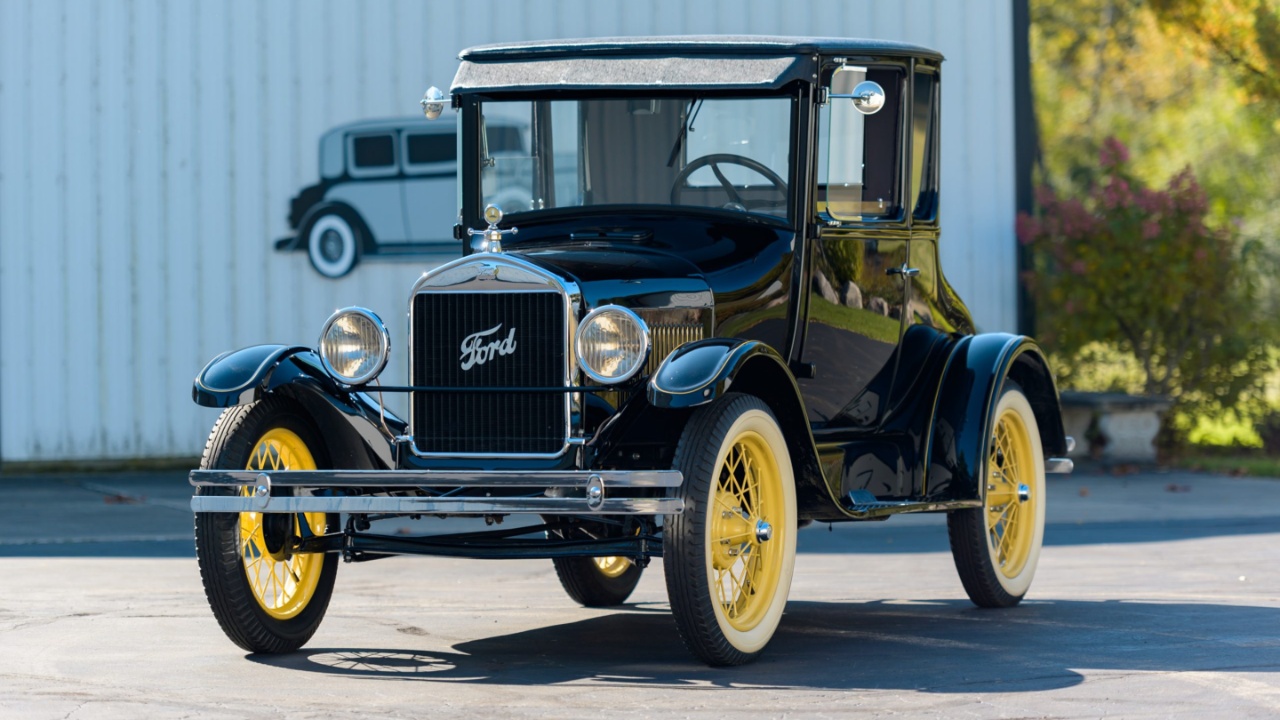
5. Ford Model T: The Car That Put the World on Wheels
The Ford Model T, often called the “Tin Lizzie,” is one of the most important automobiles in history. Produced by Ford Motor Company, it revolutionized transportation by making cars affordable and accessible to ordinary people. With over 15 million units sold, it remains one of the most widely produced vehicles of its era and a foundational classic in American car culture.
The Model T earned its reputation as the first true “people’s car.” Through the introduction of the moving assembly line in 1913, production time was drastically reduced, which allowed prices to fall from about $850 at launch to nearly $260 by the mid-1920s.
This dramatic cost reduction made car ownership possible for middle-class families, farmers, and rural workers who had never previously been able to afford an automobile.
Designed for practicality and durability, the Model T was built to handle rough, unpaved roads common in early 20th-century America. Its high ground clearance and lightweight steel construction made it suitable for a wide range of environments. It was also famously versatile, with owners adapting it for uses beyond transportation, including farming equipment and simple mechanical tools.
Its mechanical simplicity was another key advantage. The car used a basic planetary gear transmission and a gravity-fed fuel system, making it easy to operate and repair without specialized training. This reliability helped it become a trusted everyday vehicle across the country.
The Model T also played a major role in shaping American infrastructure by increasing demand for better roads and highways. Its widespread use transformed mobility and laid the foundation for modern car culture. Today, the Ford Model T is remembered as a groundbreaking invention that changed how the world moves and remains a symbol of automotive innovation and accessibility.
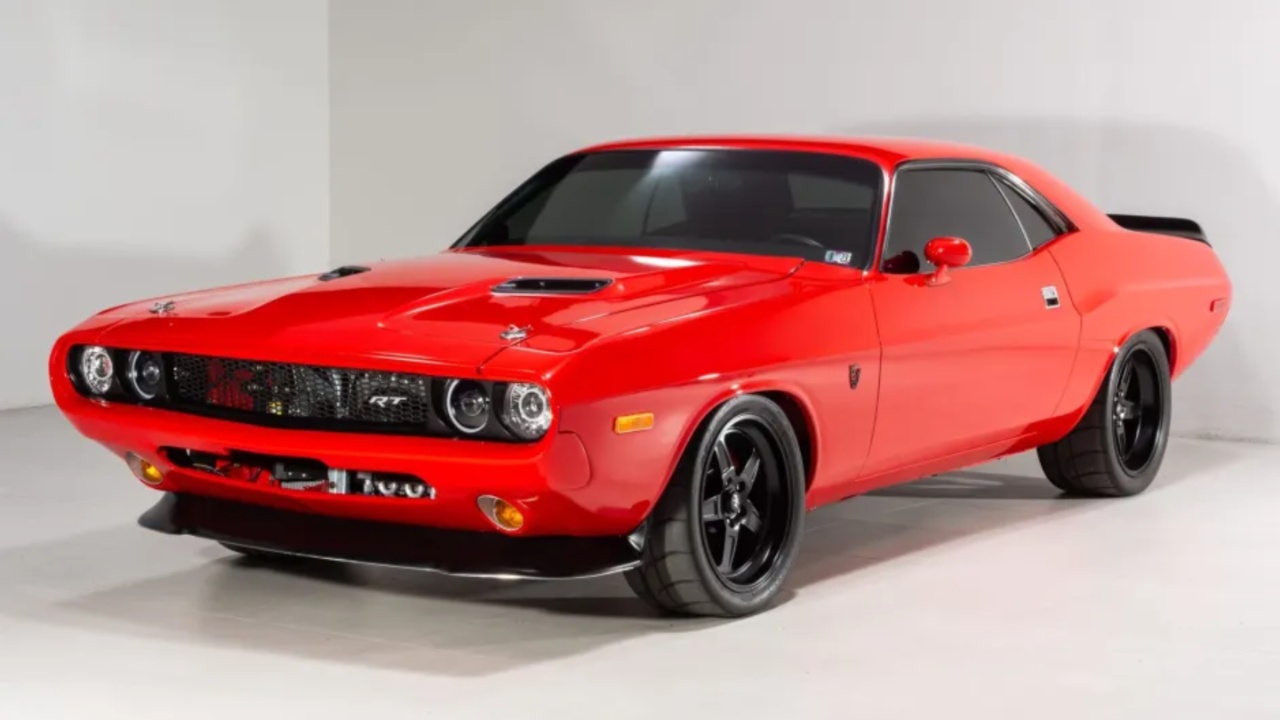
6. 1970–1974 Dodge Challenger: A Muscle Car Icon with Enduring Street Presence
The Dodge Challenger is one of the most recognizable names from the golden era of American muscle cars. Produced by Dodge, it arrived late to the pony car segment but quickly made a strong impact with its bold styling, wide stance, and aggressive performance image. Its design was enhanced by striking “high-impact” paint colors such as Plum Crazy and Hemi Orange, which helped define its visual identity.
Although it was produced in smaller numbers compared to rivals like the Mustang and Camaro, the Challenger developed a strong cult following. Its reputation was further cemented by appearances in popular culture, especially the film Vanishing Point, which reinforced its image as a rebellious and high-performance machine.
The Challenger’s design emphasized power and attitude, with a long hood, muscular proportions, and a commanding road presence. Performance variants, including high-output V8 engines, made it a serious contender in straight-line speed during the muscle car era. This combination of style and performance helped it become a standout despite its relatively short original production run.
Over time, the Challenger became widely replicated through restorations and tribute builds, contributing to its strong presence at car shows and enthusiast gatherings. Today, it is common to see multiple examples at muscle car events, reflecting both its popularity and enduring appeal.
Its cultural significance has also helped maintain strong demand among collectors. The Challenger represents the classic “bad boy” image of American muscle cars, blending raw power, bold design, and cinematic fame. Even decades after its original production ended, it remains a highly desirable and frequently seen icon of American automotive performance culture.
Together, these twelve classics show the full spectrum of American automotive identity, from rare collector legends to everyday cultural staples. The “Head-Turning Classics” represent innovation, scarcity, and bold personality, cars like the Reliant Scimitar GTE, Lincoln Continental, and Dodge Challenger that stand out precisely because they are less common and more specialized.
Meanwhile, the “Everyone Already Owns” group reflects mass appeal and cultural integration, with models like the Ford Model T, Mustang, and Volkswagen Beetle shaping how generations first experienced driving.
One side celebrates exclusivity and design experimentation, while the other celebrates accessibility, production scale, and cultural permanence. Together, they explain why some cars become instant conversation pieces at any show, while others feel familiar wherever you go.
Whether rare or widely owned, each model contributes to a shared automotive legacy that defines American roads, nostalgia, and enthusiast culture across decades
Also read: 10 Cars With Resale Values So High That Buying Used Is a Financial Mistake