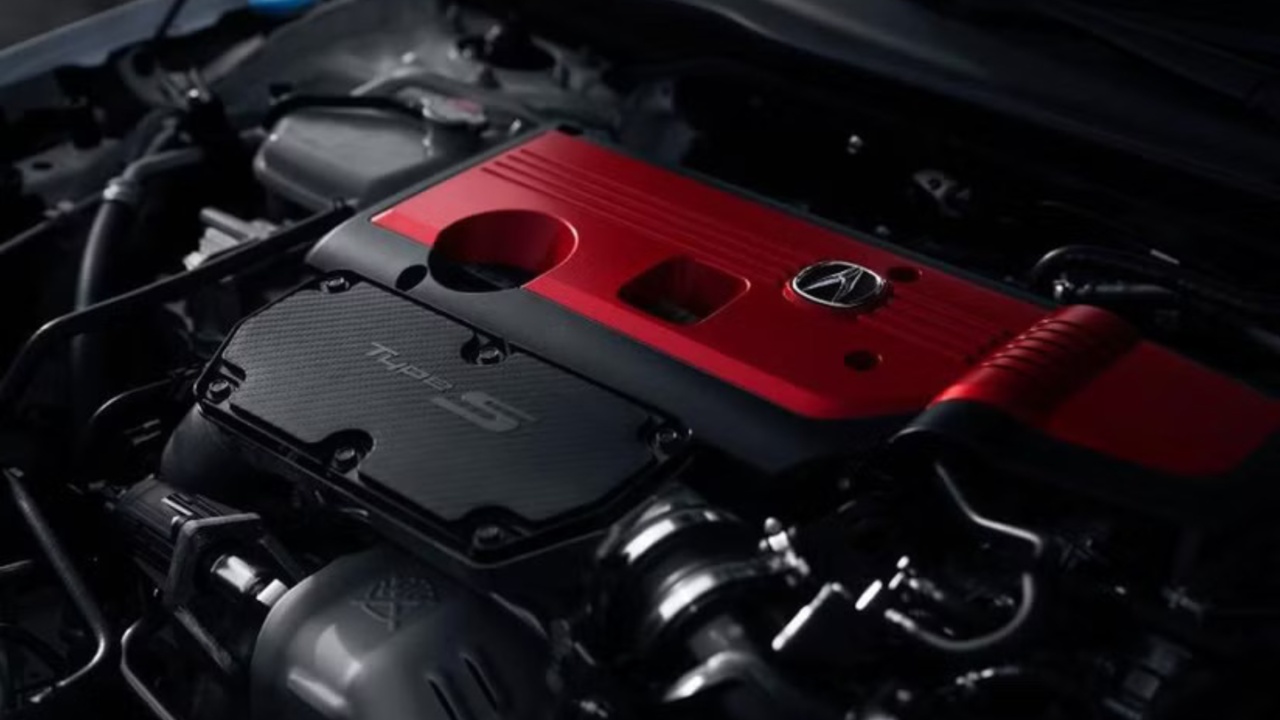
The debate of “6 Turbo-Four Engines in the USA vs. 6 That Have Massive Turbo Lag” highlights how differently modern turbocharged engines are engineered.
On one side are highly refined powertrains like the Honda K20C1, BMW B48, Volkswagen EA888, Mercedes-AMG M139, Subaru FA24, and Ford 2.3L EcoBoost, which prioritize immediate response, broad torque delivery, and real-world drivability. These engines represent how far turbo technology has advanced, blending efficiency with performance that feels natural and predictable in daily use.
On the other side are engines where turbo lag is still a defining characteristic. Units like the Chevrolet 1.5T, Kia/Hyundai 1.6T, Subaru EJ257, Mitsubishi 1.5T, Fiat 1.4 MultiAir Turbo, and the Audi RS2 Avant show how packaging, emissions tuning, and older turbo designs can create delayed response and uneven power delivery.
While some of these engines deliver excitement through dramatic “boost hits,” others feel sluggish at low rpm, especially in heavier vehicles or when paired with economy-focused transmissions. Together, these two groups showcase the evolution of turbocharged engineering, from lag-heavy setups to today’s highly responsive performance benchmarks.
6 Turbo-Four Engines In the USA
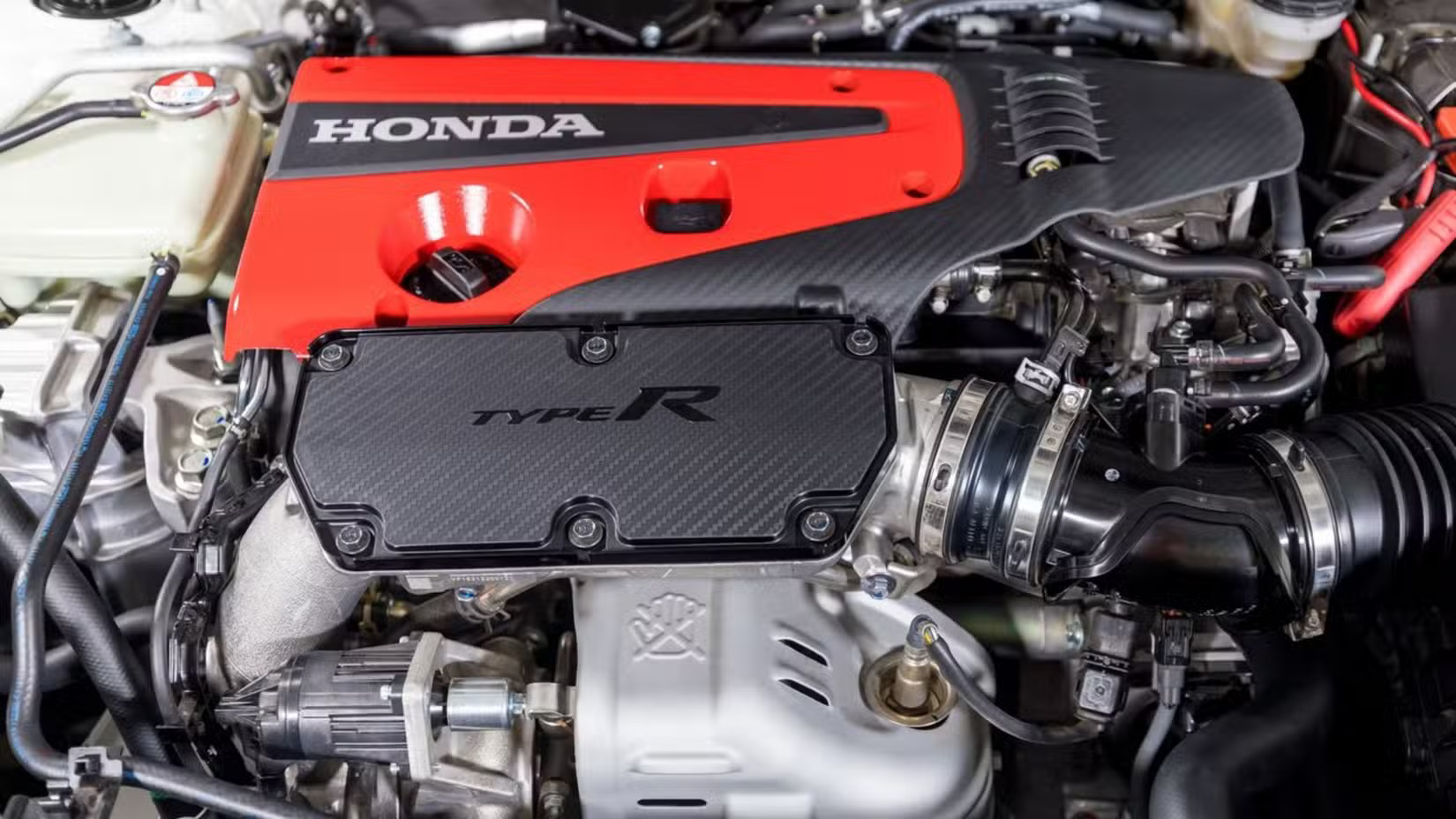
1. Honda 2.0L VTEC Turbo (K20C1): A High-Performance Modern Turbo Engine
The Honda 2.0L VTEC Turbo (K20C1) is widely recognized as one of the most advanced and capable turbocharged four-cylinder engines in modern performance cars. It powers vehicles such as the Honda Civic Type R and Acura Integra Type S, delivering a strong balance of power, responsiveness, and reliability. As part of Honda’s Earth Dreams engine family, the K20C1 reflects a focus on efficiency and high-output engineering.
This engine combines Honda’s VTEC system with a low-inertia mono-scroll turbocharger to reduce turbo lag and improve throttle response. Peak torque is available at relatively low engine speeds, around 2,500 rpm, which gives the car strong acceleration even at lower revs.
At the same time, the engine maintains a high-revving character with a redline near 7,000 rpm. Its smooth and linear power delivery makes it feel closer to a naturally aspirated engine than a typical turbocharged unit.
The K20C1 is built with durability in mind. It uses a pressure-cast aluminum block along with forged steel internal components for added strength. Sodium-filled exhaust valves and piston cooling channels help manage heat during demanding driving conditions such as track use.
These features allow the engine to handle high stress while maintaining consistent performance. An electronically controlled wastegate and high-flow cylinder head further enhance efficiency and airflow.
In stock form, the engine produces between 306 and over 320 horsepower, along with up to 310 lb-ft of torque. This level of output gives it impressive power density for its size. The turbocharger works together with VTEC on the exhaust side and Variable Timing Control on both intake and exhaust cams to optimize performance across the rev range.
Another major strength of the K20C1 is its tuning potential. Many enthusiasts have pushed the engine to 500 to 600 wheel horsepower without modifying the internal block. This has made it popular among tuners and racers. Despite its high performance, the engine is also known for its reliability, making it suitable for both daily driving and competitive use.
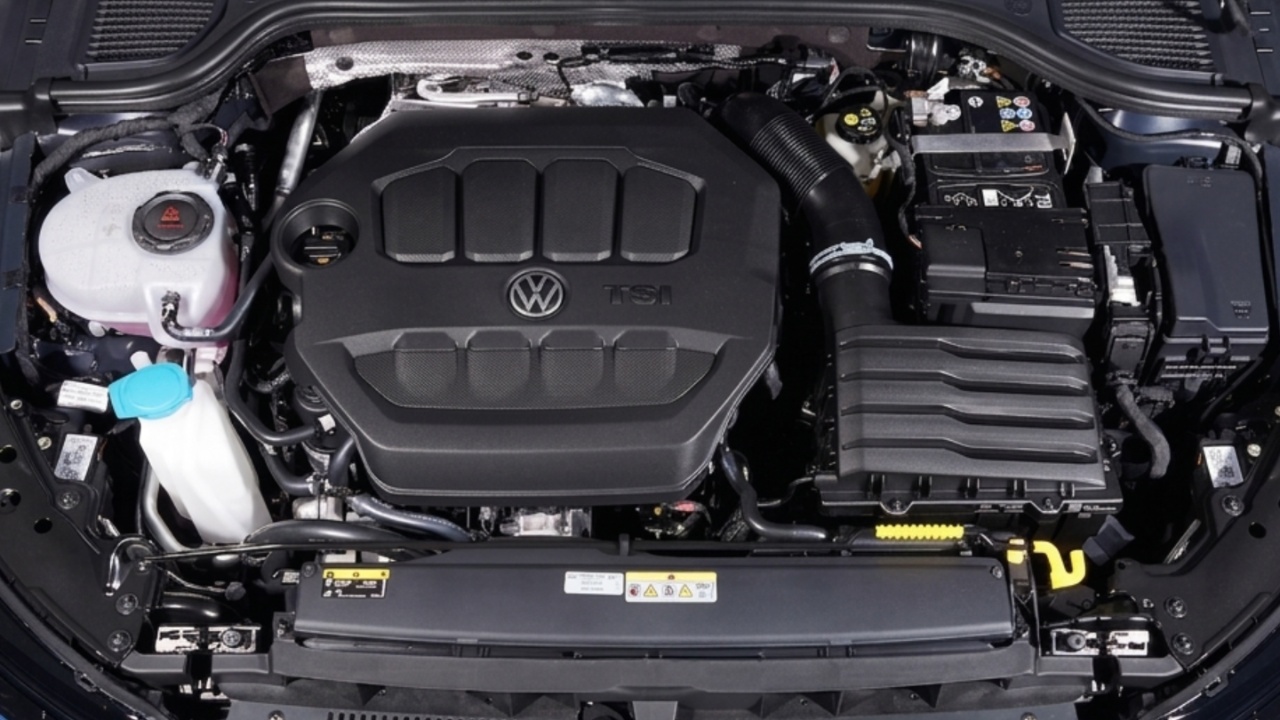
2. Volkswagen/Audi 2.0L EA888: Versatility and Performance in a Modern Turbo Engine
The Volkswagen/Audi 2.0L EA888 is one of the most widely used and respected turbocharged four-cylinder engines in today’s automotive market. Now in its fourth generation, it powers a broad range of vehicles, including the Volkswagen Golf GTI and Audi S3. Its popularity comes from its ability to balance strong performance, efficiency, and everyday usability, making it a benchmark in the turbo-four category.
A defining feature of the EA888 is its integrated exhaust manifold, which improves thermal efficiency and helps the turbocharger spool quickly. This design allows the engine to produce strong low-end torque, often reaching up to 295 lb-ft at low engine speeds around 1,600 to 2,000 rpm.
The result is smooth and immediate acceleration without noticeable turbo lag. Combined with advanced variable valve timing on both intake and exhaust sides, the engine delivers a broad and consistent torque curve that suits both city driving and highway performance.
The EA888 also incorporates advanced fuel delivery systems, including both direct and port fuel injection. This dual-injection setup improves combustion efficiency, reduces emissions, and helps minimize carbon buildup compared to traditional direct-injection-only engines.
Later versions also feature very high fuel pressure systems, further enhancing power and efficiency. Despite its strong performance, the engine remains fuel-efficient, with some models achieving over 30 miles per gallon on the highway.
Power output varies depending on the application, typically ranging from around 228 horsepower to over 315 horsepower in performance models. The engine is also highly regarded for its tuning potential. Simple software upgrades can significantly increase power, while more advanced modifications can push output well beyond 400 horsepower, making it a favorite among enthusiasts.
Earlier generations of the EA888 had issues such as oil consumption and timing chain tensioner failures. However, these problems have largely been resolved in the third and fourth generations, which are now considered reliable when properly maintained. The EA888 stands out as a versatile engine that successfully combines efficiency, durability, and strong performance across a wide range of vehicles.
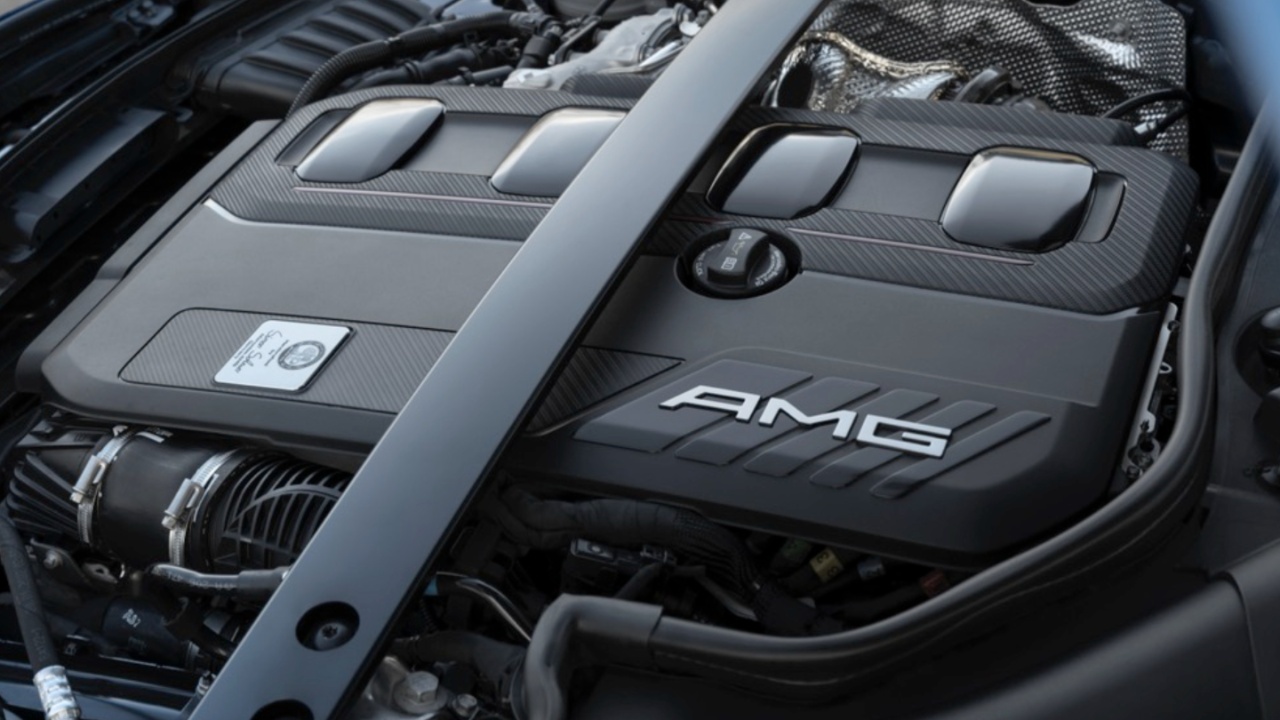
3. Mercedes-AMG 2.0L M139: Record-Breaking Power and Advanced Turbo Technology
The Mercedes-AMG 2.0L M139 is widely regarded as the most powerful production four-cylinder engine in the world, representing a major achievement in modern performance engineering.
Found in high-performance models such as the Mercedes-AMG A45 S and Mercedes-AMG C43, this engine showcases how downsized powertrains can rival or even exceed the output of larger engines. It produces between 416 and 469 horsepower, along with up to 369 lb-ft of torque, delivering exceptional performance for its size.
A key innovation of the M139 is its Formula 1-inspired electric turbocharger. This system uses a small electric motor to spin the turbo’s compressor before exhaust gases take over, eliminating the delay commonly associated with traditional turbochargers.
The result is near-instant throttle response across the rev range, providing strong acceleration even at low engine speeds. This technology allows the engine to feel highly responsive and smooth despite its extreme output.
The M139 is also notable for its advanced construction and materials. It features a closed-deck engine block design, which increases strength and allows it to handle very high combustion pressures. The engine also uses Nanoslide cylinder coating, a low-friction technology that improves efficiency and durability.
Additional components, such as a forged steel crankshaft, forged aluminum pistons, and a twin-scroll turbocharger with roller bearings, further enhance performance and reliability under high stress.
Another defining characteristic is its “One Man, One Engine” philosophy. Each engine is hand-assembled by a single technician at Mercedes-AMG’s facility, ensuring high-quality control and precision. The engine layout is also uniquely rotated 180 degrees, placing the intake at the front and the exhaust and turbo at the rear. This configuration improves airflow and packaging efficiency.
The M139 achieves extremely high power density, exceeding 200 horsepower per liter, which is higher than many supercars. Despite its performance focus, it also incorporates dual fuel injection systems to balance power and efficiency. The M139 stands as a technological showcase, delivering V8-like performance from a compact four-cylinder engine while maintaining everyday usability and engineering excellence.
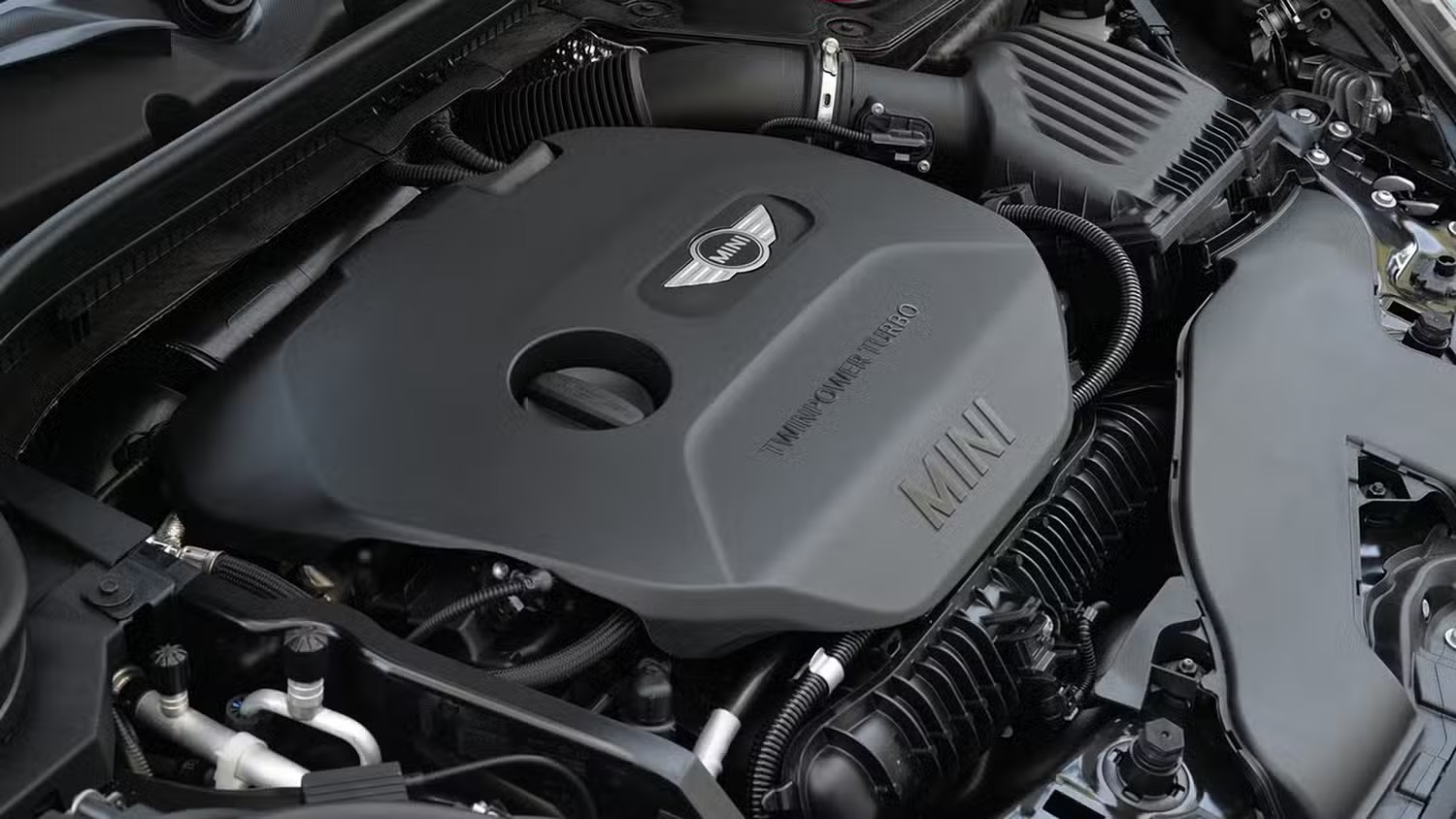
4. BMW 2.0L TwinPower Turbo (B48): Balanced Performance and Everyday Reliability
The BMW 2.0L TwinPower Turbo (B48) is one of the most well-rounded turbocharged four-cylinder engines in modern vehicles, offering a strong combination of performance, efficiency, and durability. It is widely used across the BMW lineup, including models like the BMW 330i and BMW X1, as well as various MINI vehicles. Designed as part of BMW’s modular engine family, the B48 improves upon its predecessor by delivering smoother power and greater long-term reliability.
A defining feature of the B48 is its twin-scroll turbocharger, which separates exhaust pulses to improve efficiency and reduce turbo lag. This allows the engine to build boost quickly and deliver strong torque from very low engine speeds, typically around 1,450 rpm.
The result is a flat torque curve that provides responsive acceleration in city driving and confident power for highway overtaking. The engine feels smooth and refined while still offering a noticeable punch when needed.
BMW enhances this performance with advanced technologies such as Valvetronic variable valve lift and Double-VANOS variable valve timing. These systems precisely control airflow and combustion, improving both efficiency and responsiveness. In addition, the B48 uses a water-cooled charge air cooler integrated into the intake manifold, which shortens the path of compressed air and improves throttle response.
The engine is built with durability in mind. It features a closed-deck block design that increases structural rigidity, along with forged steel and aluminum internal components that can withstand higher pressures and extended use.
These design choices make the B48 both robust and capable of handling increased performance demands. Power output varies depending on the model, ranging from about 154 horsepower to over 300 horsepower in higher-performance versions.
Another major strength of the B48 is its tuning potential. Simple modifications such as ECU tuning and basic bolt-on parts can significantly increase output, often reaching 275 to 300 wheel horsepower. With more extensive upgrades, the engine can produce even higher figures while maintaining reliability.
The B48 stands out as a versatile and dependable engine that successfully blends everyday usability with strong performance, making it a key component of BMW’s modern lineup.
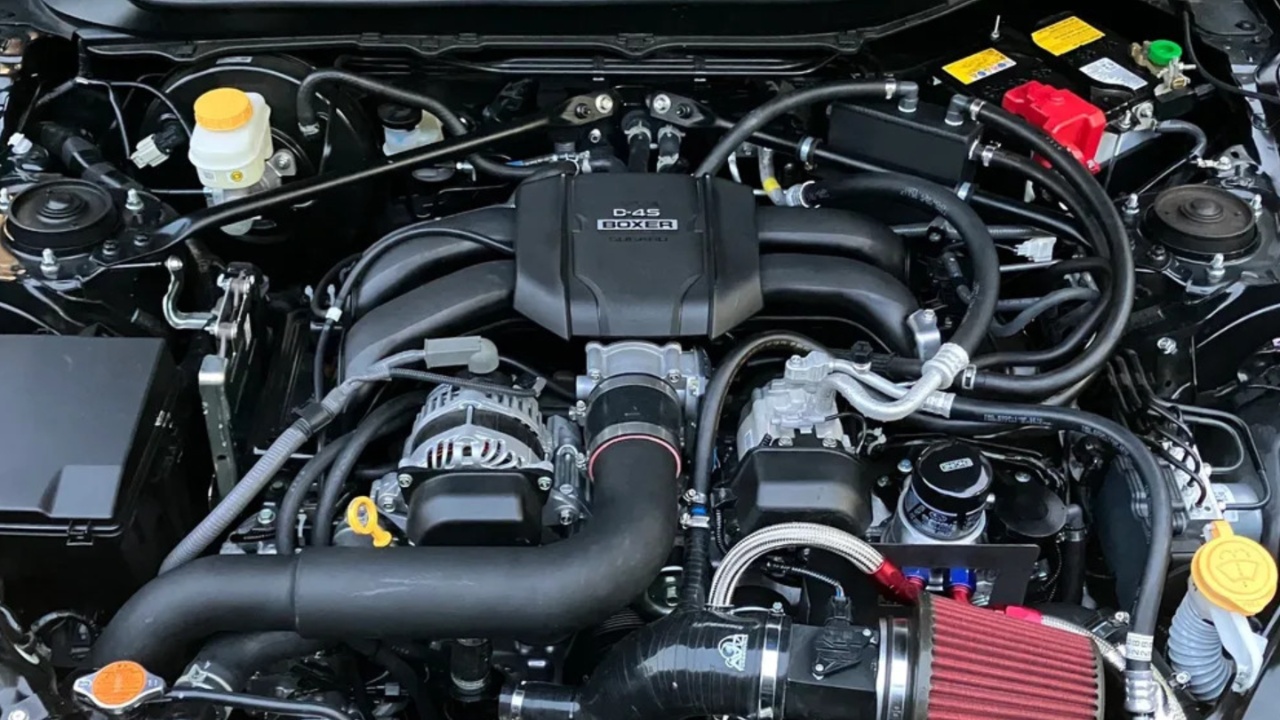
5. Subaru 2.4L Turbo Boxer (FA24): A Refined and Versatile Turbocharged Engine
The Subaru 2.4L Turbo Boxer (FA24) marks a major step forward in Subaru’s performance engine design, replacing older turbocharged units with a more modern, efficient, and user-friendly platform.
It powers vehicles like the Subaru WRX and Subaru Ascent, highlighting its flexibility across both sporty and practical applications. By combining a larger displacement with updated turbocharging technology, the FA24 delivers a smoother and more accessible driving experience.
A major improvement lies in its twin-scroll turbocharger, which works with the increased 2.4-liter displacement to reduce turbo lag and improve responsiveness. Torque is available early, beginning around 2,000 rpm, which results in strong low-end pulling power and consistent acceleration.
This eliminates the abrupt, “on-off” feel associated with older Subaru engines, replacing it with a broader and more linear powerband that suits both daily commuting and spirited driving.
The FA24 retains Subaru’s signature boxer layout, where the cylinders are horizontally opposed. This design lowers the engine’s center of gravity, improving vehicle balance, stability, and handling. Drivers benefit from better cornering performance and a more planted feel on the road. The engine also preserves the distinct Subaru sound, which remains a recognizable trait among enthusiasts.
In terms of construction, the FA24 is built for strength and durability. It features reinforced internals such as thicker cylinder walls, stronger connecting rods, and improved oil management systems.
These upgrades allow the engine to handle higher boost pressures and sustained stress more effectively than earlier designs. In the WRX, it produces around 270 horsepower, while in SUV applications, it is tuned to provide strong torque for tasks like towing.
The engine also offers notable tuning potential. Because it is conservatively tuned from the factory, enthusiasts can unlock additional performance through modifications without immediately compromising reliability. Proper maintenance is still important, especially due to the nature of direct injection, which can lead to carbon buildup over time.
The FA24 delivers a strong blend of performance, durability, and everyday usability, making it a key part of Subaru’s modern engine lineup.
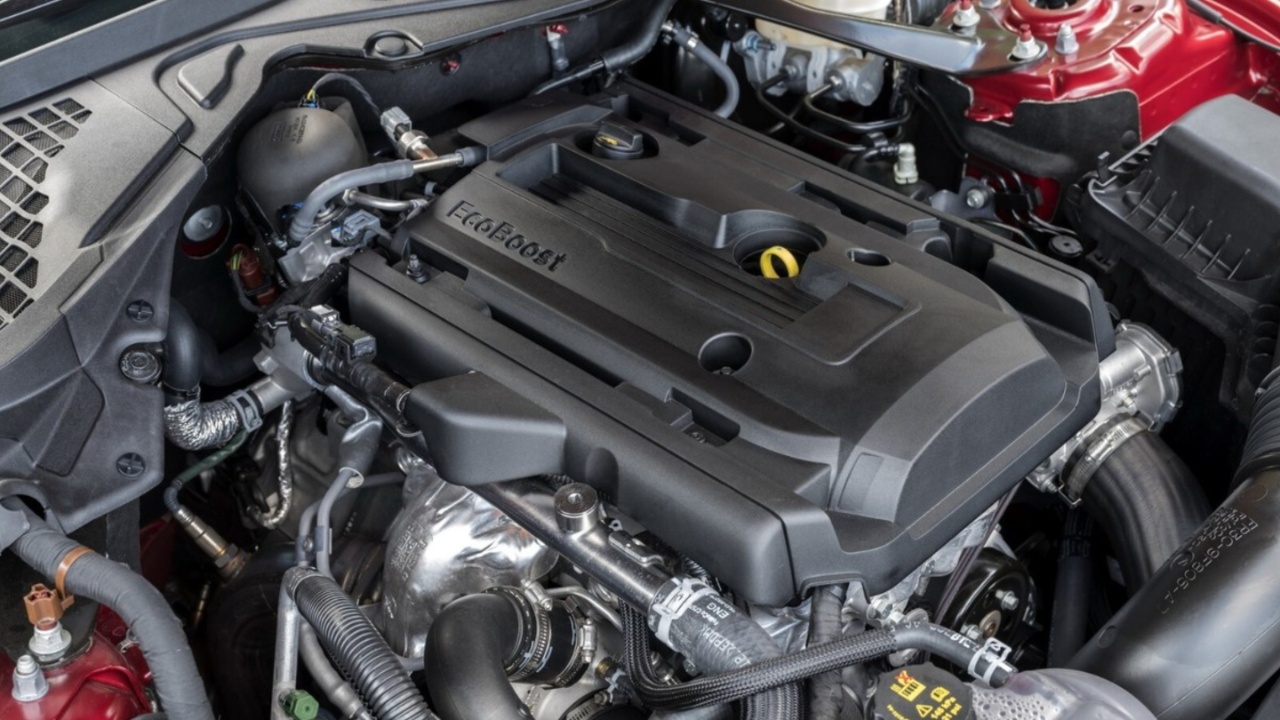
6. Ford 2.3L EcoBoost: Versatile Turbo Power with Strong Mid-Range Performance
The Ford 2.3L EcoBoost is a highly versatile and capable turbocharged four-cylinder engine that plays a key role across Ford’s performance and utility lineup. It powers vehicles such as the Ford Mustang EcoBoost, Ford Bronco, and Ford Explorer, demonstrating its adaptability in both sporty and heavy-duty applications. Designed to balance performance and efficiency, this engine offers strong output while maintaining everyday usability.
A defining characteristic of the 2.3L EcoBoost is its twin-scroll turbocharger, which helps reduce turbo lag and improve throttle response. Combined with high-pressure direct fuel injection, the engine delivers a broad and flat torque curve that provides strong acceleration across the rev range.
With outputs reaching over 300 horsepower and up to 350 lb-ft of torque, it produces performance that often feels closer to a small V6 than a typical four-cylinder engine. This makes it particularly effective for mid-range acceleration and highway passing.
The engine is also built for durability. It features a die-cast aluminum block and forged steel connecting rods, allowing it to withstand high boost pressures exceeding 20 psi.
These design elements enable the engine to handle demanding tasks such as towing and off-road driving, especially in vehicles like the Bronco and Ranger. At the same time, its relatively lightweight construction contributes to improved handling in performance-oriented models like the Mustang.
Fuel efficiency is another advantage. By combining turbocharging with a smaller displacement, the 2.3L EcoBoost offers better fuel economy than larger naturally aspirated engines, though consumption can increase under aggressive driving. The engine also benefits from strong aftermarket support, making it popular among enthusiasts who want to increase power through tuning and modifications.
There are some drawbacks to consider. The engine lacks the distinctive sound of larger V6 or V8 engines, and mild turbo lag can still be noticeable in certain conditions. Some earlier versions also experienced reliability concerns, such as head gasket issues, though proper maintenance helps mitigate these risks.
Also read: 10 Cars With the Most Intuitive Physical Controls for Distraction-Free Driving
6 That Have Massive Turbo Lag
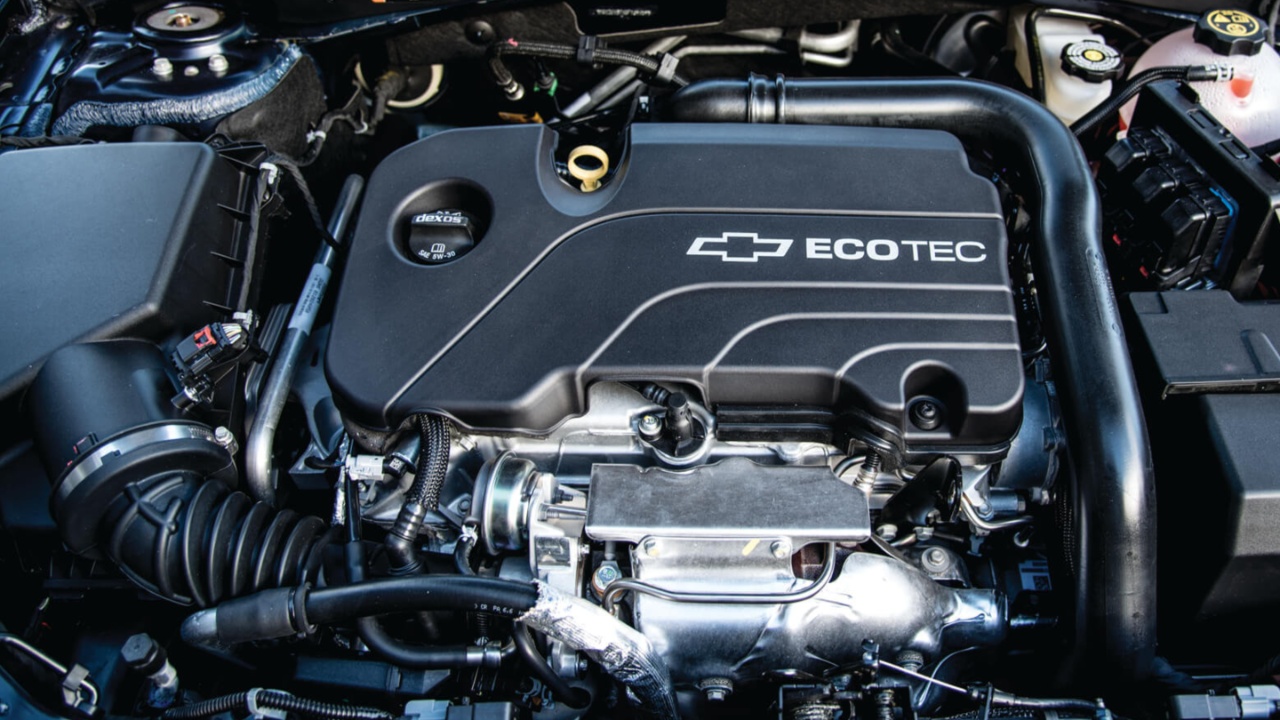
1. Chevrolet 1.5L Turbo: Efficiency-Focused Design with Noticeable Lag
The Chevrolet 1.5L Turbo engine is a small-displacement, efficiency-oriented powerplant commonly found in vehicles like the Chevrolet Equinox and Chevrolet Malibu. While it delivers adequate performance for daily driving, it is often criticized for noticeable turbo lag, particularly during initial acceleration from a standstill.
A primary reason for this lag is the engine’s small size. At just 1.5 liters, it produces limited exhaust energy at low RPMs, which slows down the turbocharger’s ability to spool quickly. Since turbochargers rely on exhaust flow to generate boost, this results in a delay before the engine can deliver meaningful power. Drivers often experience this as a hesitation or “dead spot” when pressing the accelerator.
The engine’s tuning further contributes to this behavior. Chevrolet has calibrated the 1.5L Turbo primarily for fuel efficiency rather than performance. This leads to softer throttle response and slower turbo engagement, which helps improve fuel economy but reduces responsiveness.
In addition, the transmission paired with this engine is often tuned to prioritize efficiency, sometimes delaying downshifts. This can make acceleration feel sluggish, especially when quick power is needed for merging or overtaking.
Vehicle weight also plays a role. In heavier models like the Equinox, the engine must work harder to move the vehicle, making the lag more noticeable. The use of a single-scroll turbocharger, which is simpler and more cost-effective than advanced designs, can also contribute to slower boost buildup.
Some drivers have reported that throttle mapping and occasional hardware issues, such as intake pipe leaks, can worsen the feeling of delayed acceleration.
Despite these drawbacks, the 1.5L Turbo remains a practical choice for those prioritizing fuel economy and affordability over outright performance.
2. Kia/Hyundai 1.6L Turbo: Efficient but Hesitant at Low Speeds
The Kia/Hyundai 1.6L turbocharged engine is a modern, efficiency-focused powertrain used in vehicles such as the Kia Seltos and Hyundai Tucson. While it delivers respectable performance for its size, it is often criticized for noticeable turbo lag and hesitant low-speed behavior, particularly in urban driving conditions.
One of the main reasons for this lag is the combination of a small 1.6-liter displacement and a relatively large turbocharger. The engine relies heavily on boost to produce its power output of around 190 horsepower, but at low RPMs, there is not enough exhaust flow to quickly spool the turbo.
This results in a delay before meaningful acceleration occurs, especially when starting from a stop. Drivers often describe this as a lack of low-end “grunt,” requiring higher engine speeds before the power becomes noticeable.
The transmission pairing further affects responsiveness. Many versions of this engine are matched with a dual-clutch transmission, which is designed for efficiency and smooth gear changes.
However, at low speeds, the DCT can feel hesitant as it carefully engages the clutch, sometimes leading to jerky or delayed launches. In stop-and-go traffic, this behavior can make acceleration feel less predictable compared to traditional automatic transmissions.
Vehicle weight also contributes to the issue. In crossover SUVs like the Seltos and Tucson, the small engine must work harder to move the vehicle, amplifying the sensation of lag. Once the turbo fully engages, the engine delivers a strong surge of power, but this can feel abrupt rather than smooth.
Despite these drawbacks, the 1.6L turbo performs well at higher speeds and during highway cruising, where its efficiency and power are more apparent.
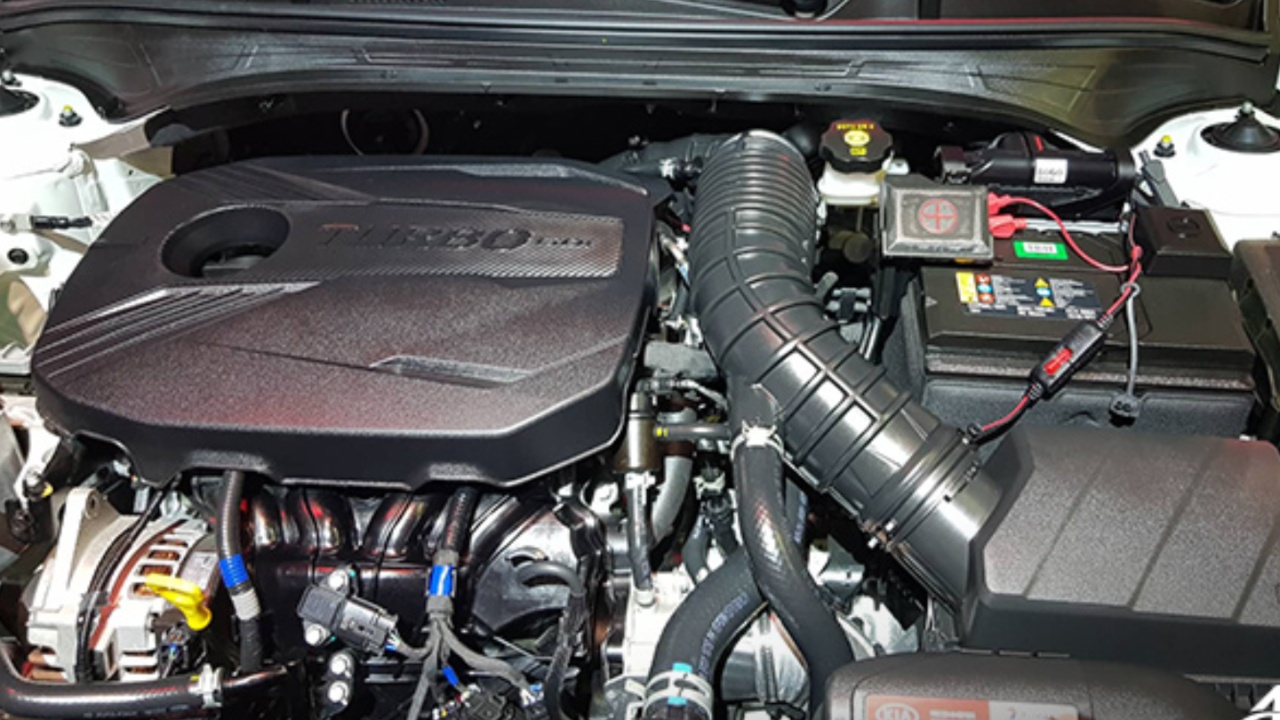
3. Subaru EJ257 (Classic WRX STI): Old-School Turbo Lag and Sudden Power Delivery
The older Subaru EJ257 engine, best known from the North American WRX STI models such as the Subaru WRX STI, is famous for its aggressive power delivery and equally famous for its significant turbo lag. It represents an older generation of turbocharged performance engines that prioritized peak horsepower over smooth, low-end drivability.
One of the main characteristics of the EJ257 is its delayed boost response. Below roughly 3,500 rpm, the engine feels relatively weak, with little acceleration. Once the turbo finally spools, power arrives abruptly and forcefully, creating a dramatic “kick” that many enthusiasts describe as a sledgehammer effect.
While this surge contributes to its exciting driving character, it also makes the car less smooth and more difficult to control in everyday traffic.
The turbo lag is caused by several design factors. The engine uses a fixed-geometry, single-scroll turbocharger, which depends entirely on exhaust pressure to build boost. This setup is slower to respond compared to modern twin-scroll or variable-geometry systems. In addition, the boxer engine layout creates long and uneven exhaust paths, reducing exhaust gas velocity and delaying turbo spool.
The top-mount intercooler system also contributes to lag by increasing the length of the intake piping. This means more air volume must be pressurized before boost reaches the cylinders. Earlier engine management systems further added to the delay, as ECU tuning often prioritized emissions compliance over immediate throttle response.
The EJ257 was engineered for high-RPM performance, delivering its strongest output only after the turbo fully engages. Once in boost, it produces a powerful surge of torque that defines its character. This sudden transition from low power to full boost creates the dramatic and sometimes challenging driving feel that became a signature of the classic STI experience.
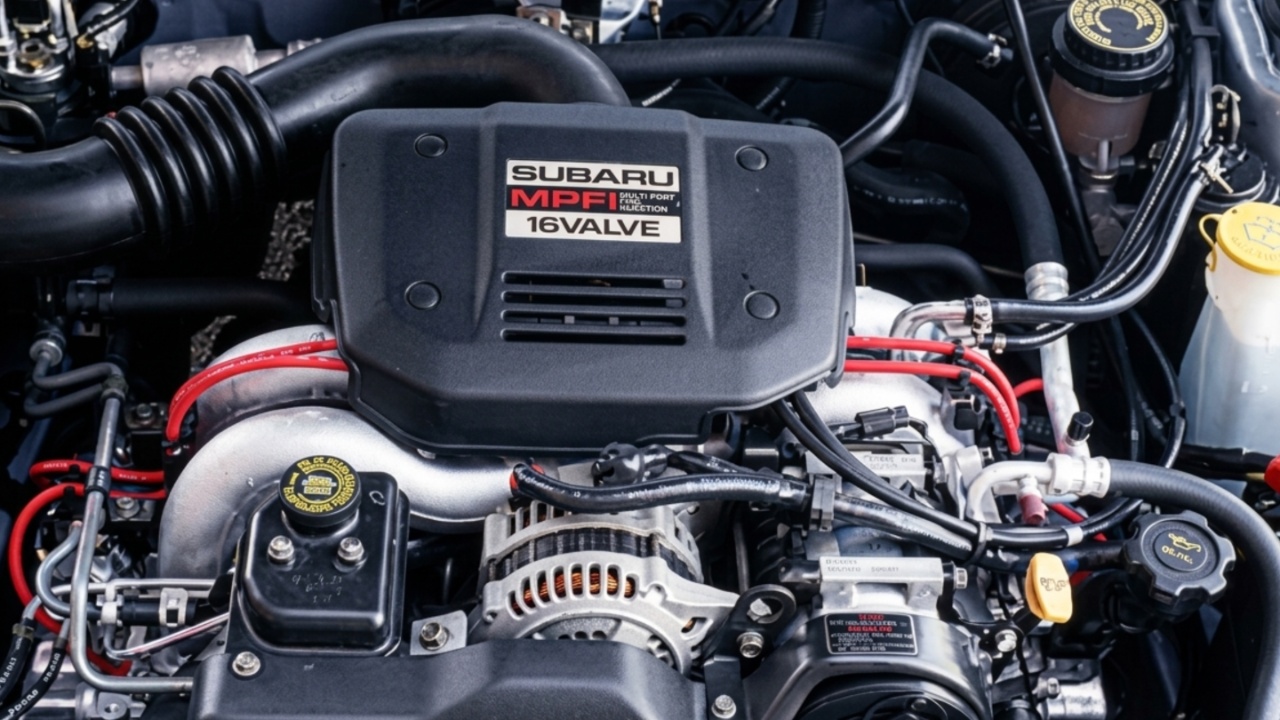
4. Mitsubishi 1.5L Turbo (Eclipse Cross): Efficiency-Oriented Design with Noticeable Response Delay
The Mitsubishi 1.5L turbocharged engine (4B40), used in the Mitsubishi Eclipse Cross, is engineered primarily for fuel efficiency and emissions compliance rather than sharp performance. While it provides adequate power for routine driving, it is often associated with delayed throttle response and noticeable turbo lag, especially during acceleration from a standstill or under load.
A major reason for this behavior is its small 1.5-liter displacement. At low RPM, there is limited exhaust gas energy available to spool the turbocharger quickly. This results in a delay before boost builds, meaning the engine takes a moment before delivering strong acceleration. Drivers often experience this as a pause followed by a sudden surge of power rather than an immediate, linear response.
The continuously variable transmission (CVT) paired with this engine further influences how the power is delivered. Tuned for efficiency, the CVT allows engine RPM to rise before vehicle speed increases in proportion. This creates a “rubber band” sensation, which can amplify the feeling of turbo lag during quick acceleration or overtaking.
Another contributing factor is the engine’s conservative boost strategy. The turbo operates at relatively low pressure to maintain reliability and manage heat within a small displacement engine. While this supports durability and efficiency, it limits immediate throttle response compared to more performance-focused turbocharged systems.
In heavier driving situations, such as highway merging or city traffic, the combination of a small engine and SUV weight can make acceleration feel strained until the turbo reaches its optimal operating range. At steady cruising speeds, the engine performs more smoothly and efficiently, but initial responsiveness remains its most commonly discussed limitation.
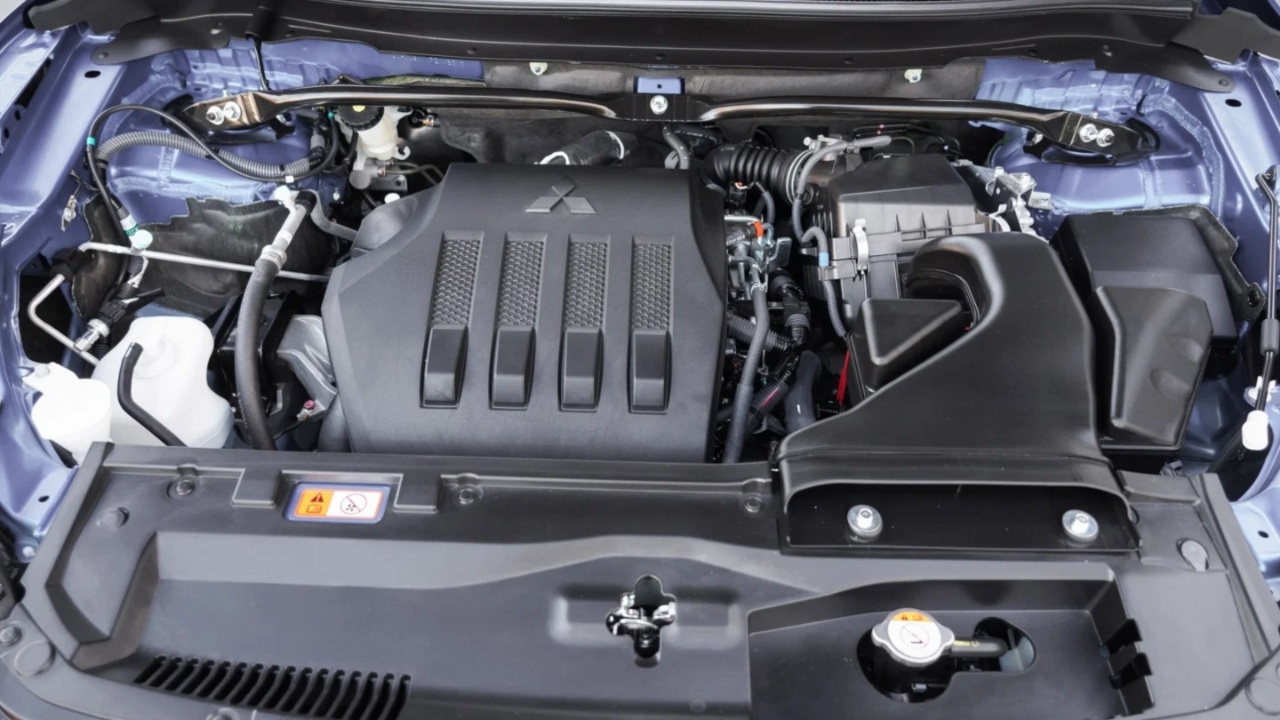
5. Fiat 1.4L MultiAir Turbo (Abarth 500): Small Engine with Aggressive High-RPM Character
The Fiat 1.4L MultiAir Turbo engine, used in models like the Fiat 500 Abarth, is known for its lively personality but also for noticeable turbo lag at low engine speeds. While it delivers strong performance once fully engaged, its behavior below 3,000 rpm can feel sluggish, requiring drivers to keep the engine in its powerband through frequent downshifts.
A key reason for this lag is the combination of a small 1.4-liter displacement and a relatively large high-boost turbocharger producing up to 18 psi of pressure. At low rpm, there is not enough exhaust energy to spin the turbo quickly, causing a delay before full boost arrives. This creates a clear distinction between low-speed drivability and high-rpm performance, where the engine suddenly becomes much more energetic.
The intake and intercooler setup also contributes to delayed response. The Abarth 500 uses a side-mounted intercooler system with long and complex piping, increasing the volume of air that must be pressurized before reaching the engine. This additional airflow path slows throttle response compared to more direct intake designs.
Another factor is the MultiAir system, which uses electrohydraulic valve control instead of a traditional throttle body. While this improves efficiency and emissions, it can make throttle inputs feel less immediate. Factory tuning further emphasizes fuel economy and regulatory compliance, which limits early boost engagement.
Despite these limitations, the engine becomes highly responsive once in its mid-to-high rpm range, delivering a sharp surge of power that defines its “firecracker” character. Many enthusiasts embrace this behavior as part of its old-school turbo personality, even though it requires active gear changes to stay in the optimal powerband.
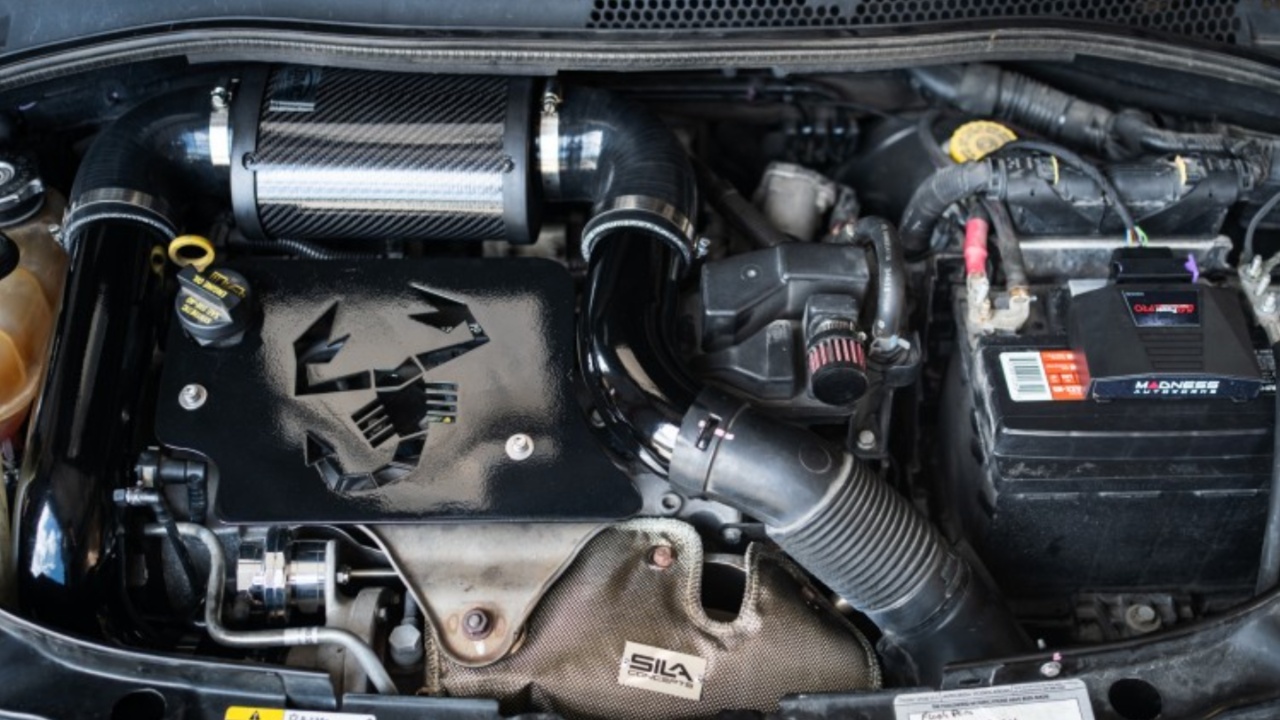
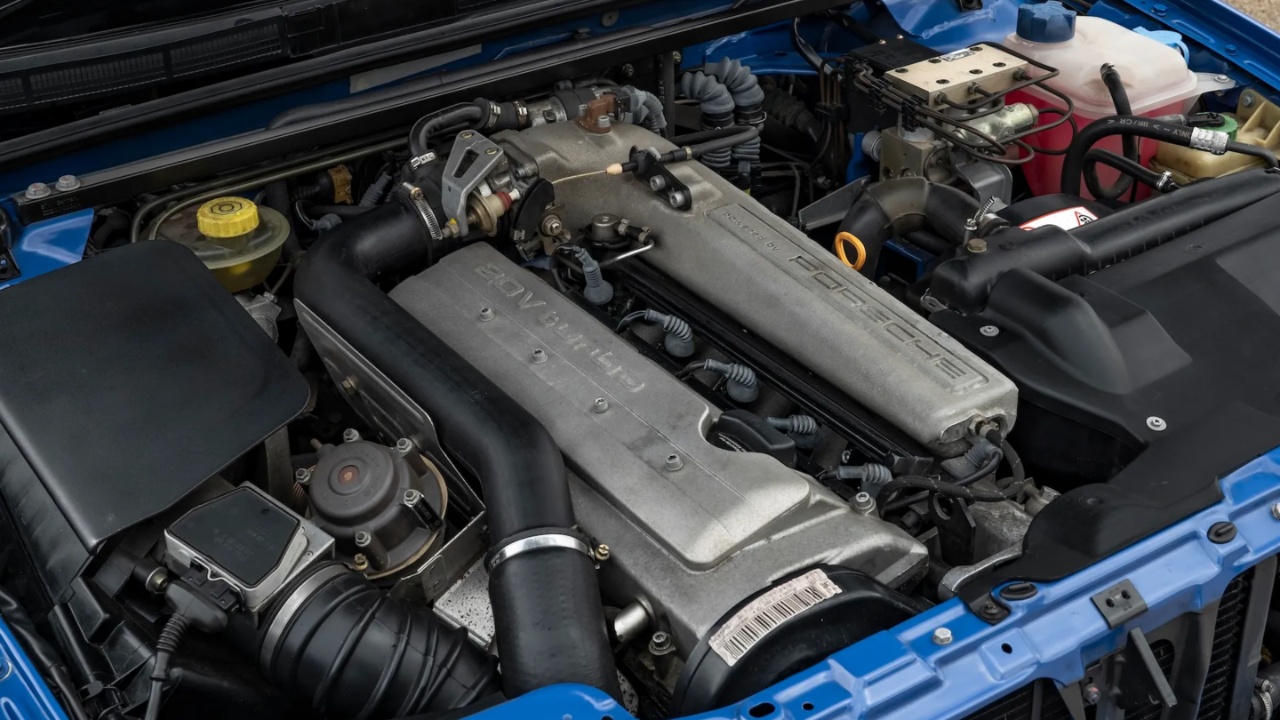
6. Audi RS2 Avant: Iconic 5-Cylinder Turbo Lag and Explosive Power Delivery
The Audi RS2 Avant, a collaboration between Audi and Porsche, is one of the most famous examples of extreme turbo lag in automotive history. Powered by a 2.2-liter turbocharged inline-five engine (ADU), it is often regarded as a benchmark for early high-performance turbocharged engineering. Despite not being a four-cylinder engine, it is frequently referenced in discussions about turbo lag due to its dramatic and memorable power delivery.
A key reason for its pronounced lag is the use of an oversized KKK turbocharger. Porsche upgraded the system to achieve a high output of around 315 horsepower, but the large turbo required significant exhaust energy to spool. At low engine speeds, especially below 3,000 rpm, there is insufficient exhaust flow to generate meaningful boost, resulting in a noticeable delay in acceleration.
Once the turbo reaches its optimal operating range, typically around 3,000 rpm, power arrives suddenly and forcefully. This creates a sharp transition from low response to intense acceleration, often described as a sudden “kick” of power. The effect makes the engine feel sluggish at first, followed by an explosive surge that defines its driving character.
Additional enhancements from Porsche, including upgraded intercoolers, fuel injectors, and camshaft design, supported the engine’s high-performance goals but did not eliminate the inherent lag caused by the large turbocharger. Instead, they helped the engine sustain strong top-end power once boost was achieved.
The RS2 Avant reflects a period in turbocharged performance engineering where peak power was prioritized over smooth drivability. Drivers were required to anticipate boost buildup and keep the engine in its optimal rev range to extract performance.
Comparing “6 Turbo-Four Engines in the USA vs. 6 That Have Massive Turbo Lag” makes one thing clear: turbo technology has transformed dramatically over the past few decades.
Modern engines like the K20C1, EA888, M139, B48, FA24, and 2.3L EcoBoost demonstrate how twin-scroll turbos, advanced valve timing, and precise fuel systems have nearly eliminated lag while improving power delivery and efficiency. These engines feel responsive across the rev range, making them ideal for both daily driving and performance use.
In contrast, engines such as the EJ257, RS2 Avant, and smaller-displacement turbo units from Chevrolet, Kia/Hyundai, Mitsubishi, and Fiat reflect earlier or efficiency-first engineering philosophies.
Their reliance on larger turbos, conservative tuning, or CVT and DCT behavior often results in delayed acceleration and uneven power buildup. While some drivers enjoy the dramatic surge these engines provide, others find the lag challenging in everyday conditions.
Together, these examples highlight the trade-off between instant responsiveness and traditional turbo character, showing how modern engineering continues to close the gap between efficiency and excitement.