The performance car market in the USA is increasingly split between two extremes: machines that deliver high speed, handling, and technology for the money, and prestige models that command high prices largely due to branding, luxury finishes, and heritage.
This comparison between “6 Performance-Per-Dollar Cars in the USA vs. 6 Overpriced Performance Badges” highlights how value and perception can diverge sharply in today’s automotive world. On one side are cars like the Hyundai Elantra N, Mazda MX-5 Miata, and Chevrolet Corvette Stingray, which prioritize engineering efficiency, driving engagement, and real-world usability without excessive pricing.
On the other side are icons such as the Porsche 911 Carrera, BMW M3, and Lexus LC 500, where buyers often pay a premium for badge prestige, luxury refinement, or emotional appeal rather than outright performance advantages.
Together, these six-plus-six examples reveal how modern performance is no longer defined only by horsepower, but by how effectively a car translates price into driving excitement and everyday value.
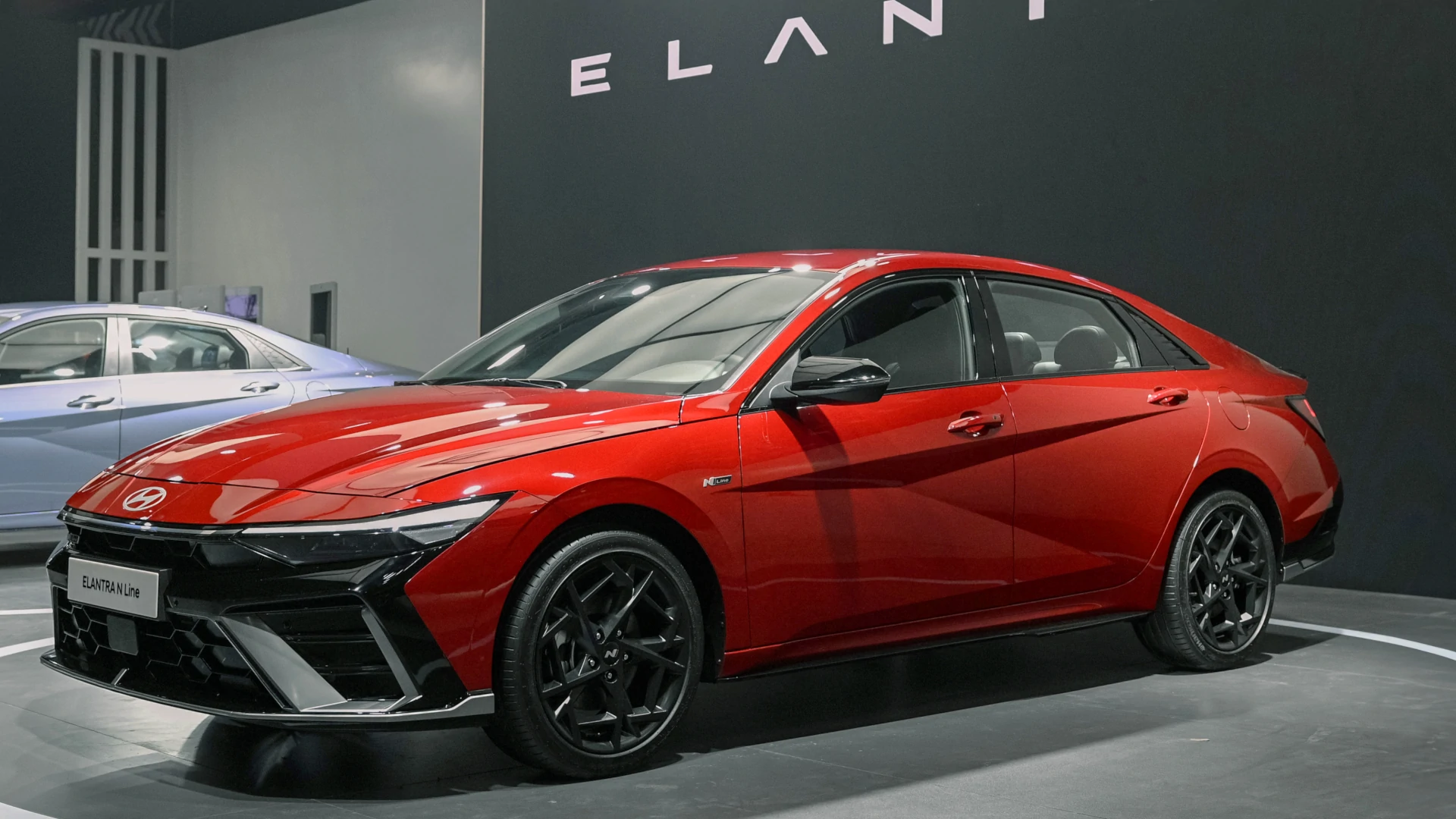
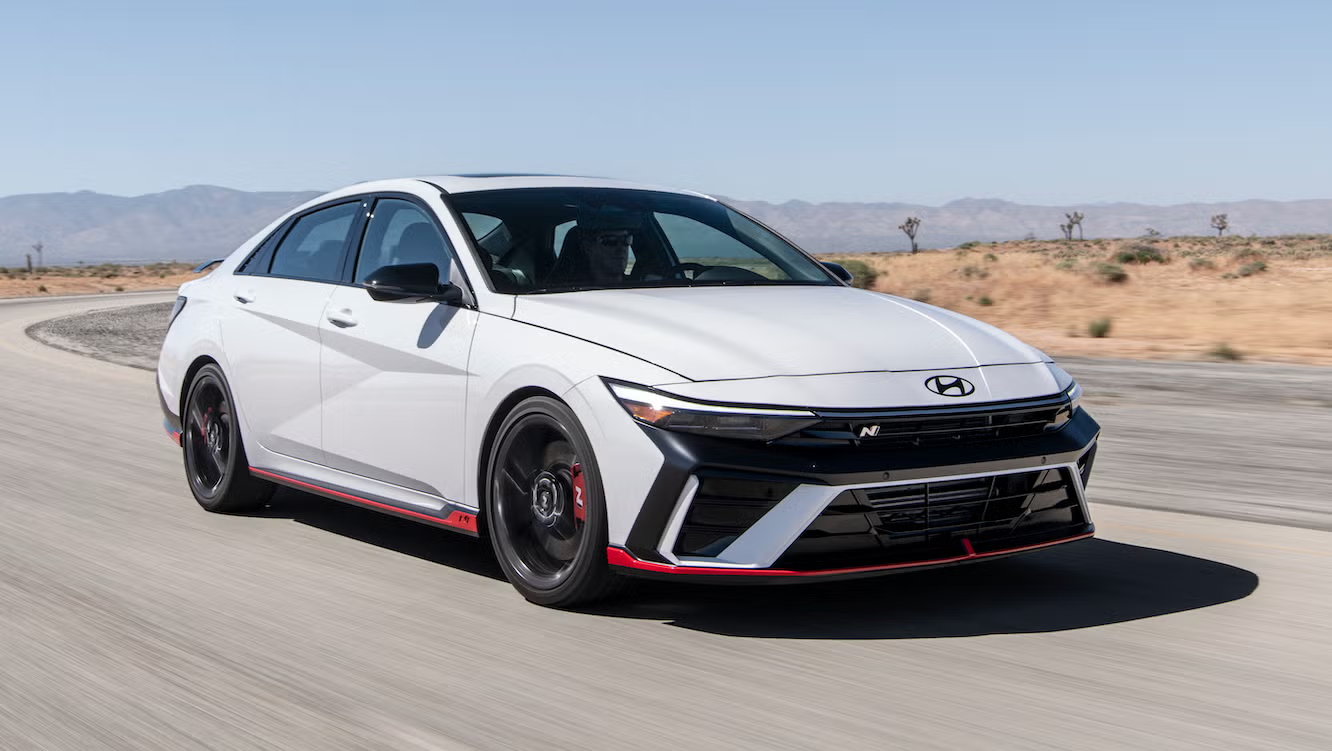
1. 2025 Hyundai Elantra N: Performance Value Redefined
The 2025 Hyundai Elantra N is widely regarded as one of the best performance-per-dollar cars available, combining strong power, advanced engineering, and everyday usability at a price under $36,000. It is not just a quick compact sedan but a genuinely track-capable machine designed to deliver excitement without sacrificing practicality.
Power comes from a turbocharged 2.0-liter four-cylinder engine producing 276 horsepower, which increases to 286 horsepower with the “N Grin Shift” overboost feature.
This allows the Elantra N to accelerate from 0 to 60 mph in about 4.7–4.8 seconds, placing it in the same conversation as more expensive performance cars. Its sharp throttle response, strong torque output, and distinctive exhaust note further enhance the driving experience.
A key reason for its reputation is the inclusion of performance-focused hardware as standard. It features an electronically controlled limited-slip differential, adaptive suspension, high-performance brakes, and an active exhaust system. Drivers can choose between a six-speed manual transmission for a more hands-on feel or an eight-speed dual-clutch automatic that offers quick, track-oriented shifting.
The Elantra N also manages to balance performance with comfort. Compared to the older Hyundai Veloster N, its longer wheelbase provides a smoother ride while maintaining precise handling.
Inside, the cabin has a driver-focused layout with sport seats, metal accents, and dual 10.25-inch displays that show both infotainment and performance data. Standard features include Apple CarPlay, Android Auto, navigation, and a Wi-Fi hotspot.
Fuel efficiency remains competitive for a car in this segment, reaching up to 29 mpg on the highway, with even better results seen in testing. It also includes essential safety technologies such as automatic emergency braking, lane-keeping assist, and blind-spot monitoring.
The 2025 Elantra N successfully combines affordability with genuine performance capability, making it a standout option for enthusiasts seeking both daily usability and track-ready features.
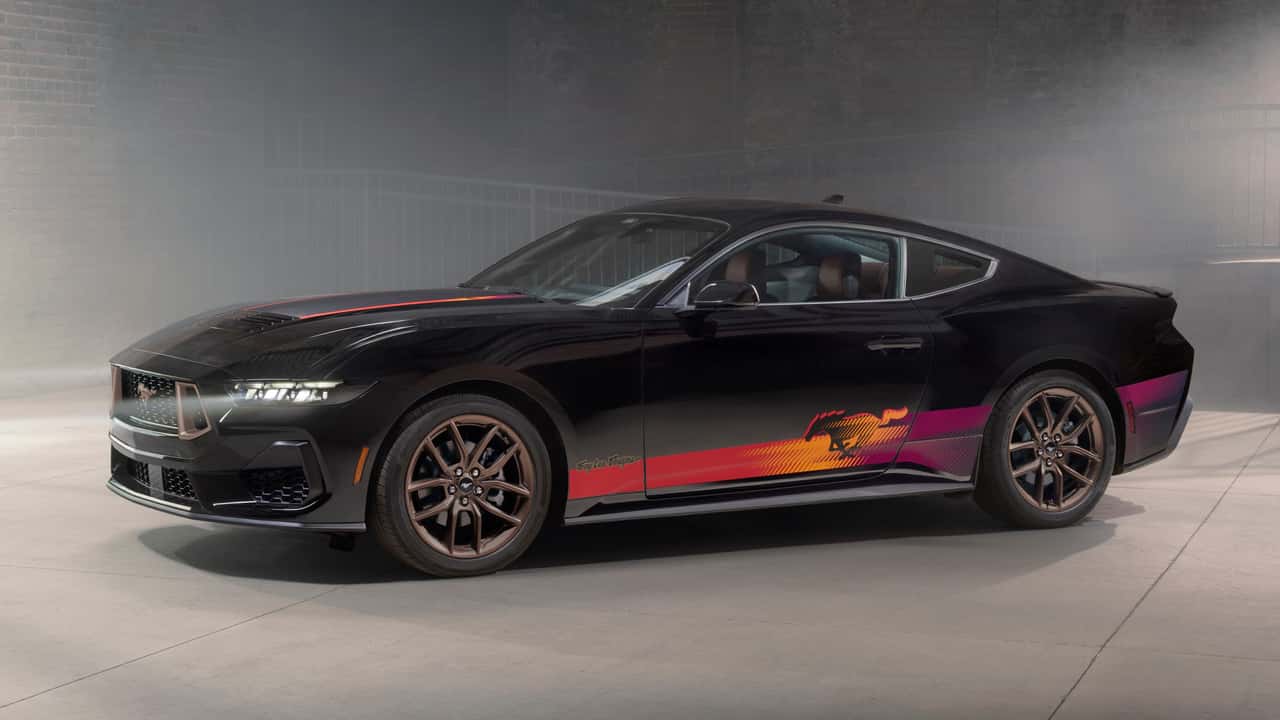
2. 2026 Ford Mustang EcoBoost: Affordable Modern Muscle
The 2026 Ford Mustang EcoBoost demonstrates that a true sports car experience doesn’t require a V8 engine or a high price tag. Starting at around $30,000, it delivers strong performance, modern technology, and the iconic Mustang design at a cost comparable to many everyday sedans. This makes it one of the most compelling performance-per-dollar options in today’s market.
At the heart of the EcoBoost model is a turbocharged 2.3-liter four-cylinder engine producing 315 horsepower and 350 lb-ft of torque. Despite having fewer cylinders than traditional muscle cars, it outperforms many classic V8 Mustangs while maintaining better fuel efficiency.
Acceleration is impressive, with 0–60 mph times ranging from about 4.5 to 5.6 seconds, depending on conditions. Power is delivered through a 10-speed automatic transmission and a rear-wheel-drive layout, preserving the engaging driving dynamics expected from a Mustang.
Handling and driving feel have also improved with the latest generation. The chassis is more refined, offering better steering feedback and balance. Optional upgrades such as the High Performance Package and MagneRide adaptive suspension further enhance cornering ability and ride control, giving the EcoBoost capabilities often found in more expensive sports cars.
Inside, the Mustang blends retro inspiration with modern design. The cabin features a fully digital cockpit, including a 12.4-inch instrument cluster and an available 13.2-inch infotainment screen running Ford’s SYNC 4 system. Drivers can customize displays, including retro-themed layouts inspired by older Mustang models. Standard features like Apple CarPlay, Android Auto, and over-the-air updates ensure the car stays technologically competitive.
Fuel economy is another advantage, with ratings reaching up to 33 mpg on the highway, making it more practical for daily use than its V8 counterparts. Safety is supported by the Ford Co-Pilot360 suite, which includes features like automatic emergency braking and lane-keeping assist.
The 2026 Mustang EcoBoost combines performance, efficiency, and modern features in an accessible package, making it an appealing choice for drivers who want the Mustang experience without the higher cost of V8 models.
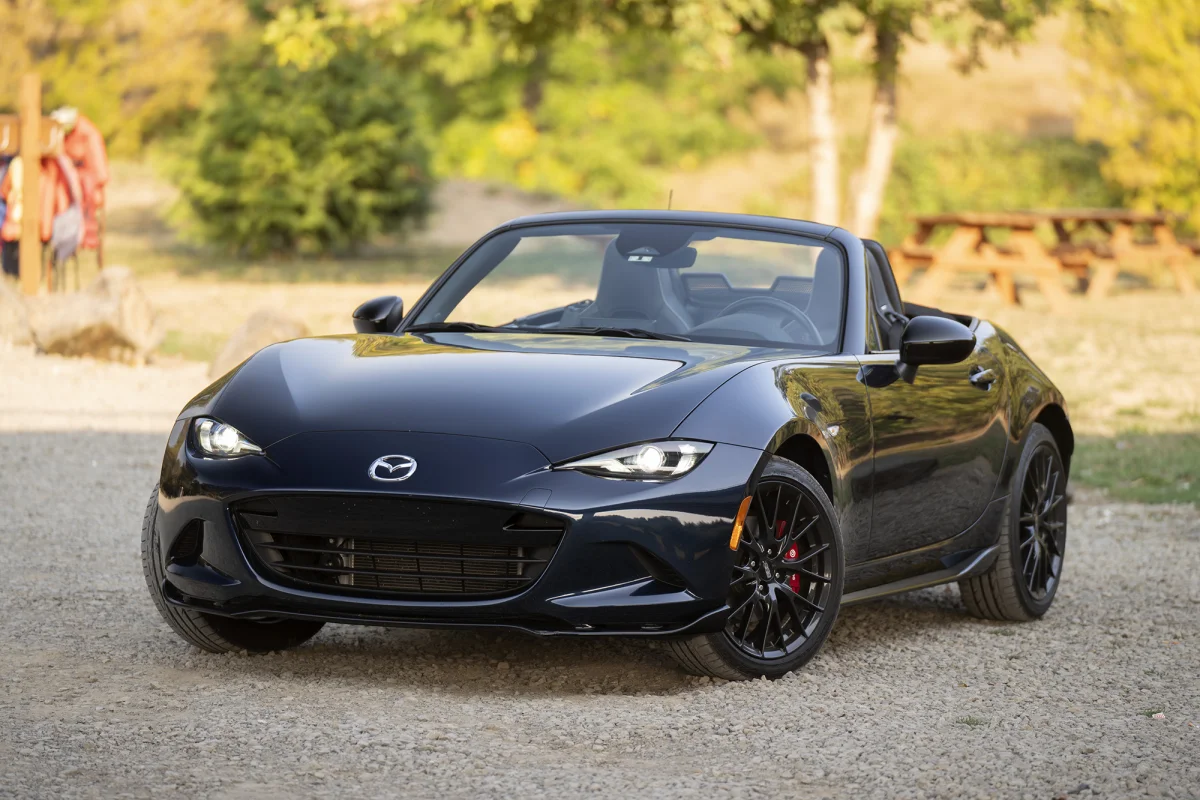
3. 2026 Mazda MX-5 Miata: Pure Driving, Perfect Balance
The 2026 Mazda MX-5 Miata continues to define what a true driver-focused sports car should be. Starting at roughly $25,000–$30,000, it delivers an engaging, lightweight, rear-wheel-drive experience that prioritizes connection and balance over raw power. In an era dominated by heavier, technology-heavy vehicles, the Miata stands out for its simplicity and focus on driving enjoyment.
Rather than chasing high horsepower numbers, the Miata relies on a naturally aspirated 2.0-liter four-cylinder engine producing around 181 horsepower. While this may seem modest, the car’s extremely low weight gives it an excellent power-to-weight ratio, allowing it to feel quick and responsive.
Acceleration to 60 mph takes about 5.5 seconds, which is competitive within its class. The engine’s high-revving nature, with a redline near 7,000 rpm, encourages drivers to fully engage with the car.
A defining feature of the Miata is its six-speed manual transmission, widely praised for its precise and satisfying shifts. This gearbox enhances the “Jinba-Ittai” philosophy, Mazda’s concept of unity between driver and machine. Although an automatic option is available, the manual transmission is central to the car’s appeal.
Handling is where the Miata truly excels. Its near-perfect 50/50 weight distribution, rear-wheel-drive layout, and light steering create a nimble, playful driving experience.
The suspension setup, especially in higher trims with Bilstein dampers and performance components like Brembo brakes and a limited-slip differential, ensures sharp cornering and strong control. The car’s agility often rivals or surpasses more powerful and expensive sports cars.
Efficiency and affordability also contribute to its value. The Miata achieves up to 34–35 mpg on the highway, with even higher real-world results reported. Its lightweight design reduces wear on tires and brakes, keeping maintenance costs relatively low.
Inside, the cabin is simple and focused, offering essential features like an 8.8-inch infotainment system, Apple CarPlay, and Android Auto. Space is limited, with minimal cargo capacity, but this reflects its purpose as a pure two-seat sports car.
The 2026 Miata proves that driving excitement comes from balance, precision, and connection rather than sheer power, making it one of the most rewarding and accessible sports cars available.
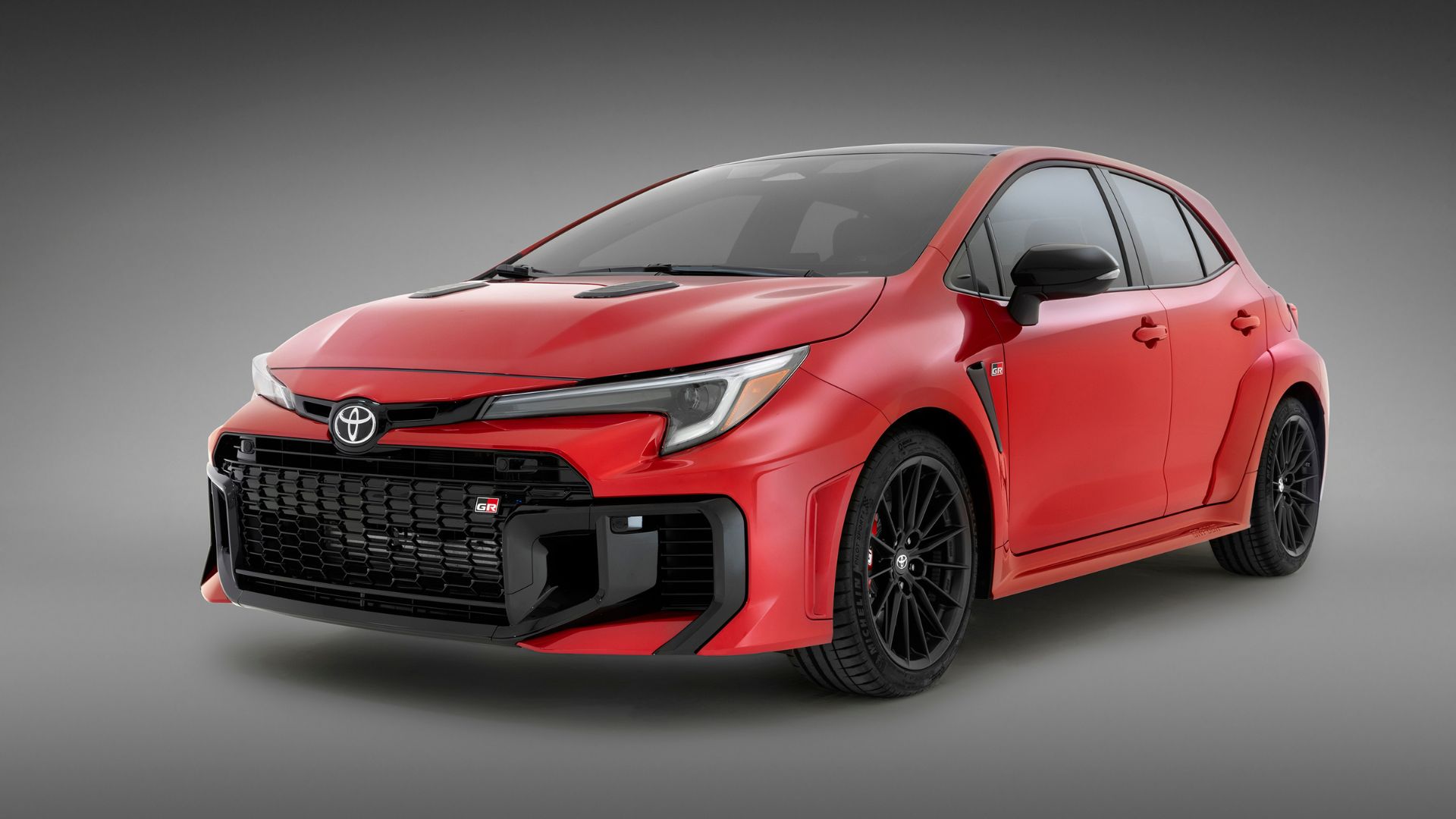
4. 2025 Toyota GR Corolla: Rally-Bred Performance in a Practical Package
The 2025 Toyota GR Corolla is a standout in the performance compact segment, offering rally-inspired engineering and serious capability at a relatively accessible price of around $39,000–$40,000. Built as a high-performance version of the standard Corolla hatchback, it transforms a practical daily driver into a track-ready machine with impressive versatility.
Powering the GR Corolla is a turbocharged 1.6-liter three-cylinder engine that produces 300 horsepower. Despite its small size, this engine delivers strong acceleration, achieving 0–60 mph in approximately 4.9 seconds.
The 2025 model benefits from increased torque, enhancing responsiveness and making the car feel even more energetic in real-world driving. Buyers can choose between a six-speed manual transmission for a more traditional, engaging experience or an eight-speed automatic that provides quick, precise shifts and improved convenience.
One of the car’s most distinctive features is the GR-Four all-wheel-drive system. This advanced setup allows drivers to adjust power distribution between the front and rear wheels, with selectable modes such as 60:40 for normal driving, 50:50 for maximum traction, and 30:70 for a rear-biased feel suited to spirited driving. This adaptability gives the GR Corolla a wide range of driving characteristics depending on conditions and driver preference.
The vehicle’s performance credentials are further supported by its mechanical upgrades. It features a stiff, circuit-tuned suspension, strong braking systems, and a widened body for improved stability and grip. The triple exhaust system and aggressive styling highlight its motorsport influence, while its handling remains sharp and confidence-inspiring on both roads and tracks.
Inside, the GR Corolla retains much of the standard Corolla’s cabin, offering solid build quality and modern technology such as an 8-inch infotainment system with Apple CarPlay and Android Auto. While the interior is relatively simple, it includes sporty touches like performance seats and aluminum pedals. Practicality remains a strength, with usable rear seating and hatchback cargo space.
The GR Corolla delivers a unique blend of rally heritage, performance engineering, and everyday usability, making it an exciting option for enthusiasts who want both speed and functionality.
5. 2026 Toyota GR86: Lightweight Precision for Driving Enthusiasts
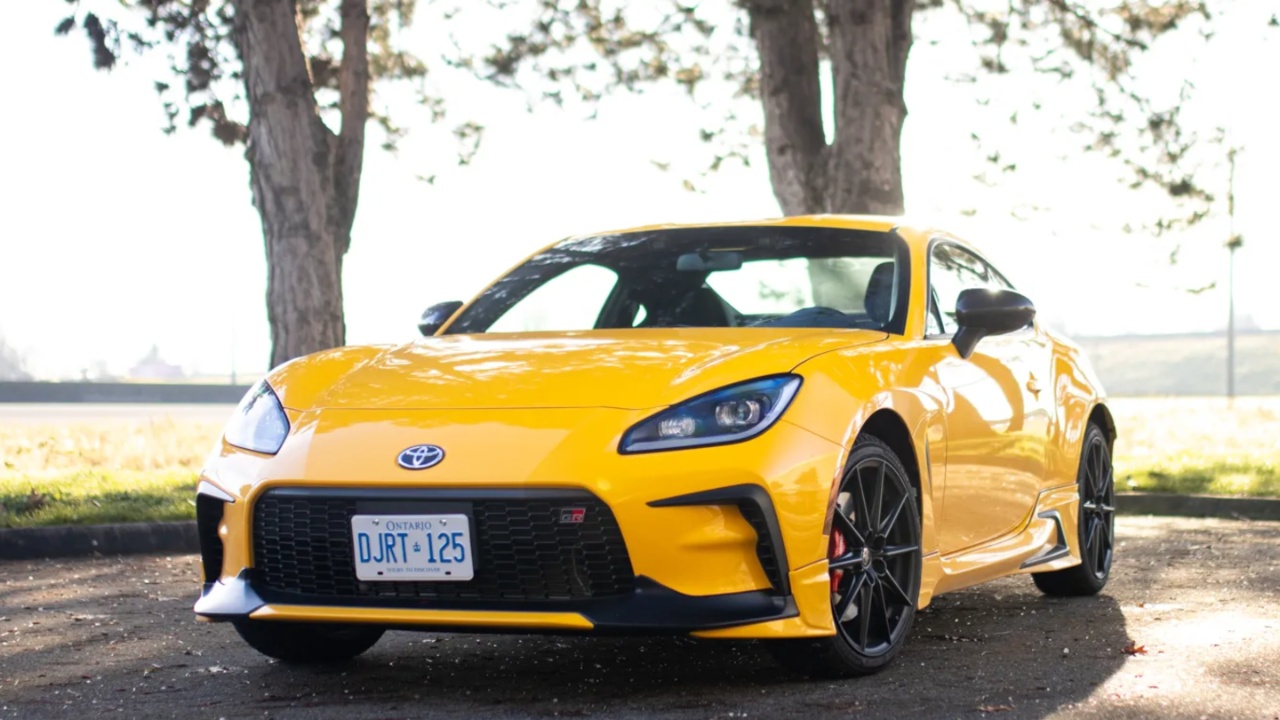
The 2026 Toyota GR86 represents a modern take on the affordable, driver-focused sports cars of the 1990s. Priced at around $30,000, it delivers a balanced combination of lightweight design, rear-wheel-drive dynamics, and engaging performance, making it an ideal entry point for enthusiasts and aspiring track drivers.
At its core is a naturally aspirated 2.4-liter flat-four (boxer) engine producing 228 horsepower. While not designed for outright speed dominance, the GR86 focuses on usable performance and driver involvement.
Its smooth, linear power delivery and improved torque curve make it more responsive in everyday driving situations. Acceleration from 0 to 60 mph takes roughly 5.0–5.4 seconds, which, combined with its relatively low weight of around 2,800 pounds, creates a lively and responsive driving feel.
A defining characteristic of the GR86 is its low center of gravity, achieved through its boxer engine layout and compact design. This contributes to exceptional handling and balance, allowing the car to corner with precision and confidence.
The rear-wheel-drive setup enhances driver control, while the suspension is tuned to provide both responsiveness and comfort. The six-speed manual transmission is the preferred choice, offering crisp, direct shifts that strengthen the connection between driver and machine, though an automatic option is available.
The GR86 is often described as a “momentum car,” meaning it rewards skillful driving and encourages maintaining speed through corners rather than relying solely on power. This makes it especially appealing for track days and spirited driving on winding roads, where its agility and communication shine.
Inside, the cabin is simple yet functional, with supportive seating and a driver-focused layout. It includes an 8-inch infotainment system, a digital gauge cluster with selectable driving modes, and standard Apple CarPlay and Android Auto. While the rear seats are small, they can be folded down to increase cargo space, adding a level of practicality.
Fuel efficiency is reasonable for a sports car, reaching up to around 30 mpg on the highway. Safety features such as automatic emergency braking, lane-departure warning, and adaptive cruise control are also included.
The 2026 GR86 delivers an engaging, balanced driving experience that emphasizes skill, precision, and enjoyment at an accessible price point.
6. 2025 Chevrolet Corvette Stingray: Supercar Performance at a Fraction of the Cost
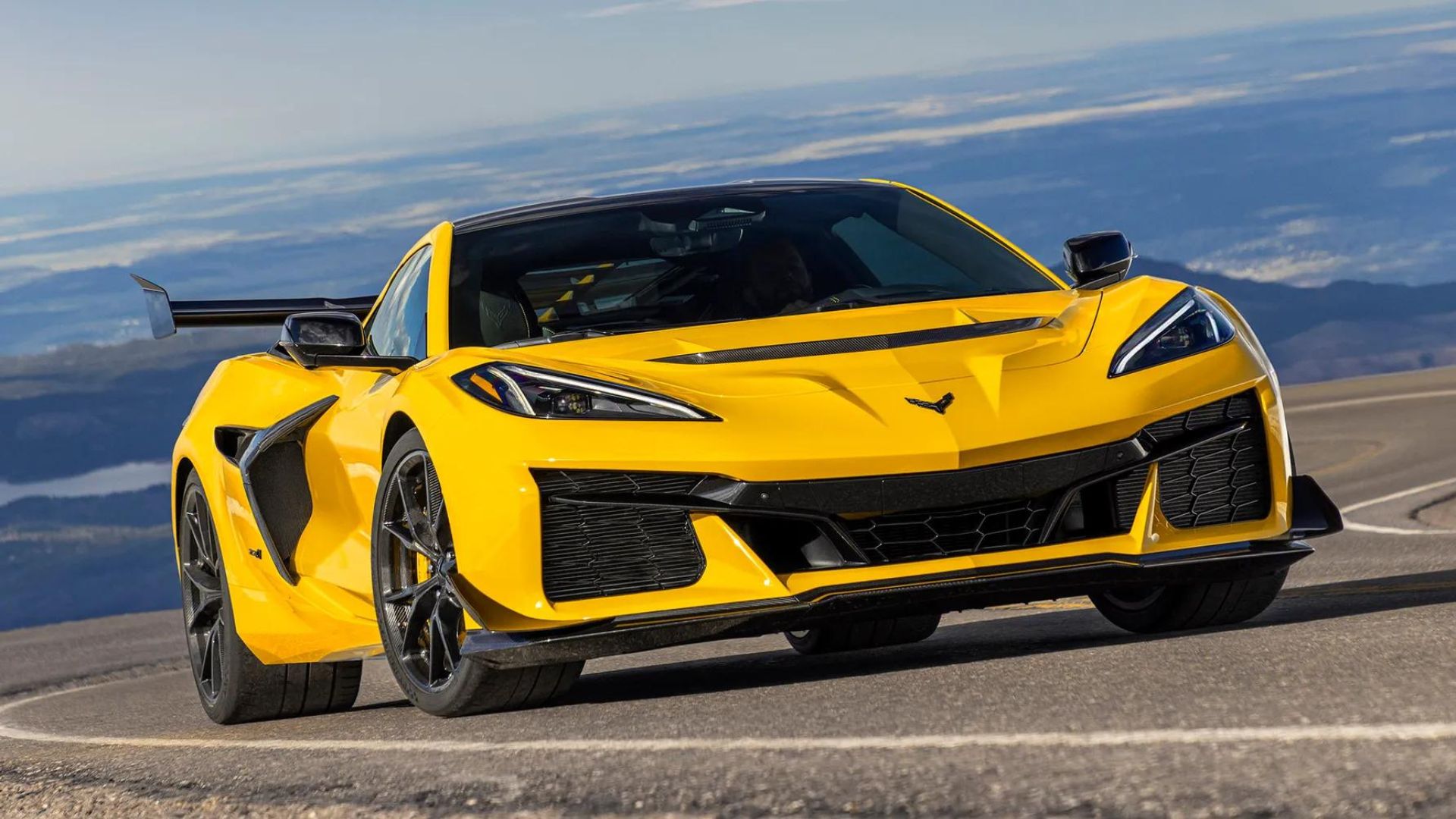
The 2025 Chevrolet Corvette Stingray redefines what a performance bargain can be, delivering exotic-level speed and styling at a starting price of around $68,000. Although it is the most expensive option in its category, it offers performance comparable to high-end European supercars at a significantly lower cost, making it one of the most compelling value propositions in the automotive world.
At the heart of the Corvette Stingray is a naturally aspirated 6.2-liter V8 engine producing up to 495 horsepower with the optional performance exhaust. This power enables blistering acceleration, with 0–60 mph times as low as 2.8–2.9 seconds when equipped with the Z51 Performance Package. These figures place it firmly in supercar territory, rivaling vehicles from brands like Ferrari and Lamborghini that often cost two to three times more.
A major factor in its performance is the shift to a mid-engine layout, which improves weight distribution, traction, and handling precision. This configuration allows the Corvette to deliver exceptional balance and responsiveness, making it equally capable on both the road and the track. The standard eight-speed dual-clutch transmission provides rapid gear changes, further enhancing its performance capabilities.
The available Z51 package adds track-focused upgrades such as enhanced cooling, performance suspension, upgraded Brembo brakes, and an electronic limited-slip differential. Combined with features like Magnetic Ride Control, the Corvette achieves impressive grip and stability while still maintaining a comfortable ride for daily use.
Inside, the Corvette Stingray offers a driver-focused cabin with a premium feel. High-quality materials, a 12.7-inch infotainment system, and a fully digital gauge cluster create a modern, high-tech environment. Despite its performance focus, the car remains practical for a two-seater, offering front and rear storage compartments suitable for everyday use or short trips.
Fuel economy is reasonable for a high-performance V8, reaching up to 25 mpg on the highway. Maintenance costs are also lower than those of many European rivals, thanks to widespread service availability.
The 2025 Corvette Stingray combines supercar-level speed, advanced engineering, and relative affordability, making it a standout choice for those seeking maximum performance without entering ultra-luxury price territory.
Also read: 12 Cars That Prove Practical Doesn’t Mean Boring
6 Overpriced Performance Badges
1. 2025 Porsche 911 Carrera: Iconic Engineering with a High Price Tag
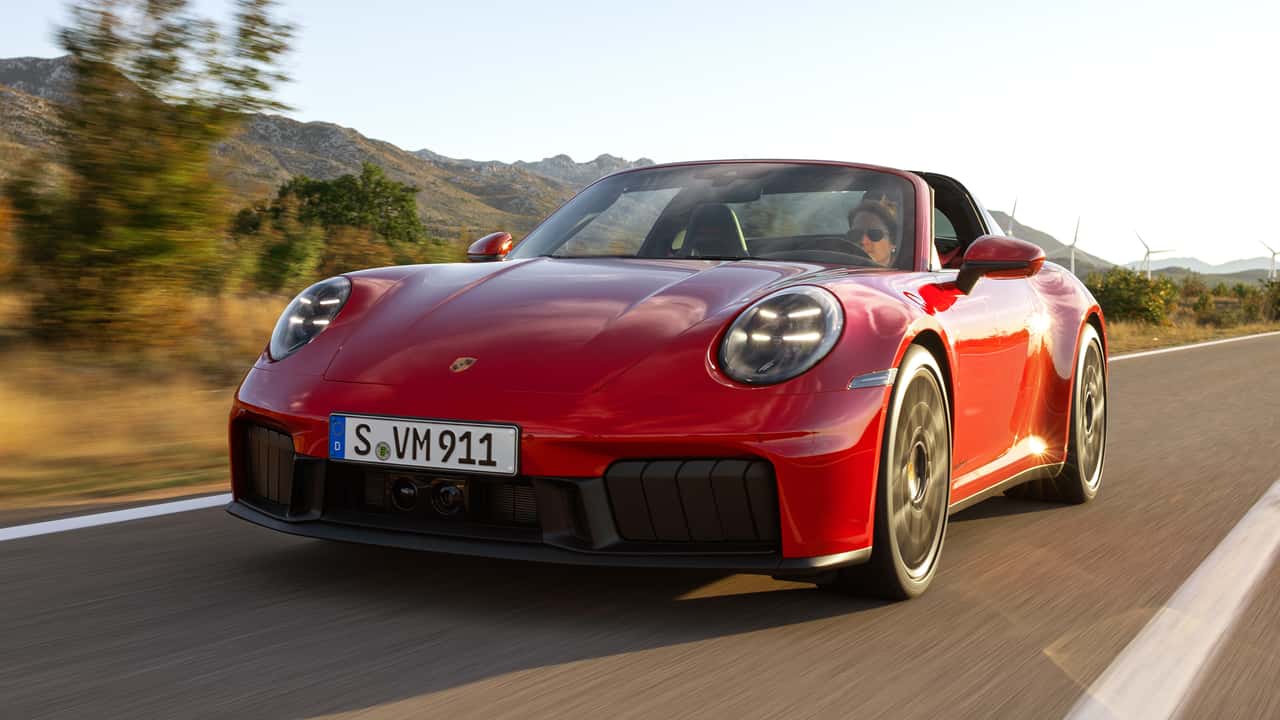
The 2025 Porsche 911 Carrera remains one of the most iconic sports cars in the world, but its value proposition has become increasingly debated. With a starting price exceeding $120,000, the base Carrera has moved far beyond the reach of typical “entry-level” sports car pricing, especially once optional performance features and comfort upgrades are added.
Powered by a 3.0-liter twin-turbo flat-six engine producing 388 horsepower, the base 911 delivers strong performance and refined driving dynamics. However, in today’s market, these figures are no longer class-leading. Competing cars such as the Chevrolet Corvette Z06 offer significantly higher horsepower at a lower price, raising questions about the 911’s performance-per-dollar value.
A major factor behind its high cost is the so-called “badge tax,” where buyers pay a premium for the Porsche name, heritage, and prestige. Even though the 911 is well-built and highly refined, many features that come standard on less expensive performance cars, such as upgraded seats or sports exhaust systems, are optional extras, pushing the final price even higher. This creates a situation where the base model often feels like a starting point for a much more expensive lineup.
The latest generation (992.2) also introduces a fully digital dashboard, replacing the traditional analog tachometer. While modern and advanced, this change has disappointed some enthusiasts who prefer a more classic, mechanical driving experience.
Despite these criticisms, the 911 Carrera still earns praise for its everyday usability, high-quality interior, and exceptional handling. Many owners describe it as a “super-daily” sports car that performs well in both city driving and spirited conditions.
The 2025 Porsche 911 Carrera offers world-class engineering and prestige, but its high entry price and optional-heavy configuration make its value less competitive compared to more performance-focused rivals.
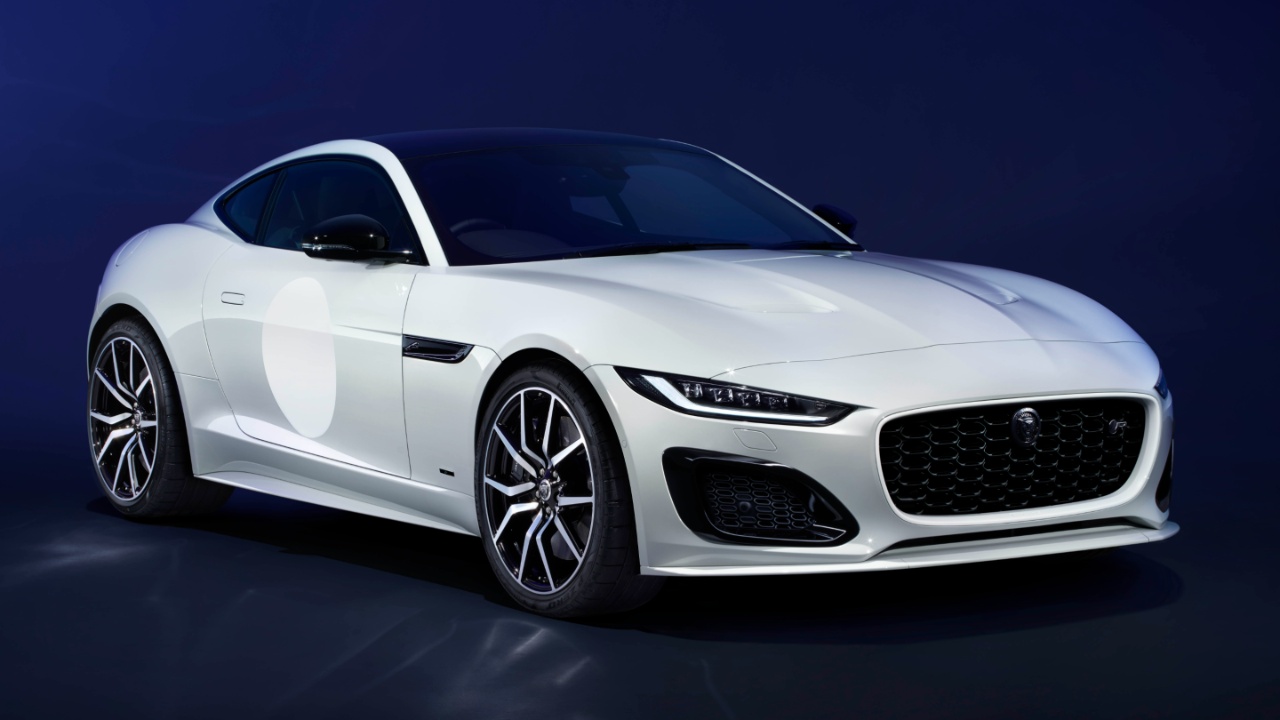
2. 2024 Jaguar F-Type: Style-Driven Appeal in a Changing Performance Market
The 2024 Jaguar F-Type represents the final chapter of Jaguar’s modern sports coupe, but its appeal is increasingly rooted in design and emotion rather than competitive value. With a starting price around $77,000 and rising well past $100,000 in higher trims and special editions, it sits in a segment where newer rivals often deliver stronger performance, better technology, and improved efficiency for similar or lower cost.
The F-Type remains highly regarded for its striking styling and its supercharged V8 engine, which produces a thunderous exhaust note and strong acceleration. However, its underlying platform is more than a decade old, which shows in its driving dynamics compared to newer competitors.
The chassis feels heavier and less precise under demanding conditions, especially when compared to more modern mid-engine or highly refined performance platforms.
Interior technology is another area where the F-Type trails rivals. While the 2024 model includes a digital instrument display and smartphone connectivity, the infotainment system and interface feel dated next to more advanced setups in competing sports cars. This reinforces the perception that buyers are paying heavily for design and brand identity rather than cutting-edge engineering.
In terms of value, the F-Type struggles against competitors like the Chevrolet Corvette and Porsche 718 Cayman, which often offer superior handling, newer architecture, and stronger performance at similar or lower prices. Optional features and limited-edition models further increase the cost without significantly improving core driving capability.
Ownership considerations also affect its market position. The F-Type is known for steep depreciation, with significant value loss within a few years of ownership. Maintenance and repair costs are higher than average, and long-term reliability has been inconsistent, adding to the cost of ownership beyond the purchase price.
Despite these drawbacks, the F-Type continues to attract enthusiasts drawn to its design, sound, and exclusivity. As one of the last supercharged V8 sports coupes, it retains emotional appeal even as its performance-per-dollar standing weakens in a rapidly evolving segment.
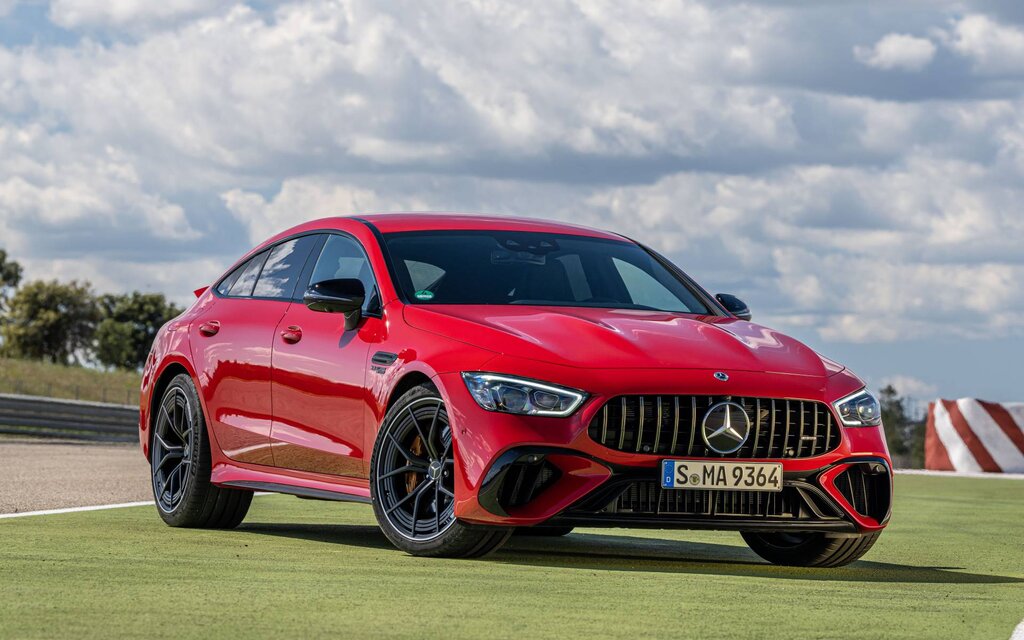
3. 2026 Mercedes-AMG GT 4-Door: High Cost, Mixed Identity, and Uneven Value
The 2026 Mercedes-AMG GT 4-Door is a high-performance luxury sedan that starts around six figures and climbs well beyond $200,000 in top trims. Despite its impressive speed and striking design, it is often criticized for an unclear identity, attempting to function simultaneously as a luxury cruiser, a track-focused machine, and a styling statement.
Power is not the issue for the AMG GT 4-Door. It delivers strong acceleration and high horsepower across its lineup, but its performance is affected by significant weight, similar to that of a small SUV.
This added mass reduces agility and dulls the sharp, responsive feel expected from an AMG-badged vehicle. Even in more powerful variants, the driving experience is often described as less engaging than lighter, more focused rivals.
A large portion of the car’s cost is attributed to luxury and technology features rather than core performance. The cabin features expansive digital displays, ambient lighting, and heavily upholstered surfaces, yet some reviewers note that material quality does not always match its price level. The infotainment system relies heavily on touch-based controls, which can feel less intuitive compared to physical interfaces found in competing models.
Ride comfort and usability also present challenges. The suspension is tuned firmly, which improves handling but reduces comfort during daily driving. Limited rear visibility and high window lines make maneuvering more difficult, increasing reliance on camera systems. In some hybrid variants, battery placement reduces cargo space, further affecting practicality.
Compared to competitors such as the Porsche Panamera and Bentley Continental GT, the AMG GT 4-Door is often seen as less refined in comfort and interior execution, even if it matches or exceeds them in straight-line performance.
Despite these criticisms, it still appeals to buyers seeking aggressive styling and strong acceleration in a four-door format, but its high price and uneven execution impact its perceived value.
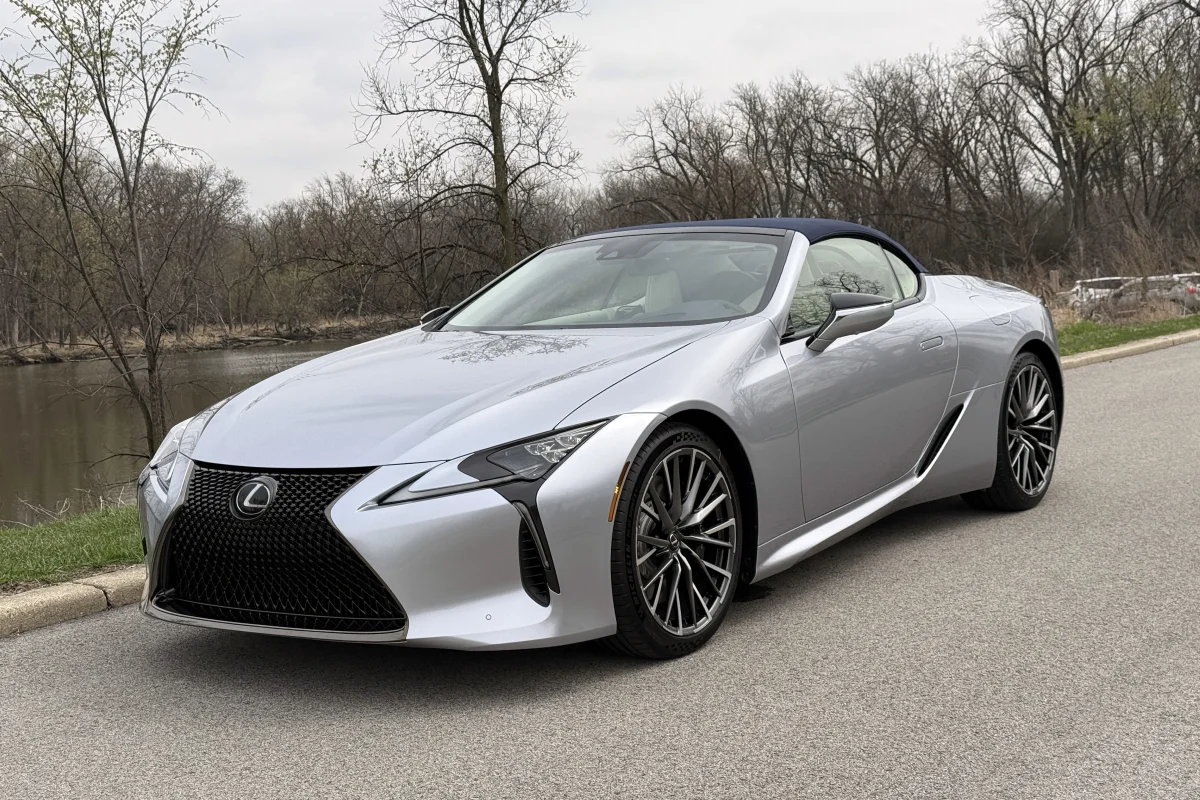
4. 2025 Lexus LC 500: Luxury Design First, Performance Second
The 2025 Lexus LC 500 is widely admired as one of the most visually striking luxury coupes on the market, blending concept-car styling with exceptional craftsmanship. Priced at over $100,000, it focuses heavily on design, comfort, and exclusivity rather than outright performance, positioning itself more as a grand touring statement than a pure sports car.
Power comes from a naturally aspirated 5.0-liter V8 producing 471 horsepower, enabling a 0–60 mph time of about 4.4 seconds. While this is respectable, it is not class-leading for its price range.
Competitors such as the Porsche 911 and BMW M8 offer quicker acceleration and more advanced performance engineering, often at similar or only slightly higher costs. Even much cheaper cars like the Ford Mustang GT and Mazda MX-5 Miata can rival or surpass it in straight-line speed or handling, highlighting its value limitations from a performance standpoint.
A major factor influencing its character is weight. The LC 500 is a heavy vehicle, which reduces agility and sharpness compared to lighter, more focused sports cars. This makes it better suited for relaxed, high-speed cruising rather than aggressive driving or track use. Its naturally aspirated V8 is praised for its sound and smooth delivery but is considered less advanced than modern turbocharged or hybrid alternatives.
Inside, however, the LC 500 excels. It showcases Lexus craftsmanship, premium materials, and meticulous attention to detail, reflecting the brand’s “Takumi” philosophy. The cabin is designed for comfort and luxury rather than minimalism or racing focus.
While ownership costs and maintenance can be high, supporters argue that the LC 500 justifies its price through its design, refinement, reliability, and emotional appeal. It remains a luxury grand tourer that prioritizes artistry and experience over performance metrics.
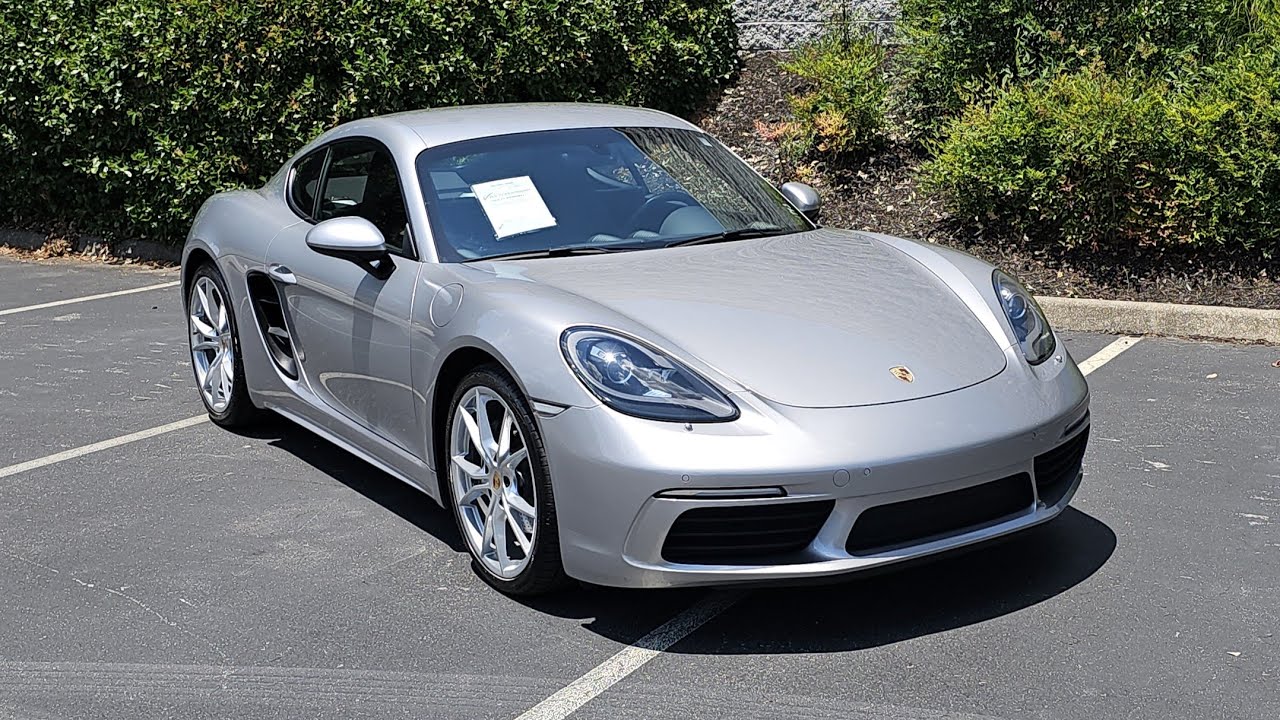
5. Porsche 718 Cayman (Base): Precision Driving at a Premium Price
The Porsche 718 Cayman base model is widely praised for its exceptional handling but often criticized for its high price relative to its performance package. Starting around $70,000–$75,000, it carries a significant premium largely tied to the Porsche badge and its mid-engine layout rather than outright power or features.
Under the hood, the base Cayman uses a 2.0-liter turbocharged four-cylinder engine producing about 300 horsepower. While capable, many enthusiasts feel it lacks the character expected at this price point, especially compared to Porsche’s own higher trims with flat-six engines. The engine sound is often described as less refined, and the emotional “theatre” associated with Porsche sports cars is reduced in the base version.
Performance-wise, the Cayman is still excellent, but competitors challenge its value. Cars like the BMW M2 and Toyota GR Supra offer more cylinders and stronger straight-line performance at similar or lower prices. The Chevrolet Corvette also delivers significantly more power and acceleration for comparable money, making the Cayman less competitive on specifications alone.
Another concern is its option-heavy pricing structure. Many features expected as standard elsewhere, such as advanced driver aids, upgraded infotainment, or performance packages like PASM and Sport Chrono, require additional payment. This quickly pushes the price into $80,000–$90,000 territory, where higher Cayman trims become more appealing.
The interior is well-built but relatively simple, with a smaller infotainment screen and limited standard technology compared to rivals. Maintenance and ownership costs are also higher than average, adding to long-term expenses.
Despite these criticisms, the Cayman remains highly respected for its mid-engine balance, steering precision, and chassis tuning. Its driving dynamics are considered among the best in the segment, and it retains strong resale value, making it a driver-focused machine where experience takes priority over specifications.
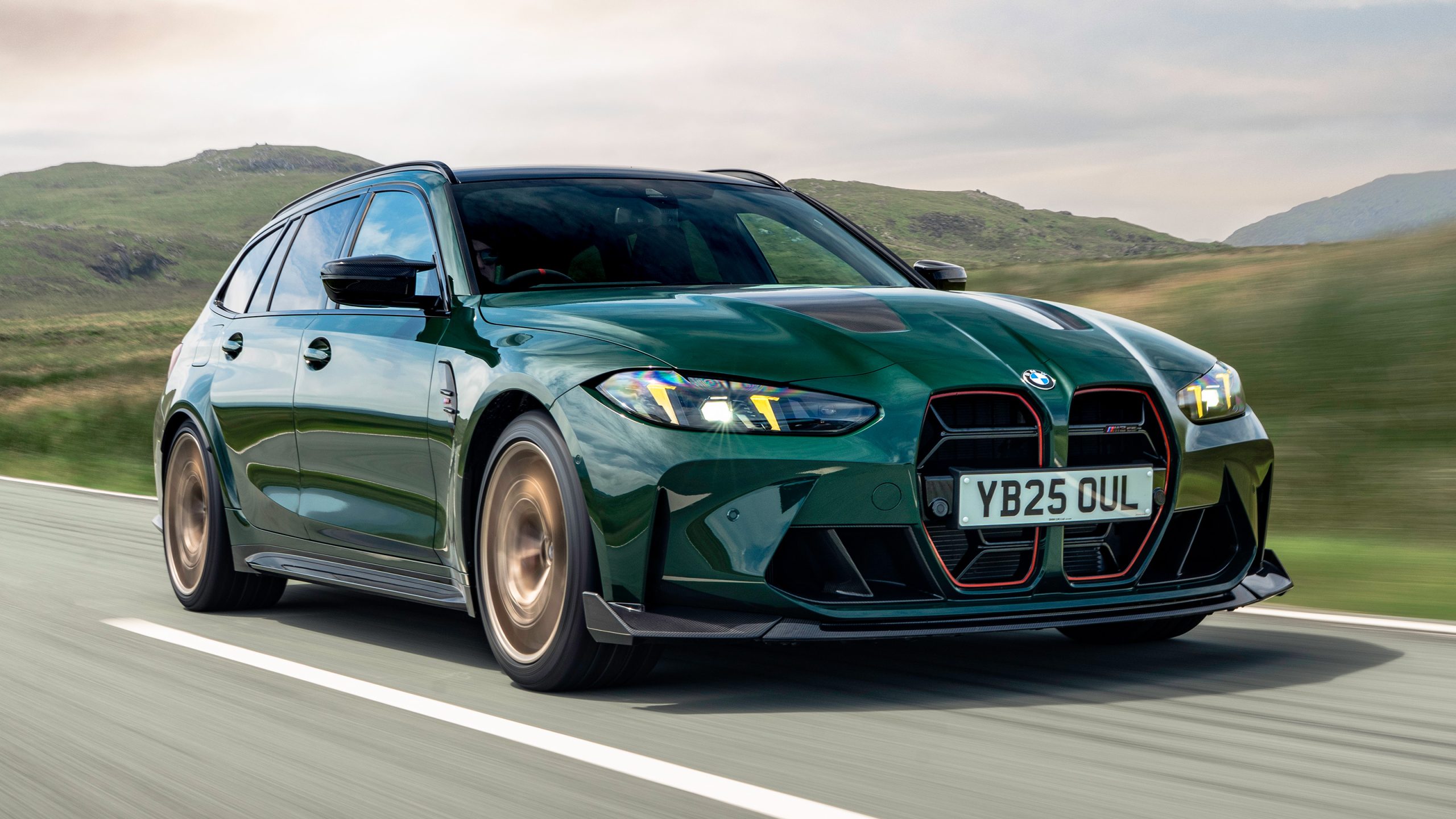
6. 2025 BMW M3: Performance Benchmark with Rising Costs and Added Complexity
The 2025 BMW M3 remains a defining name in the performance sedan segment, but its pricing and positioning have shifted significantly. Once seen as an attainable enthusiast car, it now typically ranges from about $80,000 to over $110,000 when fully optioned, placing it in a more exclusive luxury category than earlier generations.
Power comes from a twin-turbocharged inline-six engine producing between 473 and 523 horsepower, depending on configuration. Acceleration remains strong, with 0 to 60 mph times ranging from 4.1 seconds in the base model to about 3.4 seconds in the Competition xDrive version. Even with these figures, the car’s increased weight, nearing 4,000 pounds in some trims, reduces some of the agility and raw feedback associated with older M3 models.
A major factor behind the higher cost is the growing reliance on optional equipment and technology packages. Buyers often add features such as carbon-fiber interior trim, large curved digital displays, advanced driver assistance systems, and performance upgrades like carbon-ceramic brakes. These additions can push the price into supercar territory, raising questions about value relative to performance gains.
Ownership expenses also shape its market perception. The M3 is associated with high insurance premiums, steep depreciation, and above-average maintenance costs. Over a five-year period, it can lose a significant portion of its value, increasing long-term cost beyond the initial purchase price.
Competitors frequently highlight these value concerns. The Cadillac CT4-V Blackwing offers a more traditional, manual-focused driving experience at a lower cost, while the Mercedes-AMG C 43 and Audi RS 5 Sportback provide alternative blends of performance and comfort. Even BMW’s own M340i is often considered a more practical and cost-efficient option for many buyers.
Despite these criticisms, the M3 continues to deliver strong acceleration, precise engineering, and refined performance, maintaining its status as a reference point in the modern sports sedan segment.
The comparison highlights two very different ways of measuring value in performance cars. Models like the GR Corolla, GR86, and Corvette Stingray focus on delivering genuine speed, balanced handling, and everyday practicality at relatively accessible prices.
They prioritize driving engagement and engineering purpose over image, making performance feel more attainable. In contrast, vehicles such as the Porsche 911 Carrera, Mercedes-AMG GT 4-Door, and Jaguar F-Type often justify their high costs through branding, luxury materials, and emotional appeal, even when their performance gains over less expensive rivals are limited.
This does not make them undesirable, but it changes how their value is understood. Buyers are increasingly forced to choose between measurable capability and prestige-driven ownership. In the end, the smartest performance purchase depends on whether the goal is maximum driving excitement per dollar or the experience of owning a prestigious name with added luxury and identity attached.
Also read: 5 Cars for High-Speed Interstates in the USA vs. 5 That Drone at 70 MPH