
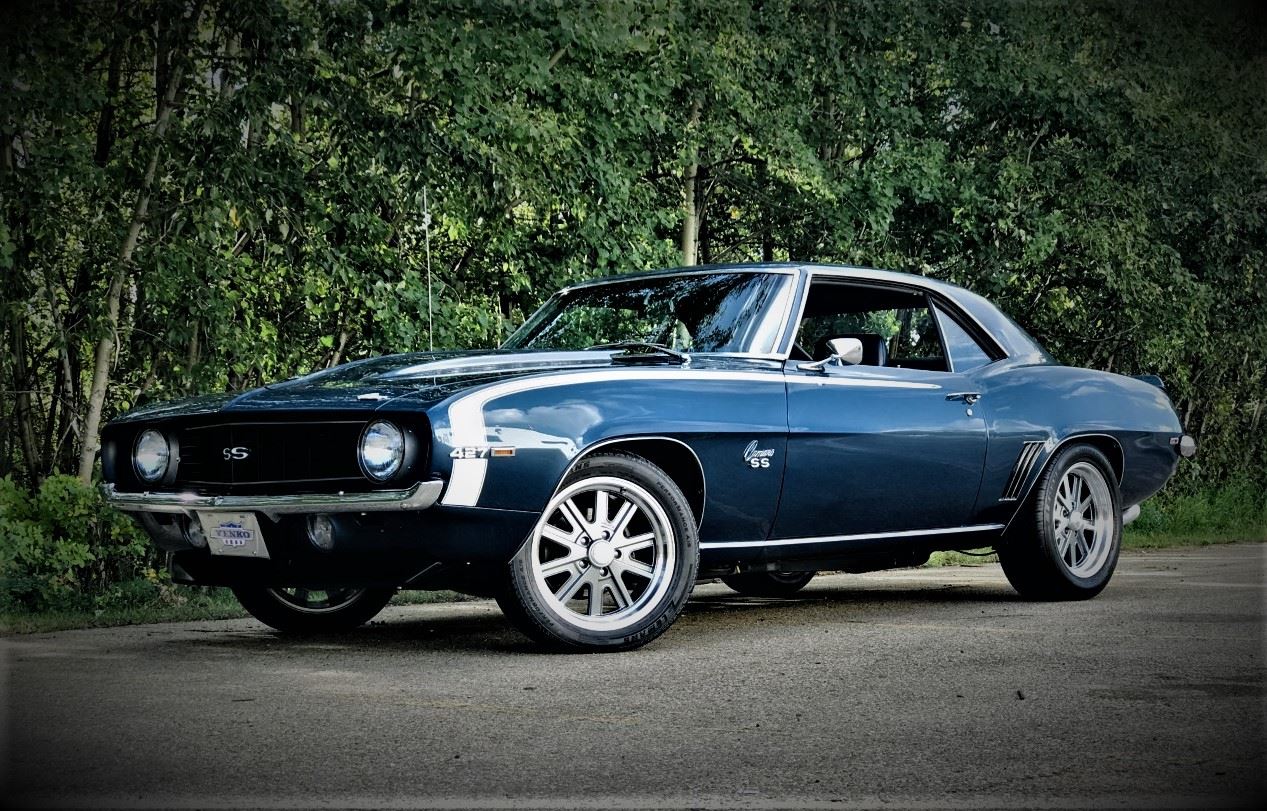
A strong engine has always been the heart of any true muscle car. It is the source of character, the reason a vehicle feels alive the moment the ignition turns. Across decades, certain engines have stood apart, not just because of their raw output, but because of how they changed expectations around power, durability, and driving emotion.
American performance culture grew from these mechanical achievements. Engineers pushed boundaries, experimenting with displacement, airflow, and combustion efficiency to deliver power figures that once seemed unrealistic for road-going machines.
Drivers responded by embracing cars that did more than move quickly. These machines created identity, sound, and presence that lingered long after the engine stopped running. Each era introduced new ideas. Early big-block V8s focused on brute force, delivering massive torque that transformed straight-line acceleration.
Later developments refined that formula, blending performance with improved drivability and control. The result was a diverse lineup of engines that defined different moments in automotive history while still sharing a common goal: delivering unforgettable performance.
This page highlights eight engines that shaped American muscle in lasting ways. Each one tells a distinct story, influenced by engineering decisions, competition, and driver expectations. Their legacy continues to influence modern performance cars, proving that great engineering leaves a lasting impression long after production ends.
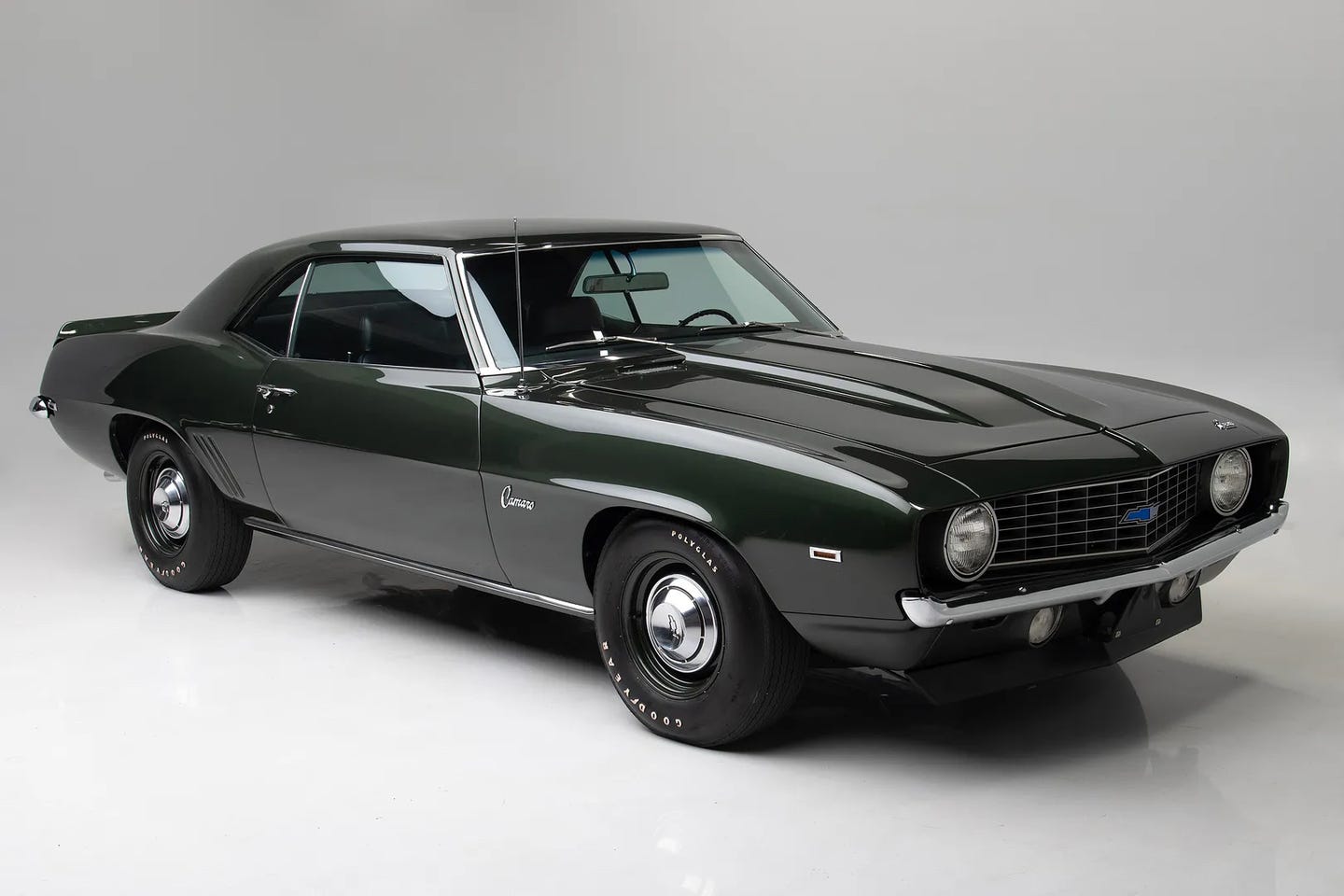
1. 1969 Chevrolet Camaro ZL1 427 V8
Few engines have carried the same level of mystique as the all-aluminum 427 cubic inch V8 found in the 1969 Chevrolet Camaro ZL1. Built with racing intentions, this engine was never meant to follow conventional limits. Its design borrowed heavily from Chevrolet’s competition programs, bringing track-level engineering into a production vehicle.
Power output officially stood at 430 horsepower, though many believe the true figure exceeded that rating by a wide margin. Acceleration felt relentless, with torque available almost instantly. Drivers experienced a level of force that transformed the Camaro into one of the quickest cars of its time.
Straight-line performance became its defining trait, yet the engine’s lightweight aluminum construction also improved balance compared to traditional iron-block designs. Engineering decisions behind the ZL1 focused on maximizing airflow and reducing weight. High-compression internals, solid lifters, and a performance-oriented camshaft created an aggressive powerband.
This setup required careful handling, rewarding experienced drivers while demanding attention at all times. It was not an engine built for casual use. Instead, it delivered a raw and demanding experience that defined its identity.
Production numbers remained extremely low, which added to its lasting reputation. Only a small number of examples left the factory, making it one of the rarest muscle car engines ever offered in a street vehicle. Collectors and enthusiasts continue to value its uniqueness and historical importance.
Sound played an equally important role. The ZL1 produced a sharp, mechanical tone that reflected its racing roots. Every rev carried intensity, reinforcing the sense that this engine belonged on a track as much as on public roads. Ownership often becomes a long-term commitment.
Drivers who experience the ZL1 rarely forget its character, and many consider it one of the purest expressions of American performance engineering. Its legacy remains tied to innovation, ambition, and a willingness to push beyond standard expectations.
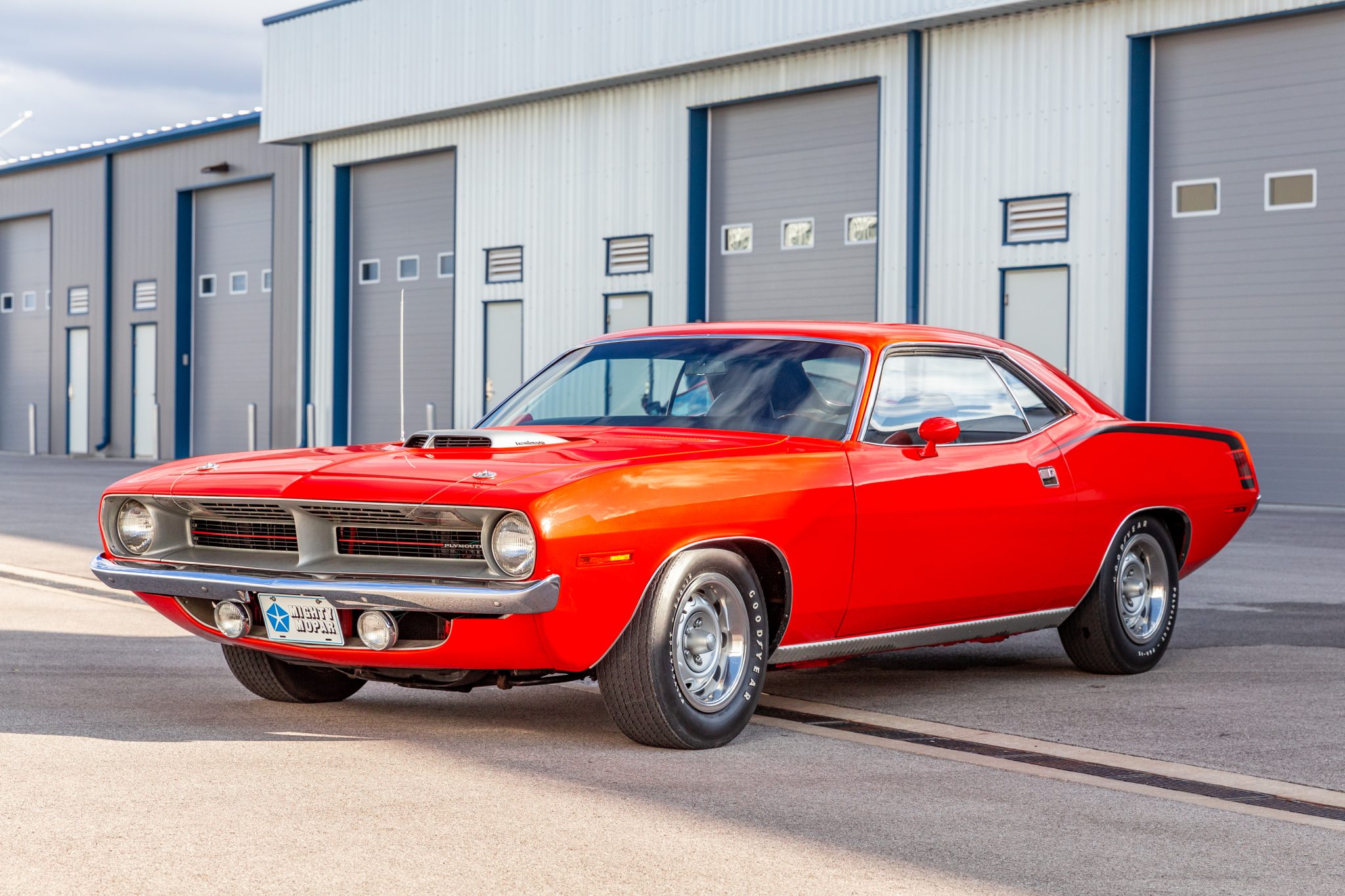
2. 1970 Plymouth Barracuda 426 Hemi V8
A reputation built on raw engineering strength defines the 426 Hemi V8 as installed in the 1970 Plymouth Barracuda. During a period when manufacturers pursued higher output through various methods, this engine stood apart through a design philosophy rooted in racing principles.
Its presence in a road-going vehicle reflected a deliberate decision to translate track-developed concepts into a format suitable for everyday use, while still preserving the performance characteristics that made it formidable in competition settings.
Hemispherical combustion chamber architecture formed the technical foundation of this engine. By positioning the valves opposite each other within a dome-shaped chamber, airflow improved considerably when compared with conventional wedge-head designs.
This arrangement enhanced combustion efficiency and allowed for better breathing at higher engine speeds. The result was an output officially rated at 425 horsepower, though practical driving experience often suggested a higher effective figure.
Acceleration under these conditions felt immediate and forceful, with the Barracuda responding to throttle input with authority and without hesitation. Torque delivery contributed strongly to its appeal. Rather than requiring sustained high revolutions to access performance, the engine produced substantial pulling power from lower speeds.
This characteristic ensured that drivers could experience its strength during normal driving conditions, not solely during aggressive operation. Power remained consistent throughout the rev range, providing a sense of control that complemented its intensity. Such behaviour allowed the vehicle to function effectively both as a performance machine and as a road car capable of regular use.
Durability emerged as a defining attribute of the 426 Hemi. Internal components were engineered with strength as a primary consideration, including reinforced pistons, robust connecting rods, and a heavy-duty crankshaft. These elements enabled the engine to withstand demanding conditions without compromising reliability.
Owners who maintained proper servicing routines often reported long service life, reinforcing confidence in its construction. This resilience also made the engine suitable for modification, as it could accommodate increased output when tuned appropriately.
Long-term ownership patterns highlight the strong connection between drivers and this engine. Many individuals who acquire a Barracuda equipped with the 426 Hemi choose to retain it for extended periods, recognising its historical importance and engineering excellence.
The combination of power, durability, and distinctive character ensures that it remains highly regarded within automotive circles. Its legacy continues to influence perceptions of what a performance engine should deliver, securing its position as one of the most respected powerplants produced during the muscle car era.
Also Read: 8 American Muscle Cars Enthusiasts Consider Severely Underrated
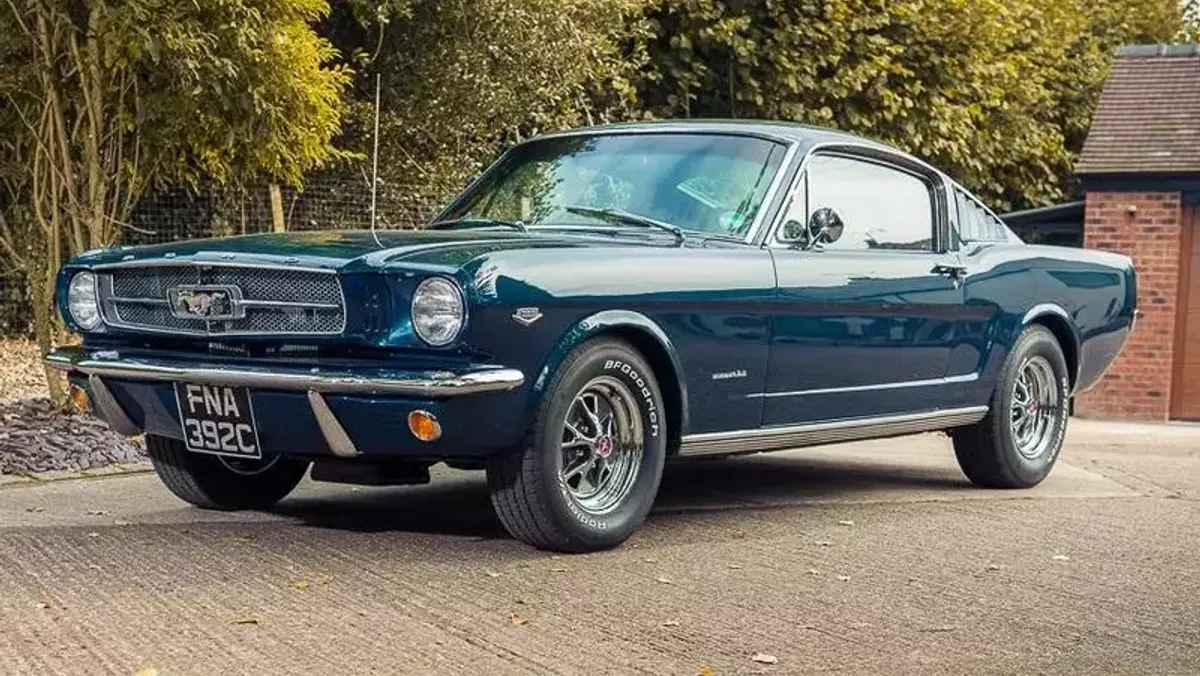
3. 1965 Ford Mustang GT 289 Hi-Po V8
Measured engineering achievement is clearly demonstrated through the 289 cubic inch High Performance V8 installed in the 1965 Ford Mustang GT. This engine provides clear evidence that effective performance does not depend entirely on large displacement.
Instead, it reflects careful planning, precise component selection, and a balanced approach to power delivery. Compact construction allowed the engine to integrate efficiently within the Mustang’s relatively lightweight body structure. This compatibility created a driving experience where handling and power complemented each other in a coordinated manner.
Drivers benefited from a vehicle that responded quickly to input without becoming difficult to control. Acceleration remained lively, while steering and balance contributed to a composed and engaging ride. Mechanical improvements distinguished the Hi-Po specification from the standard 289 variants. Reinforced internal components increased durability, while revised camshaft profiles improved breathing and responsiveness.
Enhanced airflow management also contributed to better combustion efficiency, allowing the engine to deliver higher output without compromising reliability. These refinements ensured that the engine could sustain demanding use over extended periods.
Power delivery followed a progressive pattern. Rather than producing an abrupt surge, the engine built speed in a controlled manner, encouraging drivers to utilise its full operating range. This characteristic created a sense of confidence, as performance remained predictable under different driving conditions. The result was an engine that felt both capable and approachable.
Acoustic qualities added to its appeal. The exhaust note carried a clean and precise tone, offering feedback without excessive intensity. This refined sound complemented the vehicle’s dual purpose, as it functioned effectively as both a performance machine and a practical road car.
Durability continues to define its legacy. Numerous examples remain operational decades after production, demonstrating the strength of its engineering foundation. With proper servicing, the engine maintains consistent performance, allowing owners to rely on it for long-term use.
Drivers often value the balance achieved by the 289 Hi-Po V8. It delivers engaging performance without creating unnecessary strain, fostering a sense of connection that encourages continued ownership. Its enduring reputation rests on the principle that well-executed engineering can produce memorable results without reliance on excessive size.
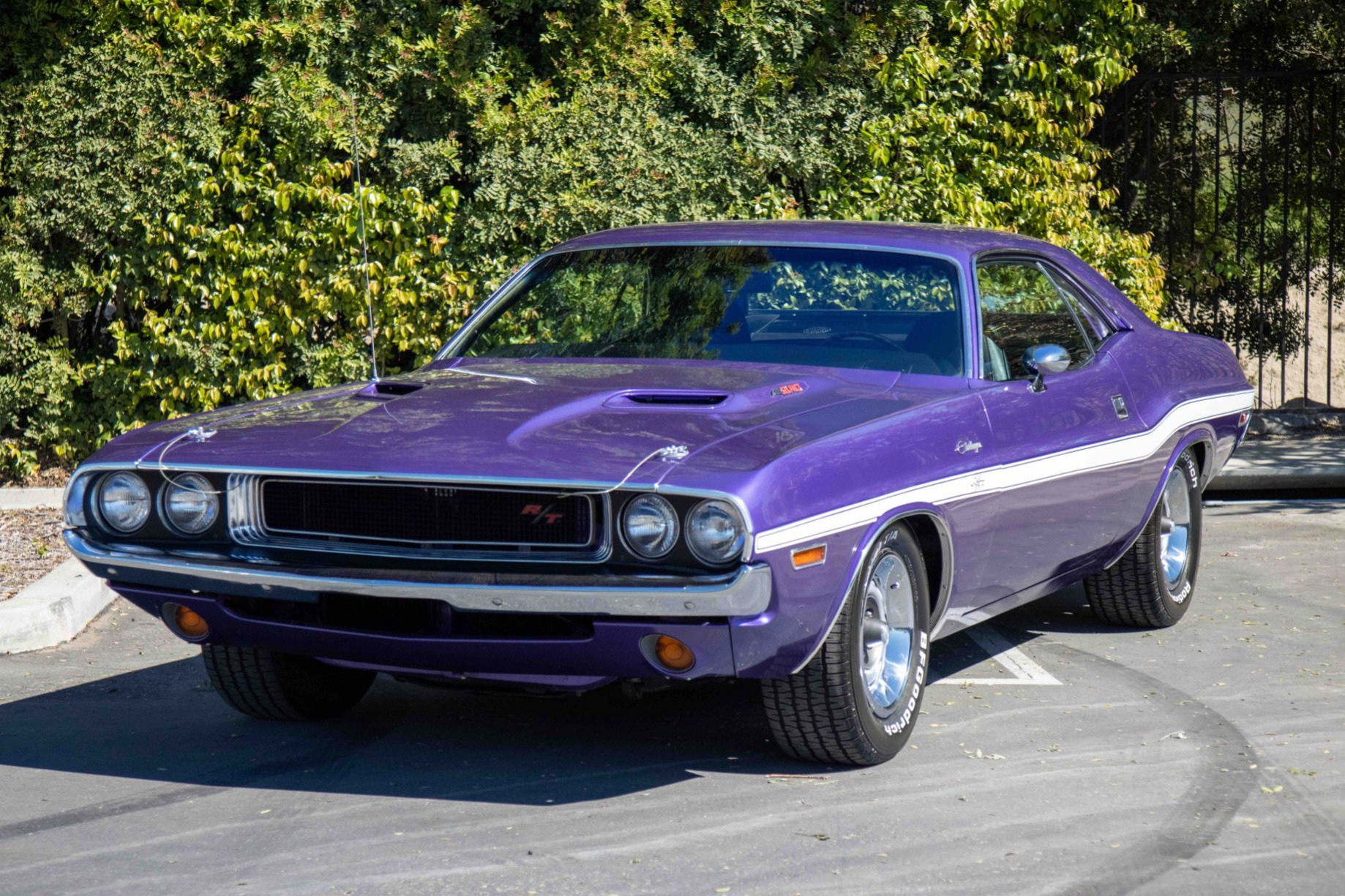
4. 1970 Dodge Challenger R/T 440 Six Pack V8
A commanding expression of power is presented through the 440 Six Pack V8 featured in the 1970 Dodge Challenger R/T. This engine was designed with a clear objective: to deliver strong torque and immediate response, creating a driving experience defined by force and authority.
Central to its configuration is the use of three two-barrel carburettors. This arrangement allowed the engine to regulate fuel delivery according to demand, ensuring efficient operation at lower speeds while providing increased output when required.
Such a system produced a wide and usable power range, making the engine suitable for both everyday driving and more demanding situations. Acceleration characteristics reflect its purpose. A firm application of the throttle results in a powerful surge that propels the vehicle forward with confidence.
This immediate response establishes a sense of control, as drivers can access performance without delay. The engine’s strength becomes evident from the earliest stages of acceleration, reinforcing its reputation for delivering dependable torque.
Construction quality supports its performance capabilities. Heavy-duty internal components were selected to withstand the stresses associated with high output. This durability ensured that the engine could maintain reliability even under sustained use, contributing to its lasting appeal among enthusiasts.
Visual presence beneath the bonnet adds to its identity. The distinctive air cleaner assembly serves as a clear indicator of the engine’s capabilities, creating anticipation before the engine is even started. This design element reflects attention to both function and presentation.
Sound output further enhances the experience. A deep and resonant exhaust tone accompanies each movement, providing an audible expression of the engine’s strength. This characteristic reinforces the connection between driver and machine.
Driving experience remains centred on torque and stability. The engine delivers consistent power across varying conditions, allowing the vehicle to perform confidently during both relaxed and spirited driving. This versatility broadens its appeal to a wide range of drivers.
Owners often retain vehicles equipped with the 440 Six Pack V8 due to its dependable performance and distinctive character. Its combination of strength, durability, and clear identity ensures its continued recognition as an important development in muscle car engineering.
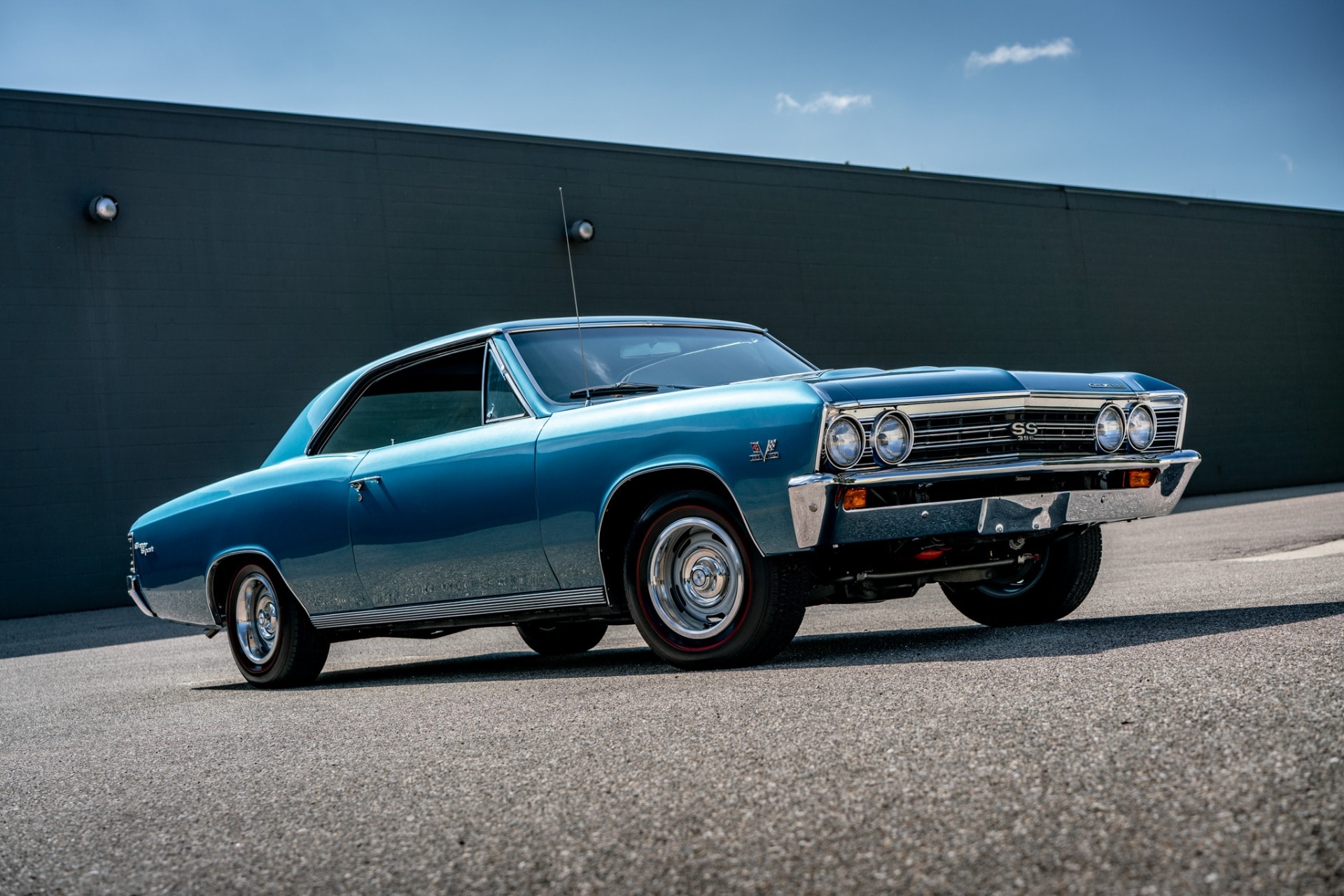
5. 1967 Chevrolet Chevelle SS 396 V8
Raw authority takes shape through the 396 cubic inch V8 that powered the 1967 Chevrolet Chevelle SS. Built during a period when displacement often defined reputation, this engine delivered a driving experience centered on strength, presence, and unmistakable character.
It did not rely on complicated systems or delicate tuning. Instead, it focused on providing immediate torque and dependable output that drivers could access without hesitation. Acceleration from a standstill revealed its personality. A firm press on the throttle produced a surge that felt direct and commanding, pushing the Chevelle forward with confidence.
Drivers did not need to chase high revs to feel its capability. Power arrived early, creating a sense of control that suited both daily driving and spirited use. This approach made the engine approachable while still delivering excitement. Engineering simplicity played a major role in its lasting appeal.
The cast-iron block, straightforward valvetrain, and robust internals allowed it to withstand demanding conditions without frequent issues. Mechanics found it easy to service, and owners appreciated the ability to maintain performance without high cost or effort.
That balance between strength and practicality contributed to its enduring popularity. Sound quality added another dimension. The 396 produced a deep, authoritative tone that matched its physical output.
Each throttle input carried weight, reinforcing the sense that this engine was built for serious performance. It communicated directly with the driver, creating an emotional connection that extended beyond numbers on paper.
Visual presentation under the hood reflected its purpose. Clean lines, functional components, and a purposeful layout emphasized performance rather than decoration. This straightforward design aligned with the engine’s philosophy, where capability took precedence over unnecessary detail.
Longevity remains a defining trait. Many examples continue to perform reliably decades after their introduction, provided they receive proper care. Owners often keep these engines for extended periods because they deliver consistent results without losing their character.
Enthusiasts frequently describe the 396 as a balanced expression of muscle car engineering. It provides strong output, dependable construction, and an engaging driving experience that remains relevant even today. Its influence can still be felt in modern performance engines that aim to combine usability with power.
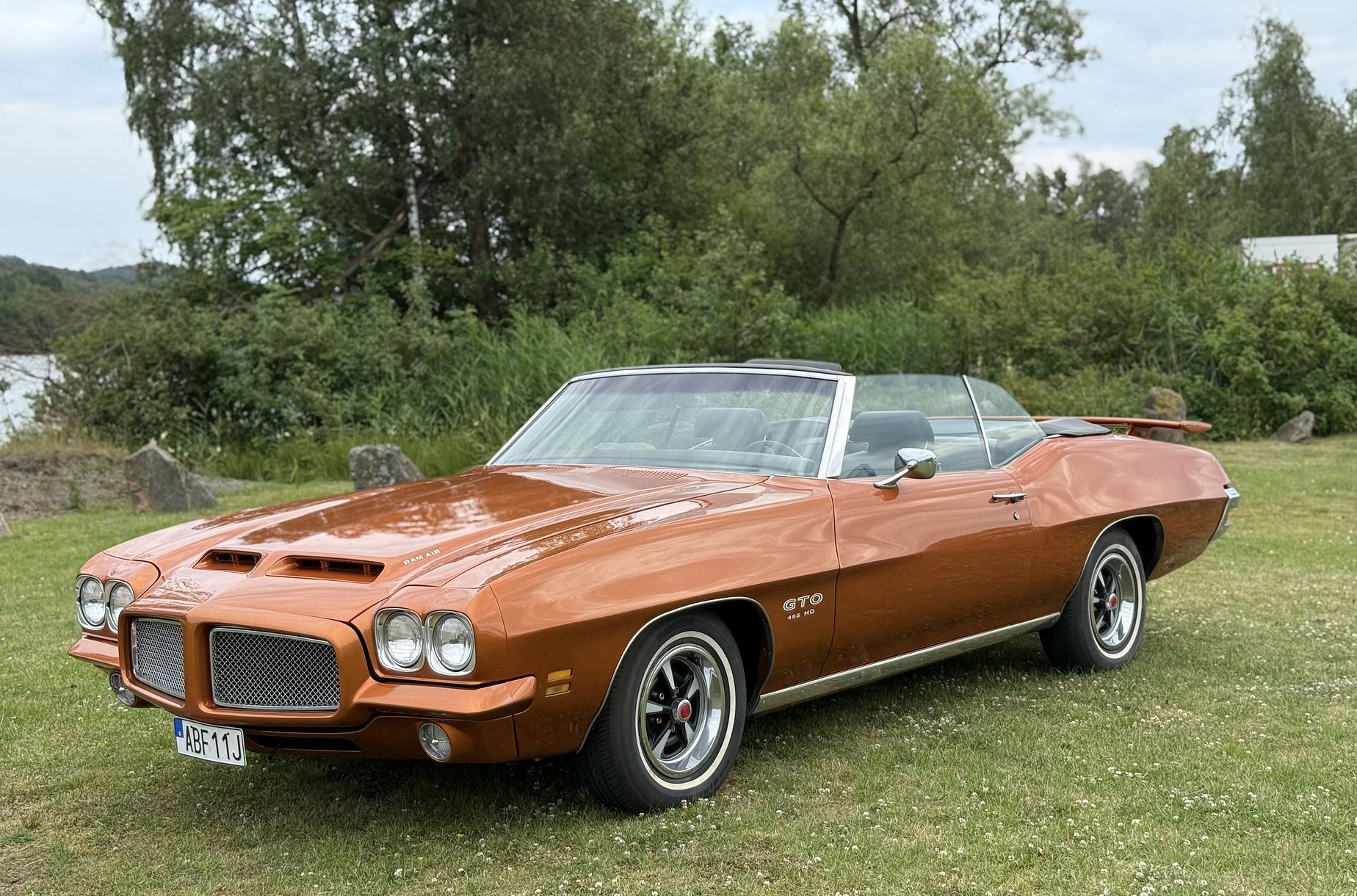
6. 1971 Pontiac GTO 455 HO V8
Strength and refinement meet in the 455 High Output V8 that powered the 1971 Pontiac GTO. Developed during a time when emissions regulations began to influence engine design, this powerplant demonstrated that performance could still thrive within new constraints. It delivered impressive torque while maintaining a level of smoothness that set it apart from more aggressive counterparts.
Torque delivery defines its identity. From low engine speeds, the 455 HO produced a steady wave of power that made acceleration feel effortless. Drivers experienced a sense of control that allowed them to access performance without constant gear changes or high-rev operation. This characteristic suited real-world driving conditions, where usable power mattered more than peak figures.
Internal engineering reflected careful planning. Improved airflow, revised cylinder heads, and a well-matched camshaft profile allowed the engine to maintain strong output despite changing regulations. These adjustments ensured that performance remained competitive while also improving drivability.
Sound carried a refined yet assertive tone. Instead of overwhelming noise, the engine produced a deep and controlled exhaust note that complemented its smooth power delivery. This balance created an experience that felt mature while still delivering excitement.
Durability contributed to its reputation. The 455 HO was built with components designed to handle sustained use, making it a reliable choice for long-term ownership. Drivers often report consistent performance even at higher mileage levels, which reinforces confidence in its design.
Visual appeal under the hood emphasized functionality. Components were arranged with clarity, allowing easy access for servicing and inspection. This practicality made ownership more manageable and encouraged proper maintenance. Driving the GTO equipped with this engine feels composed yet powerful.
Acceleration builds with authority, while the engine maintains a calm demeanor during steady cruising. This dual nature expands its appeal, making it suitable for both relaxed driving and spirited moments. Owners frequently develop a strong attachment to the 455 HO because it offers a rare combination of torque, smoothness, and reliability.
It stands as an example of how thoughtful engineering can preserve performance even as external pressures change.
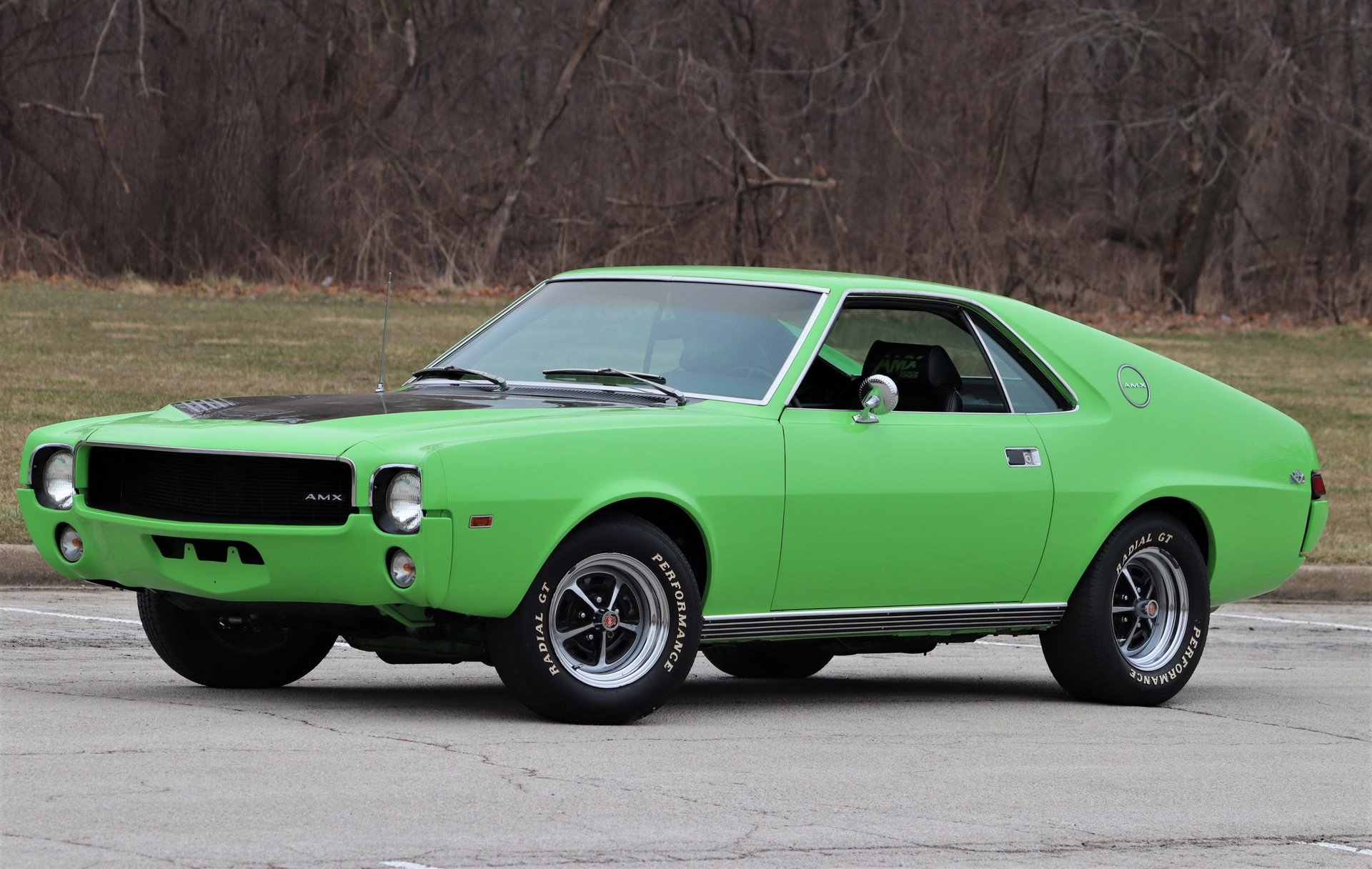
7. 1969 AMC AMX 390 V8
A clear and confident identity is expressed through the 390 cubic inch V8 installed in the 1969 AMC AMX. Developed by a manufacturer known for pursuing independent engineering directions, this engine delivered a level of performance that challenged expectations and earned recognition among enthusiasts.
Rather than following established patterns set by larger competitors, the design focused on efficiency, responsiveness, and a well-balanced driving character. Compact proportions of the AMX contributed to the uniqueness of the entire package.
With a shorter wheelbase than many competing muscle cars, the vehicle relied on a powertrain that could provide immediate response without overwhelming stability.
The 390 V8 fulfilled this requirement effectively. Acceleration felt brisk and controlled, allowing the driver to enjoy both straight-line performance and confident cornering. This balance created a driving experience that felt deliberate and engaging.
Power delivery reflected thoughtful engineering. Instead of depending solely on large displacement for output, the engine utilised improved airflow, precise tuning, and well-matched internal components to produce consistent performance across the rev range.
This method allowed the engine to remain competitive while maintaining its own distinct character. Drivers could access power smoothly, which contributed to a sense of confidence during operation. Durability formed an important part of its reputation.
Internal components were designed to withstand regular use without rapid wear, ensuring that the engine could deliver dependable service over extended periods. Owners often appreciated this reliability, as it reduced concerns related to long-term ownership and encouraged continued use of the vehicle.
Sound quality introduced an additional layer of personality. The exhaust note carried a sharper and more assertive tone when compared to deeper-sounding alternatives. This characteristic made the engine easily recognisable, reinforcing its individuality within the muscle car segment.
Presentation under the bonnet emphasised purpose. Components were arranged cleanly and functionally, reflecting a design philosophy that prioritised performance. Each element served a defined role, with no unnecessary additions. Driving experience benefits greatly from the combination of agility and power.
Acceleration remains responsive, while the vehicle maintains composure under varied conditions. This harmony enhances both everyday usability and spirited driving. Owners frequently appreciate the individuality of the 390 V8. It represents a distinctive approach within its era, demonstrating that effective performance can result from careful engineering rather than reliance on convention. Its reputation continues to endure among those who value originality and balanced capability.
Also Read: 9 1970s Muscle Cars Now Selling for Supercar Money
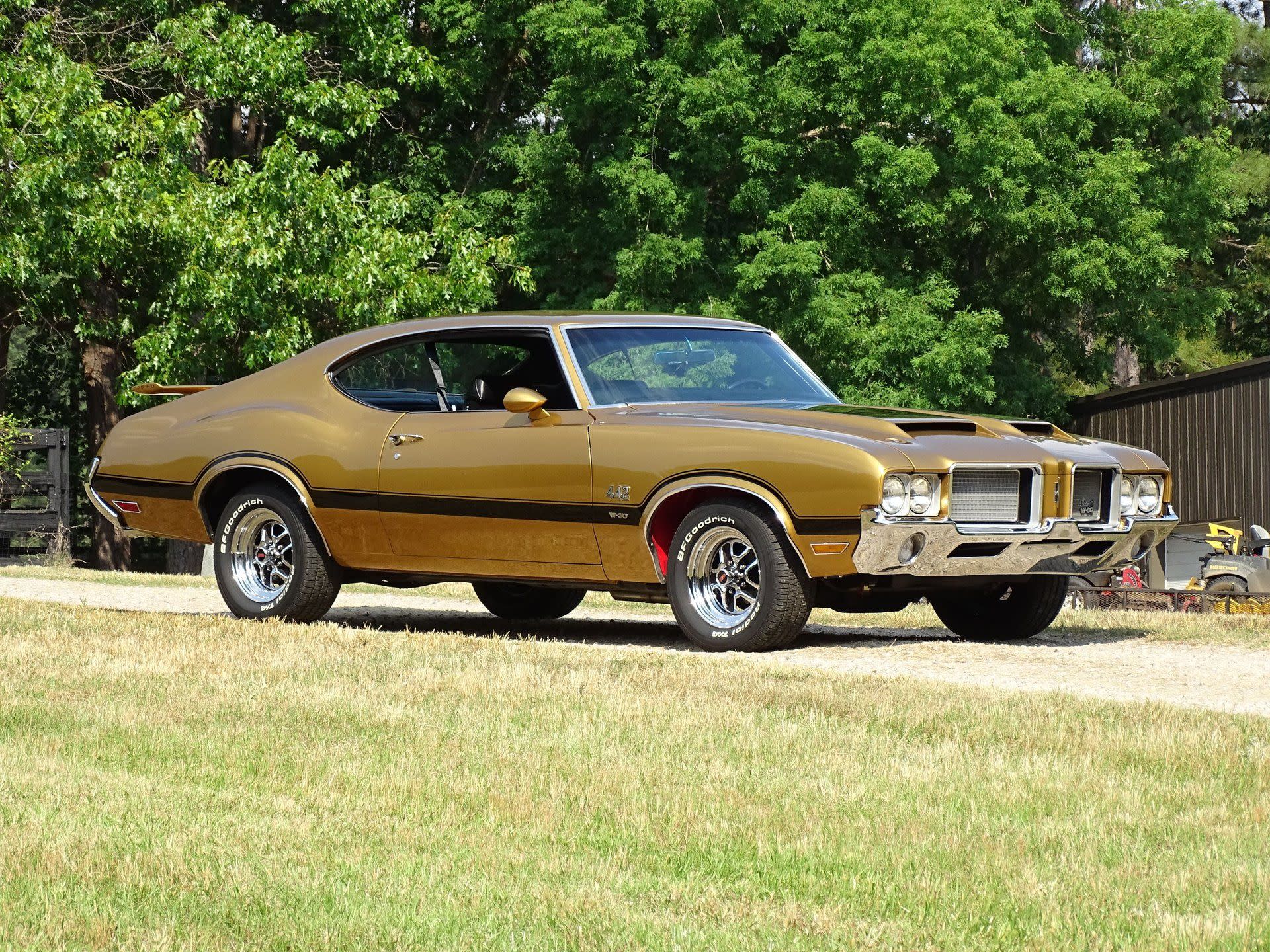
8. 1970 Oldsmobile 442 W30 455 V8
A refined expression of strength is evident in the 455 cubic inch V8 equipped with the W30 package in the 1970 Oldsmobile 442. This engine reflects a deliberate effort to combine high output with controlled delivery, producing a performance experience that remains both powerful and composed. Attention to engineering detail allowed it to stand apart within its category.
Airflow management formed a central aspect of its design. The W30 package introduced functional hood scoops and enhanced intake components, enabling improved air delivery to the engine. This arrangement supported more efficient combustion, resulting in stronger acceleration and improved responsiveness. Drivers experienced a sense of readiness, as the engine responded promptly to input.
Torque characteristics define its everyday usability. From low engine speeds, the 455 V8 produced a steady and predictable surge of power. This consistency allowed drivers to access performance without the need for aggressive operation. As a result, the engine suited both relaxed driving and more spirited conditions, offering versatility that broadened its appeal.
Construction quality contributed to long-term dependability. High-grade materials and precise assembly ensured that the engine could withstand demanding use. This reliability encouraged owners to maintain their vehicles for extended periods, confident in the engine’s ability to perform consistently.
Sound output balanced strength with refinement. The exhaust note carried depth and authority without excessive harshness, creating an experience that felt controlled yet expressive. This quality aligned with the 442’s identity as a performance vehicle that also values comfort.
Visual elements beneath the bonnet reinforced its purpose. Distinctive features associated with the W30 package clearly indicated enhanced capability. These components not only improved performance but also contributed to the engine’s recognisable appearance among enthusiasts.
Driving experience highlights a combination of power and smoothness. Acceleration builds with confidence, while the engine maintains composure during steady cruising. This dual nature allows drivers to enjoy performance without compromising comfort.
Owners often regard the W30 455 as a complete and well-rounded package. It delivers dependable strength, refined operation, and thoughtful engineering in equal measure. This balance ensures its continued relevance and secures its position as a respected example of muscle car development.
