
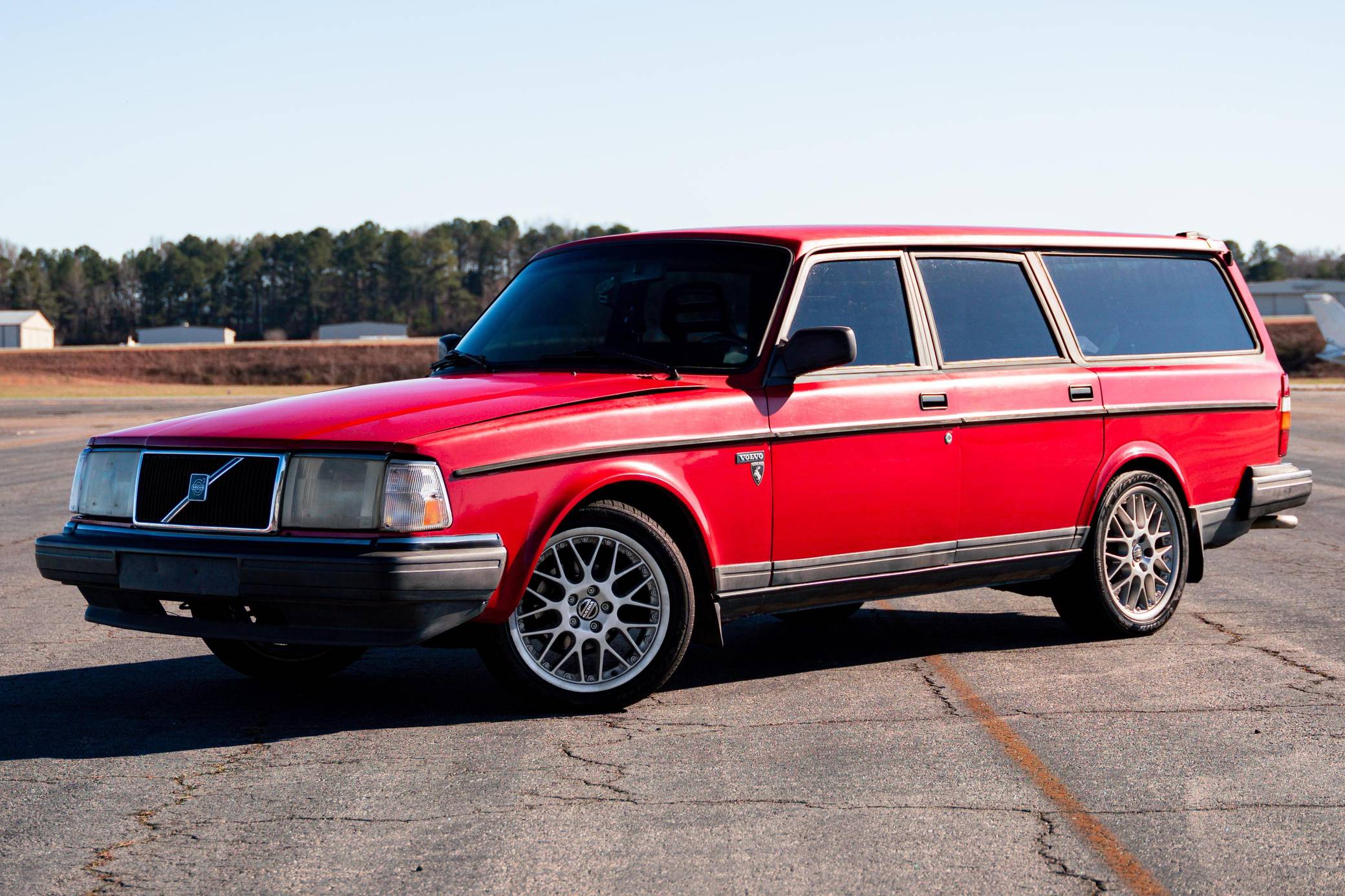
Family transportation has never been only about engines, panels, or spec sheets. It has always been about mornings that started late, road trips that ran long, and routines that quietly repeated year after year. Station wagons earned trust by showing up every day without drama, carrying children to school, parents to work, and grandparents to doctor visits, sometimes all in the same week.
They stayed useful while trends changed, while driveways filled with new shapes and marketing promises, and while expectations kept growing. Wagons rarely asked for attention. They were not purchased to impress neighbors or chase status. Instead, they were chosen by people who needed space, durability, and predictable behavior.
Many became part of family history without ever being treated as special machines. Keys passed from one generation to the next. Seats wore thin. Cargo areas collected scratches that told stories no one bothered to document. What made certain wagons last through decades of family use was not perfection.
It was balanced. Ride comfort mattered just as much as mechanical honesty. Repairs stayed manageable. Interiors aged with dignity rather than falling apart. These vehicles accepted child seats, groceries, furniture, and luggage without complaint.
The following wagons earned their place by quietly supporting real lives across multiple decades. Each one served families who expected dependability, not flash. Their names might not dominate modern conversations, yet their presence remains deeply felt wherever long ownership still matters.
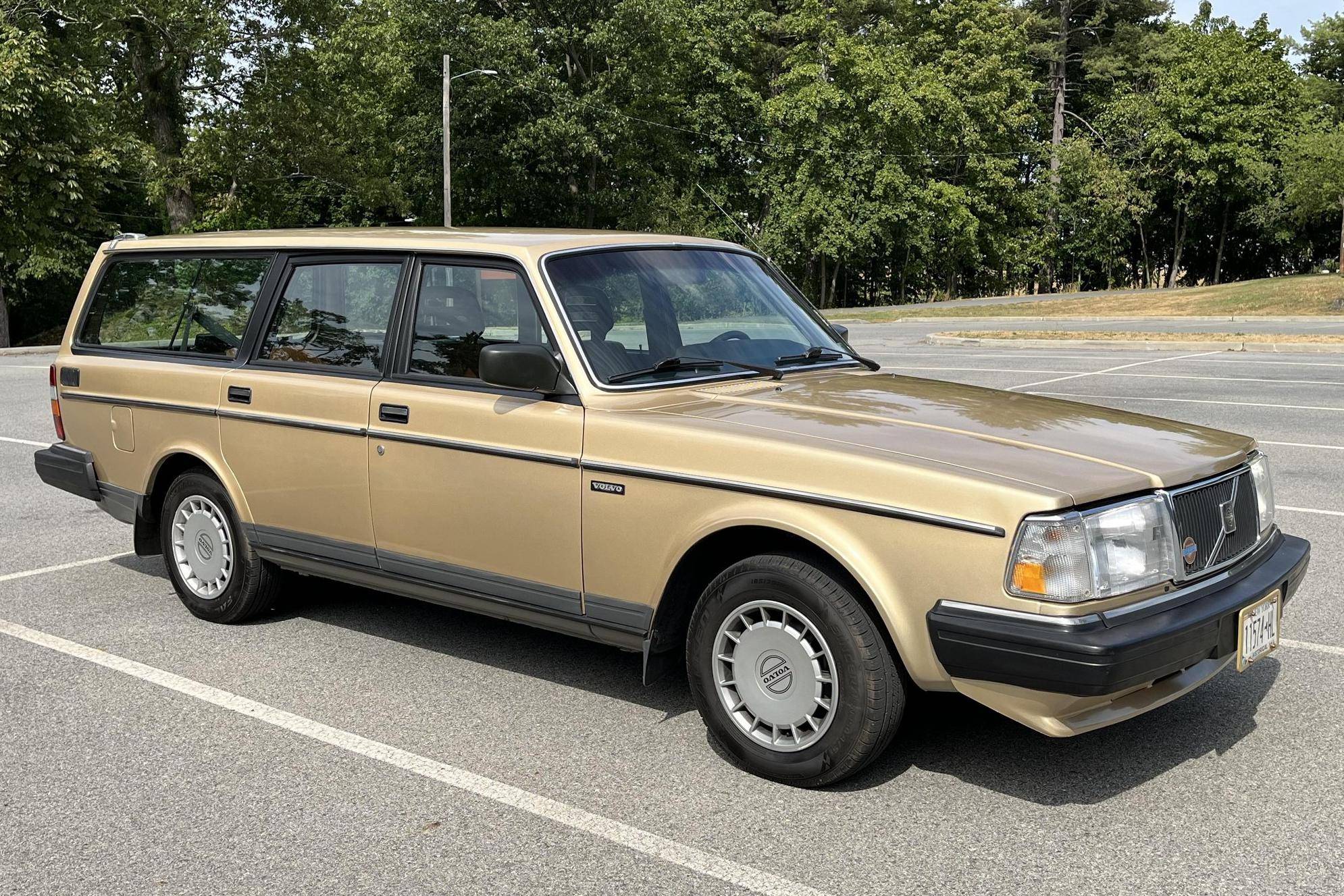
1. Volvo 240 DL Wagon
Reliability stories often begin with bold claims, yet the Volvo 240 DL Wagon built its reputation through repetition. Day after day use shaped its identity more than any marketing effort ever could.
Families trusted this wagon because it behaved the same way regardless of season, mileage, or who sat behind the wheel. That predictability made it a long-term companion rather than a temporary solution.
Engineering choices favored durability over novelty. The inline four engine avoided unnecessary stress, while the transmission leaned toward smooth delivery instead of aggressive response.
Suspension tuning emphasized comfort across uneven pavement, making long trips manageable for older passengers and calm for younger ones. Steering remained light enough for daily errands while still feeling composed at highway speed.
Interior design focused on function. Seats were firm, supportive, and trimmed in materials that aged slowly. Dashboards resisted cracking. Switchgear stayed readable even after years of sun exposure. Visibility ranked among the best of its era, which mattered greatly for drivers moving between narrow streets and crowded parking areas. Large windows reduced fatigue during extended drives.
Safety considerations formed a central part of the vehicle’s appeal. Volvo’s focus on occupant protection resonated with parents who wanted peace of mind. Reinforced structures, thoughtful restraint design, and stable road manners helped families feel protected without sacrificing usability.
Cargo space defined its family role. Rear seats folded flat, allowing the wagon to carry furniture, bicycles, or building supplies with equal ease. Children learned to ride in the back, then learned to drive the same vehicle years later. That continuity built emotional attachment alongside practical value.
Maintenance demands stayed reasonable. Parts availability remained strong for decades, and mechanical layouts avoided unnecessary complications. Owners who followed basic service schedules often kept these wagons running far longer than expected. That longevity allowed the same vehicle to serve grandparents, parents, and teenagers within a single household.
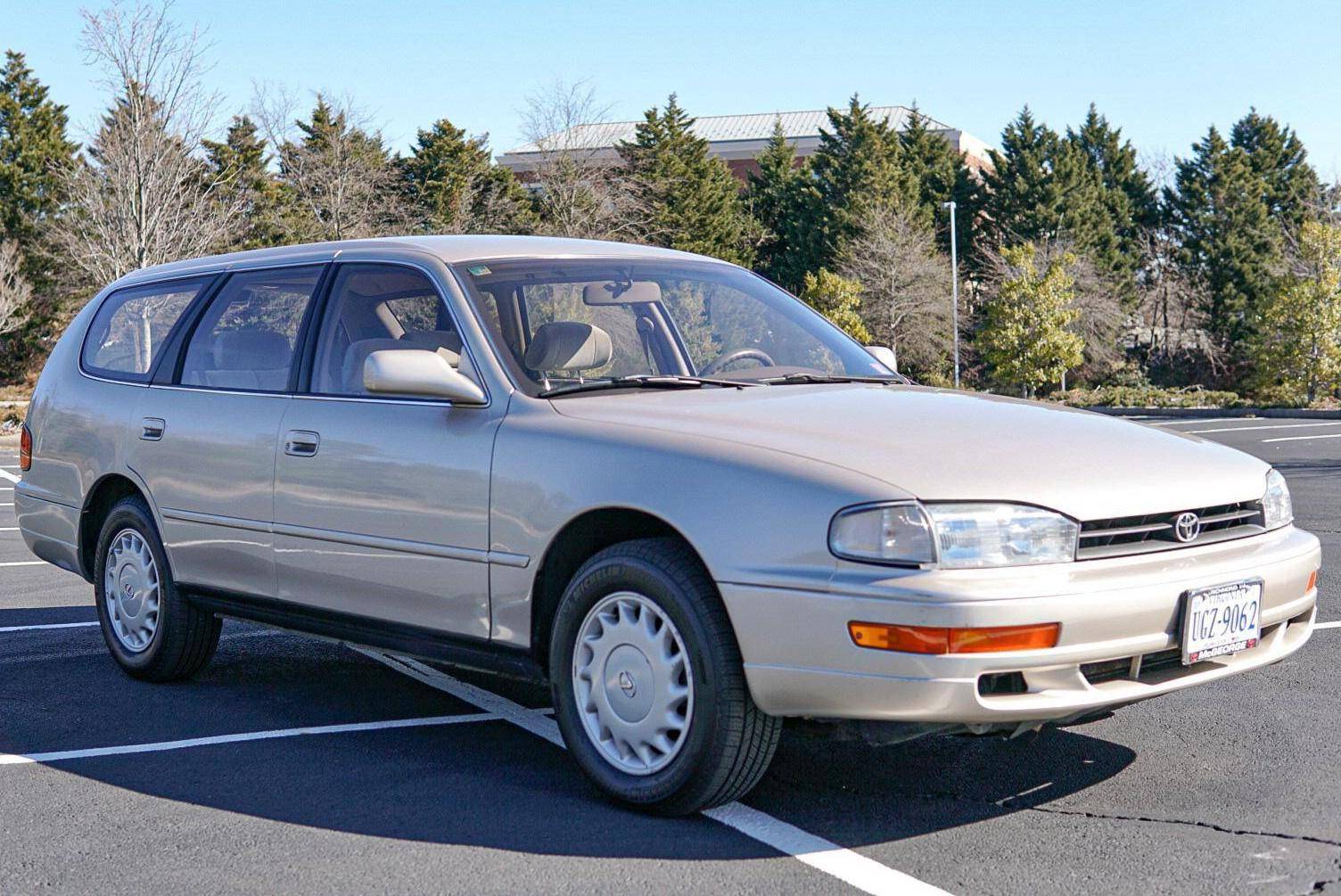
2. Toyota Camry Wagon
Practical decision-making defined the Toyota Camry Wagon from its earliest days. Families selected it not out of passion, but out of confidence that it would simply work. That expectation rarely went unmet. The Camry Wagon earned trust by delivering calm operation and steady reliability without demanding special attention.
Powertrain options emphasized longevity. Engines avoided aggressive tuning, focusing instead on smooth power delivery and efficient operation. Automatic transmissions shifted gently, reducing strain and extending service life. These mechanical choices aligned well with family usage patterns that favored consistency over excitement.
Ride quality became a defining feature. Suspension tuning softened road imperfections without sacrificing control. Long highway trips felt relaxed, while city driving remained easy. Noise insulation kept conversations comfortable, allowing multiple generations to travel together without fatigue.
Interior layout favored simplicity. Controls followed intuitive placement, reducing confusion for drivers of different ages. Seats balanced softness with support, accommodating passengers with varying comfort needs. Materials resisted wear from daily use, including spills, sun exposure, and constant entry and exit.
Cargo flexibility reinforced its role as a household workhorse. The rear compartment handled strollers, groceries, sports equipment, and luggage without complaint. Folding seats expanded capacity further, allowing the wagon to substitute for a pickup or delivery vehicle when needed.
Ownership costs played a major role in its multigenerational service. Routine maintenance remained affordable, while unexpected repairs stayed rare. Parts availability never became a concern, even many years after production ended. Families often chose to keep the Camry Wagon running rather than replace it, passing it along when newer vehicles entered the driveway.
Trust grew through familiarity. Teen drivers learned responsibility behind the wheel. Parents relied on it for daily routines. Older family members appreciated its gentle manners. That shared reliance helped the Camry Wagon remain useful long after newer designs appeared.
Also Read: 10 Best Used Station Wagons for People Who Refuse to Purchase SUVs
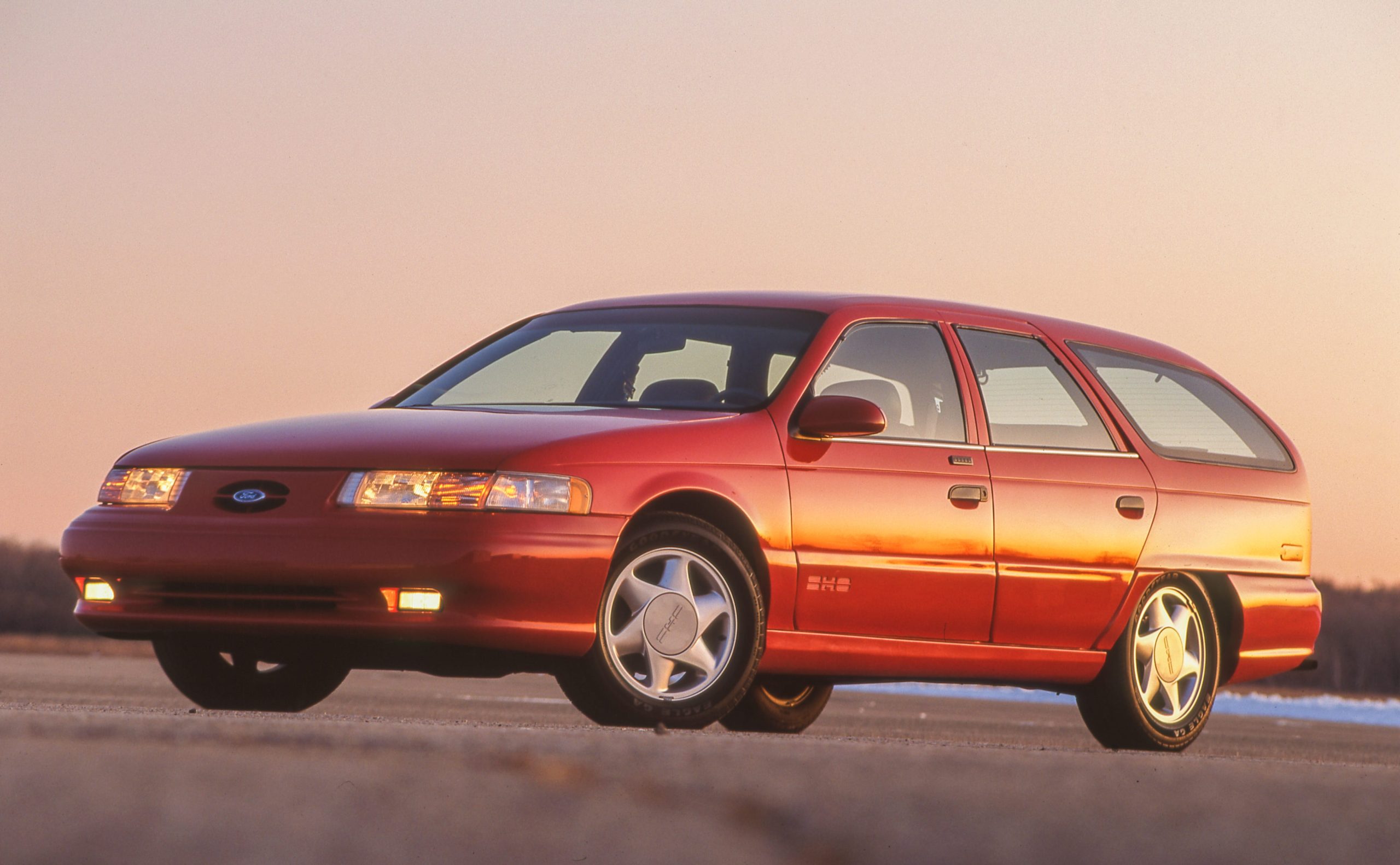
3. Ford Taurus Wagon
The Ford Taurus Wagon entered many family households with comfort as its primary appeal. Its rounded exterior styling departed from the straight-edged designs that had dominated earlier decades. This approach was not driven by appearance alone.
The shape contributed to improved airflow, which supported better fuel usage and reduced wind noise. Inside, the design allowed generous passenger and cargo accommodation, a quality families quickly recognised during daily use. Powertrain options focused on reliability and smooth operation rather than spirited driving.
Engines delivered steady output suitable for routine activities such as commuting, school transport, and intercity travel. Acceleration felt measured and calm, encouraging relaxed driving habits. Automatic transmissions were widely favoured, reinforcing the wagon’s easygoing character and reducing wear associated with frequent traffic conditions common in urban areas.
The cabin environment reflected an emphasis on passenger comfort and accessibility. Seating featured softer cushioning than many rivals, making extended journeys less tiring for occupants. Climate control systems performed consistently, distributing air effectively throughout the cabin regardless of seating position.
Control placement followed a clear and logical arrangement, allowing drivers of varying ages and experience levels to operate the vehicle confidently without distraction. Interior proportions supported use across different age groups. Entry and exit height suited older passengers who valued ease of movement.
Rear seating provided ample legroom for growing children. Large glass areas improved outward visibility, reducing cabin confinement and contributing to a calmer driving experience during long trips. Storage compartments addressed everyday household needs, accommodating personal items, school materials, and travel accessories without clutter.
Cargo practicality reinforced the Taurus Wagon’s family-focused role. Rear seats folded down to create a long, flat load area capable of handling furniture, building materials, or holiday luggage. Optional roof racks extend the carrying ability further, allowing families to transport bicycles, camping gear, or additional baggage during extended travel periods.
Service and upkeep remained manageable. As a domestic model, replacement parts were widely available and affordable. Many technicians were familiar with the platform, simplifying diagnosis and repair. This accessibility helped families maintain the vehicle for longer periods than initially planned, as repair costs remained within reasonable limits.
Emotional attachment developed gradually. The Taurus Wagon became linked to daily routines rather than excitement. Children grew older, careers developed, and household responsibilities changed while the vehicle remained a constant presence.
That steady reliability allowed it to pass from one family member to another, reinforcing its role as a dependable companion through different stages of family life.
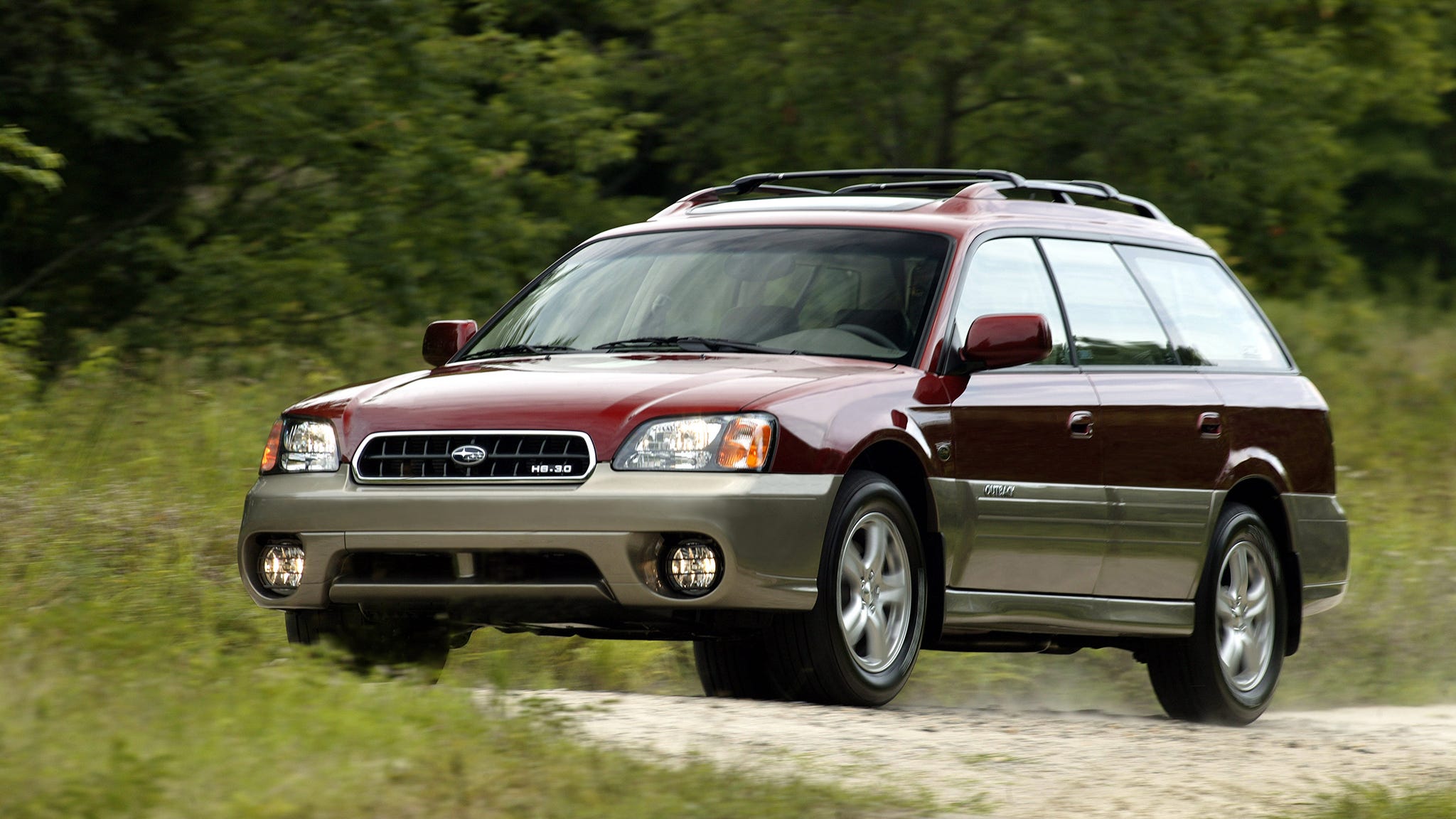
4. Subaru Outback Wagon
The Subaru Outback Wagon distinguished itself through adaptability as it gained acceptance among family buyers. Its All Wheel Drive system set it apart from conventional wagons, providing added assurance in regions affected by rainfall, loose surfaces, or seasonal weather changes. This capability expanded its suitability across varied environments, supporting both urban living and rural travel.
Engine configurations focused on balance and stability. Flat four layouts delivered smooth operation while keeping weight distribution low within the chassis. This design supported predictable handling and steady road behaviour, qualities valued when transporting passengers across different age groups. Power delivery remained controlled, encouraging confidence rather than haste.
Suspension calibration balanced comfort with composure. Uneven road surfaces felt less disruptive, while motorway driving remained settled and quiet. Increased ground clearance exceeded traditional wagon expectations, allowing families to manage gravel roads, waterlogged streets, and light off-road conditions without hesitation. This flexibility reduced dependence on larger utility vehicles for occasional demanding routes.
Interior design reflected practical priorities. Seating provided firm support suitable for extended journeys. Upholstery and trim resisted wear associated with active household use. Controls were straightforward, avoiding unnecessary complication that could distract drivers. Visibility remained a strong point, supported by generous window areas and well positioned mirrors.
Cargo accommodation enhances daily usefulness. The rear compartment accepted sports gear, household supplies, pets, and travel bags with ease. Folding rear seats expanded carrying capacity further, supporting renovation projects, relocations, and leisure activities. The shape of the load area allowed efficient use of space without awkward obstructions.
Ownership experiences often spanned many years. Parents valued traction and road security. Younger drivers gained confidence from stable handling and predictable responses. Older occupants appreciated ride comfort and seating height. This wide appeal allowed the same vehicle to remain relevant as family roles developed.
Maintenance demands stayed reasonable with consistent servicing. Routine care supported extended service life. Owners who followed recommended schedules often retained their vehicles beyond typical ownership cycles. The Outback Wagon earned its place through versatility, composed road manners, and reliable performance that supported family responsibilities across many seasons and stages of life.
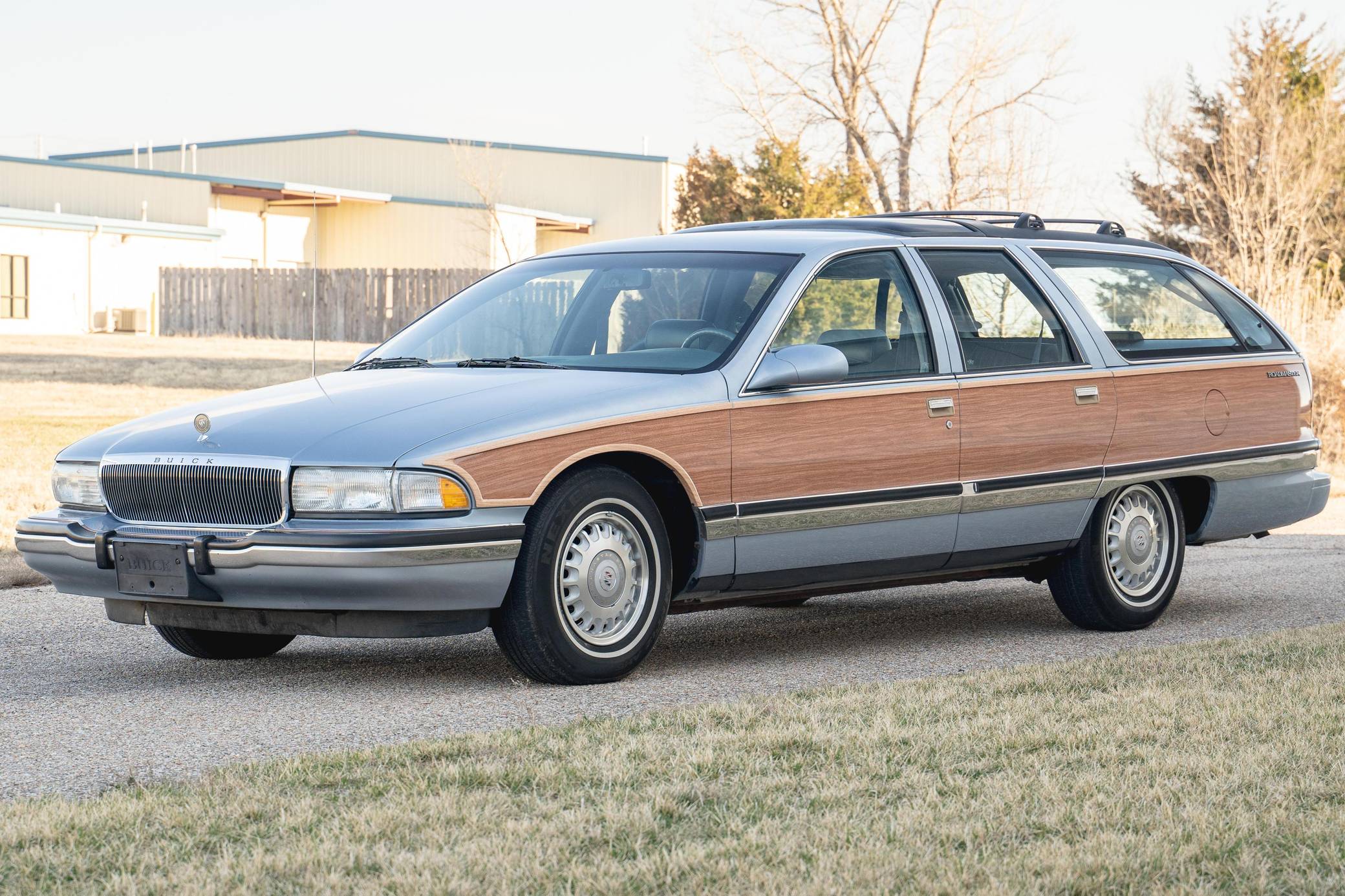
5. Buick Roadmaster Estate Wagon
Space defines the memory of the Buick Roadmaster Estate Wagon for families who lived with one. Length alone tells part of the story, yet the experience extended beyond measurements. This wagon arrived during a period when size still equaled comfort, and many households depended on that philosophy. Grandparents appreciated the wide doors and soft ride, parents relied on its hauling ability, and children grew up stretched across the rear bench during long drives.
Power came from a V8 engine tuned for smooth delivery rather than aggressive response. Acceleration felt calm and steady, allowing the vehicle to move large loads without strain. Highway travel remained relaxed, with low engine speed reducing noise and fatigue. This made extended family trips manageable even for older passengers who valued quiet cabins.
Suspension tuning leaned toward comfort. Potholes, uneven pavement, and long stretches of worn highway were absorbed without jarring occupants. Steering felt light, allowing easy maneuvering despite the vehicle’s size. Drivers transitioning from smaller sedans adapted quickly, which helped keep the wagon in service across different stages of family life.
Interior materials emphasized durability and comfort. Upholstery resisted wear from daily use, while seat cushioning remained supportive even after years of service. Climate control reached all seating rows effectively, which mattered when carrying children and older adults together. Visibility remained strong thanks to generous glass areas.
Cargo capacity stood as one of its defining traits. With rear seats folded or removed, the Roadmaster Estate Wagon handled furniture, appliances, and building supplies with ease. Many families used it as a substitute for trucks or vans, trusting its strength and stability.
Maintenance demands stayed predictable. Parts availability remained strong due to shared components with other General Motors vehicles. Owners often kept these wagons running long past typical replacement cycles, choosing repairs instead of upgrades. That decision allowed the same vehicle to serve parents, then children, and sometimes grandchildren.
Emotional attachment grew through routine. Holiday trips, school events, and daily errands built familiarity. The Roadmaster Estate Wagon rarely asked for attention, yet always delivered space, comfort, and steady behavior when called upon.
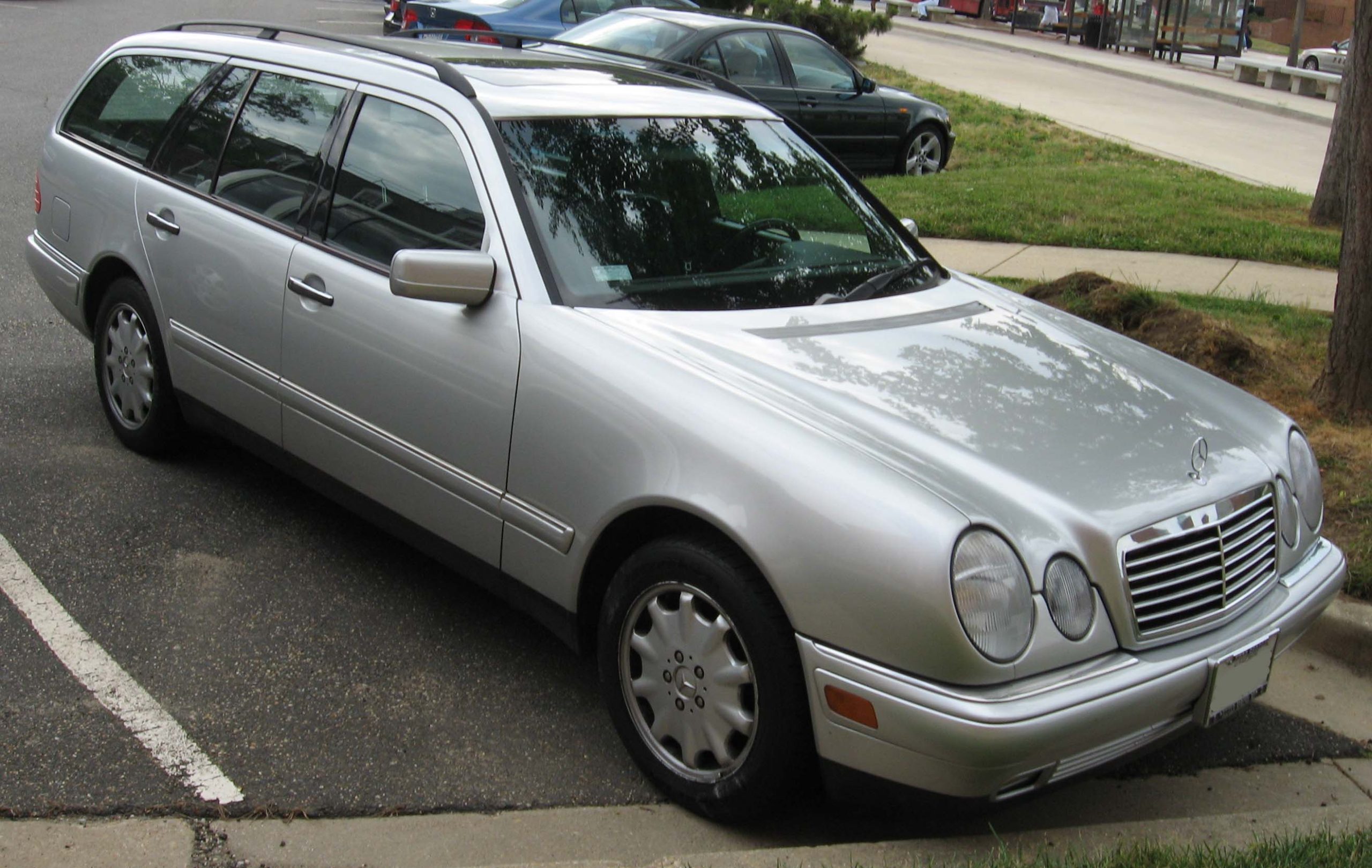
6. Mercedes-Benz E-Class Wagon W210
Precision guided the Mercedes-Benz E-Class Wagon W210, shaping a family vehicle that balanced refinement with long-term durability. Families who chose this wagon often expected it to remain part of their lives for decades. That expectation proved realistic when regular care was provided.
Engine options delivered smooth power with restrained behavior. Acceleration felt controlled rather than dramatic, which suited family usage. Automatic transmissions shifted cleanly, supporting relaxed driving in traffic and steady cruising on open roads. Mechanical design favored longevity when serviced correctly.
Ride quality blended comfort with composure. Suspension systems absorbed road imperfections while maintaining stability during highway travel. Long trips felt calm, encouraging families to travel together rather than divide into multiple vehicles. Noise insulation supported conversation without raised voices.
Interior craftsmanship played a central role. Materials felt solid, with trim pieces that aged gracefully. Seating accommodated varied body types comfortably, which mattered across generations. Controls followed logical placement, reducing confusion for drivers unfamiliar with advanced features.
Cargo space delivered flexibility. Rear seats folded easily, allowing the wagon to carry luggage, sports gear, or household items. Roof rail systems expanded carrying capacity further, supporting active family routines.
Safety engineering formed a major reason families kept these wagons long term. Structural strength, restraint systems, and stable handling built confidence. Parents trusted it with teenage drivers, while older family members valued the secure feel.
Service requirements demanded discipline. Owners who followed recommended maintenance schedules experienced long service life. Those habits often passed from one generation to the next, reinforcing careful ownership. Parts availability remained strong, supported by global production numbers.
The E-Class Wagon W210 served families who valued quiet strength rather than flash. Its presence reflected thoughtful choice rather than an impulse. That mindset allowed it to remain relevant across changing family roles and expectations.
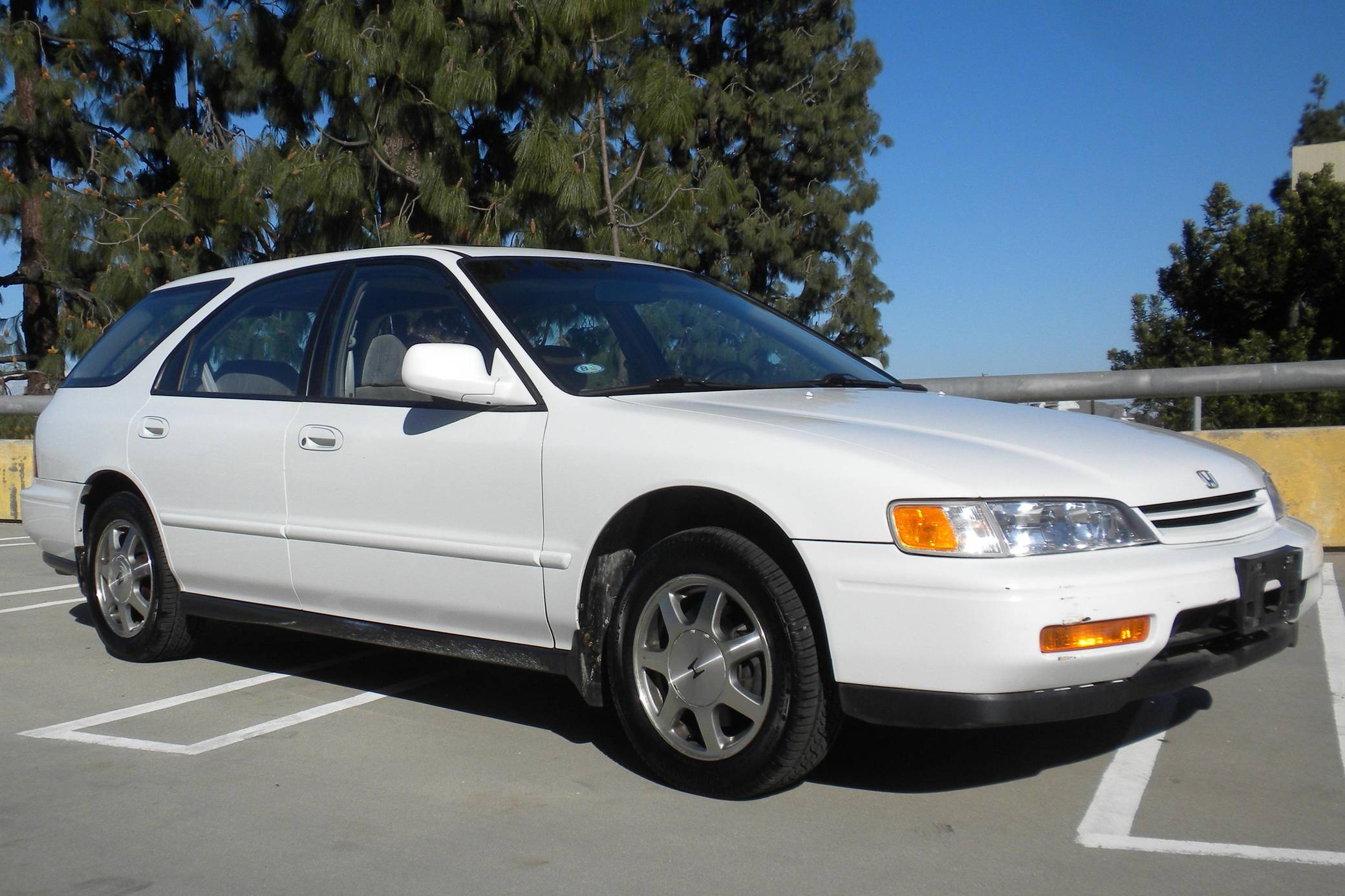
7. Honda Accord Wagon
The Honda Accord Wagon earned a reputation built on balance, restraint, and dependable behaviour. It appealed to households that required a vehicle capable of meeting daily obligations without drawing attention to itself. Parents relied on it because it behaved consistently, responding in a calm and predictable manner in traffic, on highways, and during long journeys.
This dependable character allowed the vehicle to remain relevant as family structures, routines, and priorities changed across many years of ownership. Engine options were developed with efficiency and longevity in mind. Performance figures were never exaggerated, yet the power delivery remained refined and steady. Acceleration felt measured rather than aggressive, supporting commuting, school runs, and intercity travel with equal ease.
Buyers could choose between manual and automatic gearboxes, allowing households to select what suited their driving habits. Straightforward mechanical design helped reduce long-term maintenance anxiety, particularly for owners who planned to keep the vehicle beyond its initial purchase cycle.
Ride quality suited a broad range of drivers and passengers. Suspension calibration absorbed road imperfections common on urban and suburban routes while maintaining controlled handling at higher speeds.
This balance helped the Accord Wagon feel reassuring during extended trips. The vehicle did not fatigue occupants quickly, making it suitable as a main household car rather than a short trip utility vehicle.
Inside the cabin, the layout reflected a focus on clarity and everyday practicality. Controls were placed logically, reducing distraction for drivers of different experience levels.
Seating offered a thoughtful blend of firmness and cushioning, accommodating children, adults, and older occupants comfortably. Interior materials were selected for durability, resisting damage from regular use, food spills, and frequent door activity.
Cargo space represented one of the model’s strongest attributes. The rear seating folded easily, creating a flat and usable load area. This allowed families to transport groceries, school materials, furniture, and recreational equipment without needing a larger vehicle. The adaptability supported changing household demands, from early parenting years to later stages involving teenage children and independent travel.
Running expenses remained manageable for middle-income earners. Fuel consumption aligned with sensible budgeting, while servicing requirements stayed modest. Replacement components were widely available, enabling continued upkeep long after production ended. This practicality encouraged owners to retain the vehicle rather than replace it prematurely.
Multi-generational use became common. Parents often passed the Accord Wagon to younger family members learning to drive. Its forgiving handling and dependable behaviour supported that transition. Older drivers also appreciated its simplicity and ease of operation.
The Accord Wagon built loyalty through reliability and restraint. It did not promise excitement or status. It provided confidence. That confidence allowed it to remain present through school years, employment changes, relocations, and evolving household responsibilities.
Also Read: 10 Best Used Performance Wagons for People Who Need Real Space
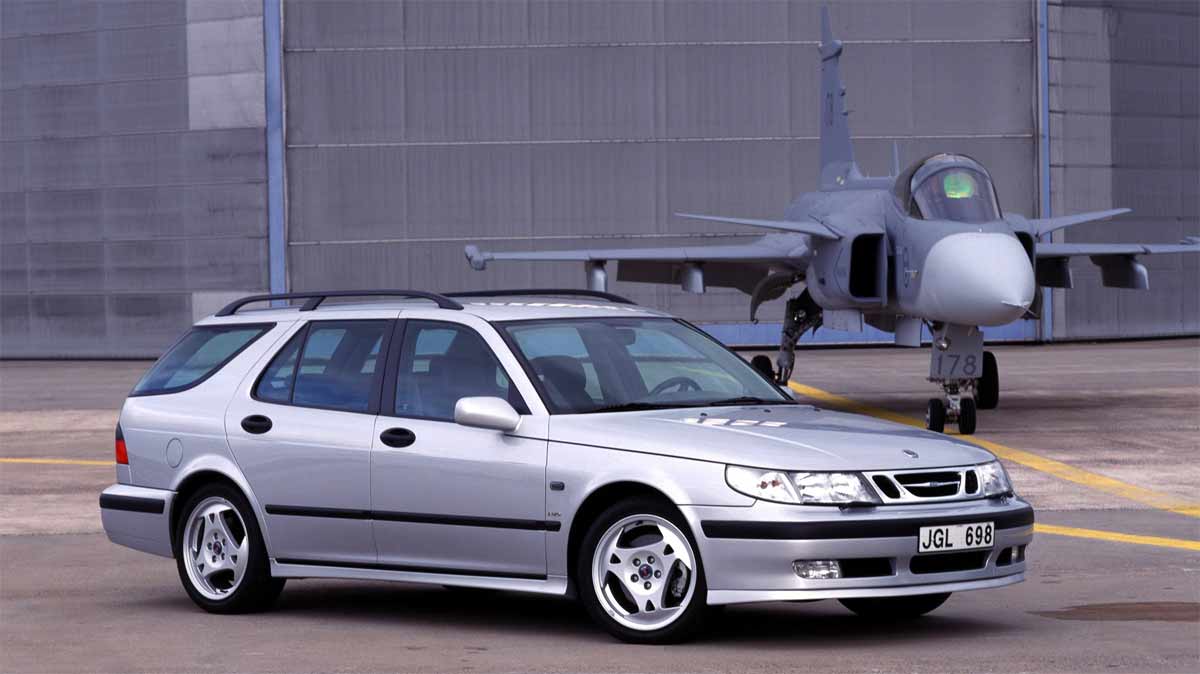
8. Saab 9-5 SportCombi
The Saab 9-5 SportCombi appealed to families seeking practicality combined with distinctive engineering values. Buyers were often drawn to its thoughtful design approach rather than mainstream trends.
It supported family life while offering a sense of individuality that did not interfere with daily usability. This balance helped the vehicle remain relevant across extended ownership periods.
Turbocharged engines delivered steady torque suited to carrying passengers and cargo. Power arrived smoothly, allowing confident motorway entry and relaxed cruising at sustained speeds.
The driving experience felt composed rather than aggressive, supporting long distance travel without strain. Manual and automatic transmission choices allowed buyers to match the vehicle to personal preference, provided servicing schedules were respected.
Suspension tuning leaned toward comfort while retaining composure. The chassis maintained control during cornering without transmitting harshness into the cabin. Passengers benefited from a stable ride that remained comfortable during extended journeys. This made the SportCombi suitable for family holidays and frequent intercity travel.
Interior design reflected Scandinavian priorities centred on comfort and clarity. Seats offered strong support, especially for drivers covering long distances. Control placement emphasised ease of use, reducing fatigue during prolonged driving. Materials were selected for durability and retained a tidy appearance despite regular family use.
Cargo accommodation reinforced its role as a family vehicle. The rear compartment handled pushchairs, travel bags, and household supplies with ease. Folding rear seats expanded capacity further, supporting renovation tasks, shopping trips, and leisure activities. This adaptability reduced dependence on larger utility vehicles.
Safety received careful attention. Structural integrity, restraint systems, and ergonomic considerations supported occupant protection. Visibility remained strong from the driver’s position, assisting awareness in traffic and reducing strain during extended use. These attributes built confidence for parents and older drivers alike.
Ownership required informed responsibility. Drivers who adhered to maintenance guidelines experienced extended service life. Mechanical layout allowed continued servicing by knowledgeable technicians, supporting long-term operation even as newer vehicles entered circulation.
The Saab 9-5 SportCombi suited households that valued comfort, practicality, and thoughtful engineering without excess display. Its ability to adjust to changing family needs allowed it to remain part of daily life for many years, supporting work, travel, and personal responsibilities with quiet assurance.
