
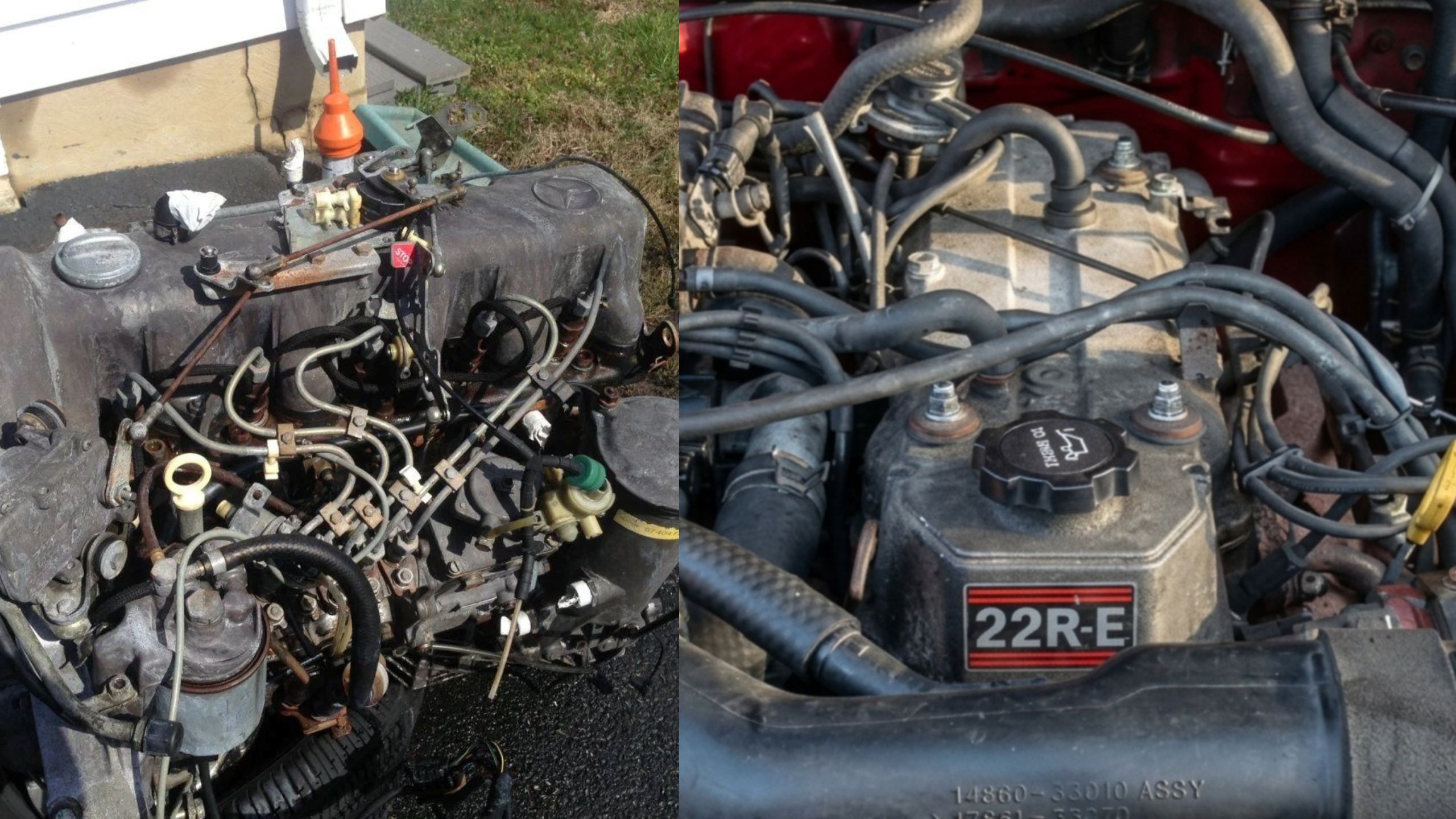
Some engines are simply built differently. They don’t ask for much, and in return, they give you everything. Over decades of automotive history, a select few powerplants have earned a reputation that goes beyond mere performance.
These are the engines that mechanics rarely see twice for the same problem. They are the ones that taxi drivers, fleet managers, and long-distance travelers swear by without hesitation.
Reliability in an engine is not an accident. It is the result of conservative engineering, quality materials, and rigorous testing. It comes from manufacturers who chose durability over flash. These engines were not always the most powerful or the most technologically advanced. But they were almost always the last ones standing.
From Japanese inline-fours to American V8s, these powerplants have crossed millions of miles without drama. They have survived deserts, winters, floods, and neglect. They have powered everything from humble family sedans to hardworking commercial vehicles.
Their owners sleep well at night knowing the morning start is never in question. This list celebrates ten engines that have stood the test of time. These are the legends of the mechanical world quiet, dependable, and endlessly trustworthy.
1. Toyota 22R/22RE
There are engines that run well. Then there is the Toyota 22R. This 2.4-litre inline-four engine, produced from 1981 to 1997, is widely regarded as one of the most reliable combustion engines ever built. It powered the Toyota Hilux, the 4Runner, and the Pickup truck across some of the most punishing terrain on earth.
Owners regularly report running these engines well past 300,000 miles. Nothing more than routine oil changes kept them alive. That kind of endurance is not marketing it is mechanical reality documented by millions of owners across the globe.
The 22R was built around a philosophy of simplicity. It used a single overhead camshaft layout with a cast-iron block that could absorb punishment without complaint. There were no variable valve timing systems, no turbos on the base model. There were no overly sophisticated electronics waiting to fail at the worst possible moment.
Its timing chain not a belt was a critical design choice. Timing belts wear out and demand replacement on a strict schedule. Chains, when properly lubricated, can last the lifetime of the engine without drama.
Toyota designed this engine knowing it would operate in developing countries and remote off-road environments. Farmers in Australia, miners in South Africa, and construction workers in Southeast Asia all depended on it daily. It had to survive without dealership support anywhere nearby. It had to be fixable with basic tools in the middle of nowhere.
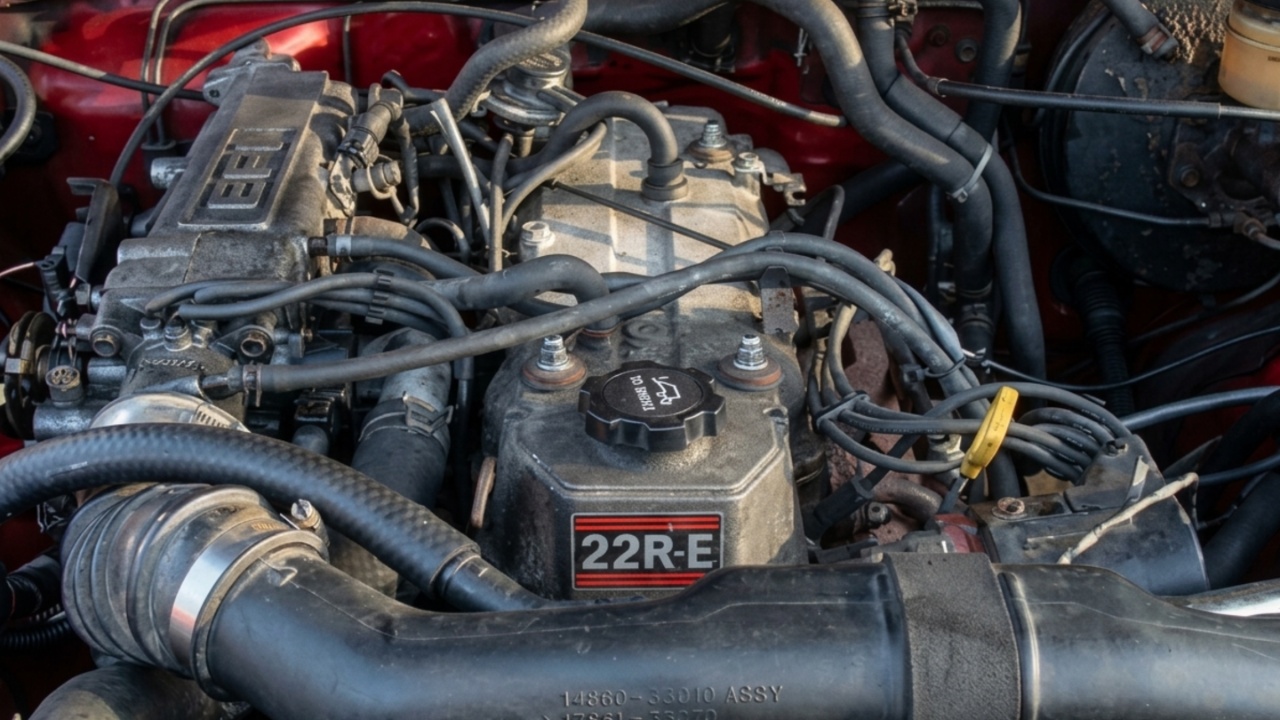
The engine delivered on every count without exception. Spare parts were widely available and inexpensive everywhere. The design was intuitive enough for a competent amateur mechanic to service confidently.
When Toyota introduced the 22RE variant with electronic fuel injection, they improved drivability without sacrificing core reliability. The fuel injection system was straightforward and built to last. It added cold-weather starting reliability without introducing complex failure points that would punish owners later.
Even the 22RE, with its added electronic components, maintained the legendary reputation of its carburetted predecessor. Owners of 1980s 4Runners still drive them daily with their original engines completely intact. That level of longevity is almost unheard of in modern automotive experience.
Used examples of 22R-powered vehicles command strong prices in the secondhand market. Buyers specifically seek them out for their mechanical predictability and field-proven endurance. In regions like East Africa and Central America, the 22R is still considered a premium engine choice. Its repairability and raw endurance keep it relevant long after production ended.
No modern engine can claim the same level of field-proven durability across such diverse global conditions. The 22R did not just meet expectations it permanently reset them for every inline-four that followed.
2. Honda B-Series
The Honda B-series engine family, produced from 1989 to 2001, achieved something truly remarkable. It became beloved by both everyday commuters and professional racing teams simultaneously. That dual appeal speaks directly to its engineering integrity. Whether in a base Honda Civic or a full race-prepped Integra Type R, the B-series delivered reliability and performance in equal measure.
Drivers trusted it on mountain roads. Mechanics admired it on the workshop floor. Both groups arrived at the same time this engine was special. Honda’s VTEC system on the B-series was a revelation when it arrived. It allowed a single engine to behave calmly at low revs and aggressively at high ones.
This was achieved through a variable valve timing mechanism that was cleverly simple in its execution. Unlike turbocharged alternatives, there were no pressure seals to blow or intercoolers to leak unexpectedly.
The naturally aspirated design meant fewer components under constant strain. Heat cycles were predictable and manageable throughout the engine’s life.
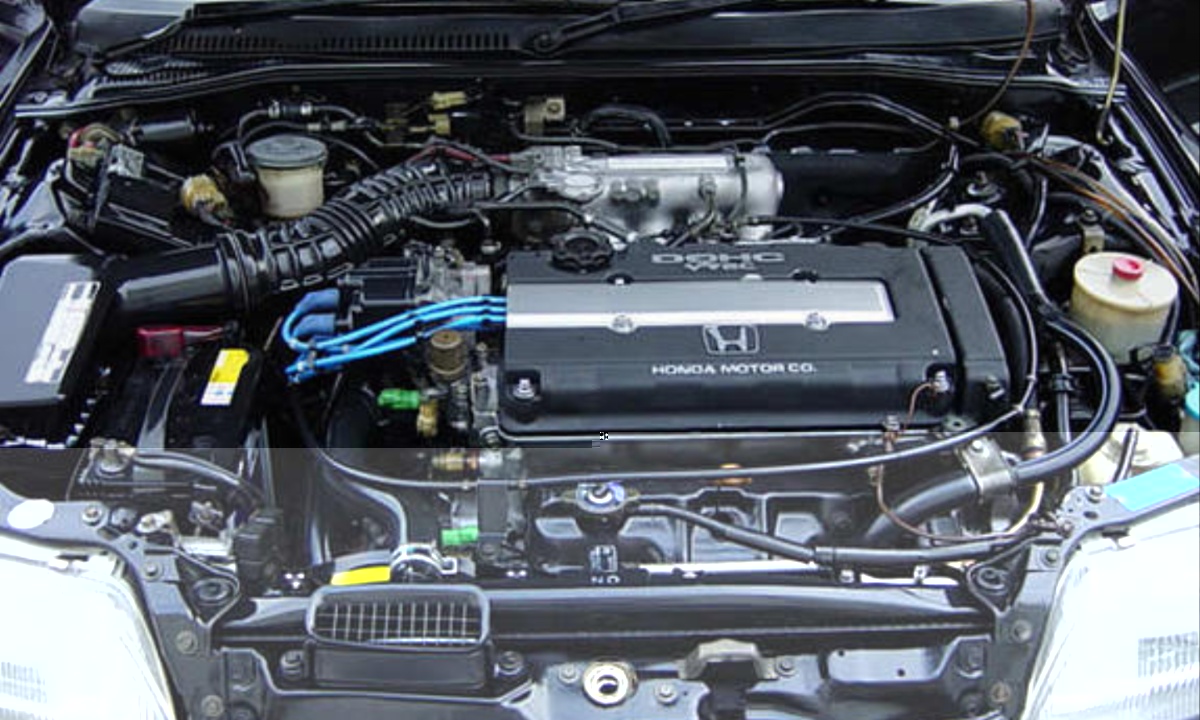
Honda used extremely tight manufacturing tolerances on every B-series engine. The result was an engine that consumed minimal oil even at very high mileages. Owners regularly reported engines running cleanly past 200,000 miles without internal rebuilds of any kind.
Head gasket failures the nemesis of many four-cylinder engines were almost unheard of on the B-series. Honda’s careful attention to thermal management and gasket material quality made this possible. It was a small engineering detail that made an enormous ownership difference.
Servicing a B-series was remarkably straightforward for any competent mechanic. Oil changes, spark plugs, and timing belt replacements covered the bulk of scheduled maintenance needs. The belt service interval was well-understood and easy to execute without specialist tools.
The engine’s layout made component access easy even for home mechanics. Valve clearance checks were simple to perform and rarely showed deviation. Honda appeared to design the engine with the home garage in mind as much as the factory floor.
Decades after production ended, B-series engines are still being sought out and installed in project cars worldwide. Rebuilding one is considered a rite of passage in Honda enthusiast communities everywhere. The engine’s dimensional consistency means aftermarket support remains extraordinarily strong today.
Its reputation is not built on hype or nostalgia. It is built on hundreds of thousands of real-world testimonials from drivers who never had to think twice about starting their car each morning.
3. Mercedes-Benz OM617
When someone says a diesel engine can last forever, they are usually thinking of the Mercedes OM617. This five-cylinder turbodiesel, produced from 1974 to 1991, set a standard for durability that no manufacturer has clearly surpassed. Million-mile examples exist and are not myths. They are documented, verified, and actively celebrated in automotive history.
The engine was not fast. It was not exciting. But it was absolutely, unconditionally unstoppable. The OM617 was built with a cast-iron block and forged internal components throughout. Mercedes used high-quality materials because their customers demanded nothing less than absolute excellence. The engine was over-engineered in the best possible sense of the word. Every component had a wider safety margin than strictly necessary for operation.
Diesel combustion generates enormous cylinder pressure with every firing event. The OM617 handled this not through exotic technology but through brute mechanical strength and conservative design.
One of the OM617’s greatest achievements was its exceptional thermal management capability. The engine ran cool and stable under prolonged heavy loads day after day. Taxi drivers in Germany and fleet operators across Europe chose it precisely because it could work all day without overheating or complaint.
Turbocharger reliability on the turbocharged variants was also exceptional by any standard. Mercedes used conservative boost pressures that never pushed the turbo beyond its comfort zone. This restrained approach to power extraction preserved the longevity of every rotating component inside.
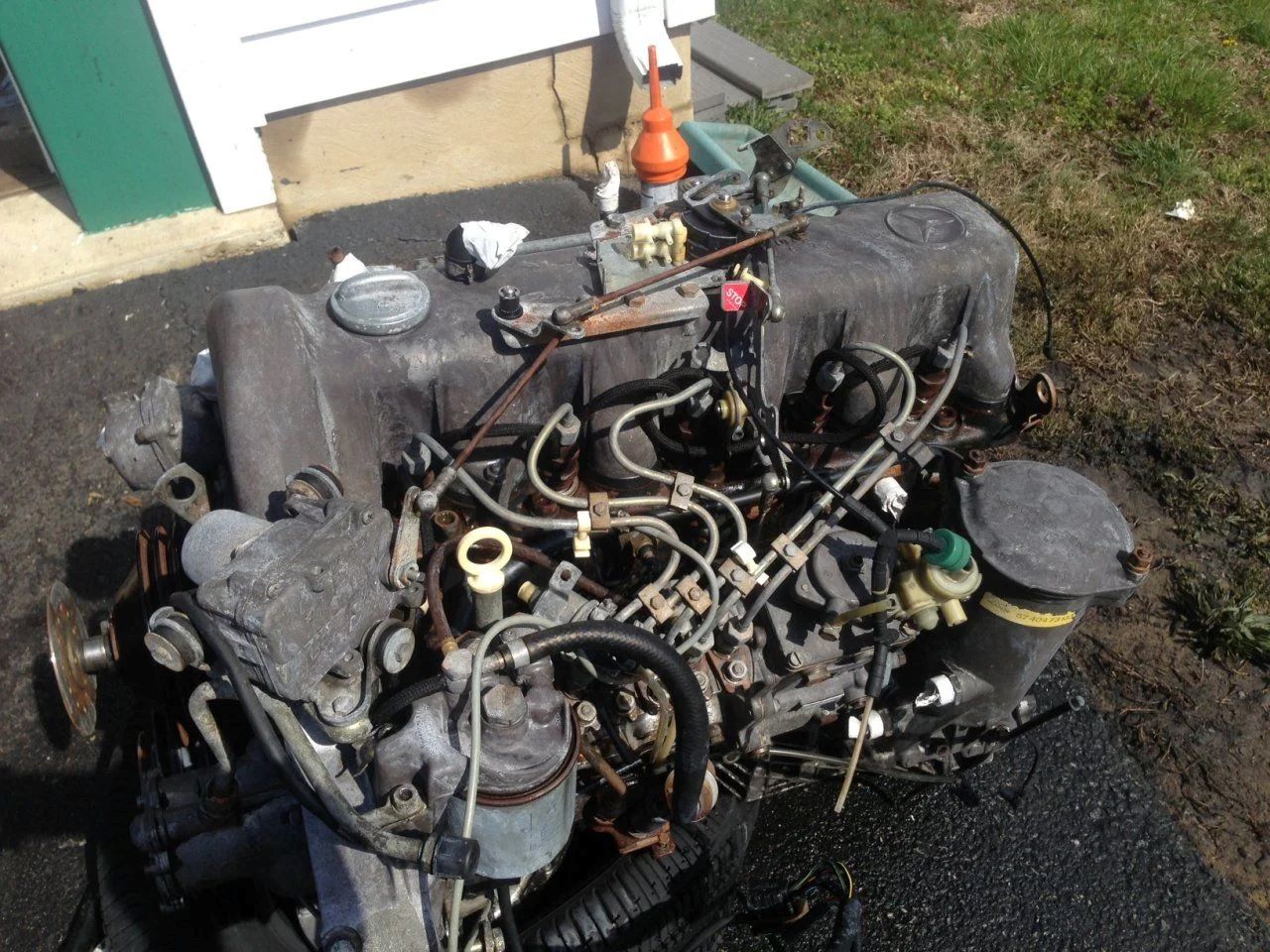
Injection pump longevity on the OM617 is the stuff of mechanical legend. These pumps, built to Bosch specifications, routinely lasted the full life of the engine without requiring service. Fuel injectors needed periodic reconditioning but rarely failed catastrophically or without warning.
Owners knew exactly what to expect and precisely when to expect it. Maintenance was not a series of unwelcome surprises. It was a scheduled ritual that the engine rewarded with continued perfect operation every single time.
Today, OM617-powered Mercedes 300D and 300TD wagons are actively sought by collectors and pragmatists alike worldwide. Many are converted to run on waste vegetable oil with remarkable ease. The engine accepts alternative fuels with impressive tolerance that speaks to its fundamental design quality.
No modern diesel can claim the combination of longevity, simplicity, and parts availability that the OM617 still enjoys today. It remains the gold standard against which all long-lived diesel engines are carefully measured.
4. Chevrolet Small Block V8
The Chevrolet Small Block V8 debuted in 1955 and has never really left the automotive world. With over 100 million units produced across various displacements and configurations, it is the most produced V8 engine in history. Its longevity is not a marketing claim. It is a statistical fact supported by seven decades of real-world performance data.
Generation after generation of Americans grew up with this engine under the hood. Its familiarity became its greatest reliability asset. The Small Block was designed with pure American pragmatism at its core. It used a pushrod valve train that was simple, durable, and easy for any mechanic to service. Unlike overhead cam designs, the pushrod layout placed fewer components under high-frequency mechanical stress.
Rocker arms and pushrods were inexpensive to replace and rarely failed without some advance warning. The cast-iron block offered exceptional thermal stability across decades of use.
One of the Small Block’s greatest reliability assets was not mechanical it was cultural knowledge. Millions of mechanics across America grew up learning on the Small Block in driveways and garages. Every junkyard had dozens of them available cheaply. Every parts store stocked everything needed to rebuild one completely.
This ecosystem of expertise meant that problems were quickly diagnosed and inexpensively solved. The engine rarely sat broken for long because someone always knew exactly what was wrong.
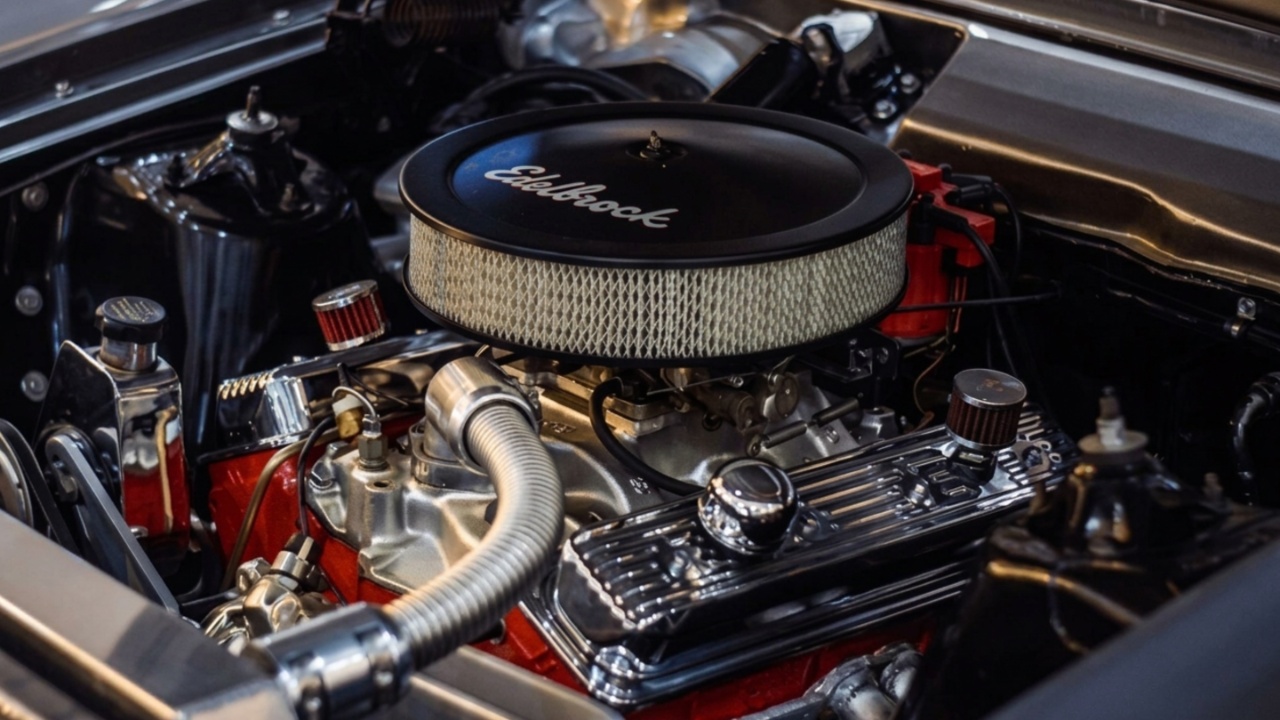
The Small Block famously tolerated irregular oil changes better than almost any competitor. While never recommended, field evidence showed these engines could survive abuse that destroyed more precisely engineered powerplants. The generous bearing clearances that allowed minor oil burning also provided a buffer against wear during low-oil conditions.
This tolerance for neglect built a reputation that spread across working America rapidly. Contractors, farmers, and daily drivers all trusted it because it had been tested by real life rather than laboratory conditions alone.
The Small Block evolved continuously while retaining its core dependable character throughout every generation. The LS-series of the 1990s and 2000s refined the concept dramatically without abandoning what made it great. Modern crate engine versions are still sold today for restoration and custom builds worldwide.
Its reputation was earned mile by mile, decade by decade, in driveways, farms, and worksites across the entire continent. No V8 has been trusted by more ordinary people doing ordinary things for longer.
Also Read: 6 High-Beam Headlights for Rural US Roads vs 6 Dim Halogen Relics
5. Toyota 2JZ-GE/GTE
The Toyota 2JZ engine, particularly the twin-turbocharged GTE variant, became genuinely famous in global motorsport. But its reputation for reliability runs even deeper than its performance credentials suggest. This inline-six was engineered with such structural integrity that tuners regularly doubled its power output without any internal engine modifications whatsoever. The block simply did not care how hard it was pushed.
This combination of strength and refinement placed it in a category entirely its own. No competitor offered both qualities to the same extraordinary degree.
Toyota built the 2JZ with a cast-iron block at a time when aluminium was becoming fashionable across the industry. That decision proved completely visionary in hindsight. The iron block handled cylinder pressures far beyond factory specification without complaint or consequence.
The forged crankshaft and connecting rods added further to this foundation of strength. Toyota’s engineers had deliberately designed in enormous safety margins that translated directly into real-world longevity.
The 2JZ’s cooling system was exceptionally well-engineered from the ground up. Water passages were generously sized, and the thermostat operated predictably across a wide temperature range. Overheating the killer of so many performance engines was almost unheard of in a properly maintained 2JZ under any condition.
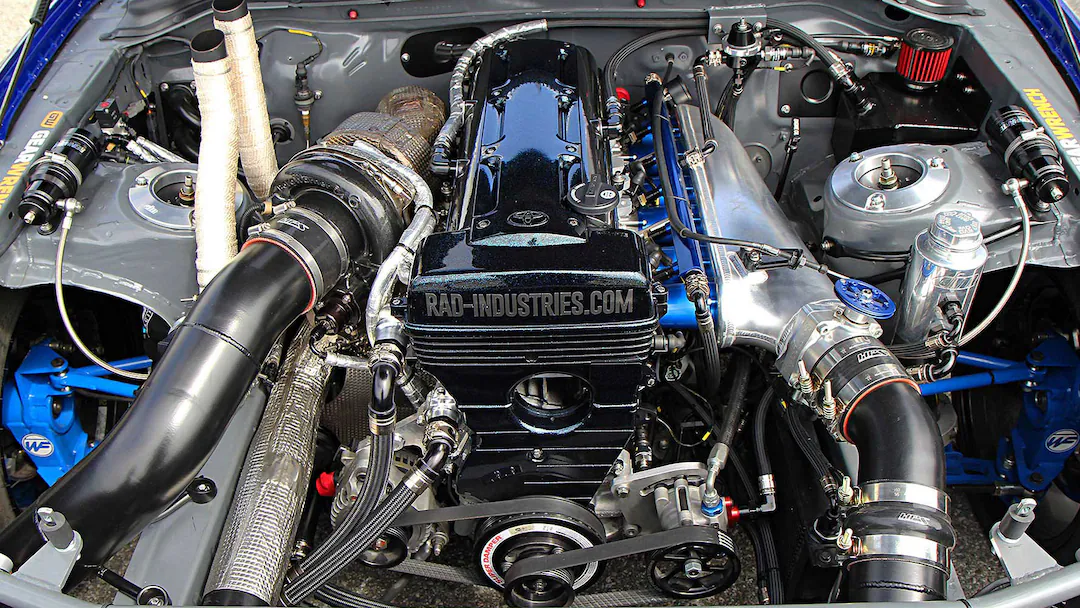
The oil system matched the cooling system in quality and thoroughness. Bearing surfaces received consistent, adequate lubrication at all engine speeds without exception. Oil consumption remained minimal even at very high mileages in well-maintained examples.
While the GTE variant attracted tuning enthusiasts worldwide, the naturally aspirated GE version was a serene daily driver. It powered the Toyota Supra, the Lexus IS300, and the Lexus GS300 through hundreds of thousands of miles of ordinary use. Owners of Lexus IS300s frequently reported pristine engine condition at 250,000-plus miles without major intervention.
The GE’s refined head design promoted smooth, efficient combustion throughout its operating range. Valve train noise remained minimal and did not increase meaningfully with age or mileage.
Supra values have climbed dramatically in recent years partly because of the 2JZ’s extraordinary reputation. Buyers willingly pay significant premiums knowing the engine is highly unlikely to surprise them negatively. The 2JZ remains simultaneously in active use in race cars, drift cars, and daily drivers around the world.
No other engine quite manages to be both a motorsport icon and a paragon of daily reliability. The 2JZ occupies that rare and remarkable space with complete and justified confidence.
6. Volvo Redblock B230
Volvo’s B230 engine, produced from 1985 to 1998, was born in a country where reliability is a cultural value as much as an engineering goal. Sweden demands that vehicles start reliably in minus 30-degree weather. They must run flawlessly on long, dark highways and require minimal attention across decades of use.
The B230 met every one of those severe demands without complaint or failure. It was built for punishment and rewarded its owners with absolute mechanical loyalty.
The B230 used a cast-iron block and aluminium head combination that proved extraordinarily durable over time. Volvo’s engineers avoided trendy lightweight construction in favour of proven materials that they knew would last. Internal wear rates were exceptionally low across the entire engine lifespan.
The single overhead cam layout was simple and robust by any contemporary standard. Valve train maintenance was straightforward and infrequent enough to be almost forgettable for most owners.
Perhaps more than any other engine on this list, the B230 excelled in conditions of extreme cold. The fuel delivery system was calibrated specifically for cold-climate operation. Oil circulation at low temperatures was rapid and effective, protecting engine internals from the moment of startup.
This cold-weather reliability made Volvo 240s and 740s the preferred choice in Canada, Scandinavia, and northern Russia. Buyers knew the engine would start in conditions that defeated virtually everything else on the road.
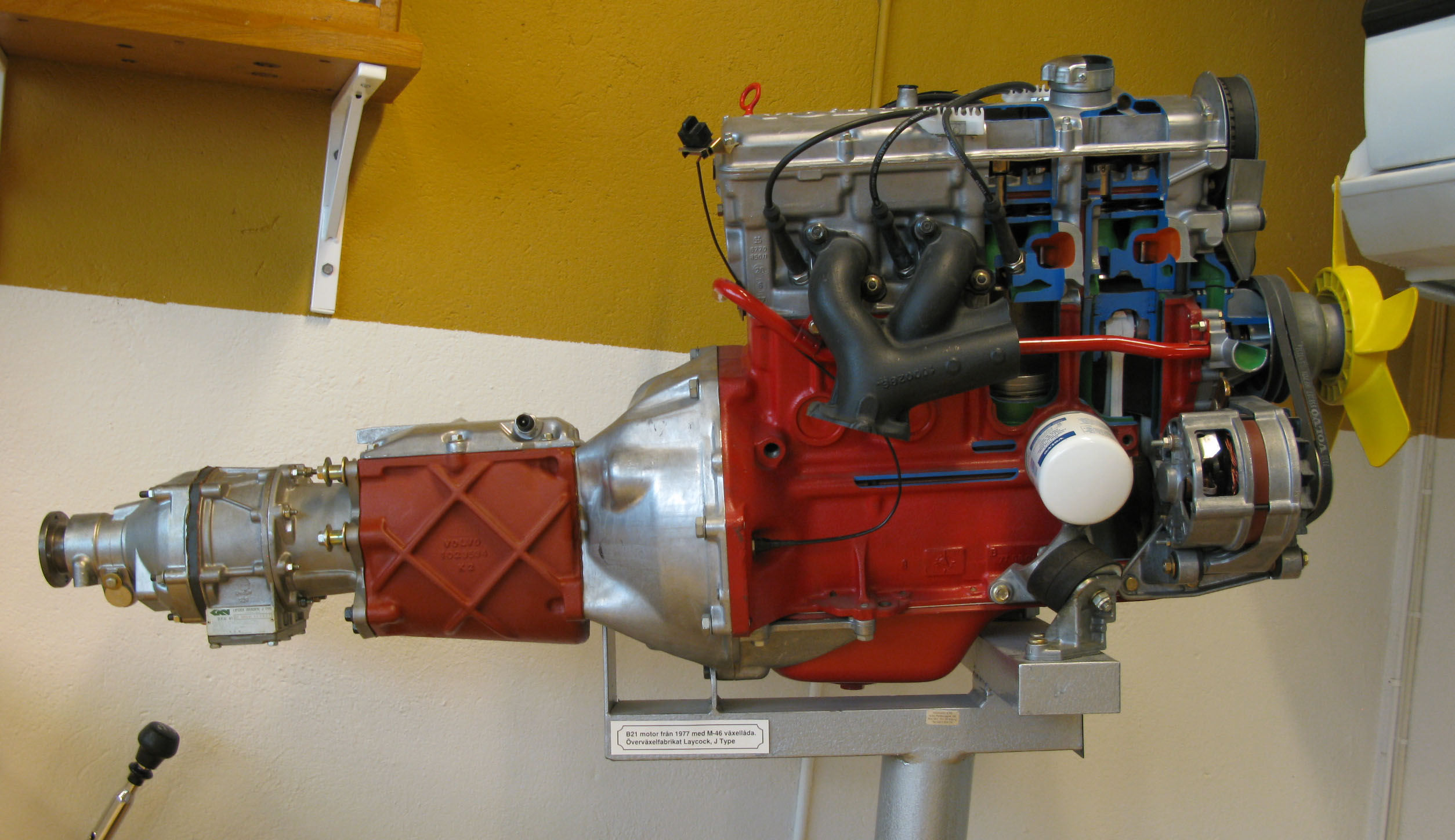
Documented examples of B230-powered Volvos reaching 500,000 miles exist in genuinely meaningful numbers. These are not low-use museum pieces or pampered collector cars. They are family vehicles driven hard in difficult climates day after day, year after year.
Maintenance costs over the life of a B230 were remarkably low compared to any competitor. The engine rarely developed expensive internal problems even at extreme mileages. When it did require attention, parts were simple, affordable, and available globally without difficulty.
Today, Volvo 240s powered by B230 engines are quietly gaining serious collector status. Enthusiasts value them specifically for mechanical simplicity and demonstrated longevity above all else. The engines are easy to swap, easy to rebuild, and almost impossible to destroy through normal everyday use.
Volvo’s reputation for safety is universally famous. Its reputation for building engines that simply never stop running is equally deserved but far less universally appreciated. The B230 is the quiet engine behind one of automotive history’s most enduring reliability stories.
7. Lexus/Toyota 1UZ-FE
Toyota introduced the 1UZ-FE in 1989 specifically to power the Lexus LS400. It was a statement engine smooth, quiet, and engineered to a standard that genuinely embarrassed European competitors. Beyond its initial stunning impression, the 1UZ proved to be one of the most long-lived V8 engines ever produced anywhere.
Its reputation grew not from press releases or awards. It grew from accumulated mileage tallied by satisfied owners across the world. The 1UZ used a dual overhead cam design with four valves per cylinder throughout its production run. This was technologically ambitious for a production engine in 1989. Yet Toyota executed it with such precision that the added complexity never translated into unreliability for owners.
The valve train operated silently and accurately for hundreds of thousands of miles without adjustment. Timing belt service was required at regular intervals but was straightforward and well-documented by Toyota for any competent mechanic.
Noise, vibration, and harshness levels on the 1UZ were class-leading when it launched in 1989. They remain genuinely impressive compared to modern rivals today. The engine’s balance was achieved through precision manufacturing rather than expensive counterbalancing systems that could themselves fail.
Oil consumption was essentially zero in properly maintained examples at any mileage. Bearing surfaces maintained their dimensional accuracy well into very high mileages without needing attention. Toyota’s material quality and machining precision made these results consistent across the entire production run.
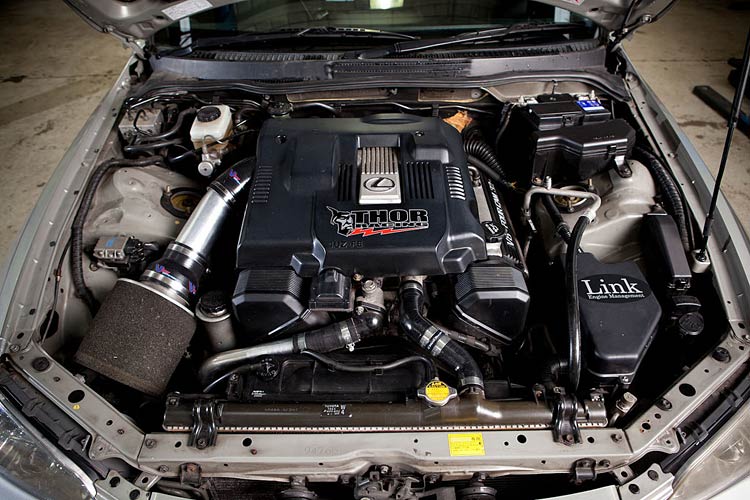
Lexus built its entire brand on the promise of stress-free, surprise-free ownership. The 1UZ-FE was the mechanical foundation upon which that bold promise rested. Early LS400 owners discovered they had purchased not just a luxury car but a genuinely perpetual motion machine.
Service intervals passed without drama or unexpected expense. Fleet and taxi use of Lexus LS400s in various markets exposed the 1UZ to extreme duty cycles with uniformly positive results. High-mileage commercial examples routinely exceeded 300,000 miles without internal work.
Today, the 1UZ remains highly popular for engine swaps into older and custom vehicles. Its combination of high output, compact dimensions, and bulletproof reliability makes it ideal for ambitious projects. A used 1UZ purchased from a high-mileage donor car is still considered a completely reliable starting point by experienced builders.
That willingness to trust a high-mileage engine as a project foundation speaks extraordinary volumes about its reputation. When people trust a worn engine over a new competitor, a true legend has been permanently established.
8. Ford 300 Inline-Six
The Ford 300 cubic inch inline-six is one of the most celebrated work engines in all of American history. Produced from 1965 to 1996, it powered F-Series trucks, Broncos, and vans through three full decades of agricultural, commercial, and personal service. It made modest power but extraordinary torque. And it ran essentially forever without complaint.
Farmers loved it. Contractors depended on it. Fleet managers requested it specifically when ordering new trucks. Its reputation was built entirely on hard labour.
The Ford 300’s inline-six configuration produced a long stroke that generated massive low-end torque from very low revs. This was precisely what truck and heavy equipment users needed from their engines. The engine pulled heavy loads from a standstill without strain or drama.
It rarely operated at high revs where wear accelerates most rapidly. Most of its working life was spent in a relaxed, low-stress operating range that naturally preserved internal components.
The Ford 300 used a cast-iron block and head of considerable wall thickness throughout its long production run. Engineers had not been pressured to reduce weight at the expense of durability. The block walls were thick enough to survive significant overheating without sustaining permanent damage.
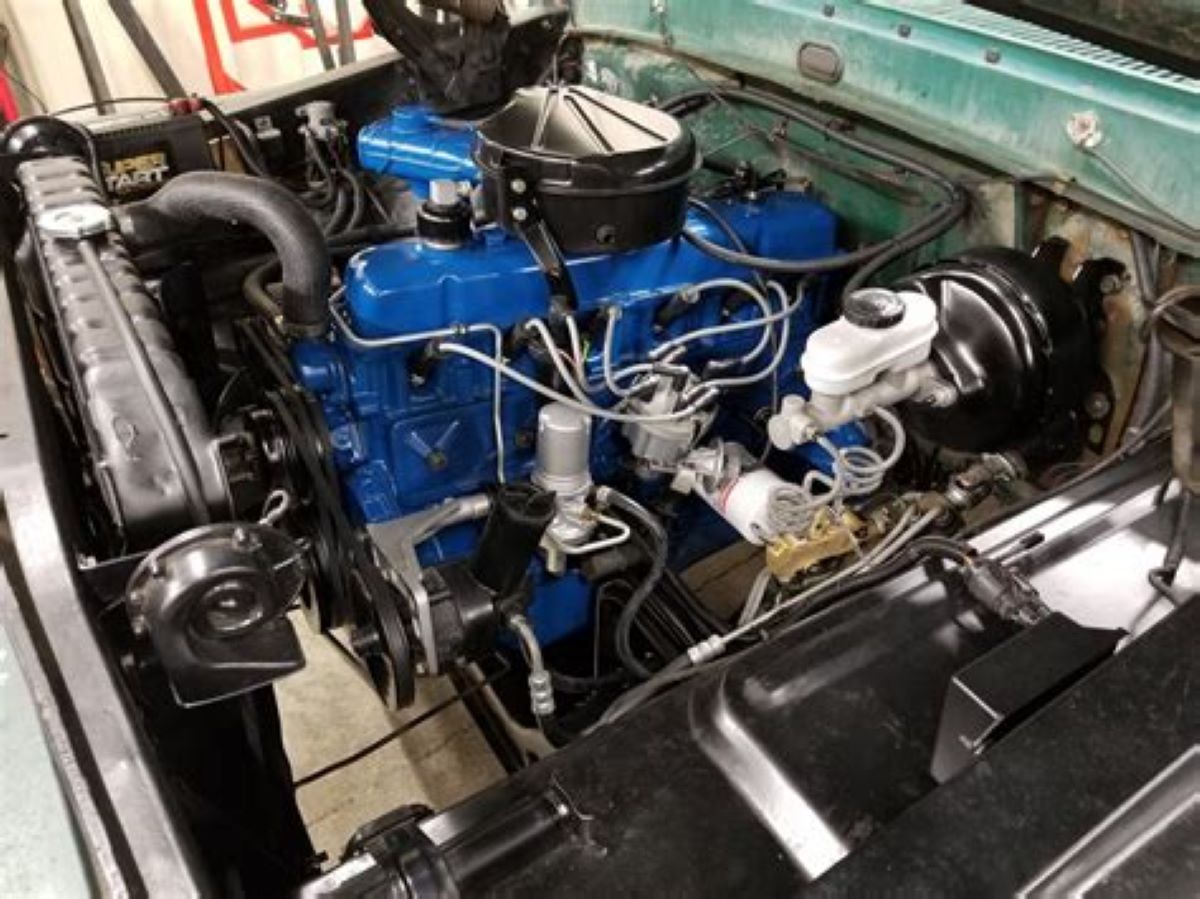
The pushrod valve train was conservative and extremely durable by any standard. Hydraulic lifters maintained their adjustment without owner intervention for remarkable periods between services.
Agricultural users across North America trusted the Ford 300 more than almost any other engine available. It started reliably in cold winters and pulled heavy implements without complaint through summer heat. Farm mechanics who had seen every engine fail at some point reported the Ford 300 as uniquely and consistently trouble-free.
Its six-cylinder configuration also meant smooth power delivery without the inherent vibration of a four-cylinder. That smoothness translated directly into reduced fatigue on both the driver and the drivetrain components.
Ford eventually replaced the 300 with more fuel-efficient and powerful modern engines over time. Its retirement was not driven by reliability concerns it was simply superseded by technological progress and emissions requirements. But in working communities across America, the transition was genuinely mourned by those who had relied on it.
When people resist moving forward because they cannot imagine a more trustworthy replacement, a true mechanical legend has been permanently made.
9. Subaru EJ25 Phase I
The Subaru EJ25 engine, particularly in its naturally aspirated Phase I configuration from the mid-1990s, earned a solid and well-deserved reputation for durability in demanding everyday conditions.
Powering everything from the Legacy to the Forester, it served family buyers across diverse climates and challenging terrains. In its most conservative specification, it was a genuinely long-lived and trustworthy engine.
Subaru owners in snowy mountain regions depended on it completely. It rarely gave them reason to doubt that dependence. Subaru’s flat-four layout offered a lower centre of gravity than any conventional upright engine configuration. This improved vehicle handling but also brought meaningful engineering benefits for internal durability. The engine sat in a stable, level position that promoted even oil distribution across all internal surfaces.
Bearing surfaces received consistent lubrication regardless of cornering or heavy braking loads. That consistency reduced cumulative wear across years of demanding use.
The EJ25’s integration with Subaru’s symmetrical all-wheel-drive system was genuinely seamless in operation. The engine’s torque characteristics matched the transmission’s requirements in a perfectly complementary way. Power delivery was progressive and predictable under all driving conditions encountered.
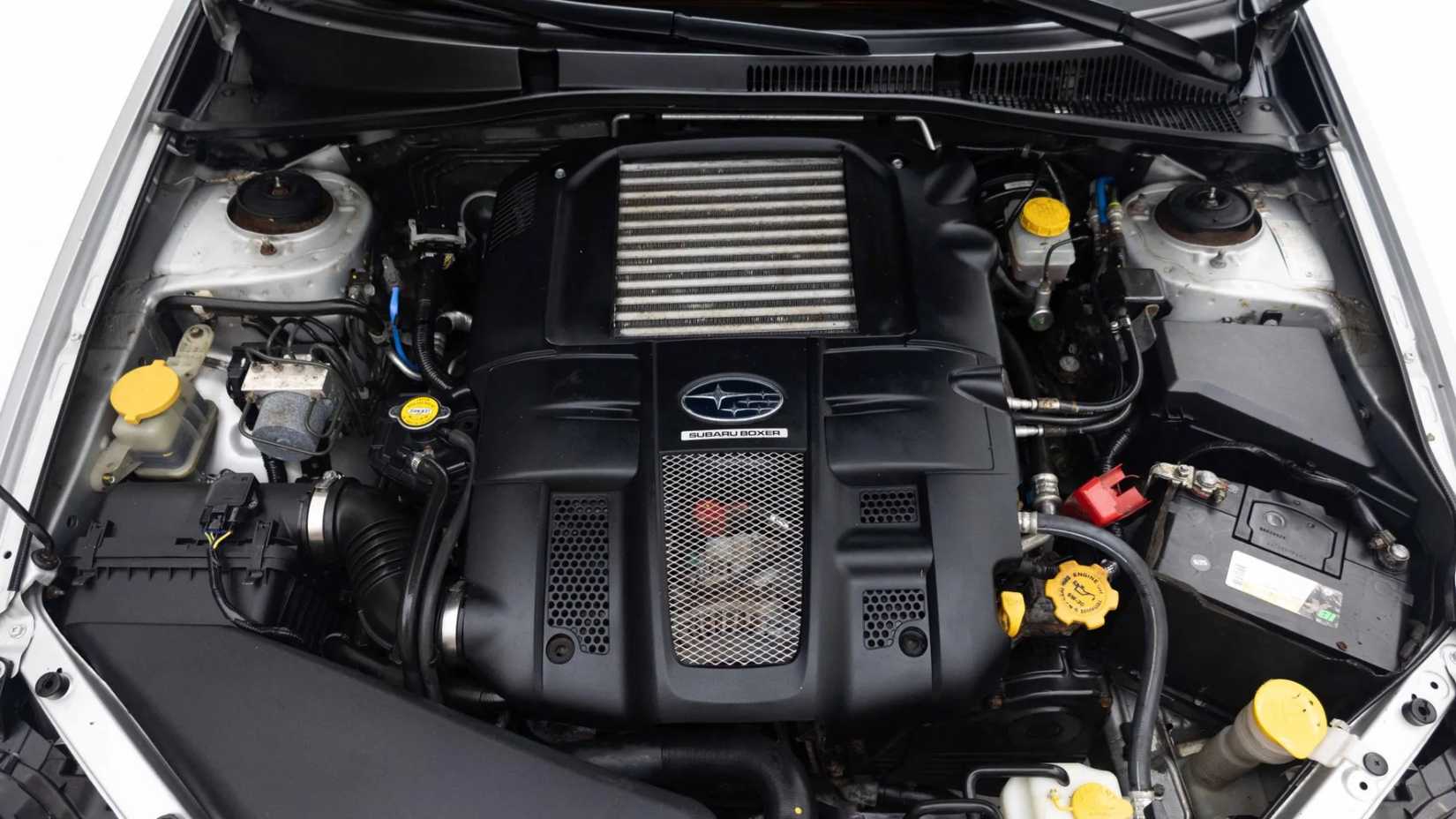
This integration reduced drivetrain stress significantly across the system. The engine was never asked to deliver power in patterns that the transmission could not absorb smoothly and efficiently.
The Phase I EJ25 used a simple fuel injection system without the complexity that later variants introduced. Ignition was straightforward and reliably consistent throughout the service life. The cooling system performed predictably when serviced at recommended intervals without requiring special attention.
Head gasket issues that significantly plagued later EJ25 variants were largely absent from Phase I engines. Regular oil changes and coolant maintenance produced engines that served confidently well into six-figure mileages without major intervention.
Later EJ25 developments introduced head gasket vulnerabilities that complicated the engine’s reputation considerably. But the Phase I configuration stands as clear evidence of what Subaru’s engineering team could genuinely deliver. It remains a benchmark for what the platform was truly capable of achieving at its best.
10. Isuzu 4BD1/4BD2
The Isuzu 4BD1 and its successor the 4BD2, produced from 1984 onward, powered commercial trucks, buses, and industrial equipment across the developing world for decades.
These engines are the unsung workhorses of global infrastructure and commerce. They move goods, transport people, and power generators in conditions that would end lesser engines within months of deployment.
Their reputation was not built in laboratories or on racetracks. It was built on unpaved roads, in tropical heat, and under loads that never seemed to end.
Isuzu designed the 4BD series specifically and exclusively for commercial duty from its inception. Continuous operation, high ambient temperatures, and inconsistent fuel quality were all anticipated clearly in the engineering brief. The result was an engine with component sizing, internal clearances, and surface treatments calculated entirely for maximum durability under sustained load.
The cast-iron block was conservatively sized for the displacement it carried. Internal friction was minimised through careful machining tolerances that reflected decades of commercial diesel experience.
The injection system on the 4BD series used proven Bosch or Denso hardware built specifically to commercial specifications. These were not passenger car components adapted for truck use as a cost-saving measure. They were designed for trucks from the very beginning of their development.
Service intervals were appropriately long for commercial operation. Component life between services was highly predictable, allowing fleet managers to plan maintenance schedules with confidence and minimal disruption.
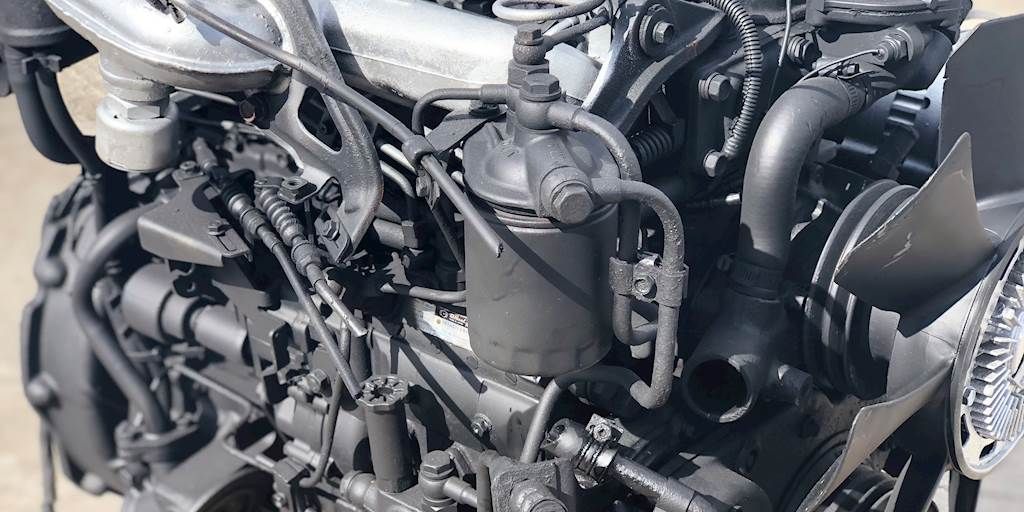
Generator set applications placed uniquely demanding requirements on the 4BD that few engines could meet reliably. An engine running a generator operates at constant speed under constant load for thousands of consecutive hours without rest. Thermal management must be essentially perfect under these conditions.
The 4BD excelled in this application, running continuously in tropical climates without overheating or showing accelerated wear. The cooling system’s capacity was sized for worst-case ambient temperatures that allowed comfortable operating margins in most real-world conditions.
From Sub-Saharan Africa to Southeast Asia to Latin America, the Isuzu 4BD powers the vehicles that keep commerce moving forward every single day. Spare parts supply chains exist in every region where roads exist and trucks operate. Local mechanics know the engine intimately through generations of hands-on experience.
An engine earns its highest reputation not in motorsport or luxury vehicles but in the grinding, relentless reality of commercial use where failure directly means lost income and broken livelihoods.
The Isuzu 4BD has passed that ultimate test on every continent without hesitation. It is not glamorous. It is not famous outside working communities. But within those communities, it is trusted absolutely and that trust has been earned through millions of hours of operation without a single maintenance surprise.
Also Read: 6 Used Cars for Road Trips In the USA vs 6 That Cause Back Pain
