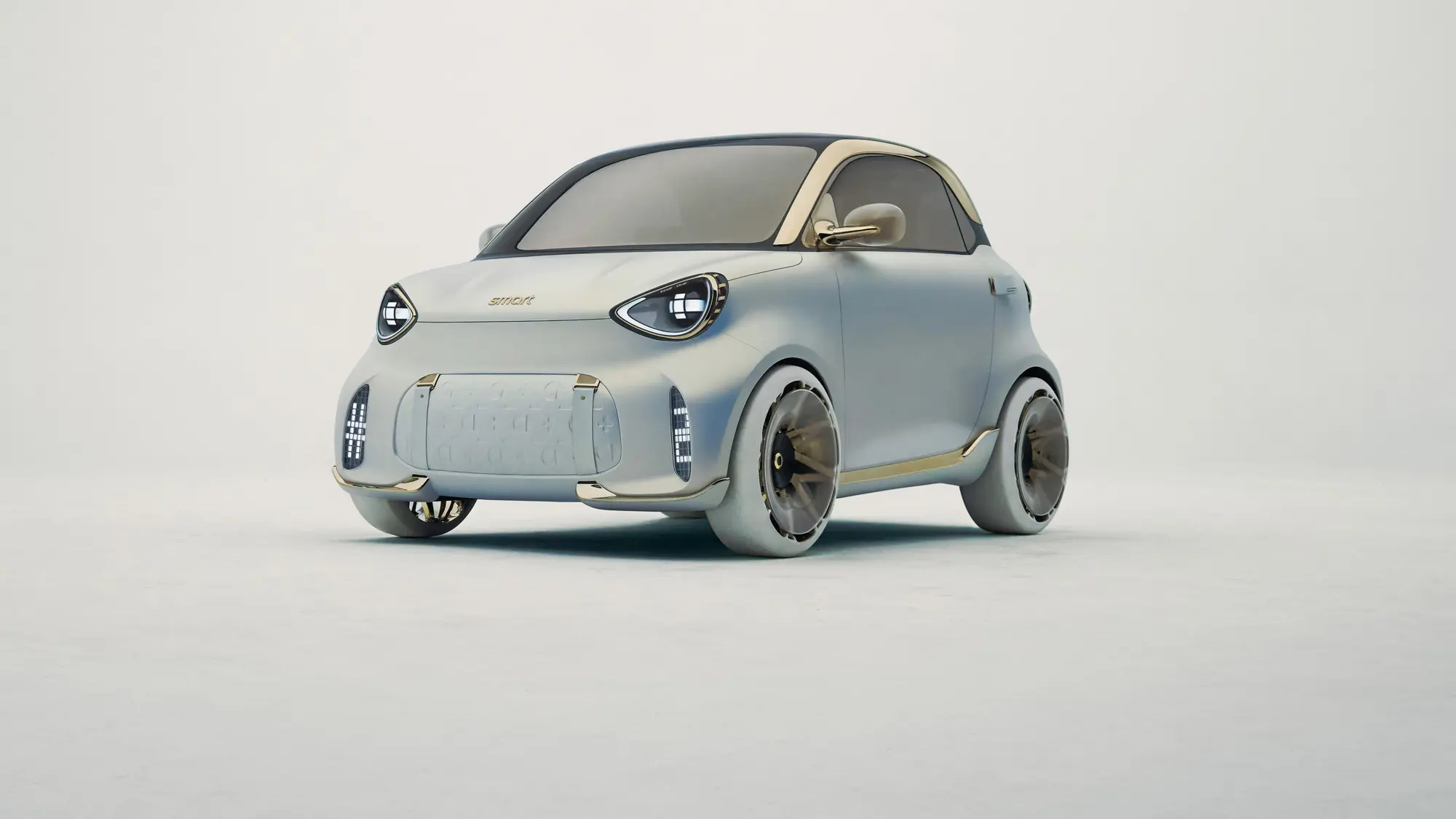
The upcoming Smart #2 represents a clear shift back to the brand’s original concept of ultra-compact urban mobility. Unlike recent models that moved toward larger crossovers, this new vehicle is being developed as a small, two-door electric car focused on city use. It effectively revives the idea behind the Smart Fortwo, but with modern electric technology and updated design.
The layout is expected to remain simple, with two seats and a very compact footprint. This design makes the car easier to park and maneuver in dense urban areas, which has always been a core strength of Smart vehicles. The goal is not to compete with larger EVs, but to offer a practical solution for short-distance daily driving in cities.
The Smart #2 will be built on a dedicated electric platform developed specifically for smaller vehicles. This platform is part of a joint effort between Mercedes-Benz and Geely, combining European design with Chinese engineering and production.
Unlike earlier Smart models that adapted existing platforms, this new architecture is designed from the ground up for electric use, which should improve efficiency and packaging.
Performance is expected to focus on efficiency rather than speed. Early estimates suggest a driving range of around 300 kilometers on a full charge, which is suitable for daily urban use.
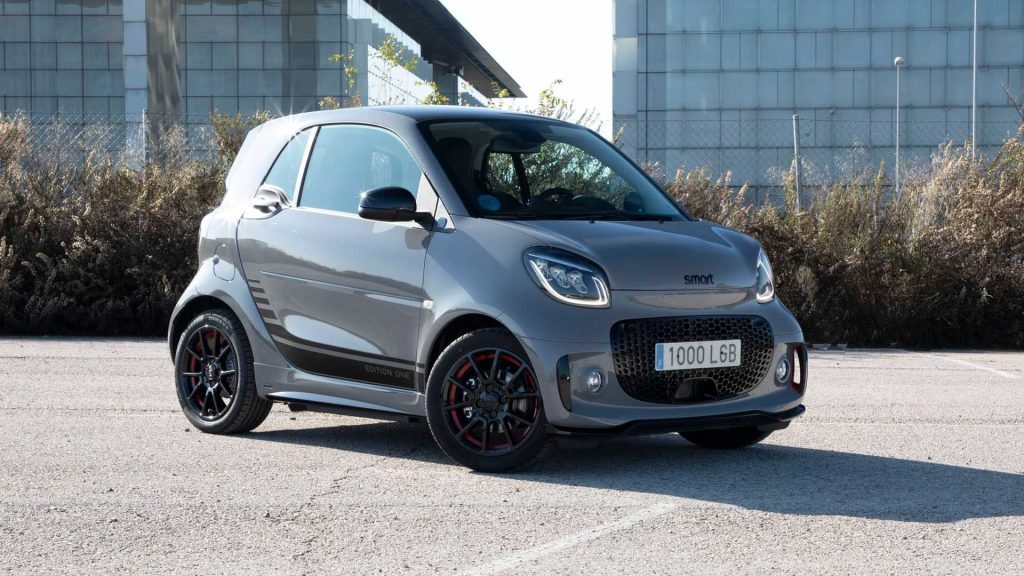
Charging capability is also expected to improve, with faster charging times compared to older Smart electric models. While full technical specifications are not yet confirmed, the car is likely to use a rear-wheel-drive setup, maintaining continuity with previous generations.
In terms of design, the Smart #2 is expected to carry forward familiar styling cues while adopting a more modern appearance. Concept versions have shown bold lighting elements and a cleaner, more contemporary shape.
The production version will likely refine these features while keeping the distinctive identity of the brand. Inside, the cabin is expected to feature a more digital layout, reflecting current trends in electric vehicles.
Pricing will play an important role in the model’s success. The Smart #2 is expected to be positioned as an affordable electric vehicle, with estimates placing it in the lower price range for EVs in Europe. This approach aligns with its role as a practical city car rather than a premium product.
The official debut is expected in 2026, with initial sales focused on Europe and China. These markets have strong demand for compact electric vehicles due to urban density and stricter emissions regulations.
Smart #2 is a strategic move to return to the brand’s original strengths. By focusing on compact size, affordability, and urban usability, Smart is aiming to reestablish itself in a segment it once defined, while adapting to the realities of the modern electric vehicle market.