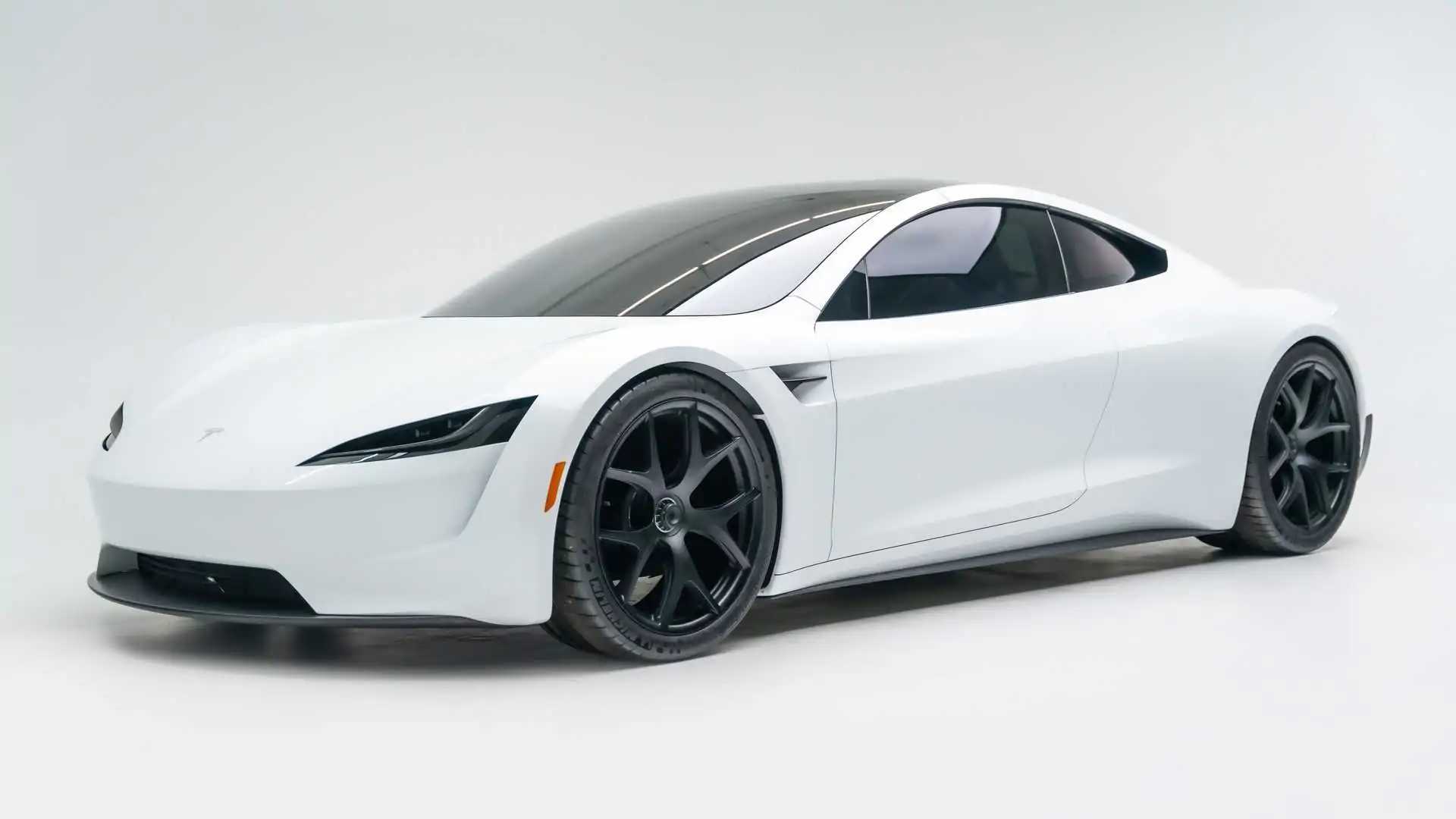
Tesla is moving forward with plans to build its first charging sites designed specifically for robotaxis, signaling a deeper commitment to its long-term autonomous driving strategy. These dedicated locations are expected to be developed in Arizona and will focus exclusively on supporting self-driving vehicles rather than serving the general public.
The concept centers on adapting Tesla’s existing charging infrastructure to meet the needs of an autonomous fleet. Instead of introducing entirely new hardware, the company is expected to rely on its Tesla V4 Supercharger technology.
This suggests a more practical approach, using proven systems while refining how autonomous vehicles interact with charging stations. By avoiding complex robotic charging mechanisms, Tesla may be aiming to reduce both cost and technical risk.
Arizona has been selected as a key location due to its established role in autonomous vehicle testing. The state has relatively favorable regulatory conditions and has already attracted multiple companies working on self-driving technology.
By placing robotaxi-focused charging hubs in this environment, Tesla can support real-world testing while preparing for a broader rollout. The controlled setup also allows the company to monitor performance, reliability, and efficiency under consistent conditions.
A major advantage of dedicated robotaxi charging sites is operational efficiency. Autonomous vehicles operating in a fleet require predictable access to charging in order to maintain uptime.
Unlike privately owned cars, robotaxis are expected to run continuously, picking up passengers throughout the day. Having exclusive charging infrastructure reduces waiting times and avoids congestion at public stations, allowing vehicles to return to service more quickly.
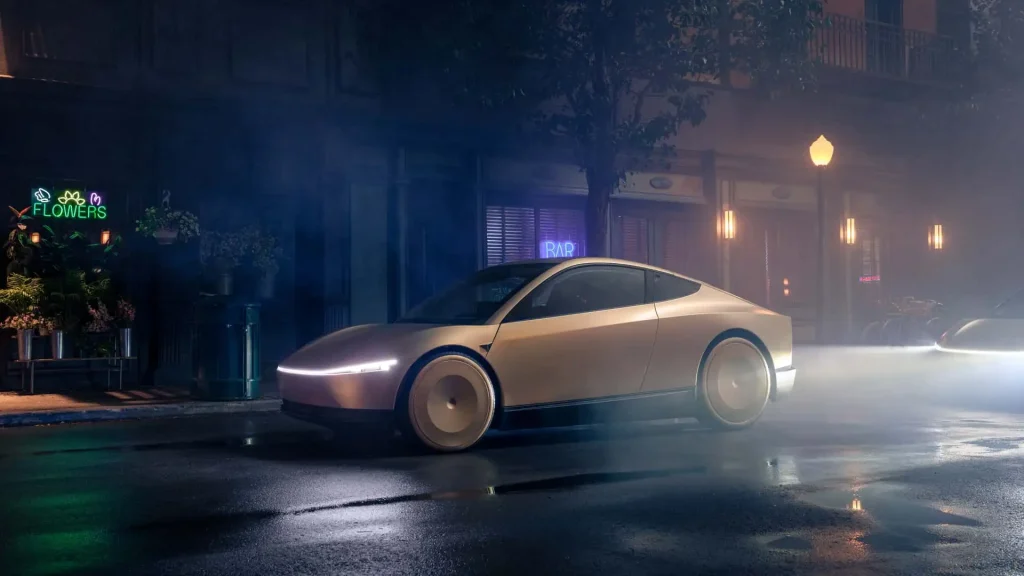
However, the plan also highlights the challenges Tesla still faces. A fully operational robotaxi network has not yet been launched, and regulatory approval remains a significant barrier in many regions.
Building specialized infrastructure ahead of widespread deployment indicates confidence, but it also introduces uncertainty. If timelines for autonomous driving are delayed, these charging sites may not be used at full capacity in the short term.
From a technical perspective, relying on standard charging systems means that vehicles must be capable of precise positioning without human assistance.
Even without robotic connectors, autonomous cars will need to align accurately with charging equipment to ensure a successful connection. This places additional demands on Tesla’s self-driving software, which must handle these tasks reliably in real-world conditions.
The decision to focus on existing Supercharger technology reflects a broader strategy of incremental development. Rather than waiting for fully automated charging solutions, Tesla is building infrastructure that can function with current capabilities while still supporting future upgrades. This approach allows the company to move forward with deployment while continuing to refine its autonomous systems.
Tesla’s plan to introduce robotaxi-only charging hubs represents a practical step toward building a scalable autonomous network. By combining dedicated infrastructure with established charging technology, the company is positioning itself to support continuous operation of self-driving vehicles.
The success of this strategy will depend on how quickly Tesla can align its infrastructure, software, and regulatory progress into a fully functional robotaxi service.