
Buying a new German car feels like a smart decision in the showroom. Premium materials, precise engineering, advanced technology, and the kind of badge that communicates success without saying a word about it. The sales consultant shows you the residual value estimate, mentions something about German engineering reliability, and hands you a key fob that feels like it was machined from a solid block of metal. You leave feeling good about the purchase. Then the depreciation starts.
German luxury vehicles are among the most aggressively depreciating assets in the consumer market, and the gap between what buyers pay at signing and what those same vehicles are worth three years later is genuinely startling when laid out in specific dollar terms.
Vehicles that sold for $85,000 or $95,000 can be found at dealer auctions for $35,000 or $40,000 three years and 36,000 miles later, which is not an exaggeration but an accurate description of documented depreciation curves for specific models covered in this article. Here is the part that makes this worth reading before your next vehicle purchase: this depreciation creates a genuine opportunity for buyers who approach the market with their eyes open.
Every $50,000 in value that evaporated from a first buyer’s new German luxury car is $50,000 that a second buyer does not have to pay to drive the same vehicle with the same features, the same badge, and the same driving experience. The catch, and there is always a catch with out-of-warranty German luxury cars, is that what created the depreciation often does not disappear when the price drops.
Eight specific German vehicles follow. Each one depreciates faster than it probably should based on its initial quality, each one presents genuine risks that the low used price does not fully communicate, and each one is a vehicle you will see advertised as a bargain that deserves more scrutiny than the price tag alone provides.
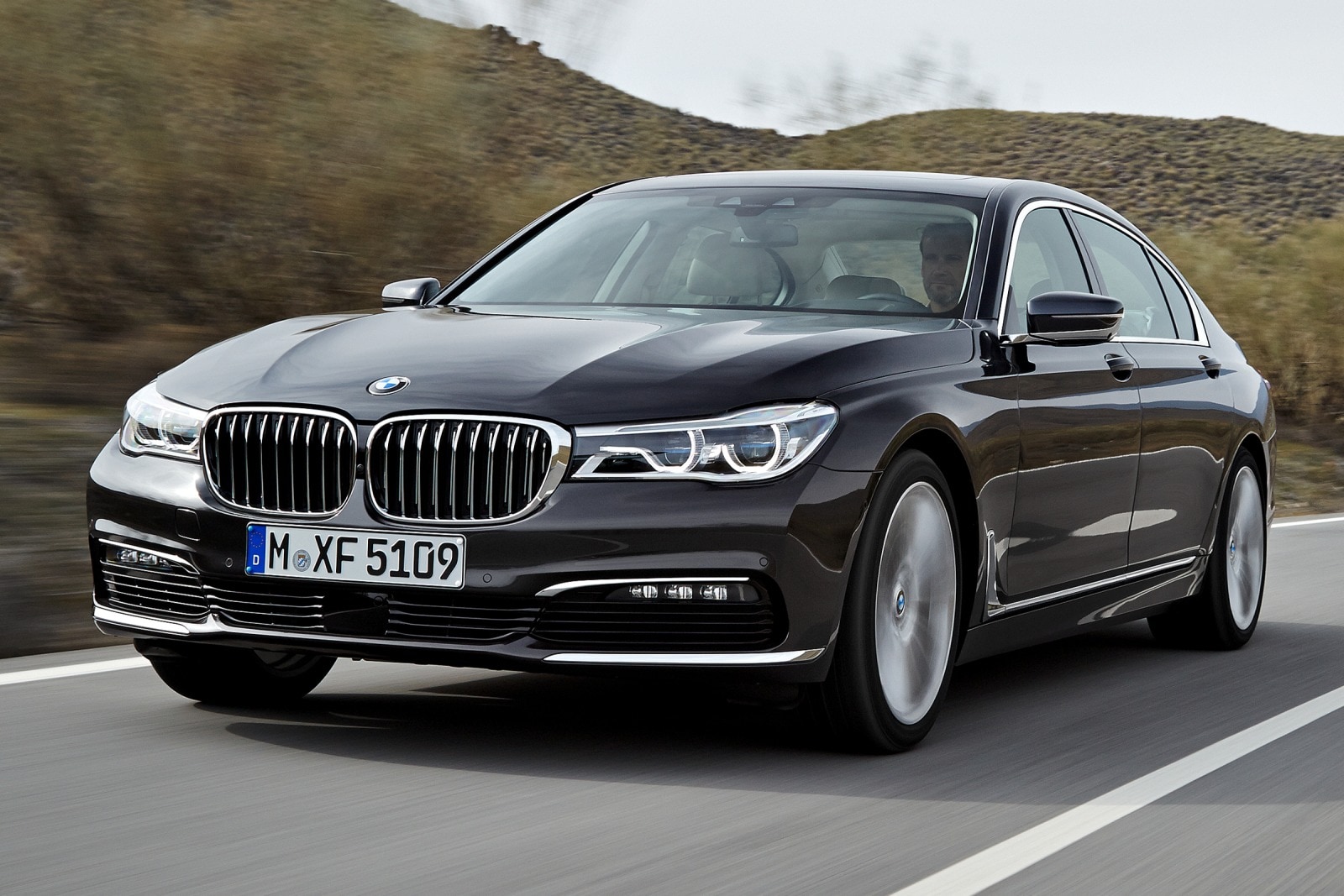
1. BMW 7 Series 750Li xDrive (2017)
BMW’s flagship sedan promises everything a luxury buyer could want in a full-size premium vehicle. Rear-wheel drive bias, powerful turbocharged inline-six or V8 powertrains, a cabin loaded with technology, and the kind of refinement that BMW’s engineering team has spent decades developing.
A new 750Li xDrive rolled off dealer lots in 2017 for prices approaching $100,000 with typical option loads, which felt reasonable to buyers for whom this was the vehicle that marked arrival at a specific level of professional and financial achievement.
Three years later, those same vehicles were trading at used car auctions for $35,000 to $45,000 regularly. Depreciation of 55 to 65 percent in three years is not unusual for large flagship luxury sedans, but the 7 Series manages to achieve this depreciation trajectory with particular consistency across model years, which suggests that market forces have developed a clear-eyed view of what long-term ownership of a post-warranty BMW 7 Series actually costs.
Post-warranty ownership costs on the 7 Series are where the low used price begins to look less like an opportunity and more like a transfer of financial risk from the original buyer to the second buyer. BMW’s iDrive infotainment system in the G11/G12 generation uses electronics architecture that integrates deeply with nearly every vehicle system, which means that malfunctions in entertainment, climate, or connectivity features often require dealer-level diagnostic access and component replacement costs that aftermarket alternatives cannot address.
Air suspension components, which provide the 7 Series’s excellent ride quality, deteriorate with age and carry replacement costs that budget-conscious used buyers sometimes find surprising after a pre-purchase inspection. Oil service costs, the annual safety inspection requirements on older examples, and the cooling system service that BMW’s turbocharged inline-sixes and V8s require at higher mileage all contribute to a total cost of ownership picture that explains why the market has priced used 7 Series vehicles where it has.
Buyers who purchase a 2017 BMW 750Li xDrive at $38,000 often find that their annual service costs exceed what they might spend maintaining a much less expensive vehicle, which affects the total value proposition of the bargain price. This does not mean the 7 Series is the wrong purchase for every buyer. It means the decision should be made with accurate information about ongoing costs rather than excitement about the purchase price relative to what the original buyer paid.
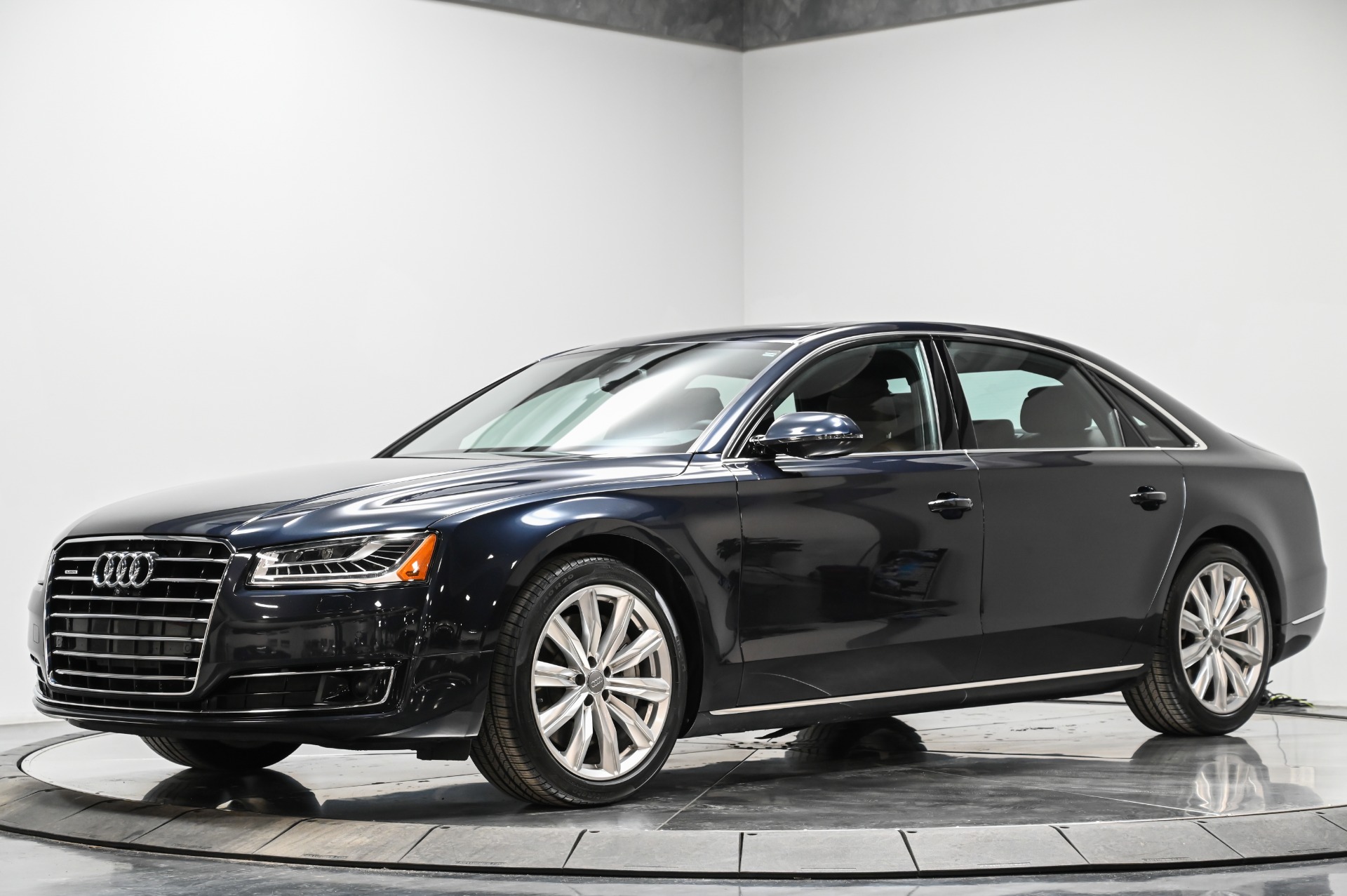
2. Audi A8 L 3.0T quattro (2016)
Audi’s A8 serves as the brand’s flagship representation of engineering precision, and the 2016 A8 L 3.0T quattro in its extended wheelbase form reflects a deliberate focus on comfort, material quality, and advanced system integration. When introduced, buyers who invested between $85,000 and $95,000 received a vehicle that demonstrated high standards in cabin design, ride quality, and technological sophistication.
During the warranty period, ownership satisfaction remained strong due to the vehicle’s refined driving experience and seamless functionality. Market valuation after several years presents a different perspective. A 2016 Audi A8 L 3.0T quattro that originally sold for approximately $90,000 now typically falls within a resale range of $20,000 to $28,000, depending on mileage and condition. This represents a depreciation level between 68 and 78 percent. Such a rate is consistent with flagship luxury vehicles, where long-term ownership costs influence demand in the pre-owned market.
Electronic systems play a central role in this outcome. The MMI infotainment platform, combined with the MOST fibre optic communication network, connects various vehicle modules in a highly integrated structure. Diagnosis of faults within this system often requires dealer-level diagnostic equipment.
Replacement of components such as control units, display screens, or communication modules involves both high parts costs and specialized labour. In certain cases, repair expenses may approach or exceed the vehicle’s resale value, leading some owners to defer repairs, which further affects market perception.
Engine maintenance also requires careful adherence to manufacturer specifications. The supercharged 3.0-liter V6 relies on specific oil grades, coolant formulations, and service procedures to maintain proper function. While independent mechanics can perform routine servicing, specialists with access to Audi technical documentation are better equipped to manage more advanced requirements.
At higher mileage, components such as the supercharger assembly and the air-to-water intercooler system require attention, adding to ownership considerations. Additional systems contribute to the long-term cost profile. The quattro all-wheel-drive system includes multiple drivetrain components that require periodic servicing. Timing chain maintenance becomes relevant as mileage increases, and vehicles equipped with air suspension introduce further components that may require replacement after extended use.
These combined factors explain the vehicle’s current valuation in the used market. Buyers who approach ownership with a clear understanding of these requirements are better prepared to manage the vehicle effectively, while those focused only on purchase price may encounter challenges related to ongoing maintenance.
Also Read: 5 German Cars That Make Sense Long-Term vs 5 That Don’t
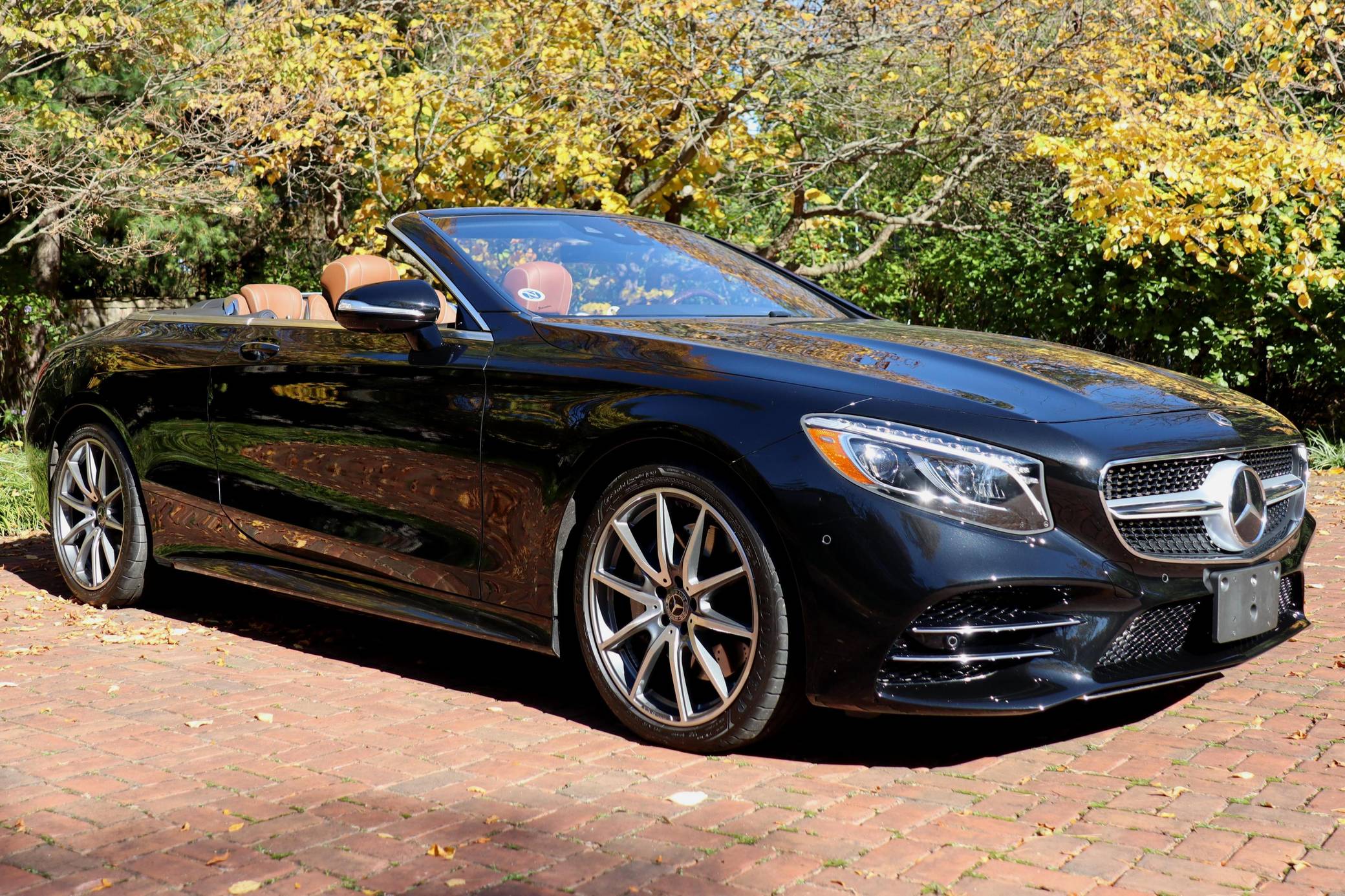
3. Mercedes-Benz S 560 Cabriolet AMG Line (2018)
The Mercedes-Benz S 560 Cabriolet AMG Line represents a high level of luxury combined with open-air driving capability. Designed as a full-size convertible, it offers a refined experience that blends performance, comfort, and advanced engineering.
At the time of purchase, buyers who spent between $175,000 and $185,000 received a vehicle that delivered both strong V8 performance and a premium driving environment, supported by Mercedes-Benz’s long-established S-Class development standards.
Depreciation for this model has been substantial. Current market values for a 2018 S 560 Cabriolet AMG Line generally range between $50,000 and $65,000, reflecting a reduction of approximately 63 to 73 percent from its original price. This pattern aligns with trends observed in luxury convertibles, where reduced demand and additional mechanical considerations affect resale values beyond the warranty period.
The convertible roof system introduces a major ownership consideration. The soft-top mechanism operates through a complicated hydraulic system that performs reliably during the initial years of use. As the vehicle ages, wear in hydraulic components and sealing elements may require professional servicing. Replacement parts and associated labour costs can be substantial, particularly for owners who did not anticipate these requirements prior to purchase.
Engine maintenance also contributes to long-term ownership planning. The biturbo V8 engine requires adherence to specific service schedules, including oil changes and cooling system maintenance. In a convertible structure, thermal management becomes especially important due to differences in airflow and structural design compared to fixed-roof models. Proper servicing ensures consistent engine performance and reduces the risk of premature wear.
Ownership costs extend beyond the engine and roof system. High-performance components, including suspension systems and braking elements, require periodic inspection and replacement. These costs become more noticeable when compared to the vehicle’s reduced resale value.
Individuals who intend to actively use and maintain a luxury convertible may find value in the S 560 Cabriolet at its current market price, provided they have accounted for ongoing service requirements. Those who are primarily influenced by the reduced purchase cost without considering maintenance obligations may find the ownership experience less satisfactory than expected.
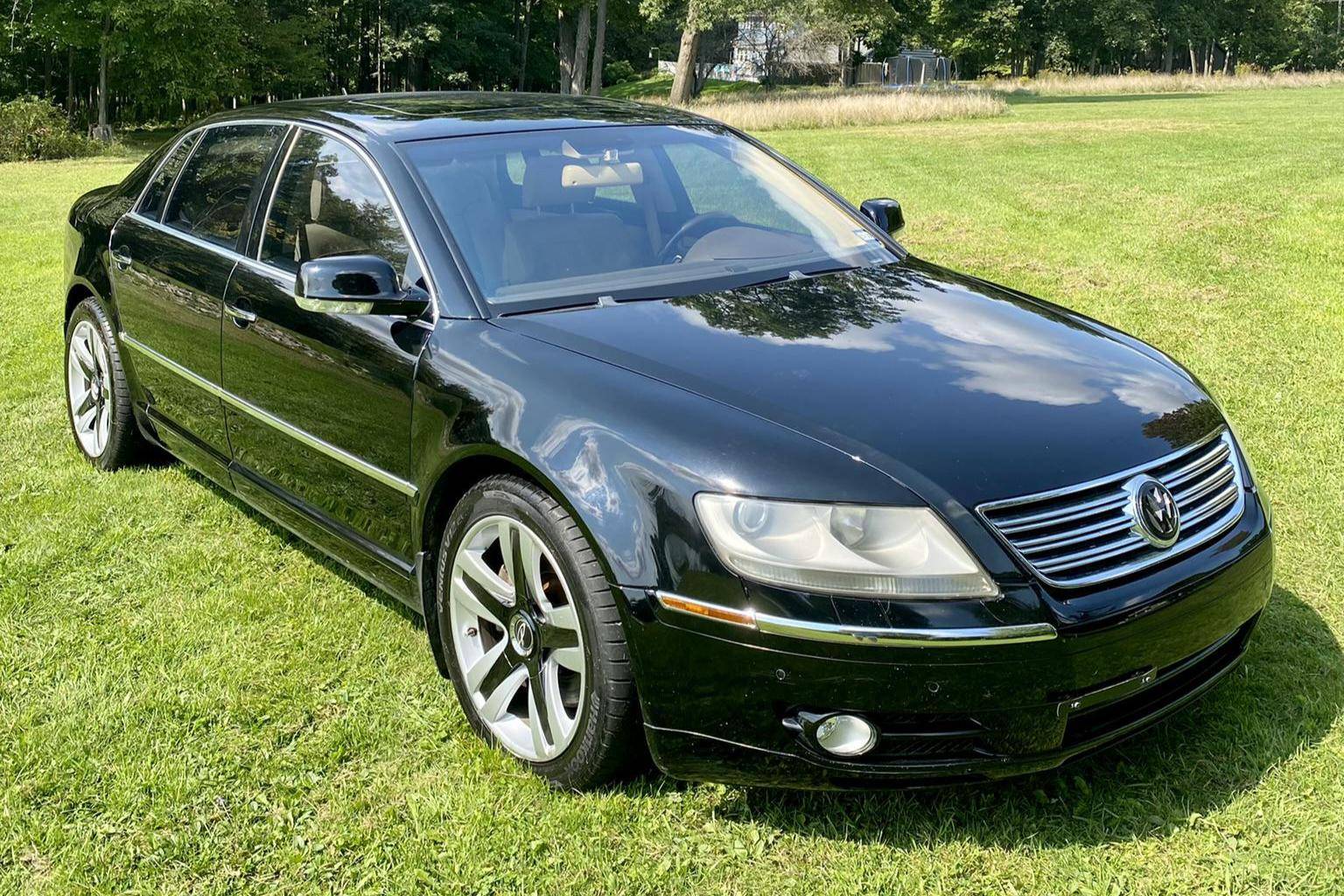
4. Volkswagen Phaeton W12 4Motion (2004)
Volkswagen built the Phaeton as Ferdinand Piëch’s personal mission to prove that the Volkswagen brand could produce a luxury sedan that competed directly with Mercedes-Benz S-Class and BMW 7 Series at the top of the market. Engineering was not compromised: the W12 6-liter engine producing 420 horsepower, four-wheel independent air suspension with active body control, and a cabin assembled with material quality and manufacturing precision that matched or exceeded what Mercedes and BMW delivered, all wrapped in deliberately understated Volkswagen styling that Piëch believed would allow the car to succeed on engineering merit rather than badge prestige.
American buyers disagreed with this philosophy at the showroom level, and the Phaeton sold in numbers that the investment it required could not possibly justify. Limited production, uncertain dealer service familiarity with the Phaeton’s specific systems, and the ironic reality that the car’s closest platform sibling was the Bentley Continental Flying Spur meant that independent service for out-of-warranty Phaetons required either specialists comfortable with Bentley-adjacent engineering or dealers who maintained Phaeton-specific technical knowledge across a limited service history.
Depreciation from the Phaeton’s already modest new price has been comprehensive. W12 examples that sold for $80,000 to $90,000 new now trade for $8,000 to $15,000 when found at all, which represents either the most dramatic value collapse in this article or the most interesting buying opportunity, depending entirely on your perspective and your mechanical knowledge.
Service costs for the W12 Phaeton are substantial by any measure. Twelve-cylinder engine maintenance, air suspension system service, and the specialized VW-Audi Group diagnostic requirements mean that ownership costs relative to purchase price are among the highest in the used car market at any category.
Buyers with specific technical knowledge and access to Volkswagen Group specialist service who have made peace with these costs describe the Phaeton as one of the most rewarding automotive experiences available at any price, which is simultaneously true and an insufficient reason for most buyers to recommend the purchase.
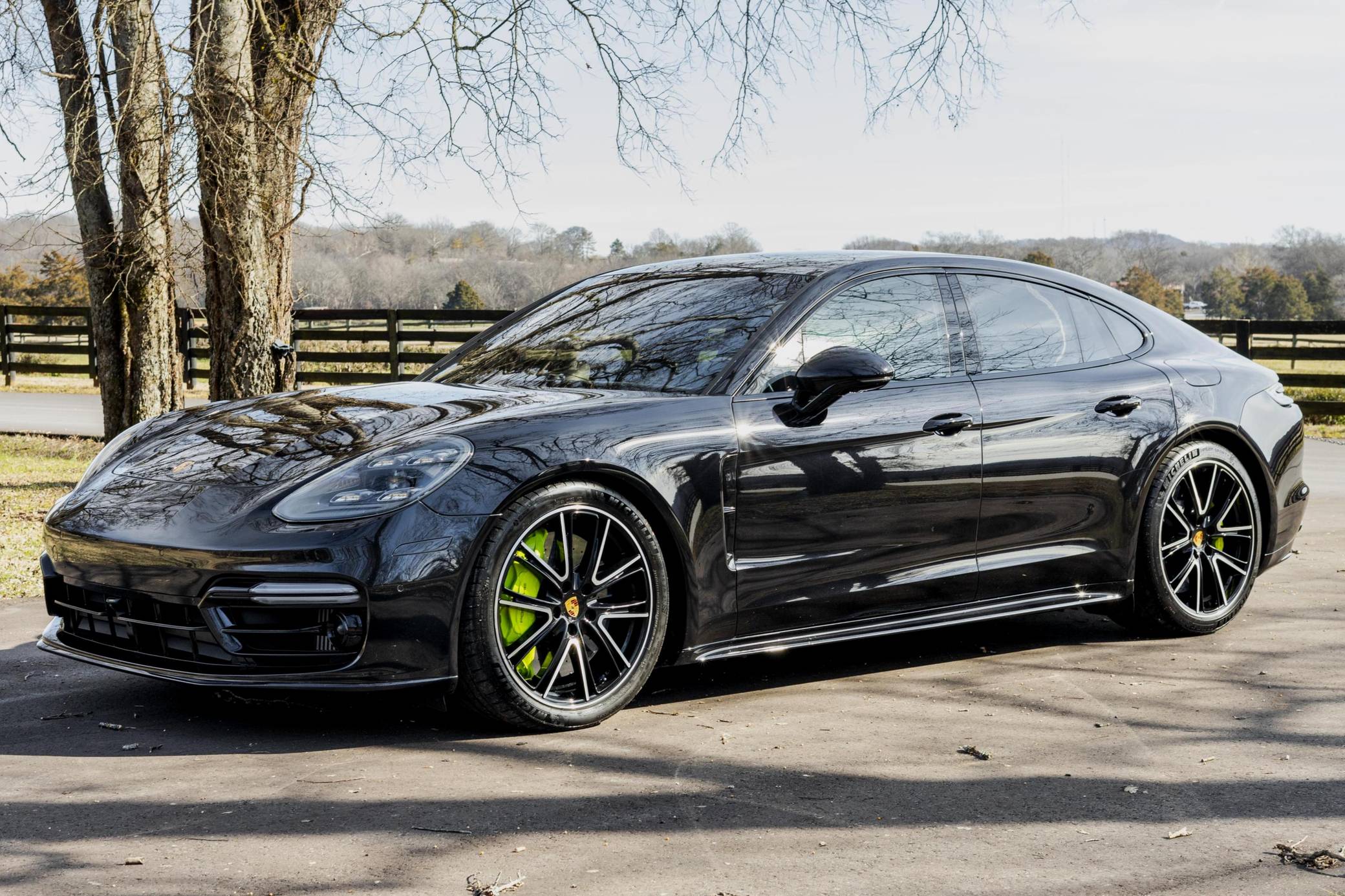
5. Porsche Panamera Turbo S E-Hybrid Executive (2018)
Porsche’s Panamera Turbo S E-Hybrid Executive represents the confluence of several things that German engineering does exceptionally well: powerful performance, luxury interior appointments, and technology integration that keeps the vehicle feeling current through its production period.
A vehicle of this specification that departed the dealership for $195,000 to $210,000 with typical options represented a substantial financial commitment that buyers made with confidence in the Porsche brand’s durability and retained value reputation. Porsche vehicles generally depreciate more slowly than Mercedes-Benz, BMW, and Audi flagship models, and this reputation is partially deserved across models like the 911 and Cayenne that maintain genuine collector and enthusiast demand.
Where the reputation becomes less applicable is in the Panamera Turbo S E-Hybrid Executive, which combines a complicated plug-in hybrid drivetrain with flagship sedan luxury in a format that appeals to a narrow buyer demographic and that carries the additional depreciation pressure of hybrid battery age concerns on the used market.
Current market values for 2018 Panamera Turbo S E-Hybrid Executive examples in good condition land in the $65,000 to $85,000 range, which is a depreciation of 58 to 67 percent from the original purchase price over six years. For context, this means a vehicle that cost $200,000 new is available today at a price where a buyer essentially receives the equivalent of a well-appointed used executive sedan, while the Porsche badge, the performance hardware, and the complicated hybrid drivetrain come as accessories rather than primary purchase motivations.
Hybrid battery condition is the specific concern that depresses used Panamera Turbo S E-Hybrid values more than equivalent Panamera Turbo values without the hybrid system. Battery capacity degradation as time goes on reduces electric driving range and affects the vehicle’s combined performance characteristics in ways that can be assessed during pre-purchase inspection, but that are difficult to accurately project for future degradation rate.
Buyers who value the vehicle’s electric capability as part of their purchase motivation face legitimate uncertainty about how much of that capability will remain at any given mileage and age combination. Porsche service costs, which are justified by the engineering precision and specialist knowledge required, add a layer to the cost of ownership that used buyers sometimes underestimate when pricing appears to offer a relative bargain compared to the original MSRP.
Major service intervals, brake system maintenance for the performance-grade hardware, and any hybrid system intervention all carry Porsche specialist pricing that the vehicle’s current market value makes proportionally expensive.
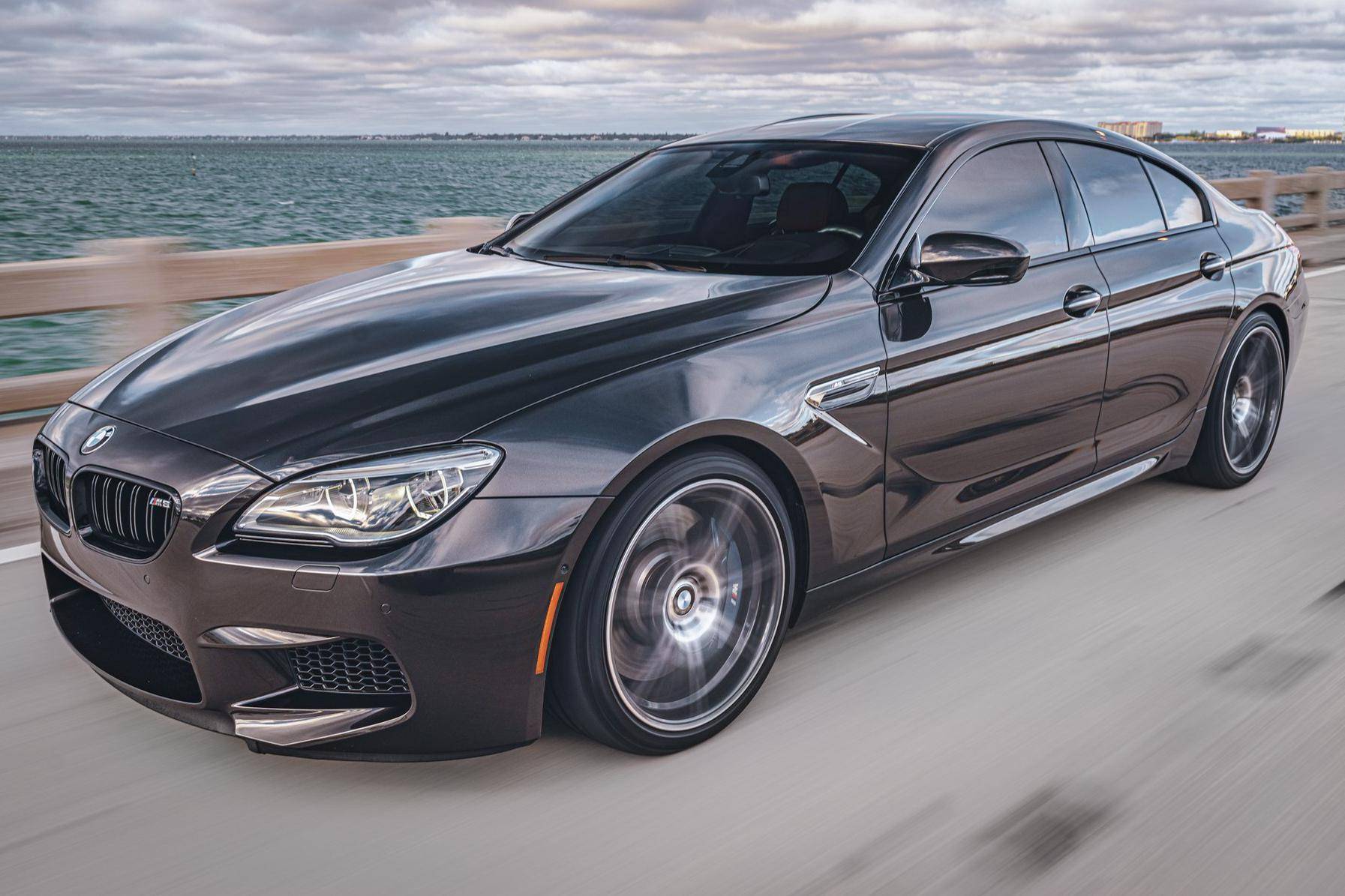
6. BMW M6 Gran Coupe Competition (2016)
The BMW M6 Gran Coupe Competition of 2016 represents an advanced expression of performance engineering combined with executive comfort in a four-door coupe format. Developed by BMW’s M division, the vehicle integrates high-output mechanical capability with refined interior accommodation, allowing it to function both as a performance machine and a practical daily vehicle.
The Competition specification introduced enhanced suspension calibration, increased engine output from the S63TU twin-turbocharged V8, and distinct exterior styling elements that clearly indicate its elevated specification. Initial purchase prices for this model ranged between $130,000 and $140,000, depending on selected options and customization features.
This pricing positioned the vehicle within the upper tier of performance luxury sedans, competing directly with alternatives such as the Porsche Panamera and the Mercedes-AMG GT 4-Door. Buyers who selected the M6 Gran Coupe Competition were typically drawn to its combination of high-speed capability, precise handling, and everyday usability.
Automotive evaluations consistently highlighted its ability to deliver strong performance across both controlled track environments and regular road use. Current resale values for well-maintained 2016 M6 Gran Coupe Competition models typically range between $35,000 and $48,000.
This reflects a depreciation level of approximately 63 to 73 percent from the original purchase price. Such depreciation aligns with patterns observed in flagship BMW performance vehicles, where high initial cost and advanced engineering contribute to reduced resale values as maintenance considerations become more apparent to second-hand buyers.
Maintenance requirements for the S63TU engine demand careful attention. Components related to the twin-turbocharging system, cooling architecture, and high-performance valve train require periodic servicing to maintain optimal operation. Additional considerations include maintenance of the M-specific differential system and, where applicable, carbon ceramic brake systems. Vehicles that have been driven extensively in high-performance conditions may require earlier replacement of suspension components, which adds to the long-term ownership cost.
Electronic systems also require professional attention. The iDrive system used in this model may occasionally require software updates that are best handled by authorized service providers. Certain electrical issues reported by owners have required diagnostic tools specific to BMW, such as ISTA or Rheingold, which are not commonly available in general automotive workshops.
Ownership of this vehicle is best suited to individuals who have access to specialized BMW service providers with the necessary diagnostic equipment and technical expertise. This level of support ensures that the vehicle continues to perform in accordance with its original engineering standards.
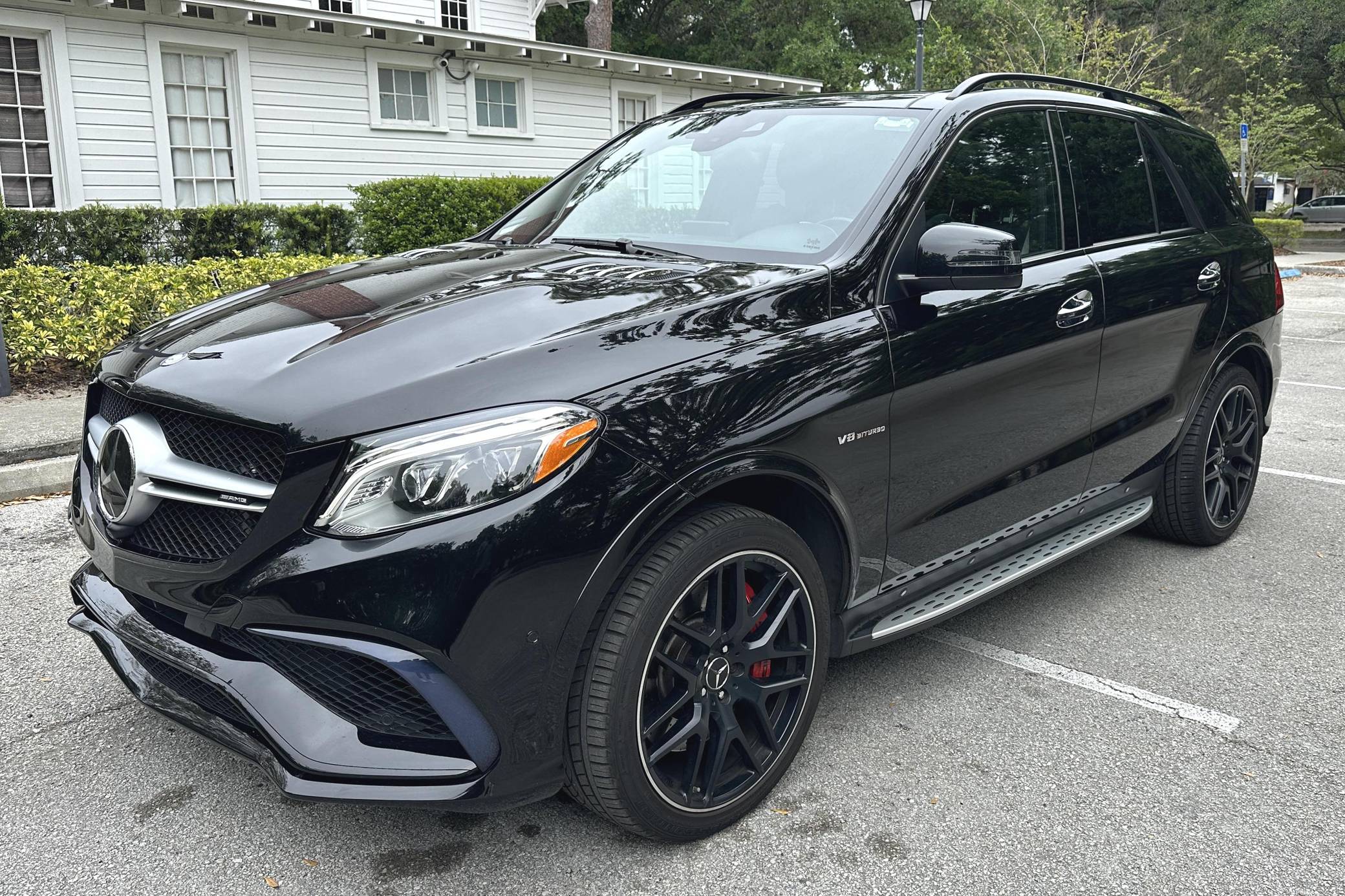
7. Mercedes-Benz GLE 63 S AMG 4MATIC (2017)
The 2017 Mercedes-Benz GLE 63 S AMG 4MATIC represents a performance-focused sport utility vehicle developed by Mercedes-AMG, combining high-output engineering with the functionality expected from a mid-size SUV. Beneath its refined exterior lies a 5.5-liter biturbo V8 engine capable of producing 577 horsepower, delivering acceleration and performance characteristics that rival many sports-oriented vehicles despite its larger body structure.
At the time of release, pricing for this model typically ranged between $115,000 and $125,000, depending on selected features and options. This positioned the vehicle within the premium segment of performance SUVs, competing with models such as the Porsche Cayenne Turbo and the Range Rover Sport SVR. Buyers who selected the GLE 63 S AMG often prioritized engine performance and driving engagement, seeking AMG’s distinctive engineering approach within a versatile vehicle format.
Current resale values for well-maintained 2017 GLE 63 S AMG 4MATIC models generally fall between $32,000 and $42,000. This represents a depreciation range of approximately 64 to 72 percent from original purchase prices. Performance-oriented AMG vehicles typically experience accelerated depreciation due to higher maintenance costs and the availability of alternative options in the pre-owned market.
Maintenance of the AMG biturbo V8 requires adherence to specific service intervals. Engine oil changes must follow precise schedules, and coolant systems require the correct formulation to ensure proper thermal management. Inspection of turbocharger oil supply lines is essential, as neglect in this area has been associated with premature wear in high-mileage vehicles. The AMG 4MATIC system introduces additional drivetrain components, including front and rear differentials and a transfer case, each requiring periodic servicing.
Vehicles equipped with air suspension introduce further considerations. While the system provides enhanced ride comfort and adjustable ride height, it includes components such as compressors, air reservoirs, and suspension struts that may require replacement after extended use. These components can represent a substantial maintenance expense relative to the vehicle’s current market value.
Ownership of the GLE 63 S AMG requires a clear understanding of these service requirements. Access to qualified technicians and proper maintenance planning ensures that the vehicle continues to deliver its intended performance and reliability throughout its service life.
Also Read: 10 Ultra-Rare German Cars Built in Limited Numbers
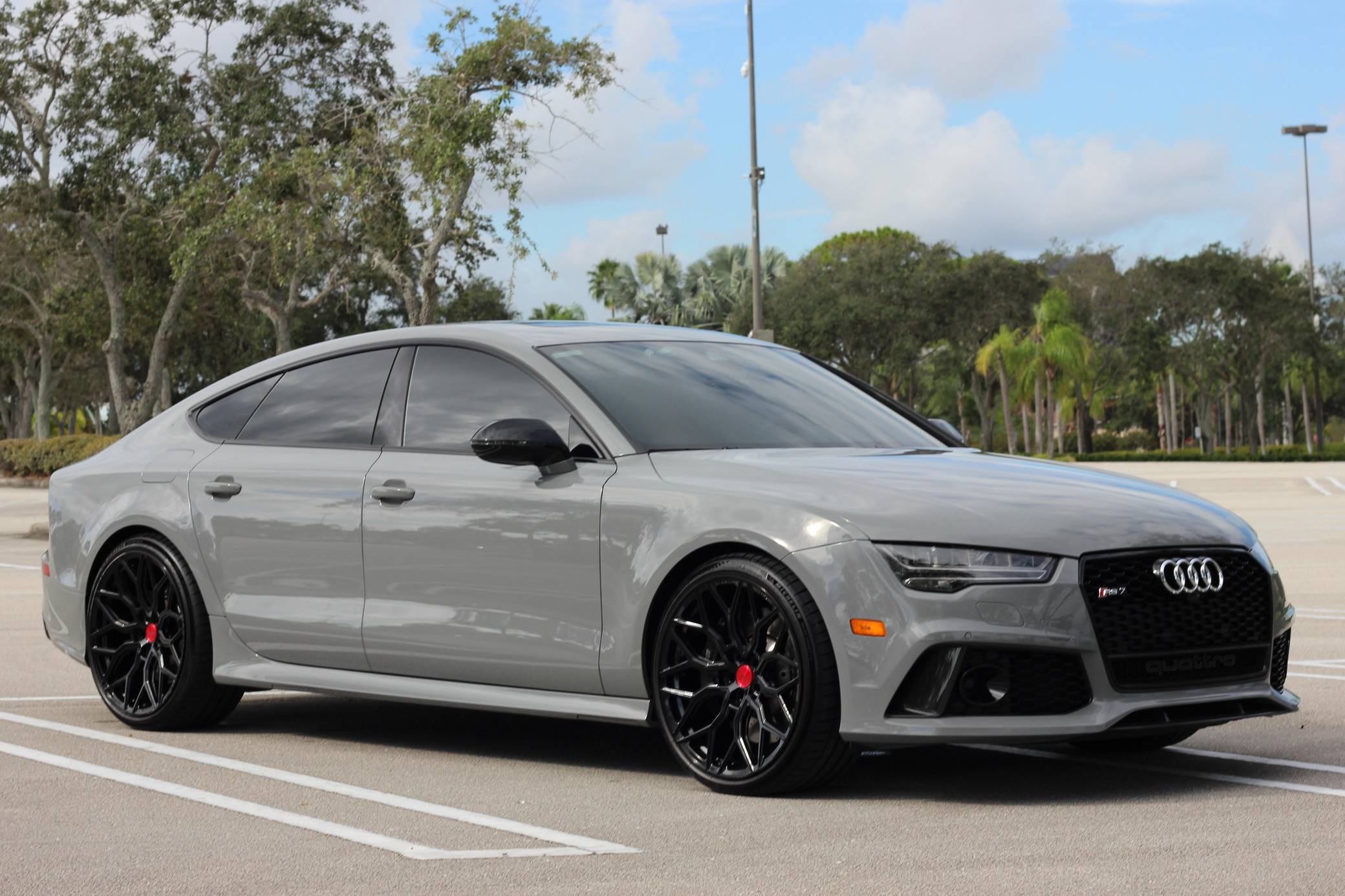
8. Audi RS7 Sportback (2016)
Audi’s RS7 Sportback remains one of the most visually dramatic production sedans that any German manufacturer has produced in the past decade, combining a wide-body fastback profile with genuine RS-division performance credentials in a package that attracts attention in a way that the RS6 Avant does not quite match despite sharing similar mechanical underpinnings.
Original buyers who paid $115,000 to $125,000 for 2016 RS7 Sportback examples were purchasing a vehicle that automotive media consistently rated as one of the most complete performance cars available at any price, regardless of body style. Depreciation from these levels has been comprehensive. Current market values for 2016 Audi RS7 Sportback examples in good condition typically fall in the $38,000 to $52,000 range, which represents a depreciation of 56 to 67 percent from original purchase prices.
This depreciation reflects the Audi RS7’s position in a market where performance alternatives from domestic and import manufacturers have expanded, where repair cost awareness among used buyers has increased, and where the specific complication of the RS7’s powertrain and electronic systems is reasonably well-documented in enthusiast communities.
4.0-liter biturbo V8 with Cylinder on Demand technology is mechanically impressive and generally reliable when maintenance is performed correctly, but the system’s cylinder deactivation mechanism requires specific attention at higher mileages, where oil consumption in deactivation mode has been documented in some examples.
Carbon buildup on intake valves from direct injection without port injection, a known characteristic of this engine family, requires periodic walnut blasting service that adds a maintenance item that owners of port-injected engines do not encounter.
Quattro Sport differential on RS7 specification examples adds a rear-biasing torque vectoring system that provides the handling character RS division buyers expect, and this component requires its own service attention at appropriate intervals.
Combined with DSG dual-clutch transmission service, the multilink suspension inspection and component replacement that high-mileage performance examples require, and the full range of standard Audi RS7 service items, total annual maintenance costs for used RS7 examples can reach levels that the purchase price makes proportionally challenging for buyers operating on limited ownership budgets.
Buyers who purchase RS7 Sportbacks with accurate cost research, established relationships with Audi specialists, and honest assessment of their annual driving budget for a vehicle of this type find that the experience delivers everything the car’s design and engineering promise.
Buyers who are drawn primarily by the price gap from original MSRP without researching what the gap represents in ownership cost terms may find that the German depreciation bargain requires more financial commitment than the purchase price initially suggested.
