Transfer cases rarely get the attention engines or transmissions receive, yet they are central to what makes a true off road vehicle capable. When conditions become demanding, such as rocky climbs, deep mud, or long stretches of uneven terrain, the transfer case becomes the component that determines whether power is delivered effectively to all four wheels.
Mechanics and experienced off roaders often judge a drivetrain’s toughness by how well its transfer case holds up over years of abuse.
A well built transfer case must handle constant torque distribution while enduring shock loads that occur when tires suddenly gain or lose traction. Unlike highway driving, off road environments introduce unpredictable forces that place enormous strain on internal gears, chains, and bearings.
Over time, weaker designs begin to show wear through noise, slipping engagement, or fluid leaks. Stronger units, however, continue functioning with minimal issues even after decades of use.
Another factor that separates durable transfer cases from fragile ones is simplicity. Many of the most respected units rely on straightforward mechanical designs rather than complex electronics.
Fewer components mean fewer failure points, which is why older gear driven systems often outlast modern counterparts. That does not mean newer designs are unreliable, but it highlights how design philosophy influences long term durability.
Maintenance also plays a crucial role. Even the toughest transfer case can suffer if fluid changes are ignored or seals are allowed to deteriorate.
Clean lubrication ensures smooth gear operation and prevents overheating, especially during prolonged off road use. Mechanics frequently point out that many failures they see are not due to poor design but due to neglect.
This article focuses on transfer cases that have earned a reputation for handling serious off road use over extended periods. These are not just units that perform well when new but ones that continue to deliver reliability after years of hard driving.
They are found in vehicles known for their toughness and are often favored by enthusiasts who demand consistent performance in challenging conditions.
Understanding which transfer cases have proven themselves over time helps in making informed decisions, whether buying a vehicle or maintaining one already in use. These systems represent durability, resilience, and the ability to handle real world challenges without constant repair.
1. New Process NP205 Transfer Case
The NP205 transfer case stands as one of the most respected names in off road durability. Mechanics often refer to it as nearly indestructible, and that reputation comes from decades of proven performance in some of the toughest environments imaginable. Built with a gear driven design instead of a chain, it delivers strength that few transfer cases can match.
Its construction is simple yet incredibly robust. The internal gears are large and capable of handling extreme torque without flexing or slipping.
This makes the NP205 particularly well suited for heavy trucks and vehicles that are frequently pushed beyond standard limits. Off road enthusiasts who run oversized tires or modified engines often choose this transfer case specifically for its ability to withstand added stress.
One of the defining characteristics of the NP205 is its resistance to wear. Even after years of use, many units continue operating without major internal damage. Mechanics frequently open these transfer cases during rebuilds and find that the gears remain in excellent condition, a testament to the strength of the materials used.
Another advantage lies in its mechanical engagement system. There are no complex electronics or fragile components to fail. Drivers engage four wheel drive through a direct linkage, ensuring consistent operation even in harsh conditions such as mud or water crossings. This reliability is a major reason why it remains popular among serious off roaders.
However, the NP205 is not without its trade offs. It is heavier than many modern transfer cases, which can affect fuel efficiency and vehicle weight distribution. Its gear driven nature also produces more noise compared to chain driven systems. Despite this, most users consider these minor drawbacks when compared to its durability.
Maintenance requirements are straightforward. Regular fluid changes and seal inspections are usually enough to keep it functioning properly. Because of its simple design, repairs are relatively easy, and replacement parts are widely available.
The NP205 represents a philosophy of building components to last rather than optimizing for weight or cost. It continues to be used in custom builds and restorations because it has already proven its ability to handle decades of abuse.
For those who prioritize strength and reliability above all else, this transfer case remains a benchmark in the off road world.
2. New Venture NV241 Transfer Case
The NV241 transfer case offers a different approach to durability, balancing strength with a more modern design. It is commonly found in trucks and SUVs that are expected to handle both daily driving and demanding off road conditions.
Mechanics often see this transfer case as a reliable middle ground between heavy duty gear driven units and lighter chain driven systems.
At its core, the NV241 uses a chain driven mechanism, but it is built with components designed to handle significant torque.
The chain itself is wider and stronger than those found in lighter duty transfer cases, which helps it resist stretching and wear over time. This design allows it to operate more quietly while still maintaining a high level of durability.
One of the reasons this transfer case has gained a strong reputation is its adaptability. It performs well in a variety of conditions, from rocky trails to snowy roads. Drivers benefit from smooth engagement and predictable power distribution, which enhances control in challenging environments.
Mechanics often highlight its longevity when properly maintained. While chain driven systems can eventually show signs of wear, the NV241 tends to last for many years before requiring major service. Regular fluid changes play a key role in preserving the condition of the chain and internal components.
Another feature that contributes to its durability is its ability to handle shock loads effectively. When a vehicle suddenly gains traction after slipping, the transfer case must absorb a sharp increase in torque. The NV241 manages these situations without significant damage, which is why it is trusted in both work and recreational vehicles.
Its design also makes it easier to service compared to older, heavier units. Accessing internal components is relatively straightforward, allowing mechanics to perform repairs without excessive labor. This practicality adds to its appeal for long term ownership.

While it may not match the raw strength of the NP205, it offers a more refined driving experience without sacrificing reliability. It strikes a balance that suits a wide range of users, from casual off road drivers to those who regularly push their vehicles in demanding conditions.
The NV241 demonstrates how modern engineering can achieve durability without relying solely on brute strength. It remains a dependable choice for those who need a transfer case capable of handling years of serious use while maintaining everyday drivability.
3. Toyota Gear-Driven RF1A Transfer Case
Among off road enthusiasts, the Toyota RF1A transfer case carries a reputation that feels almost legendary.
Mechanics who specialize in older trucks and dedicated trail rigs often speak about this unit with a level of respect reserved for components that rarely fail under pressure. Its strength lies not in complexity but in how well it executes a simple, gear driven design.
The RF1A is most commonly associated with classic Toyota pickups and early SUVs, vehicles that were built with durability as a priority rather than comfort.
Inside the transfer case, solid gears handle torque transfer directly, eliminating the stretch and wear concerns found in chain driven systems. This direct engagement provides a level of reliability that becomes especially noticeable during slow, technical off road driving.
One of the reasons this transfer case stands out is its adaptability. Enthusiasts frequently modify it for dual transfer case setups, effectively doubling the available gear reduction for extreme crawling conditions.
Even when subjected to such modifications, the RF1A continues to perform without showing signs of structural weakness. Mechanics often point out that it handles these upgrades better than many modern units handle stock configurations.
Another factor that contributes to its longevity is the quality of materials used in its construction. The gears are built to withstand repeated shock loads, which are common when navigating rocky terrain. Instead of wearing down quickly, these components maintain their integrity over years of use, making rebuilds less frequent and less extensive.
Drivers also appreciate the predictability of its operation. Engagement is mechanical and direct, allowing precise control over power delivery. This becomes critical when traction is limited and small adjustments can make the difference between progress and getting stuck.
Maintenance for the RF1A is straightforward. Regular fluid changes and occasional seal replacements are typically enough to keep it functioning for decades. Because of its popularity, parts availability remains strong, and many mechanics are familiar with its internal layout.

The RF1A reflects a design philosophy that prioritizes durability and serviceability. It does not rely on advanced electronics or lightweight materials. Instead, it focuses on delivering consistent performance under demanding conditions.
For those who value proven reliability and the ability to handle serious off road challenges, this transfer case remains a top choice. Its track record speaks for itself, making it a cornerstone in the world of rugged drivetrain components.
4. Dana 300 Transfer Case
The Dana 300 transfer case occupies a unique place in off road history, known for its compact size combined with impressive strength. Mechanics often describe it as one of the most versatile transfer cases ever produced, capable of handling demanding conditions while remaining relatively easy to work on.
At the heart of the Dana 300 is a gear driven system that emphasizes durability. Unlike chain driven units, it avoids issues related to stretching or slippage over time. The gears inside are designed to handle significant torque loads, making it suitable for vehicles that see frequent off road use.
One of the standout features of this transfer case is its low range capability. It provides excellent gear reduction, allowing vehicles to move slowly and steadily over obstacles without placing excessive strain on the engine. This controlled movement is essential for technical off road driving, where precision matters more than speed.
Another advantage is its adaptability to modifications. Enthusiasts often upgrade the Dana 300 with stronger output shafts, improved bearings, and aftermarket gear sets.
These enhancements further increase its durability and expand its capabilities. Mechanics frequently encounter heavily modified units that continue to perform reliably even after years of hard use.
The design also supports twin stick conversions, which allow independent control of the front and rear axles. This feature adds flexibility in challenging terrain, giving drivers more control over traction and maneuverability. Such customization options contribute to the transfer case’s lasting popularity.
From a maintenance perspective, the Dana 300 is relatively straightforward. Its simple internal structure makes inspections and repairs more manageable compared to more complex systems. Regular fluid changes and seal checks are usually sufficient to maintain its performance.
Despite its strengths, the Dana 300 is not the quietest transfer case, and it may require additional modifications to handle extremely high horsepower applications. However, these considerations are minor compared to its proven durability.
What makes the Dana 300 particularly noteworthy is how well it balances size, strength, and versatility. It fits into a wide range of vehicles while still delivering the toughness needed for serious off road use.
Mechanics who work with this transfer case often regard it as a dependable foundation for both stock and modified builds. Its ability to endure years of demanding conditions without major issues makes it a consistent favorite among off road enthusiasts.
5. New Venture NV4500 Married Transfer Case Setup
The NV4500 itself is a transmission, but when paired with heavy duty transfer cases in a married configuration, it creates a drivetrain combination that mechanics consistently associate with long term durability.
This setup is commonly seen in trucks that are expected to perform both as workhorses and off road machines, and its reputation comes from how well it handles sustained stress.
What makes this pairing stand out is how effectively it distributes torque. The NV4500 delivers power in a controlled and consistent manner, reducing sudden shock loads that typically damage transfer cases.
Mechanics often note that when torque delivery is smooth, internal components within the transfer case experience less strain, which directly contributes to longevity.
In real world conditions, this setup proves its value during towing and off road crawling. Vehicles equipped with this combination tend to maintain stable power flow even when traction conditions change rapidly. Instead of abrupt engagement, the system transitions smoothly, allowing the transfer case to operate within safer limits.
Another aspect worth noting is how this configuration handles heat. Off road driving often involves low speeds with high torque demand, which can generate significant heat within drivetrain components.
The NV4500’s design helps manage this by maintaining efficient gear engagement, preventing unnecessary friction that would otherwise accelerate wear.
Mechanics also appreciate the serviceability of this setup. Both the transmission and transfer case can be maintained without excessive complexity, and parts are widely available. This makes long term ownership more practical, especially for those who rely on their vehicles in demanding environments.
From a durability standpoint, the transfer cases paired with the NV4500 often show less internal wear compared to similar units used with less robust transmissions. This is not because the transfer case itself is fundamentally different, but because it operates under more controlled conditions.
Drivers who use this setup frequently report consistent performance over many years. Whether navigating steep inclines or hauling heavy loads, the drivetrain remains predictable and reliable. This consistency is a key factor in why mechanics trust this configuration.
The NV4500 married transfer case setup represents how a well matched combination of components can extend the life of each part. It is not just about individual strength but about how effectively those components work together.
For those seeking a drivetrain capable of handling serious off road use over long periods, this pairing continues to stand out as a dependable choice.
6. BorgWarner BW1356 Transfer Case
The BorgWarner BW1356 transfer case brings a balance of strength and practicality that has made it a common sight in trucks built for both work and off road use. Mechanics who deal with older Ford trucks often encounter this unit and recognize it as one that can handle years of demanding conditions when properly maintained.
Unlike purely gear driven systems, the BW1356 uses a chain driven design. However, it compensates for this with a robust construction that allows it to manage significant torque without premature wear. The chain is designed to handle load effectively, and under normal conditions, it remains reliable for extended periods.
One of the key strengths of this transfer case is its ability to operate smoothly. Drivers often notice that engagement is quieter and less abrupt compared to gear driven units. This makes it suitable for vehicles that see a mix of daily driving and off road use, where comfort still matters.
Mechanics frequently highlight its durability in real world scenarios. It is not uncommon to find BW1356 units that have been in service for many years with only routine maintenance. Fluid changes and occasional component inspections are usually enough to keep it functioning properly.
Another factor that contributes to its longevity is how it handles varying terrain. Whether dealing with loose gravel, mud, or snow, the transfer case maintains consistent power distribution. This reliability reduces the likelihood of sudden stress spikes that can damage internal components.
When wear does occur, it typically involves the chain stretching over time. This is a gradual process rather than an immediate failure, giving owners the opportunity to address the issue before it becomes serious. Mechanics often consider this a manageable aspect of ownership rather than a major drawback.

Servicing the BW1356 is relatively straightforward, which adds to its appeal. Parts availability remains strong, and many technicians are familiar with its design. This ensures that repairs can be carried out efficiently when needed.
What makes this transfer case notable is its ability to deliver dependable performance without requiring constant attention. It may not have the extreme strength of some gear driven units, but it offers a level of reliability that suits a wide range of applications.
The BW1356 stands as a reminder that durability does not always come from heavy construction alone. Thoughtful design and consistent performance play an equally important role in ensuring long term reliability.
7. Jeep NP231 Transfer Case
The Jeep NP231 transfer case is widely known for its reliability in light to moderate off road use, yet it has also proven itself capable of lasting for decades when maintained properly. Mechanics frequently encounter this unit in Jeep models that have seen years of trail driving, and many of them continue to operate without major internal failure.
This transfer case uses a chain driven design, which allows for smoother operation compared to gear driven systems. While chain driven units are sometimes viewed as less durable, the NP231 stands out because of how well its components are engineered.
The chain is strong enough to handle typical off road stress, and wear tends to occur gradually rather than suddenly.
One of the reasons the NP231 has remained popular is its adaptability. Off road enthusiasts often upgrade internal components such as chains, bearings, and slip yoke eliminators to increase durability. These modifications allow the transfer case to handle more demanding conditions without compromising reliability.
Mechanics often point out that the NP231 benefits from regular fluid changes. Clean fluid helps reduce friction and prevents excessive wear on internal parts. When maintenance is consistent, it is not unusual for this transfer case to last well beyond expectations.
Another advantage is its lightweight construction. This reduces strain on the drivetrain and improves overall efficiency. While it may not be as heavy duty as some larger units, it performs reliably within its intended range.
Drivers appreciate the predictable engagement of the NP231. It delivers consistent power distribution, which is essential for maintaining control on uneven terrain. This consistency contributes to its long term durability.
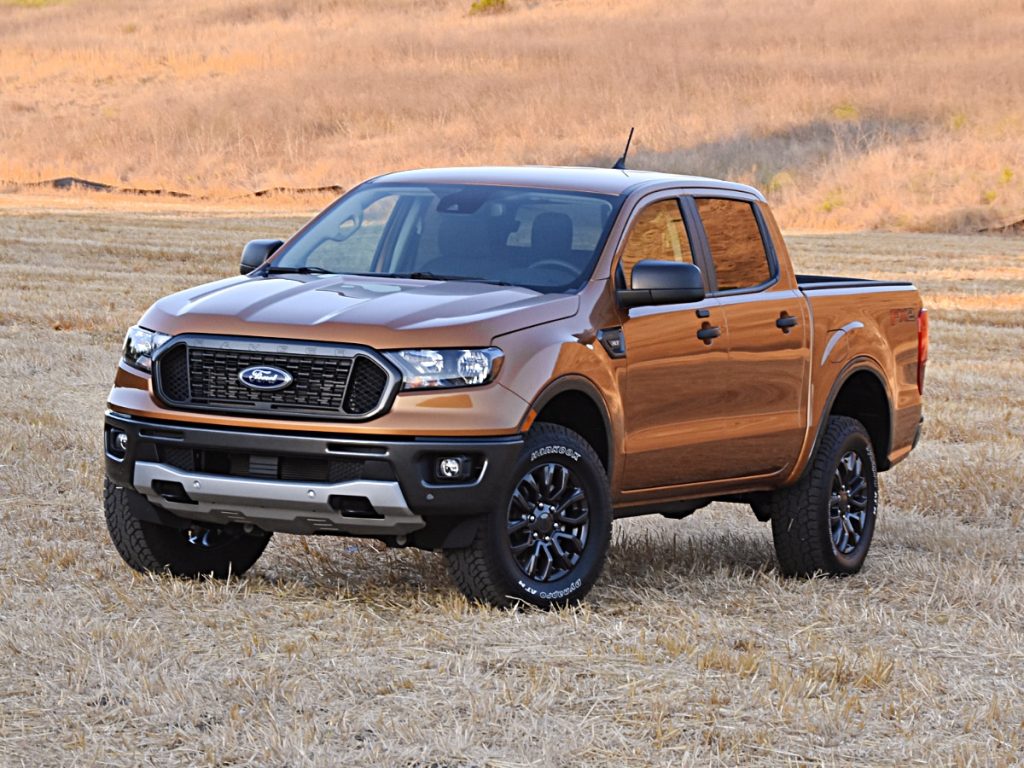
The NP231 demonstrates that a well designed chain driven transfer case can provide years of dependable service. It remains a trusted option for those who want a balance between capability and practicality.
8. Mitsubishi Super Select Transfer Case
The Mitsubishi Super Select transfer case offers a unique approach to durability by combining versatility with strong internal construction. Mechanics often regard it as one of the more advanced systems that still manages to deliver long term reliability under demanding conditions.
Unlike traditional transfer cases, Super Select allows drivers to switch between two wheel drive and four wheel drive modes even at higher speeds. This flexibility makes it suitable for a wide range of driving conditions, from highways to rough trails. Despite this complexity, the system has proven to be durable when properly maintained.
Internally, the transfer case is built to handle varying torque loads without excessive wear. It distributes power efficiently, reducing stress on individual components. This balanced operation helps extend the life of the system, especially during prolonged off road use.
Mechanics frequently highlight the importance of maintenance for this transfer case. Because it includes more moving parts than simpler designs, keeping the fluid clean and at the correct level is essential. When serviced regularly, it can perform reliably for many years.
Another strength lies in its ability to provide stable traction. The system ensures that power is delivered smoothly, which reduces sudden shock loads that can damage internal components. This makes it particularly effective in mixed terrain conditions.
Drivers often appreciate the convenience of being able to adapt the drivetrain to different environments without stopping. This feature adds to its practicality while still maintaining durability.
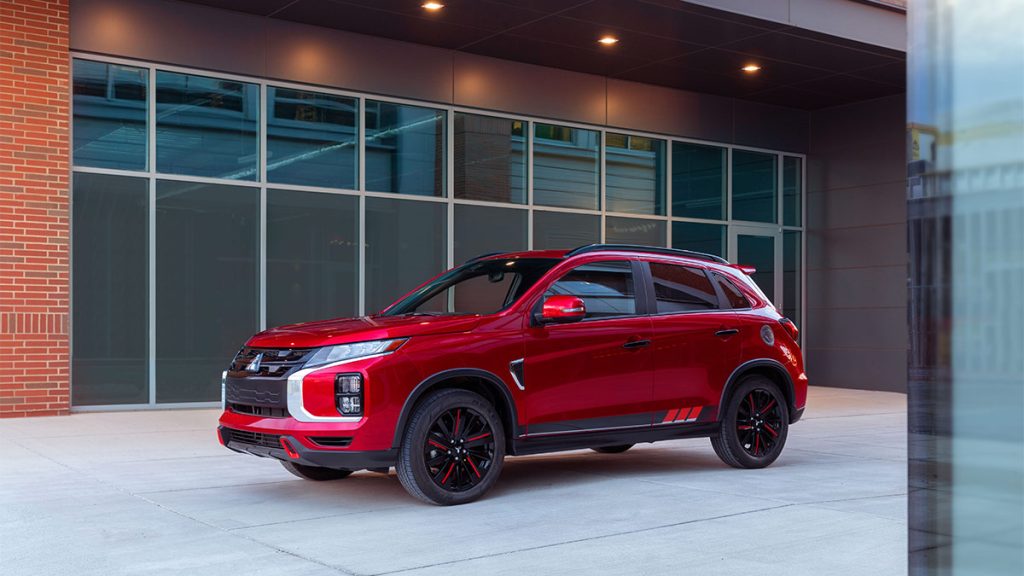
The Super Select transfer case shows that advanced features do not necessarily compromise reliability. With proper care, it can handle years of serious use while offering a level of flexibility that simpler systems cannot match.
9. Land Cruiser HF2A Transfer Case
The HF2A transfer case found in Toyota Land Cruiser models is widely respected for its ability to endure extreme conditions over long periods. Mechanics who work on these vehicles often describe this unit as one of the most dependable transfer cases ever produced.
This transfer case uses a gear driven design, which provides strong and direct power transfer. The internal components are built to handle heavy loads, making it ideal for vehicles that operate in harsh environments such as deserts, mountains, and remote regions.
One of the defining qualities of the HF2A is its longevity. Many units continue functioning reliably even after decades of use. Mechanics frequently encounter Land Cruisers with high mileage where the transfer case shows minimal internal wear, highlighting the strength of its construction.
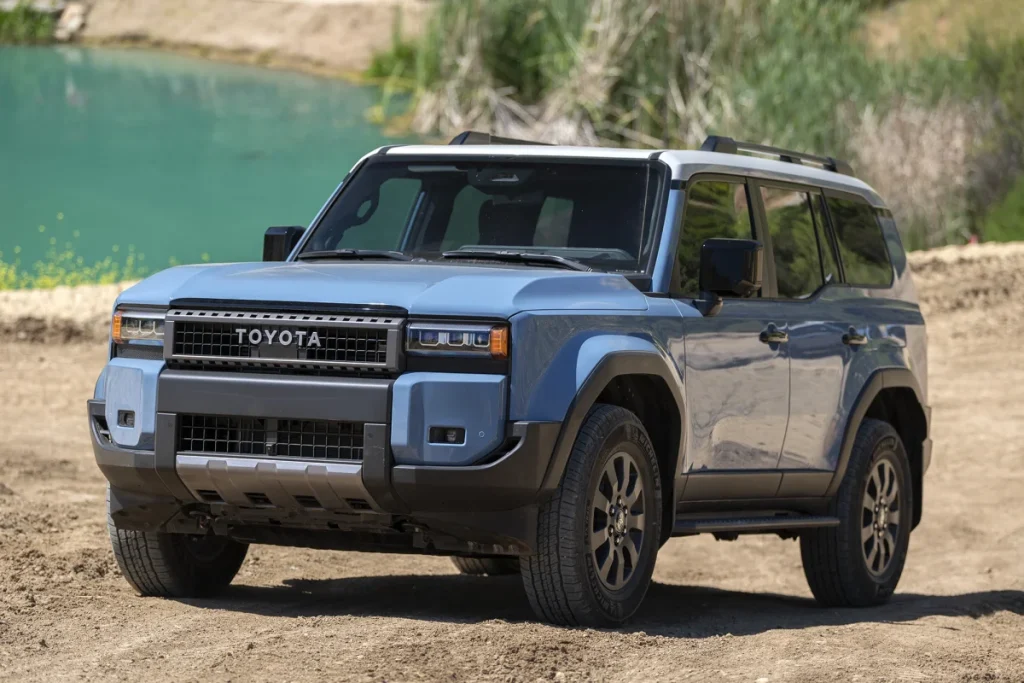
Another important aspect is its ability to maintain performance under constant stress. Whether climbing steep inclines or navigating rough terrain, the HF2A delivers consistent torque distribution. This reliability is essential for vehicles that are often used far from service facilities.
Maintenance for this transfer case is relatively simple. Regular fluid changes and basic inspections are usually enough to keep it in good condition. Its straightforward design reduces the likelihood of unexpected failures.
Drivers value the confidence that comes with using a system known for durability. The HF2A does not rely on complex electronics, which makes it more dependable in challenging conditions where reliability is critical.
This transfer case represents a level of engineering focused on long term use rather than short term convenience. Its ability to handle decades of serious off road driving makes it a benchmark for durability in the automotive world.
Also Read: 9 Minivans That Crushed the Stereotype and Hit 350,000 Miles