
Head gasket failure is often spoken about as a repairable issue, something that can be fixed with the right tools and expertise. In reality, certain engines turn this failure into something far more destructive.
Mechanics frequently encounter cases where a blown head gasket is not just a component issue but the beginning of complete engine block damage. Once that threshold is crossed, repair options shrink quickly and costs rise sharply.
The head gasket plays a critical role in sealing the combustion chamber while keeping coolant and oil in their respective passages. When it fails, these systems begin to mix or leak in ways that create extreme stress inside the engine.
Temperatures spike, pressure builds unevenly, and metal components begin to warp or crack. In engines that are already operating close to their thermal limits, this sequence can unfold rapidly.
What makes some engines particularly vulnerable is the combination of design limitations and material choices. Thin engine blocks, tightly packed components, and high compression ratios all contribute to increased stress. While these features improve performance and efficiency, they also reduce the margin for error when something goes wrong.
Another factor is how the failure progresses. In many cases, drivers continue using the vehicle after early symptoms appear, such as overheating or coolant loss.
This continued operation accelerates damage, allowing the heat and pressure imbalance to deform the engine block itself. Once the block is compromised, even a new head gasket cannot restore proper function.
Mechanics often describe these situations as a point of no return. By the time the vehicle arrives at the workshop, the engine may already have suffered irreversible structural damage. Cracks in the block, warped surfaces, and compromised cylinder integrity make repairs impractical.
Understanding which engines are prone to this kind of failure helps owners act before reaching that stage. Recognizing early warning signs and addressing them immediately can prevent the chain reaction that leads to total engine destruction.
This article focuses on engines that are commonly associated with severe head gasket failures, particularly those where the damage extends beyond the gasket itself. These are not isolated incidents but patterns observed repeatedly in real-world conditions. Knowing these patterns can help avoid costly outcomes and extend engine life significantly.
Also Read: 5 Engines That Start Instantly in Extreme Cold vs 5 That Struggle to Turn Over
1. Subaru 2.5L EJ25 Engine
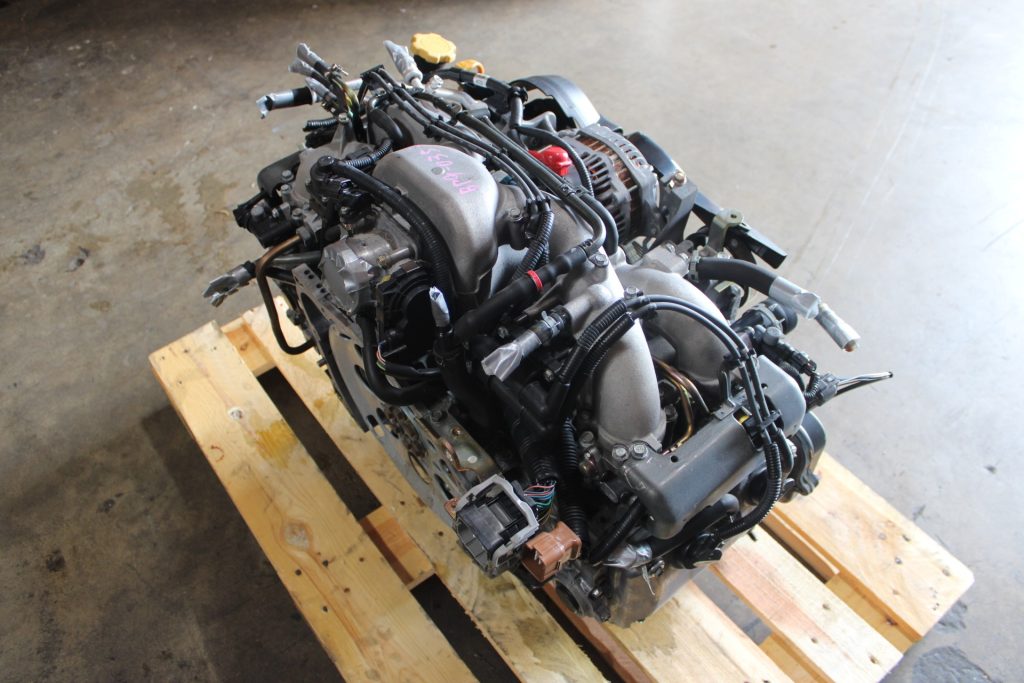
The Subaru 2.5L EJ25 engine has become almost synonymous with head gasket discussions among mechanics. While many engines experience gasket issues occasionally, this one has a pattern where failure can escalate into something far more damaging if not handled promptly. The horizontally opposed design, combined with its cooling characteristics, plays a significant role in how these problems develop.
In this engine, head gasket deterioration often begins at the sealing edges where coolant passages meet the cylinder heads. Small leaks can form, allowing coolant to escape or enter areas it should not. At this stage, the problem might seem manageable. However, continued driving introduces repeated heating cycles that gradually worsen the situation.
A notable aspect of this engine is how heat distribution affects the block. When coolant flow becomes inconsistent due to a failing gasket, certain areas of the engine experience higher temperatures than others. This uneven heating can cause the aluminum block to warp slightly, which further compromises the seal between the head and the block.
Drivers often notice overheating during longer drives or under load. This is not always immediate or dramatic, which leads many to delay repairs.
Mechanics frequently encounter vehicles where the owner has been topping up coolant for weeks or months without addressing the root cause. By the time the engine is inspected, the damage has progressed beyond a simple gasket replacement.
Once the block begins to warp, the sealing surface loses its integrity. Even if a new gasket is installed, it may not hold properly because the underlying structure is no longer flat. In more severe cases, cracks can develop in the block itself, especially around high-stress areas. At this point, rebuilding becomes complex and often not cost-effective.
Repairing this engine successfully requires more than just replacing the gasket. Machining the cylinder heads, checking block flatness, and ensuring proper torque during reassembly are all critical steps. Even then, the long-term reliability depends on how much damage occurred before the repair.
Despite these issues, many owners continue to rely on this engine because of its performance characteristics and compatibility with all wheel drive systems. Mechanics who work on it regularly understand that early intervention is the key to preventing catastrophic outcomes.
The EJ25 serves as a clear example of how a common issue can become severe when combined with specific design traits. It is not just the failure itself but the way it progresses that makes this engine particularly noteworthy.
2. BMW N54 3.0L Twin Turbo Engine
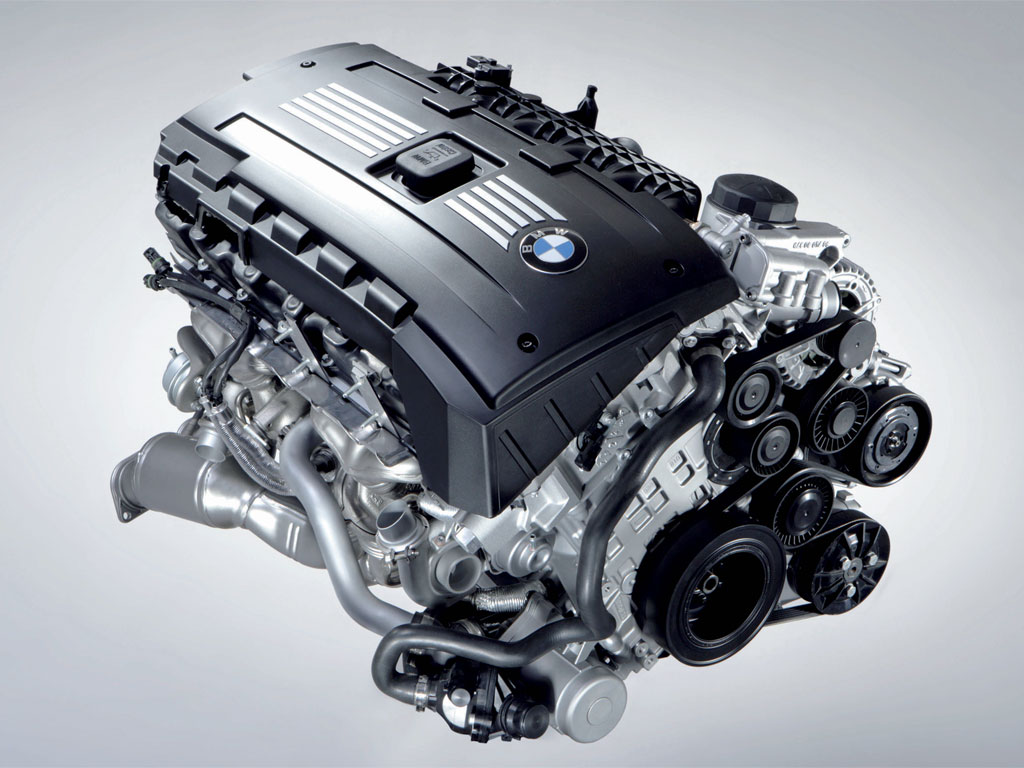
The BMW N54 engine presents a different kind of head gasket failure scenario, one that is closely tied to its high-performance nature. This twin turbocharged inline six engine operates under significant pressure and heat, which creates conditions where even minor weaknesses can escalate quickly.
Unlike engines that fail due to gradual wear, the N54 often experiences head gasket issues as a result of sustained stress. High boost levels increase cylinder pressure, placing extra strain on the gasket. When combined with heat generated by turbocharging, the sealing surfaces are pushed close to their limits during demanding driving conditions.
Early symptoms can include subtle coolant loss and occasional overheating. However, what sets this engine apart is how quickly these symptoms can intensify. Mechanics often report cases where a vehicle transitions from minor issues to severe overheating within a short period of time, especially if driven aggressively.
As the gasket begins to fail, combustion gases can leak into the cooling system. This creates excessive pressure, which disrupts normal coolant circulation. At the same time, coolant may enter the combustion chamber, leading to misfires and reduced performance. The engine may start to feel inconsistent, with power delivery becoming less predictable.
One of the more serious consequences occurs when overheating becomes persistent. The aluminum block, while lightweight and efficient, is sensitive to extreme temperatures. Prolonged overheating can cause the block to warp, particularly around the cylinder head mating surface. Once this happens, sealing the engine properly becomes extremely difficult.
In severe cases, cracks can develop within the block itself. These cracks are often not visible without detailed inspection, but they significantly compromise engine integrity. Mechanics facing such situations often recommend engine replacement rather than repair, as the cost and complexity of fixing a damaged block can be prohibitive.
Maintaining this engine requires careful attention to cooling system health and driving habits. Regular inspections, proper coolant levels, and avoiding excessive stress when issues are suspected can help reduce the risk of catastrophic failure.
The N54 is admired for its performance capabilities, delivering strong power and responsiveness. Yet this same performance focus contributes to its vulnerability. Mechanics who encounter these engines frequently recognize the pattern of head gasket failure leading to more extensive damage.
This engine highlights how performance-oriented design can amplify the consequences of a single component failure. When the head gasket fails under such conditions, the effects are rarely contained, often extending into the very structure of the engine itself.
3. Ford 3.5L EcoBoost V6 Engine
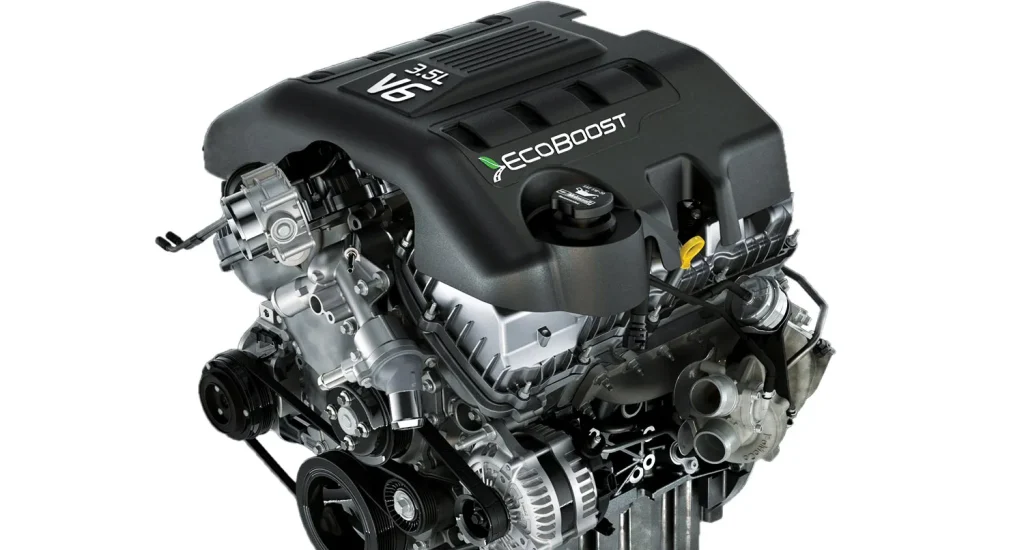
The Ford 3.5L EcoBoost V6 enters the conversation with a reputation built on power, towing capability, and widespread use across trucks and SUVs.
Yet beneath that strength lies a vulnerability that mechanics encounter repeatedly when head gasket failures escalate into something far more destructive. This engine does not fail quietly when pushed beyond its limits.
A key factor here is the combination of turbocharging and heat concentration. Under load, especially during towing or sustained highway driving, the engine generates substantial thermal stress. The head gasket is responsible for containing both pressure and temperature, and over time, repeated stress cycles can weaken its sealing capability.
What makes this situation more serious is how quickly the failure can compound. Once the gasket begins to leak, combustion gases enter the cooling system.
This introduces abnormal pressure that disrupts coolant flow, reducing the system’s ability to regulate temperature effectively. The engine then starts running hotter than intended, even if the cooling system appears intact from the outside.
Drivers may initially notice a slight drop in coolant levels or a faint overheating warning that disappears after restarting the vehicle. These early signals often get ignored, especially if the vehicle still feels strong and capable. Meanwhile, the internal environment becomes increasingly unstable.
Mechanics frequently describe cases where overheating becomes consistent after this stage. As temperatures rise, the aluminum block begins to experience uneven expansion. This leads to warping around the cylinder head mating surface, which further weakens the gasket seal. At this point, the failure is no longer isolated.
If the engine continues to operate under these conditions, the structural integrity of the block itself can be compromised. Cracks may form in high-stress areas, particularly around coolant passages. Once cracking occurs, coolant leakage becomes uncontrollable, and the engine loses its ability to maintain proper compression and cooling balance.
Repairing such damage is rarely straightforward. While replacing the head gasket might address the initial failure, it does not resolve block distortion or cracking. Many technicians recommend complete engine replacement when the damage reaches this level, as partial repairs often lead to recurring issues.
What stands out about the 3.5L EcoBoost is how it combines strength with sensitivity. It performs exceptionally well under normal conditions, yet when a failure begins, the escalation is rapid and unforgiving. Mechanics who work on these engines emphasize that early intervention is essential.
Ignoring the first signs of trouble can transform a manageable repair into a full engine failure. This engine serves as a reminder that high performance often comes with reduced tolerance for neglect, especially when critical components like the head gasket are involved.
4. Chevrolet 3.6L V6 Engine
The Chevrolet 3.6L V6 presents a more gradual but equally damaging path toward engine destruction when head gasket failure enters the picture. Unlike engines that fail dramatically under stress, this one tends to deteriorate in a quieter manner, allowing problems to build over time before revealing their full impact.
At the center of the issue is the engine’s sensitivity to heat and cooling system efficiency. When the head gasket begins to weaken, coolant flow becomes inconsistent. This does not always result in immediate overheating, which is why many drivers continue using the vehicle without suspecting a serious problem.
Instead, the engine begins to show subtle behavioral changes. Temperature readings may fluctuate slightly, or the heater performance may become inconsistent. These are often dismissed as minor issues, yet they indicate that coolant is no longer circulating as intended.
As the gasket failure progresses, small amounts of coolant can enter the combustion chamber. This affects the combustion process, leading to occasional misfires or reduced engine smoothness. Mechanics often note that these symptoms appear intermittently, making them harder to diagnose without thorough inspection.
The real danger emerges when overheating becomes more frequent. Even moderate temperature increases can begin to affect the aluminum block. Over time, repeated heat exposure causes the block to lose its structural stability. Warping develops gradually, altering the flatness required for a proper seal between the head and the block.
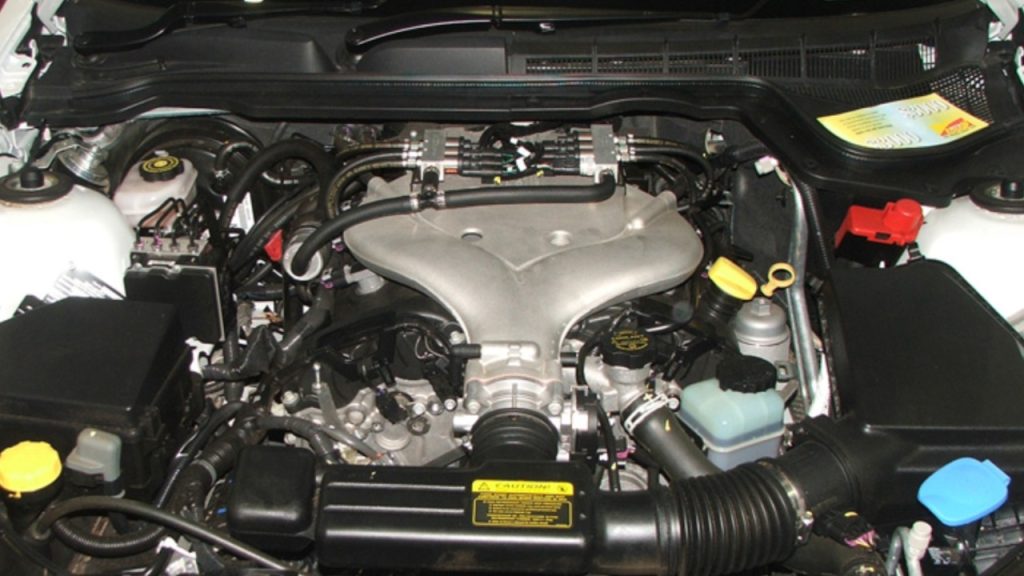
Once warping reaches a certain point, the head gasket can no longer maintain a seal, regardless of its condition. This creates a cycle where leakage increases, temperatures rise further, and the engine’s internal alignment continues to degrade. At this stage, the damage extends beyond the gasket itself.
Mechanics often discover that the block surface is no longer within acceptable tolerances. In severe cases, cracks may appear in areas subjected to repeated thermal stress. These cracks compromise the engine’s ability to contain pressure and coolant, effectively ending the possibility of a simple repair.
Addressing this level of damage requires extensive work, including machining or replacing major components. For many owners, engine replacement becomes the more practical solution, given the cost and complexity involved.
What distinguishes the 3.6L V6 is its deceptive nature. It does not immediately signal failure with dramatic symptoms, allowing the problem to grow unnoticed. By the time clear signs appear, the engine may already be beyond straightforward repair.
This engine illustrates how gradual issues can lead to severe consequences when left unchecked. Mechanics who encounter it regularly understand that early diagnosis is critical, as the window for effective intervention narrows quickly once structural damage begins.
5. Honda 1.7L D17 Engine
The Honda 1.7L D17 engine does not usually appear in discussions about catastrophic failures at first glance, yet mechanics who have worked on older compact cars know how this engine can surprise owners when a head gasket issue is ignored.
It is not an engine that fails aggressively from the start, but once the gasket loses integrity, the damage can extend deeper than expected.
A common pattern begins with overheating caused by neglected cooling system maintenance. This engine relies heavily on stable temperature control, and even a minor coolant loss can create a noticeable rise in operating temperature. Drivers often continue using the vehicle, assuming the issue is temporary or related to external leaks.
As heat builds up, the head gasket begins to weaken, especially around coolant passages. At this stage, the engine may still run relatively smoothly, which creates a false sense of reliability. The real problem begins when hot spots develop within the engine, causing uneven expansion of metal surfaces.
Mechanics frequently report that once overheating becomes repetitive, the aluminum cylinder head starts to warp. This distortion breaks the precise seal required between the head and the block. Coolant then seeps into the combustion chamber, leading to misfires that appear randomly at first.
Another detail that stands out is how quietly the situation escalates. The engine may not produce loud knocking or immediate failure. Instead, it gradually loses efficiency, with drivers noticing reduced fuel economy or hesitation during acceleration. These symptoms often go unconnected to a deeper issue.
If the engine continues operating under these conditions, the block itself begins to suffer. Prolonged overheating can alter the structural alignment of the block, making it difficult to restore proper sealing even after replacing the gasket. In severe cases, cracks can form near coolant passages, which permanently compromise the engine.
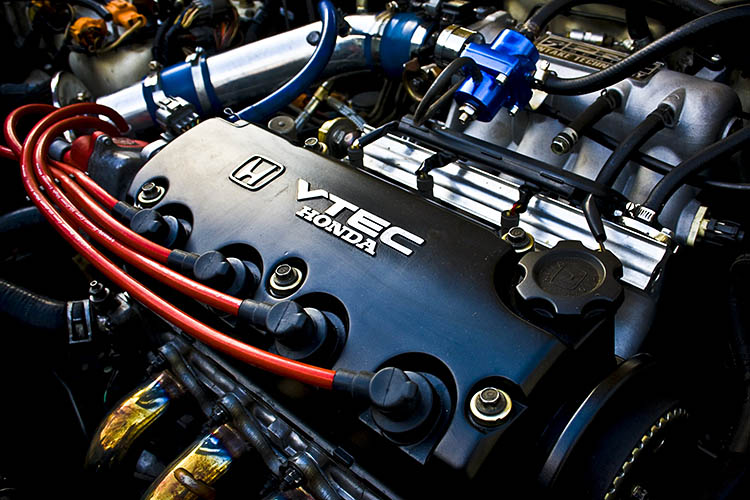
Repairing such damage becomes increasingly complex. While replacing the head gasket and resurfacing the head can temporarily restore function, it does not guarantee long-term reliability if the block has already been affected. Mechanics often advise a full inspection before committing to repairs.
The D17 engine reflects how a simple maintenance oversight can evolve into a major failure. It is not inherently flawed in design, but it demands attention to cooling system health. Once that attention lapses, the path from head gasket failure to block damage becomes very real.
6. Toyota 3.0L V6 3VZ-E Engine
The Toyota 3.0L V6 3VZ-E engine has a long-standing reputation among mechanics for head gasket issues that can spiral into serious engine damage. Found in older trucks and SUVs, this engine is often praised for durability, yet its gasket weakness has been widely documented over the years.
The failure typically begins with the head gasket losing its ability to handle sustained heat and pressure. Unlike engines where external leaks are the first sign, this one often develops internal leakage early on. Coolant can enter the combustion chamber without obvious external symptoms, making diagnosis more challenging.
Drivers may first notice overheating during demanding conditions such as climbing hills or carrying heavy loads. This is not always consistent, which leads many to continue driving without investigating further. Meanwhile, internal temperatures continue to rise beyond safe limits.
One characteristic that mechanics often point out is how quickly the situation escalates once overheating becomes frequent. The cast iron block paired with aluminum heads creates different expansion rates under heat. This mismatch places additional stress on the gasket, accelerating its failure.
As the gasket deteriorates further, combustion gases begin entering the cooling system. This increases pressure and reduces the system’s efficiency, leading to more severe overheating. The cycle feeds into itself, making each drive more damaging than the last.
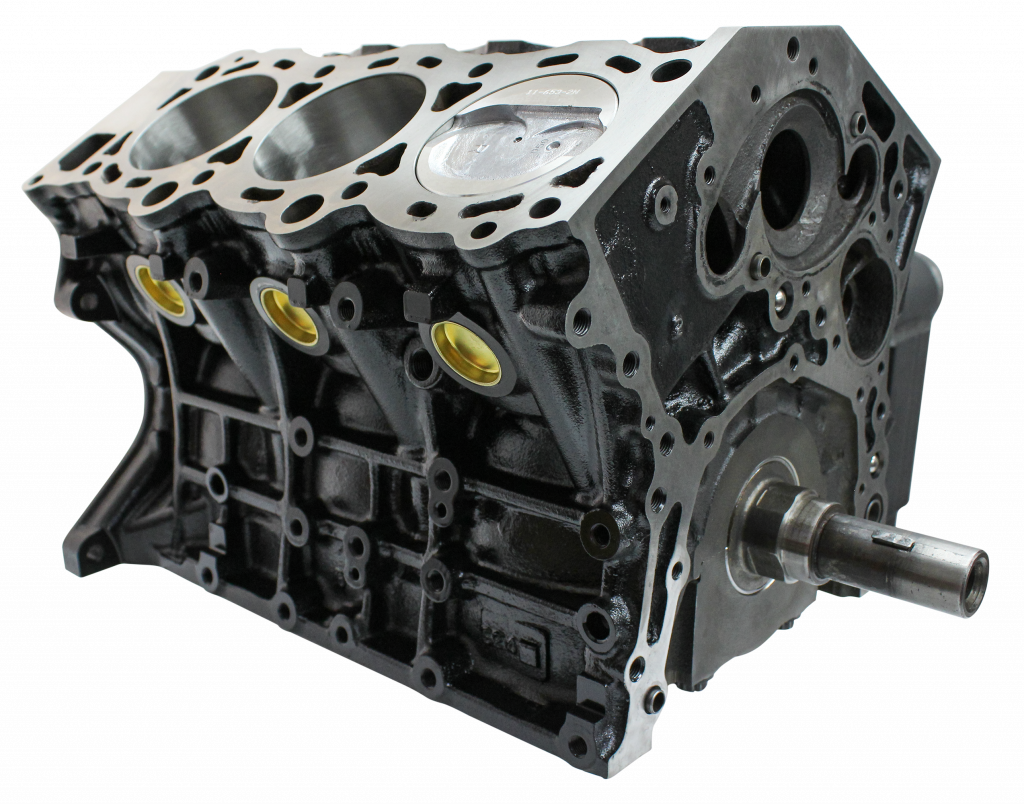
Eventually, the engine block can suffer structural consequences. While cast iron is more resistant to warping than aluminum, it is not immune to cracking under extreme conditions. Mechanics have encountered cases where cracks develop near coolant passages, particularly after prolonged overheating episodes.
Repairing this engine requires careful evaluation. Replacing the head gasket alone may not be sufficient if the block has already been compromised. Machining the heads, checking block integrity, and ensuring proper cooling system function are all necessary steps.
Despite its issues, many owners continue to rely on this engine due to its torque and off-road capability. However, those familiar with it understand that early intervention is critical. Ignoring the first signs of overheating can quickly turn a manageable repair into a much larger problem.
The 3VZ-E engine demonstrates how a known weakness can persist across years of use. Mechanics do not treat its failures as rare events but as familiar scenarios that require timely attention to prevent extensive damage.
7. Nissan 2.5L QR25DE Engine
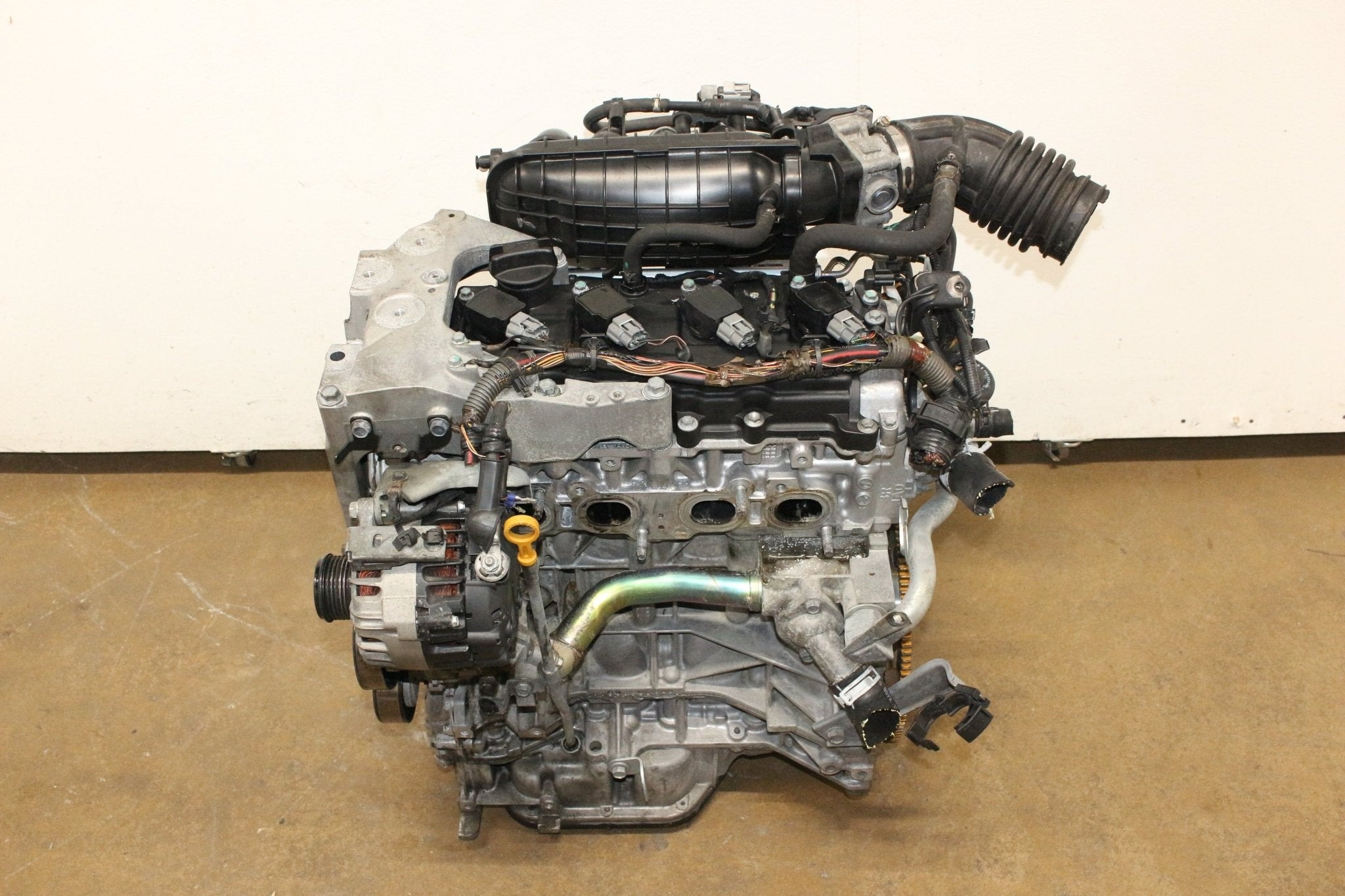
The Nissan 2.5L QR25DE engine follows a path where head gasket failure often begins quietly but ends with consequences that extend well beyond the gasket itself. Mechanics frequently encounter this engine in sedans and crossovers, and while it performs reliably under normal conditions, it becomes vulnerable when cooling system stability is compromised.
The issue often starts with overheating triggered by something as simple as a failing radiator or a worn thermostat. Unlike engines that immediately shut down under excessive heat, this one can continue running long enough for internal damage to begin. That extra operating time under stress becomes a key factor in how the failure develops.
Once the temperature rises repeatedly, the head gasket begins to weaken around its sealing edges. This allows coolant to seep into the combustion chamber in small quantities. At first, the symptoms are inconsistent. A driver might notice a slight hesitation during acceleration or an occasional misfire, especially after the engine has been sitting overnight.
Mechanics often identify early signs by inspecting spark plugs and cylinder behavior. A single cylinder may show unusual cleanliness or moisture traces, indicating that coolant is entering that specific chamber. These localized issues gradually spread as the gasket deteriorates further.
As overheating continues, the aluminum block becomes more susceptible to distortion. The QR25DE is not particularly forgiving when it comes to thermal stress. Even moderate overheating over extended periods can alter the flatness of the block surface, which directly affects the engine’s ability to maintain a proper seal.
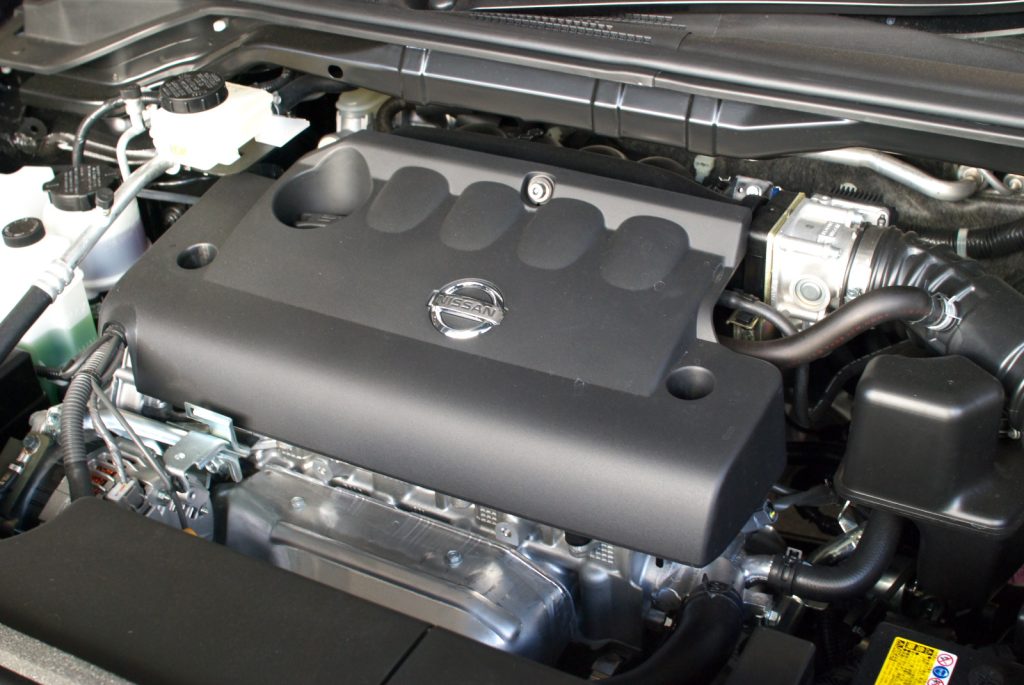
At this stage, simply replacing the head gasket does not fully resolve the problem. The underlying surface irregularities prevent the new gasket from sealing correctly, leading to recurring leaks. Mechanics often emphasize that once the block begins to lose its shape, repair options become limited.
In more severe cases, cracks may form within the block, especially near coolant passages. These cracks allow continuous leakage that cannot be contained by standard repairs. When this happens, engine replacement becomes the most practical solution.
What makes this engine notable is how manageable the early problem appears compared to how severe the final outcome can be. Drivers often underestimate the seriousness of intermittent overheating, assuming it is a minor inconvenience.
Technicians who work on this engine regularly stress the importance of immediate action when temperature irregularities appear. Addressing the root cause early can prevent the progression from a simple gasket issue to full structural damage.
The QR25DE stands as an example of how prolonged exposure to heat, even at moderate levels, can gradually compromise an engine’s foundation. Once that foundation is affected, restoring reliability becomes significantly more difficult.
8. Land Rover 4.4L V8 Engine
The Land Rover 4.4L V8 engine presents a scenario where head gasket failure often intersects with the demands of a heavy vehicle and a complex cooling system. Mechanics who deal with luxury SUVs frequently encounter this engine in situations where overheating has already progressed beyond initial warning signs.
This engine operates under substantial load due to the weight and design of the vehicles it powers. Combined with intricate cooling pathways, it requires consistent thermal management to function properly. When any part of the cooling system begins to falter, the impact is felt quickly across the engine.
The head gasket in this engine tends to weaken under sustained heat, particularly if coolant circulation becomes uneven. Unlike simpler engines, where a single failure point is easy to identify, this one can develop multiple stress areas simultaneously. This makes early detection more difficult.
Drivers might initially notice a gradual increase in operating temperature or a warning light that appears intermittently. Because the vehicle may still perform well, these signs are sometimes ignored. Meanwhile, internal temperatures continue to climb, placing additional strain on the gasket.
Once the gasket begins to fail, coolant and combustion gases start interacting in ways that disrupt the engine’s balance. Pressure builds within the cooling system, reducing its efficiency and causing further overheating. The situation becomes self-reinforcing, with each cycle increasing the level of damage.
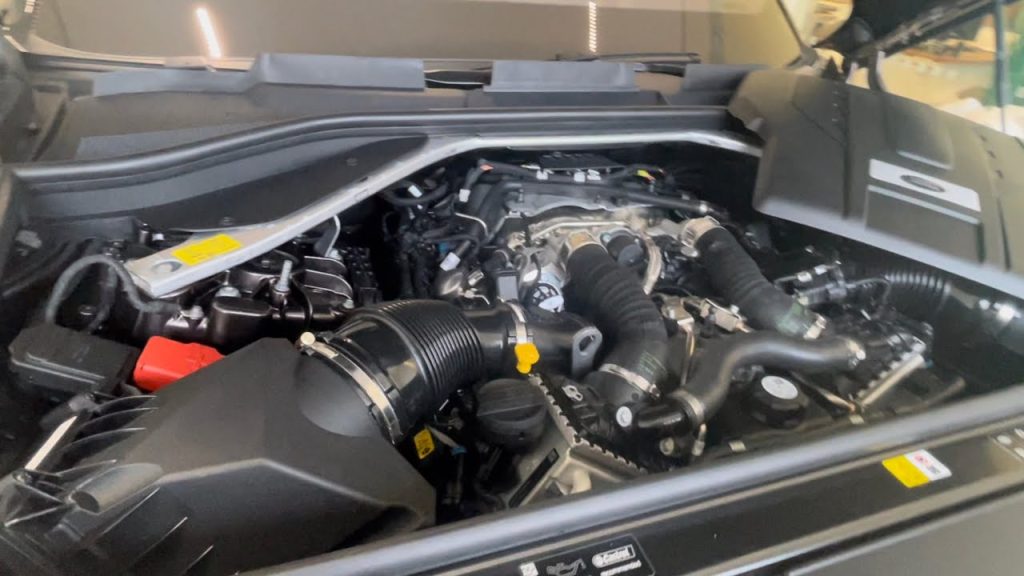
The aluminum block used in this engine is particularly sensitive to prolonged heat exposure. Mechanics often report cases where the block warps significantly, especially around the cylinder head mating surfaces. This distortion prevents any effective sealing, even if a new gasket is installed.
In extreme situations, cracks can develop within the block itself. These cracks are often found near high-stress regions and can lead to continuous coolant loss. At this point, the engine’s structural integrity is compromised, and repair options become very limited.
Addressing such damage requires extensive work, often involving complete engine replacement. The cost and complexity of rebuilding a compromised block make it impractical in many cases, especially when reliability cannot be guaranteed after repairs.
What distinguishes the 4.4L V8 is how quickly minor cooling issues can escalate due to the demands placed on the engine. It is not just the presence of a head gasket failure but the environment in which it occurs that leads to severe outcomes.
Mechanics familiar with this engine emphasize vigilance. Monitoring temperature behavior, maintaining the cooling system, and responding immediately to warning signs are essential steps in preventing catastrophic damage.
This engine illustrates how performance, weight, and complexity can combine to amplify the consequences of a single component failure. When the head gasket gives way, the effects extend rapidly into the core structure of the engine, leaving little room for simple fixes.
Also Read: 9 Durable Inline-Six Engines Mechanics Refuse to Bet Against
