Coolant intrusion is one of those issues that rarely announces itself loudly at first, yet it can quietly destroy an engine from the inside if ignored. Mechanics across workshops often see the same patterns repeating week after week, where certain engines develop internal coolant leaks that compromise performance, reliability, and longevity.
What makes this problem especially frustrating is that it often begins subtly, with symptoms that drivers easily dismiss as minor inconveniences.
In many cases, coolant intrusion occurs when coolant seeps into areas where it should never be, such as the combustion chamber or oil passages. This can happen due to design flaws, material weaknesses, or long-term wear in critical engine components like head gaskets, cylinder walls, or intake manifolds.
Once coolant mixes with oil or enters the combustion process, it leads to overheating, misfires, white exhaust smoke, and eventually catastrophic engine failure if not addressed early.
Mechanics frequently report that some engines are far more prone to this issue than others. These are not always poorly engineered in every aspect, but they tend to have one or two vulnerable points that become evident over time.
Drivers often remain unaware until the repair bill becomes significant, which is why awareness plays a crucial role in preventing long-term damage.
Another reason this problem persists is that modern engines are built with tighter tolerances and more complex cooling systems. While this improves efficiency and performance, it also leaves less room for error. Even a small flaw can escalate quickly under heat and pressure, especially if routine maintenance is neglected.
Understanding which engines commonly suffer from coolant intrusion allows owners to take preventive measures. Regular inspections, timely coolant changes, and attention to early warning signs can make a major difference.
This article highlights engines that mechanics frequently encounter with this issue, offering insight into why they fail and what makes them particularly vulnerable.
The goal is not to alarm, but to inform. When you know what to look for, you can act before the damage becomes irreversible. That knowledge can save both time and money, while also extending the life of your vehicle significantly.
Also Read: 9 Durable Inline-Six Engines Mechanics Refuse to Bet Against
1. Ford 1.5L EcoBoost Engine
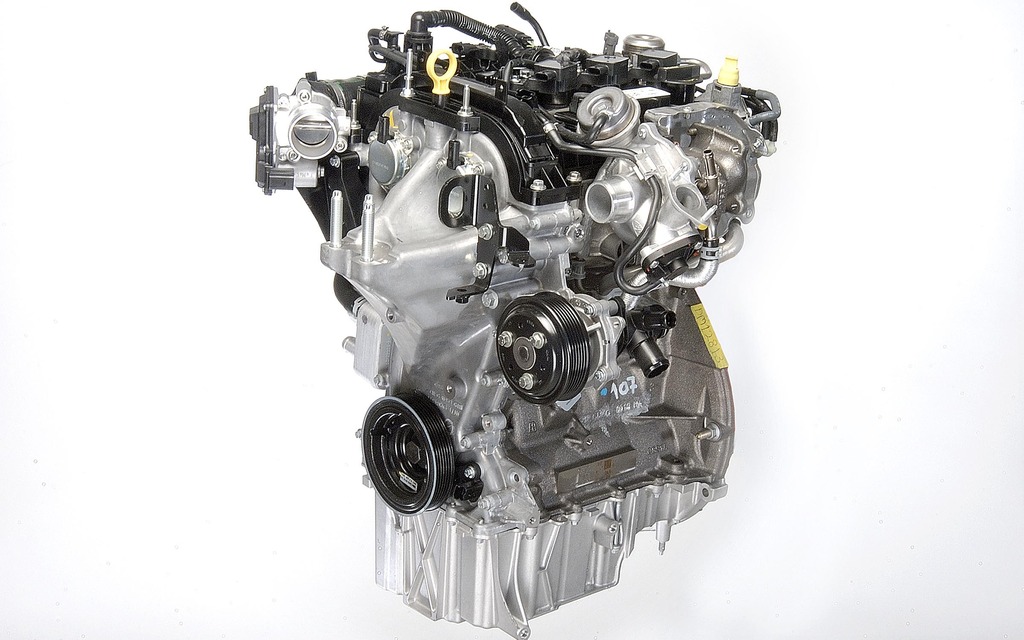
The Ford 1.5L EcoBoost engine has become a familiar case in repair shops, especially when coolant intrusion is involved. Mechanics often point to the engine’s block design as the primary concern, where thin cylinder walls can develop cracks over time.
These cracks allow coolant to seep directly into the combustion chamber, creating a chain reaction of issues that worsen quickly if left untreated.
One of the earliest warning signs tends to be unexplained coolant loss. Drivers may notice the reservoir level dropping without visible leaks, which often leads to confusion.
Soon after, misfires begin to occur, particularly during cold starts. This happens because coolant entering the cylinders disrupts proper combustion, leading to rough running and occasional hesitation.
Another commonly observed symptom is white smoke from the exhaust. This is not just condensation but a sign that coolant is being burned along with fuel.
Mechanics frequently note that by the time this symptom becomes consistent, internal damage has already progressed significantly. Spark plugs may also show signs of contamination, further confirming the issue.
What makes this engine particularly challenging is that the problem is not always repairable with simple fixes. In many cases, the solution involves replacing the entire engine block or installing a redesigned version. This increases repair costs substantially, which is why early detection becomes crucial for owners.
Despite these concerns, the engine performs well in terms of power and efficiency when functioning correctly. However, its vulnerability to coolant intrusion has made it a regular topic in workshops. Mechanics often advise owners to monitor coolant levels closely and address even minor irregularities without delay.
The situation highlights how a single design limitation can impact long-term reliability. While the engine delivers strong performance on paper, its real-world durability depends heavily on how quickly issues are identified and addressed.
2. Chevrolet 1.5L Turbo Engine
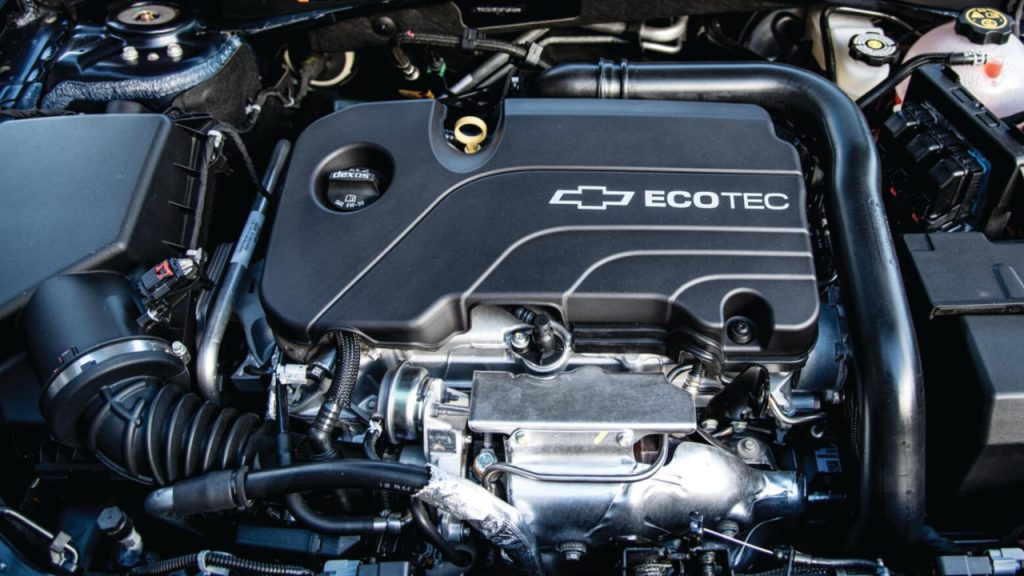
The Chevrolet 1.5L turbocharged engine presents a different kind of coolant intrusion scenario, one that mechanics encounter frequently in compact and midsize vehicles. Unlike cases where cracks in the engine block are the main culprit, this engine often suffers from head gasket failures that allow coolant to enter the cylinders.
This issue tends to develop gradually rather than suddenly. Drivers may first notice inconsistent engine temperatures or occasional overheating under normal driving conditions. These fluctuations are often dismissed as sensor glitches, but they can indicate that coolant is escaping from its intended pathways.
As the problem progresses, the engine begins to exhibit rough idling and reduced performance. Mechanics often describe a distinct pattern where the vehicle runs fine at higher speeds but struggles during idle or low-speed operation. This is because coolant intrusion disrupts combustion stability, particularly when engine load is minimal.
Another detail that technicians frequently point out is the condition of the engine oil. When coolant mixes with oil, it creates a milky substance that reduces lubrication effectiveness. This not only accelerates wear but can also damage internal components such as bearings and camshafts. Checking the oil cap or dipstick can sometimes reveal this contamination early.
Repairing this engine usually involves replacing the head gasket and inspecting the cylinder head for warping. In more severe cases, additional machining or component replacement may be required. While the repair is less drastic than a full engine replacement, it still demands precision and can be costly if the damage has spread.
What stands out about this engine is how deceptively manageable the early symptoms appear. Many drivers continue using the vehicle without realizing the seriousness of the issue. By the time the problem becomes obvious, the repair complexity has already increased.
Mechanics often emphasize that paying attention to small changes in engine behavior can prevent major failures. This engine serves as a reminder that gradual issues can be just as damaging as sudden ones, especially when they involve coolant intrusion.
3. Ford 2.0L EcoBoost Engine
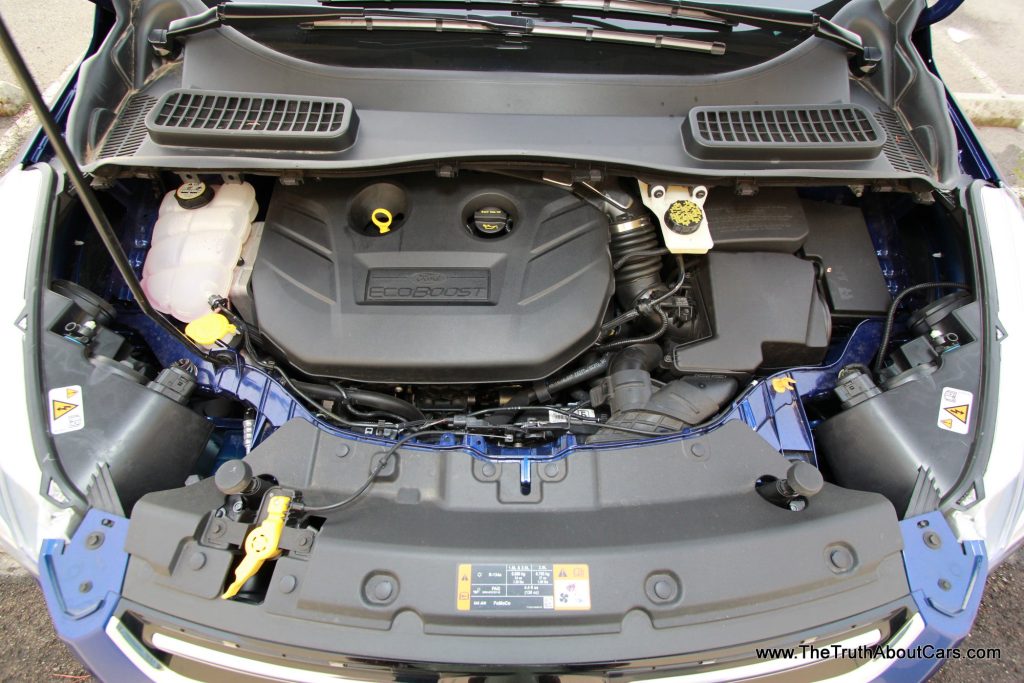
A different pattern emerges with the Ford 2.0L EcoBoost, yet the end result often leads to the same frustrating diagnosis. Mechanics frequently associate this engine with coolant intrusion caused by weaknesses around the cylinder walls and head gasket sealing surfaces.
Unlike some engines that fail suddenly, this one tends to deteriorate in stages, making it harder for drivers to pinpoint the exact moment things begin to go wrong.
The first clue is often subtle performance inconsistency. Drivers may report that the vehicle feels slightly less responsive, especially during acceleration. This is not always dramatic, which is why it gets ignored for weeks or even months.
Meanwhile, coolant slowly finds its way into the combustion chamber, disrupting the air fuel mixture in a way that is not immediately obvious.
A technician inspecting such an engine will often notice repeated misfire codes, particularly in one or two cylinders. This is not random.
Coolant intrusion usually affects specific areas of the engine, leading to localized issues rather than a complete system failure at once. Over time, these misfires become more frequent and begin to affect drivability in a noticeable way.
Another characteristic sign is pressure buildup in the cooling system. Mechanics sometimes describe coolant hoses feeling unusually firm even when the engine is not excessively hot. This happens because combustion gases can leak into the cooling system, increasing internal pressure and pushing coolant out of its normal circulation pattern.
When the engine is opened up for inspection, the damage becomes more evident. Cylinder walls may show signs of scoring, and the head gasket often reveals weak points where sealing has failed. At this stage, repairs become more complicated.
Some owners opt for gasket replacement, but in many cases, the underlying structural issue means the problem can return if not addressed comprehensively.
What makes this engine particularly frustrating is that it often delivers excellent performance before problems arise. Many drivers are satisfied with its power and efficiency, which makes the eventual failure feel unexpected. Mechanics, however, have grown accustomed to seeing these engines with similar symptoms, making it a recurring topic in service bays.
Preventive care plays a significant role here. Regular coolant checks, attention to warning lights, and early diagnostics can help limit the extent of the damage. While the engine is not universally problematic, its pattern of coolant intrusion is well recognized among professionals who deal with it regularly.
4. Subaru 2.5L EJ25 Engine
The Subaru 2.5L EJ25 engine tells a story that many long-time mechanics know well. This engine has developed a reputation over the years for head gasket failures that lead directly to coolant intrusion. Unlike some modern engines where the issue stems from complex design trade-offs, this one is more straightforward in its weakness, yet no less impactful.
Owners often begin noticing a faint smell of coolant after driving, even when there are no visible leaks. This can be one of the earliest indicators that something is not right.
As time passes, small external leaks may develop around the head gasket area, but internal leakage is where the real trouble begins. Coolant can seep into the combustion chamber or mix with oil, depending on how the gasket deteriorates.
One of the more telling signs is overheating during extended drives. The engine might perform normally during short trips but struggle to maintain stable temperatures over longer distances. Mechanics frequently encounter vehicles where the owner reports overheating only on highways, which aligns with how the problem develops under sustained load.
Another aspect that sets this engine apart is how gradually the issue can evolve. It is not uncommon for drivers to continue using the vehicle for months while topping up coolant regularly.
This habit, while seemingly harmless, allows the problem to worsen quietly. By the time the engine shows more dramatic symptoms such as white smoke or severe overheating, internal damage may already be extensive.
When repairs are undertaken, the process usually involves replacing the head gaskets with updated versions designed to address the original weakness.
Skilled technicians also inspect the cylinder heads for warping, as overheating can distort metal surfaces and compromise the effectiveness of new gaskets. Proper resurfacing and installation are critical to ensuring the repair lasts.
Despite its known issues, the EJ25 engine remains popular for its balanced performance and compatibility with Subaru’s all wheel drive systems. Many owners choose to repair rather than replace because the engine offers a driving experience that is difficult to replicate.
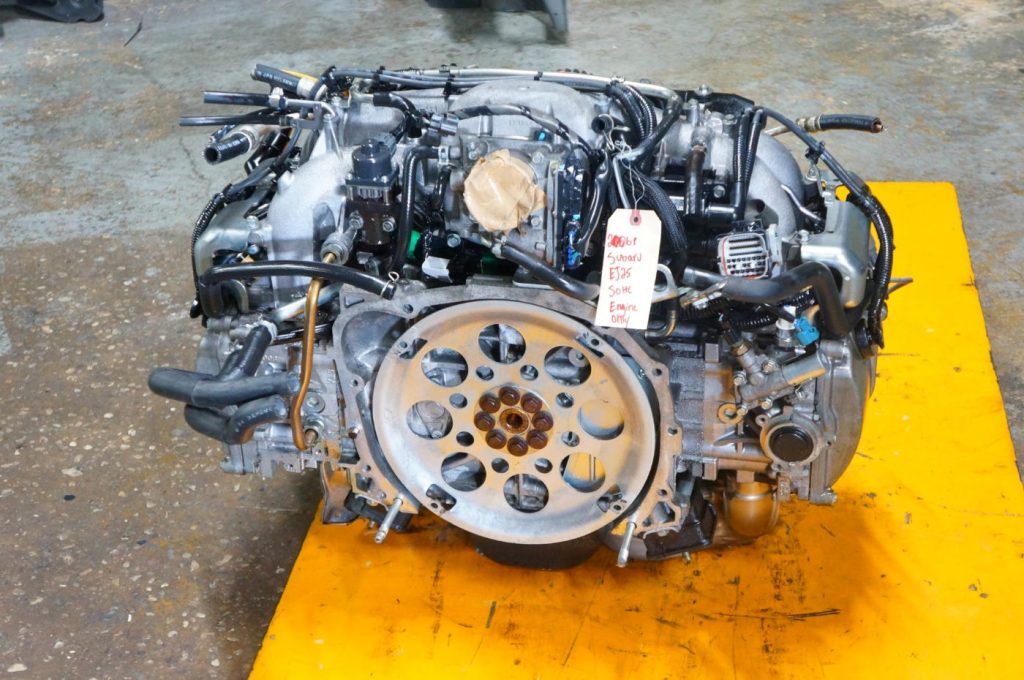
This engine stands as an example of how a well-known issue can persist across years of production, becoming almost expected in certain circles.
Mechanics do not treat it as a rare failure but as a familiar job that requires careful execution. For owners, awareness and timely action make all the difference between manageable repairs and severe engine damage.
5. BMW N20 2.0L Turbo Engine
With the BMW N20 engine, coolant intrusion rarely arrives as a single dramatic failure. Instead, it creeps in through a combination of weak points that gradually compromise the engine’s integrity.
Mechanics often describe this engine as one that gives multiple small warnings before the real damage sets in, but those warnings are easy to overlook if you are not paying close attention.
One of the most discussed concerns revolves around the cooling system components themselves. The plastic parts used in areas such as the coolant lines and expansion tank can degrade over time due to heat cycles.
Once these components begin to weaken, leaks develop, and pressure inconsistencies start affecting how coolant circulates. While this might seem like a simple external issue, it often sets the stage for deeper problems.
A more serious situation occurs when the head gasket begins to lose its sealing ability. This is not always due to poor material alone but can also be triggered by repeated overheating events caused by earlier cooling system failures. When the gasket weakens, coolant can slowly seep into the combustion chambers, disrupting engine balance and efficiency.
Drivers might first notice a faint roughness during idle, something that feels slightly off but not severe enough to demand immediate attention.
Over time, this develops into more consistent misfires, especially during cold starts. Mechanics often identify specific cylinders showing irregular combustion patterns, which points directly toward internal coolant presence.
Oil contamination is another angle that technicians watch for carefully. When coolant mixes with engine oil, lubrication quality drops, and internal components face increased friction. This can accelerate wear on timing chains and other moving parts, turning what began as a coolant issue into a broader mechanical concern.
Repairing the N20 engine can vary depending on how early the issue is caught. Replacing worn cooling system components can sometimes prevent further damage if done in time. However, once internal leakage begins, the repair process becomes more involved, often requiring gasket replacement and thorough inspection of engine internals.
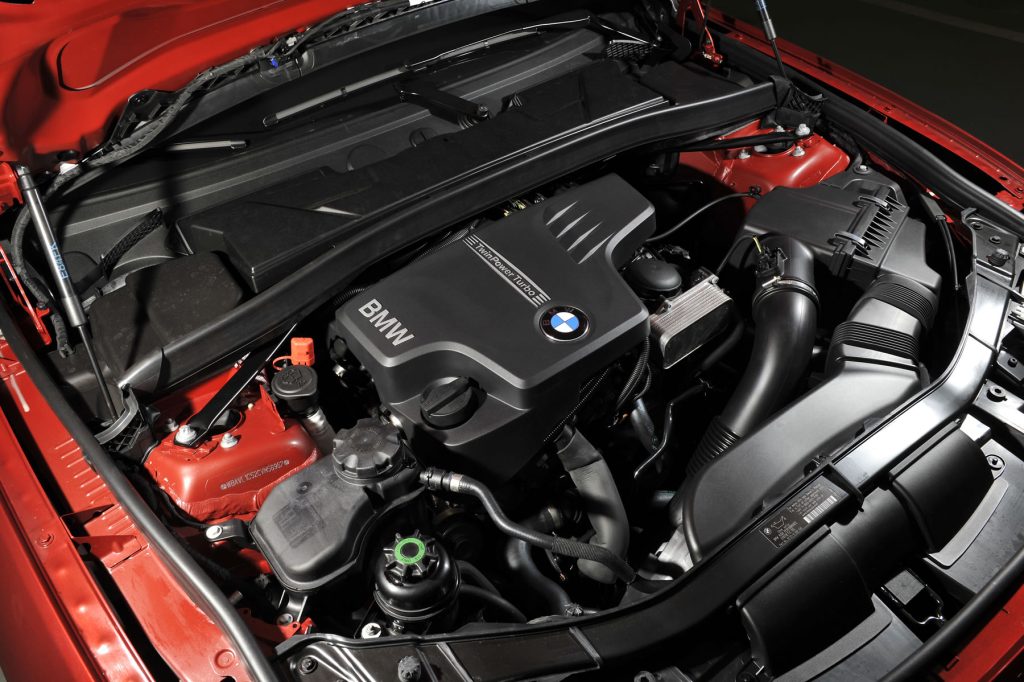
What stands out about this engine is how interconnected its problems can be. A seemingly minor coolant leak can trigger a sequence of failures that escalate quickly. Mechanics who frequently work on these engines often stress the importance of proactive maintenance, particularly when it comes to cooling system health.
The N20 delivers strong performance and efficiency, which is why it remains widely used and appreciated. Yet its susceptibility to coolant-related issues ensures that it remains a familiar sight in repair shops, where technicians have learned to recognize its patterns early.
6. Chrysler 2.7L V6 Engine
The Chrysler 2.7L V6 presents a very different kind of coolant intrusion story, one that is deeply tied to its internal design and maintenance sensitivity. Mechanics often refer to this engine as one that demands consistent care, because neglecting even basic service intervals can quickly lead to serious complications.
At the center of its issues is the engine’s tendency to develop sludge buildup. This sludge can restrict oil flow, causing increased heat within the engine. As temperatures rise beyond normal levels, the stress on gaskets and seals increases significantly. Over time, this creates opportunities for coolant to leak into areas where it does not belong.
Unlike engines where coolant intrusion begins externally and works its way inward, the 2.7L V6 often develops problems internally first. Mechanics frequently discover that coolant passages become compromised due to overheating, allowing fluid to mix with oil.
This mixture reduces the effectiveness of both systems, creating a cycle that accelerates engine wear.
Drivers might initially notice overheating during everyday driving conditions, even when the cooling system appears to be functioning. This is often accompanied by a drop in engine performance, as internal friction increases and combustion efficiency decreases.
The engine may feel strained, particularly under load, which is a clear indication that something deeper is wrong.
Another detail that technicians often highlight is the condition of the oil. When inspecting engines with this issue, they commonly find thick, contaminated oil that has lost its ability to protect internal components. This not only confirms the presence of coolant intrusion but also signals that the problem has been developing for some time.
Repairing this engine can be particularly challenging. In many cases, the level of internal damage makes rebuilding impractical, leading owners to consider engine replacement instead. This is why mechanics emphasize preventive maintenance more strongly for this engine than for many others.
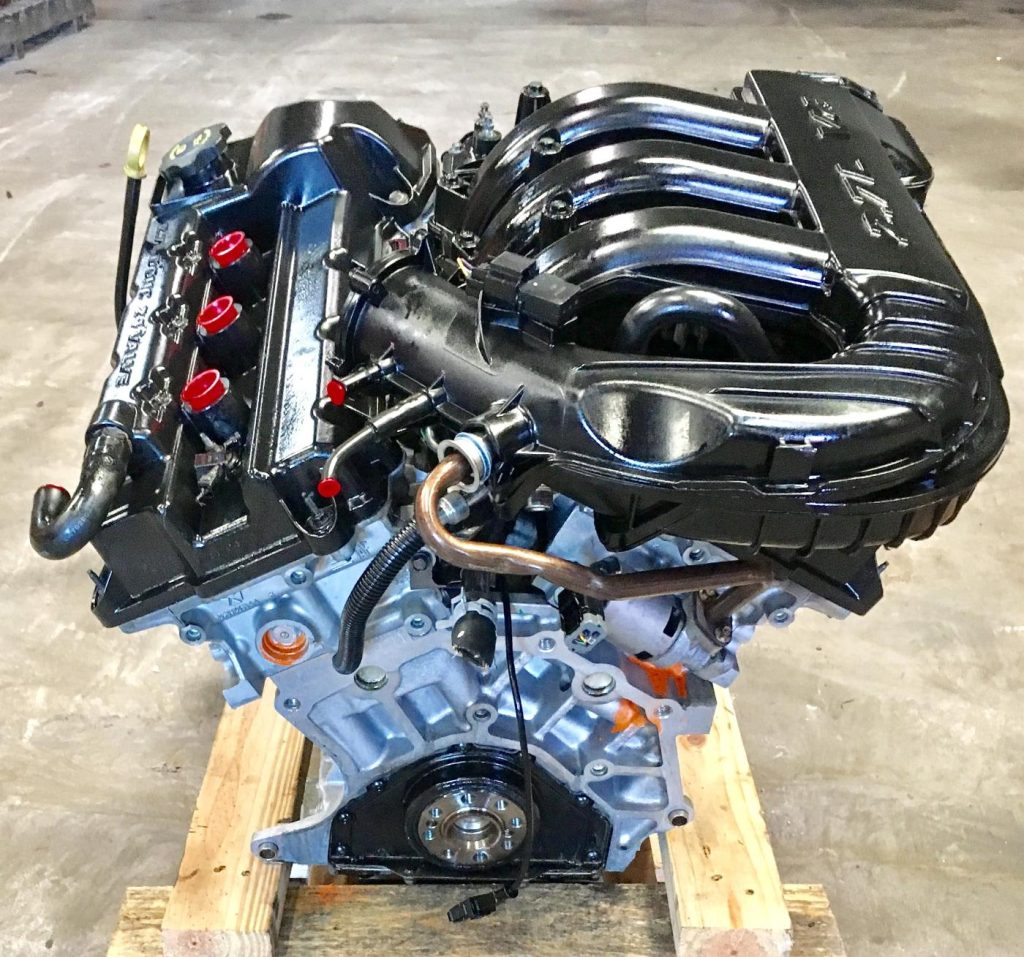
Regular oil changes, proper coolant maintenance, and attention to temperature fluctuations can significantly reduce the risk of failure. However, once sludge buildup and overheating begin to take hold, the window for simple fixes closes quickly.
The Chrysler 2.7L V6 is a clear example of how maintenance habits directly influence engine longevity. Mechanics who encounter it regularly understand that its issues are not always sudden but are often the result of gradual neglect combined with inherent design sensitivities.
7. Hyundai 2.4L Theta II Engine
The Hyundai 2.4L Theta II engine has earned attention in workshops for a mix of durability concerns, with coolant intrusion being one of the more serious issues mechanics encounter.
What makes this engine interesting is that its problems are not always tied to a single failure point. Instead, multiple contributing factors can align, leading to internal coolant leakage that gradually worsens if ignored.
One of the commonly discussed aspects of this engine is its vulnerability to internal wear, particularly around the cylinder walls and piston rings. As these components degrade, heat management becomes less efficient.
Elevated temperatures inside the engine place additional stress on the head gasket, which can eventually lose its sealing capability. Once that happens, coolant begins to seep into the combustion chamber in small amounts.
Drivers rarely notice this immediately. The early stage often feels like a minor drop in smoothness, especially during idle. Some may describe a slight vibration or uneven engine tone, which can easily be mistaken for routine wear.
Mechanics, however, recognize this as a possible early indicator of combustion irregularities caused by coolant interference.
Another pattern that shows up frequently is intermittent overheating. Unlike engines that overheat consistently, the Theta II may behave normally for days and then suddenly run hotter than expected. This inconsistency makes diagnosis more complicated, as the problem does not always present itself during quick inspections.
Technicians also pay close attention to exhaust behavior. When coolant begins entering the combustion chamber, it produces a distinct white smoke, particularly during startup. While some drivers dismiss this as condensation, persistent smoke combined with coolant loss usually points toward internal leakage.
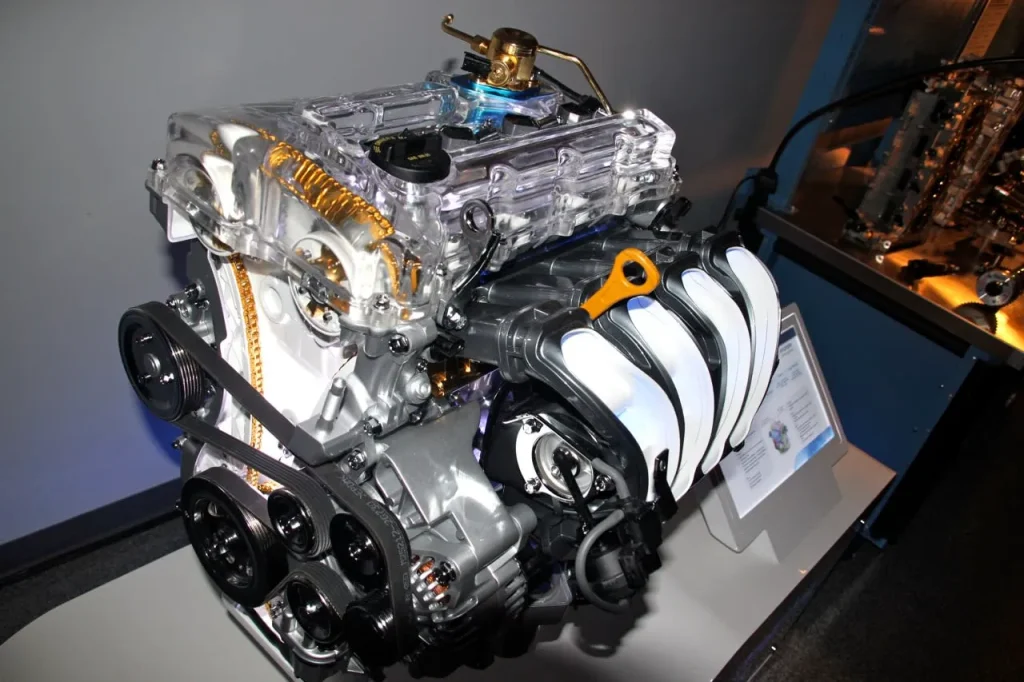
Oil condition becomes a crucial diagnostic tool in these cases. Mechanics often find that the oil has started to thin out or appear slightly milky, indicating contamination. This not only confirms coolant intrusion but also signals that lubrication quality has been compromised, putting additional strain on moving parts.
Repair approaches vary depending on how far the issue has progressed. In earlier stages, replacing the head gasket and addressing any overheating causes may restore the engine. In more advanced cases, damage to internal components may require extensive work or even full replacement.
What distinguishes the Theta II engine is how its issues can stem from a combination of wear and thermal stress rather than a single design flaw.
This layered problem structure means that small warning signs should never be ignored. Mechanics who see these engines regularly often stress that early attention can prevent a manageable repair from turning into a major expense.
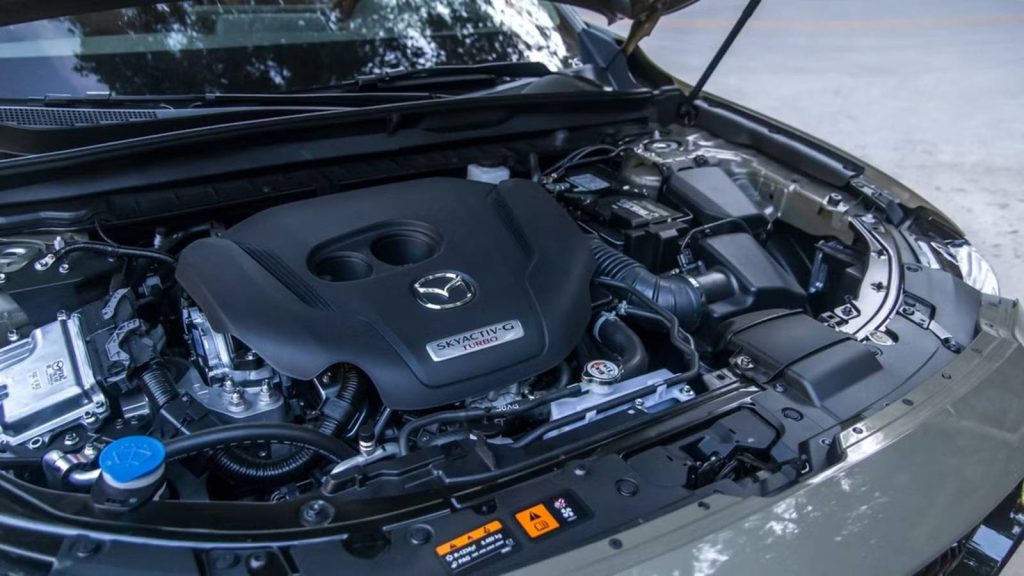
8. Mazda 2.5L SkyActiv-G Engine
The Mazda 2.5L SkyActiv-G engine approaches coolant intrusion in a way that feels less predictable compared to others on this list. It is not widely known for constant failure, yet mechanics still report recurring cases where coolant finds its way into the combustion chamber due to specific structural concerns within the engine.
A key factor often discussed is the cylinder head design, particularly around areas exposed to high thermal stress. Over time, small cracks can develop in these regions, especially if the engine experiences repeated heating and cooling cycles under demanding conditions. These cracks may start off microscopic but can expand enough to allow coolant to leak internally.
Drivers may initially experience a very subtle change in engine behavior. The vehicle might take slightly longer to start smoothly, or there could be a brief hesitation during acceleration. These symptoms are easy to overlook because they do not immediately affect daily usability. However, they often mark the beginning of a deeper issue.
One of the more noticeable signs emerges during cold starts. Mechanics frequently observe misfires that disappear once the engine warms up. This pattern is significant because it suggests that coolant has entered the combustion chamber overnight and is being burned off during startup.
Another clue lies in the cooling system itself. Unlike engines that show obvious leaks, this one may maintain external integrity while losing coolant internally. Owners might find themselves topping up coolant without ever seeing a puddle or visible leak, which can be confusing and misleading.
Technicians also examine spark plugs closely in these cases. A plug that appears unusually clean compared to others can indicate that coolant is entering that specific cylinder, effectively steam-cleaning the surface. This detail often helps pinpoint the exact location of the problem.
Repairing this engine requires careful diagnosis. If the issue is caught early, replacing the affected components and addressing the root cause of thermal stress may resolve it. However, if cracking has spread significantly, more extensive repairs become necessary.
What sets the SkyActiv-G engine apart is its balance between efficiency and complexity. It delivers impressive performance and fuel economy, yet operates under conditions that demand precise thermal management.
When that balance is disrupted, even slightly, the consequences can develop quietly before becoming serious.
Mechanics who deal with these engines often highlight the importance of monitoring small irregularities. Unlike engines that fail loudly, this one tends to whisper its problems at first. Recognizing those early signals can make the difference between a straightforward fix and a much more involved repair.
Also Read: 9 Engines That Redefined What High-Mileage Actually Means