
Not every widespread engine problem leads to a formal recall. In fact, some of the most frustrating ownership experiences come from issues that are widely known, frequently reported, and mechanically significant, yet never officially recognized at the level many owners expect.
These situations create a gray area where responsibility feels unclear, leaving drivers to deal with consequences that seem larger than routine wear and tear.
An engine recall is typically issued when a defect directly impacts safety or violates regulatory standards. However, many engine problems fall just outside those boundaries.
They may not cause immediate danger, but they still lead to premature wear, excessive maintenance costs, or long-term reliability concerns. When such issues appear across a large number of vehicles, owners often question why stronger action was never taken.
Manufacturers sometimes respond through technical service bulletins, extended warranties, or quiet design revisions in later production runs. While these measures can help, they do not always reach every affected owner. Vehicles outside specific production dates or mileage limits may receive no support at all, even if they experience the same underlying issue.
Another challenge is how these problems develop. Unlike sudden failures, many engine defects appear gradually. They start as small irregularities that can be dismissed or misunderstood. By the time the issue becomes undeniable, the vehicle is often well beyond warranty coverage, placing the burden entirely on the owner.
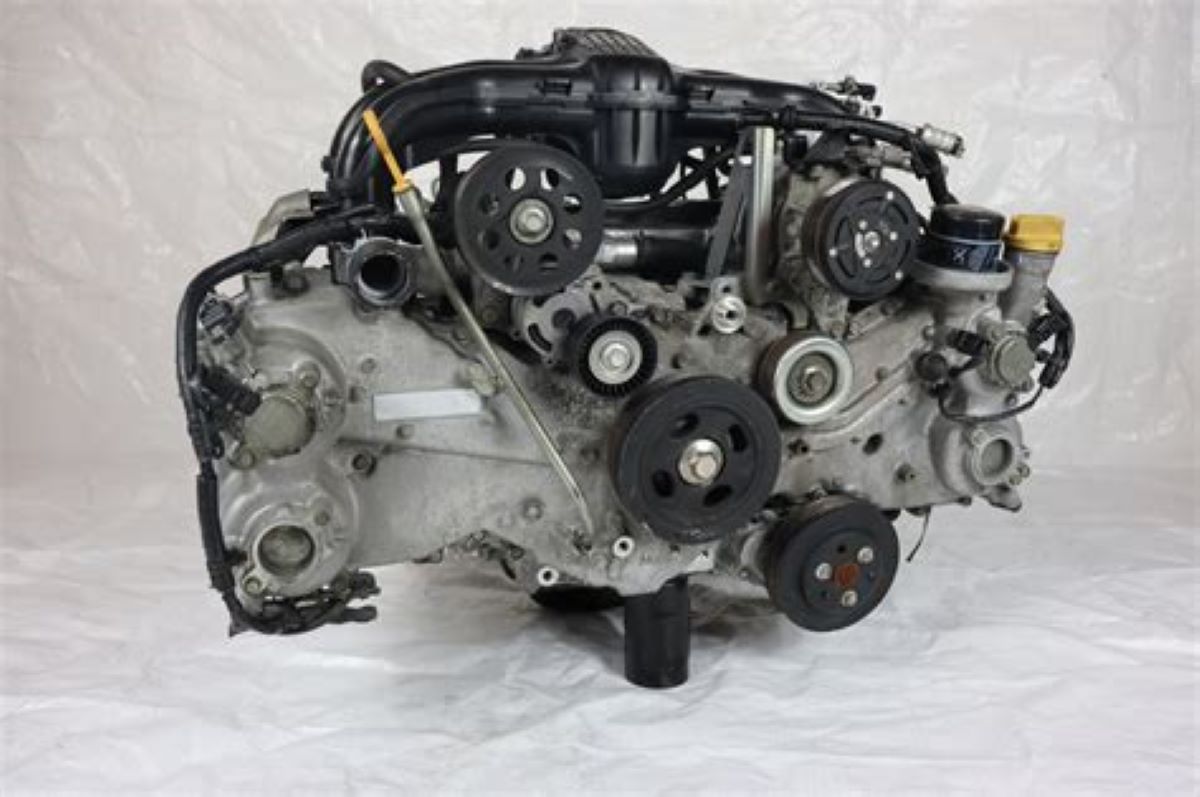
This article focuses on nine engines that developed consistent, widely discussed problems that many believe deserved stronger intervention. These are not isolated cases or rare defects. They are patterns that emerged across multiple vehicles, often documented by technicians and long-term owners alike.
The purpose here is not to assign blame without context, but to highlight how certain engineering decisions led to outcomes that affected real-world reliability. Each engine tells a different story, shaped by design choices, material limitations, and evolving automotive technology.
Understanding these cases helps drivers make more informed decisions, whether buying used, maintaining an aging vehicle, or simply recognizing early warning signs before they turn into expensive repairs.
Also Read: 9 Durable Inline-Six Engines Mechanics Refuse to Bet Against
1. Audi 2.0T FSI (EA113)
Audi’s 2.0T FSI engine, used in a wide range of models including the A4, A3, and Volkswagen GTI, gained popularity for its strong performance and tuning potential. It delivered a balance of efficiency and responsiveness that appealed to many drivers. Yet behind that appealing performance lay a set of issues that became increasingly difficult to ignore as vehicles aged.
One of the most discussed problems involves excessive carbon buildup on intake valves. Because this engine uses direct injection, fuel does not pass over the intake valves to clean them. Over time, deposits accumulate, restricting airflow and affecting combustion efficiency. This leads to rough idling, reduced power, and inconsistent throttle response.
Another major concern is the cam follower design. This small component, responsible for maintaining contact between the camshaft and the high-pressure fuel pump, can wear prematurely. If not replaced in time, it can damage the camshaft itself, turning a relatively minor part failure into a costly repair.
High-pressure fuel pump issues also appear frequently. Failures in this system can lead to sudden loss of power or difficulty starting, creating situations that feel unpredictable and frustrating for drivers.
Oil consumption and PCV system failures further complicate the engine’s long-term reliability. These issues often appear gradually, making them harder to diagnose early.
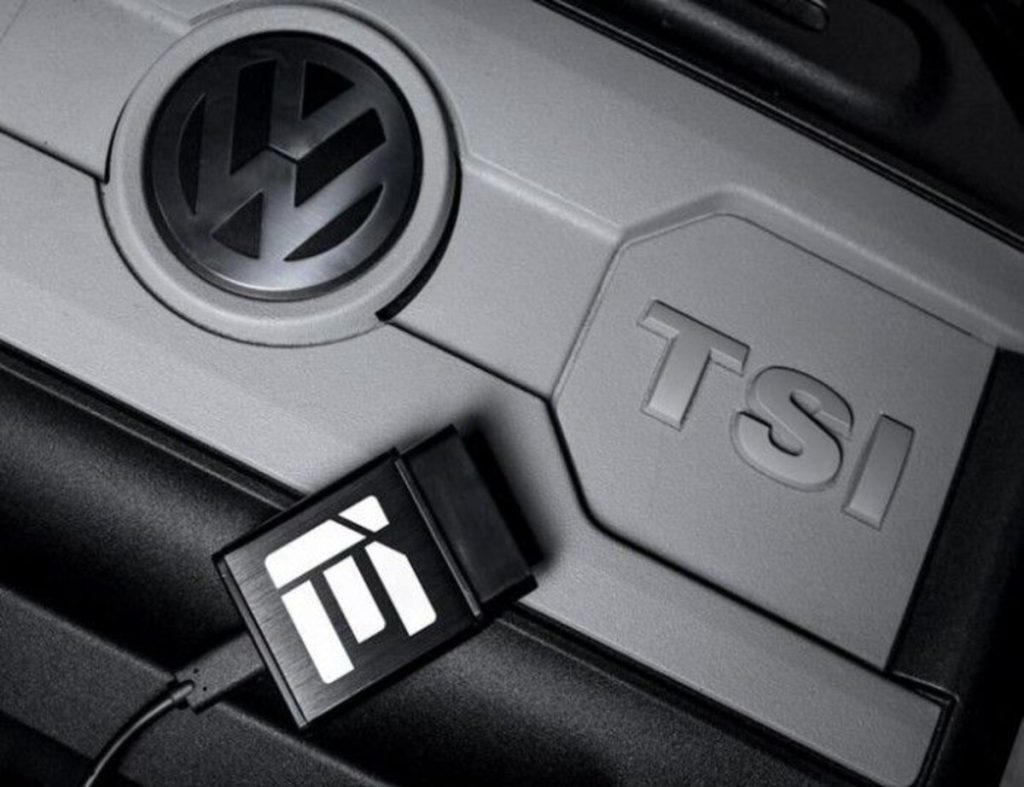
What makes this engine stand out is how widely these problems are known within enthusiast and repair communities. Despite this, many affected vehicles never received comprehensive recall-level attention.
Owners who stay proactive with maintenance, including regular inspections of known weak points, can manage these issues. Still, the combination of multiple recurring problems creates a strong argument that this engine deserved more formal intervention.
2. BMW N20 2.0L Turbo Inline-4
BMW introduced the N20 engine as a replacement for naturally aspirated inline-six engines, aiming to deliver similar performance with improved efficiency. Found in models such as the 328i and X3, it quickly became a cornerstone of the brand’s lineup. While it succeeded in delivering performance, it also developed a reputation for a critical timing chain issue.
The timing chain and its associated guides are the primary concern. In affected engines, these components can wear prematurely, leading to chain slack and potential failure. Unlike minor issues, a timing chain failure can cause catastrophic engine damage, often requiring a complete rebuild or replacement.
What makes this situation particularly concerning is how little warning it can provide. Some drivers report subtle noises, such as a whining or rattling sound from the engine bay, while others experience sudden failure without clear early symptoms.
BMW did address the issue to some extent through extended warranties and updated parts. However, these measures did not cover all vehicles, and many owners found themselves facing expensive repairs once their coverage expired.
Oil change intervals also play a role in how quickly the problem develops. Longer intervals can accelerate wear on timing components, especially in turbocharged engines where oil quality is critical. Even so, the frequency of reported failures suggests that design limitations contributed significantly.
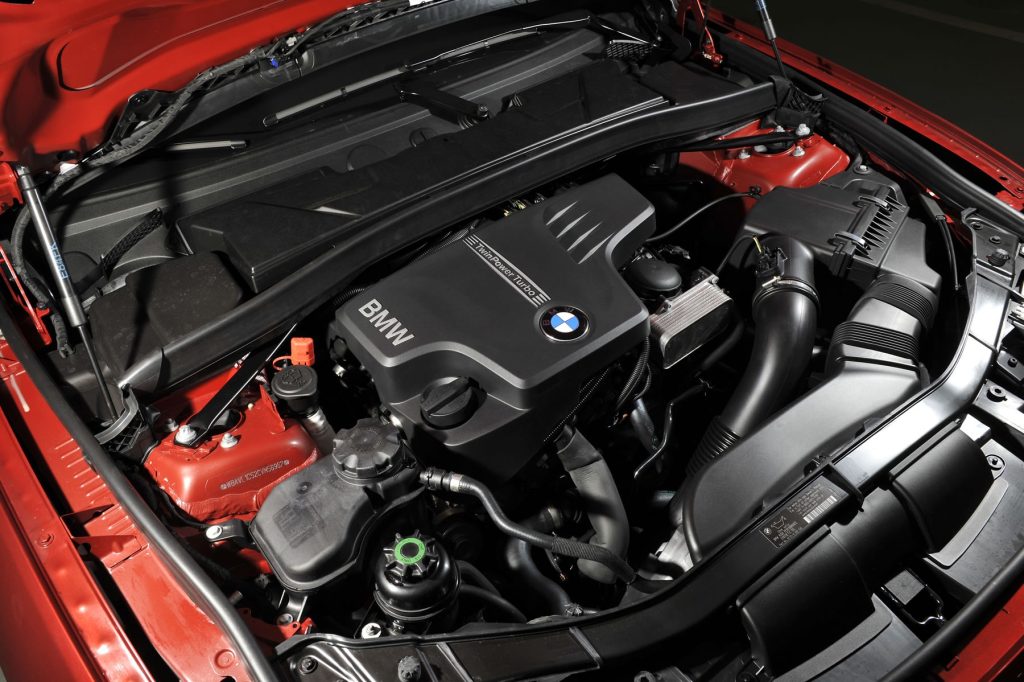
The N20 represents a case where a single component can define an engine’s reputation. Despite strong performance and efficiency, the risk associated with timing chain failure overshadows its strengths.
For many owners and technicians, the widespread nature of this issue raises questions about whether a more comprehensive recall would have been appropriate. Instead, it remains an example of a problem that sits between acknowledged concern and full accountability.
3. Subaru FB25 2.5L Boxer Engine
Subaru introduced the FB25 engine as an evolution of its earlier boxer designs, aiming to improve efficiency and reduce emissions.
It appeared in models like the Forester, Outback, and Legacy, offering a familiar all wheel drive experience paired with modern engineering updates. At first glance, it seemed like a solid step forward. Over time, however, a recurring issue began to surface that many owners did not expect.
Oil consumption became the defining concern. Unlike engines where oil burning is tied to aggressive driving or neglect, the FB25 often showed this behavior under normal conditions.
Owners reported needing to add oil between service intervals, sometimes far earlier than anticipated. The problem was traced largely to piston ring design, which allowed oil to pass into the combustion chamber more easily than intended.
What made this situation frustrating was its subtle progression. There were rarely dramatic symptoms at the beginning. The engine continued to run smoothly, with no immediate loss of performance. Only careful monitoring of oil levels revealed the pattern, and by the time it became obvious, the vehicle was often outside standard warranty coverage.
Subaru did respond with extended warranty programs for certain vehicles, acknowledging that the issue affected a significant number of owners. Still, not every case qualified, leaving many drivers to manage the problem on their own.
Another layer to consider is how the boxer layout influences oil behavior. The horizontal cylinder arrangement means oil distribution differs from traditional inline engines, which can amplify the effects of worn piston rings over time.
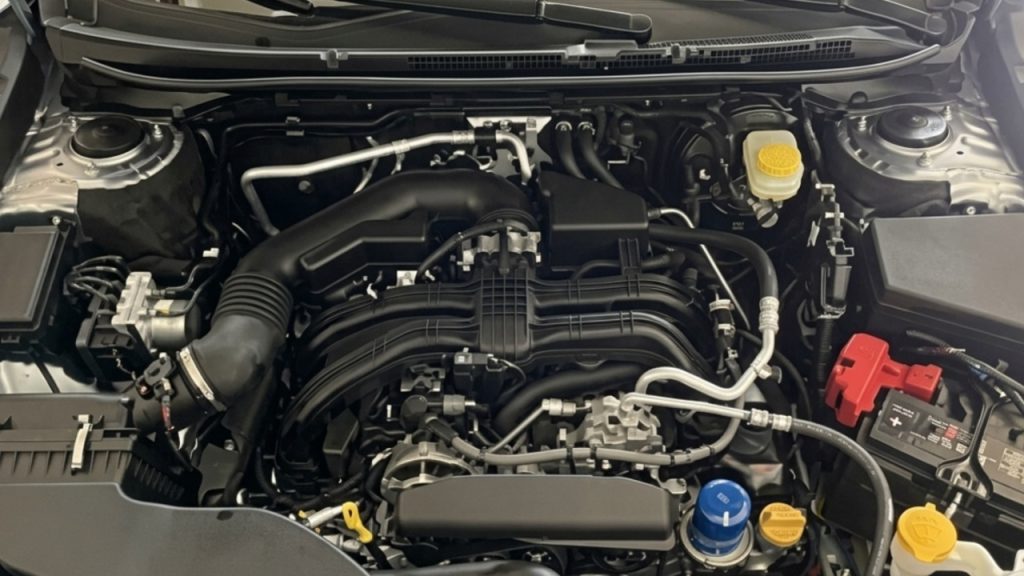
For owners willing to check oil levels regularly and maintain shorter service intervals, the engine can remain reliable. However, the frequency and consistency of reported oil consumption issues led many to believe that stronger action should have been taken at a broader level.
4. Chrysler 2.7L V6
The Chrysler 2.7L V6, used in vehicles like the Dodge Intrepid and Chrysler Sebring, has long been associated with internal sludge buildup and premature engine failure. During its early life, it delivers acceptable performance for daily driving, but its long-term durability tells a different story.
The core issue lies in how the engine manages heat and oil flow. Narrow oil passages combined with high operating temperatures create conditions where sludge can form more easily. Once sludge begins to accumulate, it restricts lubrication, accelerating wear on internal components.
Unlike problems that develop gradually over many years, this engine can deteriorate relatively quickly if maintenance is not extremely consistent. Even then, some well maintained engines have experienced similar issues, suggesting that design limitations play a significant role.
Symptoms often begin with minor warning signs such as oil pressure fluctuations or unusual engine noise. As sludge buildup increases, these symptoms escalate into more serious problems, including overheating and internal damage. In severe cases, the engine can fail completely.
What makes this engine particularly notable is how widely these issues were reported. Mechanics and owners frequently encountered similar patterns, creating a strong perception that the problem was not isolated.
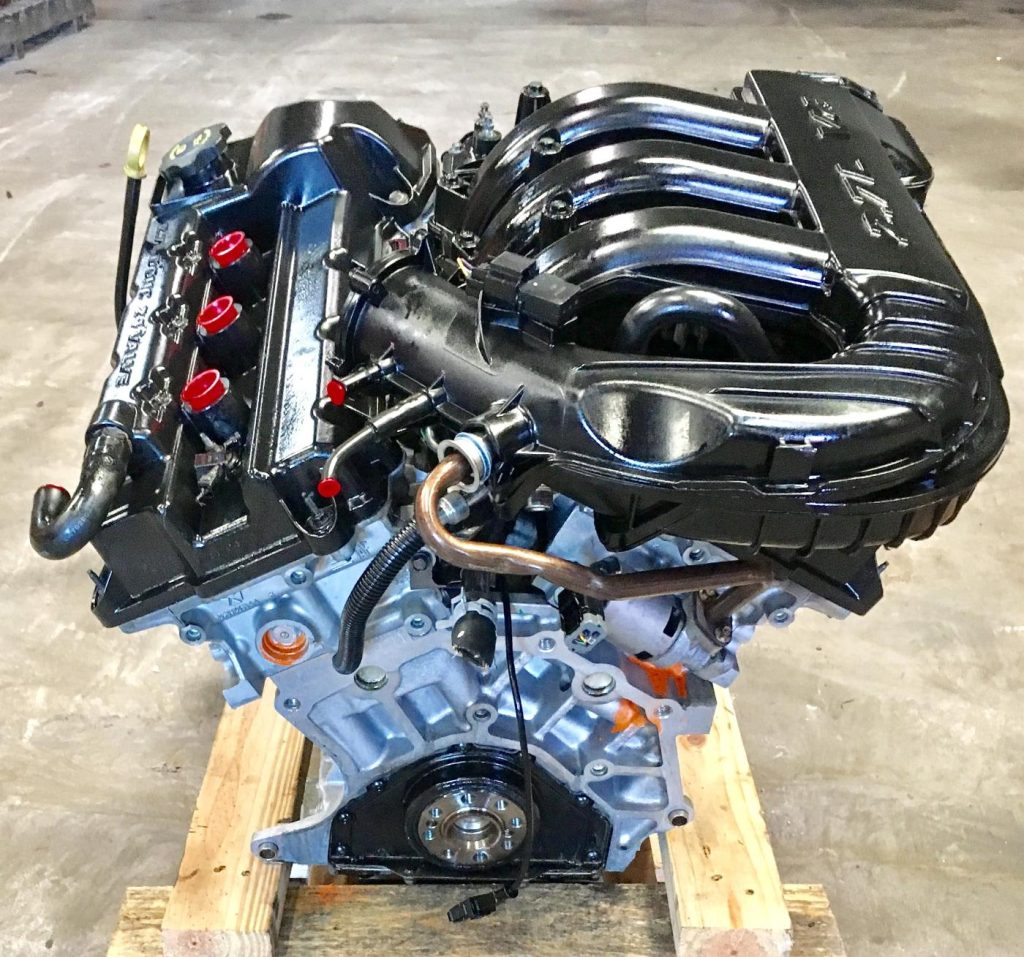
Chrysler made certain improvements in later versions, but many earlier engines remained affected. Without a comprehensive recall, owners were often left to deal with repairs that could exceed the value of the vehicle itself.
This engine serves as a clear example of how lubrication system design can influence long-term reliability. It also highlights how recurring issues, even when widely recognized, do not always result in the level of intervention that many drivers expect.
5. Volkswagen 2.0L TDI (EA189)
The 2.0L TDI EA189 engine became one of the most discussed diesel engines of its time, not only for emissions concerns but also for long-term mechanical complications that many owners faced.
Found in various Volkswagen and Audi models, it initially impressed with strong fuel efficiency and solid torque delivery. As years passed, however, a different set of issues began to surface beyond the headlines.
A key area of concern involves the exhaust gas recirculation system and diesel particulate filter. These components are essential for emissions control, yet they are prone to clogging over time, especially in vehicles driven primarily in city conditions. Once buildup begins, performance drops, fuel economy suffers, and warning lights become a regular occurrence.
Another problem that gained attention is related to fuel injectors. In some cases, injector failure leads to rough running, misfires, or difficulty starting. These issues do not always appear early, which makes them more frustrating as they emerge after significant use.
Owners also reported turbocharger-related concerns, particularly involving variable geometry mechanisms that can stick due to soot accumulation. This affects boost delivery and reduces engine responsiveness, gradually changing how the vehicle feels on the road.
While much of the public focus remained on emissions compliance, the broader ownership experience told a more complex story. The combination of emission system sensitivity and mechanical wear created a maintenance profile that many drivers found demanding.

Volkswagen addressed certain aspects through updates and service actions, yet the number of recurring complaints led many to question whether a more comprehensive mechanical recall should have been considered alongside regulatory fixes.
6. Ford 1.6L EcoBoost
Ford’s 1.6L EcoBoost engine was introduced as part of the brand’s effort to combine turbocharged performance with improved fuel efficiency. It appeared in models like the Escape, Fiesta ST, and Fusion, offering a balance that appealed to a wide range of drivers.
Early impressions were positive, with smooth power delivery and modern engineering. Over time, though, deeper concerns began to emerge.
One of the most serious issues involves the cooling system. In certain cases, coolant circulation problems can lead to overheating, which then risks damage to the cylinder head. The progression is not always immediate, but once it begins, it can escalate quickly if not detected early.
There have also been reports of coolant intrusion into the engine, which creates a far more serious situation. When coolant enters combustion areas, it disrupts normal operation and can lead to misfires, white exhaust smoke, and potential engine failure. These symptoms often appear suddenly, leaving little time for preventive action.
Another factor is how heat management affects long-term durability. Turbocharged engines operate under higher thermal stress, and in this case, the system’s design has shown vulnerabilities after extended use. Components that perform well initially may degrade faster than expected.
Ford did issue recalls related to fire risks and cooling concerns in some vehicles, but not every affected engine received the same level of attention for long-term reliability issues. This left a portion of owners dealing with expensive repairs outside official campaigns.
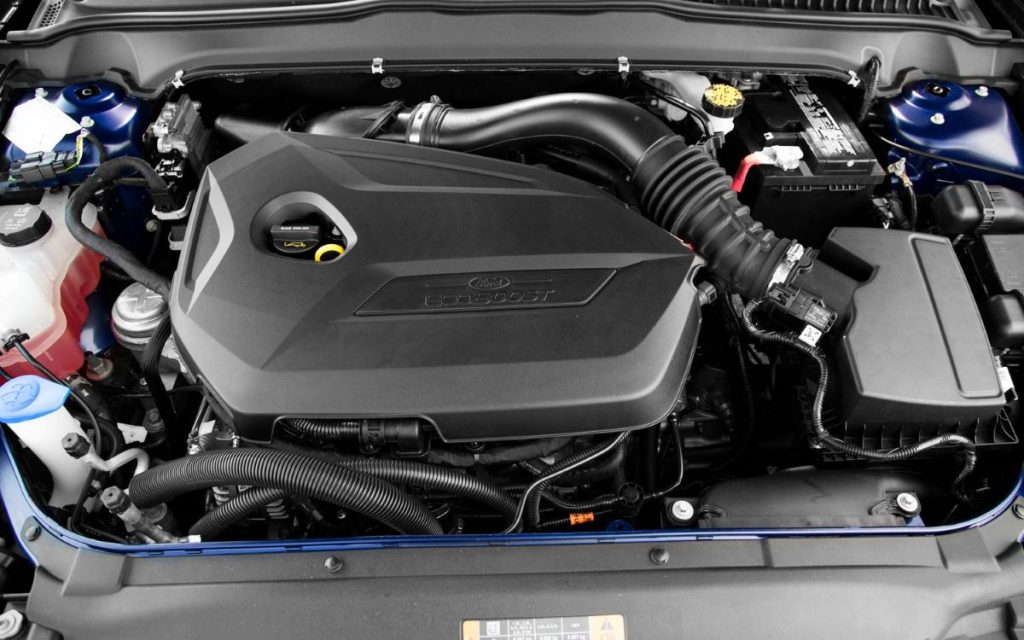
What stands out about this engine is how a modern design aimed at efficiency introduced challenges that became more visible with time. It reflects the complexity of balancing performance, emissions, and durability in a compact turbocharged package.
7. Hyundai 2.0L Theta II Turbo (GDI)
The 2.0L Theta II Turbo engine played a major role in Hyundai’s push toward performance-oriented yet affordable vehicles.
Found in models like the Sonata, Veloster N (earlier lineage), and Kia Optima, it delivered strong acceleration and modern features that appealed to a broad audience. In the beginning, it felt like a breakthrough. As ownership stretched further, a pattern of serious concerns began to take shape.
One of the most alarming issues involves internal engine wear linked to manufacturing inconsistencies. In some engines, metal debris left during production could circulate through the oil system, gradually damaging bearings. This type of wear does not always present immediate symptoms, which makes it particularly dangerous.
Drivers sometimes notice faint knocking sounds under acceleration, a sign that internal components are under stress. If ignored, this can escalate into complete engine failure. The progression can feel unpredictable, as some engines run for years before showing signs, while others develop problems earlier.
Oil consumption and lubrication inconsistencies also play a role. As internal wear increases, the engine’s ability to maintain proper oil pressure can decline, accelerating damage to already stressed components.
Hyundai did issue recalls and extended warranties for certain versions of the Theta II, acknowledging widespread issues. However, not every affected vehicle fell within the covered categories, leaving some owners dealing with expensive repairs independently.
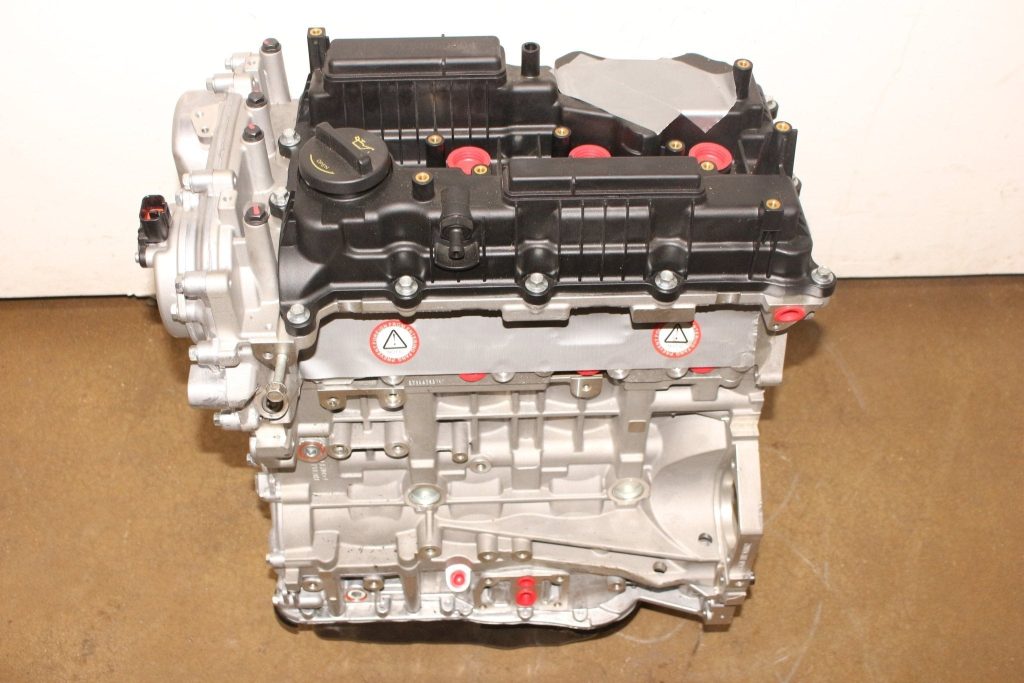
What makes this engine particularly notable is the scale of reported problems. It is not just a matter of isolated cases but a pattern recognized across multiple markets. Many believe that the severity and frequency of failures justified even broader intervention.
Despite these challenges, the engine’s performance characteristics remain appealing. It delivers strong power and responsiveness, but maintaining that experience over time requires vigilance and awareness of potential warning signs.
8. BMW N47 2.0L Diesel Inline-4
BMW’s N47 diesel engine was designed to offer a combination of efficiency and torque, making it popular in European markets and beyond. It powered a range of vehicles, from the 1 Series to the 5 Series, and initially impressed with its smooth operation and fuel economy. As mileage accumulated, however, a critical weakness began to define its reputation.
The timing chain system is the central issue. Unlike many engines where the timing chain is positioned for easier access, the N47 places it at the rear of the engine. This design choice complicates both inspection and repair. Over time, the chain and its guides can wear prematurely, leading to rattling noises and potential failure.
What makes this problem especially concerning is how it develops. Early signs may include a subtle noise during startup, something that can easily be dismissed. As wear progresses, the noise becomes more pronounced, and the risk of sudden failure increases.
A broken timing chain can cause severe internal damage, often requiring a full engine replacement. The cost and complexity of repair are significantly higher due to the engine’s layout, making preventive action more difficult.
BMW did update components in later versions and addressed some concerns through service actions. However, many earlier engines remained affected, and not all owners received support for repairs.
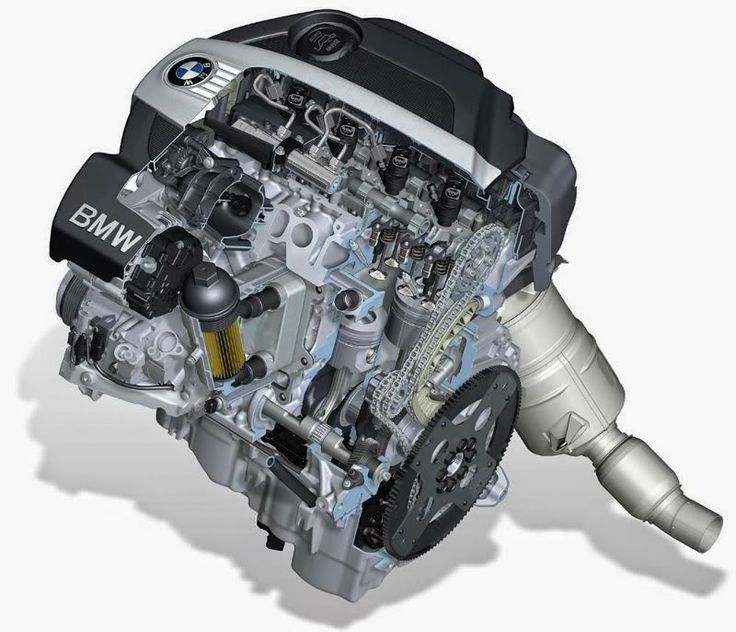
This engine highlights how a single design decision can influence long-term ownership in a major way. While the N47 delivers excellent efficiency and performance, the timing chain issue overshadows these strengths for many drivers.
The widespread nature of reported failures led to ongoing discussions about whether a broader recall should have been implemented, particularly given the potential for severe engine damage.
9. General Motors 3.6L V6 (LLT)
The 3.6L V6 LLT engine from General Motors found its way into a wide variety of vehicles, including the Chevrolet Camaro, Cadillac CTS, and GMC Acadia.
It offered a strong balance of performance and refinement, making it a versatile choice across different segments. Early ownership experiences were generally positive, with smooth power delivery and solid responsiveness.
As time passed, a recurring issue involving timing chains began to surface. The chains themselves, along with associated components, could stretch prematurely. This affects engine timing accuracy, leading to warning lights, rough operation, and reduced efficiency.
Unlike catastrophic failures that happen without warning, this problem often develops gradually. Drivers may first notice a check engine light related to timing correlation errors. Left unaddressed, the issue can progress to more noticeable drivability problems.
Oil change intervals play a significant role in how quickly this issue appears. Longer intervals can contribute to chain wear, especially in engines where oil quality is critical for maintaining proper tension and lubrication.
Another concern involves carbon buildup, a common trait in direct injection engines. Over time, deposits form on intake valves, affecting airflow and combustion efficiency. This adds another layer of maintenance that becomes more apparent as the engine ages.
General Motors issued technical updates and revised maintenance recommendations, but many vehicles experienced these problems outside warranty coverage. This created a situation where owners faced costly repairs for issues that appeared across a large number of engines.
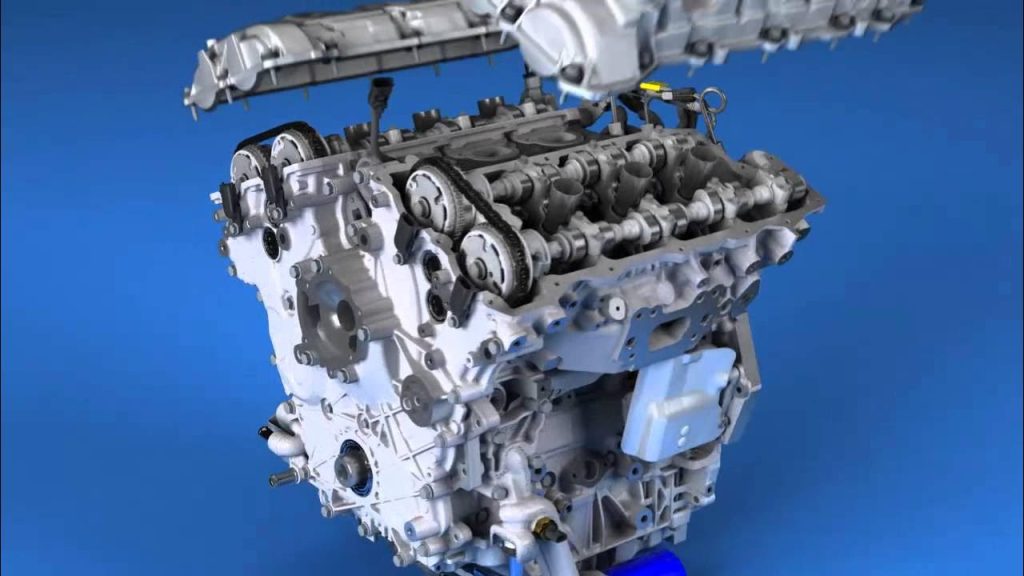
What defines the LLT is not a lack of capability but a sensitivity to maintenance and design limitations that reveal themselves over time. It remains a strong performer, yet its long-term reliability has been shaped by issues that many believe warranted stronger action.
Engines that develop widespread problems without formal recalls occupy a unique space in automotive history. They are not hidden failures, yet they are not fully addressed at the level many owners expect. This creates a gap between manufacturer response and real-world experience.
One clear pattern is how these issues rarely appear immediately. They develop over time, often becoming visible only after warranties expire. This timing places a greater responsibility on owners, who must recognize and address problems without the support they might have anticipated.
Another important factor is complexity. Modern engines incorporate advanced systems designed to improve efficiency and performance. While these systems offer clear benefits, they also introduce new points of failure that can emerge with extended use.
Maintenance plays a critical role in managing these engines. Regular servicing, attention to early warning signs, and proactive repairs can reduce the impact of many of these issues. However, even well-maintained engines are not always immune, especially when design limitations are involved.
For buyers, understanding these patterns provides valuable insight. It allows for more informed decisions, whether selecting a used vehicle or preparing for long-term ownership. Awareness reduces uncertainty and helps set realistic expectations.
For current owners, knowledge becomes a tool for prevention. Recognizing symptoms early can mean the difference between a manageable repair and a major expense.
These engines are not defined solely by their problems. Many continue to perform well when properly maintained. The key difference lies in understanding their behavior and adapting ownership accordingly.
In the end, these cases highlight the importance of transparency, engineering balance, and long-term thinking in automotive design.
Also Read: 9 Durable Inline-Six Engines Mechanics Refuse to Bet Against
