
A quiet revival has been building around vehicles that once sat in the shadow of earlier muscle car legends and later high-tech performance machines. Cars from the 1980s, long dismissed as transitional products shaped by emissions rules and economic pressure, are now gaining fresh attention.
Collectors and enthusiasts are beginning to recognize that this decade produced machines with distinct character, experimental styling, and engineering approaches that reflected a changing automotive culture. Design language from that era carried bold lines, digital dashboards, and a willingness to try new ideas. Manufacturers faced strict regulations, yet they responded with creativity rather than retreat.
The result was a generation of cars that may not have dominated performance charts at the time, yet offered personality in abundance. Today, that personality feels refreshing in a market saturated with similar shapes and predictable design choices.
Interest has also grown as younger buyers, who admired these cars in childhood, now have the means to own them. Nostalgia blends with curiosity, creating demand for models that were once overlooked. Values are beginning to rise, and restoration projects are becoming more common.
What follows is a closer look at eight American vehicles from that era that are finally receiving the appreciation they deserve. Each one represents a different approach to performance, design, or innovation, yet all share a common thread of renewed respect.
1. 1987 Buick GNX
Estimated Price: $120,000-$220,000
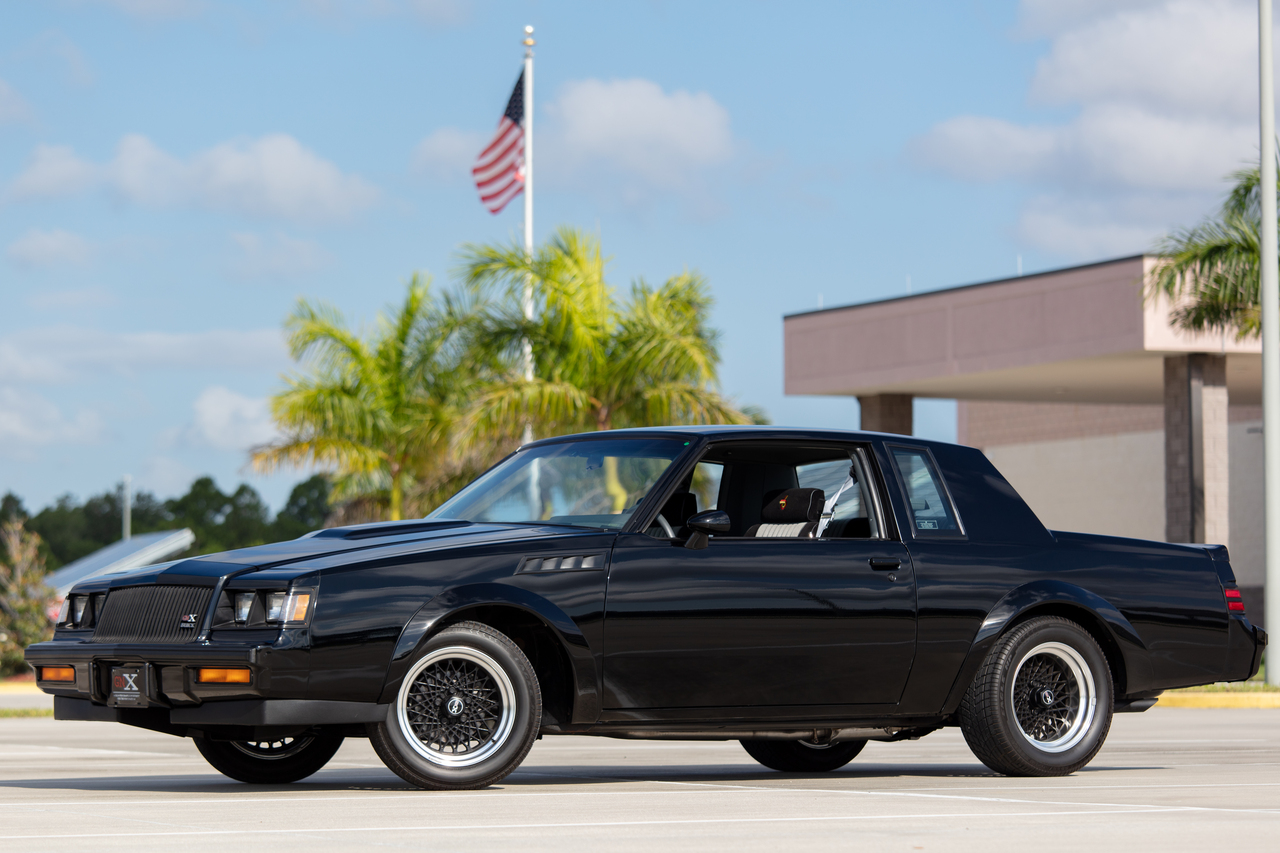
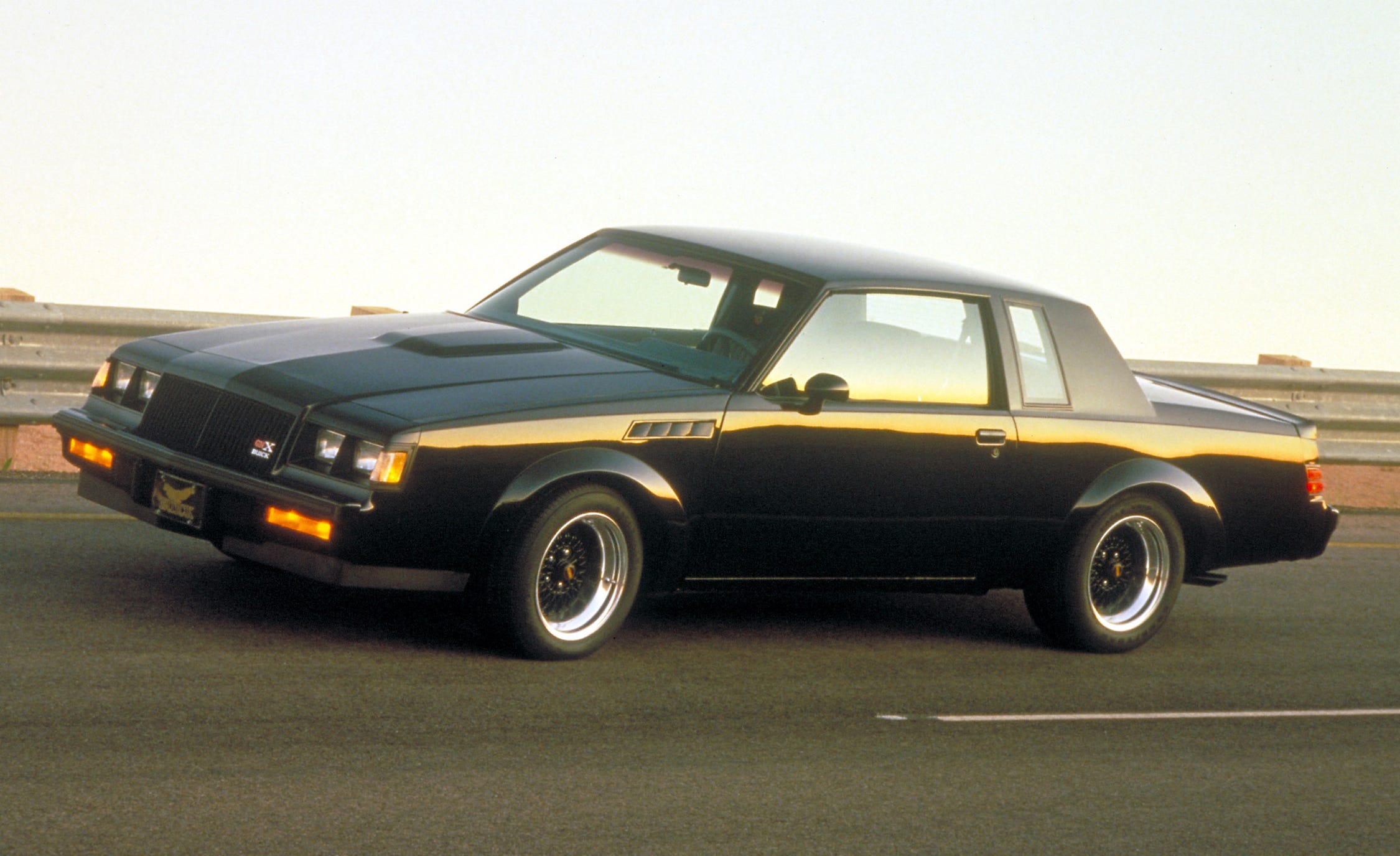
Few vehicles from the late 1980s command attention quite like the 1987 Buick GNX. Developed as a collaboration between Buick and ASC McLaren, this limited-production model pushed the boundaries of what a turbocharged V6 could achieve during a period dominated by V8 expectations. Its understated black exterior concealed performance that rivaled far more exotic machines of its time.
Power delivery came from a heavily modified 3.8-liter turbocharged engine, producing output figures that exceeded official ratings. Acceleration felt immediate, with a strong mid-range pull that surprised drivers accustomed to traditional muscle cars. This approach challenged assumptions about displacement and demonstrated that forced induction could deliver serious performance without relying on large engines.
Styling played an important role in shaping its identity. Instead of bright colors or aggressive graphics, the GNX relied on subtle cues such as flared fenders and unique badging. That restrained appearance created an element of surprise, allowing the car’s performance to speak for itself rather than relying on visual drama.
Driving experience offered a balance between comfort and capability. Suspension upgrades improved handling compared to the standard Grand National, while still maintaining a level of ride quality suitable for everyday use. This dual-purpose character contributed to its appeal among drivers seeking both practicality and excitement.
Production numbers remained extremely limited, which adds to its current desirability. Collectors value its rarity as much as its performance credentials. Enthusiasts who once overlooked the GNX are now recognizing its place as one of the most forward-thinking American performance cars of its decade.
2. 1982 Chevrolet Camaro Z28 (Third Generation)
Estimated Price: $8,000-$25,000
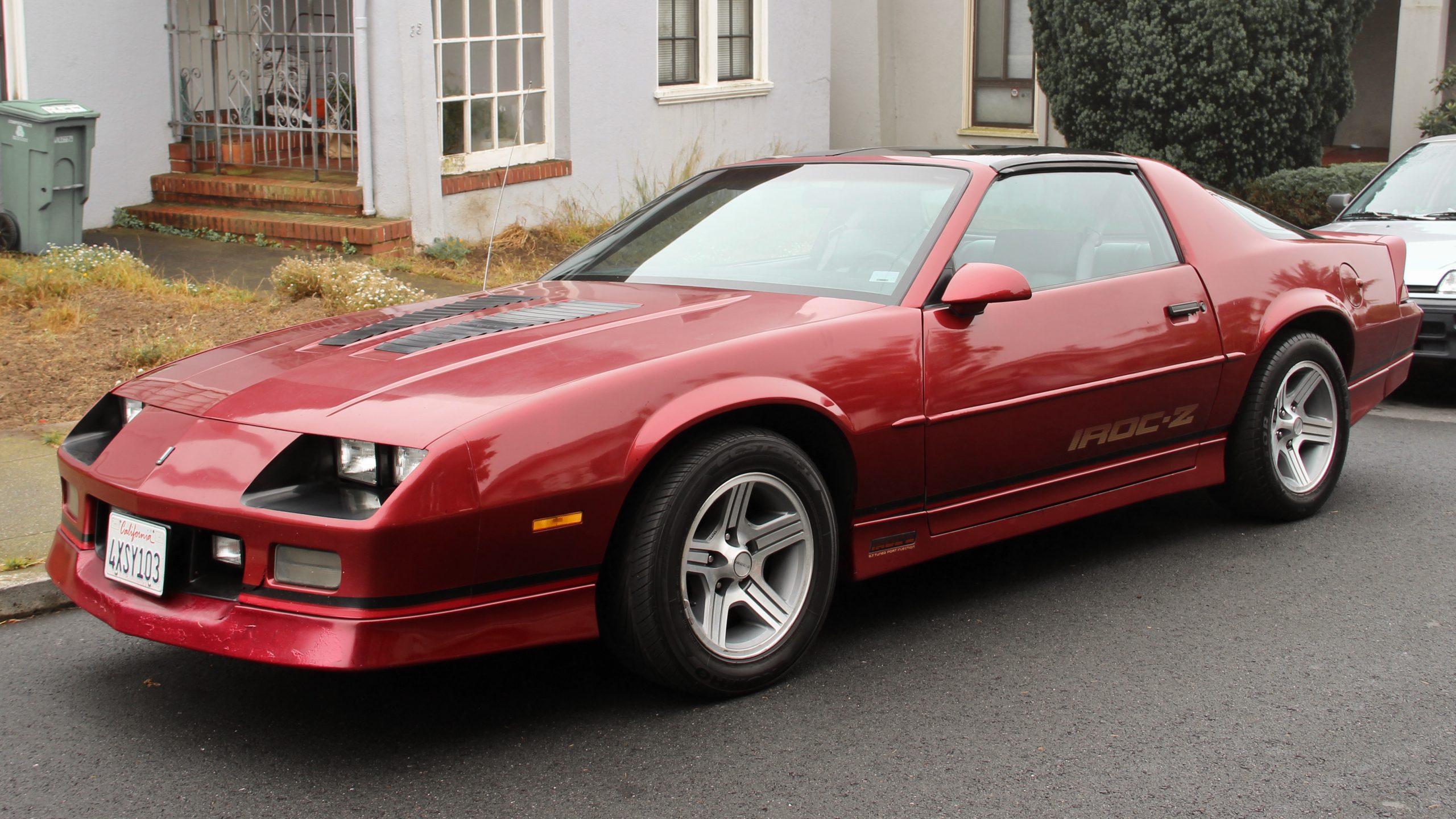
A new phase in American performance car development became evident with the arrival of the 1982 Chevrolet Camaro Z28, which introduced the third-generation platform with a clear departure from earlier design traditions. Rather than continuing with the heavier, straight-line-focused philosophy that defined previous muscle cars, this model embraced a more refined engineering direction.
Emphasis was placed on reducing weight, improving aerodynamic efficiency, and enhancing suspension design, all of which contributed to a more balanced and controlled driving experience. This transition reflected wider changes within the automotive industry, where efficiency and precision began to receive increased attention.
Weight reduction served as a major element of its development. Engineers worked to remove unnecessary mass, resulting in a vehicle that felt more responsive and agile. This lighter construction improved fuel economy while also enhancing handling characteristics.
Drivers noticed quicker reactions to steering input, as well as improved stability during directional changes. The vehicle no longer relied solely on engine output to deliver performance; instead, it achieved a more refined balance between power and control. This adjustment created a driving experience that rewarded precision and attentiveness.
Engine configurations varied across the model range, offering different levels of performance to suit a range of preferences. Although power figures may appear modest when compared to modern standards, the reduced weight and improved chassis dynamics allowed the Camaro Z28 to perform effectively within its class.
Acceleration felt consistent, and the car maintained composure during both straight-line driving and cornering. This approach appealed to drivers who valued handling and control alongside traditional performance characteristics, creating a broader appeal beyond those focused solely on raw speed.
Interior development reflected contemporary design trends of the early 1980s. The cabin incorporated digital elements and improved ergonomics, providing a more modern driving environment compared to earlier versions. Controls were arranged to support ease of use, allowing drivers to access essential functions without distraction.
Seating design offered improved support, particularly during more active driving situations, contributing to overall comfort and driver confidence. These updates demonstrated an effort to align interior functionality with the vehicle’s updated performance orientation.
Initial public response to the third-generation Camaro Z28 was varied. Some enthusiasts expressed concern regarding the reduced emphasis on traditional muscle car characteristics, particularly in relation to engine output. However, as time progressed, appreciation for the model’s engineering direction increased.
Drivers began to recognise the benefits of its balanced performance, as well as its contribution to a changing automotive environment. This shift in perception has played a role in its growing reputation among enthusiasts. Interest from collectors has increased as awareness of the model’s historical importance continues to develop.
Well-preserved examples are becoming more desirable, as they represent a period of transition within American automotive design. The 1982 Camaro Z28 now stands as an example of how thoughtful engineering changes can influence long-term perception, even when initial reception may be uncertain.
Also Read: 6 Head-Turning Classics In the USA vs. 6 That Everyone Already Owns
3. 1989 Ford Mustang LX 5.0
Estimated Price: $12,000-$40,000
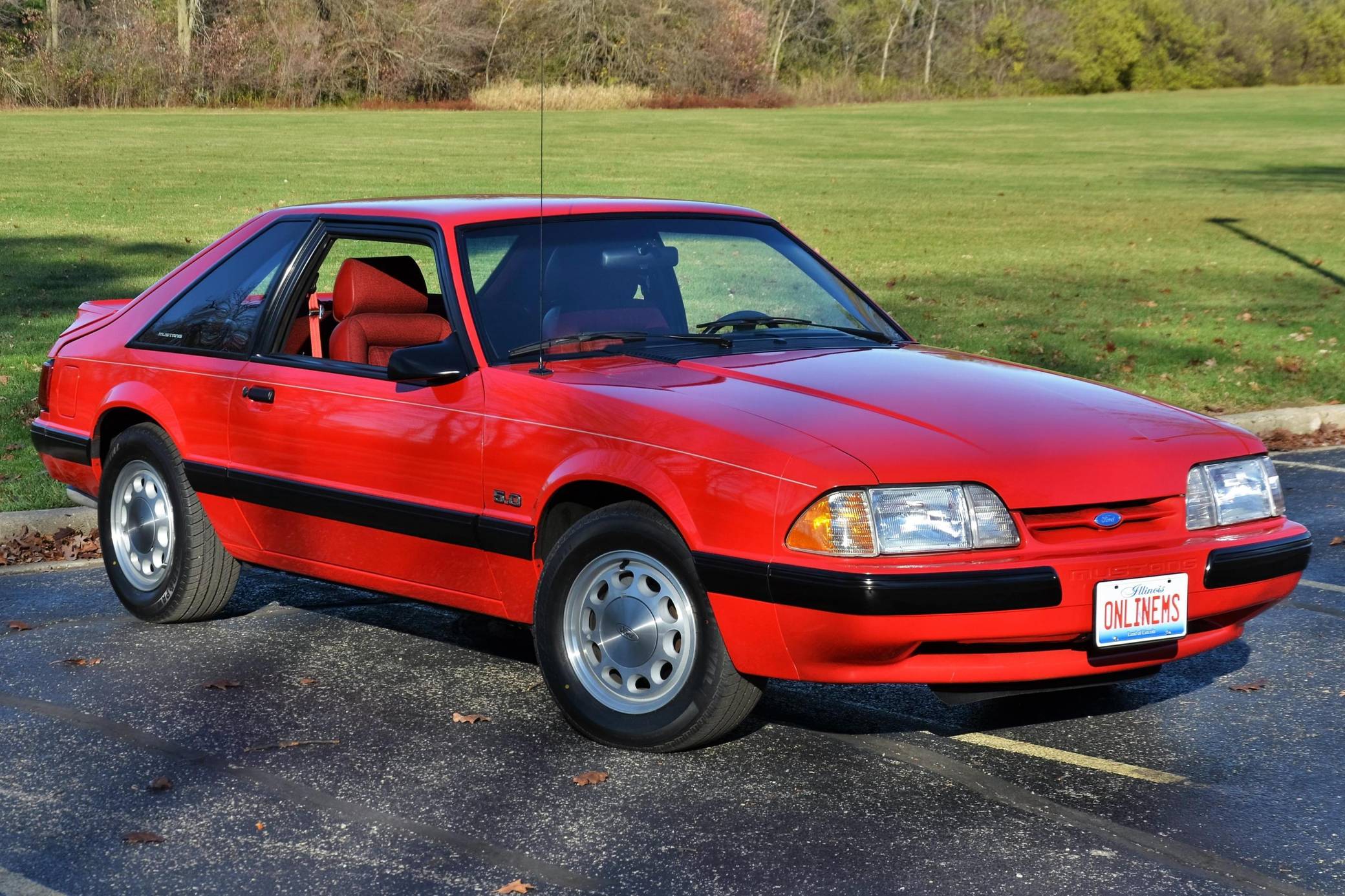
Renewed respect for American performance found a strong expression in the 1989 Ford Mustang LX 5.0, a vehicle that relied on mechanical honesty rather than excessive styling or unnecessary complication. At a time when automotive design often leaned toward visual drama, this model adopted a restrained appearance that allowed its engineering strengths to stand at the forefront.
The absence of heavy body enhancements or exaggerated detailing created a clean profile that appealed to drivers who preferred substance over presentation. Beneath that modest exterior sat a 5.0-liter V8 engine that delivered output capable of challenging expectations within its segment. Paired with the lightweight Fox-body structure, the engine produced acceleration that felt immediate and forceful.
Public enthusiasm grew rapidly, particularly within informal performance communities where accessibility mattered as much as capability. The Mustang LX 5.0 became a popular choice for individuals seeking a platform that could be modified without excessive financial burden.
Its engine design responded well to tuning, allowing owners to extract additional power through relatively simple upgrades. This adaptability contributed to its reputation as a practical yet potent performance vehicle, capable of evolving alongside the ambitions of its owner.
Driving behaviour reflected the uncomplicated nature of its construction. Steering response felt direct, while throttle input translated into immediate action without excessive electronic interference. This created a driving experience that emphasized control and involvement. While refinement levels did not match those of later performance vehicles, the sense of connection between driver and machine remained a defining characteristic that many enthusiasts continue to appreciate.
Interior design followed a similar philosophy of practicality. Materials and layout focused on functionality rather than luxury, providing essential features without unnecessary additions. Controls were positioned logically, allowing drivers to maintain focus during operation.
Seating offered adequate support for spirited driving, even though comfort features remained limited when compared to modern standards. This approach aligned with the car’s purpose, reinforcing its identity as a performance-focused machine rather than a luxury offering.
Present-day appreciation for the Fox-body Mustang has elevated the status of the LX 5.0 within collector circles. Well-maintained examples are becoming increasingly scarce, as years of modification and heavy use have reduced the number of original vehicles available.
This scarcity has contributed to rising values, as enthusiasts seek to preserve a model that represents an important phase in American automotive development. The 1989 Mustang LX 5.0 now stands as a clear example of how simplicity, combined with effective engineering, can create lasting influence without reliance on constant redesign.
4. 1984 Pontiac Fiero GT
Estimated Price: $6,000-$20,000
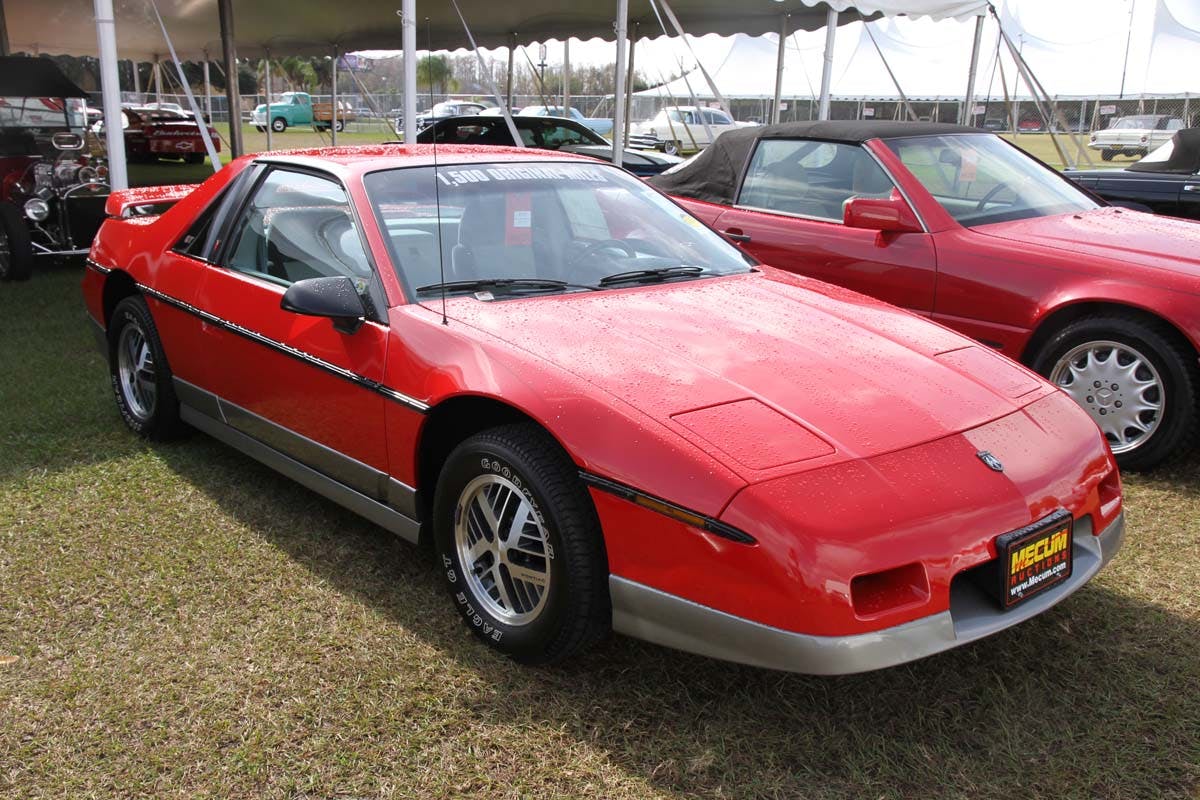
Bold engineering direction defined the introduction of the 1984 Pontiac Fiero GT, a vehicle that departed from established American automotive traditions through its adoption of a mid-engine layout. This configuration, more commonly associated with European sports cars, placed the engine behind the driver and altered the balance of the vehicle in a manner that distinguished it from conventional front-engine designs.
Such an approach reflected a willingness to pursue alternative solutions during a period of experimentation within the industry. Visual presentation played an immediate role in shaping public perception. The Fiero GT featured sharp lines, compact proportions, and a low stance that conveyed a sense of forward-thinking design.
Its exterior form differed greatly from the larger, more traditional coupes available at the time, giving it a distinct identity that attracted attention from a wide range of observers. This styling choice supported the vehicle’s engineering concept, presenting it as something genuinely different rather than a variation of existing models.
Driving characteristics benefited from the mid-engine arrangement. Weight distribution improved stability during cornering, allowing the vehicle to maintain composure when subjected to directional changes. Drivers experienced a level of balance that enhanced confidence, particularly when approaching curves at moderate speed.
Early production units received criticism for limited engine output, yet subsequent refinements addressed these concerns by introducing improved performance options that better matched the chassis’s capability. Development challenges emerged during initial production stages, as the ambitious design required careful refinement to achieve consistent reliability. Early issues affected public confidence, yet continued engineering adjustments demonstrated a commitment to improvement.
These efforts gradually enhanced the ownership experience, allowing the vehicle to achieve a more stable reputation in later years. Such persistence reflected an intention to establish a credible alternative within the sports car segment. Cabin layout emphasized driver accessibility and functional arrangement.
Controls were positioned within comfortable reach, supporting ease of operation during both routine driving and more demanding conditions. Visibility remained adequate despite the compact structure, allowing drivers to maintain awareness of their surroundings. Seating design provided support that complemented the vehicle’s handling characteristics, reinforcing its performance-oriented purpose.
Perception of the Fiero GT has changed with the passage of time. What was once regarded as an experimental departure is now viewed as a meaningful contribution to American automotive innovation. Collectors increasingly recognise its uniqueness and historical value, particularly as interest in vehicles from the 1980s continues to expand.
The Fiero GT now occupies a respected position among enthusiasts who appreciate originality and engineering ambition, standing as a reminder that progress often begins with bold ideas supported by persistence and careful development.
5. 1986 Dodge Shelby GLHS
Estimated Price: $15,000-$35,000
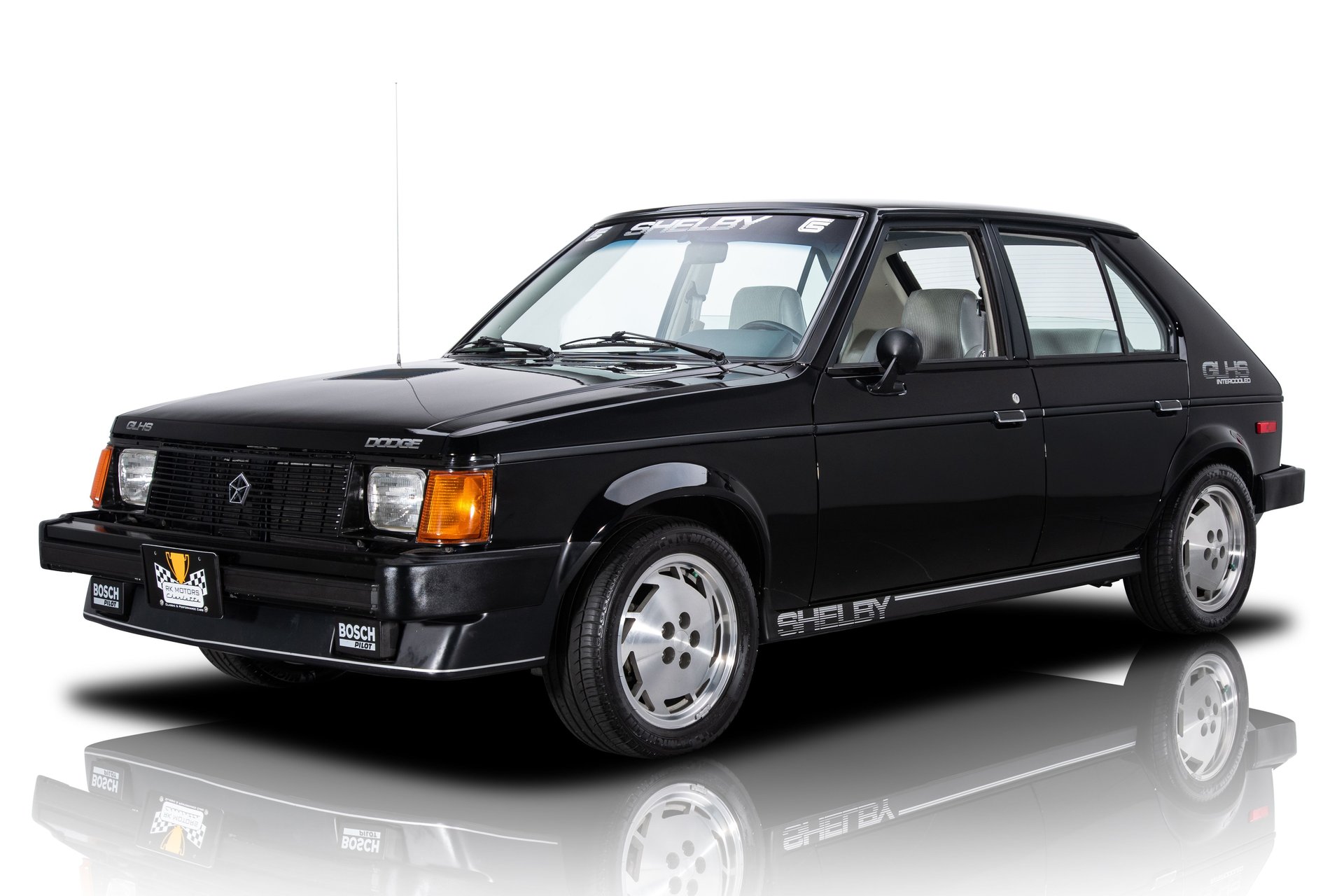
Energy and ambition defined the 1986 Dodge Shelby GLHS, a compact performance car that carried the personal influence of Carroll Shelby into a new era of front-wheel-drive engineering. Built from the Dodge Omni platform and refined through Shelby’s performance philosophy, the GLHS delivered surprising speed in a lightweight package that few expected to perform at such a level.
Turbocharging formed the heart of its appeal. The 2.2-liter four-cylinder engine produced strong output for its size, delivering quick acceleration that challenged larger and more established performance cars. Drivers experienced a surge of power that felt immediate, especially once boost pressure built under load.
This created a lively driving character that encouraged spirited use without requiring excessive engine displacement. Lightweight construction amplified its performance. With less mass to move, the GLHS responded quickly to throttle input and directional changes.
Steering felt direct, giving drivers confidence when pushing the car through corners. While front-wheel drive introduced certain handling traits, careful tuning allowed the car to remain composed during aggressive driving. Exterior styling reflected a purposeful approach.
Black paint, subtle striping, and minimal ornamentation communicated intent without unnecessary decoration. The design matched the car’s performance focus, emphasizing function over visual excess. Inside, the cabin remained straightforward, with supportive seating and controls positioned for ease of use.
Limited production numbers added to its appeal. Shelby’s involvement ensured that each unit carried a level of exclusivity that continues to attract collectors. Enthusiasts who appreciate performance innovation now recognize the GLHS as a turning point for compact American performance vehicles.
Market perception has developed steadily. Once dismissed as an unusual experiment, the GLHS is now valued for its bold engineering direction and historical importance. Restoration projects are becoming more common, and well-preserved examples are increasingly sought after by collectors who understand their place in automotive development.
6. 1987 Chevrolet El Camino SS
Estimated Price: $10,000-$25,000
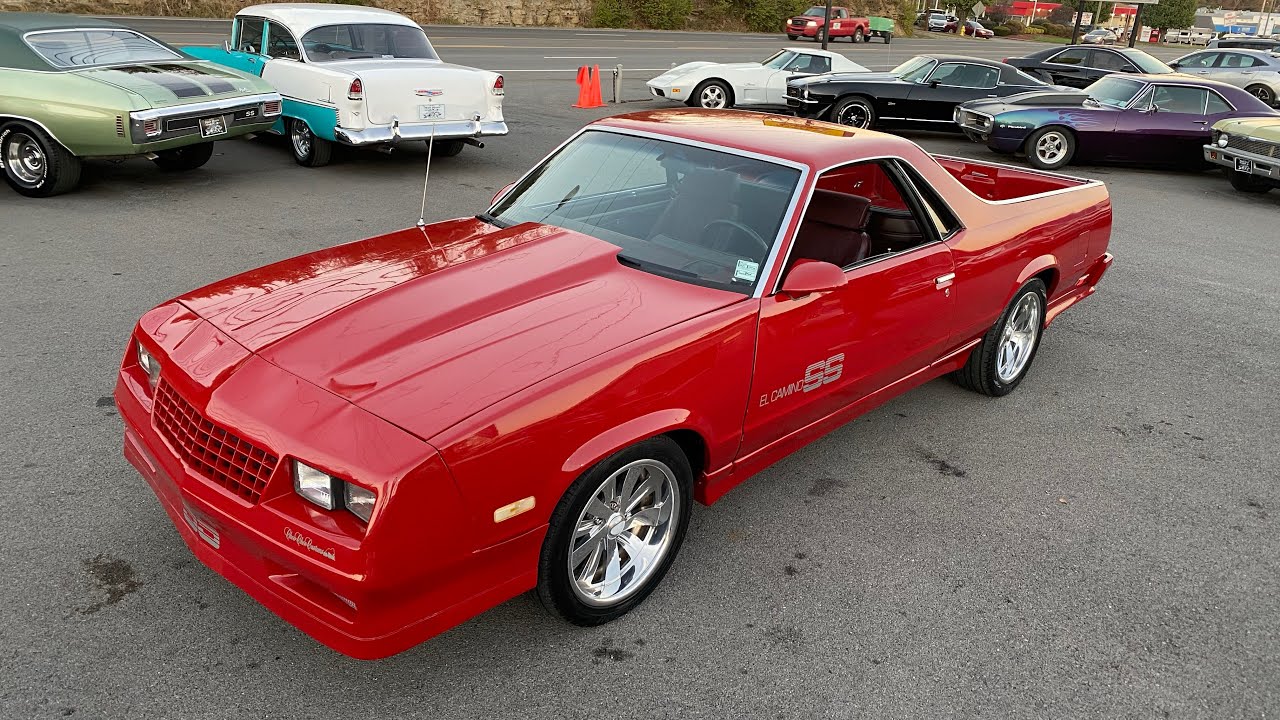
Blending utility with performance, the 1987 Chevrolet El Camino SS occupies a space that few vehicles have attempted to fill successfully. Part pickup, part muscle car, it delivered a driving experience that combined everyday practicality with the familiar character of a V8-powered platform. This dual-purpose identity has helped it gain renewed attention in recent years.
Power came from a 5.0-liter V8 engine, providing steady acceleration suited for both work and leisure. Drivers appreciated the engine’s low-end torque, which allowed the El Camino to handle cargo without hesitation. At the same time, it retained enough performance capability to deliver an engaging drive when the load bed was empty.
Chassis design drew from the G-body platform, shared with several performance-oriented coupes of the era. This foundation contributed to stable handling and a comfortable ride. While it did not aim to compete directly with dedicated sports cars, the El Camino SS offered a balanced experience that appealed to a wide range of drivers.
Exterior styling remained distinctive. The combination of a coupe front end with an open cargo bed created a silhouette that stood apart from conventional trucks and cars. This uniqueness has become a major part of its modern appeal, as collectors seek vehicles that offer something different from typical designs.
Interior features focused on usability. Seating provided adequate support, and controls were arranged with practicality in mind. The cabin reflected its dual-purpose nature, serving both daily driving needs and occasional hauling duties without complication.
Cultural recognition has contributed to its renewed popularity. The El Camino represents a period when manufacturers experimented with blending vehicle categories, resulting in creations that defy easy classification. Today, that willingness to try new ideas resonates with enthusiasts seeking individuality.
Interest continues to grow as fewer well-maintained examples remain available. The El Camino SS now stands as a reminder that versatility and character can coexist within a single vehicle, making it a compelling choice for collectors who value both function and style.
7. 1989 Pontiac Firebird Trans Am Turbo
Estimated Price: $25,000-$60,000
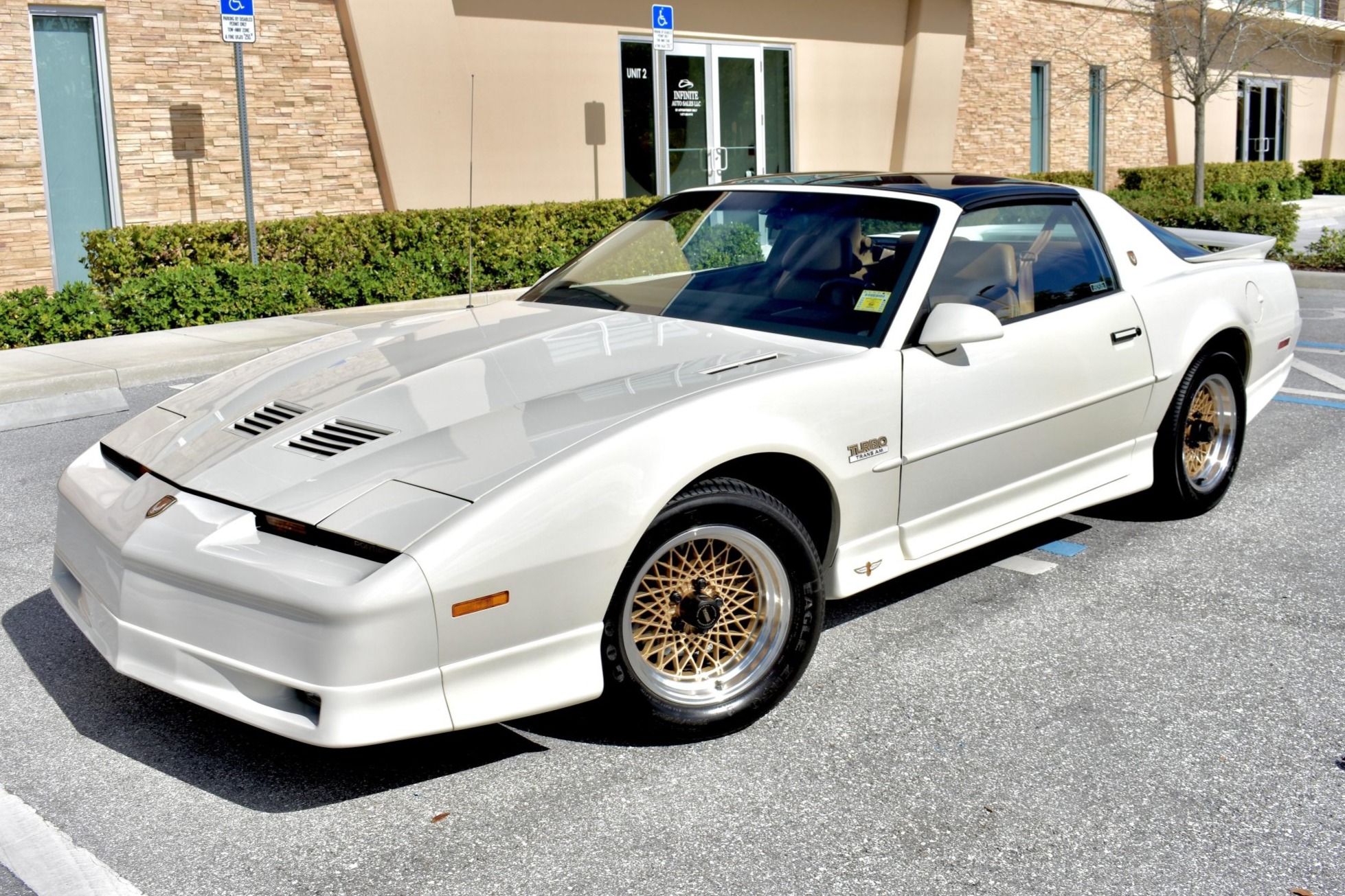
A remarkable advancement in American automotive engineering emerged with the 1989 Pontiac Firebird Trans Am Turbo, a model that challenged established expectations through its adoption of turbocharged performance within a platform historically associated with naturally aspirated V8 engines.
This development represented a deliberate departure from conventional design practice, drawing upon technical knowledge refined by Buick’s experience with forced induction systems. The result was a vehicle that combined familiar styling with an alternative performance philosophy rooted in efficiency and responsiveness.
At the centre of its operation lay a 3.8-litre turbocharged V6 engine, capable of delivering strong acceleration through controlled boost pressure. Rather than relying on displacement alone, the engine utilised forced induction to produce power in a manner that felt both progressive and engaging.
Drivers experienced a surge in output as boost levels increased, creating a dynamic driving sensation that differed from the linear delivery commonly associated with larger engines. This approach allowed the vehicle to achieve performance levels comparable to traditional V8-powered models while maintaining a distinct mechanical character.
Recognition of this model has also been influenced by its limited production status. Developed to commemorate a major motorsport occasion, the Trans Am Turbo incorporated unique features that distinguished it from standard Firebird variants.
These differences extended beyond mechanical aspects to include specific design elements and equipment, reinforcing its identity as a special edition vehicle. Limited availability has contributed to its desirability, particularly among collectors who place value on rarity and historical context.
Chassis refinement played an important role in ensuring that the available power could be utilised effectively. Suspension adjustments improved stability during acceleration and cornering, allowing the vehicle to maintain composure under demanding conditions.
Steering response remained consistent and predictable, providing drivers with a sense of control that enhanced confidence during both everyday driving and more spirited use. These characteristics demonstrated careful attention to balance, ensuring that performance was matched by handling capability.
Visual presentation maintained continuity with the established Firebird design while incorporating subtle distinctions. Exterior detailing provided differentiation without altering the fundamental shape of the vehicle, preserving its recognisable identity. This restrained approach allowed the car to appeal to those who appreciated refinement in design rather than excessive ornamentation.
Interior arrangement supported both comfort and driver engagement. Controls were positioned for ease of access, while seating offered adequate support during extended use. This balance ensured that the vehicle could function effectively as a daily driver while still delivering performance when required.
Also Read: 10 Best Modern Classics That Are Guaranteed to Rise in Value by 2030
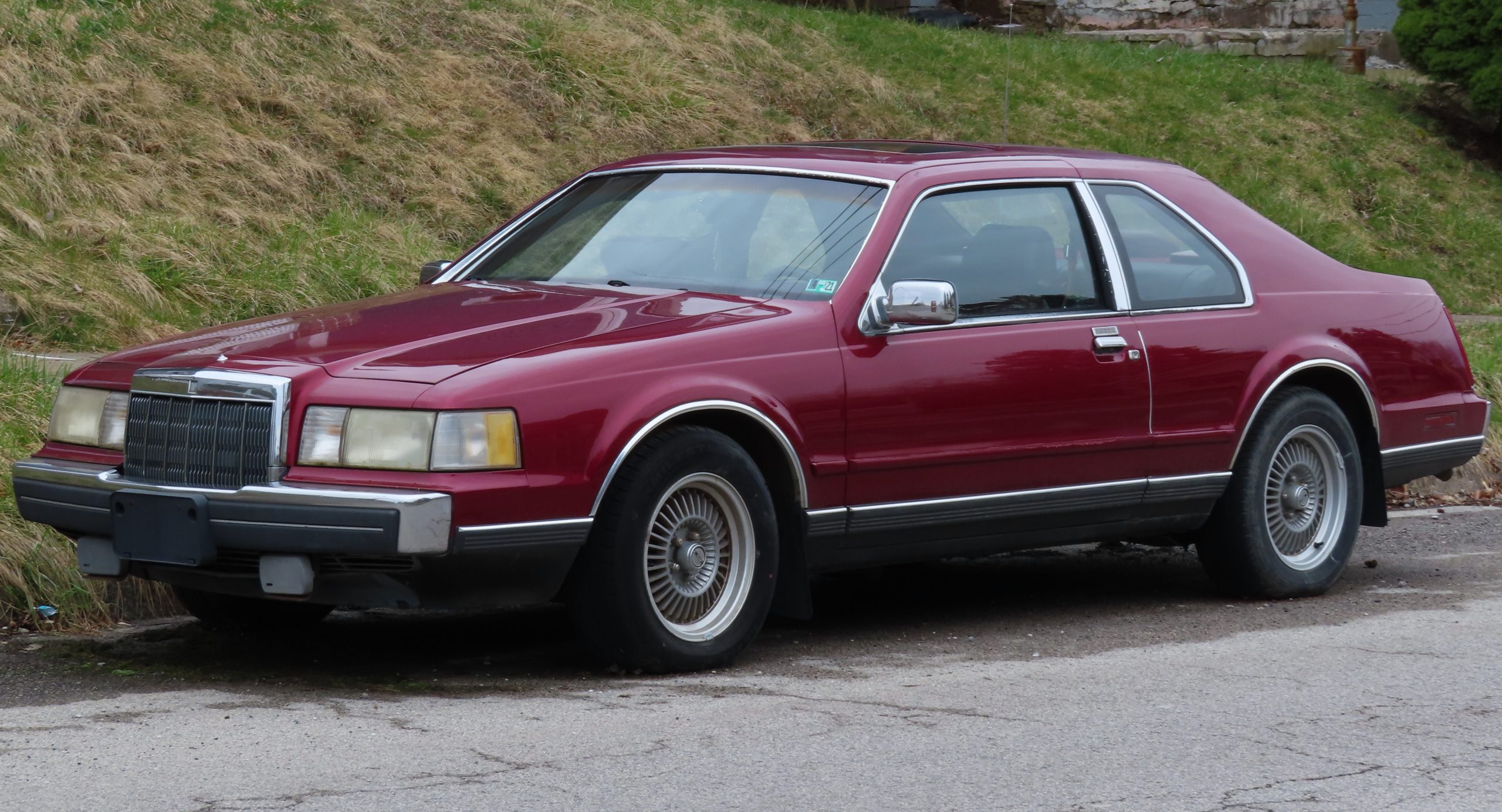
8. 1988 Lincoln Mark VII LSC
Estimated Price: $8,000-$20,000
Refined engineering combined with performance capability defined the 1988 Lincoln Mark VII LSC, a vehicle that presented a different interpretation of luxury motoring within the American automotive industry. Developed on a platform shared with the Ford Mustang, it incorporated elements of performance engineering into a design that prioritised comfort and sophistication. This integration created a vehicle capable of delivering both relaxed cruising and confident acceleration.
Power delivery originated from a 5.0-litre V8 engine, which provided smooth and consistent output across varying driving conditions. Acceleration remained controlled, allowing drivers to apply power with precision rather than abrupt force. This behaviour suited the vehicle’s intended purpose, offering a balanced experience that accommodated both leisurely travel and more assertive driving when required.
Attention to ride quality was evident in the adoption of an air suspension system, an advanced feature for its period. This technology enabled automatic adjustment of ride height, contributing to stability and comfort during operation. By maintaining consistent suspension characteristics, the system enhanced both handling and passenger experience. Such engineering demonstrated a commitment to refinement, ensuring that the vehicle delivered a composed ride under diverse conditions.
Exterior design reflected a disciplined approach, characterised by smooth contours and an aerodynamic profile. Rather than relying on aggressive styling cues, the Mark VII LSC conveyed sophistication through restraint. This design philosophy distinguished it from more performance-oriented models, appealing to individuals who valued elegance alongside capability.
Interior features reinforced this emphasis on comfort and usability. High-quality materials were employed throughout the cabin, while seating arrangements provided support suitable for extended journeys. Controls were arranged in a logical manner, enabling drivers to operate the vehicle with ease. The inclusion of advanced features for its time contributed to a sense of convenience that aligned with the expectations of a luxury coupe.
Perception of the Mark VII LSC has developed as interest in vehicles from the 1980s has increased. Initially overshadowed by more aggressive performance models, it is now recognised for its ability to integrate comfort and mechanical capability within a single platform. Collectors appreciate its distinctive position, acknowledging its role in bridging the gap between traditional luxury and performance engineering.
