
Fleet managers are not sentimental about engines. They track cost per mile, maintenance intervals, unscheduled downtime, and repair frequency with a financial discipline that individual owners rarely apply to their personal vehicles. When a fleet manager keeps a specific engine configuration in rotation for a decade and speaks about it with genuine appreciation, that endorsement carries weight that no manufacturer claim or automotive review can match.
It is the verdict of thousands of operating hours under real commercial conditions, managed by people whose job it is to keep vehicles running and costs controlled. Longevity records in fleet service do not happen by accident. They result from the intersection of sound engineering, appropriate application, and the consistent maintenance discipline that professional fleet operations apply.
But the engineering foundation matters enormously. Two engines can receive identical maintenance in the same fleet application and produce dramatically different longevity outcomes because their fundamental architectures handle thermal cycling, sustained load, and accumulated wear in genuinely different ways.
The engines that set fleet longevity records tend to share specific characteristics: conservative specific output relative to displacement, robust rotating assembly design, reliable lubrication system architecture, and cooling system capacity appropriate for sustained heavy use.
This page covers eight pickup truck engines that have produced documented longevity records in fleet service, meaning verified commercial applications where engines accumulated mileage figures that represent real operational achievement rather than carefully maintained collector examples. Some of these engines are well known for their durability. A few might surprise you with how thoroughly they earned their fleet reputations in applications that most drivers never hear about.
Each entry covers the specific vehicle and engine combination, the engineering characteristics that supported extended fleet service, the maintenance practices that fleet operators identified as most important for longevity, and the documented evidence that confirms these engines’ positions in fleet longevity history. Read through all eight before your next fleet procurement decision.
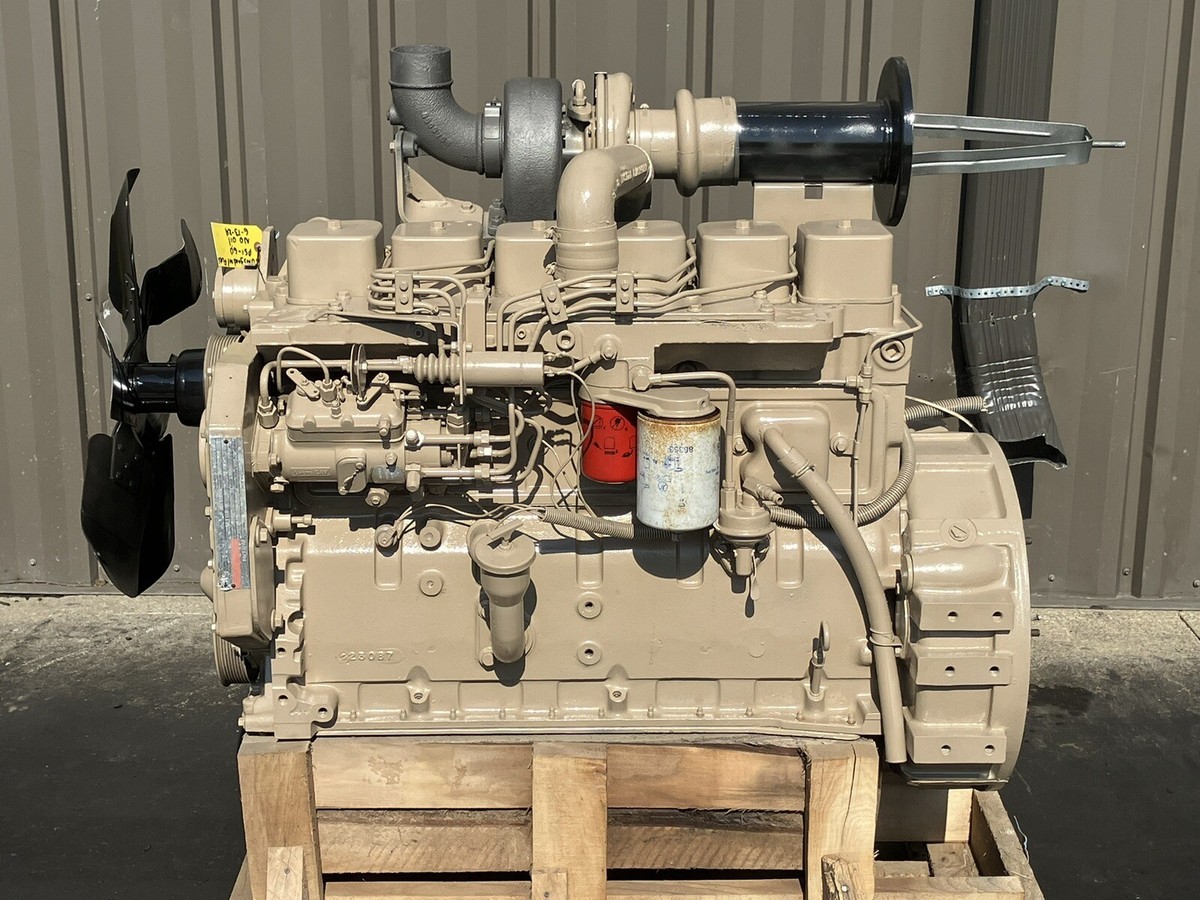
1. Cummins 5.9-Liter 6BT Mechanical Diesel in the Dodge Ram 2500 Tradesman (1989 to 1998)
Commercial fleets that operated Dodge Ram 2500 Tradesman trucks with the Cummins 5.9-liter 6BT mechanical diesel between 1989 and 1998 accumulated service data that established this engine as one of the most reliably long-lived powerplants in American light commercial truck history.
Utility companies, municipal fleets, construction contractors, and agricultural operations ran these engines in sustained heavy service across a decade of production, and the accumulated service records from this period form one of the most compelling longevity datasets in fleet management history. Mechanical fuel injection is the engineering feature most responsible for the 6BT’s fleet longevity advantage in this period.
Bosch P7100 injection pump operation without electronic control unit governance means the engine’s fuel delivery system is governed entirely by mechanical components whose failure modes are predictable, field-diagnosable, and field-repairable without specialized electronics diagnostic equipment. Fleet operations in remote areas, agricultural applications, and utility work in locations far from dealer service centers specifically valued the 6BT’s mechanical simplicity for exactly this reason.
Conservative power output, typically 160 to 215 horsepower and 400 to 440 pound-feet of torque, depending on specific calibration, relative to the 5.9-liter displacement, placed minimal thermal and mechanical stress on the rotating assembly during the sustained load operation that fleet use generates daily.
An engine operating at 60 to 70 percent of its maximum output capacity accumulates wear at a dramatically lower rate than one operating consistently near its rated limits, and the 6BT’s fleet calibrations maintained this conservative margin throughout the engine’s production life.
Fleet operators who documented their 6BT service histories consistently reported specific maintenance practices as most critical for achieving extreme mileage: oil changes at 5,000-mile intervals with quality API-rated diesel engine oil, fuel filter replacement every 15,000 miles, and coolant system maintenance including conditioned coolant with diesel coolant additive supplementation that protected cylinder liner seals from cavitation erosion that was a specific vulnerability of direct-injected diesel designs in this generation.
Municipal fleet examples of Ram 2500 Tradesman 6BT trucks with documented service histories reaching 400,000 to 600,000 miles before engine overhaul or retirement are found in fleet management records from utility companies and public works departments across the US, representing the most concrete evidence available that this engine’s longevity potential in appropriate commercial applications was genuinely exceptional by any reasonable standard.
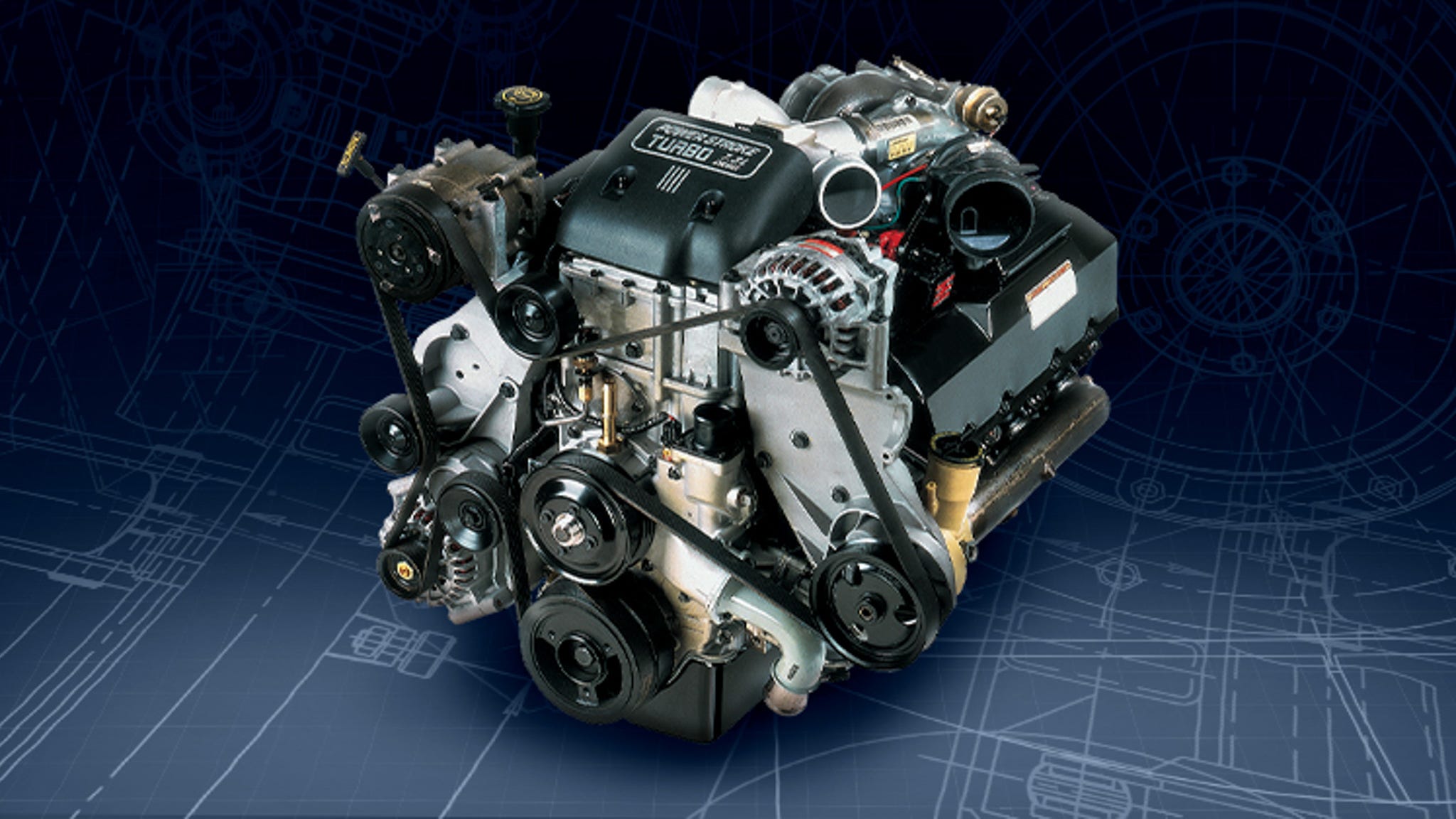
2. Ford 7.3-Liter Power Stroke HEUI Diesel in the Ford F-250 Super Duty XLT (1994 to 2003)
Ford’s 7.3-liter Power Stroke diesel, produced by International Navistar and installed in F-250 and F-350 Super Duty trucks from 1994 through the end of its production run in 2003, accumulated a fleet service reputation that remains unmatched in half-ton and three-quarter-ton commercial truck history.
Fleet managers at utilities, municipalities, construction companies, and delivery operations who ran these engines across this production decade generated service records that established the 7.3-liter Power Stroke as the standard against which subsequent fleet diesel engines were measured.
HEUI fuel injection, despite its unconventional use of high-pressure engine oil as the actuation medium for fuel injector operation, proved extraordinarily durable in fleet service when the oil system received appropriate maintenance. Fleet operators who understood the connection between oil quality and HEUI injector longevity maintained their 7.3-liter engines with short oil change intervals and quality oil that met Ford’s specification, and these operators consistently reported injection system reliability that matched or exceeded comparable systems in competitor platforms.
Cast iron block construction provided thermal stability under the extreme temperature cycling that fleet use generates through repeated cold starts, sustained high-load operation, idle periods in traffic and at job sites, and the daily temperature variation of outdoor commercial operation across all weather conditions.
Cast iron’s superior dimensional stability relative to aluminum under thermal cycling maintained bore roundness and head gasket sealing integrity across the mileage accumulation that fleet service demanded, contributing to compression retention and oil control that supported extreme longevity without premature internal wear indicators.
Fleet management records from utility companies that operated mixed Ford Super Duty fleets from the 7.3-liter Power Stroke production period show average engine service lives before major overhaul need exceeding 300,000 miles, with the best-maintained examples reaching 400,000 to 500,000 miles before major internal service was required.
These figures, drawn from professional fleet management contexts where financial accountability required accurate record-keeping rather than enthusiastic approximation, represent the most reliable available evidence of this engine’s genuine fleet longevity achievement.
Also Read: 12 Best Diesel Engines Ever Featured in an American Pickup Truck
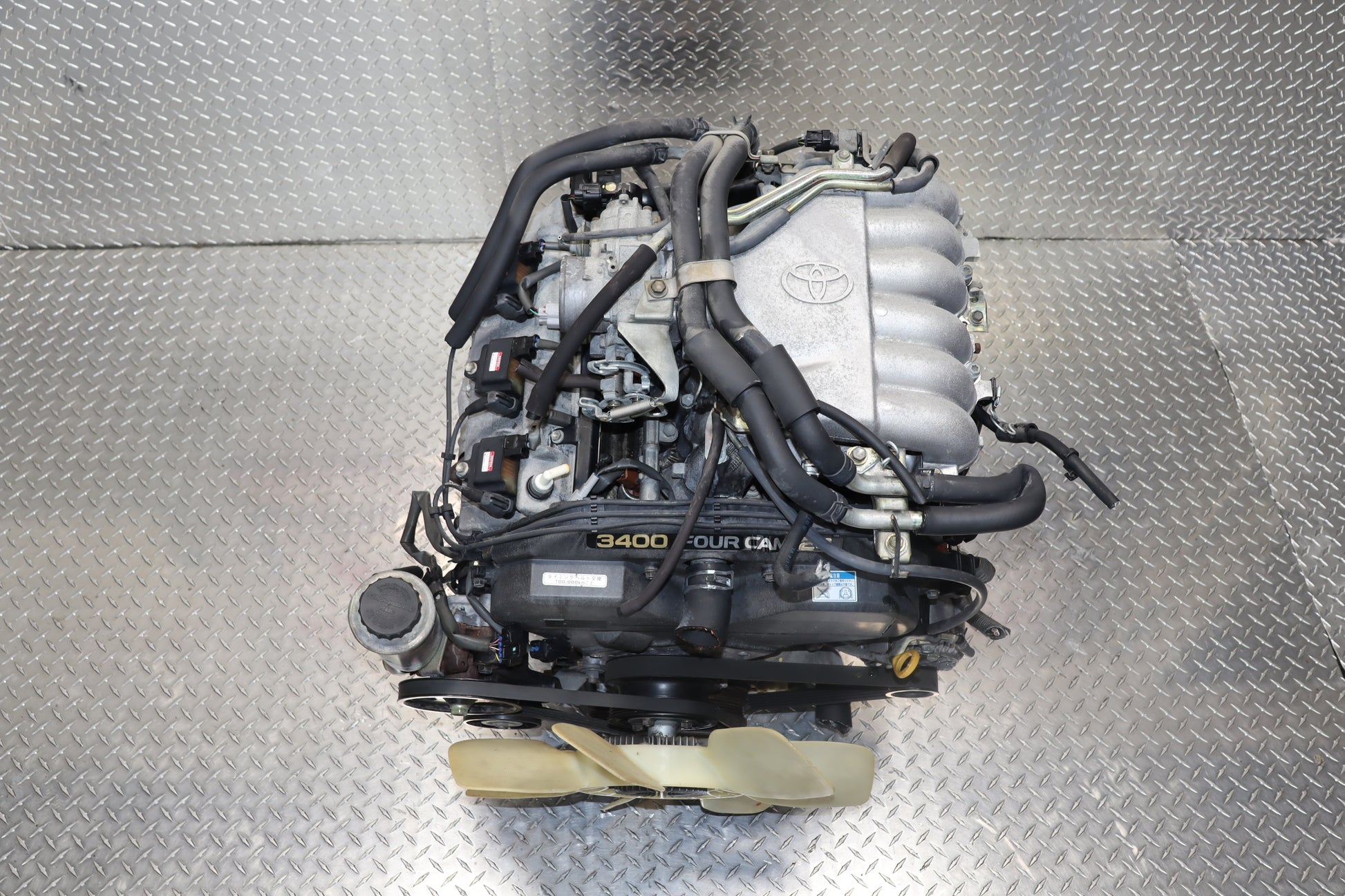
3. Toyota 5VZ-FE 3.4-Liter V6 Gasoline Engine in the Toyota Tacoma SR5 4×4 (1995 to 2004)
Gasoline V6 engines in commercial fleet applications rarely receive the recognition that diesel powertrains accumulate in fleet longevity conversations, but Toyota’s 5VZ-FE 3.4-liter naturally aspirated V6 in the Tacoma SR5 4×4 produced documented fleet service records in light commercial applications that deserve recognition alongside the more celebrated diesel alternatives. Municipal parks departments, utility contractors, landscaping fleets, and small construction operations that ran Tacoma SR5 trucks in these years accumulated data demonstrating this engine’s genuine commercial longevity.
Toyota’s 5VZ-FE used cast iron block construction with aluminum cylinder heads, a hybrid material approach that combined iron’s dimensional stability for bore and crankshaft support with aluminum’s thermal conductivity advantages for cylinder head heat management. This material combination produced an engine architecture that managed the thermal demands of sustained work use effectively while maintaining the bore and bearing dimensional stability that long-term compression retention and oil control required.
Timing belt maintenance on the 5VZ-FE represents the most critical scheduled service item that fleet operators identified as non-negotiable for longevity in this engine. Belt-driven valve timing requires replacement at manufacturer-specified intervals, and fleet operations that maintained rigorous belt service schedules consistently achieved dramatically better longevity than those that deferred belt replacement.
The engine’s interference design made belt failure catastrophically expensive, creating strong financial motivation for disciplined belt service that supported the maintenance quality that produced extreme longevity outcomes. Conservative specific output, approximately 190 horsepower and 220 pound-feet of torque from 3.4 liters, placed the 5VZ-FE in the same favorable operating margin relative to its capacity that characterized the best fleet longevity engines in every category.
Fleet Tacoma SR5 examples from municipal and commercial operators with documented 200,000 to 300,000-mile service histories on original engines before internal service appeared regularly in fleet management records from operators across the US southwest, where the combination of dry climate and demanding commercial use created conditions that tested every aspect of engine durability without the additional corrosion variables that wetter climates introduced.
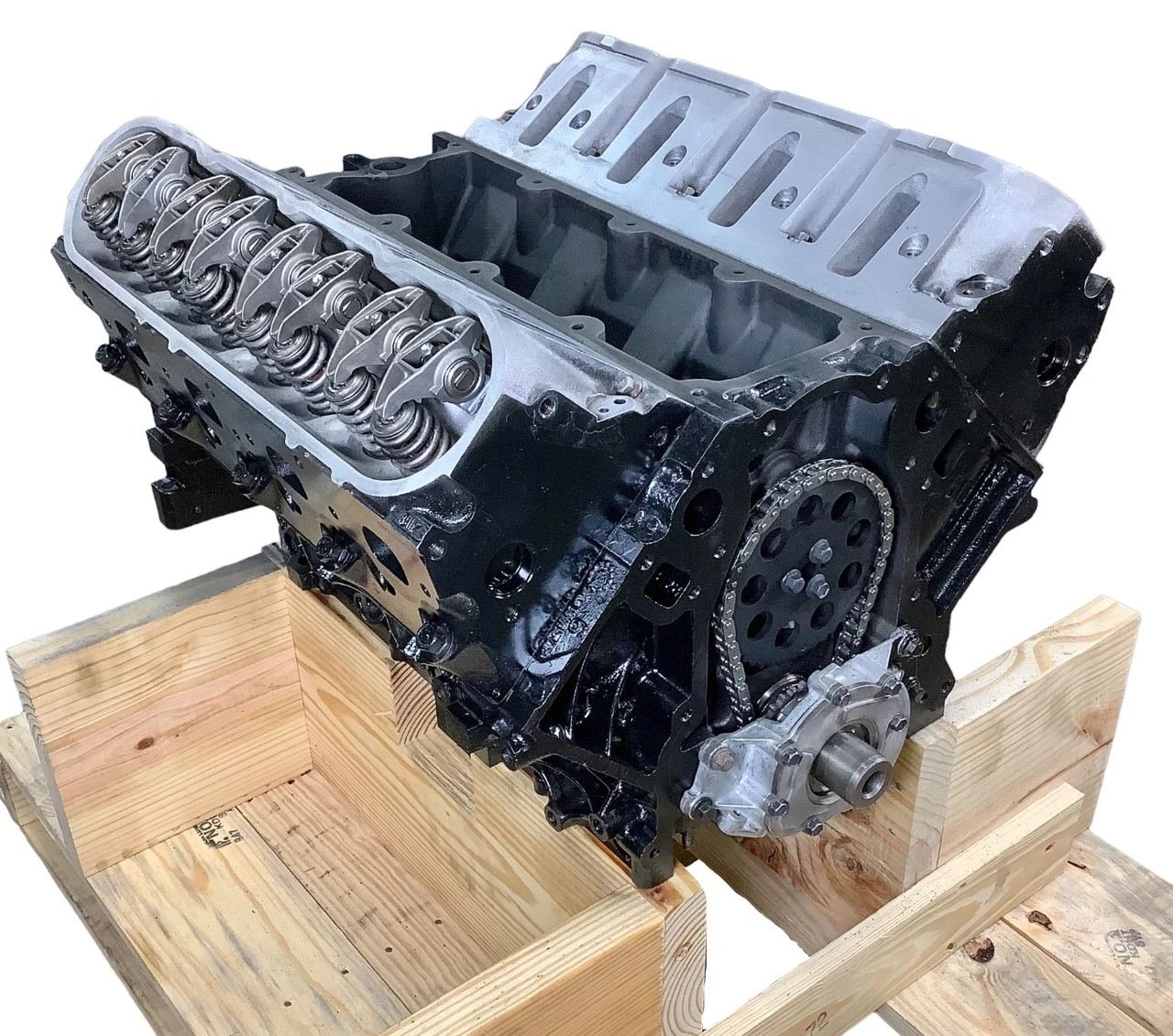
4. General Motors 6.0-Liter LQ4 Iron Block V8 in the GMC Sierra 2500 HD Regular Cab Work Truck (1999 to 2006)
General Motors introduced the iron block 6.0-liter LQ4 V8 in full-size heavy-duty trucks beginning with the 1999 model year, and fleet operators who added these trucks to commercial service in the early production years had accumulated enough service data by the mid-2000s to recognize that the LQ4’s combination of iron block construction, conservative V8 power output, and LS architecture reliability was producing fleet longevity records that rivaled comparable diesel alternatives in applications where diesel’s fuel economy advantage was less critical than total cost of ownership reliability.
Cast iron block construction provided the foundation for LQ4 fleet longevity in the same way it supported the diesel engines above it in this list. Iron block V8 architecture maintained bore and crankshaft dimensional stability across the thermal cycling that commercial fleet use generated daily, preserving compression, oil control, and bearing clearances across mileage accumulation that aluminum block engines handled less consistently under equivalent commercial stress conditions.
Fleet managers who had operated both iron block and aluminum block V8 trucks consistently reported that the iron block examples showed better internal condition at comparable high mileages when inspected during scheduled maintenance checks. LQ4 power output at 325 horsepower and 365 pound-feet of torque from 6.0 liters was conservative enough to maintain favorable operating margins during sustained fleet service load cycles without the thermal stress concentration that higher specific output engines generated in comparable applications.
V8 configuration provided smooth power delivery across a wide RPM range that supported the variable load patterns of commercial truck use without the power delivery quirks that smaller displacement or fewer cylinder engines occasionally produced under specific load conditions.
Municipal utility and construction fleet examples of GMC Sierra 2500 HD Regular Cab Work Truck trucks with LQ4 V8 engines reaching 250,000 to 350,000 miles before major engine service appeared in fleet management records from public works departments that specifically tracked engine service intervals and replacement costs as fleet management performance metrics.
These fleet management records, maintained for financial accountability rather than enthusiast interest, provide among the most credible available evidence of this engine’s genuine fleet longevity in commercial applications.
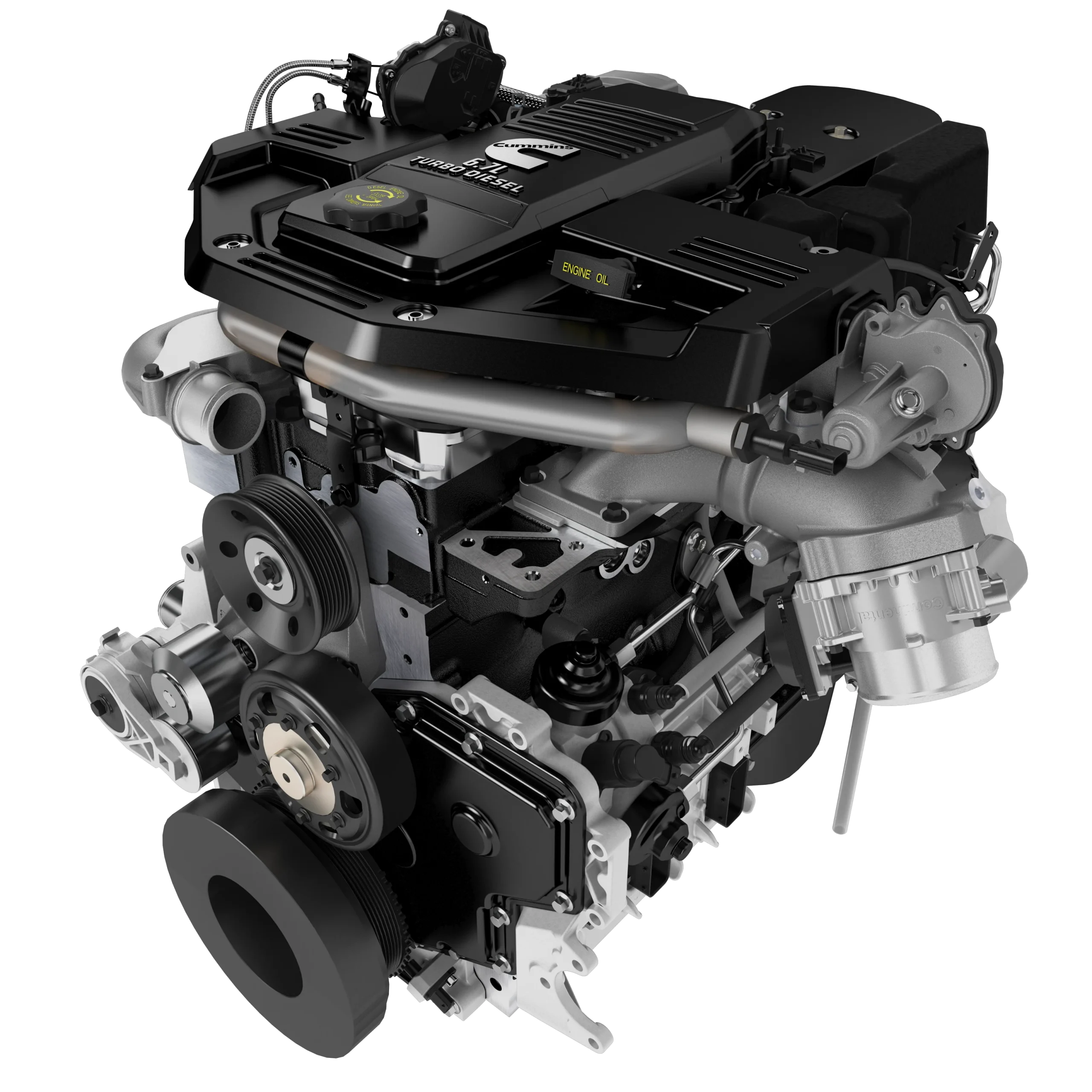
5. Ram Cummins 6.7-Liter ISB6.7 Turbo Diesel in the Ram 3500 Tradesman Regular Cab (2007 to 2018)
Cummins’ evolution from the 5.9-liter ISB to the 6.7-liter ISB6.7 retained the fundamental engineering commitments that had made the Cummins nameplate synonymous with fleet diesel longevity while adding the displacement, output, and emissions compliance that modern commercial fleet operations required.
Ram 3500 Tradesman Regular Cab trucks with the 6.7-liter ISB6.7 from the 2007 to 2018 production period accumulated fleet service records that demonstrated Cummins’ ability to maintain its longevity standards through the emissions technology transition that challenged every commercial diesel manufacturer during this period.
Inline-six cylinder architecture in the ISB6.7 provides balanced primary and secondary forces that eliminate the vibration characteristics inherent to V-configuration engines, reducing the mechanical stress on engine mount hardware and surrounding drivetrain components that V-engine vibration generates across millions of combustion cycles in fleet service.
Reduced vibration stress on surrounding components extends the service life of engine mounts, transmission bellhousing connections, and accessory drive components that contribute to the truck’s total commercial service life rather than just the engine’s specific longevity.
Forged steel connecting rods and crankshaft in the ISB6.7 construction reflect Cummins’ engineering prioritization of the rotating assembly components most directly responsible for long-term durability under the sustained load cycling and peak combustion pressure demands that commercial fleet diesel applications consistently generate.
Forged steel’s fatigue resistance under cyclic loading far exceeds cast alternatives, maintaining dimensional accuracy at connecting rod bearing clearances and crankshaft journal surfaces across the millions of combustion events that fleet service accumulates before inspection or service intervals occur.
Fleet operators who maintained ISB6.7-equipped Ram 3500 Tradesman trucks with discipline comparable to the best 5.9-liter 6BT operators from the previous generation found engine service lives that matched or exceeded the 6BT’s legendary records, with documented examples from agricultural and construction fleets reaching 400,000 to 500,000 miles before requiring major internal service.
Emissions system maintenance, including diesel particulate filter service and selective catalytic reduction system attention, added a service category that the mechanical 6BT never required, but fleet operators who managed this additional maintenance category found that the ISB6.7’s fundamental mechanical longevity was not compromised by the emissions compliance engineering that its operating environment required.
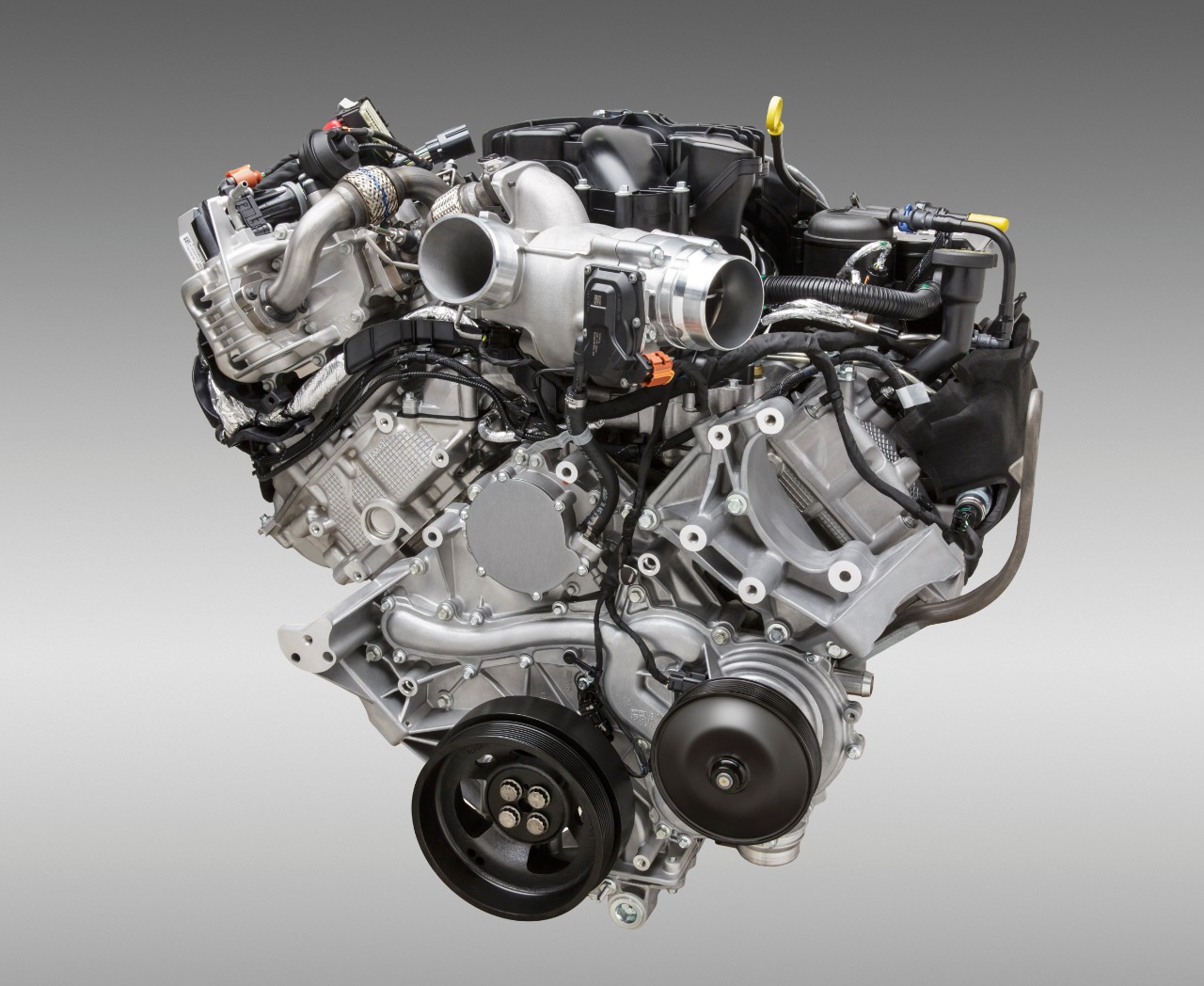
6. Ford 6.7-Liter Power Stroke Scorpion Diesel in the Ford F-350 Super Duty XL Regular Cab (2011 to 2019)
Ford’s development of its first in-house diesel engine for Super Duty application with the 6.7-liter Power Stroke Scorpion, breaking from the International Navistar sourcing relationship that had defined Ford’s diesel truck program since the 7.3-liter Power Stroke introduction, generated skepticism from fleet managers who had built their procurement preferences around the established International engine relationship.
That skepticism has been substantially resolved by the fleet service records that 6.7-liter Power Stroke-equipped F-350 Super Duty XL trucks accumulated across the 2011 to 2019 production period in commercial fleet applications. Compacted graphite iron block construction provides higher strength and better fatigue resistance than conventional gray iron while maintaining the dimensional stability advantages of iron over aluminum for fleet commercial applications.
CGI block construction allowed Ford to build a structurally rigid engine architecture that manages the high peak cylinder pressures of modern turbo diesel operation with reduced material mass compared to equivalent gray iron construction, providing both durability and packaging efficiency that fleet operators’ total vehicle cost calculations benefit from.
Reverse-flow cooling system, where coolant flows from the exhaust side to the intake side of the cylinder head rather than the conventional direction, provided better temperature distribution across the cylinder head under sustained high-load fleet operation by addressing the thermal gradient concentration on the exhaust side that conventional cooling direction created.
More uniform head temperatures reduced the thermal fatigue stress that was responsible for cylinder head cracking in some competing diesel designs under sustained fleet use, contributing to the head and head gasket longevity that fleet operators reported when comparing 6.7-liter Power Stroke service intervals to competitor experiences at comparable mileages.
Documented fleet service records from utility company and municipal fleet operations that deployed F-350 Super Duty XL trucks with 6.7-liter Power Stroke engines from the early production years show average service lives approaching 300,000 miles before major engine service requirements, with the best-maintained examples reaching 350,000 to 400,000 miles in continuous commercial operation.
These records, from the kind of professionally managed fleet environments where accurate documentation supports financial accountability requirements, provided the evidence that converted skeptical fleet managers from International-sourced engine loyalists to genuine 6.7-liter Power Stroke advocates by the middle of the production decade.
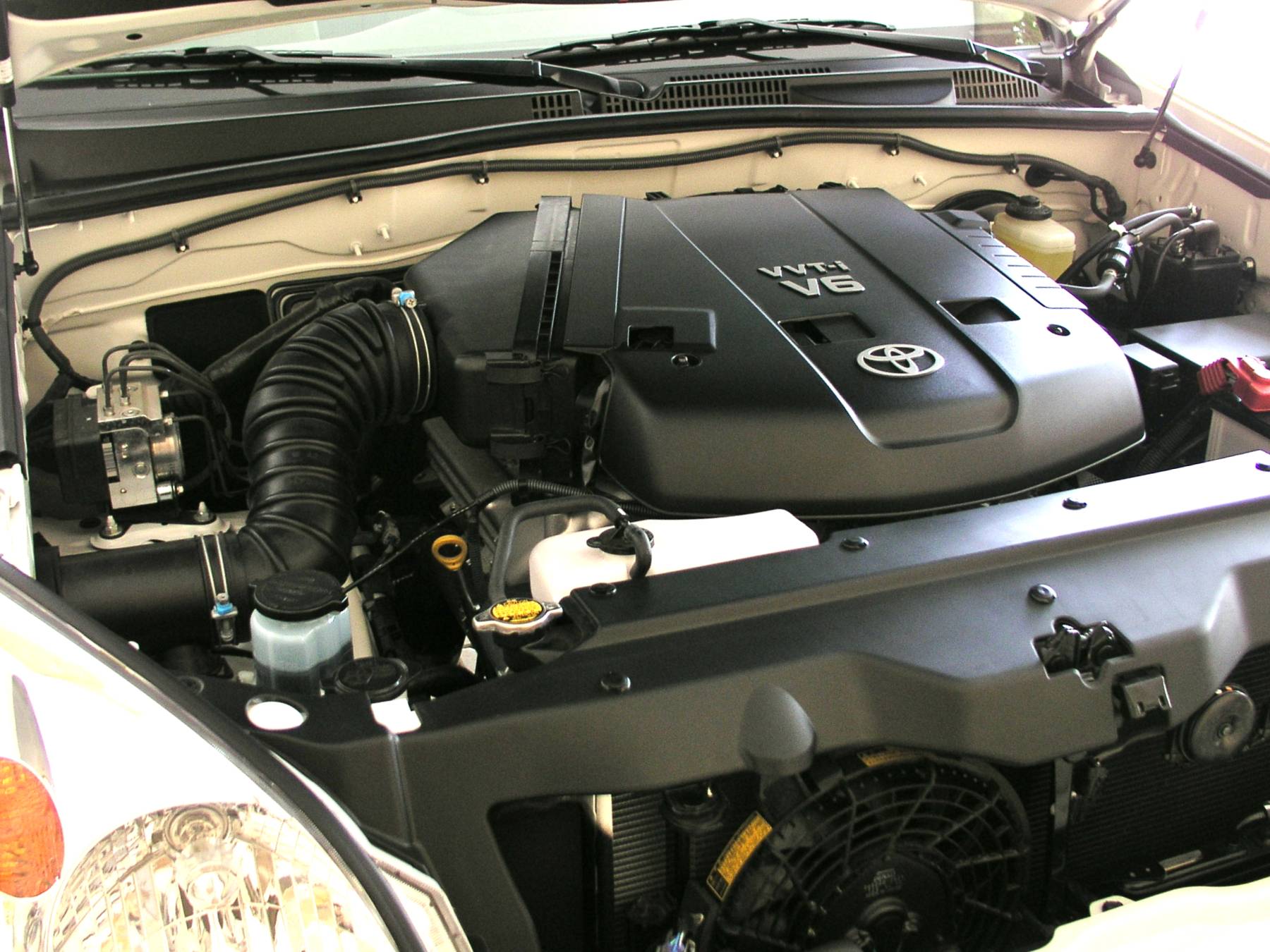
7. Toyota 1GR-FE 4.0-Liter V6 Gasoline Engine in the Toyota Tundra SR5 Regular Cab 4.0L (2010 to 2015)
Toyota’s 1GR-FE 4.0-liter naturally aspirated V6, as installed in the Tundra SR5 Regular Cab, served a clearly defined commercial purpose within fleet operations. This configuration appealed to managers who needed dependable payload capacity, predictable operating costs, and long service life without paying the premium associated with V8 powertrains.
For fleets whose daily duties stayed within the working limits of a mid-displacement gasoline engine, this V6 option delivered dependable performance while avoiding unused capability. Municipal service departments, landscaping companies, and utility support crews frequently selected this setup because it aligned well with routine hauling, equipment transport, and job-site travel demands.
The 1GR-FE design reflected durability priorities rather than aggressive output figures. Dual overhead camshafts combined with Dual VVT-i variable valve timing on both intake and exhaust sides allowed the engine to manage airflow efficiently across a wide rpm range.
This system refined combustion behavior during light and moderate loads, which represented most fleet driving conditions. Cleaner combustion reduced residue buildup inside the cylinders and limited contamination entering the lubrication system. Oil retained its protective properties for longer service intervals, supporting lower internal wear rates and steadier engine health across extended mileage.
A chain-driven timing system replaced the belt arrangement used on earlier Toyota V6 engines. This change removed a scheduled replacement task that often added cost, downtime, and planning complications for fleet maintenance departments. Timing chains required no routine service under normal operating conditions, which lowered the chance of expensive engine damage linked to missed belt changes.
For fleet operators managing dozens or hundreds of vehicles, removing that single maintenance variable simplified service scheduling and reduced exposure to preventable failures. Field data from commercial operators reinforced the engine’s reputation. Many Tundra SR5 Regular Cab trucks equipped with the 4.0-liter V6 logged between 250,000 and 300,000 miles on their original engines before internal repairs became necessary.
These outcomes appeared most frequently among fleets that followed factory oil change intervals and used high-quality synthetic lubricants meeting Toyota’s specifications. Routine cooling system upkeep and basic ignition service also played supporting roles in preserving engine condition.
Within gasoline V6 fleet applications, the 1GR-FE earned respect through consistent results rather than marketing claims. Its conservative tuning, robust internal components, and reduced maintenance demands suited commercial duty cycles where reliability mattered more than peak horsepower.
For organizations that did not require diesel torque or V8 capacity, this engine delivered dependable service life and predictable ownership costs, validating its place as a practical fleet powerplant supported by long-term operational evidence from real-world use under demanding daily conditions.
Also Read: 5 Diesel Engines That Outlive Pickups vs 5 That Crack Under Pressure
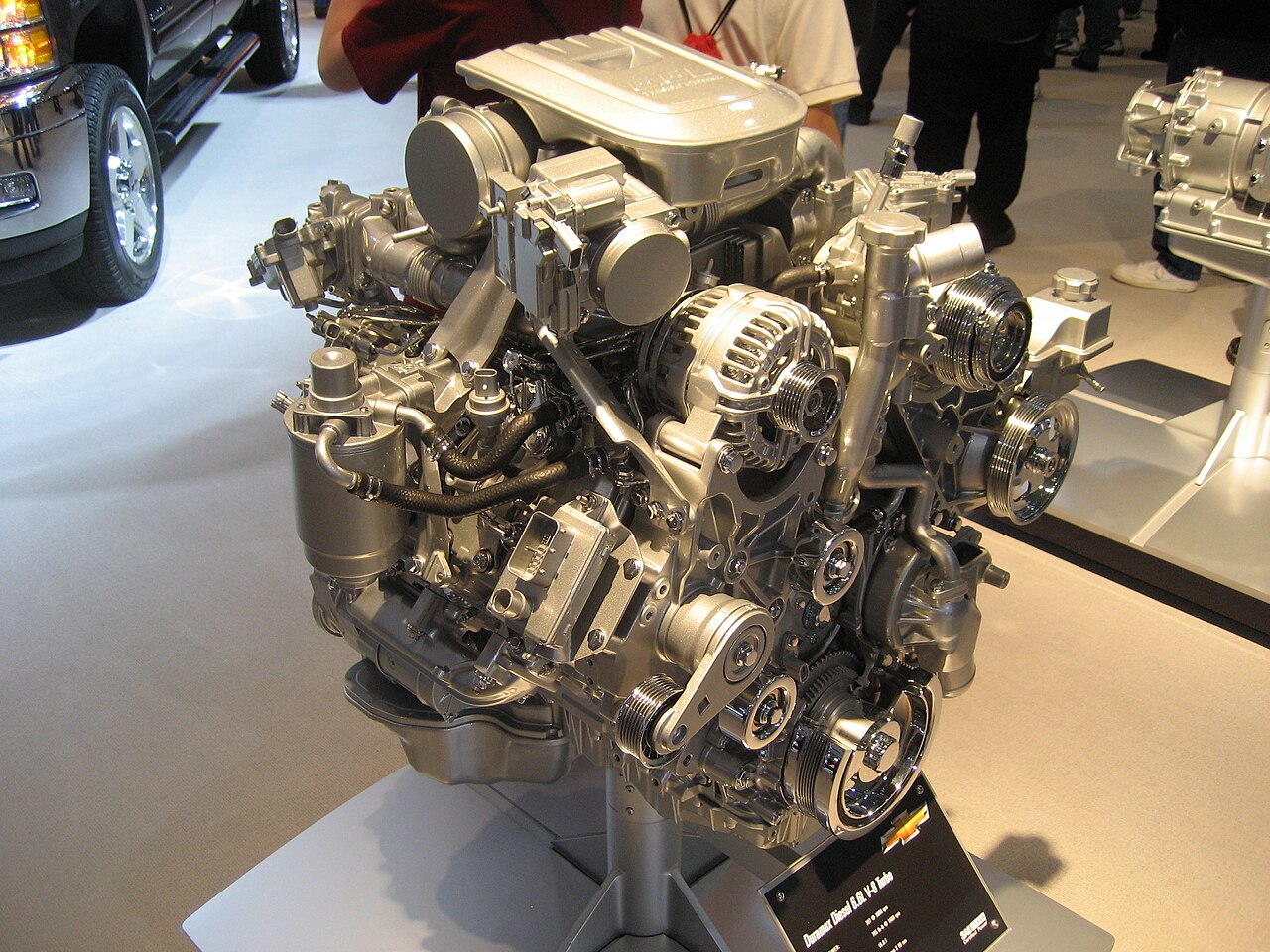
8. General Motors 6.6-Liter Duramax L5P Diesel in the Chevrolet Silverado 2500HD Work Truck Regular Cab (2017 to 2023)
General Motors’ L5P Duramax represents the current generation of a diesel engine family that has been building its fleet longevity credentials since the original LB7 Duramax entered production in 2001. Silverado 2500HD Work Truck Regular Cab trucks with the L5P diesel from the 2017 to 2023 production period are the newest engines on this list, and fleet service records from this production period are still accumulating rather than being complete.
What is available from early commercial fleet documentation shows an engine building longevity credentials that are consistent with the Duramax family’s established standards in fleet applications. Forged steel rotating assembly components, including connecting rods and crankshaft, reflect GM’s engineering investment in the fundamental components most responsible for long-term durability under commercial fleet load cycling.
Forged components in the L5P’s rotating assembly provide fatigue resistance that cast alternatives cannot match across the millions of combustion cycles that fleet service accumulates, maintaining bearing clearances and dimensional accuracy that compression and oil control retention across extreme mileage requires.
Isuzu’s engineering partnership in Duramax development brings industrial diesel engineering expertise that prioritizes durability in sustained load applications rather than peak output performance. Industrial diesel heritage in the Duramax architecture reflects design priorities that align closely with fleet commercial use requirements, where sustained reliability across years of service matters more than any single performance metric that consumer marketing typically emphasizes.
Early fleet service records from construction and municipal operations that deployed Silverado 2500HD Work Truck L5P trucks from the initial production years show engine performance consistency at 150,000 and 200,000-mile service checks that indicates trajectory toward the extended service lives that earlier Duramax generations achieved, with oil analysis results, compression checks, and emissions system performance consistent with engines that have substantial remaining service life rather than engines approaching major service requirements.
Fleet managers who have moved from LB7, LLY, LBZ, LMM, and LML Duramax generations to the L5P consistently report continuity of the fleet reliability characteristics that led them to specify Duramax engines in successive procurement cycles, providing institutional knowledge-based endorsement of the L5P’s likely long-term trajectory based on the family’s documented fleet performance history across more than two decades of commercial service.
