
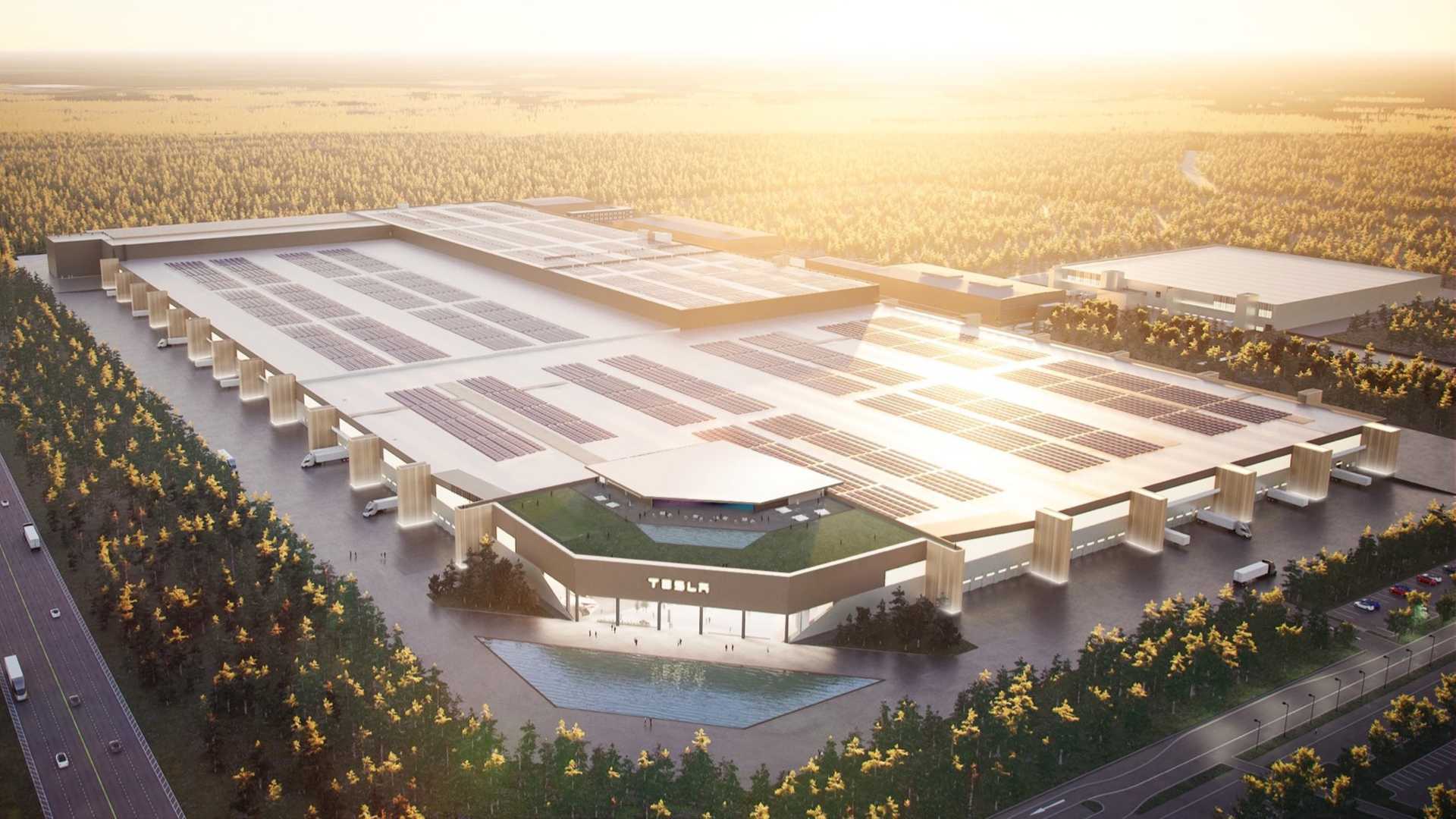
Tesla has reported improved output at its Gigafactory Berlin facility, but the latest figures indicate the plant is still operating well below its designed capacity, highlighting ongoing challenges in scaling production in Europe.
The company recently pointed to a roughly 20 percent increase in production at the German site, along with what it described as a record quarter.
During the first quarter of 2026, the factory produced approximately 61,000 vehicles, reflecting a meaningful step up from earlier performance levels. The facility, located in Brandenburg, serves as Tesla’s primary manufacturing hub for the European market and plays a central role in its regional strategy.
Despite that progress, the gap between actual output and theoretical capacity remains substantial. Tesla Gigafactory Berlin is designed to produce more than 375,000 vehicles annually, which equates to roughly 93,000 units per quarter.
Based on these figures, the plant is currently operating at around 65 percent utilization. While that marks an improvement from prior estimates closer to 40 percent, it still underscores that the factory is not yet running at full efficiency.
The Berlin plant primarily produces the Model Y, one of Tesla’s highest-volume vehicles globally. As the company’s only large-scale production site in Europe, its performance carries added weight, particularly as Tesla faces a more competitive and complex market environment across the region.
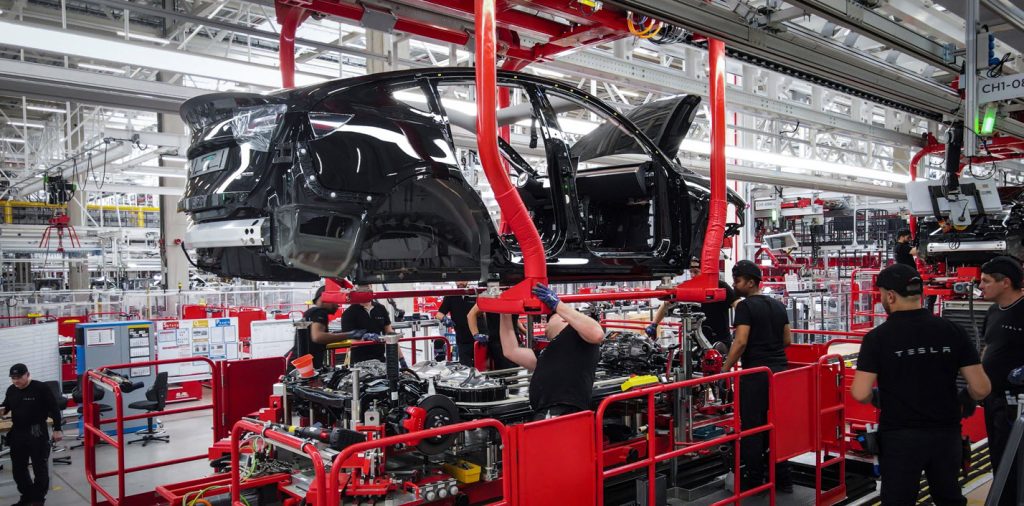
To address the utilization gap, Tesla is taking steps to increase output. The company has indicated plans to expand its workforce at the facility, with around 1,000 additional roles expected to support higher production rates. This hiring effort is intended to improve throughput and move the factory closer to its maximum capacity.
However, scaling production is not solely a matter of adding labor. Tesla continues to operate in a market where electric vehicle demand growth has become less predictable. While adoption remains on an upward trajectory overall, short-term fluctuations, pricing pressure, and shifting consumer preferences have introduced volatility into the sector.
Competition has also intensified. European automakers have expanded their electric vehicle portfolios, while Chinese manufacturers are entering the market with increasingly competitive offerings. This has made it more difficult for Tesla to maintain the rapid growth rates it previously achieved.
Operational factors have contributed as well. Over the past year, the Berlin facility has faced intermittent disruptions, including production slowdowns and workforce-related challenges. Although output has improved, these issues have affected the pace at which the plant can scale toward its full potential.
The discrepancy between installed capacity and actual production is not unique to Tesla. Across the automotive industry, manufacturers often build facilities with ambitious output targets, but achieving those levels consistently depends on stable demand, efficient supply chains, and optimized operations.
For Tesla, increasing utilization at Gigafactory Berlin is critical. Higher output would improve cost efficiency, strengthen its competitive position in Europe, and better justify the significant investment made in the facility. At the same time, the company must balance production growth with real market demand to avoid overcapacity.
The latest production figures therefore present a mixed picture. Tesla is making measurable progress in ramping up its Berlin operations, but the plant remains some distance from its intended output levels. How quickly the company can close that gap will depend on both internal execution and external market conditions.
