
Marketing is a promise. It tells you what the car is supposed to be, how it is supposed to feel, and what kind of driver it is designed for. Automotive marketing departments spend serious money crafting campaigns that set buyer expectations at exactly the right level: high enough to generate excitement and close the sale, not so high that the reality disappoints.
Pony cars have always had marketing that leaned heavily on emotion. Freedom, youth, performance, and American spirit have all been invoked in various combinations across decades of Mustang, Camaro, Firebird, and Challenger advertising. Some of those campaigns promised cars that delivered precisely what the brochure described.
Others promised cars that turned out to be considerably more impressive than even their own advertising departments seemed to understand when they wrote the copy. That is the genuinely interesting category: pony cars that outperformed their marketing. Not cars that were better than their competitors, though several on this list were exactly that. Cars that were better than what the manufacturer actually told buyers to expect.
Cars that automotive press at the time, and enthusiast communities in the decades since, have consistently identified as more capable, more durable, more rewarding to drive, or more important to the category’s history than the original marketing positioning suggested. This happens for several reasons. Sometimes manufacturers deliberately undersell a car’s performance to keep insurance premiums down for buyers.
Eight pony cars follow. Each one delivered more than its marketing promised, and each one has a story worth knowing, regardless of whether you are a collector, an enthusiast, or simply someone who appreciates when engineering outpaces its own publicity.
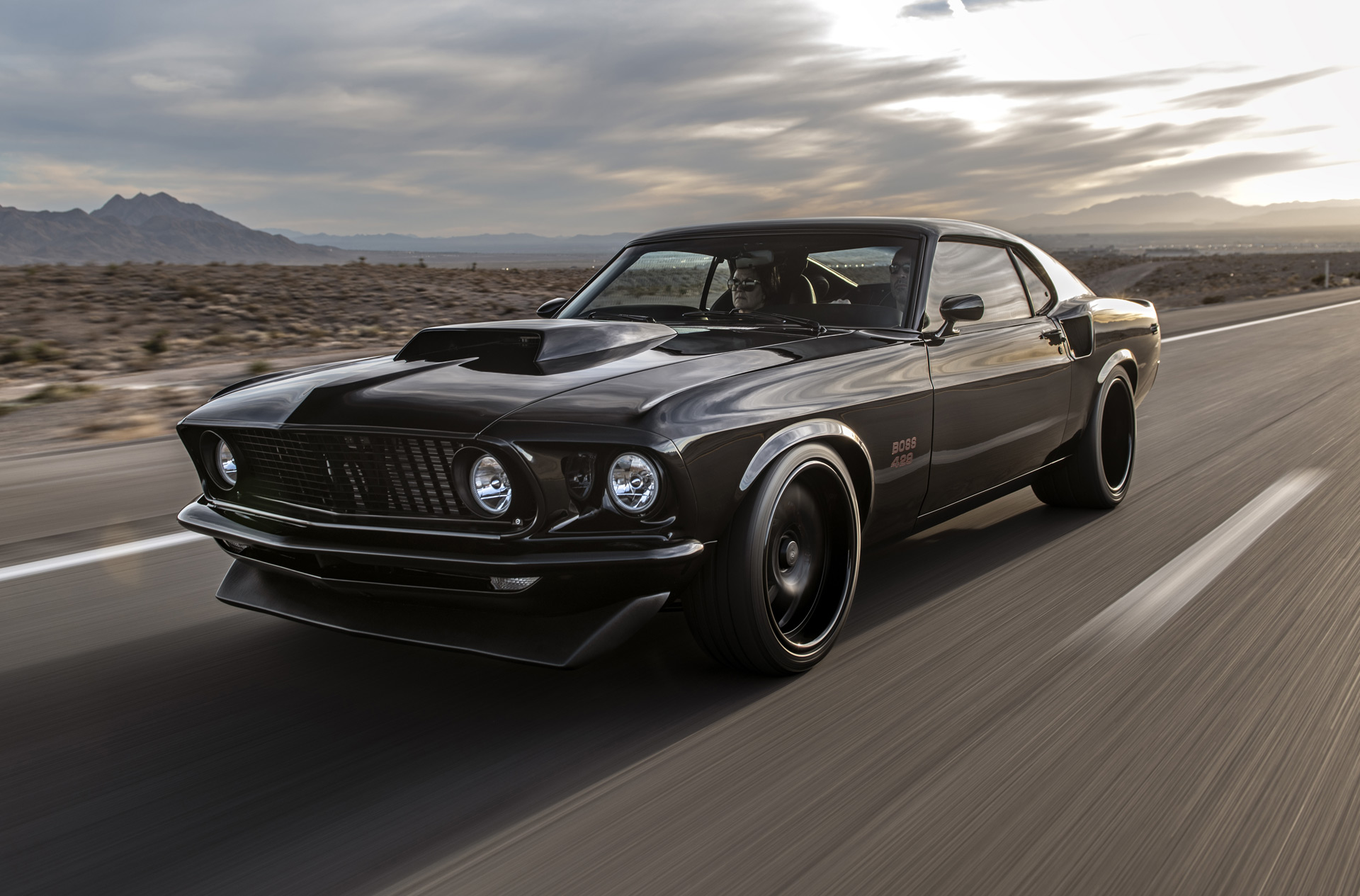
1. Ford Mustang Boss 429 (1969)
Ford introduced the Boss 429 to the buying public in 1969 with marketing that positioned it primarily as a homologation special, a car that existed because NASCAR regulations required a specific number of street-legal examples to be produced before the engine could be run on superspeedways.
Ford’s promotional materials focused on the racing connection and the raw power of the 429 cubic inch engine, which was factory-rated at 375 horsepower in a period when manufacturers were deliberately understating output to discourage insurance premium increases.
What Ford’s marketing did not fully communicate, and what drivers and automotive journalists discovered through testing, was that the Boss 429 was not simply a powerful straight-line car. It was a more capable vehicle than the insurance-friendly output claim, and the racing-engine promotional angle suggested.
Kar Kraft’s substantial chassis modifications to accommodate the wide 429 engine, including repositioned shock towers, modified front subframe rails, and revised front suspension geometry, produced handling characteristics that Ford’s marketing materials mentioned only briefly but that period road tests documented as genuinely superior to the standard Mustang and competitive with purpose-built sports cars.
Car and Driver’s 1969 road test of the Boss 429 produced observations about the car’s cornering capability and entire dynamic balance that surprised even the testers, who had expected a car optimized for drag strip performance to compromise in areas unrelated to straight-line speed.
What they found was a Mustang whose extensive front-end modifications created a better handling car than Ford’s own promotional focus had suggested, with roadholding that was directly attributable to the engineering work required to fit the massive engine rather than being a separate engineering priority.
Factory-rated horsepower of 375 was also, in the now well-documented tradition of late 1960s American performance cars, substantially below actual output. Independent testing of the period and later dyno work on restored examples consistently places actual Boss 429 output closer to 430 to 450 horsepower, which means Ford was marketing a car with more power than they told buyers it had.
Whether this was corporate conservatism, insurance avoidance strategy, or simple conservative factory measurement methodology, the result was a car that outperformed its specification in both power and handling.
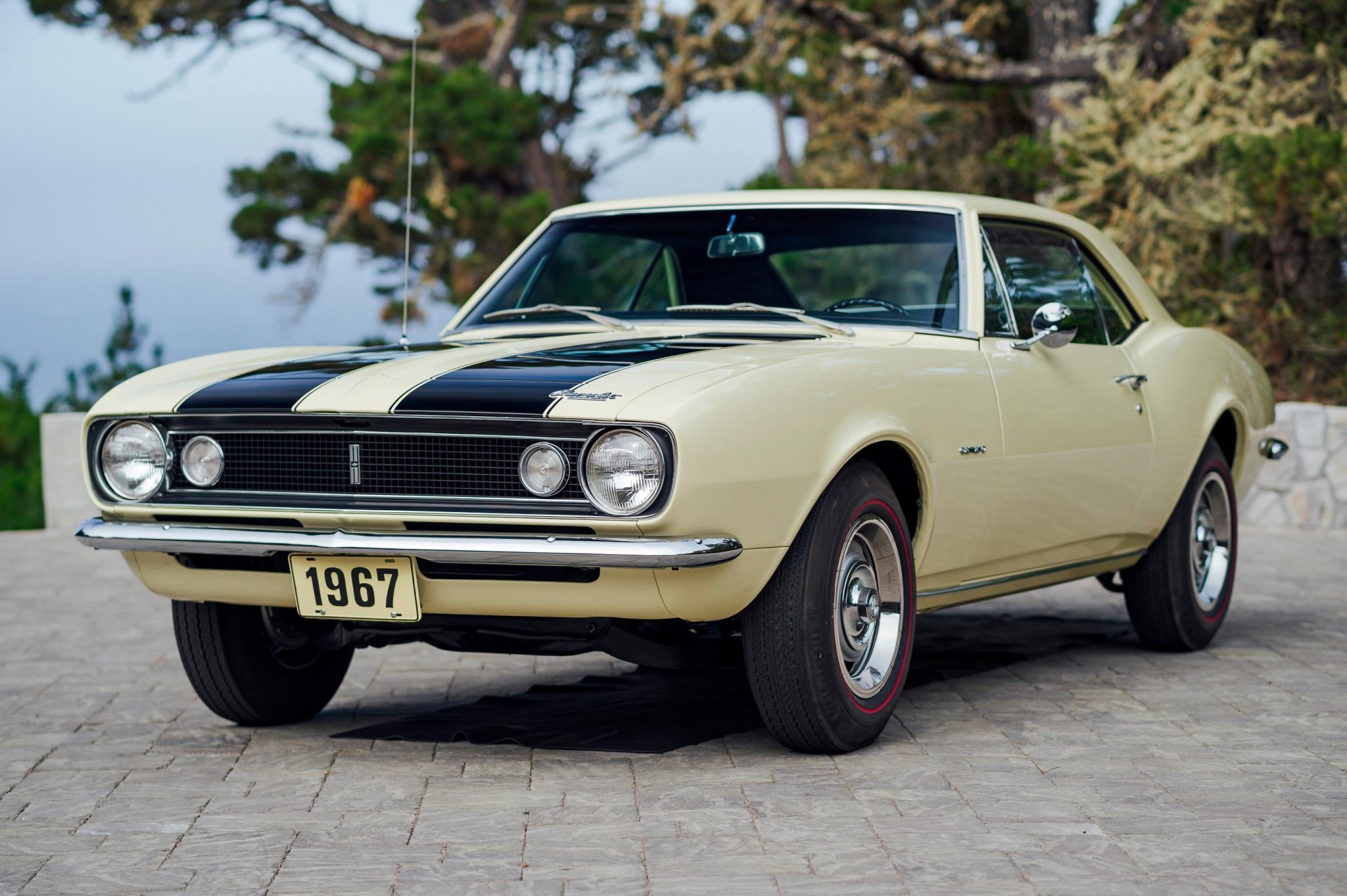
2. Chevrolet Camaro Z/28 (1967)
General Motors created the first-generation Camaro Z/28 package specifically to meet the rules for the Sports Car Club of America’s Trans-Am road racing series, which required a production car to qualify each engine for the class. Z/28 designation covered a specific combination of the 302 cubic inch V8 derived from a 327 block mated to a 283 crankshaft, producing an engine that combined large bore dimensions with a short stroke specifically to allow high-RPM operation that the Trans-Am series favored.
Marketing for the 1967 Camaro Z/28 was genuinely restrained in a way that subsequent reputation has made seem almost bizarre in retrospect. Chevrolet did not heavily promote the Z/28 package through mainstream advertising channels, did not publish factory horsepower ratings until pressed by enthusiast publications, and positioned the option more as a racing homologation package for informed buyers than as a consumer performance product with broad market appeal.
The official factory horsepower rating, when eventually published, was 290 horsepower, which the automotive press immediately and universally identified as inadequate to describe what the engine actually produced. Independent testing documented actual output consistently above 350 horsepower from Z/28 engines in proper tune, which made the 290 horsepower rating one of the most conservative factory specifications in American performance car history.
Buyers who ordered the Z/28 based on the understated marketing received a car that substantially exceeded what Chevrolet had told them to expect in power terms, which is an unusual situation in consumer marketing where overselling is the typical concern rather than underselling.
Road course performance from the 1967 Camaro Z/28 was genuinely revelatory for buyers who discovered it. High-revving 302 with its race-bred specification delivered a driving experience fundamentally different from the torque-focused muscle cars of the period, rewarding drivers who used the full RPM range with acceleration that surprised everyone who had approached the car expecting standard muscle car behavior.
Enthusiast publications that tested the Z/28 on track consistently rated it above what GM’s restrained marketing had suggested it deserved.
Also Read: 6 Fast-Looking Cars That Are Actually Slow (And 6 Slow-Looking Cars That Are Fast)
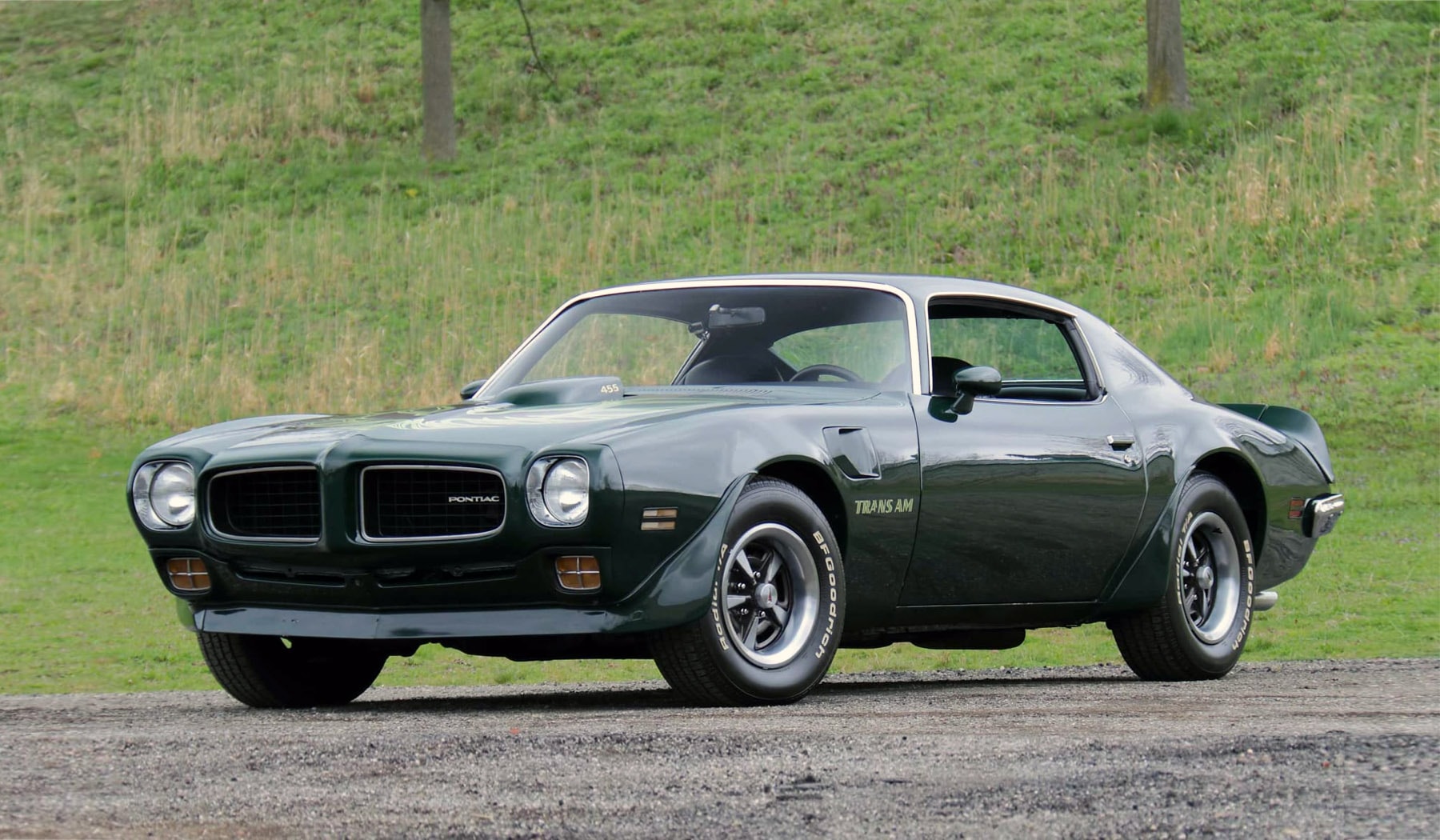
3. Pontiac Firebird Trans Am SD-455 (1973-1974)
Conventional automotive history describes 1973 and 1974 as years when American performance essentially ended, when emissions regulations and insurance industry pressure drove horsepower ratings into the ground, and when driving excitement in American cars reached its lowest point since the post-war era.
This conventional story is accurate for most American performance cars of the period. It is specifically inaccurate for the Pontiac Firebird Trans Am equipped with the SD-455, which stands as one of the most deliberately undersold performance cars in American automotive history.
SD designation stood for Super Duty, a nomenclature that Pontiac’s engineering team applied to a 455 cubic inch engine specifically designed to deliver genuine high-performance output despite the regulatory and corporate pressure that was reducing output specifications across the rest of the Pontiac lineup.
Four-bolt main bearing caps, forged crankshaft, specific high-flow cylinder heads, and a camshaft profile that produced power throughout the RPM range rather than peaking at low speed combined to create an engine that was factory-rated at 290 horsepower in a period when even this modest rating required political capital within General Motors.
Period road tests of the 1973 and 1974 Pontiac Firebird Trans Am SD-455 produced quarter-mile times in the 13-second range that the official 290 horsepower rating had no business producing if that number accurately reflected the engine’s output.
Car and Driver and Motor Trend both published shock and mild confusion about how a 290-horsepower car could perform at the level the SD-455 Trans Am demonstrated on track, with the most direct conclusion being that 290 horsepower was a politically necessary fiction applied to an engine producing considerably more.
Pontiac sold fewer than 1,000 SD-455 Trans Ams across the two production years, making them genuine rarities today and giving surviving documented examples collector value. But beyond their rarity, these cars represent the most successful defiance of performance-killing regulatory and corporate pressure in early 1970s American automotive history, producing a car whose actual capability made its marketing look like deliberate misrepresentation in the buyer’s favor.
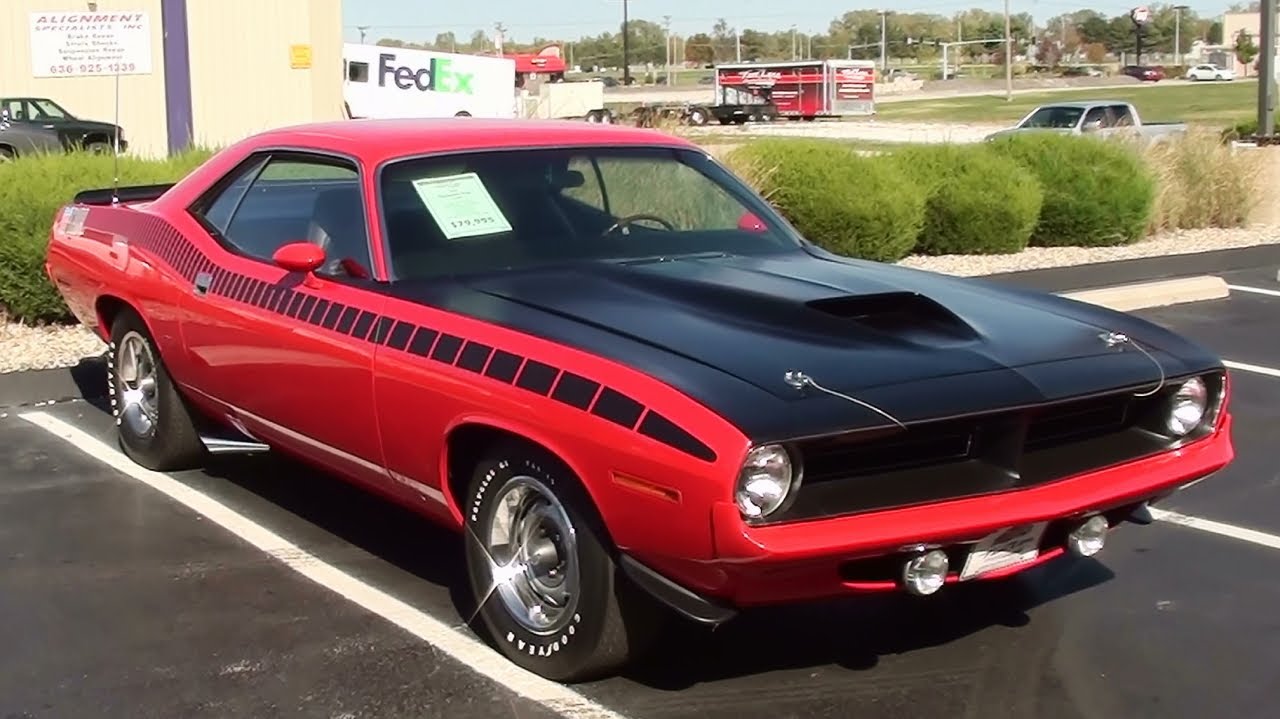
4. Plymouth ‘Cuda AAR 340 Six Pack (1970)
Plymouth created the AAR ‘Cuda, where AAR stood for All American Racers, specifically to homologate the Barracuda for the SCCA Trans-Am racing series, where Dan Gurney’s team would campaign the car. Like the Camaro Z/28 before it, the AAR ‘Cuda’s existence was dictated by racing rules rather than market research, and Plymouth’s marketing of the resulting street car reflected the automotive industry’s ambivalence about how to sell racing homologation specials to the general public.
340 cubic inch V8 with three two-barrel Holley carburetors in the Six Pack configuration was rated at 290 horsepower, another entry in the long list of underrated 1970 muscle car engines, where insurance avoidance appears to have influenced factory output claims more than actual dynamometer testing.
Plymouth’s marketing positioned the AAR primarily through its racing connection and the visual drama of the AAR-specific bodywork, including a fiberglass hood with a functional air scoop, front and rear spoilers, and side exhaust exiting ahead of the rear wheels.
What the marketing did not adequately communicate was how thoroughly Plymouth had developed the AAR ‘Cuda’s chassis and suspension for genuine road course performance rather than simply fitting racing aesthetics to a production car.
Front and rear suspension modifications, increased negative front camber settings, and wider front track created a handling balance that period road testers consistently found superior to the standard ‘Cuda and genuinely impressive by any contemporary standard.
AAR ‘Cuda owners who used their cars on road courses rather than drag strips discovered a car whose handling capability the marketing had not bothered to emphasize because Chrysler’s marketing culture of the period focused primarily on straight-line performance metrics, where the numbers made more intuitive sense to buyers than handling descriptions.
Drivers who experienced the AAR on a winding road found that Plymouth had built something more capable than the official communication suggested.
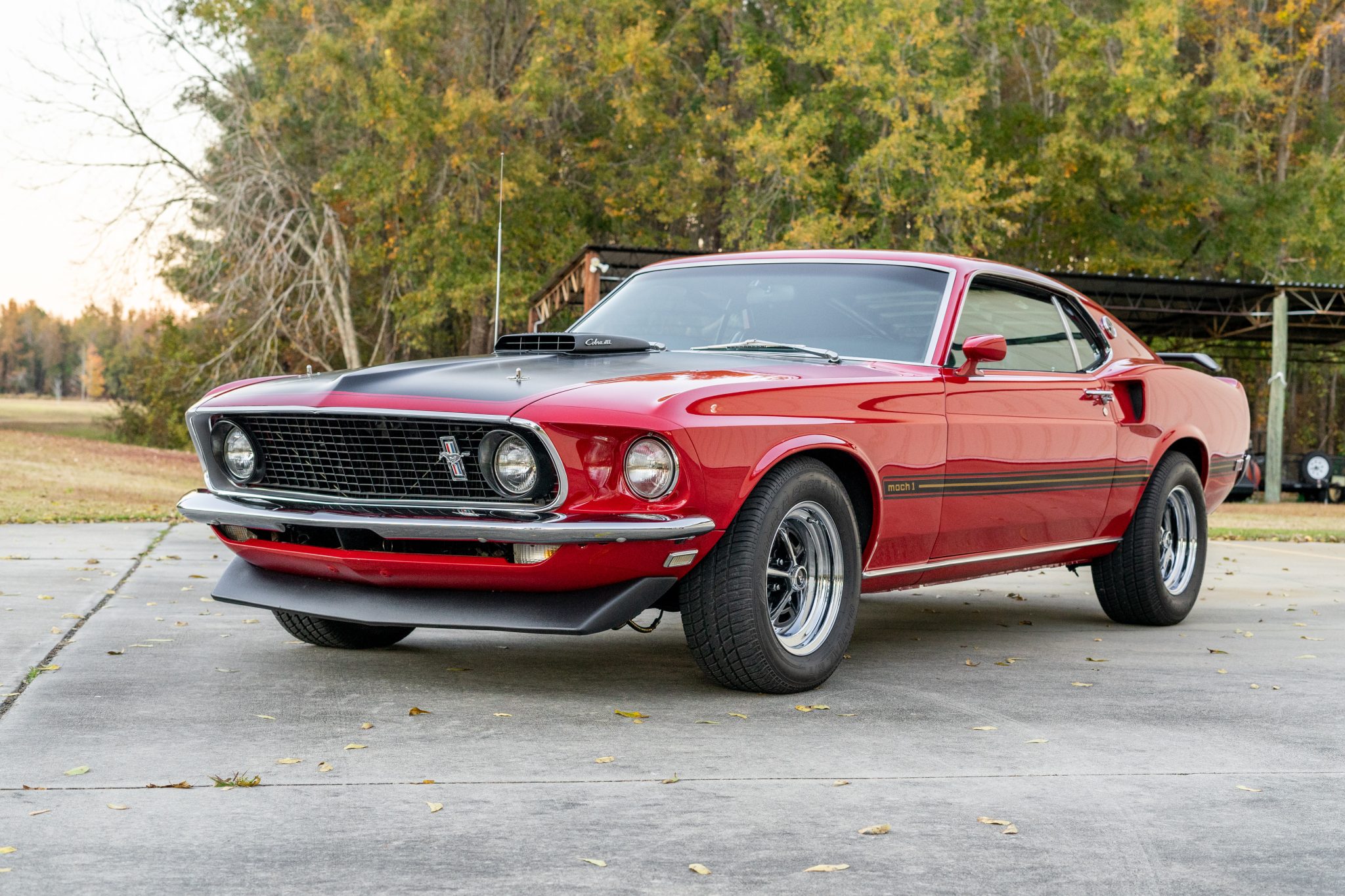
5. Ford Mustang Mach 1 428 Super Cobra Jet (1969)
Ford’s 1969 Mach 1 represented a reconfiguration of the Mustang’s marketing toward the performance buyer who wanted fastback styling combined with genuine straight-line capability, and the Mach 1 badge appeared on a range of engine options that ranged from the relatively mild 351 Windsor to the serious 428 Cobra Jet.
What Ford’s 1969 marketing for the Mach 1 somewhat undersold was how genuinely quick the 428 Super Cobra Jet version was, particularly in Drag Pack specification with the 3.91 or 4.30 rear axle ratio, locking rear differential, and engine oil cooler that Ford recommended for sustained high-performance use.
Super Cobra Jet designation distinguished the more serious version of the 428 Cobra Jet from the standard version, with specific modifications including reinforced connecting rods, larger capacity crankshaft bearings, and the engine oil cooler that allowed sustained performance without the thermal concern that lighter-spec Cobra Jets could develop.
These engineering improvements were documented but not prominently featured in Mach 1 advertising, which focused more on the Mach 1’s visual drama and general performance positioning than on the technical details that distinguished the Super Cobra Jet from its siblings.
Factory horsepower rating for the 428 Cobra Jet and Super Cobra Jet was an identical 335 horsepower, which the automotive press of 1969 immediately recognized as insufficient to explain the performance these engines produced in documented testing.
Quarter-mile times in the low 13-second range from a car officially rated at 335 horsepower required either extraordinary vehicle efficiency or more actual engine output than Ford was acknowledging. Independent analysis of the 428 CJ’s design pointed strongly toward actual output in the 400 to 410 horsepower range.
Mach 1 buyers who selected the 428 Super Cobra Jet with Drag Pack received what amounts to a quarter-mile specialist that Ford had somewhat hidden within the broader Mach 1 lineup. Ford’s marketing presented the Mach 1 as a stylish performance Mustang for buyers who wanted more than the base car, which was accurate but incomplete as a description of what the most serious powertrain combination could accomplish.
Post-production recognition of the Super Cobra Jet Drag Pack as one of the quickest factory Mustangs ever produced validates the gap between what Ford told buyers and what buyers actually received. Auction values for documented 428 Super Cobra Jet Drag Pack Mach 1 examples in desirable color combinations have climbed steadily as the collector community has come to understand what the original marketing did not clearly communicate: this was one of the most serious factory drag strip tools Ford produced during the entire muscle car era.
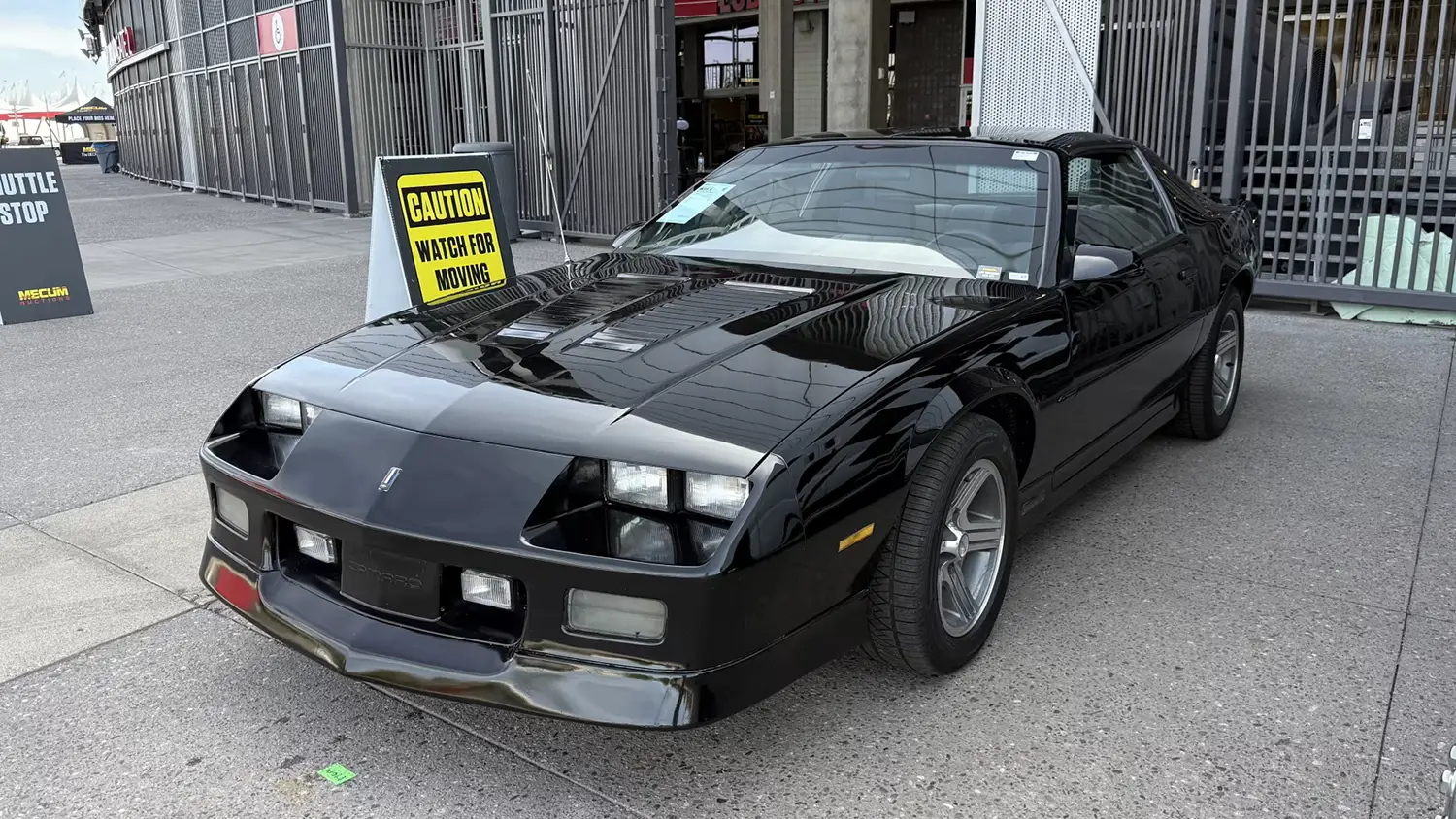
6. Chevrolet Camaro IROC-Z 5.7 TPI (1988)
Third-generation Camaro marketing in the late 1980s had a credibility problem built up across several production years, where performance claims had gradually moved closer to reality as emission standards had reduced actual output during the early 1980s.
By 1988, buyers who remembered what the Camaro’s reputation was built on in the late 1960s and early 1970s approached the IROC-Z with appropriately calibrated expectations about what a 1980s American performance car could actually deliver.
What Chevrolet had done with the 1988 IROC-Z and its Tuned Port Injection 5.7-liter V8 producing 230 horsepower was substantially more interesting than the modest horsepower figure and the era’s somewhat tarnished performance car reputation suggested.
TPI’s specific advantage was torque delivery and throttle response rather than peak horsepower, with 330 pound-feet of torque available at a low RPM point that made the IROC-Z feel substantially quicker in real-world driving situations than the peak horsepower number implied to buyers accustomed to peak-power comparisons.
Quarter-mile times from the 1988 IROC-Z 5.7 TPI in documented period testing consistently fell in the 14.0 to 14.5-second range, which placed this car’s actual performance above what the 230-horsepower rating and the modest promotional tone of late-1980s Camaro marketing prepared buyers to expect.
Road course performance from the IROC-Z’s specifically tuned suspension, Goodyear Eagle GT tires, and chassis refinements that Chevrolet had developed through the IROC racing series produced a car that handled at a level that substantially exceeded its straight-line performance positioning.
Car and Driver’s testing of the 1988 IROC-Z documented lateral acceleration figures and skidpad performance that placed the car among the better-handling American performance cars of any price category, which was not what the IROC-Z’s marketing had bothered to emphasize when buyers were more likely to respond to horsepower numbers than grip metrics.
Owners who discovered the car’s handling capability reported an experience that consistently exceeded their pre-purchase expectations. Production of fewer than 25,000 IROC-Z examples equipped with the 5.7 TPI engine for 1988 created a specific subset of third-generation Camaro ownership that has developed its own collector following, with enthusiasts who understand the specific capability of this engine and specification combination pursuing clean examples at prices that reflect how much more these cars delivered than their modest late-1980s presentation suggested.
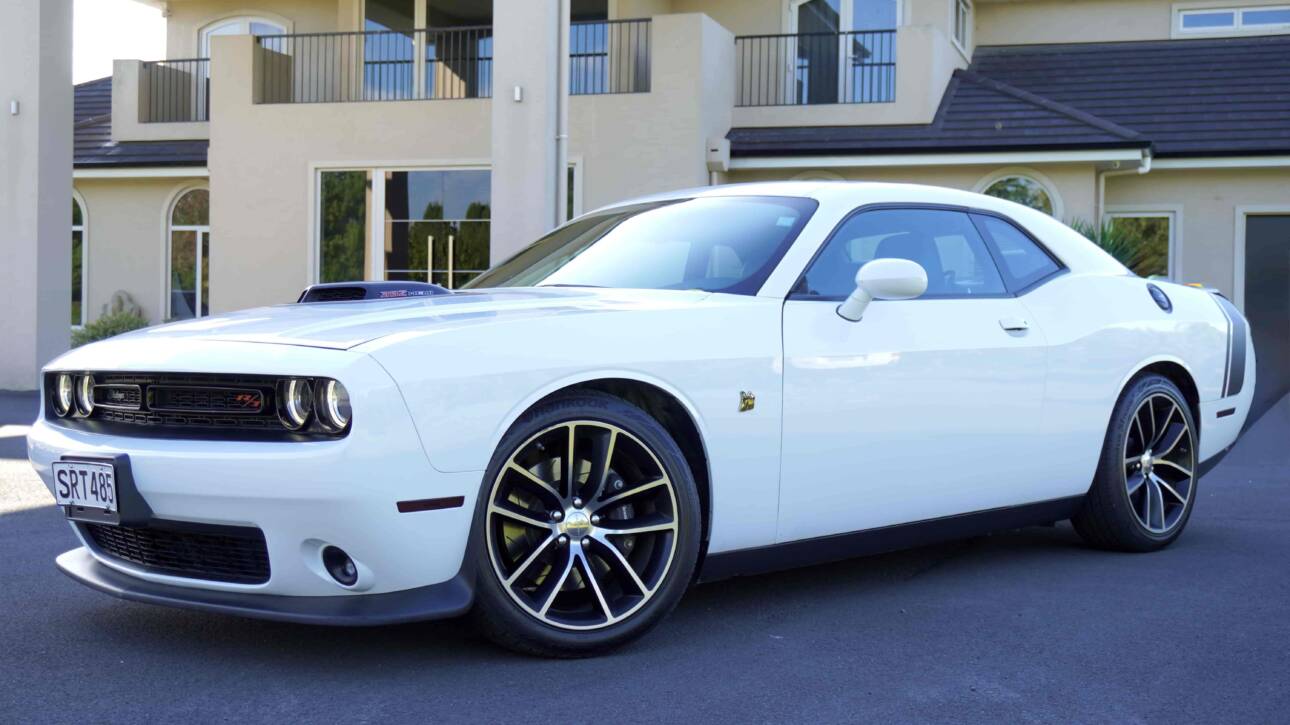
7. Dodge Challenger R/T Classic Hemi 392 (2016)
Dodge’s approach to marketing the Challenger Hemi 392 in 2016 relied heavily on nostalgia, heritage photography, and the emotional weight of the Hemi name to sell a car whose actual capability as a modern performance vehicle was substantially more impressive than the retro-focused marketing suggested buyers should expect.
Promotional materials leaned into the 1970 Challenger’s visual DNA and the Hemi’s legendary status from the muscle car era, which was effective advertising but which somewhat undersold what the modern 392 engine and modern chassis could actually accomplish.
392 HEMI Scat Pack and R/T Classic specification delivered 485 horsepower and 475 pound-feet of torque through a six-speed manual or eight-speed automatic transmission, in a rear-wheel-drive chassis that Dodge had spent several production years progressively refining for improved dynamics without compromising the straight-line character that Challenger buyers expected.
Modern stability control, an electronically limited-slip differential, and Brembo braking hardware on equipped examples created a performance package that the retro-focused marketing framing did not adequately contextualize relative to contemporary sports-car competition.
Quarter-mile performance from the 2016 Challenger R/T Classic Hemi 392 with automatic transmission was documented in the 12.4 to 12.8-second range in skilled driver hands, which placed the car in genuine supercar performance territory that the Dodge marketing team’s nostalgia-heavy promotional approach had not clearly communicated to buyers who might have anchored their expectations to early muscle car performance levels rather than 2016 performance benchmarks.
Automotive press that tested the 2016 Challenger 392 consistently noted that the car’s actual driving experience delivered substantially more engagement and capability than the heritage-focused promotional materials suggested buyers should expect, with multiple publications observing that the modern chassis beneath the classic body produced dynamics that the retro styling led buyers to undervalue before actually driving the car.
Owners who purchased 2016 Challenger R/T Classic Hemi 392 examples describe a consistent pattern of being surprised by how much better the car performed than the nostalgic marketing had prepared them for, which is an unusual consumer experience in any product category and particularly unusual in automotive marketing, where overselling rather than underselling is the typical complaint.
Also Read: 12 Cars That Fundamentally Changed How American Families Travel
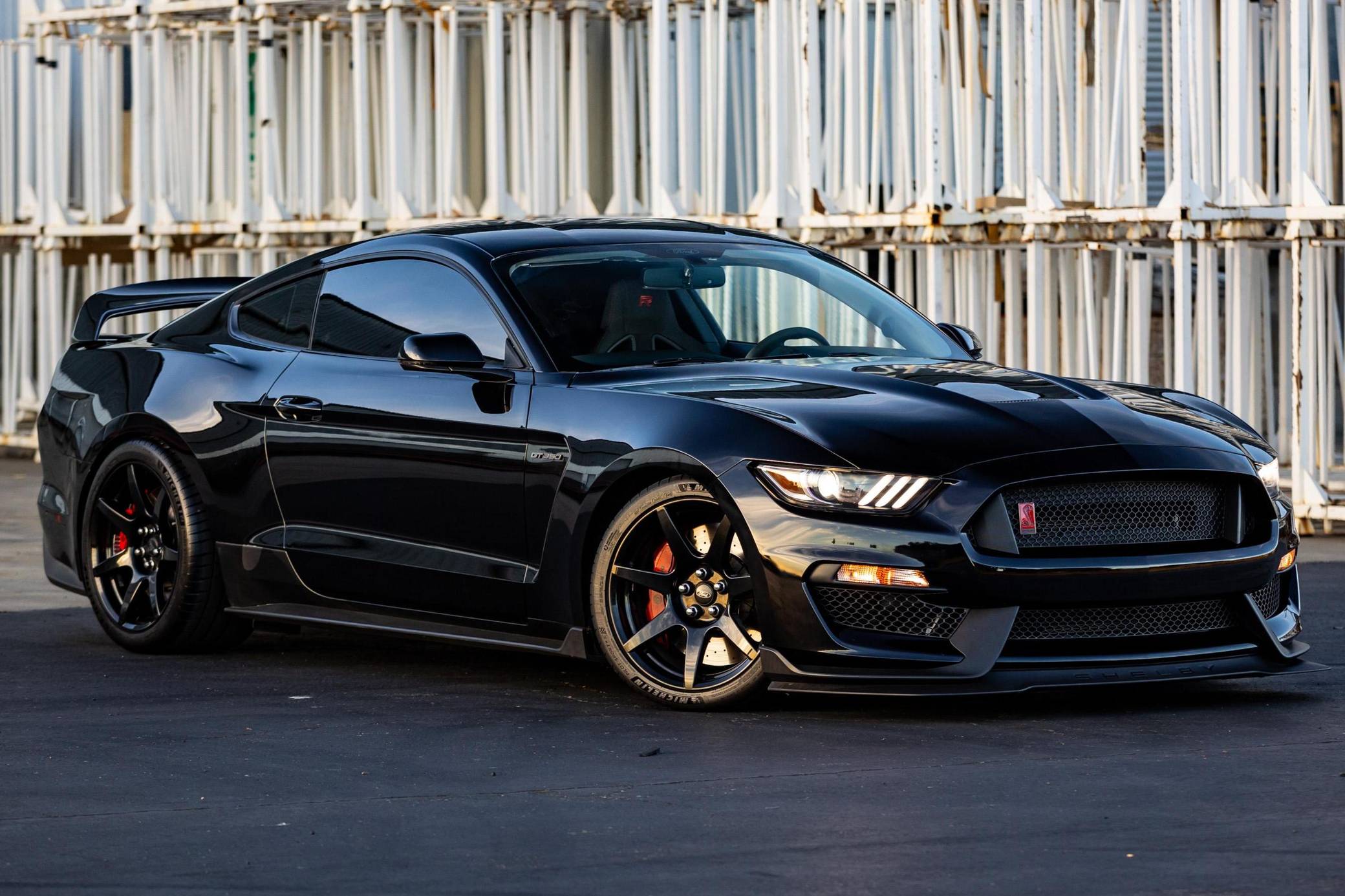
8. Ford Mustang Shelby GT350R (2016)
Ford’s marketing for the 2016 Shelby GT350R faced a specific challenge: how to communicate to the buying public what an 8,250 RPM naturally aspirated V8, carbon fiber wheels, and competition-grade suspension actually meant in a production car context, without making the car sound so uncompromisingly track-focused that buyers who wanted a practical daily driver would be deterred.
Ford’s solution was to present the GT350R with relatively measured promotional language that emphasized both its heritage and its capability without fully conveying the degree to which the car represented a genuine racing weapon delivered with street car paperwork.
Voodoo 5.2-liter flat-plane crank V8 producing 526 horsepower was accurately described in Ford’s marketing materials, but the description of what 526 horsepower from a flat-plane crank V8 actually feels like to drive, compared to a cross-plane crank V8 producing similar output, was something buyers only understood after experiencing the car.
Flat-plane crank configuration eliminated the low-RPM torque curve that cross-plane engines produce in favor of a high-RPM power character that rewards drivers who push to the rev limiter in a way that Ford’s measured marketing language could describe but not fully convey.
Carbon fiber wheels, standard on the GT350R and unique in the production car market at this price point in 2016, reduced unsprung weight by approximately 60 pounds compared to aluminum alternatives, which engineers and serious automotive journalists understood immediately as a chassis improvement of extraordinary practical consequence.
Marketing materials mentioned the carbon fiber wheels as a specification point without fully communicating what the weight reduction meant for steering response, braking behavior, and entire chassis agility, leaving buyers to discover through driving that the wheels transformed the car’s dynamic character in ways that no promotional description had prepared them for.
Track testing of the 2016 Ford Mustang Shelby GT350R by professional racing drivers and experienced automotive journalists consistently produced descriptions of disbelief that a $65,000 production car could perform at the level the GT350R demonstrated.
Lap times at circuits including Virginia International Raceway and Road Atlanta placed the GT350R ahead of purpose-built track day cars costing substantially more, which was a performance reality that Ford’s measured street car marketing had not prepared the automotive press to expect when they arrived for the first test drives.
