
Car buying feels exciting at first glance. Fresh paint, updated technology, and that unmistakable new-vehicle scent can make almost any model seem like a smart decision. Yet beneath that excitement lies a financial reality that often goes unnoticed until it is too late.
Depreciation begins the moment a vehicle leaves the dealership, and certain models lose value far faster than buyers expect. Some vehicles carry premium price tags due to branding, features, or design appeal, yet they struggle to hold their worth in the years that follow.
Others flood the market in large numbers, making resale values drop as supply rises. Then there are models with reliability concerns or high ownership costs that quietly push secondhand buyers away. These factors combine to create depreciation patterns that catch many owners off guard.
Understanding which vehicles fall into these patterns can make a meaningful difference when choosing your next car. A smart purchase is not just about what a vehicle offers today but also how well it holds its value tomorrow. Buyers who recognize these depreciation traps position themselves to make better long-term decisions.
This page highlights ten vehicles that frequently lose value faster than expected. Each one tells a different story, showing how design choices, market trends, and ownership experiences influence resale performance. By examining these examples closely, you gain a clearer view of how to avoid costly mistakes and choose a vehicle that aligns with both your needs and your financial goals.
1. 2018 BMW 7 Series 740i
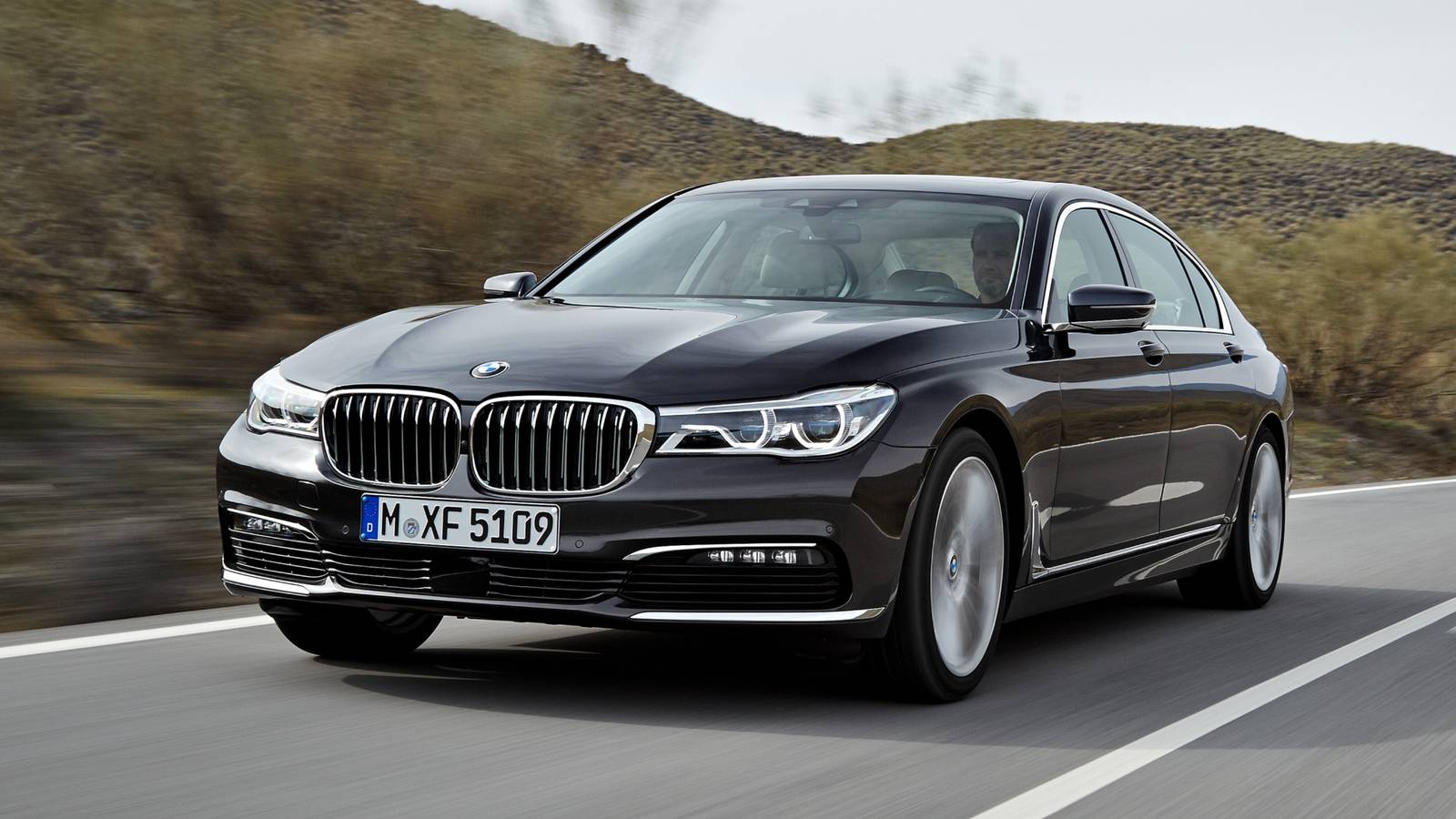
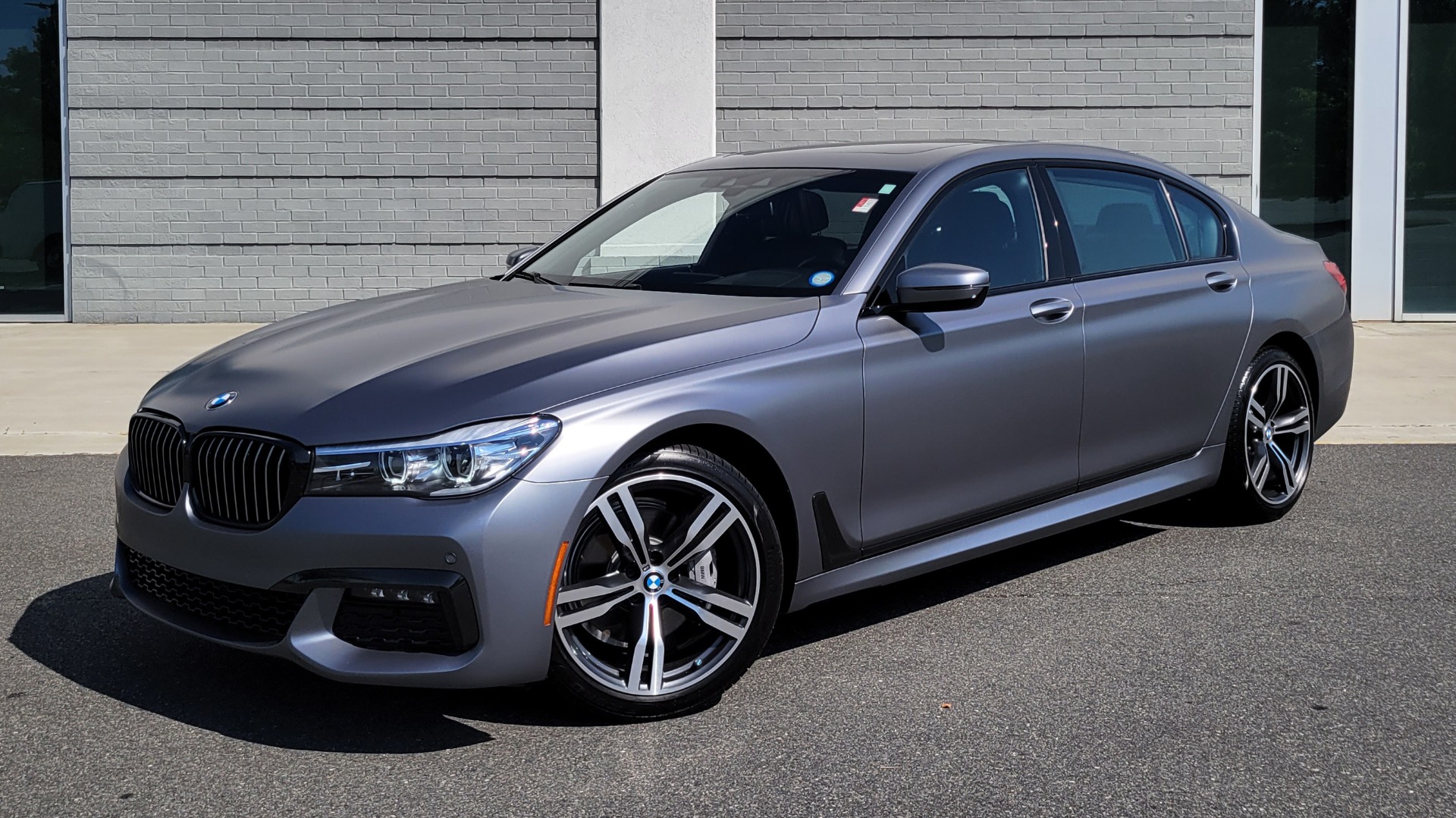
Luxury sedans often impress during showroom visits, yet the 2018 BMW 7 Series 740i demonstrates how quickly that excitement can translate into financial loss. High initial pricing places this model in an exclusive category, but resale values tend to decline rapidly once it enters the used market.
Advanced technology forms a large part of its appeal. Gesture controls, digital interfaces, and driver assistance systems create a sophisticated driving experience. However, these features age quickly as newer models introduce updated systems. Buyers looking at used luxury sedans often prioritize newer technology, which reduces demand for older versions.
Ownership costs contribute to depreciation as well. Maintenance and repair expenses for luxury vehicles remain higher than average, particularly as the vehicle ages. Prospective buyers factor these costs into their decisions, often choosing more affordable alternatives. This reduced demand places downward pressure on resale prices.
Production volume also plays a role. Luxury sedans are not rare, and leasing programs return large numbers of vehicles to the market within a few years. This increase in supply further lowers values, especially when multiple similar models compete for attention.
Driving experience remains refined, with smooth power delivery and comfortable ride quality. Yet these strengths do not fully offset the financial impact of depreciation. Buyers seeking long-term value may find that the initial appeal does not translate into sustained worth.
Market behavior confirms this pattern. Prices drop sharply within the first few years, creating opportunities for secondhand buyers but challenges for original owners. The 2018 BMW 7 Series 740i illustrates how luxury and innovation can sometimes come at the expense of long-term value retention.
2. 2019 Jaguar XF Prestige
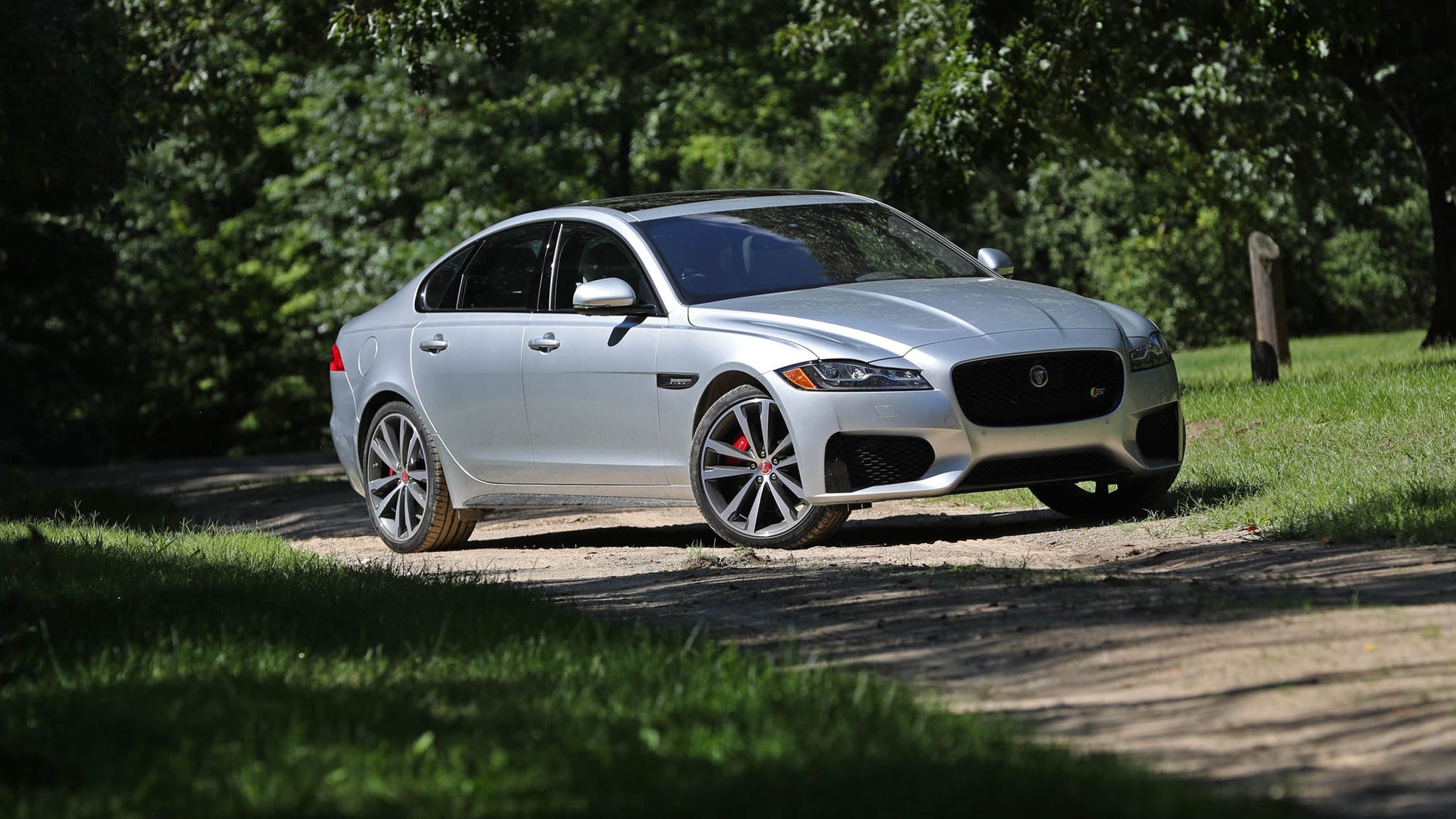
Distinct styling and brand heritage define the 2019 Jaguar XF Prestige, yet these qualities do not shield it from depreciation challenges. While it offers a refined driving experience, resale values often decline faster than expected.
Brand perception plays a major role. Jaguar carries a reputation for elegance and performance, but concerns about long-term reliability influence buyer confidence. Even when individual vehicles perform well, the perception of higher maintenance risk can discourage potential buyers in the used market.
Interior design presents a mix of strengths and limitations. Premium materials create a comfortable environment, though technology systems may feel dated within a short period. As newer vehicles introduce more advanced features, older models struggle to maintain their appeal.
Ownership costs remain a factor. Service expenses and parts availability can increase the cost of maintaining the vehicle, which affects resale demand. Buyers comparing options often gravitate toward brands known for lower ownership expenses.
Driving dynamics offer genuine enjoyment. Balanced handling and responsive power delivery provide a satisfying experience behind the wheel. Still, this strength does not fully offset concerns about long-term ownership. Supply levels also influence depreciation. Lease returns and trade-ins introduce a steady flow of used models into the market. As availability increases, prices adjust downward to attract buyers.
The 2019 Jaguar XF Prestige represents a case where emotional appeal and driving enjoyment do not guarantee strong resale performance. Buyers who prioritize financial stability may need to weigh these factors carefully before making a purchase.
Also Read: 5 Pickups With Rust-Proof Beds vs 5 That Rot Out
3. 2017 Cadillac XTS Luxury
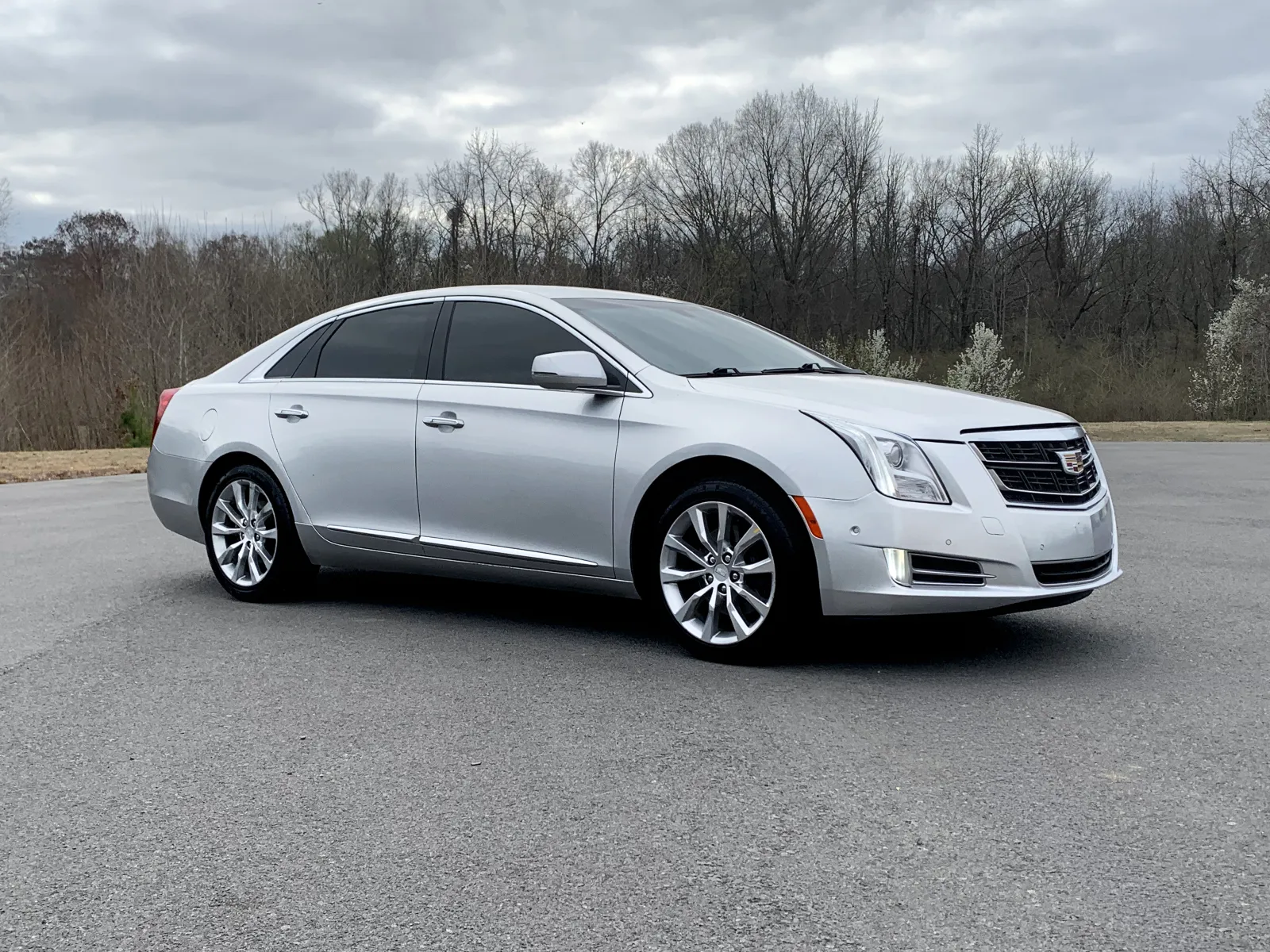
A careful review of the 2017 Cadillac XTS Luxury reveals a vehicle shaped by comfort, yet challenged by changing buyer expectations. Large sedans once commanded steady attention, especially among drivers who valued space and quiet operation.
This model reflects that tradition, presenting a refined cabin and a composed driving character. Still, external market forces have reduced its appeal, and those forces play a decisive role in how its value declines after purchase. Consider its strengths first. Generous interior dimensions allow both front and rear passengers to travel with ease, making it suitable for extended journeys.
Ride quality remains smooth due to suspension tuning that prioritizes comfort over sharp handling. Such characteristics create an experience that aligns with executive travel rather than spirited driving. Buyers who prefer calm, predictable movement often appreciate these qualities, yet that preference now represents a smaller segment of the market.
Attention must also be given to technological features. At the time of release, infotainment systems and driver assistance tools offered a modern experience. Progress in automotive technology has been rapid, and systems that once appeared advanced can begin to feel dated within a short period.
Prospective buyers comparing used vehicles often lean toward newer models with updated interfaces and improved connectivity, which places older systems at a disadvantage. Another factor arises from fleet utilization. A substantial number of XTS units served in corporate and rental environments.
When these vehicles return to the market, they measurably increase supply. High availability creates price competition, and sellers must adjust expectations accordingly. This pattern places downward pressure on resale values, even for well-maintained examples.
Driving behavior remains steady and composed, offering reliability for daily use. Acceleration is adequate, and handling remains predictable. Despite these qualities, market demand continues to favor SUVs and crossovers, leaving large sedans with reduced visibility among buyers. Preference trends have a direct effect on pricing, and the XTS is influenced by this reality.
Depreciation follows a consistent downward path rather than reaching an early plateau. Buyers focused on long-term value retention may view this as a concern. The 2017 Cadillac XTS Luxury stands as a clear illustration of how comfort and refinement alone cannot sustain strong resale performance when broader demand moves in a different direction.
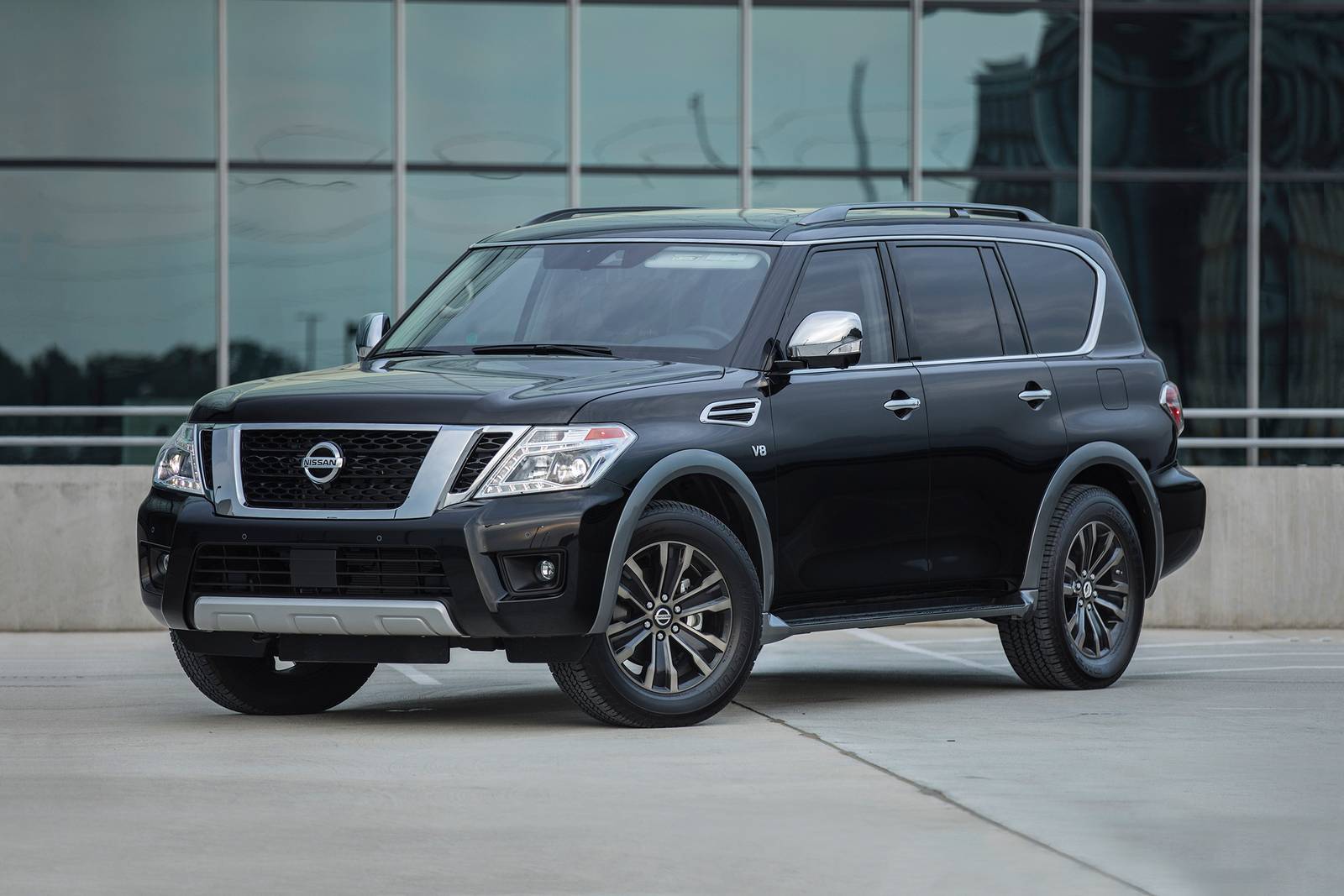
4. 2020 Nissan Armada Platinum
An examination of the 2020 Nissan Armada Platinum presents a full-size SUV designed with strength and presence, yet affected by economic and consumer considerations that shape its resale trajectory. This vehicle offers impressive interior space and towing capability, though such attributes do not automatically secure stable value in the secondary market.
Fuel consumption emerges as a central issue. A large V8 engine provides ample power for hauling and highway travel, though it also increases running costs. As fuel efficiency becomes more important to buyers, vehicles with higher consumption rates may receive less attention.
This pattern reduces demand when the vehicle enters the used market, contributing to a decline in resale value. Interior appointments deserve recognition. Premium materials, advanced infotainment systems, and comfortable seating create an environment suited for long journeys.
Passengers benefit from spacious seating arrangements and thoughtful design. Yet technological advancement continues at a rapid pace, and features that appear modern at launch can quickly lose their appeal. Buyers often compare available options and may prefer newer vehicles with updated systems.
Competition within the segment also influences depreciation. Full-size SUVs from various manufacturers offer similar capabilities, giving buyers a wide selection. When supply is abundant, pricing adjusts downward to remain competitive. This dynamic affects resale outcomes for models that do not distinguish themselves clearly from rivals.
Driving performance reflects stability and confidence. Highway travel feels composed, and towing tasks are handled effectively. These strengths appeal to a defined group of buyers, particularly those with specific needs. However, broader market demand often leans toward vehicles with improved fuel efficiency and updated features, narrowing the potential audience.
Depreciation occurs most rapidly during early ownership years. As the vehicle ages, resale values continue to decline, influenced by operating costs and market competition. Buyers who prioritize long-term value retention may consider these factors before making a purchase.
The 2020 Nissan Armada Platinum demonstrates that size, power, and comfort must align with evolving buyer priorities to maintain strong resale performance. Without that alignment, depreciation remains a persistent challenge.
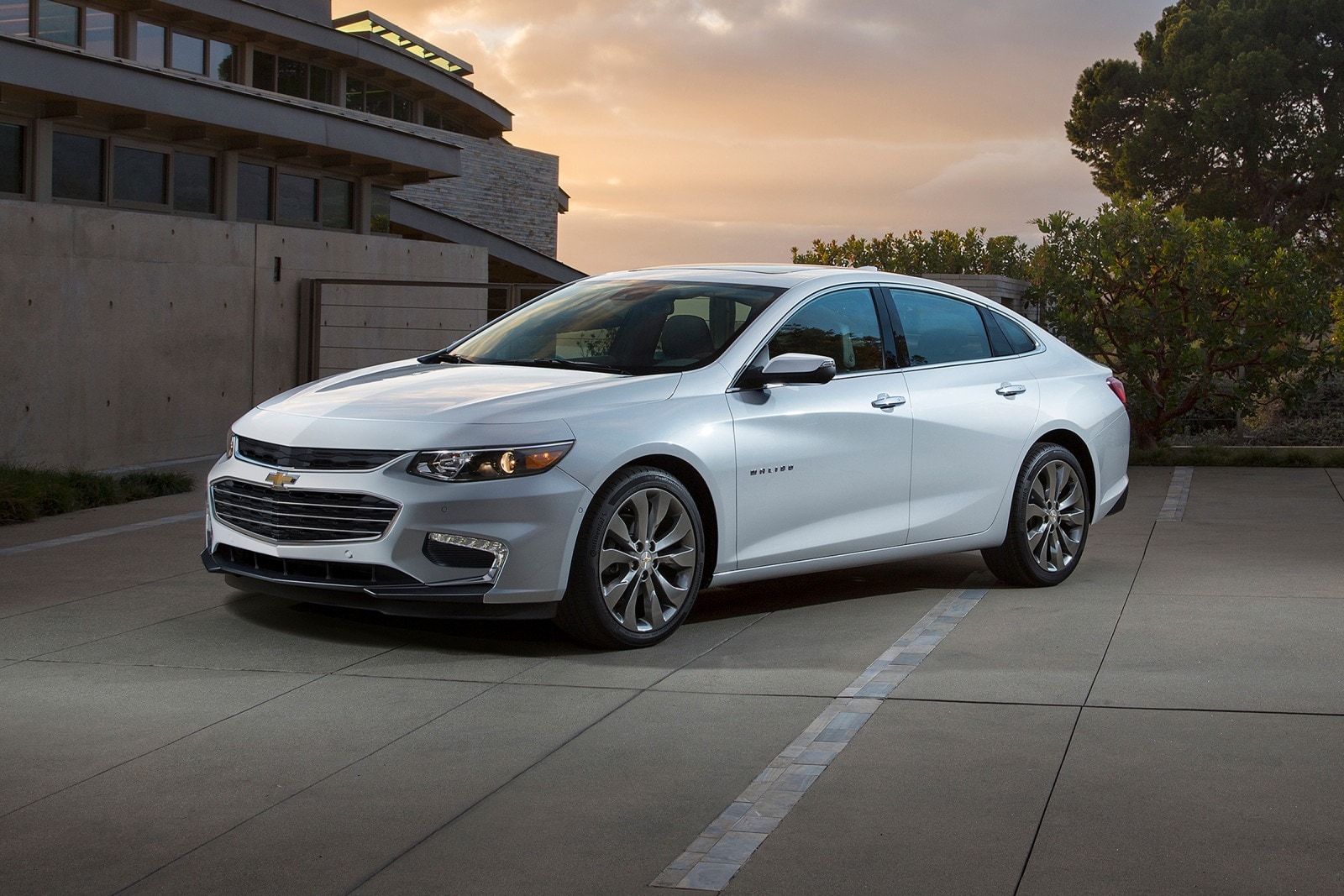
5. 2018 Chevrolet Malibu LT
A detailed assessment of the 2018 Chevrolet Malibu LT highlights a midsize sedan that fulfills practical transportation needs while facing steady depreciation driven by market conditions. This model offers reliability and efficiency, though those qualities alone do not guarantee stable resale value.
Production volume plays a decisive role in shaping its market position. High sales figures resulted in a large number of units entering circulation. As these vehicles transition into the used market, supply increases substantially. When many similar options are available, sellers must lower prices to attract buyers, leading to faster depreciation compared to less common models.
Interior design emphasizes functionality. Materials are durable, controls are straightforward, and seating provides adequate comfort for daily commuting. While these attributes support usability, they do not create a strong point of distinction. Buyers comparing multiple vehicles within the same category may not find a compelling reason to prioritize this model over alternatives.
Driving characteristics align with everyday expectations. The Malibu delivers a smooth ride and efficient fuel consumption, making it suitable for urban and highway use. Performance remains consistent, though it does not offer standout features that would raise its desirability. This balance of competence without uniqueness contributes to its depreciation pattern.
Consumer preferences have gradually moved toward crossovers and SUVs. As interest in sedans declines, demand for models such as the Malibu decreases. This trend directly influences resale values, as fewer buyers actively seek this type of vehicle. Even when ownership costs remain reasonable, reduced demand limits pricing stability.
Ownership expenses remain manageable, which helps maintain a baseline level of interest. Buyers seeking affordable transportation may still consider this model, especially when reliability records are favorable. However, affordability alone does not counteract the effects of high supply and shifting preferences.
The 2018 Chevrolet Malibu LT provides a clear example of how practicality and efficiency can coexist with steady value decline. Market dynamics, rather than mechanical shortcomings, define its depreciation pattern.
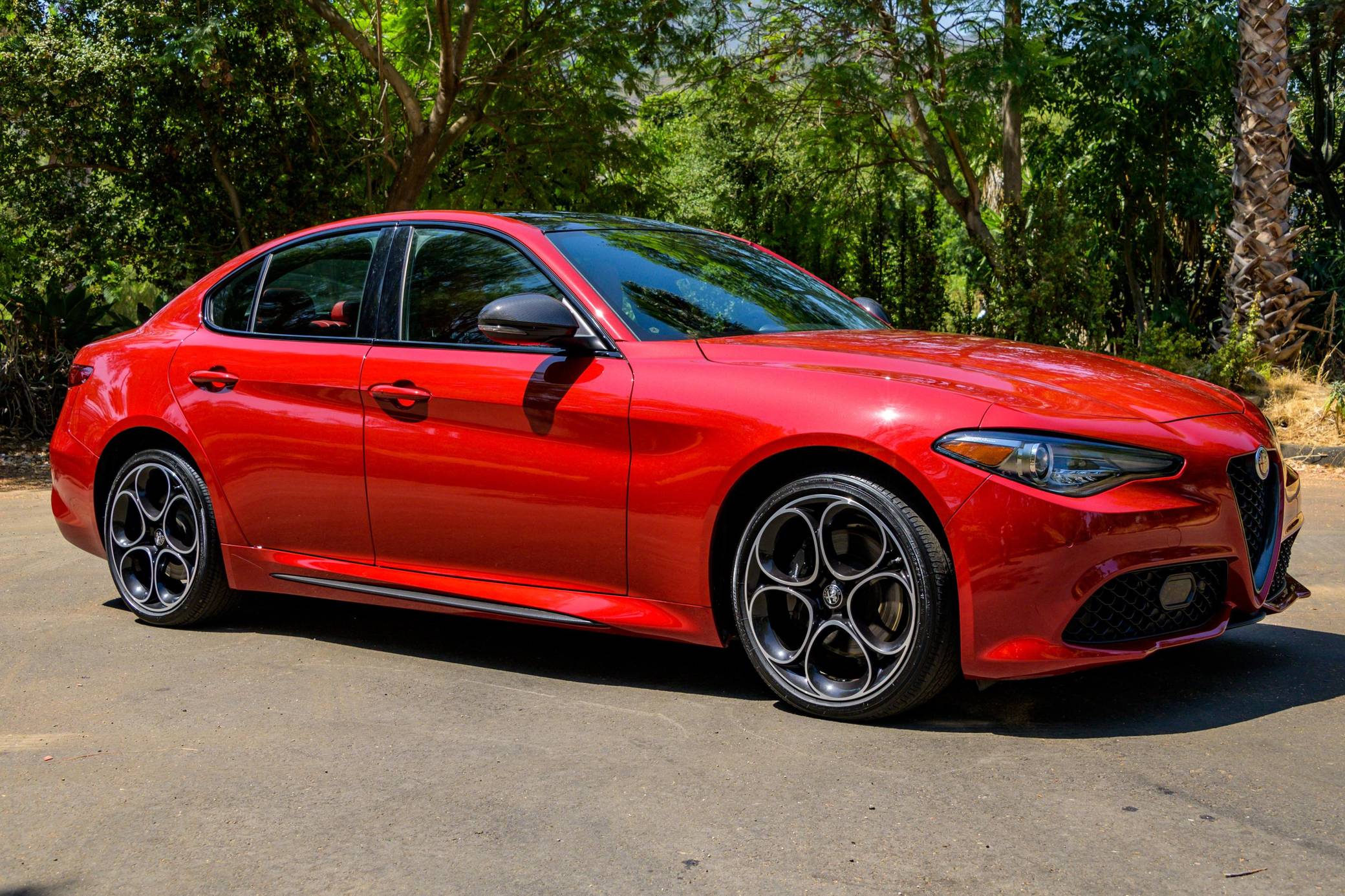
6. 2021 Alfa Romeo Giulia Ti
Italian styling and spirited driving character give the 2021 Alfa Romeo Giulia Ti strong showroom appeal, yet depreciation patterns reveal a different story once ownership begins. Buyers are often drawn to its sleek design and engaging performance, only to discover that resale values fall faster than expected within a short period.
Brand perception plays a decisive role in this pattern. Alfa Romeo carries a heritage associated with performance and design, yet concerns about reliability and long-term ownership costs remain present in buyer discussions. Even when individual vehicles perform well, these concerns influence purchasing decisions in the used market.
As a result, demand does not always match the initial excitement that surrounds the model. Mechanical engineering emphasizes performance, with a turbocharged engine delivering responsive acceleration and balanced handling. Drivers appreciate the precision and connection it offers on the road. However, performance-oriented vehicles often face a narrower audience when resold. Buyers seeking practical transportation may look elsewhere, reducing the pool of potential purchasers.
Interior design reflects a blend of style and function. Materials create an upscale atmosphere, while controls remain focused on the driving experience. Yet technology systems develop quickly, and newer competitors introduce updated interfaces that can make older versions appear less appealing. This rapid change affects resale interest.
Ownership costs add another layer of consideration. Maintenance, servicing, and parts availability may require a higher financial commitment compared to more mainstream brands. Buyers in the secondhand market often factor these expenses into their decisions, which contributes to lower resale prices.
Supply levels also influence depreciation. Lease returns and trade-ins increase the number of available units, creating competition among sellers. As inventory grows, pricing adjusts to attract attention, accelerating value loss. The 2021 Alfa Romeo Giulia Ti illustrates how emotional appeal does not always translate into long-term financial stability. Buyers who prioritize driving enjoyment may accept this trade-off, while those focused on value retention may approach with caution.
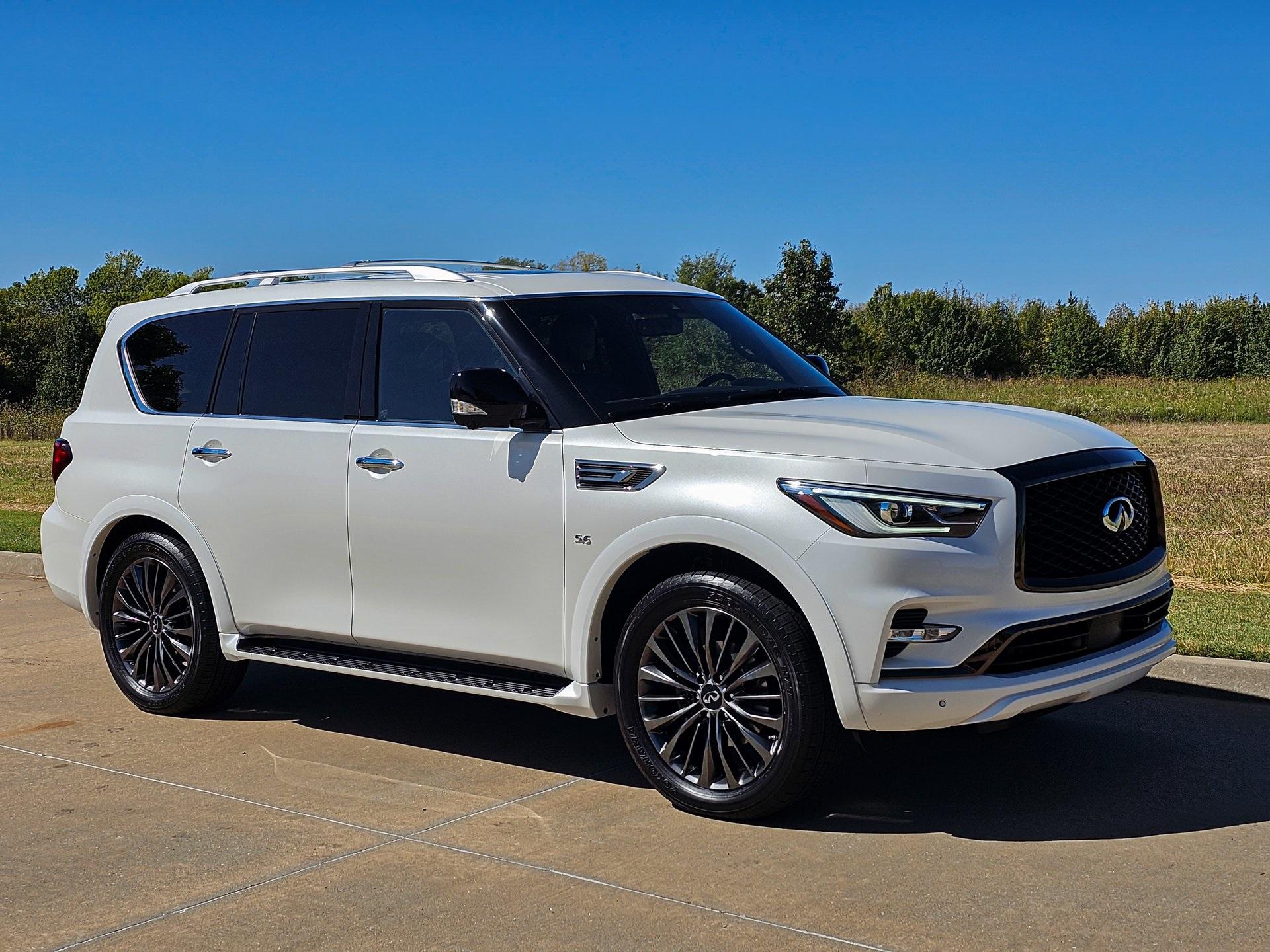
7. 2020 Infiniti QX80 Luxe
Large luxury SUVs often promise durability and comfort, yet the 2020 Infiniti QX80 Luxe demonstrates how depreciation can outpace expectations. Despite offering space and capability, resale values tend to decline at a steady rate.
Design philosophy influences market perception. The QX80 features bold styling and a commanding presence, though this approach does not appeal to every buyer. Preferences within the luxury SUV segment develop quickly, and models that do not align with current tastes may experience reduced demand.
Performance characteristics center on a powerful V8 engine. While this delivers strong acceleration and towing capability, fuel consumption becomes a concern for many buyers. As operating costs increase, interest in such vehicles may decline, affecting resale value.
Interior features focus on comfort and convenience. Spacious seating, premium materials, and advanced systems create a welcoming cabin. Yet technology advances rapidly, and newer vehicles introduce features that make older models feel less current. This affects buyer perception during resale.
Ownership costs extend beyond fuel consumption. Maintenance and servicing expenses for large luxury SUVs remain higher than average. Buyers evaluating used options often compare long-term costs, which can lead them toward more economical alternatives.
Market competition adds pressure. Numerous luxury SUVs compete for attention, providing buyers with a wide selection. When supply exceeds demand, pricing adjusts downward to remain competitive. Driving experience remains smooth and composed, particularly during highway travel.
This strength appeals to those who value comfort, though it may not be enough to counterbalance financial considerations. The 2020 Infiniti QX80 Luxe highlights how size and luxury features do not guarantee strong value retention. Buyers who understand these dynamics can make more informed decisions when considering full-size SUVs.
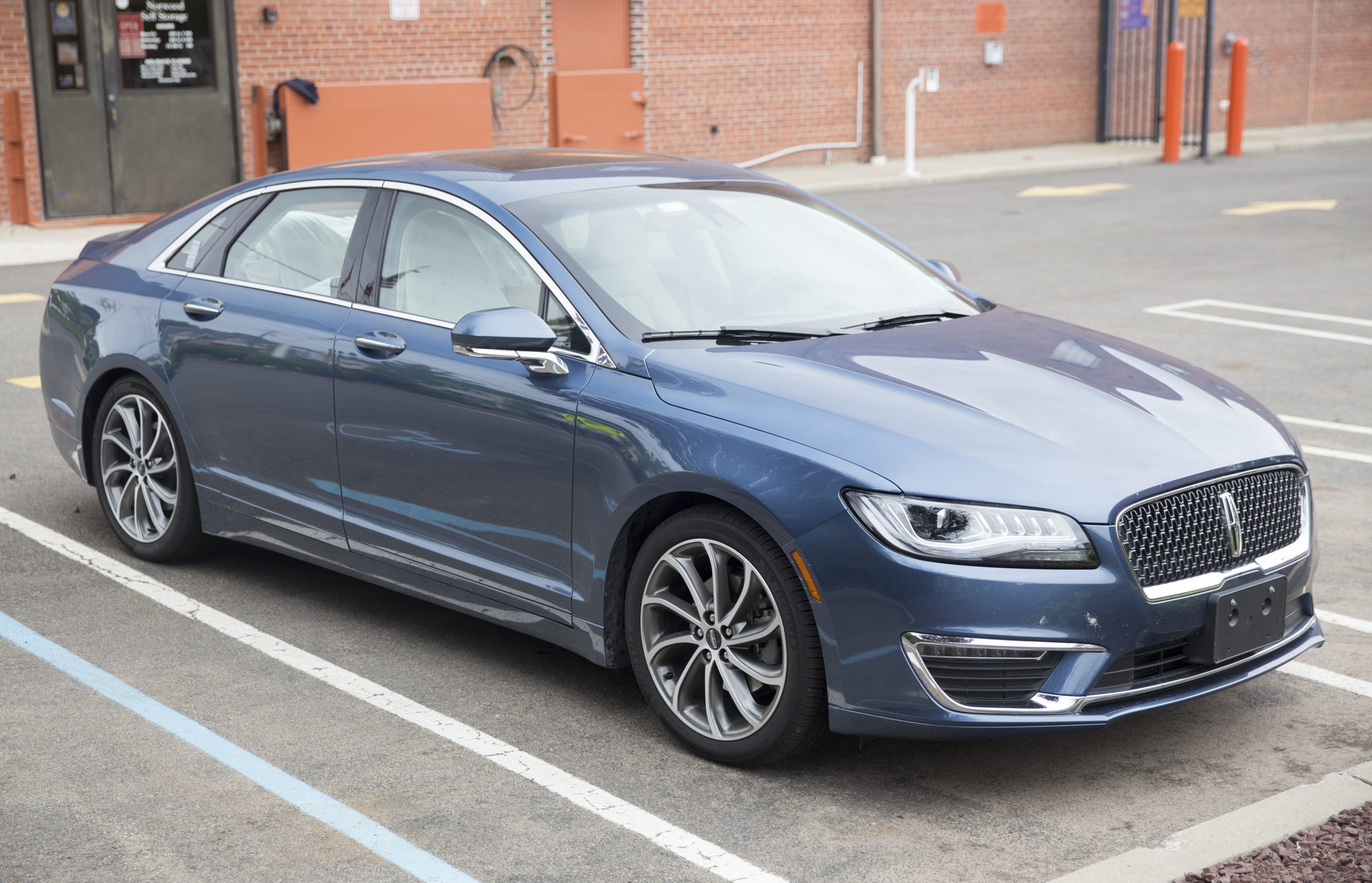
8. 2019 Lincoln MKZ Reserve
Quiet refinement defines the 2019 Lincoln MKZ Reserve, yet depreciation trends reveal a steady decline that surprises many buyers. While it offers comfort and a smooth ride, resale values often fall faster than expected. Market positioning plays a role in this outcome.
The MKZ competes in a segment filled with strong alternatives, many of which carry more established reputations. Buyers in the used market often gravitate toward brands with a stronger perception of long-term reliability, which affects demand.
Interior design emphasizes comfort. Soft materials, supportive seating, and a calm cabin environment create a pleasant driving experience. However, styling and technology may not stand out enough to maintain strong interest as newer models enter the market.
Powertrain performance delivers consistent output, providing a smooth and controlled ride. This characteristic supports daily use but does not create a strong identity that differentiates the vehicle from competitors. Production volume contributes to depreciation.
A steady flow of used units enters the market through trade-ins and lease returns. Increased availability leads to pricing adjustments as sellers compete for buyers. Ownership costs remain moderate, which helps maintain some level of interest.
Still, this advantage does not fully offset the impact of limited demand and strong competition. Driving behavior remains predictable, with suspension tuning that prioritizes comfort. This approach appeals to a specific audience but may not attract buyers seeking a more engaging experience.
The 2019 Lincoln MKZ Reserve demonstrates how comfort alone cannot sustain strong resale value. Market dynamics and brand perception continue to influence its depreciation pattern.
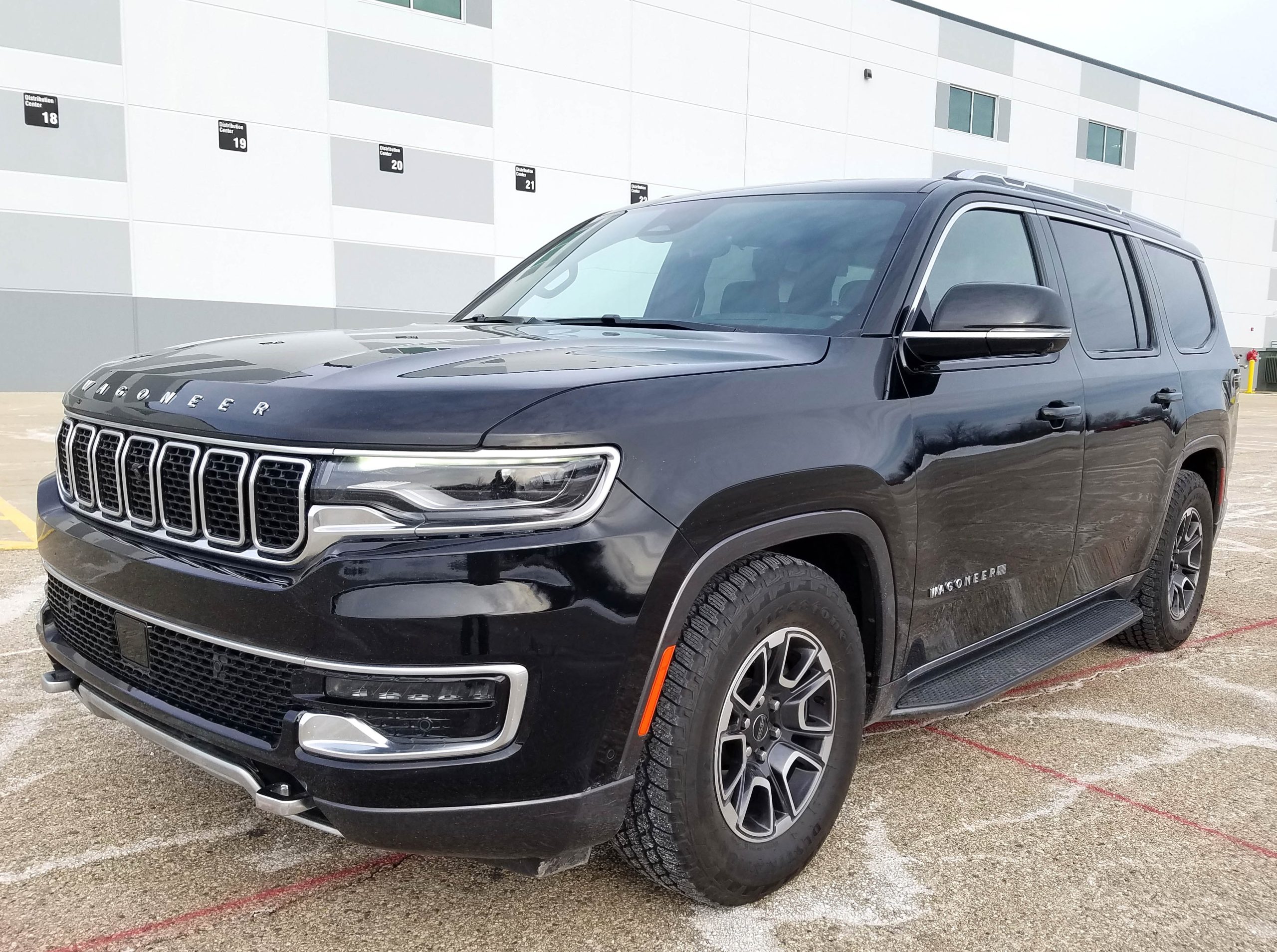
9. 2022 Jeep Wagoneer Series II
Modern revival models often generate excitement, yet the 2022 Jeep Wagoneer Series II reveals how new entries can face depreciation challenges shortly after release. Despite offering advanced features and a spacious design, resale values tend to decline during the early years.
Pricing strategy influences this pattern. Positioned as a premium full-size SUV, the Wagoneer enters the market with a high starting price. As time passes, buyers in the used market expect lower prices, leading to a noticeable drop in value.
Interior space and comfort stand out as strengths. Multiple seating rows, advanced technology, and refined materials create a family-friendly environment. However, rapid advancements in technology mean that features can feel outdated sooner than expected.
Fuel efficiency becomes a consideration for buyers evaluating long-term ownership. Larger engines provide power but increase operating costs. As fuel-conscious options gain popularity, demand for less efficient vehicles may decline. Market competition intensifies the situation. Established models with proven track records compete directly with the Wagoneer, offering buyers alternatives that may feel more familiar.
This competition affects resale interest. Ownership experience remains positive for many drivers, with smooth handling and strong road presence. Yet these qualities must compete with financial considerations that influence purchasing decisions.
Supply levels increase as more units enter the used market. As availability grows, pricing adjusts downward to attract buyers, accelerating depreciation. The 2022 Jeep Wagoneer Series II illustrates how new models can face immediate value challenges when pricing, competition, and market expectations intersect.
Also Read: 5 Pickups With Rust-Resistant Bodies vs 5 Rust Magnets
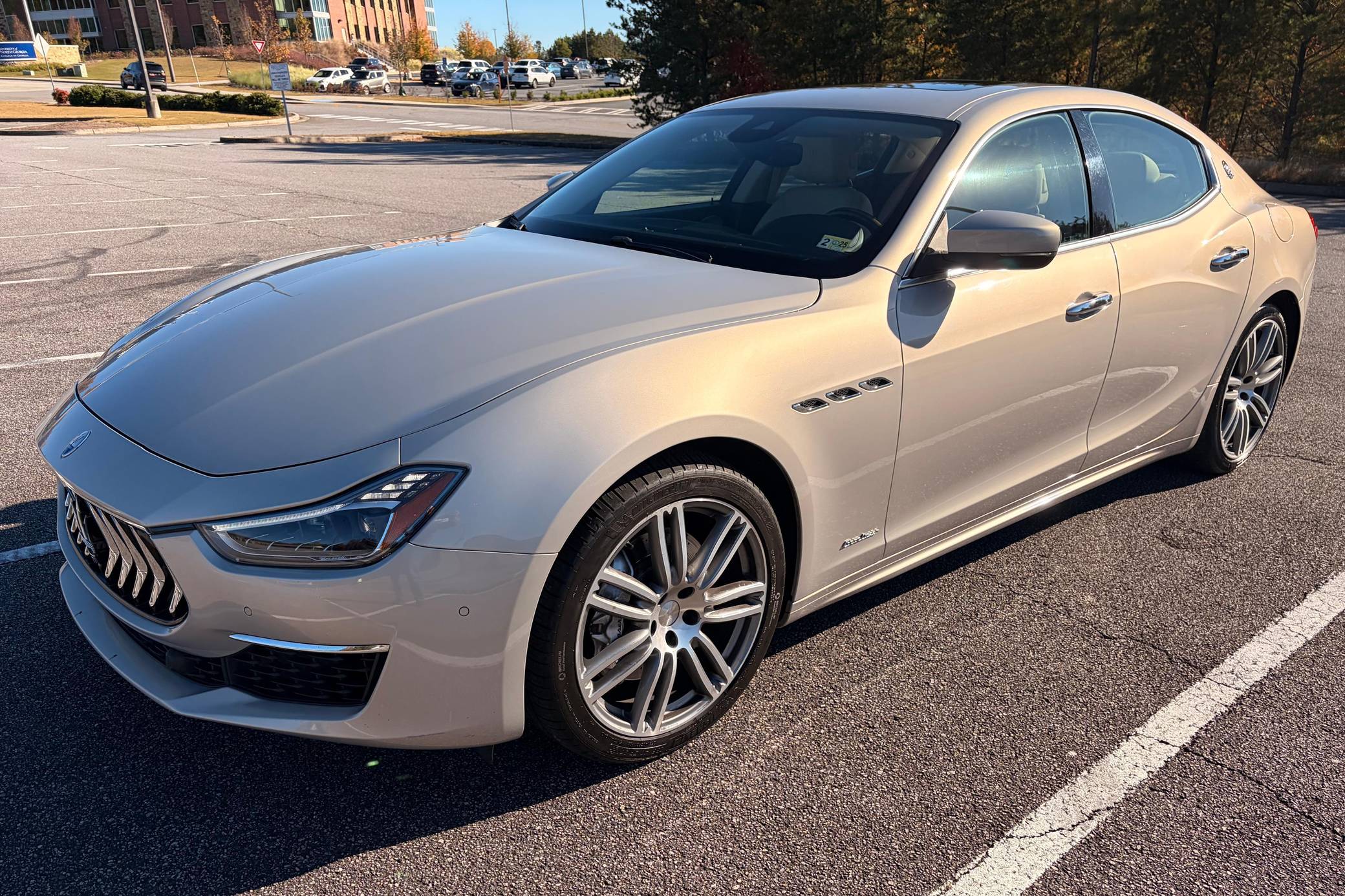
10. 2018 Maserati Ghibli S Q4
Exotic branding and striking design define the 2018 Maserati Ghibli S Q4, yet depreciation patterns reveal one of the most dramatic value declines in its segment. Buyers often enter ownership expecting exclusivity, only to encounter a rapid loss in resale value.
Brand appeal creates initial interest. Maserati carries an image associated with luxury and performance, attracting buyers who seek distinction. However, this appeal does not always translate into sustained demand within the used market.
Performance characteristics remain strong. A powerful engine and all-wheel-drive system deliver engaging acceleration and confident handling. Drivers enjoy the experience, though performance alone does not guarantee strong resale value.
Interior quality presents a mixed picture. While materials create a premium feel, some elements may not meet expectations when compared to competitors. Buyers evaluating used luxury vehicles often consider these details carefully.
Ownership costs influence depreciation heavily. Maintenance, servicing, and parts expenses remain high, which reduces interest among secondhand buyers. These costs become a deciding factor for many, leading them to consider alternatives.
Market supply contributes to pricing trends. Lease returns introduce additional units into the market, increasing competition among sellers. As availability rises, prices adjust downward to attract buyers. Driving experience remains engaging, offering a blend of performance and comfort. Yet financial considerations continue to outweigh these strengths for many buyers.
The 2018 Maserati Ghibli S Q4 serves as a clear example of how prestige and performance do not always protect against rapid depreciation. Buyers who understand these patterns can avoid unexpected financial outcomes when choosing a luxury vehicle.
