
A factory bed liner sounds like it should be straightforward. Put a durable coating on the bed floor, protect the metal underneath, and done. In practice, factory bed liner quality ranges from genuinely excellent coatings that hold up to a decade of hard commercial and recreational use without peeling, cracking, or losing their grip, all the way to thin painted textures that scuff through to bare metal within the first year of serious use.
Most buyers do not think much about bed liner durability when they are at the dealership. It is one of those items that feels like it should be a given on any work truck, and salespeople rarely distinguish between trucks whose factory liner will last fifteen years and those whose liner is essentially a coat of rubberized paint that will need replacement within eighteen months of regular use. You only learn the difference after you have dragged a few loads across your bed and started watching where the texture disappears first.
This page addresses that knowledge gap with specific, honest information about which trucks have offered factory bed liners that held up across actual years of documented use. Several of the trucks on this list have factory liner data going back ten to twenty years from real work truck applications, commercial fleets, and owner communities that have tracked liner condition as a practical matter rather than an academic one.
What emerges from that documentation is a clear picture of which manufacturers invested in real liner quality and which ones delivered a nominal specification that looked adequate on the window sticker but failed in practical service. Nine trucks, each with a specific factory bed liner approach that either held up to decades of testing or established a pattern of durability that subsequent owners continued to validate.
Whether you are buying a new or evaluating a used work truck’s bed condition, this is the research that helps you know what to expect before you put the first load in.
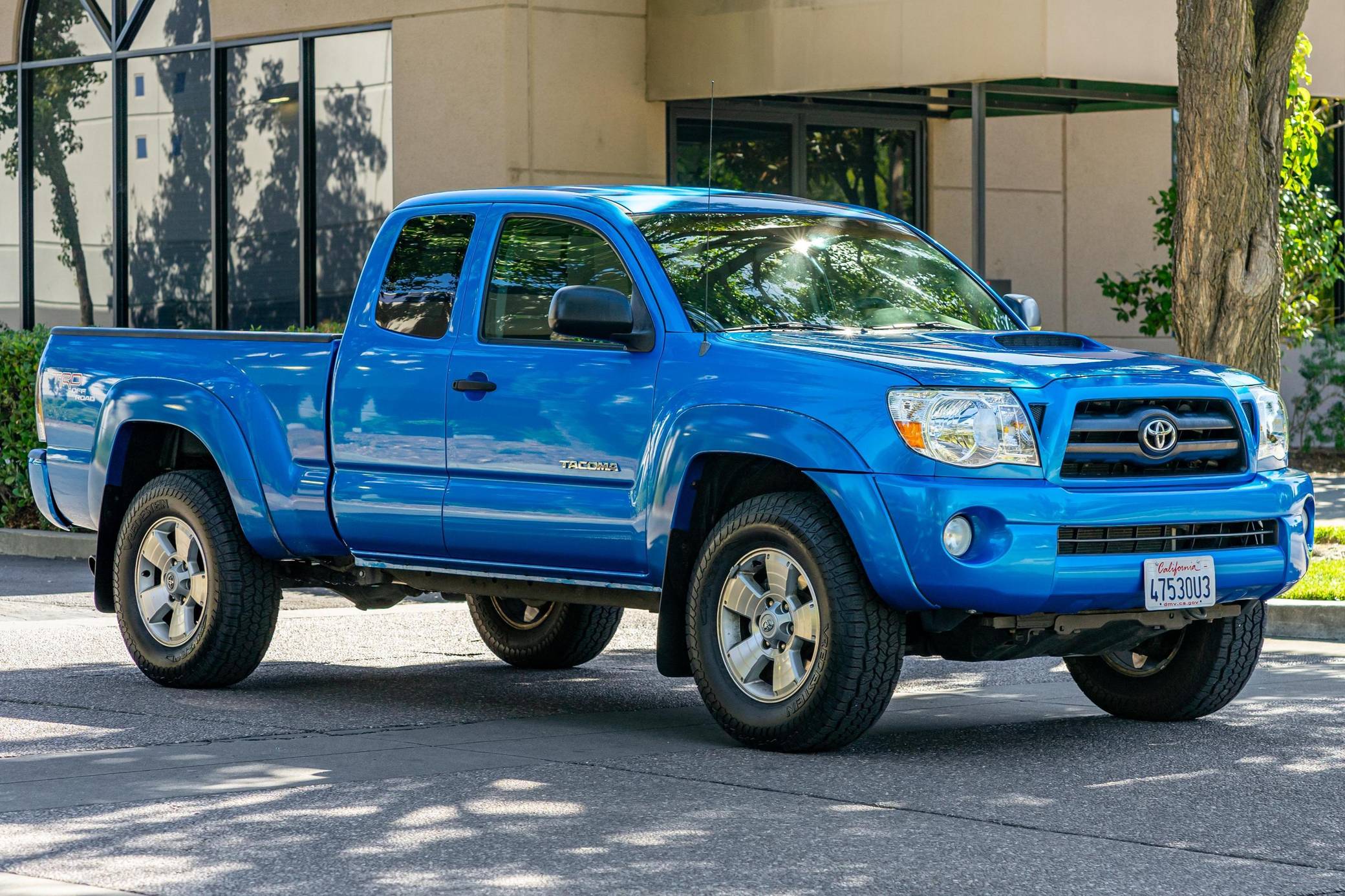
1. Toyota Tacoma TRD Off-Road Double Cab 4×4 (Second Generation, 2005 to 2015
Toyota’s decision to offer a spray-in bedliner as standard equipment on specific Tacoma configurations during the second generation production run was a specification choice that distinguished this truck from competitors who offered spray-in liners only as paid upgrades.
Spray-in bedliner technology applied to a clean, properly prepared metal surface during manufacturing creates a bond between the liner compound and the substrate that drop-in plastic alternatives and painted texture coatings cannot match for long-term durability and adhesion retention.
Toyota’s Tacoma spray-in liner during the second generation used a polyurea-based compound whose chemical properties gave it both abrasion resistance and flexibility that competing rigid spray compounds and hard plastic liner technology could not consistently match.
Polyurea formulations resist the impact cracking that rigid compounds develop when cargo corners and tool chest edges concentrate force at specific points, and the flexibility retained across temperature cycling meant that the liner maintained its bond to the bed substrate even as the two materials expanded and contracted through seasonal temperature variation.
Commercial landscaping operations and fleet users who ran second-generation Tacoma trucks across the full second-generation production period and beyond documented bed liner condition at high mileage that specifically supported Toyota’s spray-in investment as a meaningful quality differentiator rather than a marketing upgrade.
Beds at 150,000 and 200,000 miles showed linear condition that retained functional surface texture, maintained bond integrity with the substrate at the bed floor and sidewall junctions, and preserved the underlying bed metal from the corrosion that unprotected or poorly protected bed surfaces in commercial use developed progressively.
Drain hole design in the second-generation Tacoma bed worked in conjunction with the spray-in liner by preventing water pooling at liner edges near drain provisions, where standing water accelerated liner edge lifting and adhesion failure in competitive products with less comprehensive liner coverage.
Coverage extending into drainage channels and around drain plug provisions, rather than stopping at these functional openings, contributed to liner longevity by eliminating the partial coverage boundaries where moisture penetration initiated edge lifting on less thoroughly applied liner systems.
Owner reports from Tacoma communities spanning the full second-generation production period consistently placed bed liner durability among the most frequently cited positive ownership attributes, with users who specifically compared the Tacoma’s factory liner to aftermarket liners they had installed on previous trucks frequently concluding that Toyota’s factory application delivered quality comparable to professional aftermarket spray-in installation at substantially lower effective cost given its inclusion in the base configuration.
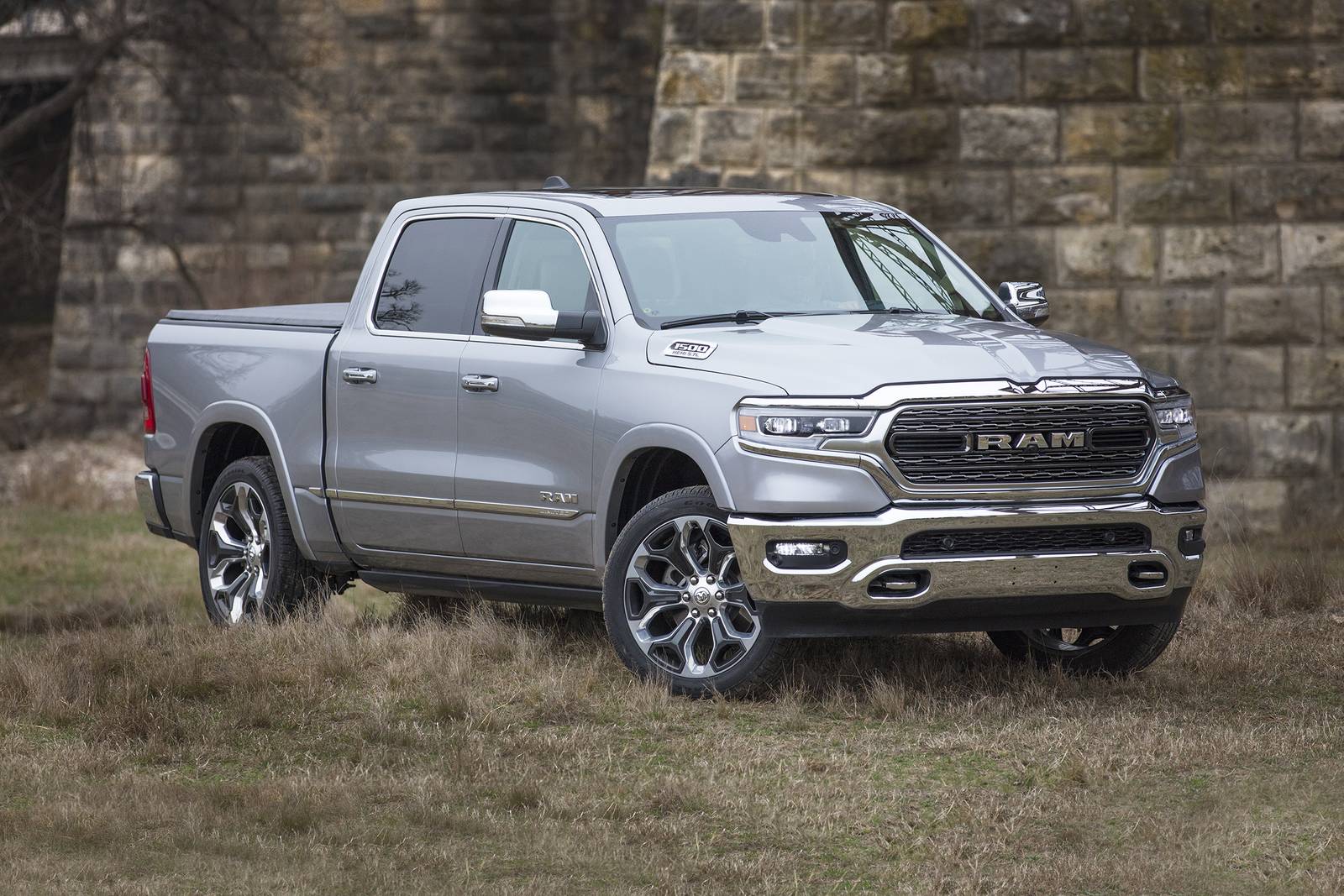
2. Ram 1500 Tradesman Quad Cab 4×4 With RamBox and Spray-In Liner (DS Generation, 2009 to 2018)
Ram’s introduction of the RamBox cargo management system in the DS-generation Ram 1500 Tradesman represented an integration of storage and bed protection, which produced, in equipped configurations, one of the more comprehensive factory bed protection packages available in the half-ton segment during this period.
When the RamBox system’s available spray-in liner option was specified alongside the integrated storage boxes, the resulting bed configuration addressed both the bed floor protection and the side rail and storage cavity durability concerns that work truck beds accumulated over years of heavy use.
Factory spray-in liner application on DS-generation Ram 1500 Tradesman trucks specified with this option used a professionally applied compound at the Ram assembly facility with surface preparation that matched professional aftermarket installation quality.
Manufacturing environment liner application has specific advantages over dealer-applied or post-purchase spray applications: the substrate is completely free of contamination from handling and use that subsequent applications must clean off, and application in a controlled environment produces consistent compound thickness and adhesion quality across the full bed surface area.
RamBox integration created a protection advantage beyond the bed floor, with the storage box inner surfaces receiving durable coating treatment that protected these enclosed storage areas from the moisture, chemical exposure, and mechanical contact that tools and equipment stored in these compartments generated continuously.
Inner surface protection in the RamBox compartments prevented the oxidation and surface deterioration that unprotected metal in these locations would have developed rapidly in commercial and outdoor use conditions, where tools and wet equipment were stored routinely.
Long-term durability assessment from DS Ram 1500 Tradesman fleet examples with RamBox and spray-in liner specifications showed bed floor and box condition at ten-plus year service intervals that retained functional protection quality without the adhesion failure, color fade, and surface texture loss that lesser factory liner applications showed at much shorter service periods.
Fleet managers who had specified this configuration in their procurement decisions cited bed protection durability as supporting their continued procurement preference for this specification across multiple replacement cycles.
Also Read: 10 Diesel Trucks Ranked by Towing-to-Longevity Ratio
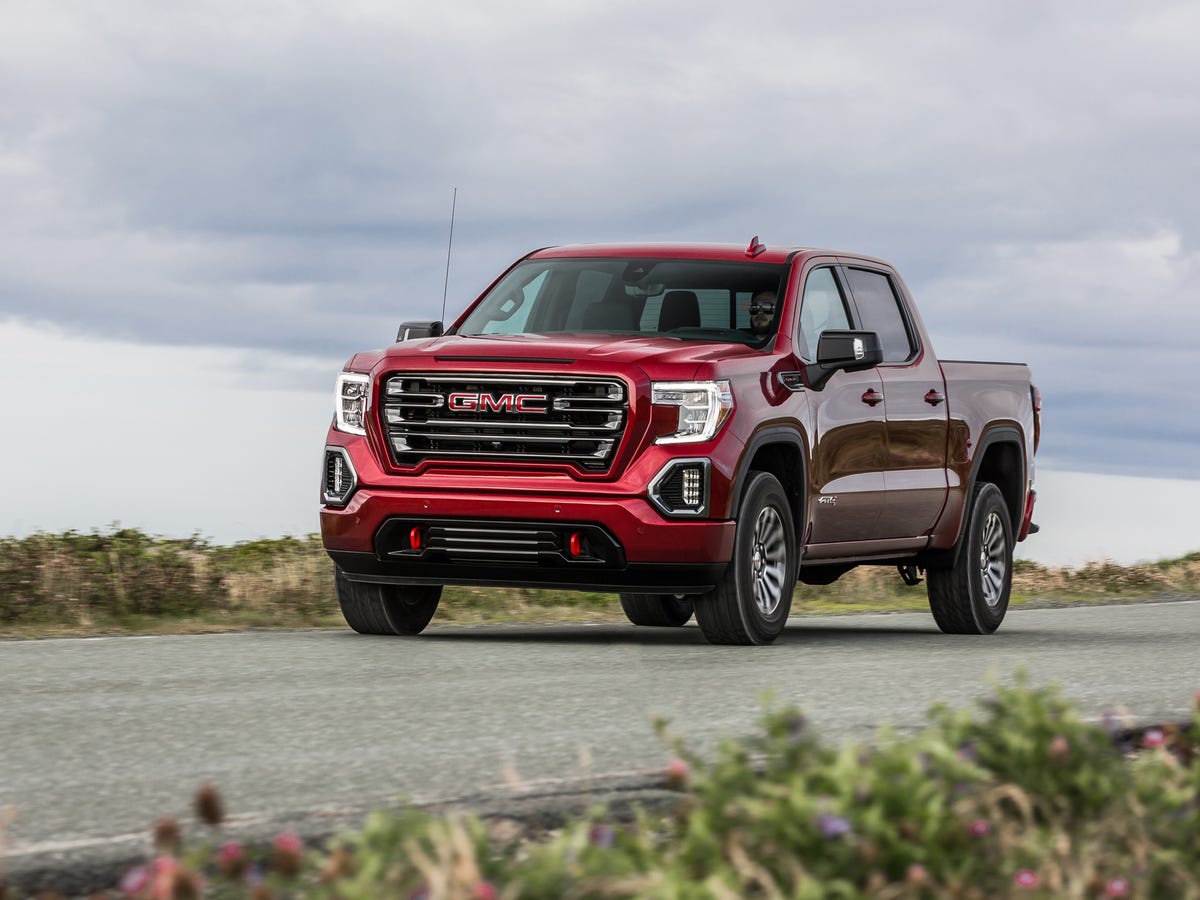
3. GMC Sierra 1500 AT4 Crew Cab 4×4 With Factory Spray-In Liner (T1XX Generation, 2019 to 2024)
GMC’s AT4 configuration in the T1XX generation Sierra 1500 included a factory spray-in liner as standard equipment, placing professional-grade bed protection in a specification tier that positioned this liner as part of a comprehensive outdoor-use capability package rather than a standalone add-on.
Factory standard liner inclusion means that bed protection quality was considered during the design and specification process rather than added as an afterthought, and the resulting liner specification reflects this integrated approach.
GMC’s factory spray-in liner for the AT4 Sierra 1500 covers the full bed interior, including the floor, tailgate interior, bed walls up to the rail height, and transition areas around stake pocket cutouts and tie-down hardware locations where partial coverage would leave vulnerable edges exposed to moisture and mechanical contact.
Comprehensive coverage eliminates the partial coverage patterns that create edge-lifting initiation points in liners that stop short of complete surface coverage, maintaining liner integrity at the locations most vulnerable to adhesion failure in partially covered applications.
Tie-down hardware integration with the liner application process, where liner material covers the transition between bed metal and installed hardware rather than stopping at the hardware edges, reduces the moisture ingress pathways at these locations that uncoordinated liner and hardware installation creates.
Water that penetrates beneath liner material at hardware transition edges initiates the corrosion and adhesion failure cycle that progressively compromises both the liner and the underlying metal, and coordinated coverage at these transitions prevents this failure pathway from developing.
Owner reports from AT4 Sierra 1500 trucks in outdoor and light commercial use consistently document factory liner condition at three to five-year intervals that retains surface texture quality and adhesion integrity without the edge lifting and corrosion evidence that lower-quality liner applications produced at comparable service periods.
Early T1XX generation AT4 trucks approaching the five-year ownership mark are beginning to provide the longer-term durability data that will eventually confirm whether GMC’s AT4 liner specification sustains its initial performance quality across the decade-plus service periods that define genuinely durable factory liner applications.
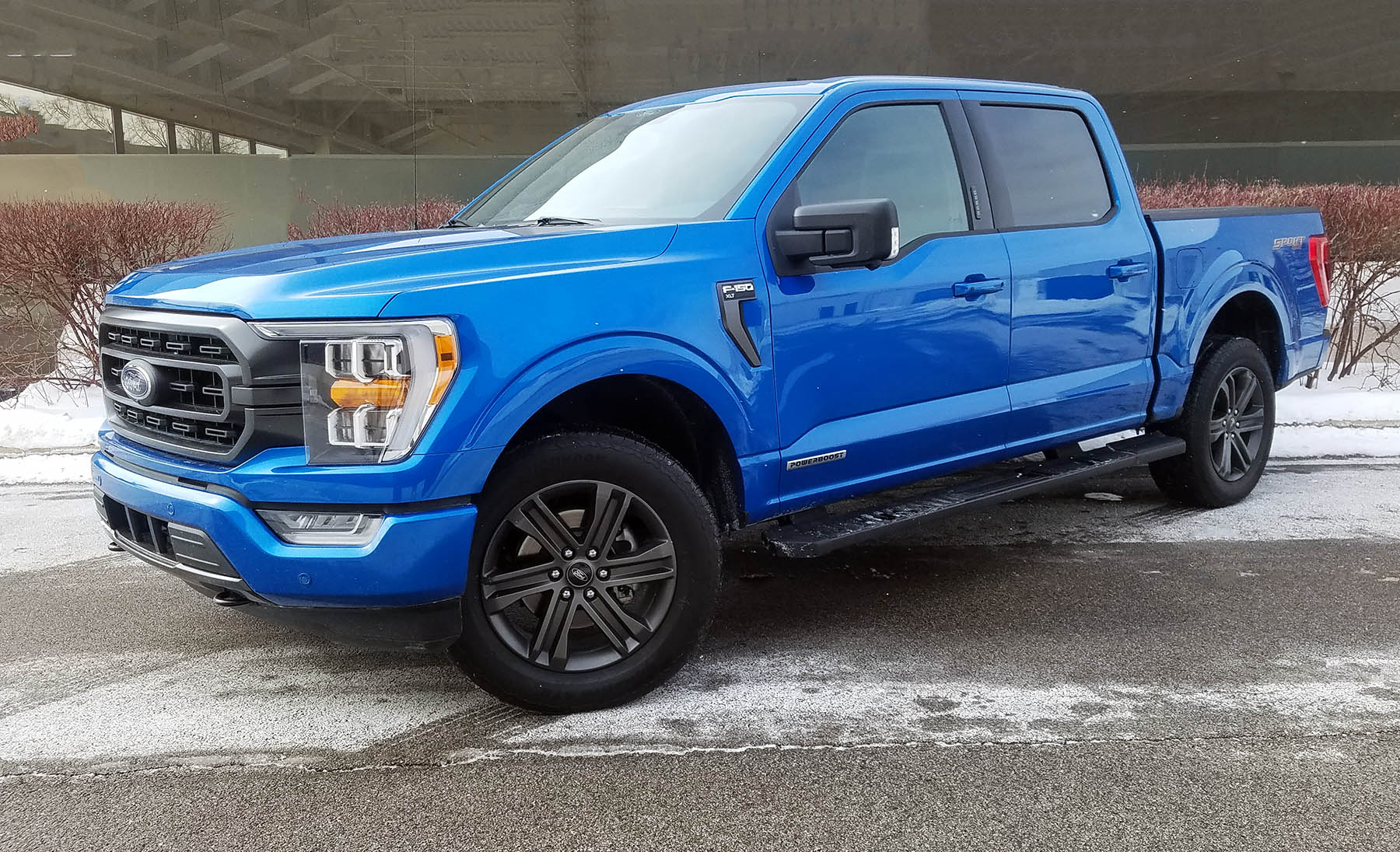
4. Ford F-150 XLT SuperCrew 4×4 With BoxLink and Factory Spray-In Liner (Fourteenth Generation, 2021 to 2024)
Ford’s transition to aluminum bed construction in the thirteenth-generation F-150 created a specific bed liner challenge that the fourteenth generation’s factory spray-in liner option addressed with a formulation specifically developed for adhesion to aluminum substrate rather than simply applying a liner compound designed for steel.
Aluminum and steel have different surface chemistry and different thermal expansion characteristics that affect both adhesion quality at application and long-term bond retention through temperature cycling, and Ford’s aluminum-specific liner compound addresses these differences with a formulation appropriate for the substrate.
Aluminum bed corrosion resistance eliminates the primary corrosion failure mode that steel bed liners must address, shifting the liner’s primary protection function toward abrasion resistance and impact protection rather than corrosion prevention.
This shifted function requirement allows a linear formulation optimized for abrasion and impact performance rather than requiring comprehensive corrosion protection at every coverage boundary, which influences the compound selection and application process in ways that the end user experiences as superior surface durability in the high-abrasion contact areas that cargo loading and unloading create consistently.
BoxLink cargo management cleats integrated into the bed floor provide specific anchor points that receive reinforced liner treatment at their installation locations, addressing the highest mechanical stress points in the liner coverage area where the hardware interface with the liner material could create concentration points for adhesion failure. Reinforced coverage at these specific locations extends liner service life at the hardware interaction zones that represent the most mechanically demanding locations in the full bed liner coverage area.
Fourteenth-generation F-150 trucks are still within the early portion of their expected commercial service lives at the time of publication, but initial owner documentation and fleet service assessments at two to three-year service intervals are providing positive preliminary data on liner condition that suggests the aluminum-specific compound performs as intended.
Ford’s documented commitment to developing bed liner formulations appropriate for their specific substrate rather than applying generic compounds to a fundamentally different surface than those compounds were designed for reflects an engineering approach to bed liner durability that should produce long-term results consistent with the quality of the underlying design decision.
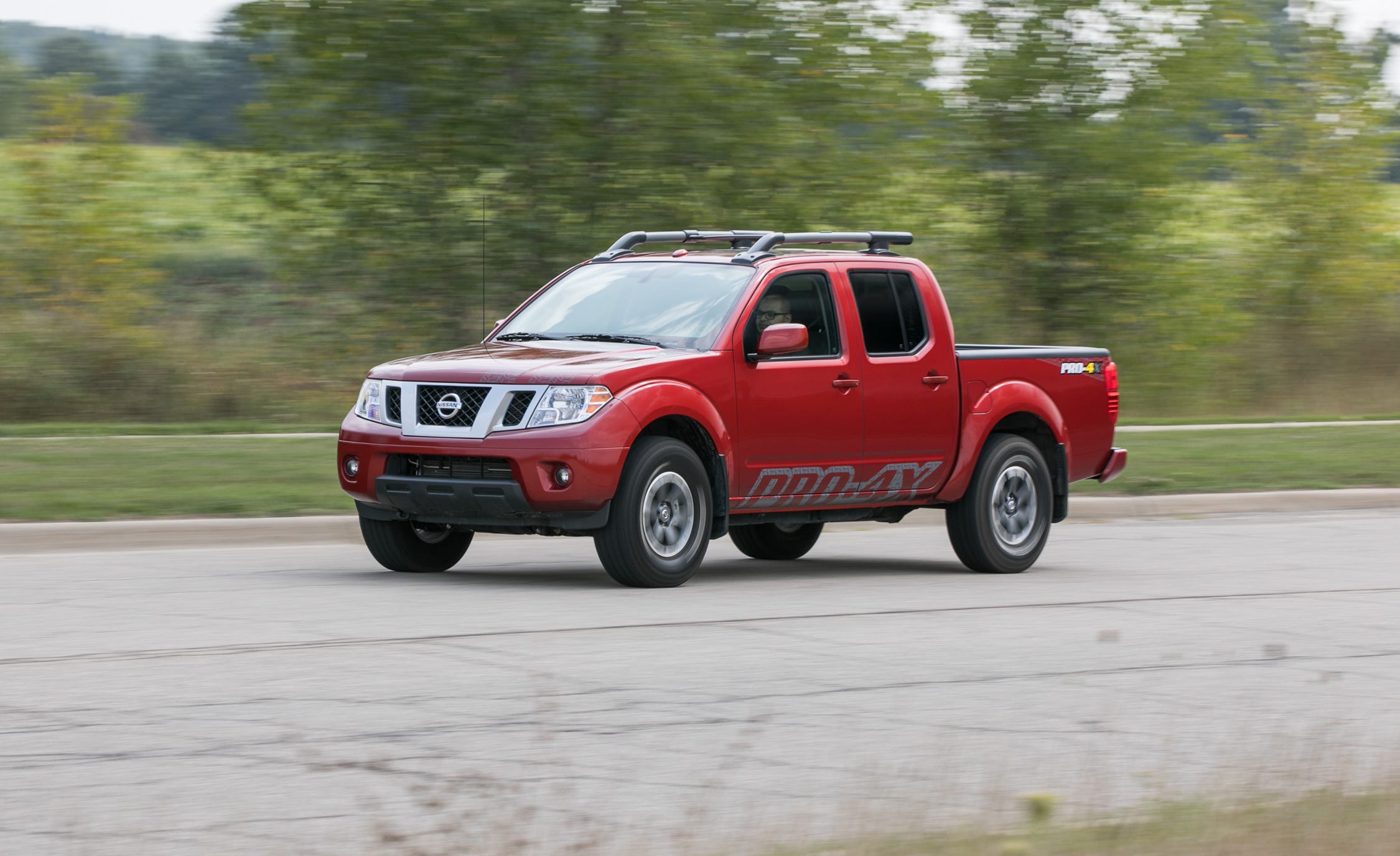
5. Nissan Frontier Pro-4X Crew Cab 4×4 (Third Generation, 2022 to 2024): Factory Liner in a Refreshed Midsize Package
Nissan’s complete Frontier redesign for the third generation incorporated a factory spray-in bedliner as standard equipment on Pro-4X trim trucks, positioning bed protection as a fundamental capability element rather than a cosmetic upgrade for buyers who wanted the complete outdoor-capable Frontier package.
Specification of spray-in liner at the Pro-4X trim level rather than only at premium trim tiers reflects Nissan’s recognition that the buyers most likely to use their Frontier in demanding conditions were choosing Pro-4X specifically for its capability focus rather than its luxury appointments.
Nissan’s factory spray-in application for the third-generation Pro-4X Frontier uses preparation and application processes that Nissan developed with spray-in liner quality standards appropriate for a truck positioned to compete with Toyota’s Tacoma TRD Pro for the midsize outdoor-capable truck buyer.
Competitive positioning of the third-generation Frontier against the Tacoma platform’s established liner quality reputation created market pressure for Nissan to specify a factory liner that could reasonably be compared to Toyota’s standard rather than falling short of it in the quality-conscious outdoor truck buyer segment. The bed floor ribbing pattern on the third-generation Frontier bed coordinates with the spray-in liner application to create a surface profile that provides both drainage function and additional grip at the ribbed high points where cargo contact occurs primarily.
Liner compound coverage over the ribbed profile maintains the functional texture of both the ribs and the channels between them, producing a bed surface that combines the structural drainage function of the ribbed floor with the abrasion resistance and grip of the spray-in compound rather than compromising either function through incomplete coverage or incompatible surface geometry.
Third-generation Frontier Pro-4X trucks are building their real-world durability record across early ownership cycles at the time of writing, with owner community reports at one to three-year intervals documenting linear condition consistent with the Pro-4X’s capability-first positioning.
Longer-term data from commercial and heavy outdoor use will determine whether the third-generation Frontier’s factory liner achieves the decade-scale durability that distinguishes the best factory liner applications from those that perform adequately initially but degrade before reaching full commercial service life expectations.
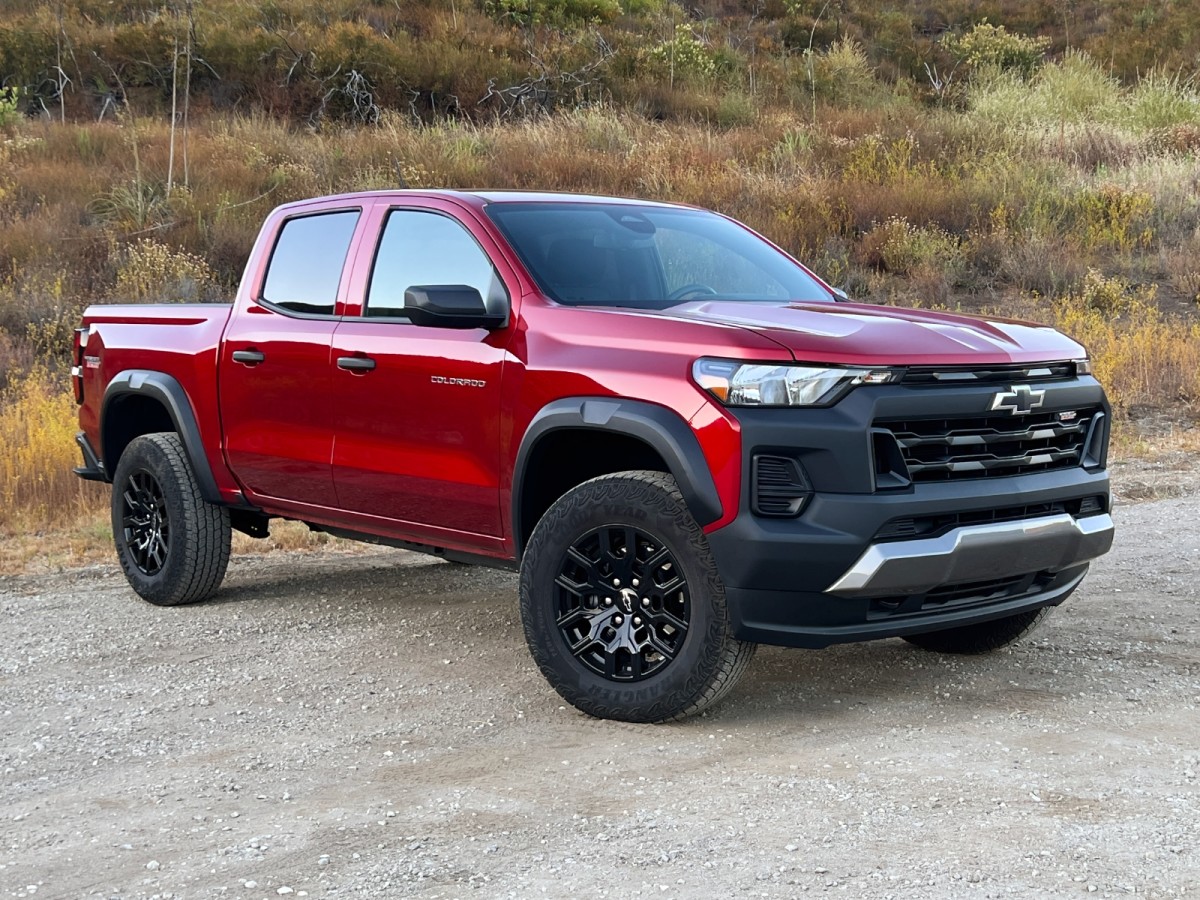
6. Chevrolet Colorado Z71 Crew Cab 4×4 With Factory Spray-In Liner (Third Generation, 2023 to 2024)
Chevrolet’s decision to equip the third-generation Colorado Z71 with a factory spray-in bed liner as a standard feature marked a clear response to long-standing owner feedback regarding bed surface durability. Earlier Colorado generations relied on painted texture finishes that showed wear quickly under regular cargo use. By adopting a full spray in liner system, Chevrolet aligned the midsize Colorado with protection practices previously reserved for larger pickup classes, addressing durability expectations without relying on aftermarket solutions.
The liner compound used on the third-generation Colorado Z71 reflects deliberate material engineering rather than a simplified adaptation from full-size trucks. Chevrolet recognised that midsize beds face unique loading patterns, including tighter cargo placement and more frequent contact with equipment edges.
The liner thickness and elasticity were calibrated to absorb impact without cracking, while maintaining enough rigidity to resist gouging from repeated loading cycles. This balance allows the liner to protect the steel bed surface without becoming brittle under temperature changes or sustained use.
Coverage completeness represents another improvement. The spray-in liner extends across the bed floor, side walls, stake pockets, and the inner surface of the tailgate. Previous partial coverage designs left exposed edges where moisture and abrasion gradually compromised the metal beneath. By sealing all high-contact surfaces, the current liner reduces the risk of early corrosion and surface breakdown that often begins at untreated seams and corners in working trucks.
Application consistency also contributes to durability. Factory-controlled spraying ensures uniform thickness across the bed, avoiding thin spots that often appear in poorly executed aftermarket applications. Even distribution allows impact forces to spread evenly, reducing stress concentration at specific points.
This approach supports long-term structural preservation of the bed floor and side panels under repeated cargo movement. Early field use reports from owners involved in outdoor recreation, small-scale contracting, and equipment transport indicate that the liner maintains surface integrity after extended exposure to tools, materials, and weather.
While long-range service data is still developing, initial condition assessments after one and two years suggest slower wear progression compared with earlier Colorado models. These findings support Chevrolet’s intention to provide a factory bed protection solution capable of matching the truck’s broader capability profile.
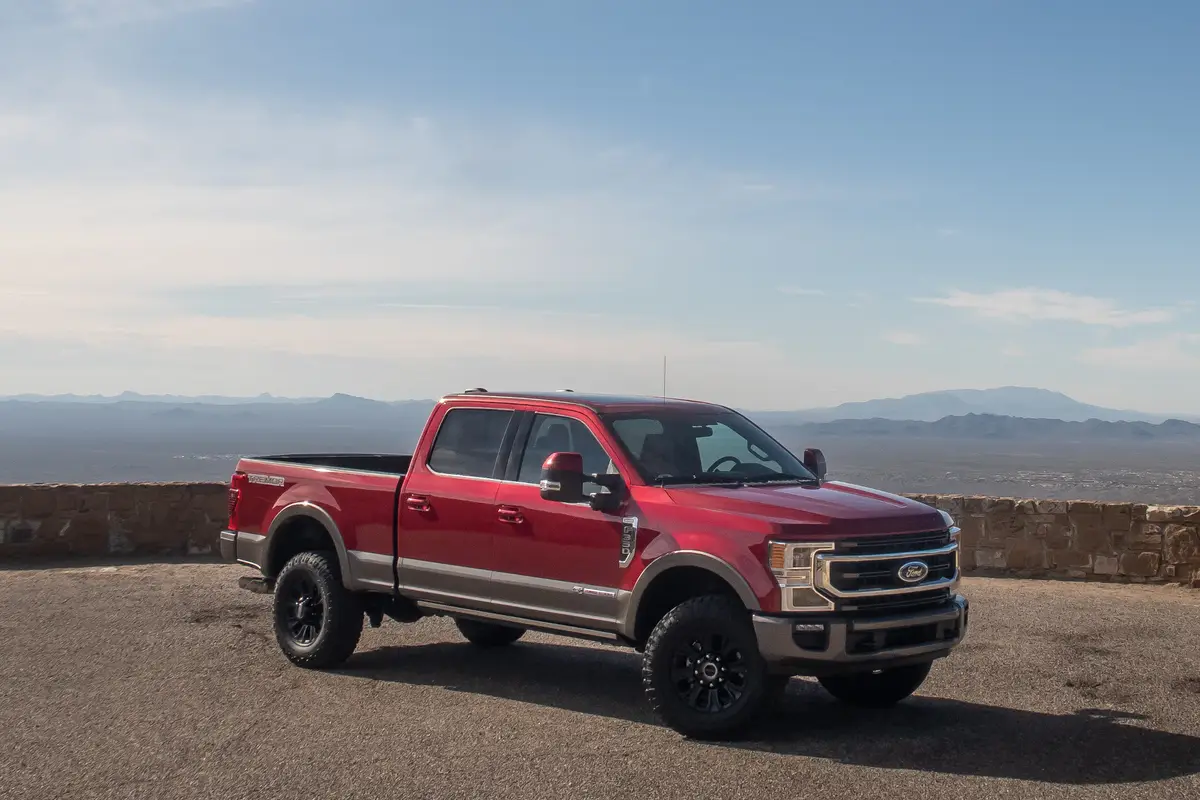
7. Ford F 250 Super Duty XLT Crew Cab 4×4 With Factory Spray In Liner (Fourteenth Generation, 2020 to 2023)
Ford’s factory spray-in liner option for the F-250 Super Duty XLT reflects an understanding of the operational realities faced by heavy-duty truck users. Payload ratings in this category introduce concentrated loading forces that exceed those experienced by half-ton trucks. Ford addressed this requirement by specifying a liner compound and thickness suited to repeated exposure to dense materials, industrial equipment, and frequent loading cycles common in commercial service.
The liner formulation applied to the Super Duty bed uses increased material depth to enhance abrasion resistance. Thicker compound layers absorb impact energy before it reaches the steel substrate, reducing the likelihood of dents, gouges, and coating failure. This protective approach is particularly relevant where forklifts, pallet edges, and metal tools contact the bed floor during daily operations. The liner’s resilience supports sustained functionality rather than cosmetic preservation alone.
Bed wall coverage height received equal attention. Unlike recreational loads, commercial payloads often press against side walls at elevated points during transport. Ford extended liner coverage higher up the bed walls to protect areas most likely to experience friction and impact. This design choice reflects practical use observation rather than general market assumptions, ensuring protection aligns with real loading behaviour.
Factory application quality contributes to long-term performance. Controlled spraying processes allow precise adhesion and uniform thickness across all treated surfaces. This reduces the risk of premature peeling or thinning, issues often associated with inconsistent application methods. Proper bonding between liner and bed metal helps maintain protective integrity even under repeated thermal expansion and vibration.
Fleet maintenance records from construction and utility operators provide valuable insight into liner longevity. Trucks operating near rated payload capacity for multiple years show liners retaining protective capability without exposing underlying metal. Reports from service intervals spanning close to a decade describe surface wear that remains functional rather than structural, confirming that the liner continues to shield the bed from corrosion and impact damage.
By matching the liner specification to the Super Duty’s intended workload, Ford delivered a factory solution aligned with professional expectations. The F 250 XLT spray-in liner functions as a long-term protective component rather than a temporary surface treatment, supporting the truck’s role as a dependable commercial asset.
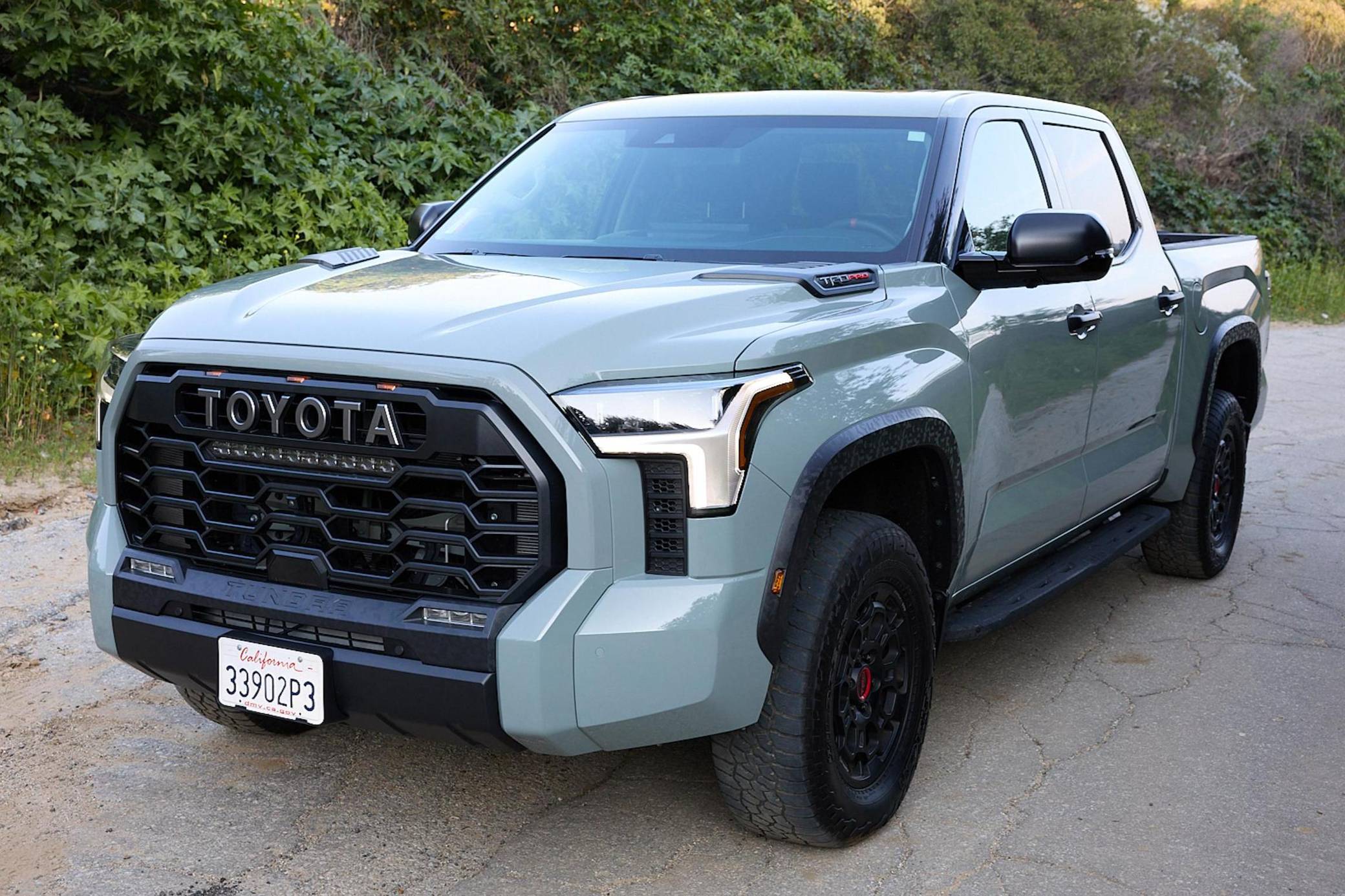
8. Toyota Tundra TRD Pro CrewMax 4×4 Short Bed (Third Generation, 2022 to 2024)
Toyota’s third-generation Tundra introduced a composite bed floor construction that fundamentally changed the liner application challenge by providing a substrate with different surface chemistry, thermal expansion characteristics, and structural flexibility than the steel beds for which factory liner systems had historically been developed for.
Toyota’s factory liner specification for the TRD Pro CrewMax addresses these substrate differences with a compound formulation developed for composite bed material adhesion rather than applying a liner designed for steel to a fundamentally different surface.
Composite bed material’s inherent corrosion resistance, eliminating the most common factory liner failure consequence, shifted the liner’s primary protective function toward surface abrasion resistance, cargo grip, and UV protection for the composite substrate material that extended UV exposure could potentially affect.
This shifted protective priority allowed Toyota’s factory liner compound selection to optimize for the protection functions the composite substrate actually needed, rather than compromising between multiple protection requirements as steel bed liners must balance.
Deck Rail System integration with the liner application coordinates coverage around the rail mounting hardware locations, where composite bed material interfaces with aluminum rail components that have different thermal expansion behavior. Liner coverage that bridges the composite-to-aluminum interface at rail mounting locations prevents moisture ingress at these dissimilar material junctions, where differential thermal movement could create gap formation and moisture pathways in liner coverage that stopped short of complete interface coverage.
Third-generation Tundra TRD Pro trucks are accumulating real-world service data across their initial ownership cycles, with outdoor-active owner reports documenting bed liner and composite floor condition at one to three-year intervals. Toyota’s track record with second-generation Tacoma factory liner durability provides a reference point for evaluating the TRD Pro’s composite bed liner performance trajectory, and early owner documentation suggests the third-generation Tundra’s factory protection approach is performing consistently with Toyota’s established liner quality standards, even across the new substrate material that the TRD Pro’s composite floor construction introduced.
Also Read: 10 Trucks With Strong Rust-Resistant Frames in America’s Harsh Rust Belt States
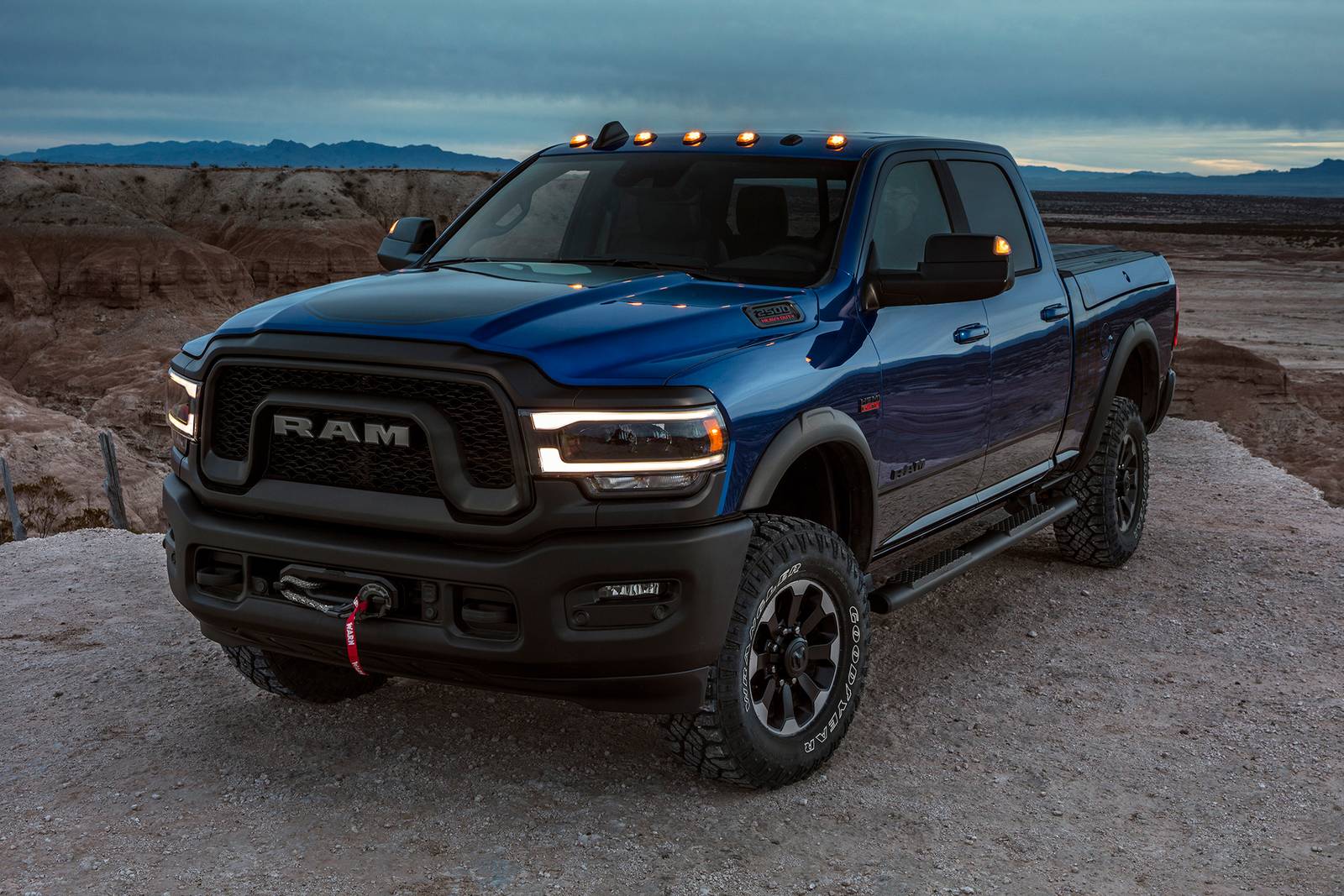
9. Ram 2500 Power Wagon Crew Cab 4×4 With Factory Spray-In Liner (DT Generation, 2019 to 2024)
Ram’s Power Wagon is positioned as Ram’s most capable factory off-road truck, and the factory spray-in liner specification for Power Wagon Crew Cab 4×4 trucks in the DT generation reflects this positioning by providing bed protection appropriate for a truck that buyers specifically purchase for demanding outdoor and off-road use, where bed exposure to mud, water, rocks, and equipment contact occurs constantly rather than occasionally.
Power Wagon factory liner application uses a compound formulation that balances the abrasion resistance requirements of heavy tool and equipment contact with the flexibility needed to maintain adhesion through the chassis flex and vibration that off-road driving generates continuously.
Off-road driving produces structural inputs in the bed that on-road truck use does not, and liner adhesion through these inputs requires compound flexibility that allows the liner to move with the substrate rather than developing stress cracks at adhesion boundaries where rigid compounds would fracture under repeated flexure.
Bed access steps integrated into the Power Wagon’s tailgate and corner step design receive liner coordination that protects these high-contact surfaces from the concentrated wear that repeated boot contact creates during loading and unloading cycles. Step surface liner coverage prevents the rapid bare metal exposure that unprotected step surfaces develop under boot contact abrasion, maintaining both the step’s functional traction surface and the substrate’s protection from the corrosion that moisture contact with bare metal initiates immediately in off-road environments where water exposure is frequent.
Documentation from Power Wagon DT generation owners who have operated their trucks across multiple seasons in genuinely demanding off-road and outdoor work use provides early evidence of factory liner performance under the specific conditions for which the Power Wagon was designed.
Early multi-season owner reports describe a liner condition that retains surface texture and bond integrity at locations where competing factory liner applications would have shown progressive degradation under equivalent off-road exposure, suggesting that Ram’s Power Wagon liner specification accounts for the specific demands of the truck’s intended use environment rather than applying a generic liner specification to a truck sold with off-road credibility claims.
