Supercars have always lived in a strange space between engineering ambition and cultural obsession. They are not just machines built for speed, but statements of intent from manufacturers who want to prove what is possible when constraints are removed.
Yet within this already rarefied category exists an even more elusive tier, limited-production supercars that quietly slipped past mainstream attention before collectors realized their true significance. These are not always the loudest or most publicized releases, but they often become the most regretted misses in hindsight.
What makes a limited-production supercar so special is not just its scarcity, but the context surrounding its creation. Some are born to celebrate milestones, others exist to homologate racing technology, and a few are simply daring experiments that never get repeated.
In each case, timing plays a crucial role. Buyers who hesitate, even briefly, often find themselves priced out forever as demand surges and supply remains permanently capped.
Collectors today are more informed and aggressive than ever, yet even in this hyper-aware market, certain cars managed to slip through the cracks. Sometimes it was because they arrived during economic uncertainty.
Other times, they were overshadowed by flashier competitors. In a few cases, their design or performance seemed underappreciated at launch, only to be reevaluated years later with a deeper understanding of what they represented.
Another factor is how quickly perception can change. A car dismissed as too radical or too niche can later be recognized as a visionary piece of automotive history.
When production numbers are extremely low, even a small shift in demand can send values skyrocketing. This creates a scenario where the difference between hesitation and action becomes incredibly expensive.
The regret among collectors is not always about missing financial gains, although that certainly plays a role. It is also about missing the chance to own something truly unique, a machine that captures a specific moment in automotive evolution.
These cars often represent the peak of a brand’s creativity before regulations, electrification, or shifting priorities changed the direction of the industry.
In this list, we will look at eight limited-production supercars that many collectors underestimated at the time. Each one tells a different story, shaped by its era, its purpose, and the reaction it initially received. Together, they form a reminder that in the rare performance cars world, hesitation can be the costliest mistake of all.
Also Read: 8 Engines With Head Gasket Failures That Destroy Entire Blocks
1. Ferrari LaFerrari Aperta
The Ferrari LaFerrari Aperta arrived as a celebration, yet it carried far more weight than just being an open-top variant of an already iconic machine.
By the time it was unveiled, the coupe version had already established itself as one of the defining hypercars of its generation. What many underestimated was how dramatically the Aperta would amplify that legacy through its rarity and emotional appeal.
Unlike typical convertibles that sacrifice rigidity or performance, this car maintained the core intensity of the original. Engineers worked meticulously to ensure that removing the roof did not dilute the driving experience.
The result was a machine that delivered the same electrified V12 powertrain with an added layer of sensory immersion. The sound alone became a defining feature, with the open cabin transforming every acceleration into an event.
Production numbers were extremely limited, and allocation was tightly controlled. Buyers were not simply purchasing a car, they were being selected.
This exclusivity created an environment where many interested collectors never even had the opportunity to secure one at launch. Those who hesitated, hoping for a secondary market entry, quickly realized that prices had already moved far beyond initial expectations.
What truly set the Aperta apart was its timing. It arrived at a moment when naturally aspirated engines were beginning to face increasing pressure from regulations and electrification trends.
This positioned the car as one of the last expressions of Ferrari’s traditional performance philosophy, enhanced rather than replaced by hybrid technology. That balance became increasingly valuable as the industry shifted.
Another interesting aspect is how its design aged. At launch, some critics viewed it as too similar to the coupe, lacking a distinct enough identity.
Over time, that perspective changed. The subtle differences became appreciated as part of a cohesive design language, reinforcing the idea that the Aperta was not a separate experiment but a refined extension of an already legendary platform.
Ownership experience also played a role in its rising status. Those who secured one often kept it, reducing availability even further.
Unlike other limited cars that circulate through auctions, the Aperta became something of a long-term hold, almost a permanent fixture in elite collections. This scarcity in the resale market intensified demand and pushed values higher.
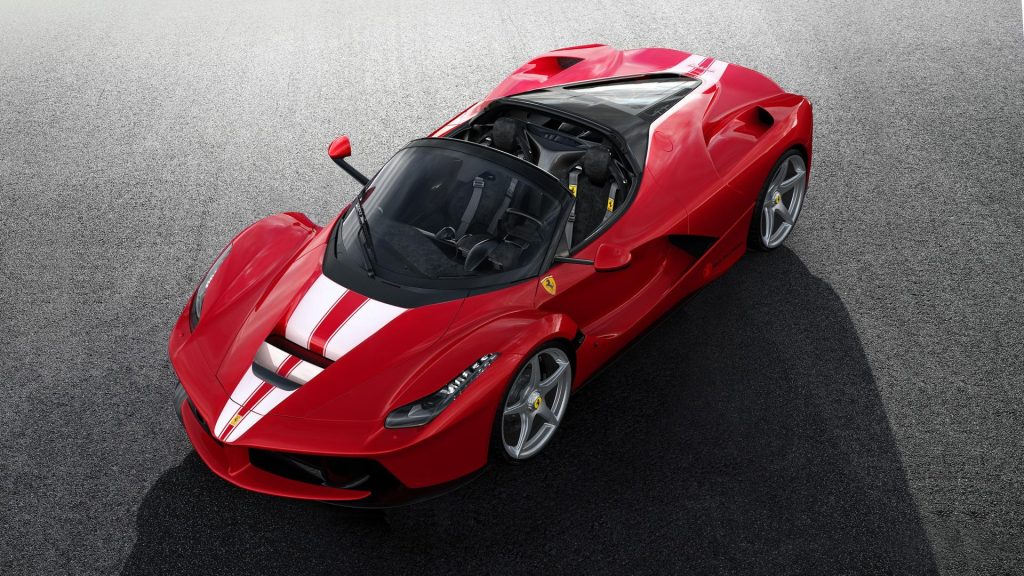
Looking back, the Ferrari LaFerrari Aperta represents a perfect storm of exclusivity, timing, and emotional appeal. It was never just about performance figures.
It was about capturing a fleeting moment in automotive history, something that cannot be recreated. For collectors who missed their chance, it remains one of the most painful reminders that hesitation in this segment rarely ends well.
2. McLaren P1 LM
If there is one car that embodies the phrase “blink and you missed it,” it is the McLaren P1 LM. Built in extremely small numbers, this machine was not just a variation of the P1, it was a reimagining of what the platform could achieve when pushed to its absolute limits.
Yet despite its significance, it initially flew under the radar compared to more publicized hypercar releases.
The story behind the P1 LM is unconventional. Rather than being a direct factory production model, it was developed with significant input from Lanzante, the racing team with deep ties to McLaren’s motorsport heritage.
This gave the car a unique identity, blending official engineering with race-focused enhancements that transformed it into something far more extreme than the standard P1.
Weight reduction was a central theme. Every component was scrutinized, resulting in a car that shed significant mass while increasing power output. The aerodynamic package was also reworked, improving downforce and stability at high speeds.
These changes were not just theoretical improvements, they translated into real-world performance that surpassed expectations.
One of the defining moments for the P1 LM came when it set a lap record at the Nürburgring for a road-legal car. This achievement validated its engineering and placed it firmly in the conversation among the most capable hypercars ever built. Yet even this accomplishment did not immediately trigger the level of attention one might expect.
Part of the reason lies in its availability. With such a limited production run, access was restricted to a very small group of buyers. There was no widespread marketing campaign, no prolonged buildup. It appeared, made its impact, and disappeared almost as quickly. For many collectors, the realization of its importance came too late.
Another factor is how it differed from typical collector cars. The P1 LM was unapologetically focused on performance. It did not prioritize luxury or comfort, and its aggressive nature made it less approachable for casual enthusiasts. This initially limited its appeal, but over time, that very characteristic became one of its greatest strengths.
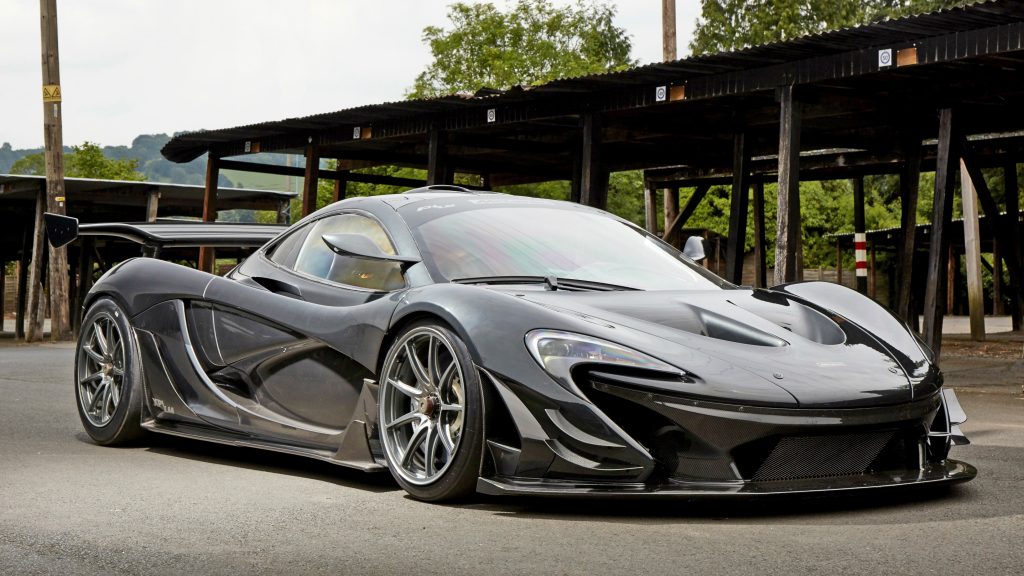
Today, the P1 LM is viewed as one of the purest expressions of McLaren’s engineering philosophy. It represents a willingness to push boundaries without compromise, a trait that resonates deeply with serious collectors. Its rarity, combined with its performance credentials, has made it one of the most sought-after modern hypercars.
Missing out on the McLaren P1 LM was not just about missing a rare car. It was about overlooking a machine that redefined what was possible within its category.
For those who now recognize its significance, the opportunity has long passed, leaving behind a clear lesson about the importance of recognizing greatness in real time.
3. Porsche 911 R
The Porsche 911 R arrived quietly, almost like a whisper among louder, more aggressive performance cars of its time. At first glance, it did not scream for attention. There were no oversized wings or exaggerated design elements. Instead, it leaned into purity, something that many overlooked in an era obsessed with numbers and visual drama.
What made this car special was its philosophy. Porsche stripped away unnecessary elements and focused on delivering a raw, engaging driving experience.
The naturally aspirated flat-six engine paired with a manual transmission created a connection between driver and machine that felt increasingly rare. It was not about chasing lap records but about rediscovering what made driving exciting in the first place.
Interestingly, initial reactions were mixed. Some enthusiasts questioned its positioning, especially given its price and subtle appearance. Others compared it to more track-focused variants and dismissed it as less capable. This misunderstanding played a crucial role in how quickly allocations slipped away without widespread appreciation.
Then came the shift. As more people experienced the car, its character became undeniable. Reviews began to highlight its balance, its precision, and the way it communicated with the driver. Suddenly, what once seemed understated was now considered refined. Demand surged almost overnight, catching many potential buyers off guard.
Another layer to its appeal was its limited production. With only a small number built, exclusivity was guaranteed from the start.
However, it was the emotional connection rather than the numbers that truly drove its desirability. Owners spoke about it differently, not just as a possession but as an experience that felt deeply personal.
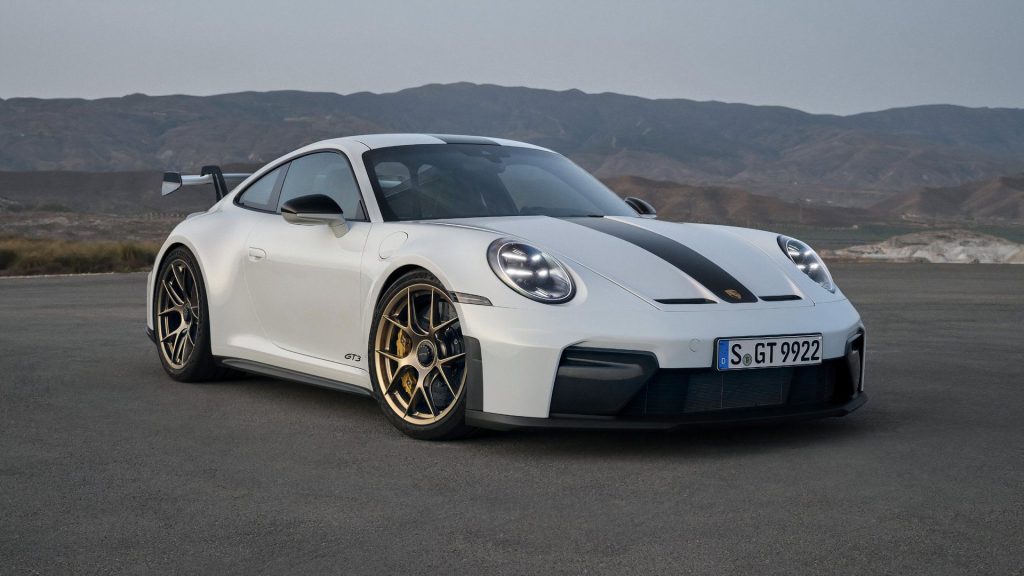
The market responded accordingly. Prices climbed rapidly, far exceeding original expectations. Those who had hesitated found themselves locked out, watching from the sidelines as the car transitioned from overlooked to iconic. It became a textbook example of how quickly perception can change in the collector world.
There is also a broader context to consider. The 911 R arrived at a time when manual transmissions were becoming less common in high-performance cars.
This positioned it as a symbol of a fading era, adding to its long-term significance. It was not just a car, it was a statement about what driving used to be and what it might no longer be.
For collectors, missing the Porsche 911 R was not simply about missing a limited-production model. It was about underestimating the value of purity in a market increasingly dominated by complexity.
That realization came too late for many, turning it into one of the most talked-about missed opportunities in modern automotive history.
4. Lamborghini Centenario
The Lamborghini Centenario did not enter the market quietly. It arrived with sharp angles, aggressive intent, and a clear purpose: to celebrate the 100th birthday of Ferruccio Lamborghini. Despite all the attention it received at launch, a surprising number of collectors failed to grasp just how significant it would become.
This car was more than a tribute. It served as a showcase for Lamborghini’s future direction, introducing technologies and design elements that would later influence other models. Rear-wheel steering, advanced aerodynamics, and a powerful naturally aspirated V12 engine combined to create a machine that felt both experimental and refined.
At the time, some buyers hesitated because of its bold styling. It pushed boundaries even by Lamborghini standards, and not everyone was convinced it would age well. There was also the question of whether it would remain relevant once newer models arrived with updated technology. These doubts created a brief window where hesitation seemed reasonable.
That window closed quickly. As the automotive landscape evolved, the Centenario’s characteristics began to stand out in a different light.
The naturally aspirated engine became increasingly rare, and its raw, mechanical feel gained appreciation. What once seemed excessive now felt authentic, a reminder of a time before stricter regulations reshaped performance cars.
Ownership exclusivity played a major role as well. With extremely limited production split between coupe and roadster versions, availability was always going to be tight. However, many did not anticipate how rarely these cars would appear on the secondary market. Owners held onto them, recognizing their significance early on.
Another dimension of its appeal lies in its presence. This is not a car that blends into the background. It commands attention in any setting, turning every appearance into a spectacle. For collectors who value not just rarity but also visual impact, the Centenario became an essential piece.
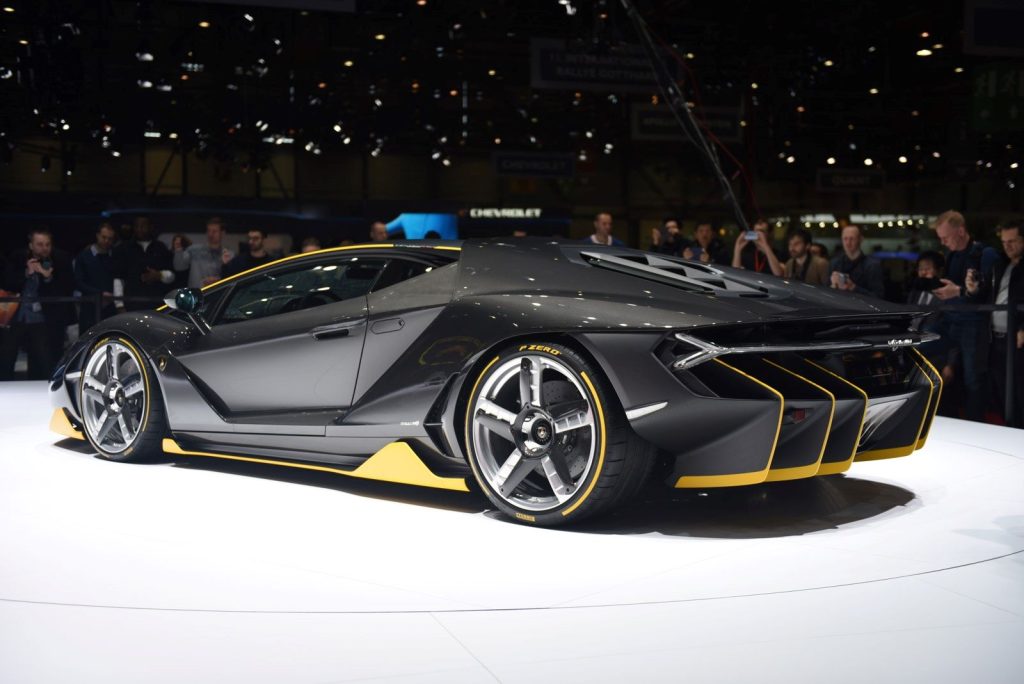
The performance aspect should not be overlooked either. While its design often takes center stage, the driving experience delivers intensity that matches its appearance. The V12 engine provides a soundtrack and response that feels increasingly special as the industry moves toward quieter, electrified solutions.
Looking back, the Lamborghini Centenario represents a moment when the brand fully embraced both its heritage and its future. It bridged eras, combining traditional power with forward-thinking technology.
Those who missed the chance to secure one are left with a car that continues to rise in both value and reputation, a clear reminder that boldness often ages better than expected.
5. Aston Martin Vulcan
The Aston Martin Vulcan never tried to be subtle, and that may be exactly why some collectors misjudged it early on. It was not road legal, it demanded a dedicated ownership mindset, and it came with a learning curve that went far beyond typical supercar experiences. For many, that felt like a limitation. In reality, it became one of its greatest strengths.
This car was built around a singular idea: unrestricted performance. Freed from road regulations, Aston Martin engineers created a machine that pushed boundaries without compromise.
The naturally aspirated V12 engine delivered immense power, but it was the chassis and aerodynamics that truly defined the experience. Every element worked together to create something closer to a race car than a conventional collectible.
At launch, hesitation came from practicality concerns. A track-only car requires access to proper facilities, maintenance support, and a willingness to use it in its intended environment.
Some buyers questioned whether such a focused machine would hold long-term value compared to road-legal alternatives. That uncertainty caused a few to step back.
Then perception shifted. Owners who embraced the Vulcan’s purpose began sharing their experiences, and the narrative changed from impractical to extraordinary. The car was not meant to sit quietly in a garage.
It was designed to be driven hard, to deliver sensations that road cars simply could not replicate. This authenticity resonated deeply with serious collectors.
Another important factor was the ownership program. Aston Martin provided structured track events and professional support, turning ownership into a curated experience rather than a simple transaction. This added a layer of exclusivity that went beyond the car itself, creating a community around the model.
Scarcity also played its role. With very few units produced, opportunities to acquire one were always limited. However, it was the combination of rarity and purpose that truly elevated its status. The Vulcan was not just rare, it was unapologetically specialized, and that distinction became increasingly valuable over time.
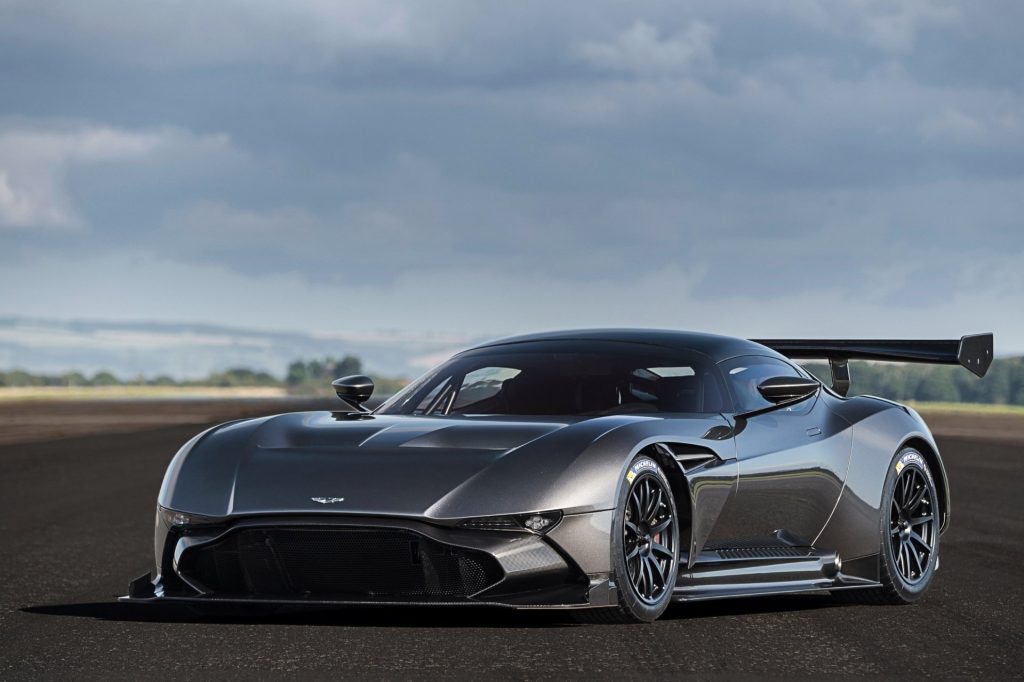
Design deserves its own mention. The aggressive lines, massive rear wing, and dramatic proportions created a visual identity that remains striking years after its debut. It does not follow trends, it defines its own space. This timeless aggression contributes to its lasting appeal.
Missing out on the Aston Martin Vulcan was not about overlooking a traditional investment. It was about underestimating the appeal of a machine built with complete freedom. In a world where regulations shape nearly every aspect of performance cars, the Vulcan stands as a reminder of what can happen when those limits are removed.
6. Ferrari SA Aperta
The Ferrari SA Aperta tells a very different story, one rooted in heritage and understated elegance rather than outright extremity. Based on the 599 platform, it was created to celebrate Pininfarina’s anniversary, blending Ferrari performance with one of the most influential design houses in automotive history.
At first, it did not generate the same excitement as more radical limited editions. Its design was familiar, its performance figures aligned closely with the 599 GTO, and it lacked the dramatic narrative that often drives immediate demand. For some collectors, it felt like a refined variation rather than a must-have centerpiece.
That perception overlooked something important. The SA Aperta was never about redefining performance. It was about capturing a specific kind of experience, open-top driving with a naturally aspirated V12 in a package that emphasized craftsmanship and balance. This subtlety became more meaningful as time passed.
Production numbers were extremely low, and many examples were spoken for before public awareness fully developed. This created a situation where the car’s rarity was not widely appreciated until it was already out of reach. By the time the market began to recognize its significance, availability had effectively disappeared.
The design aged gracefully, which further strengthened its position. Unlike more aggressive models that rely on shock value, the SA Aperta’s proportions and detailing have a timeless quality. It looks as relevant today as it did at launch, perhaps even more so as design trends have shifted.
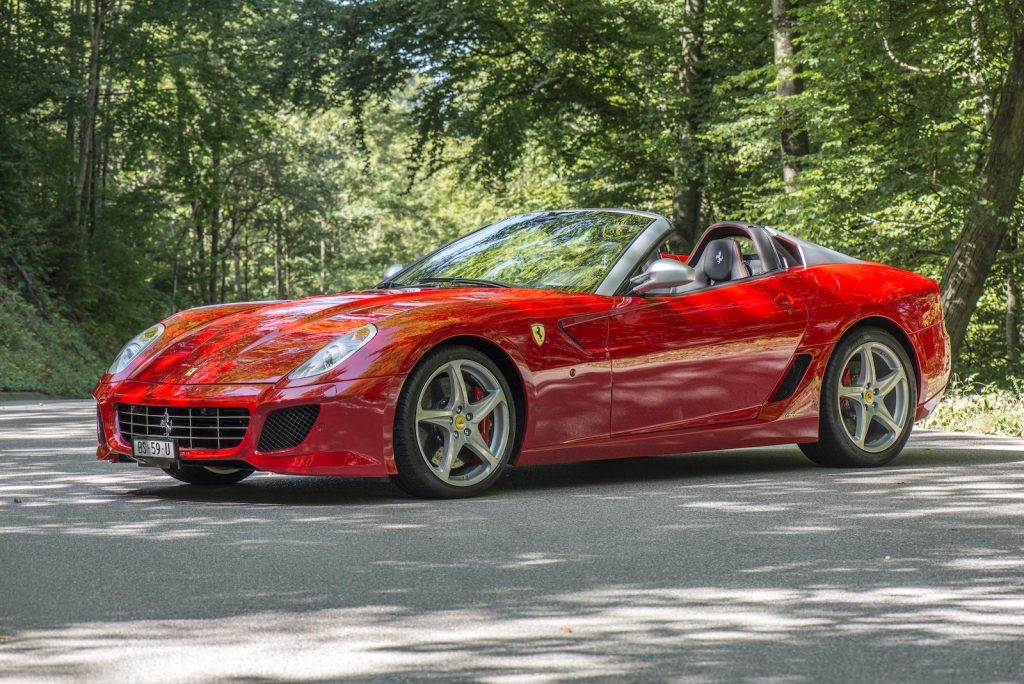
Driving experience also contributed to its rising reputation. Owners often describe it as one of the most satisfying open-top Ferraris, combining power with a sense of ease that encourages longer drives rather than short bursts of intensity. This versatility sets it apart from more extreme limited-production cars.
There is also an emotional dimension tied to its origin. Celebrating a milestone for Pininfarina adds historical weight, connecting the car to decades of automotive design excellence. This narrative resonates strongly with collectors who value context as much as performance.
In hindsight, the Ferrari SA Aperta represents a quieter kind of rarity. It does not demand attention, yet it commands respect from those who understand its place in Ferrari’s lineage. Missing it was not about ignoring something flashy, it was about overlooking refinement at a time when louder options dominated the spotlight.
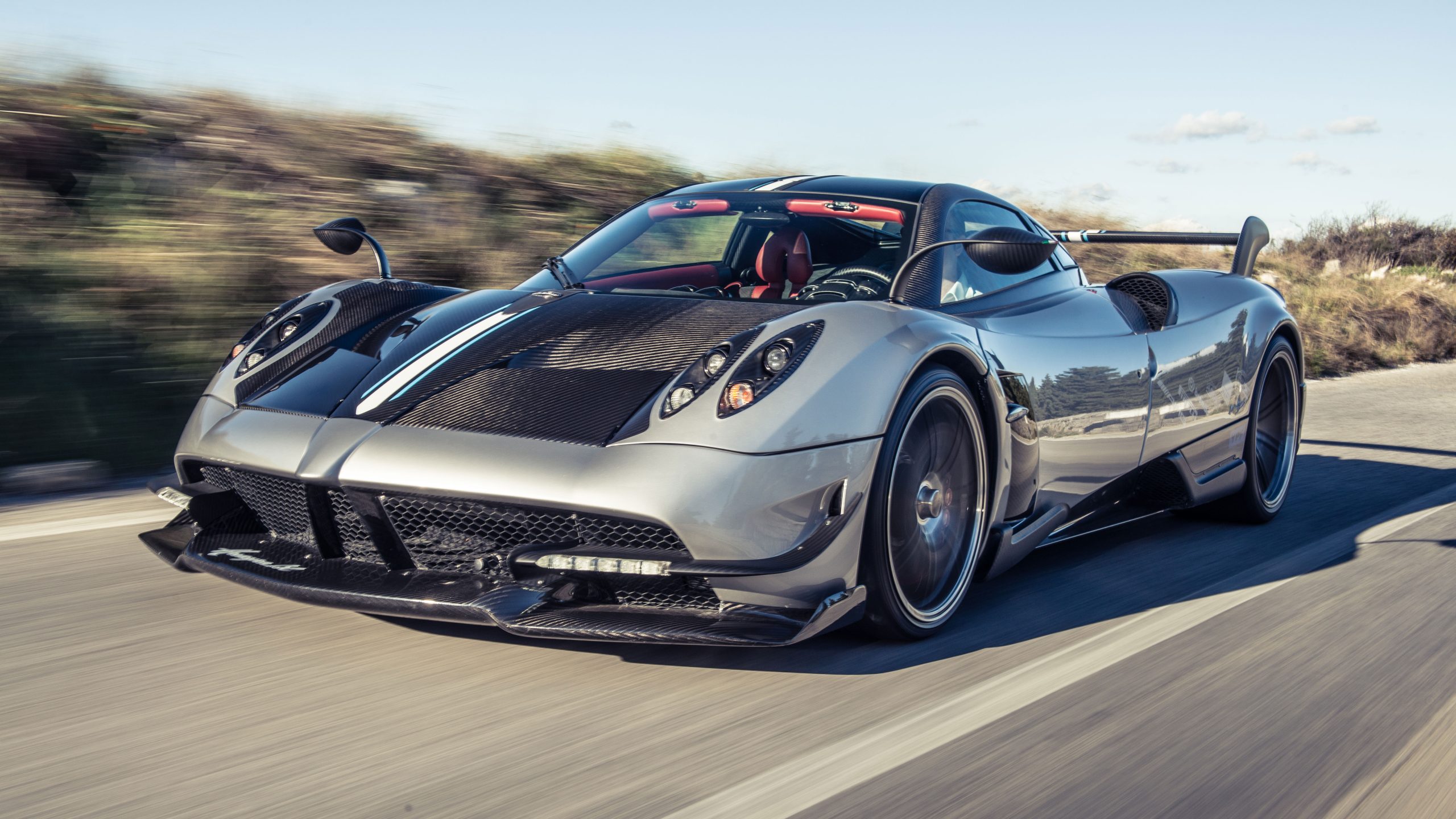
7. Pagani Huayra BC
The Pagani Huayra BC did not arrive as a subtle evolution of the standard Huayra. It came in with intent, sharper, lighter, and far more aggressive in both appearance and engineering. Yet even with all its upgrades, a portion of collectors hesitated, unsure if it would truly surpass the reputation of its predecessor or simply exist as a more extreme variation.
That hesitation feels almost unbelievable now. The Huayra BC was a complete rethinking of the platform. Pagani reworked the chassis using advanced composite materials, significantly reducing weight while improving structural rigidity.
The powertrain received enhancements that delivered stronger response and higher output, but numbers alone fail to capture what made this car extraordinary.
The transformation was holistic. Aerodynamics became a defining feature, with every surface shaped to generate meaningful downforce without compromising the brand’s signature design language.
Unlike many track-focused machines, the Huayra BC managed to balance aggression with artistry. It looked like a sculpture, yet functioned like a precision instrument.
Early doubts often centered around usability. Some questioned whether such an intense machine would be enjoyable outside controlled environments. Others wondered if its design would age well, given how far it pushed visual boundaries. These concerns created a brief period where not everyone rushed to secure an allocation.
Reality unfolded differently. Owners quickly discovered that the Huayra BC delivered an experience that was both visceral and surprisingly nuanced.
It was not just about speed or grip. It was about the way the car communicated, the way it translated inputs into immediate, tangible responses. This depth turned it into something far more than a collector’s item.
Rarity amplified everything. With an extremely limited production run, supply was always going to be constrained. However, the intensity of demand that followed was not entirely predicted. As the car’s reputation grew, it became clear that it represented a peak moment for Pagani, a culmination of design philosophy and engineering ambition.
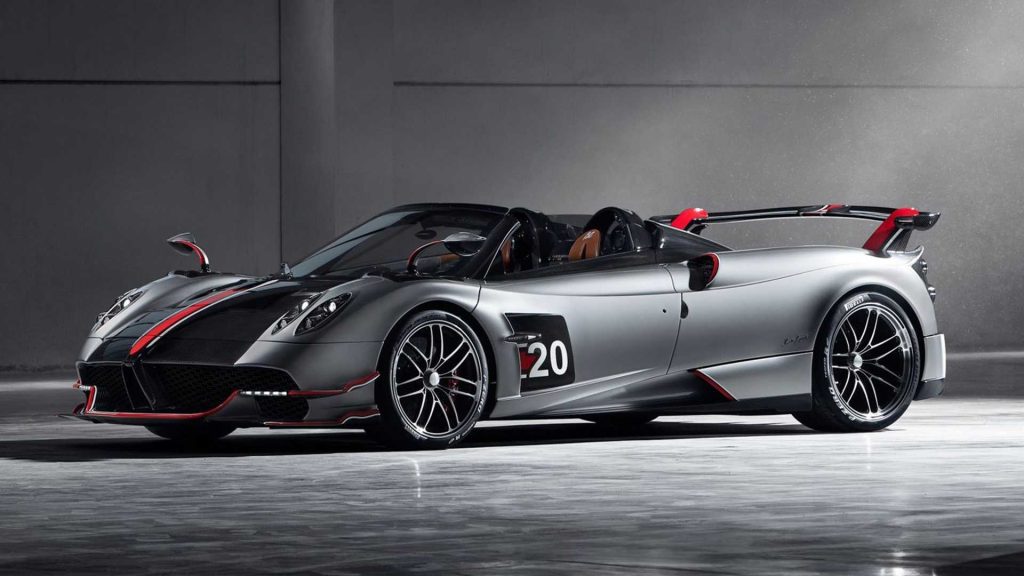
Another layer of appreciation emerged as the industry continued shifting toward electrification. The Huayra BC, with its twin-turbo V12 and analog character, began to feel like a closing chapter rather than just another entry. That sense of finality added emotional weight, increasing its desirability among collectors who value authenticity.
Missing out on the Pagani Huayra BC was not just about overlooking performance. It was about underestimating a machine that blended art and engineering in a way few others have managed. Today, it stands as a benchmark for what limited-production hypercars can achieve when vision is executed without compromise.
8. Mercedes-AMG One
The Mercedes-AMG One represents a completely different kind of story, one defined by ambition, complexity, and persistence. When it was first announced, it promised something unprecedented: a direct transfer of Formula 1 technology to a road-legal car. For many, that promise felt almost too bold to fully believe.
Delays and technical challenges followed, which led some potential buyers to question whether the project would ever reach its full potential.
The complexity of adapting a Formula 1 power unit for road use created obstacles that few manufacturers had attempted to overcome. This uncertainty caused hesitation at a time when other limited-production cars were offering more immediate gratification.
That hesitation proved costly. When the AMG One finally emerged, it delivered on its original vision in a way that exceeded expectations.
The hybrid powertrain, derived directly from Formula 1 technology, created a driving experience unlike anything else available. It was not just fast, it was fundamentally different in how it delivered performance.
The engineering story alone sets it apart. This is a car that required solutions to problems most manufacturers never face. Thermal management, drivability, and durability all had to be addressed without compromising the essence of the Formula 1 system. The result is a machine that feels like a technological milestone as much as a supercar.
Exclusivity was never in question, but what elevated the AMG One further was its narrative. It represents a bridge between two worlds, motorsport and road cars, in a way that had rarely been attempted at this level. This connection gives it a significance that extends beyond traditional collector metrics.
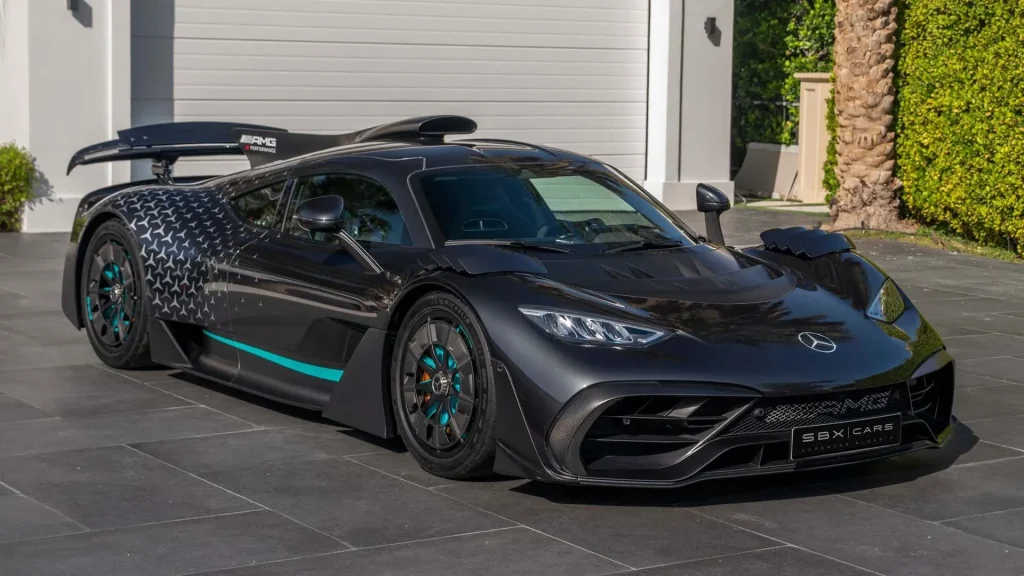
Driving it is described as an event rather than a routine. The engine characteristics, the sound profile, and the responsiveness create an experience that feels closer to a race car than anything typically allowed on public roads. This intensity is part of its identity, and it is something that cannot be easily replicated.
As the automotive industry moves toward electrification and simplified powertrains, the AMG One stands out as a symbol of peak complexity. It captures a moment when engineers pushed boundaries to their absolute limits, creating something that may never be repeated in the same form.
For collectors, missing the Mercedes-AMG One was not simply about timing. It was about underestimating how far a manufacturer was willing to go to achieve a vision.
Now that the car exists and has proven itself, the opportunity to be part of that story has become one of the rarest and most coveted in the modern automotive world.
Also Read: 8 Pickup Trucks With Transmissions Rated for 500,000 Miles of Towing