
Few automotive brands inspire as much passionate debate as Porsche. Over decades, the company has built a reputation for precision engineering, consistency, and an almost stubborn commitment to its core identity.
Yet within that consistency lies a surprising amount of variation. Certain Porsche variants have divided enthusiasts for years, not because they are poorly executed, but because they challenge expectations in subtle or dramatic ways.
Some of these debates are rooted in philosophy. Porsche has often balanced tradition with innovation, introducing changes that move the brand forward while risking backlash from purists.
Whether it is a shift in engine placement, the adoption of turbocharging, or the introduction of hybrid technology, each decision has sparked discussion about what a Porsche should be. These conversations tend to persist long after the cars themselves have proven their capabilities.
Other disagreements come from positioning within the lineup. Porsche frequently creates variants that sit close to one another in performance and price, leading enthusiasts to question which version truly represents the best expression of the platform.
In some cases, the differences are subtle yet meaningful, creating ongoing debates about value, usability, and driving feel.
Design and character also play a role. Certain models break away from established visual cues or introduce new proportions, prompting mixed reactions.
While some enthusiasts embrace these changes as necessary evolution, others see them as departures from what made earlier cars special. This tension between past and present is a recurring theme in Porsche discussions.
The ten variants in this list are not controversial because they failed. In many cases, they are highly capable and respected machines. What makes them interesting is the way they continue to divide opinion, even years after their introduction.
Each one represents a moment where Porsche made a decision that sparked conversation, creating cars that are still debated in garages, forums, and enthusiast circles.
Also Read: 8 Performance Sedans Quietly Dominating Track Days
1. Porsche 911 (996) Carrera
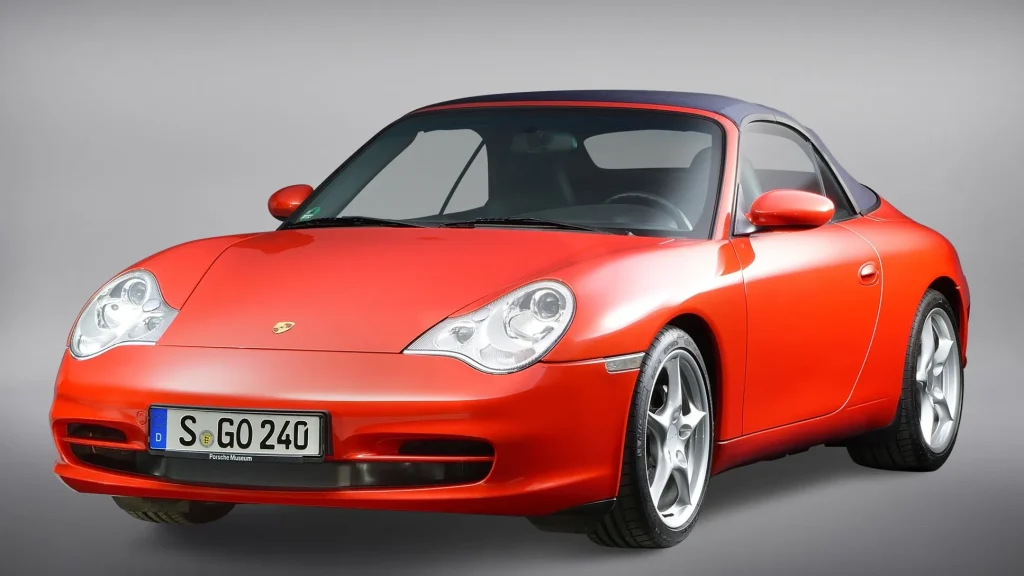
The Porsche 911 996 Carrera remains one of the most debated models in the brand’s history, not because of its performance but because of what it represents.
Introduced as a major redesign, it marked a shift from air-cooled engines to water-cooled technology. This transition was necessary for emissions and performance reasons, yet it created a divide that still exists among enthusiasts.
From a driving perspective, the 996 Carrera delivers a balanced and capable experience. The water-cooled flat-six engine provides consistent power, and the chassis feels more refined compared to its predecessors.
For many drivers, it represents a step forward in usability and reliability. However, for purists, the change in engine character is difficult to overlook.
The design also contributes to the debate. The front-end styling, particularly the headlights, departed from traditional 911 aesthetics. This decision was influenced by cost-sharing with the Boxster, yet it led to criticism that the car lacked the distinct identity of earlier models. Over time, opinions have softened, but the initial reaction continues to shape its reputation.
Another point of discussion is its position in the market. The 996 Carrera often serves as an entry point into 911 ownership, making it accessible to a wider audience. This accessibility has led some enthusiasts to undervalue it, while others see it as an opportunity to experience a Porsche with fewer barriers.
Reliability concerns, particularly related to certain engine components, have also influenced perception. While not universal, these issues have contributed to a cautious approach among buyers. At the same time, many well-maintained examples continue to perform reliably, adding complexity to the conversation.
The 996 Carrera stands as a turning point for Porsche, representing both progress and controversy. It is a car that challenges traditional expectations while offering a driving experience that remains rewarding. This combination ensures that it continues to be a topic of discussion among enthusiasts.
2. Porsche Cayman GT4
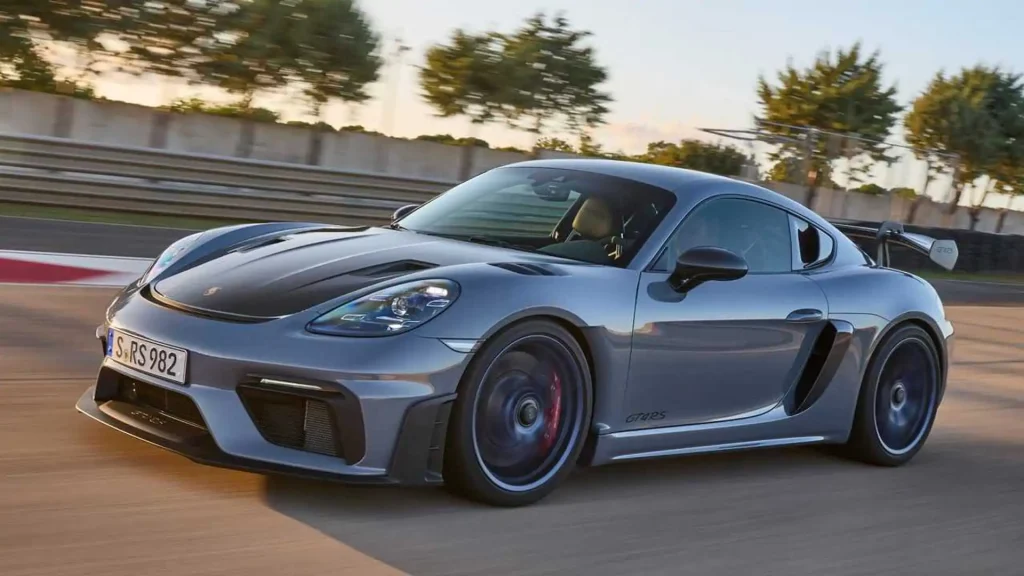
The Porsche Cayman GT4 occupies a unique position within the brand’s lineup, often described as a car that pushes the boundaries of what a mid-engine platform can achieve.
Its introduction sparked immediate debate, particularly regarding how it compares to the 911. For some enthusiasts, it represents a purer driving experience, while others remain loyal to the traditional rear-engine layout.
At the heart of the discussion is its balance. The mid-engine configuration provides a level of stability and responsiveness that feels natural and predictable.
This allows the GT4 to handle corners with precision, creating a driving experience that many consider more intuitive than that of the 911. This characteristic has led some to argue that it is the better driver’s car.
Power delivery is another area of debate. The naturally aspirated flat-six engine provides strong performance, yet it is not positioned as the most powerful option in Porsche’s lineup.
This has led to discussions about whether it is intentionally limited to preserve the hierarchy of the 911. Despite this, the GT4 remains highly engaging, with an engine that rewards drivers who use its full range.
The design reflects its performance focus, with aerodynamic elements that enhance stability without overwhelming the car’s proportions. It maintains a clean and purposeful appearance, reinforcing its identity as a track-capable machine.
Inside, the cabin emphasizes simplicity and control. The layout is driver-focused, ensuring that attention remains on the road. This approach aligns with the car’s broader philosophy of delivering a focused experience.
What keeps the debate alive is its positioning. Some enthusiasts view the Cayman GT4 as the ultimate expression of Porsche’s engineering, while others see it as a model that exists within constraints set by the brand’s hierarchy.
The Cayman GT4 continues to generate discussion because it challenges established norms. It offers a different perspective on what a Porsche can be, making it a constant topic of conversation among enthusiasts.
3. Porsche 911 Turbo (997)
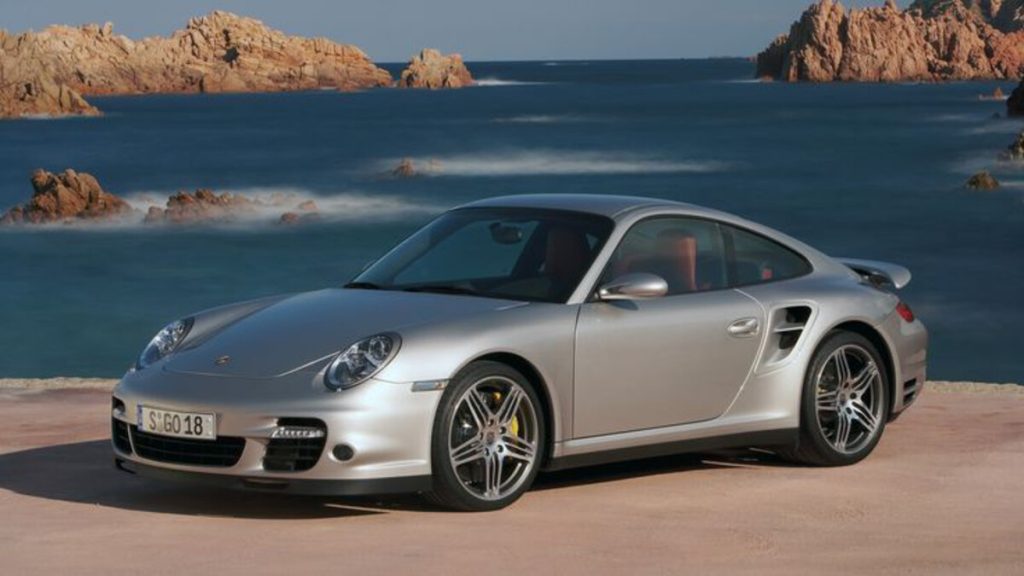
The Porsche 911 Turbo from the 997 generation sits in a curious position within the brand’s history. It is widely respected for its performance, yet it continues to spark debate among enthusiasts who question whether its capabilities come at the expense of involvement. This tension between speed and engagement lies at the center of ongoing discussions.
From a technical standpoint, the 997 Turbo is deeply impressive. Its twin-turbocharged flat-six engine delivers strong and consistent power, while the all-wheel-drive system ensures that this power is translated into motion with remarkable efficiency.
Acceleration feels effortless, allowing the car to reach high speeds with minimal drama. For some, this is exactly what makes it appealing.
However, that same efficiency is also the source of criticism. Enthusiasts who value a more interactive driving experience sometimes argue that the 997 Turbo feels too composed.
The car manages its performance so effectively that it can seem less demanding, reducing the sense of challenge that defines more traditional sports cars. This creates a divide between those who prioritize speed and those who seek engagement.
The design of the 997 Turbo reflects its performance focus, with subtle aerodynamic enhancements that distinguish it from standard models. It maintains the familiar 911 silhouette while introducing details that signal its capabilities. This restrained approach has helped it age well, contributing to its enduring appeal.
Inside, the cabin offers a blend of comfort and functionality. Materials are of high quality, and the layout is intuitive, making it suitable for both daily use and long-distance driving. This versatility adds to its appeal, yet it also reinforces the perception that it leans toward refinement rather than rawness.
The 997 Turbo continues to be debated because it represents a particular philosophy within Porsche’s lineup. It delivers performance with precision and control, raising questions about how much involvement is necessary for a car to feel truly engaging.
4. Porsche Panamera Turbo
The Porsche Panamera Turbo challenged expectations from the moment it was introduced, and its presence in the lineup continues to divide opinion. As a four-door sedan carrying the Porsche badge, it forced enthusiasts to reconsider what the brand could represent. This shift in identity remains a key point of discussion.
Performance is not in question. The Panamera Turbo delivers strong acceleration and handling that feel remarkably composed for its size. The engine provides ample power, and the chassis is engineered to maintain stability even under demanding conditions.
It behaves in a way that aligns with Porsche’s reputation for precision, despite its larger proportions.
The debate centers on whether a car like the Panamera can truly embody the spirit of the brand. For some, the addition of rear seats and increased practicality dilutes the focus that defines traditional Porsche models. Others see it as a natural evolution, expanding the brand’s reach without compromising its core values.
Design has also been a point of contention. Early versions of the Panamera featured proportions that were not universally accepted, leading to mixed reactions. Over time, revisions have refined its appearance, yet the initial impression continues to influence how it is perceived.
Inside, the cabin reflects a high level of craftsmanship and technology. It offers comfort and functionality that go beyond what is typically expected from a performance-focused brand. This dual nature adds to its appeal, particularly for those who want both practicality and driving enjoyment.
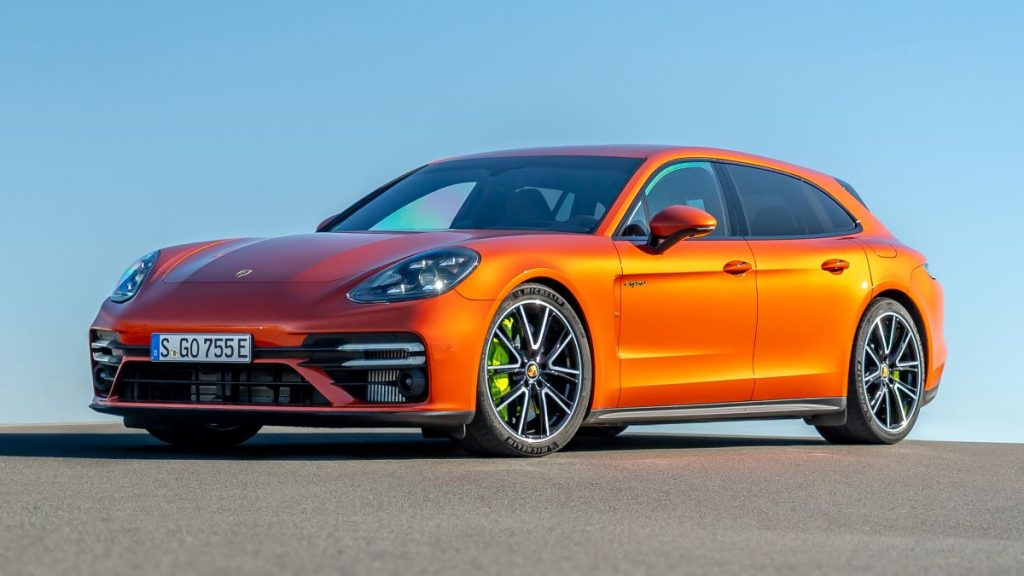
The Panamera Turbo remains a subject of debate because it challenges traditional definitions. It demonstrates that performance can exist in different forms, even if that idea is not universally accepted.
Its presence in the lineup ensures that discussions about identity and evolution continue, making it one of the most talked-about Porsche variants of the modern era.
5. Porsche 911 GT3 (991.1 PDK Only)
When Porsche released the 991.1 generation GT3 exclusively with a PDK transmission, it triggered one of the most intense debates in modern enthusiast circles. For decades, the GT3 badge had been closely tied to manual gearboxes and driver involvement.
Removing that option was seen by many as a departure from tradition, even though the decision was rooted in performance.
From a technical perspective, the PDK transmission brought clear advantages. Gear changes became faster and more precise, allowing the car to deliver consistent performance on both road and track.
The system reduced the margin for error, ensuring that drivers could extract more from the car without requiring perfect timing. For those focused on measurable results, this was a significant improvement.
Yet the argument was never purely about speed. Enthusiasts who preferred manual transmissions felt that something essential had been lost. The act of shifting gears, managing the clutch, and coordinating inputs had always been part of the GT3 experience. Without it, the car was seen by some as less engaging, even if it was objectively quicker.
The engine itself added another layer to the discussion. The high-revving naturally aspirated flat-six delivered a sharp and immediate response, maintaining the character expected from a GT3. However, reliability concerns in early models influenced perception, creating additional debate around ownership and long-term confidence.
Visually, the 991.1 GT3 retained the aggressive yet purposeful design associated with the badge. Aerodynamic elements were integrated carefully, enhancing performance without overwhelming the car’s proportions. It looked every bit like a track-focused machine.
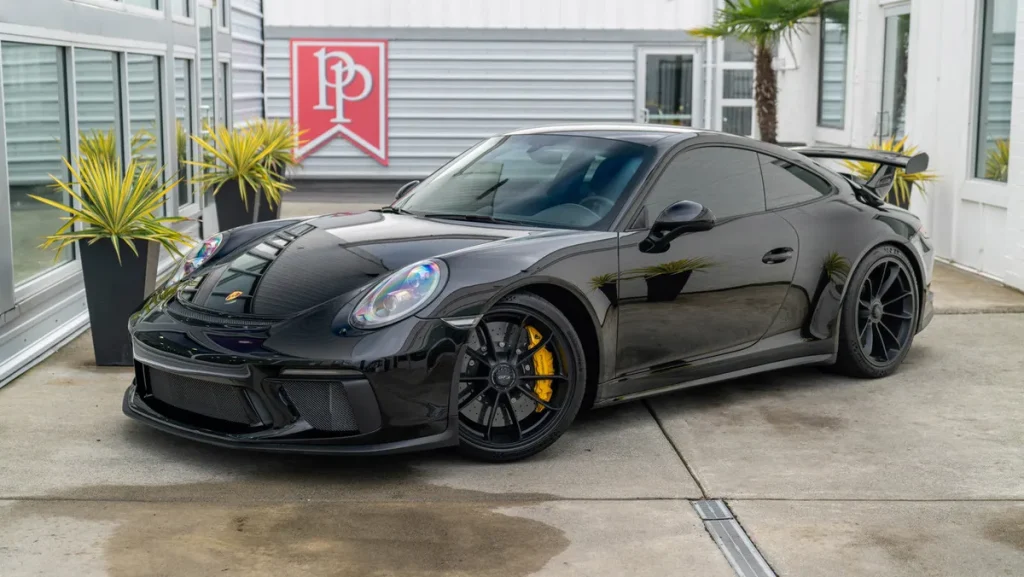
Inside, the cabin emphasized control and focus, with minimal distractions. The layout supported the car’s performance intentions, reinforcing its identity despite the transmission controversy.
The turning point came when Porsche reintroduced a manual option in later models, acknowledging the importance of driver preference. This decision validated the concerns of purists while highlighting the balance between innovation and tradition.
The 991.1 GT3 remains a key example of how a single engineering decision can shape perception, keeping it at the center of ongoing discussions.
6. Porsche 918 Spyder
The Porsche 918 Spyder entered the market as a technological showcase, combining a naturally aspirated V8 engine with hybrid assistance.
While its performance was immediately recognized, it also sparked debate about the role of electrification in a brand known for its mechanical character. This conversation continues, as the 918 represents a turning point in how performance is achieved.
The hybrid system allows the car to deliver instant torque while maintaining strong high-speed performance. This combination creates a driving experience that feels both immediate and sustained.
For some enthusiasts, this represents progress, demonstrating how technology can enhance capability. For others, it raises questions about whether the added complexity changes the essence of a sports car.
Handling is shaped by the integration of electric and combustion power. The car feels stable and responsive, with systems working together to manage performance effectively. This level of control allows drivers to push the car with confidence, yet it also introduces a layer of assistance that some view as reducing the need for skill.
Design plays a significant role in its identity. The 918 Spyder features proportions and details that reflect its advanced nature, with aerodynamic elements integrated into a cohesive form. It looks like a step forward, signaling a shift in direction for the brand.
Inside, the cabin combines traditional craftsmanship with modern technology. Controls are arranged to provide access to different driving modes, allowing drivers to adjust how the hybrid system behaves. This adaptability adds depth to the experience, making the car versatile in different situations.
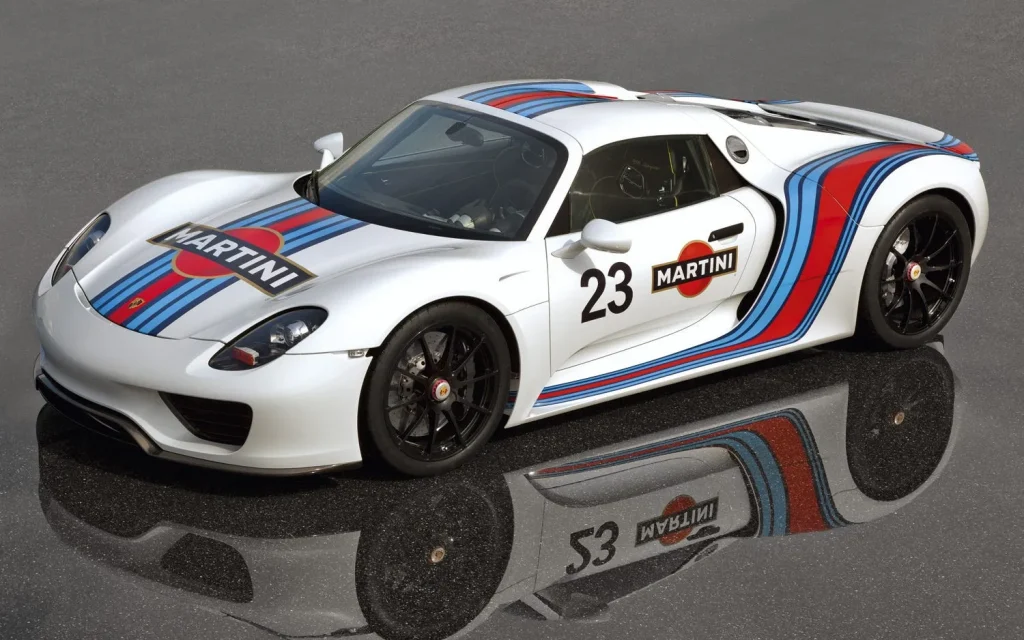
The debate surrounding the 918 Spyder is not about its capability but about its meaning. It represents a moment where Porsche embraced a new approach, blending performance with efficiency in a way that challenges traditional expectations.
Its influence extends beyond its own production, shaping how future models incorporate hybrid technology. The 918 Spyder remains a central figure in discussions about the future of performance, ensuring that it continues to be a topic of conversation among enthusiasts.
7. Porsche Taycan Turbo S
The Porsche Taycan Turbo S introduced a debate that goes beyond a single model and touches on the future of the brand itself. As a fully electric performance sedan carrying the Turbo badge, it immediately raised questions about identity.
Enthusiasts began asking whether a car without an internal combustion engine could truly deliver what defines a Porsche driving experience.
From a performance standpoint, the Taycan Turbo S leaves little room for criticism. Its electric powertrain delivers instant acceleration, creating a sense of speed that feels immediate and continuous.
The absence of gear changes gives it a smooth and uninterrupted flow, allowing the car to build momentum without delay. For many drivers, this represents a new kind of performance that is both efficient and effective.
Handling is where the Taycan begins to connect more closely with Porsche tradition. Despite the weight associated with battery systems, the car feels composed and balanced.
The chassis is tuned to maintain control, and the low center of gravity contributes to stability in corners. These qualities demonstrate how engineering can adapt to new technologies without abandoning core principles.
The design reflects its electric nature while maintaining recognizable Porsche elements. Its proportions are different from traditional models, yet it retains a sense of identity through details and general form. This balance between familiarity and innovation adds to its presence.
Inside, the cabin emphasizes modern technology, with digital displays and a clean layout that aligns with its advanced powertrain. The environment feels different from traditional Porsche interiors, reinforcing the idea that this is a new direction.
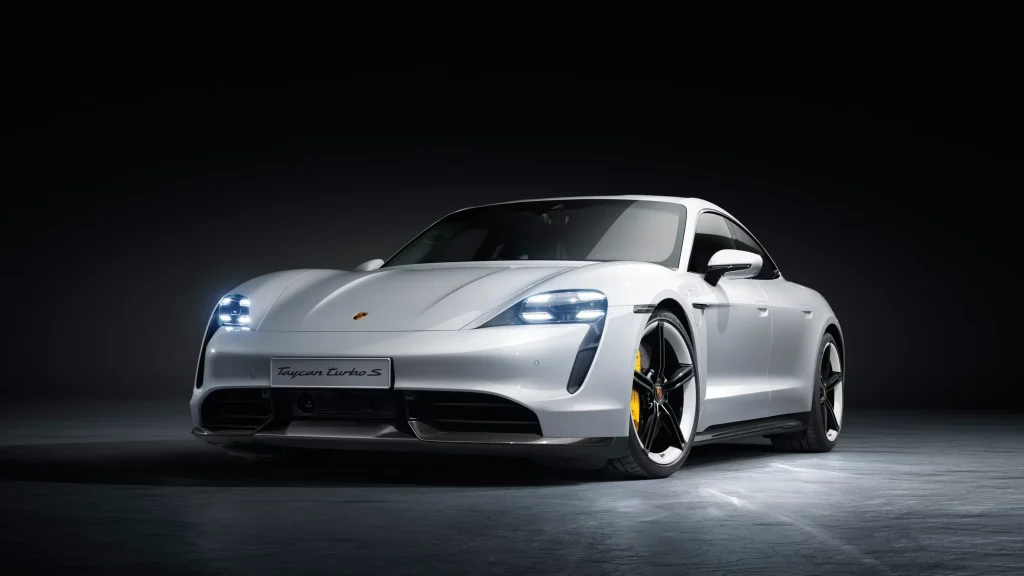
The debate surrounding the Taycan Turbo S centers on emotion. While it delivers impressive performance, some enthusiasts feel that the absence of engine sound and mechanical interaction changes the experience fundamentally. Others argue that it represents progress, showing how performance can evolve.
The Taycan Turbo S continues to divide opinion because it challenges long-held assumptions. It proves that Porsche can adapt to new technologies while maintaining performance, yet it also raises questions about what is gained and what is left behind.
8. Porsche 911 Carrera T (992)
The Porsche 911 Carrera T in its 992 generation brings a different kind of discussion, one that focuses on simplicity and intent rather than raw performance. Positioned between standard Carrera models and more extreme variants, it aims to deliver a purer driving experience. This positioning has led to ongoing debates about its purpose and value.
At its core, the Carrera T uses the same engine as the standard Carrera, which has led some enthusiasts to question what sets it apart. The answer lies not in additional power but in how the car is configured. Weight reduction, revised suspension tuning, and a focus on driver engagement create a different character that is felt rather than measured.
The availability of a manual transmission plays a significant role in its appeal. For many drivers, this feature restores a level of interaction that is becoming less common. The act of shifting gears adds a layer of involvement, making the driving experience more engaging. This focus on connection aligns with traditional Porsche values.
Handling reflects the car’s intent, with a setup that emphasizes responsiveness. It feels lighter and more agile than expected, encouraging drivers to engage with it actively. The rear-wheel-drive layout enhances this behavior, allowing for a sense of balance that defines the 911 experience.
The design remains subtle, with minimal visual changes compared to the standard Carrera. This understated approach contributes to its identity as a driver-focused model rather than a statement piece. It appeals to those who value substance over appearance.
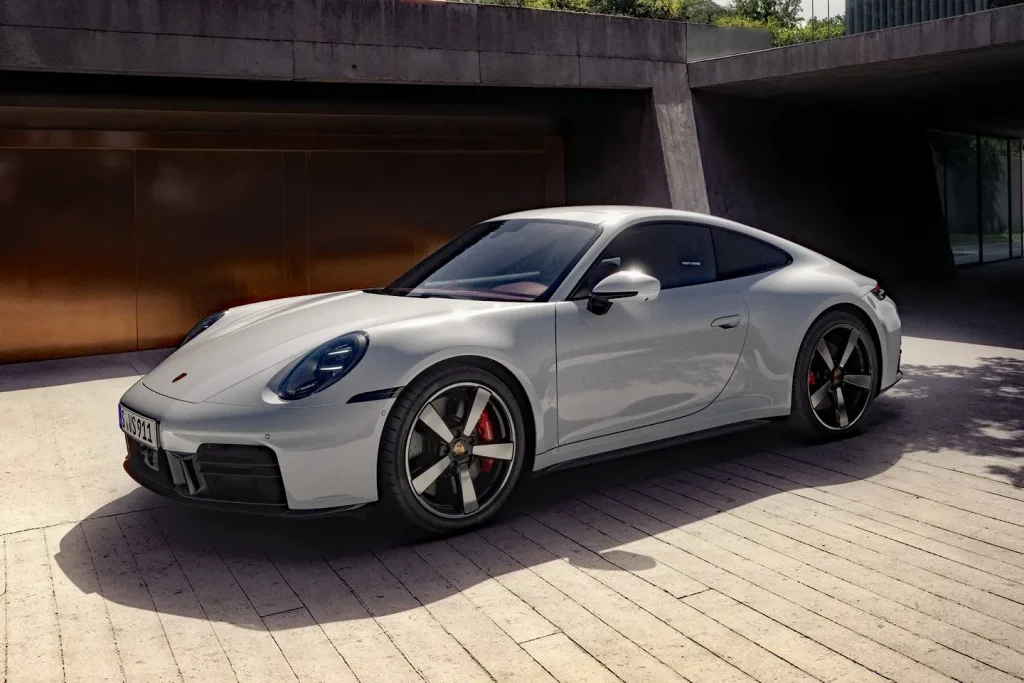
Inside, the cabin strips away some comfort features to maintain focus. This decision has sparked debate, as some see it as unnecessary while others appreciate the clarity it brings.
The Carrera T continues to be discussed because it challenges expectations about what defines value. It offers less in terms of features but more in terms of engagement, creating a divide between those who prioritize comfort and those who seek a more focused experience.
9. Porsche 911 Dakar
The Porsche 911 Dakar arrived with an idea that immediately divided enthusiasts. A raised 911 designed for off-road driving challenges decades of expectation tied to low ride height, track precision, and asphalt-focused performance. For some, it represents creativity and confidence. For others, it feels like a departure from what defines the 911 lineage.
From a technical standpoint, the Dakar is far from a novelty. It features increased ground clearance, specialized suspension tuning, and all-terrain capability that allow it to operate in environments where a traditional 911 would struggle.
The all-wheel-drive system works to maintain traction on loose surfaces, creating a driving experience that feels controlled even when conditions are unpredictable.
The engine delivers strong and consistent power, ensuring that performance is not compromised by its unconventional purpose. Acceleration remains quick, and the car retains the responsiveness expected from a Porsche.
However, the way this performance is applied changes significantly when moving from pavement to gravel or sand, creating a different kind of engagement.
Visually, the Dakar stands apart from other 911 variants. Its raised stance, protective elements, and distinctive detailing give it a presence that signals its purpose clearly. It does not attempt to blend into the traditional lineup, instead embracing its unique role.
Inside, the cabin balances durability with familiarity. Materials are chosen to handle varied conditions, while the layout remains consistent with other 911 models. This combination allows the car to feel both specialized and accessible.
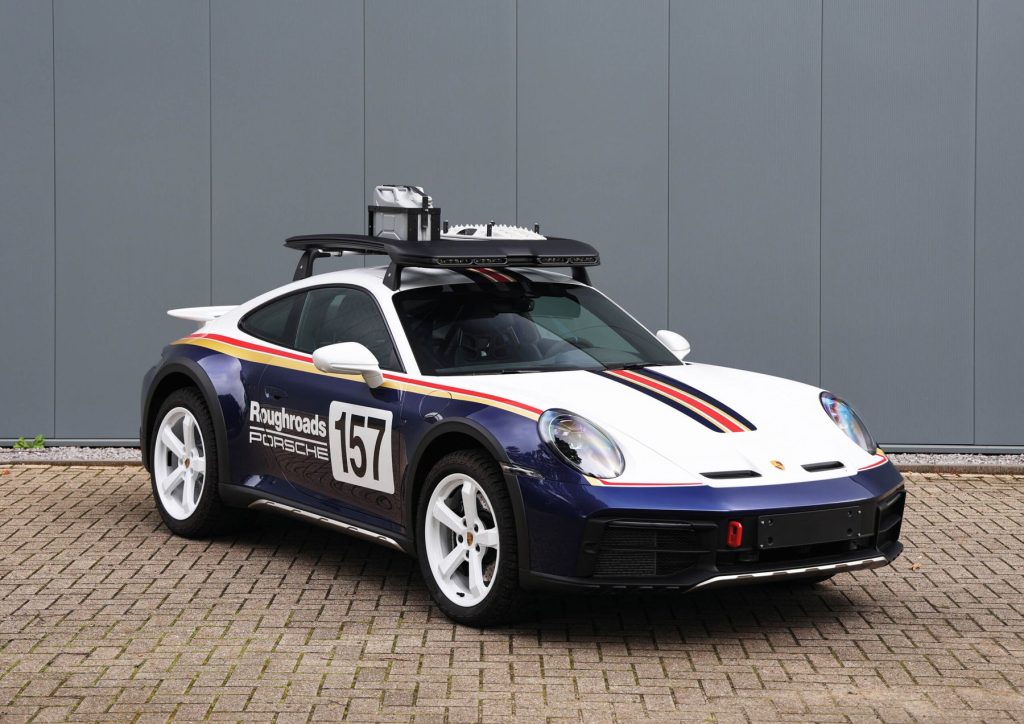
The debate surrounding the Dakar centers on identity. Some enthusiasts appreciate the willingness to reinterpret the 911 concept, seeing it as an expansion of what the platform can achieve. Others question whether such a transformation aligns with the brand’s heritage.
The 911 Dakar continues to generate discussion because it introduces a new dimension to a well-established formula. It challenges assumptions and invites enthusiasts to reconsider what a Porsche can be, ensuring that it remains a topic of conversation.
10. Porsche Boxster Spyder RS
The Porsche Boxster Spyder RS represents a meeting point between two philosophies, blending the open-top nature of the Boxster with the high-performance character of the GT division. This combination has sparked debate, as enthusiasts question whether these elements complement each other or create conflicting priorities.
At the heart of the Spyder RS is a naturally aspirated engine derived from more track-focused models. It delivers power with a sharp and immediate response, encouraging drivers to use the full rev range.
The sound and character of the engine play a major role in shaping the experience, particularly in an open-top configuration where every detail becomes more noticeable.
The chassis is tuned to handle this level of performance, providing a balance between agility and stability. The mid-engine layout contributes to a sense of control, allowing the car to respond quickly to inputs. This creates a driving experience that feels precise, even when pushed.
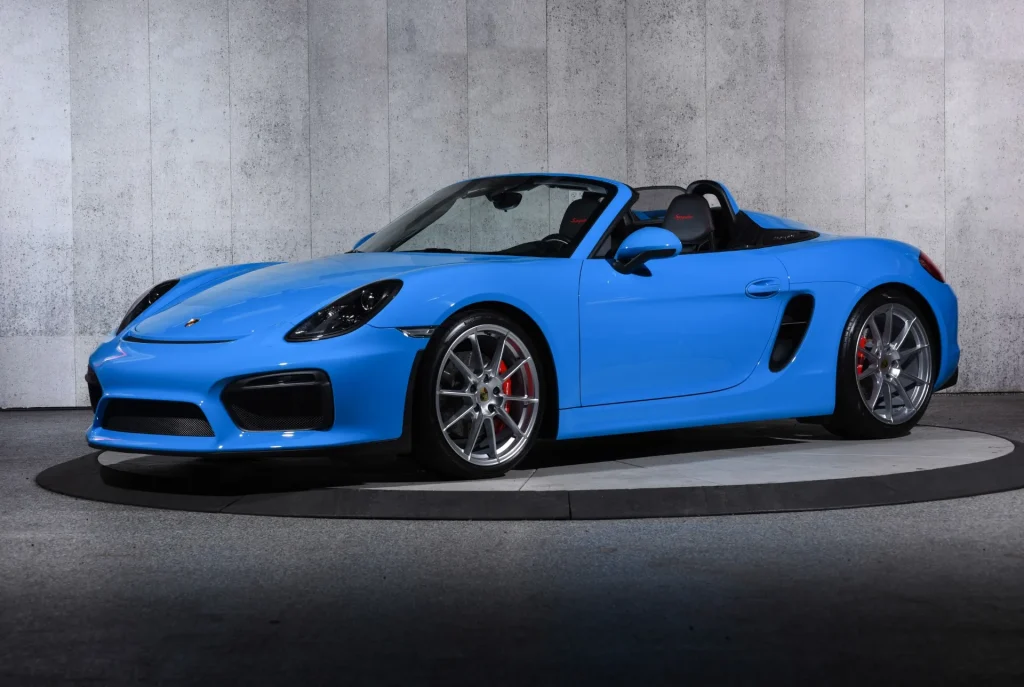
The open-top design introduces a different dynamic. Without a fixed roof, the car offers a level of exposure that enhances the sensory experience. However, this also raises questions about rigidity and focus, particularly when compared to coupe variants that are more traditionally associated with track performance.
Visually, the Spyder RS maintains a clean and purposeful appearance, with subtle aerodynamic elements integrated into the design. It does not rely on excessive styling cues, instead allowing its proportions to define its presence.
Inside, the cabin reflects a focus on driving, with minimal distractions and supportive seating. The environment is designed to keep attention on the road while still offering a sense of occasion.
The debate surrounding the Boxster Spyder RS comes down to perspective. Some see it as the ultimate expression of open-top performance, combining engagement with excitement. Others view it as a compromise, questioning whether a track-focused engine belongs in a car designed for open-air driving.
The Spyder RS continues to spark discussion because it blends elements that are not traditionally combined, creating a model that challenges expectations and invites differing opinions.
Also Read: 8 Limited-Production Supercars Collectors Missed Their Chance At
