Trucks have always been the backbone of American work culture, especially in regions where weather conditions are harsh, roads are heavily salted, and durability is not optional but essential.
In states often referred to as the Rust Belt, such as Michigan, Ohio, Pennsylvania, New York, and parts of the Midwest, vehicles face some of the most aggressive corrosion environments in the world. Snow, ice, road salt, slush, and moisture combine to create the perfect conditions for rust to form on vehicle underbodies and frames. Over time, this leads to structural weakening, expensive repairs, and in severe cases, total vehicle failure.
When it comes to pickup trucks, the frame is the most critical structural component. Most trucks in the United States use body-on-frame construction, which means the body sits on a separate steel ladder frame. While this design is ideal for towing, hauling, and off-road durability, it also exposes the frame directly to the elements underneath the vehicle.
If the protective coatings fail or drainage is poor, rust can spread rapidly from the inside out, especially in regions where salt is used heavily on winter roads.
Not all trucks are equally vulnerable, however. Some manufacturers have engineered their frames with better rustproofing, stronger coatings, improved drainage channels, and more corrosion resistant materials. Others have suffered from well documented rust issues that significantly reduce their lifespan in northern climates. This is why certain trucks have developed reputations for being far more reliable in salt belt conditions than others.
In this article, we explore ten trucks that are widely recognized for having stronger, more rust resistant frames or better long term durability in harsh American rust states. These are not completely rust proof vehicles, because no steel frame is immune to corrosion in extreme conditions. However, they are among the best performers when it comes to resisting structural rust and maintaining integrity over time.
Each truck on this list has earned its reputation through real world use, long term ownership feedback, and durability performance in challenging environments. Whether used for work, towing, off road driving, or daily commuting in snowy states, these trucks consistently show better resistance to frame degradation compared to many competitors.
Understanding which models hold up best can make a major difference for buyers who plan to keep their truck for many years in demanding climates.
1. Toyota Tundra
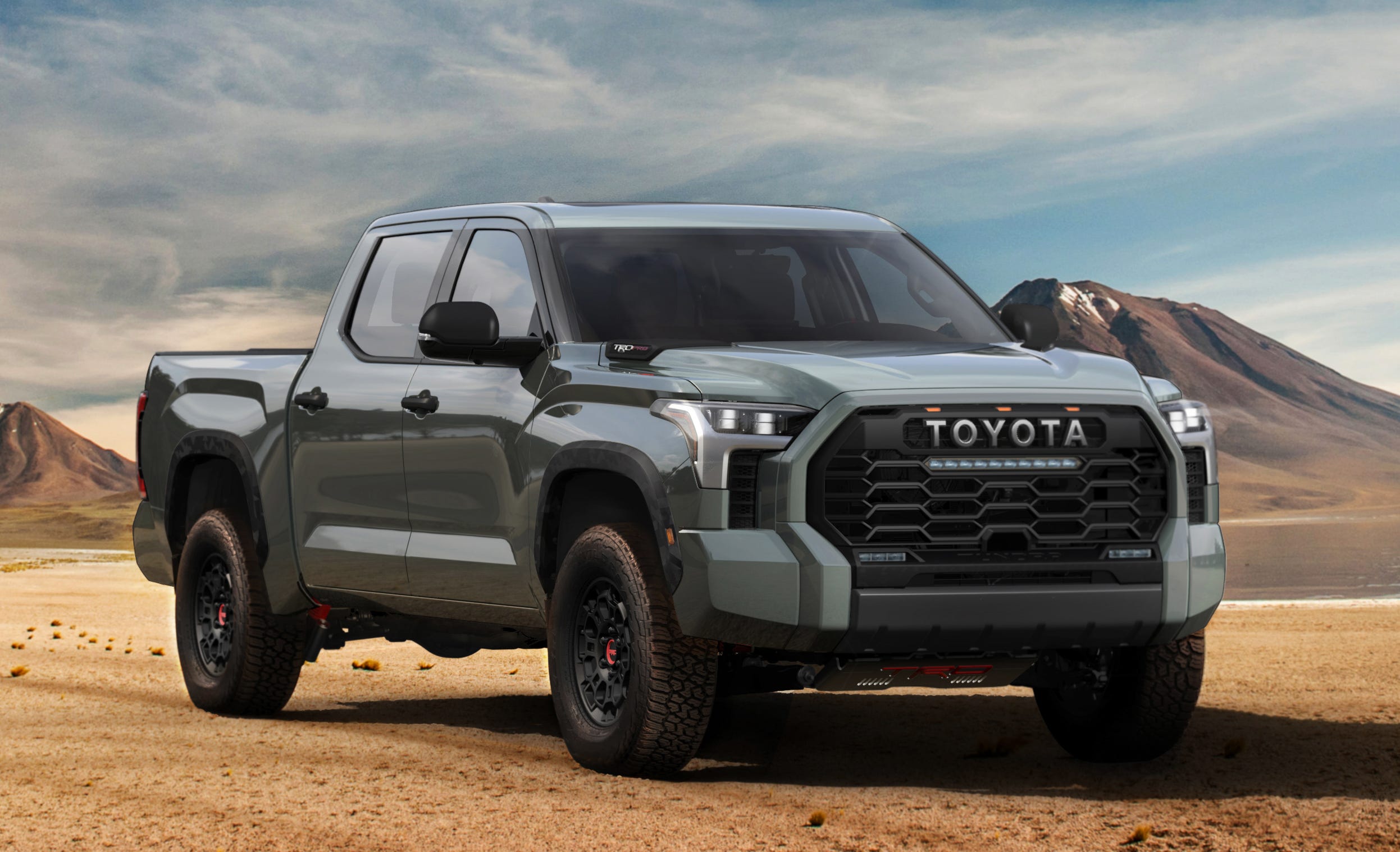
The Toyota Tundra is widely regarded as one of the most durable full size trucks ever sold in North America. Its frame strength and long term reliability make it a favorite among drivers in snowy and coastal states where rust is a constant concern.
Toyota has historically invested heavily in underbody protection and corrosion-resistant coatings, which helps the Tundra maintain structural integrity even after years of exposure to salt and moisture. This engineering foresight has contributed to the Tundra’s reputation for longevity, especially in climates that accelerate corrosion. Unlike many competitors, Toyota integrates corrosion resistance into the early design phase rather than as an afterthought, giving the Tundra a significant advantage in harsh environments.
One of the key advantages of the Tundra is its relatively simple yet robust ladder frame design. This design reduces the number of complex cavities where moisture can become trapped, a common weak point in many trucks. Drainage points are also better engineered compared to some competitors, helping water and salt exit the frame efficiently.
This effectively reduces the likelihood of internal rust formation, which is often the most dangerous type of corrosion since it can compromise the structural integrity of the truck before it becomes visible. For owners living in northern climates, this design feature significantly lowers long-term repair costs and extends the life of the vehicle under severe conditions.
Owners in northern states frequently report that older Tundra models still maintain solid frames even when body panels show cosmetic wear. While surface rust can still appear over time, especially on older generations, it tends to progress more slowly compared to many domestic trucks.
This has made the Tundra particularly appealing to buyers who plan to keep their vehicles for 15 to 20 years. Many owners note that with annual inspections and occasional underbody treatments, a Tundra can remain in structurally sound condition far beyond the lifespan of typical pickups in the same regions.
Another important factor is Toyota’s consistent manufacturing quality. Protective coatings applied during production are generally more uniform, reducing weak spots where rust can begin. Toyota also applies strategic rust-inhibiting primers in areas prone to corrosion, like suspension mounts and crossmembers, where the truck experiences the most stress.
This proactive approach ensures that the frame maintains both strength and safety, giving owners confidence that their vehicle can handle heavy towing and off-road excursions without structural compromise.
The Toyota Tundra stands out as a benchmark for frame durability in the full-size truck category, especially for buyers living in regions where winter road salt is unavoidable. Its combination of strong steel, protective coatings, thoughtful engineering, and proven long-term reliability make it a vehicle that resists the corrosive effects of snow, salt, and moisture better than most competitors.
For anyone seeking a full-size truck that can survive harsh rust-prone environments while maintaining safety and structural integrity, the Tundra consistently ranks among the top choices.
2. Toyota Tacoma
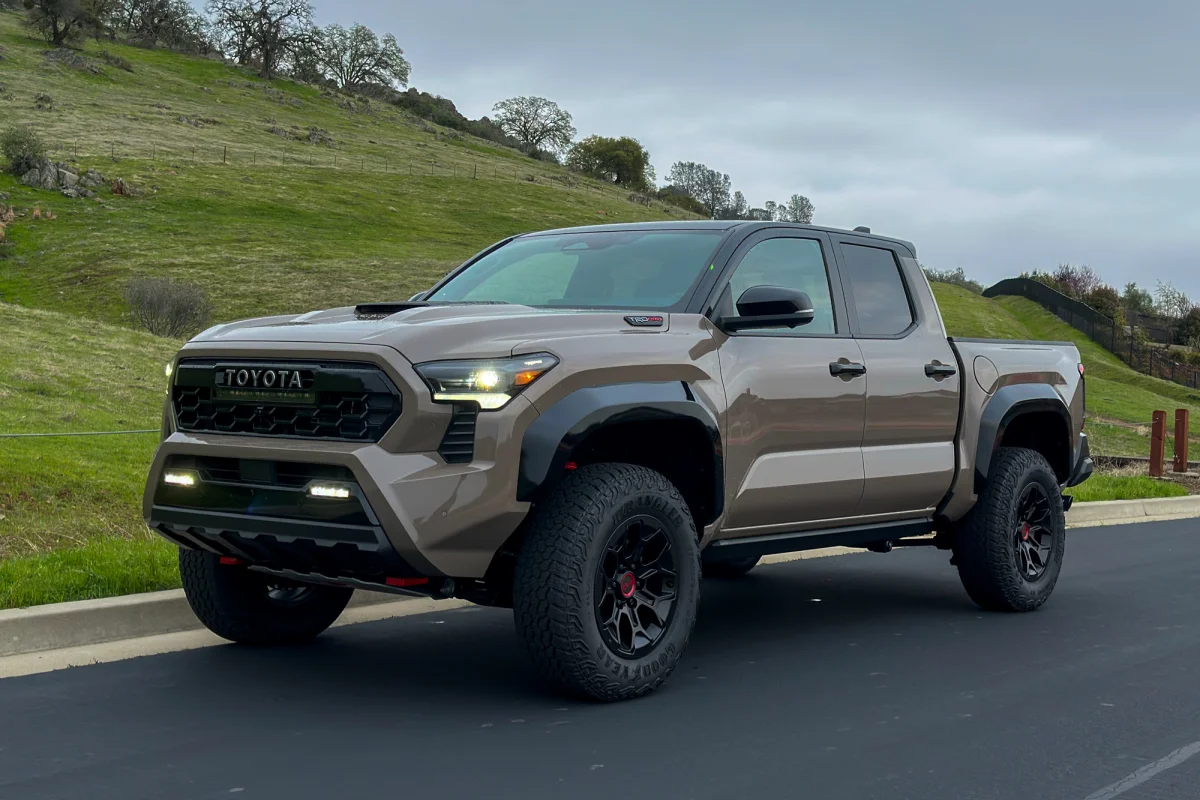
The Toyota Tacoma is one of the most popular midsize trucks in America, and it has built a strong reputation for long-term durability in harsh climates. While some early model years experienced frame rust issues, later generations significantly improved in corrosion resistance and structural protection.
Toyota’s focus on reliability and engineering longevity means that even in regions with high winter salt usage, properly maintained Tacomas can remain roadworthy for decades. Its combination of off-road capability and thoughtful frame design gives it a performance edge over many midsize competitors struggling with rust problems.
The Tacoma’s frame is designed with off-road durability in mind, built to withstand twisting forces, impacts, and heavy use. This strength indirectly contributes to its resistance against long-term structural weakening caused by rust.
The frame’s steel is thick and well-treated with anti-corrosion coatings, and critical areas such as suspension mounts and crossmembers are carefully sealed to prevent moisture infiltration. Owners frequently report that even in snow-heavy states like Michigan and upstate New York, their Tacomas retain structural integrity long after cosmetic panels show wear.
Toyota improved coating processes in newer models by adding advanced rustproofing layers that protect vulnerable areas from salt exposure. Drainage improvements allow water and debris to escape from frame cavities more efficiently, reducing the formation of internal rust.
These updates make newer Tacomas highly reliable in corrosive climates, outperforming many competitors whose designs allow moisture to accumulate in hidden frame sections, often leading to catastrophic rust failures.
Owners who regularly wash the undercarriage during winter months and apply seasonal rust inhibitors report excellent long-term results. Minor surface rust often develops but remains largely cosmetic, preserving structural integrity.
Tacoma owners also benefit from Toyota’s attentive design, which focuses on durability under harsh conditions, whether that means navigating salted city streets or tackling rugged off-road trails where mud and water could accelerate corrosion in other trucks.
Despite earlier concerns with certain model years, the Toyota Tacoma remains one of the most trusted midsize trucks for durability in rust-prone regions. Its combination of robust steel frames, advanced coatings, thoughtful drainage, and proven off-road reliability ensures that even after years of exposure to snow, salt, and moisture, the Tacoma maintains a reputation for lasting performance.
For drivers seeking a midsize truck that can handle heavy-duty tasks while resisting corrosion, the Tacoma is consistently among the top recommendations.
3. Ford F-150
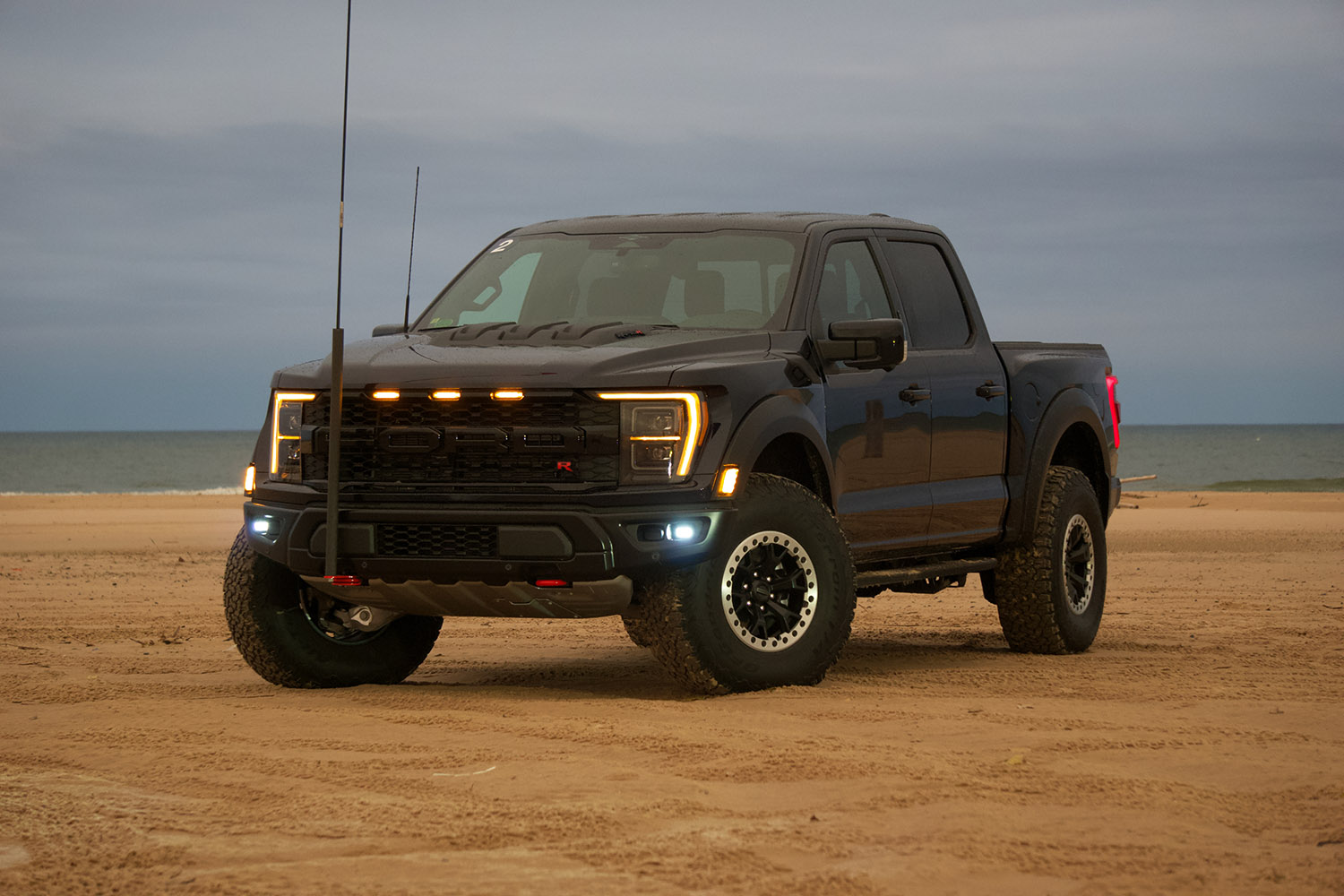
The Ford F-150 is America’s best-selling truck, and modern generations have significantly improved rust resistance compared to earlier models. Ford has invested heavily in both aluminum body construction and advanced steel treatments to reduce corrosion risk.
While the body panels now use aluminum to prevent rust, the frame remains a robust steel structure with corrosion-resistant coatings, allowing the truck to withstand salt and moisture in winter-heavy states without structural compromise. This combination of lightweight panels and treated steel frames provides an optimal balance of performance, safety, and durability.
The frame itself has undergone major improvements in coating technology and structural sealing. Modern F-150 frames are fully boxed and better protected against salt intrusion, a significant improvement over older C-channel designs where moisture could become trapped and accelerate rust formation.
These boxed frames also resist twisting and torsion during heavy towing or off-road use, helping maintain long-term structural integrity even under demanding conditions.
Ford applies advanced corrosion-resistant primers and underbody protection systems, ensuring that critical areas such as suspension mounts, crossmembers, and fuel tank brackets are fully shielded from the elements.
These engineering upgrades significantly reduce the risk of hidden internal rust, which is the most dangerous form of corrosion because it can weaken the frame before surface rust is even noticeable. Owners in northern states consistently report that modern F-150s survive winters better than many older pickups, with far less long-term damage to the structural components.
Regular maintenance, including periodic undercarriage washing and optional protective sprays, further extends the frame’s longevity. The F-150’s large towing capacity and off-road capabilities also benefit from the stronger frame, ensuring that owners do not compromise safety or performance despite harsh winter road conditions.
Compared to early 2000s F-150s, modern models are far less susceptible to severe rust, making them an excellent choice for those living in salt-heavy regions.
The Ford F-150 combines innovative materials, improved frame engineering, and modern coatings to achieve one of the best rust-resistant performances among full-size trucks. Its popularity in northern and coastal states reflects its reliability in challenging climates, making it a leading choice for buyers seeking a combination of strength, durability, and corrosion resistance.
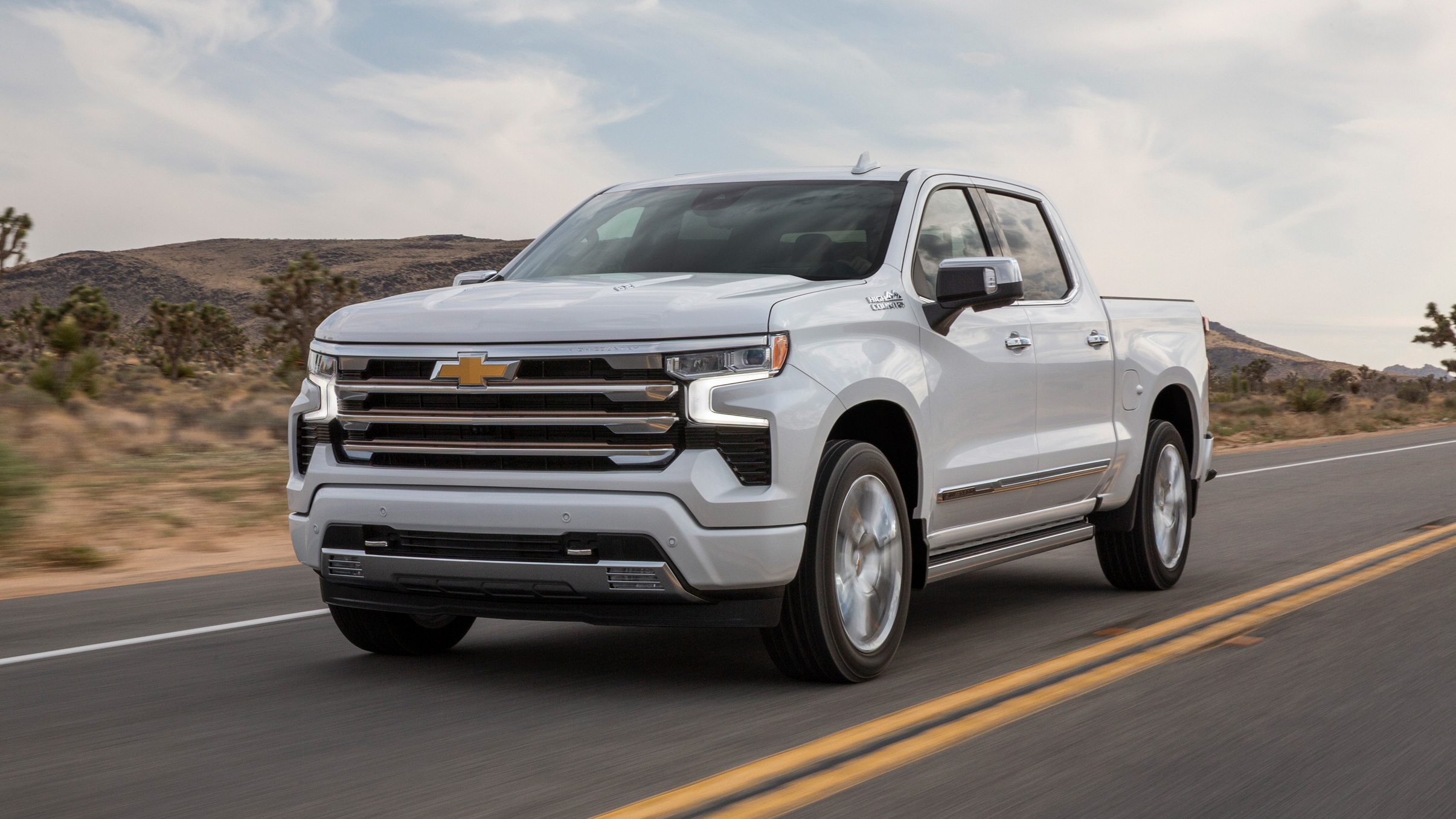
4. Chevrolet Silverado
The Chevrolet Silverado has experienced a mixed history with rust resistance, but recent generations have shown improvements in frame durability. Older models were prone to rust in northern climates, often due to water and salt accumulation in C-channel frame sections.
Recognizing these issues, GM redesigned the frame structure and applied advanced corrosion-resistant coatings to reduce moisture intrusion and improve drainage. These updates have significantly enhanced the Silverado’s longevity in rust-prone states.
Newer Silverado frames utilize boxed construction and high-quality steel, reducing the number of exposed surfaces where water and road salt can cause corrosion. GM also implemented improved welding techniques and seam treatments, ensuring that joints and crossmembers remain structurally sound over time. These engineering updates are particularly important in areas where winter road salt is a constant threat to truck longevity.
Owners living in northern states report that newer Silverados withstand long-term exposure to snow and ice better than earlier models. While surface rust may develop on non-critical areas, the frame often remains intact, providing safe operation even after several harsh winters.
This combination of material improvements and thoughtful frame design contributes to the Silverado’s reputation as a durable full-size truck capable of surviving corrosive environments.
GM has also improved underbody shielding and applied factory rust inhibitors to key structural points. These changes protect suspension mounts, fuel brackets, and crossmembers from early corrosion, allowing the vehicle to maintain both towing capacity and structural integrity over time. Combined with regular maintenance, the Silverado can last well over a decade in challenging climates.
Modern Chevrolet Silverados offer a substantial improvement in rust resistance and frame longevity compared to older generations. Buyers in northern states now have a reliable option for a full-size truck that can handle heavy-duty tasks, withstand harsh winter conditions, and maintain structural integrity for years with proper care.
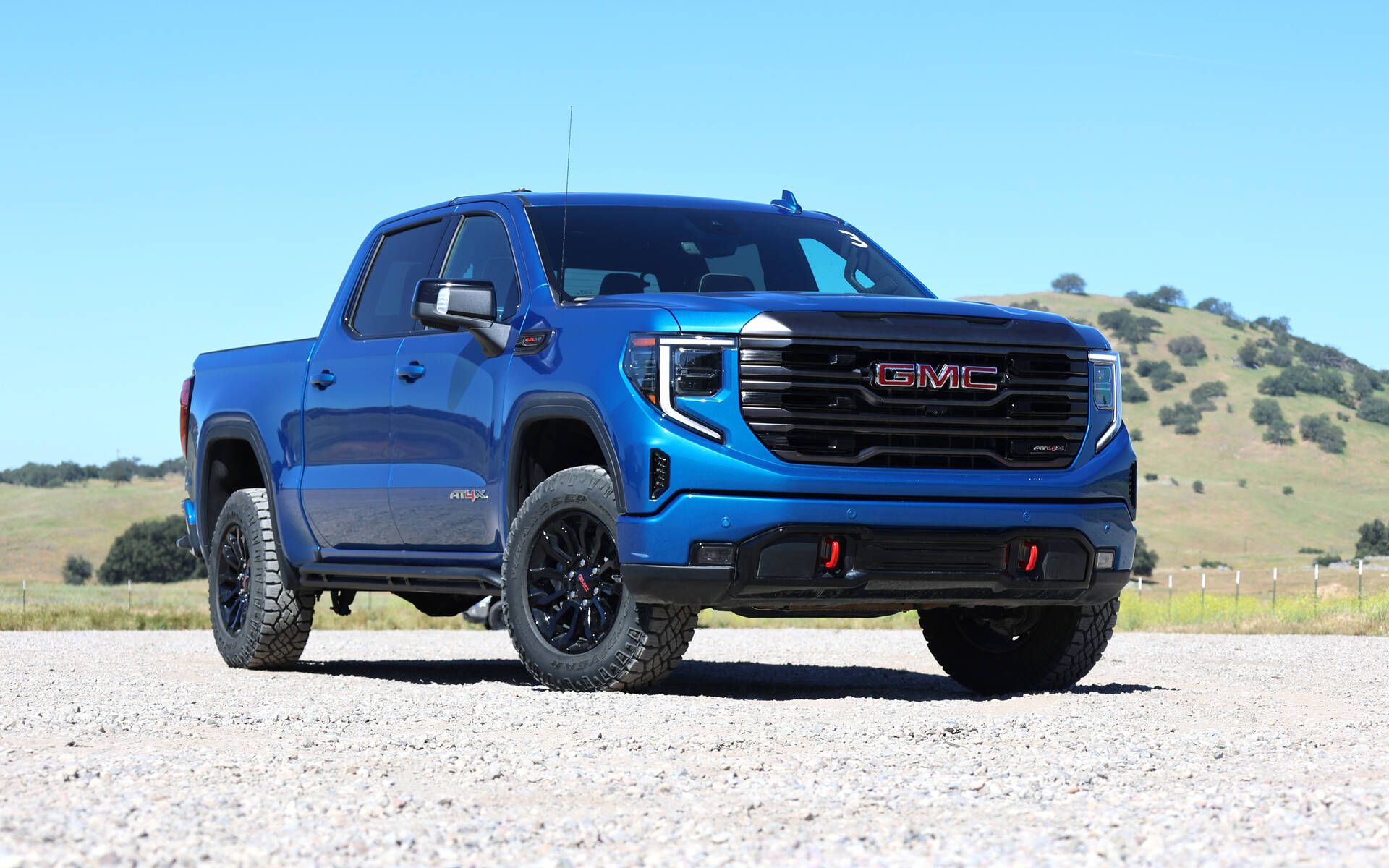
5. GMC Sierra
The GMC Sierra shares much of its engineering with the Chevrolet Silverado, benefiting from the same upgrades in frame durability and corrosion protection. Modern Sierras use high-quality steel treated with rust inhibitors and protective coatings, ensuring that structural components are less vulnerable to the harsh effects of salt, snow, and moisture. This makes the Sierra a top choice for northern truck owners seeking long-lasting durability.
A significant advantage of the Sierra is its refined underbody design. Engineers strategically positioned drain holes and minimized trapped cavities to reduce water and salt accumulation in critical frame areas. By focusing on underbody airflow and drainage, GM has created a design that slows corrosion and helps maintain structural integrity over long periods. These improvements are particularly important for owners who regularly tow or haul heavy loads, as the frame experiences additional stress that could exacerbate rust damage if untreated.
Factory-applied protective coatings on the Sierra are designed to resist scratches and chips that expose bare metal. In combination with seam sealers and primer treatments, these coatings provide an extra layer of defense against corrosion, especially in winter-heavy climates.
Owners in northern states often pair these factory protections with annual underbody inspections and optional rust-proofing treatments, further extending the truck’s lifespan.
Modern Sierras also feature boxed frame sections and reinforced crossmembers that improve rigidity and reduce the potential for corrosion-related failure.
These structural upgrades make the Sierra more reliable under heavy towing and off-road usage compared to older models that lacked these protections. The truck’s durability in salt-prone regions has improved dramatically, earning praise from both casual owners and commercial operators.
The GMC Sierra combines advanced engineering, protective coatings, and thoughtful design improvements to deliver a durable, rust-resistant full-size truck. For buyers in harsh winter states, the Sierra offers long-term reliability, strong towing performance, and confidence that its frame will remain structurally sound despite years of exposure to corrosive conditions.
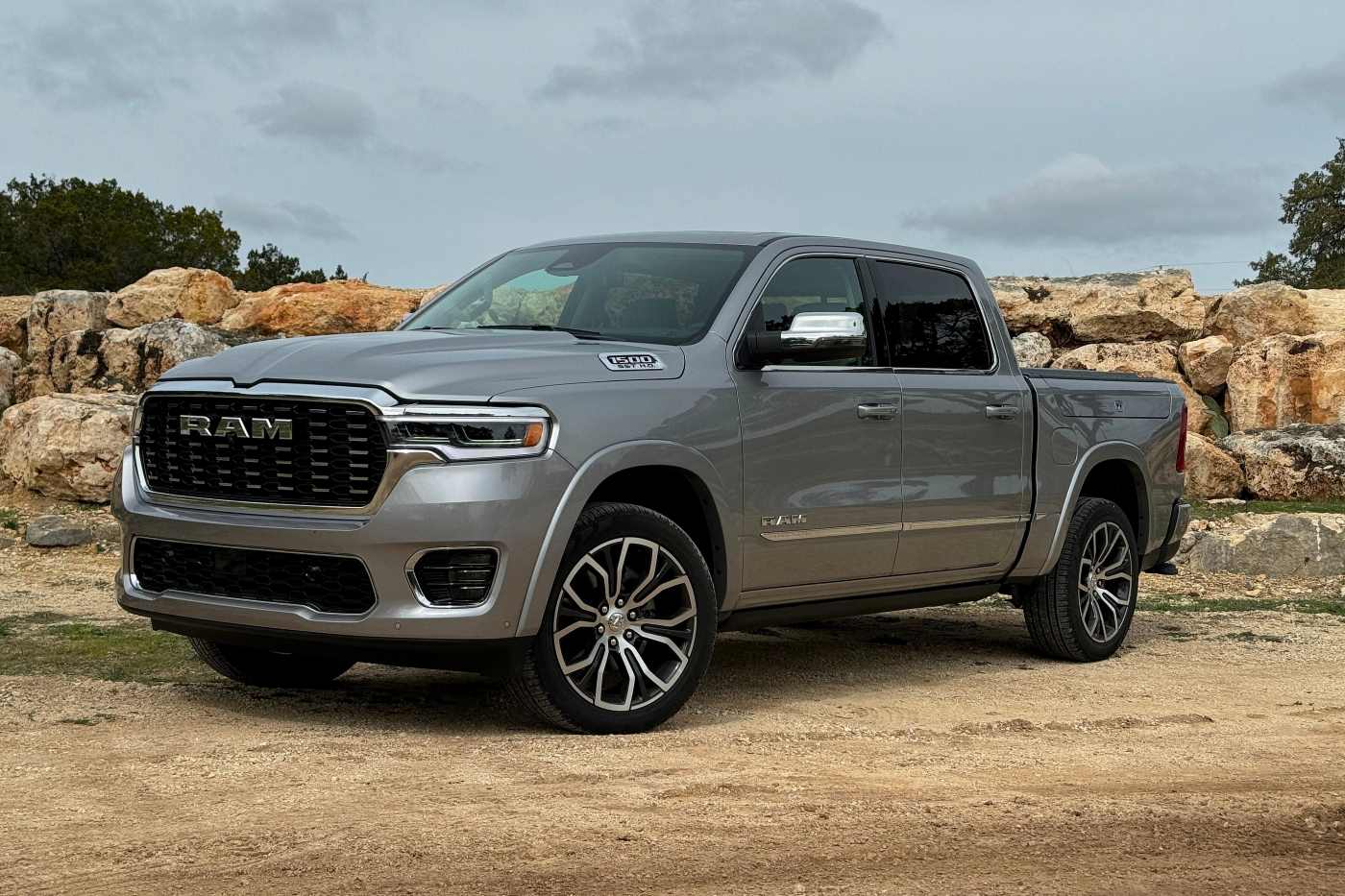
6. Ram 1500
The Ram 1500 underwent a significant redesign starting in 2019, not only enhancing ride quality and interior comfort but also improving structural durability and corrosion resistance.
The frame now uses high-strength steel with multiple layers of anti-corrosion coatings, which helps protect critical areas like crossmembers, suspension mounts, and the bed supports from rust. Ram engineers paid special attention to regions most vulnerable to moisture accumulation, such as boxed sections, frame rails, and wheel wells, significantly extending the truck’s lifespan in salt-prone states.
One of the improvements in modern Ram 1500 frames is the optimization of drainage channels. These channels allow water, slush, and road salt to exit the frame efficiently, preventing the buildup that can lead to internal rust.
This design also reduces the need for aggressive maintenance, though owners who routinely undercoat their trucks or wash the undercarriage during winter months see the best long-term results. The combination of material upgrades and smart engineering ensures that the frame maintains its structural integrity even after years of harsh use.
Ram 1500 owners in northern states often highlight the frame’s ability to withstand towing and hauling heavy loads despite exposure to corrosive conditions. The strengthened frame design, combined with modern coatings, allows the truck to handle repeated stress without compromising safety.
Seasonal maintenance, like checking for surface rust and applying protective sprays, helps maintain this high level of durability, ensuring that even older Ram 1500s can remain functional and safe for years.
The truck’s advanced corrosion protections extend to areas beyond the frame. Key components like brake lines, fuel tanks, and suspension brackets are also shielded with rust inhibitors and protective coatings, creating a holistic approach to long-term durability. Ram’s attention to these details makes the 1500 an ideal choice for work, towing, or off-road use in climates where corrosion is a persistent concern.
The modern Ram 1500 demonstrates that a combination of engineering foresight, high-quality materials, and proactive maintenance can create a pickup capable of surviving America’s harshest rust belt conditions. Its strong frame, thoughtful design, and comprehensive rust prevention measures make it a top option for buyers who need a truck that will last for decades under demanding winter conditions.
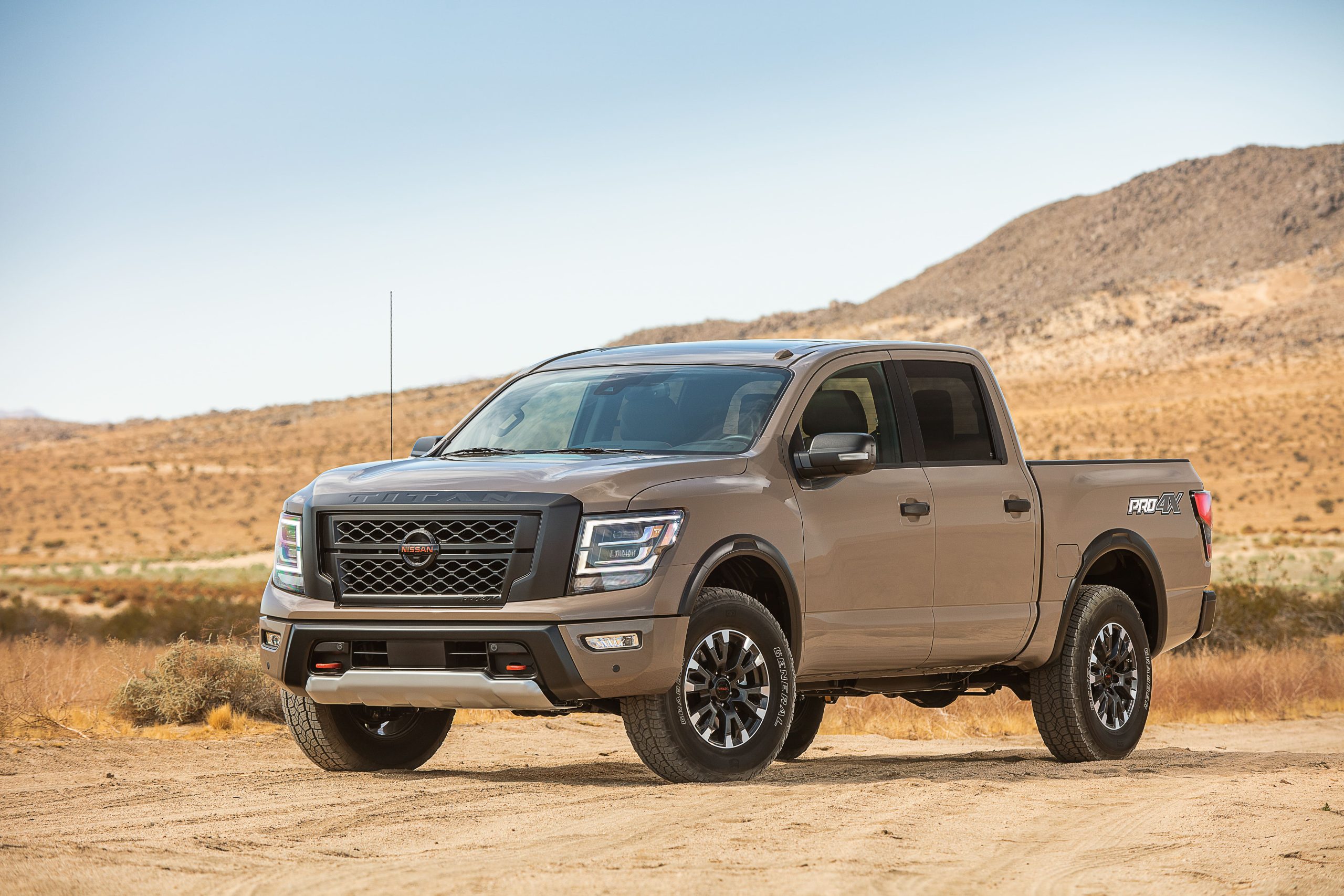
7. Nissan Titan
The Nissan Titan is recognized for its robust V8 powertrain and exceptionally strong frame construction, making it one of the more durable full-size trucks available. Designed with heavy-duty towing and hauling in mind, the Titan’s ladder frame is made of thick steel and treated with multiple layers of corrosion-resistant coatings. Critical stress points such as suspension mounts, crossmembers, and bed supports receive additional protection, giving the truck resilience in snowy and salt-heavy climates.
One of the Titan’s strengths lies in its proactive engineering approach. Unlike some competitors, Nissan applied rust-resistant primers and protective paint treatments directly during production, rather than relying solely on aftermarket applications.
This means that even in areas where road salt is heavily used, the Titan can resist structural weakening caused by corrosion. Owners in northern states often report that older Titan models maintain strong, rigid frames despite years of exposure to winter conditions.
The Titan’s frame design also allows for better airflow and drainage, reducing water and debris buildup that can accelerate rust formation. By minimizing trapped moisture and ensuring that critical areas are adequately sealed, the Titan can endure years of rigorous use without significant degradation. This makes it a popular choice among commercial operators and recreational users who need reliable performance in harsh climates.
Regular maintenance further enhances the Titan’s longevity. Washing the undercarriage after winter, inspecting for surface rust, and applying additional rust-proofing to vulnerable points can extend frame life by years. Owners frequently note that even when cosmetic surface rust appears, it rarely compromises the truck’s structural integrity, highlighting the effectiveness of Nissan’s corrosion-resistant strategies.
The Nissan Titan offers a powerful, durable, and rust-resistant alternative in the full-size truck market. Its strong steel frame, thoughtful corrosion protections, and practical maintenance considerations make it an ideal option for buyers in rust-prone regions who need a truck capable of handling heavy loads while resisting the harsh effects of winter salt and moisture.
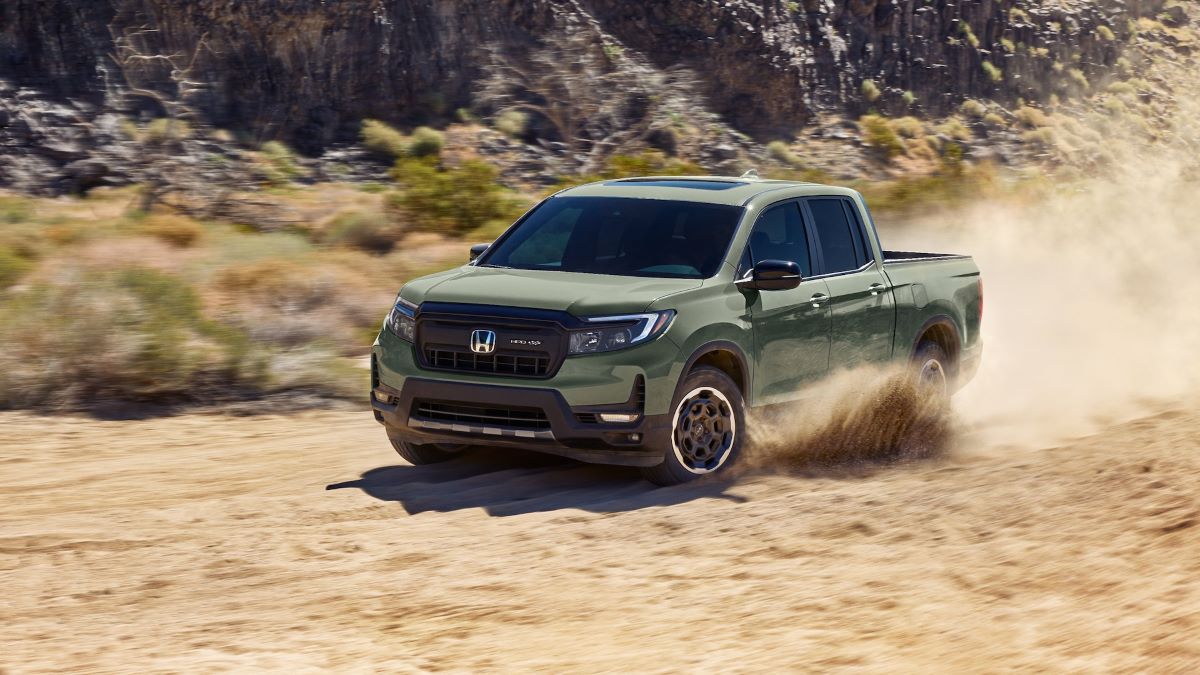
8. Honda Ridgeline
The Honda Ridgeline is unique among trucks because it utilizes a unibody construction instead of the traditional body-on-frame design. While this might seem like a disadvantage for heavy-duty tasks, it actually provides substantial corrosion resistance benefits.
Unibody construction allows for more uniform sealing of the vehicle’s structural elements, reducing hidden rust points that typically plague ladder-frame trucks in northern climates.
Honda’s attention to corrosion protection in the Ridgeline extends to the use of high-strength steel, strategically coated with rust-resistant primers. Critical areas such as suspension mounting points, engine mounts, and the integrated bed frame receive special protection against salt and moisture. Owners frequently report that older Ridgelines in snow-heavy states show minimal rust in areas that would typically degrade quickly on body-on-frame trucks.
The unibody design also improves rigidity and weight distribution, which indirectly reduces frame stress and the potential for cracks that could accelerate corrosion.
Drainage channels are carefully integrated to allow water and slush to escape from underbody cavities, further minimizing corrosion risk. These design decisions make the Ridgeline particularly well-suited for urban and suburban users who face winter salt exposure but do not require extreme towing capacities.
Regular maintenance, such as undercarriage washing and seasonal rust prevention treatments, enhances the vehicle’s durability even further. While some aftermarket enthusiasts may underestimate the Ridgeline’s toughness, the combination of unibody construction, advanced coatings, and Honda’s engineering rigor ensures that it performs admirably in northern climates, often outlasting many traditional midsize trucks.
The Honda Ridgeline provides an innovative approach to truck durability in rust-prone environments. Its unibody design, corrosion-resistant treatments, and integrated drainage systems offer superior long-term protection, making it a compelling option for buyers who value reliability, low maintenance, and resistance to harsh winter conditions.
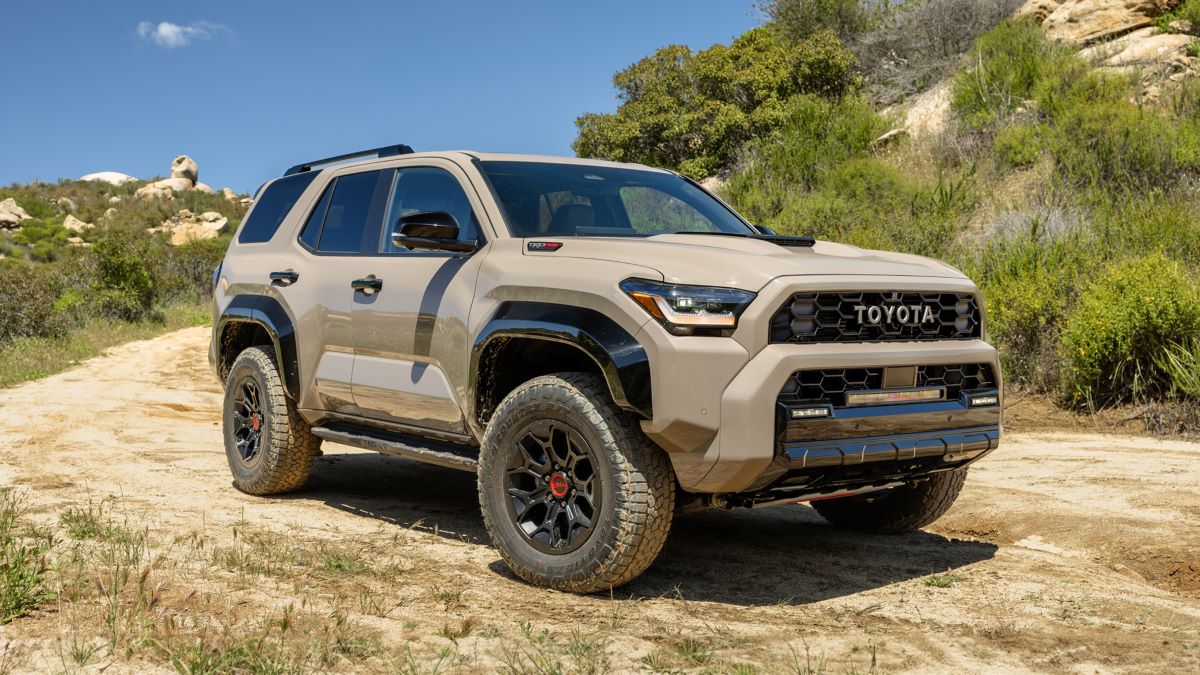
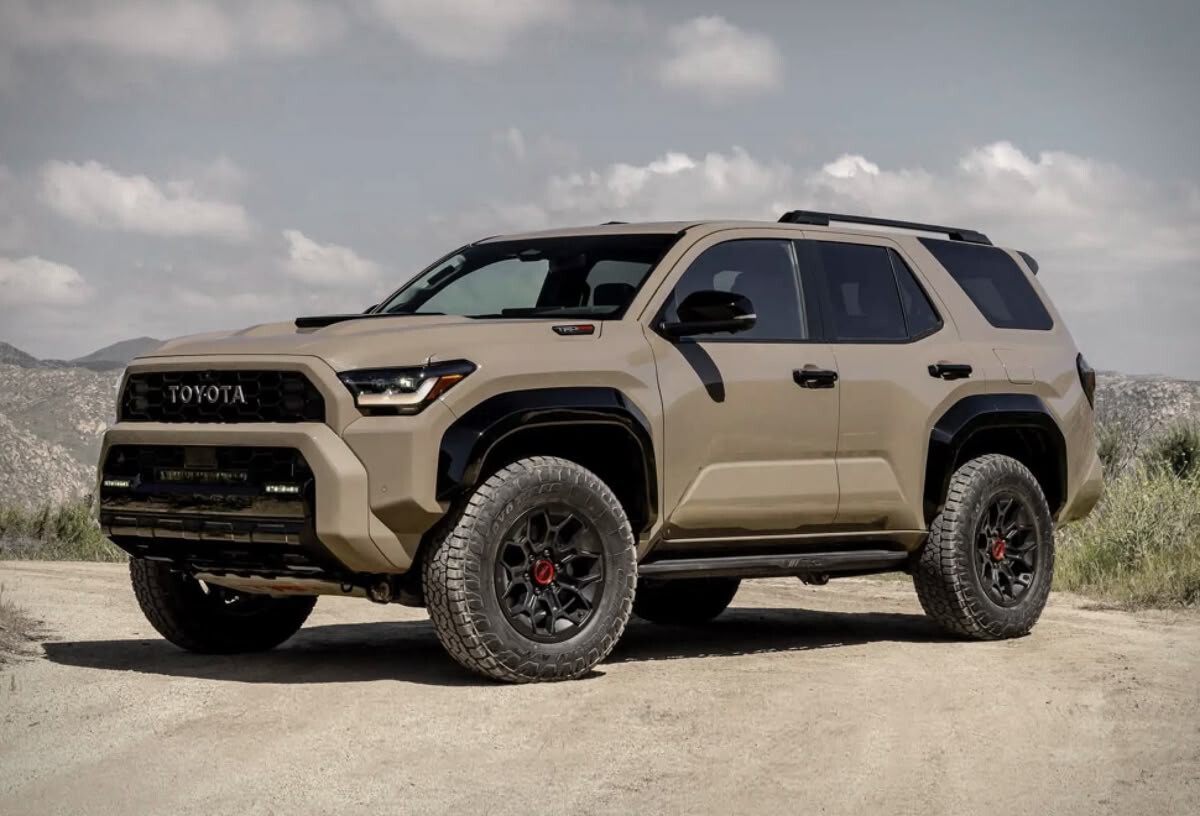
9. Toyota 4Runner
The Toyota 4Runner shares many engineering traits with Toyota’s trucks, making it one of the most reliable vehicles in rust-prone areas. Its body-on-frame construction benefits from Toyota’s high-quality steel and advanced corrosion-resistant coatings, particularly in areas exposed to road salt and moisture.
Owners in northern states frequently report that older 4Runners maintain structurally sound frames and suspension mounts even after years of exposure to harsh winters.
One of the 4Runner’s design advantages is its off-road durability. The frame is engineered to withstand twisting and impacts during rugged driving, which means it resists the structural weakening often caused by corrosion. Critical components such as crossmembers, leaf spring mounts, and frame rails are coated with rust inhibitors, reducing the likelihood of internal rust that can compromise safety over time.
The 4Runner also features improved drainage channels and underbody sealing, allowing water and salt to escape rather than accumulate in the frame. This prevents the early onset of rust in hidden cavities, a common issue in older body-on-frame SUVs. Owners who maintain regular undercarriage washes and apply rust-proofing treatments often see their vehicles remain in excellent structural condition even in salt-heavy regions.
Toyota’s consistent manufacturing quality ensures that coatings are applied uniformly, minimizing weak points where corrosion could begin. Additionally, the 4Runner’s suspension and drivetrain components are designed to tolerate rust-prone environments without premature failure, making it a dependable choice for both off-road adventures and winter road use.
The Toyota 4Runner combines the rugged durability of a body-on-frame SUV with Toyota’s proven corrosion resistance strategies. For buyers in northern and coastal states, it offers a reliable, long-lasting vehicle capable of resisting harsh winter conditions while maintaining safety and structural integrity.
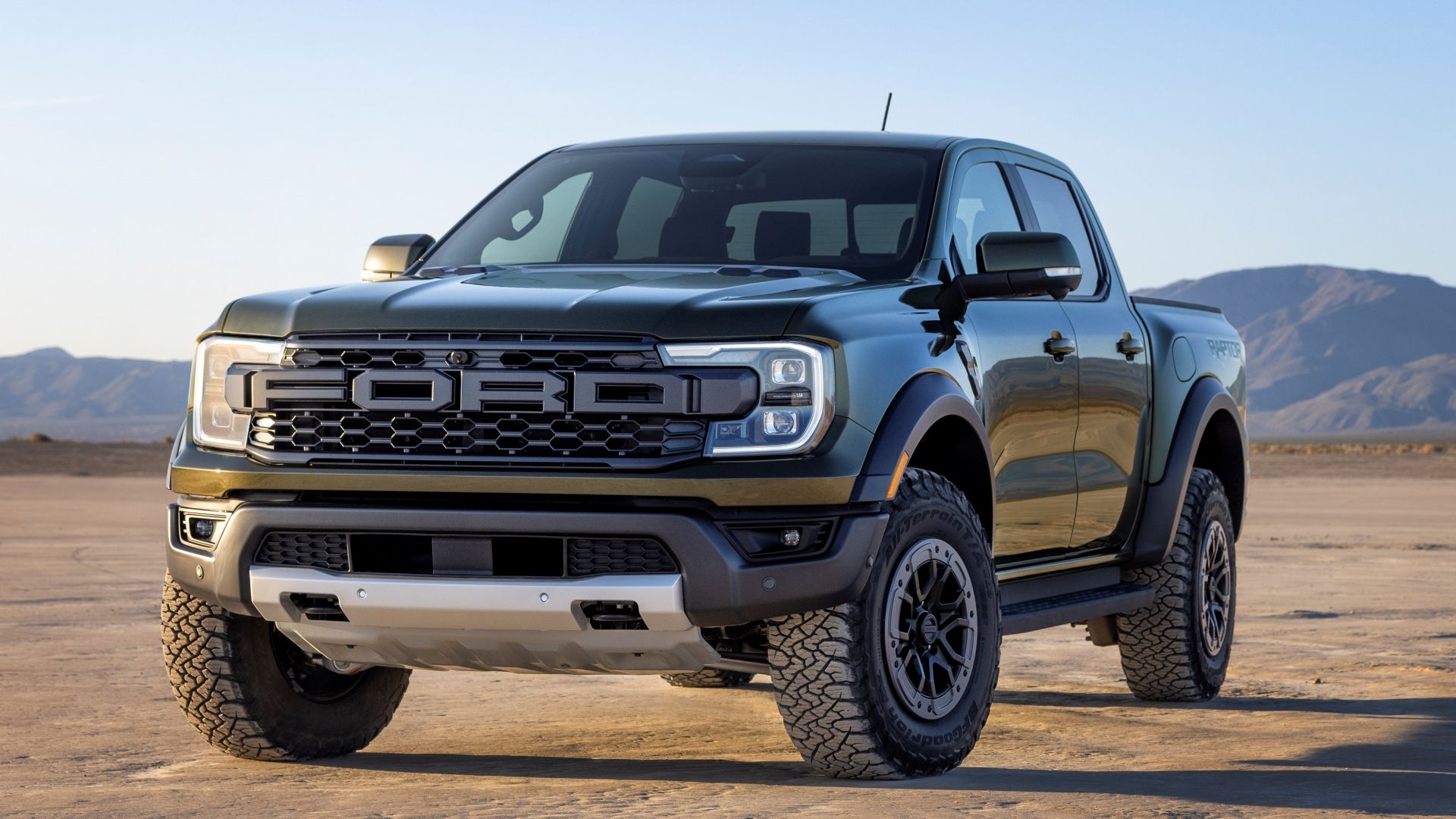
10. Ford Ranger
The modern Ford Ranger, reintroduced to the U.S. market, combines compact dimensions with updated global engineering that emphasizes durability and corrosion resistance.
Its frame uses high-strength steel treated with multiple rust-inhibiting coatings to protect suspension mounts, crossmembers, and other critical areas from the corrosive effects of snow and road salt. These upgrades make the Ranger a strong contender among midsize trucks for northern and coastal climates.
The Ranger’s frame design incorporates thoughtful drainage and sealing to minimize moisture accumulation, which is a leading cause of hidden rust. Owners report that the modern Ranger maintains structural integrity in northern states, even when regularly exposed to slush, salt, and winter debris. This engineering attention ensures that corrosion occurs slowly, primarily limited to superficial surface rust that does not affect the truck’s safety or performance.
Ford also included underbody shielding for vulnerable areas like brake lines, fuel tanks, and the exhaust system. This comprehensive approach to rust prevention enhances the truck’s longevity, reducing maintenance costs and increasing resale value. Compared to older midsize trucks that often succumbed quickly to salt-induced rust, the Ranger’s durability improvements are substantial.
Regular care, such as undercarriage washing after winter and periodic rust-proofing, complements Ford’s factory protections and ensures that the Ranger remains dependable for years. Its compact frame, lightweight design, and modern coatings make it especially resilient, providing confidence for daily use, light towing, and off-road adventures in challenging climates.
The modern Ford Ranger delivers a combination of strength, corrosion resistance, and engineering reliability that makes it a top choice for buyers in harsh winter states. Its thoughtful design, high-quality materials, and rust prevention features ensure long-term performance and safety, even in regions notorious for accelerating corrosion.